The Big Question Behind Extended Warranties
If you’ve ever bought a car, you’ve probably heard the pitch for an extended warranty right before signing the paperwork—and it ain't cheap. They make some good points, and car repairs can get expensive fast, but that's still a lot of money on top of a big purchase. So, should you do it? Well, the honest answer is that extended warranties are not always worth it for every driver or every vehicle.

What An Extended Warranty Actually Is
What people call an extended warranty is usually a vehicle service contract, not a warranty in the strict legal sense. A factory warranty comes with the car and is included in the price, while an extended plan costs extra and starts after some of the original coverage ends. These contracts may come from the automaker, the dealership, or a third-party company. That matters because coverage quality, claims, and repair options can vary a lot.

Factory Coverage Already Does A Lot
Many new cars already come with bumper-to-bumper and powertrain coverage for several years. Automakers often offer limited warranties around 3 years or 36,000 miles and powertrain warranties that may go to 5 years or 60,000 miles, though the exact terms depend on the brand. If you plan to sell or trade the car before that factory coverage ends, paying extra for more protection may not do much for you. In that case, the contract could overlap with coverage you already have.

Why The Sales Pitch Feels So Convincing
Dealers often sell extended warranties by focusing on the fear of a major breakdown, and that fear is not baseless. A bad transmission, turbocharger, infotainment system, or driver-assistance feature can cost thousands to repair. Since repair bills are unpredictable, paying upfront for peace of mind can feel reassuring. That feeling is real, but it still does not automatically mean the contract is a good deal.

Repair Costs Really Can Be High
Cars today are packed with electronics, sensors, cameras, and computer systems that can be expensive to diagnose and fix. Labor rates have also gone up, especially at dealerships. So yes, one big repair after the factory warranty ends can make an extended plan look smart in hindsight. The catch is that you are betting on both the chance of something going wrong and whether the contract will actually cover that problem.

Most Drivers Won’t Use Every Dollar They Pay In
On average, warranty products make money for the companies selling them, which tells you something important. Consumer groups and money experts often point out that many buyers pay more in premiums than they get back in covered repairs. That does not mean nobody benefits, only that the odds are not automatically on the buyer’s side. Like any insurance-style product, the seller prices it so the business comes out ahead over time.

Reliability Should Drive The Decision
If you’re buying a model with a strong reliability history, an extended warranty becomes harder to justify. Data from places like Consumer Reports and J.D. Power regularly show that some brands and models have fewer serious issues than others. If the vehicle has a reputation for costly or frequent problems, the math can lean more toward buying coverage. In other words, the value of the contract depends a lot on the specific car, not just the general idea.

New Cars And Used Cars Are Different Stories
For a brand-new car, you usually have time to research and decide because factory coverage gives you a cushion. For a used car, especially one with high mileage or not much warranty left, the choice gets trickier. A manufacturer-backed certified pre-owned vehicle may already include extra warranty coverage, which can lower the need for another plan. On the other hand, a non-certified used car with an uncertain history may tempt people to buy protection, though that is also where exclusions can matter the most.

Manufacturer Plans Usually Beat Third-Party Plans
If you decide to buy coverage, plans backed by the automaker are often the safer option. They usually have clearer repair rules, better access to brand-specific parts and technicians, and less uncertainty about whether a claim will be approved. Third-party plans can sometimes be cheaper, but they may have tighter rules, weaker reputations, or more complicated payment processes. That does not make all third-party companies bad, but it does mean you should look into them carefully.

Coverage Is Never As All-Inclusive As It Sounds
One of the biggest mistakes buyers make is assuming an extended warranty means everything that breaks gets fixed. In reality, contracts spell out exactly what parts are covered and what is excluded. Wear items, maintenance, cosmetic damage, trim pieces, glass, and some electronics may not be included. Even a plan that sounds comprehensive can have plenty of limits in the fine print.

Deductibles Change The Real Value
A lower upfront price can come with a catch: a deductible every time you go in for a covered repair. Some contracts charge per repair visit, while others may apply deductibles per item repaired. That difference can matter if several covered parts fail at once. Always look at the total possible out-of-pocket cost, not just the sticker price of the plan.
There Are Rules About Maintenance And Documentation
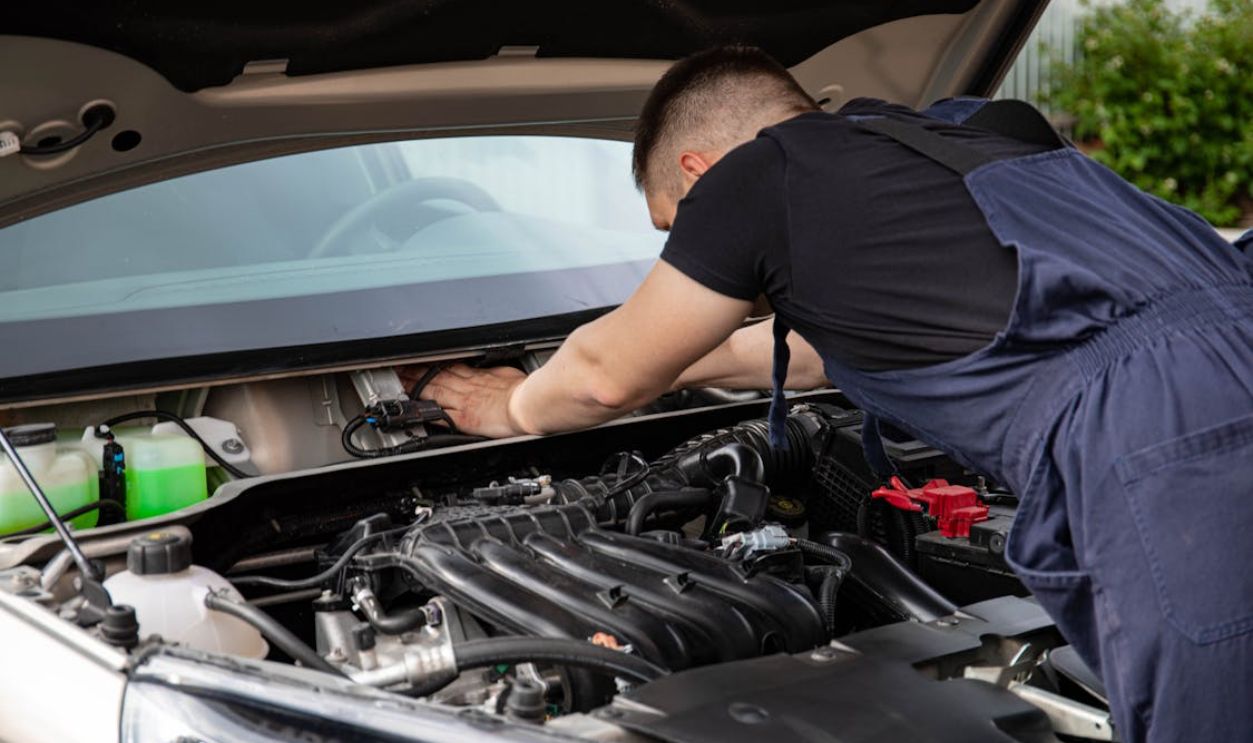
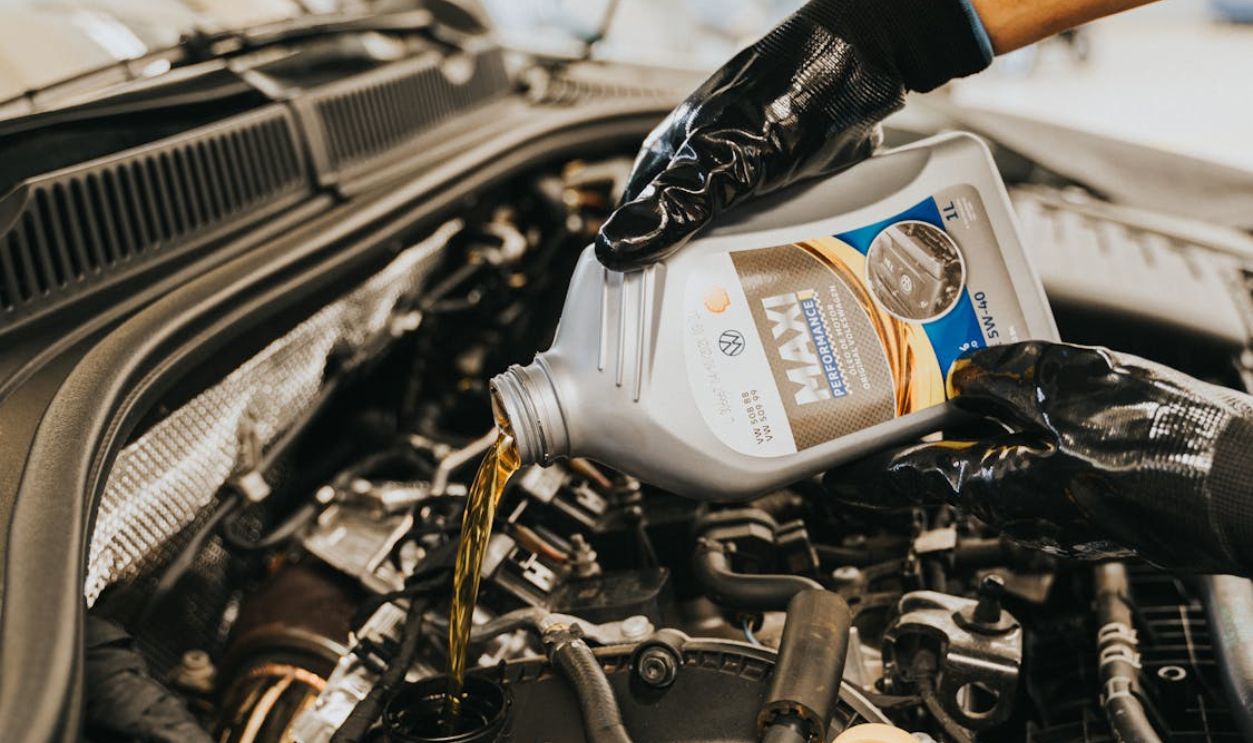
Most service contracts require you to follow the manufacturer’s maintenance schedule. If you skip oil changes, fail to keep service records, or use the vehicle in ways the contract does not allow, a claim might be denied. That means the value of the contract partly depends on how organized you are as an owner. Saving receipts and following service intervals becomes more than just good car care. It becomes part of keeping your coverage valid.
Preexisting Problems Usually Aren’t Covered
This is especially important with used vehicles. If a problem existed before you bought the service contract, the provider may refuse to pay for it. Some companies also require an inspection period or waiting period before coverage starts. So if you’re buying a plan because the car is already acting strange, do not assume the contract will save you.

Cancellation And Refund Policies Matter More Than You’d Think
Some buyers say yes in the finance office and then change their mind later. Many contracts allow cancellation, but the refund terms vary and may be prorated after a certain point. If the warranty cost was rolled into your car loan, canceling may not lower your monthly payment unless the lender adjusts the loan. It can still reduce the balance you owe, but you should understand how that works before signing.

Financing The Warranty Makes It More Expensive
When an extended warranty is added to your car loan, you pay interest on it along with the vehicle. That means a $2,000 contract can cost more over time. This also creates a risk of being upside down on the loan, especially early on. Paying cash for the plan, negotiating the price, or waiting until later can change the math.

You Can Usually Shop Around
Many buyers do not realize extended warranties are often negotiable. Dealer markup can be significant, and some manufacturer-backed plans can be bought from other franchised dealers, sometimes for less. That means the first offer you hear in the finance office is not always the best one. Comparing quotes can make a big difference if you decide coverage is worth buying.

Peace Of Mind Is Real, Even If The Math Is Mixed
There is one reason extended warranties keep selling: some people really do feel better knowing a major repair could be covered. If a surprise $3,000 or $4,000 bill would blow up your budget, a service contract may feel like a safer way to manage risk. In that sense, the product is not just about expected value. It is also about financial stability and lower stress. That benefit is real, as long as you understand what you’re buying.

A Repair Fund Can Be A Strong Alternative
If your car is reliable and you have room in your budget, setting aside money for repairs can be smarter than buying a contract. Even saving the same amount as a warranty payment into a high-yield savings account can build a useful cushion over time. If the car never needs major repairs, you keep the money instead of losing it on an unused contract. This works best for drivers who can handle some uncertainty and already have a solid emergency fund.

Some Owners Are Better Candidates Than Others
Extended warranties can make more sense for people who keep cars for a long time, drive a lot of miles, or own vehicles with expensive repair histories. They may also help buyers who prefer fixed, predictable costs over surprise bills. By contrast, people who lease, trade in often, or buy highly reliable models usually get less value from them. The best fit often comes down to your ownership habits as much as the car itself.
Watch Out For High-Pressure Sales Tactics
If someone says you must buy now or lose the chance forever, slow down. Some automaker-backed plans can be bought before the original warranty expires, and in many cases you have time to compare options. High-pressure tactics are often a sign that the seller is focused on commission, not your needs. Ask for the full contract, not just a brochure or a verbal summary.

Read The Fine Print Like It’s Part Of The Price
The most important pages in any service contract are the ones nobody wants to read. Look for exclusions, deductible rules, claim procedures, rental car coverage, towing benefits, transfer rules, cancellation rights, and repair shop limits. Also check whether the contract pays the repair shop directly or pays you back later. A cheap plan with weak terms can be much less useful than a pricier plan with solid coverage and easy claims.

So, Are They Actually Worth It?
Sometimes yes, often no, and rarely by default. An extended warranty can be worth it if the vehicle has a shaky reliability record, you plan to keep it well past the factory warranty, and the contract is backed by a reputable provider with clear coverage. It is usually less appealing for reliable models, short-term owners, or anyone who can comfortably cover repairs with savings. The smartest move is to run the numbers for your specific car and your own comfort with risk.

The Simple Rule Of Thumb To Use
Before buying, ask yourself four things: How long will I keep the car, how reliable is this model, what exactly is covered, and what would a big repair do to my finances? If you cannot answer all four clearly, you are not ready to say yes. A good extended warranty should hold up under a careful reading, a price comparison, and a hard look at the car’s track record. If it does, it might be worth it. If not, your money may be better off staying in your own account.