The Fear Behind The Touchscreen
Problems with a used car's electronics are a very real worry for used car shoppers these days. Modern vehicles are packed with touchscreens, cameras, sensors, radar units, electric actuators, and software that older cars never had. The question is whether all that tech turns a decent car into a money pit once the factory warranty runs out.

The Short Answer Is Not Quite
Cars with lots of electronics do not automatically become worthless after the warranty ends. What does happen is that complex vehicles can cost more to diagnose and fix as they age. Value usually comes down to the brand, the exact systems involved, parts prices, reliability history, and whether the car still handles the basics well.
What Counts As Electronic Features
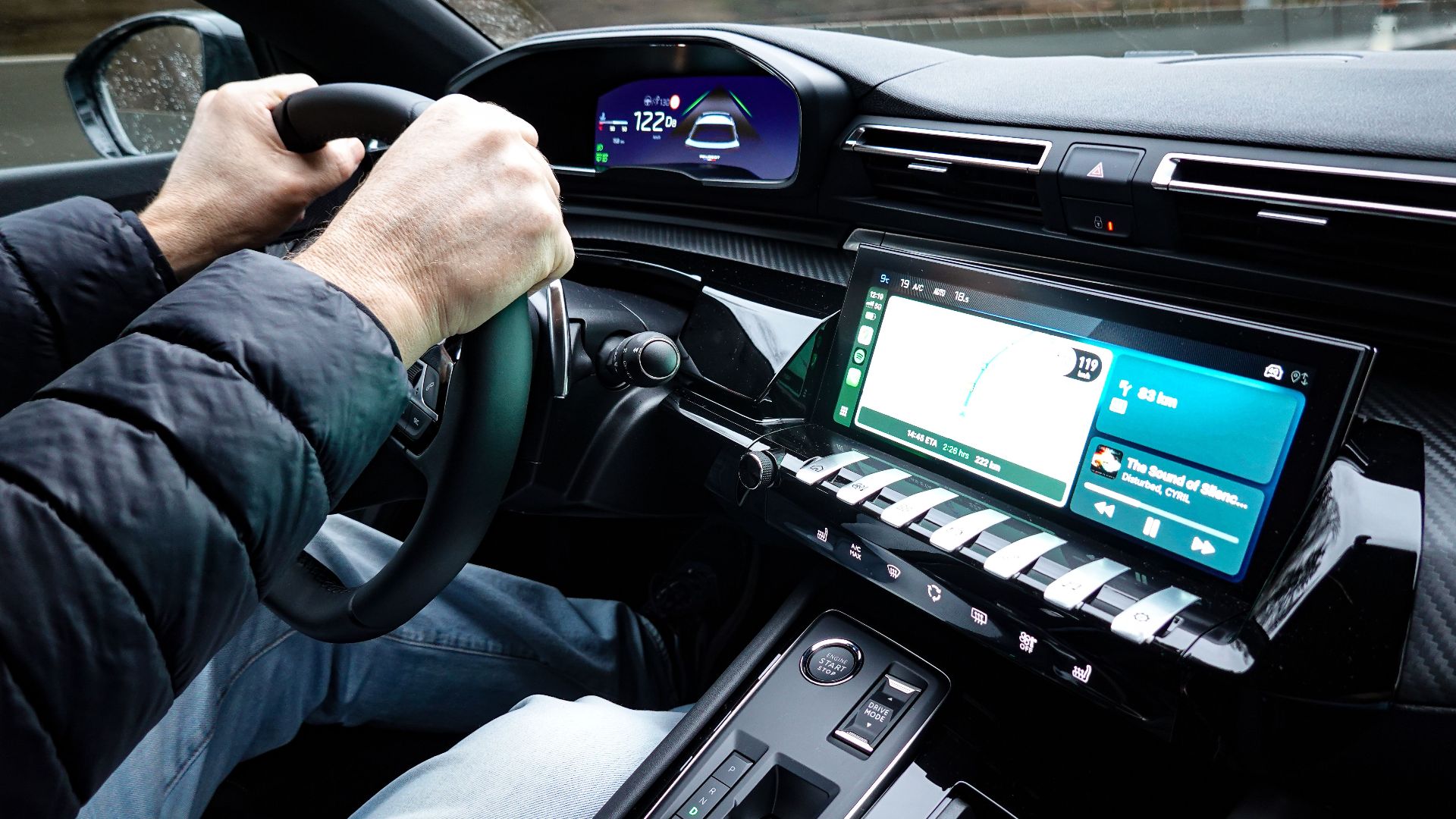
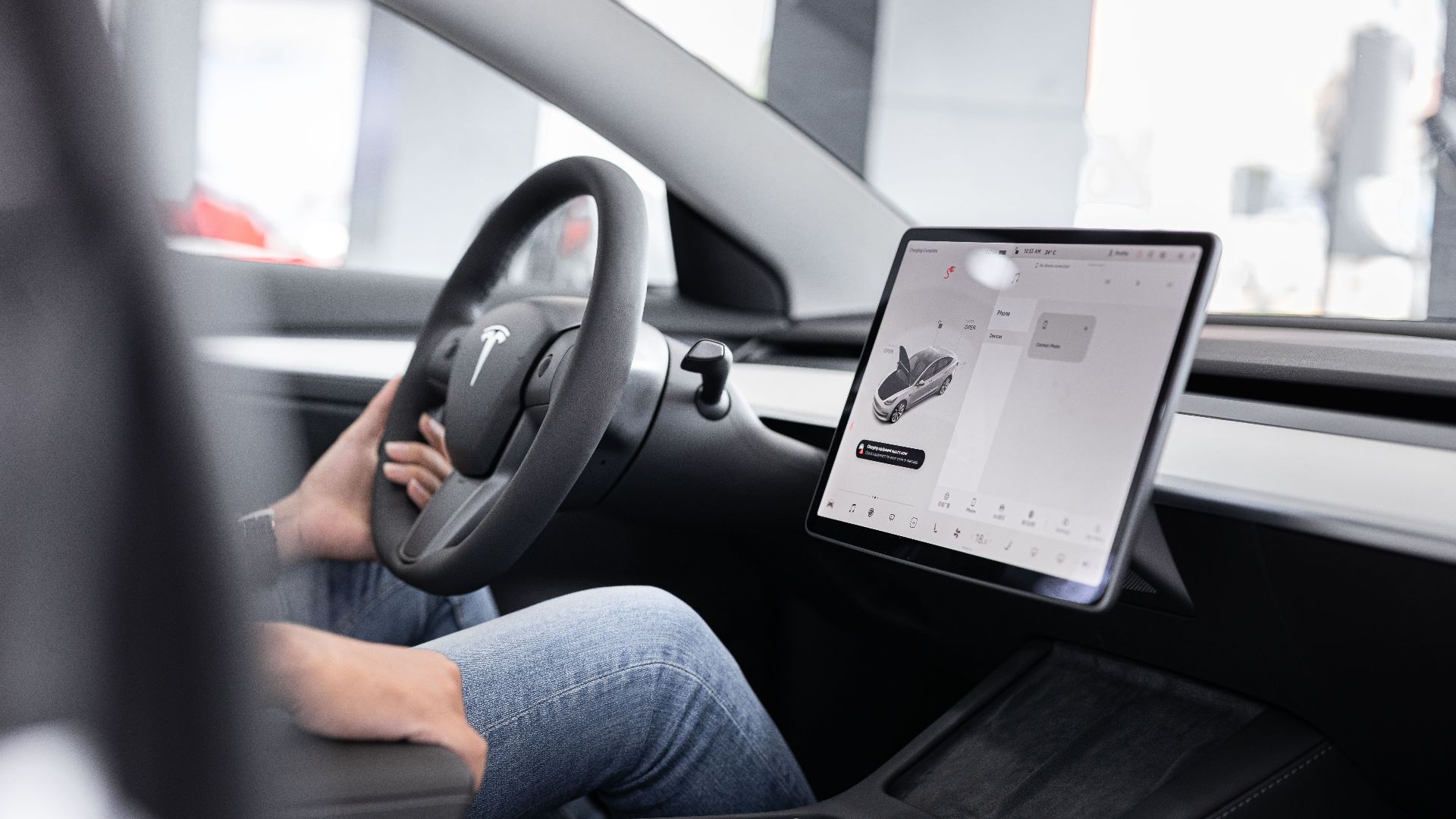
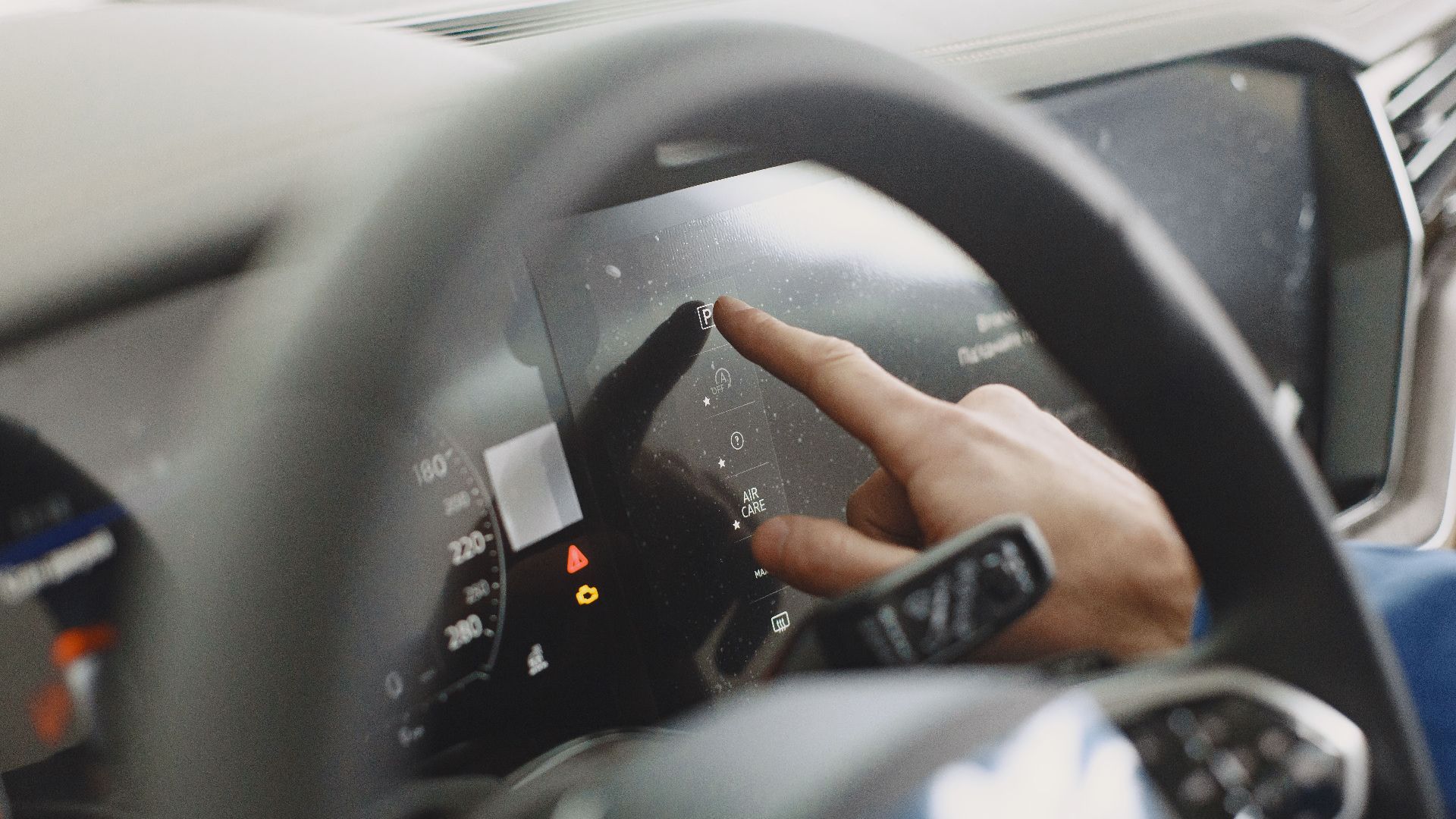
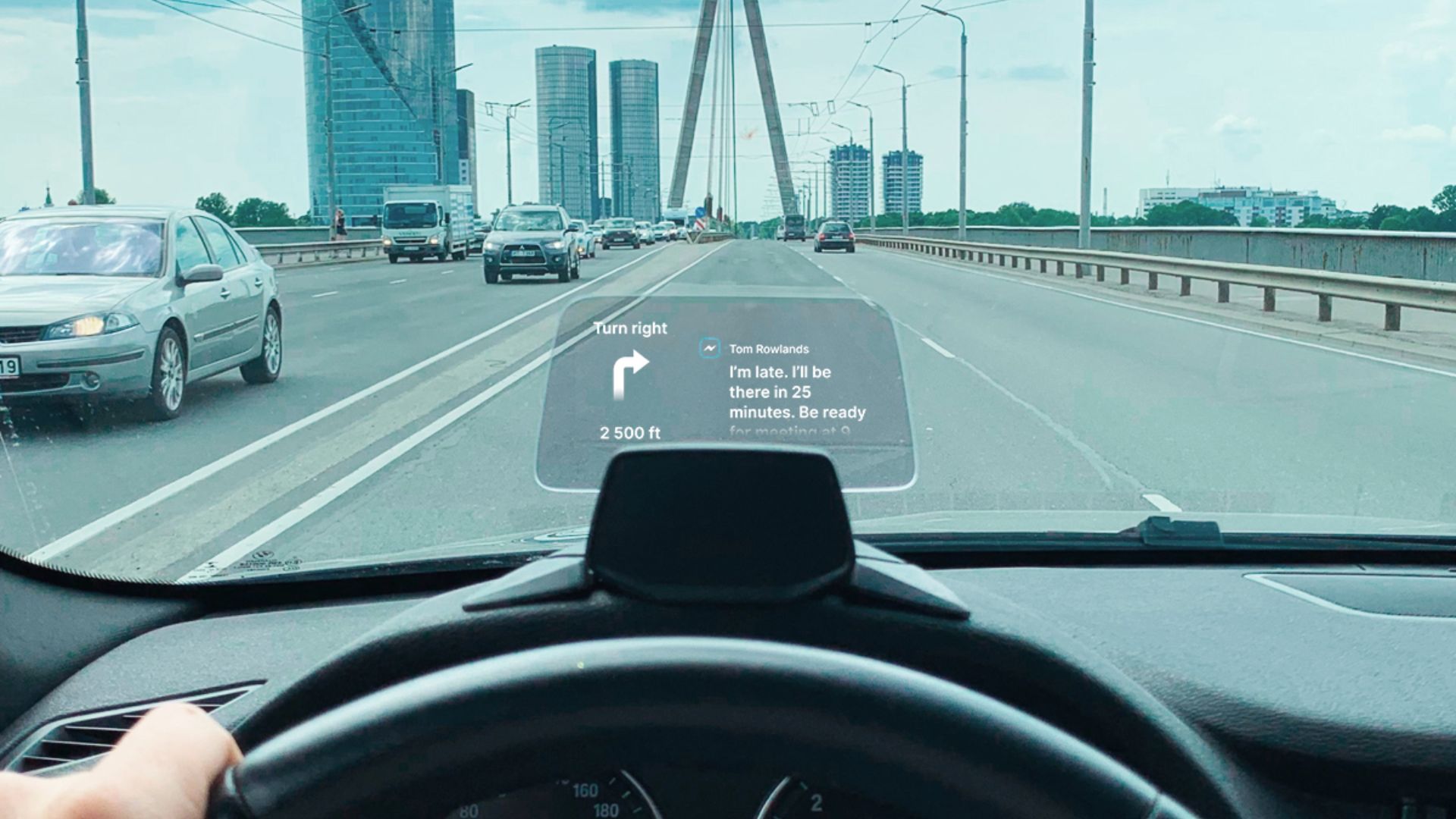
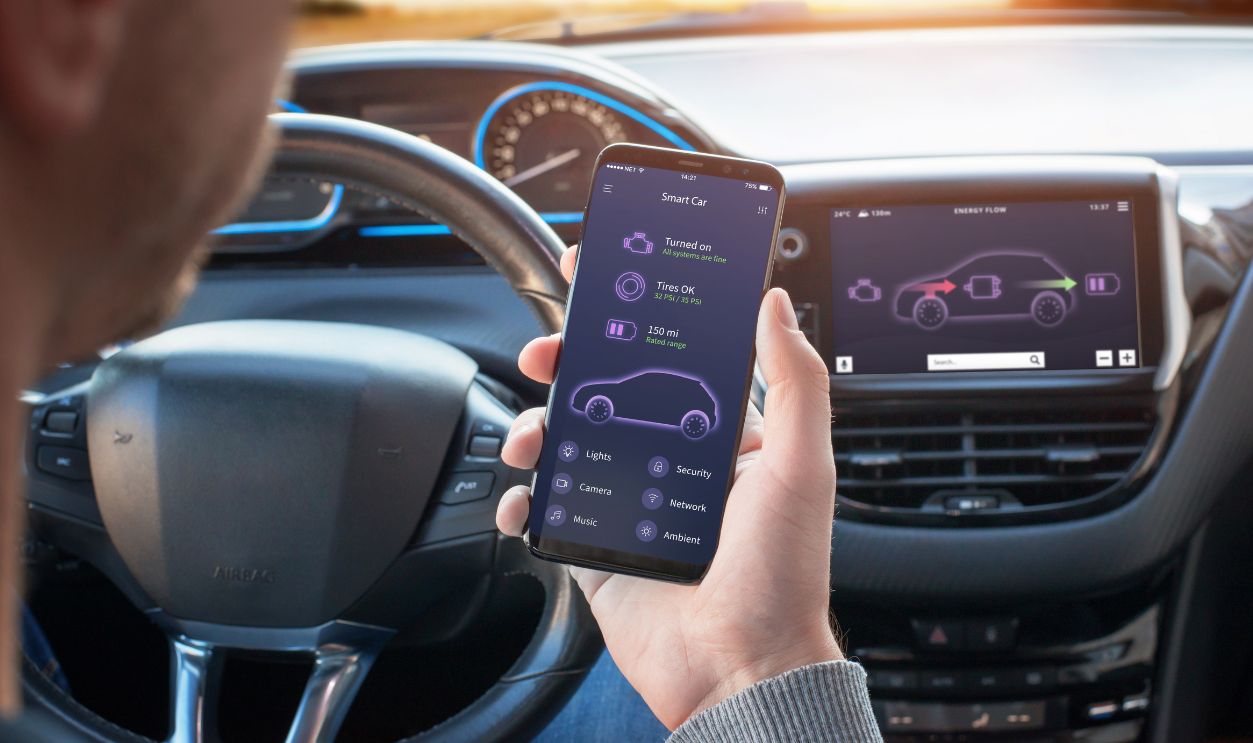
Electronic features include obvious things like infotainment screens, navigation, digital gauge clusters, and power seats. They also include less visible hardware such as control modules, parking sensors, adaptive cruise radar, stability control systems, and camera-based driver aids. In many modern cars, even climate control and gear selection depend heavily on electronics.
Why This Topic Matters More Now
New cars have become far more digital over the last two decades. The Insurance Institute for Highway Safety notes that features like automatic emergency braking and other advanced driver assistance systems spread quickly through the market in the 2010s and 2020s. That means today’s used cars often carry expensive sensors and modules that older used cars never had to worry about.
 Mr.choppers, Wikimedia Commons
Warranty Expiration Is A Psychological Line
When a warranty ends, owners know the next repair bill is on them. That does not mean parts suddenly fail on schedule, but it does change how buyers think about risk. A car with a strong reliability record can stay desirable after warranty, while one known for buggy electronics can lose appeal fast.
What The Data Actually Shows
Consumer Reports has repeatedly found that reliability varies a lot by model and brand, not just by how much tech a car has. Its annual reliability surveys track trouble spots including in-car electronics, power equipment, and advanced safety systems. Some high-tech vehicles score very well, while others stumble because one system or software setup becomes a constant problem.
 Coolomon Tetris (also known as CoolT), Wikimedia Commons
Electronics Can Hurt Reliability Scores
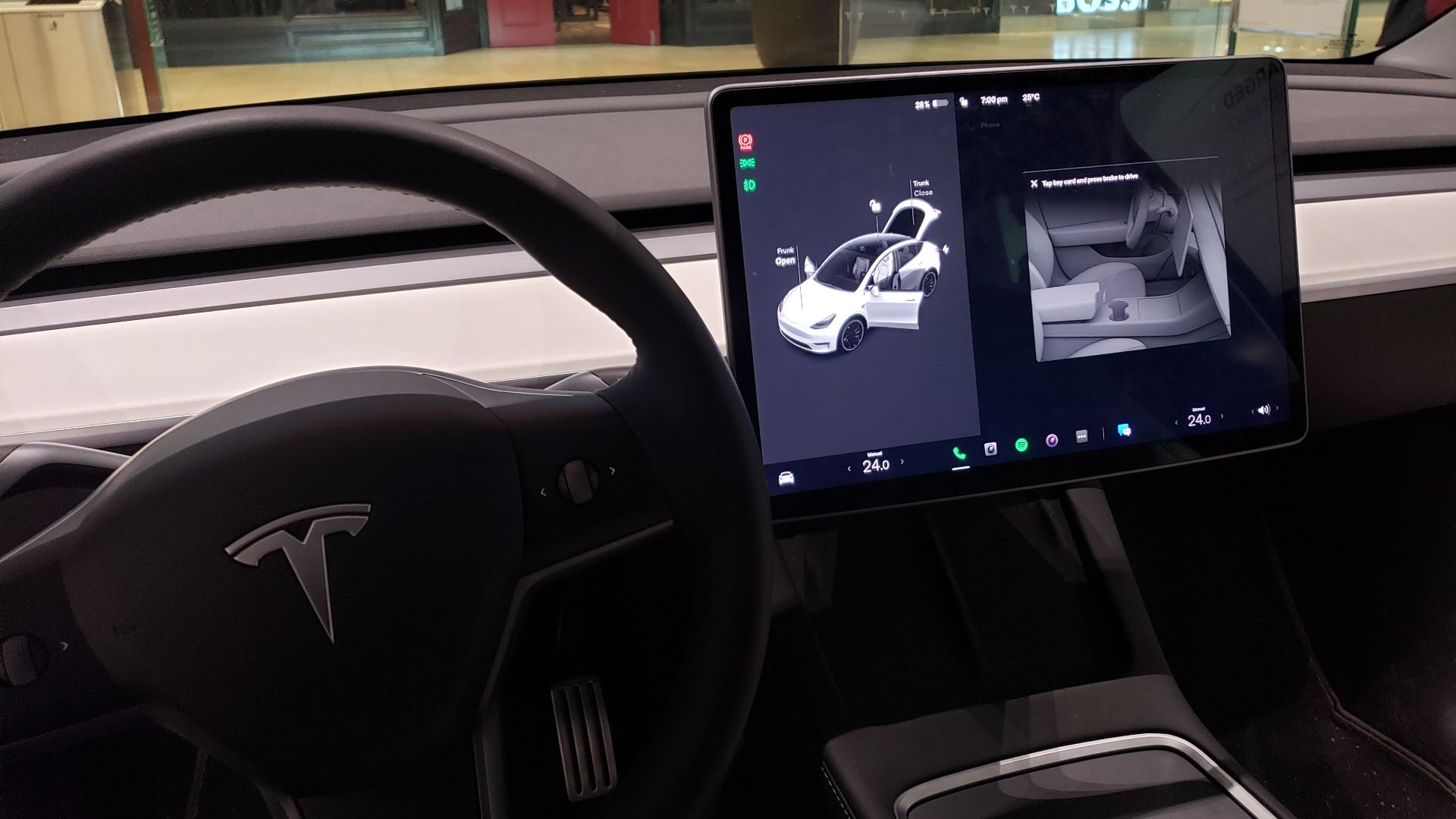
Consumer Reports has specifically pointed to infotainment as a common weak spot in newer vehicles. Screens freezing, Bluetooth issues, backup camera glitches, and buggy menus may not leave a driver stranded, but they do affect owner satisfaction and repair visits. Used car shoppers notice that, especially when they are checking ratings and complaint histories.

But Electronics Are Not The Whole Story
A used car usually becomes truly unattractive when expensive core systems start failing. Engines, transmissions, hybrid batteries, and air suspension can damage resale value far more than a flaky touchscreen. A luxury SUV with perfect software but failing mechanical parts will not hold value better than a mainstream car with an occasional screen reboot.

Repair Costs Are Where Your Friend Has A Point
The painful part of modern electronics is not that every module fails. It is that when something does fail, diagnosis can take time and replacement parts can be expensive. A radar sensor, camera assembly, electronic steering rack, or digital display can cost much more than the simpler parts they replaced.

Calibration Changed The Game
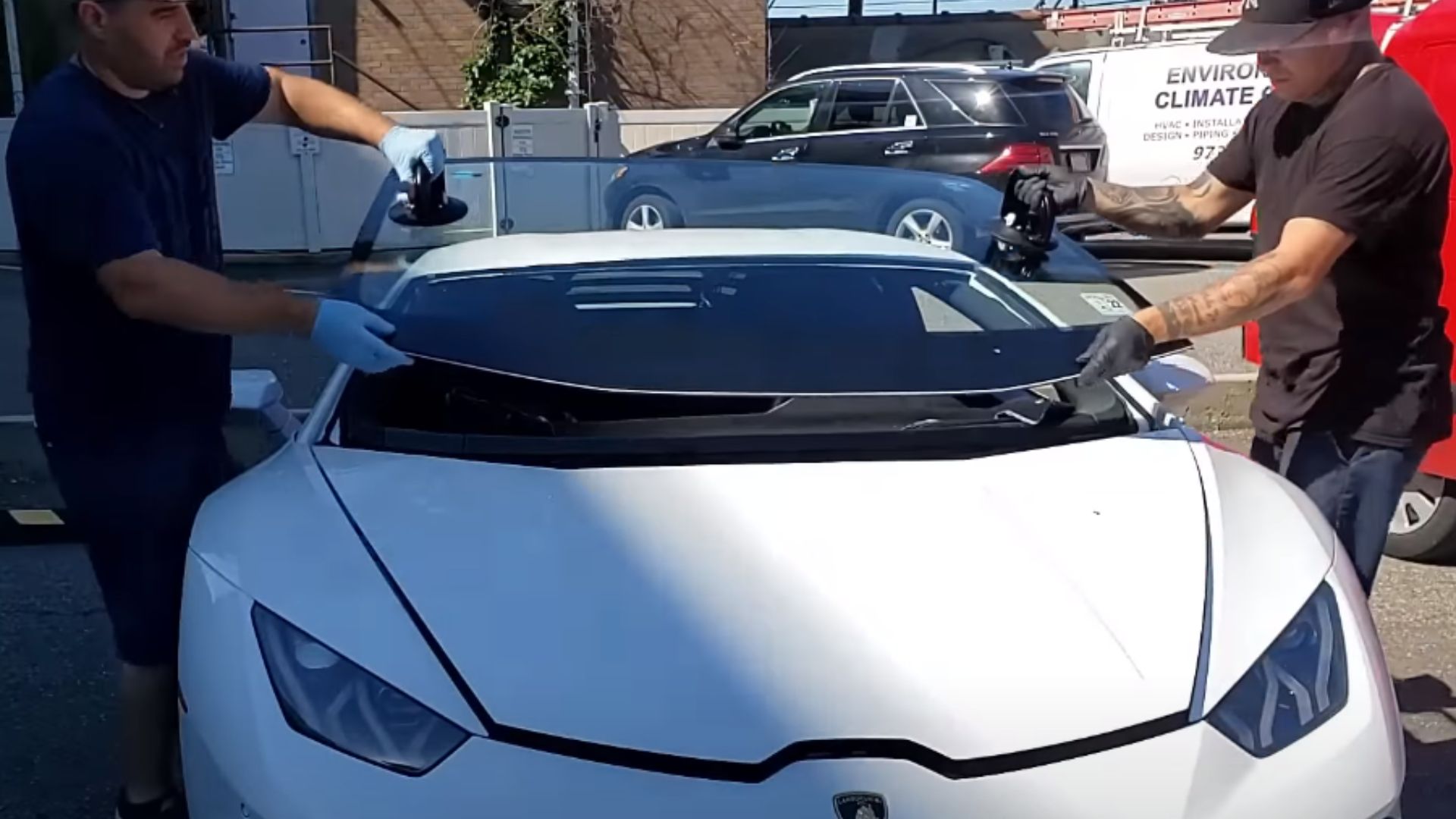
One of the less obvious costs in modern car ownership is calibration. After replacing a windshield, bumper, camera, or radar-related part, many vehicles need precise recalibration of driver assistance systems. The National Highway Traffic Safety Administration has documented the rapid spread of these systems, and the service work around them has become a real cost factor in collision and repair jobs.
 Jorgeelmv64, Wikimedia Commons
Minor Crashes Can Become Major Bills
This is one reason tech-heavy cars make second or third owners nervous. A small parking lot bump that once meant paint and plastic can now involve sensors, brackets, wiring, and recalibration. The car is not worthless, but the math changes in a way older vehicles never had to deal with.
 Shuets Udono, Wikimedia Commons
Who Started Tracking This Trend
Insurers and safety agencies were among the first groups to measure how modern safety tech changes repair costs. The Highway Loss Data Institute, which is tied to IIHS, has published research showing that some advanced driver assistance features reduce crash frequency but can also raise repair costs when crashes do happen. That tradeoff sits at the center of this debate.

Safer Does Not Always Mean Cheaper To Own
That is the twist. Automatic emergency braking, blind spot monitoring, and lane keeping can help prevent accidents, and that is a real benefit. But if the car does get hit, replacing the hardware behind those features can be expensive, especially long after the warranty is gone.
Luxury Cars Prove The Rule Fast
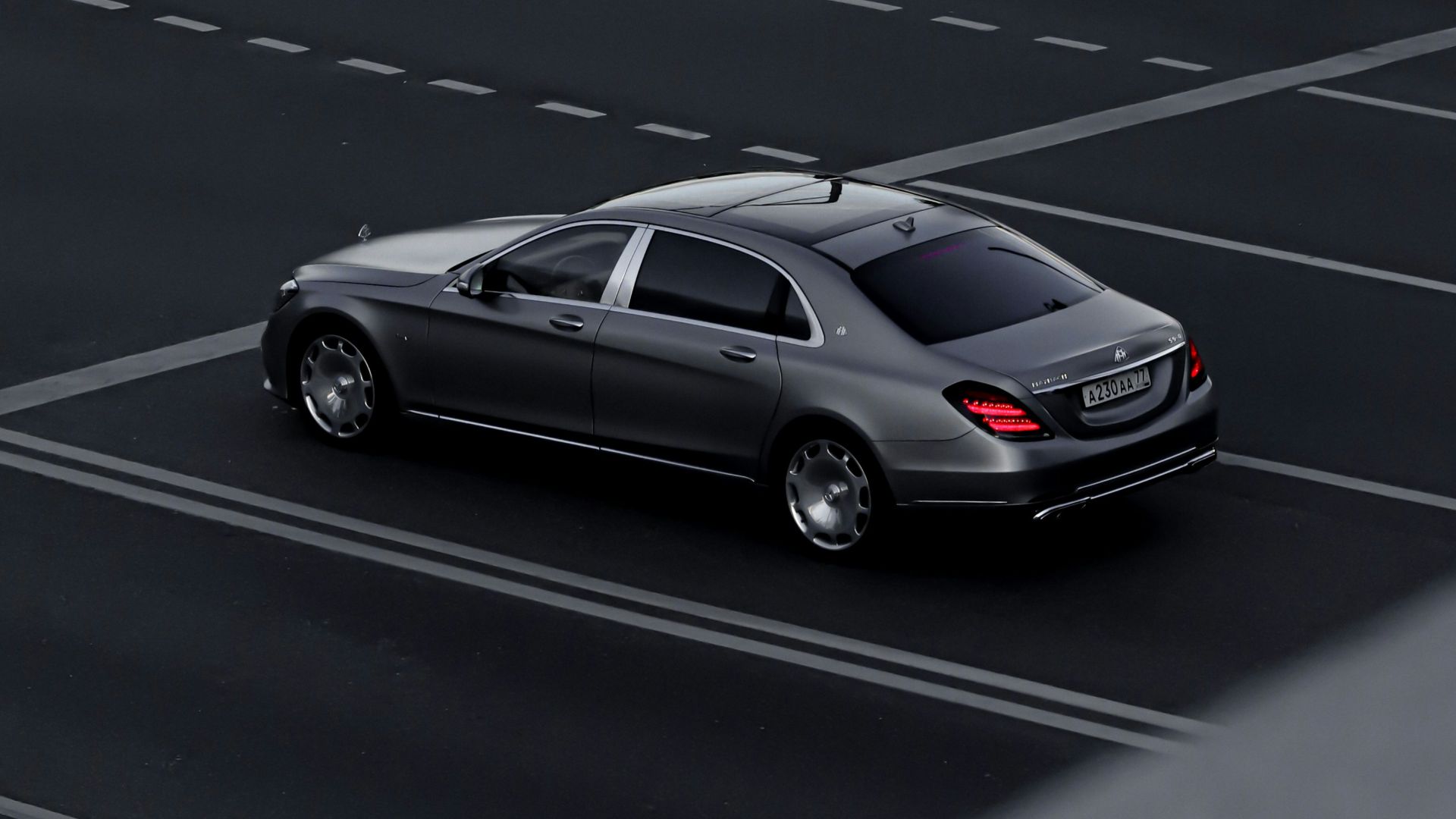
If your friend is thinking about aging luxury sedans and SUVs, he is onto something. These vehicles often combine lots of electronics with expensive brand-specific parts, dealer-level programming, and features that were cutting edge when new. Once depreciation hits and the warranty ends, repair costs can feel wildly out of step with the car’s market value.
 BuickCentury04, Wikimedia Commons
Mainstream Cars Usually Age Better
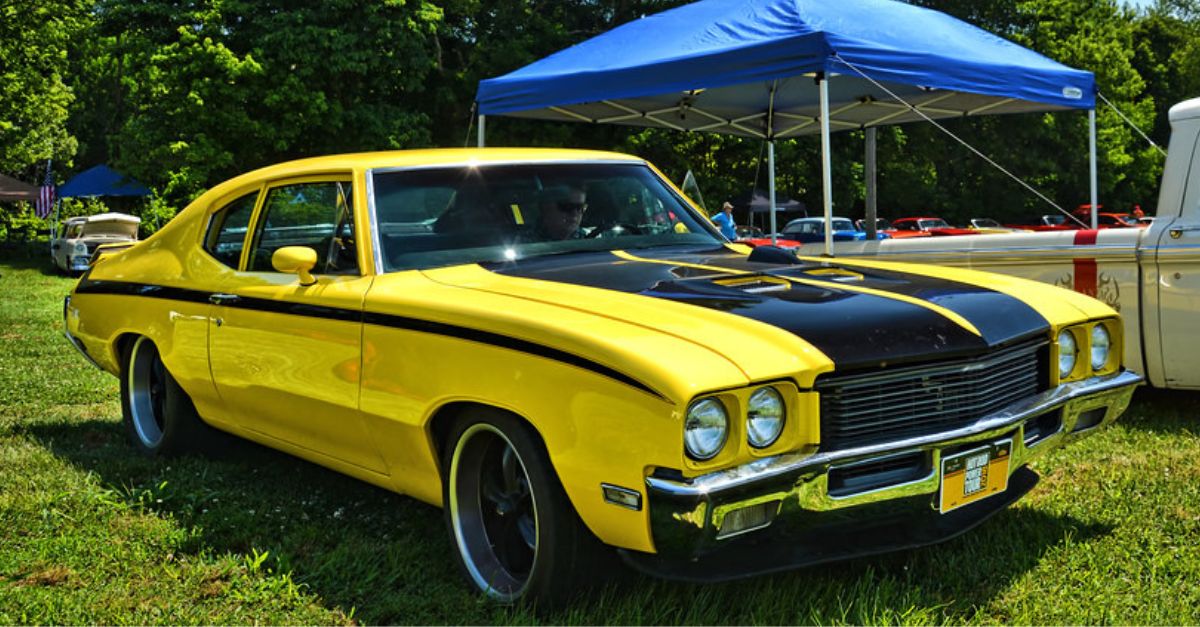
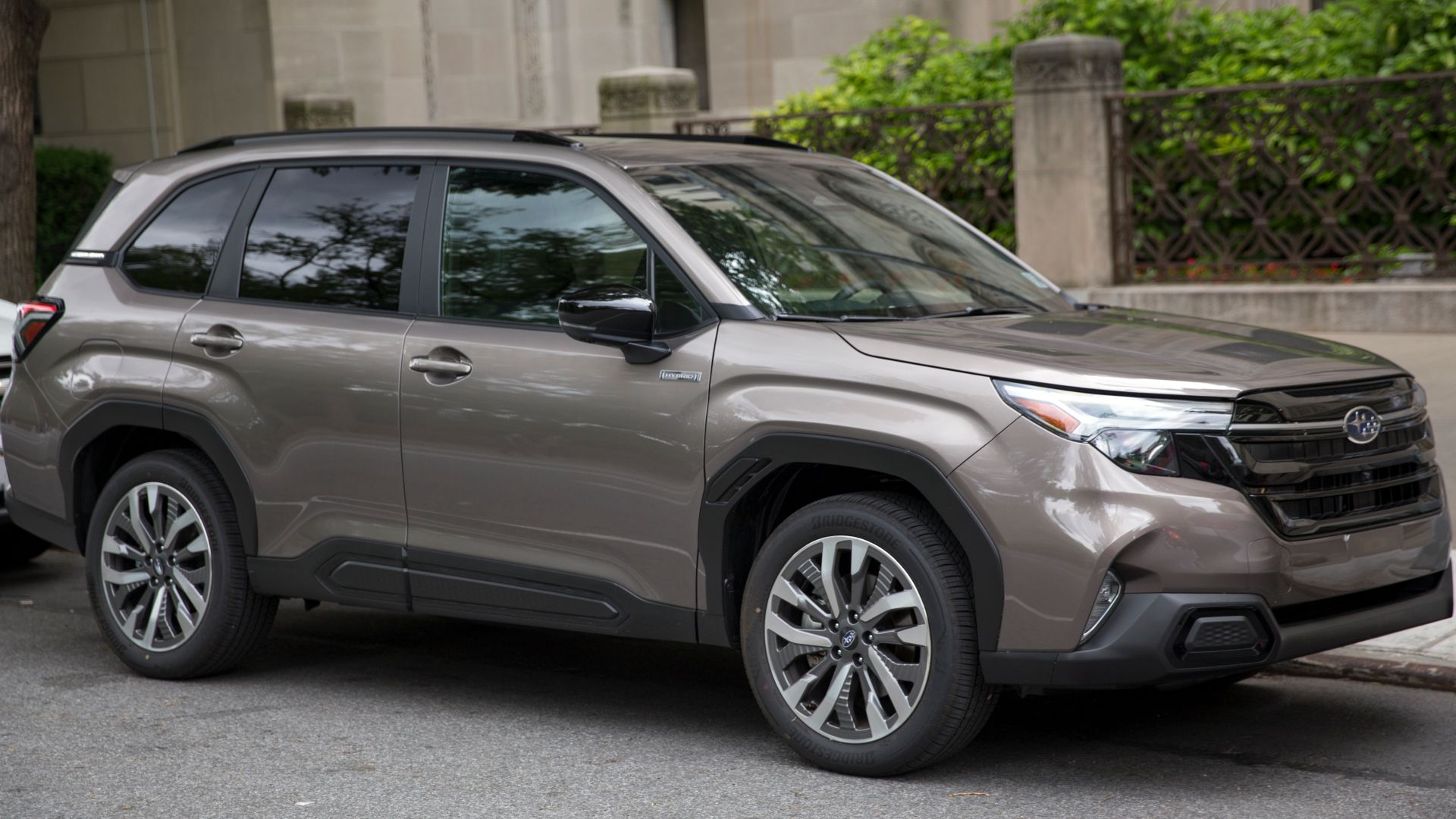
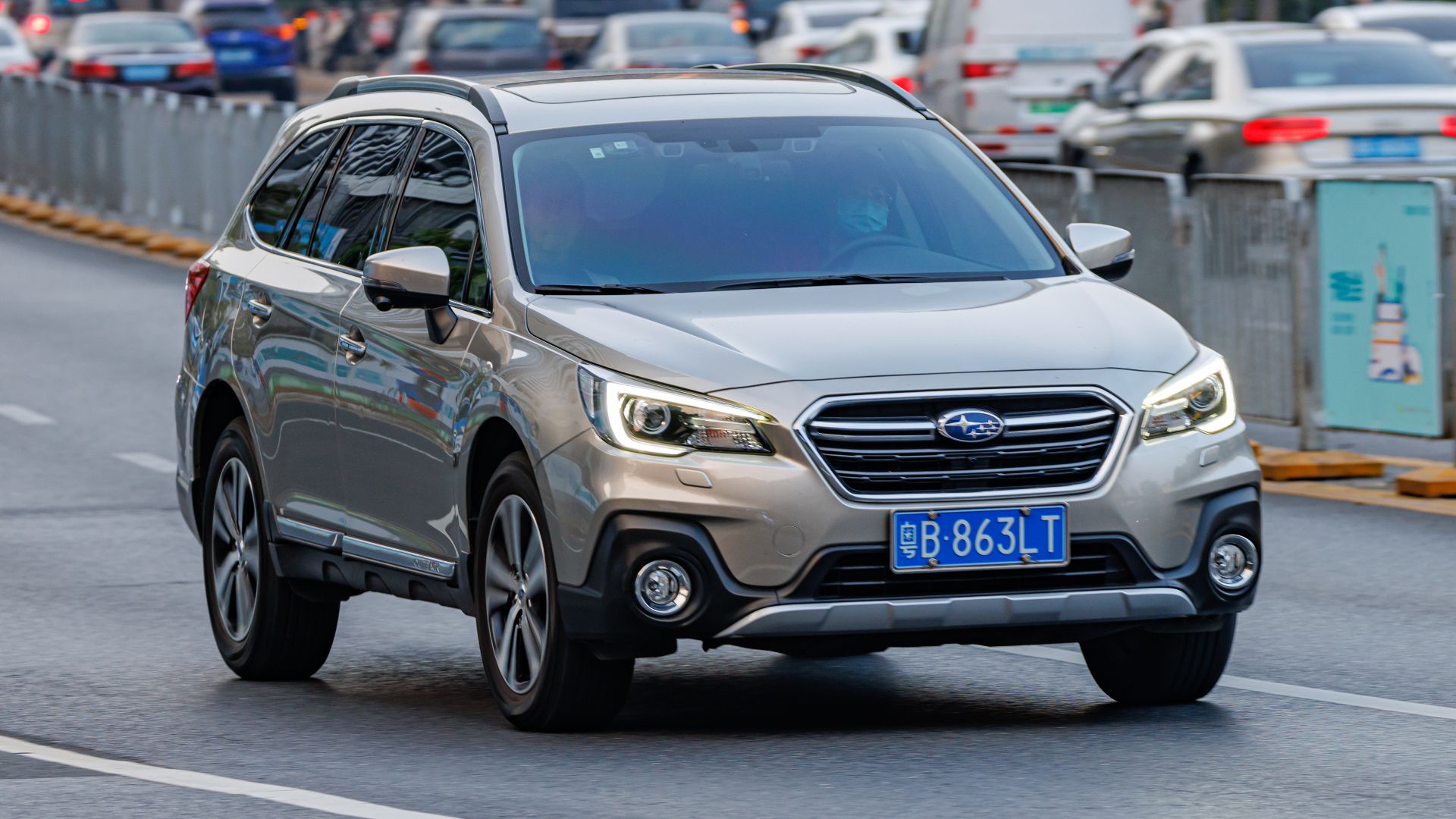
A Toyota RAV4, Honda CR-V, or Subaru Outback with electronic features is not automatically doomed after warranty. Mainstream models often benefit from bigger parts networks, more independent shop experience, and stronger long-term demand. Even if an infotainment unit or sensor eventually needs work, the car may still hold practical value because the vehicle itself remains useful.
 Dinkun Chen, Wikimedia Commons
EVs Add A New Layer
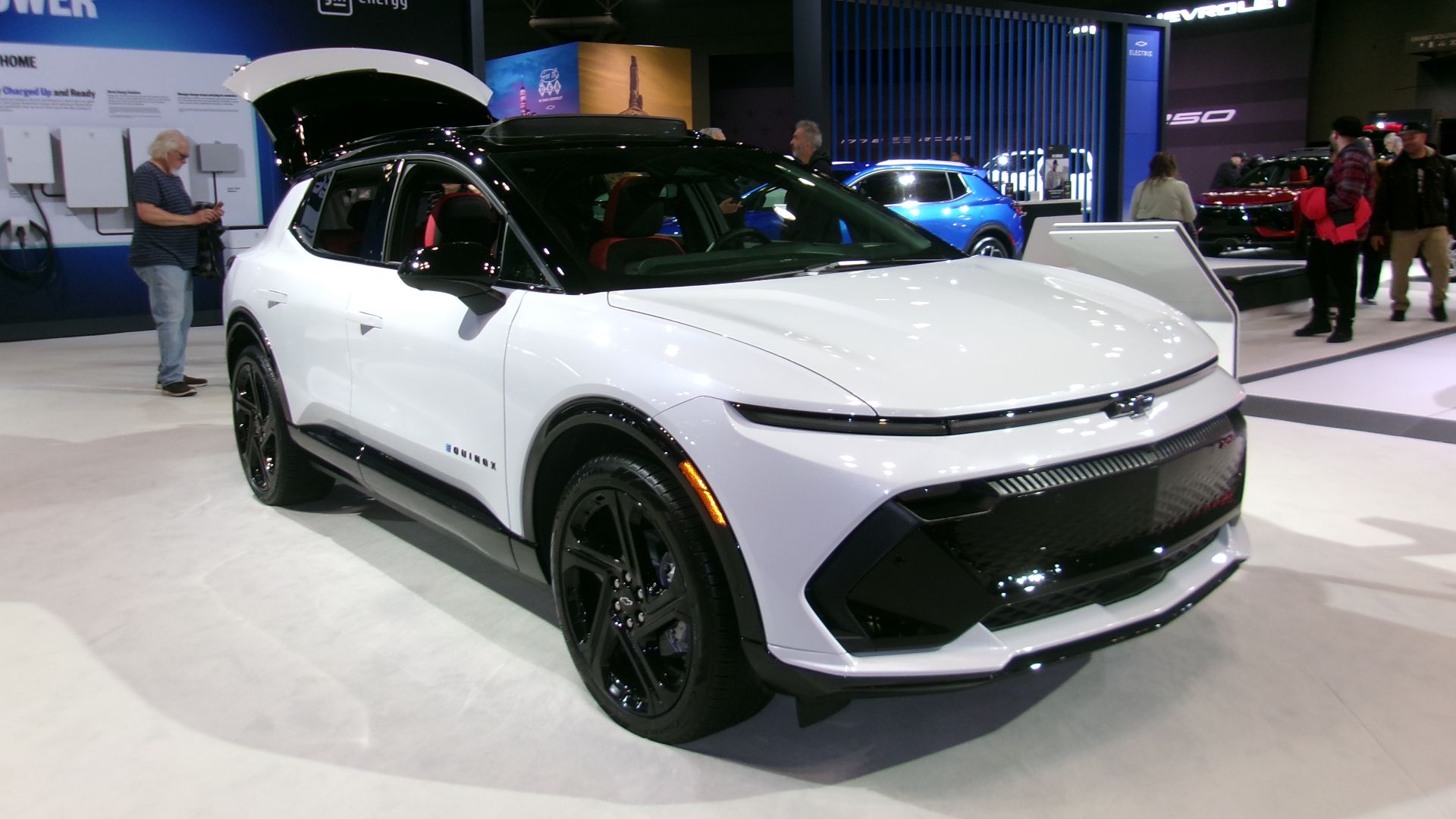
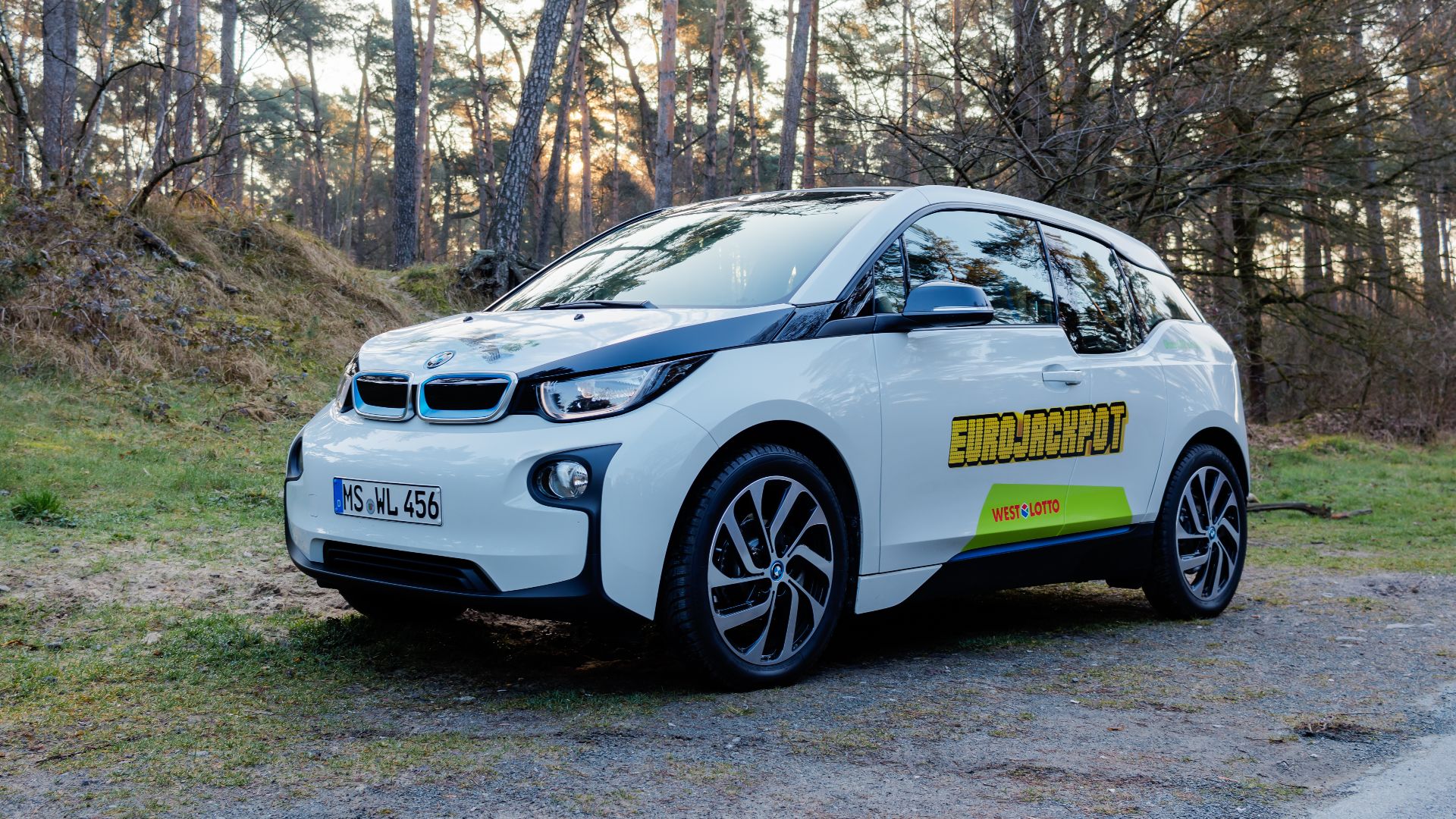
Electric vehicles are full of software and power electronics, so they come up in this conversation quickly. At the same time, EVs have fewer moving mechanical parts than gas-powered vehicles. The result is mixed: some electronic or battery-related repairs can be very expensive, but routine maintenance can be lower.
 Dietmar Rabich, Wikimedia Commons
Battery Warranties Complicate The Picture
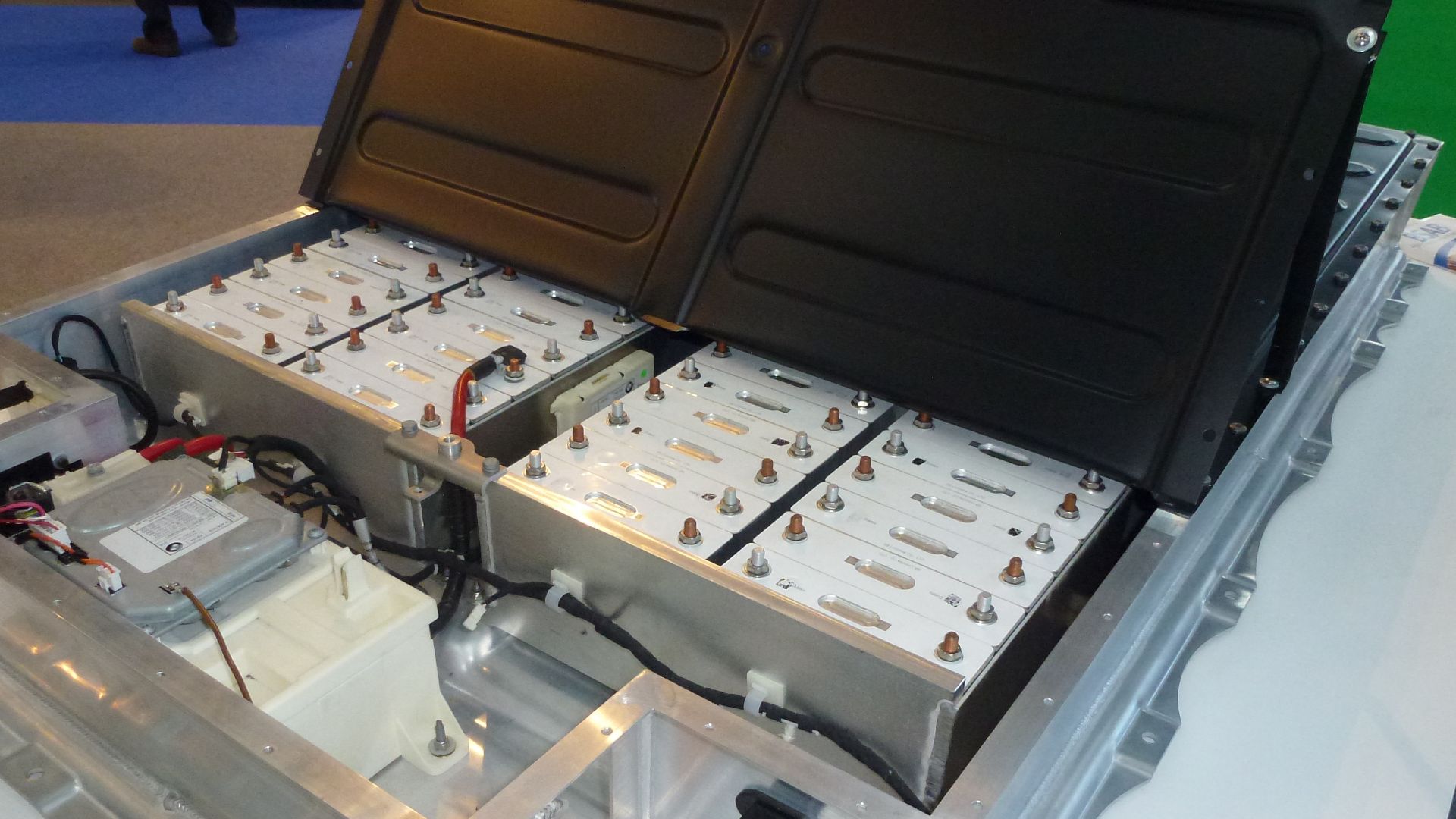
Federal rules require automakers to cover certain emissions-related components for set periods, and EV battery warranties are usually longer than bumper-to-bumper coverage. Many manufacturers offer eight years or around 100,000 miles for battery-related coverage, with some variation by model and market. That means the most expensive EV component often stays protected long after the rest of the car’s general warranty has ended.
 RudolfSimon, Wikimedia Commons
Software Problems Are Sometimes Fixable Cheaply
Not every electronic issue turns into a giant repair bill. Some bugs are fixed through software updates, technical service bulletins, or known solutions that independent specialists can handle. In those cases, a high-tech car may age better than people expect.
Parts Availability Matters More Than Screens
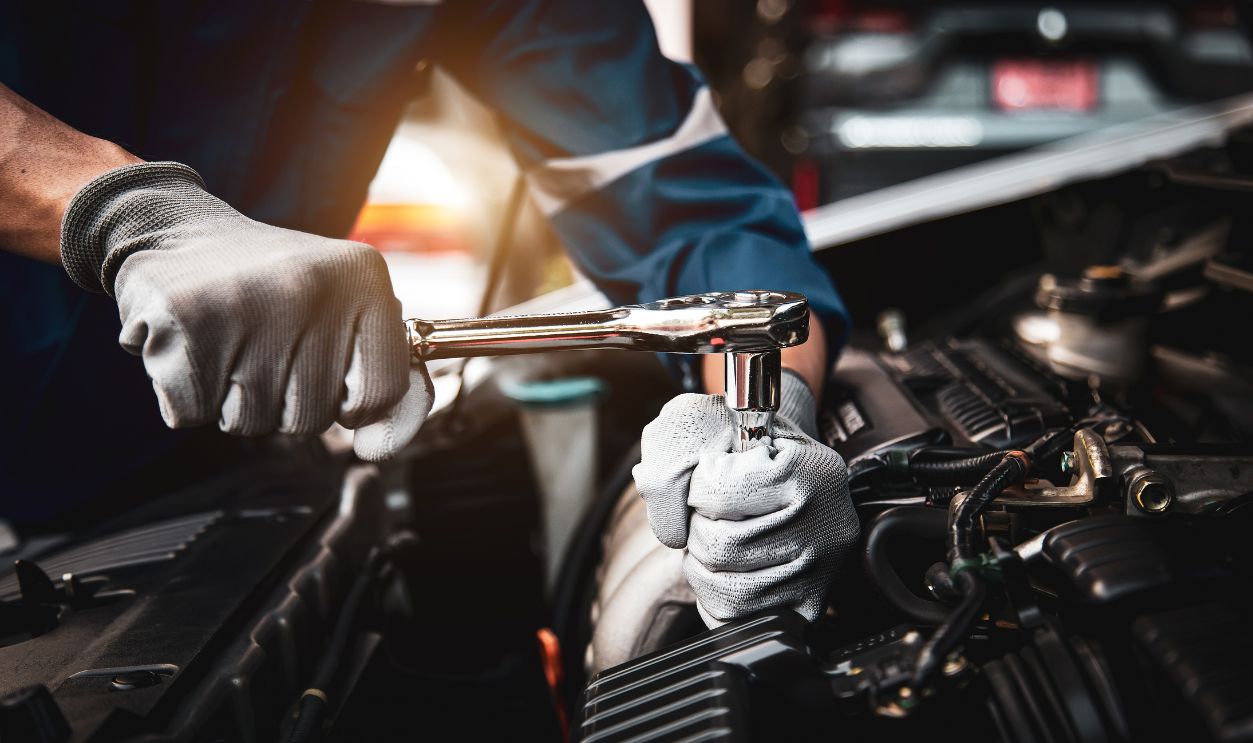
The real long-term problem is often parts availability, not just complexity. If a control module, display, or sensor becomes hard to find or depends on manufacturer-only programming, owners can face long waits and high prices. A car with strong aftermarket and recycled parts support is usually a much safer bet after warranty.
 Eakrin Rasadonyindee, Shutterstock
Depreciation Already Prices In The Risk
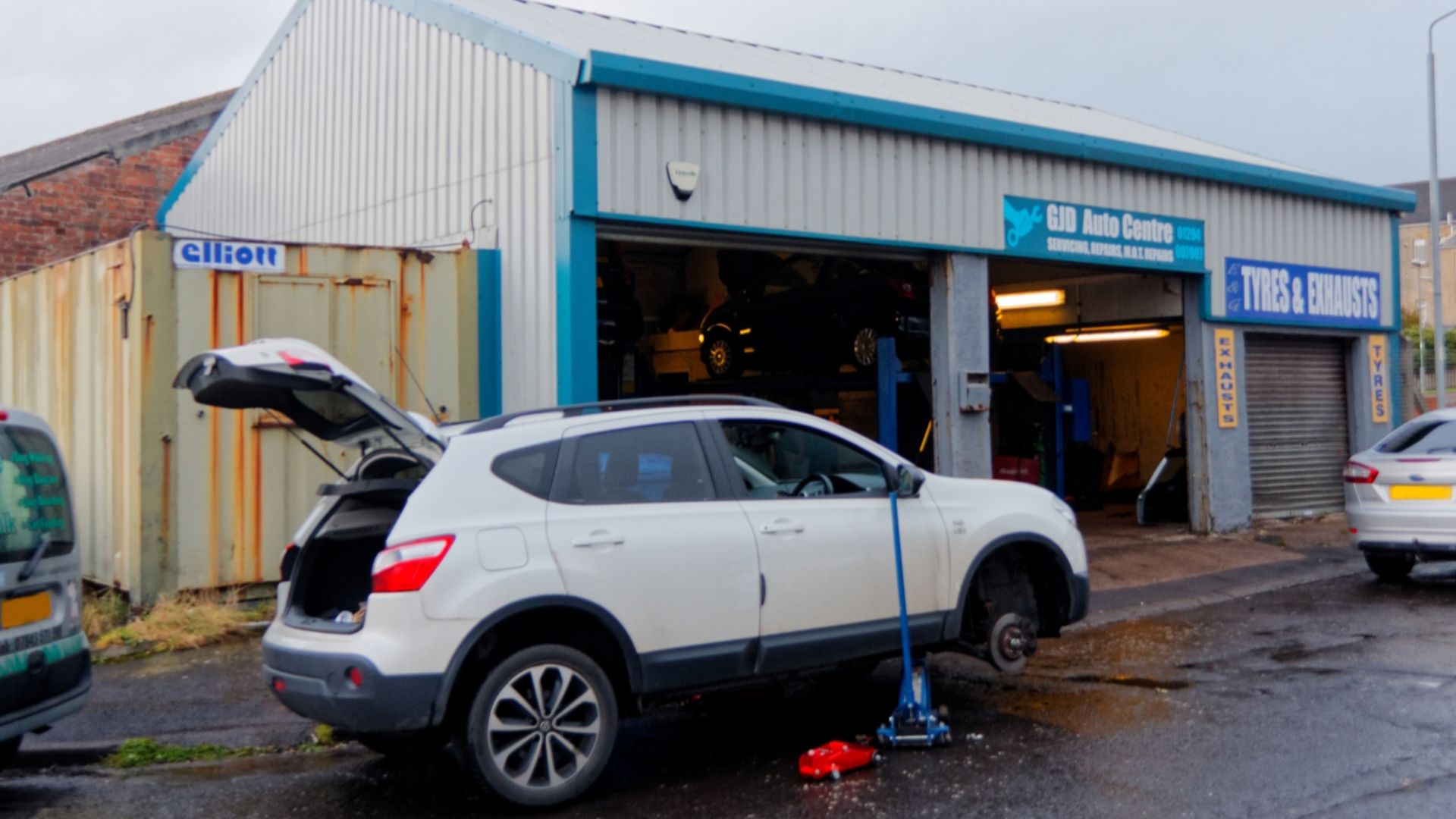
The market is not ignoring this issue. Used buyers know that an older German luxury car with soft-close doors, active suspension, and a dozen control modules carries more risk than a simpler sedan. That is one reason many complicated vehicles lose value quickly early on, even when they still look tempting.
 Ian Rainey , Wikimedia Commons
Worthless Is Usually The Wrong Word
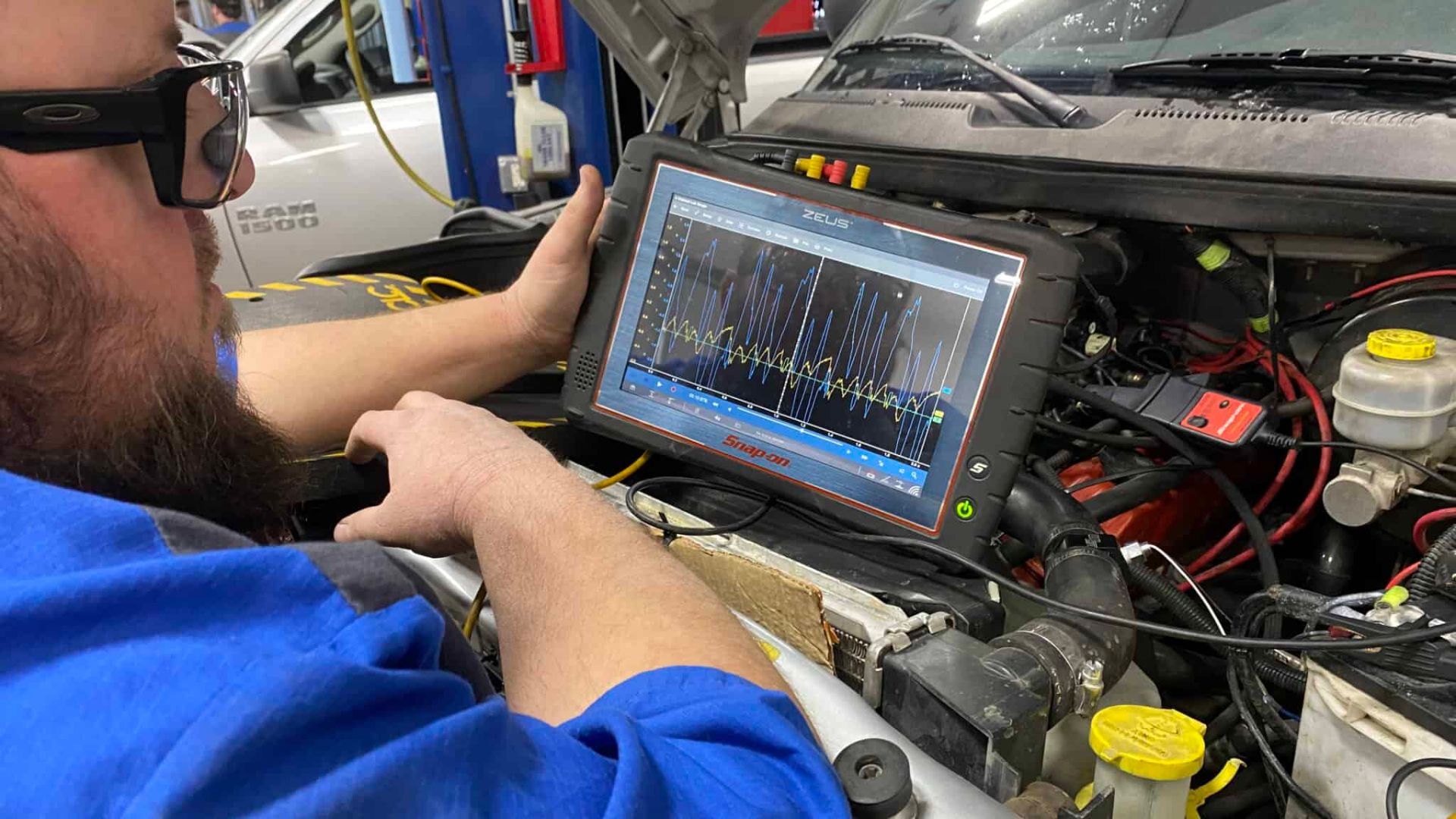
Very few modern cars become literally worthless just because they have electronics. More often, they reach a point where one repair estimate is higher than what the owner thinks the car is worth. At that point, fixing it may not make financial sense, but that is different from saying every tech-heavy car is doomed.
 Modern Auto Service: Advanced Vehicle Diagnostics in Fruitland, ID, Wikimedia Commons
Reliability Rankings Tell A Better Story
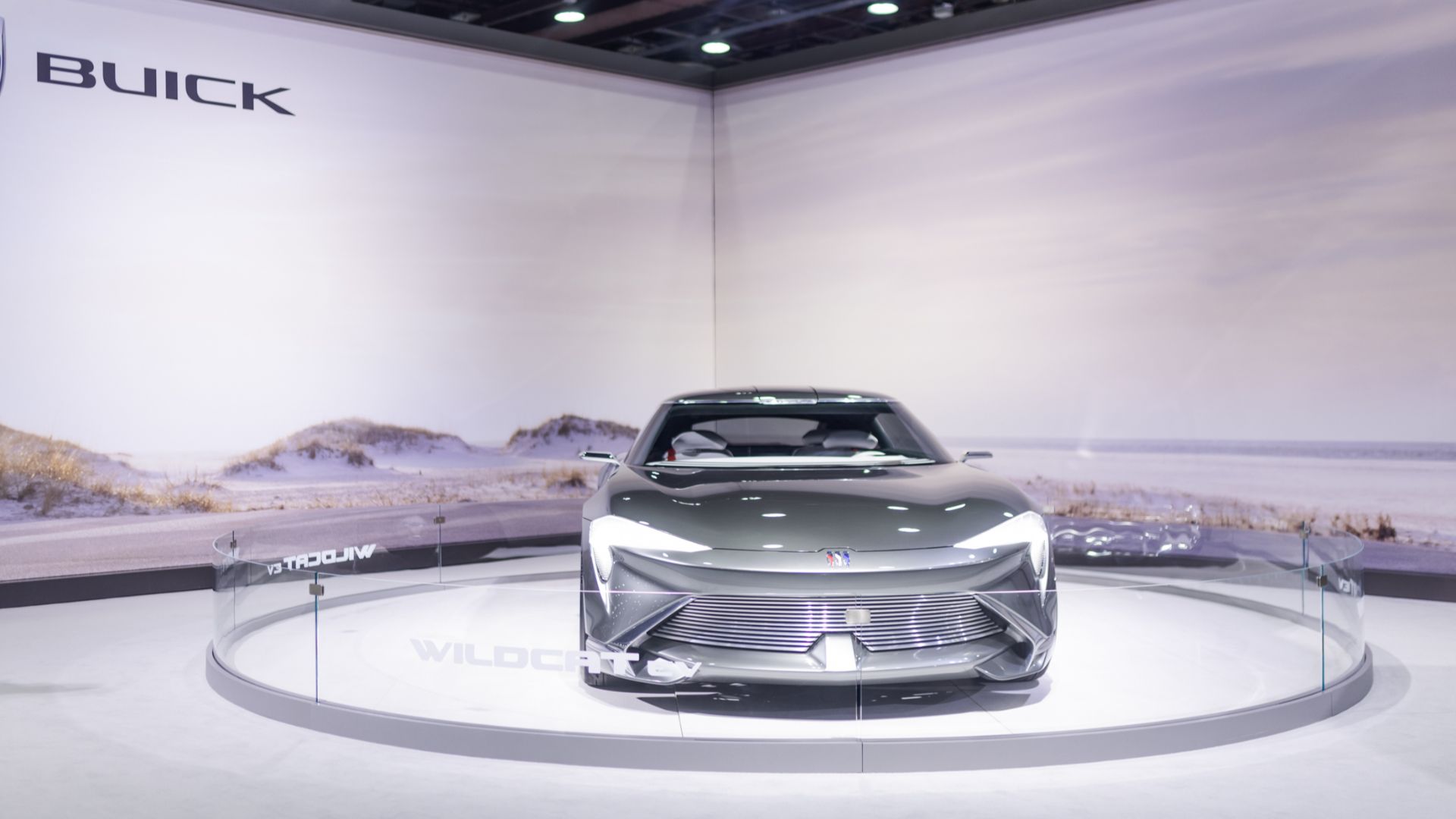
If you want to know whether a specific used car is a trap, broad claims about electronics will only get you so far. Model-specific reliability data from Consumer Reports, J.D. Power dependability studies, owner forums, and recall records from NHTSA are much more useful. The details matter because one solid model line can sit right next to a disaster from the same brand.
 City of Detroit, Wikimedia Commons
Recalls And Service Campaigns Deserve A Close Look
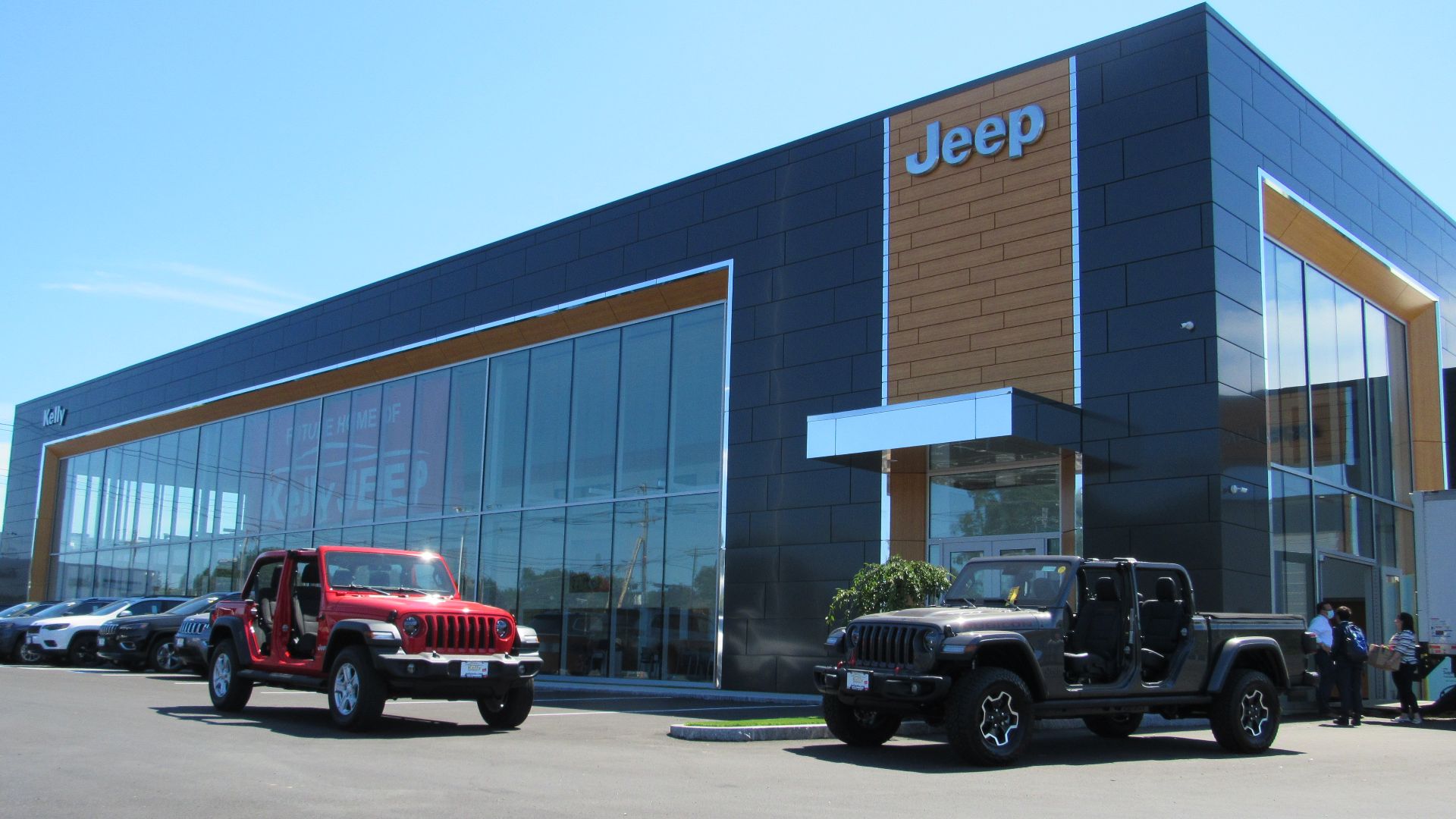
Before buying any used car loaded with electronic features, check for open recalls and documented software or hardware campaigns. NHTSA’s recall database can show whether a model has recurring problems involving cameras, instrument clusters, braking software, or other modules. A car that already has updated parts installed may be a much safer buy.
Shop History Is Gold
A thick folder of service records can be more reassuring than a low odometer reading. If a previous owner already replaced a failed display, fixed wiring issues, or updated driver assistance parts, that can remove some uncertainty. With used tech-heavy cars, documented maintenance is worth real money.

Independent Shops Can Save The Day
The rise of advanced vehicle electronics has made good independent specialists more important than ever. Many can handle coding, diagnostics, module replacement, and calibrations that once seemed dealership-only. If there is strong local repair support for the brand, post-warranty ownership looks a lot better.
Extended Warranties Are Not Always A Scam
This is one case where an extended warranty can make sense, especially for vehicles known for expensive electronics or luxury features. The key is reading the exclusions carefully, since some plans are much weaker than they first appear. Coverage for infotainment, cameras, sensors, and control modules can be especially useful on the right car.

The Smart Way To Buy A High Tech Used Car
Pick a model with a solid reliability record, reasonable parts supply, and a healthy owner community. Avoid first-year redesigns if you can, and focus on common failure points instead of being scared by tech in general. A pre-purchase inspection that includes a full scan for trouble codes is money well spent.

So Is Your Friend Onto Something
Yes, but only halfway. Cars with lots of electronic features can be riskier and more expensive to repair after the warranty ends, especially luxury models with scarce parts and complex safety systems. But they do not automatically become worthless, and many remain dependable, useful, and financially sensible if you choose carefully and know what you are getting into.