Losing The Second Payment Was Easy, Losing The Flexibility Wasn’t
Downsizing to one vehicle can remove a car payment, insurance premium, registration fee, and an entire set of maintenance bills. The savings can be substantial, but families often underestimate how much coordination a second car quietly provided. One-car living is realistic for many households, but there are some things you'll need to plan for if you want it to work smoothly.
Start With The True Savings
Selling a second vehicle eliminates more than its monthly loan payment. Families may also save on depreciation, insurance, fuel, registration, parking, repairs, tires, and routine maintenance. AAA’s vehicle-cost calculations include all of those categories because the real expense of ownership extends far beyond what leaves the bank account each month.

A Paid-Off Car Still Wasn’t Free
It’s easy to assume that an older vehicle cost almost nothing because there was no loan attached to it. In reality, it continued losing value and required insurance, maintenance, registration, and occasional repairs. Selling it may still have made financial sense, even if daily life became less convenient.

Insurance Savings May Be Smaller Than Expected
Removing one vehicle should reduce the household premium, but it doesn’t necessarily cut the bill in half. Insurers also consider the remaining vehicle, listed drivers, driving records, location, mileage, deductibles, and coverage limits. Premiums can vary widely between companies, so it’s worth requesting new quotes rather than assuming the current insurer offers the best one-car rate.

Every Regular Driver Still Needs To Be Listed
Downsizing the fleet doesn’t mean removing household members from the policy if they continue driving the remaining car. Insurers generally need accurate information about licensed household drivers and how the vehicle is used. Failing to disclose a regular driver could complicate a future claim.

The Remaining Car May Be Driven More
A single vehicle now handles commuting, errands, school transportation, appointments, and family trips that were previously divided between two cars. That may increase annual mileage, fuel use, wear, and maintenance frequency. Tell the insurer if the vehicle’s use changes materially, especially if it becomes the main commuter car.

Low-Mileage Discounts Might Disappear
Before downsizing, each car may have accumulated relatively few miles because the driving was divided between them. Once one vehicle carries the entire workload, it may no longer qualify for a low-mileage discount. The household can still save overall, but the insurance reduction may be less dramatic than expected.

One Shared Calendar Becomes Essential
One-car households usually run into trouble when transportation plans remain scattered across texts, conversations, and individual calendars. Create one shared calendar that includes work shifts, school pickups, medical appointments, activities, errands, and anticipated car use. Even approximate time blocks can reveal conflicts several days before they become emergencies.

The Car Should Be Reserved Like A Shared Resource
Instead of assuming the vehicle will be available, family members should actively reserve it. A simple rule such as “put it on the calendar before making the appointment” prevents one person from promising transportation that someone else already needs. This may feel overly formal at first, but it quickly reduces arguments.

Build In Travel Buffers
A schedule that works only when every meeting ends on time will fail regularly. Traffic, late appointments, school delays, and extra errands can leave the next driver waiting. Adding 15 or 20 minutes between handoffs makes the system more realistic and protects everyone’s schedule.

Decide Which Trips Get Priority
Some conflicts can’t be solved through better timing. Families should agree in advance that work shifts, medical appointments, school obligations, and time-sensitive commitments take priority over flexible shopping or recreational trips. Establishing that hierarchy before a disagreement makes the decision feel less personal.

Combine Errands Strategically
A one-car household can reduce conflicts by grouping groceries, pharmacy visits, returns, and household errands into one trip. Keep a shared list so the person who has the vehicle can complete tasks for everyone. This saves fuel and time while reducing the number of separate outings the car must accommodate.

Commuting Is Often The Deciding Factor
One-car living is much easier when one adult works remotely, walks to work, or has reliable transit. It becomes harder when two people commute in different directions at similar times. Before selling a vehicle, families should test the proposed commute plan for at least a couple of weeks rather than assuming it will work.

School And Childcare Add Hidden Complexity
Morning drop-offs may be manageable, but early dismissals, sick children, cancelled buses, sports practices, and last-minute schedule changes can create daily pressure. Parents need backup contacts and clear pickup permissions before those situations arise. Depending on one person to leave work every time can make the arrangement unsustainable.

Teen Drivers Can Complicate The Plan
A teenager may need transportation to work, school activities, or appointments just as the adults need the car. Adding another driver to one shared vehicle can also affect insurance costs, even without purchasing another car. Consumer Reports notes that covering a teen driver can significantly change household premiums, making it especially important to compare insurers and available discounts.

Medical Appointments Need More Margin
Appointments often run late, and some procedures prevent the patient from driving home. When the family has one car, a medical visit can tie up transportation for most of the day. Ask about expected duration, recovery restrictions, and transportation requirements before scheduling it.

Emergency Trips Need A Written Backup Plan
Every household should know how it would reach urgent care, an emergency room, a stranded family member, or an elderly relative when the car is unavailable. The backup might involve a nearby relative, trusted neighbor, taxi, rideshare service, transit route, or ambulance when the situation is genuinely life-threatening. Deciding this during an emergency wastes valuable time.

Rideshare Can Replace Some Second-Car Trips
Paying for occasional rides can feel wasteful after owning two cars, but the comparison should be against the full annual cost of the vehicle that was sold. A few rides each month may cost far less than insurance, depreciation, maintenance, and registration on a second car. Track the spending for several months before deciding it’s excessive.

Car-Sharing Can Fill Larger Gaps
Hourly car-sharing services or peer-to-peer rental platforms may help when both adults need vehicles for several hours or when the family needs a different type of car. Availability varies considerably by location, and pricing can include mileage, delivery, protection plans, or additional fees. Peer-to-peer rentals can be useful, but the terms should be reviewed carefully before they become the emergency plan.
Traditional Rentals Can Cover Predictable Conflicts
A rental car may be practical during a week of overlapping work commitments, visiting relatives, home repairs, or a long trip. Booking early usually provides more vehicle choices and better prices than arranging one at the last minute. Remember to include taxes, fuel, parking, and insurance decisions when comparing the cost.

Roadside Assistance Becomes More Valuable
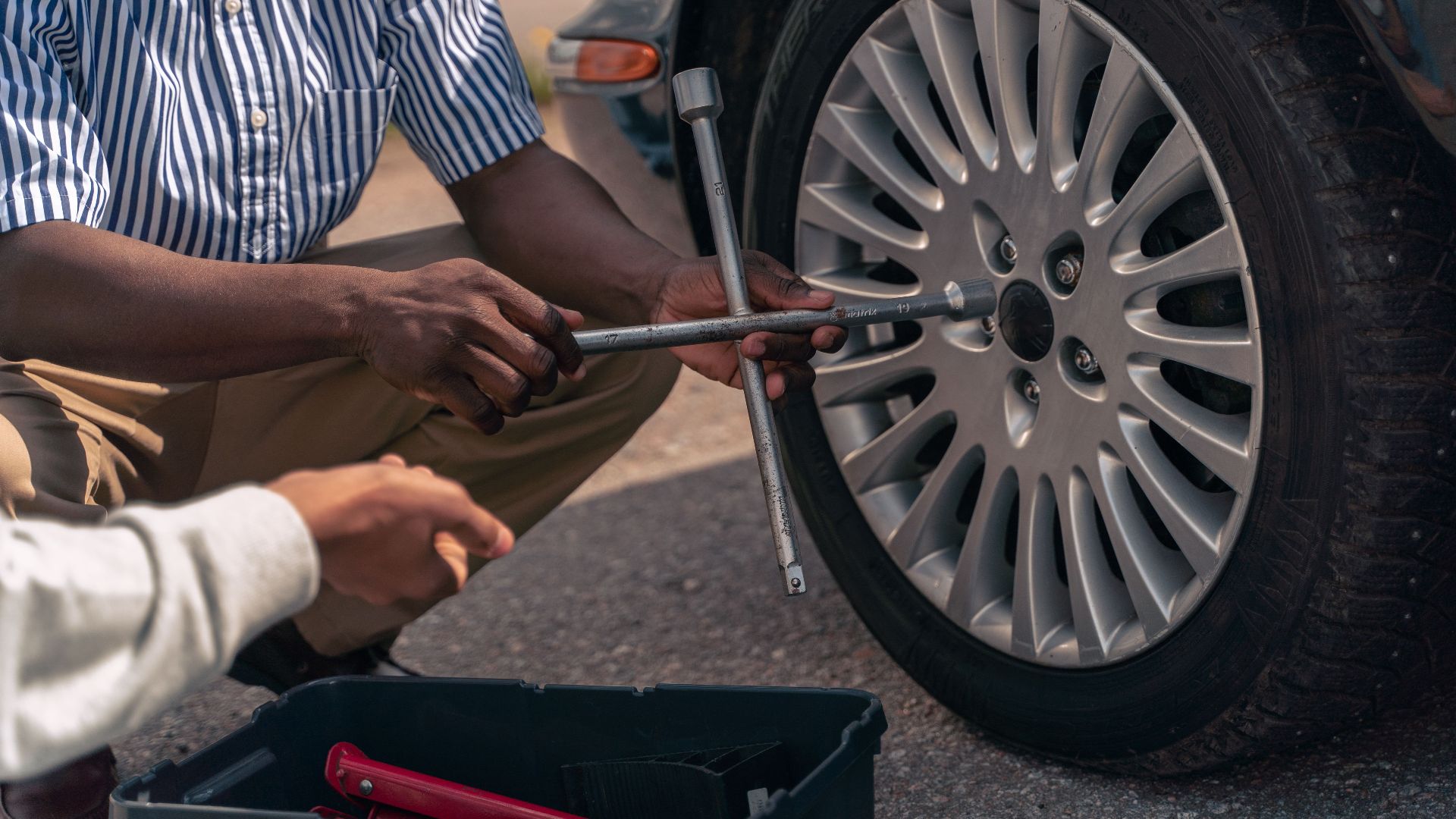
When the only car has a dead battery, flat tire, lockout, or towing need, the disruption affects everyone. Roadside assistance through the insurer, automaker, credit card, or membership program can shorten that disruption. Check what is covered, how many service calls are allowed, and whether towing distances are limited.
Preventive Maintenance Can’t Be Postponed
A two-car household can tolerate one vehicle spending a day at the shop. A one-car family may miss work, school, and appointments during the same repair. Follow the maintenance schedule, respond to warning lights promptly, and arrange service before a minor issue becomes an unexpected breakdown.

Schedule Shop Visits Around Transportation
Ask whether the repair facility offers a shuttle, pickup and delivery, loaner car, or after-hours key drop. Independent shops and dealerships vary widely in what they provide. Booking the first appointment of the day may also increase the chance of getting the car back before the evening commute.

The Remaining Vehicle Needs To Fit Every Role
A small commuter car may become inconvenient if the household regularly transports several children, bulky equipment, pets, or older relatives with mobility needs. Conversely, keeping an expensive large SUV may undermine the financial reason for downsizing. The ideal single vehicle should handle the family’s most common needs without being oversized for nearly every trip.

One-Car Living Works Better In Some Places
Dense neighborhoods with sidewalks, transit, nearby stores, bike routes, and readily available rideshare services make one-car living far easier. In rural or car-dependent areas, nearly every errand may require driving, and alternatives may be limited. The same family could thrive with one car in one neighborhood and struggle badly in another.

Weather Can Expose Weaknesses
Walking, cycling, and transit may work beautifully during mild weather but become difficult during extreme heat, snow, heavy rain, or wildfire smoke. Seasonal conditions should be included in the plan. A transportation system that works only during ideal weather isn’t a complete year-round solution.

Try A One-Car Trial Before Selling
Families considering downsizing should park one vehicle for a month and pretend it has already been sold. Continue paying its costs during the test, but don’t use it except for a genuine emergency. The experiment will reveal scheduling conflicts, transportation expenses, and emotional frustrations while the second car is still available.

One-Car Living Is Realistic With The Right Backup System
Living with one vehicle can save a family a meaningful amount of money, but the arrangement succeeds through planning rather than optimism. The family needs a shared schedule, clear trip priorities, reliable emergency transportation, and enough savings to pay for occasional rides or rentals. When those supports exist, one car can be entirely realistic. When they don’t, the daily stress may outweigh the money saved.

You May Also Like:
My car has a built-in dashcam, but who actually owns the footage after an accident?