
You Found A Tracker And Now You Want Answers
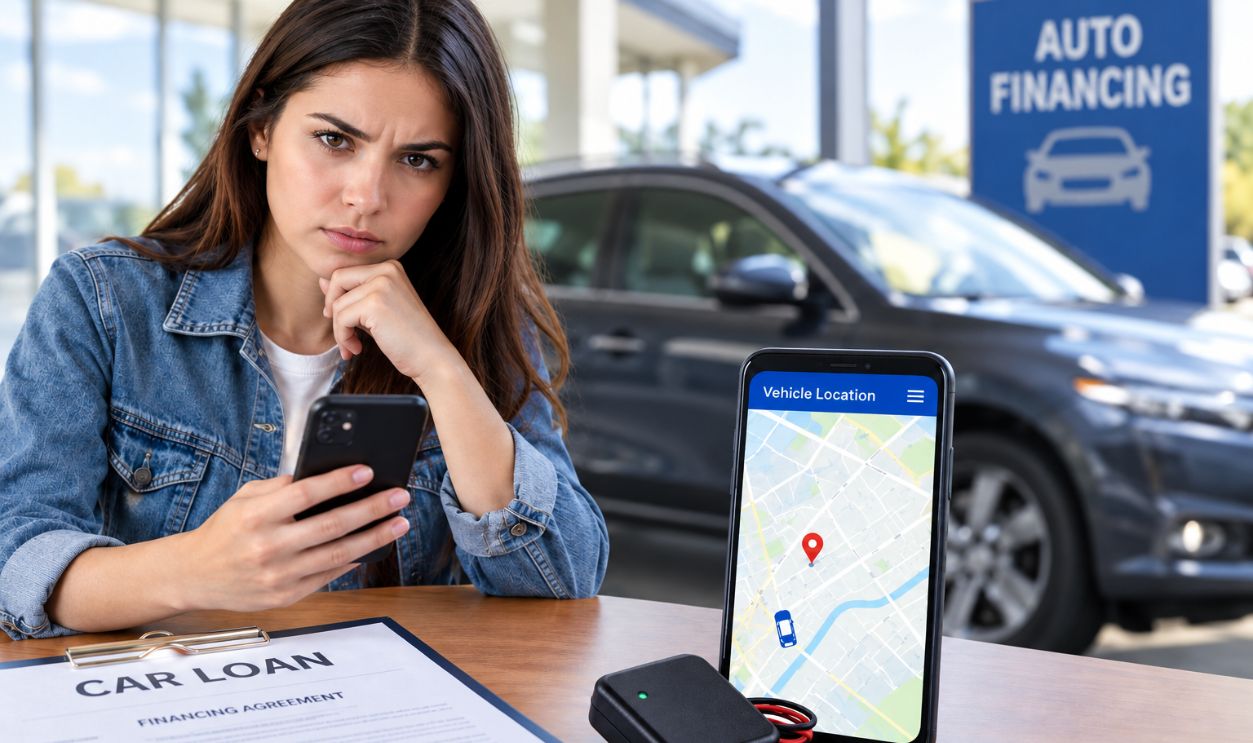
Finding a GPS device tucked under your dash or wired into your car obviously feels alarming. But the reason is usually less cloak-and-dagger than it seems. Dealers and lenders have used vehicle tracking technology for years, especially in subprime auto financing, to locate cars for repossession and sometimes to support payment reminder systems.
The Short Answer Is Usually About Credit Risk
If a dealership installed a GPS device before financing your car, the most common reason is risk management. Dealers that arrange financing for buyers with lower credit scores may use these devices so a lender or repo company can find the vehicle quickly if the loan goes into default. That does not automatically mean anyone is watching your every move in real time, but it does mean the car may have been made easier to locate.
 Hryshchyshen Serhii, Shutterstock
This Practice Is Not New
Consumer advocates and regulators have been talking about dealer-installed tracking devices for more than a decade. The issue gained major national attention in the early 2010s as reports surfaced about lenders and buy-here-pay-here dealers using GPS units and starter interrupt devices on financed cars. By then, the technology was already widespread enough to draw scrutiny from the Federal Trade Commission and state regulators.
 f.t.Photographer, Shutterstock
What Kind Of Device Might Be In The Car
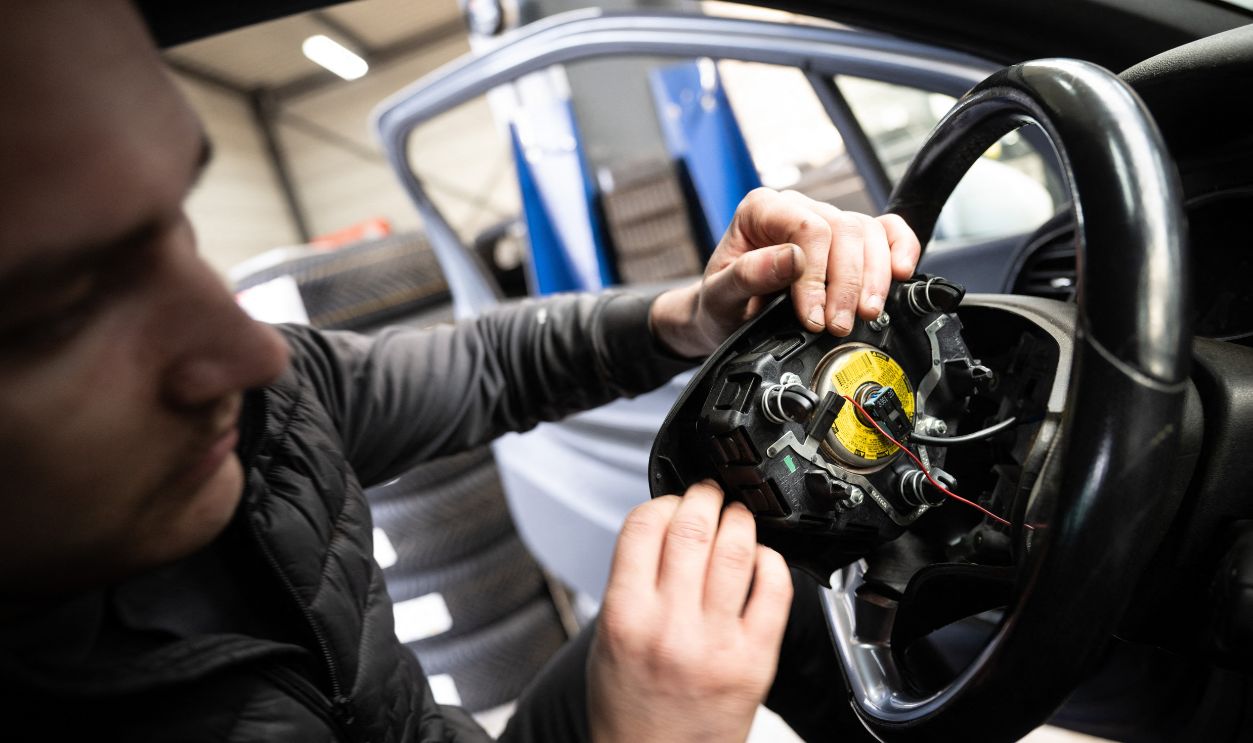
The hardware is often a small GPS unit wired into the vehicle, sometimes paired with a starter interrupt system. A starter interrupt can prevent a car from starting after a missed payment, although designs and legal rules vary by state. Some devices only help locate the car, while others can transmit location data and interact with vehicle systems.

One Of The Biggest Early Wake-Up Calls Came From The FTC
In 2014, the Federal Trade Commission announced a settlement involving Texas-based dealer group Southwest Sunsites, Inc., which did business as Texas Auto Center. The FTC said the company told consumers the GPS devices were for emergencies like finding stolen cars, but failed to adequately disclose that the devices could also be used to repossess vehicles. That case helped show why buyers felt blindsided when they learned what the devices were really for.

Why The Texas Auto Center Case Mattered
According to the FTC, the company advertised “Buy Here Pay Here” vehicles and installed GPS devices in financed cars. The agency alleged the dealer deceptively claimed the trackers would be used only for emergency purposes, while in reality they could be used when customers fell behind on payments. The 2014 settlement barred misrepresentations about how the devices would be used and required clearer disclosures.
 Hryshchyshen Serhii, Shutterstock
Another Federal Case Raised The Stakes In 2024
In January 2024, the Consumer Financial Protection Bureau took action against Tempoe, LLC and Cox Automotive, Inc. over rent-to-own financing for consumer goods installed in vehicles. The CFPB said products were fitted with undisclosed GPS trackers that could monitor consumers and aid repossession. While that case was about financing for add-on car accessories rather than a standard car loan, it reinforced a simple point that hidden tracking technology in vehicles remains an active regulatory concern.
Buy-Here-Pay-Here Dealers Are Often Part Of The Story
Buy-here-pay-here dealerships sell cars and also finance them directly, usually for buyers who cannot easily get traditional bank financing. Because these deals carry higher default risk, dealers have strong incentives to recover the vehicle quickly if payments stop. That is one reason GPS and starter interrupt systems became common in this corner of the market.

The CFPB Has Specifically Warned About Tracking Technology
The Consumer Financial Protection Bureau has published guidance for shoppers using buy-here-pay-here lots. Among its warnings, the bureau says some dealers install GPS devices to track where the car is or devices that can prevent it from starting. The agency advises buyers to ask what devices are installed, what they do, and what happens if a payment is late.

Sometimes The Contract Gives The Dealer Permission
The most important paperwork is usually the retail installment contract and any separate privacy or device disclosure forms. Some contracts explicitly say the vehicle may contain a GPS unit, starter interrupt, or both. If you signed that language, the installation may have been disclosed legally even if no one mentioned it clearly out loud.

But Disclosure Quality Is Where Trouble Starts
A dealer may argue that the tracker was technically disclosed in a stack of documents. Regulators have repeatedly focused on whether that disclosure was clear, truthful, and prominent enough for a reasonable buyer to understand. A buried clause is very different from a plain explanation that your financed car can be located or disabled.

Not Every GPS Device Means Constant Human Surveillance
It is easy to picture a dealership employee staring at a map of your every errand. In reality, many systems are designed mainly to ping a vehicle’s location when needed, such as during collection efforts or repossession. The exact capabilities depend on the model, the service plan, and who has access to the data.
Real-Time Tracking Is Still Possible
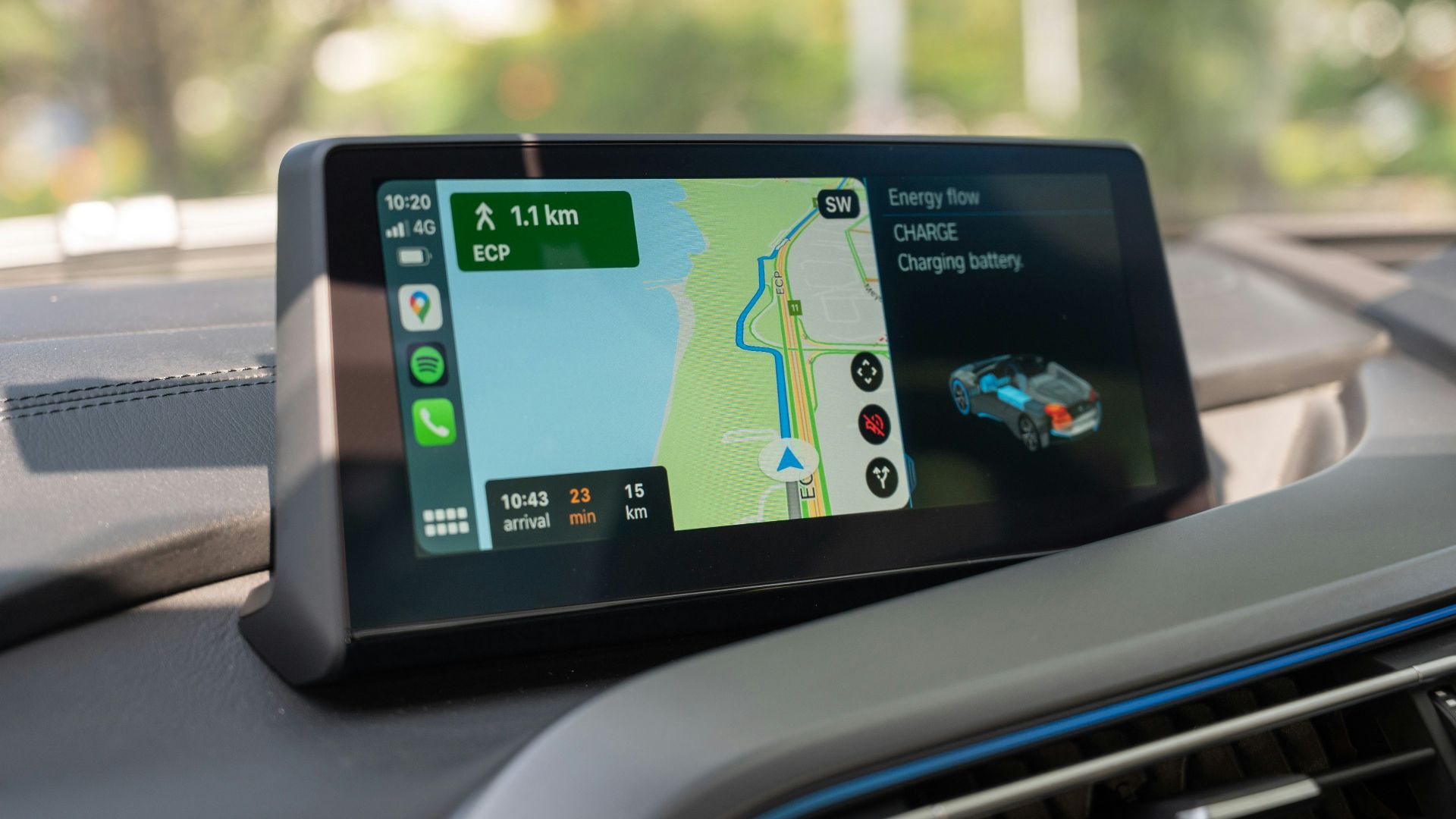
Some devices can provide near real-time location information through software dashboards used by lenders, dealers, or repossession vendors. That is why hidden installation without clear consent feels so invasive to many owners. The technology can range from limited location recovery tools to systems with much broader monitoring power.
There May Also Be A Starter Interrupt Involved
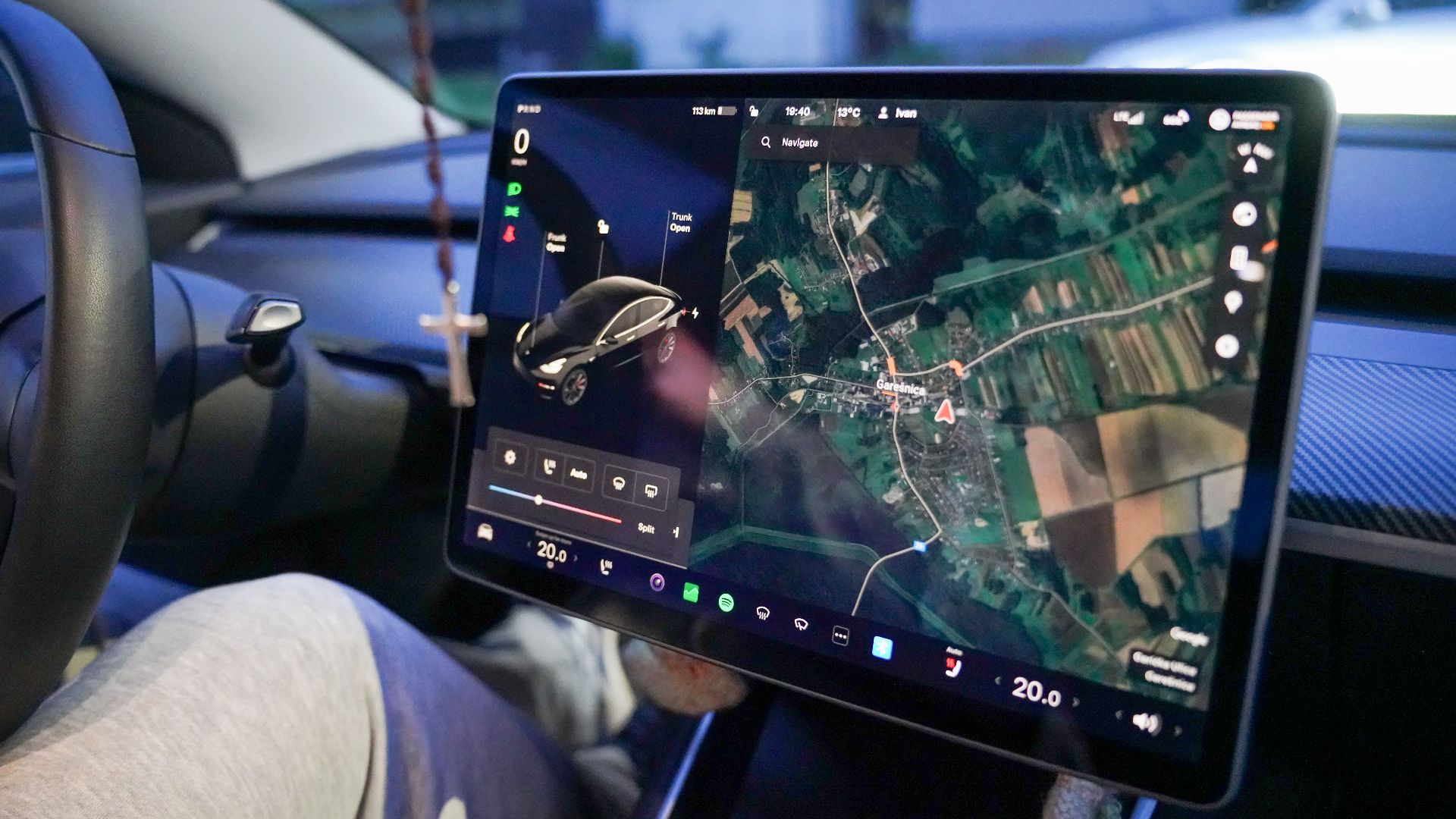
A tracker is one issue, but a starter interrupt changes the stakes because it can affect whether the car starts. The National Consumer Law Center has documented how these devices are used in subprime auto lending and has raised concerns about safety, privacy, and due process. If your car has both features, the dealer was likely trying to reduce repossession costs and increase payment leverage.

Why Dealers Like These Devices
From the dealer or lender perspective, the business logic is pretty straightforward. Faster vehicle recovery can mean lower repossession costs, lower losses after default, and more willingness to lend to higher-risk buyers. That does not make the practice feel any less unsettling to consumers who were never clearly told it was happening.

Some Dealers Pitch The Devices As A Benefit
In several reported cases, dealerships described GPS units as tools to help recover stolen vehicles or assist in emergencies. That is not necessarily false, because many trackers can serve those purposes. The problem starts when the repossession function is downplayed or not disclosed at all.

Regulators Have Zeroed In On That Exact Sales Pitch
The FTC’s 2014 case is a good example because it focused on what buyers were told at the time of sale. The agency said Texas Auto Center represented the devices as emergency aids, while failing to fully explain their repossession role. That distinction is crucial because consent is not very meaningful if the real purpose is hidden.

State Law Can Matter A Lot
There is no one-size-fits-all answer for whether a dealer can install and use a tracker, because state laws can differ on disclosure, repossession practices, and electronic self-help. Some states have specific rules about starter interrupt devices or debt collection conduct. If you think the installation or use was improper, your state attorney general or consumer protection agency may be the right next stop.
 https://kaboompics.com/, Pexels
Privacy Concerns Are A Big Part Of The Backlash
Even when a tracker is related to financing, many drivers see it as a serious privacy intrusion. Location data can reveal where you work, where you sleep, and where you spend your time. That is why transparency matters so much, especially when the device is hidden and the buyer learns about it only by accident.

If You Found The Device, Start With Documentation
Take clear photos of the unit, the wiring, labels, serial numbers, and where it was installed. Then gather your sales contract, financing paperwork, warranty forms, and any privacy notices or addenda you received at delivery. You want to know whether the device was disclosed, how it was described, and which company actually owns or manages it.

Do Not Rip It Out Right Away
It is tempting to remove the tracker immediately, but that can create new problems. If the device is tied to your loan agreement or to a starter interrupt system, removing it could damage the car, trigger disputes, or even be treated as a contract violation. It is usually smarter to document first and ask questions second.

Ask The Dealer Direct Questions
Ask whether the car has a GPS device, a starter interrupt, or both. Ask who installed it, who can access the data, whether it is active, and whether your contract authorizes its use. Also ask for the full written disclosure that applies to the device, not just a verbal explanation at the service counter.

You Should Also Contact The Lender
If your financing was assigned to a bank, credit union, or finance company, that lender may be the real party behind the device policy. Ask whether the lender requires trackers for certain loans and whether it receives location data. This matters because the dealership may have installed the device, but the lender may control how it is used.

Look Closely At Whether You Were Misled
The key legal and consumer issue is often not the mere existence of the device, but whether you were misled about it. If you were told it was only for theft recovery, or were not told about it at all, that is the kind of fact pattern regulators have challenged before. Dates, names, paperwork, and screenshots can make a big difference if you file a complaint.

If The Device Can Disable The Car, Treat It As Urgent
A starter interrupt raises practical safety concerns that go beyond privacy. You need to know whether the system gives warnings before activation and whether there are overrides for emergencies. Consumer advocates have long argued that these systems can create risks if a borrower is caught off guard.

Where To File A Complaint
If you believe the dealer failed to disclose the tracker or misrepresented its purpose, you can file complaints with the FTC, the CFPB, your state attorney general, and your state motor vehicle dealer regulator if one exists. Include photos of the device, copies of the contract, and a timeline of what happened and when you discovered it. The stronger your paper trail, the easier it is for an agency to understand the problem.

Can You Demand Removal
That depends on the contract and the lender’s policy. Some buyers may be able to request removal after the loan is paid off, refinanced, or brought under different terms. If the device was not properly disclosed, you may have more leverage to challenge it, but it is wise to get legal advice before pushing too far on your own.

The Big Takeaway Is Less Dramatic But Still Important
If a dealer installed a GPS device before financing your car and never mentioned it until you found it, the most likely reason is not casual spying. It is usually about protecting the lender’s interest in a risky loan and making repossession easier if you fall behind. The troubling part is not that the business motive exists. It is that too many buyers only learn about the tracker after the deal is done.