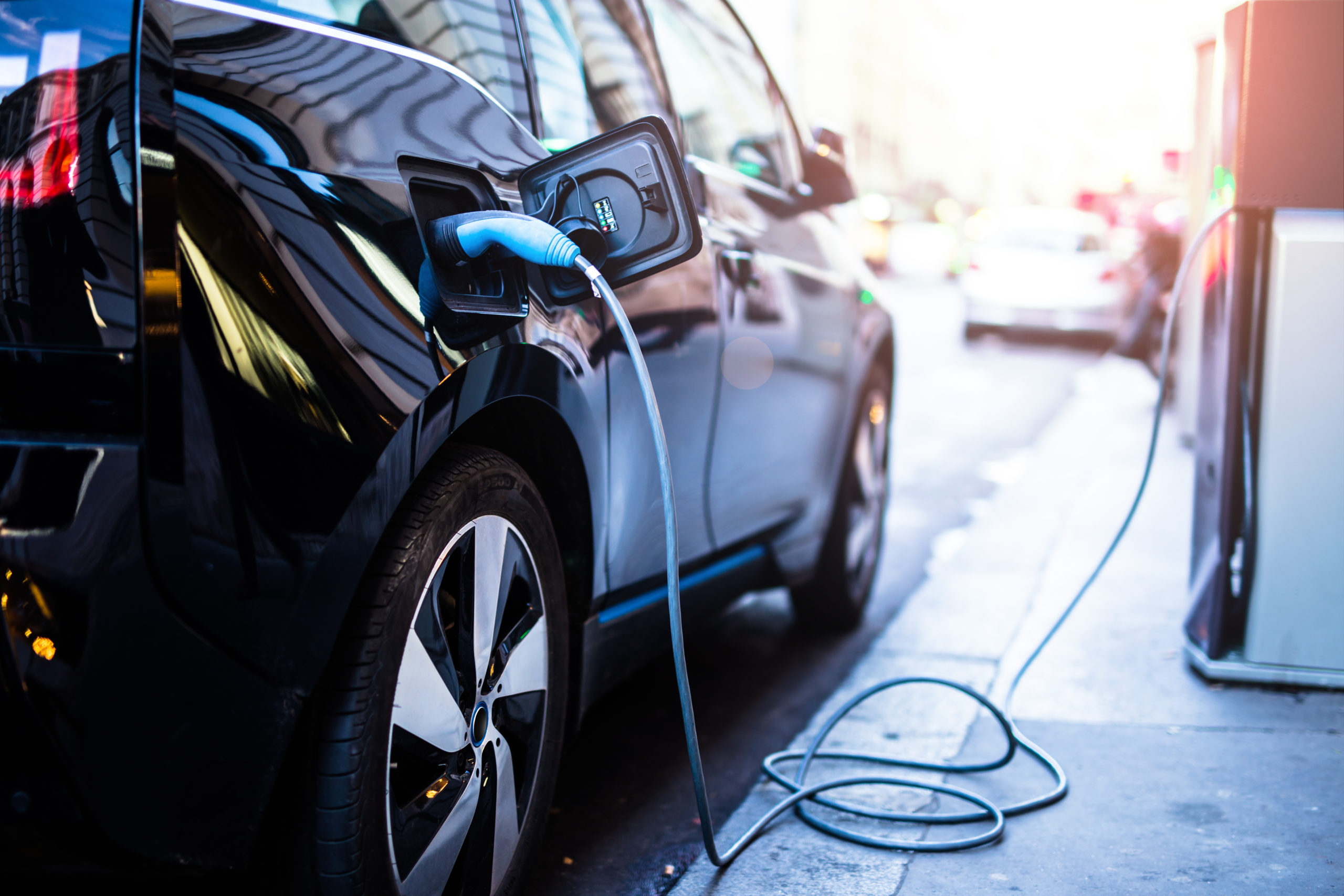
The Short Answer: Yes, Often
If your dealership enrolled you in a connected-car program you did not fully understand, you may be able to turn off the service, stop certain data collection, opt out of sharing, or request deletion. The exact choices depend on the automaker, vehicle technology, and privacy law where you live.
 Gustavo Fring, Wikimedia Commons
Start By Naming The Service
Find the exact name of whatever was activated: a connected-services subscription, driving-score program, remote-access account, insurance feature, or dealer-maintenance feature. Your paperwork, manufacturer app, dashboard menus, welcome emails, and account page can reveal what is active and which company handles the data.
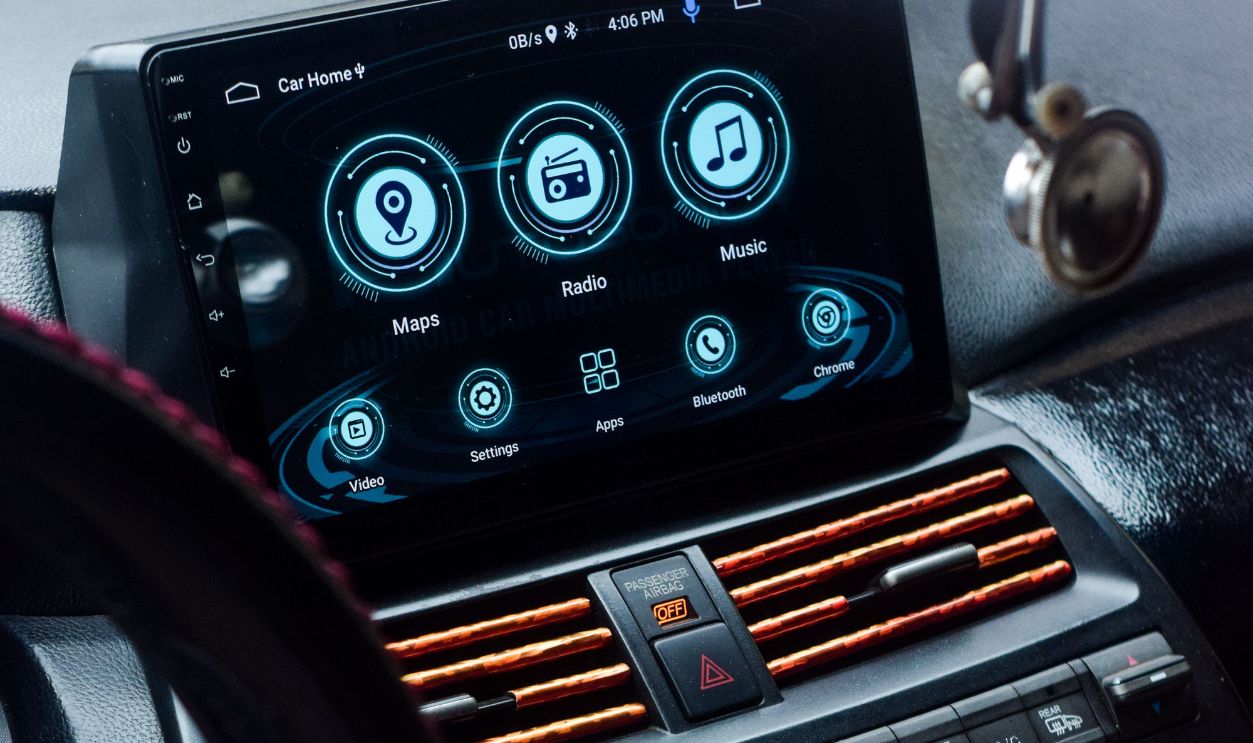
“Connected Car” Is A Big Umbrella
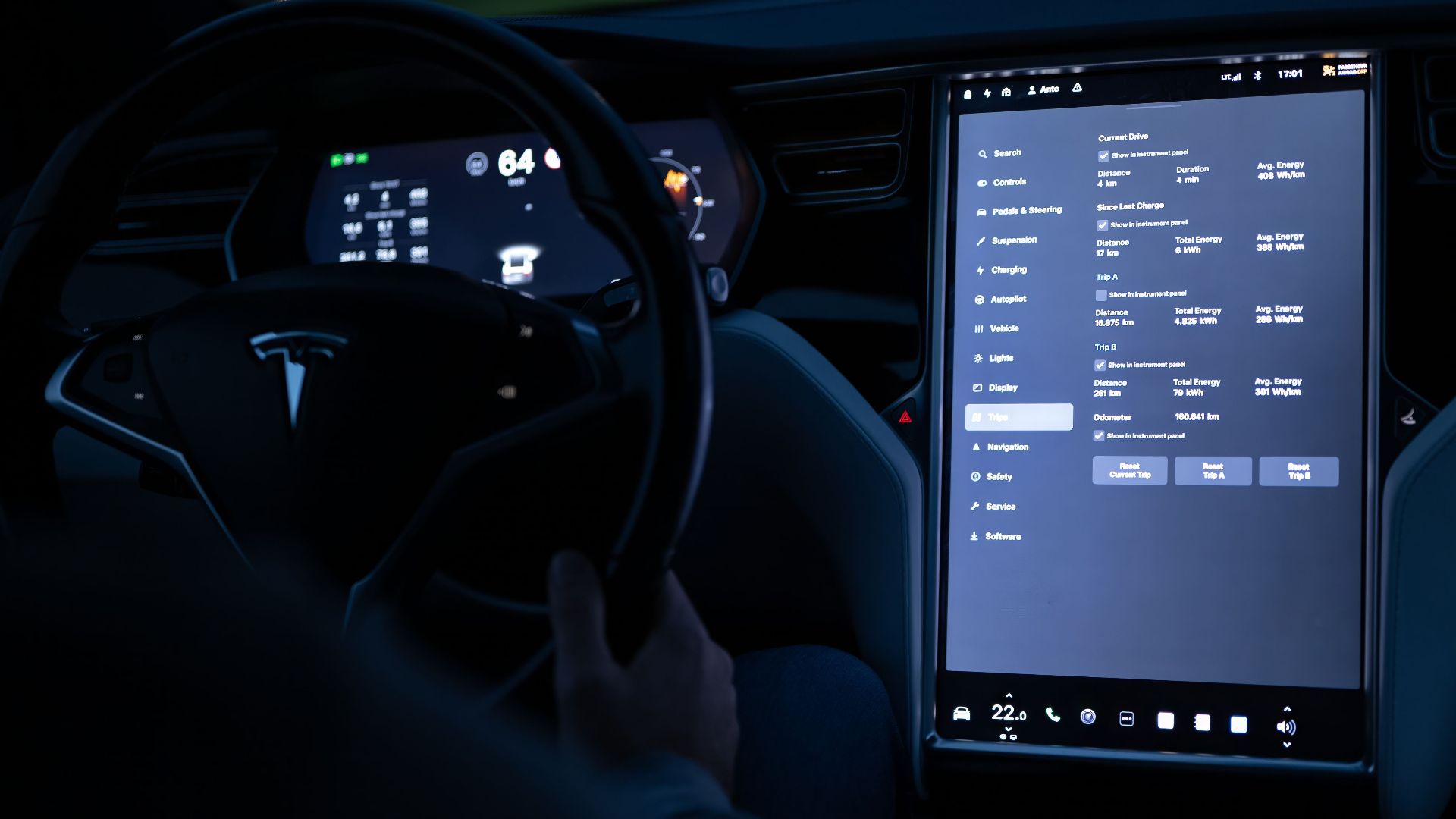
A connected vehicle can transmit information used for navigation, remote starting, diagnostics, emergency assistance, software updates, maintenance, and other functions. Automakers may also receive driving data, vehicle health information, and location, depending on the vehicle, settings, and services enabled.
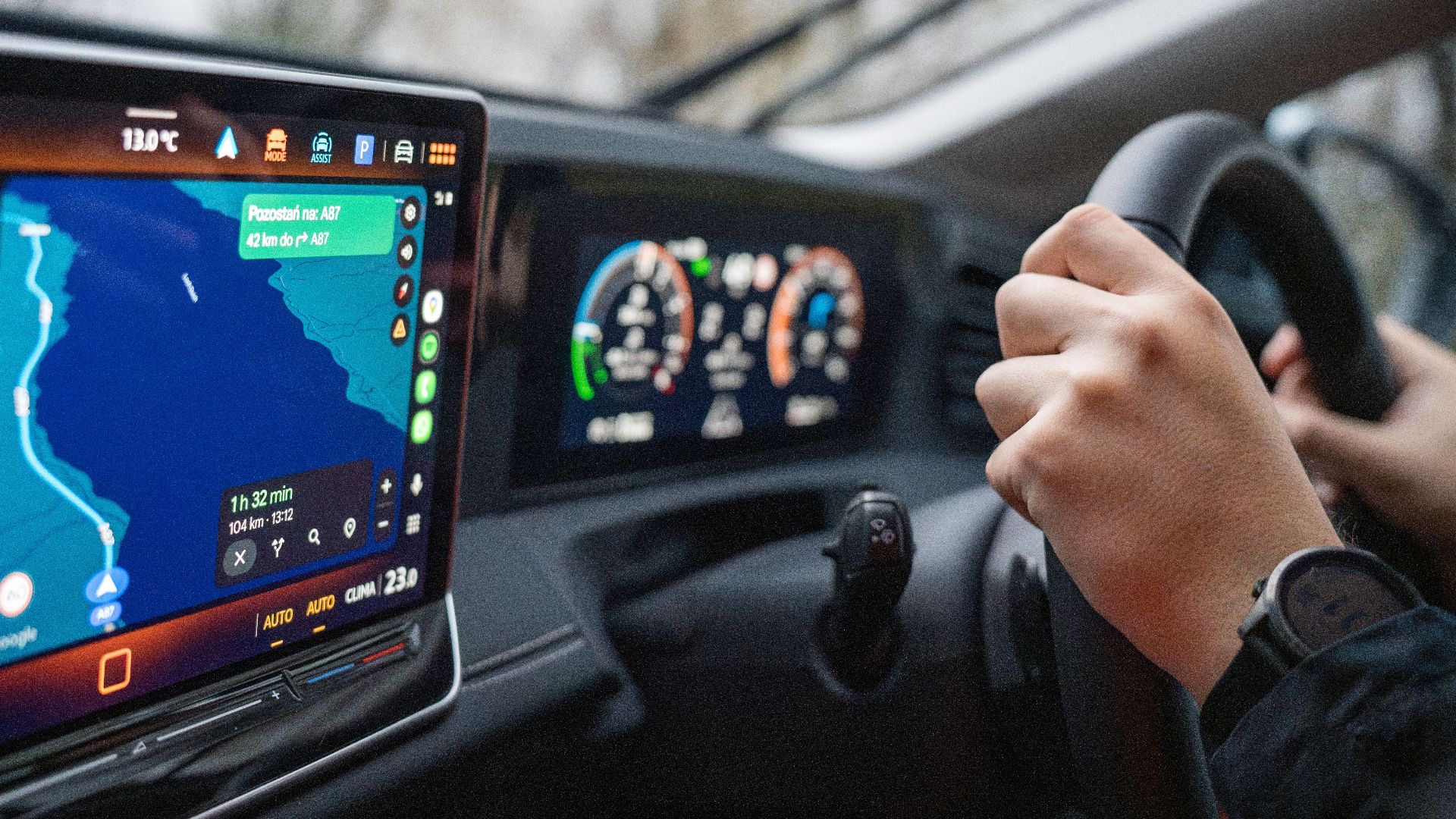
Dealership Enrollment Can Be The Problem
This is not hypothetical. The FTC alleged that General Motors used a misleading enrollment process for OnStar and Smart Driver, and that some consumers did not realize they had been enrolled in Smart Driver. The agency finalized an order addressing those practices in January 2026.

Consent Has To Mean Something
This case matters because the FTC said sensitive connected-vehicle data was collected and shared without adequate notice and affirmative consent. The final order requires them to obtain affirmative express consent before collecting, using, or sharing covered connected-vehicle data, with limited exceptions.

Your Car May Be Collecting More Than Location
Connected vehicles can generate information about speed, acceleration, braking, steering, diagnostics, location, and use of connected features. Ford’s current privacy notice, for example, lists categories including driving data, vehicle location, vehicle analytics, and some audio or visual information depending on equipment.
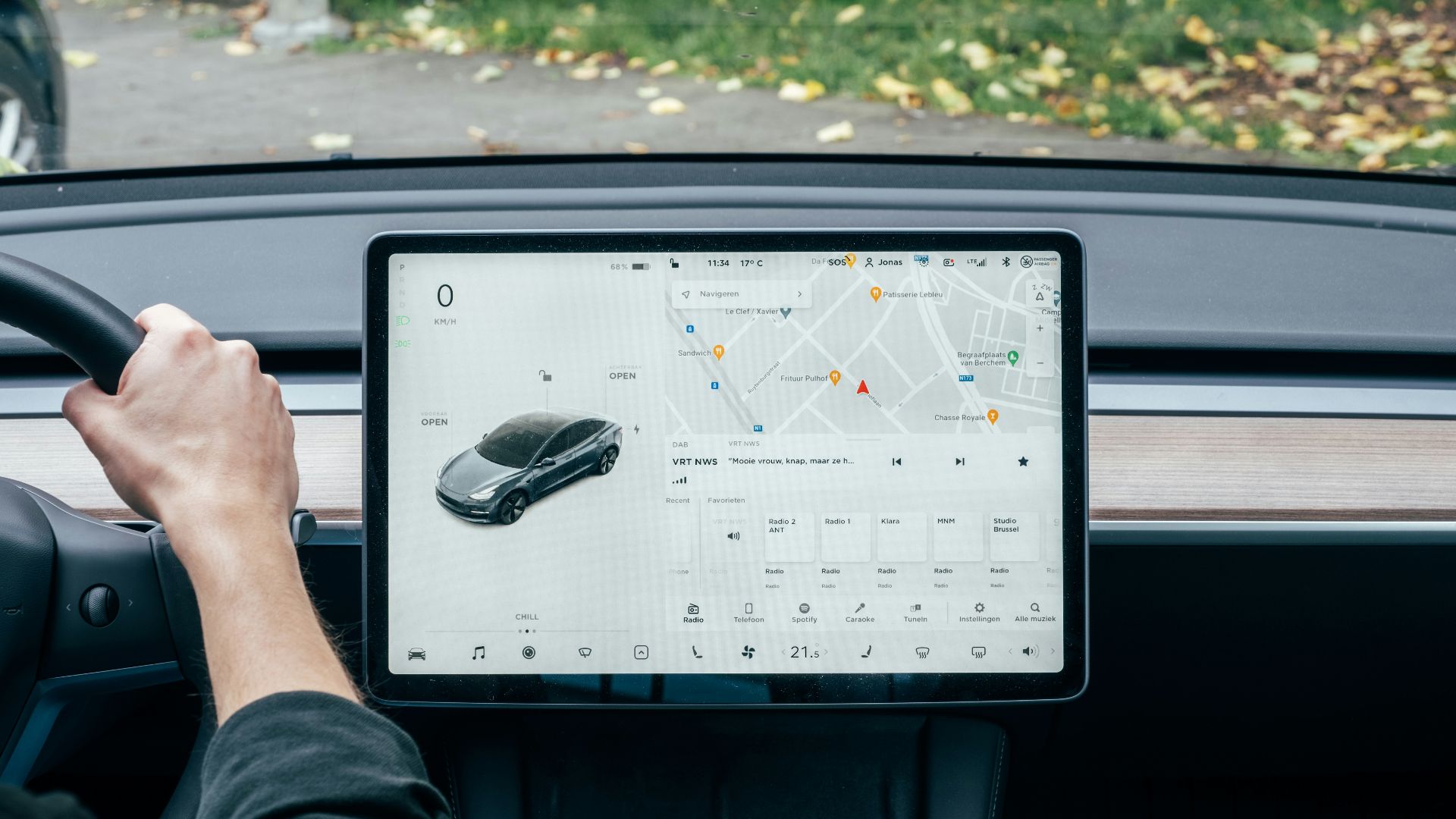
The Insurance Angle Is Real
Driving behavior data can enter the insurance ecosystem. The CFPB says LexisNexis Telematics OnDemand collects and reports driving behavior data for auto-insurance pricing, while the FTC’s General Motors ase described information supplied to consumer reporting agencies that insurers used in underwriting and rate decisions.
Opting Out Is Not The Same As Unplugging
There may be separate controls for canceling a plan, unenrolling from connected services, limiting sale or sharing, disabling precise location, and requesting deletion. One choice may not accomplish all the others, so treat privacy as a checklist rather than assuming one “off” switch covers everything.

Go To The Manufacturer Privacy Portal First
Your automaker’s privacy page or app is usually the best starting point. Toyota lets customers change vehicle connectivity consent in its app, while Ford describes data-sharing settings and connectivity controls in its vehicle and app ecosystem. Look for privacy choices, data transmission, or vehicle connectivity.

Check Dashboard And App Settings Too
Some controls live inside the vehicle rather than on a website. Ford says data sharing depends partly on in-vehicle settings and connected-service selections, while Toyota’s privacy portal shows transmission preferences. Review both the app and infotainment menus because one change may not affect every setting.

Cancel The Subscription Separately
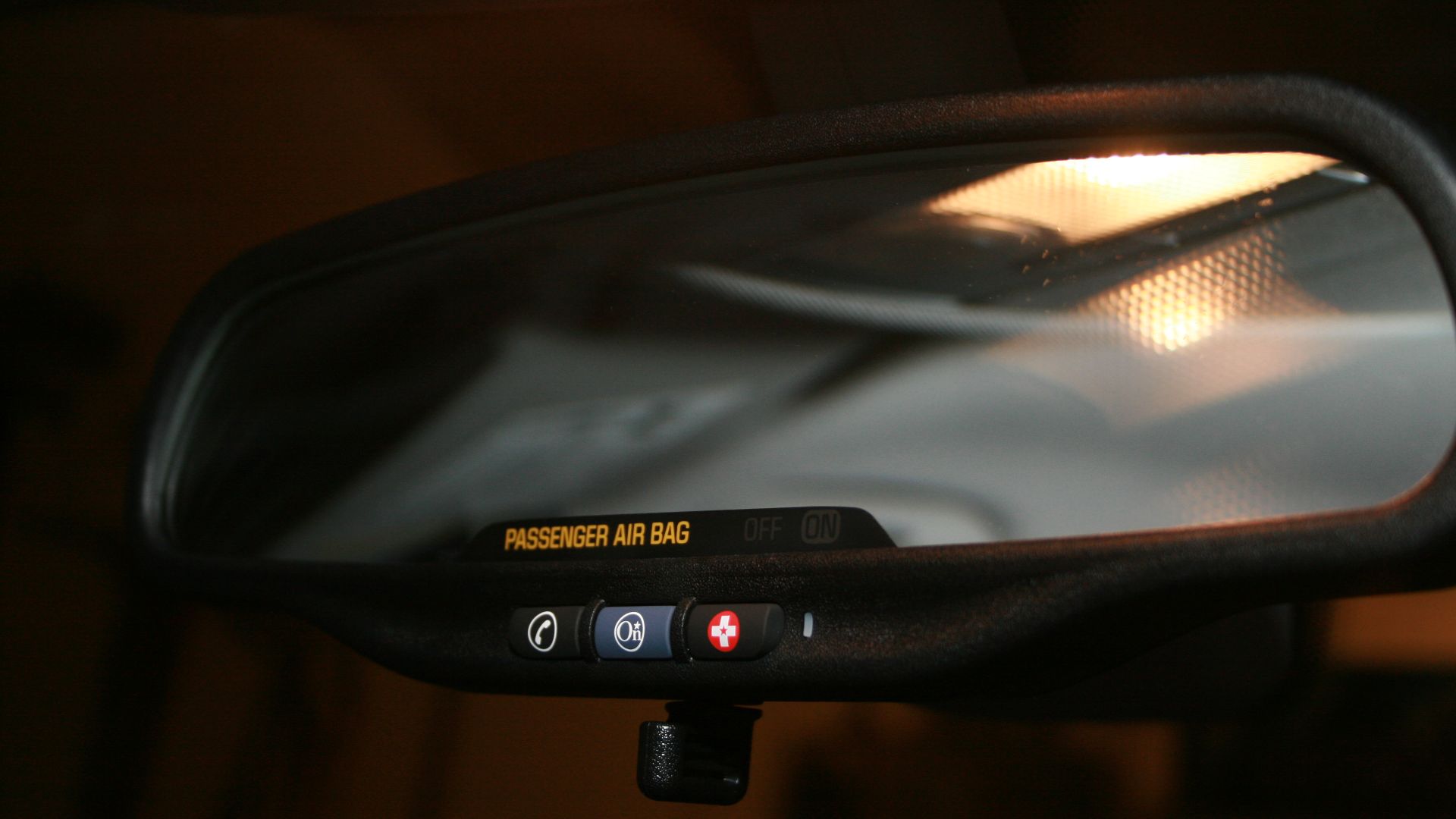
If the dealership also activated a paid or trial subscription, confirm whether changing privacy permissions cancels billing. Connected-service enrollment and data transmission can be distinct. General Motors, for example, provides a process for disconnecting a vehicle and unenrolling from OnStar through an advisor or the vehicle’s OnStar button.
 Tyler from Riverside, USA, Wikimedia Commons
Ask What Data They Already Have
Stopping future collection does not automatically reveal what has already been stored. Depending on the company and your state, you may be able to request access to personal information held about you. The finalized FTC order requires them to offer all US consumers a way to request a copy of covered data.

Then Ask For Deletion
Deletion is a separate request worth making when available. California, Colorado, Texas, and Oregon provide deletion rights for covered consumers and businesses, subject to exceptions. The FTC order likewise requires a deletion mechanism for U.S. consumers covered by the order.

State Privacy Laws Can Strengthen Your Hand
There is no single nationwide comprehensive consumer privacy law giving every driver identical connected-car rights. Protections instead can come from federal consumer-protection rules, company-specific enforcement orders, and state privacy laws. Two owners of the same vehicle may therefore have different statutory rights depending on where they reside.

California Gives Drivers Broad Rights
California residents can ask covered businesses to disclose collected information, delete it in many circumstances, correct inaccuracies, and stop selling or sharing personal information. California also treats precise geolocation as sensitive personal information and provides a right to limit certain uses and disclosures of sensitive information.

Colorado Adds Universal Opt-Out
Colorado residents can access, correct, delete, and obtain copies of covered personal data, and opt out of sales, targeted advertising, and certain profiling. Colorado recognizes Global Privacy Control as a universal opt-out mechanism for covered online interactions, simplifying the expression of those preferences.

Texas Gives Similar Core Rights
Texas residents covered by the Texas Data Privacy and Security Act can confirm whether a company processes their data, access it, correct inaccuracies, request deletion, and opt out of targeted advertising, sale, or certain profiling. Covered companies that sell data must explain the practice and opt-out method.

Oregon Can Reveal Recipients
Oregon residents can request a list of specific entities that received their personal data or any personal data from a covered business. They can also seek access, correction, deletion, a copy of their data, and opt out of certain sales, profiling, and targeted advertising.

Global Privacy Control Has Limits In A Car
A browser-based Global Privacy Control signal can help with covered website data sales or targeted advertising in states that recognize it. Because it operates through a browser or similar mechanism, it should not be treated as a substitute for changing a vehicle’s own connectivity or telemetry settings.

Check Your Insurance Data Trail
If you suspect driving data already reached the insurance ecosystem, request your consumer report from LexisNexis. The CFPB says consumers can obtain a free report every 12 months from its C.L.U.E. and Telematics OnDemand operation, request a freeze, and dispute inaccurate or incomplete information.
 Raysonho @ Open Grid Scheduler / Grid Engine, Wikimedia Commons
Document What The Dealer Told You
Save the sales contract, screenshots, emails, enrollment confirmations, and notes about what the salesperson said. If you believe the dealership or manufacturer misrepresented the program or enrolled you without meaningful disclosure, that documentation can help when raising the issue with the company, a state consumer-protection office, or the FTC.

The Bottom Line
Yes, you may be able to opt out, but do not stop at canceling the connected-service subscription. Check the automaker’s privacy portal, vehicle settings, sharing choices, access and deletion tools, and applicable state rights. Then verify whether previously collected driving data appears in a consumer report.

You May Also Like:
My extended warranty won’t cover a known defect. Isn’t that what extended warranties are for?