
The 15,000-Mile Promise Sounds Too Good To Take On Faith
If a dealer says your first oil change can wait until 15,000 miles, it is fair to be skeptical. That can be safe for some cars in some situations, but it is not a blanket rule. The real answer comes from your owner’s manual, the oil-life monitor, and how you actually drive.
 Gustavo Fring, Pexels, Modified
Start With The Boring Part, Because It Matters Most
The factory maintenance schedule is the baseline. Not the salesperson’s memory, and not a service advisor’s offhand guess. Automakers spell out oil change intervals in the owner’s manual, and many split them into normal and severe service. If the manual does not say 15,000 miles, be careful about anyone casually recommending it.

Some New Cars Really Can Go That Long
Long oil change intervals are not automatically a bad idea. Many modern engines use synthetic oil, tighter build tolerances, and oil-life monitoring systems made for longer service intervals. In Europe especially, 10,000- to 20,000-mile intervals have been normal on some models for years.

But Safe Is Not Always The Same As Best
An interval can be safe for warranty purposes and still not be the best move if you plan to keep the car for a long time. If you want to drive it well past 100,000 miles, a shorter interval may give you more margin, especially if your driving is hard on oil. That is why the details matter more than the headline number.

The Owner’s Manual Is Your First Real Check
Toyota, Honda, Ford, GM, Hyundai, BMW, and just about every other automaker publish maintenance schedules tied to time, mileage, or an oil monitor. Many also warn that repeated short trips, towing, dusty roads, very hot weather, and lots of idling count as severe use. Those conditions can shorten the interval quite a bit.

Oil-Life Monitors Changed The Old Rules
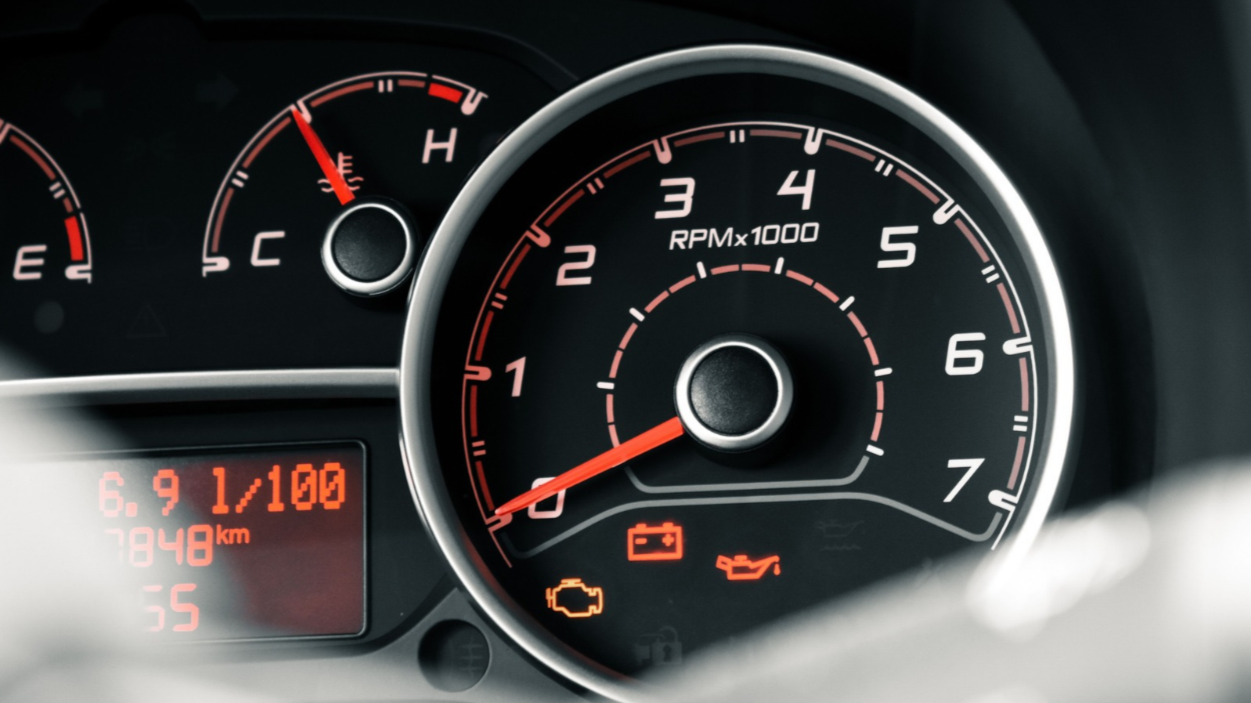
GM helped make oil-life monitors common in the late 1980s and 1990s, replacing the old sticker-on-the-windshield routine with software that estimates oil wear. Modern systems track things like temperature, engine load, trip length, and RPM, though most do not directly test the oil. So the computer is usually smarter than a fixed mileage reminder, but it is still working from a model, not magic.
What The Monitor Usually Cannot See
An oil-life monitor usually does not know if your engine has fuel dilution, coolant contamination, too much dust getting in, or unusual internal wear. It also may not fully reflect every issue tied to direct injection or turbocharging. So even if the system says you can keep driving, common sense still matters.

Why The First Oil Change Gets So Much Attention
Drivers have long worried that the first oil change matters more because a new engine is still breaking in. That concern is not made up, but it is often overstated with modern cars, which are built with much tighter quality control than older engines. Today’s engines also leave the factory with oils and additive packages chosen for that first stretch of use.
Factory Fill Is Not Always Just Regular Oil
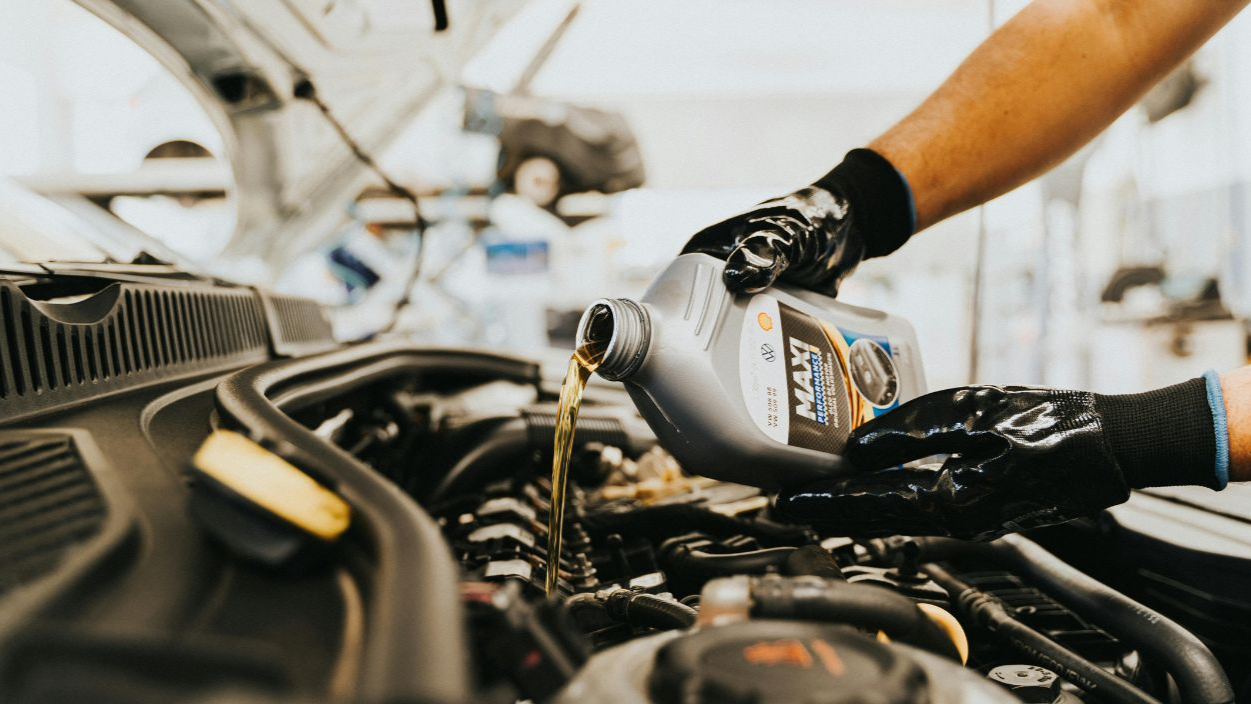
Some automakers have used special factory-fill formulas or break-in additives, and many specifically tell owners not to change the oil early unless the maintenance system calls for it. Honda has said in owner communications that factory fill can contain additives meant to help engine break-in. That is one reason the old advice to dump the first oil at 500 miles does not fit every modern car.
An Early Oil Change Usually Will Not Hurt
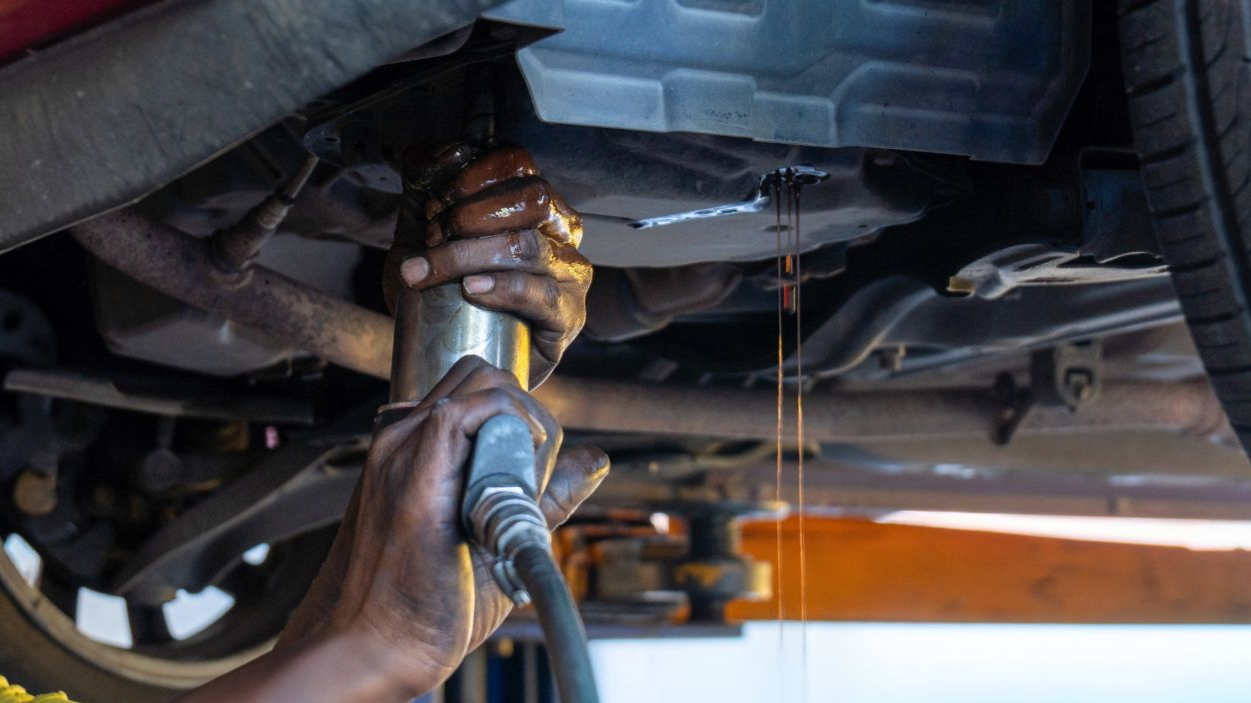
If you change the oil early using the correct oil and filter, you usually are not harming the engine. But you may just be spending money sooner than needed. More important, changing it early once does not mean you can ignore the actual maintenance schedule afterward.
Where The 15,000-Mile Number Usually Comes From
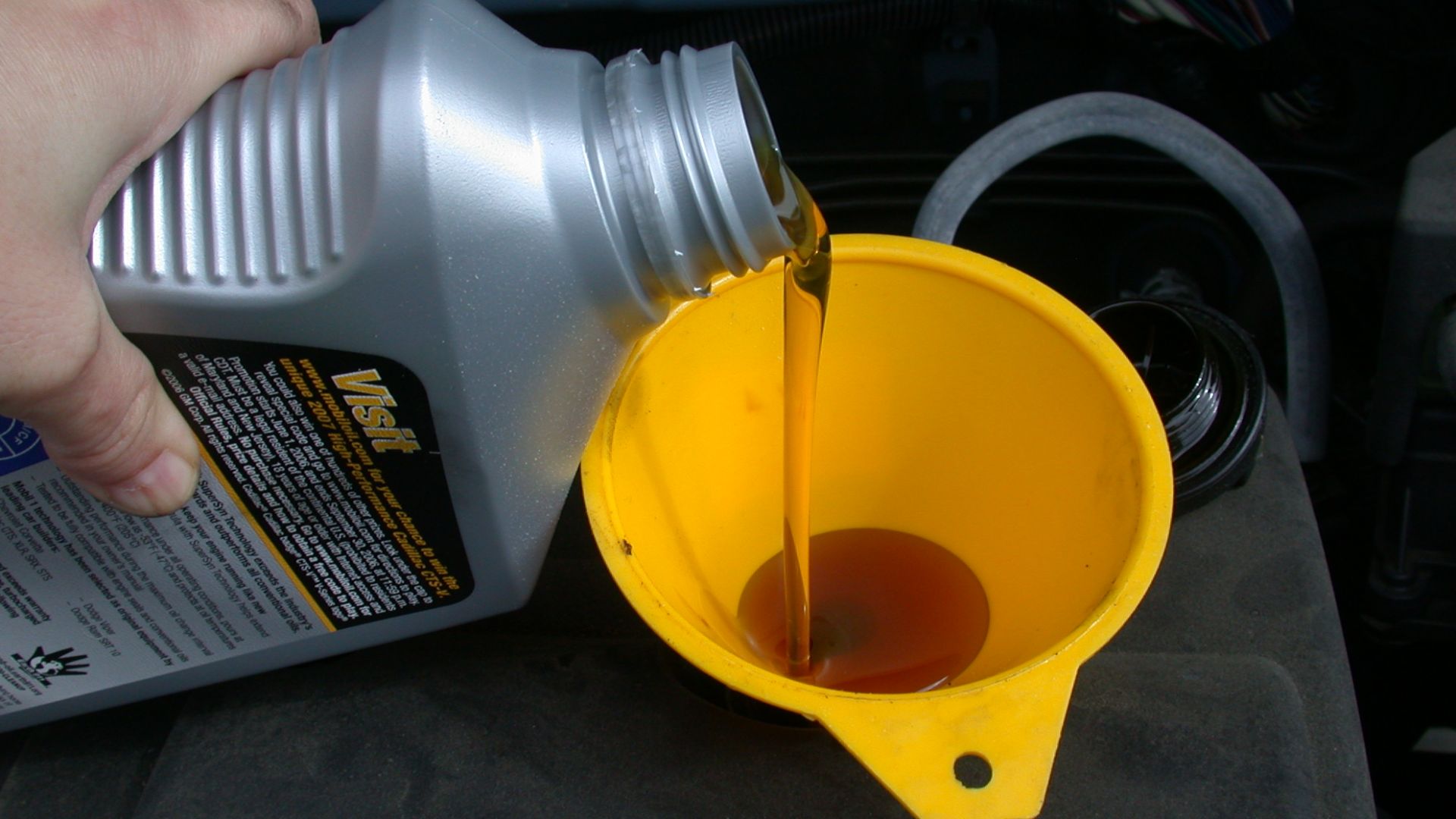
That number usually comes from one of three places. It may be the carmaker’s official interval under ideal conditions, the oil-life monitor’s estimate, or a dealer trying to simplify the message. Problems start when those three things get mashed together into one easy answer.

BMW Is One Of The Best-Known Examples
BMW has long used condition-based service and longer intervals that can stretch to around 15,000 miles or more depending on the model and how it is driven. That does not mean every BMW owner should automatically wait that long in every situation. It does show that extended intervals are real when the engine, oil spec, and monitoring system were designed for them.

GM And Others Back Longer Intervals Too
GM’s Oil Life System has long supported intervals far beyond the old 3,000-mile rule when conditions allow it. Other automakers have similar systems, and many engines now require or recommend synthetic oil. The important part is that these intervals depend on the right oil specification, not just any cheap oil off the shelf.

The 3,000-Mile Rule Is Mostly Old News
For many modern cars, changing oil every 3,000 miles is overkill unless the vehicle sees very severe use or the manufacturer calls for something shorter. Advice from AAA, Consumer Reports, and automakers has steadily moved drivers away from that old habit. Modern oils simply last longer than they used to.
Severe Service Is The Fine Print That Gets People
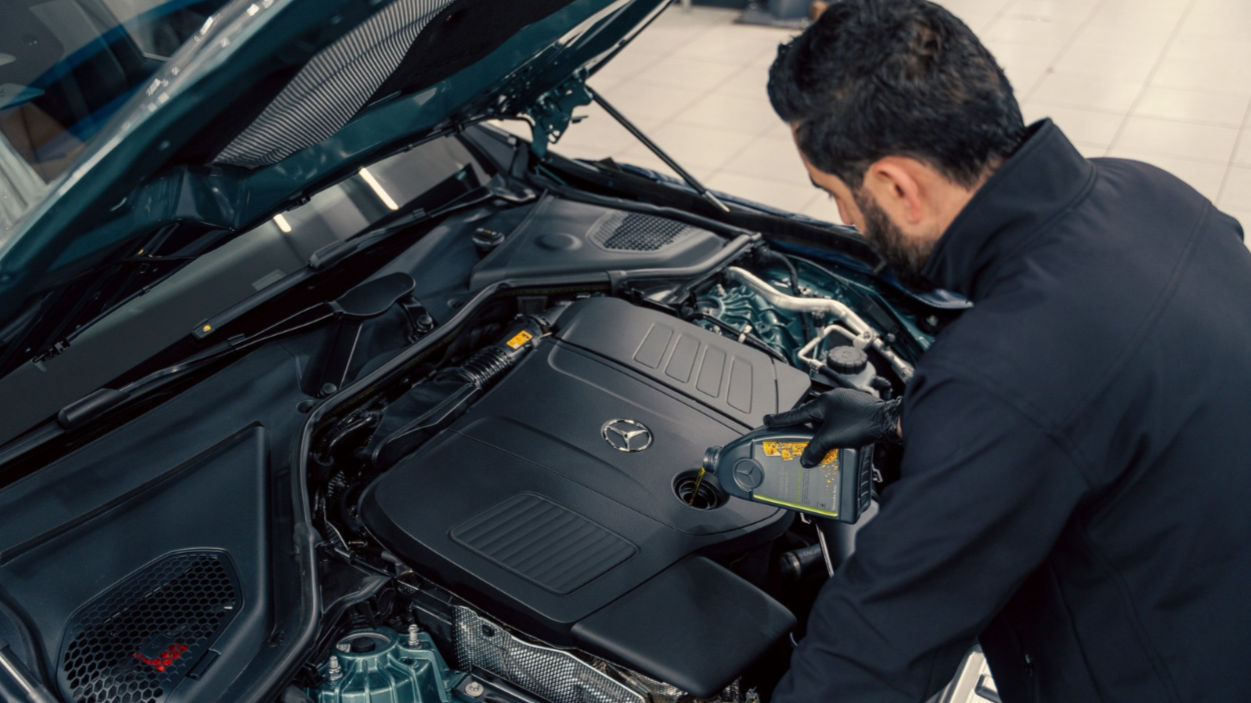
A lot of drivers assume they fall under normal driving conditions, but the manual often says otherwise. Frequent short trips in cold weather, stop-and-go commuting, towing, roof racks, mountain driving, and long idling can all count as severe service. If that sounds like your daily routine, 15,000 miles may be far too optimistic.

Turbo Engines Raise The Stakes
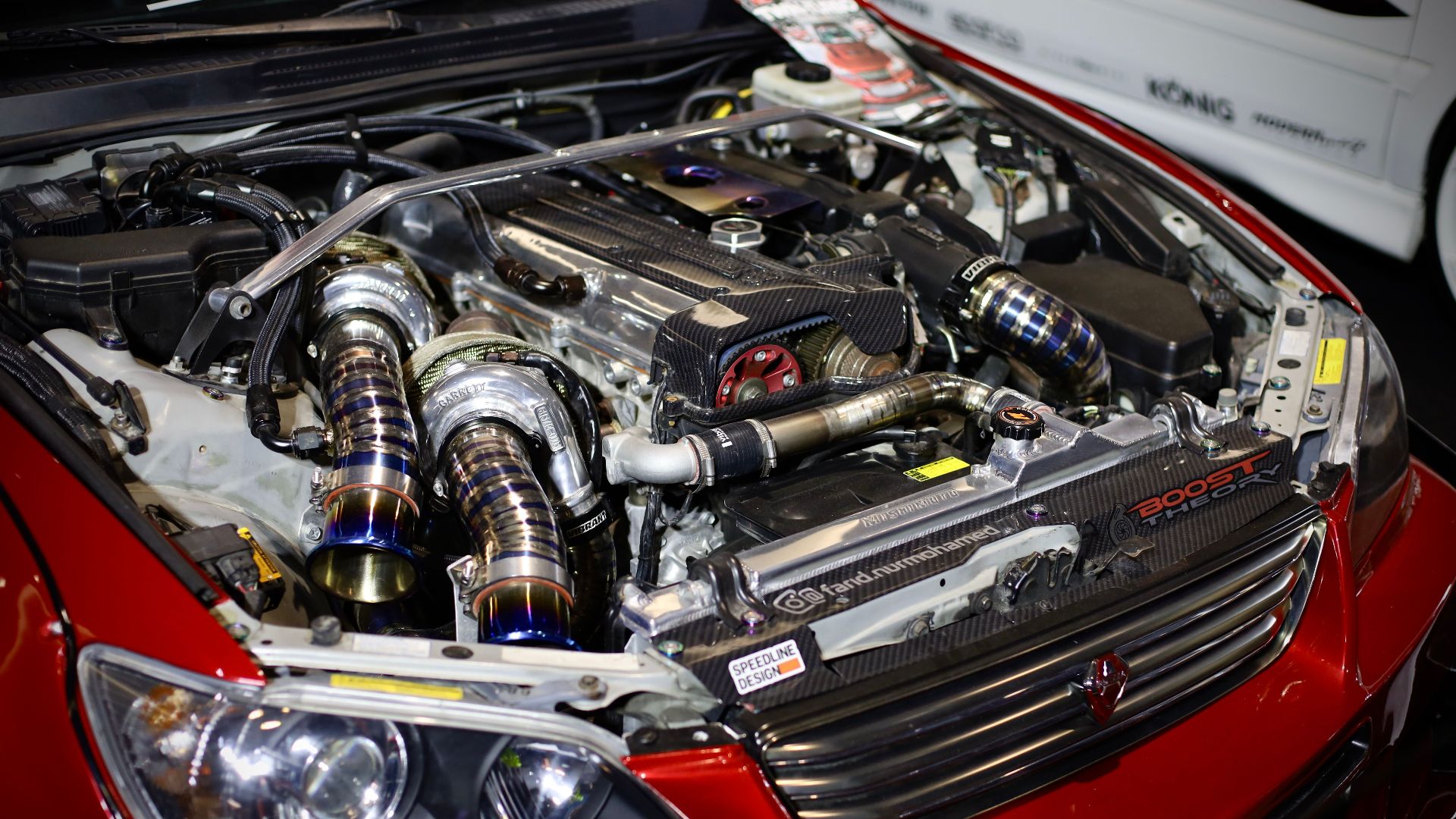
Turbocharged engines run hotter and often put more stress on oil than naturally aspirated engines. They are not automatically fragile, but they are less forgiving when maintenance gets pushed too far. If your car has a turbo and you do lots of short trips or hard driving, a more conservative oil schedule can be cheap insurance.
Direct Injection Adds Another Variable
Many modern engines use direct injection, which can contribute to fuel dilution in some engines and driving patterns. Fuel dilution can thin the oil and reduce how well it protects the engine. That is one reason two people with the same car can end up with very different oil condition at the same mileage.

Time Matters Just As Much As Mileage
Even if you do not hit the mileage limit, most automakers also set a time limit, often one year. Oil ages, additives wear out, and moisture can build up in engines that see lots of short trips. A car that only travels 4,000 miles a year still does not get a free pass forever.
Warranty Rules Still Matter
If your car is under warranty, the smartest move is to follow the manufacturer’s schedule and keep records. The Magnuson-Moss Warranty Act generally stops a manufacturer from requiring branded parts unless they provide them for free, but it does not let owners skip maintenance. Use the correct oil grade and specification, keep receipts, and note the date and mileage.

What If The Dealer Says One Thing And The Manual Says Another
If the dealer says 15,000 miles but the manual says 10,000 miles or one year, the manual wins. Dealers are franchises, and advice can vary from one store to another. If you want a clear answer, ask the service department to show you the schedule in writing for your exact year, engine, and driving conditions.

Used Oil Analysis Is The Best Reality Check
If you really want to know whether 15,000 miles works for your car, used oil analysis is one of the best tools out there. Labs such as Blackstone can test wear metals, viscosity, fuel dilution, and contamination after an oil change interval. Most drivers do not need to do it, but it can settle the argument with real data instead of message-board guesses.

Why Some Enthusiasts Still Change Oil Early
People who keep cars for the long haul often change oil earlier than required because oil is a lot cheaper than an engine. That logic makes sense, especially for performance cars, tow vehicles, and cars that spend most of their life in city traffic. It is less a rejection of modern engineering and more a hedge against the worst-case scenario.
Why Some Dealers Push Longer Intervals
Sometimes the reason is completely legit because the automaker allows it. Other times, longer intervals make ownership costs look lower on paper and cut down on included maintenance visits. That is one more reason to separate marketing from the actual maintenance schedule.

The Safest Answer Is Also The Least Exciting
If the manufacturer clearly allows 15,000-mile oil changes for your exact vehicle, you are using the correct oil, and your driving matches the intended conditions, then yes, it can be safe. If your driving is severe, your engine is known to be hard on oil, or the manual calls for a shorter interval, then no, you should not assume 15,000 miles is fine. This is one of those questions where the quick answer can get expensive.

A Reasonable Middle Ground For Careful Owners
If 15,000 miles makes you uneasy but you do not want to waste money, a middle-ground plan often works well. Follow the oil-life monitor and the manufacturer’s limits, but think about changing a little earlier if you drive under severe conditions or plan to keep the car for many years. For a lot of drivers, something like 5,000 to 7,500 miles is a common compromise, though your manual should make the final call.

Questions To Ask Before Waiting For 15,000 Miles
Ask whether your car has an oil-life monitor, whether 15,000 miles is actually printed in the manual, what oil specification is required, and whether your driving counts as severe service. If the dealer is making a strong recommendation, ask for it in writing. Those few questions can save you a lot of confusion later.

So, Is It Safe
Sometimes yes. Sometimes absolutely not. The only solid answer is this: 15,000 miles is safe only if your manufacturer says so for your exact vehicle and your real driving conditions, and only if you use the specified oil and filter and follow the time limit too.