The Half-Price Temptation
When a salvage-title car shows up at half the price of a similar clean-title model, it can look like a smart shortcut. For a parent helping a daughter shop on a budget, that kind of discount is hard to ignore. But that low price usually points to a serious event in the car’s past, not a lucky break.
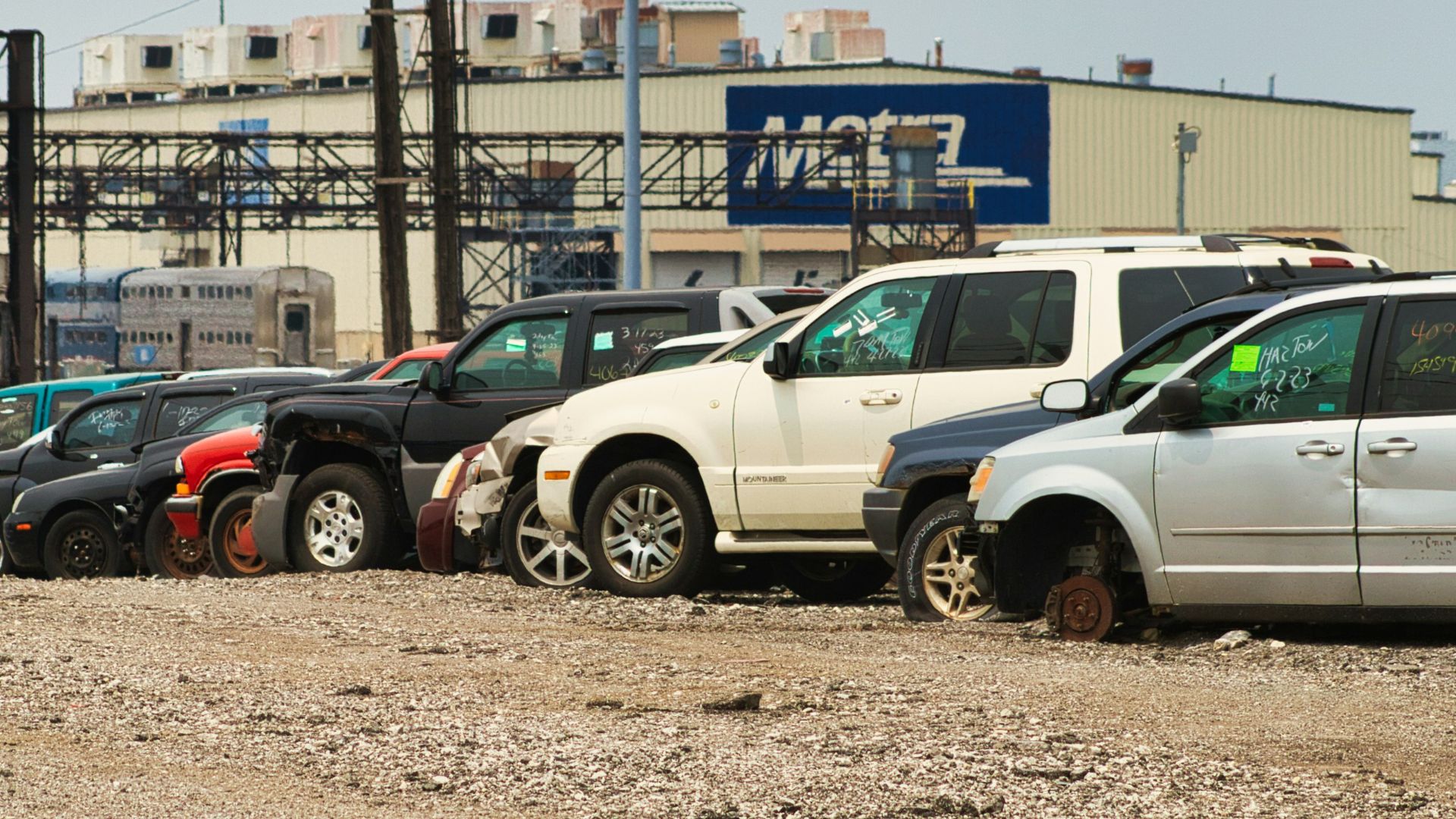
 Crediton: Kirton Car Salvage by Lewis Clarke, Wikimedia Commons, Modified
What A Salvage Title Really Means
A salvage title usually means an insurer declared the vehicle a total loss after major damage, theft recovery, or another big event. Rules vary by state, but the basic idea is the same: the loss was serious enough that the car was no longer worth insuring like a normal vehicle. The National Insurance Crime Bureau says title brands exist to warn buyers about important history problems.
Why The Price Drops So Much
Salvage-title cars are cheaper because buyers, lenders, and insurers see them as risky. Kelley Blue Book says branded-title vehicles usually sell for much less than similar clean-title cars. The discount is real, but so is the reason for it.

Totaled Does Not Always Mean Wrecked Beyond Repair
This is where things get confusing. A car can be totaled without being destroyed, because insurers often make that call when repair costs and related expenses pass a certain percentage of the car’s value under state rules or company formulas. The Insurance Information Institute notes that a total loss is often a financial decision, not just a judgment about how bad the damage looks.

The Damage Could Be Minor Or Major
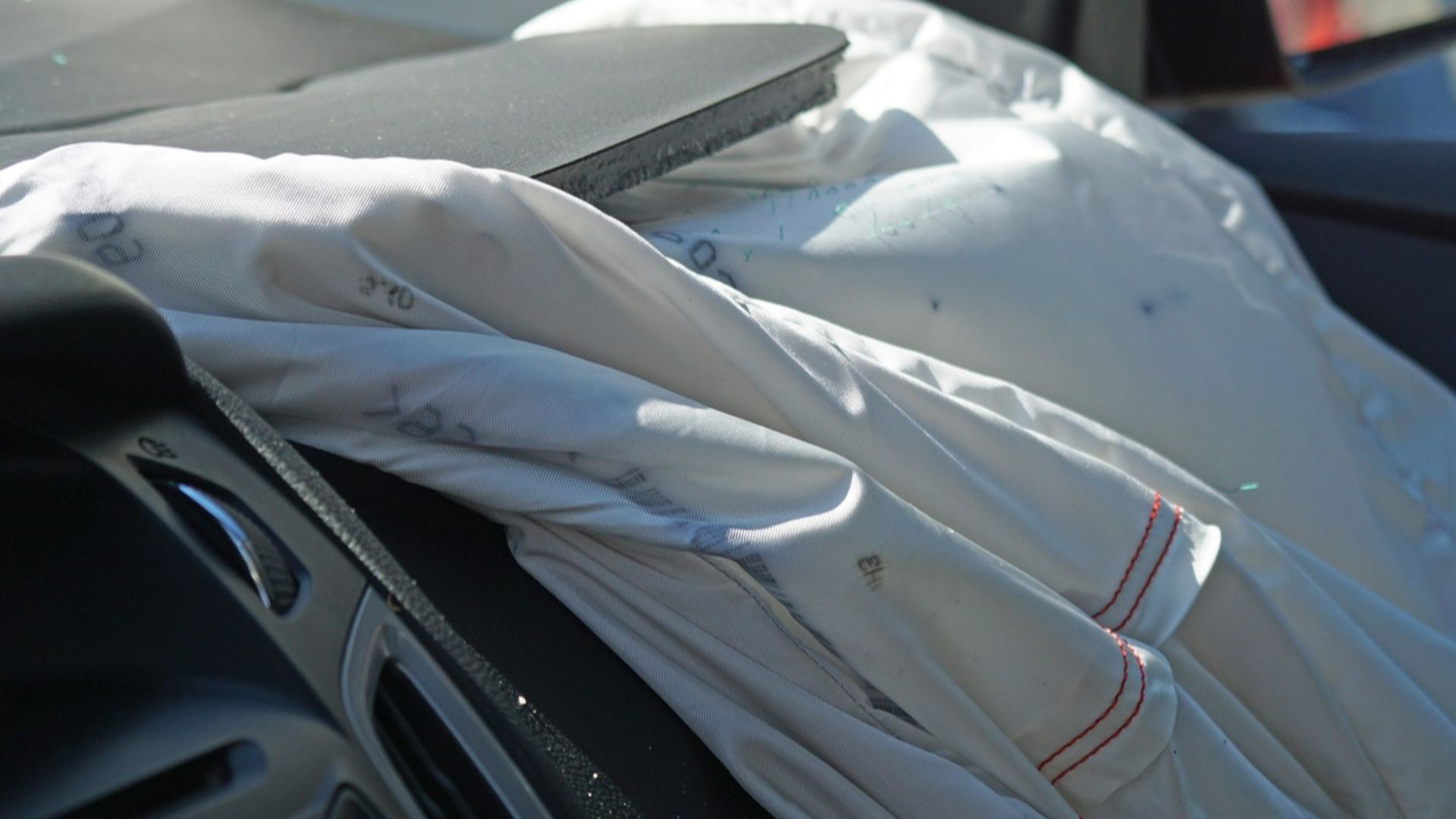
Some salvage cars were written off because of hail damage, theft recovery, or vandalism that may not change how they drive. Others were hit hard enough to bend the structure, deploy airbags, or flood important electronics. Without records and a professional inspection, it can be hard to tell which kind of salvage deal you are looking at.
Flood Cars Are The Biggest Red Flag
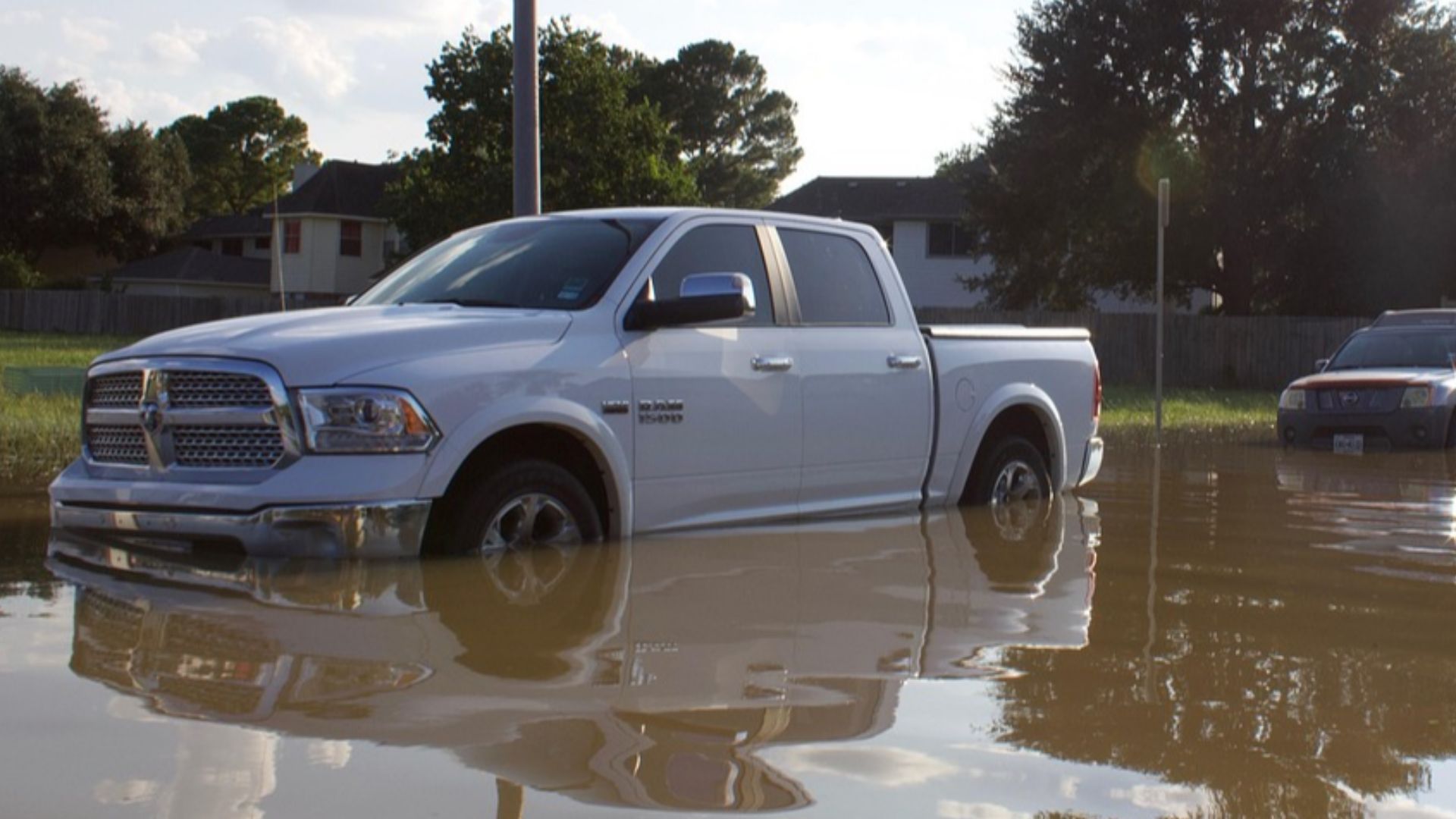
If there is one kind of salvage car that should make buyers slow down, it is a flood vehicle. The National Insurance Crime Bureau has long warned that flood-damaged cars often return to the used market after major storms. Water can corrode wiring, damage safety systems, and cause electrical problems that show up months later.
Why Flood Damage Can Haunt A Car
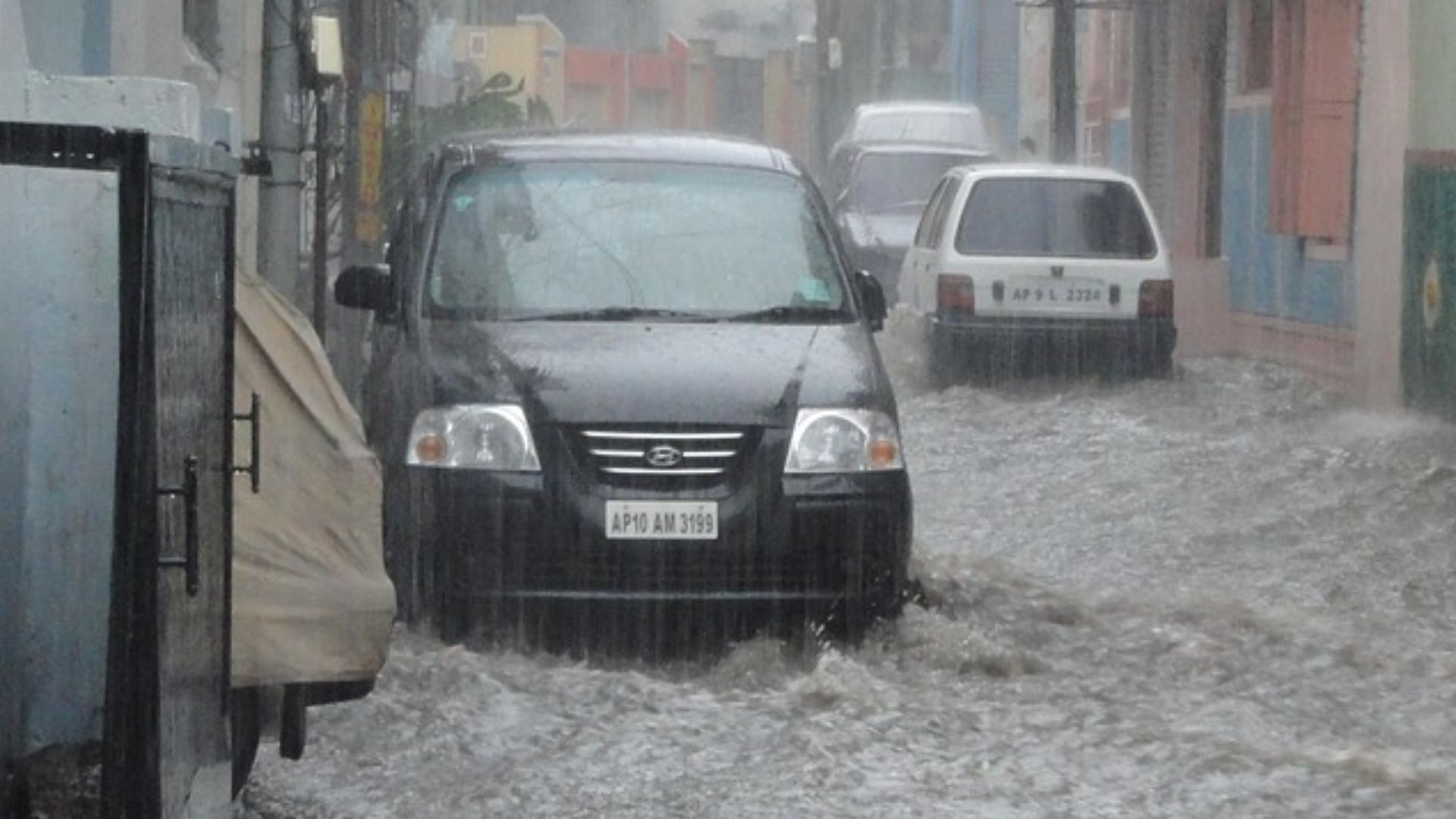
Modern cars rely on sensors, modules, and connectors that do not always recover after being submerged. Consumer Reports warns that flood damage can lead to mold, corrosion, and electrical failures that are tough and expensive to track down. A cheap car can turn into a very costly problem.
Rebuilt Is Not The Same As Salvage
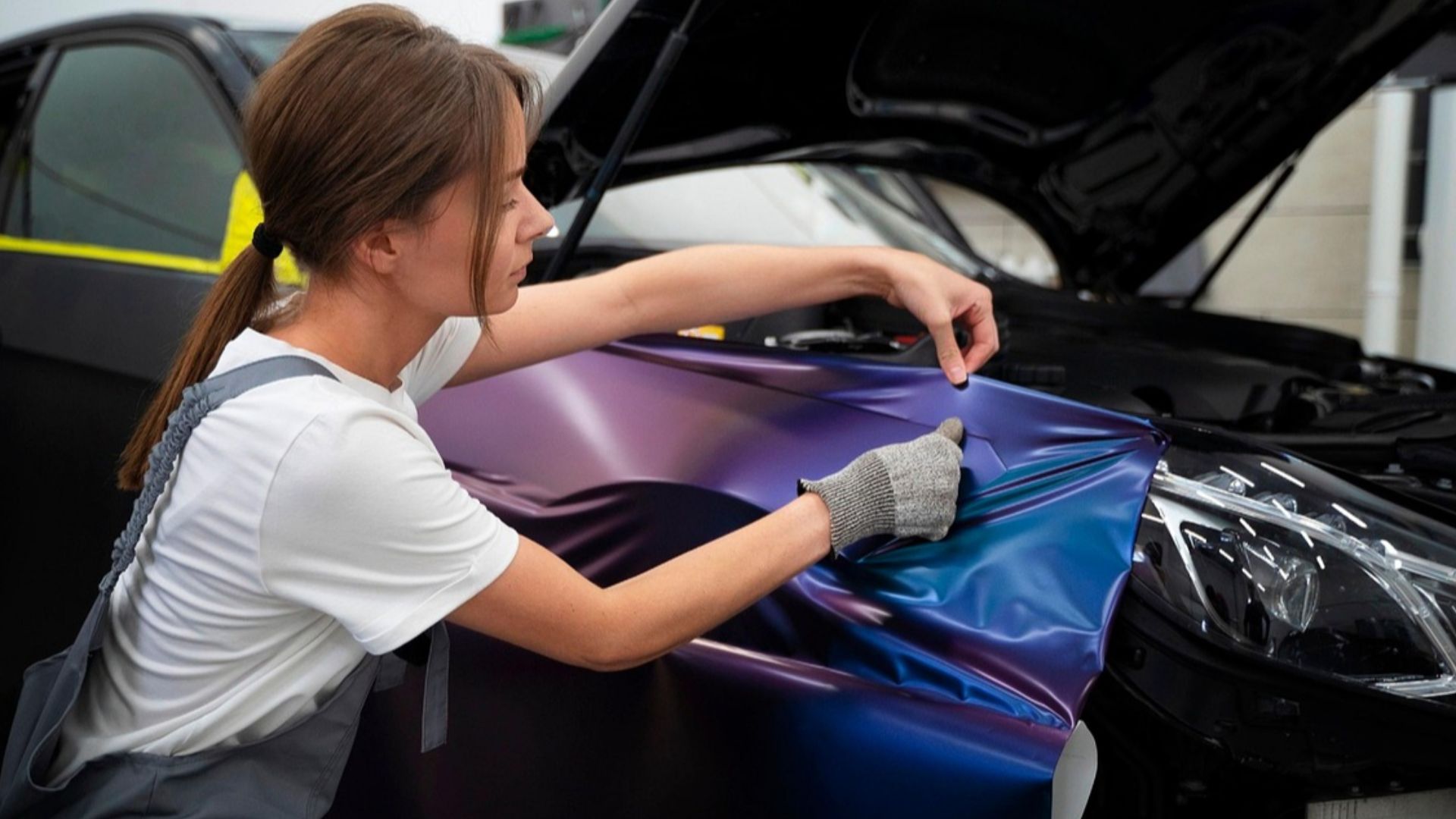
In many states, a salvage vehicle can be repaired, inspected, and retitled as rebuilt, reconstructed, or revived salvage. That does not erase its past. It only means the car passed the inspection required by the state before going back on the road.
A Rebuilt Inspection Is Not A Guarantee
This is one of the biggest mistakes buyers make. State inspections for rebuilt vehicles often focus on parts, identity, and basic roadworthiness, not on proving the car is as safe or durable as it was before the loss. A rebuilt title is still a warning, not a stamp of approval.
Safety Should Come First For A Young Driver
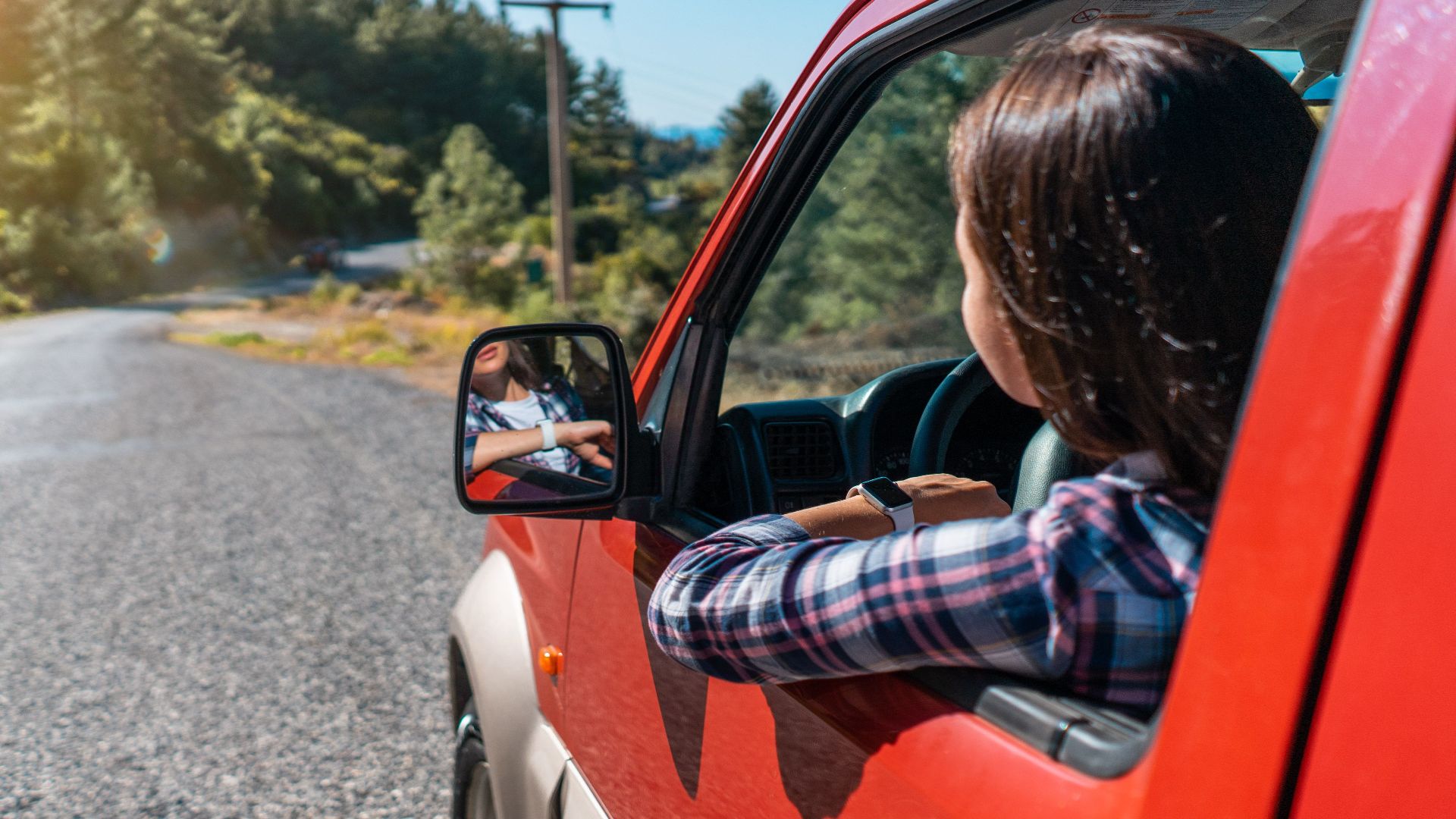
If this car is for your daughter’s commute, school trips, or nighttime highway driving, safety matters more than the discount. Poor crash repairs can affect airbags, crumple zones, alignment, and how the car protects people in another collision. That is a big risk to take just to save money upfront.
Airbags And Structural Repairs Matter More Than Looks
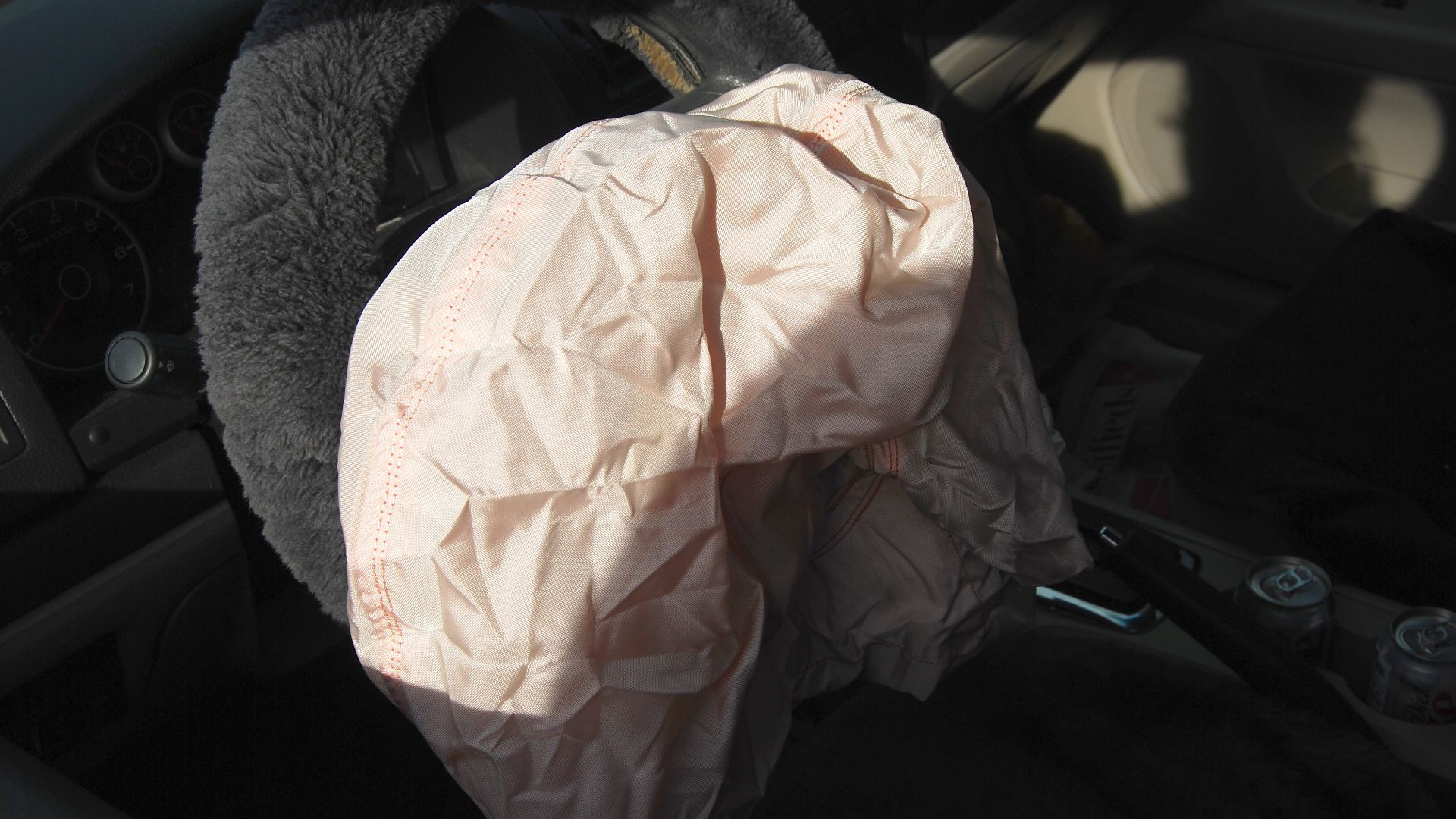
A car can look great on the outside and still hide serious problems underneath. The National Highway Traffic Safety Administration has warned consumers about airbag fraud and bad repairs, especially in cars with previous crash damage. Paint and bodywork are easy to notice. Structural damage and restraint-system issues are where the real danger is.
 Eddie Maloney from North Las Vegas, USA, Wikimedia Commons
Insurance Can Get Complicated Fast
Before anyone pays for the car, call an insurer with the VIN and ask exactly what coverage is available. Some insurers will only offer liability coverage on salvage or rebuilt-title cars, while others may offer more after an inspection. The lower price does not help much if collision and comprehensive coverage are limited or unavailable.

Lenders Usually Do Not Like Branded Titles
If financing is part of the plan, a salvage or rebuilt title can shrink the list of options quickly. Many lenders avoid branded-title vehicles because resale value is lower and damage history is harder to judge. What looks like a bargain can turn into a cash-only deal.

Resale Value Usually Stays Low
The same discount that makes the car look appealing now will probably still be there when it is time to sell. Kelley Blue Book says branded-title vehicles are worth less than similar clean-title cars, and many buyers will not even consider them. Saving money now can mean getting very little back later.

The Vehicle History Report Is Only A Starting Point
Carfax and AutoCheck reports can show title brands, damage events, and odometer issues, but they are not complete records of everything that happened to a car. Not every accident, flood, or repair gets reported everywhere. A good report helps, but it should never replace a real inspection.

Ask For The Before Photos
One of the smartest things you can do is ask the seller for pre-repair auction photos and repair invoices. Those can show whether the car had a damaged bumper cover or a crushed front end. If the seller cannot provide that paper trail, that is a strong reason to walk away.
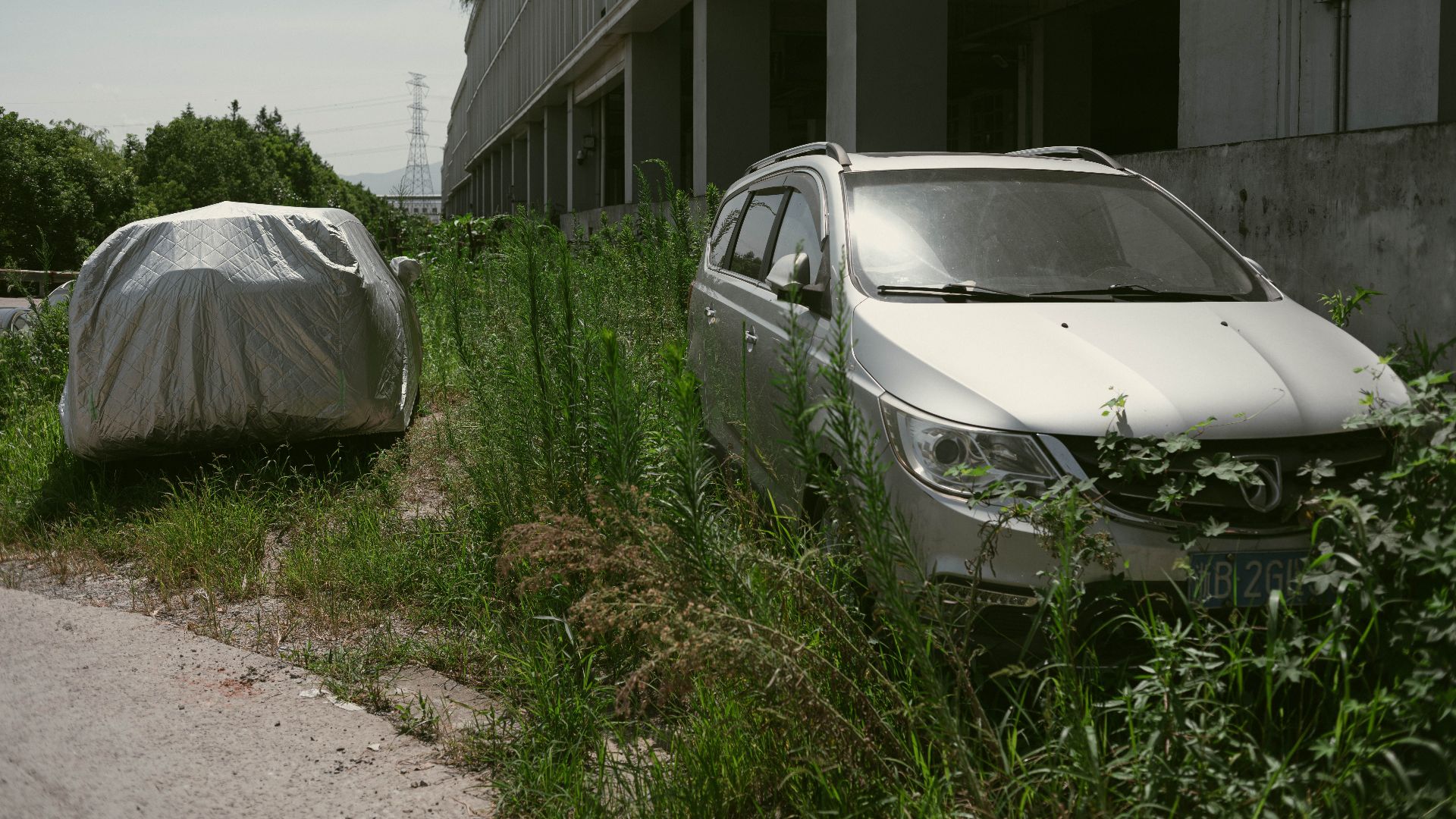
Get A Pre-Purchase Inspection From A Body Shop
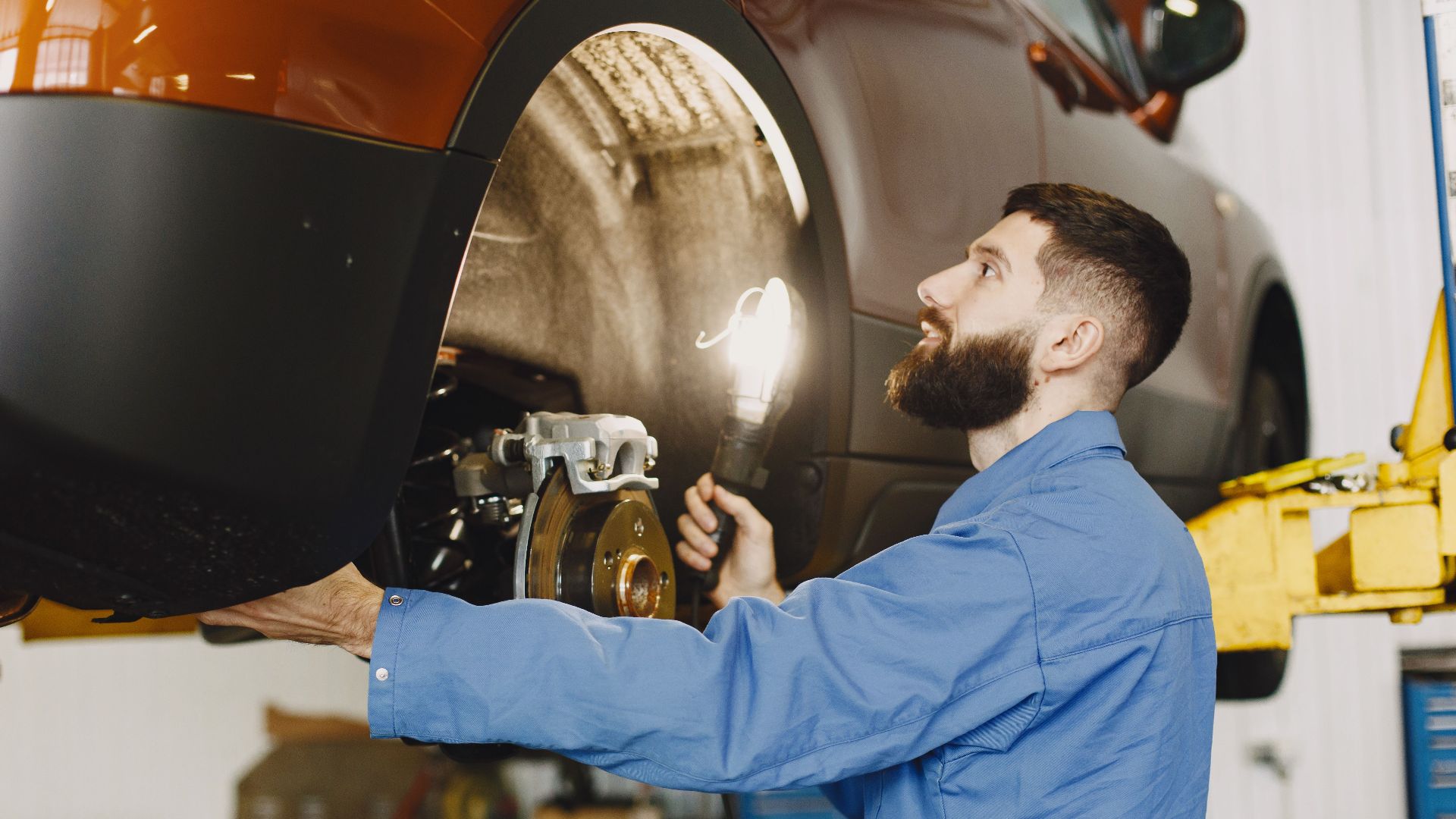
For a salvage or rebuilt car, a basic mechanic inspection is not enough on its own. You want a qualified body shop or collision specialist to check frame measurements, weld quality, panel fit, and signs of water intrusion. Spending a few hundred dollars here can save thousands later.
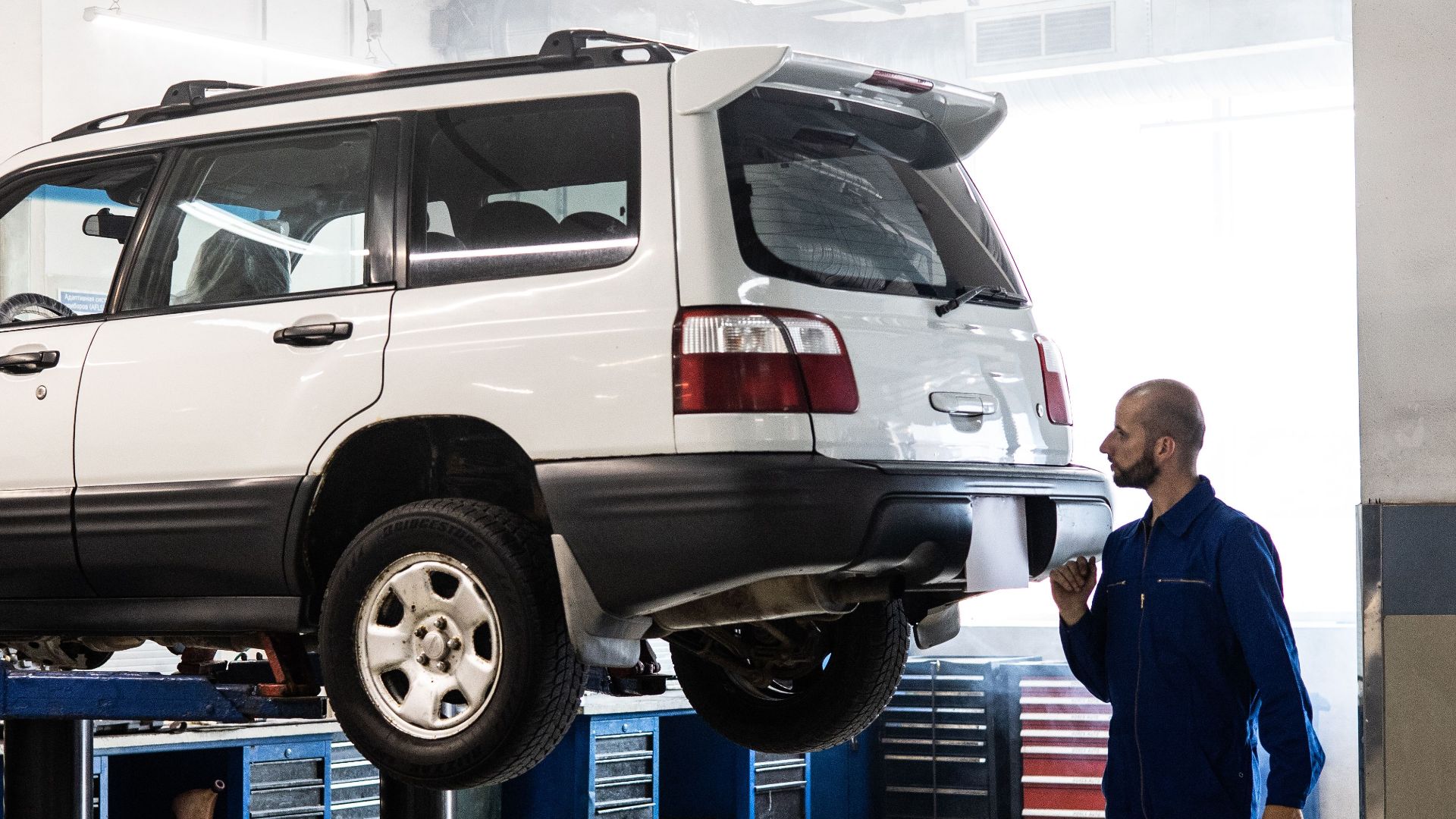
Scan Every Module, Not Just The Check Engine Light
A proper pre-purchase inspection should include a full diagnostic scan. Airbag modules, ABS systems, body control modules, and driver-assistance features can all hold clues about past damage or current problems. A dashboard with no warning lights does not mean everything is fine.
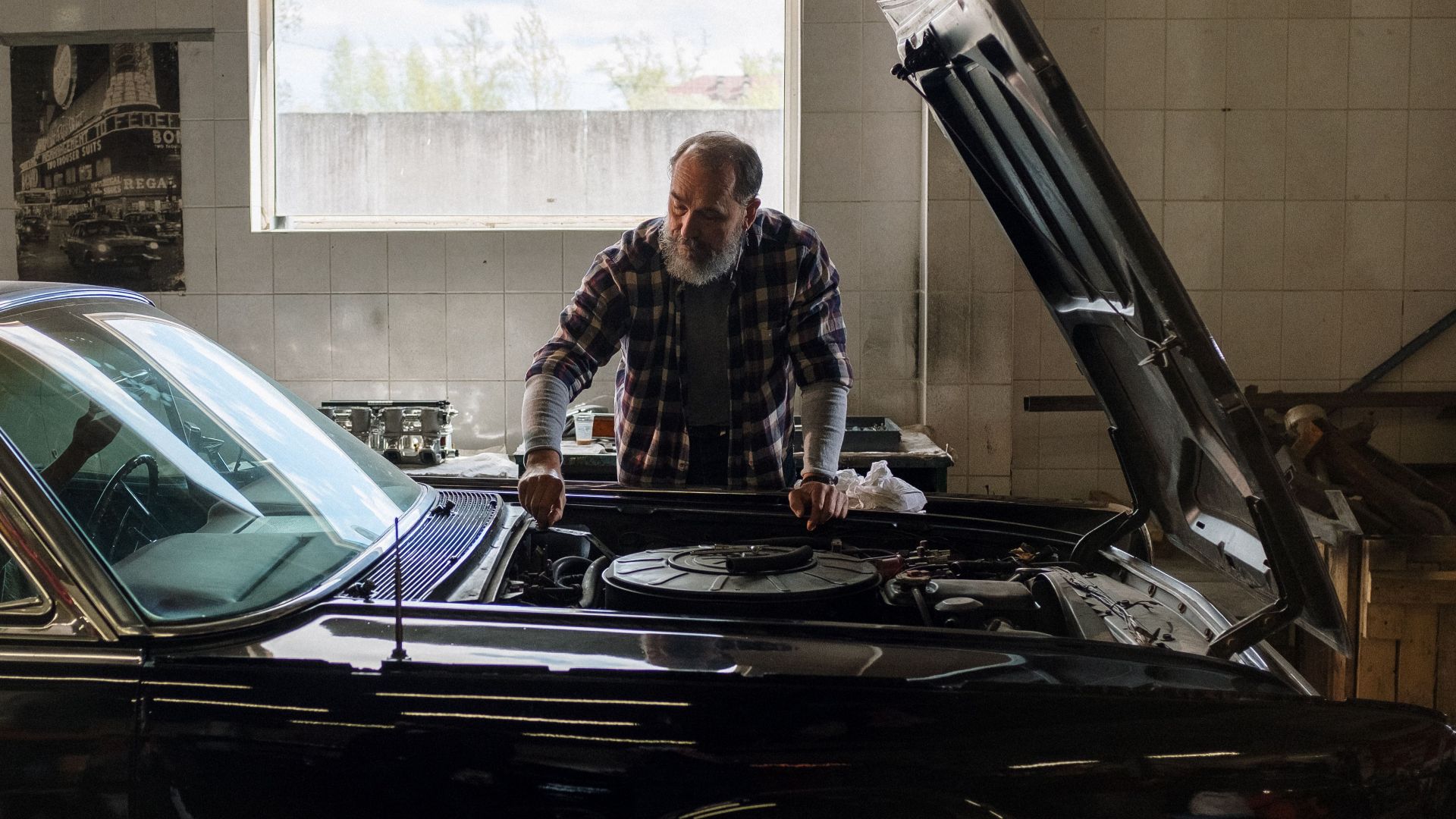
Watch For Flood Clues Inside The Car
Musty smells, damp carpet, silt in hidden spots, foggy lights, rusty seat tracks, and corrosion under the dash are classic warning signs. The NICB and consumer experts have long advised buyers to check hard-to-clean areas like the trunk, spare-tire well, and under-seat hardware. Those places often tell the real story.
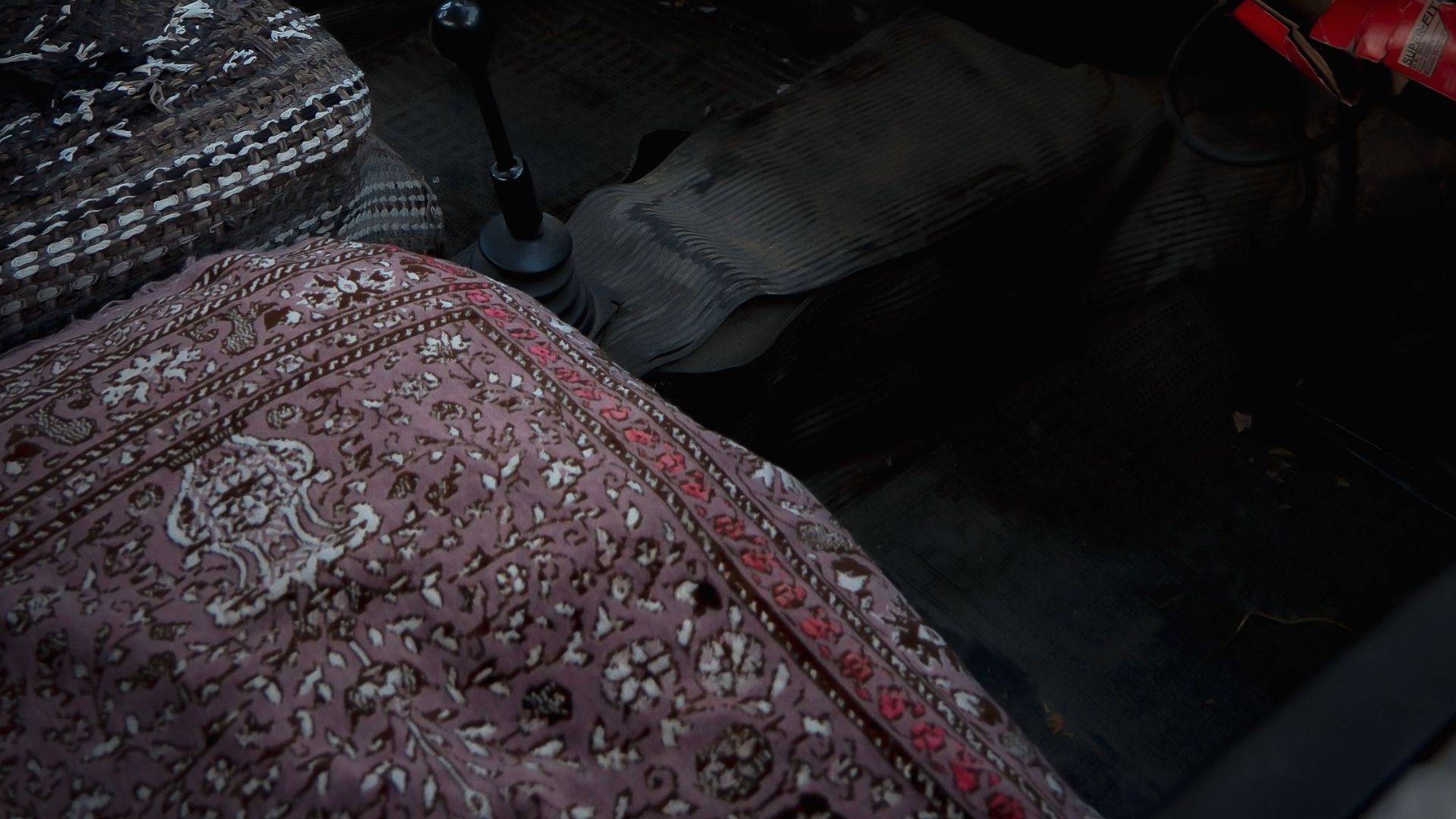
Check What The Title Brand Means In Your State
Title terms vary by state, and that matters. Some states use words like salvage, rebuilt, prior salvage, or reconstructed, and the rules are not always the same. Your state motor vehicle agency is the best place to confirm what the brand means and what paperwork should come with the car.

The Cheapest Car Can End Up Costing The Most
A half-price car that later needs repeated alignments, electrical work, tires, or water-damage repairs is not really a bargain. Consumer Reports has warned that hidden damage can wipe out any expected savings. The real cost of a used car is what you spend over time, not just the sticker price.
There Are Times When It Can Make Sense
A salvage or rebuilt car is not always a bad idea. If the damage was well documented, professionally repaired, independently inspected, and priced very low, it might work for the right buyer. The best fit is usually an older car bought with cash by someone who understands the risk and plans to keep it for a long time.

When It Probably Is Not Worth It
If the car is for a first-time driver, if the damage history is unclear, or if the seller’s story keeps shifting, the risk starts to outweigh the savings. The same goes for flood cars, heavily patched-together repairs, or vehicles with missing records. If the story around the car feels murky, it usually is.

A Better Option For Budget Shoppers
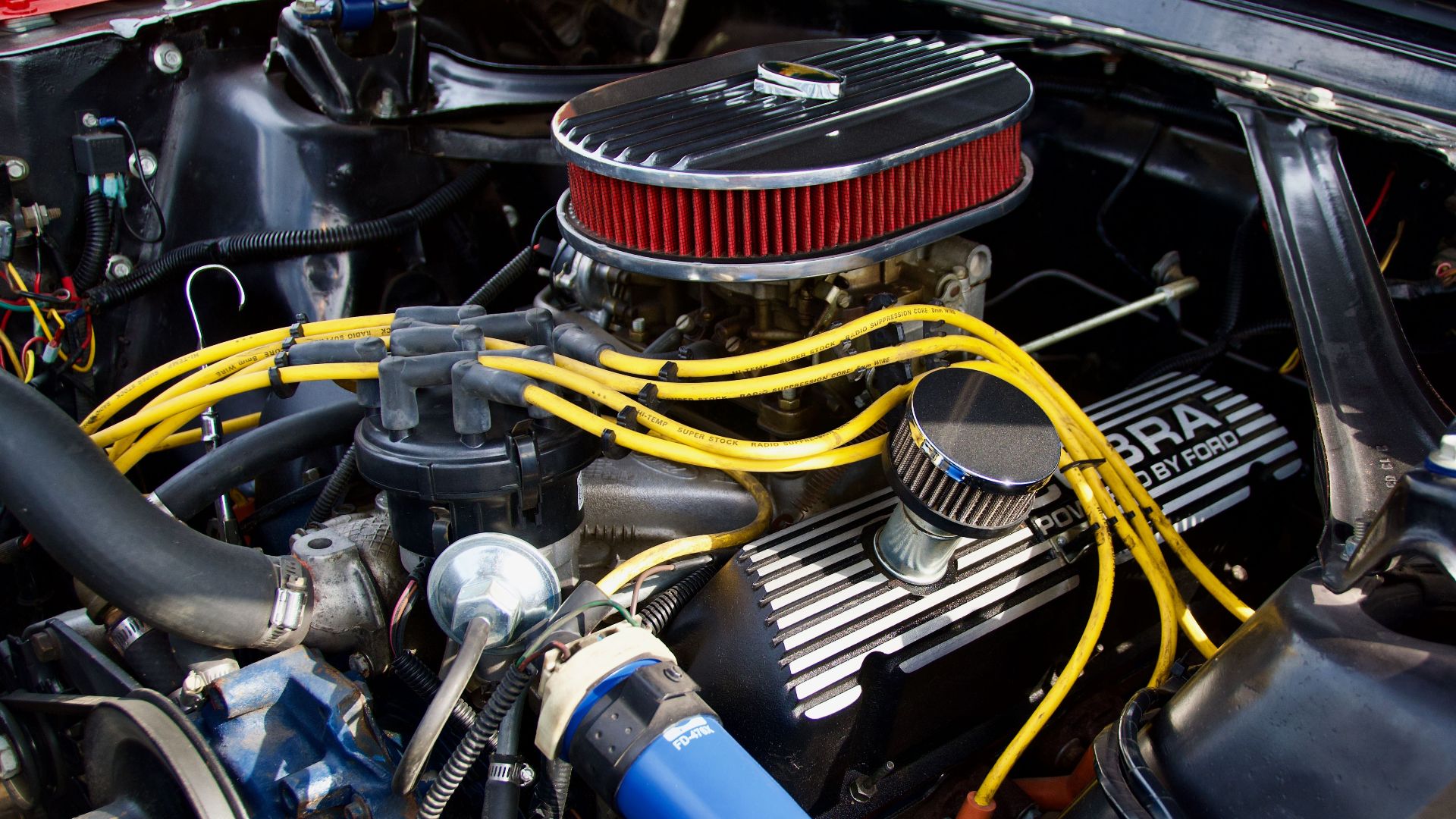
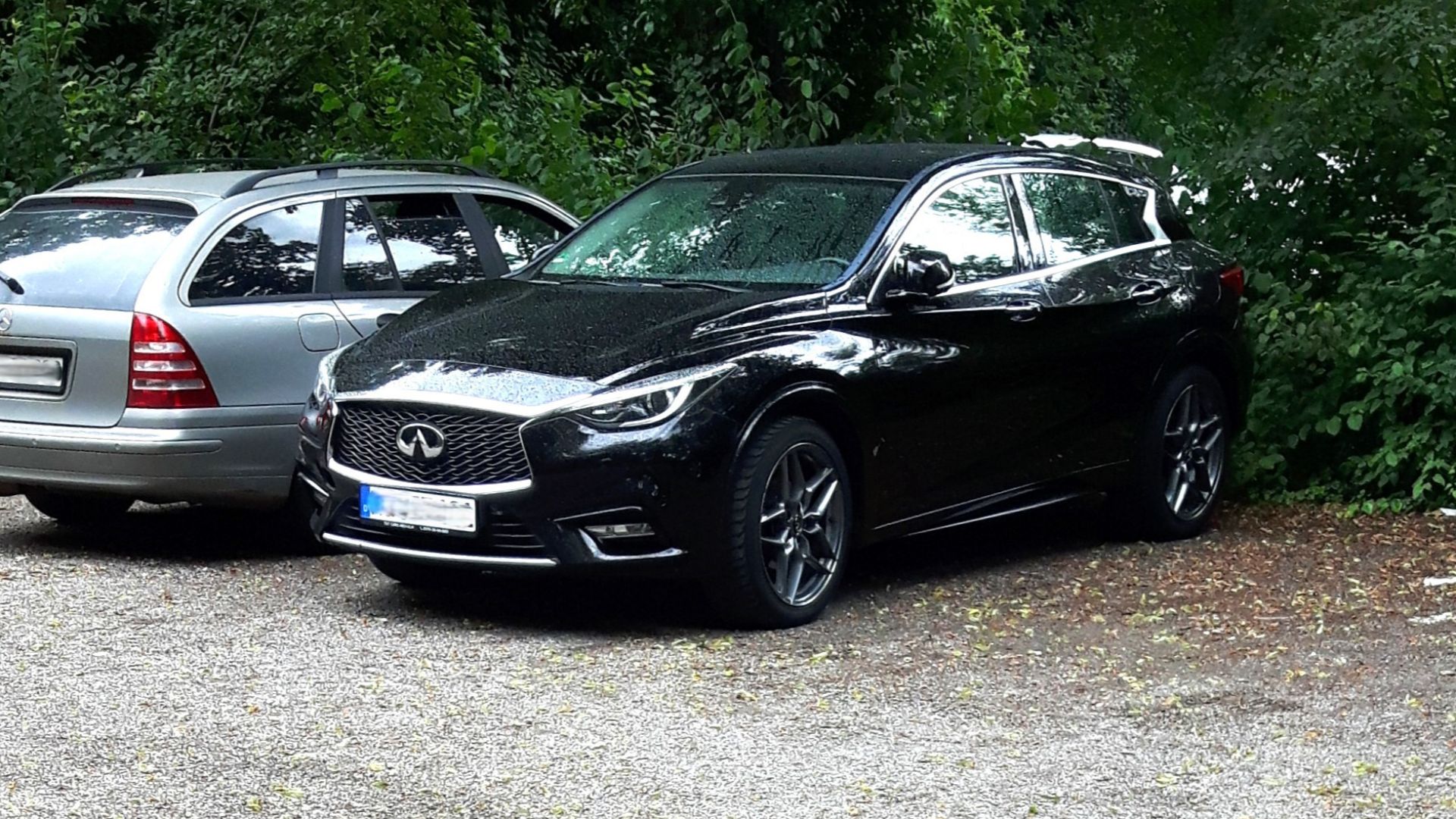
If price is the main concern, an older clean-title sedan or hatchback with a strong reliability record is often the safer bet. A basic, well-maintained compact with service records can be a much better buy than a newer salvage SUV with questionable repairs. Plain and dependable usually wins.
Questions To Ask Before Saying Yes
Ask who repaired the car, what parts were replaced, whether the airbags deployed, whether there are photos from before the repairs, and what title-brand history shows up on the VIN. Ask your insurer what coverage they will offer. Ask your mechanic whether they see signs of structural damage or flood exposure. If the answers are vague, that tells you something too.
The Parent-Daughter Decision Test
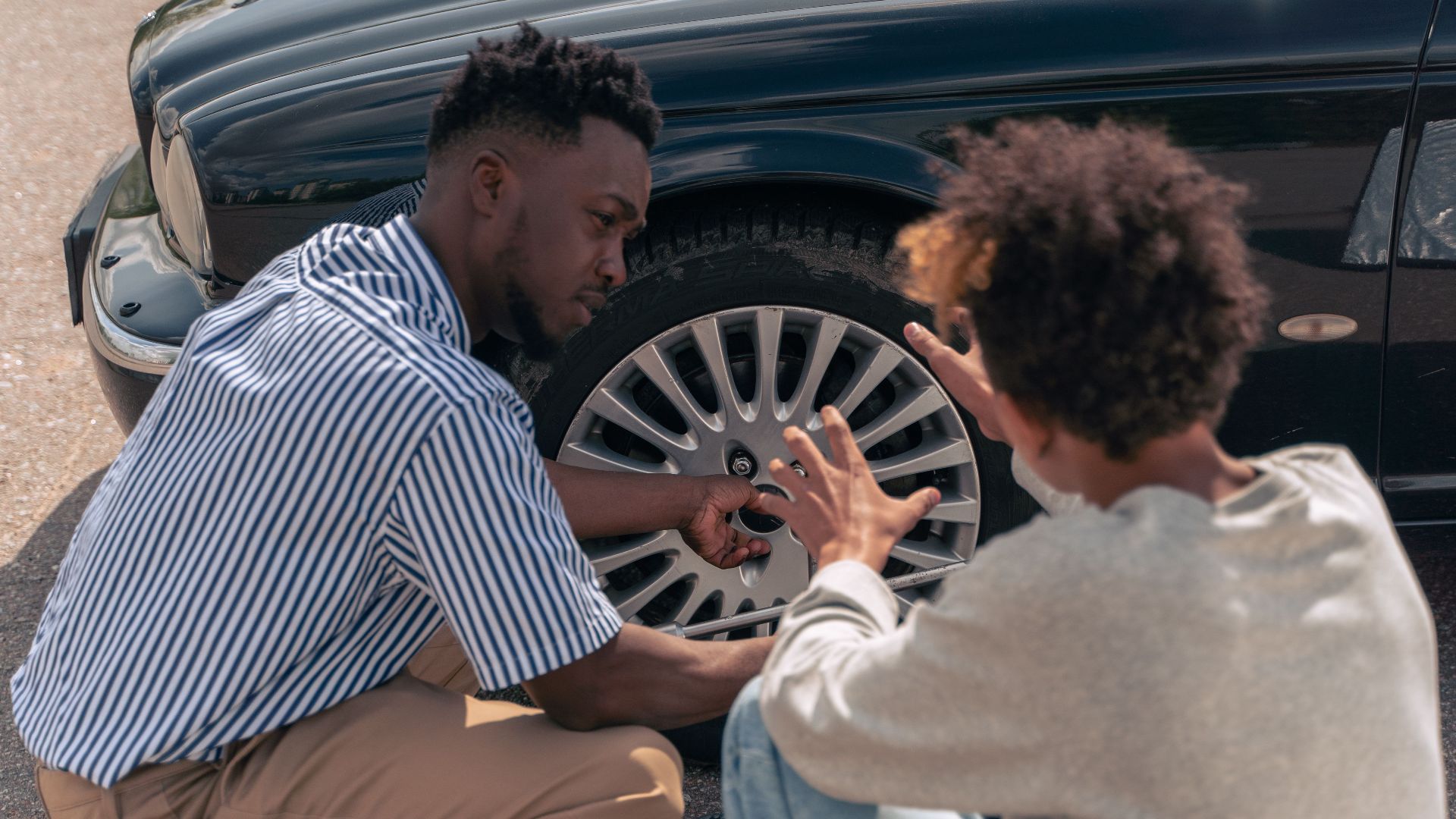
There is a simple way to think about it. If this were a clean-title car at a normal price, would you still trust the quality of the repairs enough to put your daughter in it every day? If the answer is no, the discount is not a deal. It is a warning sign.

The Bottom Line On The Bargain
A salvage-title car can be worth considering, but only in limited cases and only after careful homework. For most families looking for safe, dependable daily transportation, a clean-title car with a solid maintenance history is the better choice. Half the price sounds great, but hidden damage, insurance problems, and safety doubts can burn through those savings fast.