Why This Feels Like Paying Twice
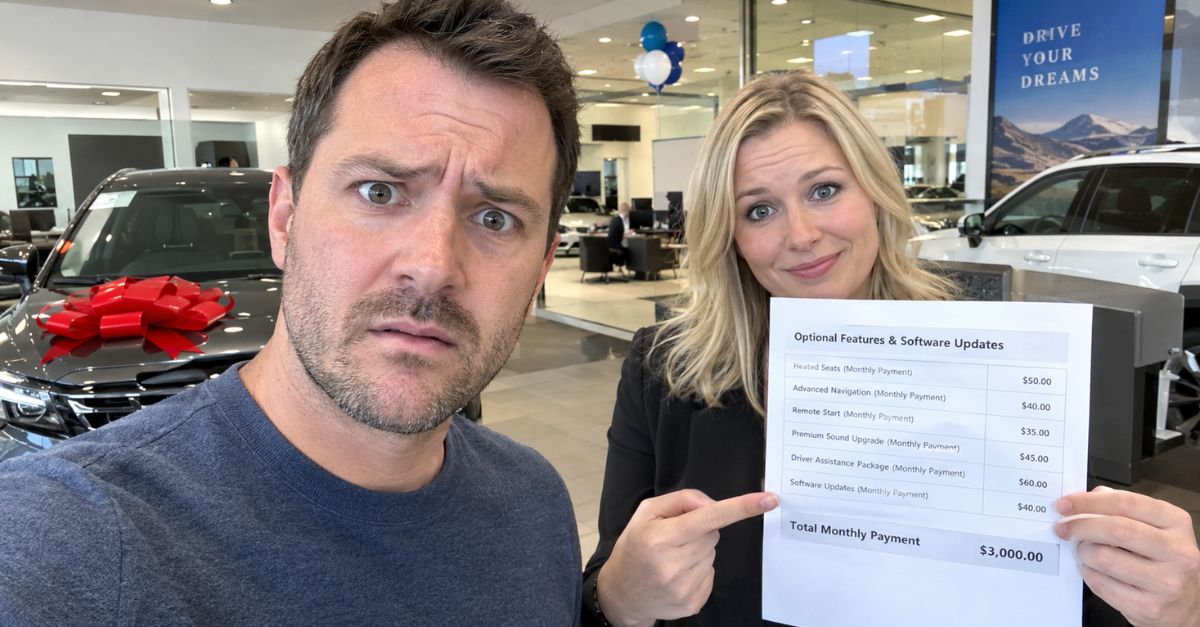
You buy the car, and the hardware is already there. Then the automaker wants a monthly fee to turn on a feature the vehicle can already physically do. That is why so many drivers hear this pitch and think, “So I’m paying twice?”
The Basic Fight In One Sentence
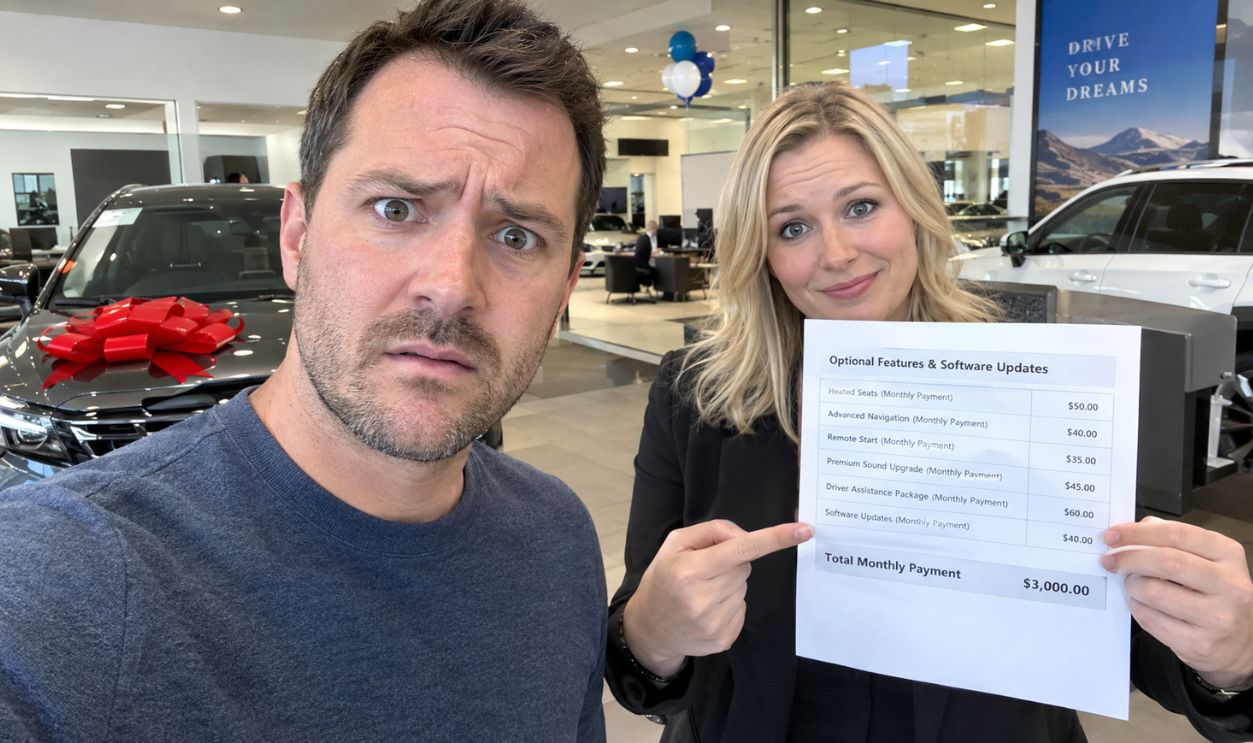
Carmakers are increasingly separating the cost of the hardware from the cost of using certain software-controlled features. Their argument is that you are paying not just for the part, but for software, updates, connectivity, and support over time. Many drivers see it differently, especially when the feature depends on equipment that was installed at the factory and included in the price of the car.

How We Got Here
This shift did not happen all at once. As cars turned into rolling computers, manufacturers gained the ability to lock and unlock features with software instead of tools. That opened the door to subscription revenue, a business model already common in streaming, phones, and software apps.

BMW Turned The Debate Into A Headline
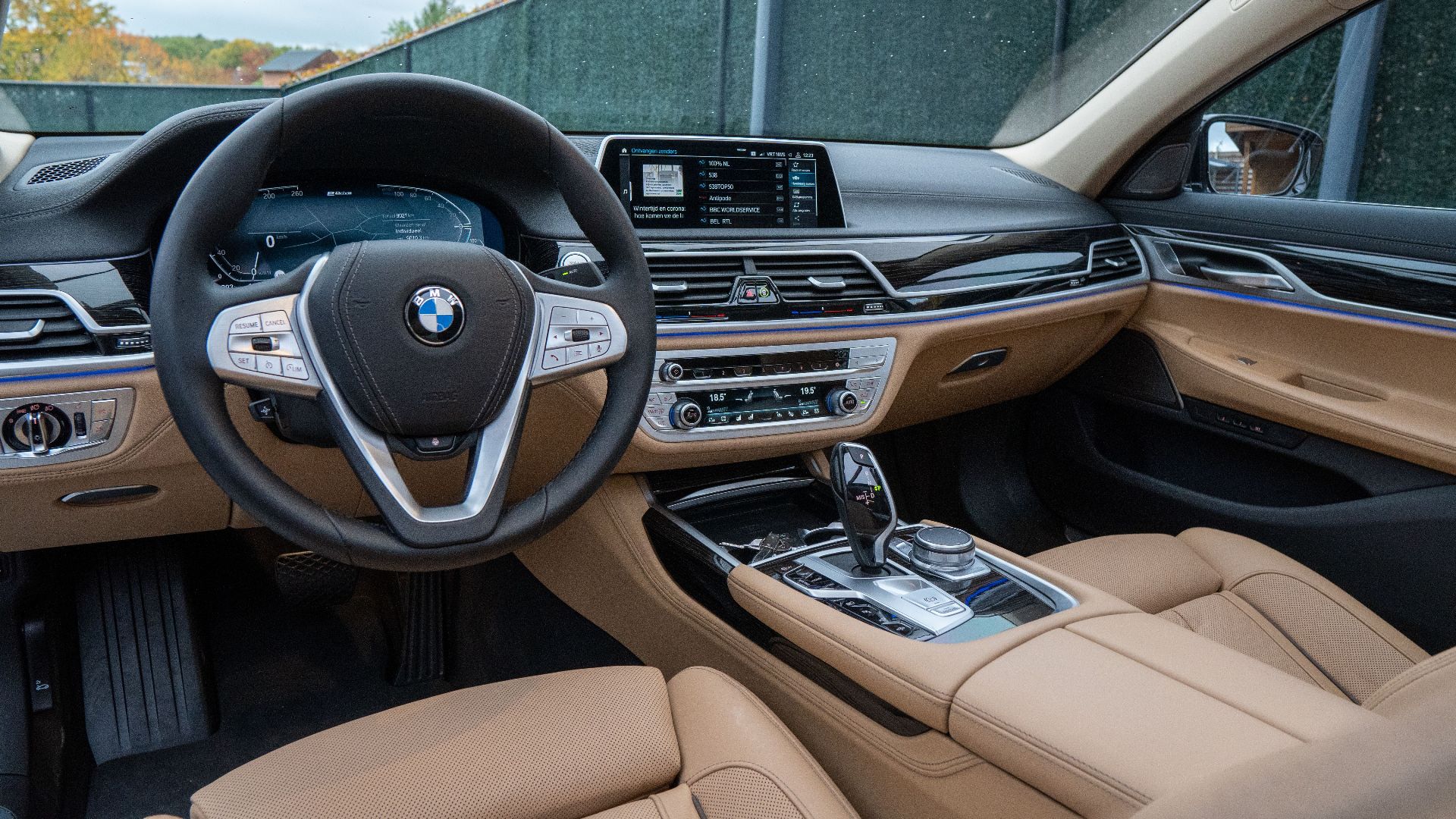
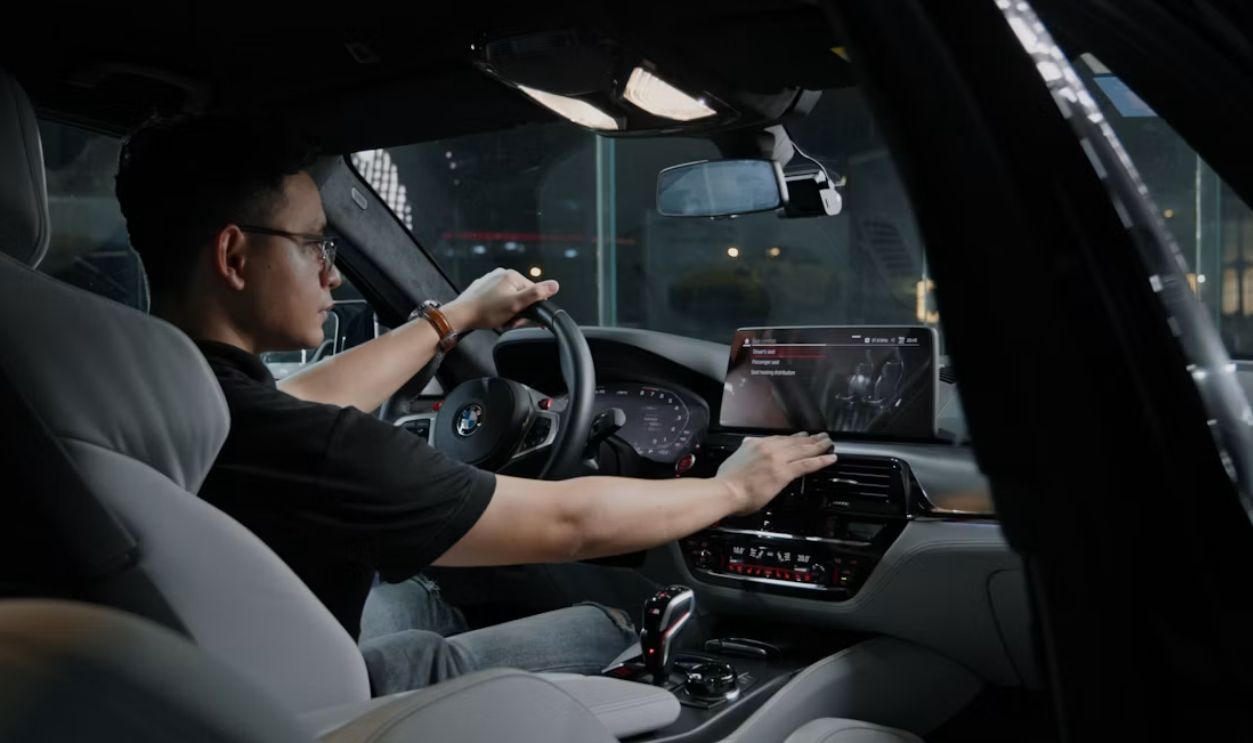
One of the biggest flashpoints came when BMW offered a heated-seat subscription in some markets. In July 2022, reporting from outlets including The Verge highlighted BMW ConnectedDrive store listings for monthly access to heated seats in countries such as the United Kingdom, Germany, New Zealand, and South Africa. The hardware was already installed, which made the idea especially irritating to many drivers.
What BMW Actually Offered
BMW’s store listed monthly, yearly, and multi-year options, along with a purchase option in some regions. That matters because it was not always an endless rental. Even so, the very idea of a recurring fee for heated seats quickly became a symbol of the larger fight over software-locked car features.
Why Heated Seats Hit Such A Nerve
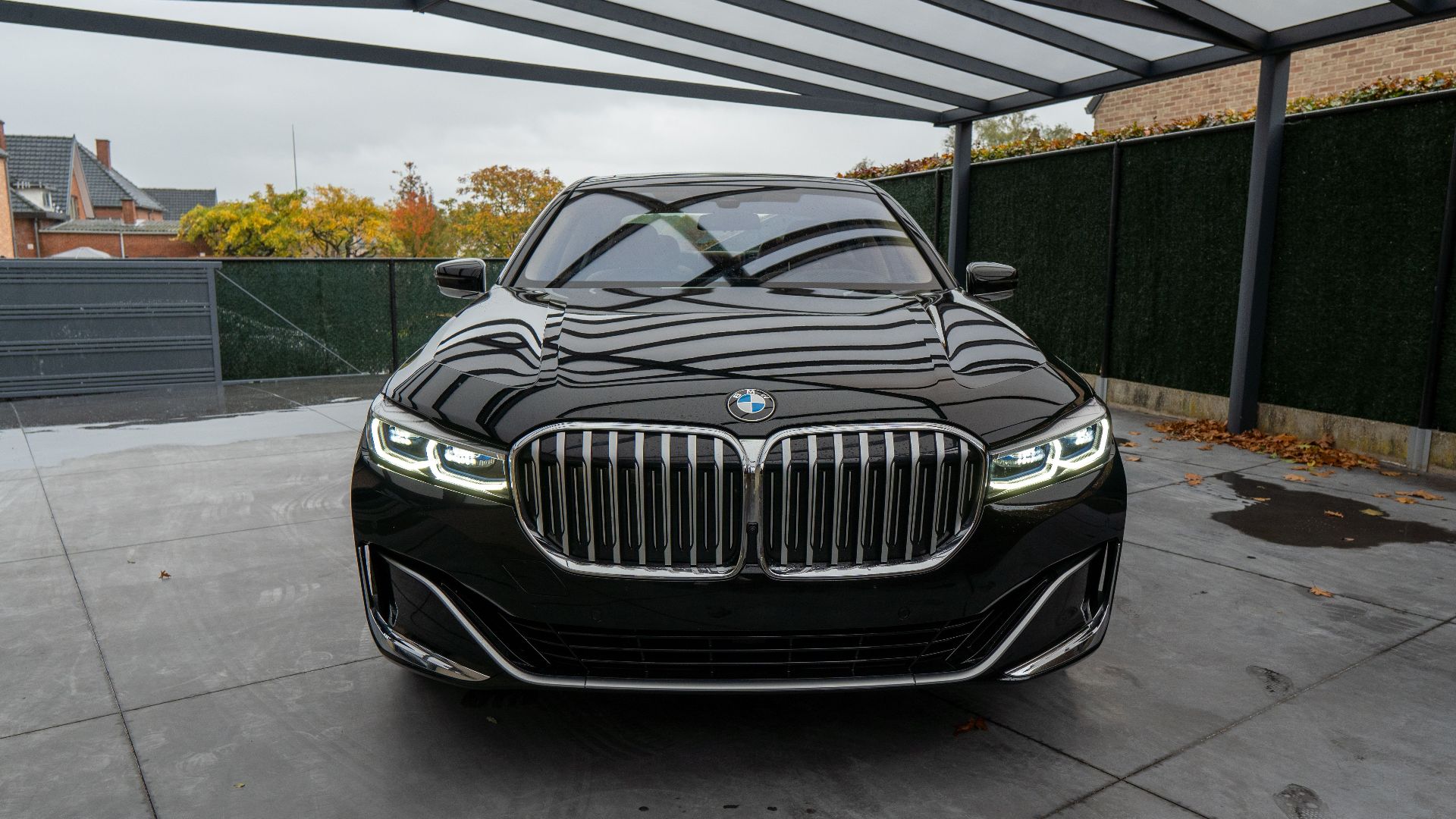
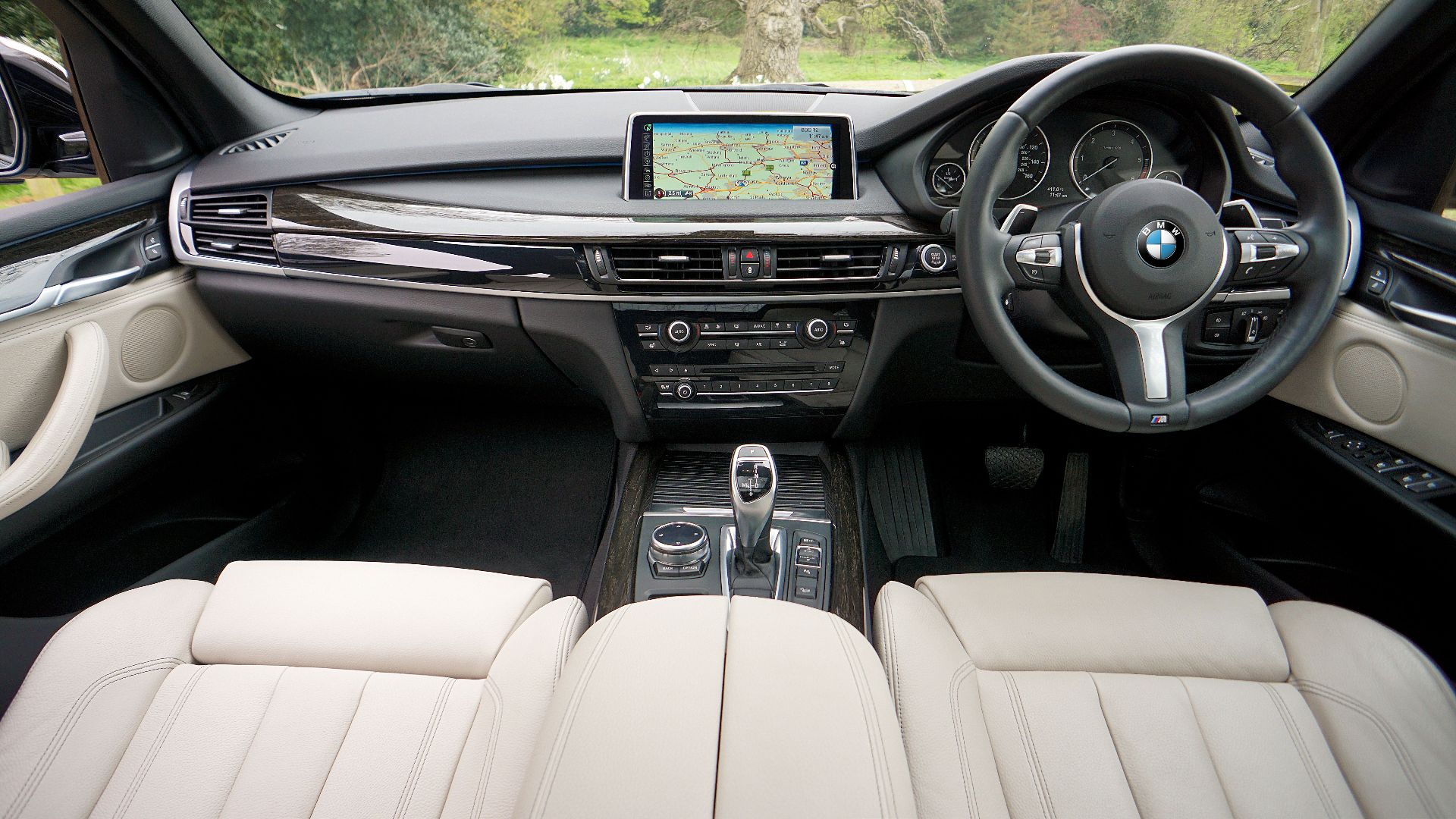
Heated seats are simple. People know exactly what they are, and they are tied to hardware sitting right under you. That made many drivers ask a blunt question: if the heating elements are already built into the car, what exactly is the monthly bill paying for?
BMW Later Backed Away From The Idea
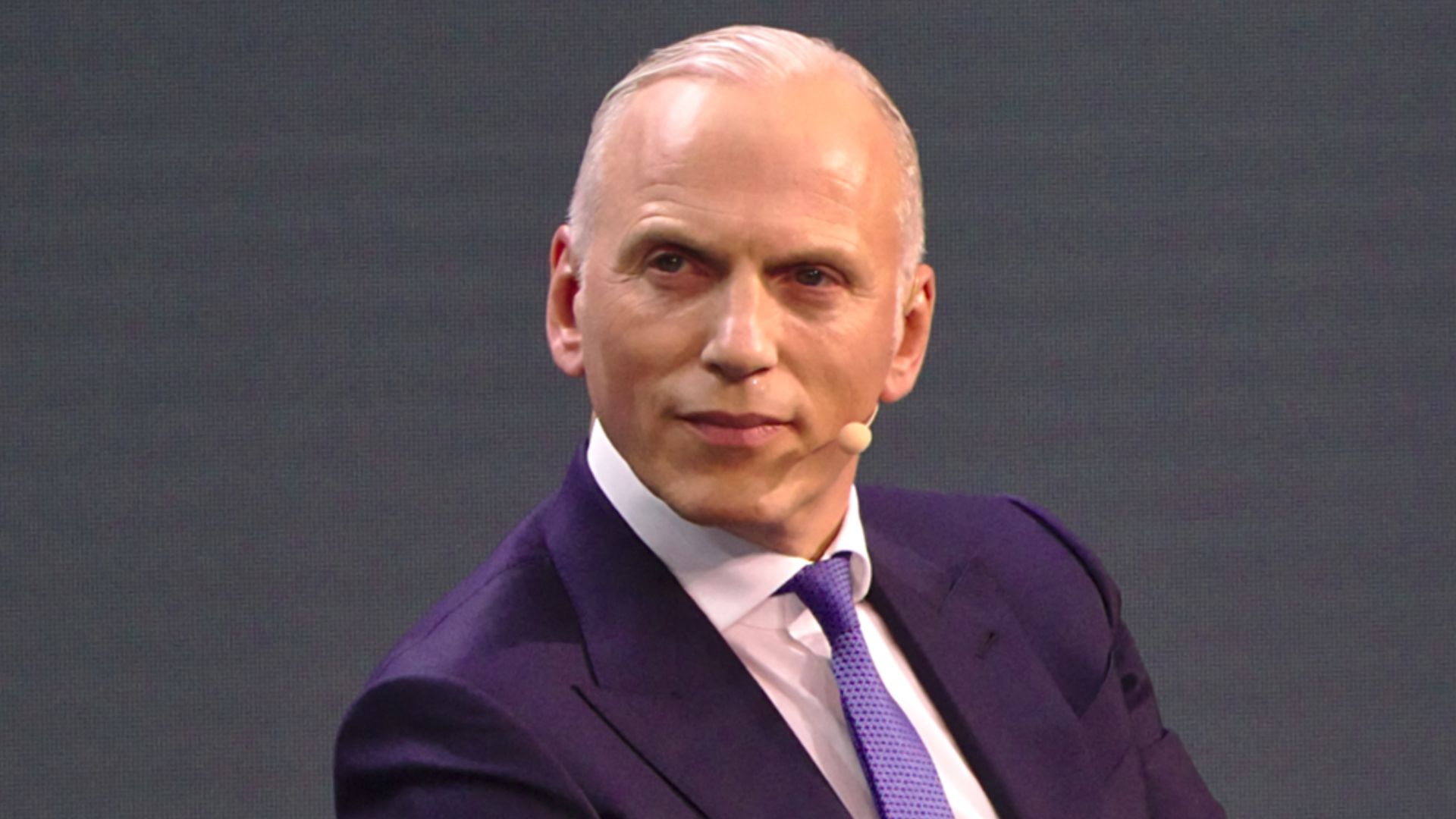
In September 2023, BMW’s board member for sales and marketing told Autocar that monthly subscriptions for functions like heated seats were not being accepted by customers. He said people felt they had already paid for the hardware, and BMW would focus more on software and services instead. That was a notable admission because it showed the backlash was real.
 Alexander Migl, Wikimedia Commons
That Does Not Mean Subscriptions Are Gone
BMW stepping back from heated-seat subscriptions did not end the bigger trend. Automakers still sell connected packages, driver-assistance features, and convenience upgrades through software. The real lesson was not that subscriptions disappeared. It was that drivers clearly draw a line when a fee feels too much like paying again for something they already bought.

Mercedes-Benz Took A Different Route
Mercedes-Benz got attention for offering an “Acceleration Increase” subscription for certain EQ models in the United States. In late 2022, reporting from Car and Driver described a yearly subscription that could improve acceleration by boosting motor output. It was not about seat heaters or a physical switch, but it still depended on capability already built into the vehicle.
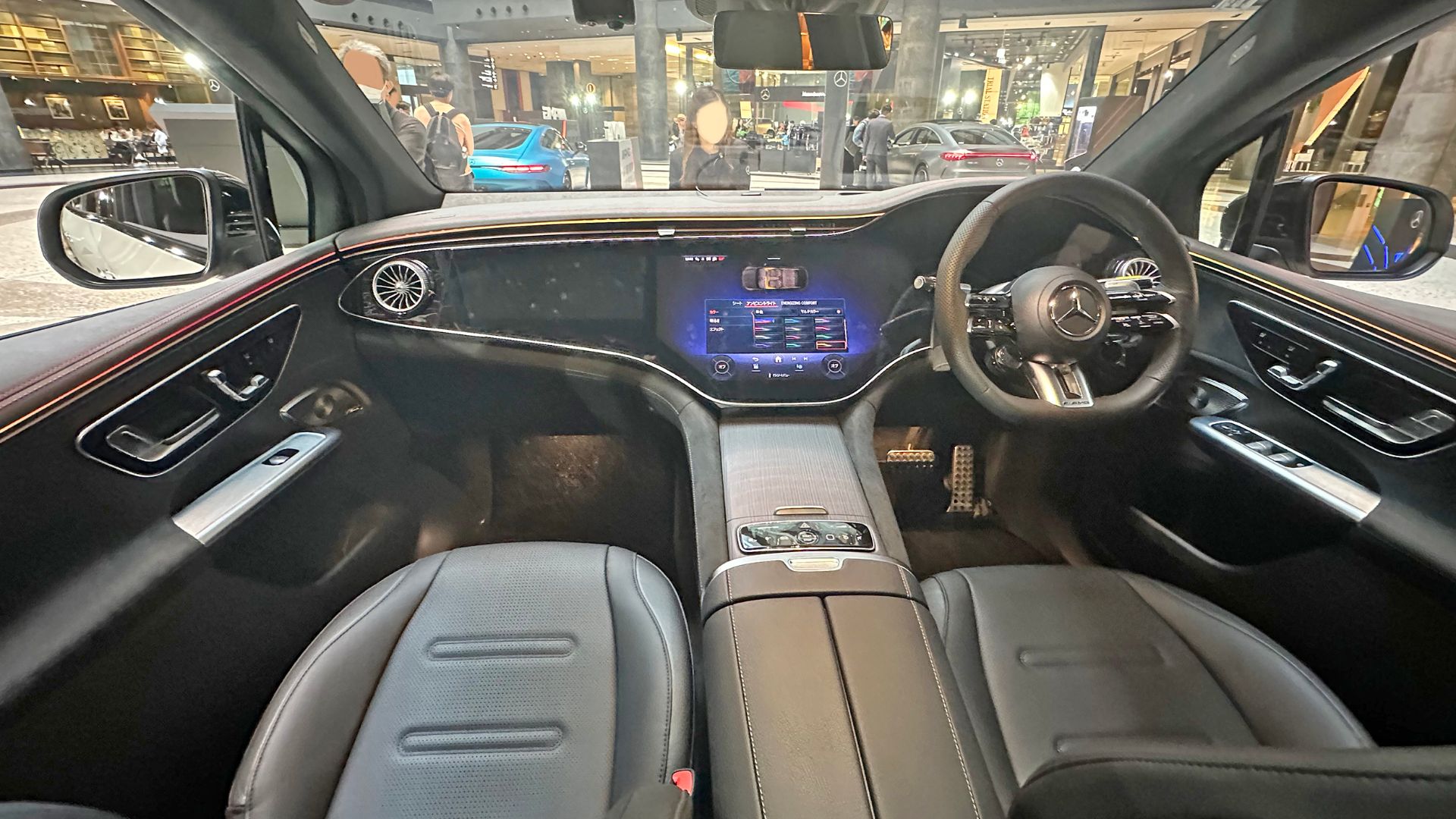 Tokumeigakarinoaoshima, Wikimedia Commons
What Mercedes Was Really Selling
Mercedes framed the package as a performance upgrade delivered through software. In practical terms, the vehicle already had the motors and core hardware, and the subscription unlocked more of what they could do. For drivers, that raised a familiar concern: if the machinery is already there, is the company charging again for access to capacity the car already has?

General Motors Entered The Subscription Conversation Too
General Motors has talked up subscription and software revenue in investor discussions for years. In 2021, GM said it saw major growth potential from subscriptions and software-enabled services. The key point is that this was not some one-off experiment by a luxury brand. It was part of a wider industry push to create recurring income after the initial sale.
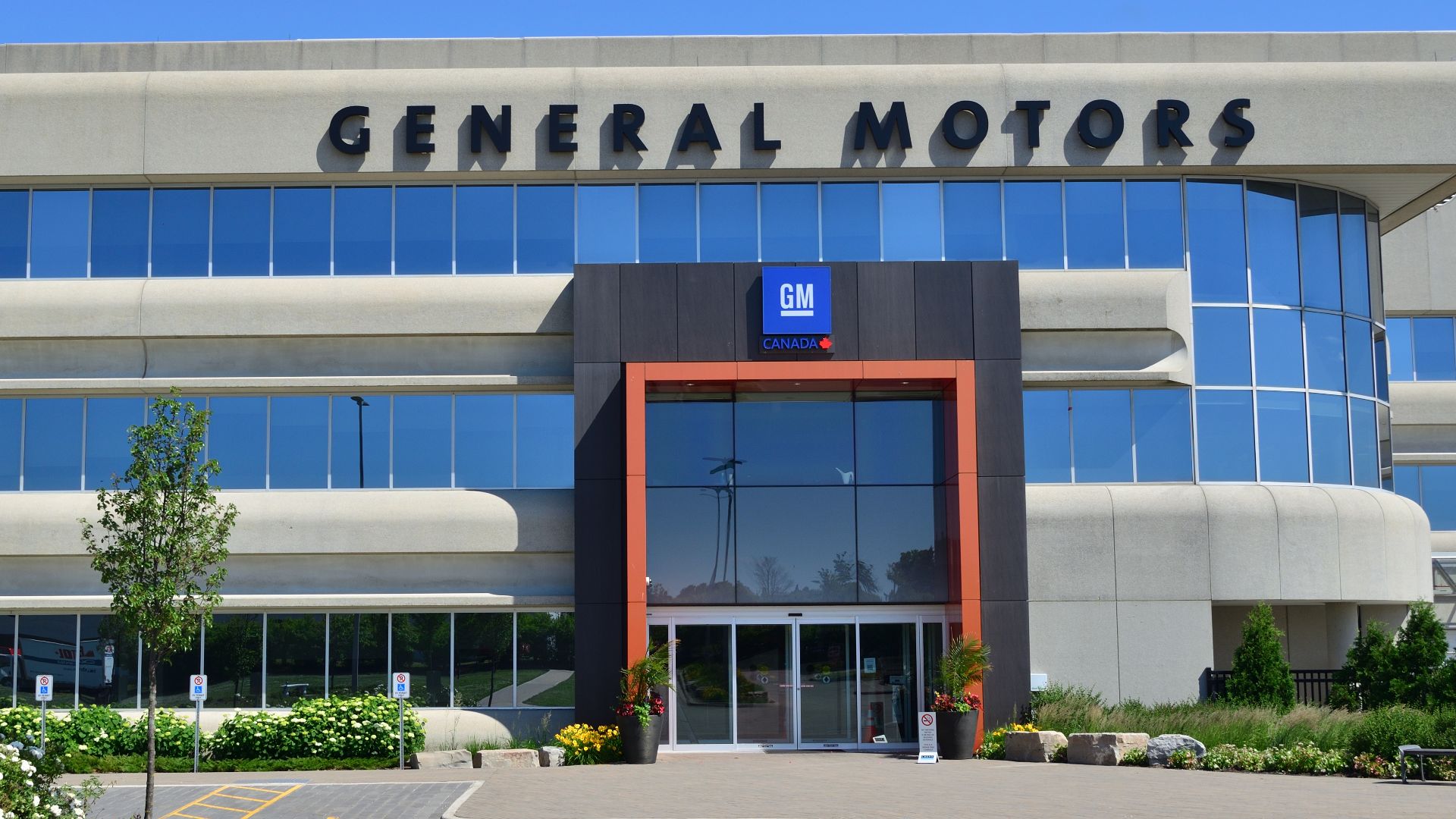 Raysonho @ Open Grid Scheduler / Scalable Grid Engine, Wikimedia Commons
Why Automakers Love Recurring Revenue
A car sale brings in a lot of money, but it happens once. A subscription keeps bringing in money month after month, and investors usually like that kind of steady revenue. For manufacturers, software also makes it possible to roll out features over time instead of locking every decision in before the car leaves the factory.

The Carmaker Argument Is Not Completely Fake
To be fair, automakers are not always charging for nothing. Some paid features rely on cloud services, data connections, cybersecurity work, app support, map updates, or other ongoing maintenance after the car is sold. In those cases, the company’s argument is that the fee covers real continuing costs, not just the right to use your own seat heater.

But Hardware-Linked Fees Are The Toughest Sell
There is a big difference between paying for live traffic data and paying to activate hardware already bolted into the car. Consumers usually accept subscriptions more easily when they clearly involve ongoing outside services. They push back much harder when the feature feels self-contained and already sitting in the vehicle.
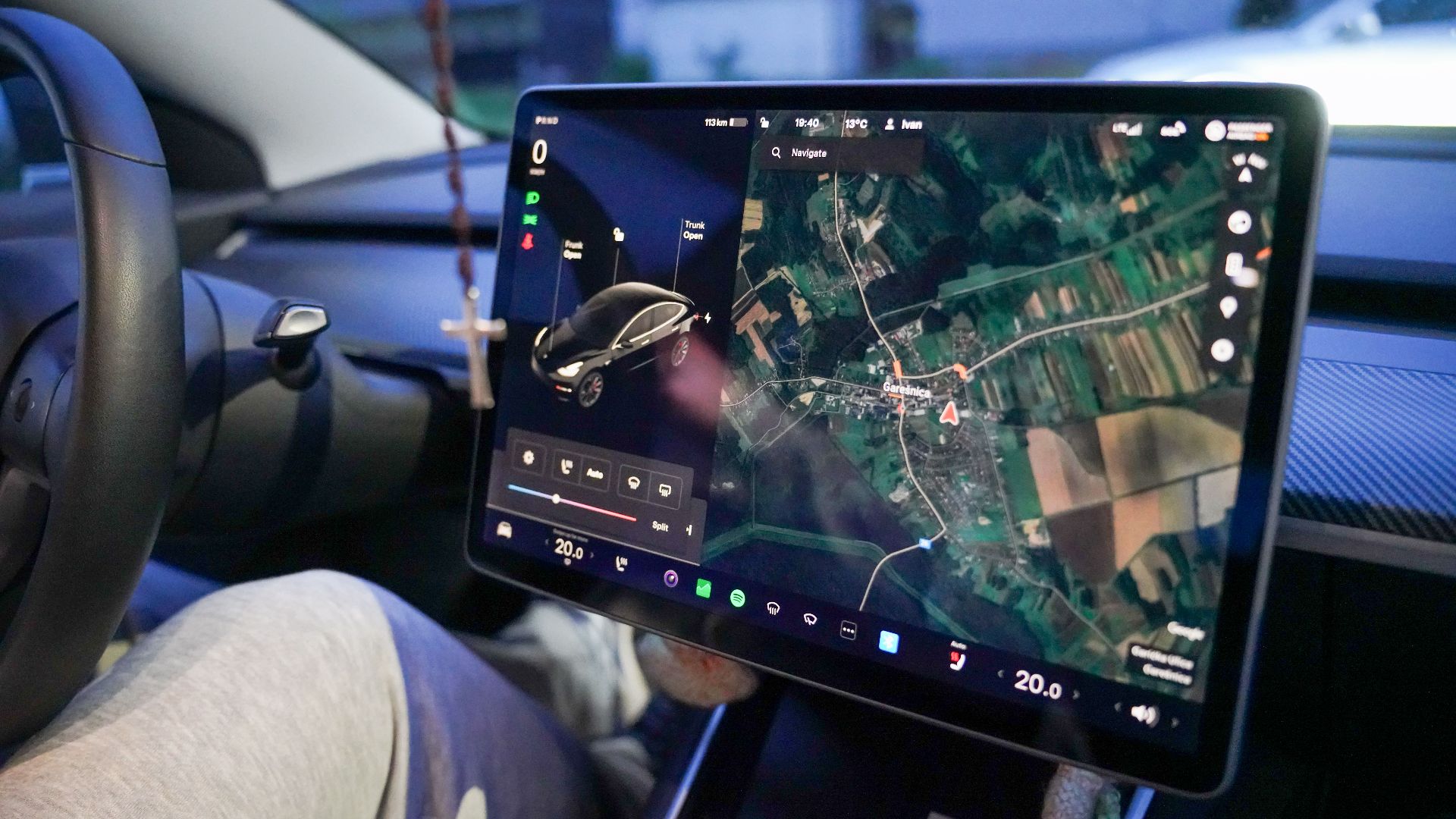
Tesla Helped Normalize Software Unlocks
Tesla did not invent paid software features in cars, but it helped make them a lot more visible. The company has long sold software-based upgrades and post-purchase unlocks, including driver-assistance packages and performance-related options. That helped show the rest of the industry that a car could keep generating revenue after delivery.
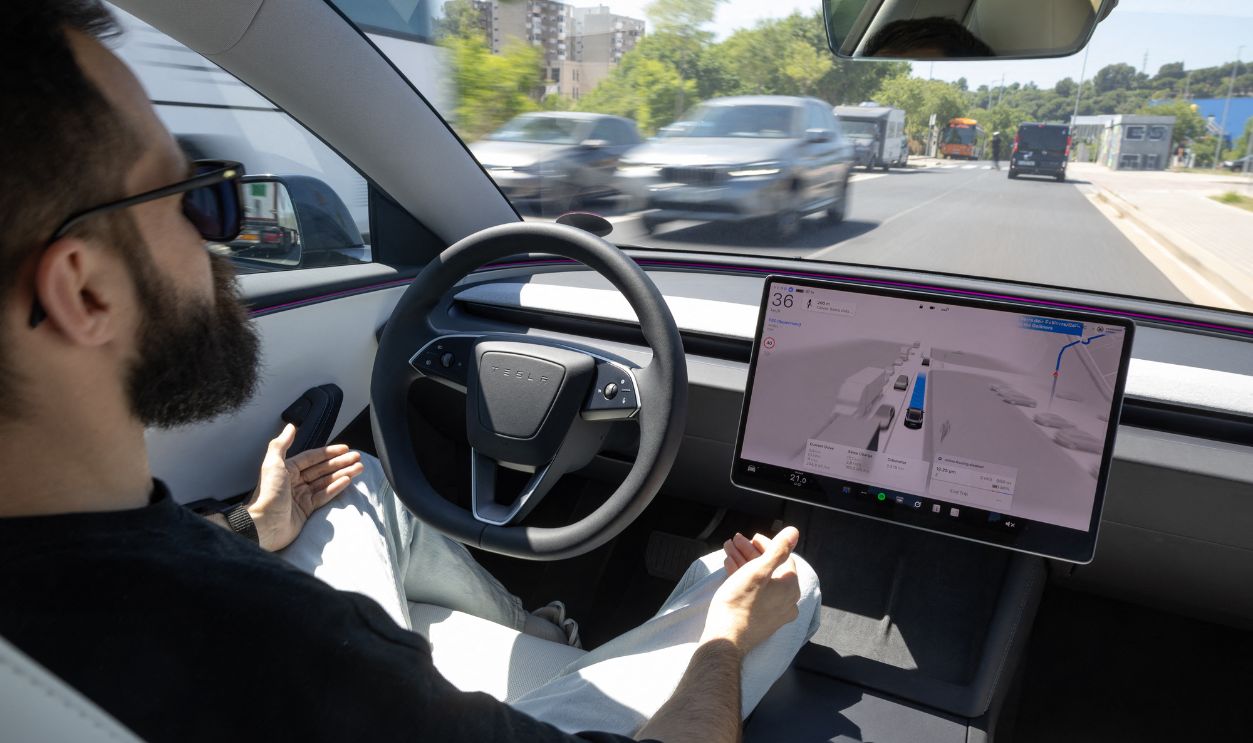
Why Some Drivers Accept It Anyway
Not every buyer hates this model. Some people like paying only for features they actually use, especially if they can turn them on for a month during winter or for a road trip. From that angle, a subscription can look less like double charging and more like ordering from a menu.

Why Others See A Trap
The downside is easy to spot. Temporary access can add up to far more money over the life of the vehicle, and pricing can change later. Drivers may also worry that features once sold as normal equipment will slowly be split into a growing pile of paid add-ons.

There Is Also A Resale Question
Subscriptions can make the used-car market messier. A second owner may find out the car has all the hardware for a desirable feature, but not an active subscription to use it. That can make shopping more confusing and blur the line between what the car has and what the owner still has to pay to access.
 Bogdan Vacarciuc, Shutterstock
Software Locks Change The Meaning Of Ownership
This is where the issue gets bigger than heated seats. Traditionally, if your car came with a physical part, you expected to control it as part of ownership. Software-gated features blur that idea by turning parts of the vehicle into conditional access products instead of permanent equipment.

Consumer Advocates Have Been Watching Closely
Consumer Reports has warned that subscriptions for built-in vehicle functions can confuse buyers and reshape what ownership means. Its coverage has stressed the importance of knowing exactly which features require ongoing payment and which are permanent. That is practical advice, because the sales pitch can make everything sound simpler than it really is.
 Hryshchyshen Serhii, Shutterstock
So Is It Actually Paying Twice
In many cases, it can absolutely feel that way, and sometimes that feeling is hard to argue with. If you paid for the car, the hardware is installed, and the feature does not depend much on outside services, the “double charge” criticism carries real weight. If the fee mainly pays for cloud processing, live data, app integration, or constant updates, the picture is more complicated.

The Fine Print Makes All The Difference
The real answer often lives in the contract, not the brochure. Buyers need to ask whether a feature is permanently included, available as a one-time unlock, tied to a trial period, or dependent on a renewable plan. Those details can completely change the long-term cost of the vehicle.

Questions Every Buyer Should Ask
Ask the dealer which features stop working if you cancel connected services. Ask whether a feature can be bought outright instead of rented monthly. Also ask whether the subscription follows the car or the owner, because that matters for resale and for family hand-me-downs.

It Is Smart To Think Beyond The Monthly Price
A small monthly fee can look harmless in the showroom. Over several years, though, those charges can add up to the cost of a traditional option package or more. The better comparison is not just whether the monthly payment feels affordable, but what the feature will cost over the full time you plan to keep the car.

Winter Features Made This Debate Explode
BMW probably could not have picked a more loaded example than heated seats. They are simple, familiar, and especially popular in cold climates. That made the subscription model feel personal in a way that a navigation data package or cloud-based assistant does not.

The Industry Has Learned A Lesson
The heated-seat backlash showed that consumers do not react to all subscriptions the same way. Some software services can slip by with little fuss, while hardware-linked fees can turn into public-relations headaches. Carmakers now have stronger proof that drivers see a difference between paying for an ongoing service and paying to unlock what looks like their own property.
What Will Probably Happen Next
Manufacturers will likely keep chasing software revenue, but more carefully. They may lean harder on features that genuinely require connectivity, apps, advanced driver assistance, or cloud computing. They may be more cautious about charging a monthly fee for something as obvious and already installed as seat heaters.

The Bottom Line For Drivers
If a manufacturer wants a monthly fee for a feature that depends on hardware already in your car, your frustration makes sense. Sometimes the fee covers real ongoing services, but sometimes it mostly reflects a business strategy made possible by software locks. The safest move is to treat subscriptions as part of the vehicle’s true cost, check the details before signing, and remember that in modern cars, ownership does not always mean full access.