My Car Updated Overnight, And A Feature Vanished
Modern cars increasingly behave like smartphones on wheels. They can receive over-the-air updates, change software settings, fix bugs, and sometimes add new functions without a dealership visit. That sounds convenient until an update removes or limits a feature you thought you already owned. The good news is that governments are paying more attention, but the rules are still catching up.
OTA Updates Aren’t Always Bad
Over-the-air updates can be genuinely useful. They can fix software bugs, improve infotainment systems, update navigation tools, and even help resolve certain safety recalls. For many drivers, that means fewer dealership visits and faster fixes. The problem starts when updates don’t just repair the car, but change what owners can access.
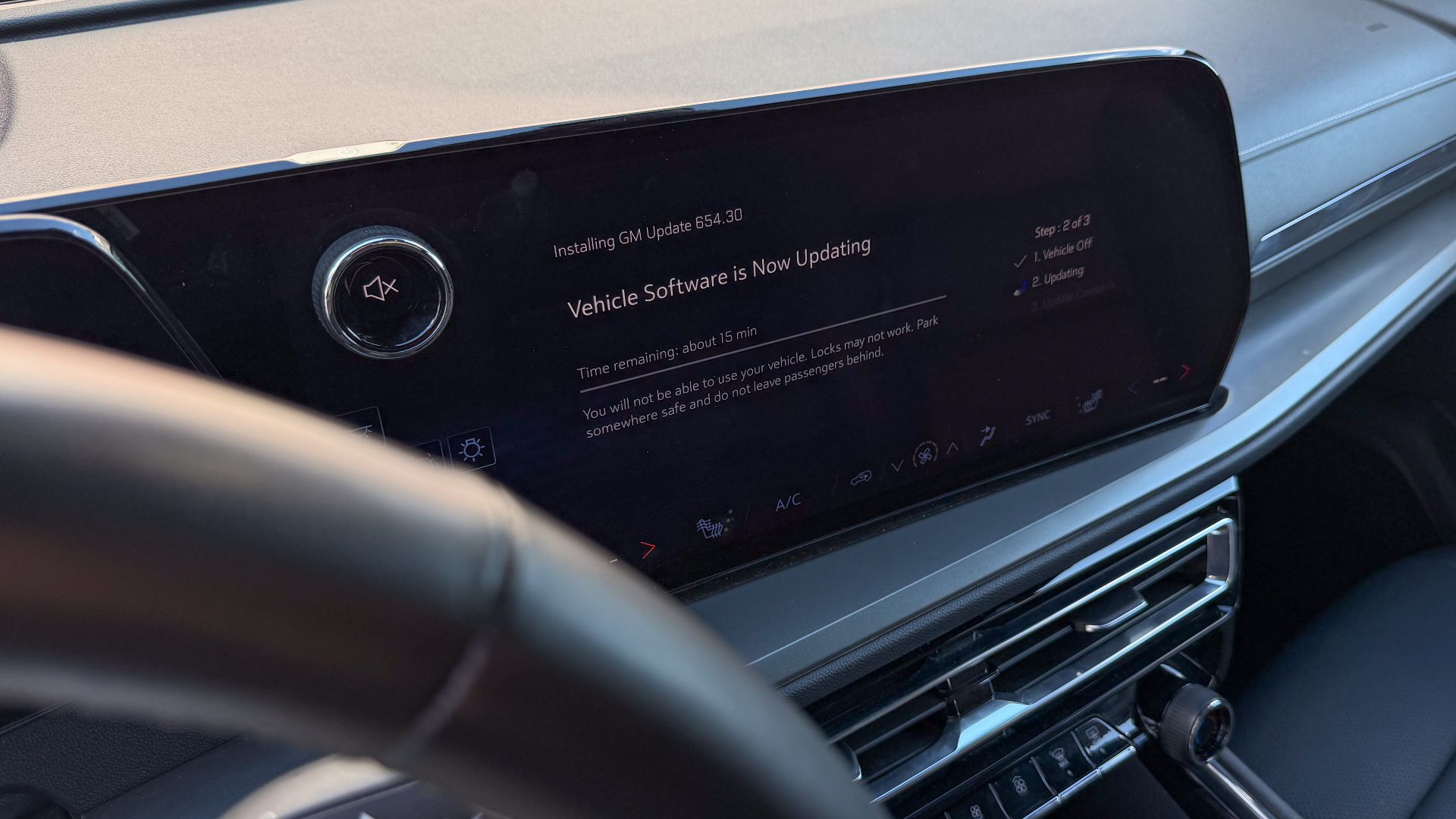 Tony Webster, Wikimedia Commons
Feature Removal Feels Different From A Bug Fix
Most owners understand that software needs maintenance. What feels unfair is when an update removes a feature, locks it behind a subscription, or changes how it works after purchase. If the feature was advertised, included in the window sticker, or part of a paid package, the owner may feel like the deal changed after the money was already spent. That’s where consumer protection concerns begin.

Automakers Often Rely On Software Terms
Manufacturers usually include broad software language in owner agreements, connected-service terms, and app contracts. Those terms may say the company can modify, suspend, update, or discontinue certain services. That doesn’t automatically mean every change is fair, but it gives automakers room to argue that software features were always subject to updates. The fine print matters more than most buyers realize.

Hardware Features Are Getting The Most Attention
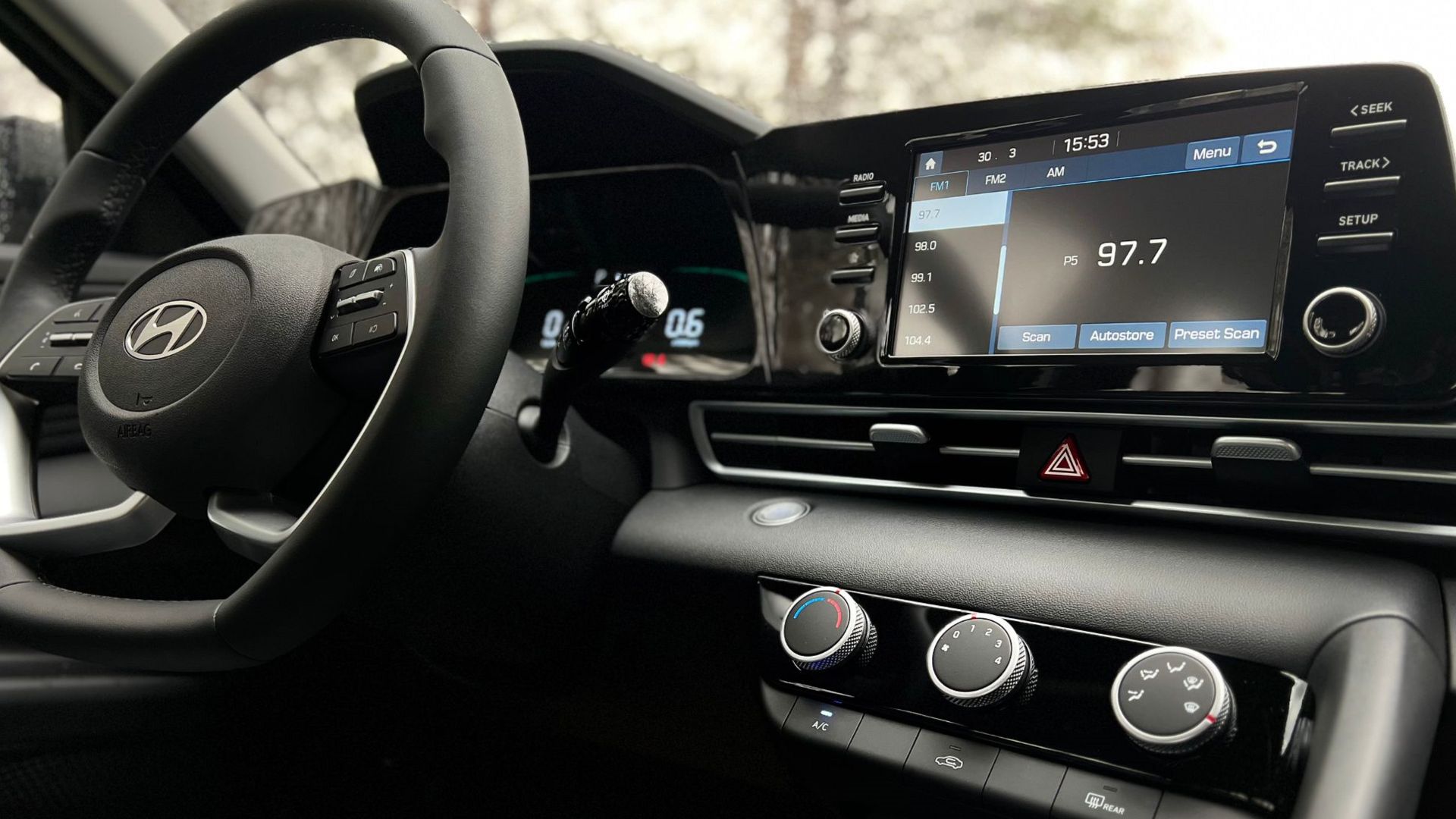
Governments seem especially interested in features where the hardware is already installed in the car. Heated seats, heated steering wheels, remote start, camera features, and certain comfort functions have all become part of the broader debate. Consumers tend to object more strongly when the equipment is physically present but access depends on software permission. Lawmakers have noticed that frustration.

New York Tried To Draw A Line
New York lawmakers passed a bill aimed at restricting subscription fees for certain vehicle functions already built into a car at the time of sale. The bill targeted situations where consumers might be charged recurring fees for hardware-based features after purchase. However, the bill record shows it was vetoed in December 2025, so it did not become law. Even so, it shows that state governments are actively looking at this issue.

Other States May Follow
Even when a bill doesn’t become law, it can influence other lawmakers. Similar proposals have been discussed in places such as New Jersey and Massachusetts. The concern is simple: if a consumer buys a vehicle with built-in equipment, should the manufacturer be allowed to keep charging for access indefinitely? That debate is likely to keep growing.
Subscriptions Are Not The Same As Removed Features
There’s an important difference between paying for an ongoing service and losing a feature you already paid for. A live traffic service, cellular connection, emergency call center, or cloud-based navigation feature may require continuing infrastructure. A heated seat or basic comfort feature may not feel like the same thing to consumers. Regulators may eventually treat those categories differently.

Safety Features Are A Special Case
If an update affects a safety-related system, the stakes become much higher. Automakers can use OTA updates to address safety defects, and regulators may oversee those updates as recalls when appropriate. But if an update reduces or disables a safety-related function, owners may have stronger grounds to complain. Safety issues tend to attract more government scrutiny than convenience features.
 Jose Ricardo Barraza Morachis, Pexels
NHTSA Already Watches Vehicle Software
The National Highway Traffic Safety Administration has authority over vehicle safety defects and recalls in the United States. As vehicles become more software-driven, software updates are increasingly part of recall and safety oversight. That doesn’t mean NHTSA handles every lost-feature complaint. It does mean software changes aren’t completely outside government attention.

The FTC Could Also Matter
The Federal Trade Commission focuses on unfair or deceptive business practices. If a company advertises a feature, sells the vehicle based on that feature, and later removes it in a way that misleads consumers, that could raise consumer protection questions. Advocacy groups have also pushed the FTC to address “software tethering,” where connected products lose functionality because software access changes or support ends. Cars may increasingly fit into that broader conversation.
 Carol M. Highsmith, Wikimedia Commons
Right-To-Repair Is Part Of The Bigger Fight
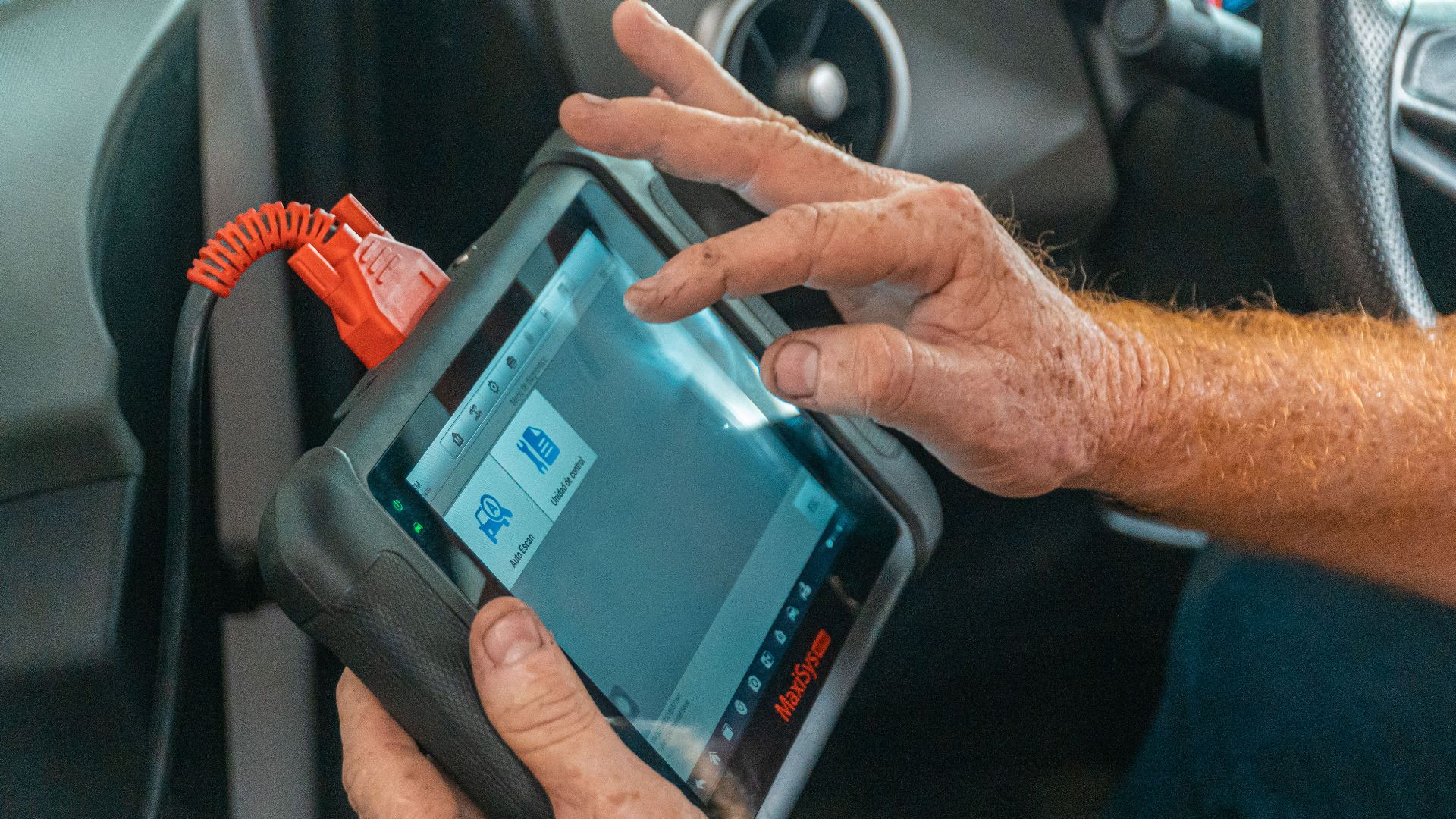
The right-to-repair movement is also relevant because modern cars depend heavily on software access. Repair advocates argue that consumers and independent repair shops need fair access to diagnostic tools, parts, and software information. While right-to-repair bills don’t always address feature removal directly, they reflect a larger concern about manufacturers controlling products after sale. The more software-defined cars become, the more these fights overlap.

Automakers Say Updates Are Necessary
Manufacturers argue that software control is necessary for security, safety, reliability, and product improvement. They also point out that connected services cost money to operate. From their perspective, updates are part of maintaining increasingly complex vehicles. That argument is stronger when the update fixes defects or supports a live service, and weaker when it appears to take away something buyers reasonably believed they owned.

Owners Want Predictability
Most drivers aren’t opposed to updates. They just want to know what will change before clicking install. If an update removes a feature, changes a subscription requirement, or alters vehicle behavior, owners want clear notice and a chance to understand the consequences. Transparency may become one of the biggest regulatory issues in the years ahead.

The Purchase Documents Matter
If you’re affected, start by collecting the window sticker, sales contract, owner’s manual, connected-services terms, app terms, subscription agreement, and marketing materials. You want to know whether the feature was sold as permanent, trial-based, subscription-based, or subject to change. The stronger the evidence that the feature was part of the purchase, the stronger your complaint may be.

Screenshots Can Help A Lot
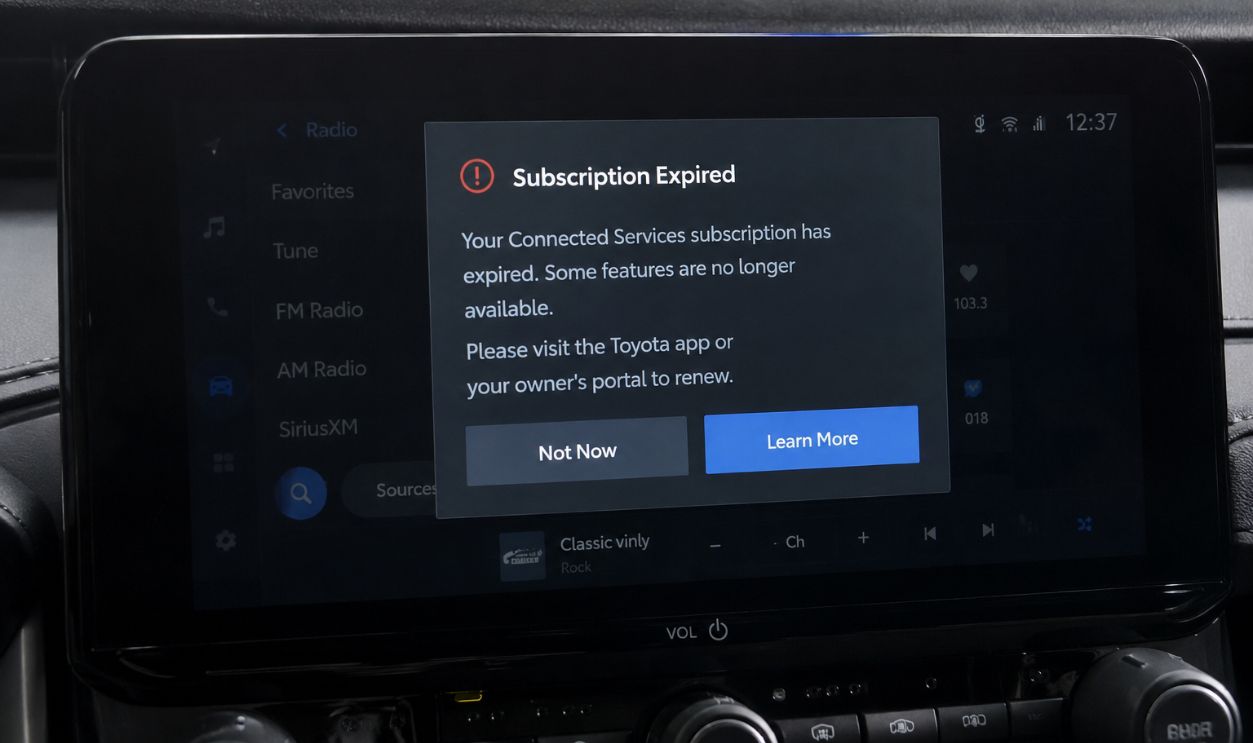
If the feature disappeared after an update, document everything. Take screenshots of app messages, update notices, error screens, subscription pages, and old marketing materials if you can find them. If you have photos or videos showing the feature working before the update, save those too. A timeline is much more persuasive than a general complaint.

Ask Whether It’s A Bug
Not every missing feature is intentional. Sometimes an update breaks something accidentally, and a later patch restores it. Before assuming the manufacturer permanently removed the feature, ask whether it’s a known issue, whether a fix is coming, and whether a dealer can restore functionality. Get the answer in writing if possible.
 Sergei Gontsarov, Shutterstock
The Dealer May Not Know
Dealerships can be helpful, but they may not control software policy. A service department might diagnose the problem while the manufacturer controls the update, subscription system, or connected-services platform. If the dealer can’t explain what happened, escalate to the manufacturer’s customer support team. Corporate support may have access to information the dealer doesn’t.

Warranty Coverage May Apply
If an update caused a malfunction, warranty coverage may be relevant. Some automakers have indicated that damage caused by the update itself may be covered, while failure to install important updates can create warranty complications. That creates a tricky balance for owners who worry updates might break features. When in doubt, ask the manufacturer to confirm how the issue affects warranty coverage.

Complaints Can Create Pressure
If the company won’t help, consider filing complaints with state consumer protection offices, your state attorney general, the FTC, or NHTSA if safety is involved. One complaint may not change an automaker’s policy overnight, but patterns of complaints can draw attention. Regulators often need documented consumer problems before taking broader action. Your records can matter.
State Law May Eventually Move Faster
Federal regulation can be slow, so states may act first. Vehicle feature subscriptions, software access, and post-sale feature removal are all issues that state consumer protection lawmakers can target. The New York bill shows the direction some lawmakers are considering, even though it was vetoed. Owners should expect more state-level proposals as these disputes become more common.

Courts May Also Shape The Rules
Some disputes may end up in lawsuits. Courts could examine whether a feature was part of the bargain, whether the terms allowed removal, whether consumers were misled, and whether damages are available. These cases will likely depend heavily on the exact facts and documents. One owner’s situation may look very different from another’s.

Don’t Ignore Subscription Notices
Some lost-feature disputes happen because a free trial expired, not because an update removed anything. That still may feel frustrating, especially if the trial wasn’t clearly explained. Check whether the feature stopped working because of a software update, subscription expiration, connectivity shutdown, or account issue. The cause determines the best response.
Future Buyers Should Ask Direct Questions
Before buying a newer vehicle, ask which features are permanent and which require ongoing payments or connected-service support. Ask what happens if the subscription ends, the app shuts down, cellular networks change, or the manufacturer stops supporting the feature. Get the answers in writing when possible. These questions may feel awkward at the dealership, but they can prevent bigger headaches later.

Governments Are Starting To Pay Attention
So, are governments going to stop automakers from removing features through updates? Maybe, but not completely and not immediately. Regulators and lawmakers are increasingly focused on software-controlled vehicles, feature subscriptions, right-to-repair access, safety updates, and consumer transparency. For now, your best move is to document what changed, review what was promised, ask whether it’s a bug or a business decision, and escalate through warranty, consumer protection, or safety channels when the facts support it.
You May Also Like: