Your Parked Car Might Be Watching More Than You Realize
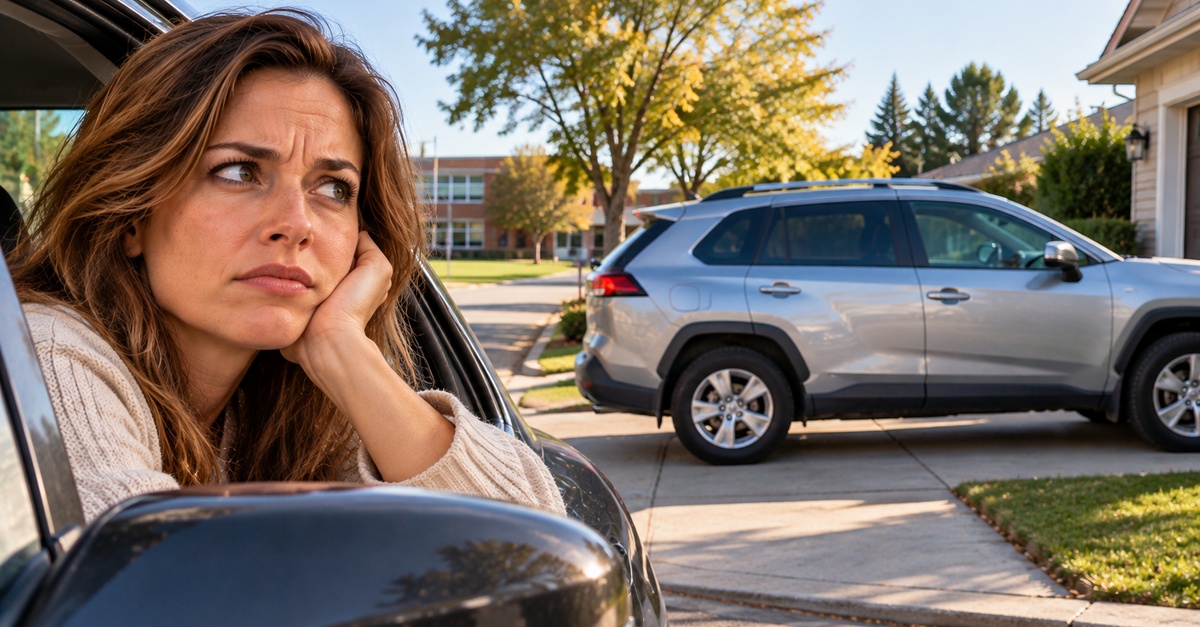
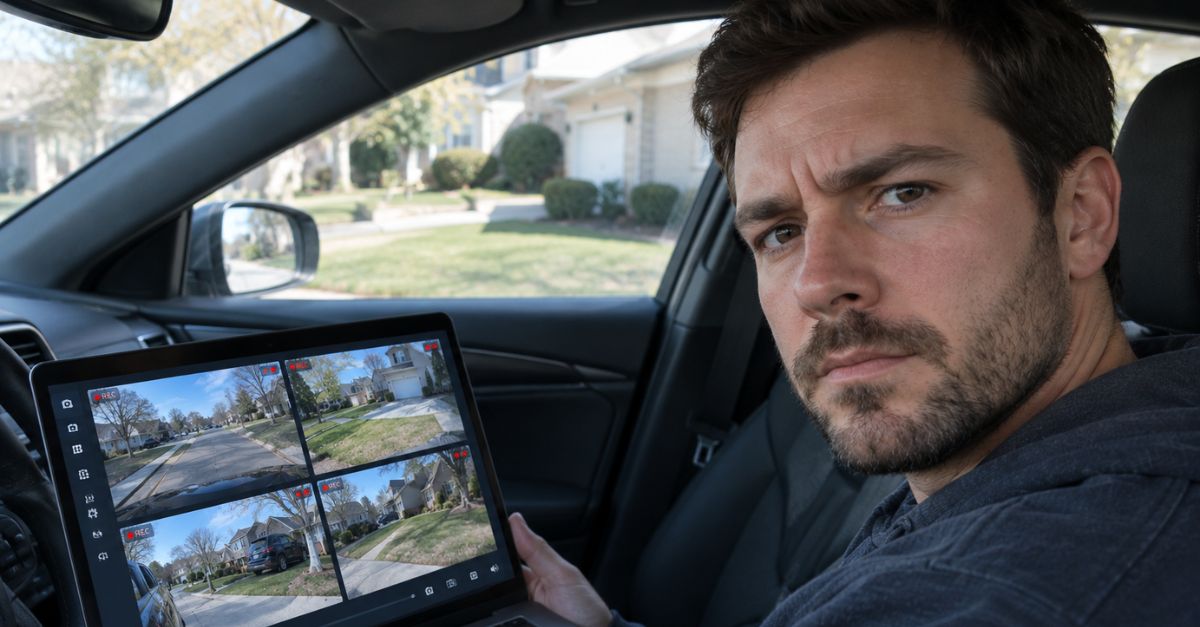
Many newer cars can record video while parked. It can feel like a solid layer of protection against theft, vandalism, and hit and runs. But it can also raise an awkward question when you realize the cameras may have caught a neighbor walking a dog, carrying in groceries, or talking on the sidewalk. The short answer is yes, you could get into legal trouble in some situations. Usually, though, it depends on what was recorded, where the car was parked, and what state law applies.
Why This Is Coming Up More Often
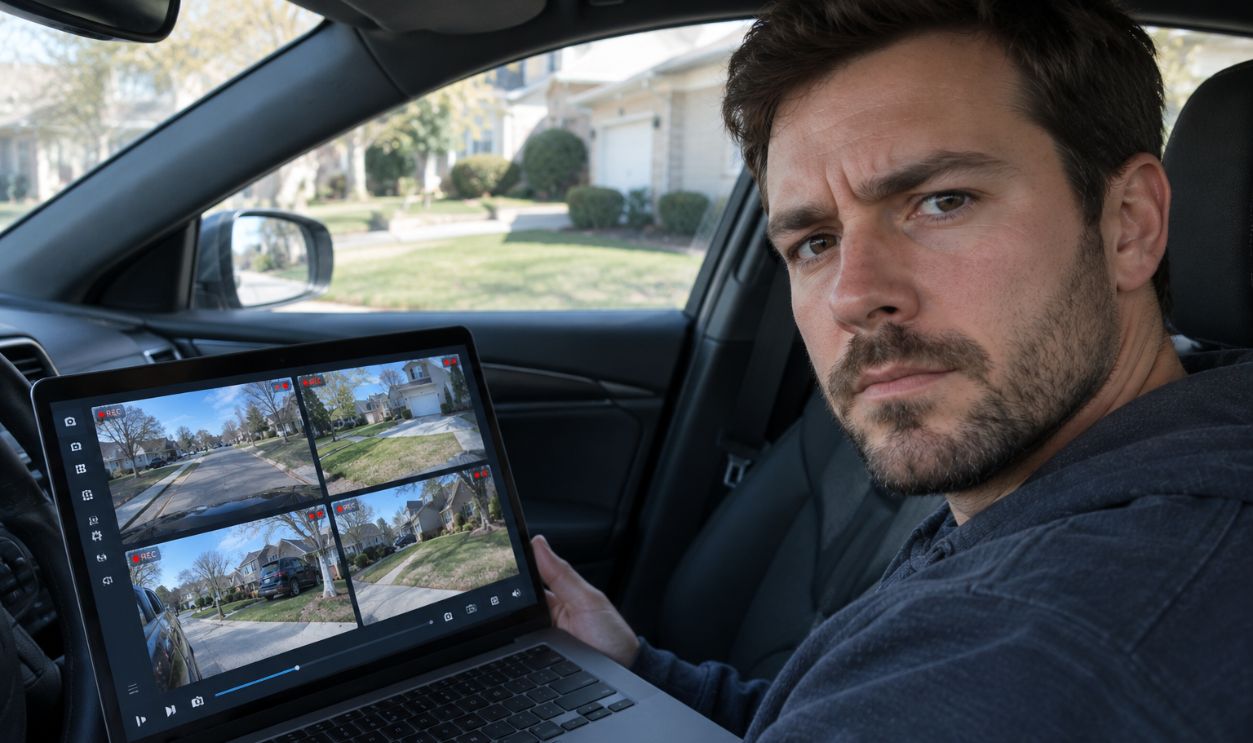
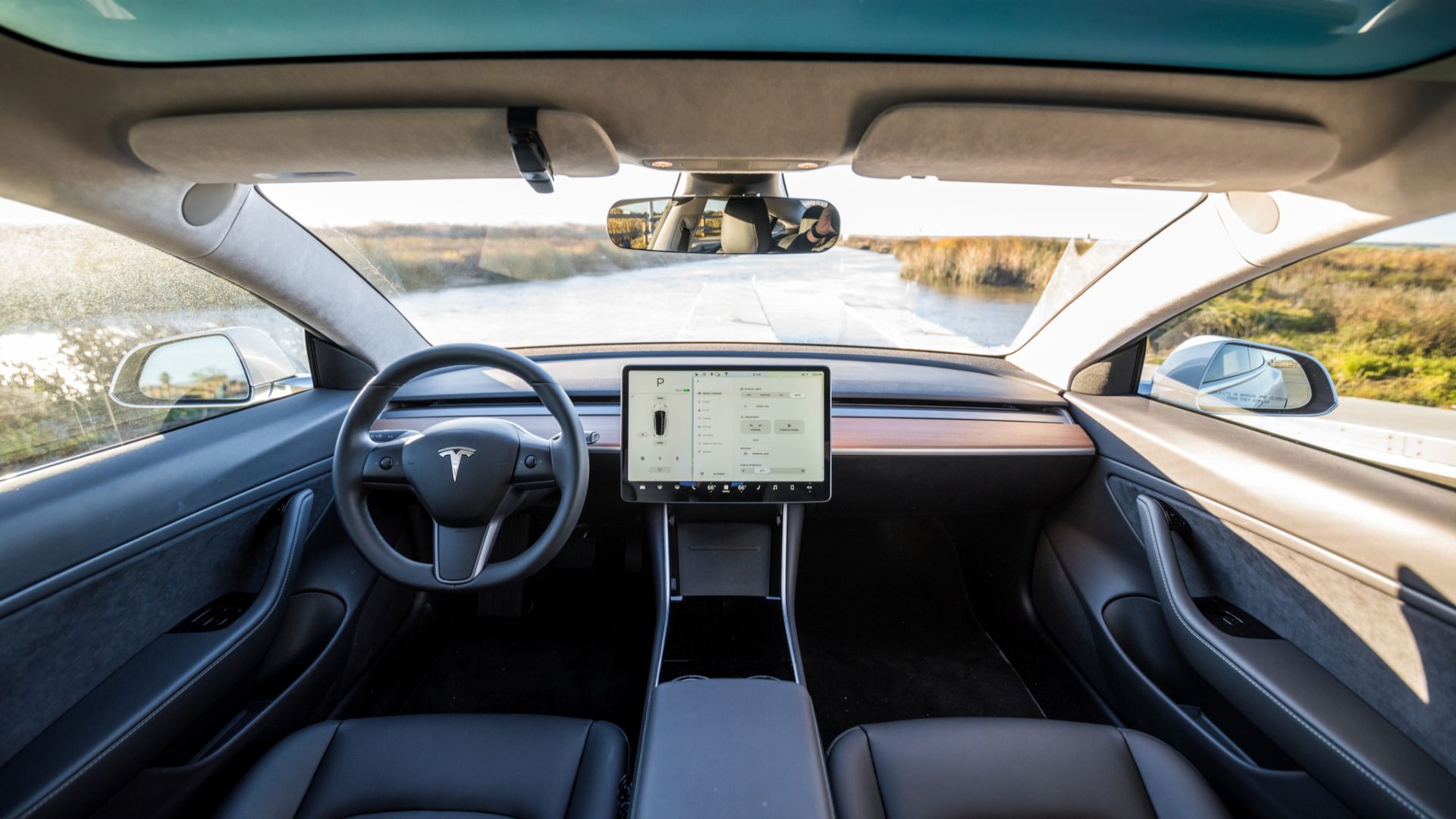
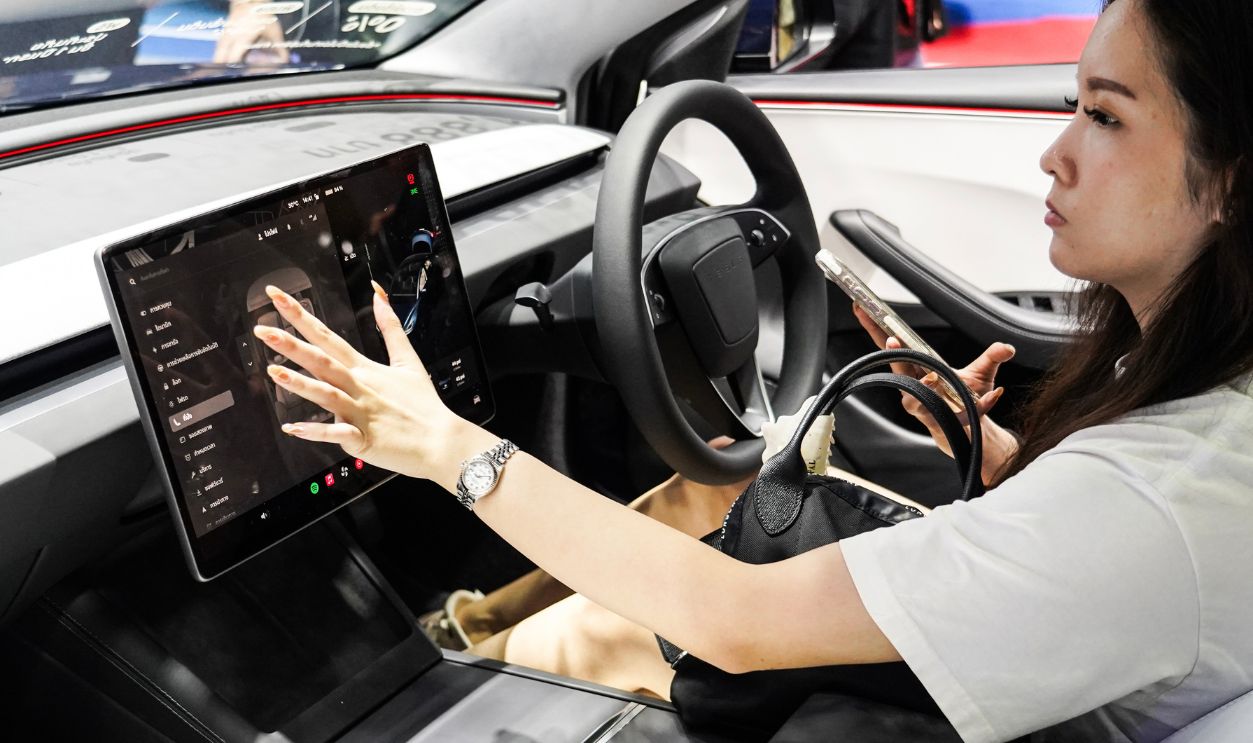
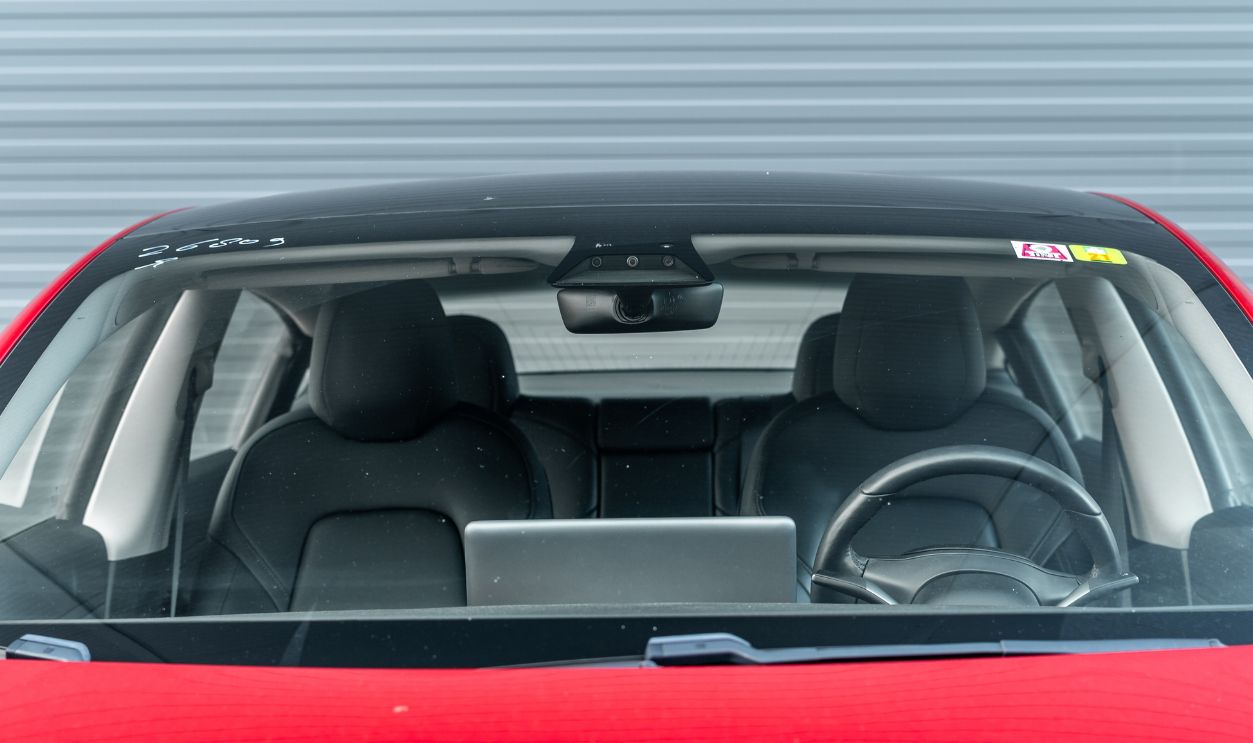
Automakers have added more cameras for parking help, driver assistance, and security features. Tesla helped push the issue into the mainstream with Sentry Mode, which uses the car’s outside cameras to watch for activity around a parked vehicle. Other brands now offer parking surveillance or event recording too, so more drivers are collecting footage without thinking much about privacy law until something goes wrong.
Tesla Brought Parked Car Recording Into The Spotlight
Tesla started rolling out Sentry Mode in early 2019. The company described it as a feature that lets a parked car watch for suspicious activity nearby and record events when needed. That was a turning point. It made the idea of a privately owned car acting a bit like a home security camera feel normal, whether it was sitting on a street or in a parking lot.
The Basic Legal Rule Starts With Privacy Expectations
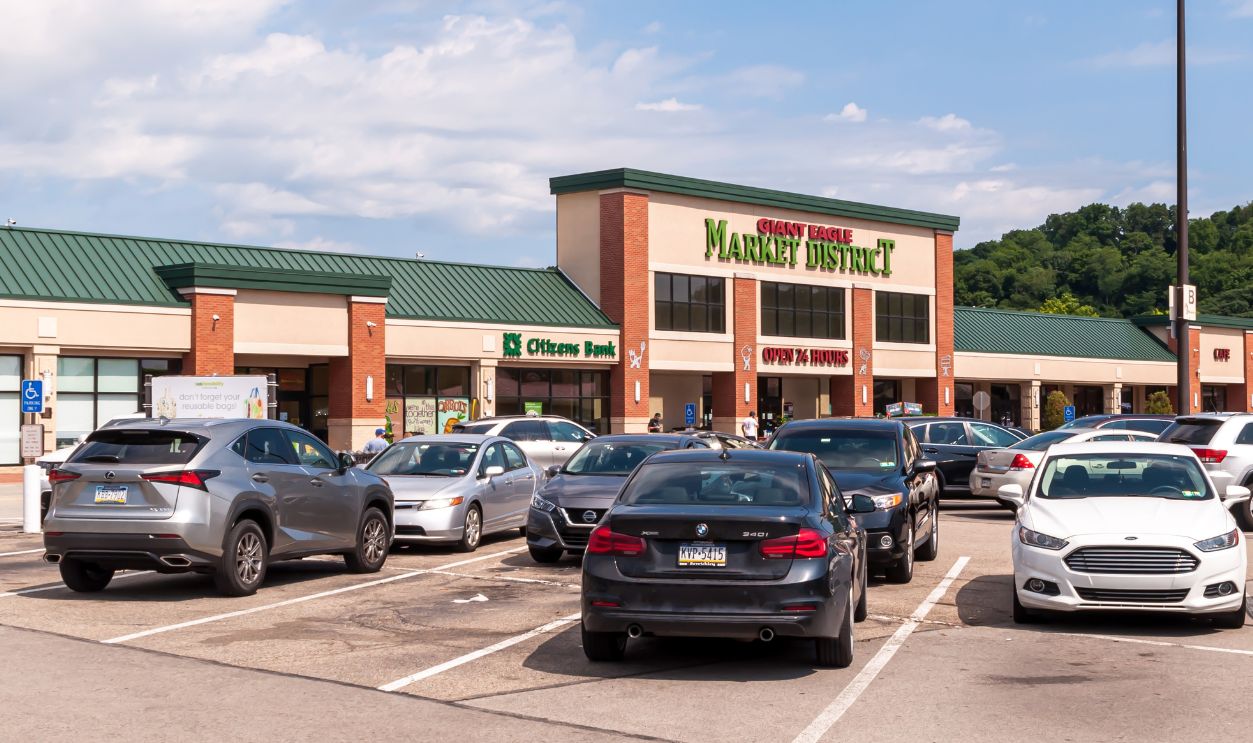
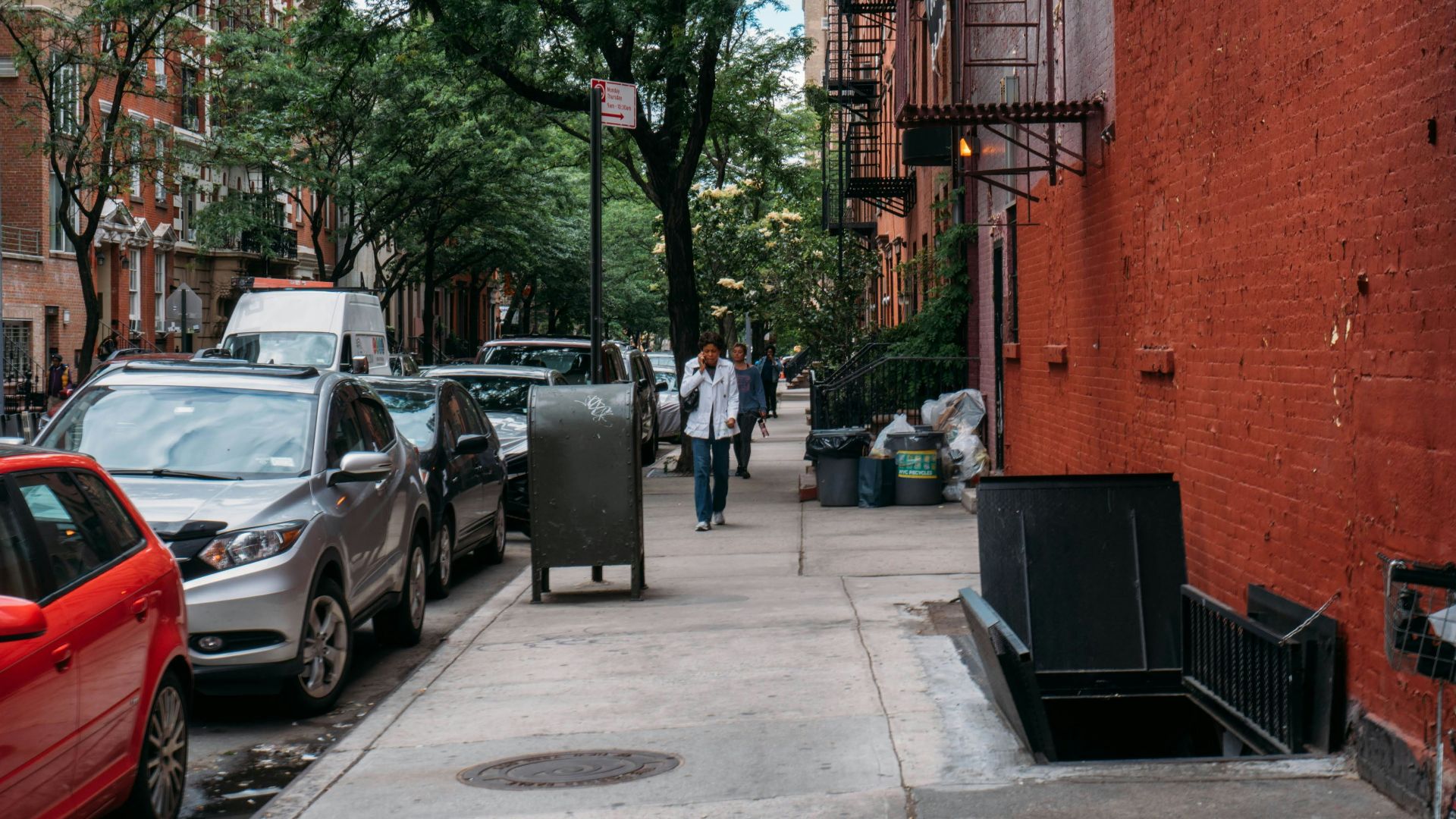
In the United States, video recording is often treated differently from audio recording. As a general rule, people usually have less legal protection against being filmed in places where there is no reasonable expectation of privacy, like a public street or an open parking lot. That does not mean anything goes. But it does mean a car camera aimed at public space is often on firmer ground than one that captures activity through a home window or inside a private garage.
Audio Is Often The Bigger Problem
If your car records sound along with video, the risk can go up fast. The Reporters Committee for Freedom of the Press notes that state wiretapping and eavesdropping laws vary, and some states require consent from all parties before a private conversation can be recorded. In real life, a driver may think the issue is the parked car camera, when the bigger legal risk comes from accidentally recording voices.
State Law Can Change The Answer Quickly
There is no single nationwide rule that cleanly answers every parked car recording question. Privacy, surveillance, and audio recording laws can vary by state, and sometimes by situation. That is why the same camera setup that causes no issue in one place could turn into a legal mess somewhere else, especially if audio is involved or the recording focuses on private property.
California Has Been A Key Battleground
California has been one of the most watched states on this issue because it combines strong privacy traditions with a huge number of tech-heavy cars on the road. The state’s anti-wiretapping law has long been a major reference point in recording disputes, especially when confidential communications may be involved. That does not automatically make parked car video illegal, but it does mean drivers in California should be careful about any feature that may capture sound.
Europe Has Already Seen High Profile Problems
Some of the clearest warnings for drivers have come from Europe, where privacy rules are often stricter. In February 2020, Dutch authorities said Tesla owners using Sentry Mode had responsibilities under privacy law because their cars could film passersby and nearby parked vehicles. That got attention far beyond the Netherlands because it showed regulators were willing to treat a car camera like a serious data collection tool, not just a handy gadget.
The Dutch Data Protection Authority Raised A Warning
The Dutch Data Protection Authority said in 2020 that if a person continuously films the public space around a vehicle, that can amount to a form of surveillance. The agency stressed that people walking by are being recorded without knowing who is collecting the footage or what happens to it. That mattered because it explained the issue in plain language regular car owners could understand.
Privacy Regulators Keep Coming Back To Proportionality
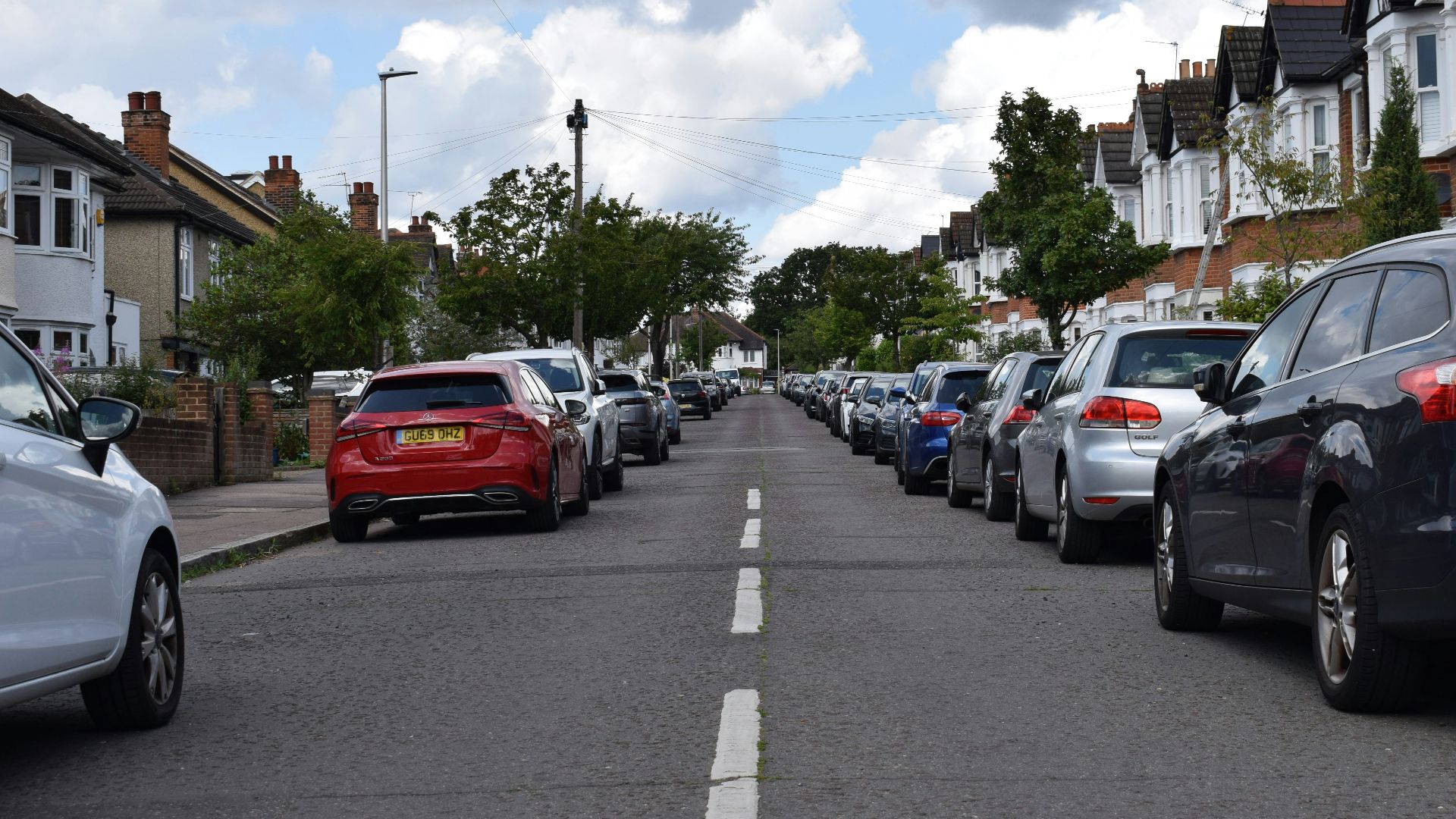
One idea shows up again and again in privacy cases: proportionality. Regulators often ask whether the amount of recording makes sense for the risk being addressed. A short clip triggered by an impact may seem much more reasonable than constant recording of an entire residential street every night.
 Danielrayyan09, Wikimedia Commons
A Public Street Does Not Mean Zero Risk
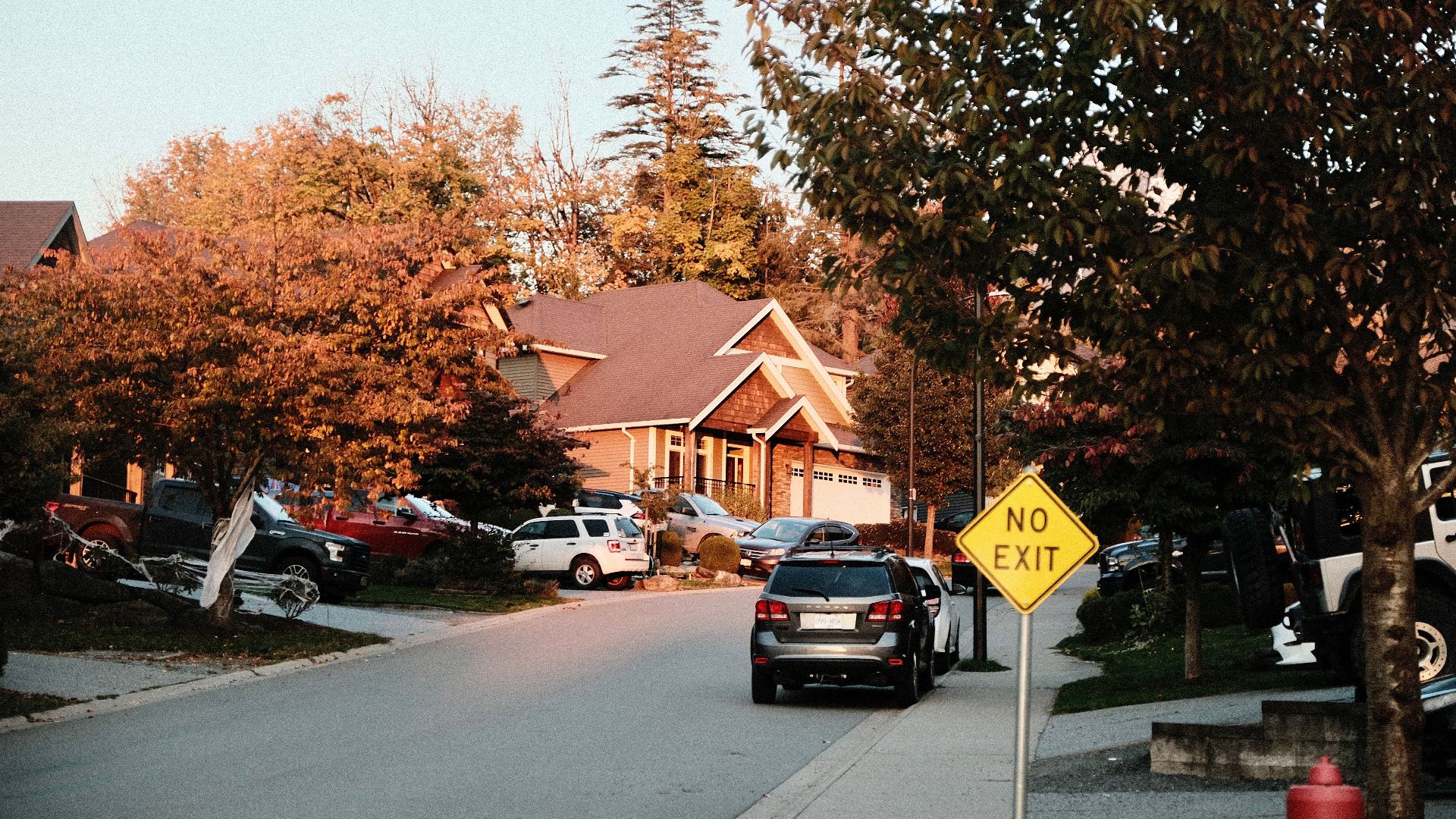
Drivers sometimes assume that if something happens in public, it is automatically fine to record it forever. That is too simple. Even when filming in a public place is generally lawful, using, storing, sharing, or publishing that footage can create separate problems involving harassment, defamation, doxxing, or invasion of privacy claims.
Sharing Footage Online Can Make A Small Problem Much Bigger
The legal risk is not just about recording. It is also about what happens next. Posting a clip of a neighbor online, especially with commentary, an address, or accusations, can create a much bigger problem than quietly saving footage in case of damage or a police report.

Home Security Cases Offer A Useful Clue
Courts and regulators have spent years sorting out fights over doorbell cameras and home security systems. Those disputes often turn on the same practical questions that matter for cars. Is the camera aimed mostly at your own property, or is it sweeping up large areas used by other people who never agreed to be recorded?
A Car In Your Driveway Is Different From One On The Street
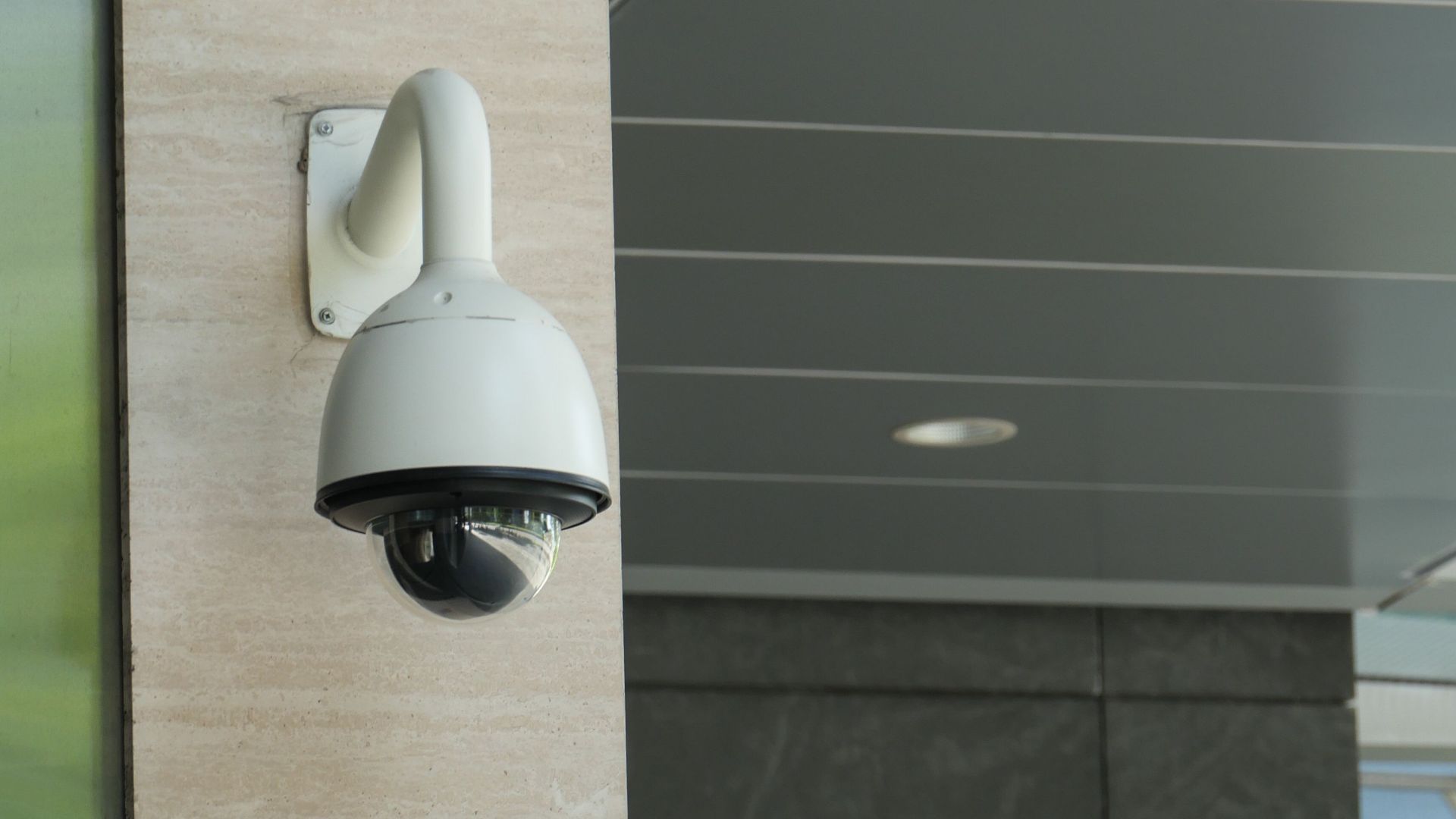
Context matters a lot. A car parked on your private driveway and aimed mostly at your own property may be treated differently from a car parked on a public street outside someone else’s home. The second setup is more likely to spark complaints because the recording can feel more like targeted surveillance.
HOA Rules And Apartment Policies Can Matter Too
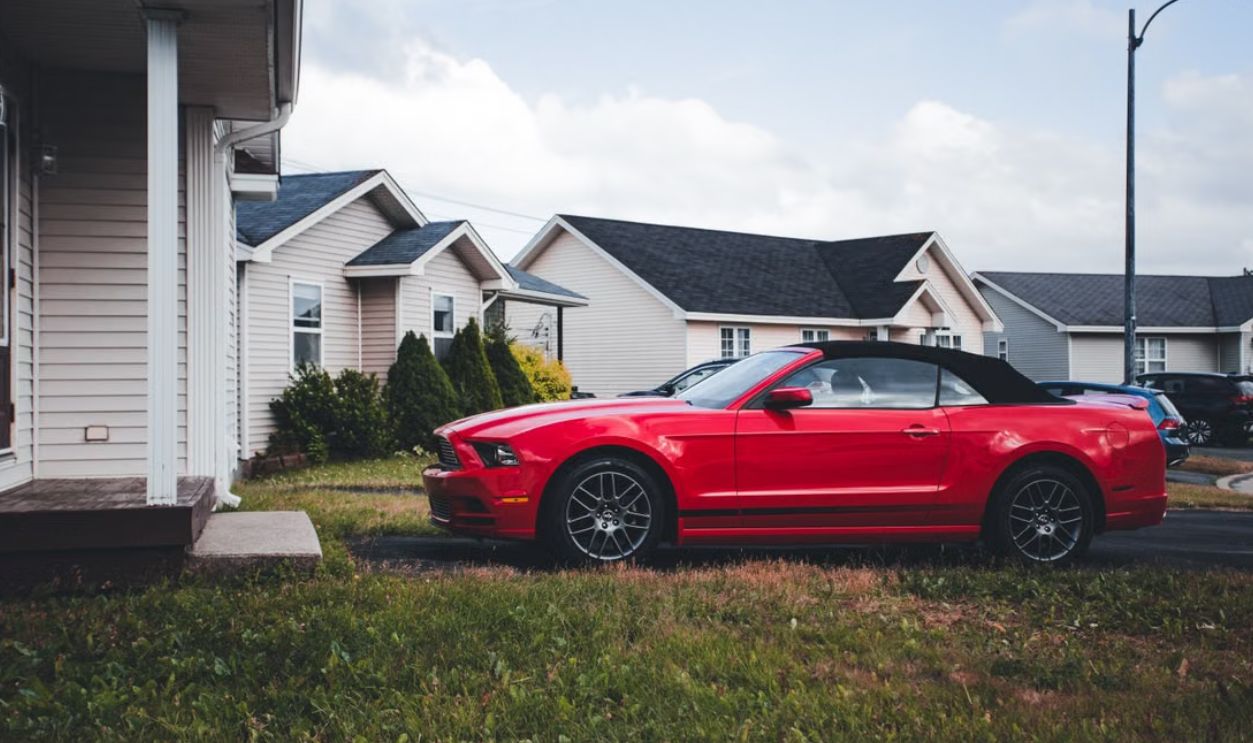
Even when state law does not clearly ban a recording setup, private rules can still cause trouble. Homeowners associations, apartment complexes, and workplace parking operators sometimes have policies about cameras, nuisance behavior, or use of shared spaces. So a driver can end up in trouble without ever facing a criminal charge.

Police May Like The Footage, But That Does Not End The Privacy Question
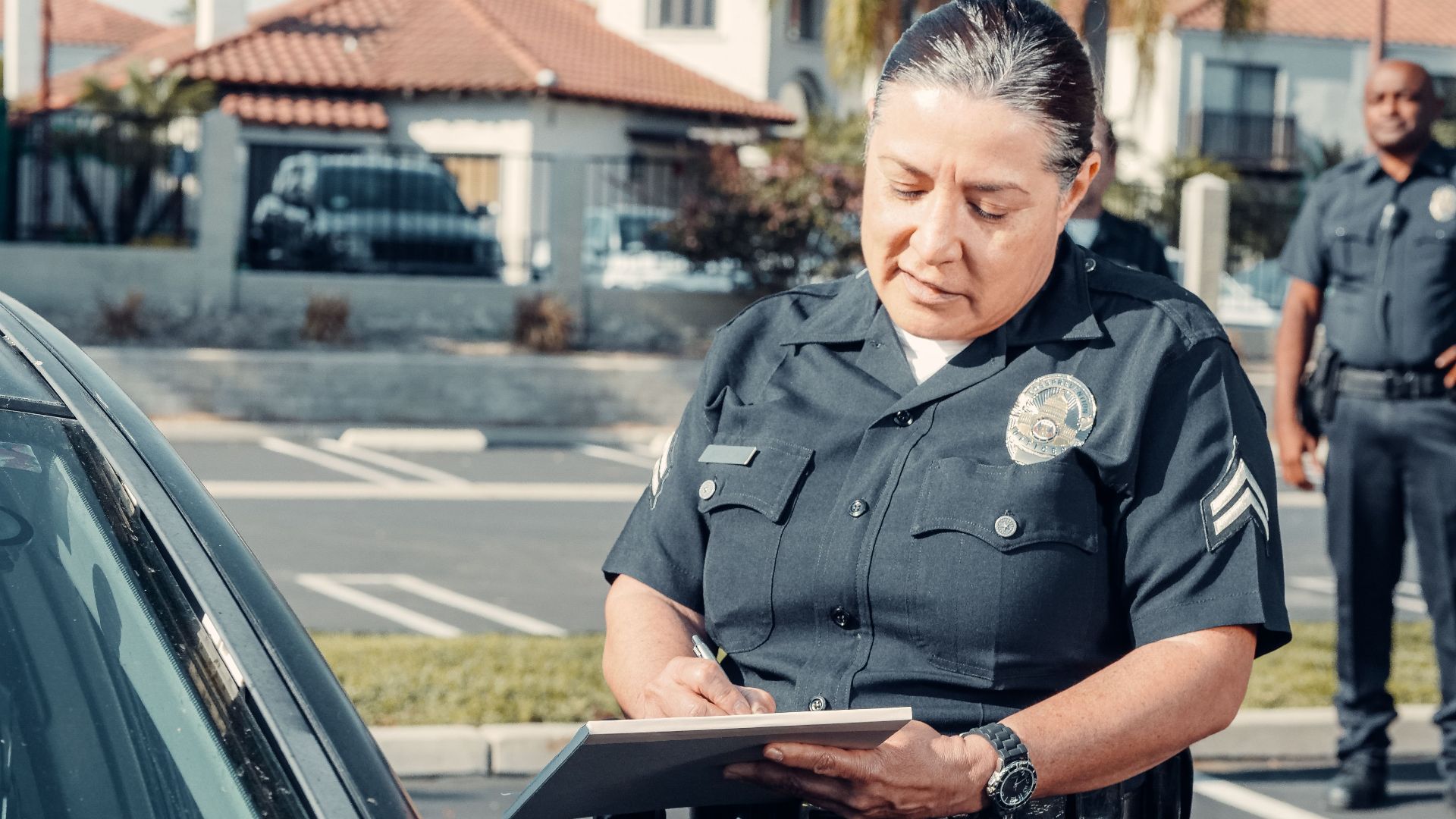
If your car is vandalized, police may be glad you have a useful clip. That practical value is one reason these systems are popular. Still, a helpful recording in one case does not settle whether the setup was lawful in every way, especially if it constantly collected footage of people who had nothing to do with any crime.
Manufacturers Have Tried To Build In Limits
Automakers know there is a line between a security feature and a privacy complaint. Tesla, for example, has described Sentry Mode as event-based monitoring that can save footage when the vehicle detects a threat. Features like limited retention, user control, and visible warnings on the car’s center screen can help, but they do not make the legal questions disappear.
How The Footage Is Stored Matters Too
Another issue is where the footage goes and how long it stays there. Some systems store clips locally on a USB drive or in the car’s memory, while others may involve connected services. The more widely footage is stored, transferred, or shared, the more likely privacy and data-handling concerns become.
Concerns About Faces And License Plates Are Growing
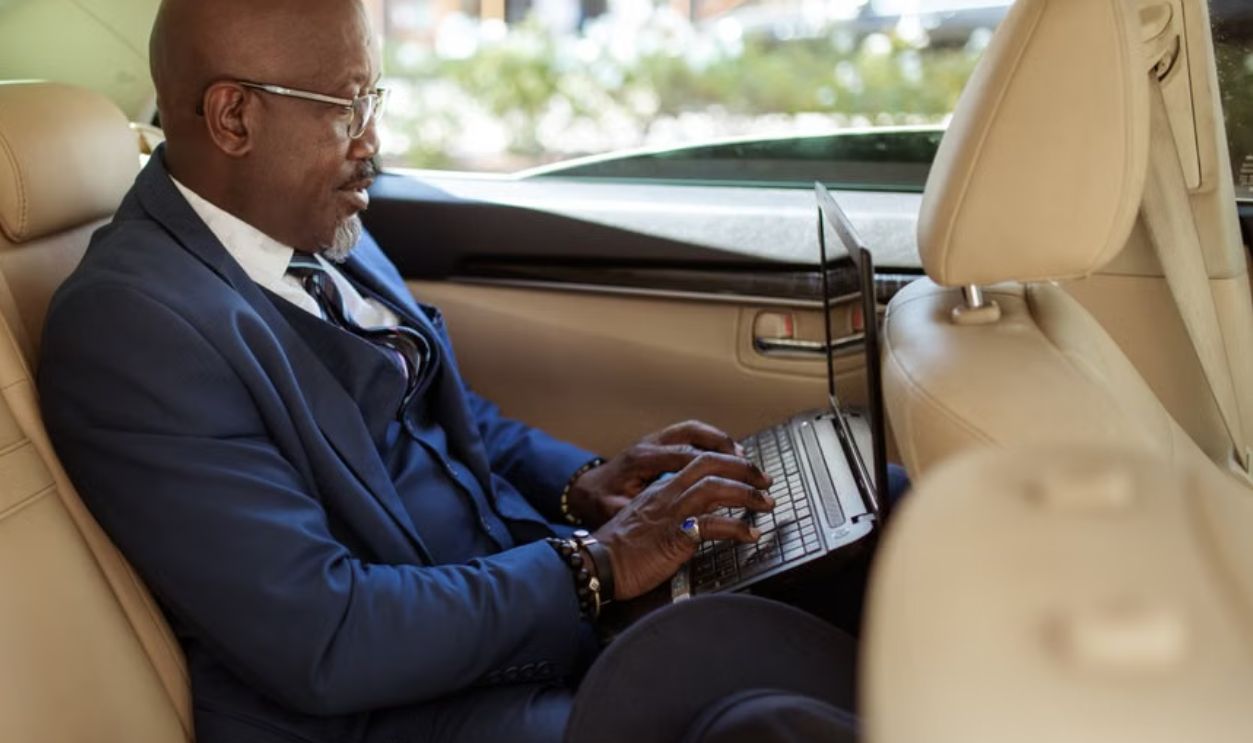
Modern cameras can capture faces, license plates, and movement patterns with surprising clarity. Even if a car owner never studies that information, the footage can still contain personally identifying details. Privacy law has become more focused on those details over time, especially as machine learning makes visual data easier to search and sort.
You Are Less Likely To Run Into Trouble If The Recording Is Narrow And Practical
Drivers who use parked car video mainly to document impacts or break-ins are usually in a stronger position than drivers whose cars capture broad, constant footage of neighbors’ daily routines. Narrow use looks more like basic self-protection. Broad use starts to look like surveillance.
If Your Car Records Audio, Check That Setting Today
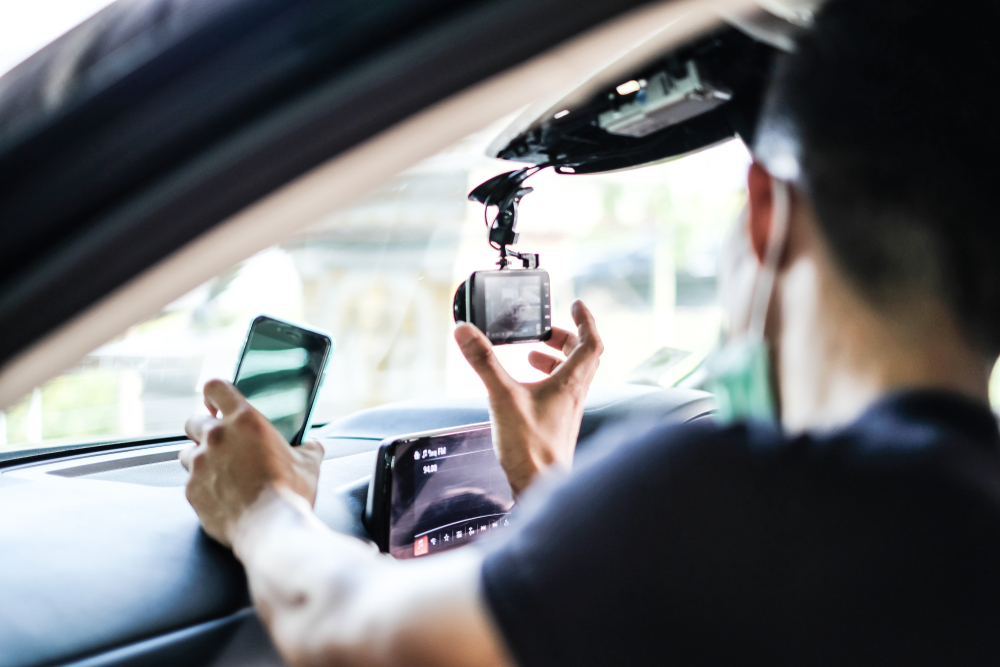
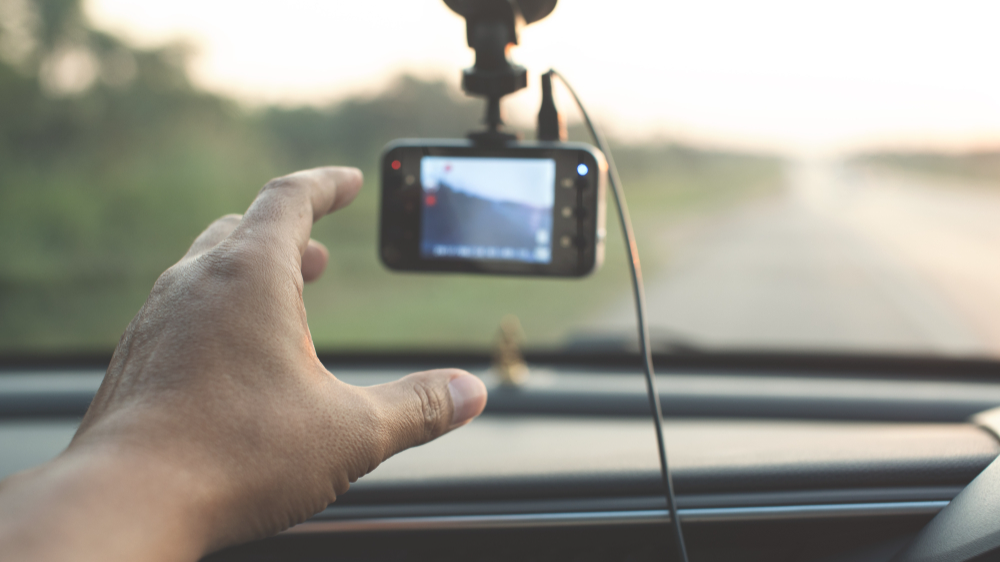
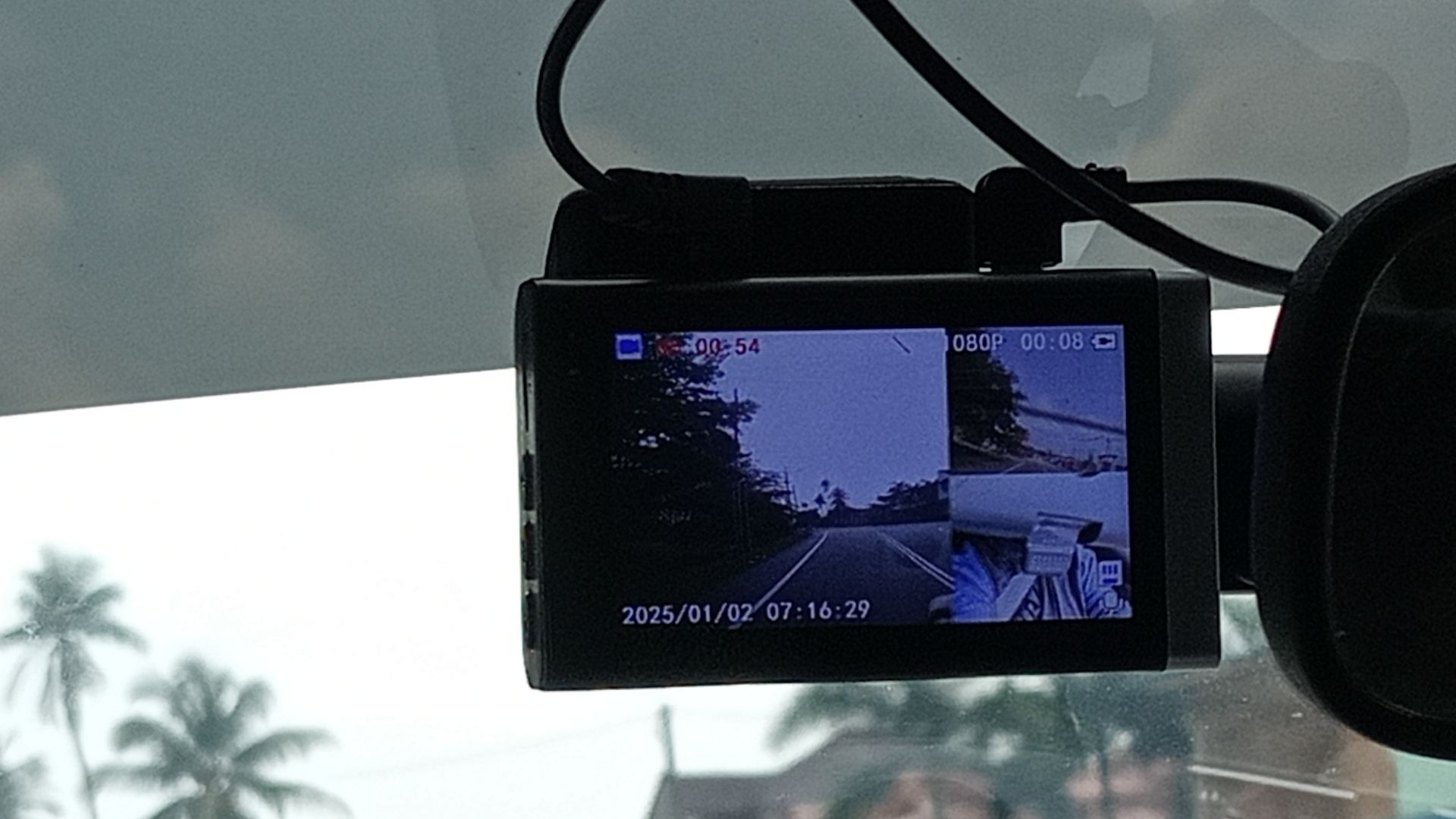
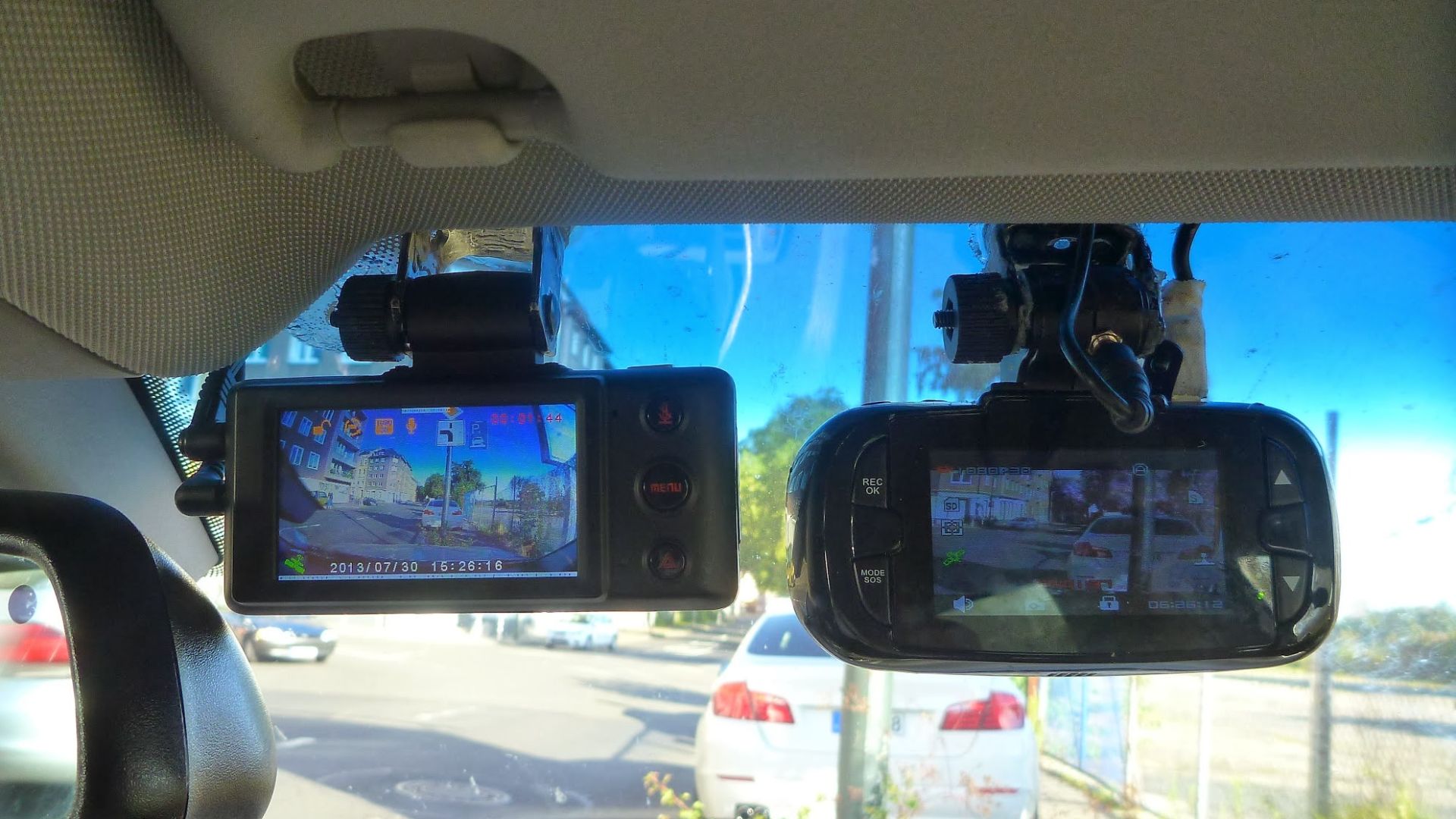
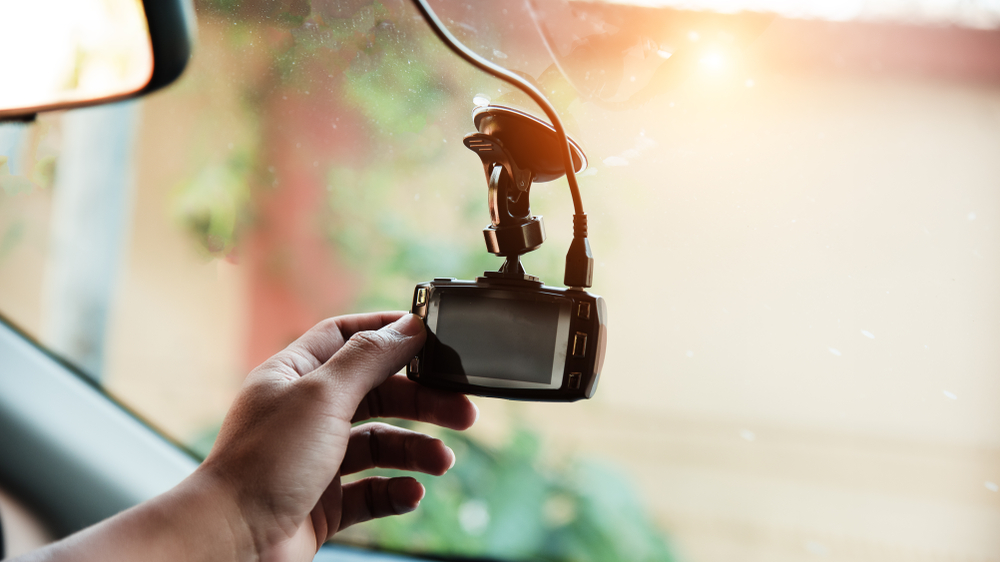
This is the easiest practical step most owners can take. Check whether your car or any aftermarket dashcam records sound, and learn the consent rules in your state before leaving that setting on. For many drivers, turning off audio while keeping event video is the simplest way to cut legal risk.
Do Not Park To Maximize Views Into Homes
How and where you park can matter. If you regularly back into a space so the camera has a direct view into a neighbor’s front windows, that can look much worse than ordinary, incidental recording of a sidewalk or street. Intent is not the only factor, but it can shape how a complaint is viewed.
Do Not Assume A Built-In Feature Is Legal Everywhere
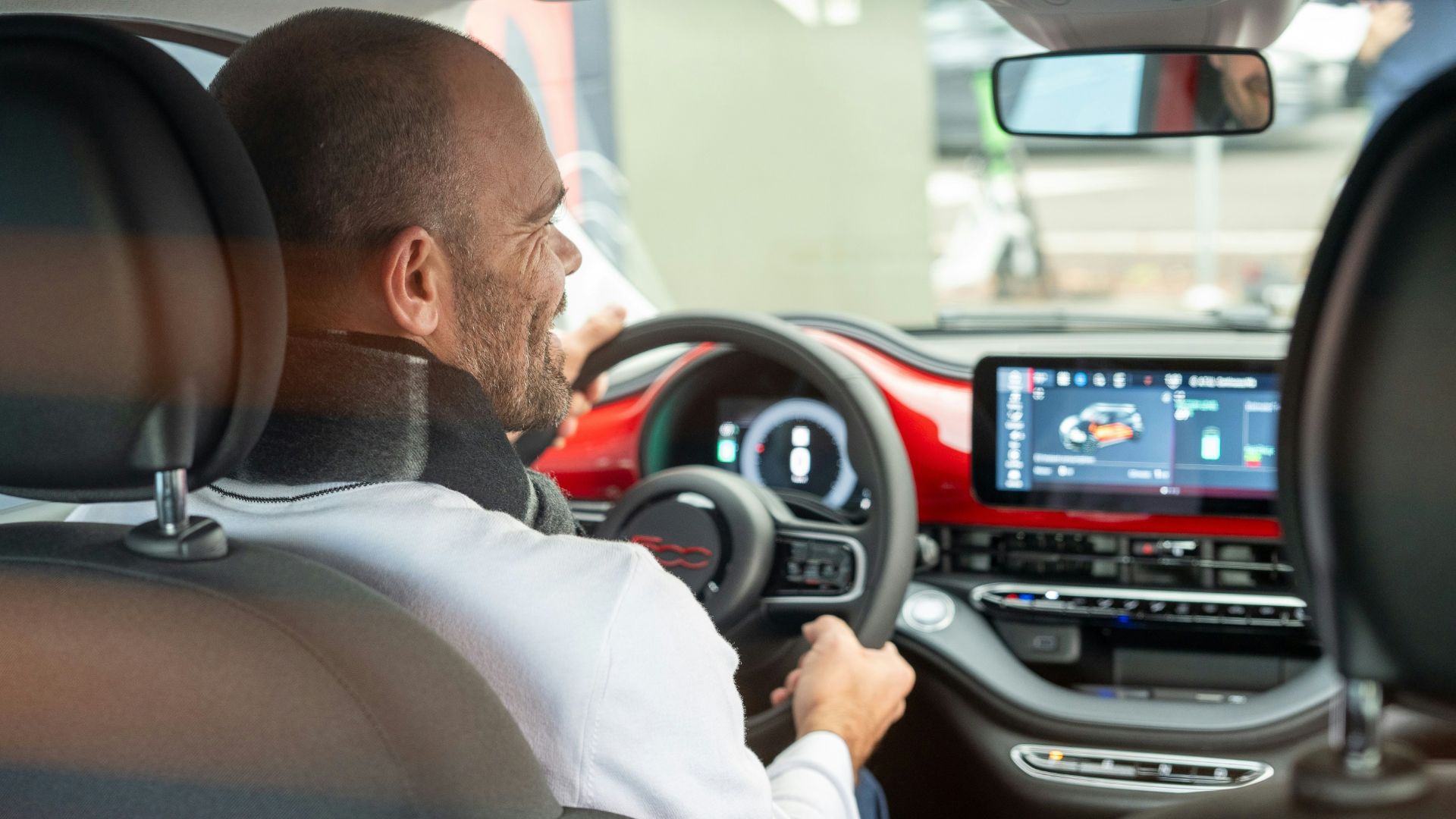
Factory-installed does not mean legally safe in every place. Automakers sell cars across many states and countries with very different privacy rules, and the owner is still responsible for how the feature is used. The fact that the button is on the screen is not a complete defense if a dispute starts.
What To Do If A Neighbor Complains
Start calmly and explain what the feature does, whether it records continuously or only during events, and whether audio is turned on. If possible, show that you are using it for vehicle security and not to monitor anyone personally. In some cases, small changes to parking position, settings, or retention time can solve the problem before it grows.

When You Should Get Real Legal Advice
If law enforcement contacts you, if an HOA or landlord sends a formal notice, or if a neighbor accuses you of illegal recording, it is time to talk to a local attorney. That is especially true if audio was captured or if the car was parked in a sensitive place like a shared private garage. Local law matters more than internet myths here.

So Could You Get In Trouble
Yes, you could, but not every parked car recording creates a legal problem. The biggest danger zones are audio recording, ongoing filming of areas tied to private life, and careless sharing of footage online. Used narrowly and with some care, a parked car camera can be a useful security tool. But it is smart to treat it like a real surveillance device, because regulators and courts increasingly do.

The Bottom Line For Drivers
If your car automatically records while parked, treat that feature with the same care you would give a home security camera. Check whether it records audio, learn the rules in your state, store clips responsibly, and avoid using the system in ways that look like targeted monitoring of neighbors. A little caution now is a lot cheaper than learning later that your anti-theft tech captured something the law sees very differently.