The Short Answer Is Yes, But Not In The Way Most People Mean
Black paint can cost more to live with, but usually not because the car is mechanically more expensive. The real issue is upkeep. Black paint shows dust, water spots, swirl marks, and scratches much faster than lighter colors. So owners who want it to look good often end up washing, polishing, and detailing it more often, and that can add up.

Why This Question Keeps Coming Up
Ask a few car owners about black paint and you will get strong opinions right away. The reason is simple. A black car can look incredible right after a wash, but it can also look dirty again almost immediately. That huge swing between perfect and messy is why so many people think black cars are expensive to own.
Looks Still Cost Money
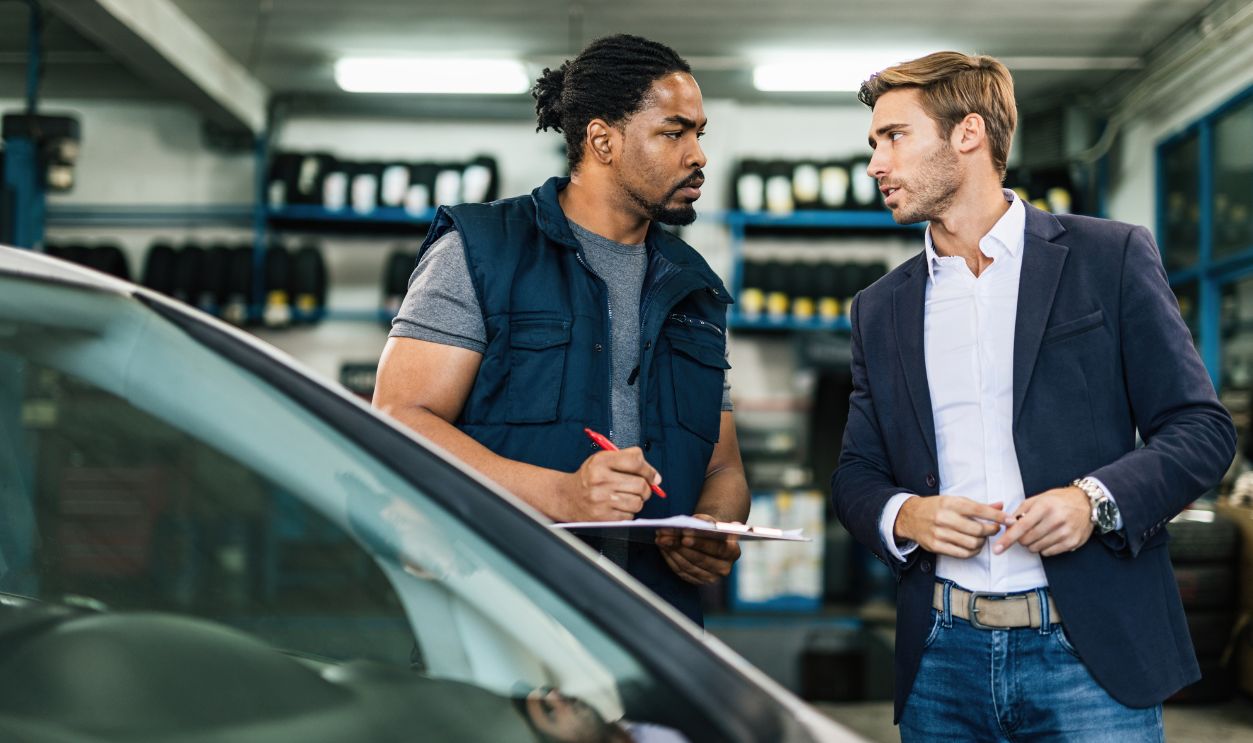
For a lot of drivers, ownership cost is not just gas, insurance, and repairs. It is also the money and effort needed to keep the car looking good. If a paint color pushes you to wash more often, wax more often, or pay for paint correction or a ceramic coating, that is a real cost even if it never shows up as a repair.
Black Paint Shows More Flaws
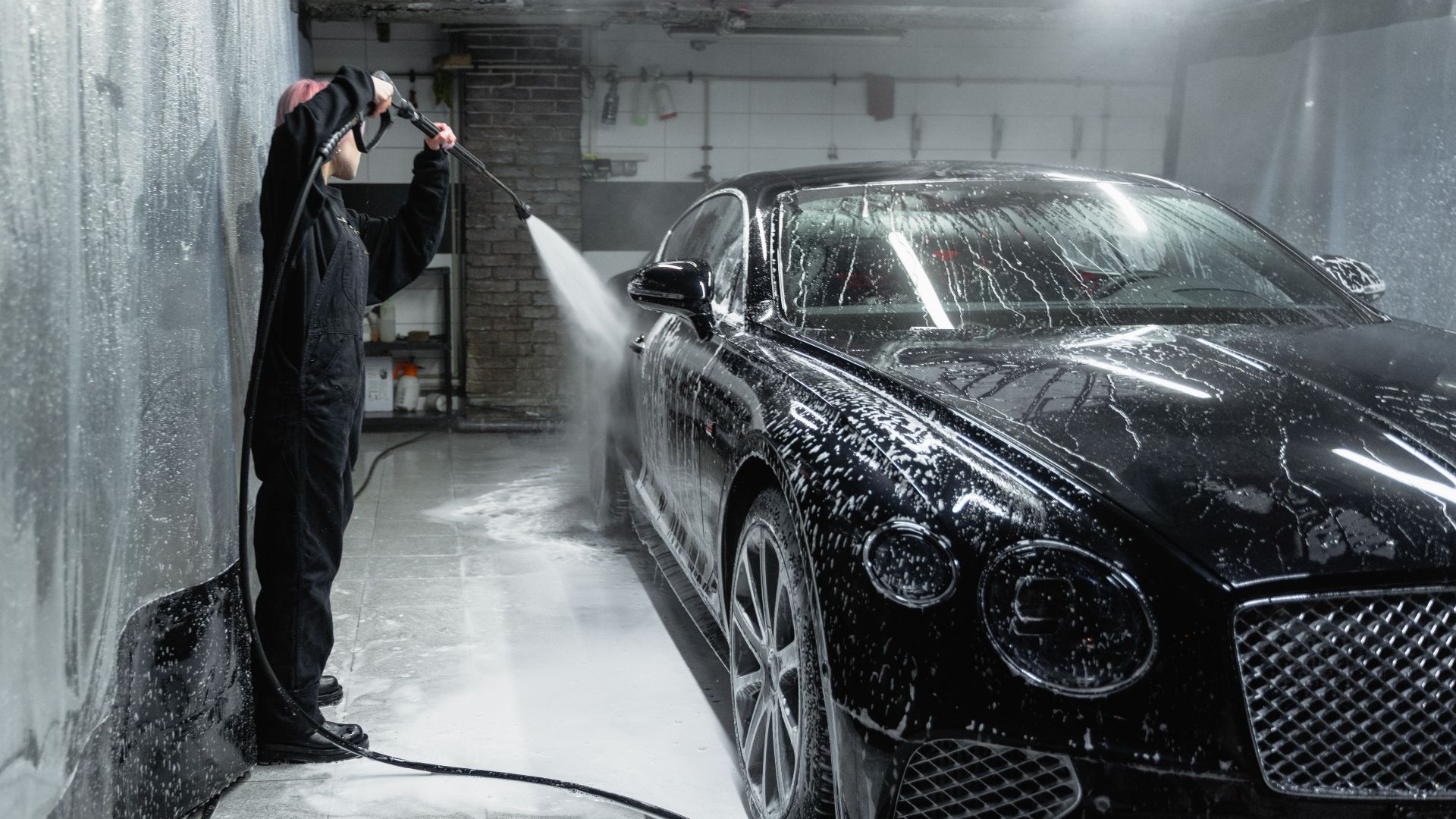
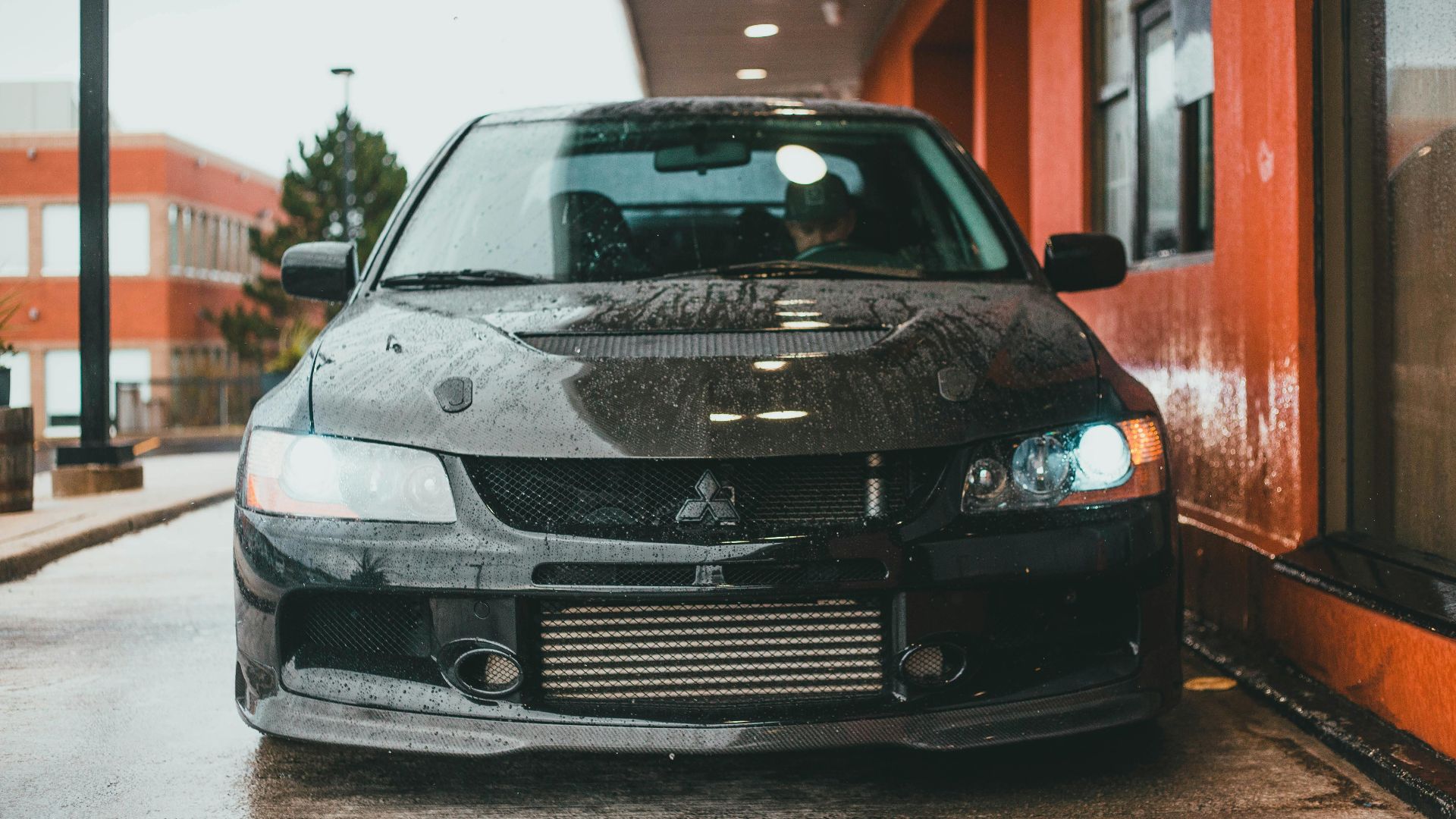
Detailers have said for years that dark paint, especially black, makes imperfections easier to see. Fine scratches and swirl marks stand out more against a dark surface. Silver, gray, and other lighter shades usually hide those same flaws much better in daily driving.
There Is Real Science Behind The Heat Issue
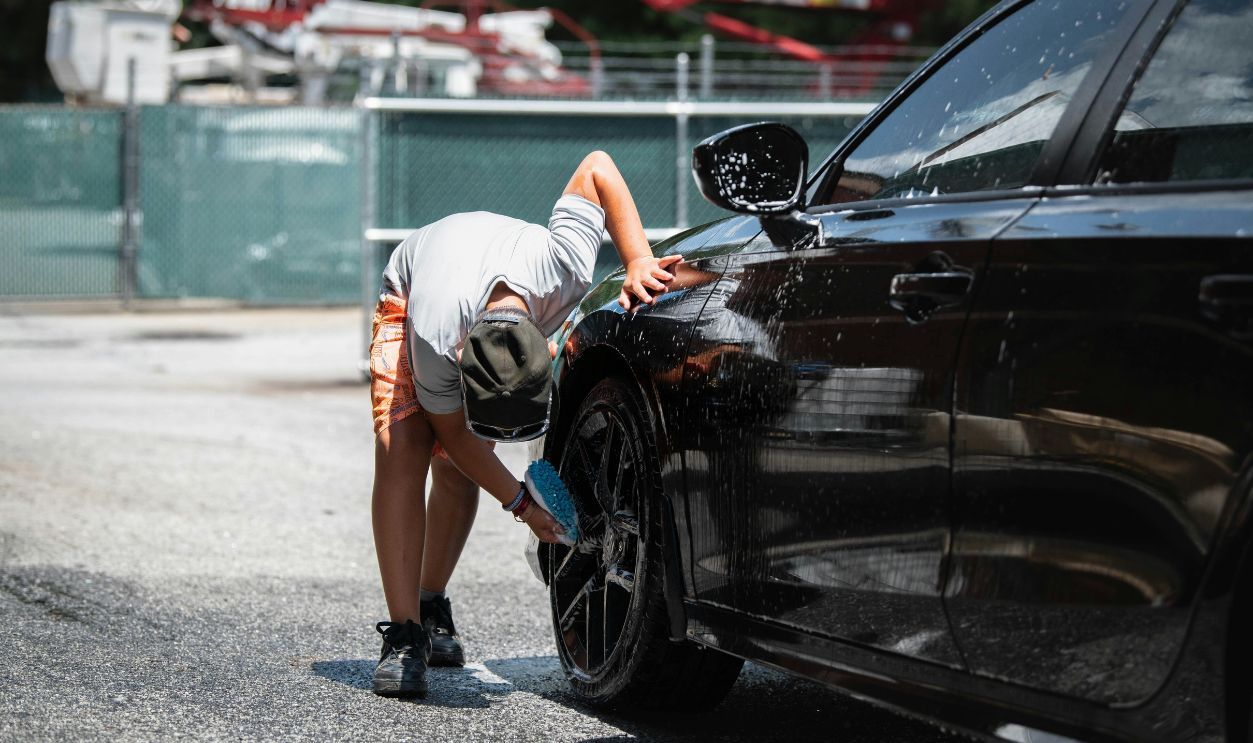
Paint color can also affect how hot a car gets in the sun, which can change comfort and sometimes energy use. In 2011, researchers at UC Berkeley working with PPG Industries studied how coatings reflect sunlight and found that lighter and more solar-reflective surfaces can stay cooler. That does not mean every black car is dramatically more expensive, but it does show that color can matter for more than looks.
What UC Berkeley And PPG Found
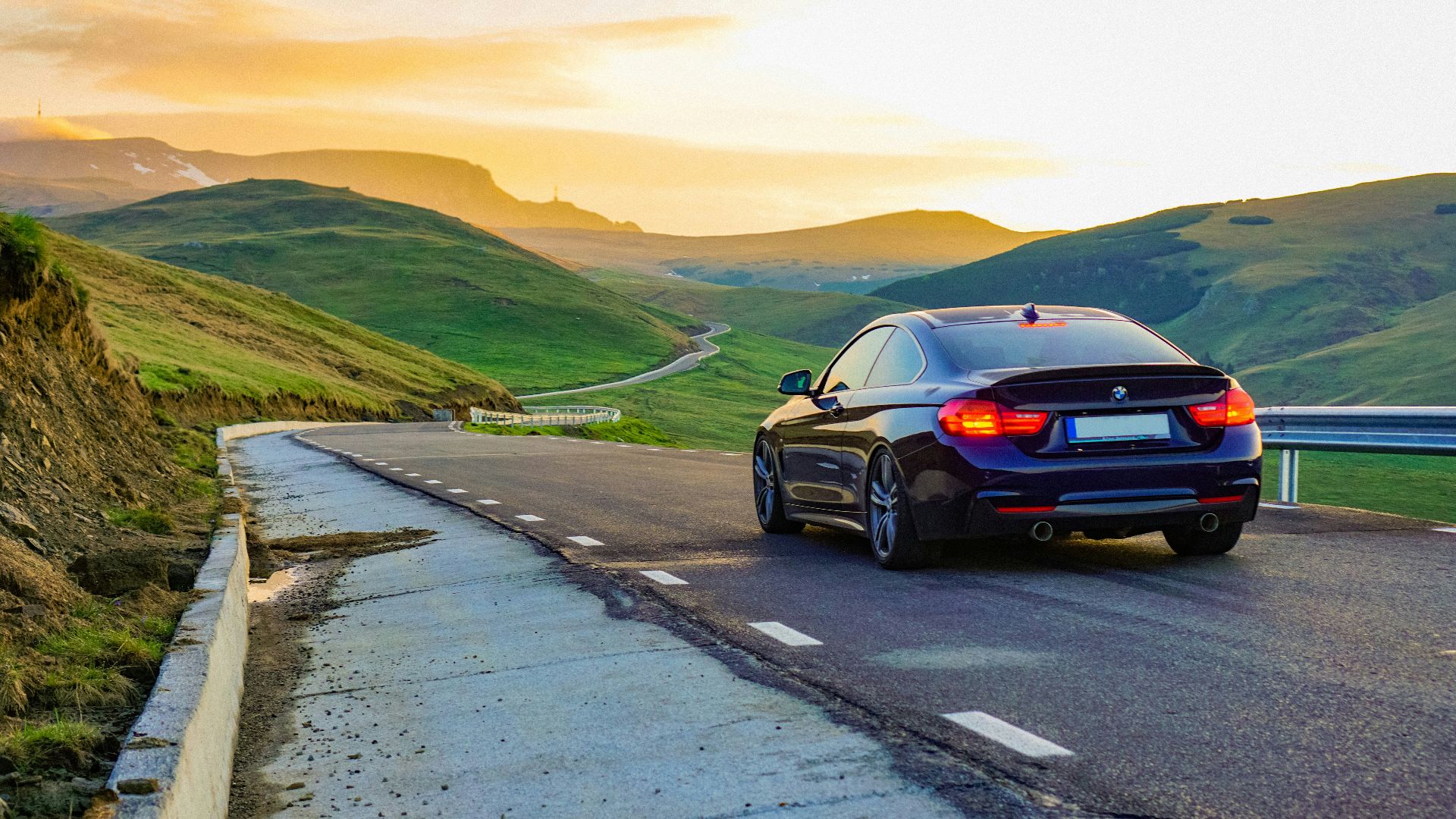
The Berkeley Lab and PPG research looked at how coatings reflect near-infrared radiation, which makes up a big part of the sun’s heat. They found that pigment choices can change a vehicle’s surface temperature by a noticeable amount, even among similar colors. Put simply, some paints soak up more heat, and traditional black is usually on the hotter end unless it is specially made to reflect more heat.
Hotter Paint Can Mean A Hotter Cabin
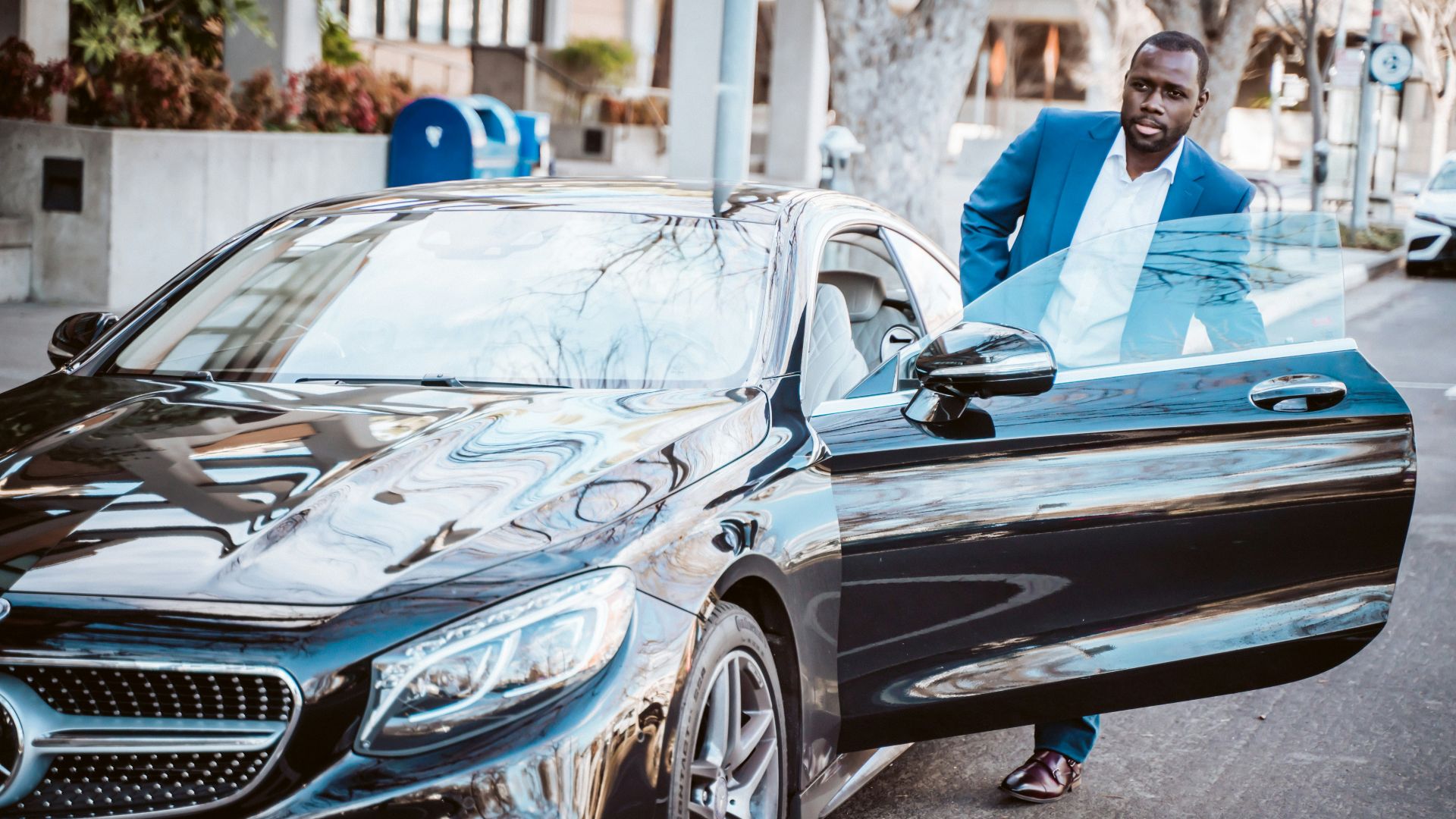
If the outside of a car absorbs more solar energy, the cabin can heat up faster when it is parked in the sun. That can make the air conditioner work harder at the start of a drive, especially in hot climates. The effect is real, though for most owners it is still a smaller cost than extra cleaning and detailing.
 Johanay, CC BY-SA 4.0, Wikimedia Commons
How Much Does Heat Really Matter
This is where the myth can get ahead of the facts. Paint color by itself is not likely to blow up your fuel budget or maintenance costs. Window tint, interior color, where you park, local weather, and whether you use a windshield shade can matter just as much, or even more.

Black Cars Also Show Water Spots
Water spots are one of the biggest complaints from black-car owners. Minerals left behind after washing or rain are easy to see on a dark surface, especially in direct sun. That often means more careful drying, better washing habits, and more use of spot-removal products.
Swirl Marks Become A Constant Problem
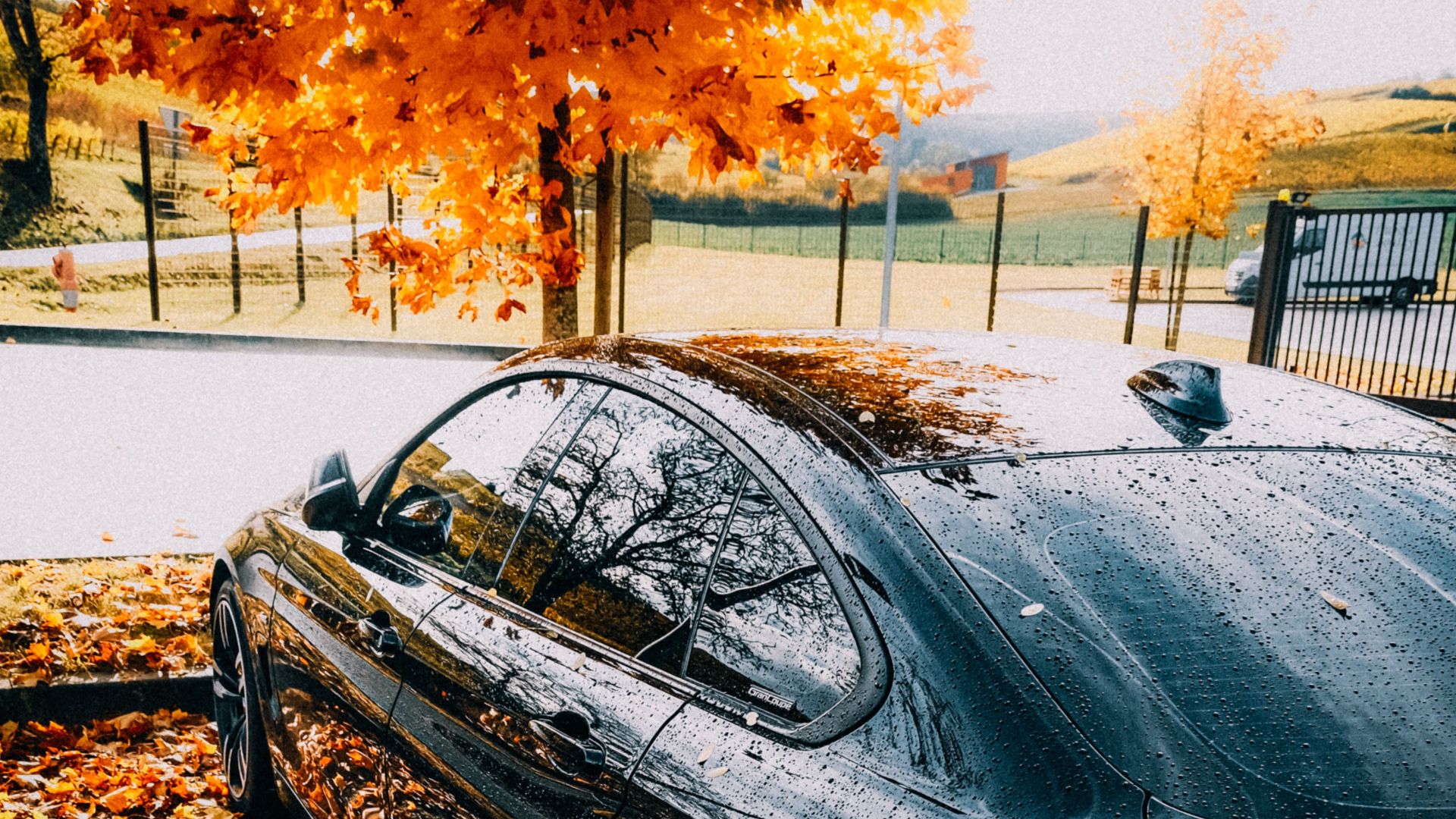
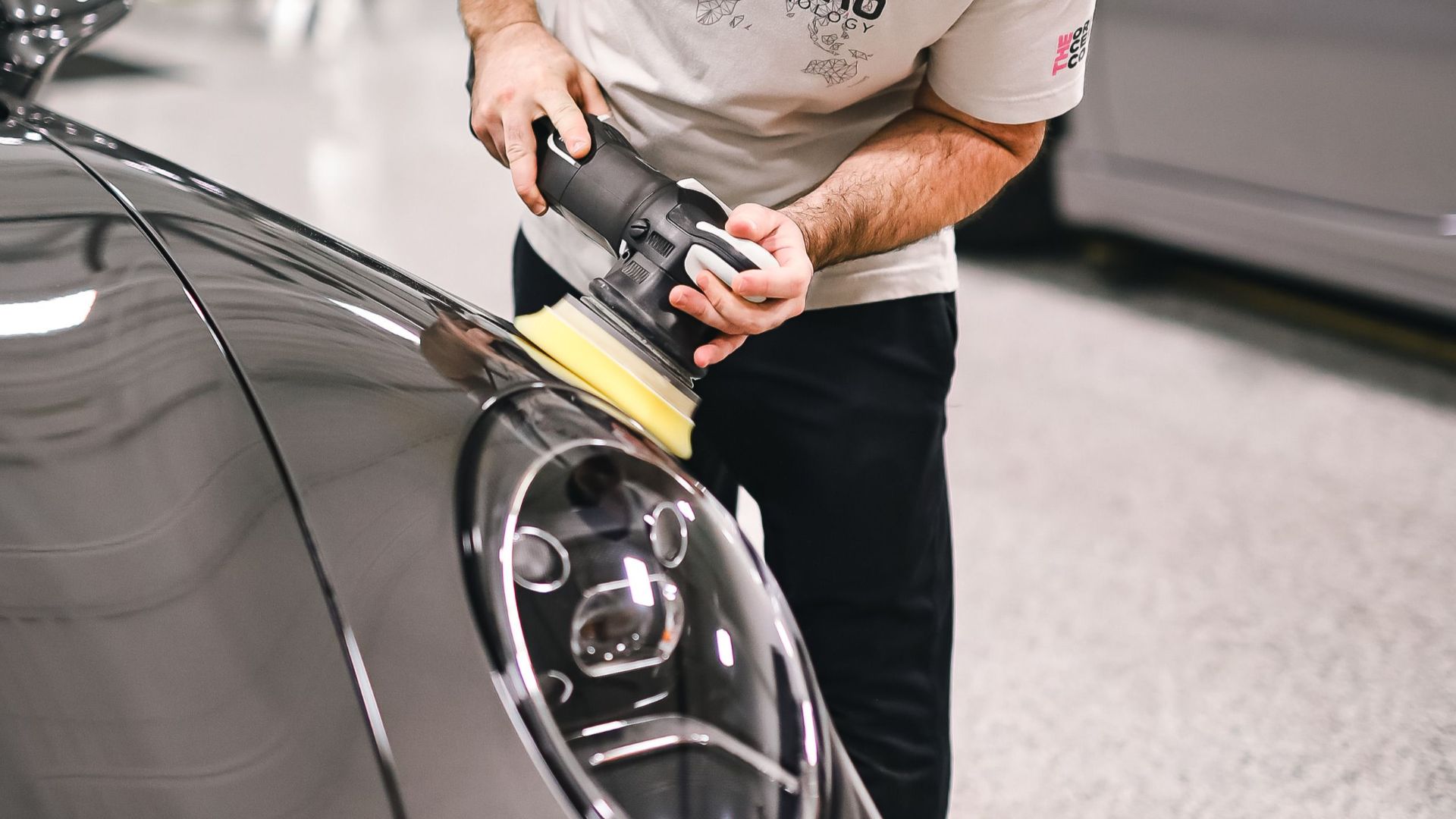
Automatic car washes, dusty towels, and rushed hand washes can leave tiny scratches on any paint color. On black paint, they are just much easier to spot, especially under bright light. That is one reason black-car owners often spend more on microfiber towels, gentler wash methods, and occasional machine polishing.
Professional Detailers See It All The Time
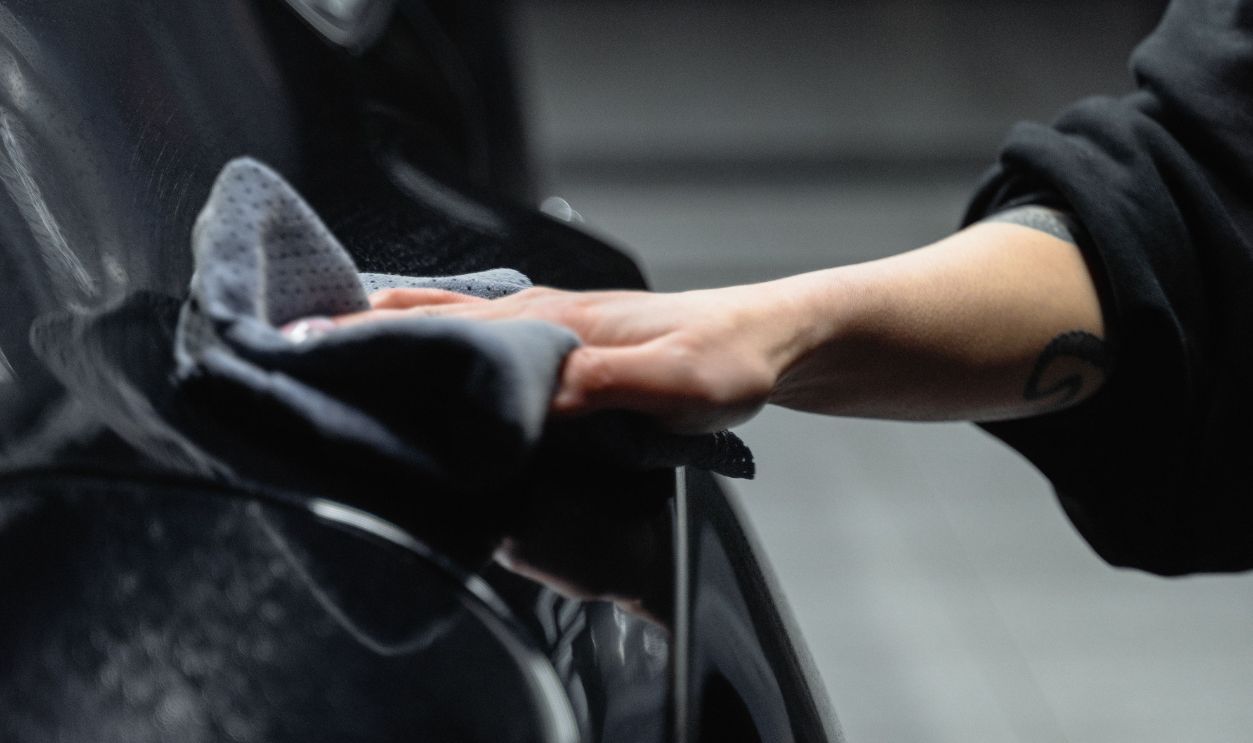
The detailing world did not make up the black-car reputation. Shops that focus on paint care regularly point out that darker colors reveal defects more easily and often need more correction work to look their best. That means a black car that needs paint correction may take more labor, or at least draw more attention to every flaw, than a silver or beige one.
Paint Correction Is Where The Bills Can Rise
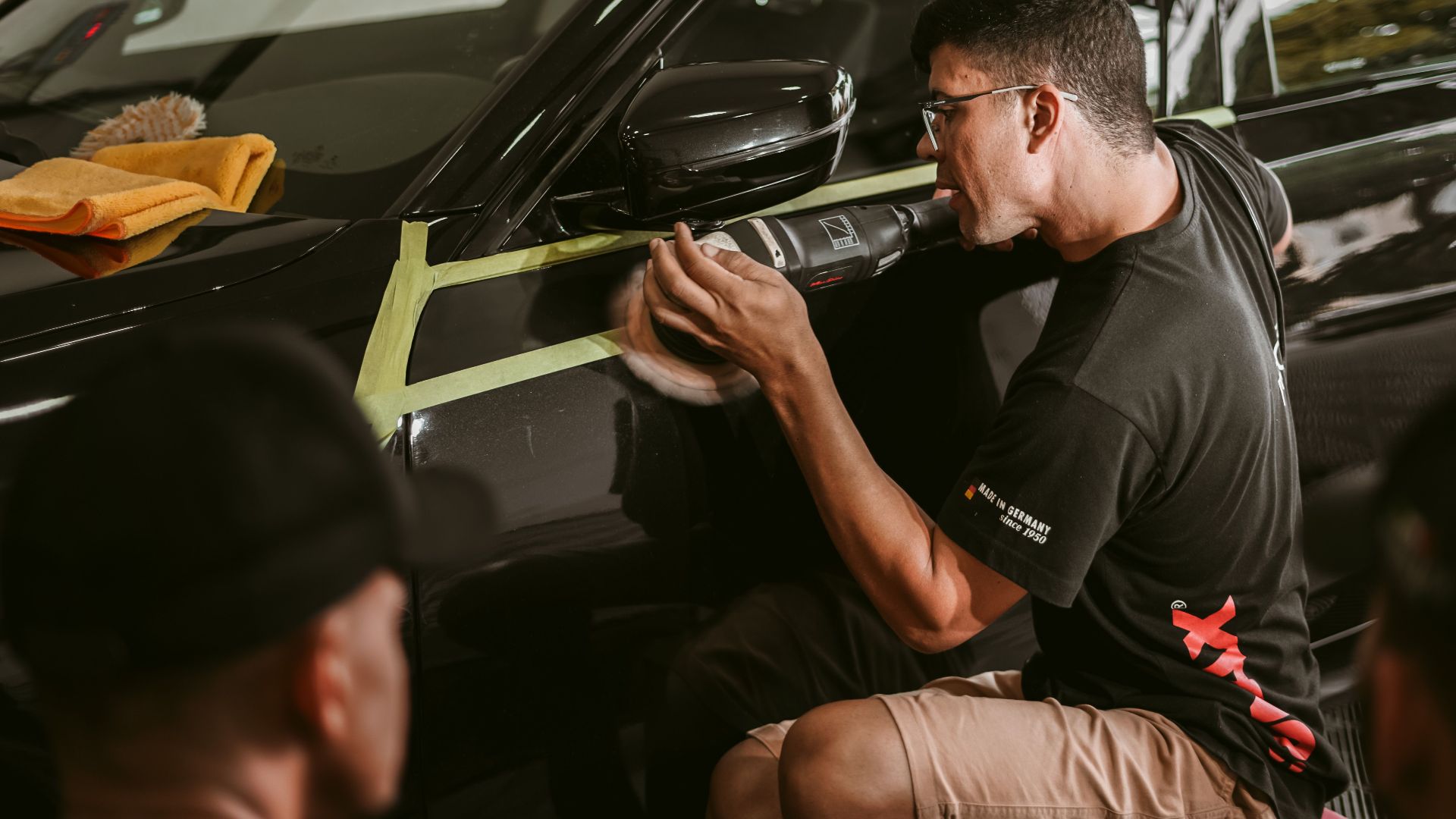
A basic wash is cheap compared with paint correction. Correction work removes or reduces swirl marks and oxidation through polishing, and that is where cosmetic costs can get serious. Because flaws show up more clearly on black paint, owners chasing that deep mirror finish may pay for correction more often or feel the need to do it sooner.
Ceramic Coatings Help, But They Cost Money
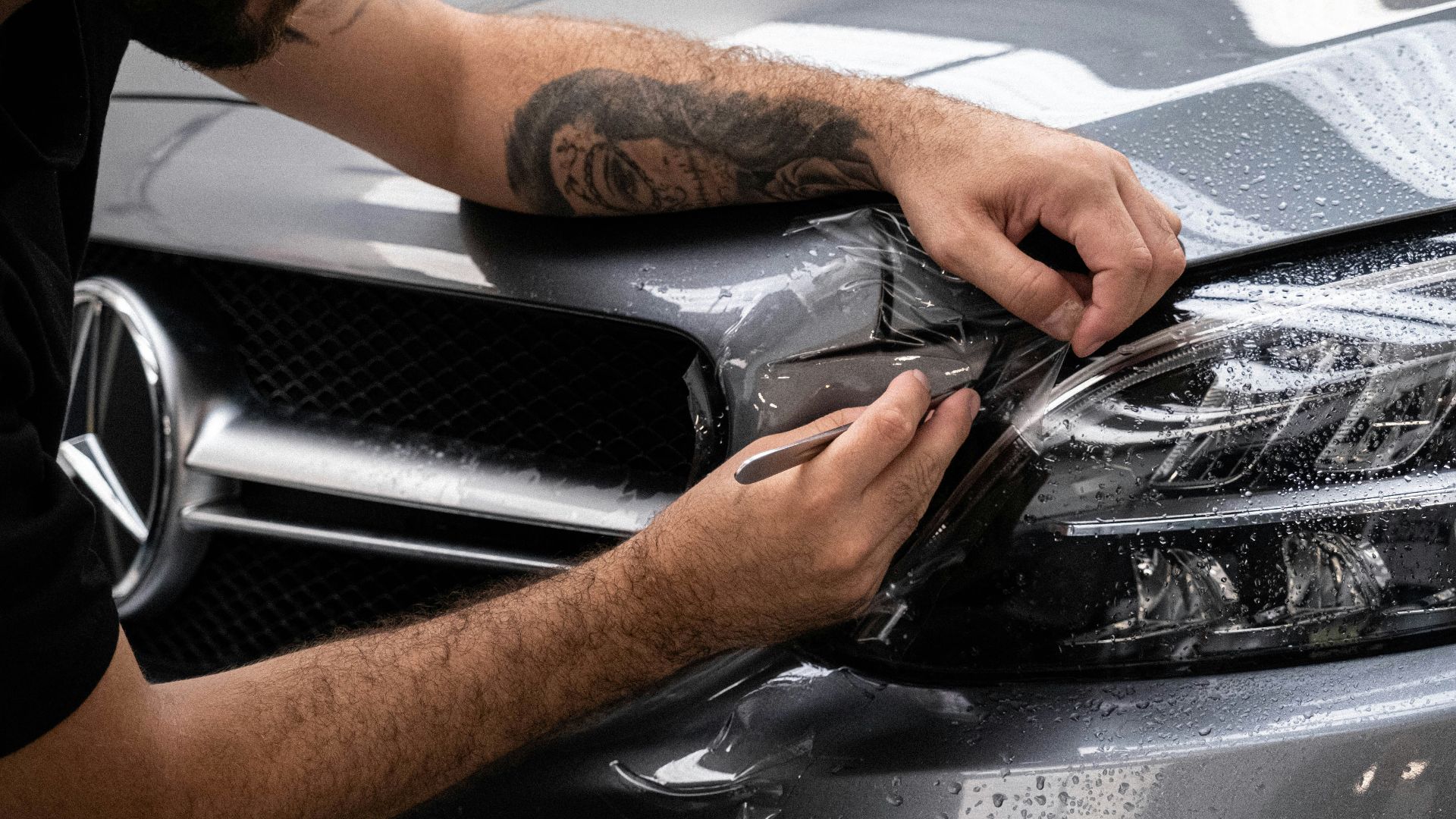
Many black-car owners choose ceramic coatings to make the paint easier to maintain. These coatings can boost gloss and make washing simpler, but they do not make a car scratch-proof, and professional application can be expensive. In other words, black paint can push owners toward extra spending that a lighter-color owner might skip.
Dust Shows Up Fast
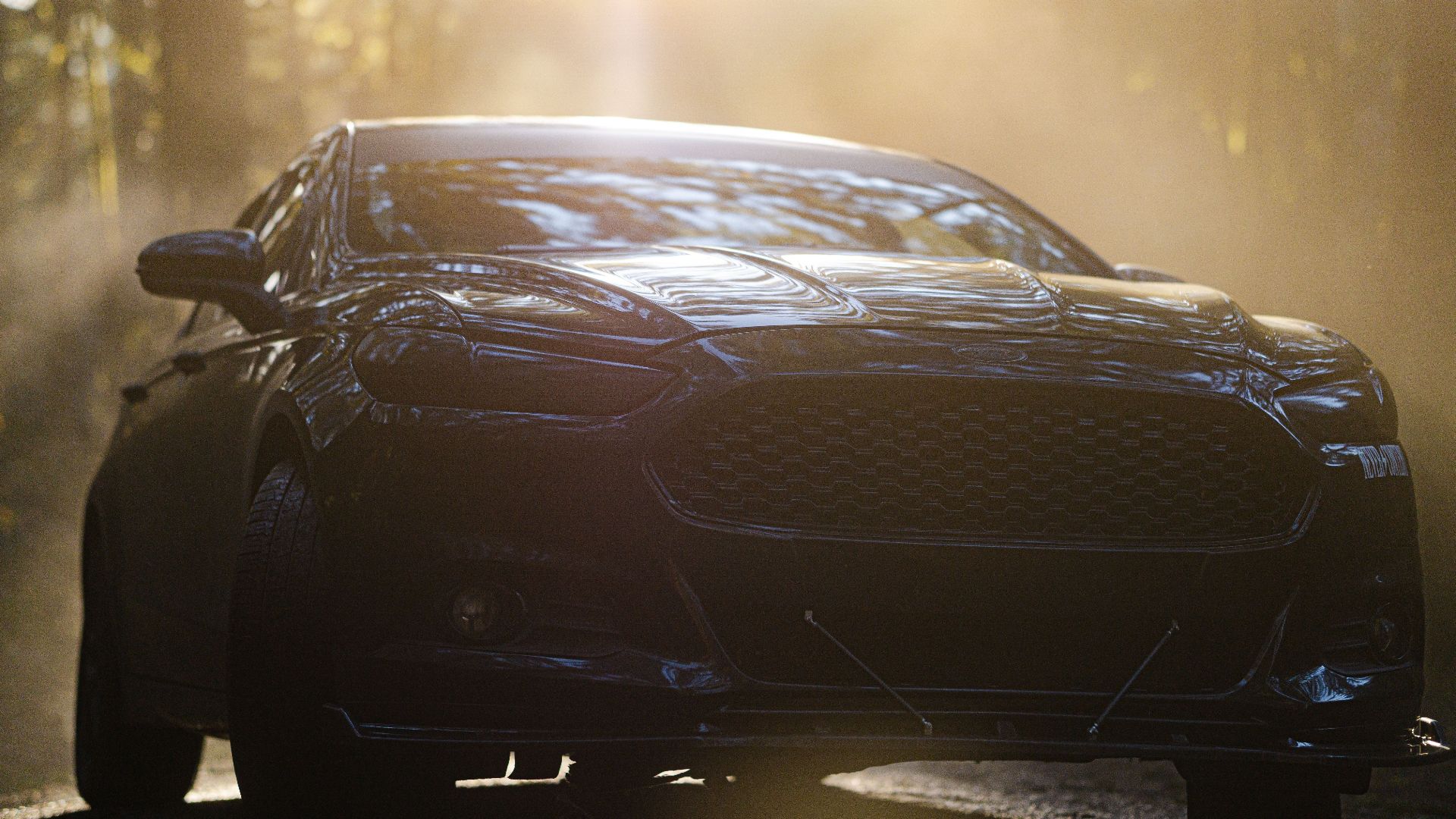
It does not take much dust to make a black car look like it has been sitting for weeks. That may not hurt the vehicle, but it often changes how often an owner feels the need to wash it. If you pay for car washes or mobile detailing, those extra cleanings can get expensive quickly.
Resale Is Not So Simple
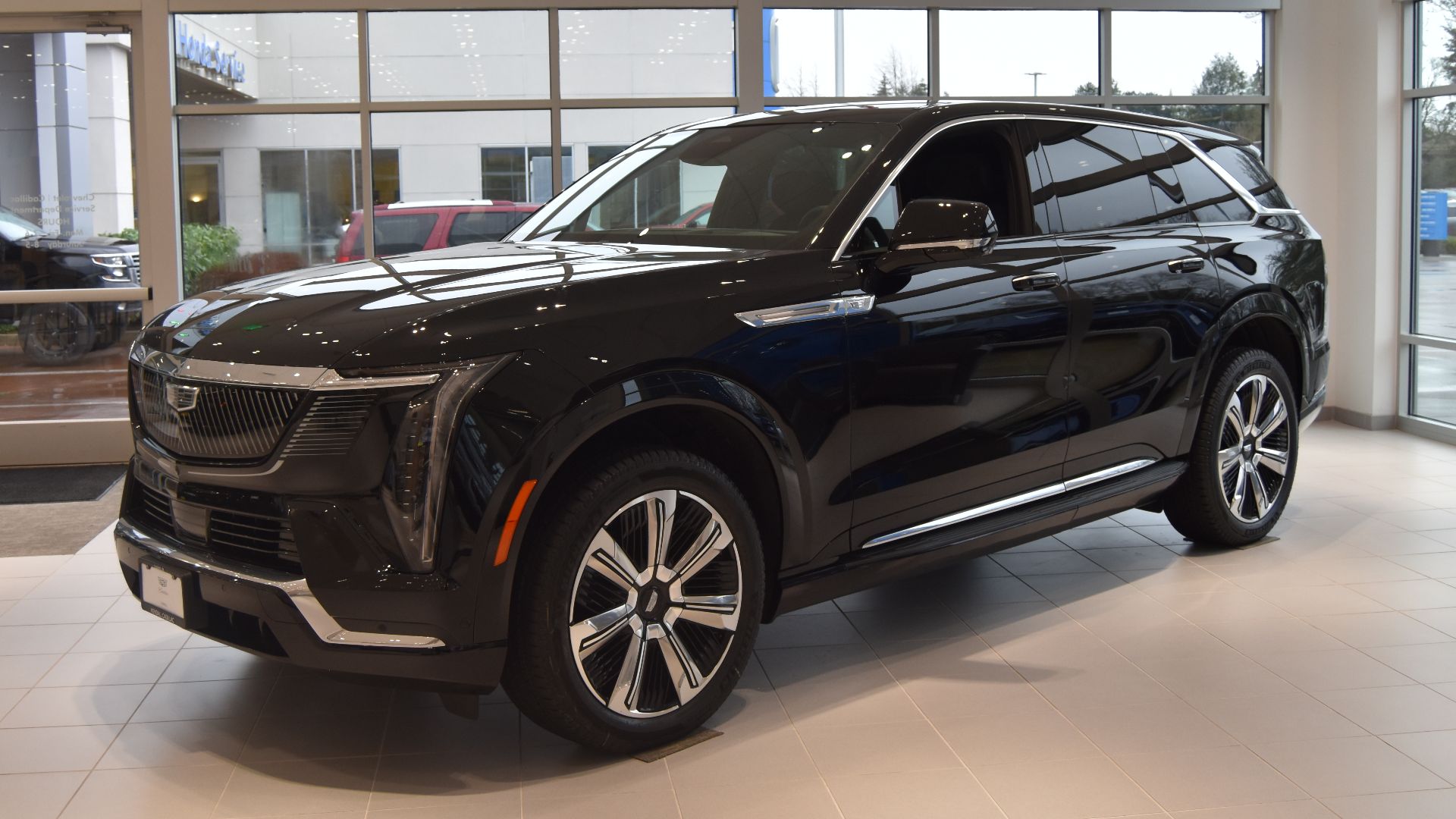
Some buyers love black vehicles because they can look sleek and upscale when clean. Others avoid them because they know how much work they can be. So resale value is not automatically better or worse just because a car is black. Condition matters more, and black paint in rough shape can look worse than a similar light-colored car.

Insurance Usually Does Not Care About Paint Color
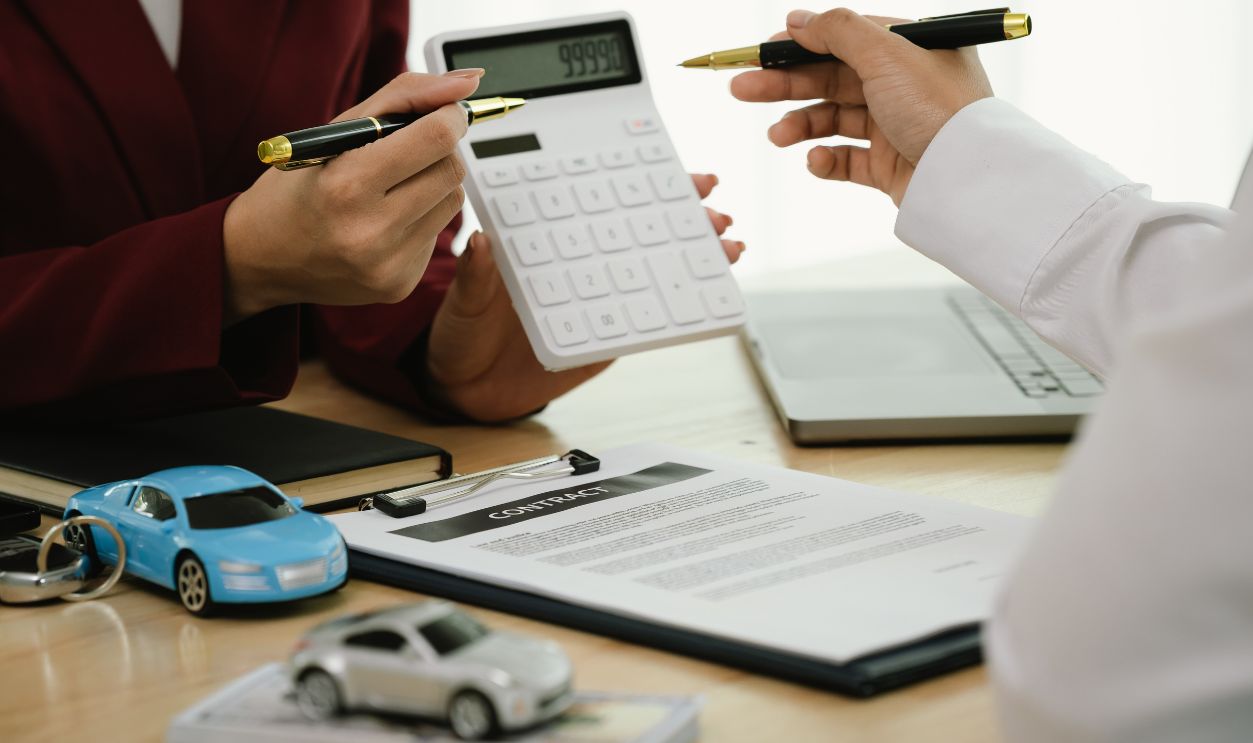
There is a long-running myth that black cars cost more to insure. In general, insurers set rates based on things like driver history, vehicle model, repair costs, location, and claims data, not paint color by itself. So if black paint costs more, it is usually because of upkeep and heat, not insurance.
 Natthawadee Jana, Shutterstock
Safety Claims Need More Context
Another common claim is that black cars are always more dangerous because they are harder to see. Visibility can change with lighting, weather, and time of day, so the issue is more complicated than a simple color ranking. For the question of ownership costs, the better-supported concerns are visible dirt, visible paint flaws, and heat absorption.
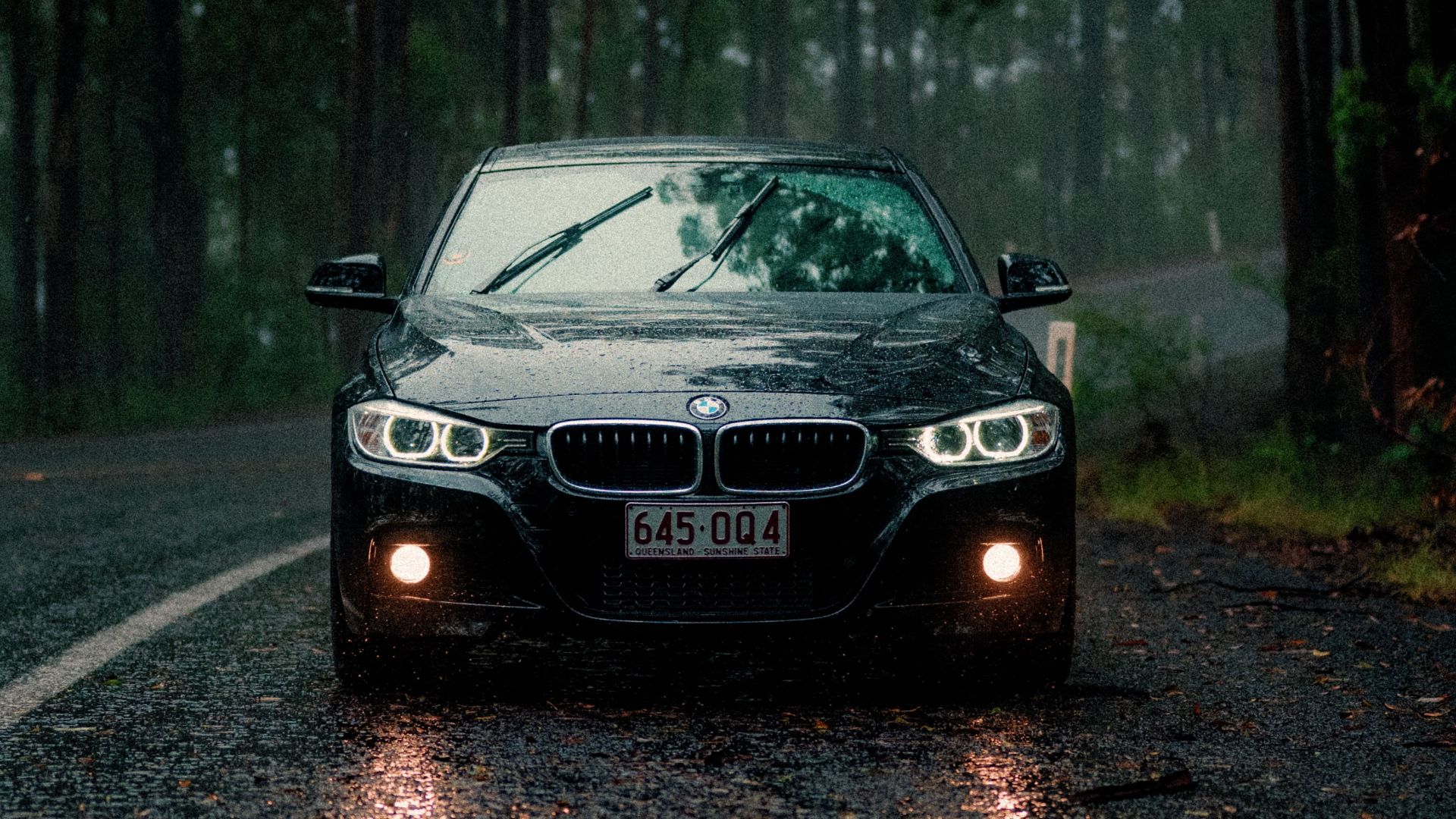
Climate Makes A Big Difference
In places like Arizona, Texas, Florida, or Southern California, a heat-absorbing exterior can be much more noticeable than it is in a cool northern climate. If a car sits outside all day in strong sun, color matters more. If it lives in a garage and spends most of its time in mild weather, the cost gap can shrink a lot.
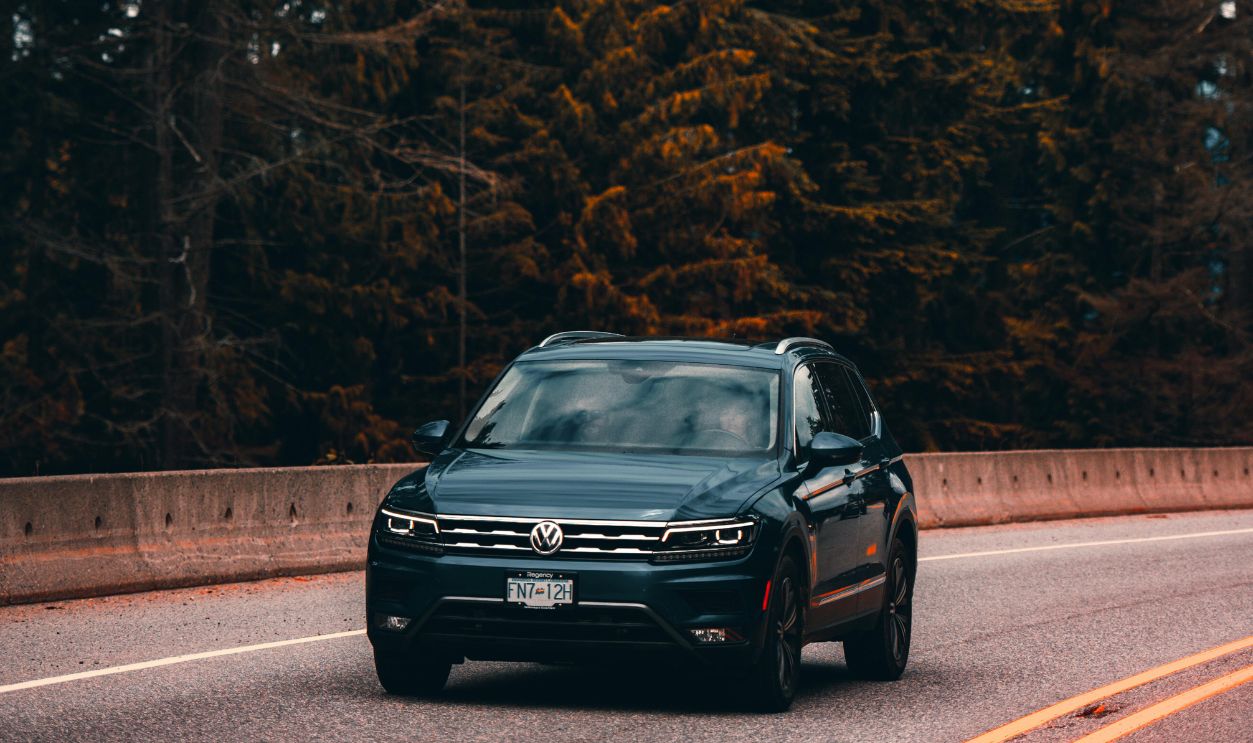
Where You Park Changes Everything
A black car kept in a garage will usually stay cooler and look better longer than one parked outside under trees or open sky. UV exposure, bird droppings, pollen, and hard water can all make dark paint feel high-maintenance. That is why the same color can feel cheap to own for one driver and expensive for another.
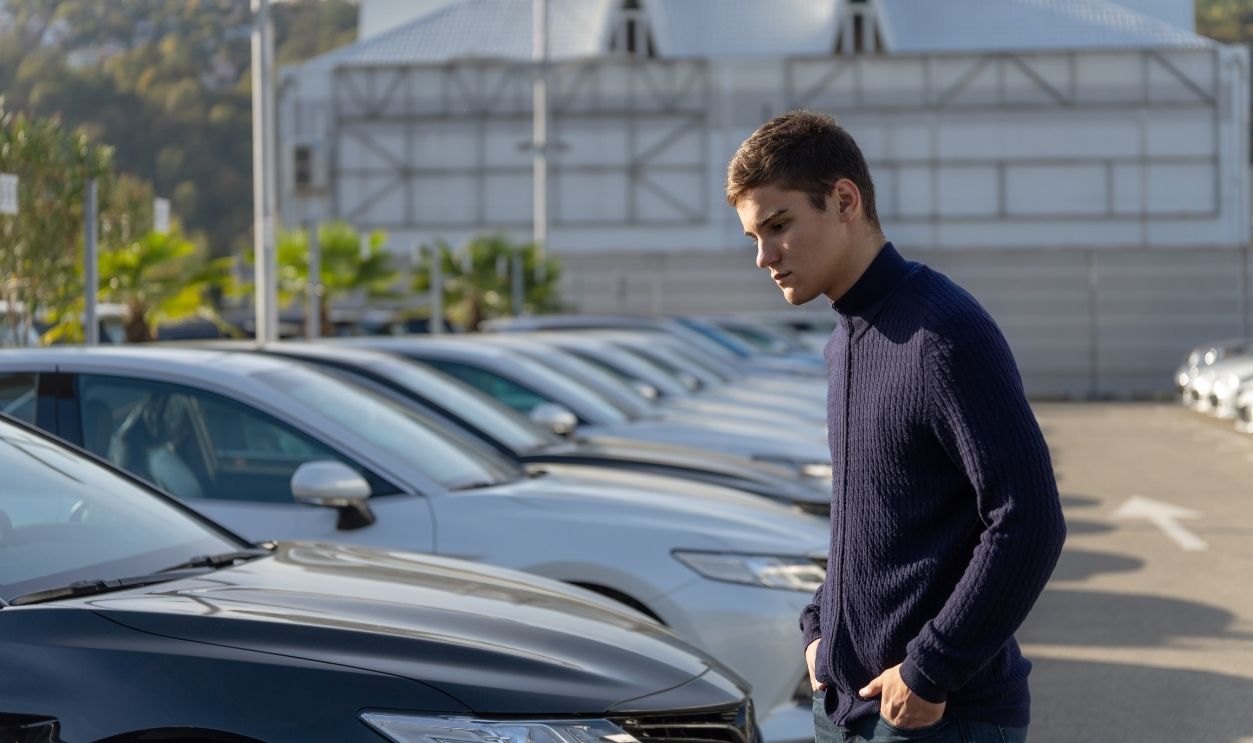
If You Wash At Home, Time Becomes Part Of The Cost
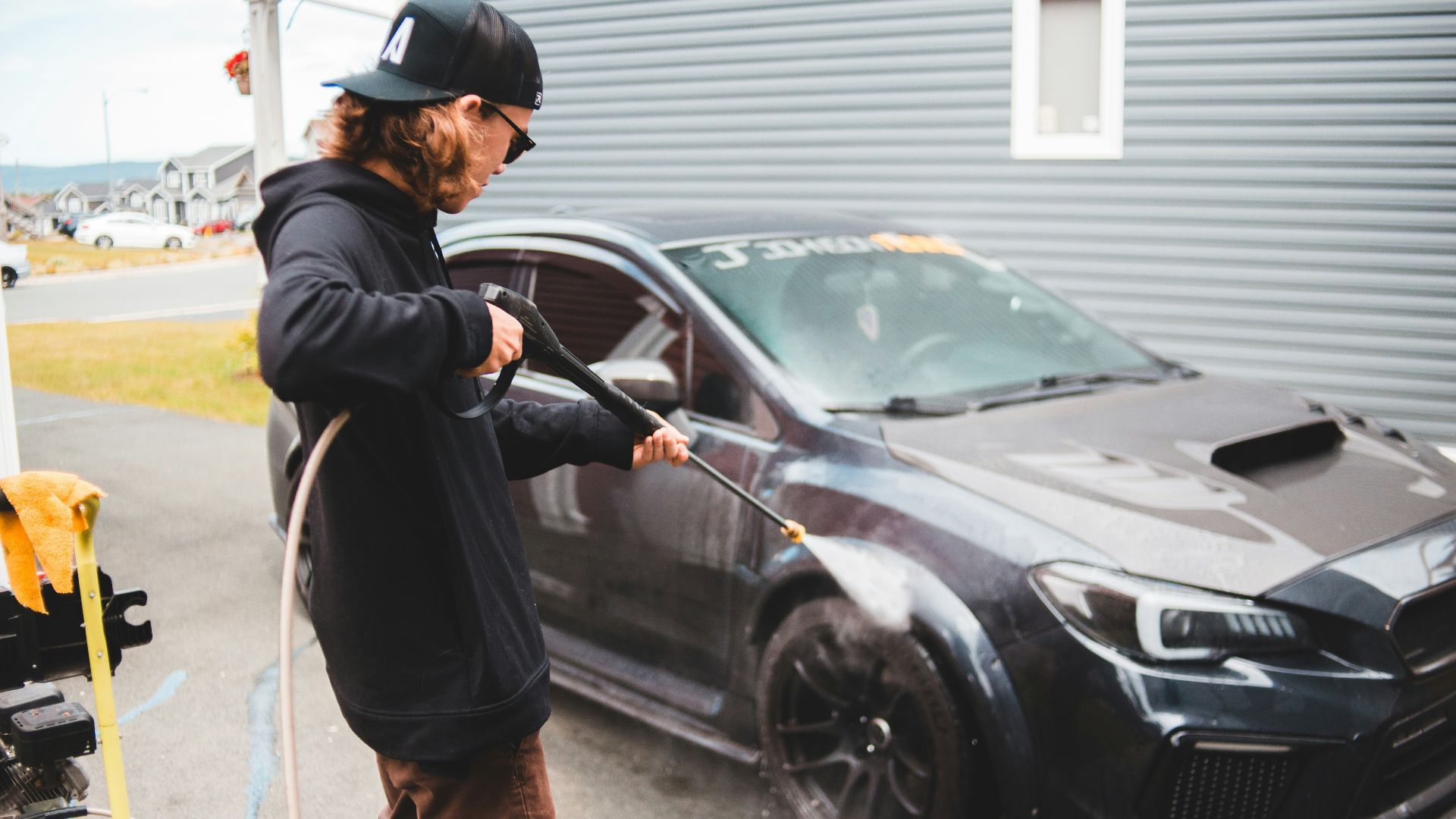
Even if you never hire a professional, black paint can still cost more in time. You may wash it more often, dry it more carefully, and spend extra time dealing with smudges and spots. That time counts, especially if your weekends are already full.
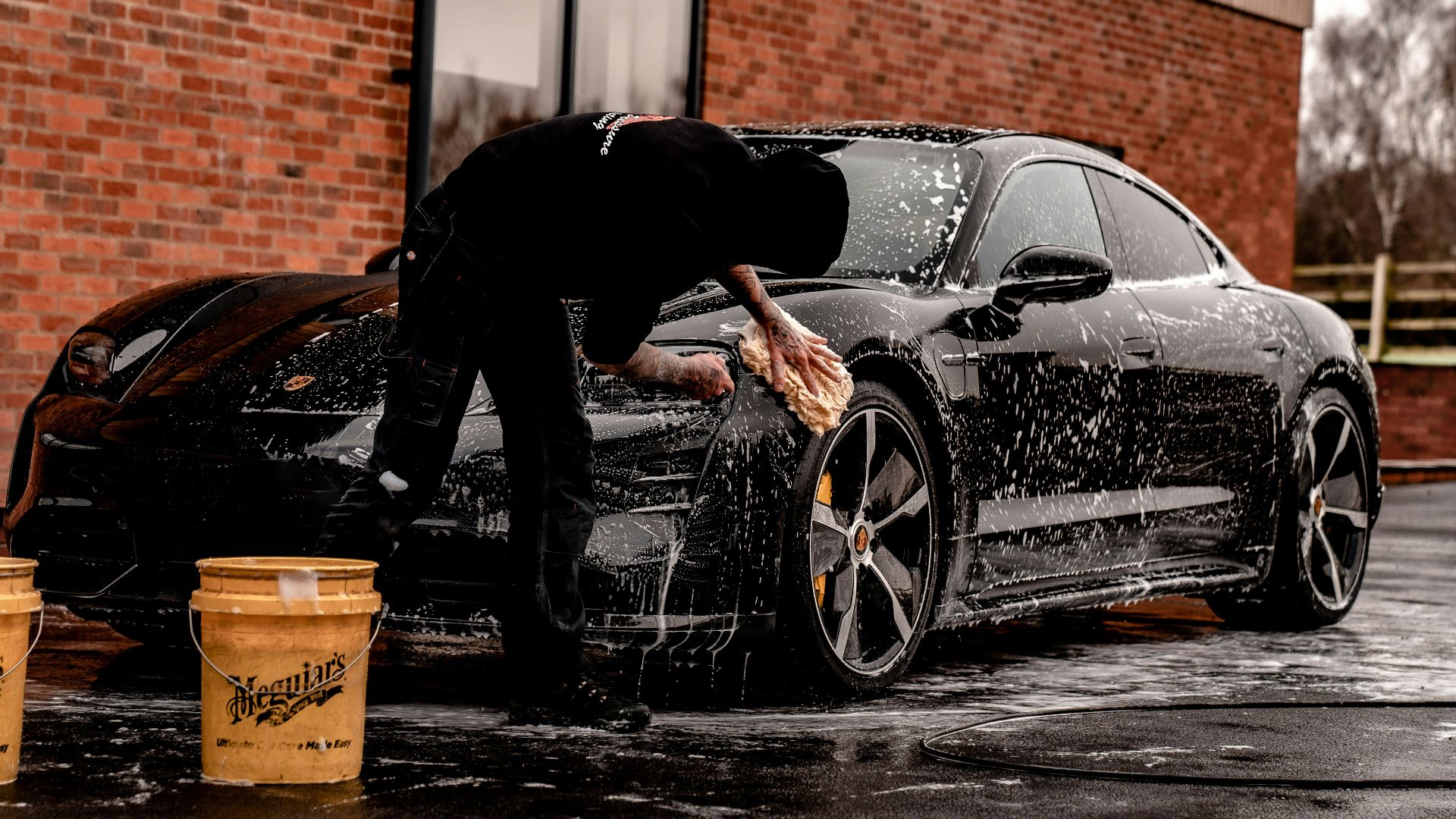
If You Use Car Washes, The Money Adds Up
Drivers who rely on regular professional washes may notice the black-paint premium even more. A few extra wash visits each month over several years can turn into hundreds or even thousands of dollars. The car itself did not get more expensive, but the paint color changed your habits.
Interior Choices Can Help With Heat
Exterior color is only part of the heat story. The U.S. Department of Energy notes that window shades, parking in the shade, and other reflective strategies can cut heat buildup in parked cars. A black car with smart heat-management habits may be easier to live with than a light-colored car that bakes in full sun every day.

Modern Paint Technology Has Improved
Automotive paint has come a long way, and manufacturers now use pigments and finishes that can perform better than older ones. Research from Berkeley Lab showed that even darker colors can be made to reflect more near-infrared radiation than traditional pigments. So not every modern black paint behaves the same way older black finishes did, even though the bigger issue is still how easily it shows dirt and defects.
The Mental Cost Is Real Too
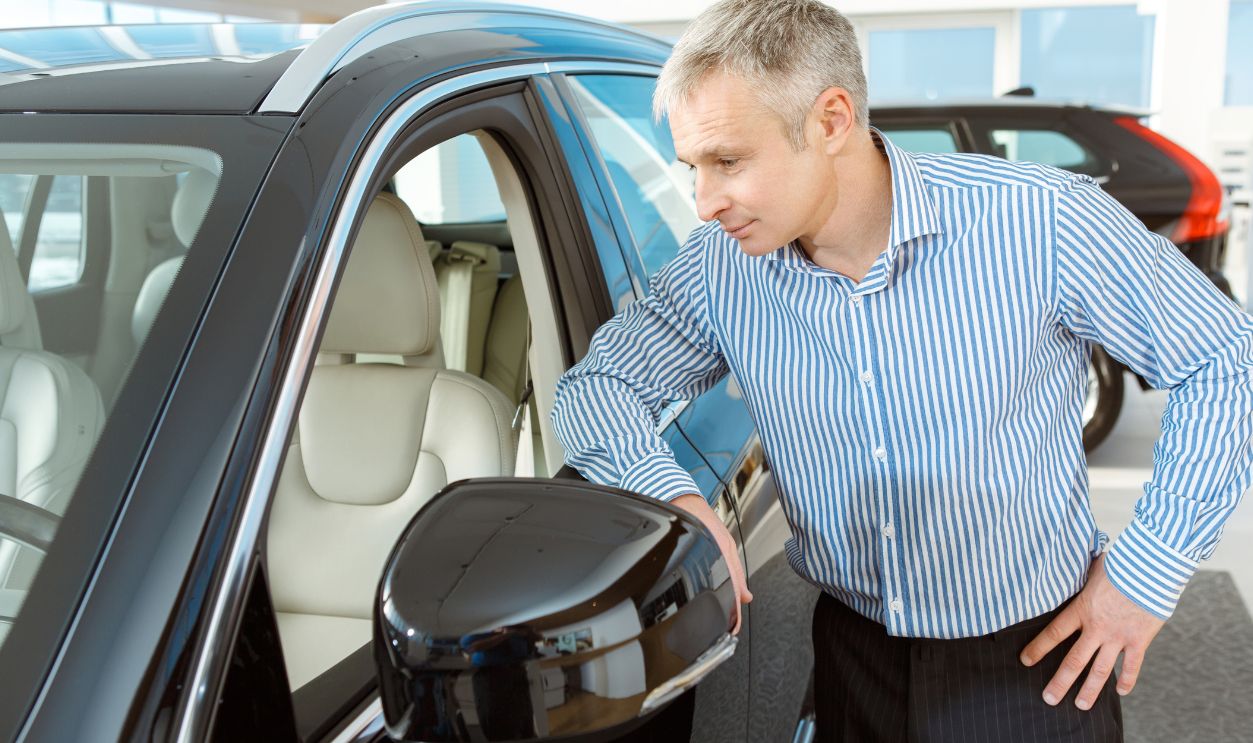
Ownership costs are not always just about money. Some people do not care if their black car is dusty, while others notice every swirl mark and water spot. If you are in that second group, black paint can definitely feel more expensive because it always seems to need attention.
Silver And Gray Are Usually Easier To Live With
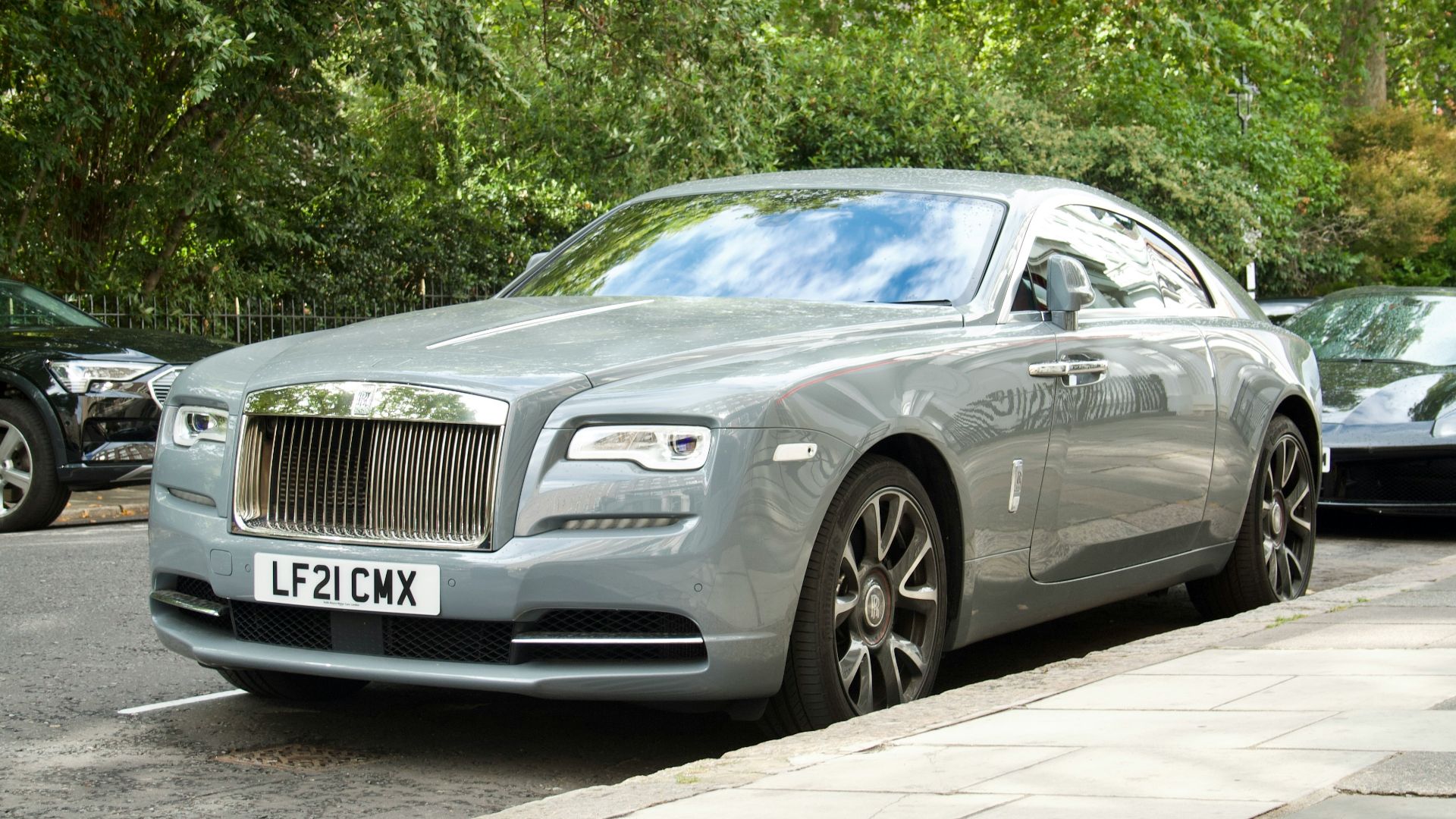
If your goal is to hide dirt and minor scratches, silver and gray have a strong reputation for being easy to own. They usually hide dust and wash marks better than black, white, or dark blue. That is one reason they are so common among people who want their car to look decent between washes.
White Has Tradeoffs Too
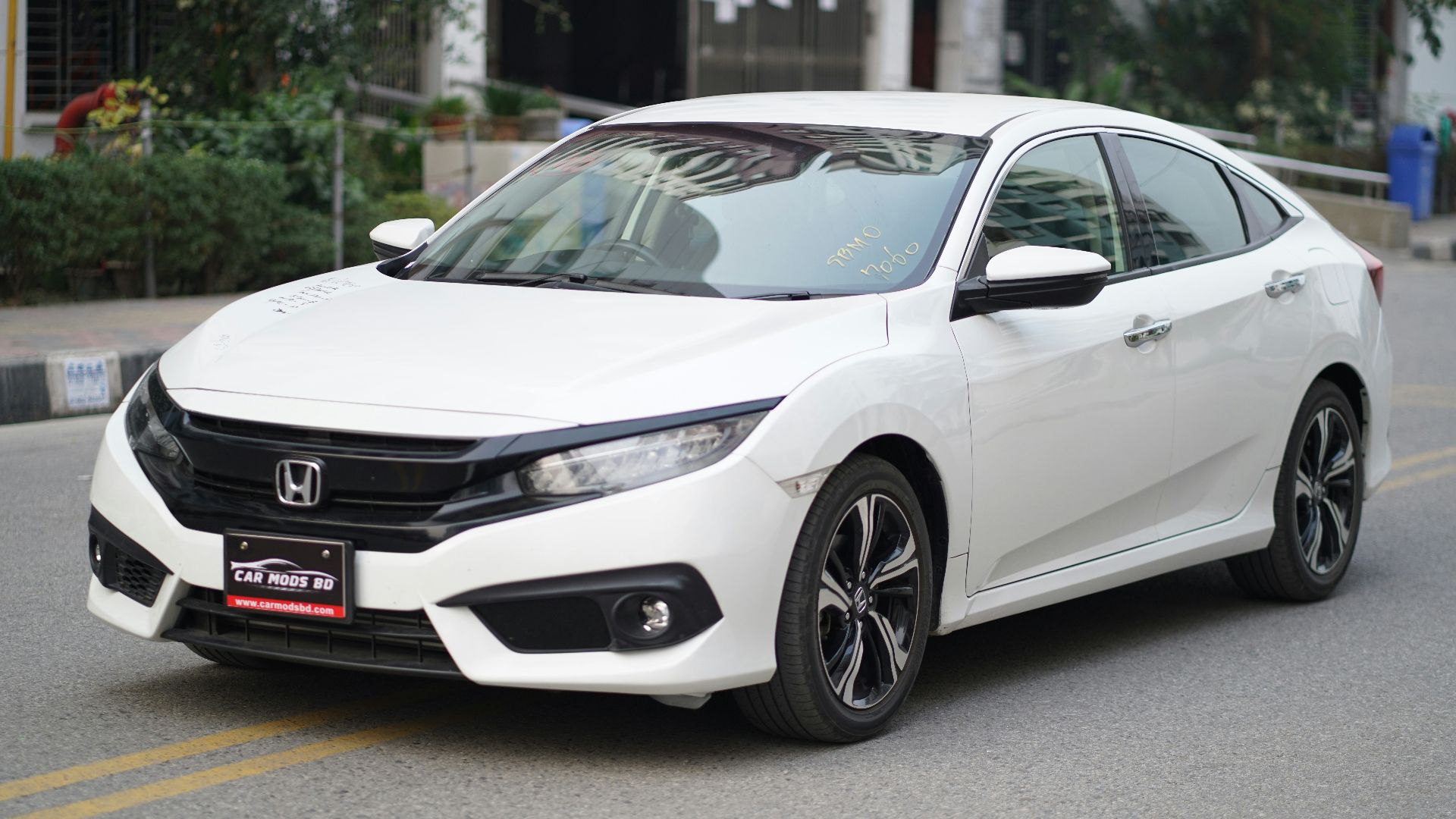
White cars often look cleaner for longer than black ones and can stay cooler in strong sun. But they can also show tar, bug splatter, and certain kinds of grime more clearly. So while white can cut down on some hassles, no paint color is truly maintenance-free.
So Does Black Paint Really Cost More
For many owners, yes, but mostly in cosmetic upkeep, cleaning frequency, and dealing with heat rather than in core operating costs. The strongest case is simple: black paint shows dirt and flaws more easily, and darker coatings can absorb more solar heat unless they are made with reflective pigments. That makes the black-car penalty real, but usually modest and heavily shaped by climate, parking, and how picky you are about appearance.
The Best Advice Before You Buy
If you love the look of a black car, there is no reason to avoid one. Just go in knowing what comes with it: more washing, more attention to paint care, and more thought about parking in hot weather. If you want the easiest possible ownership experience, a lighter and more forgiving color may save you time and money.