The Ad In Your Dashboard Was Real
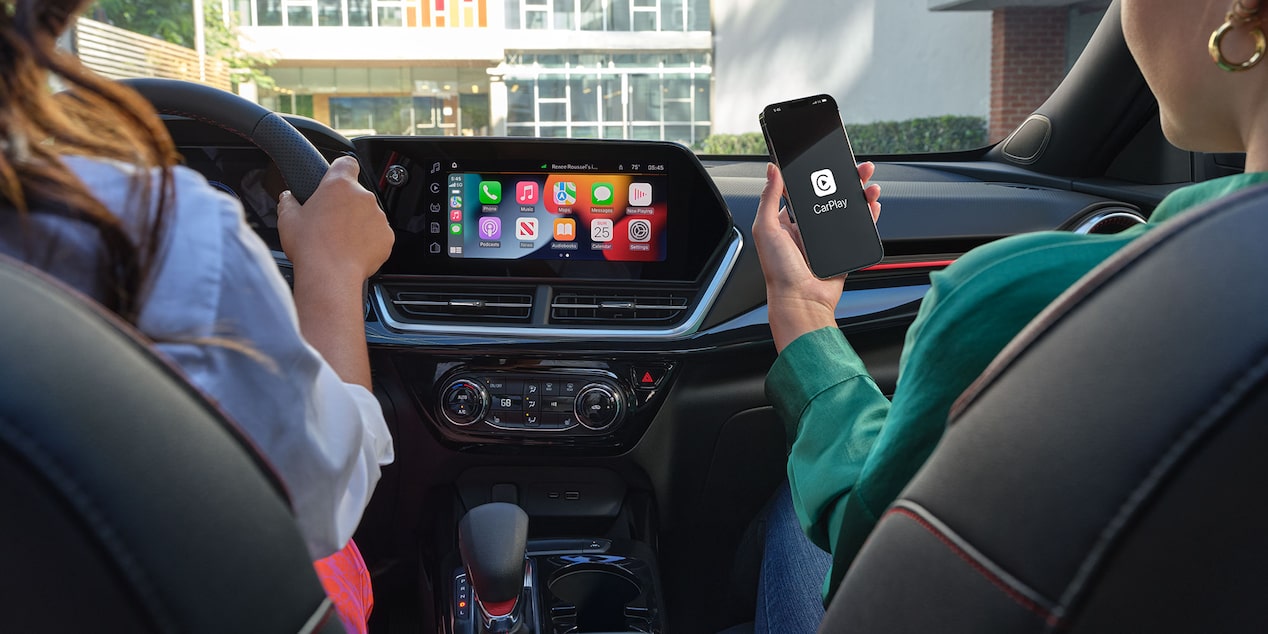
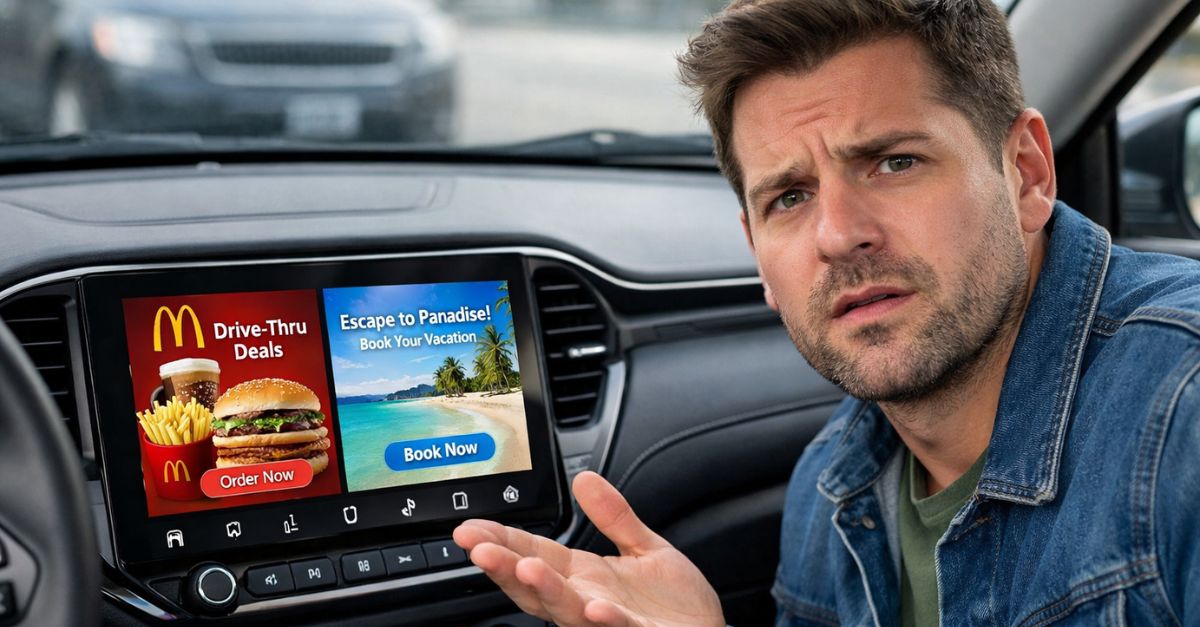
If your car's touchscreen suddenly started pitching products after a software update, you're not imagining it—even if it feels like a nightmare. Drivers have reported exactly that, and the clearest example came from Jeep in early 2024. But the truth is, modern automakers can sometimes push new on-screen experiences into cars you already own. That includes updates, feature changes, and in some cases, marketing messages.
When This Became A Big Story
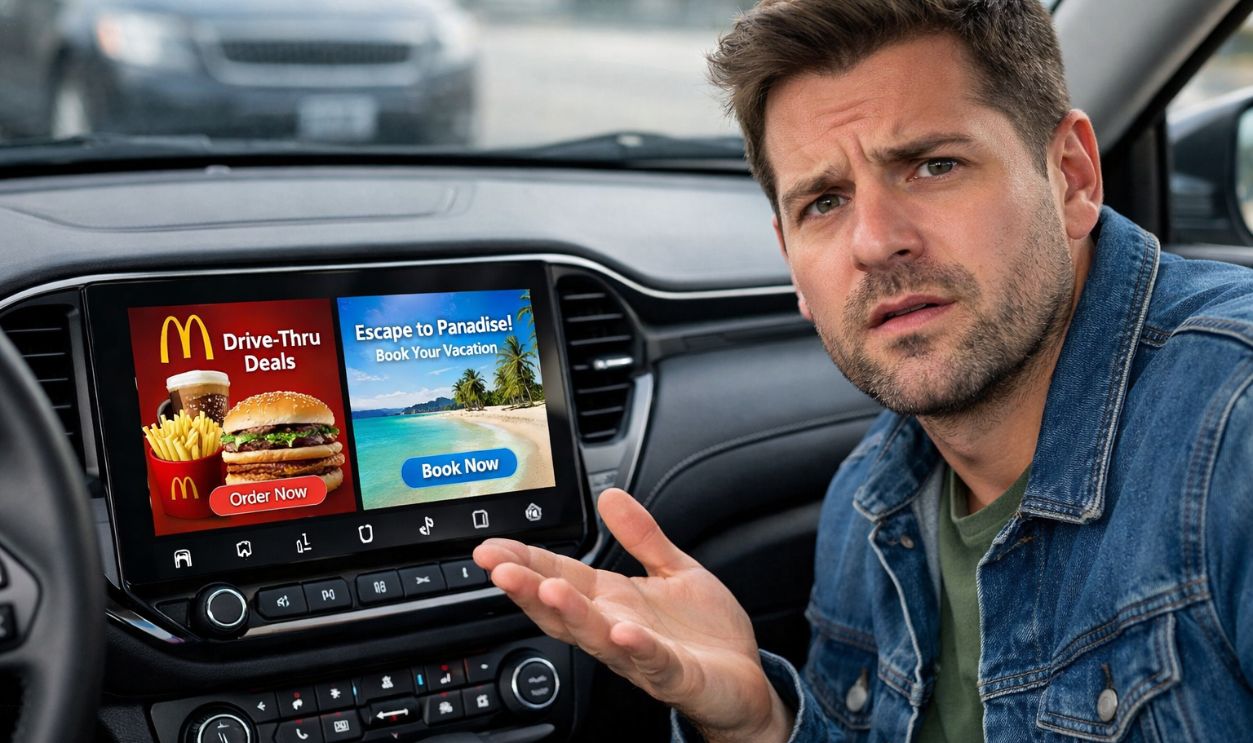
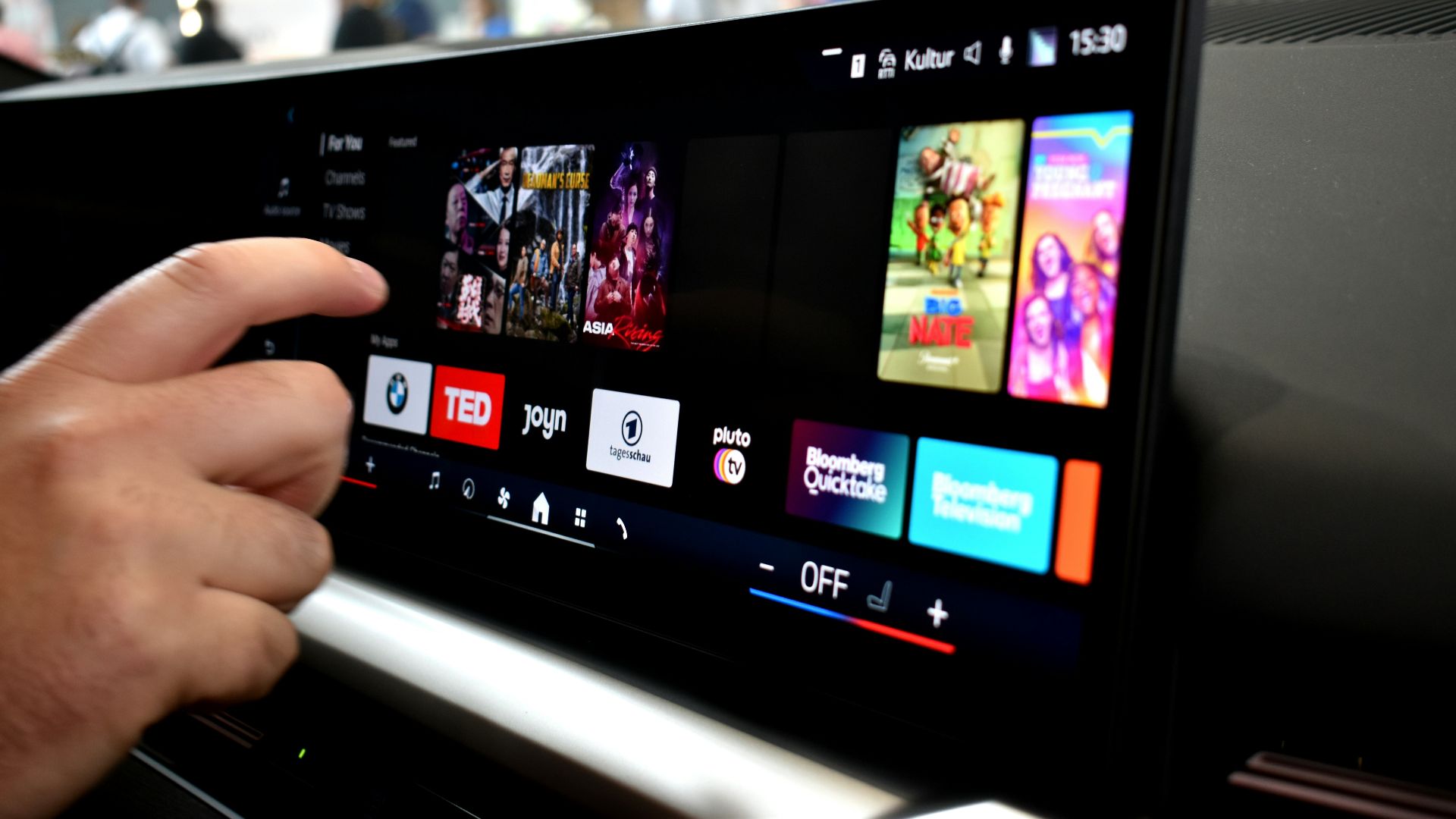
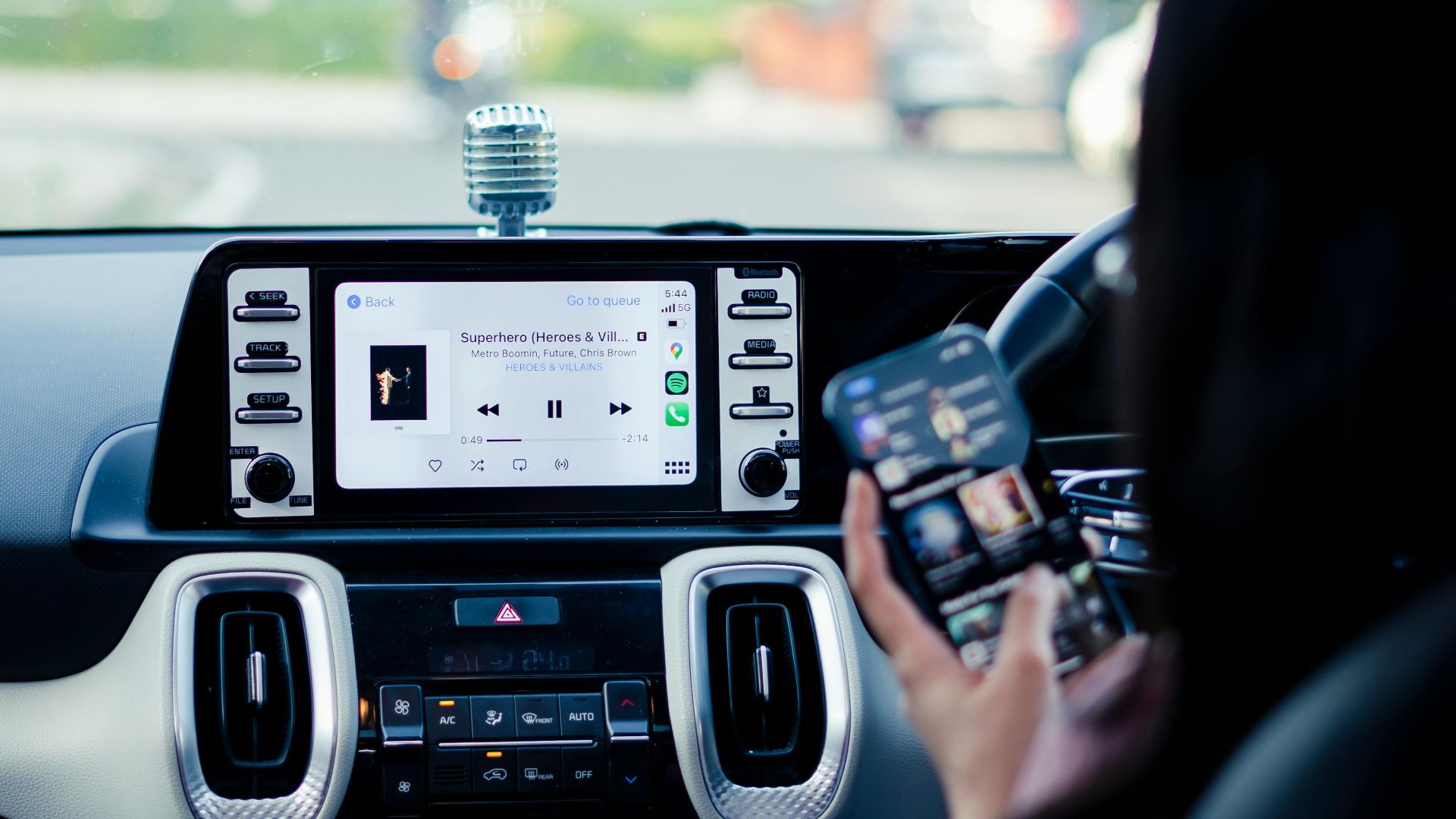
The issue blew up in February 2024 when a Jeep owner posted a photo on Reddit showing a full-screen pop-up ad on the vehicle’s infotainment display. The ad promoted Mopar’s extended vehicle warranty and appeared when the driver stopped the vehicle. The image spread fast because it tapped into a worry many drivers already had: connected cars can change after purchase in ways owners never asked for.
 Ambassador of the United States of America to the People's Republic of China, Wikimedia Commons
How The Story Spread
The Reddit post got wider attention after The Drive highlighted it on February 14, 2024. The publication reported that the owner said the ad appeared every time the vehicle came to a stop until the close button was pressed. That detail mattered. This was not a quiet menu tile or a banner tucked into a settings page. It was a pop-up on a screen drivers use for basic vehicle functions.
 Tesla Motors Inc., Wikimedia Commons
What The Pop-Up Said
According to screenshots published at the time, the message promoted an extended warranty from Mopar. It encouraged the owner to buy coverage and included an on-screen option to dismiss it. The reason the story landed so hard is simple: people expect ads on phones and websites, not in a vehicle that already cost a lot of money.
Stellantis Responded
After the backlash, Stellantis addressed the issue. In a statement reported by The Drive, the company said the pop-up was meant to inform customers about Mopar’s extended care options and described it as an in-vehicle message rather than a broad ad campaign. Stellantis also said it was looking into the matter and trying to understand how customers were affected.
Then The Company Backed Off
Stellantis later told media outlets that the pop-up had been sent in error. The company said it was working on a fix after drivers complained. That did not end the larger concern, because the bigger question was never just whether this one message was a mistake. It was whether automakers now have the technical ability to send marketing into cars after they are sold.
Yes, In Many Cases They Do
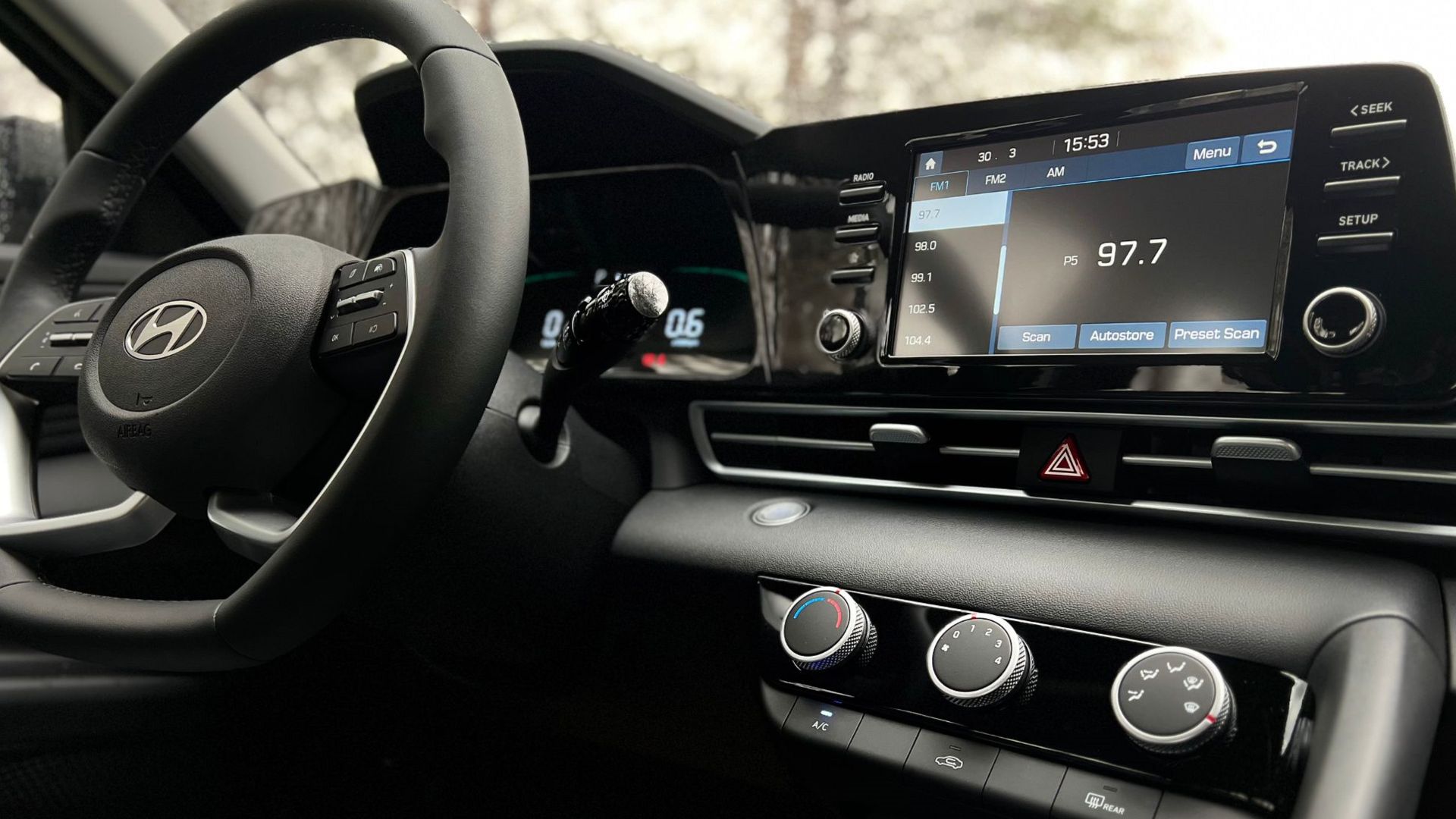
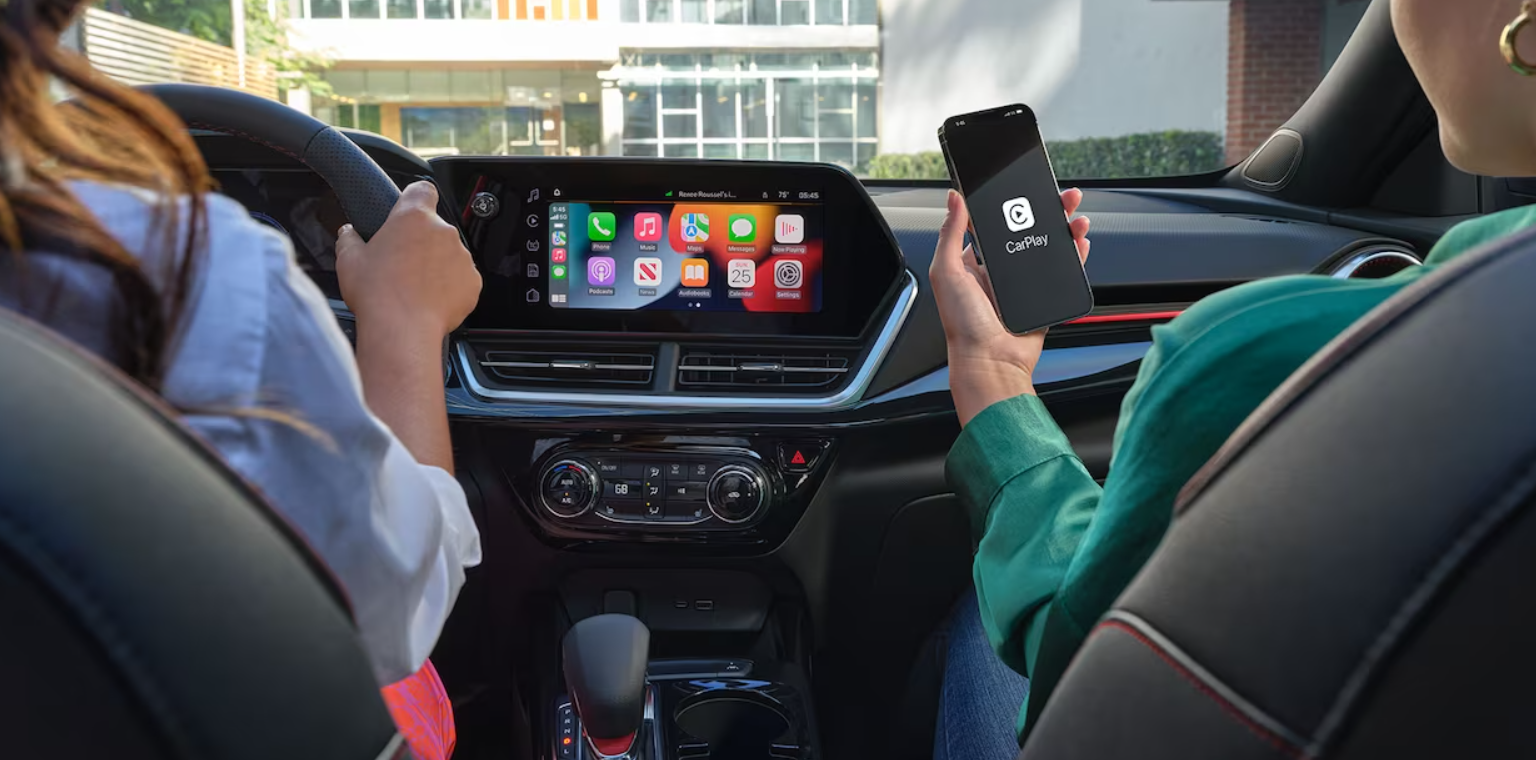
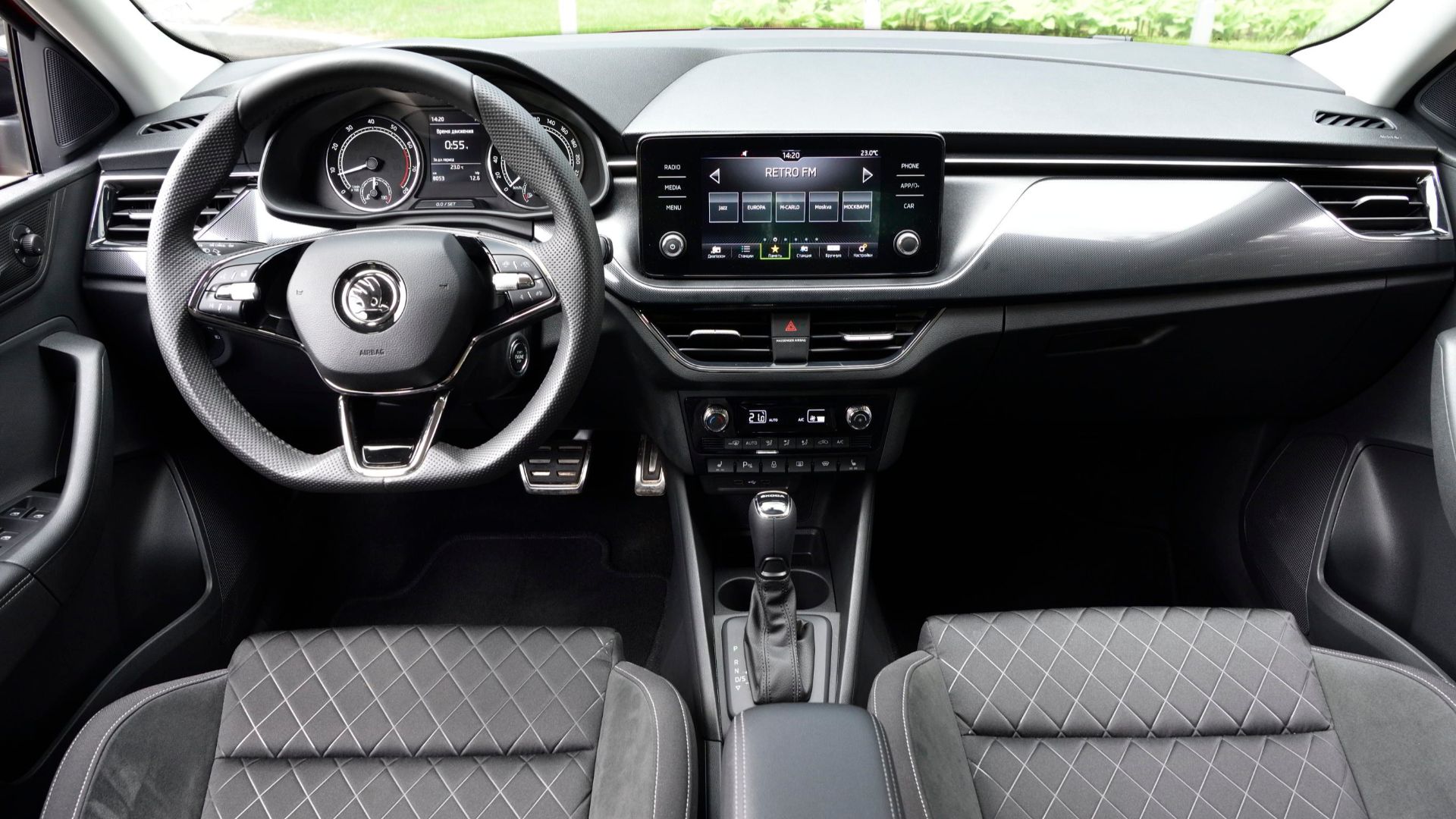
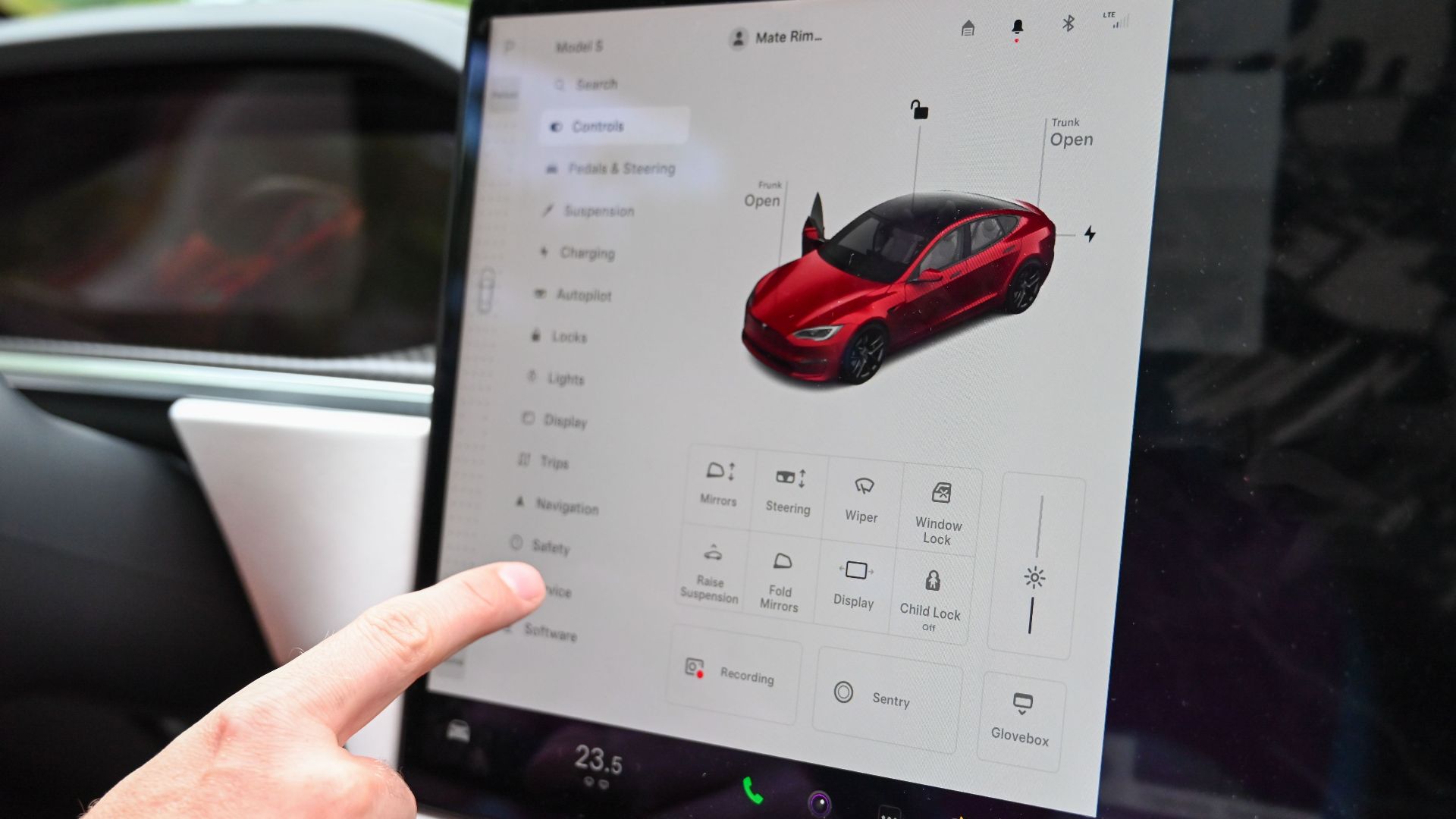
Modern vehicles rely more and more on cellular connections, app ecosystems, telematics systems, and over-the-air software updates. Those tools let automakers fix bugs, add features, tweak interfaces, and sometimes deliver promotional content. If your car can download a map update or activate a feature remotely, it can also receive a marketing message through that same connected setup.
Owning The Car Does Not Freeze The Software
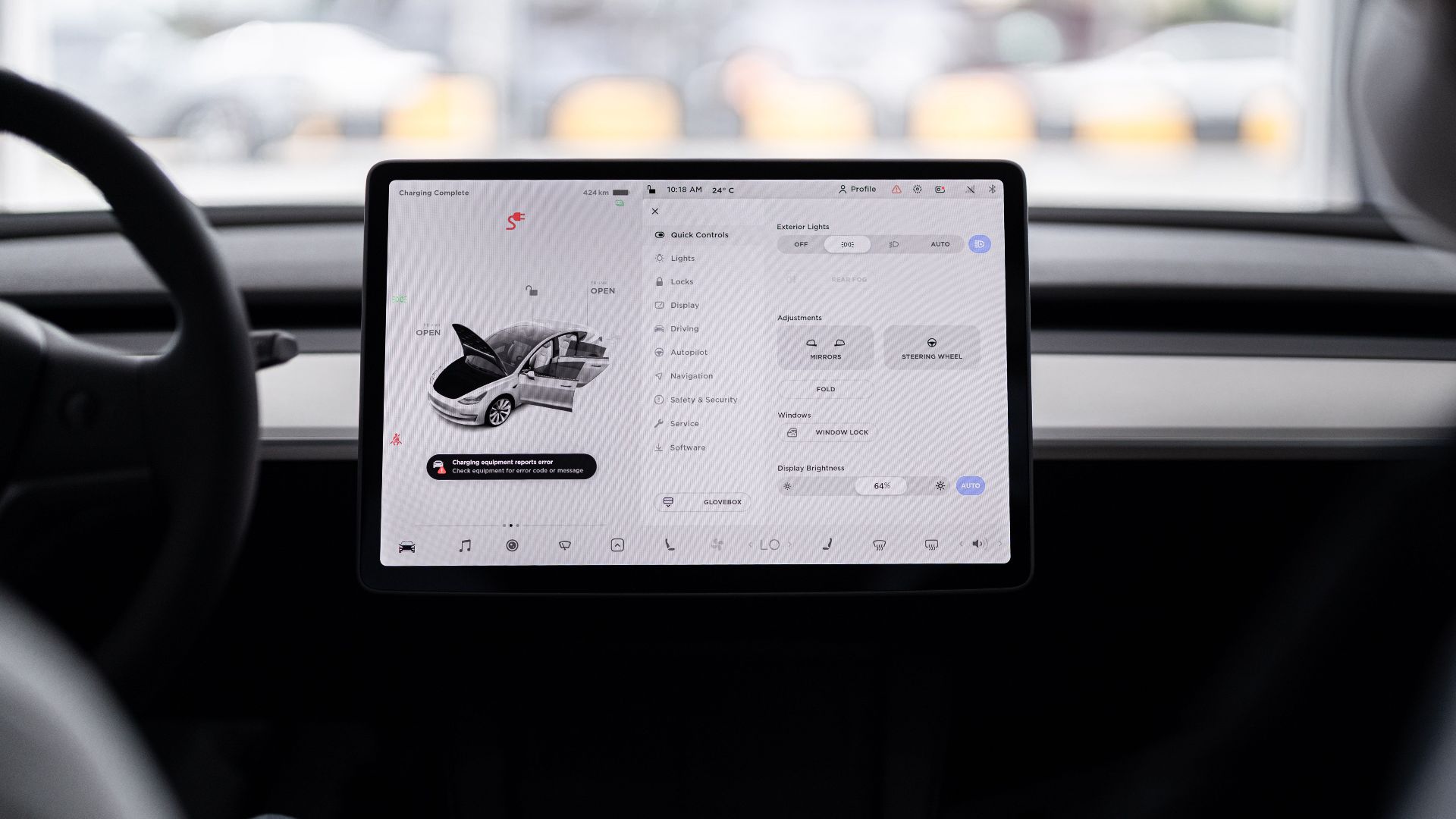
Many people still think of a car like an older appliance. You buy it, you own it, and it stays basically the same unless you physically change it. Connected vehicles do not always work that way. The hardware may be yours, but the software can keep changing for years, especially if you agreed to connected services terms during setup or in the purchase paperwork.

The Fine Print Matters
Automakers usually bundle connected services, privacy disclosures, and infotainment features into terms of service and consent screens. Those documents often cover software updates, data collection, and communications sent through the vehicle or related apps. That does not mean every practice is fair, but it does mean the legal fight often starts in the fine print. Most owners never read those terms closely until something annoying pops up on the screen.

This Did Not Come Out Of Nowhere
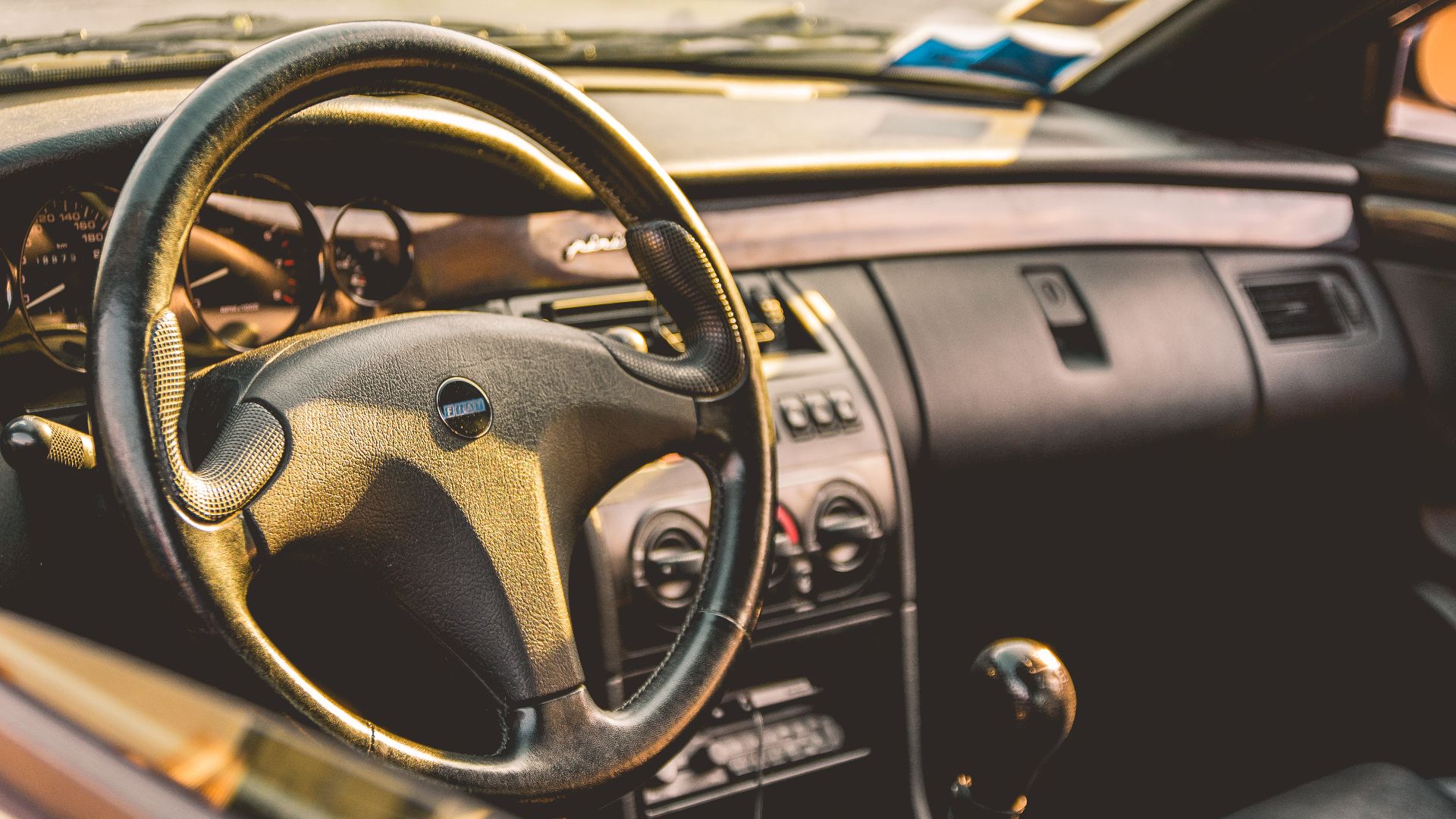
The Jeep warranty pop-up was striking, but it was not a one-off idea from nowhere. Automakers have spent years testing subscriptions, feature unlocks, app stores, and paid connected services. The bigger idea is turning the vehicle into an ongoing revenue platform, long after the original sale.
 Pietro De Grandi peter_mc_greats, Wikimedia Commons
BMW Brought The Debate Into The Open
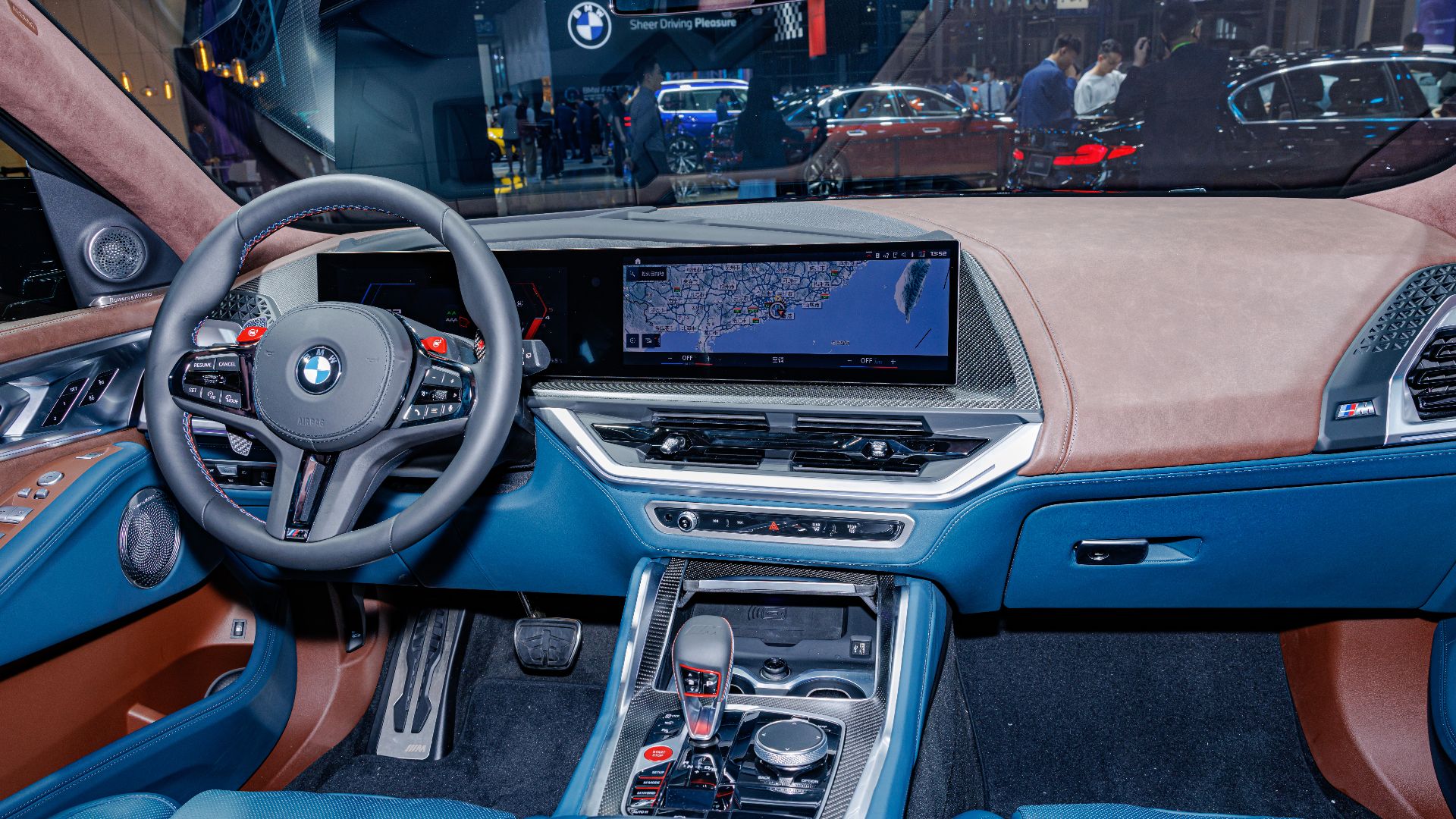
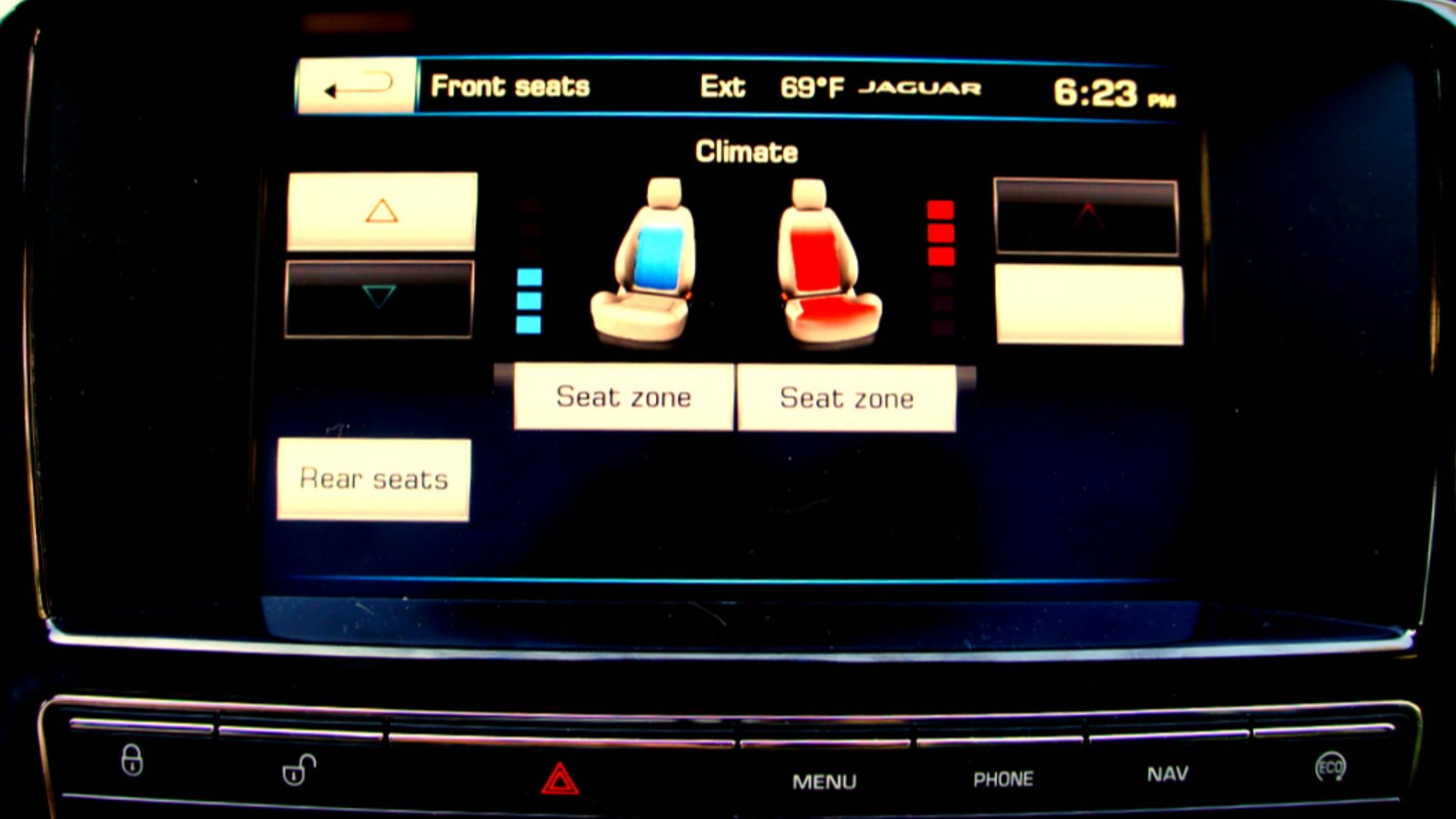
In 2022, BMW drew worldwide attention for offering a heated seat subscription in some markets through its ConnectedDrive store. Reporting from outlets including The Verge said drivers in countries such as the United Kingdom, Germany, New Zealand, and South Africa could pay monthly to activate heated seats that were already physically installed in the car. The practice became a flashpoint because many people saw it as paying twice for hardware they already had.
 Dinkun Chen, Wikimedia Commons
Why Heated Seats Hit A Nerve
The heated seat story stuck because it made software monetization feel immediate and personal. This was not some distant future service. It was a comfort feature sitting in the car already, locked behind a paywall. BMW later said customer reaction helped shape how it handled some subscription offerings, but the episode showed where the industry was heading.
 Michael Sheehan, Wikimedia Commons
Mercedes Tried Performance Upgrades
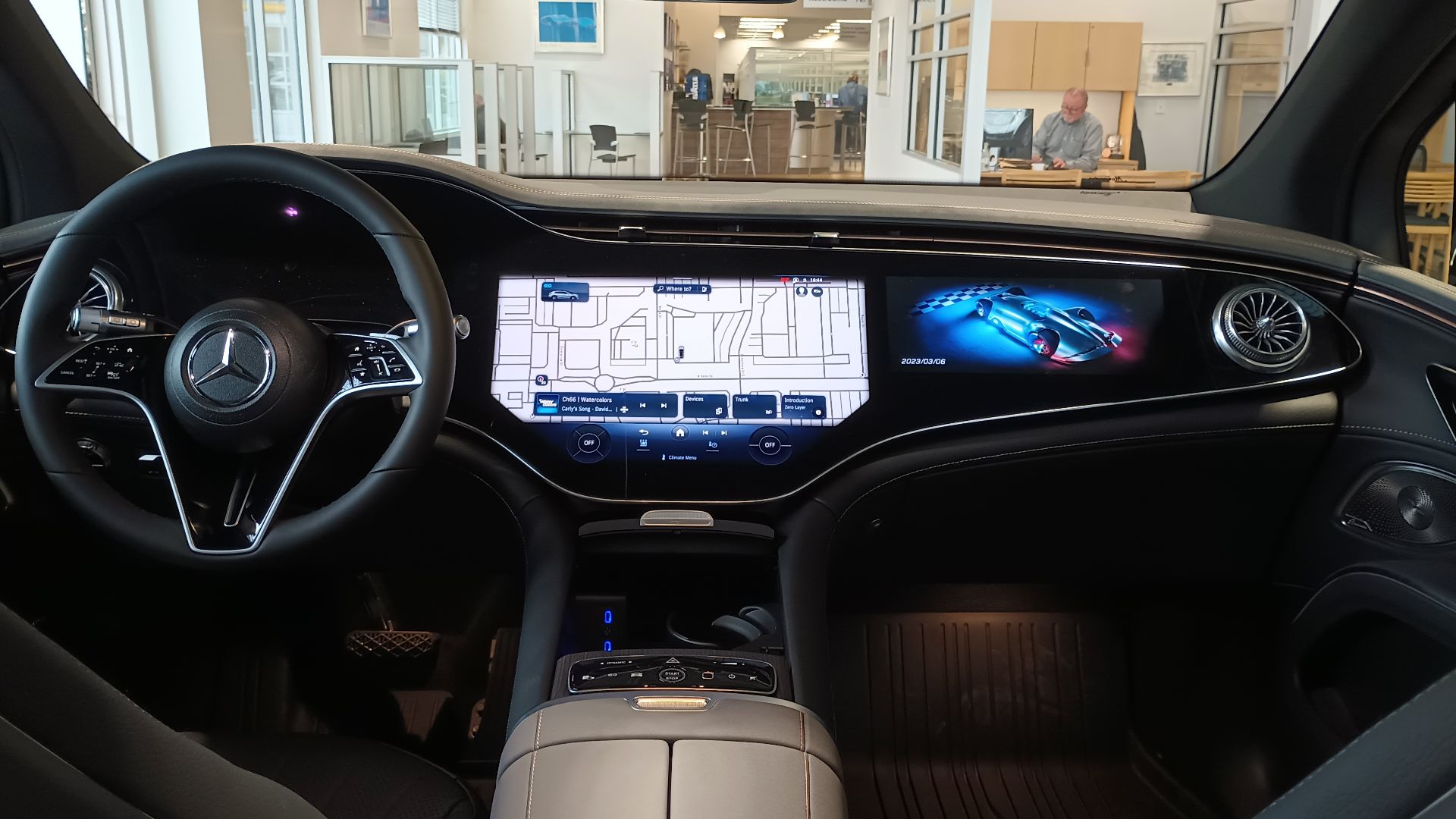
Mercedes-Benz has also offered paid acceleration upgrades for certain EQ models in the United States through its online store. The company described the feature as a way to improve 0 to 60 mph performance through a paid annual subscription in eligible vehicles. It is not the same as a pop-up ad in the dashboard, but it comes from the same larger push. Carmakers want recurring revenue after the initial sale.
 deathpallie325, Wikimedia Commons
GM Took A Different Route
GM made headlines in late 2023 when it said future electric vehicles would move away from Apple CarPlay and Android Auto in favor of a Google-based native infotainment system. The company framed the change around user experience and deeper integration. Critics worried it could give the automaker more control over the dashboard and more room for monetization, data collection, and paid services over time.
The Bigger Prize May Be Data
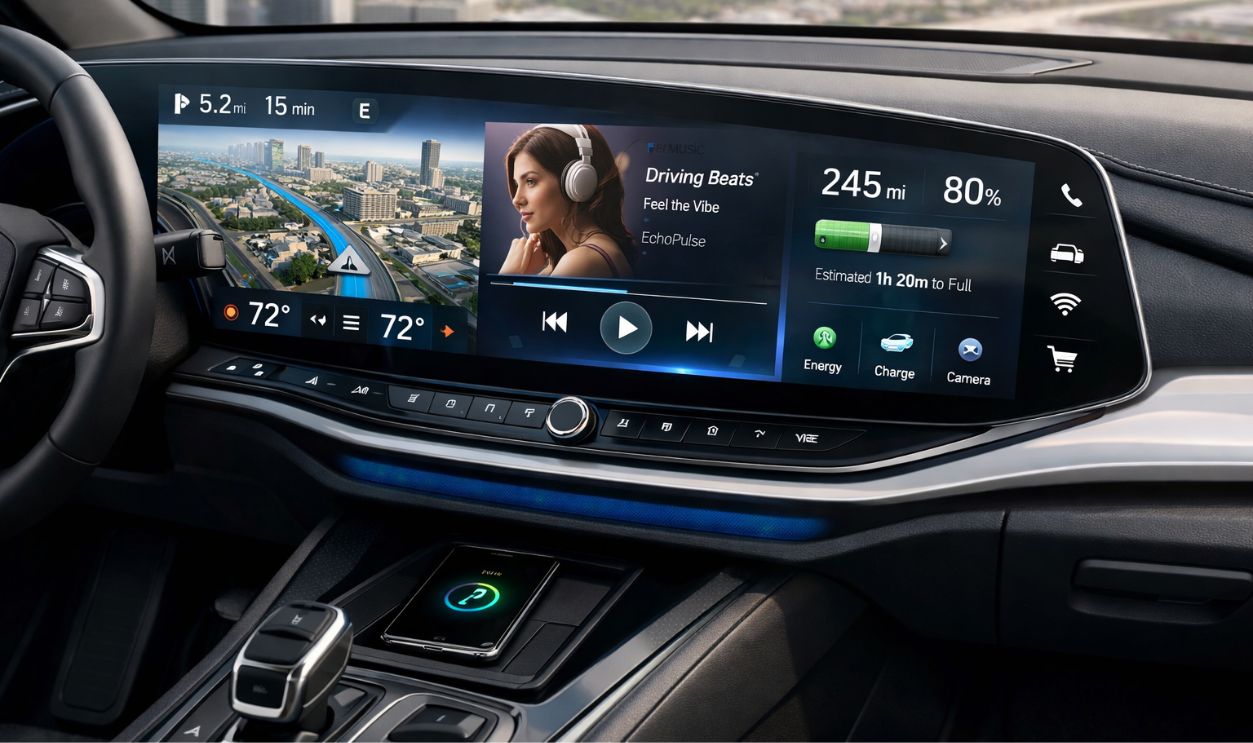
Ads are the flashy part of the story, but data may be even more valuable. Connected cars generate information about location, driving behavior, vehicle health, entertainment choices, and app use. Privacy researchers and regulators have paid more attention to how that data is collected, shared, and monetized. In many cases, the dashboard is only the visible part of a much larger business model.
 Mike-fiesta, Wikimedia Commons
Mozilla Sounded An Alarm In 2023
In September 2023, Mozilla published a report calling modern cars a privacy nightmare. The group reviewed privacy policies from major automakers and concluded that many companies collected large amounts of personal data while giving drivers limited control. Mozilla said cars had become powerful data-gathering devices, which matters here because targeted marketing often depends on exactly that kind of data system.
Regulators Are Paying Attention
The Federal Trade Commission has warned businesses more broadly about connected device surveillance and deceptive data practices, even if not every warning has focused on in-car ads. State privacy laws and consumer protection rules may also matter depending on where a driver lives. If an automaker presents something misleading, unsafe, or out of step with its own disclosures, the issue can go beyond customer frustration.
 G. Edward Johnson, Wikimedia Commons
So Can They Really Do This In A Car You Own
In practical terms, yes, automakers often can push software changes and communications to a connected vehicle you own. In legal terms, the answer depends on the purchase contract, software terms, privacy disclosures, and whether the conduct crosses consumer protection lines. Owning the vehicle does not always mean owning every software layer inside it. That gap is a big reason drivers feel blindsided.
Service Alerts Are Not The Same As Ads
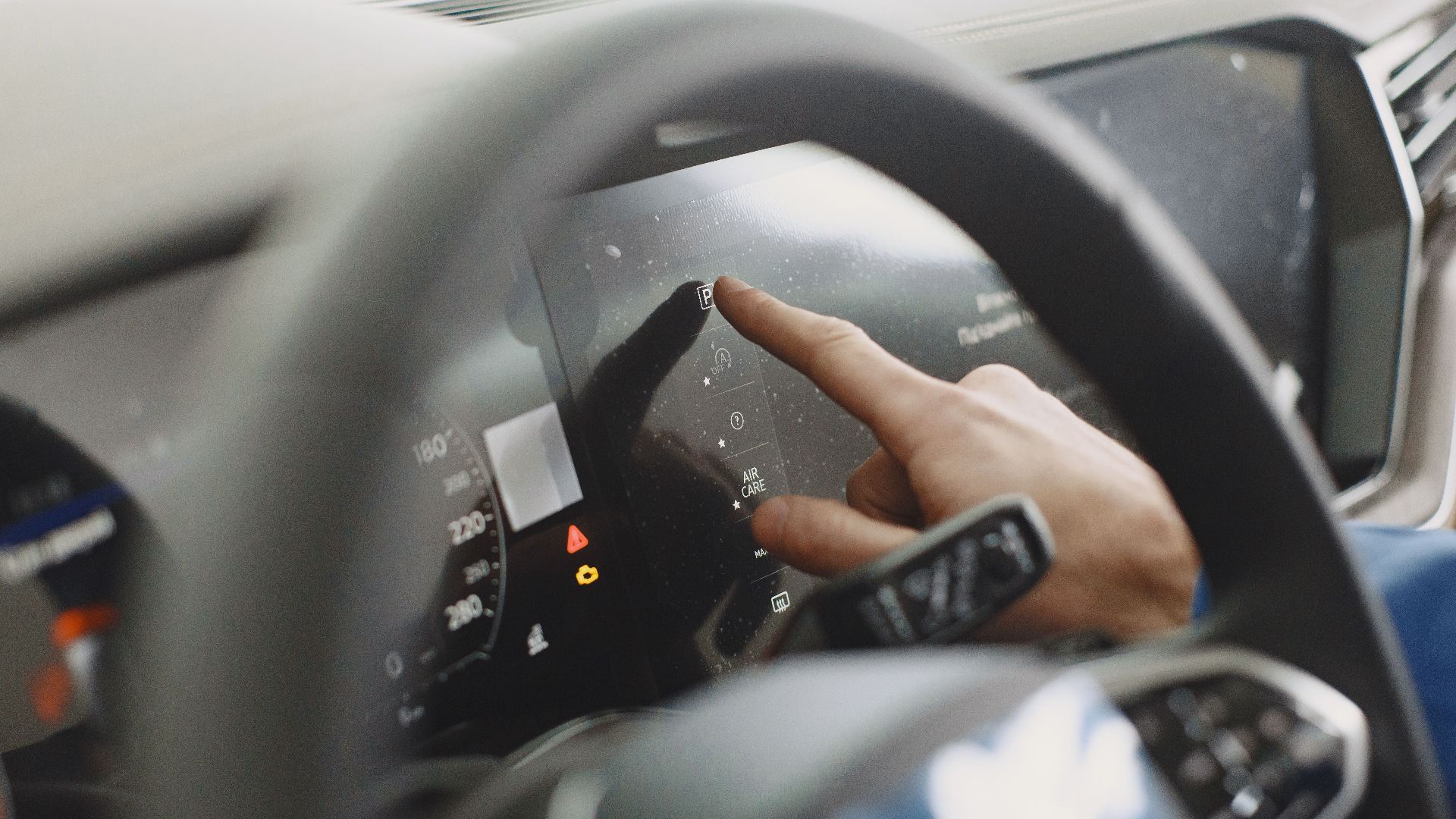
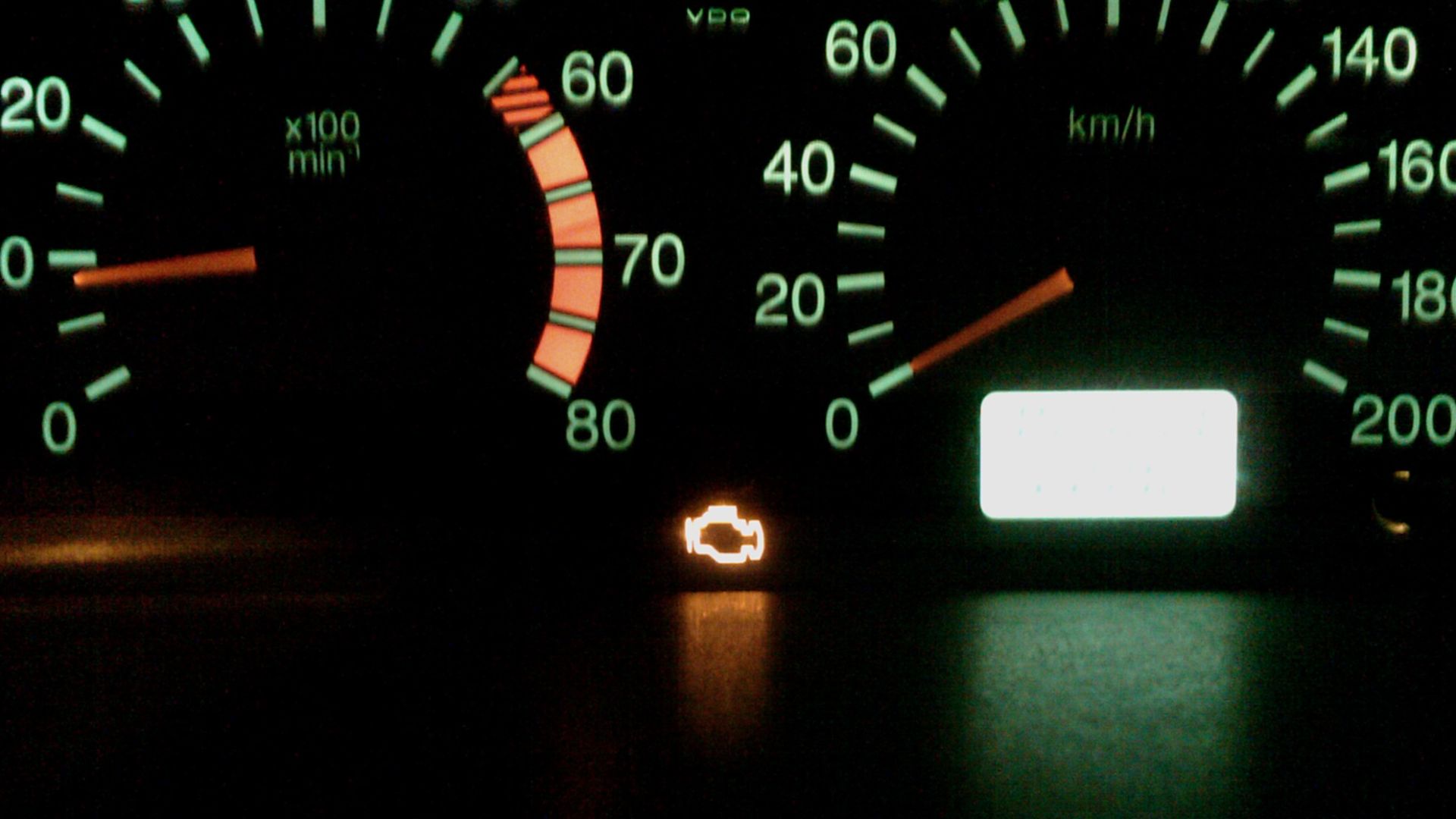
Automakers have long used dashboard messages for oil changes, recalls, service reminders, and diagnostic alerts. Most drivers accept those because they relate to maintenance or safety. The problem starts when a message shifts from vehicle care to revenue. A pop-up selling a warranty, subscription, or partner service feels very different from a low tire pressure warning.
Safety Is Part Of The Problem
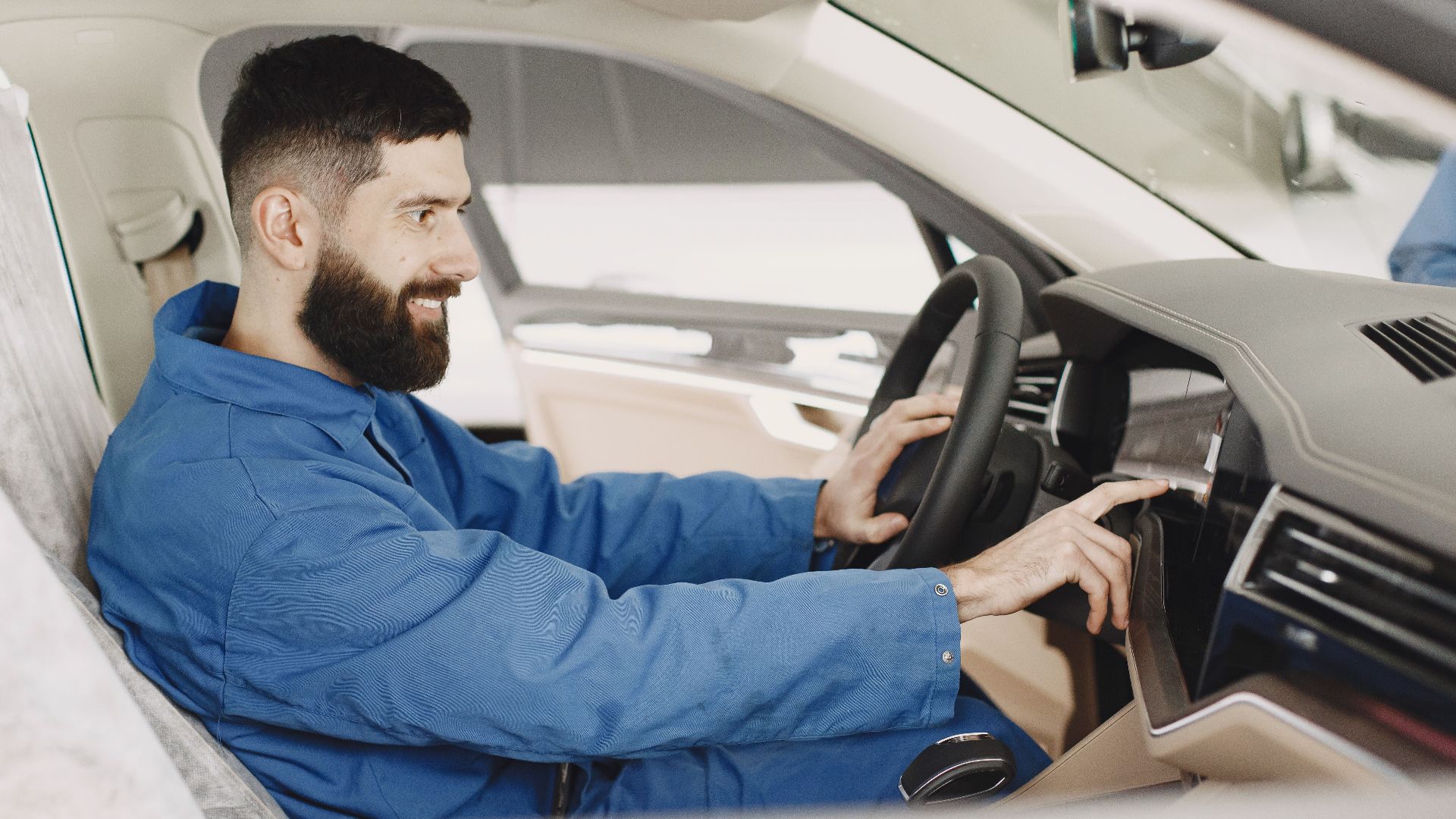
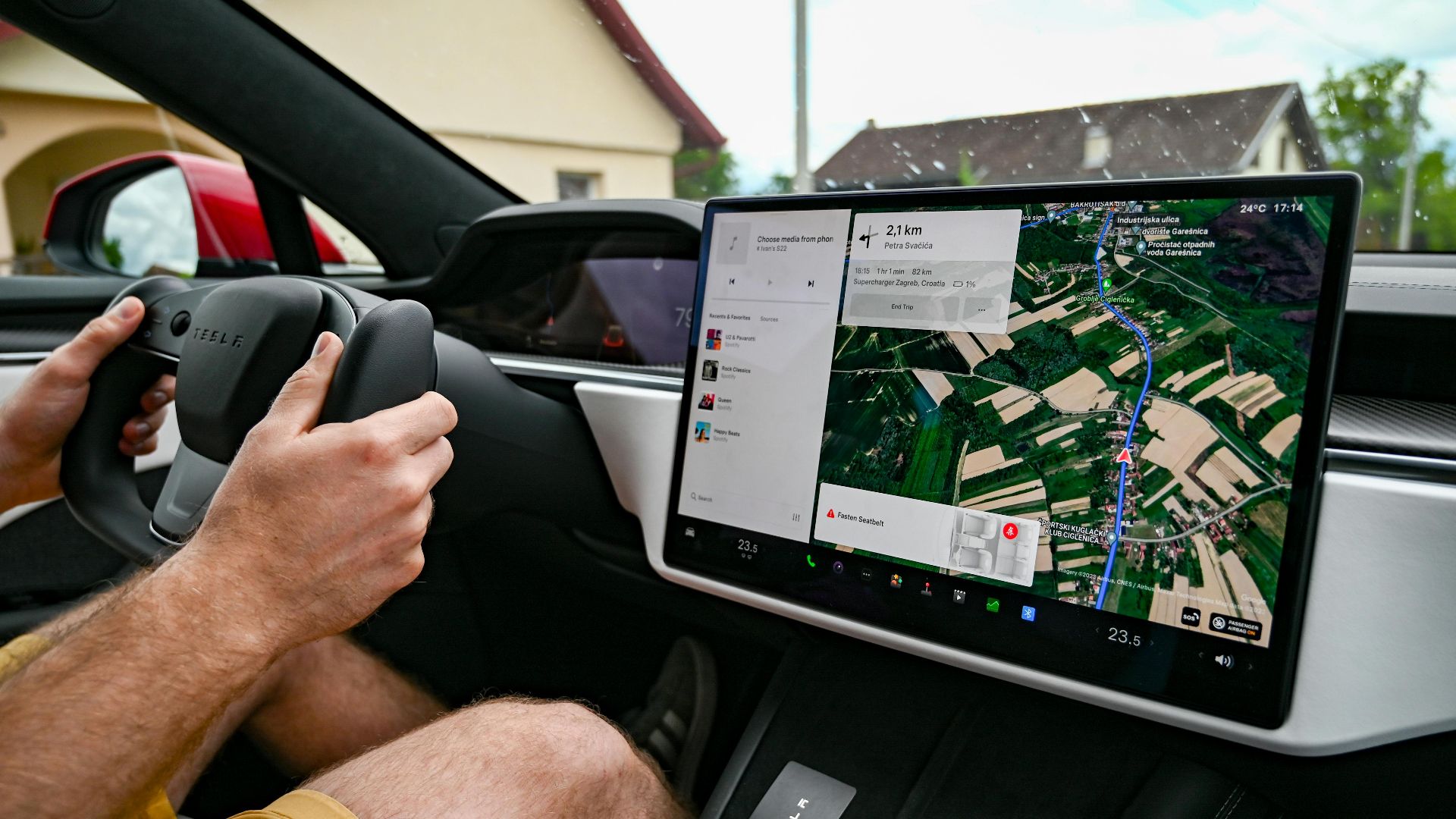
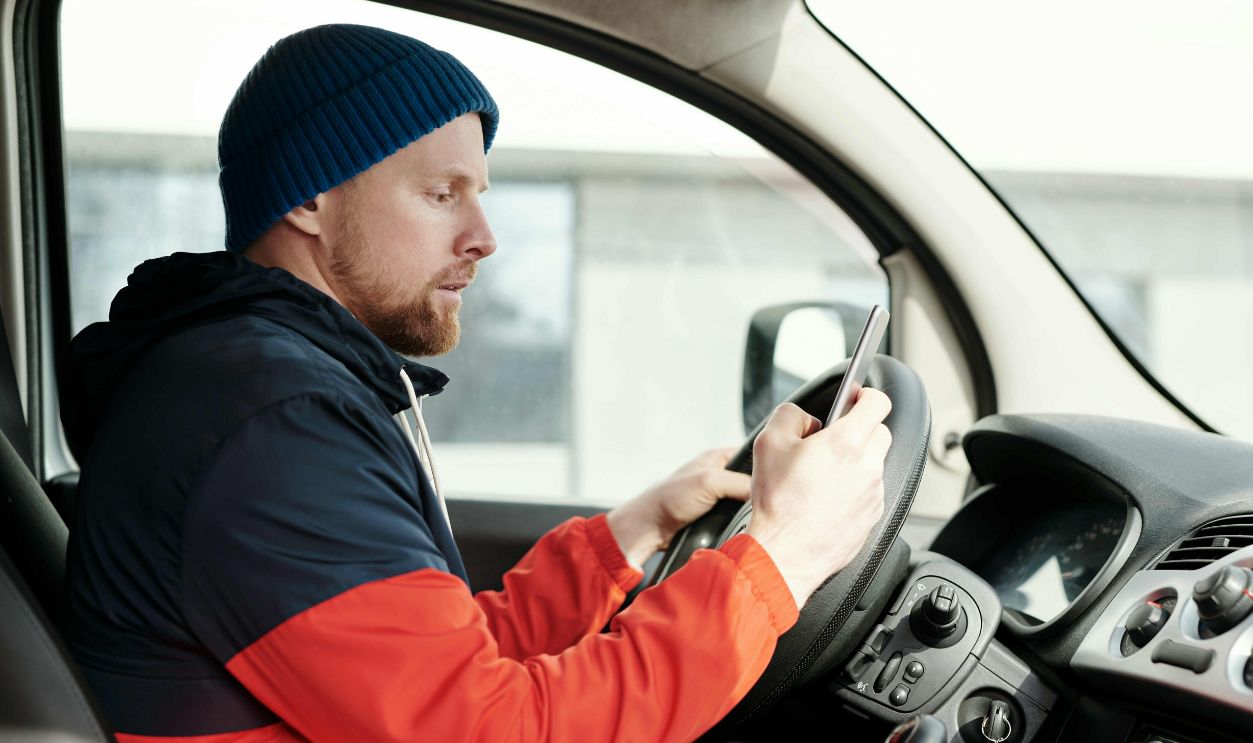
Even when a pop-up appears only while the vehicle is stopped, drivers may still worry about distraction. Infotainment systems already handle navigation, climate controls, communications, and media. An interruptive ad adds another layer of clutter to a screen that needs to stay clear and easy to use. Safety researchers have warned for years that overloaded screens can increase mental strain behind the wheel.
Backlash Can Change What Companies Do
The Jeep pop-up became a national story because drivers reacted loudly and publicly. That matters. Automakers are still testing how much post-sale monetization customers will accept, and bad publicity can shut down a bad idea faster than a legal threat. Sometimes the quickest check on a new policy is a flood of angry owners posting screenshots and calling dealers, regulators, and reporters.
What To Do First
If this happens in your car, document everything. Take photos, note the date and time, check the software version if it is visible, and see whether the message returns after you dismiss it. Then look through your infotainment settings, connected services account, and privacy preferences to see whether marketing messages can be limited or turned off. That gives you evidence and may solve the issue without a bigger fight.
Read The Terms You Agreed To
It is dull, but it matters. Look for language about in-vehicle communications, promotional messages, over-the-air updates, arbitration, data sharing, and consent to marketing. If the practice seems broader or more intrusive than what the automaker disclosed, that can strengthen a complaint. It also helps you figure out whether you can opt out or whether the company buried the issue in its service terms.

Complain In The Right Places
Start with the automaker and your dealer, but do not stop there if the response goes nowhere. You can file complaints with the Federal Trade Commission, your state attorney general, and the National Highway Traffic Safety Administration if you believe the message creates a safety issue or interferes with vehicle operation. Public complaints also help show patterns. One screenshot is a nuisance. Hundreds can turn into an investigation.
 Carol M. Highsmith, Wikimedia Commons
You May Have Some Opt-Out Options
Depending on the automaker, you may be able to disable connected services, revoke app permissions, unsubscribe from marketing emails and notifications, or remove the vehicle from an owner portal. Those steps can cut down on communications, though they may also disable features you actually use. That tradeoff between connectivity and control is becoming a basic part of modern car ownership.
Do Not Expect A Clean Legal Answer Yet
This area is moving faster than the law. Courts and regulators are still sorting out questions about software-based ownership, data rights, dark patterns, and post-sale digital changes in consumer products. Cars are not the only products caught in this shift, but they are a special case because they are expensive, safety-critical machines. What feels annoying on a phone can feel outrageous in a vehicle.
The Bigger Fight Is About Ownership
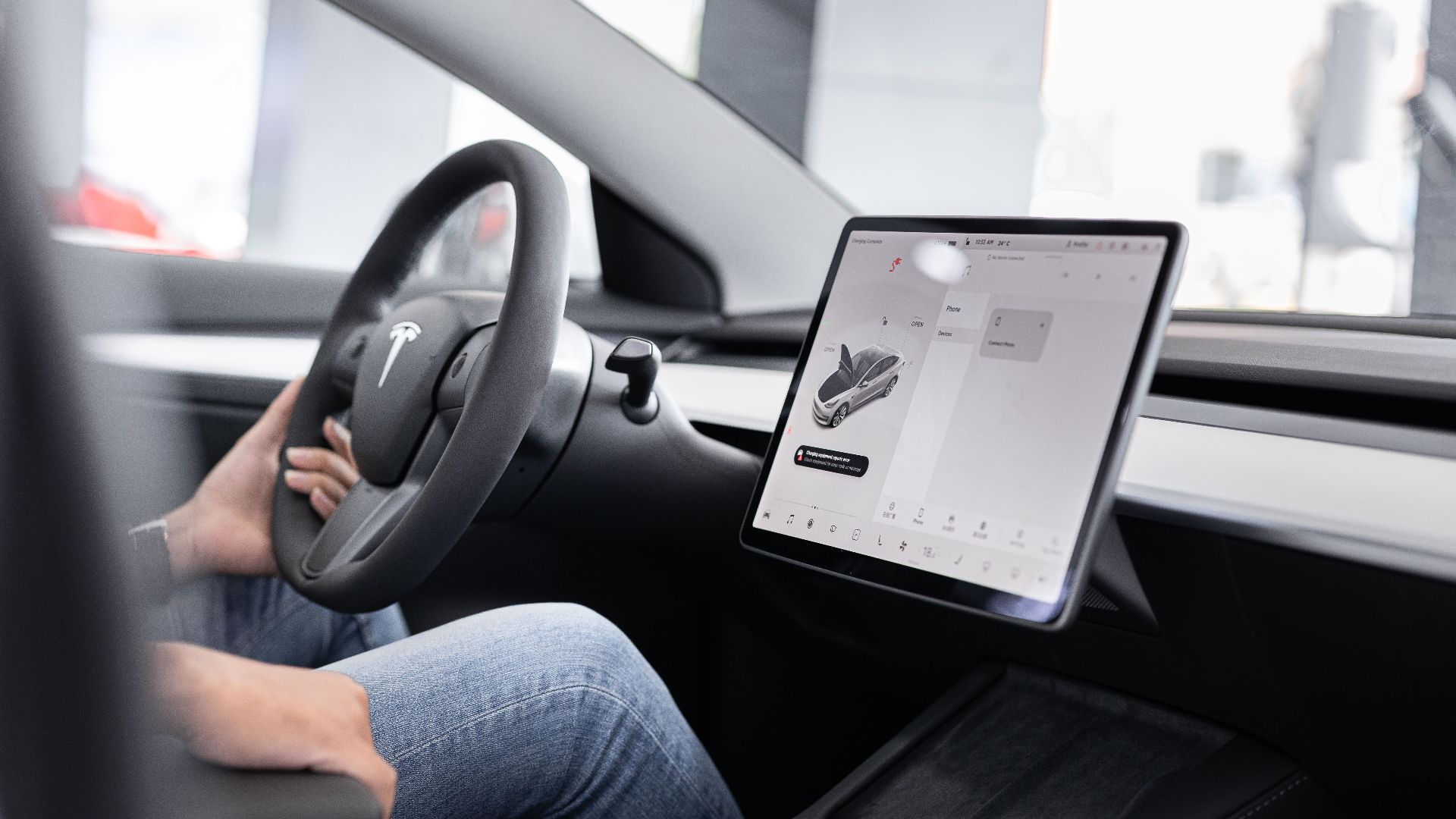
The Jeep ad story stood out because it made a quiet industry trend impossible to ignore. More automakers want to treat the car as an ongoing platform for subscriptions, services, upgrades, and data-driven revenue. Owners still tend to see a car as something they paid for and therefore control. That clash is not going away, and the dashboard may be where it becomes easiest to see.

So Can Automakers Monetize A Car You Already Own
They often can try, especially if the vehicle is connected and the owner accepted software and service terms that allow updates and in-vehicle communications. But whether they should, and how far they can go before customers or regulators push back, is still being tested in real time. If your screen starts selling to you after an update, the smart move is to document it, challenge it, and remember that ownership in the software age is no longer as simple as it used to be.