Your Car App Changed The Deal
You buy the car, set up the app, and months later a new prompt appears. Accept updated data-sharing terms or lose connected features. It looks official, but it feels like the rules changed after the sale. Technology is changing faster than ever, but do you really have no choice but to opt in?

Why This Is Suddenly A Big Question
Automakers have made phone apps a big part of owning a car. Remote start, charge management, vehicle location, maintenance alerts, and digital key features now run through software and cloud services. So when access to those tools depends on a new privacy agreement, people naturally ask whether that should be allowed after they already bought the car.

The Short Answer Is Messy
Your car usually does not stop being a car if you refuse an app privacy policy. The real issue is that many app-based features are separate connected services, and those services often come with terms that can change over time. In other words, owning the vehicle and using the automaker's digital system are often two different things.

What Set Off The Privacy Backlash
One big turning point came in September 2023, when the Mozilla Foundation published research on car privacy. Its report, Privacy Not Included: Modern Cars Are A Privacy Nightmare, looked at major car brands and found privacy concerns across every brand it studied. Mozilla's point was simple: cars are no longer just transportation. They are also data-collection machines.
 Acharaporn Kamornboonyarush, Pexels
Mozilla Put The Industry On The Spot
Mozilla said its researchers reviewed privacy policies, terms of use, and other company materials for 25 car brands before releasing the report in 2023. According to the group, many brands collected broad categories of personal data, and some policies allowed sharing or selling data in certain situations. The report hit hard because it turned dense legal language into a plain warning people could understand.
 LinkedIn Sales Solutions, Unsplash
What Automakers Say They Collect
Automaker privacy notices often say they collect location data, vehicle diagnostics, app activity, account details, and sometimes driving behavior. The exact list depends on the company, the car, and which connected services are turned on. If your app suddenly asks for new consent, it often means the company changed how it handles one of those kinds of data.

Connected Cars Run On Ongoing Agreements
This is the key point. The purchase contract covers the vehicle, but the app usually works under a separate software or connected-services agreement. If the automaker changes that agreement, it may say you have to accept the new terms to keep using remote or cloud-based features.
GM Shows How This Usually Works
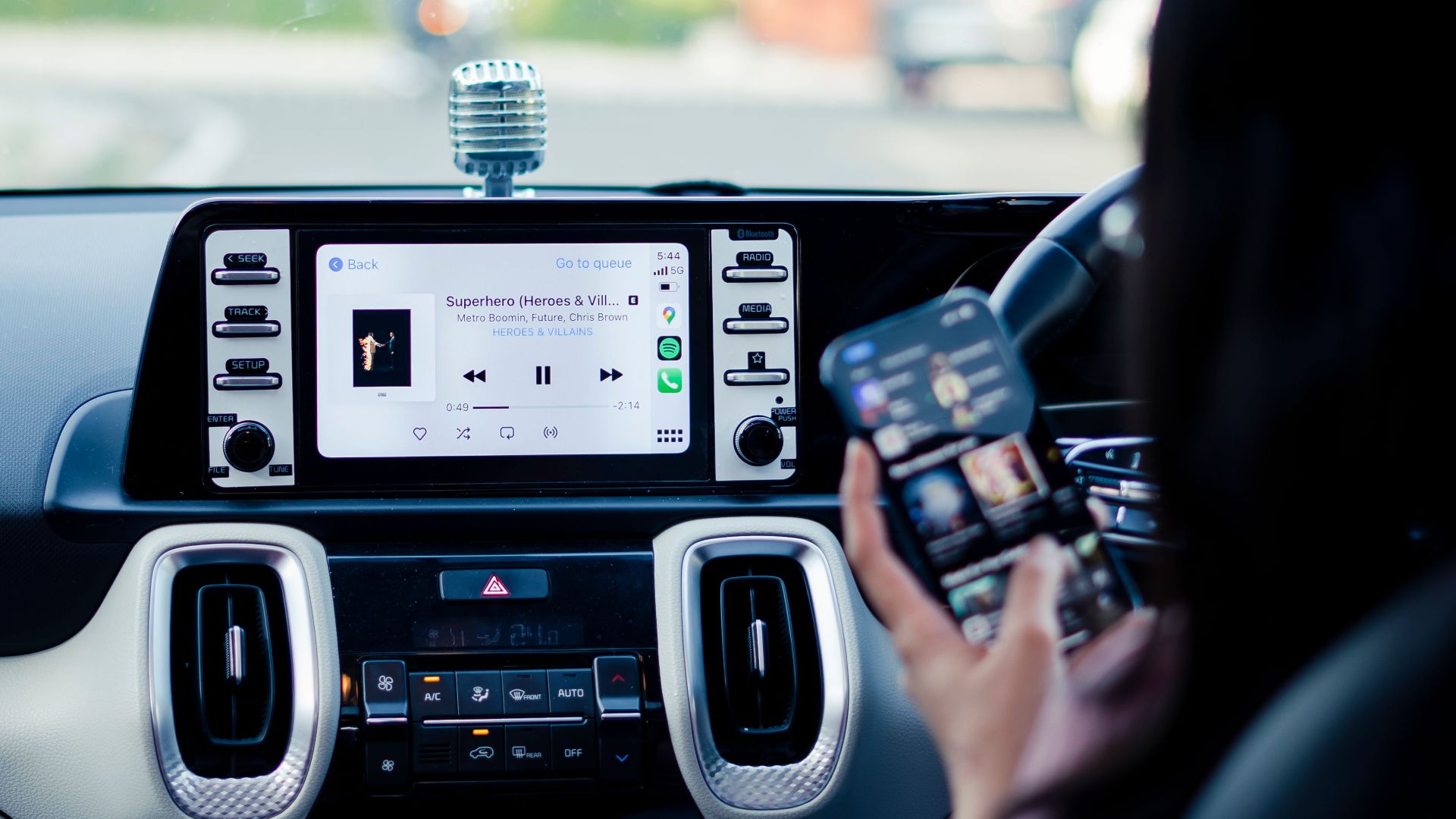
General Motors says in its connected-services terms that OnStar and app-based services are offered under separate agreements and may require acceptance of terms and privacy statements. That does not mean your SUV or truck becomes undrivable if you say no. It does mean certain convenience features may be locked behind updated legal terms.
 Tyler from Riverside, USA, Wikimedia Commons
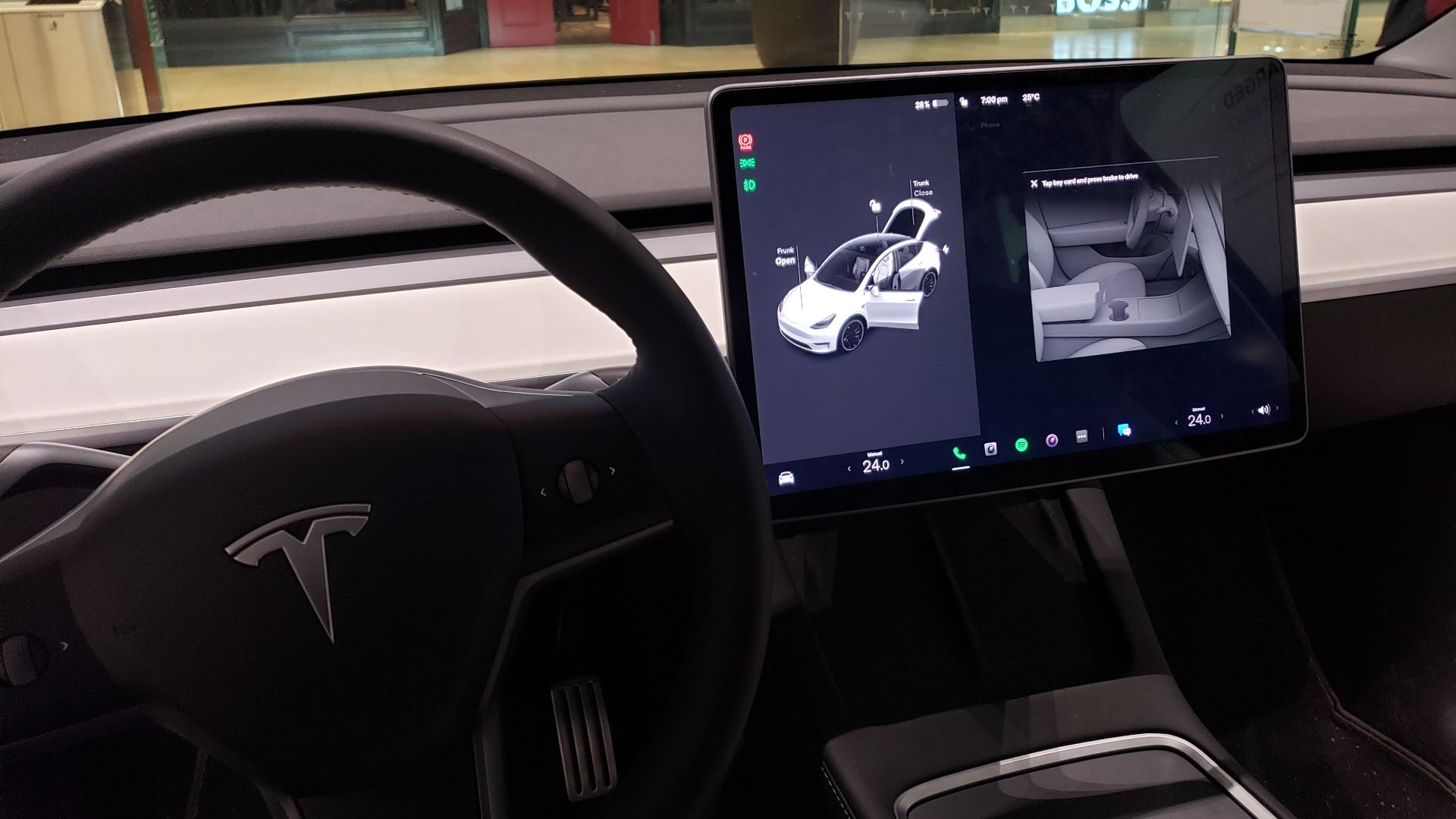
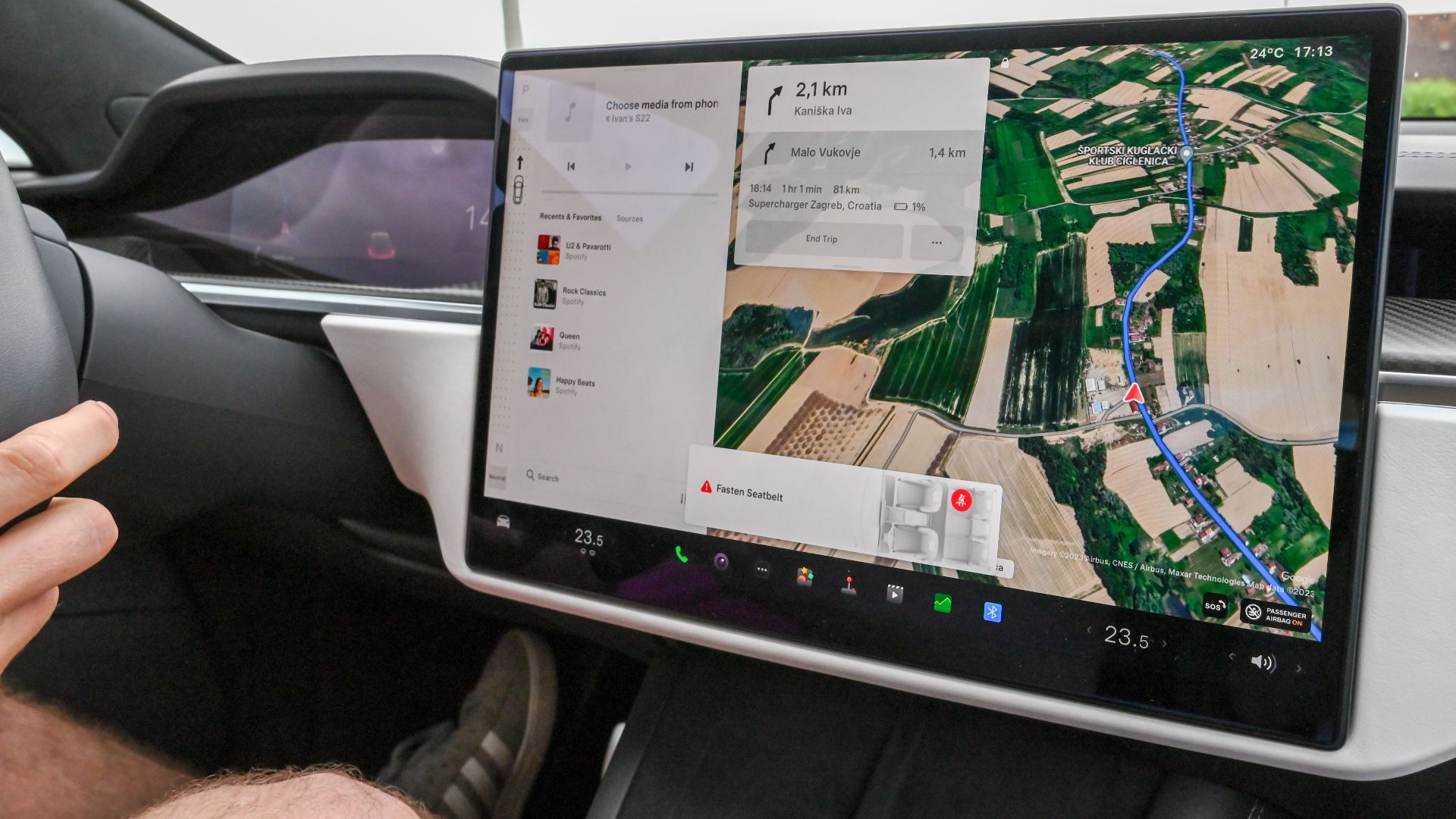
Tesla Follows The Same Basic Model
Tesla's privacy notice and terms for its app-connected system also make clear that data is tied to connected features, service, safety, and account management. Owners can still use the vehicle, but many digital functions depend on an ongoing relationship with Tesla's software services. That relationship can change over time, which is why drivers see updated prompts.
 Coolomon Tetris (also known as CoolT), Wikimedia Commons
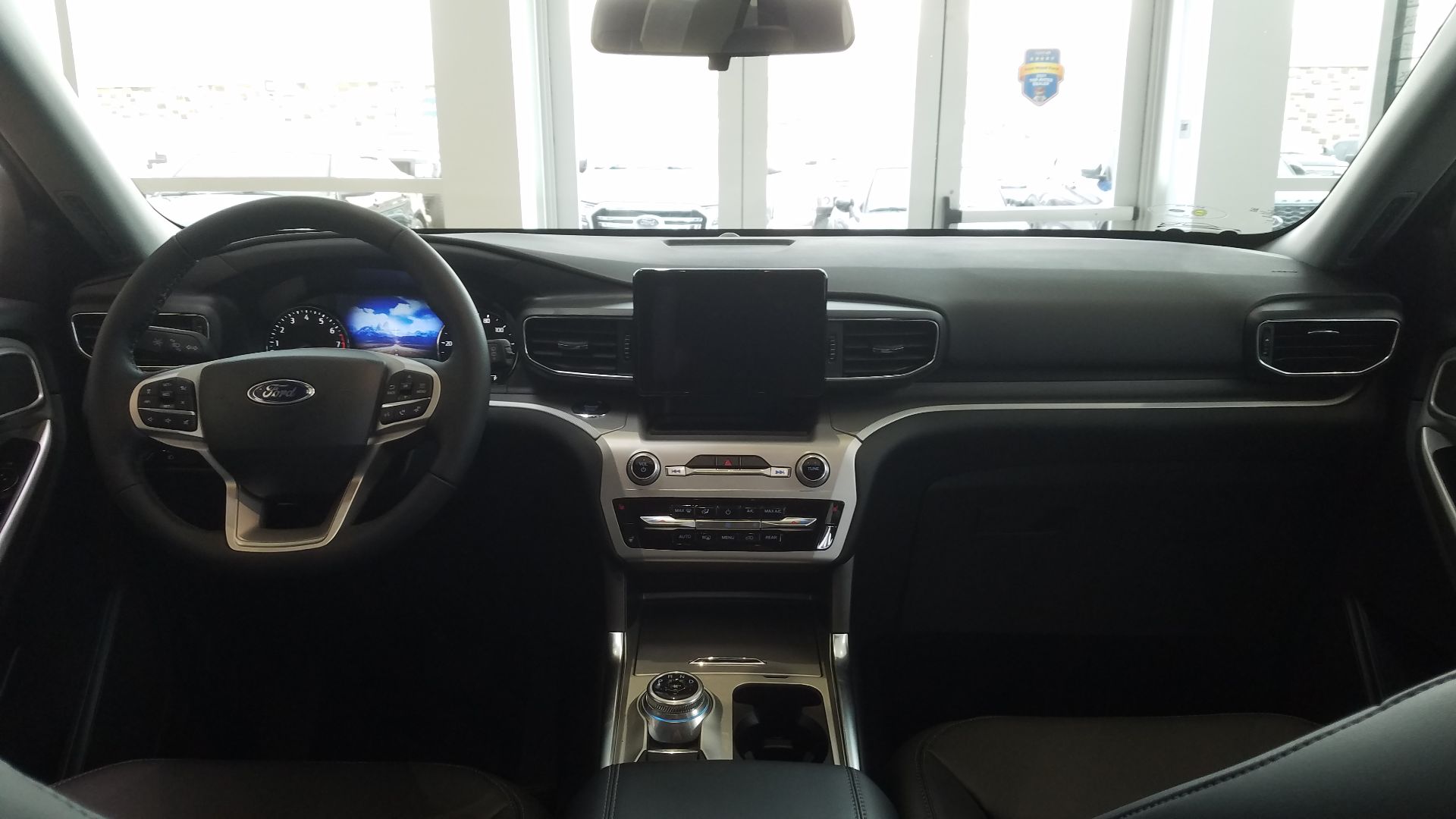
Ford, Hyundai, And Others Do It Too
Ford's connected vehicle and app materials describe data collection for services like remote access, diagnostics, and account support. Hyundai's Bluelink terms do the same for remote services and location-based functions. Across the industry, the pattern is pretty consistent because modern car apps depend on data moving between the vehicle, the company, and the user's phone.
 deathpallie325, Wikimedia Commons
Why Companies Update The Terms
Automakers usually point to new laws, new features, new vendors, or changes in data practices. If a company adds insurance tools, in-car shopping, upgraded navigation, or deeper diagnostics, the legal language often changes too. Sometimes the update is minor. Sometimes it expands data use enough that drivers notice and object.
The Legal Heart Of The Problem
In the United States, there is no simple rule saying an automaker can never update privacy terms after a sale. The answer depends on contract law, consumer-protection law, state privacy laws, and the exact promises made when the buyer purchased and activated the service. That is why two owners can have very similar complaints but very different legal footing.

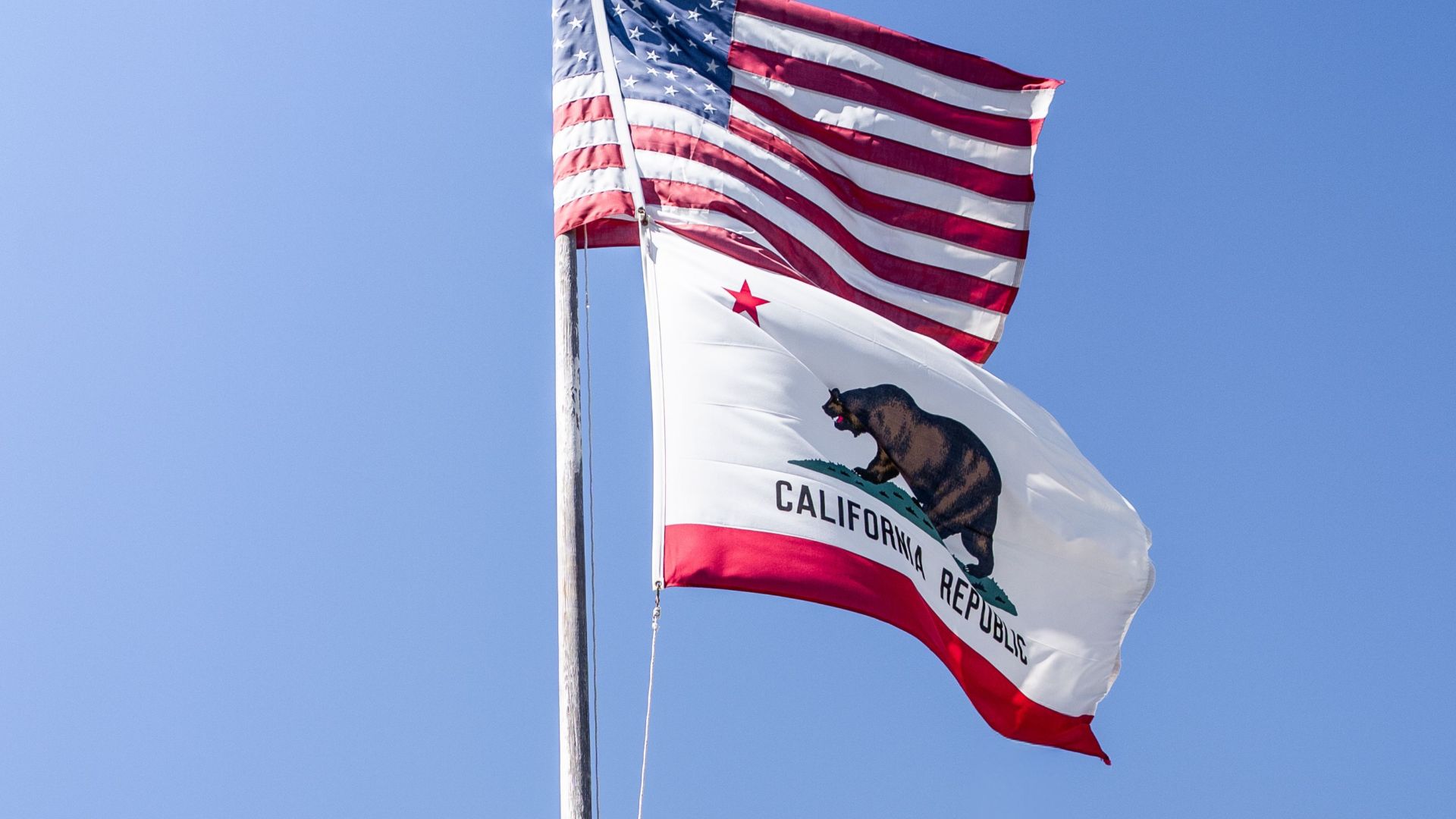
California Brought More Attention To Car Privacy
California privacy law matters here because many automakers do business there and write policies with those rules in mind. The California Privacy Rights Act gives residents rights to know, delete, and correct certain personal information, and to limit some uses of sensitive personal information. Location data matters a lot in that conversation because connected cars can build a very detailed record of where someone goes.
The FTC Has Been Paying Attention Too
The Federal Trade Commission has repeatedly signaled that privacy and data-security claims involving connected devices can lead to enforcement if companies act unfairly or deceptively. The FTC does not write every privacy rule for automakers, but it can go after companies that break promises or expose sensitive consumer data. That helps explain why automakers often want users to clearly accept revised terms.
 G. Edward Johnson, Wikimedia Commons
A Major 2024 Story Raised The Stakes
In March 2024, The New York Times reported that General Motors stopped sharing driving-behavior data with LexisNexis and Verisk after reporting showed some drivers did not realize their information had been collected and used that way. The story tied the issue to insurance consequences and pushed a niche privacy concern into everyday conversation. Suddenly this was not just about abstract data rights. It was about cost.
 Dogs.barking.duster.rolling, Wikimedia Commons
What The New York Times Found
The paper described how data generated through connected services could end up informing risk-related products used by insurers. It reported that some drivers said they had not clearly understood they were enrolled in data collection tied to driving behavior. That mattered because it showed how a simple in-app consent flow could affect much more than remote lock and unlock.
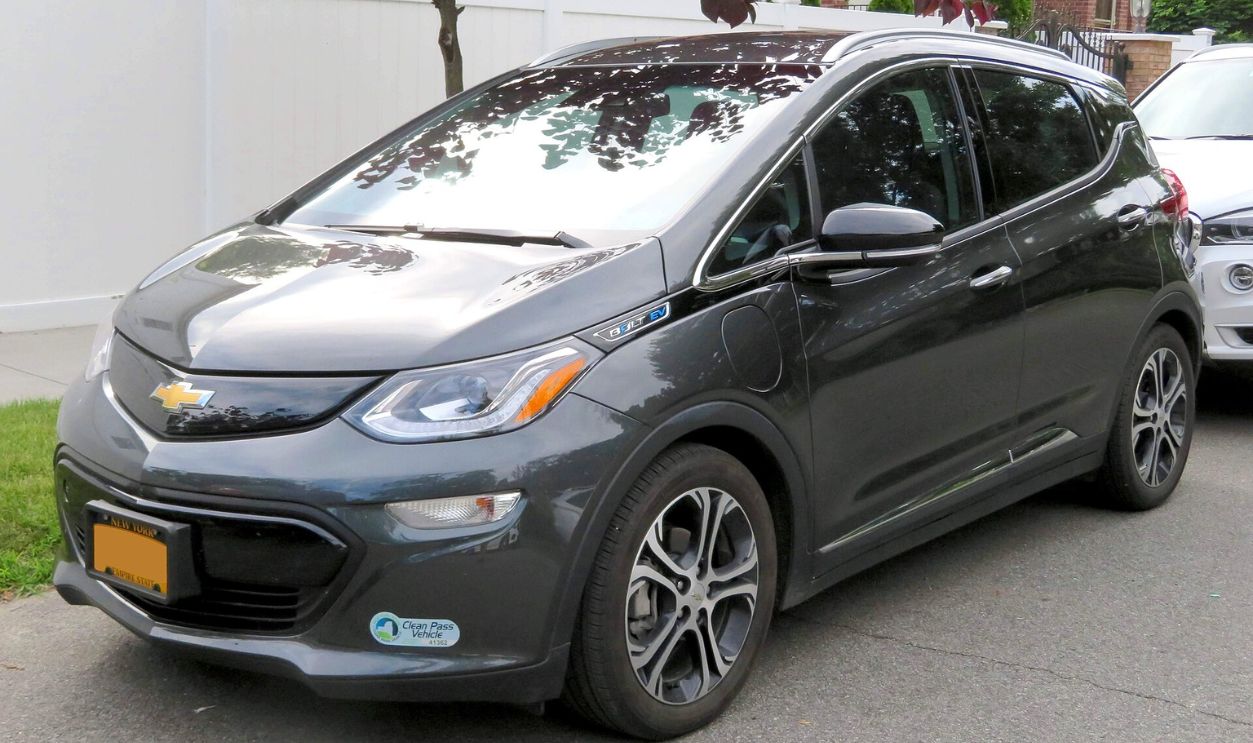
Why Insurance Is The Flash Point
People may not worry much about diagnostics or maintenance reminders, but they pay attention when data might affect premiums. A driving score built from hard braking, speed, or trip patterns can have real financial impact, even if the owner thought they were only signing up for convenience features. That is one reason a new privacy agreement can feel like a much bigger deal than a normal app update.
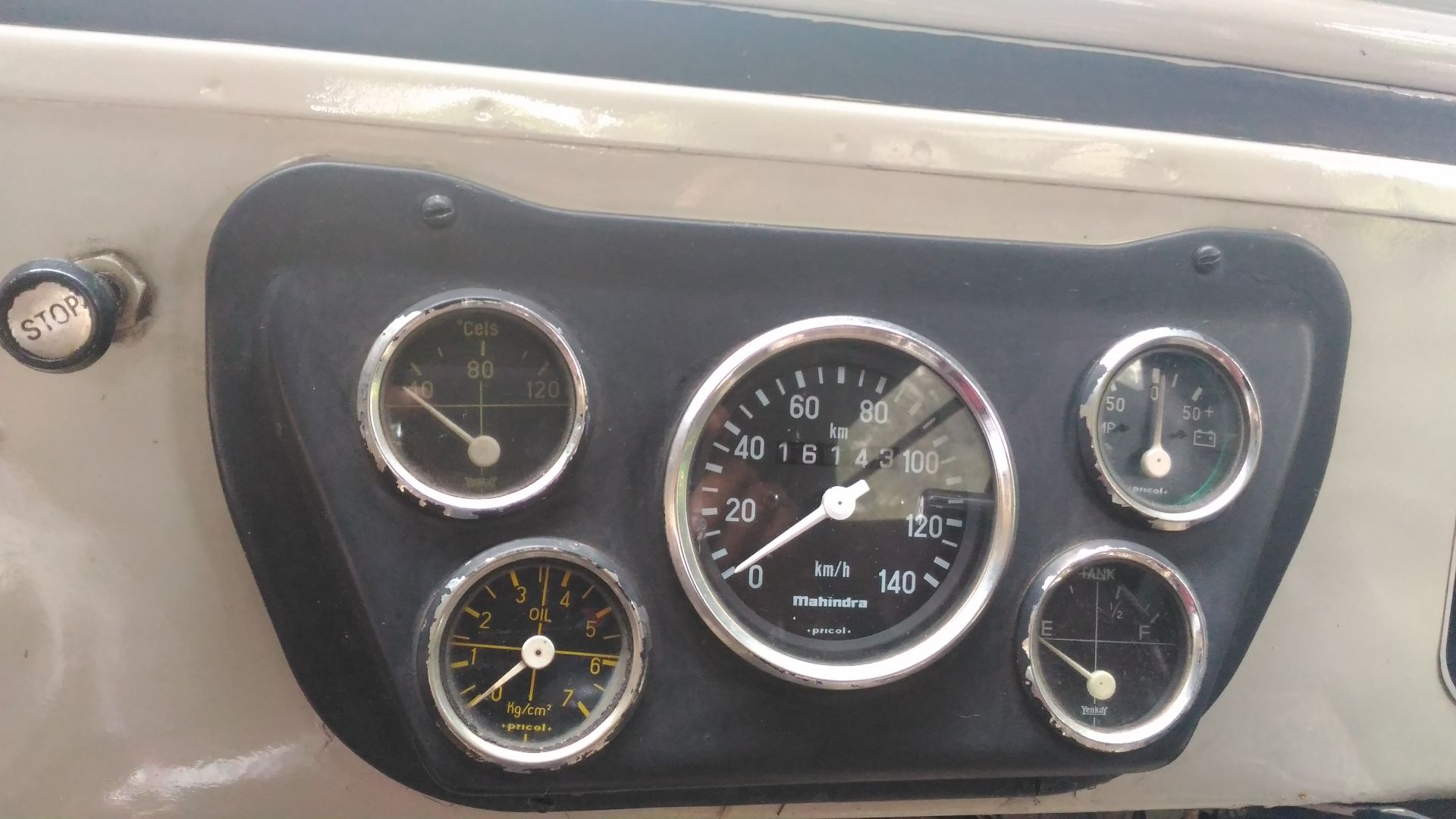 Vijayanrajapuram, Wikimedia Commons
So Should A Car Require This After Purchase
If we are talking about basic operation, most buyers would say no, and the law generally does not treat a purchased car like a rental that can be switched off. If we are talking about optional connected services delivered through servers, apps, and subscriptions, companies usually have more room to require updated terms. The fairness question is whether the feature was sold as part of the purchase in a way that makes later changes feel like a bait and switch.
There Is A Difference Between Essential And Optional
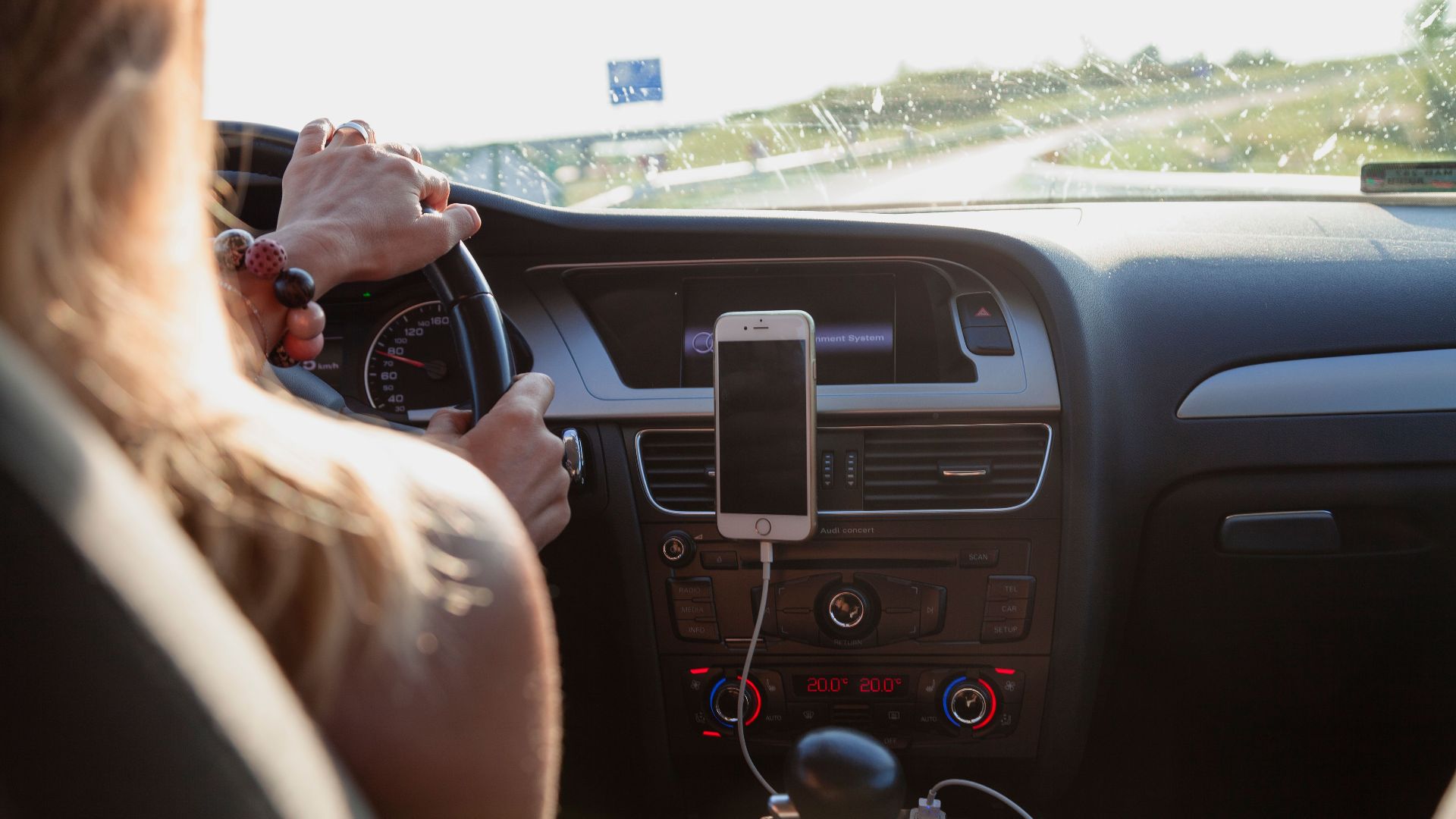
Remote start through an app may be useful, but it is not the same thing as brakes, steering, or headlights. Courts and regulators are more likely to see cloud-based services as separate from the core machine in your driveway. That distinction often shapes how much control the automaker has over future terms.
What If The Feature Was Advertised At Sale
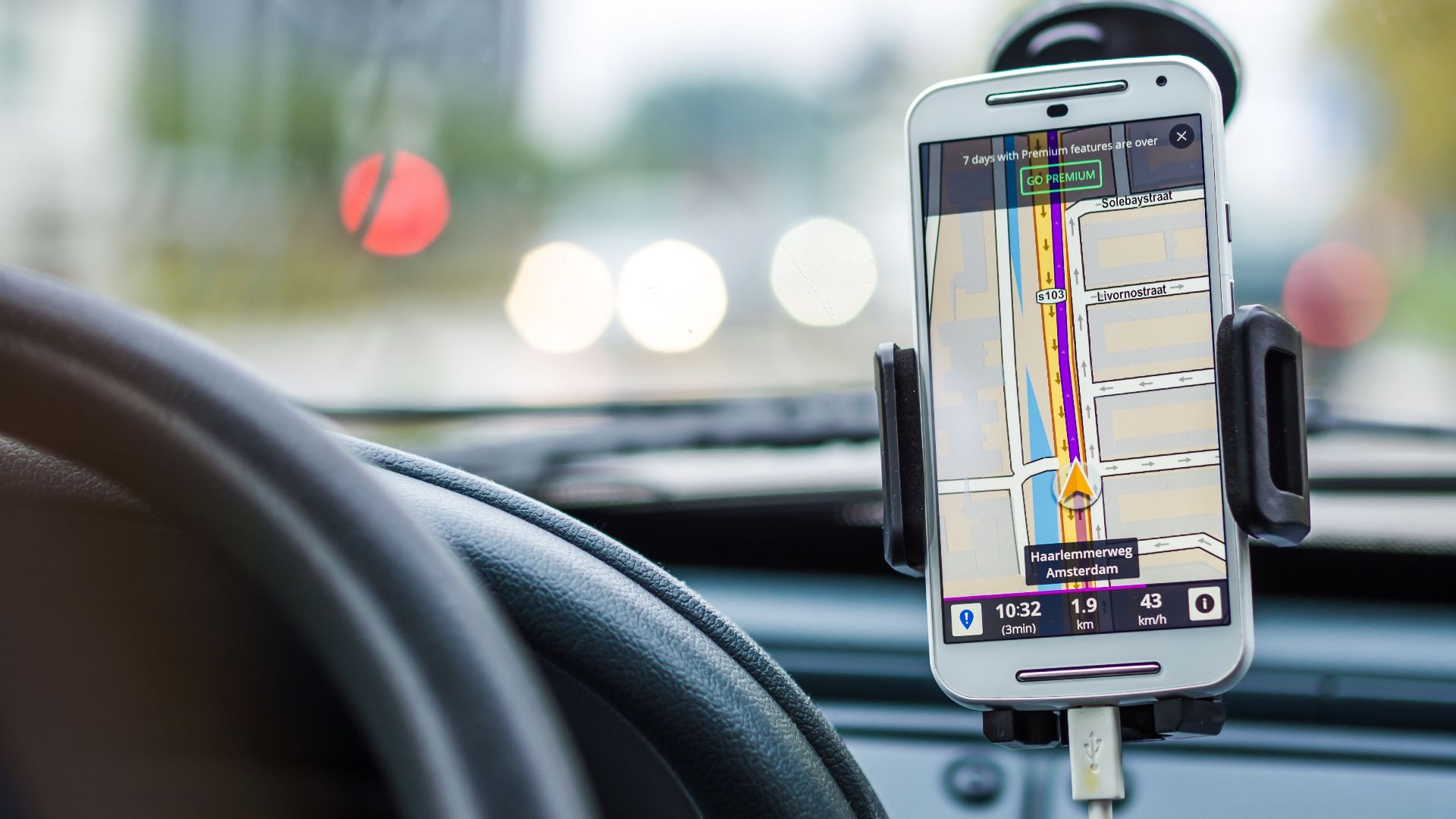
This is where things can get tricky. If the automaker strongly promoted app access or connected features as part of the ownership experience, an owner may reasonably expect those features to stay available on the stated terms, especially during any included trial or prepaid period. If a later privacy update meaningfully expands data sharing, the customer may argue the company changed the deal after the purchase.

Read The Fine Print On Trial Periods
Many connected features start with a free period and then move to a paid subscription or a revised agreement. The original paperwork often says the services are subject to separate terms, future changes, availability limits, and wireless coverage. It is tedious, but those clauses are usually where the automaker keeps the right to change the rules.

Your Best Move Before You Tap Accept
Compare the new privacy notice with the older version if you can. Look for changes involving location tracking, driving behavior, sharing with affiliates or third parties, data retention, and rights to opt out. If the company offers a summary of changes, start there, then check the full text.

Look For Privacy Controls In The App
Some automakers let owners limit certain data uses without giving up the app entirely. You may be able to turn off marketing messages, refuse some optional data sharing, or disable features tied to driving analytics. These controls vary a lot, so it is worth checking the app and your web account before treating the choice as all or nothing.

State Privacy Rights Can Give You Leverage
If you live in a state with strong privacy laws, you may have rights to access, delete, or opt out of some data processing. California is the best-known example, but other states have passed privacy laws too. Those rights may not save every app feature, but they can give you more visibility and more leverage.

Ask Customer Support The Right Questions
Do not settle for vague answers. Ask exactly which features stop working if you refuse the update, what categories of data are newly collected, whether precise location is required, whether driving behavior is shared outside the company, and whether there is a limited-use option. If possible, get the answer in writing by email or chat.

Keep Records Of What Was Promised
Save screenshots of the sales page, brochure language, window sticker text, app descriptions, and any dealer statements about connected features. If a dispute comes up, that material can help show how the feature was marketed and whether later restrictions changed the value of the deal.

When To Push The Issue Further
If the automaker blocks a feature you believed was included and will not clearly explain the privacy change, consider filing a complaint with your state attorney general, your state consumer-protection office, or the FTC. You can also review the automaker's arbitration clause and dispute process in the terms. That may not bring a quick fix, but it can force the company to answer direct questions.

The Bigger Fight Over Ownership
At bottom, this is a fight over what ownership means in the software age. Drivers still think of themselves as buying a product, while automakers increasingly think in terms of ongoing digital services, permissions, and data flows. That clash is why a privacy pop-up can feel much bigger than a typical app update.

The Bottom Line For Drivers
No, a purchased car should not force you to give up new privacy rights just to keep functioning as a car. But yes, an automaker can often make app-based connected services conditional on updated terms because those services are usually governed by separate agreements. Before you tap accept, treat that prompt like part of the deal, because in a connected car, it often is.