When an Update Takes Something Away
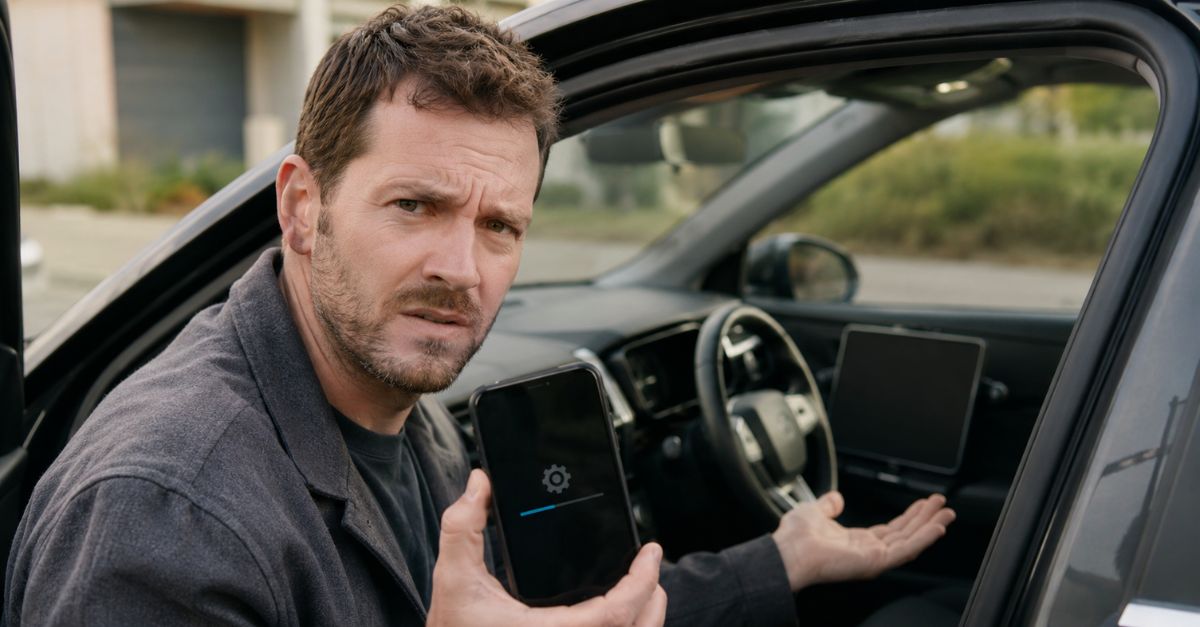
Most drivers expect a software update to fix bugs or add features. They don't expect it to wipe out Apple CarPlay from a car they already own. But that fear is now part of driving a software-heavy vehicle, and it leads to a simple question: Can an automaker legally take away features after you buy the car? And if they do it to you, is there anything you can do?
Why This Hits a Nerve
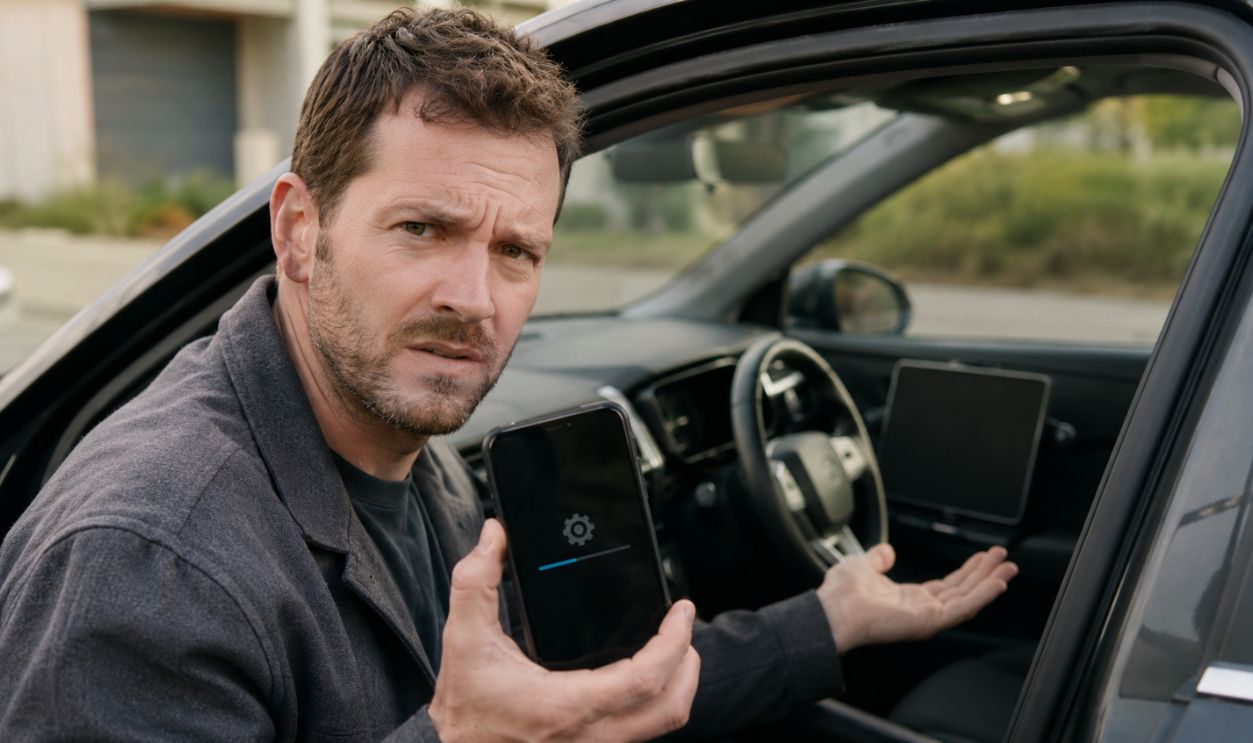
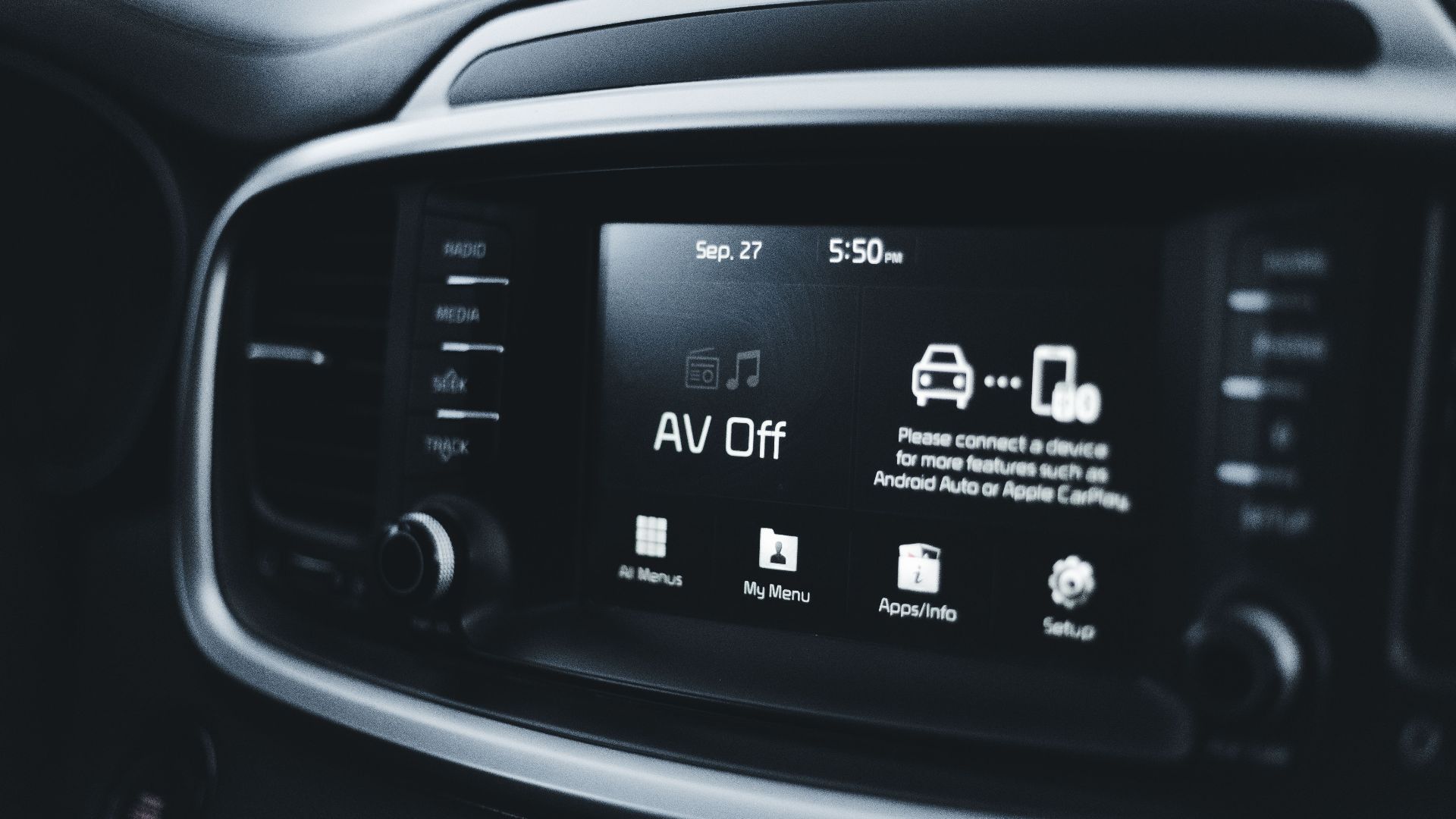
CarPlay is not some minor setting buried in a menu. For a lot of owners, it is the easiest way to use maps, music, calls, and messages through a familiar phone setup. When it disappears, it does not feel like a small tech issue. It feels like part of the car just got taken back.

The Case That Got Drivers' Attention
One of the clearest recent examples came from Porsche. In late January 2024, owners started reporting that Apple CarPlay and Android Auto had vanished from some vehicles after an over-the-air software update. The complaints spread fast across owner forums and car news sites because the missing features were things people used every day.

What Owners Reported
Carscoops reported on January 30, 2024, that multiple Porsche owners said Apple CarPlay, Android Auto, and in some cases the rearview camera had stopped working after a software update. The outlet pointed to complaints from owners of the 2024 Porsche Cayenne. The timing matters because it shows the issue was being reported as it happened, not long after the fact.

Porsche Did Not Describe It as a Planned Removal
In Porsche's case, the reports pointed to a bad software rollout, not a deliberate move to strip features from sold cars. Porsche told outlets it knew about the issue and was working on a fix. That matters, because a software bug and an intentional decision can lead to very different legal questions.

The Fix Arrived, but the Worry Stayed
Road & Track reported that Porsche had a remedy and that affected owners could get the issue fixed. Even so, the episode left a bigger question hanging in the air. If one update can knock out smartphone mirroring by mistake, what else can change after the sale?

There Is Also a More Deliberate CarPlay Story
Not every CarPlay fight starts with a glitch. General Motors made headlines in 2023 when it said future electric vehicles from its brands would move away from Apple CarPlay and Android Auto. That was a decision about upcoming models, not an update pushed onto cars already in owners' driveways, but it showed how ready automakers are to redraw the feature list.
GM Made Its Plan Public in 2023
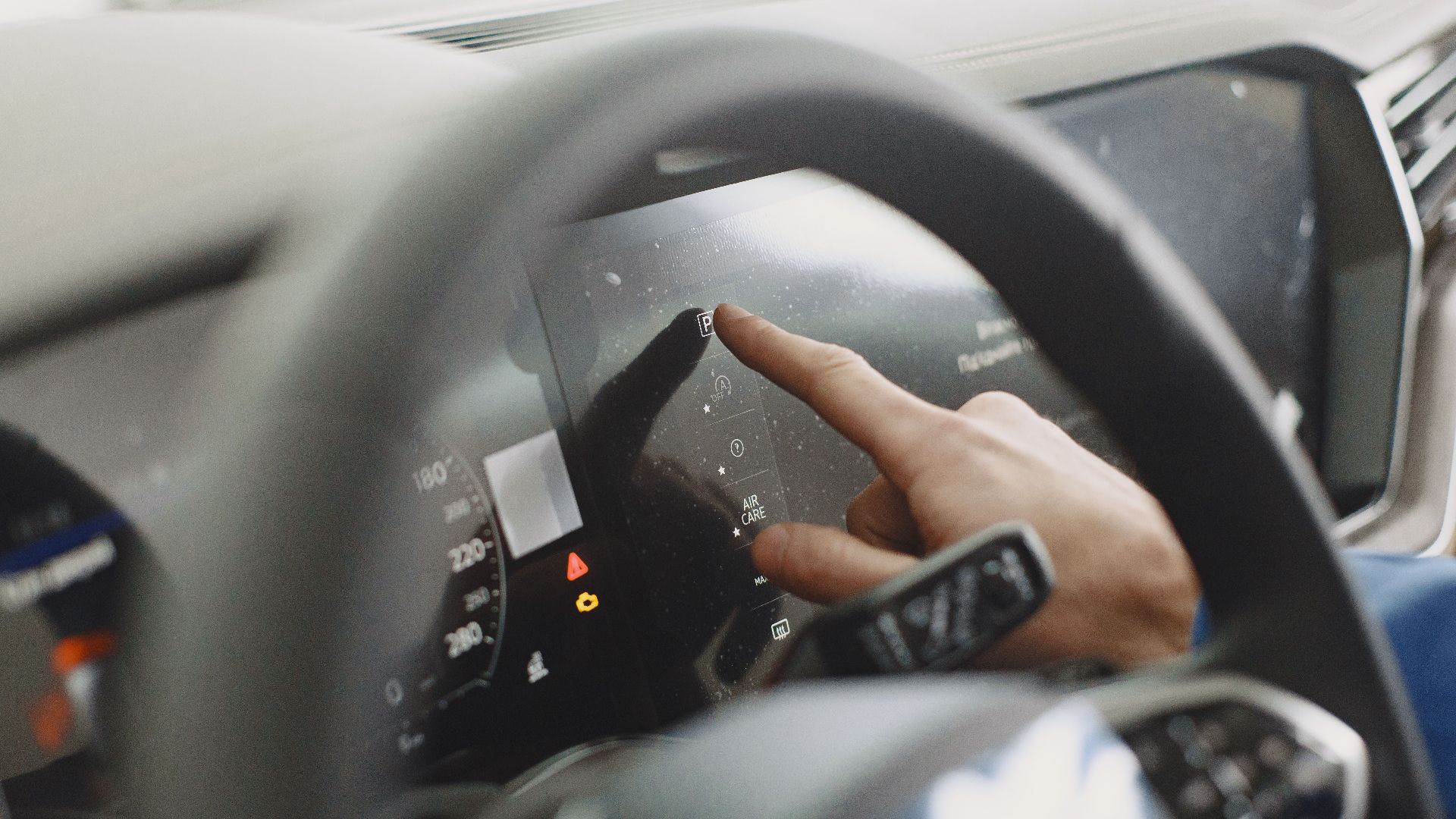
Reuters reported in March 2023 that GM planned to phase out Apple CarPlay and Android Auto in future EVs, starting with the 2024 Chevrolet Blazer EV. GM instead wanted drivers to use a built-in infotainment system developed with Google. The announcement drew backlash because it targeted one of the most popular in-car features around.
Why New Models and Sold Cars Are Different
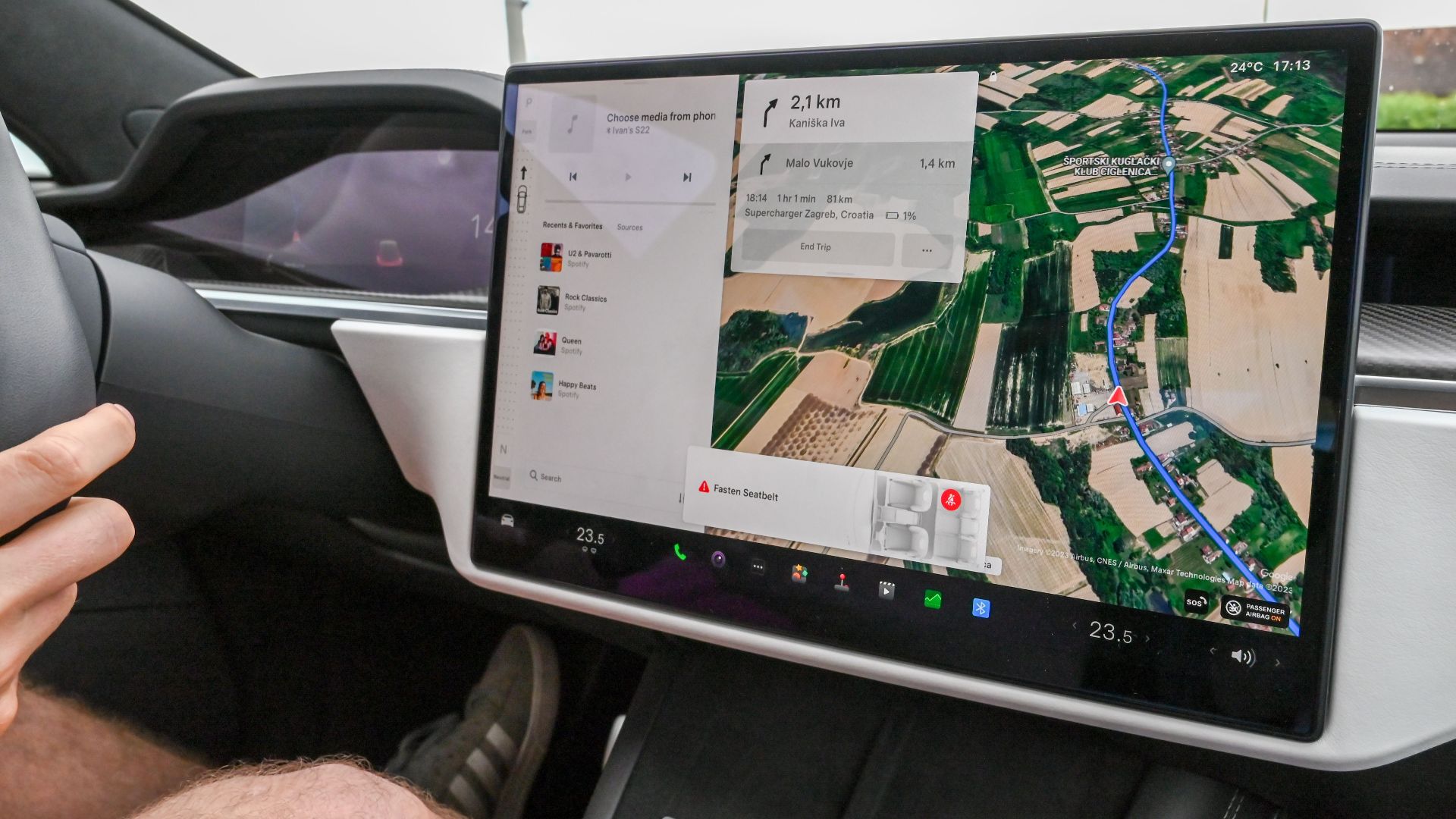
A company usually has wide freedom to decide what a new model will include before you buy it. After the sale, things get much murkier, especially if a feature was advertised, listed on the window sticker, or included in the sales paperwork. That is when owners start asking whether losing a feature is just annoying or a real breach of the deal.

Start With the Paperwork
The first place to look is the purchase or lease agreement, along with the warranty booklet and connected services terms. Those documents often say software, apps, subscriptions, and remote services can change, be paused, or be discontinued. If CarPlay was sold as a built-in vehicle feature instead of an optional service, that can help an owner's argument that it should still be there.

Advertising Matters
If a manufacturer pushed Apple CarPlay in brochures, online listings, dealer ads, or commercials, that can matter. Consumer protection laws in many states do not look kindly on selling a feature and then taking it away without a good reason. The more clearly the feature was part of the sales pitch, the harder it is to brush off owner complaints.

A Temporary Bug Is Not the Same as a Permanent Deletion
Legally and practically, there is a big difference between a bug that knocks out CarPlay for a few days and a deliberate update that removes it for good. A temporary software defect may be handled like any other warranty problem. A permanent removal raises bigger questions about misrepresentation, warranty coverage, and whether the car still matches what was sold.
 Jose Ricardo Barraza Morachis, Pexels
Over-the-Air Updates Changed the Relationship
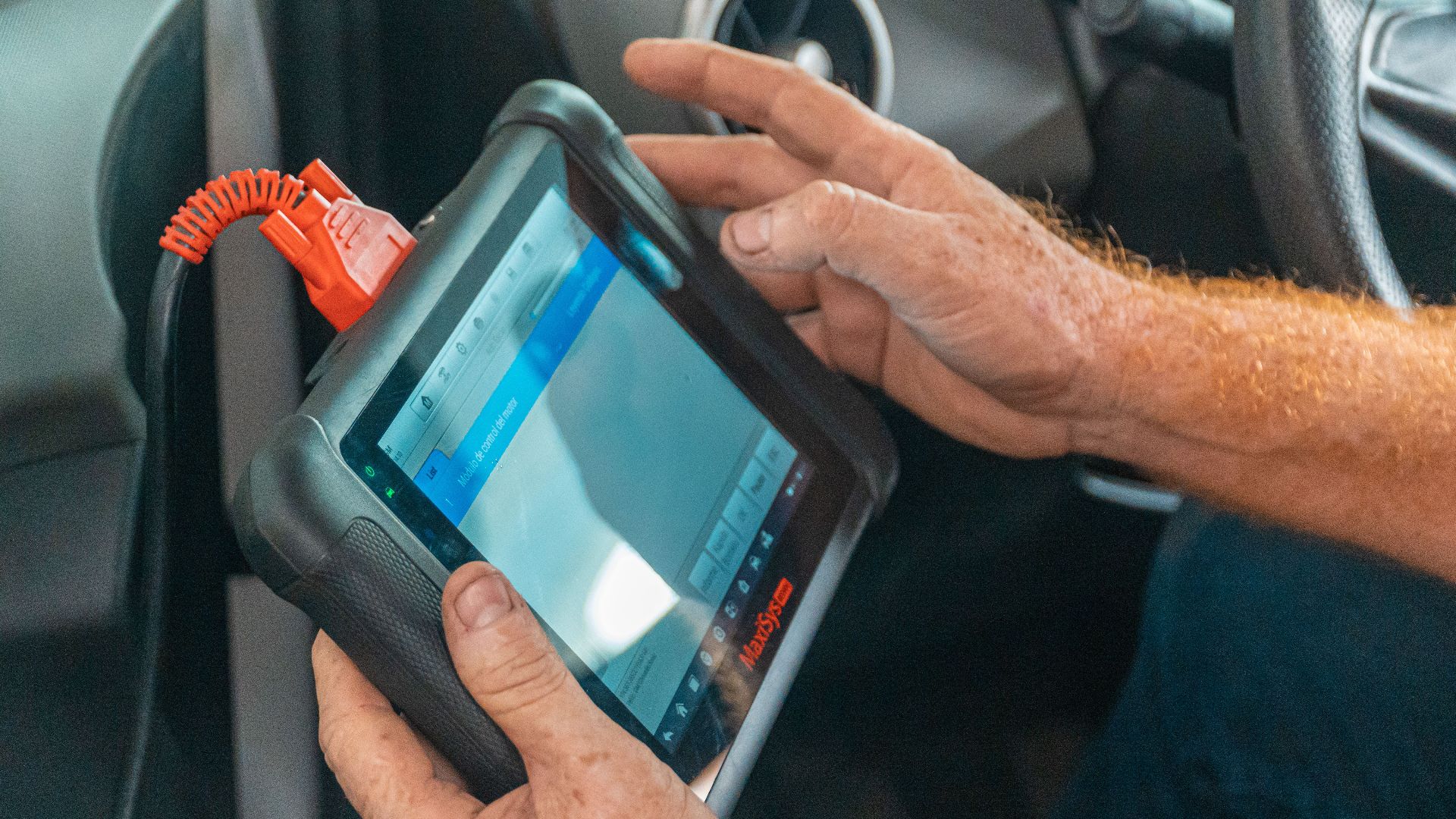
Years ago, changing how a car behaved usually meant a trip to the dealer and a physical repair. Now over-the-air updates let automakers change vehicle software remotely and on a huge scale. That can be great when it brings bug fixes or performance improvements, but it also means the manufacturer can still shape the product long after delivery.
Federal Regulators Have Been Watching Software Control
The Federal Trade Commission has repeatedly shown interest in digital fairness, subscriptions, and deceptive business practices, even though it has not issued a CarPlay-specific rule. Its broader consumer protection power can come into play if a company misleads buyers about what they are getting or how long features will last. Put simply, a car should not be sold as a permanent bundle if key parts can be yanked away at the company's choice.

Right to Repair Ties Into This Too
The right-to-repair fight is often framed around mechanics and parts, but software control is part of it too. In 2023, the FTC and Department of Justice backed Massachusetts in a legal fight over the state's vehicle data access law. The bigger point is clear: regulators know modern cars run on code, and code can limit what owners and repair shops are allowed to do.

What If the Terms Say Features Can Change
Automakers often lean on software terms that reserve the right to modify digital services. Those clauses can be enforceable, but they are not a free pass. Courts and regulators may still ask whether the change was clearly disclosed, whether the feature was central to the sale, and whether the company acted unfairly or deceptively.

CarPlay Is Usually Not a Subscription Feature
Apple CarPlay generally does not require a paid automaker subscription in vehicles that support it. It is usually presented as built-in compatibility between the car and the phone. That can help owners argue that CarPlay is part of the car's purchased hardware and software package, not a cloud service that can vanish when a contract ends.
The Technology Still Has Weak Spots
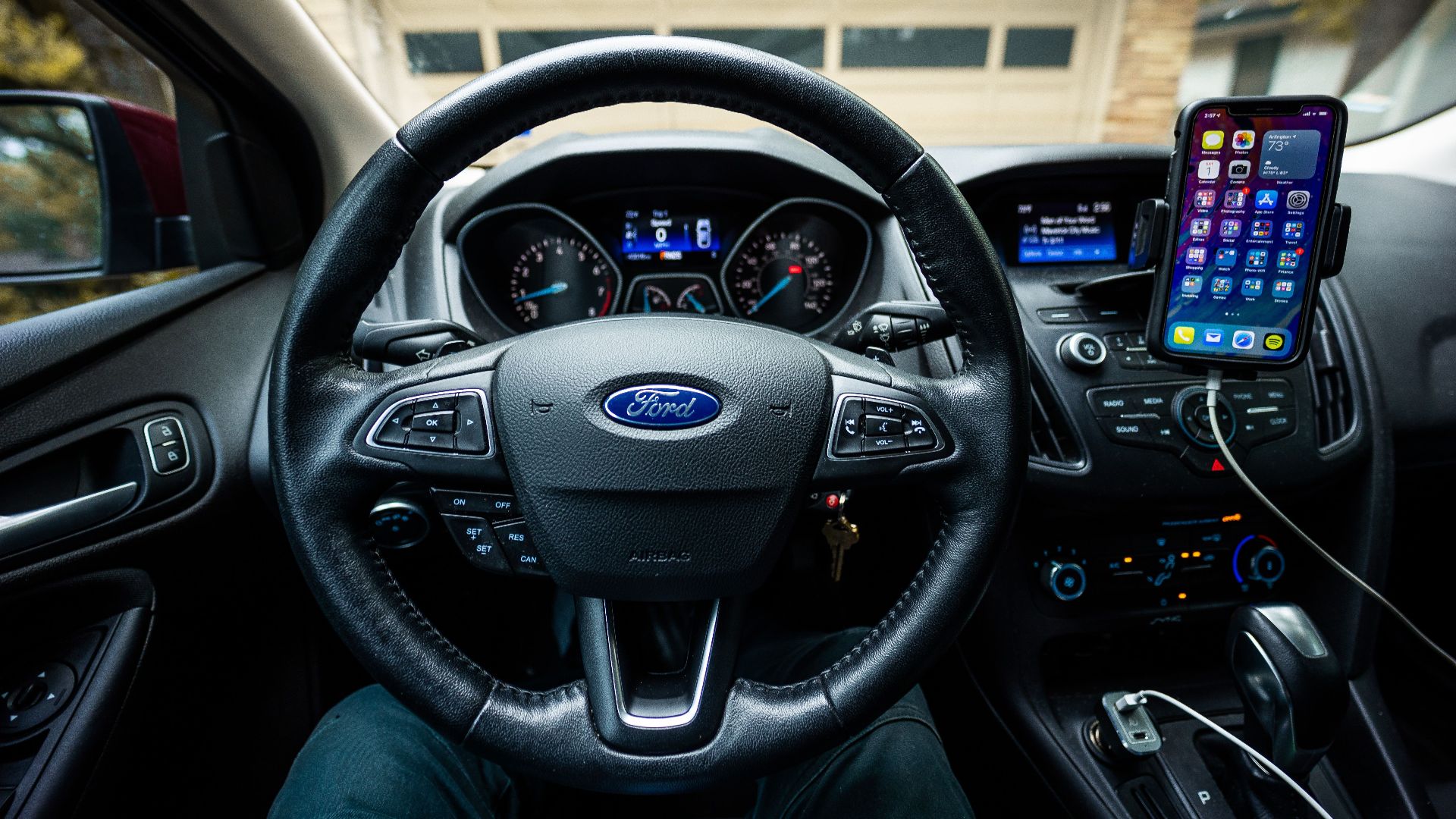
Even when CarPlay feels like a permanent feature, it still depends on software layers, licensing, and compatibility between the phone, the vehicle, and the automaker's system. A bad update, an expired certificate, or a software flaw can break that link. That does not automatically excuse the manufacturer, but it helps explain how a familiar feature can suddenly disappear.
If It Was a Bug, Warranty Law Usually Comes First
When a software update accidentally breaks a feature, the first remedy is often warranty service. The owner reports the defect, the manufacturer looks into it, and the company is expected to fix the problem within a reasonable time. In Porsche's 2024 case, the public reporting pointed to that kind of path rather than a larger fight over a feature being taken away on purpose.
If It Was Intentional, Consumer Law Gets Louder
If a company intentionally removes a core feature from an already-sold vehicle, owners may have stronger arguments under state consumer protection laws, breach of warranty claims, and possibly class action law. The key facts would be what was promised, what changed, when it changed, and whether owners got notice or compensation. The fine print matters, but so does the way the feature was sold in the first place.

Leased Cars Add Another Layer
Lease customers may have slightly different leverage because the vehicle is still tied to a finance agreement with its own terms and promises. If the car no longer performs as represented during the lease, the lessee may have arguments through the leasing company as well as the automaker. It is not automatic, but it can create another pressure point.

Document Everything Before the Next Update
If a feature disappears, take photos of the screen, note the software version, and save any update notices. Gather sales listings, brochures, dealer emails, and screenshots showing the feature was included when you bought the car. That paper trail can make a big difference if you end up seeking warranty service, a buyback, arbitration, or help from a regulator.
 Acharaporn Kamornboonyarush, Pexels
Your Dealer Should Not Be the Only Call
Start with the dealer and the automaker's customer care line because many problems really are service issues that can be fixed. If that goes nowhere, consider filing complaints with your state attorney general, your state consumer protection office, or the FTC. If a lot of money is on the line, it may also be worth talking to a consumer law attorney.

Do Not Overlook Arbitration Clauses
Many vehicle purchase agreements and software terms include arbitration clauses that can affect how disputes are handled. That does not mean you are out of options, but it can shift the fight from a courtroom to a private arbitration process. Read the terms carefully before assuming the next step is a class action lawsuit.

The Real Answer Is Messy
Can companies take away features after purchase? Sometimes yes, especially when the feature is tied to software services and the contract gives the company broad rights to change them. But that does not mean every removal is legal or safe from challenge, especially if the feature was part of the sales promise and the change is permanent.

The Porsche Example Shows the Better Scenario
Porsche's CarPlay problem in January 2024 appears to have been a software failure that the company acknowledged and worked to fix. That is frustrating, but it is still the cleaner version of this issue. The darker version would be a manufacturer deciding that a feature buyers relied on is simply gone for business reasons after the sale.
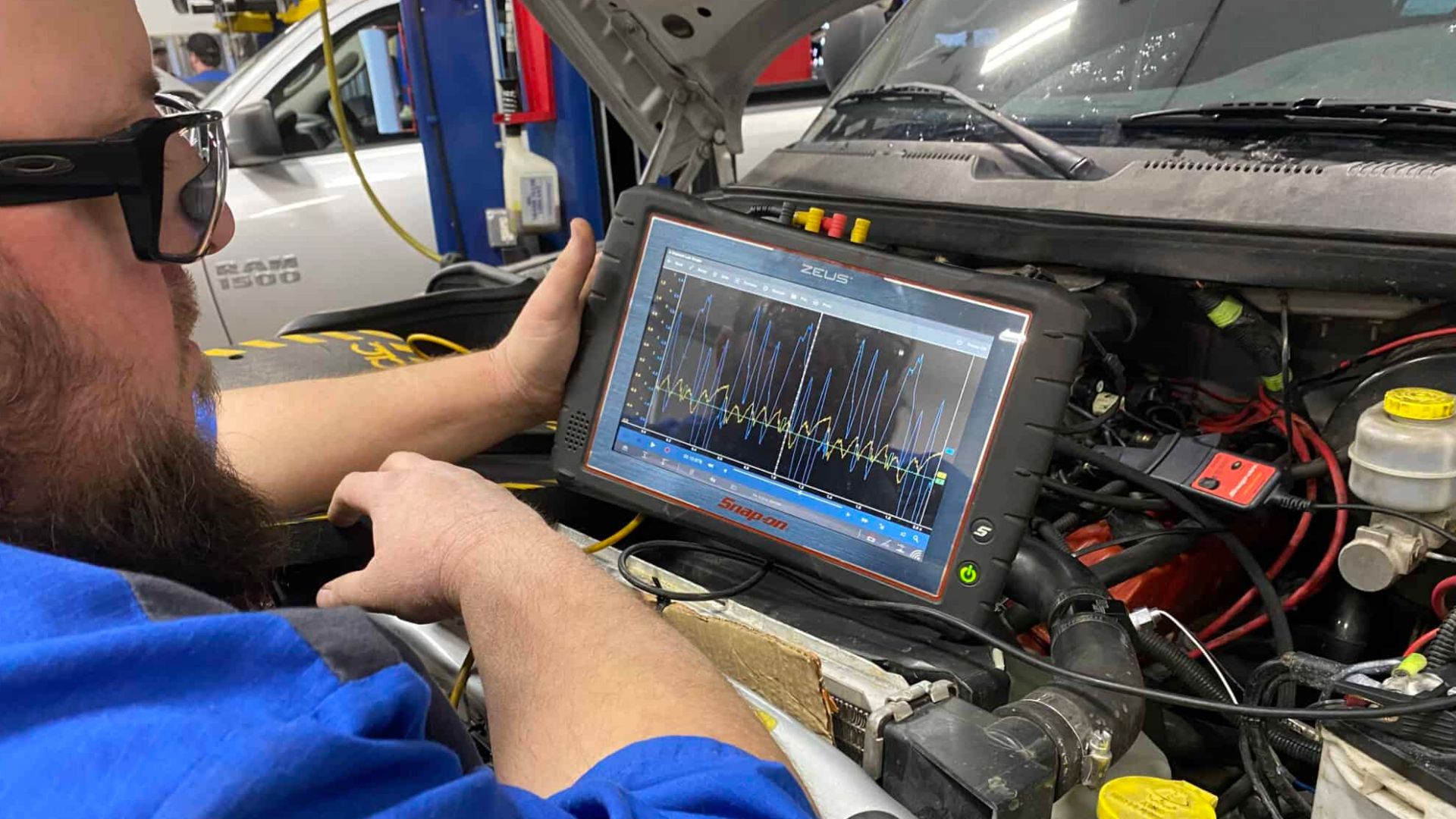 Modern Auto Service: Advanced Vehicle Diagnostics in Fruitland, ID, Wikimedia Commons
The GM Example Shows Where Things May Be Going
GM's 2023 decision to drop CarPlay and Android Auto from future EVs was not retroactive, but it still sent a message. Automakers increasingly want tighter control over the in-car software experience, the data it generates, and the subscription money tied to it. Drivers who care about phone mirroring now have to shop much more carefully than they did a few years ago.
How to Protect Yourself Next Time
Before buying, get written confirmation that the car has Apple CarPlay, whether it is wired or wireless, and whether any subscription is required. Ask whether the feature can be limited or removed by future updates, and save the answer. It may feel overly careful in the showroom, but modern cars are rolling software products, and buyers need to treat them that way.

The Bottom Line
If your automaker removed Apple CarPlay after an update, the first question is whether it was an accidental defect or a deliberate policy change. If it was a bug, push for a warranty fix and document every step. If it was intentional, the company may not have the final say, because contracts, advertising, and consumer protection law still matter after the keys change hands.