Those Outlets Are More Complicated Than They Look
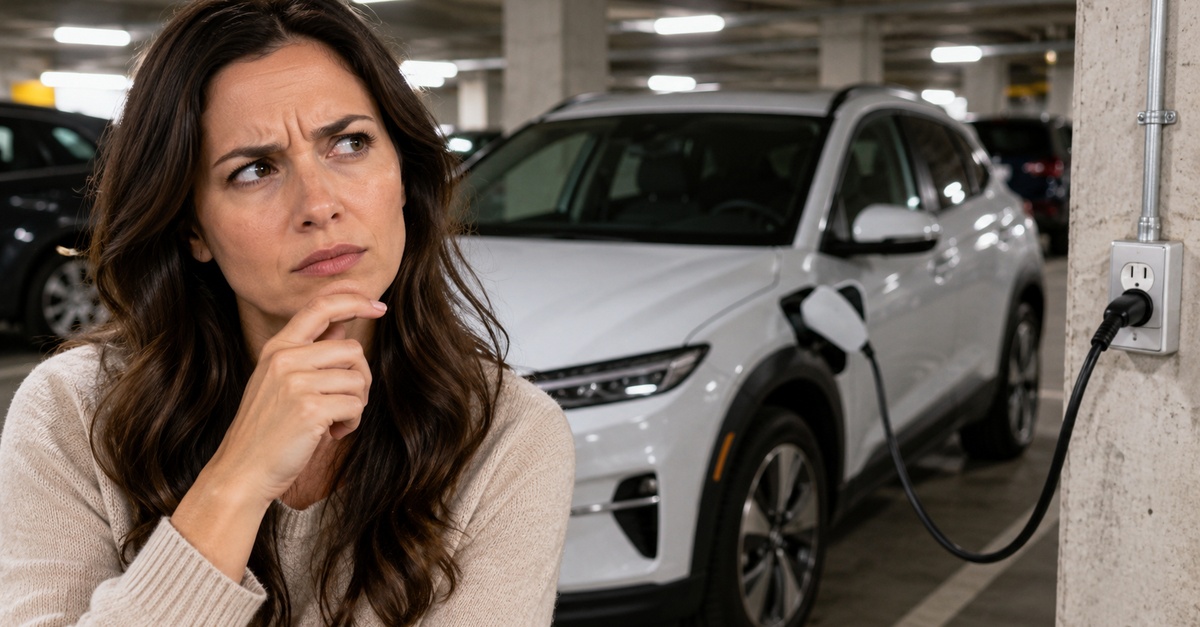
Walking through an apartment garage full of electrical outlets can make management's no-EV rule seem strange. After all, Level 1 charging can use a standard 120-volt outlet, and the U.S. Department of Energy says many EV owners can cover their daily driving by charging this way overnight. The important catch is that DOE specifically points to an outlet on a dedicated branch circuit near the parking location.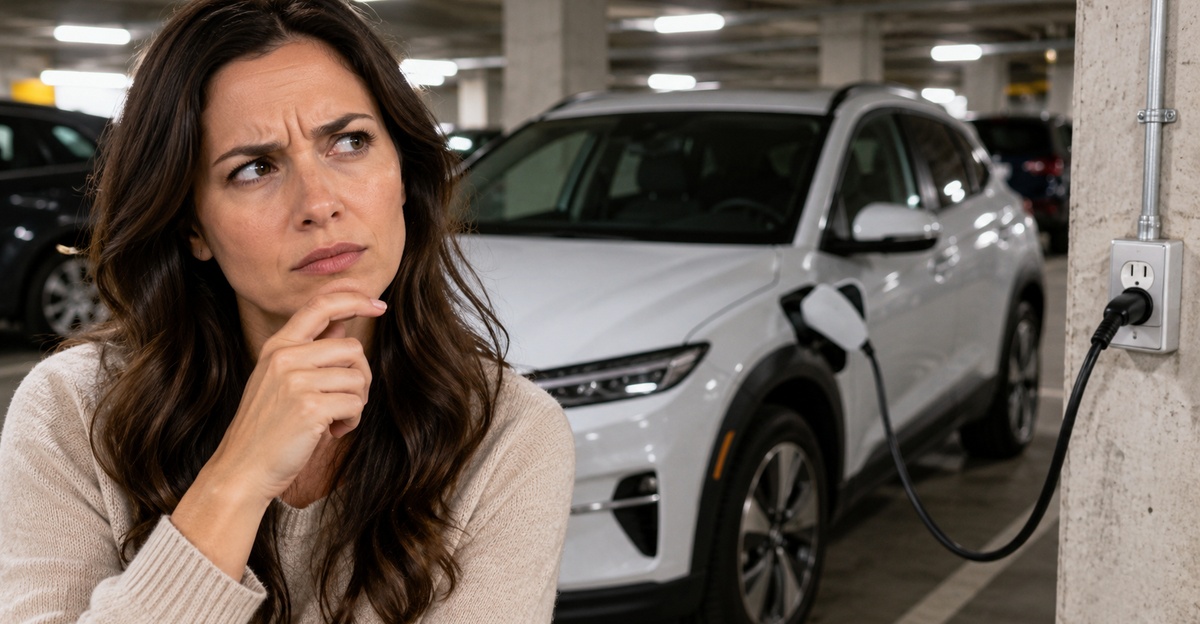 Factinate Ltd
A Regular Outlet Can Charge An EV
Level 1 charging is the simplest form of home EV charging because it can use the familiar household-style receptacle. DOE says drivers can use the Level 1 cordset supplied with an EV rather than installing faster 240-volt Level 2 equipment. That makes an ordinary-looking garage outlet potentially useful, but its appearance alone does not tell you whether the underlying circuit is suitable.
The Dedicated Circuit Is The Big Catch
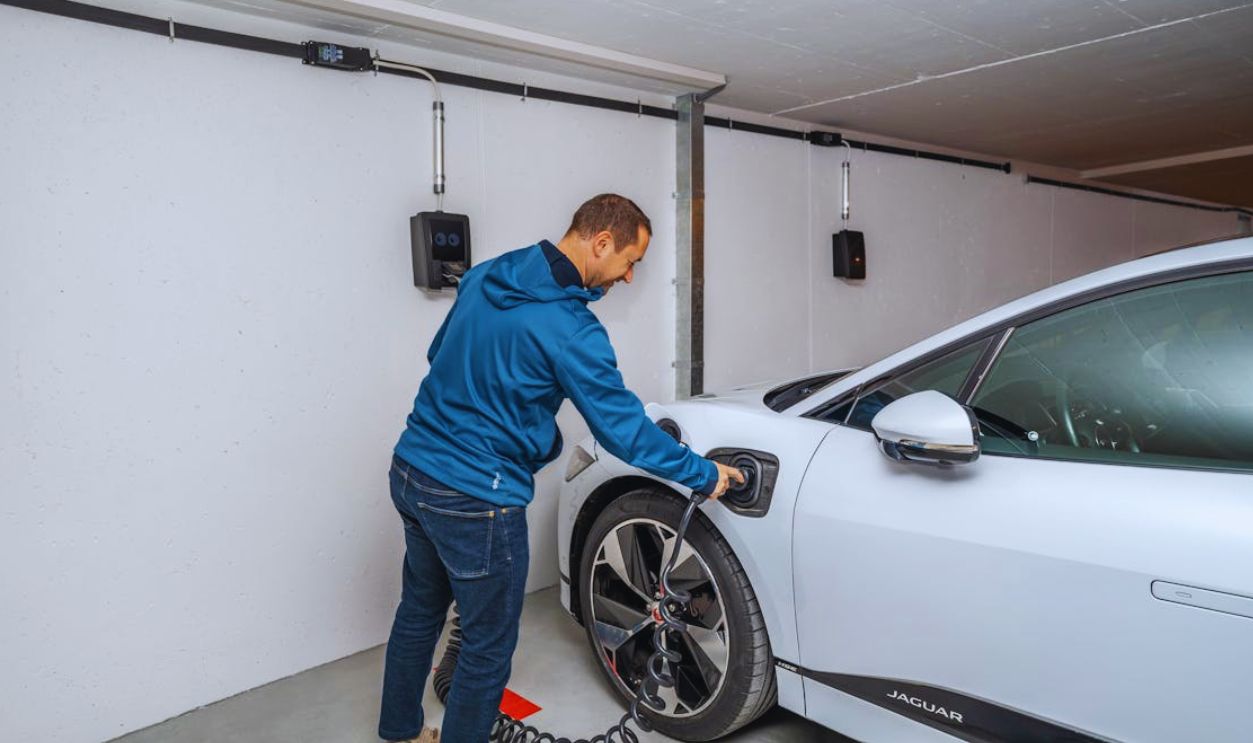
DOE says Level 1 charging can work without additional installation when a suitable outlet on a dedicated branch circuit is available. A dedicated circuit is important because EV charging can place a substantial electrical load on that circuit for hours at a time. An outlet installed for general garage duties therefore should not automatically be treated as an EV charging point simply because an EV plug fits it.

EV Charging Is A Continuous Electrical Load
One reason property managers can be cautious is the way electrical codes treat EV charging. DOE notes that EV charging infrastructure is considered a continuous load under the National Electrical Code, with Article 625 containing many of the applicable requirements. That distinction matters because a car may pull electricity steadily for many hours instead of briefly using power like many ordinary garage devices.

Garage Outlets May Have Other Jobs
An apartment garage's outlets might have been installed for maintenance equipment, cleaning tools, temporary equipment, or other building needs rather than vehicle charging. The electrical system behind those receptacles may consequently have been designed around a very different pattern of use. DOE's requirement for a dedicated circuit for typical Level 1 home charging explains why the presence of a receptacle does not by itself establish that it is suitable for an EV.
Several Outlets May Share One Circuit
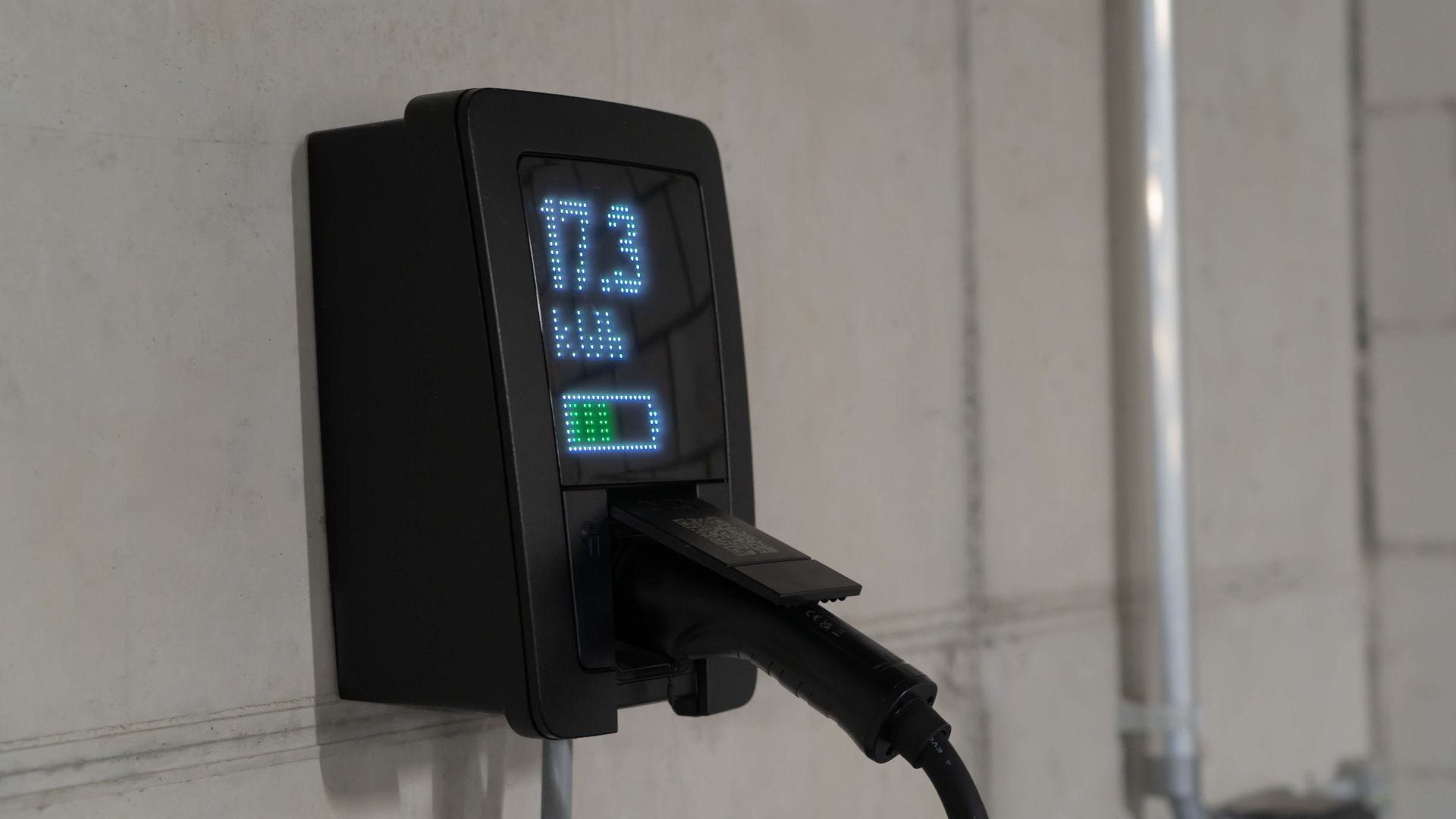
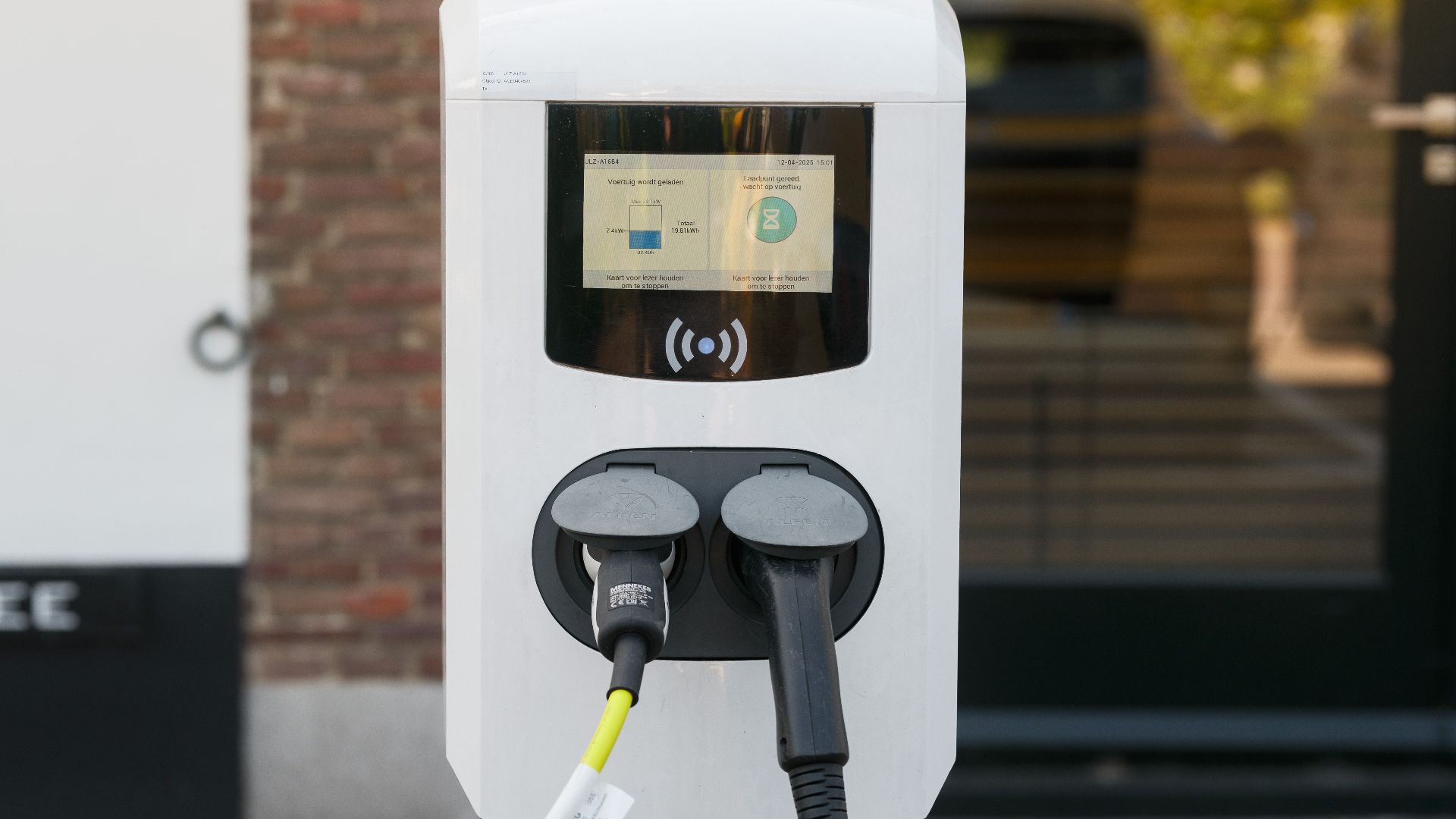
Seeing ten outlets does not necessarily mean there are ten independent sources of electrical capacity. Multiple receptacles can be connected to shared building circuitry, while suitable EV charging requires consideration of the branch circuit and the building's available electrical capacity. DOE recommends having electrical capacity evaluated when planning EV charging, particularly when additional circuits or Level 2 equipment are involved.
 Haberdoedas Photography, Pexels
One Car Might Be Only The Beginning
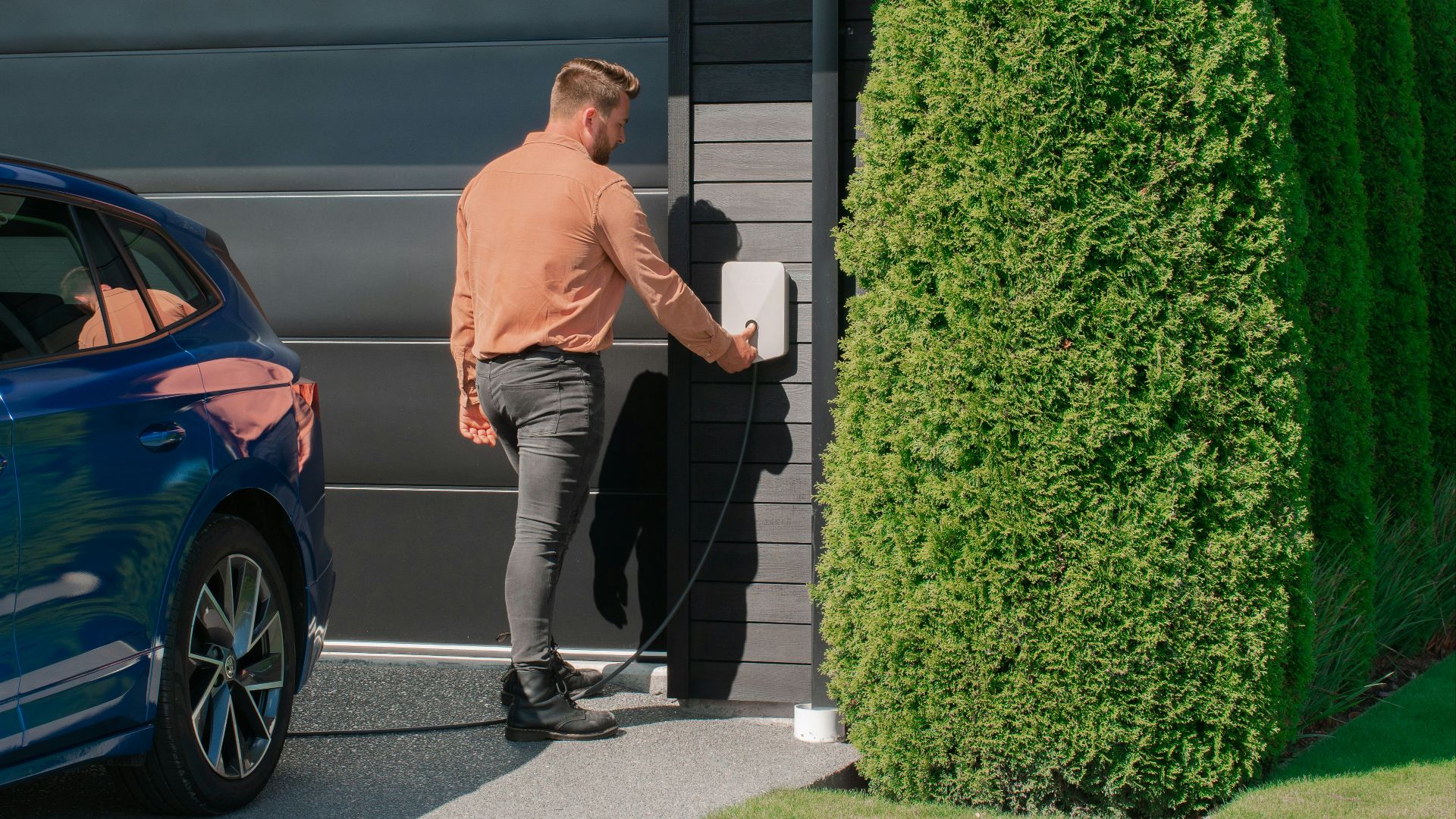
Management also has to consider what happens if several residents decide to plug in at once. Multifamily charging involves challenges that are different from charging at a detached home, including electrical service access, parking, billing, and legal questions. DOE specifically identifies these as issues owners and managers need to consider when adding charging to apartment and condominium properties.
The Building May Lack Spare Capacity
A garage can contain plenty of receptacles while the property's electrical system still lacks the spare capacity needed for widespread vehicle charging. DOE notes that electricians can determine whether a property has adequate capacity and that additional circuits may be necessary for EV charging. In multifamily buildings, that question becomes especially important because many vehicles could eventually need power simultaneously.
An Outlet Is Not The Same As EV-Ready
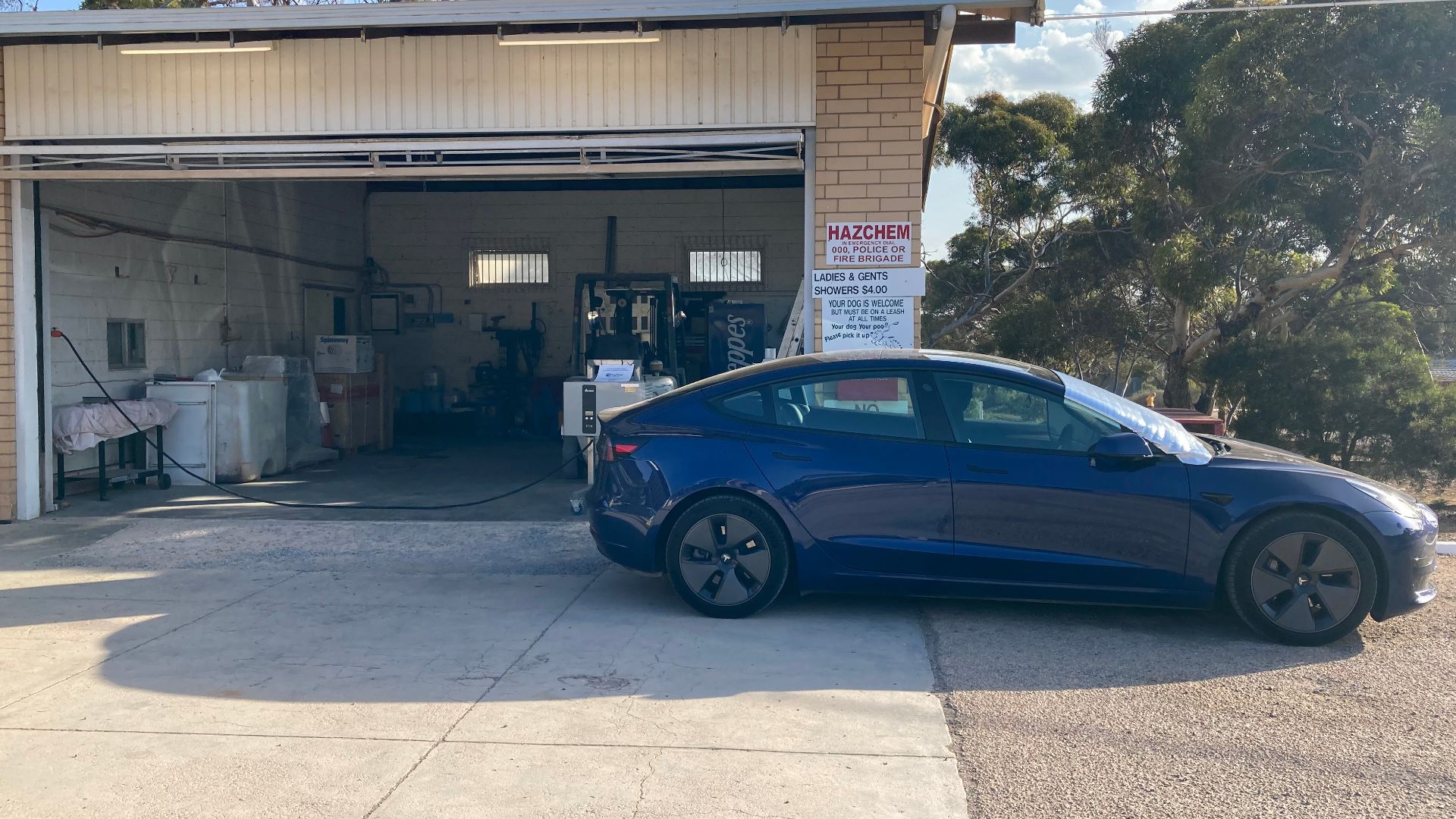
DOE's multifamily guidance makes a clear distinction between ordinary electrical infrastructure and parking spaces intentionally prepared for EV charging. Its EV-Ready program requirements call for properly sized circuits, electrical distribution capacity, and equipment specifically designated for EV supply equipment. That shows why an existing general-purpose receptacle should not automatically be interpreted as an EV-ready amenity.
Even EV-Capable Has A Specific Meaning
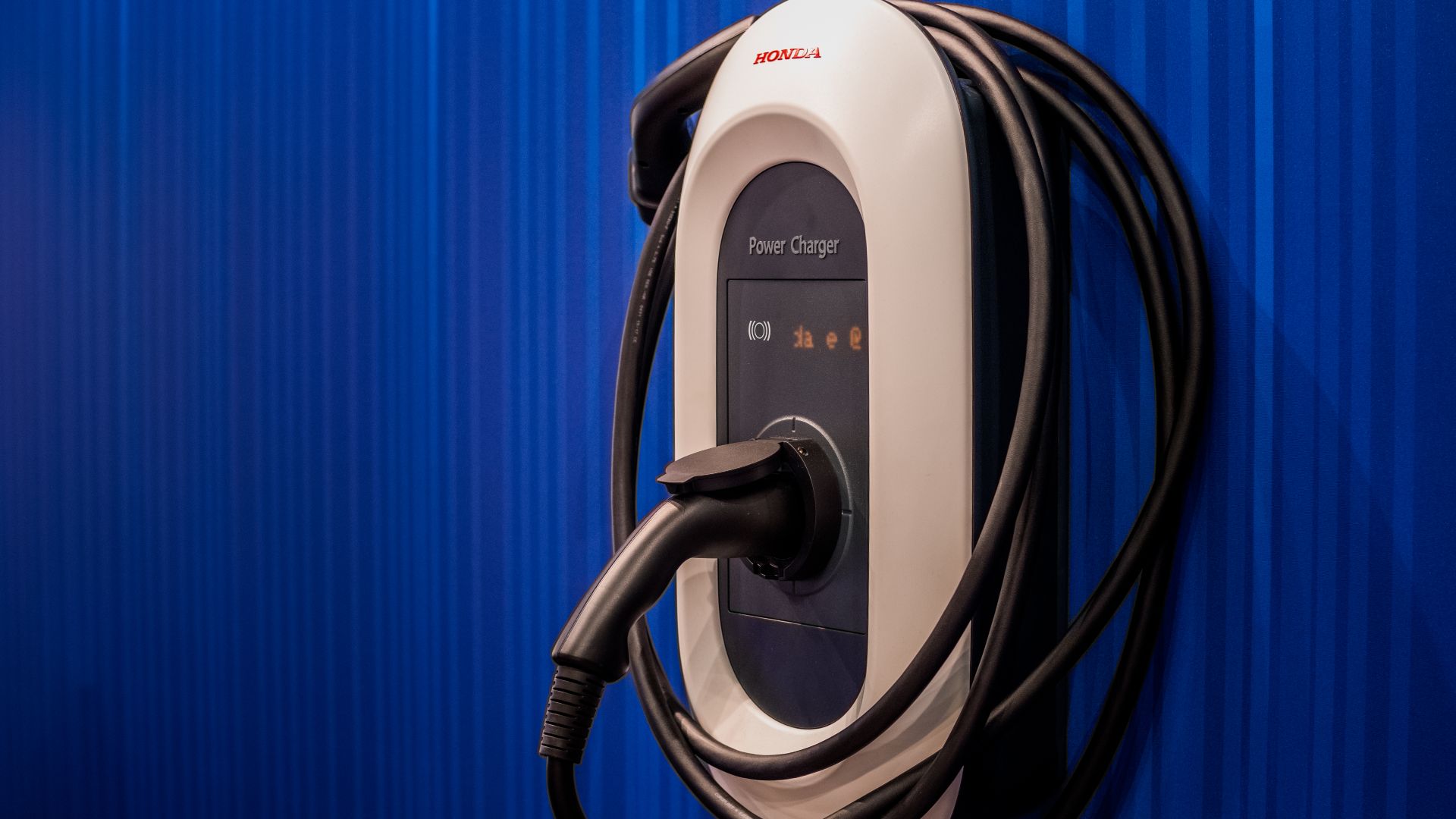
In DOE's Efficient New Homes multifamily program, an EV-Capable space requires infrastructure connecting suitable electrical distribution equipment with an enclosure or outlet near the parking space. The associated panel must have sufficient space and electrical capacity, and the infrastructure must be labeled for EV supply equipment. In other words, intentional preparation involves much more than putting a receptacle on a garage wall.

Safety Is Part Of Management's Concern
Electrical safety organizations also advise treating EV charging as more than an ordinary plug-in task. The Electrical Safety Foundation International recommends proper ground-fault protection, approved charging cables, certified charging equipment, and qualified electricians for charger installations. Those precautions give property managers legitimate reasons to control which electrical connections residents use.

Extension Cords Are Not A Workaround
A tempting solution is to park farther away and run an extension cord from an available receptacle. ESFI specifically says never to use an extension cord or multiplug adapter when charging an electric vehicle. It recommends using manufacturer-provided or approved charging cables instead, so a distant outlet is not automatically a practical substitute for charging infrastructure near the parking space.
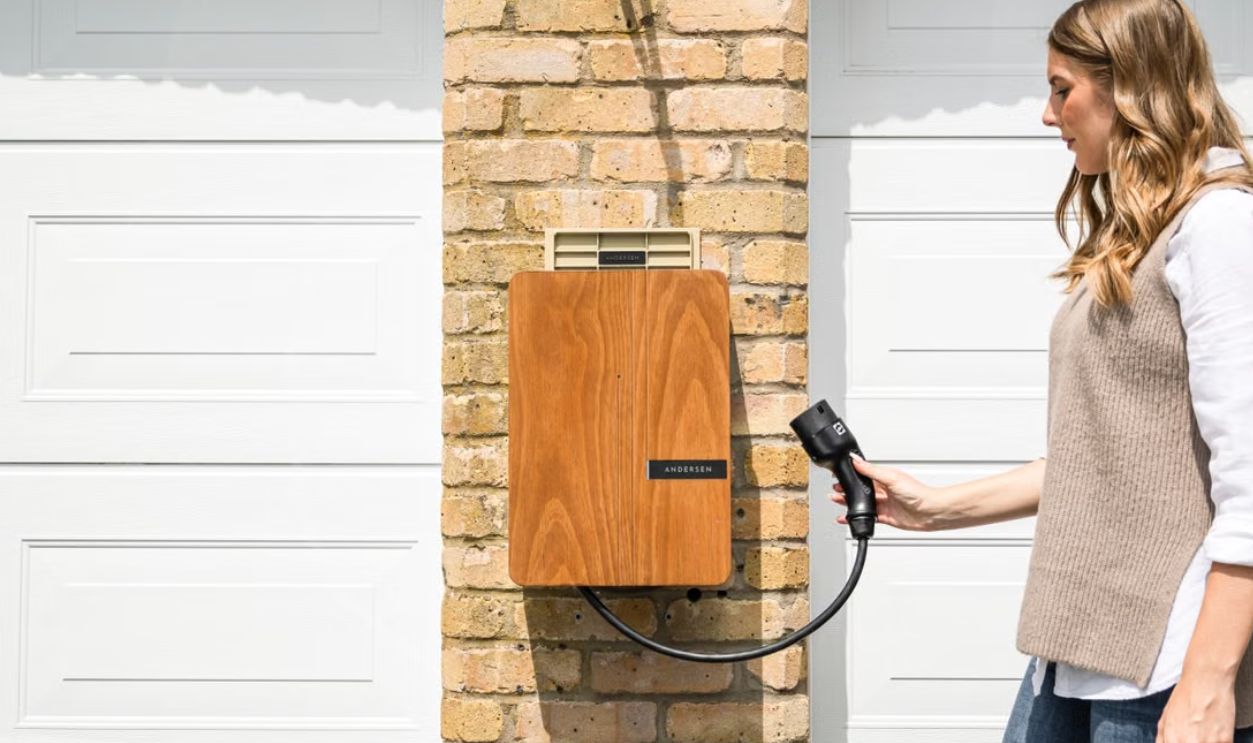
Ground-Fault Protection Matters Too
The electrical characteristics of the receptacle itself also deserve attention. ESFI recommends proper ground-fault circuit interrupter protection for EV charging to reduce electrical shock risks. A resident usually cannot determine all of the relevant characteristics of a garage circuit simply by looking at its faceplate, which is another reason management may prohibit unsupervised charging.
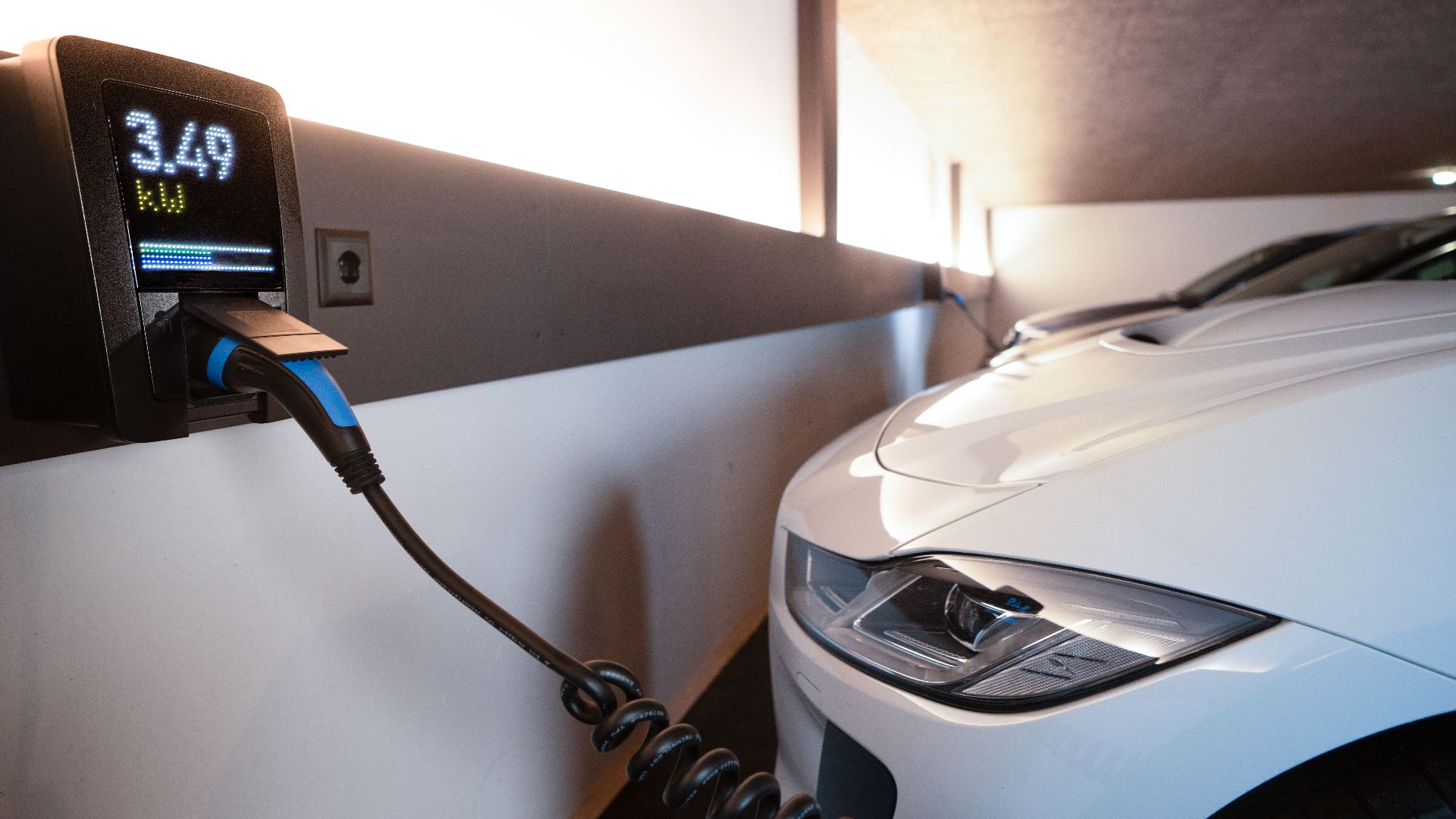
Management Also Has To Think About Damage
Parking garages can be rough environments for electrical equipment. Charging cables can be exposed to vehicles, foot traffic, moisture, and repeated handling, and ESFI advises protecting chargers from damage and following manufacturer requirements regarding water exposure. A property owner therefore has to consider the physical installation as well as whether electricity is available.
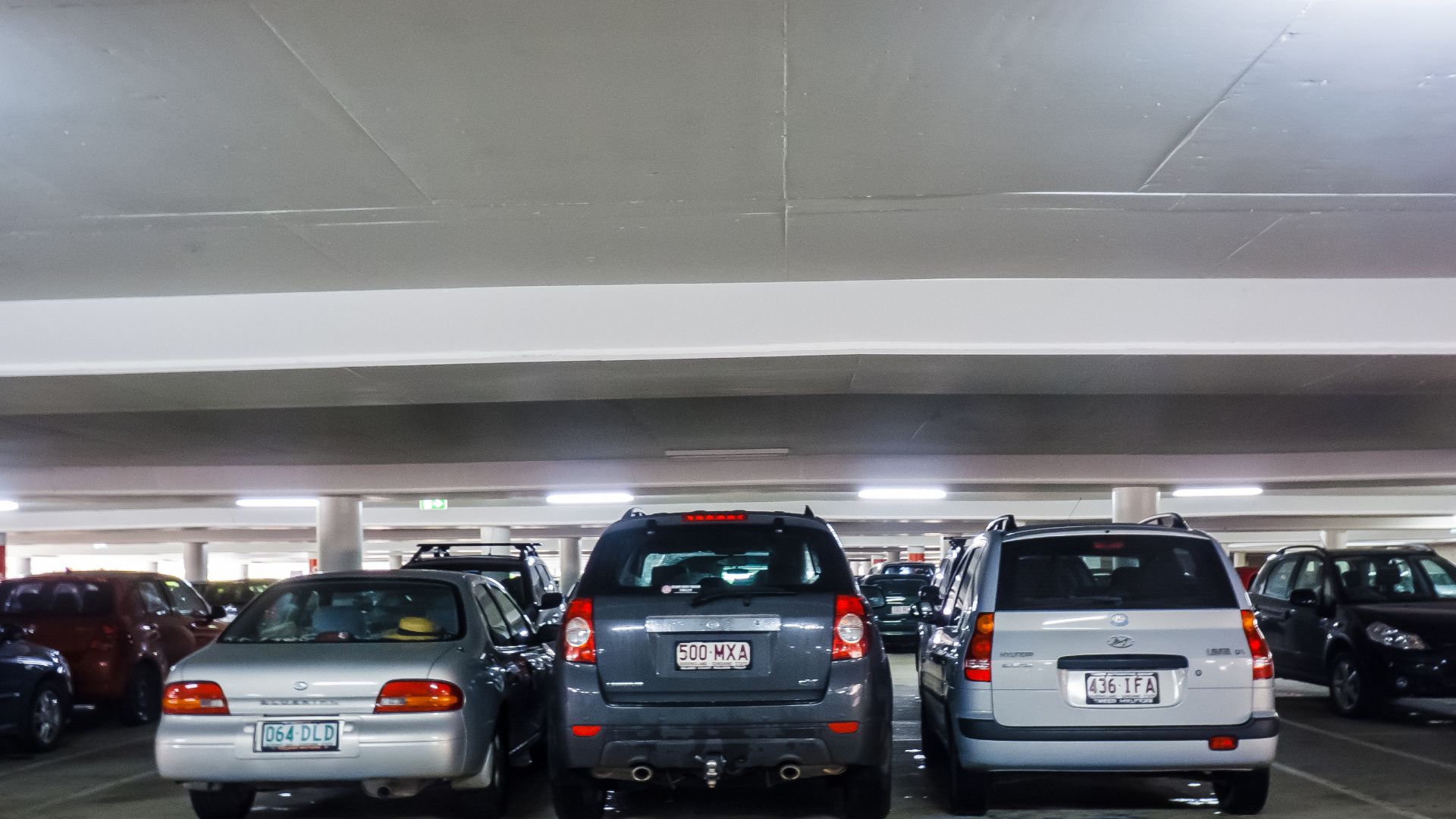 John Robert McPherson, Wikimedia Commons
Electricity Is Not Necessarily Included With Parking
There is another issue that has nothing to do with electrical safety. Someone has to pay for the energy delivered to an EV, and DOE lists billing among the special concerns involved in multifamily charging. If garage receptacles are connected to a common-area meter, unrestricted charging could make the building responsible for electricity consumed by individual residents.
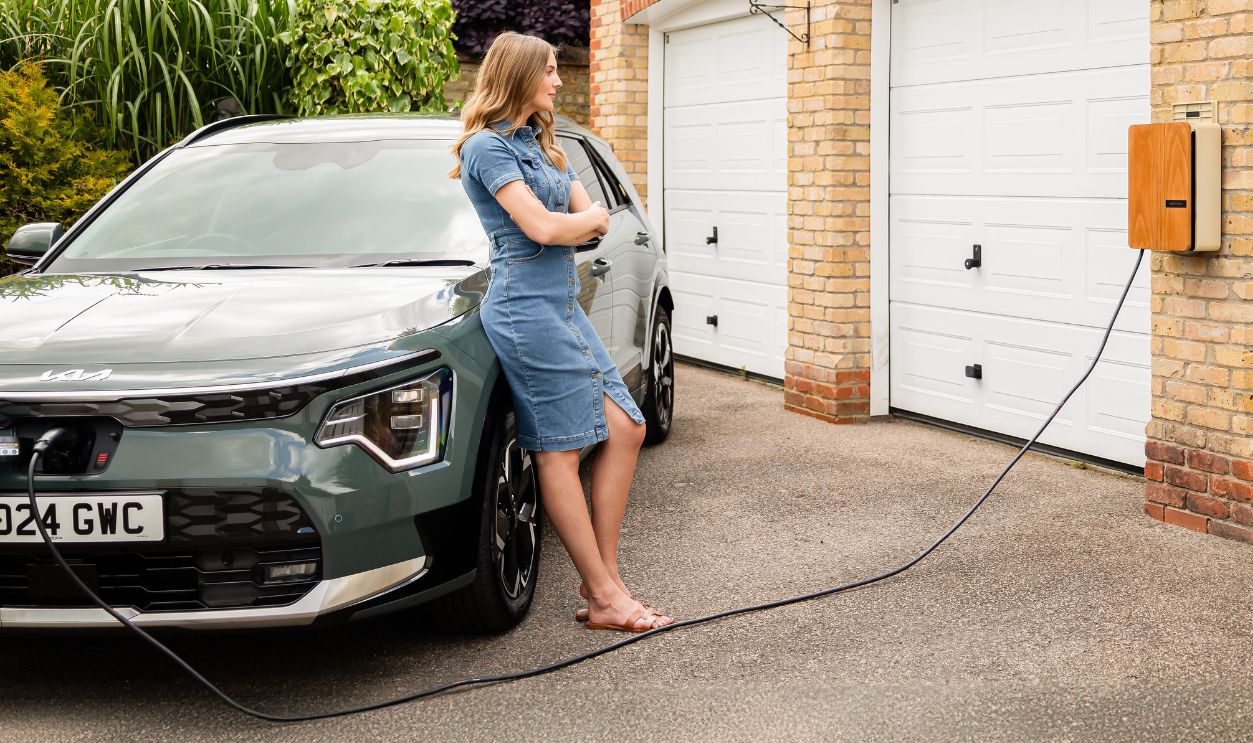
Dedicated Chargers Can Solve The Billing Problem
Purpose-built multifamily charging systems can give property managers more control than ordinary wall outlets. DOE notes that more advanced Level 2 equipment can include data collection, communications capabilities, user interfaces, timers, and other smart functions. Those capabilities can make organized resident charging easier to manage than simply allowing drivers to plug into common-area receptacles.
Faster Charging Requires More Infrastructure
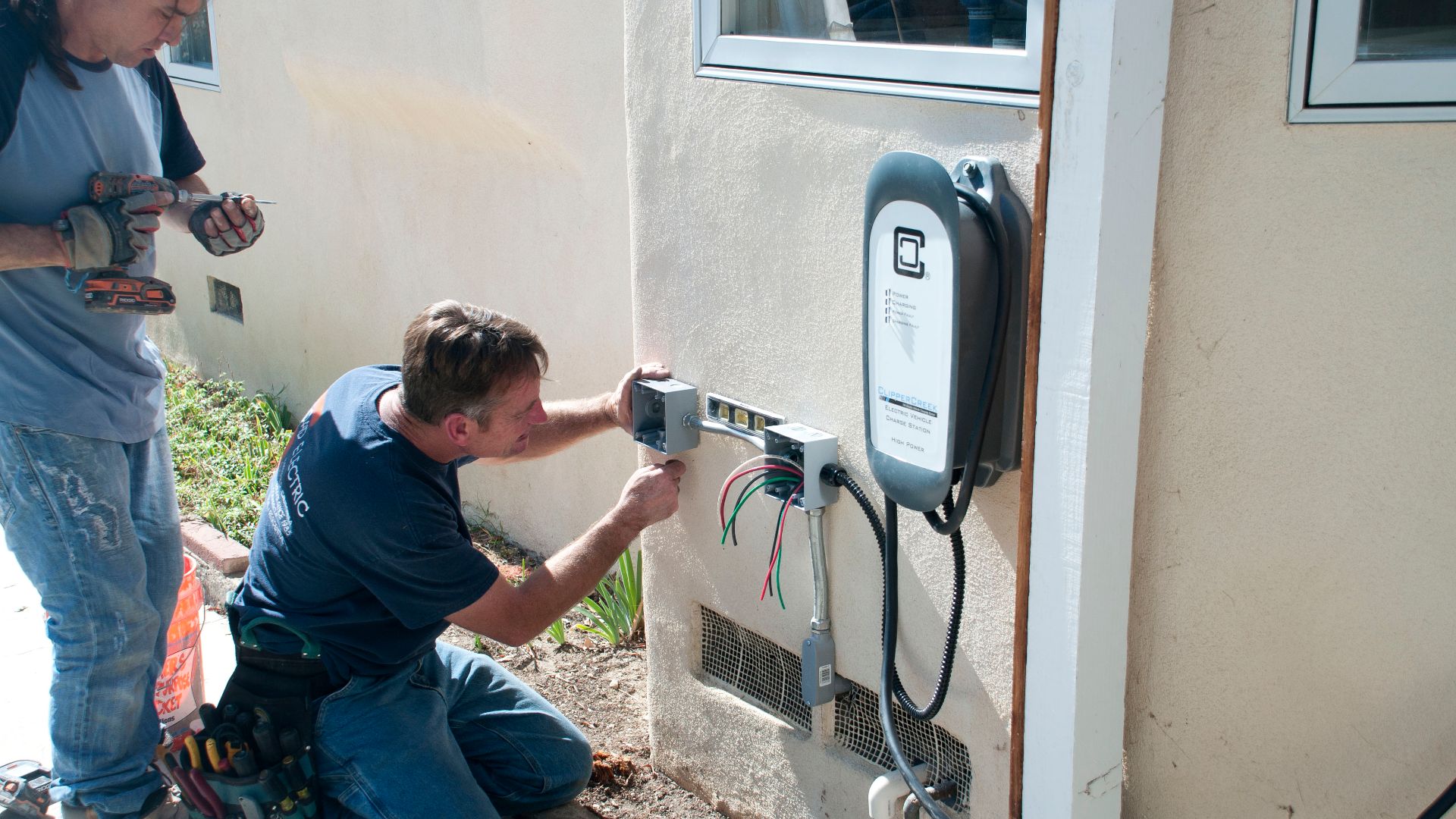
Level 1 is not the only option available to apartment residents. Level 2 equipment operates at 240 volts and can provide faster charging, but DOE says some properties may need new circuits or additional electrical capacity to accommodate it. Installation must also follow applicable codes and regulations, with permits potentially required by local authorities.

Load Management Can Stretch Available Power
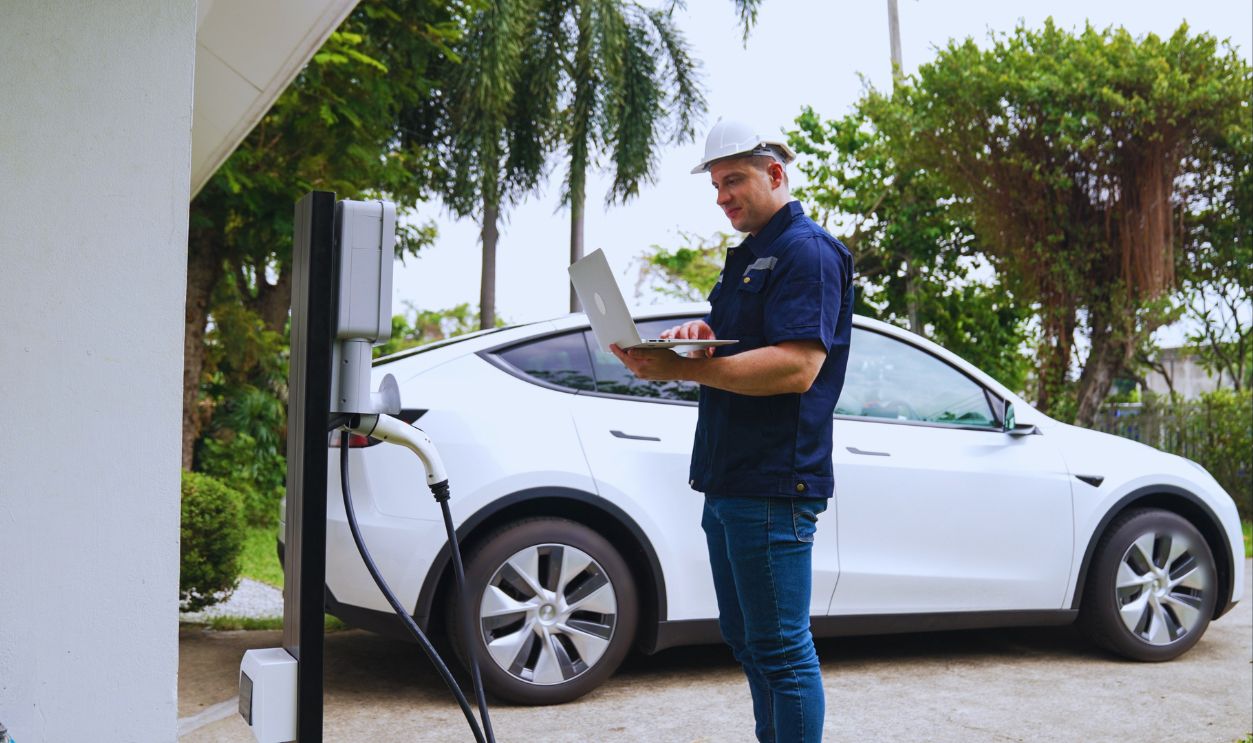
Not every multifamily property needs enough electrical capacity for every car to charge at maximum power simultaneously. DOE's multifamily standards recognize energy management systems that allow infrastructure to be designed around managed charging capacity. This approach can distribute available power among charging spaces and is one reason professionally planned charging can be more practical than residents independently using whatever outlets happen to be nearby.
 Summit Art Creations, Shutterstock
Older Buildings Can Face A Bigger Challenge
Retrofitting an existing apartment building can be more complicated than planning EV charging during construction. Owners need to consider parking locations, access to electrical service, the available distribution equipment, billing, and legal requirements. DOE's multifamily guidance treats these as distinct planning issues, which helps explain why a garage that appears electrically well equipped may still require substantial work before resident charging is approved.

New Buildings Are Increasingly Being Prepared
Building programs are increasingly recognizing the value of planning for electric vehicles before residents arrive. DOE's Efficient New Homes Multifamily Version 2 checklist requires participating projects to provide a portion of parking as EVSE, EV-Ready, or EV-Capable spaces. The technical requirements include electrical capacity and infrastructure specifically intended for vehicle charging rather than reliance on miscellaneous garage receptacles.
Your Rights Depend On Where You Live
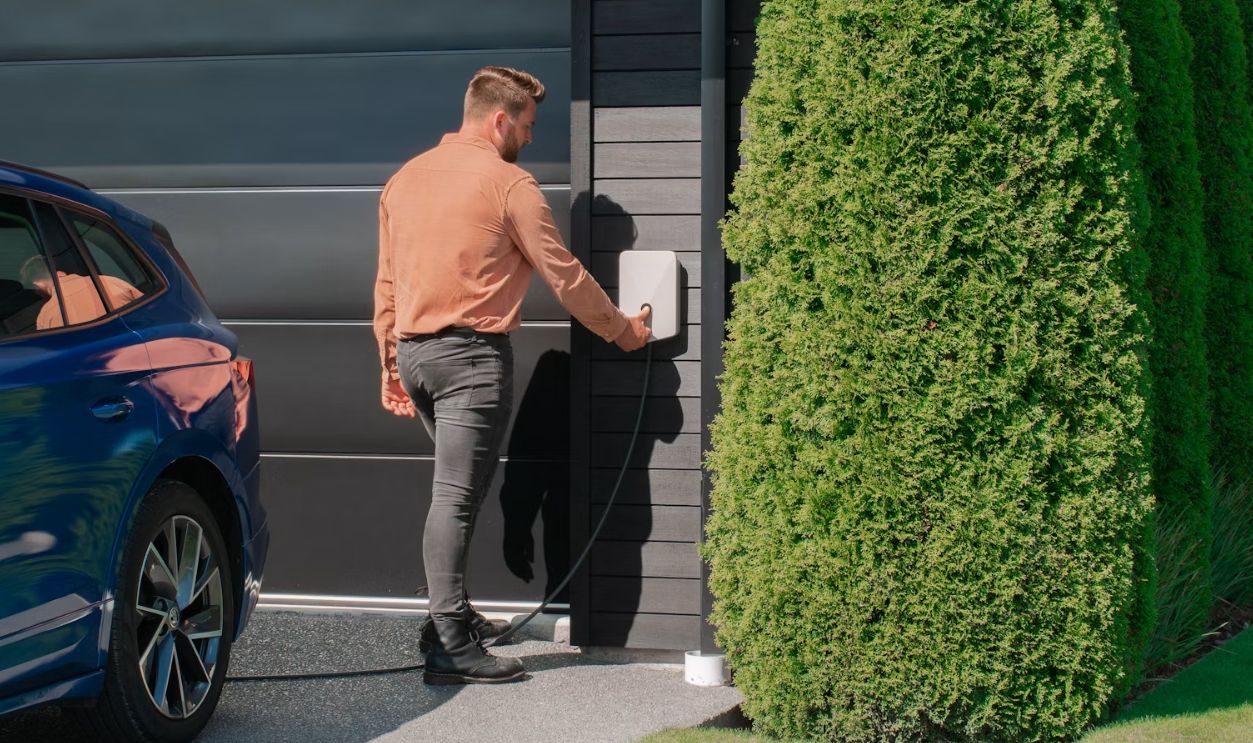
A management prohibition is not necessarily the end of the conversation because EV charging laws vary by jurisdiction. Some states have adopted rules that limit a landlord's ability to reject qualifying requests for EV charger installations. The conditions differ considerably, so residents need to check the rules that apply where their building is located rather than assuming there is one nationwide answer.

California Gives Some Renters Installation Rights
California is one example of a state with specific renter protections. DOE's Alternative Fuels Data Center says qualifying landlords generally must approve written requests from tenants to install chargers in allotted parking spaces, subject to exclusions and legal requirements. The tenant can be responsible for installation, maintenance, electricity, repairs, and related costs, so the law does not simply turn an existing common outlet into a free charging station.
 Andrii Iemelianenko, Shutterstock
Connecticut Has Its Own Rules
Connecticut also has a law addressing EV chargers at rental properties. According to DOE's Alternative Fuels Data Center, covered landlords must approve qualifying requests to install chargers in designated parking spaces, with the requirement phased in according to the number of units owned. Installation, electricity, maintenance, and other costs can still fall on the person installing the equipment.

Illinois Provides Another Example
Illinois law likewise provides qualifying renters with a route to install Level 1 or Level 2 charging equipment in an allotted parking space. DOE says landlords may require reimbursement for electricity and necessary electrical upgrades, while renters must meet safety and other requirements. These examples show why the legal question is different from simply asking whether an existing outlet can technically deliver electricity.

Asking Management The Right Question Helps
Instead of asking only why you cannot plug into an outlet, ask whether the property has evaluated dedicated EV charging. DOE provides multifamily resources specifically for owners, managers, homeowner associations, and residents who want to assess charging options. A building may have legitimate reasons for restricting its existing receptacles while still being able to pursue a properly designed charging solution.

A Site Assessment Can Reveal What Is Possible
A qualified electrical assessment can determine whether existing infrastructure can safely support EV charging or whether upgrades are needed. DOE advises consulting qualified electrical professionals about available capacity and notes that charging installations must comply with relevant codes and regulations. That information is far more useful than judging the garage's readiness by counting visible outlets.
Level 1 Might Still Be A Practical Solution
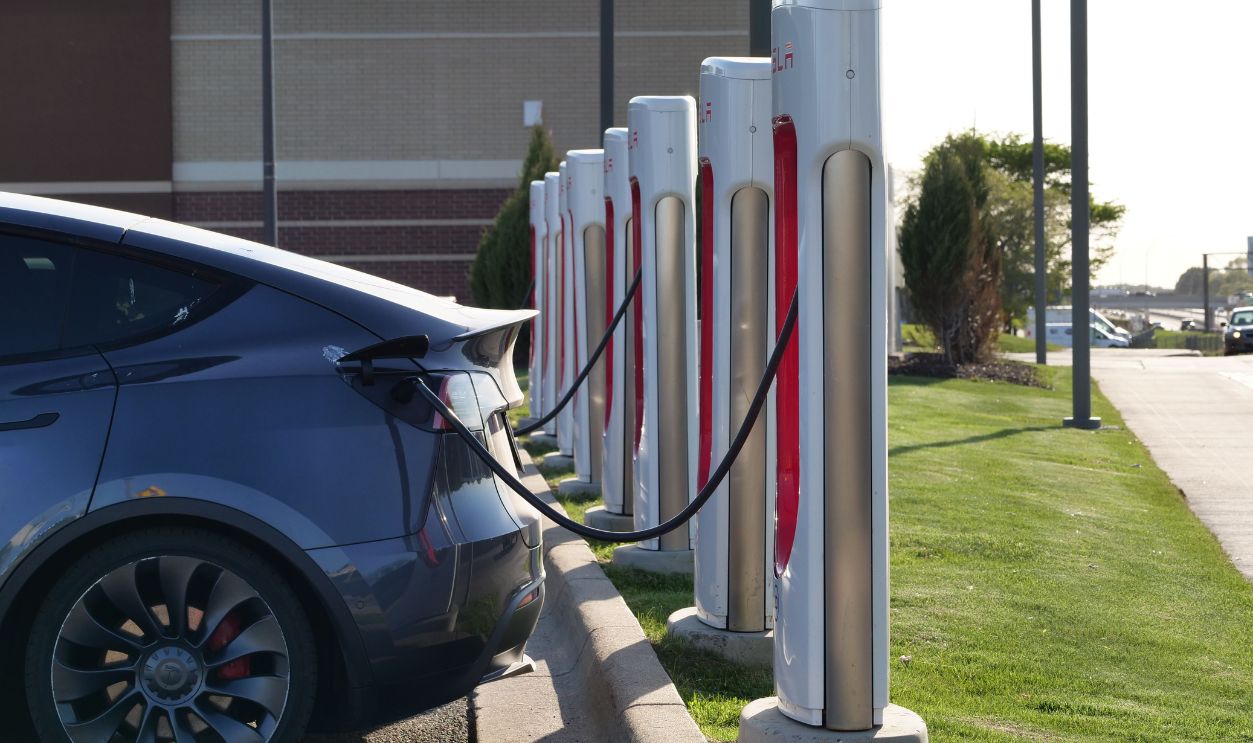
If the building can provide properly configured dedicated circuits, slower Level 1 charging may work well for some residents. DOE says many drivers can replenish enough energy for their daily needs by charging overnight at Level 1. For cars that spend long stretches parked in an apartment garage, charging speed is not always the most important consideration.
Level 2 May Make More Sense For Shared Charging
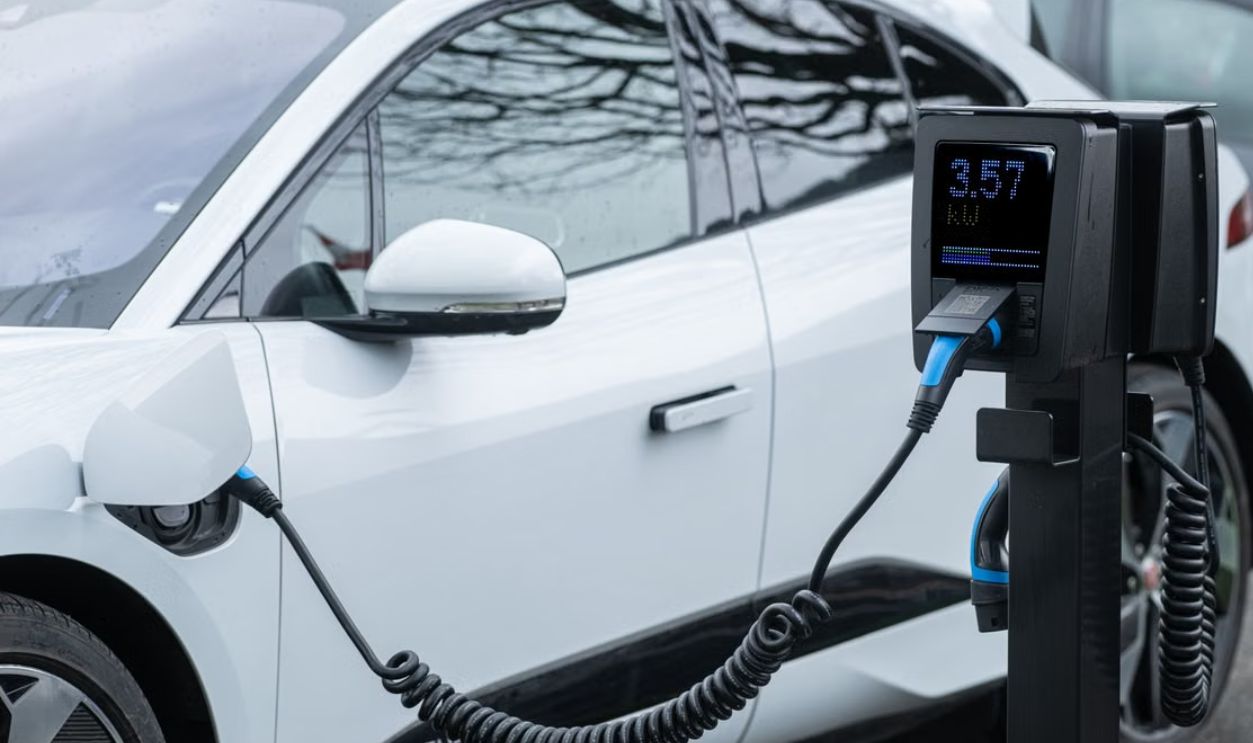
Properties that want fewer chargers serving more residents may instead consider Level 2 equipment. DOE describes Level 2 as a faster home-charging option and notes that smart units can offer communications, timers, data collection, and other capabilities. Those features can be useful in multifamily settings where access and electricity use need to be managed rather than left to individual wall outlets.

So Yes, The Restriction Can Be Normal
A garage full of outlets does not necessarily mean the building is equipped for resident EV charging. Dedicated circuits, available electrical capacity, continuous-load requirements, safety protection, billing, parking arrangements, and local regulations can all affect whether those outlets can be used. Management's restriction can therefore have legitimate technical and administrative reasons even when the outlets look perfectly ordinary.

The Outlets Are Only Part Of The Story
The most useful question is not whether electricity reaches the garage, but whether the building has infrastructure specifically suitable for charging vehicles. A properly planned system can account for circuit capacity, electrical safety, billing, parking access, and future demand in ways that random common-area outlets cannot. If residents want charging, asking management about an EV infrastructure assessment or formal charging plan is a much stronger starting point than quietly plugging in.

You May Also Like: