When A Great Deal Comes With Questions
Buying a former rental car can feel like uncovering a bargain hiding in plain sight. The lower price is tempting, but stories about hard driving and hidden damage make plenty of buyers hesitate. The good news is that the answer is rarely as simple as "good" or "bad." Whether the discount was worth it depends on how the vehicle was maintained, inspected, and priced compared with similar used cars. Factinate Ltd
The Lower Price Grabbed My Attention
The price difference was impossible to ignore when I started shopping. Similar models at traditional dealerships often cost noticeably more. Saving thousands of dollars upfront made the former rental car seem like the smartest financial choice.

Why Rental Companies Sell Cars So Quickly
Rental companies regularly replace vehicles to keep their fleets relatively new. Many cars are sold after only one or two years in service. That means buyers often find newer model years than they might expect in the same price range.

The Biggest Fear Is Hidden Abuse
Almost everyone has heard jokes about people driving rental cars harder than their own vehicles. That reputation makes shoppers worry about unseen engine or transmission wear. While abuse can happen, it is impossible to assume every rental car had a rough life.

High Mileage Does Not Always Mean High Risk
Former rentals usually accumulate miles quickly because they stay in regular service. Highway driving often causes less mechanical wear than constant stop and go city traffic. A higher odometer reading should always be considered alongside maintenance history rather than by itself.

Maintenance Can Be Better Than Expected
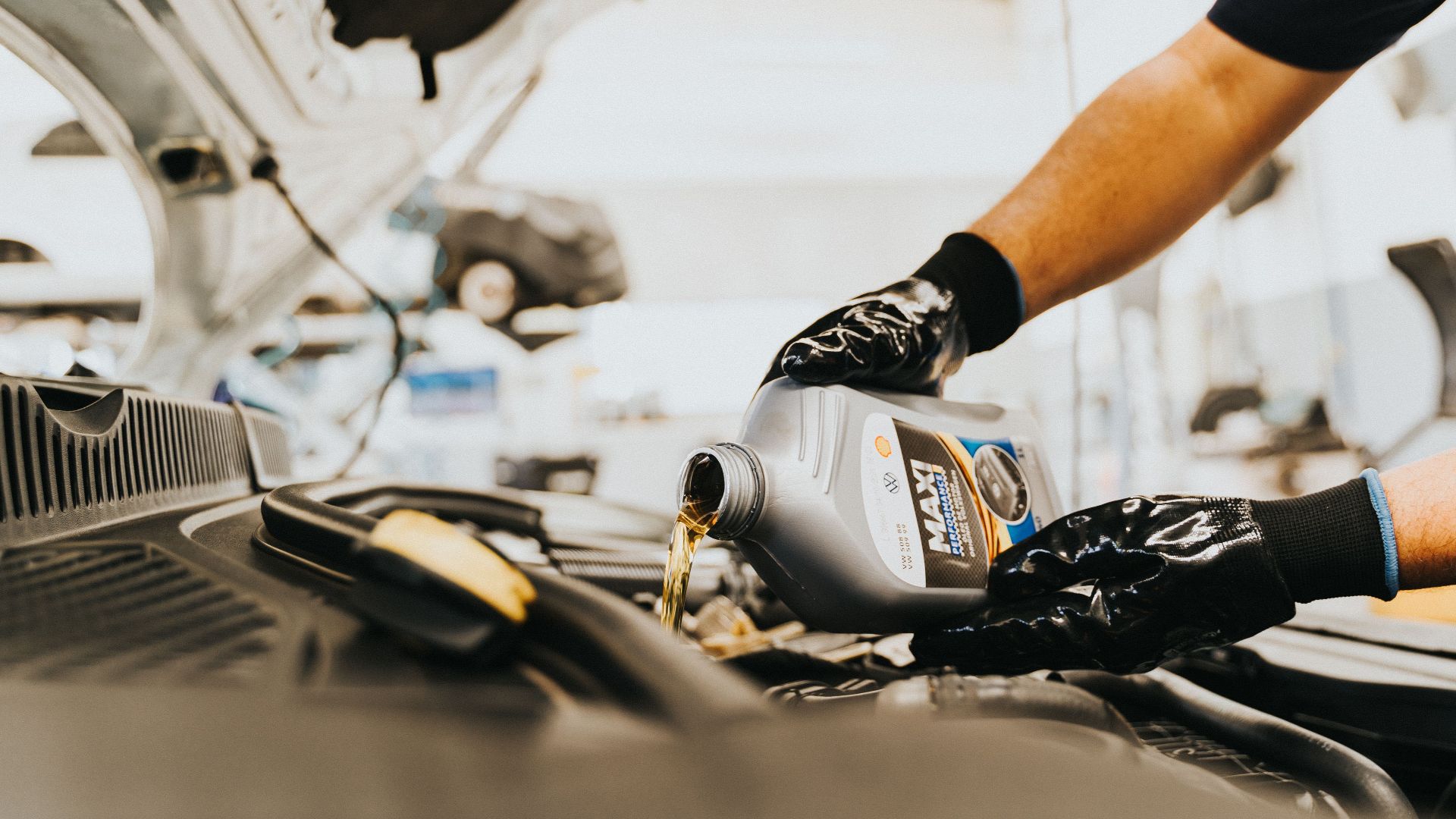
Large rental companies depend on keeping vehicles available for customers. Regular oil changes, inspections, and scheduled maintenance help prevent breakdowns. Many major fleet operators follow manufacturer service schedules closely.
Some Cars Were Driven More Gently Than Others
Not every renter spends the weekend racing around unfamiliar roads. Many rental cars are used by business travelers commuting between airports, hotels, and meetings. Those trips often involve calm highway driving instead of aggressive acceleration.

Sporty Models Deserve Extra Scrutiny
Performance cars and sporty trims may attract drivers who push them harder. That does not guarantee damage, but it increases the need for a careful inspection. Family sedans and compact crossovers often present less risk for this reason.
A Vehicle History Report Is Essential
Before buying any used vehicle, obtain a history report from services such as CARFAX or AutoCheck. Some rental companies provide one at no extra charge. The report can reveal accidents, title problems, and maintenance records that deserve closer attention.

An Independent Inspection Can Save Thousands
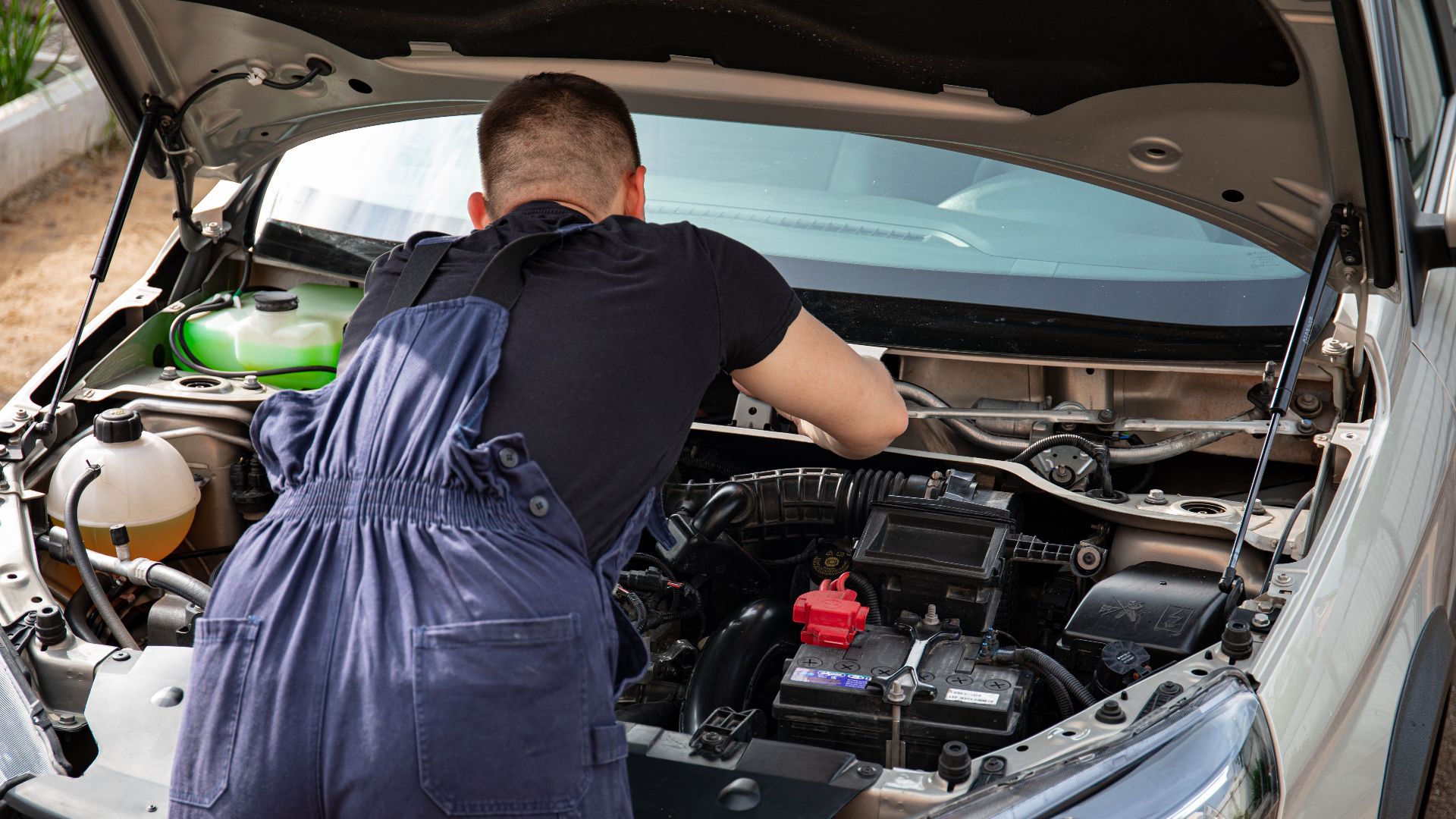
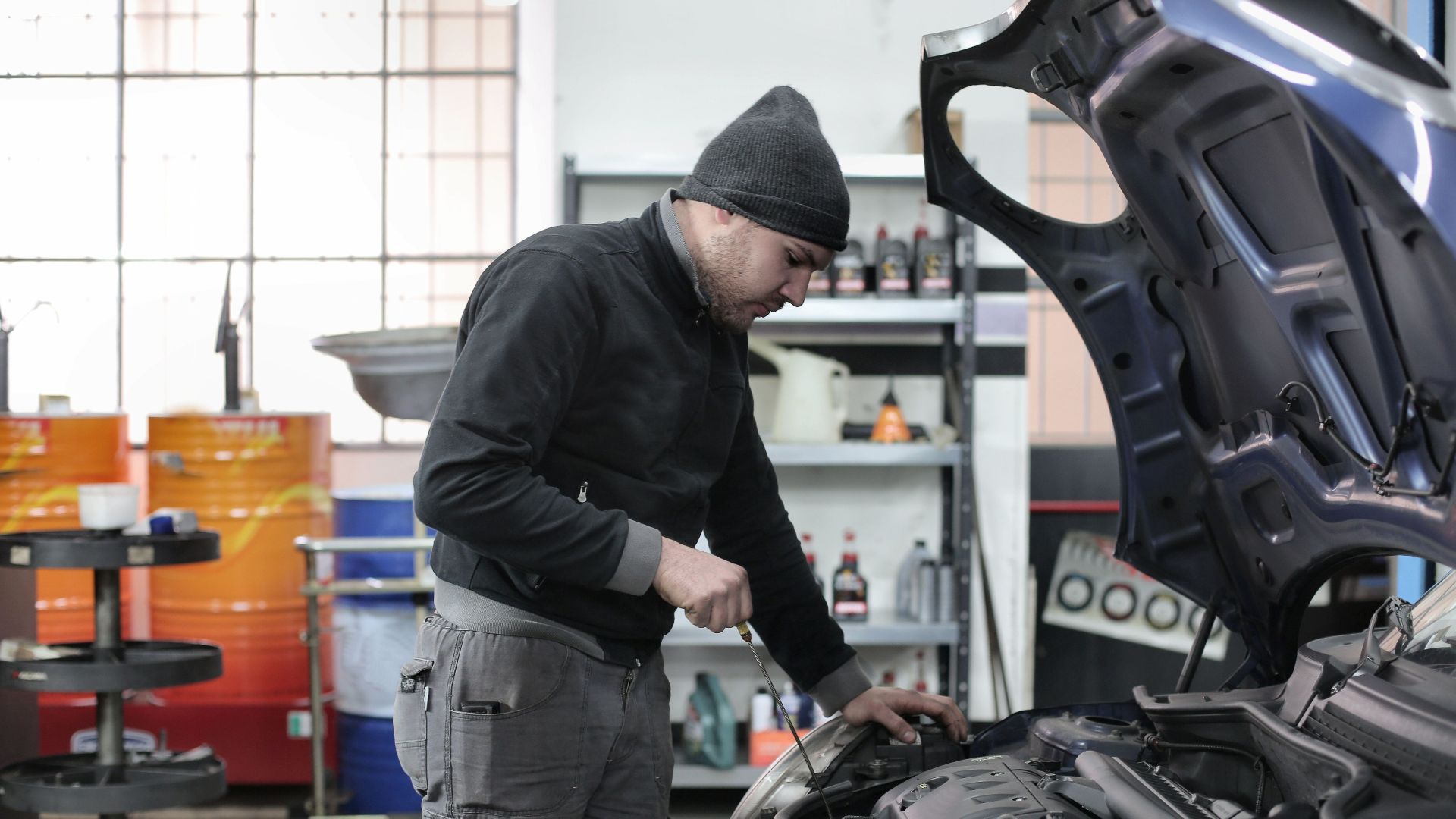
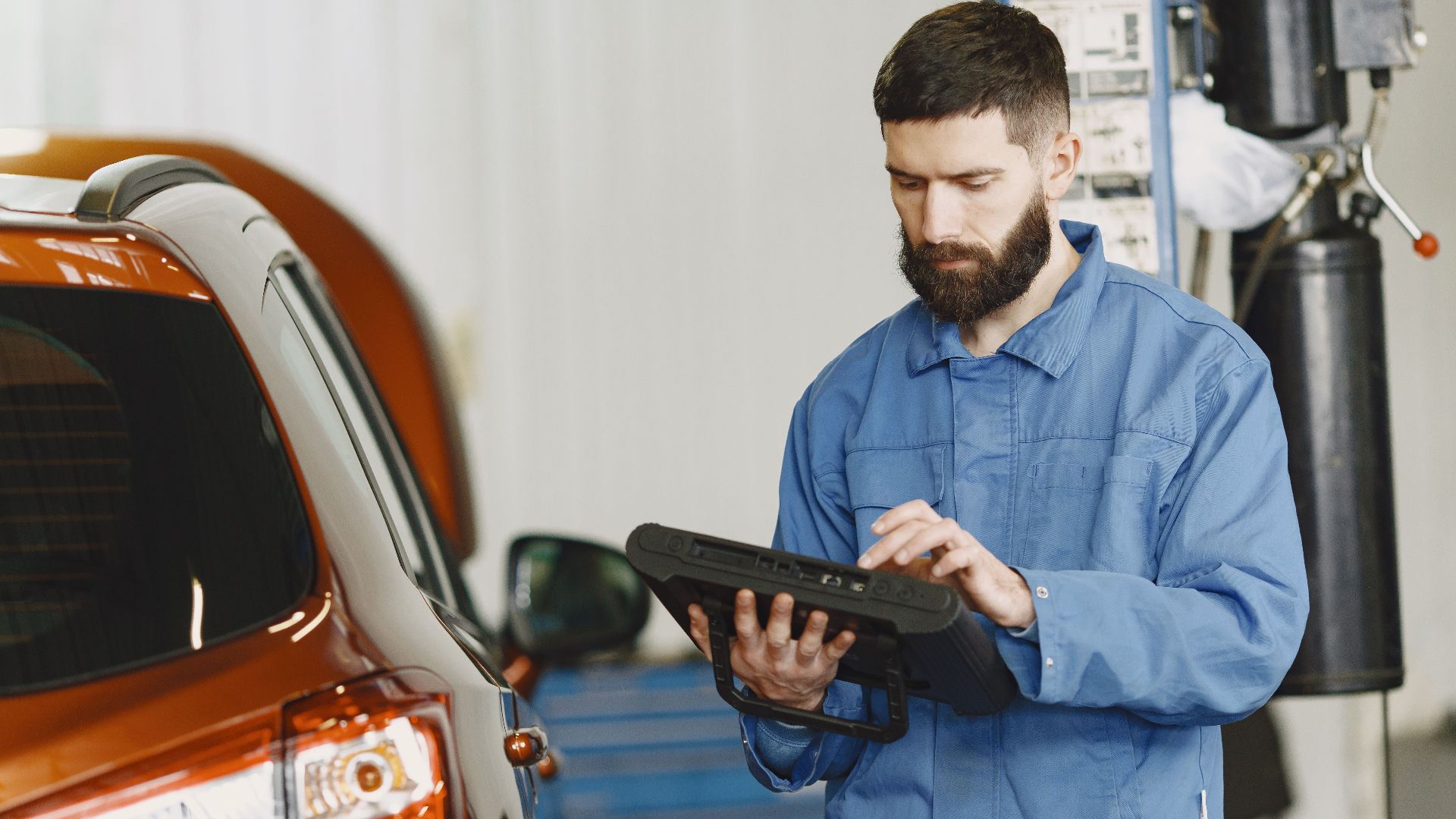
Even if the vehicle looks spotless, a pre purchase inspection by an independent mechanic is one of the smartest investments you can make. A trained technician may find suspension damage, fluid leaks, or worn components that are easy to miss. Spending a little now can prevent expensive surprises later.
Warranties May Still Offer Protection
Many former rental vehicles still have part of their original factory warranty remaining. Some rental companies also include limited warranties and roadside assistance when selling their cars. Those protections can reduce financial risk after the purchase.

Return Policies Add Peace Of Mind
Several major rental companies allow buyers to return a vehicle within a limited time if they change their minds. That window gives owners an opportunity to schedule a thorough inspection after purchase. Few traditional used car lots offer similar flexibility.

Cosmetic Wear Is Usually Easier To Spot
Small scratches, stone chips, and interior scuffs are common on fleet vehicles. These flaws often reflect frequent use rather than poor maintenance. Cosmetic imperfections may even help explain why the selling price is lower.

Tires Can Reveal A Lot
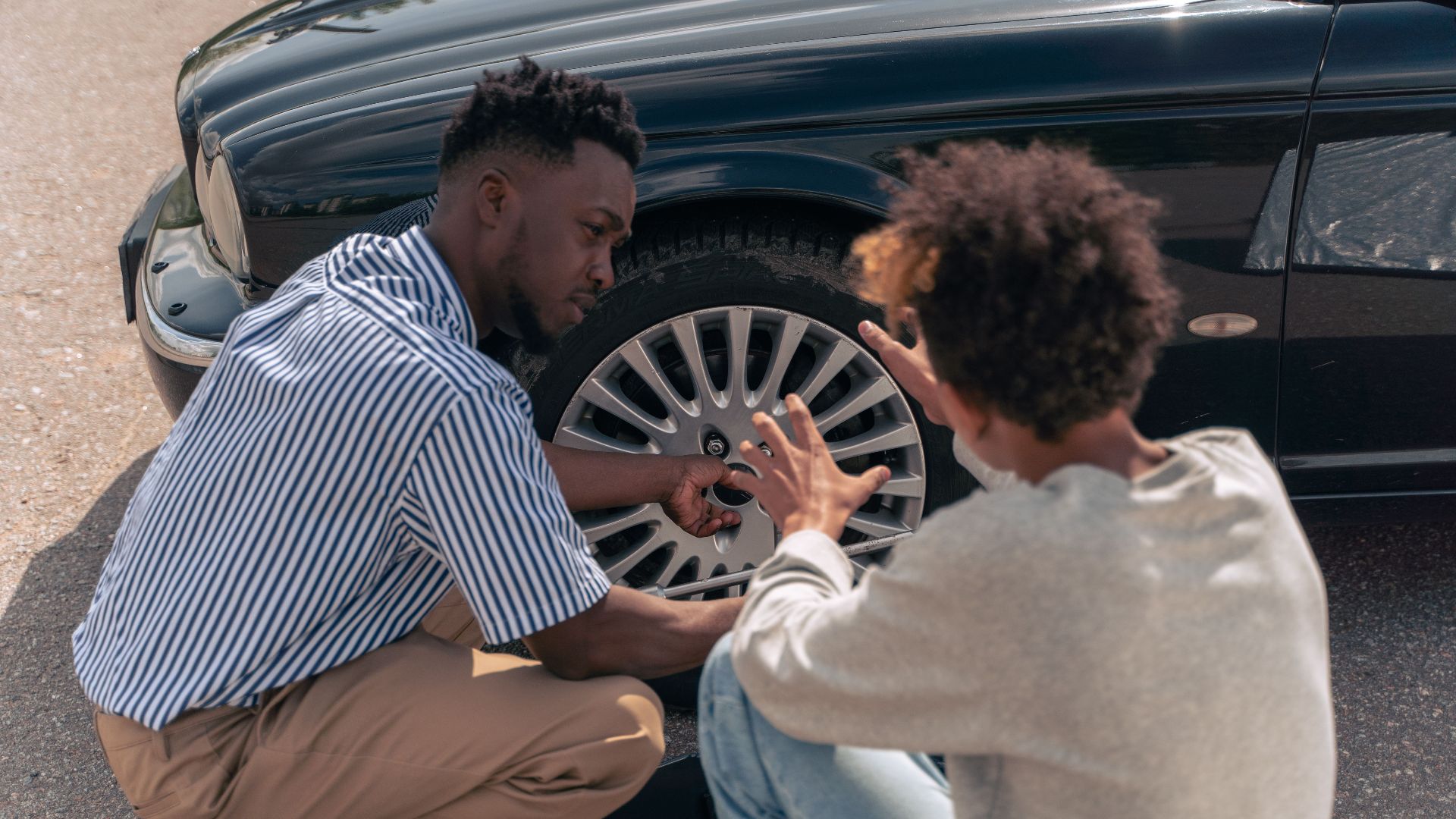
Uneven tire wear sometimes points to alignment or suspension problems. Tire age also matters because replacements can be expensive. Checking tread depth before signing paperwork is a simple but valuable step.
Listen Carefully During The Test Drive
Unusual noises should never be ignored. Pay attention to vibrations, steering response, braking feel, and transmission behavior. A thorough test drive often uncovers issues that photographs cannot reveal.

Check For Outstanding Recalls
Manufacturers regularly issue recalls to correct safety defects. Verify that recall repairs have already been completed before buying. The National Highway Traffic Safety Administration provides a free VIN lookup tool for this purpose.

Compare Prices With Similar Used Cars
A discount only matters if it is meaningful. Compare similar model years, mileage, trim levels, and vehicle condition across multiple sellers. Sometimes the savings are substantial, while other times the difference is surprisingly small.

Insurance Costs Usually Stay The Same
Insurance companies generally focus on the vehicle itself rather than whether it once belonged to a rental fleet. Driving history, location, and repair costs usually have a much greater impact on premiums. Buyers should still request insurance quotes before purchasing.

Electric Rental Cars Need Extra Questions
Former rental electric vehicles deserve additional attention. Frequent DC fast charging can affect long term battery health. Experts recommend checking battery condition and confirming any remaining battery warranty before purchasing.
Keep Emotions Out Of The Decision
Finding a bargain can create pressure to buy quickly. It is important to stay patient and evaluate the vehicle objectively. Walking away from one questionable car is often better than inheriting expensive repairs.

Dealer Cars Can Have Similar Histories
Many shoppers do not realize that some dealership inventory also began life as rental vehicles. Dealers frequently purchase former fleet vehicles at auction. That means a vehicle's history matters more than where it is currently being sold.

Reliability Depends On The Model Too
Some vehicles have stronger long term reliability records than others. Researching the specific make and model is just as important as understanding its previous ownership. A dependable model with a rental history may outperform an unreliable model with only one private owner.

Hidden Wear Is Not Guaranteed
It is easy to imagine worst case scenarios after bringing home a former rental car. In reality, many buyers own these vehicles for years without unusual repair costs. Proper maintenance after purchase plays a major role in long term reliability.

Watch The Car Closely During The First Months
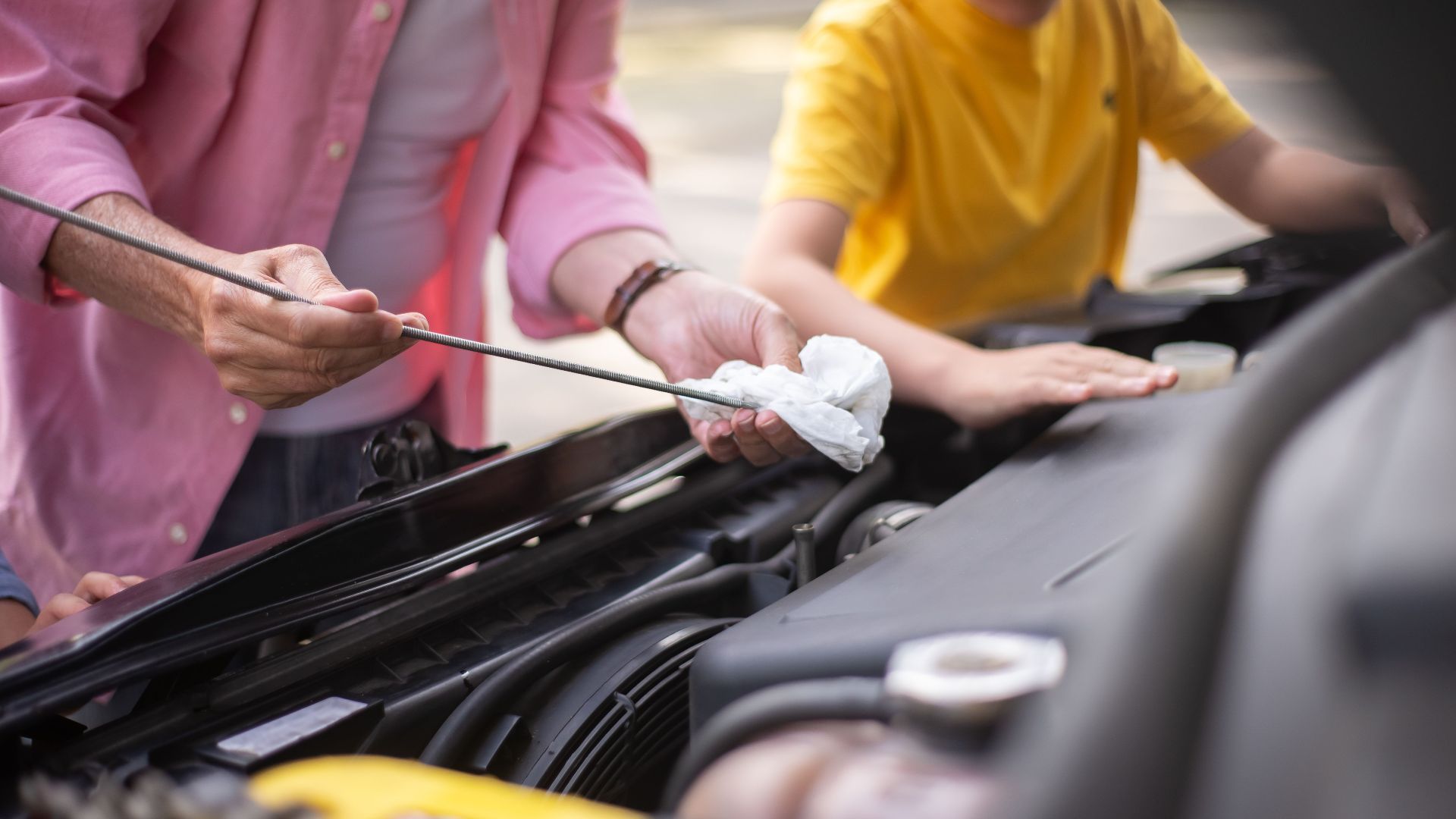
Pay attention to warning lights, fluid levels, tire wear, and unusual sounds after taking ownership. Addressing small issues early often prevents larger repairs later. Keeping detailed maintenance records also protects the vehicle's resale value.
So Was The Discount Worth It?
The answer depends on whether the savings outweighed the remaining risks. A well maintained former rental that passes an independent inspection and is priced meaningfully below comparable used cars can represent excellent value. If important records are missing or inspections reveal problems, the cheaper sticker price quickly loses its appeal.

Buy The Car, Not The Story
A former rental car is neither automatically a bargain nor automatically a mistake. Every used vehicle deserves careful research, inspection, and price comparison before money changes hands. Focusing on the car's actual condition instead of its reputation gives buyers the best chance of making a smart decision.

You May Also Like:
The Most Overrated Cars Today, According To Car Enthusiasts
People With The Largest Car Collections In The World