
Do Not Say Yes To A Timing Chain Job On Faith
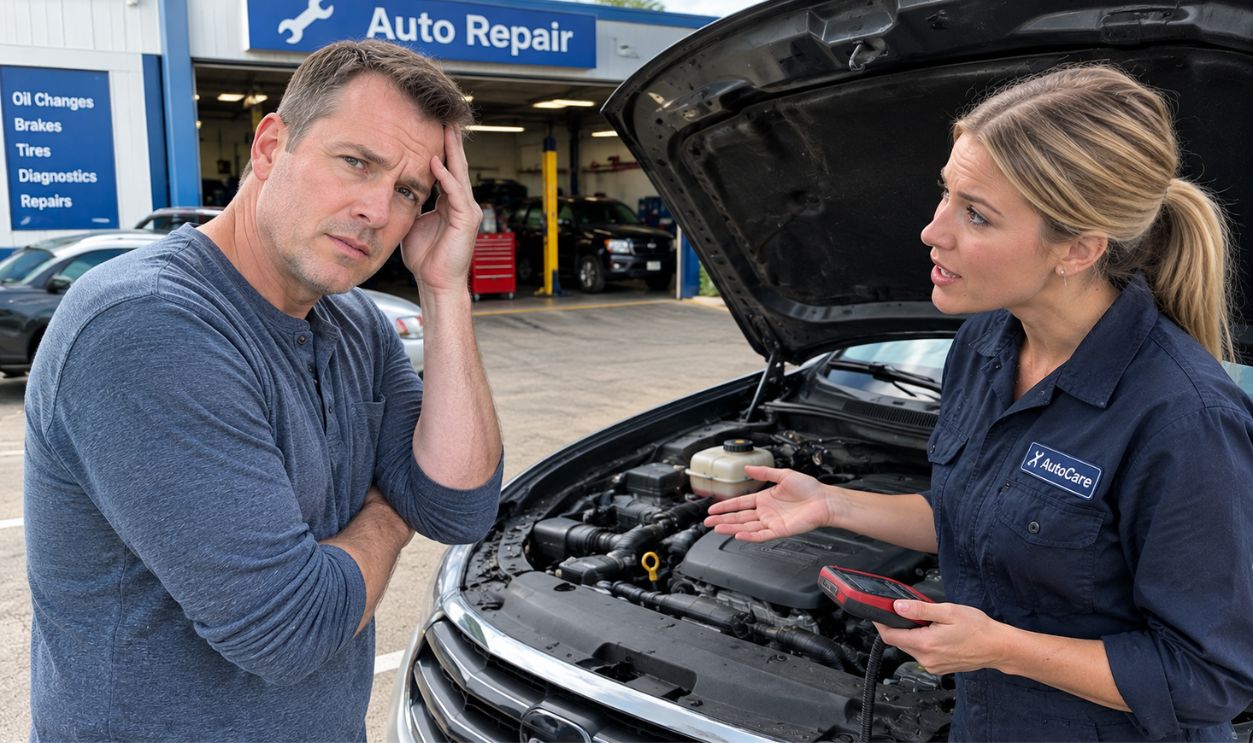
A timing chain repair estimate can stop you in your tracks. It is expensive, invasive, and often suggested before anything fully fails. If a mechanic says you need one even though the engine is quiet, slow down and make sure the diagnosis is real before you approve the work.
A Quiet Engine Does Not Mean The Chain Is Fine
Noise is a common warning sign, but it is not the only one. Modern timing systems depend on oil pressure, hydraulic tensioners, guides, and variable valve timing parts. That means a chain can be stretched or a guide can be wearing out without making a steady, obvious rattle. A silent engine can still have a real timing issue, but a shop should be able to show proof, not just a gut feeling.

What The Timing Chain Actually Does
The timing chain keeps the crankshaft and camshaft in sync so the valves open and close at the right time. On many newer engines, it also affects variable valve timing, emissions, and how the car drives. If the timing moves too far out of spec, the engine can run badly or, on an interference engine, suffer internal damage if the chain jumps teeth.
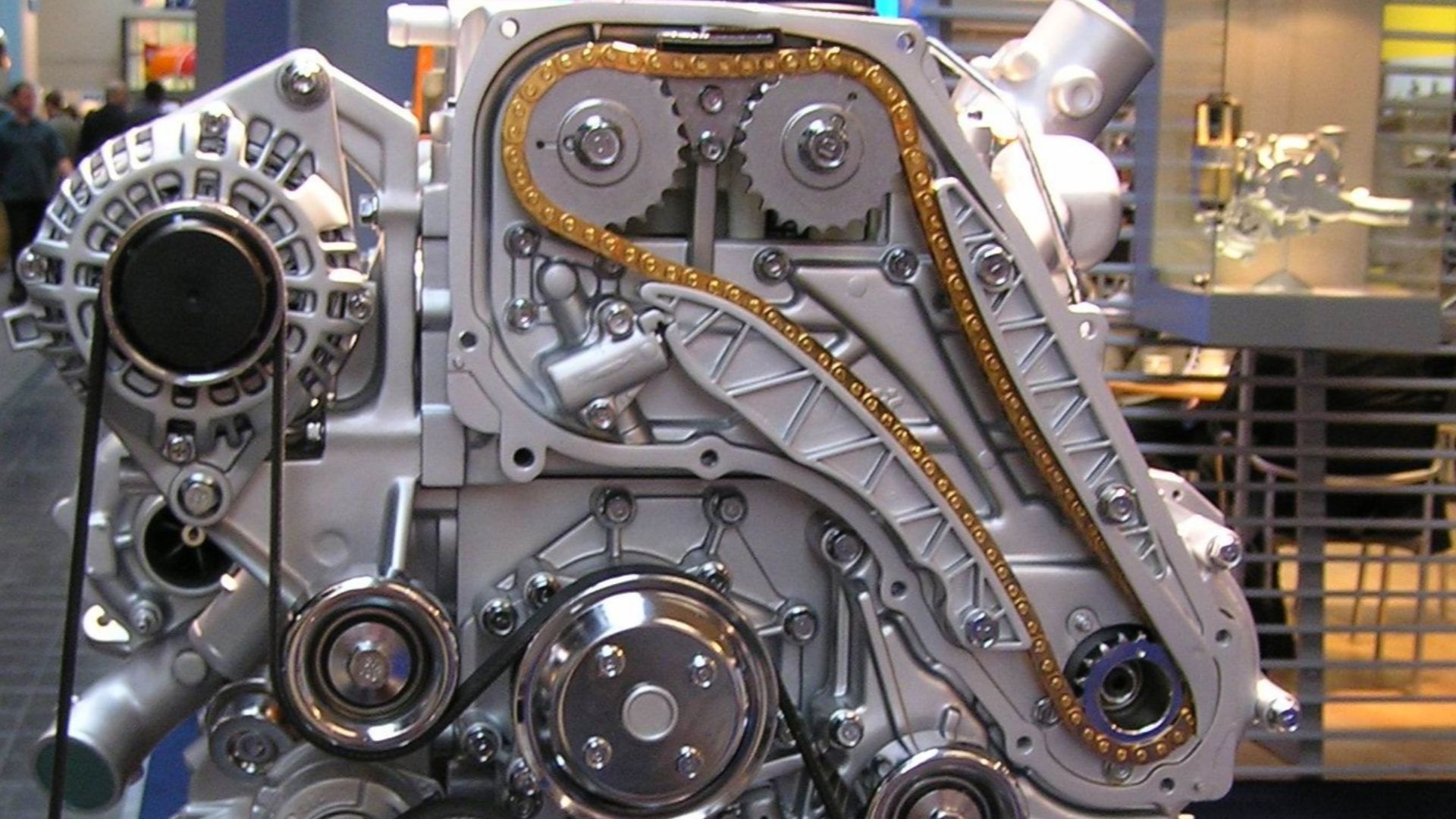 The original uploader was L.Kenzel at Romanian Wikipedia., Wikimedia Commons
The Key Difference Between A Timing Chain And A Timing Belt
A timing belt usually has a set replacement interval in the owner’s manual. A timing chain usually does not, because chains are often built to last much longer and sometimes for the life of the engine. Consumer Reports notes that timing chains generally do not need regular replacement, which is why a shop should have a clear reason for recommending one.
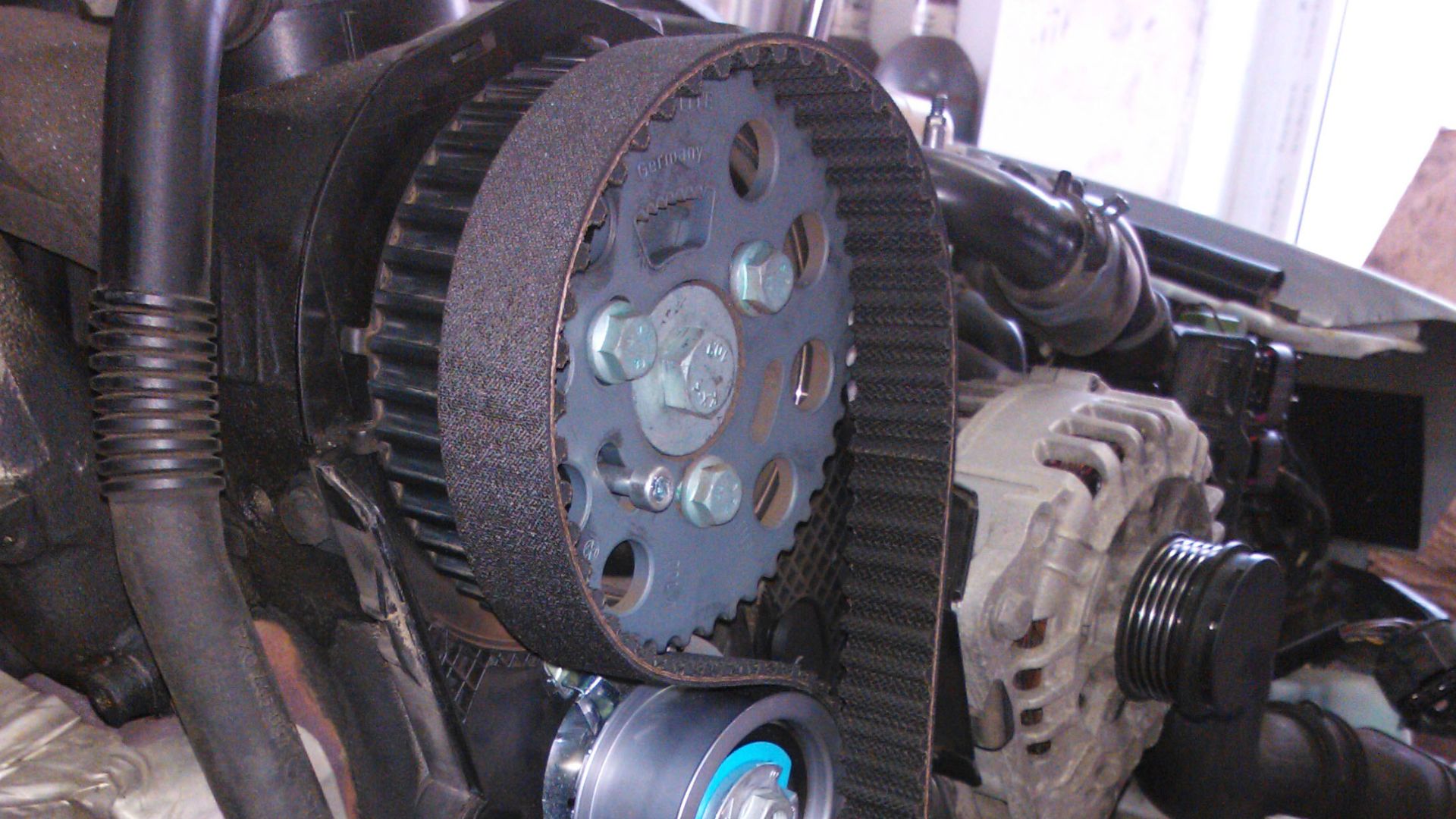 Petar Milošević, Wikimedia Commons
Start With The Most Important Question
Ask your mechanic one simple thing: what specific test result, measurement, or manufacturer procedure shows the chain is worn or out of spec? If the answer is vague, you still do not have enough to approve the repair.

Get The Exact Symptoms In Writing
Ask the shop to put the concern on the estimate or inspection report. Helpful wording includes camshaft and crankshaft correlation fault codes, startup rattle, metal debris, timing deviation values, or a failed factory inspection step. Written details matter because they give you something solid to compare with a second opinion or service information.

Check For Trouble Codes First
One of the most common clues is a camshaft and crankshaft timing correlation code. Codes like P0008, P0009, P0016, P0017, P0018, and P0019 are widely tied to timing relationship issues, according to Delphi diagnostic guidance and code references from major parts and scan-tool sources. These codes do not prove the chain is bad on their own, but they are a good reason to dig deeper.

Codes Matter More Than Guessing
If the check engine light is on or there is a stored history code, ask for a printout of the scan results. A proper scan report should show the exact code and often freeze-frame data that shows when the fault happened. That gives you a much firmer starting point than hearing that the chain is “probably stretched.”

Check The Vehicle History Before You Blame The Chain
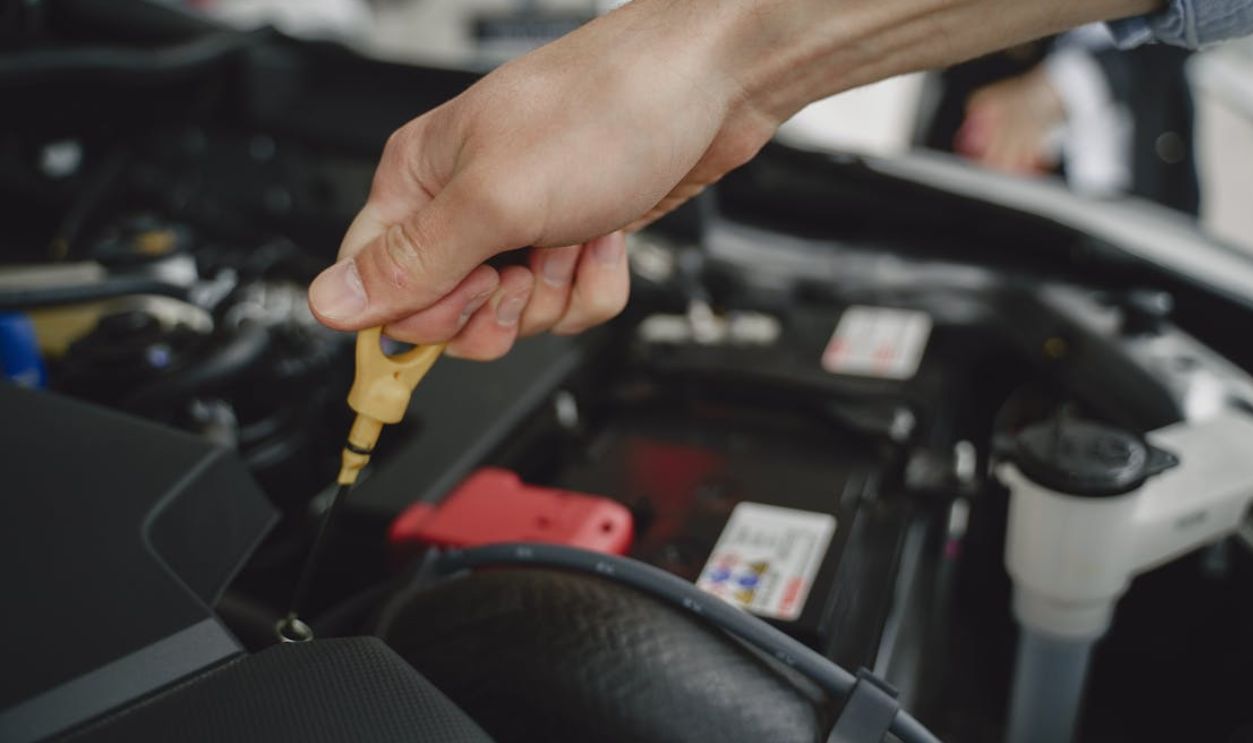
Timing chains live and die by engine oil. Low oil level, dirty oil, skipped oil changes, or the wrong oil viscosity can all contribute to chain, guide, and tensioner problems because the system depends on lubrication and often hydraulic tension. Before deciding the chain is the problem, look at the oil history and current oil condition.
Some Engines Really Do Have Known Timing Chain Problems
This is where the vehicle’s year, engine, and manufacturer history matter. General Motors issued Special Coverage Adjustment 11340 in 2011 for certain 2007 to 2009 vehicles with the 2.4-liter Ecotec engine because timing chain wear could trigger the malfunction indicator lamp and certain correlation codes. If your vehicle is part of a known trouble group, a recommendation to inspect the chain carries a lot more weight.

Factory Bulletins Can Change The Whole Discussion
Technical Service Bulletins do not automatically mean your car needs a chain, but they do show the manufacturer has seen the same problem before. The National Highway Traffic Safety Administration keeps manufacturer communications and service bulletins that can help you find out whether your engine has documented chain, guide, or tensioner issues. Search by year, make, model, and engine before approving a big repair.

Oil Consumption Can Be Part Of The Picture
On some engines, abnormal oil consumption and timing chain wear have shown up around the same complaints and service actions. That does not prove one always caused the other, but it is still a clue worth checking. If your engine is known for burning oil, chain wear becomes easier to understand even if the engine is not making much noise.
Ask Whether The Shop Checked Timing Data On A Scan Tool
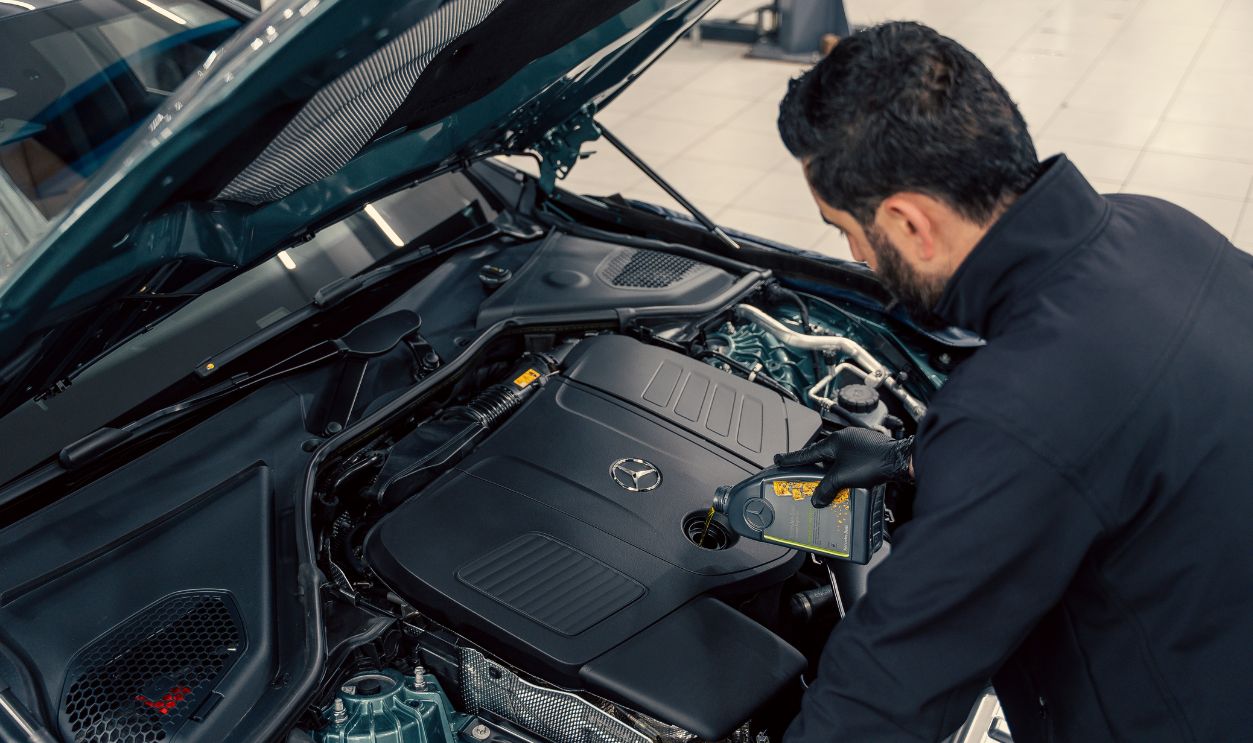
Many modern vehicles let a technician compare commanded and actual cam timing or look at cam phaser data with a professional scan tool. If those numbers are out of range, that can support a chain or actuator diagnosis. Ask to see the live data or screenshots, not just the final conclusion.

Mechanical Proof Beats Verbal Reassurance
Some engines have service procedures that let a technician confirm timing position with special tools or alignment marks. Others require checking tensioner extension, chain slack, or correlation using factory steps. If the shop is recommending replacement, ask whether any mechanical verification was done and what the result was.

A Cold-Start Rattle Is Common, But Not Required
You have probably heard that a bad timing chain always rattles at startup. In real life, startup rattle is common when guides or tensioners are failing, but not every worn chain makes obvious noise in every condition. If the engine is quiet, that just means scan data, inspection findings, and service information become even more important.
Do Not Forget The Tensioner And Guides
When people say “timing chain problem,” the chain is only part of the story. Plastic guides can wear out or break, and hydraulic tensioners can stick or lose effectiveness. A good diagnosis should point to which parts are actually failing, because replacing the full set is common, but the evidence should still show a real problem.

Variable Valve Timing Issues Can Look Like Chain Failure
Oil control valves, cam phasers, and actuator faults can create drivability problems and timing-related codes that look a lot like chain trouble. Delphi training material notes that correlation codes can come from sensor, actuator, or mechanical timing problems, not just a stretched chain. That is why you should ask what the shop ruled out before recommending the repair.
 A Santi Wajitdol, Shutterstock
Sensor Problems Can Send You In The Wrong Direction
A failing camshaft or crankshaft position sensor can confuse the engine computer and trigger timing correlation issues. Wiring faults can do the same. If the shop jumped straight to a timing chain estimate without checking sensor signals and related parts, the diagnosis may not be complete.

Compression And Running Symptoms Still Count
If timing has drifted badly, the engine may crank longer than normal, idle rough, hesitate, misfire, or feel weak under load. In more advanced cases, fuel economy and emissions can also suffer. If the car runs perfectly and there are no codes, that does not make chain wear impossible, but it does mean the shop should have stronger proof.
Ask To See The Old Parts If You Approve The Repair
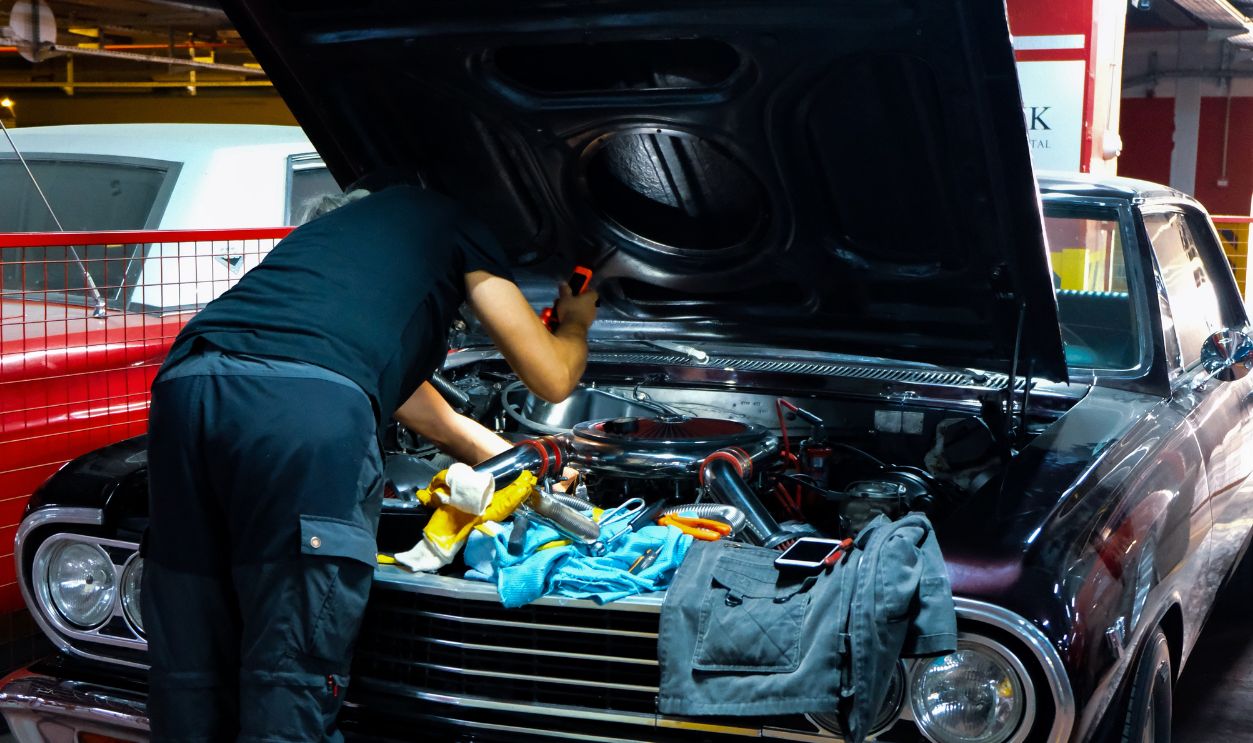
If you decide the repair makes sense, tell the shop ahead of time that you want the removed chain, guides, and tensioner returned or at least shown to you. Worn guides, damaged tensioners, and obvious chain slack can help confirm the recommendation after the fact. Honest shops are usually fine with that request.

A Second Opinion Is Just Smart
Because a timing chain job can cost a lot, paying another qualified shop for an hour of diagnostic time is often money well spent. Bring the original estimate, the trouble codes, and any test results. If two independent shops point to the same evidence, your confidence goes up fast.

Dealer Service Departments Can Help
An independent shop may be excellent, but dealer technicians often know the repeat failures on specific engines and may have the factory tools and latest service procedures. If your model has a history of chain problems, a dealer can be especially useful in confirming whether your symptoms match a known pattern. They may also know whether any coverage extensions or past service campaigns applied.

Check For Recalls And Special Coverage By VIN
Before paying out of pocket, run your vehicle identification number through the manufacturer and NHTSA recall tools. Most timing chain issues show up in service bulletins or special coverage programs rather than safety recalls, but it is still worth checking. A few minutes of research could save you a painful bill.

Do Not Use Mileage Alone As Proof
There is no universal mileage where every timing chain must be replaced. Some fail early because of lubrication problems or flawed parts, while others last the life of the vehicle. If the only explanation is that the car has a lot of miles, ask for better evidence.

Ask For The Factory Procedure Or Labor Operation
A solid shop should be able to tell you what diagnostic path it followed and what repair information it used. Mitchell, AllData, and factory service information usually lay out the steps for code-based diagnosis and timing verification. You do not need every page printed, but you should get a clear explanation that lines up with a real procedure.

Photos And Video Can Make The Choice Easier
Some shops now use digital inspections and can share photos, borescope images, or short videos. If the valve cover or front cover was already off for a valid reason, visual proof of damaged guides or a tensioner at maximum extension can be convincing. If there is nothing to show, that does not automatically mean the diagnosis is wrong, but it should make you ask more questions.

A Simple Verification Checklist
Before approving the repair, confirm four things: ask for the trouble codes or symptoms, ask what tests were performed, ask whether known bulletins or coverage programs apply to your engine, and ask what other causes were ruled out. That short checklist helps separate a diagnosis backed by data from an expensive guess.

The Bottom Line On A Quiet Timing Chain
Your mechanic could be right even if there is no noise, because timing chain problems do not always announce themselves with a rattle. But a timing chain replacement should never rest on instinct alone, especially since chains usually do not have routine replacement intervals. If the shop can show codes, live data, factory procedures, or a known pattern tied to your engine, you can move forward with a lot more confidence.