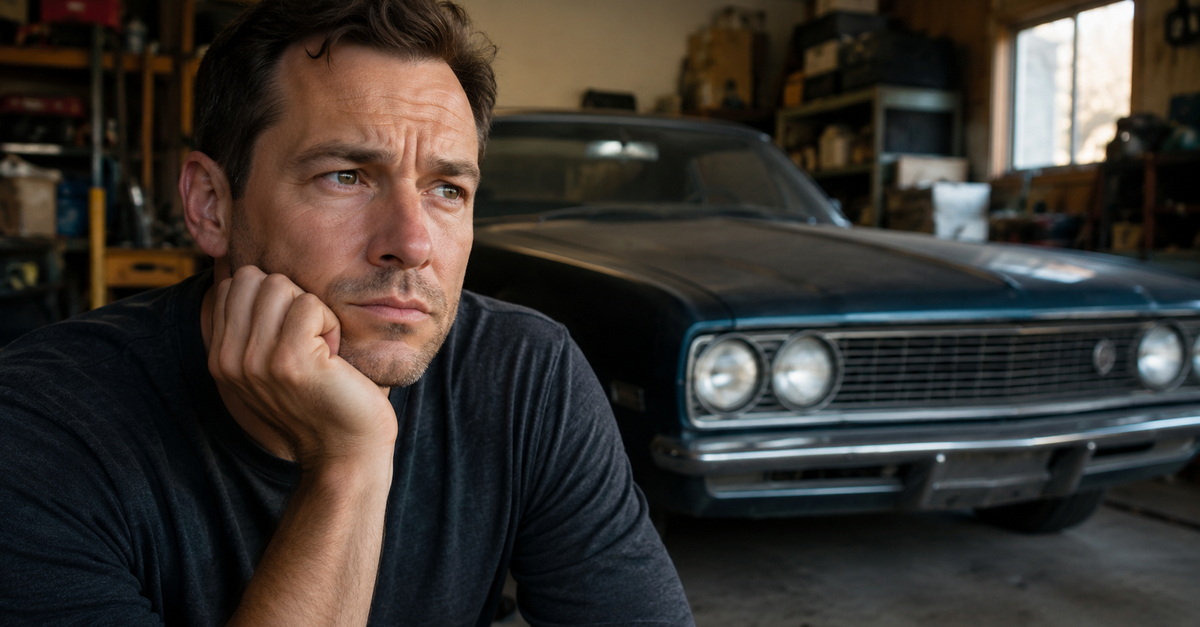
I Inherited My Father’s Old Car, But I Never Drive It, It Takes Up Half My Garage, And Selling It Feels Impossible. What Can I Do?
Many people inherit more than a vehicle when a loved one dies. They inherit memories, responsibility, and difficult decisions. If your father's old car spends more time collecting dust than miles, you are not alone. The good news is that you have more options than simply keeping it forever or forcing yourself to sell it before you are ready.
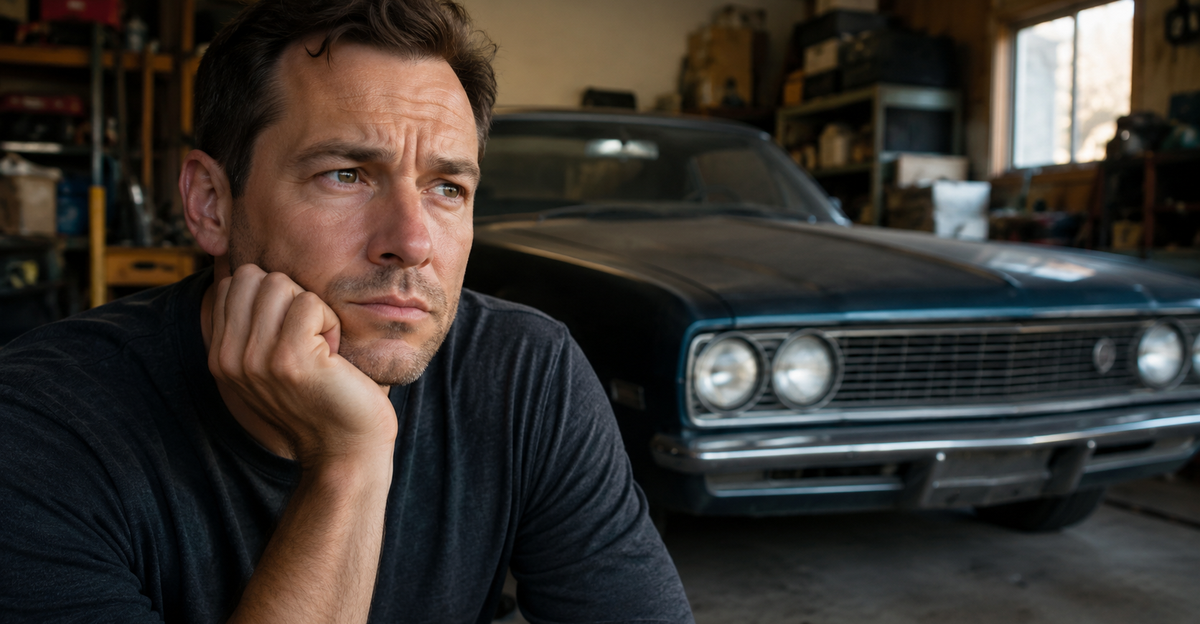
It Is More Than Just A Car
An inherited vehicle often carries emotional value that far exceeds its market price. Every scratch, road trip, and familiar smell can remind you of someone you loved. Recognizing that emotional attachment is the first step toward making a decision you will not regret.
Ask Yourself Why You Are Keeping It
Sometimes people keep a vehicle because they genuinely enjoy owning it. Other times, they keep it because selling feels like saying goodbye all over again. Being honest about your reasons can make the next decision much easier.
Figure Out Exactly What The Car Is Worth
Many owners either overestimate or underestimate an inherited car's value. Research recent sales of similar models and consider obtaining an appraisal if the vehicle is unusual or collectible. Knowing its actual market value gives you realistic options instead of assumptions.

Decide Whether It Is A Collector Car
Some older vehicles appreciate in value, while many simply continue to depreciate. Limited production numbers, original condition, documented history, and enthusiast demand all affect collectibility. If the car is potentially rare, consulting a marque expert or collector organization can be worthwhile.

Consider The Real Cost Of Keeping It
Even a parked vehicle costs money. Insurance, registration requirements, maintenance, battery replacement, tire aging, and storage all add up over time. A car that never leaves the garage is rarely free to own.
Make Sure The Title Is Properly Transferred
Before selling, donating, or gifting the vehicle, ensure ownership has legally transferred into your name. Estate procedures vary by jurisdiction, but proper documentation prevents problems later. Waiting too long can complicate future transactions.

A Mechanical Inspection Can Reveal Surprises
A trusted mechanic can identify hidden problems before you decide what to do. The inspection may also reveal that the vehicle needs less work than you feared. Buyers generally appreciate documentation showing the car's condition.
Gather Every Piece Of Paperwork
Maintenance records, receipts, owner's manuals, and the original window sticker can increase buyer confidence. Documentation is especially valuable for classic and enthusiast vehicles. Organized records also make pricing easier.

Think About Your Garage Space
Garages are valuable real estate. If the car prevents you from parking daily or using the space for hobbies and storage, that inconvenience deserves consideration. Your home should work for your current life.
Drive It Before Making A Final Decision
Some people rediscover why a family member loved a particular vehicle after taking it for a drive. Others realize the emotional connection is enough without keeping the car permanently. Either outcome provides useful clarity.

Ask Family Members How They Feel
Relatives may have strong emotional attachments of their own. Having an open conversation before selling can prevent misunderstandings later. Someone else in the family may even want to keep the vehicle.

You Do Not Have To Sell Immediately
Grief affects decision making. Unless there are financial pressures or legal deadlines, there is often no need to rush. Giving yourself time can lead to a decision you feel better about months later.
If You Sell It, Price It Realistically
An unrealistic asking price often results in months of frustration. Compare similar vehicles, account for condition, and remain open to reasonable offers. Accurate pricing usually attracts more serious buyers.

Private Sales Usually Bring More Money
Selling directly to another individual often produces the highest price, especially for older vehicles. However, it also requires more effort, communication, and patience. You should be prepared for negotiations and potential scams.
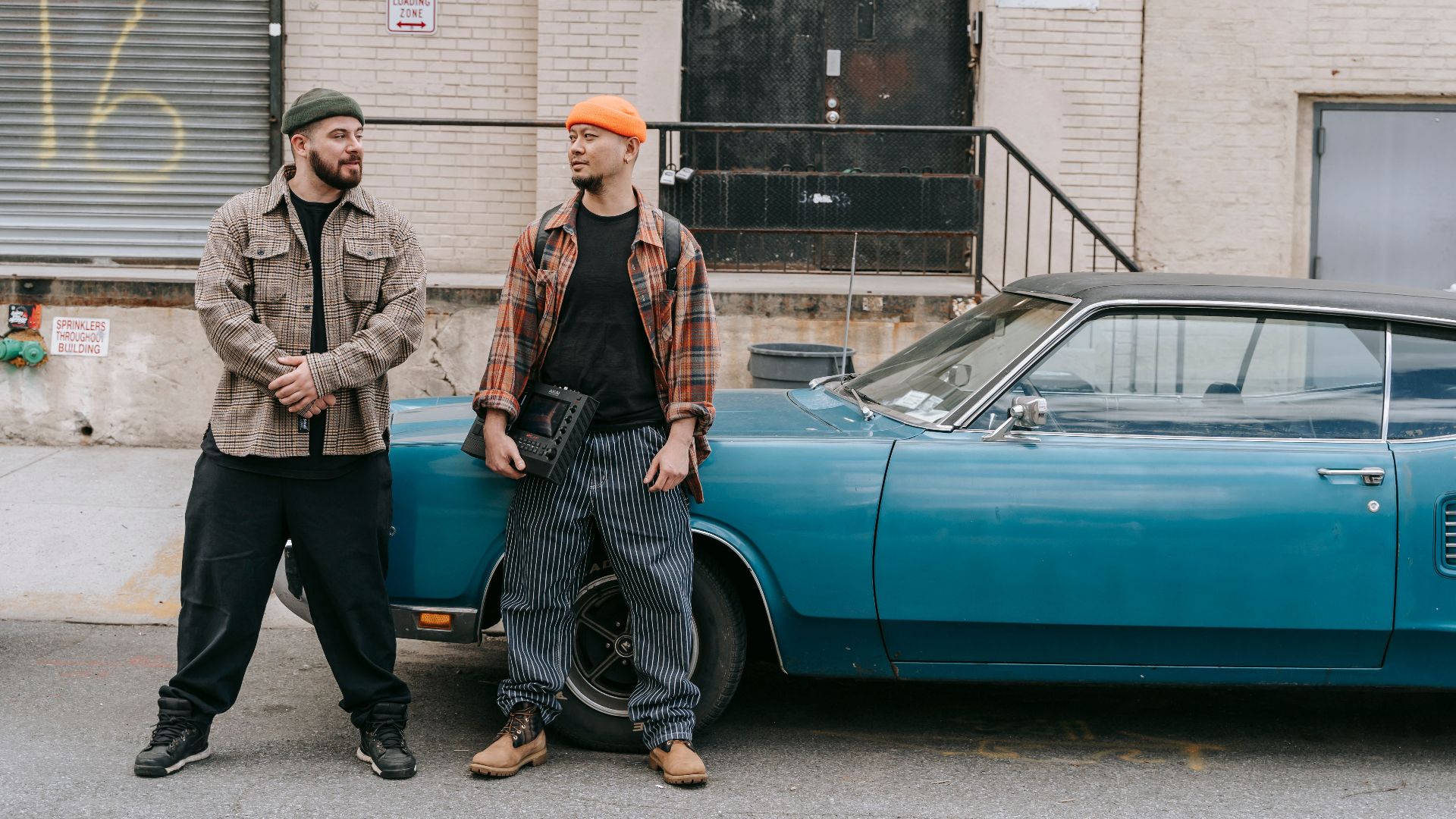
Dealers And Instant Offers Save Time
Dealerships and online vehicle-buying services usually provide a faster transaction. You may receive slightly less money than with a private sale, but the convenience appeals to many owners. The best choice depends on your priorities.
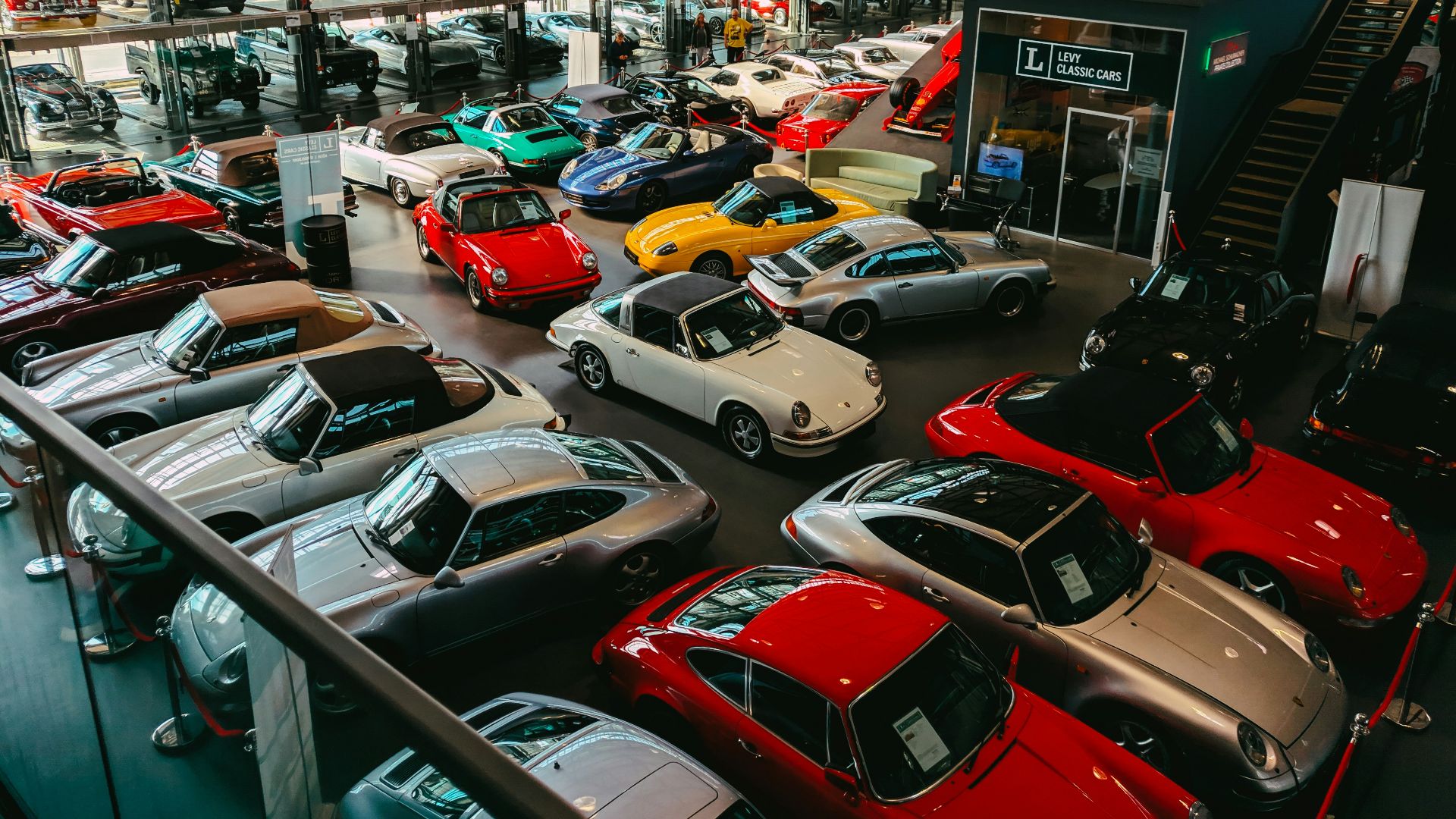
Donation Can Be A Meaningful Option
If maximizing profit is not your goal, donating the vehicle to a qualified charity may provide satisfaction. Tax rules for donated vehicles depend on several factors, including how the charity uses or disposes of the car. Always review the current IRS requirements before claiming any deduction.

Gifting The Car Is Another Possibility
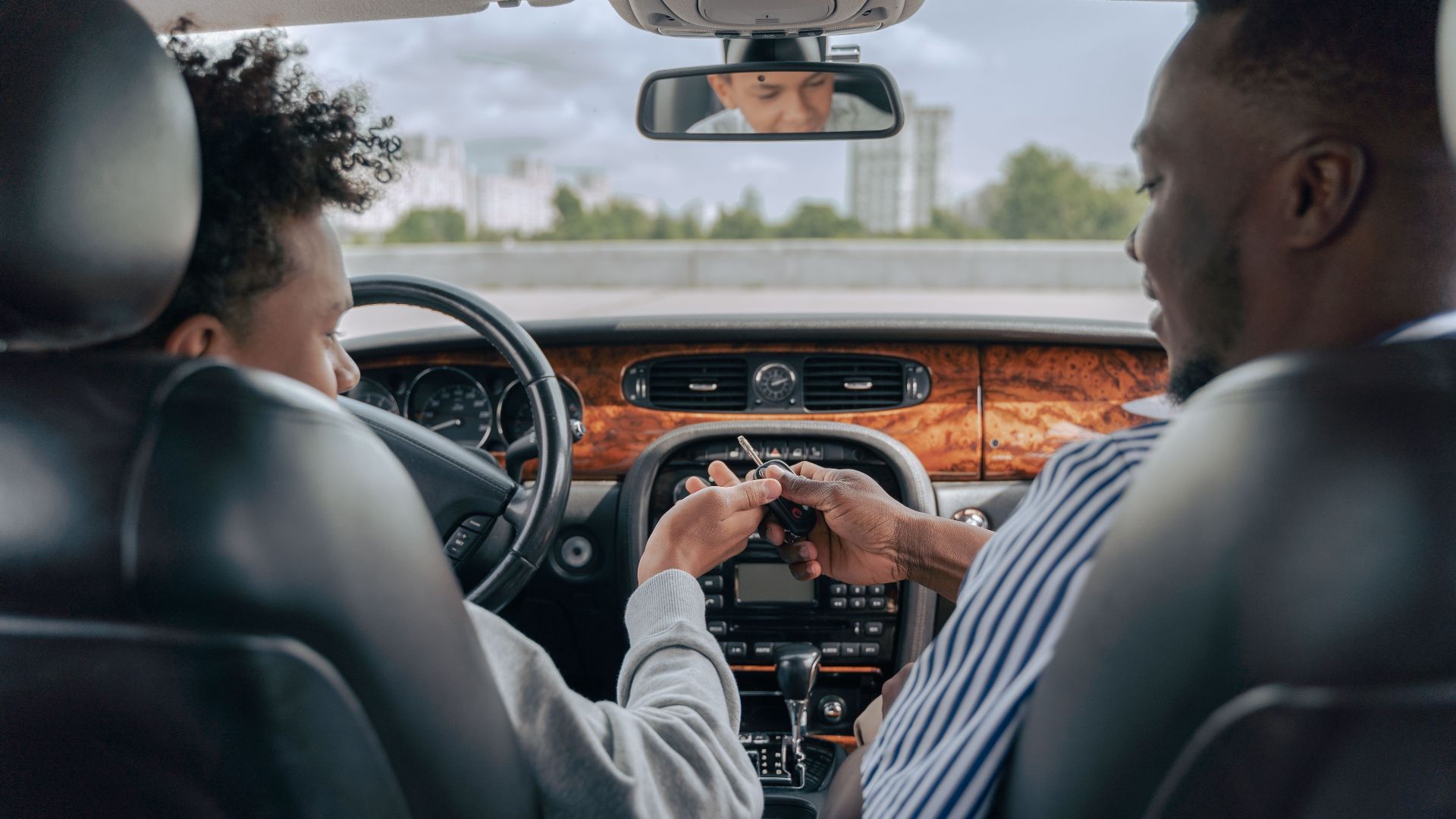
Passing the vehicle to a child, sibling, or close friend can keep it within people who appreciate its history. Before doing so, understand any applicable title transfer rules, taxes, or insurance requirements in your jurisdiction.
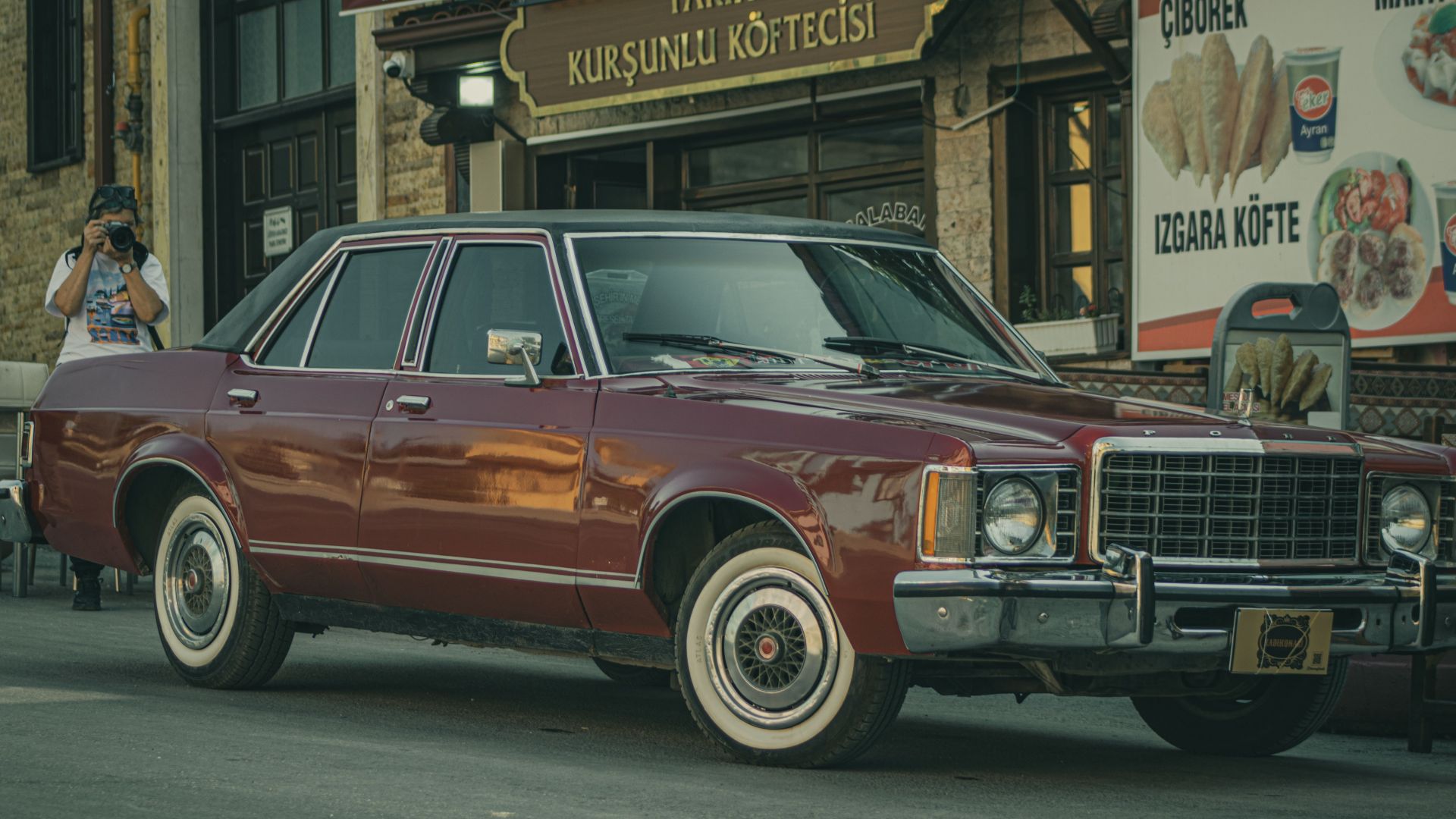
Preserve The Memories Even If You Sell It
Keeping the car is not the only way to preserve your father's memory. High-quality photographs, scanned maintenance records, videos, or written stories can capture its history. Those memories often last longer than the vehicle itself.
Consider A Professional Storage Facility
If you truly want to keep the vehicle but lack garage space, secure storage may be an option. Climate-controlled facilities can better protect classic cars from moisture and temperature swings. Be sure to compare ongoing costs with the vehicle's value.
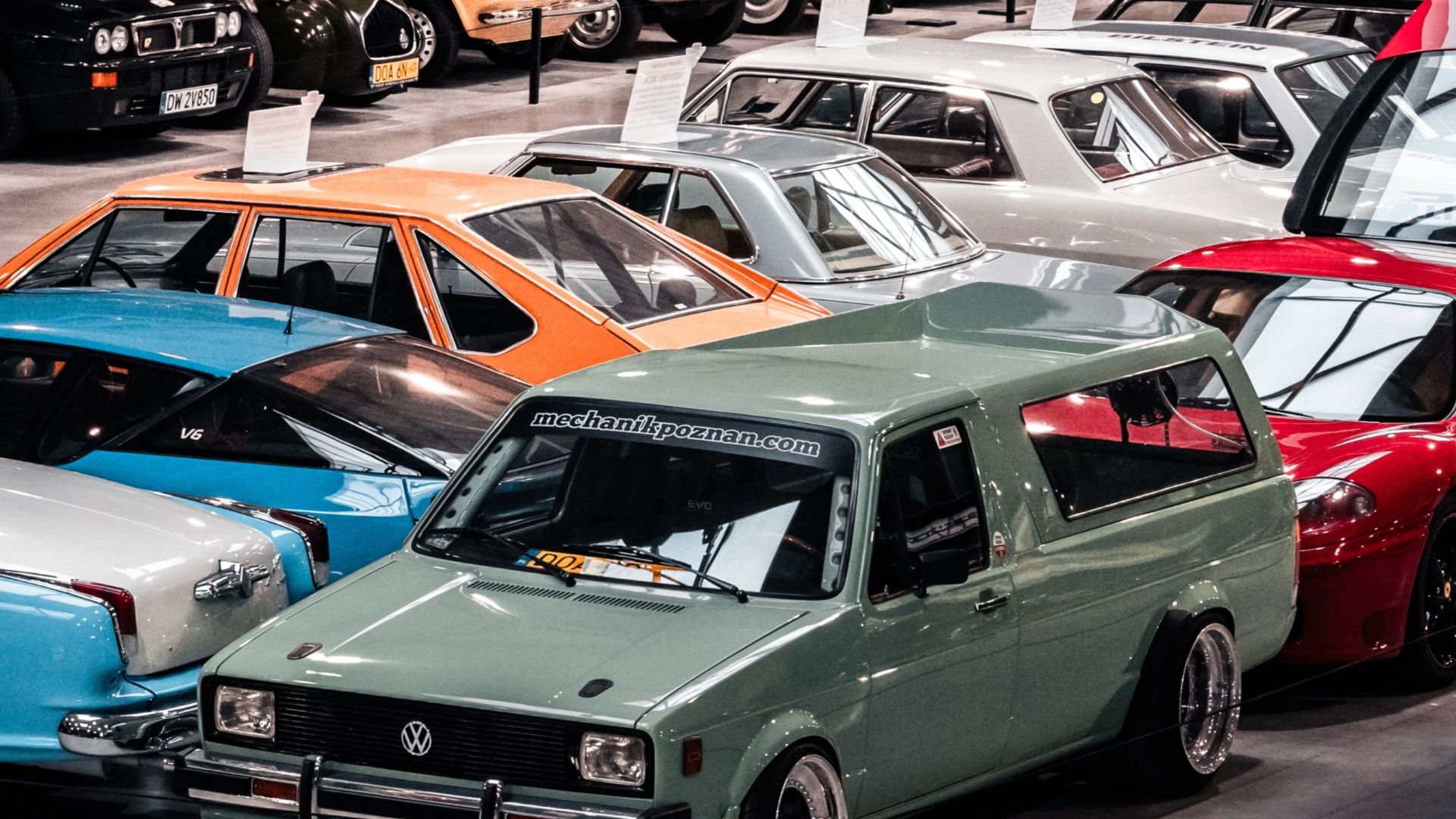
If It Is A Classic, Join An Enthusiast Community
Owners' clubs and enthusiast organizations often know the market better than general buyers. Members can recommend restoration specialists, appraisers, and trustworthy buyers. They also help identify rare factory options that increase value.
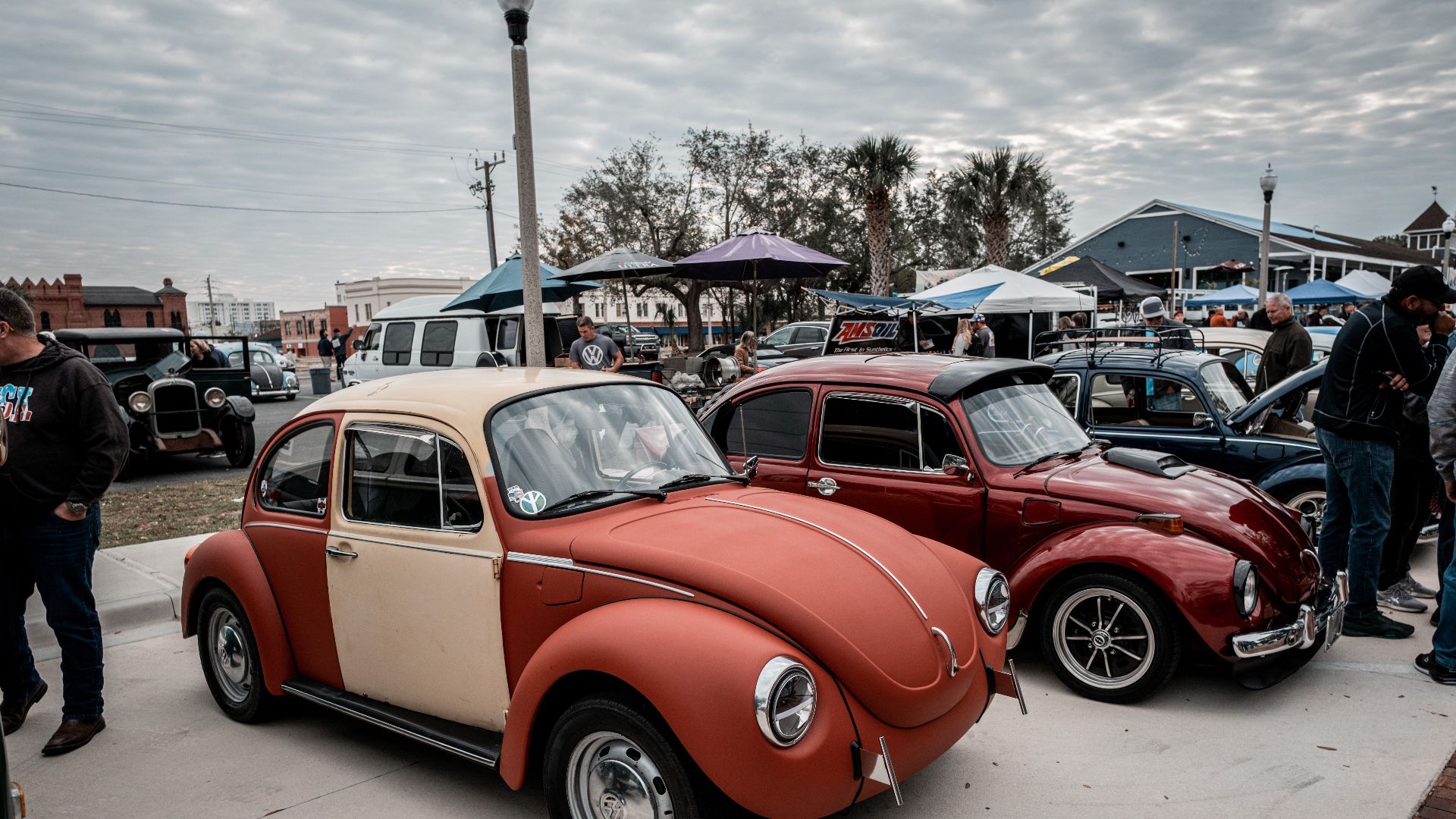
Restoration Is Not Always The Best Investment
Restoring an older vehicle can be rewarding, but it is often expensive. Many projects cost more than the finished vehicle is worth. Estimate restoration expenses carefully before committing.
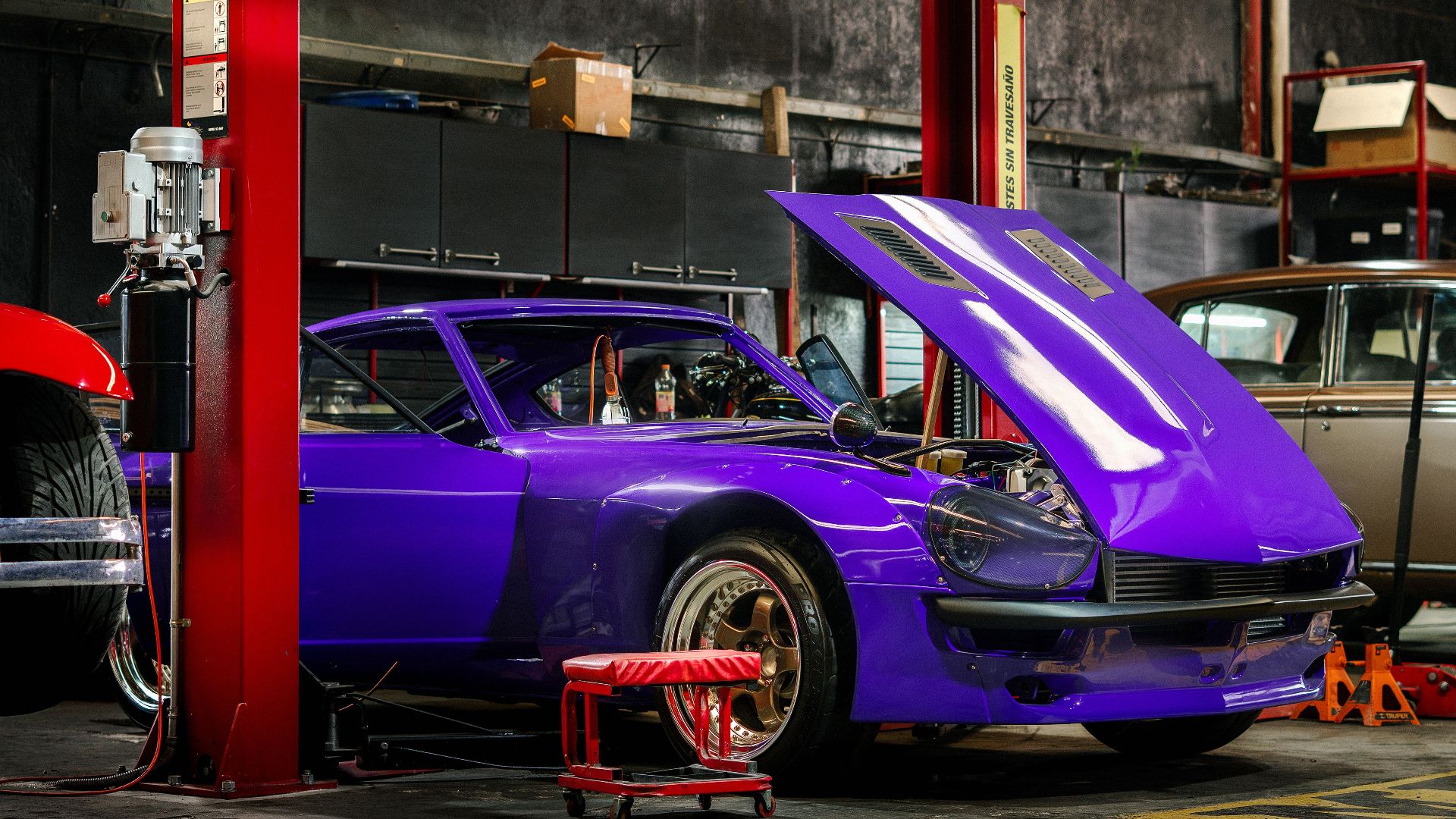
Avoid Letting It Sit For Years
Cars deteriorate when they remain unused. Fluids break down, batteries fail, tires develop flat spots, and seals dry out. Even occasional maintenance is better than complete neglect.
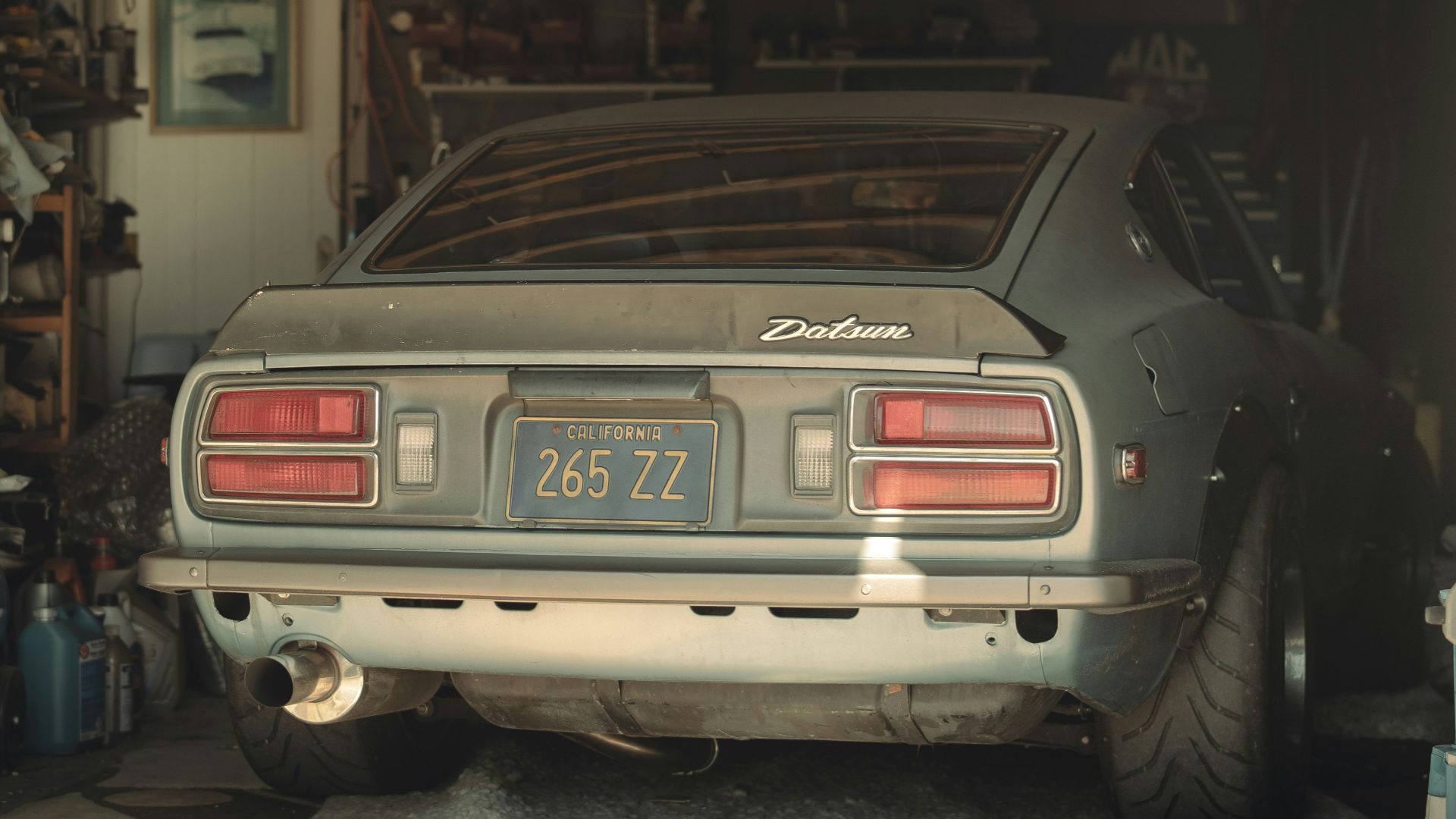
Think About What Your Father Would Have Wanted
Many people find comfort by asking what their loved one valued most. Some parents would want the car preserved, while others would prefer it be sold if it no longer serves a purpose. That perspective can ease difficult choices.
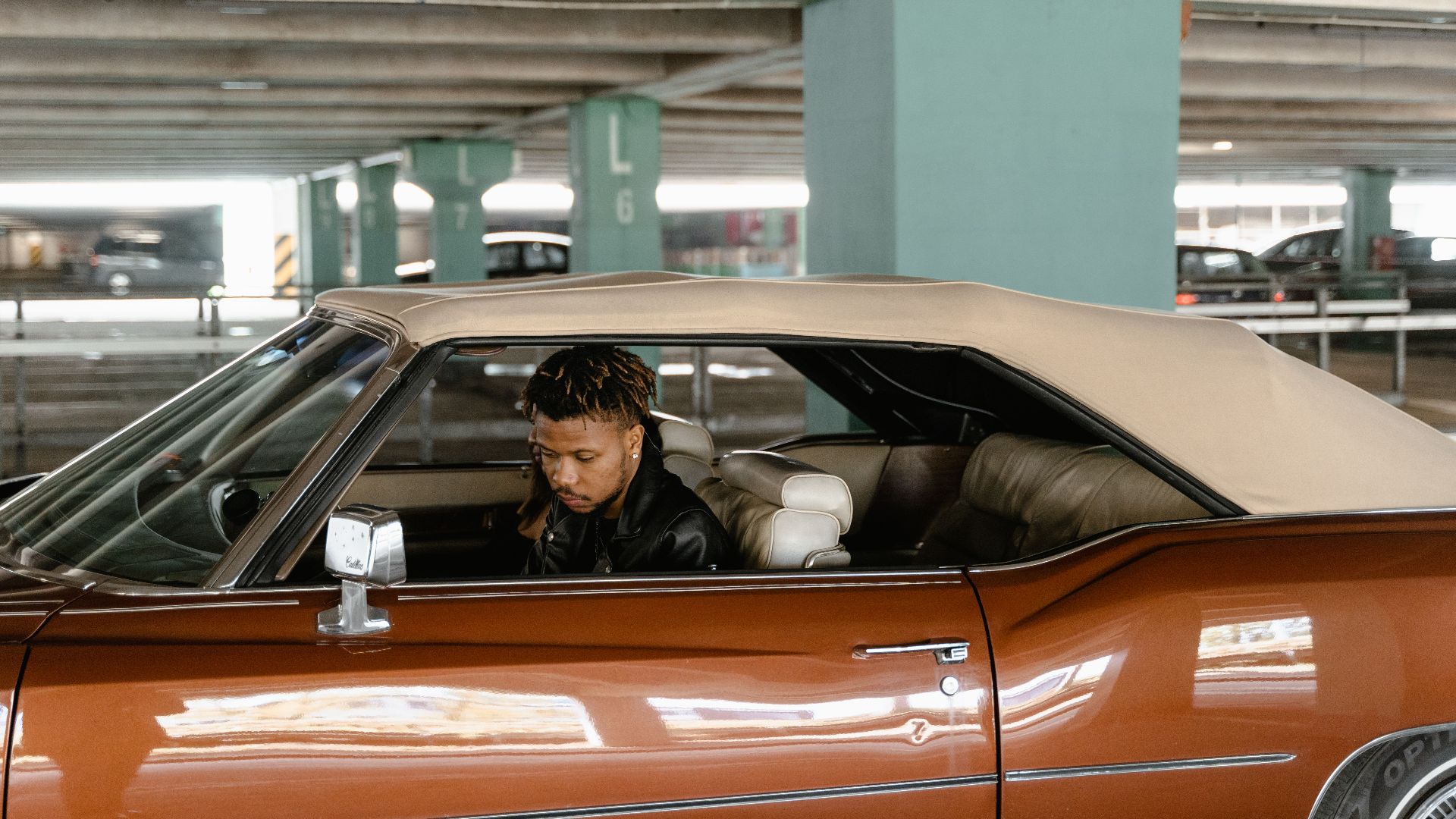
There Is No Perfect Answer
Every inherited vehicle represents a different story. Your finances, available space, emotional attachment, and the car's value all matter. The right decision is the one that balances practical realities with the memories that matter most.
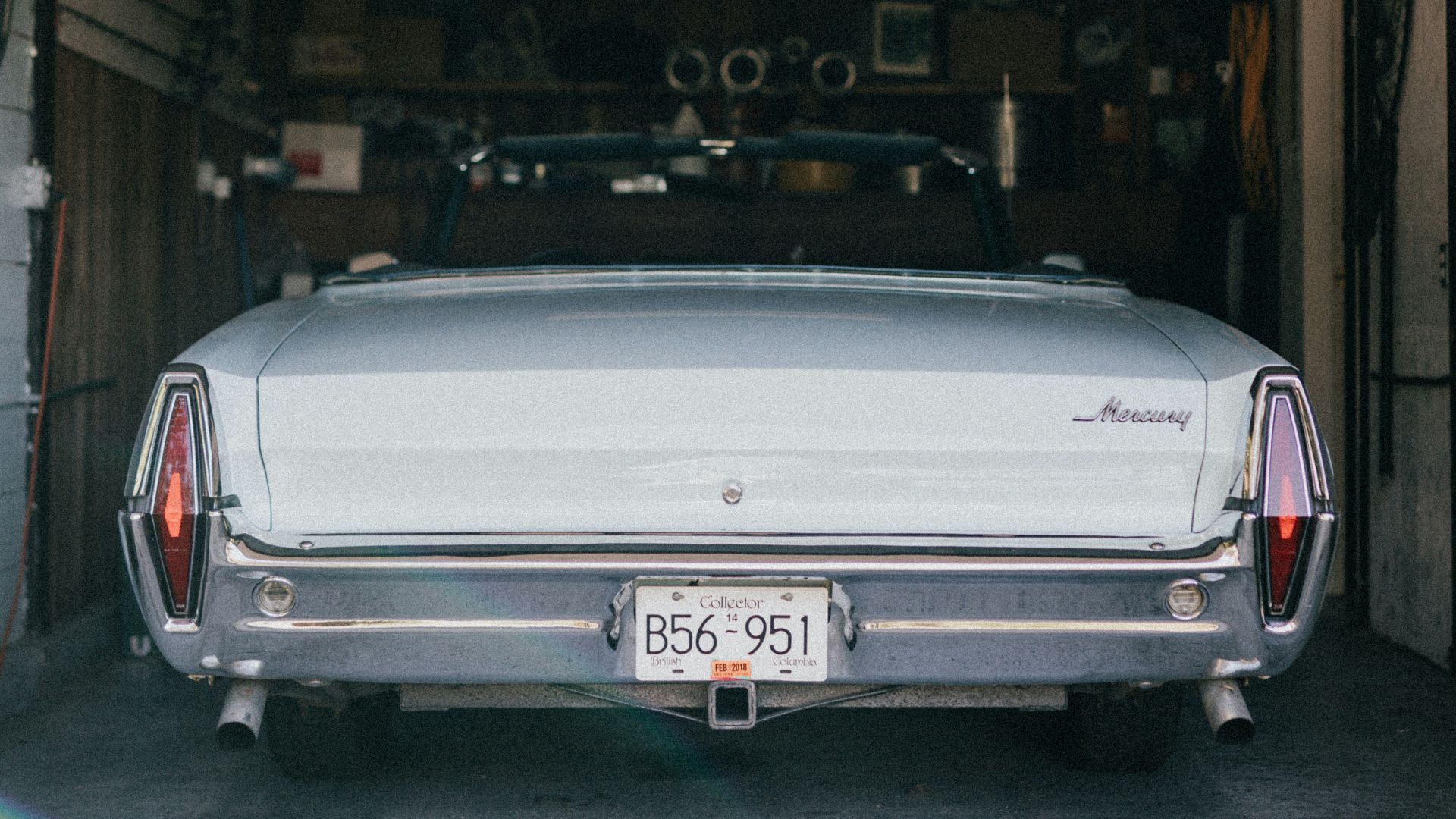
Moving Forward Can Still Honor The Past
Whether you keep, sell, donate, or gift the vehicle, your decision does not erase your father's legacy. The memories you shared are not stored in the garage. They remain with you regardless of where the car ends up.
You May Also Like:
The Most Overrated Cars Today, According To Car Enthusiasts
People With The Largest Car Collections In The World