My Car Has Been Recalled, But There's No Fix
You discover there's a safety recall affecting your car, but when you call the dealership, they tell you the replacement part won't arrive for another month. Meanwhile, you're still driving a vehicle with a potentially dangerous defect.
Are you supposed to park it for weeks, or can you safely keep driving?
Not Every Recall Means Stop Driving
Some recalls involve problems that require immediate attention, while others allow owners to continue driving with precautions. The difference depends on the defect and the manufacturer's official instructions. Before deciding what to do, you need to understand exactly what's wrong with your car.

First, What Does A Recall Actually Mean?
A safety recall means a vehicle has a safety-related defect or fails to meet federal safety standards. The problem might involve airbags, brakes, steering, electrical systems, or other components. Some defects are dangerous under ordinary driving conditions, while others become hazardous only in certain situations.

Check Whether Your Car Is Actually Affected
Not every vehicle of the same make and model is necessarily included in a recall. Manufacturers may limit recalls to cars built during specific production periods. You can check whether yours is affected by entering its vehicle identification number, or VIN, into the National Highway Traffic Safety Administration's recall database.
Finding Your VIN Is Simple
Your car's VIN is usually visible through the windshield on the driver's side of the dashboard. It's also listed on your registration and often appears on your insurance documents. Entering this 17-character number provides more specific information than searching by model year alone.

Your Recall Notice Contains Important Clues
The manufacturer's notice should explain the defect, the potential danger, and what owners should do. It may also provide temporary safety instructions while repairs are unavailable. Pay particular attention to warnings about driving, parking, or operating specific vehicle systems.

Two Words Should Make You Stop Immediately
Some recalls include an explicit "Do Not Drive" warning. This means the manufacturer is telling affected owners not to operate their vehicles until the problem is corrected. Even a short trip could expose you to the danger the warning addresses. Contact the manufacturer about arranging a repair without driving the vehicle.

Defective Airbags Have Triggered These Warnings
Certain vehicles equipped with defective Takata airbags have received urgent stop-driving warnings. Their inflators can rupture during deployment, potentially sending sharp metal fragments into the passenger compartment. Some manufacturers have offered free towing or loaner vehicles to affected owners. However, not every Takata airbag recall carries the same instructions.

Other Recalls Tell You To Park Outside
Some vehicles have been recalled because they could catch fire even when parked with the engine switched off. Hyundai and Kia have issued warnings advising affected owners to park outside, away from buildings and other vehicles. In these cases, simply leaving your car in the garage could create an additional hazard.

Electric Vehicles Can Have Different Restrictions
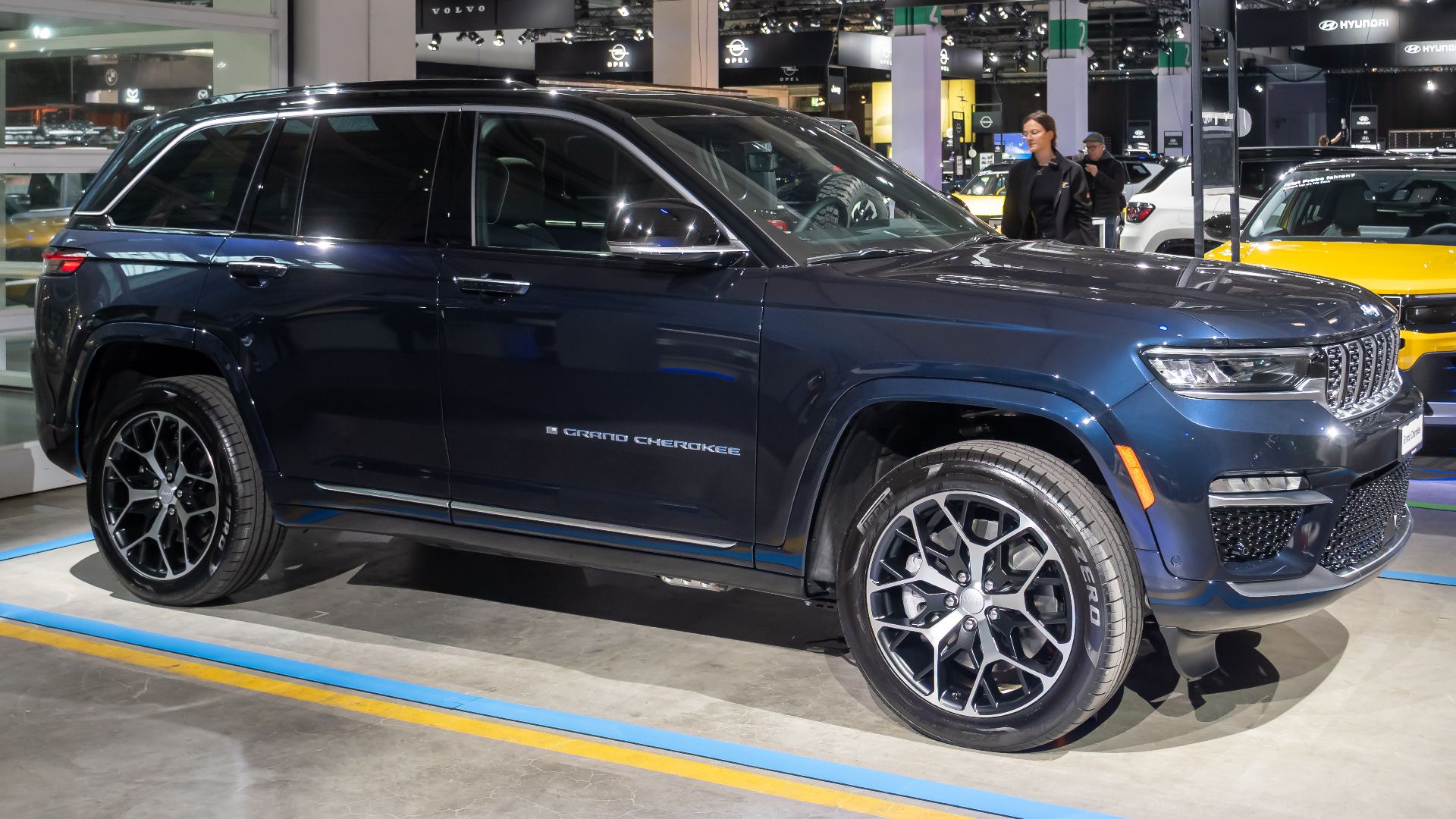
Certain electric and plug-in hybrid recalls involve problems with their high-voltage batteries. For example, some recalled Jeep Wrangler and Grand Cherokee plug-in hybrids were subject to warnings against charging and instructions to park outside. These precautions address fire risks that can exist even when the vehicle isn't being driven.
 Matti Blume, Wikimedia Commons
What If There's No Stop-Driving Warning?
That doesn't automatically mean your car is completely safe. Some manufacturers provide temporary precautions intended to reduce the risk while owners await repairs. Others may specify restrictions depending on the defect. Check the official instructions and contact the manufacturer if anything remains unclear.

Why Would A Dealer Have No Replacement Parts?
Manufacturers sometimes announce recalls before a permanent repair is ready. Engineers may still be developing the solution, or replacement components might not yet be available in sufficient quantities. Owners can receive an initial warning followed by another notification when repairs become available. Unfortunately, that can leave drivers waiting.

Could The Dealer Offer A Temporary Fix?
Some recall programs provide interim repairs before the permanent solution is ready. During certain Takata airbag recalls, manufacturers installed newer replacement inflators to reduce the immediate risk. Those temporary replacements still required a final repair later. Ask whether an approved interim remedy exists for your particular recall.

Is Waiting A Month Actually Legal?
Federal law requires manufacturers to complete recall remedies within a reasonable time, but parts aren't always immediately available. Under certain conditions, failure to repair a vehicle within 60 days after it is properly presented can be evidence of an unreasonable delay. However, that period generally doesn't begin before the manufacturer's announced repair date. A month-long wait doesn't automatically mean the law has been broken.

At Least The Repair Should Be Free
Eligible safety recall repairs must be provided without charge under federal law. That generally includes the necessary replacement parts and labor. The law has a 15-year eligibility limit measured from the vehicle's first retail sale to the recall determination, although manufacturers may cover older vehicles. Check with the manufacturer if you're unsure about your car's eligibility.

You Don't Have To Visit Your Original Dealer
You generally don't need to return to the dealership where you purchased your vehicle. Another authorized dealership representing the same manufacturer can usually perform the recall repair. This applies whether you bought your car new or used. That gives you another option if your regular dealership cannot help.

Another Dealership Might Have The Part
Parts availability can vary between dealerships, so it's worth contacting another authorized service department. Ask whether the replacement component is available for your specific VIN and recall campaign. A different dealer might be able to schedule the repair sooner. However, a manufacturer-wide shortage could affect every location.

Get Your Name On The Waiting List
If the part genuinely isn't available, ask the dealership how it handles recall backorders. Find out whether it can order the component for your VIN and notify you when it arrives. Confirm whether you're on a waiting list or need to check back yourself. Don't assume a phone inquiry automatically reserves a replacement part.

What If Your Car Starts Showing Symptoms?
A recall becomes especially concerning if your vehicle begins displaying signs of the reported defect. Unpredictable steering, serious braking problems, smoke, or burning smells could indicate an immediate hazard. Even without a formal stop-driving warning, don't continue operating a vehicle showing dangerous symptoms. Arrange safe transportation or towing instead.

Can You Demand A Free Loaner Car?
Not necessarily, because manufacturers aren't automatically required to provide loaner vehicles for every recall. However, some offer temporary transportation when the defect makes continued driving unsafe. Certain Takata airbag campaigns have included this assistance. Ask the manufacturer's customer service department whether your recall qualifies.

What If This Is Your Only Car?
Being told not to drive can create a serious problem when you depend on your vehicle every day. If your recall carries that warning, explain your transportation situation to the manufacturer and ask about towing, loaners, or rental assistance. Some recall programs provide these services without charge. Don't ignore a stop-driving warning simply because you need to get to work.

Don't Rent A Car Without Checking First
You might assume the manufacturer will reimburse you for a rental while your car awaits repairs. Unfortunately, reimbursement isn't guaranteed unless the applicable program provides it. Some manufacturers require advance authorization or impose rental limits. Confirm what expenses will be covered before spending your own money.

What If The Dealership Keeps Putting You Off?
There's a difference between waiting for unavailable parts and a dealership refusing to perform an available recall repair. If the repair is ready but the dealer won't help, contact the manufacturer directly. Provide your VIN, recall number, and details of your conversations. Ask whether another authorized repair location can handle the work.

You Can Report Problems To NHTSA
If a manufacturer or dealership fails to provide a required recall remedy, you can report the problem to the National Highway Traffic Safety Administration. The agency also accepts complaints about potential vehicle safety defects. You can submit information online or call its Vehicle Safety Hotline at 888-327-4236. Include the recall number and any relevant dealership correspondence.

Keep Records While You're Waiting
Save your recall notice, appointment confirmations, and messages about replacement parts. Record when you contacted the dealership and what employees told you. If the manufacturer promises transportation assistance or reimbursement, request written confirmation. These records can help if the delay continues or a dispute develops.

Your Recall Instructions Could Change
A recall's status can change as manufacturers develop repairs and distribute replacement parts. Additional vehicles may be identified, and updated instructions may become available. NHTSA's VIN lookup doesn't always include every newly announced recall immediately. Check regularly and contact the manufacturer if you suspect your vehicle is affected.
What If You Live In Canada?
Canadian drivers should also follow their manufacturer's recall instructions while awaiting repairs. Transport Canada recommends addressing recalls promptly and observing any temporary safety precautions. Manufacturers generally provide recall repairs without charge, although Canadian requirements differ from American law. You can search Transport Canada's recall database or contact the automaker directly.

Make Sure It's Actually A Recall
Not every manufacturer service announcement is a safety recall. Automakers also issue technical service bulletins explaining known problems and recommended repairs. These bulletins don't automatically carry the same free-repair requirements as federal safety recalls. Confirm which type of notice applies before assuming the work will be covered.

So Can You Keep Driving For Another Month?
It depends entirely on the defect and the manufacturer's instructions. If your vehicle carries a stop-driving warning, park it and arrange safe transportation. Otherwise, review any interim precautions, watch for dangerous symptoms, and confirm whether continued driving is advised while you wait. The fact that a dealer doesn't have the part doesn't mean your car is safe to drive.
 https://kaboompics.com/, Pexels
You May Also Like:
Rare Factory Versions Of Famous American Cars That Most Drivers Never Knew Existed