Apparently, Your Car Charm Is A Traffic Hazard
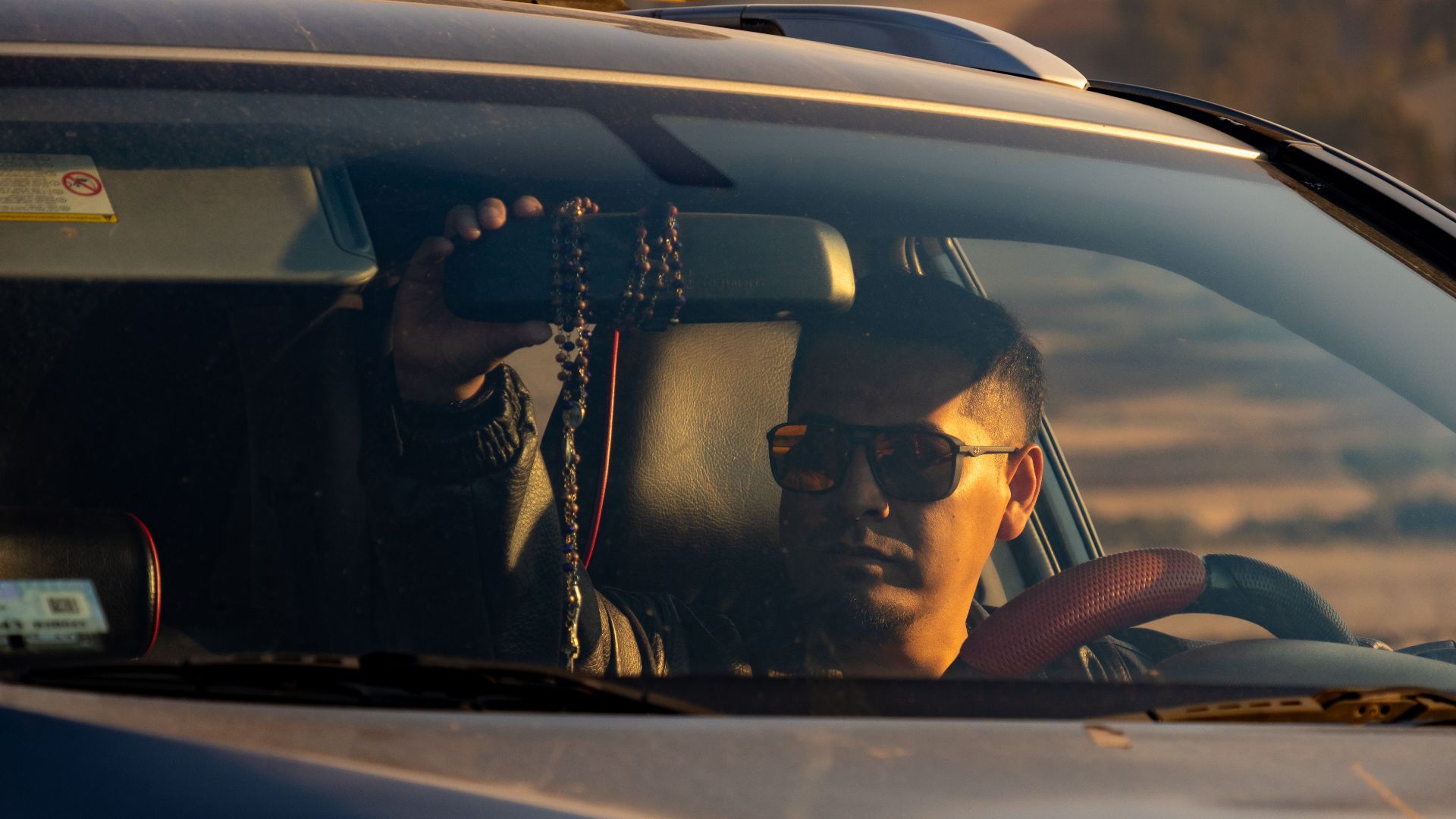
You have a decorative charm hanging from your rearview mirror. Maybe it's a crystal, dreamcatcher, rosary, air freshener, graduation tassel, or one of those oversized fuzzy decorations that swings around every time you turn. Then an officer pulls you over and warns you that it's blocking your windshield.
Can police seriously tell you how big a decoration you're allowed to hang inside your own car?

This Sounds A Little Ridiculous At First
It's easy to see why drivers get annoyed. The charm is inside your vehicle. It's not covering the windshield with paint, your windshield isn't cracked, and you can still see the road. Besides, millions of Americans hang things from their mirrors. Unfortunately, popularity and legality aren't necessarily the same thing.

This Isn't Really A "Car Charm" Rule
Just like our dashboard rubber-duck problem, the law probably doesn't care whether the offending object is a charm. The important questions are where the object hangs and whether your state's law prohibits objects that obstruct your vision—or, in some states, certain objects suspended between the driver and windshield in the first place. That's a much broader category.

Windshield Visibility Is Regulated
States have vehicle-equipment laws designed to protect a driver's view of the road. The exact wording varies considerably. Some laws focus on whether an object actually obstructs the driver's vision. Others specifically restrict objects suspended in particular areas of the windshield, subject to exceptions.

Minnesota Is A Great Example
Minnesota's windshield statute is surprisingly specific. It prohibits driving with objects suspended between the driver and windshield, while providing exceptions for certain things such as rearview mirrors, sun visors, qualifying navigation equipment, electronic toll devices, and certain safety equipment. Your giant decorative charm isn't necessarily on that exception list.

Michigan Takes A Different Approach
Michigan's law says a driver cannot operate a vehicle with an object that obstructs the driver's vision, except as otherwise authorized by law. Notice the important difference. The issue there isn't simply, "Something is hanging from your mirror." The legal question centers on whether the object obstructs the driver's vision.

So Your State Makes A Huge Difference
This is why someone online saying, "That's perfectly legal—I do it every day!" isn't particularly useful. They might live 1,000 miles away. Something permitted under one state's vehicle code may be restricted differently in another. Even neighboring states can phrase windshield-obstruction rules differently.

What Counts As "Obstructing" Your Vision?
That's where things become interesting. Imagine a one-inch charm hanging immediately beneath the mirror. Now imagine a six-inch dreamcatcher with feathers dangling halfway down the windshield. Technically, they're both mirror decorations. Practically, they present very different visibility issues.

Size Definitely Matters
Your officer specifically complained that your charm was too big. That suggests the concern may not have been the existence of the charm but the amount of the windshield it occupied from your driving position. An object doesn't have to cover half the glass before it affects what you can see.

Small Objects Can Block Surprisingly Large Areas
Try holding a quarter several inches in front of one eye. That tiny coin can completely hide a distant vehicle. The same principle applies inside a car. Because a mirror charm hangs relatively close to your face, it can obscure a surprisingly large object farther down the road.

And Your Charm Moves
A windshield sticker generally stays put. A hanging charm swings. Every acceleration, stop, pothole, corner, or sudden steering movement can send it moving across different portions of your field of vision. That makes an oversized hanging decoration somewhat different from a tiny stationary object tucked into a corner.

It Could Momentarily Hide Something Important
Imagine you're approaching an intersection. Your charm swings left just as a pedestrian steps into view. Or it swings right while you're checking for a cyclist. Will that happen every day? Of course not. But visibility laws exist because drivers need as unobstructed a view as reasonably possible when those rare moments occur.

A Bigger Charm Has A Bigger Swing
The longer the decoration, the farther parts of it can travel. A tiny bead suspended from a short string may barely move. A large ornament hanging on a long cord can sweep back and forth across a noticeably larger portion of the windshield. The issue isn't just its dimensions while the vehicle is parked.

Where You Hang It Matters Too
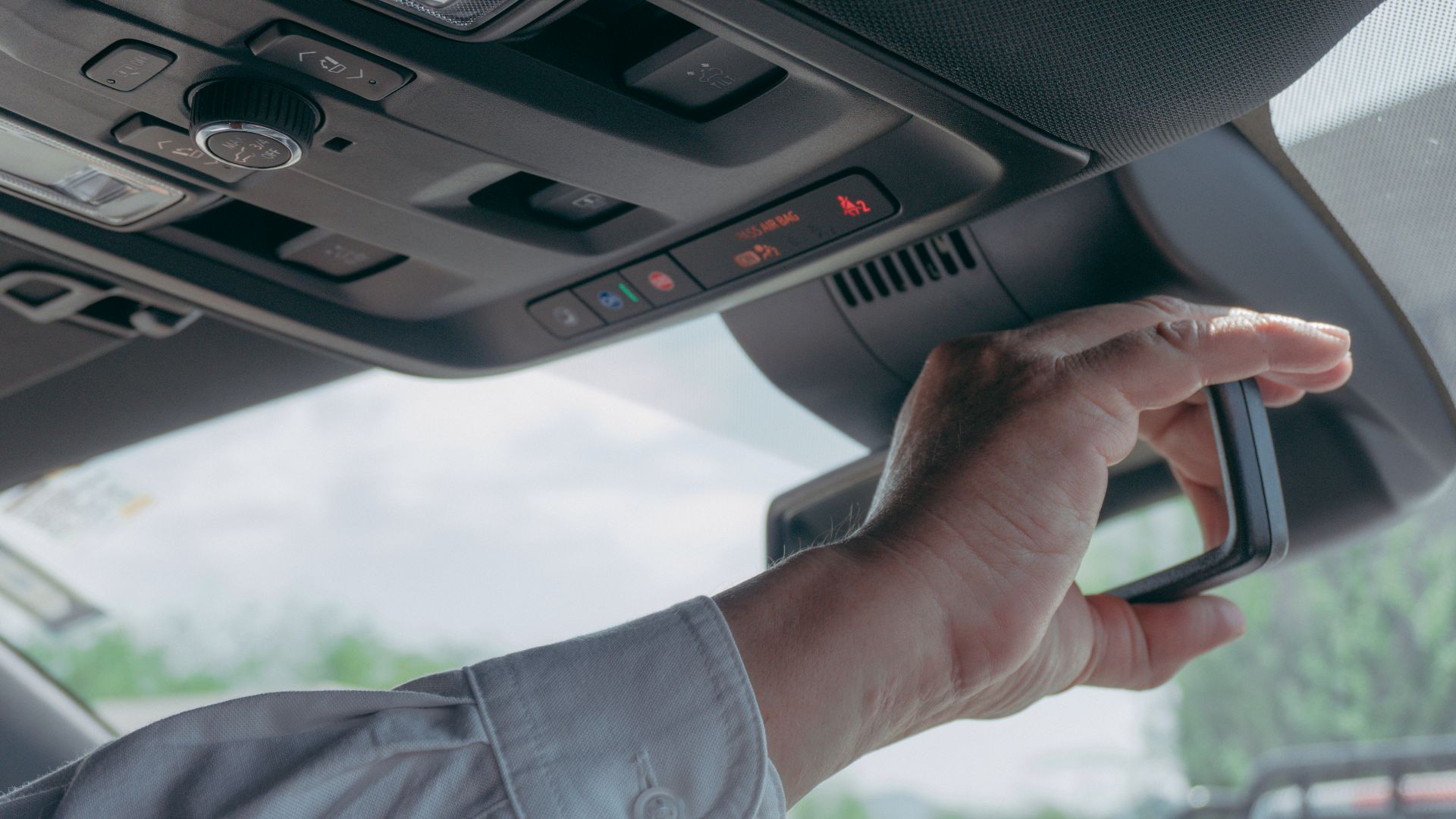
Suppose your charm hangs behind the rearview mirror from your normal seating position. Now suppose it hangs six inches below the mirror directly in the middle of your forward view. Those aren't equivalent setups. Even in states where obstruction is the central test, placement could make the difference between an insignificant decoration and something an officer considers unlawful.
Your Height Could Even Affect The Situation
Drivers don't all see the windshield from the same position. A six-foot-four driver sitting high in the seat may have a different sightline around an object than a five-foot-two driver. Seat position, dashboard height, windshield angle, and mirror placement can all affect how much an ornament interferes with someone's view.

"But I Can See Around It"
That may be true. It also isn't necessarily the end of the argument. If the applicable law prohibits an object because it obstructs a portion of your vision, the fact that you can move your head or look around it doesn't necessarily mean the object isn't an obstruction. Drivers shouldn't have to perform a miniature head dodge every time they need to see what's behind the charm.

What About Your Rearview Mirror?
Obviously, that's allowed. A rearview mirror itself occupies part of your view through the windshield, but it's required or permitted vehicle equipment serving an important driving function. Many state laws specifically exempt rearview mirrors and other authorized equipment from otherwise broad windshield restrictions. That doesn't automatically extend the exemption to everything you hang from the mirror.
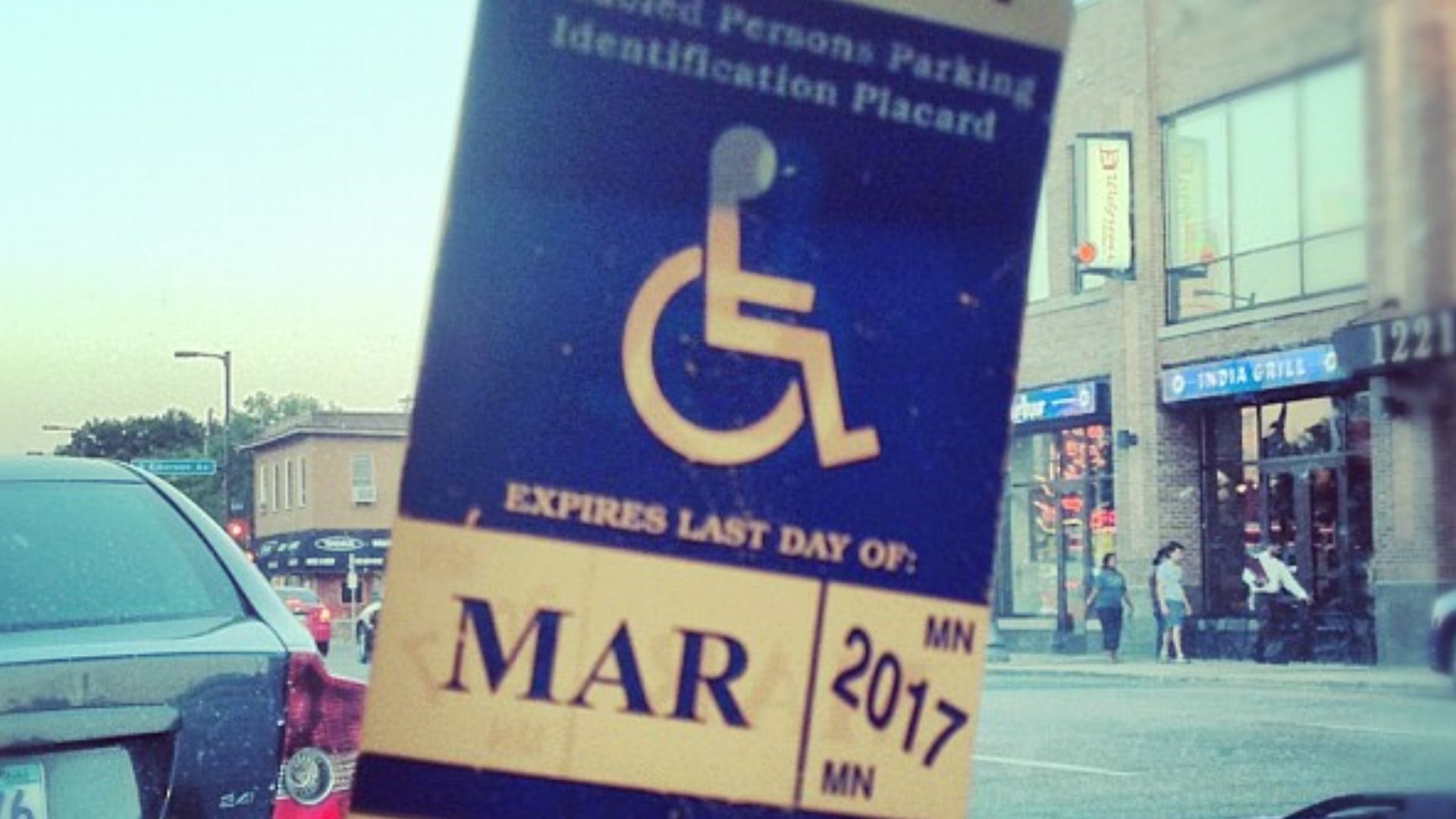
What About A Disabled Parking Placard?
Those can be governed by their own rules. A state-issued accessible-parking placard may be authorized for display under specific circumstances. Some jurisdictions also tell drivers to remove hanging placards from the mirror while the vehicle is being driven. The existence of legally authorized placards doesn't mean every decorative object gets the same treatment.
 Tony Webster, Wikimedia Commons
And What About An Air Freshener?
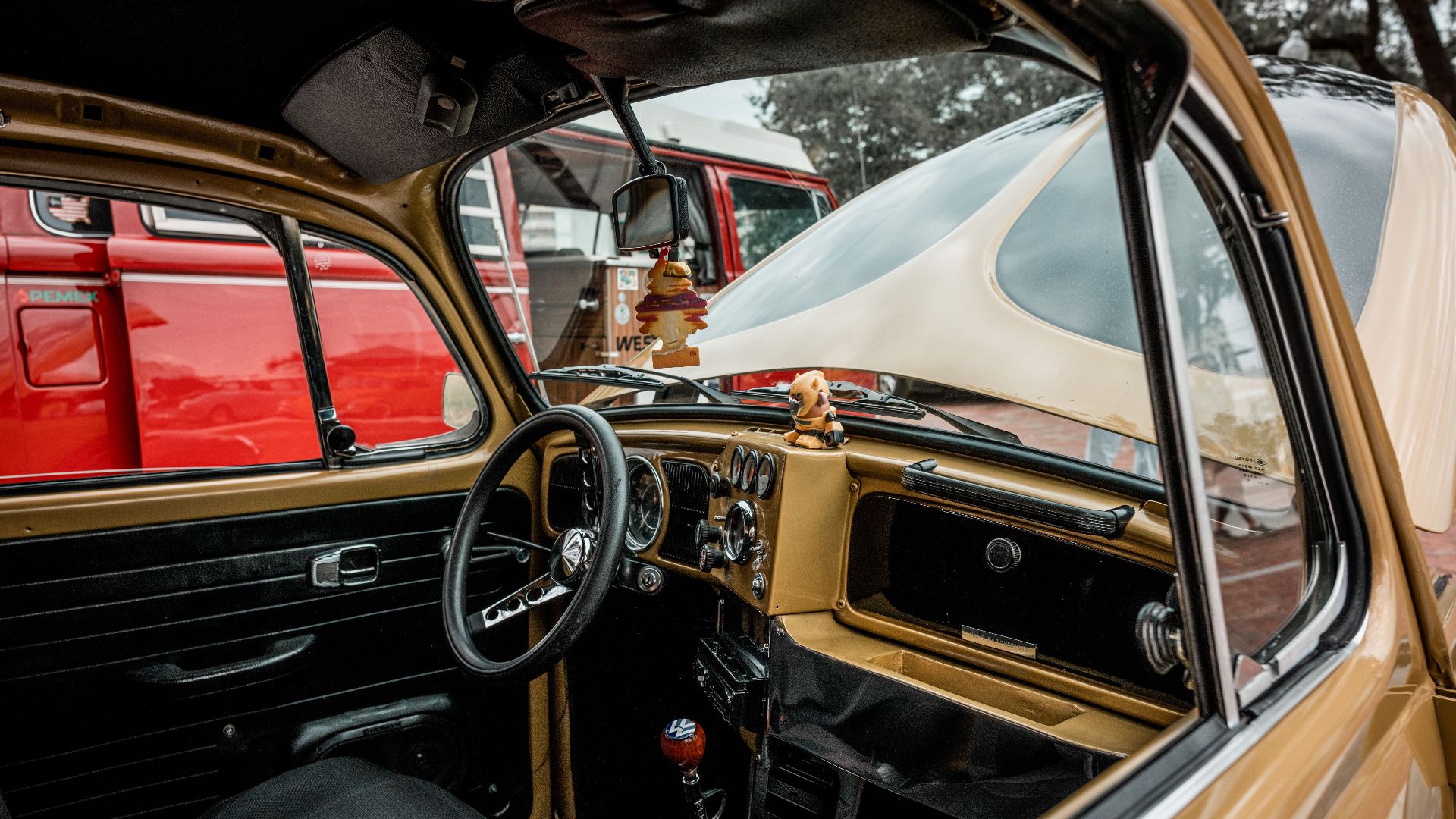
That's where this issue gets especially relatable. Millions of Americans have driven around with little cardboard trees and other air fresheners dangling from their mirrors. Depending on the state, an air freshener could potentially fall under the same type of windshield-obstruction rule as a decorative charm. Something being sold at every gas station doesn't guarantee that every possible way of displaying it is legal.

This Issue Has Even Reached Federal Courts
Mirror-hanging objects have played a role in court cases examining the legality of traffic stops. Michigan, for example, previously had statutory language addressing dangling ornaments before its law was revised to focus more directly on whether an object obstructs the driver's vision. That history illustrates why the exact wording of the current law matters.

Can An Officer Really Pull You Over For This?
Potentially, yes. If an officer observes what appears to be a violation of an applicable windshield-obstruction law, that can create a legitimate enforcement issue. But whether the stop or citation is legally justified depends on the state's law and what the officer actually observed.

A Warning Is The Best-Case Version
In your scenario, you received a warning rather than a ticket. That's worth remembering. The officer essentially told you that the charm may violate the applicable rule or create an unsafe obstruction and gave you an opportunity to fix it without imposing a citation. As irritating traffic stops go, that's a relatively inexpensive outcome.

It Doesn't Mean Police Own Your Rearview Mirror
Officers aren't generally deciding which interior decorating style you're allowed to enjoy. The law gives them authority to enforce vehicle and traffic regulations. If your decoration falls within a prohibited category or obstructs the driver's required view, the fact that it's a personal possession inside your vehicle doesn't necessarily place it beyond traffic enforcement.
 https://kaboompics.com/, Pexels
The Same Principle Applies Elsewhere In Your Car
You own your car, but you still can't necessarily cover its windshield with opaque stickers. You can't use equipment that violates applicable lighting rules merely because you purchased it yourself. And you can't necessarily modify your vehicle in ways that make it unsafe or noncompliant with equipment requirements. Ownership doesn't erase traffic regulations.

Could The Officer Be Wrong?
Absolutely. Officers can misunderstand laws, and drivers can contest citations. Perhaps your state's law requires an actual obstruction, and the tiny charm didn't meaningfully obstruct anything. Perhaps the officer cited an inapplicable provision. Perhaps the object falls under an exception. A warning doesn't prove that a court has determined your charm violated the law.

Ask Which Law They're Talking About
If you're confused during a traffic stop, remain calm and ask which provision applies. Don't turn the roadside into a courtroom. If you receive a citation, the statute number should give you somewhere to start. Look up the actual wording rather than relying on what your cousin, TikTok, or an online forum says the law means.

Photograph The Original Setup
If you've actually been cited and intend to challenge it, document the setup before changing it. While safely parked, sit in your normal driving position and photograph the charm and windshield from approximately eye level. Include another photograph showing the charm's approximate dimensions and hanging length. That can help demonstrate what the officer was looking at.

Don't Recreate It While Driving
This should go without saying, but don't hold your phone up while driving to demonstrate that you can see around your giant swinging crystal. Park first. There's no sense transforming a windshield-obstruction warning into a distracted-driving problem.

The Easiest Solution Costs Nothing
Remove the charm while driving. You can put it back when you're parked, shorten the cord, choose a substantially smaller version, or move the decoration somewhere that doesn't interfere with your view or other safety equipment. Sometimes the least satisfying legal solution is also the easiest.

Don't Move It To The Dashboard Without Thinking
Remember our rubber ducks. Moving a huge charm from the mirror to the dashboard doesn't magically solve everything if it still obstructs your view through the windshield. The important thing is keeping the driver's field of vision clear, not finding a technical loophole in where the decoration is attached.
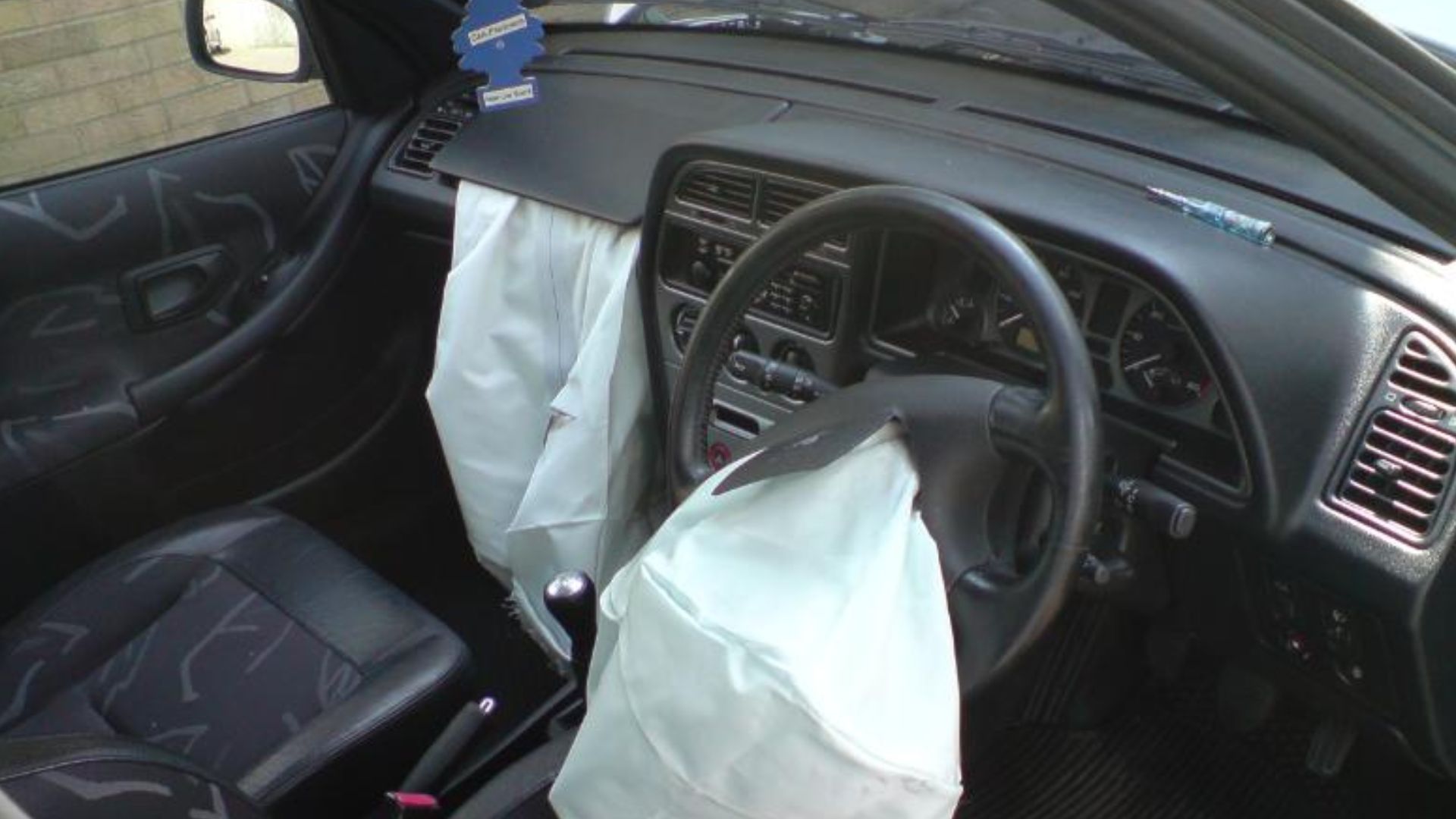
And Don't Hang It Near An Airbag
Modern vehicles have airbags in more places than many drivers realize. Avoid attaching decorations or accessories over airbag covers or in locations where deploying airbags could turn them into hazards. Your owner's manual can identify airbag locations and provide warnings about objects placed around them.
 Janipewter at English Wikipedia, Wikimedia Commons
What If The Charm Has Religious Significance?
This can make the situation more emotionally sensitive. A rosary, religious medallion, prayer beads, or another faith-related object may have considerable personal meaning. But traffic-safety laws generally regulate the obstruction created by an object rather than declaring the object's message objectionable. If necessary, a smaller or differently positioned display may preserve the personal meaning without creating the same visibility issue.

What If It's Only Two Inches Long?
Then the factual question becomes much more interesting in states whose laws require actual obstruction. A tiny object tucked largely behind the mirror may be difficult to compare with a giant ornament dangling through the driver's central field of vision. But again, some states regulate suspended objects more specifically, which is why you have to read your state's statute.

There's No Magic Nationwide Size Limit
This is one of the most important things to understand. There isn't a universal American rule saying car charms can be 2.5 inches but become illegal at 2.6 inches. State statutes use different standards and exceptions. The object's position and effect on visibility may matter more than its exact measurements.

So... Can Officers Really Control Your Car Charm?
Yes—to the extent that state traffic laws regulate windshield obstructions and suspended objects. Police don't have unlimited authority to decide that your decoration is ugly, annoying, or unfashionable. But they can enforce applicable laws requiring drivers to maintain a sufficiently clear view through the windshield. Depending on your state, a large charm hanging from the rearview mirror can potentially violate those rules.

The Bigger It Gets, The Harder The Argument Becomes
A tiny charm sitting almost entirely behind your rearview mirror is one thing. A giant dreamcatcher swinging through the middle of the windshield is another. If the officer merely gave you a warning, the practical response is pretty straightforward: look up your state's actual windshield-obstruction law, photograph the current setup if necessary, and reposition or remove the charm if there's any real doubt. You don't necessarily have to give up decorating your car. Just remember: if your lucky charm is big enough to hide the car in front of you, it may not be bringing you much luck after all.

You May Also Like: