Two Keys, One Expensive Surprise
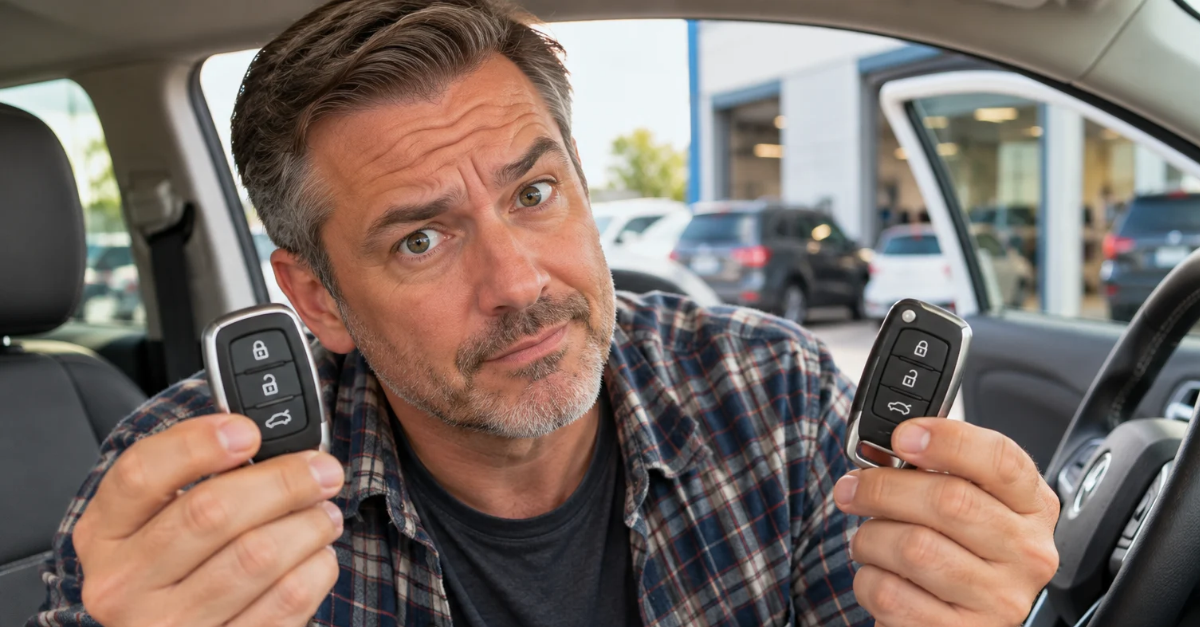
Two keys should mean twice the peace of mind. But when one of them refuses to start your newly purchased used car, an apparently minor inconvenience can quickly become an argument over who should pay to make it work.
Two Keys Do Not Always Mean Two Working Keys
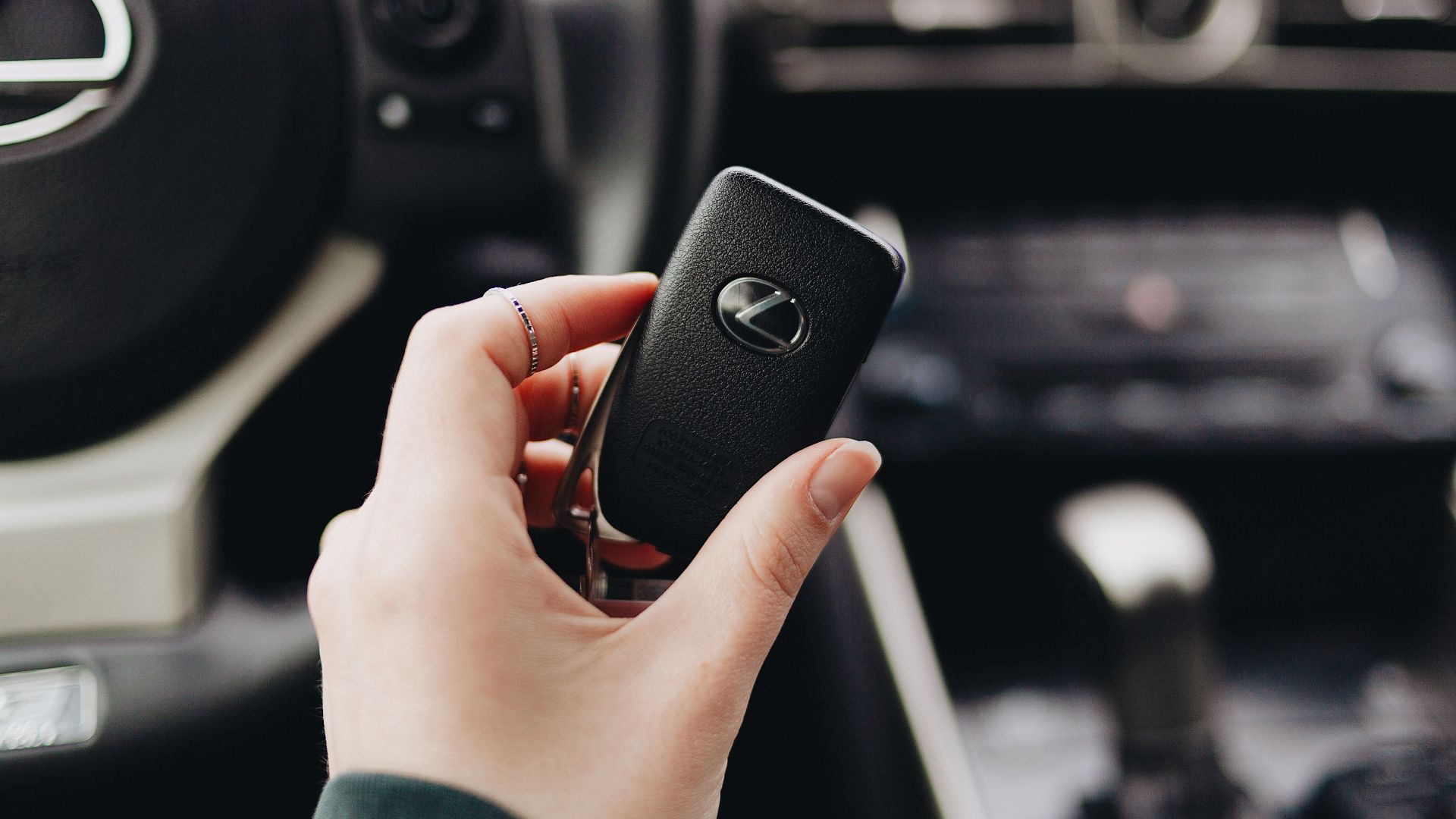
A dealer might hand you two identical-looking keys without realizing that only one can start the engine. Modern vehicle keys often contain electronic security components that must communicate correctly with the car. Having the physical key or remote in your hand does not necessarily mean the vehicle recognizes it.
Your Car Has An Electronic Gatekeeper
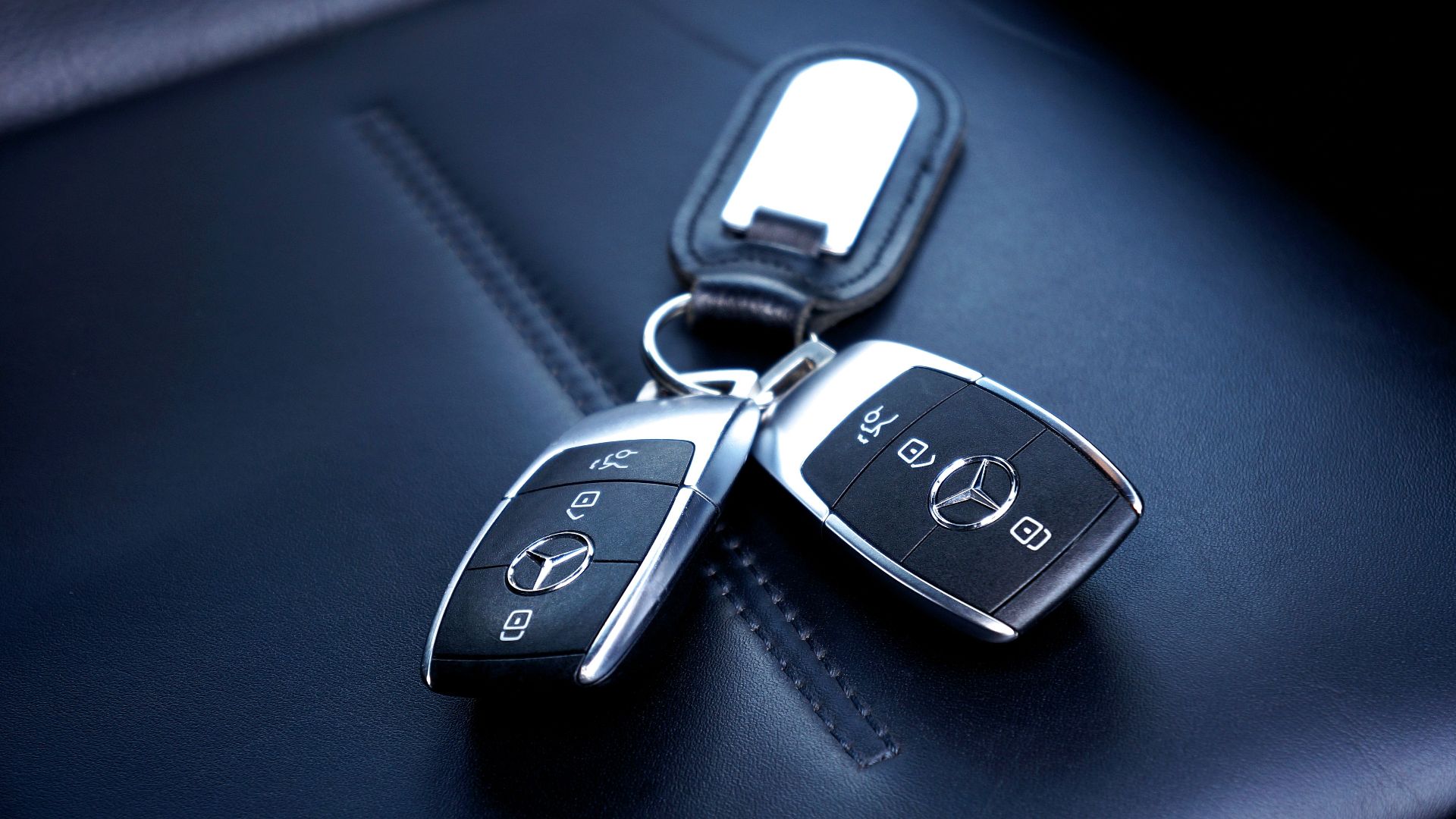
Most modern vehicles use an immobilizer system designed to prevent unauthorized starting. The system checks for an authorized electronic credential before allowing the engine to run. Even a perfectly cut mechanical key may fail to start the car if its electronic identity is not accepted.

The Chip Inside The Key Matters
Many conventional-looking car keys contain a small transponder chip. The vehicle reads the chip and determines whether its identification is authorized by the immobilizer system. This explains why a replacement key can turn the ignition or unlock a door but still fail to start the engine.
Keyless Cars Have Similar Security
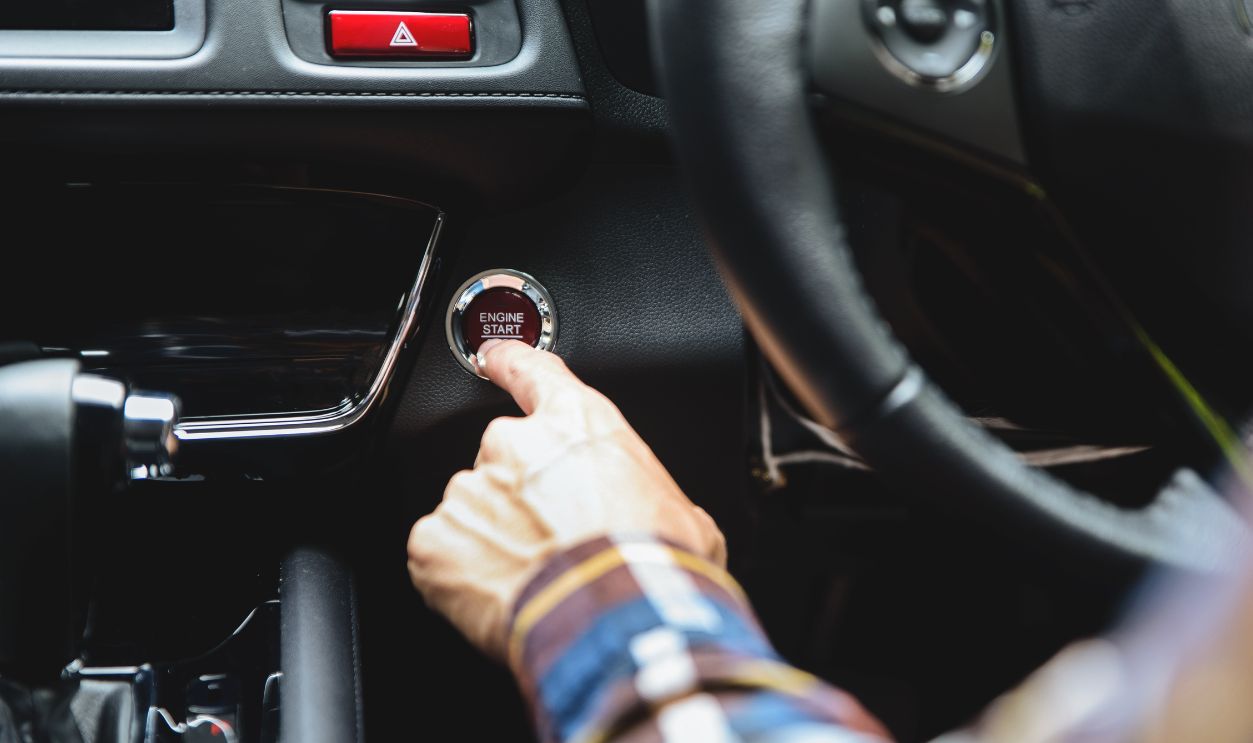
Push-button-start vehicles usually rely on electronic smart keys rather than traditional ignition keys. The vehicle must recognize an authorized key before permitting normal starting. A replacement smart key therefore needs to be compatible with the vehicle and properly registered to its security system.
Unlocking The Doors Proves Very Little
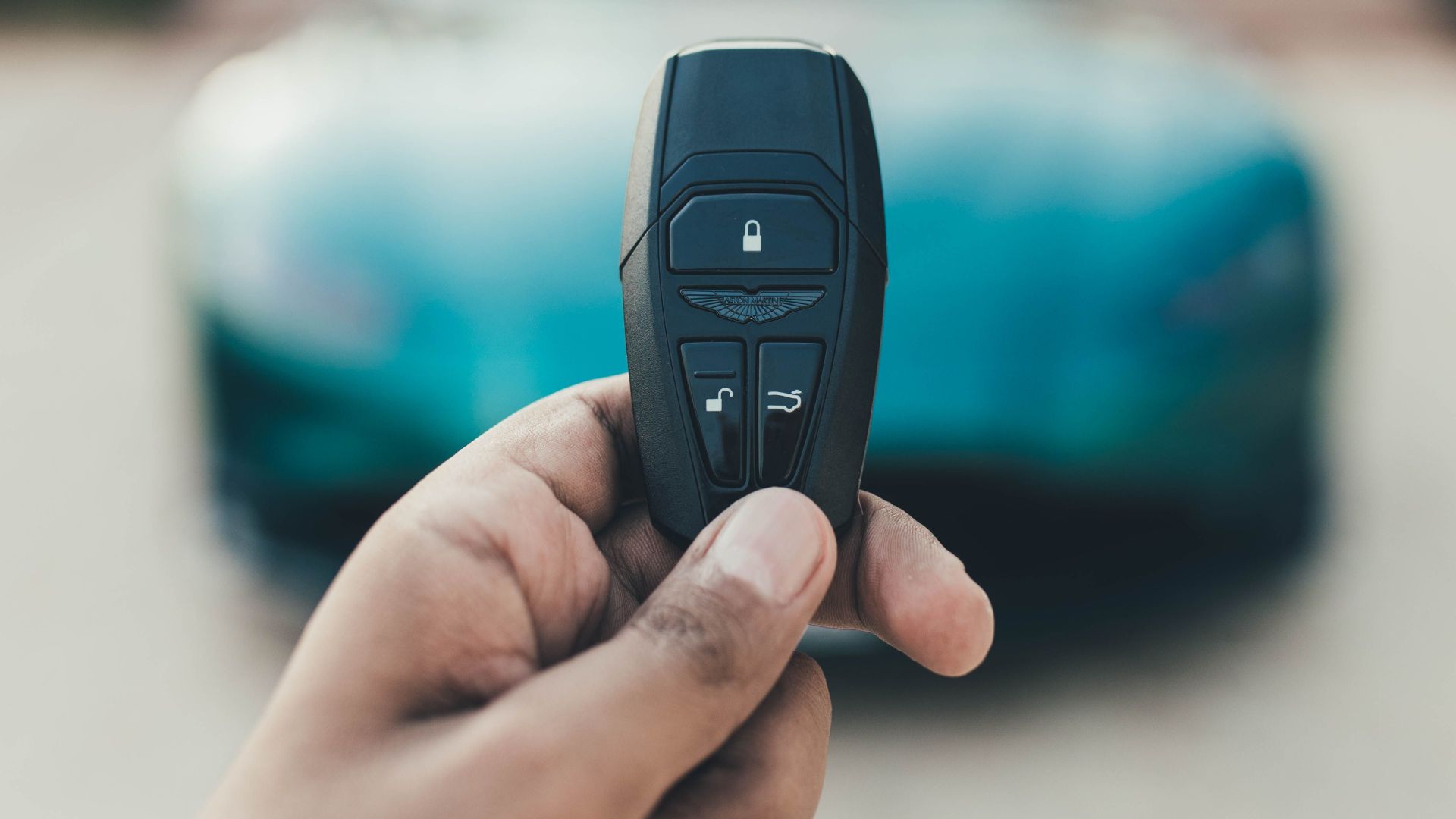
Some keys have separate functions for remote locking and engine authorization. A remote may operate the door locks even when its immobilizer credential is not recognized. That means successfully pressing the unlock button does not establish that the key is fully functional.

The Key Might Simply Have A Dead Battery
Before assuming the dealer supplied an unprogrammed key, check the simplest possibility. A weak or dead key-fob battery can interfere with normal remote operation and keyless detection. Many vehicles provide an emergency starting method for this situation, although the procedure differs by model.
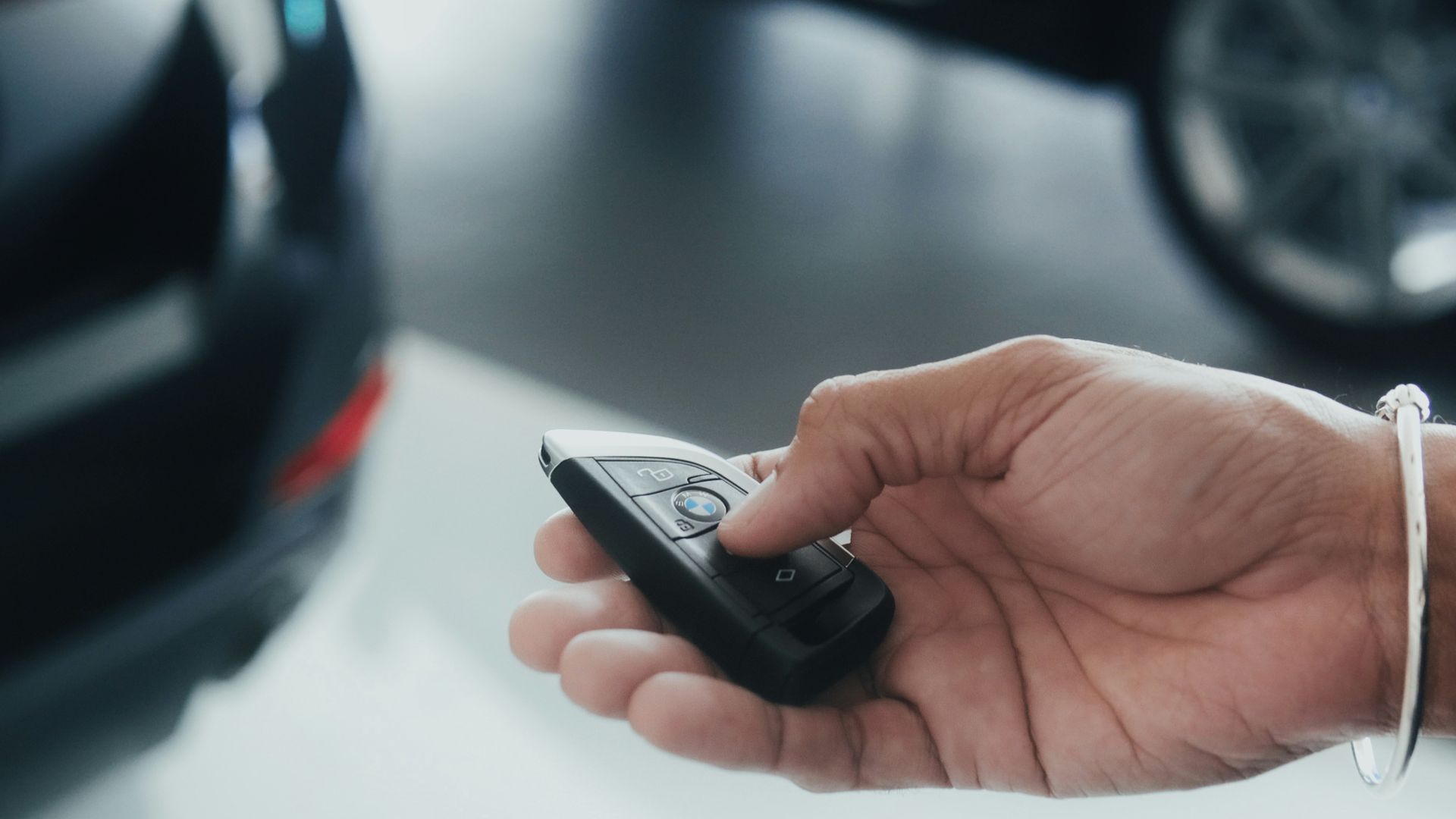
Some Cars Have A Backup Starting Trick
Manufacturers often provide a way to start a push-button vehicle when the smart-key battery is depleted. Depending on the model, the driver may need to hold the fob against the start button or place it in a designated location. The owner's manual should identify the correct procedure for that particular vehicle.
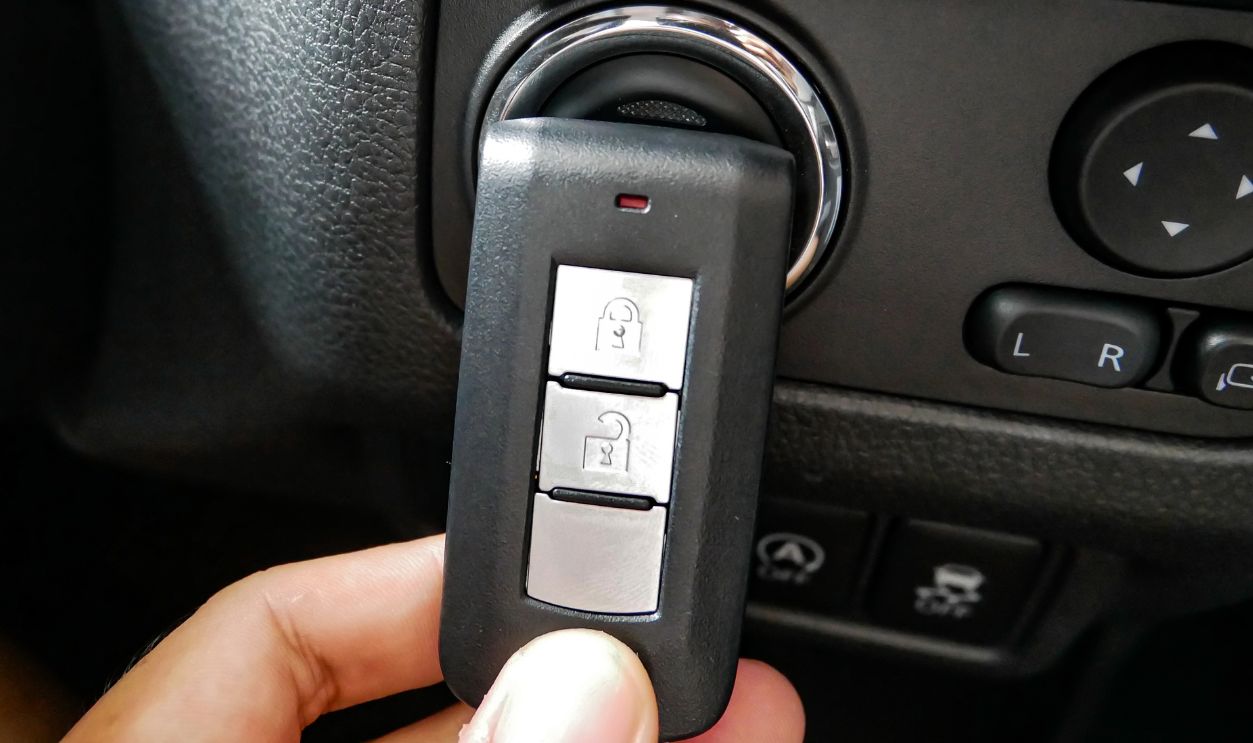
A Battery Change Does Not Erase Programming
Replacing a fob battery is not normally the same as programming a new key. Ford's owner documentation explicitly states that replacing the battery does not erase the vehicle's programmed key. If a new battery restores normal operation, there may be no programming problem at all.
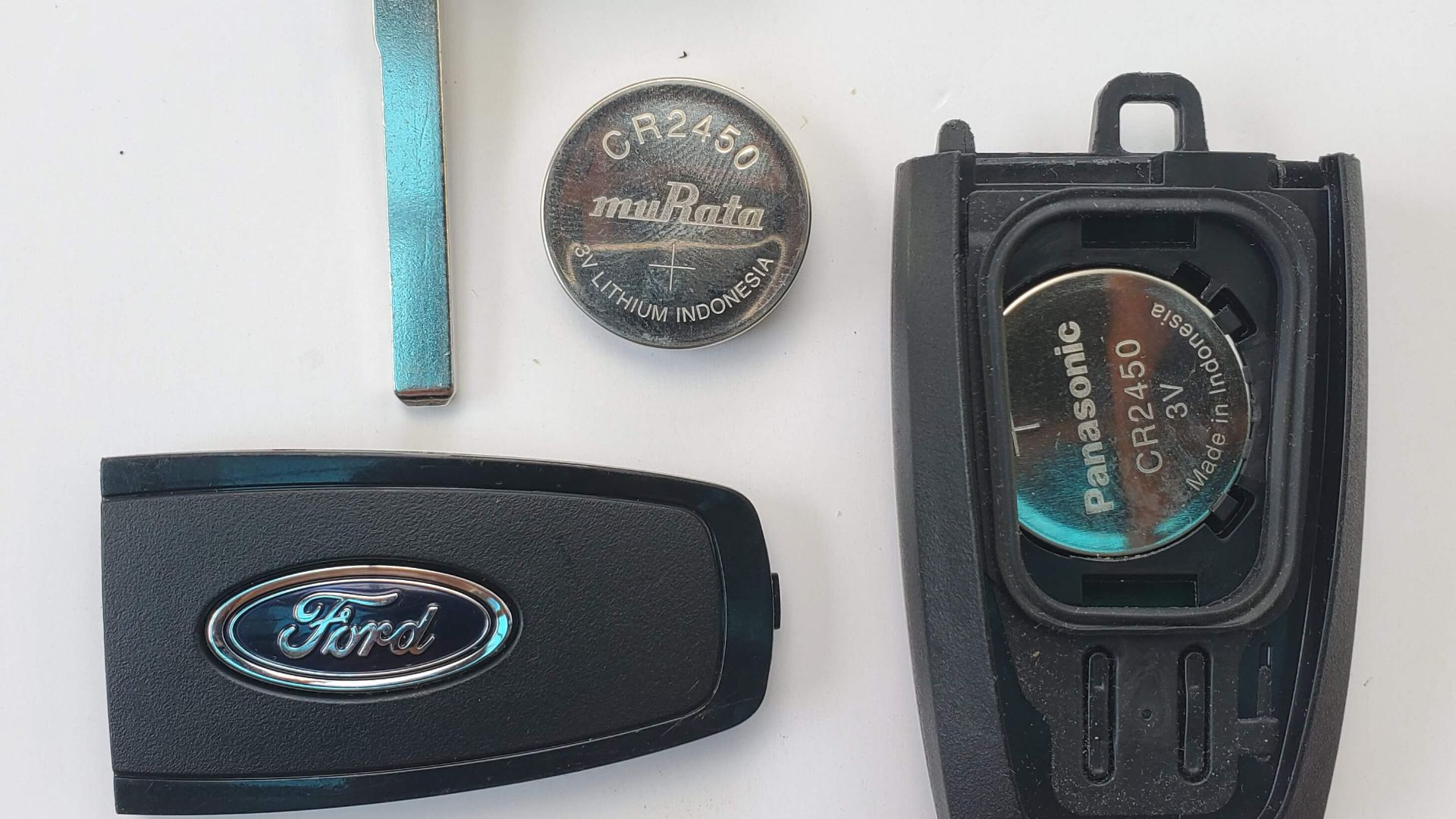
The Second Key Could Be The Wrong One
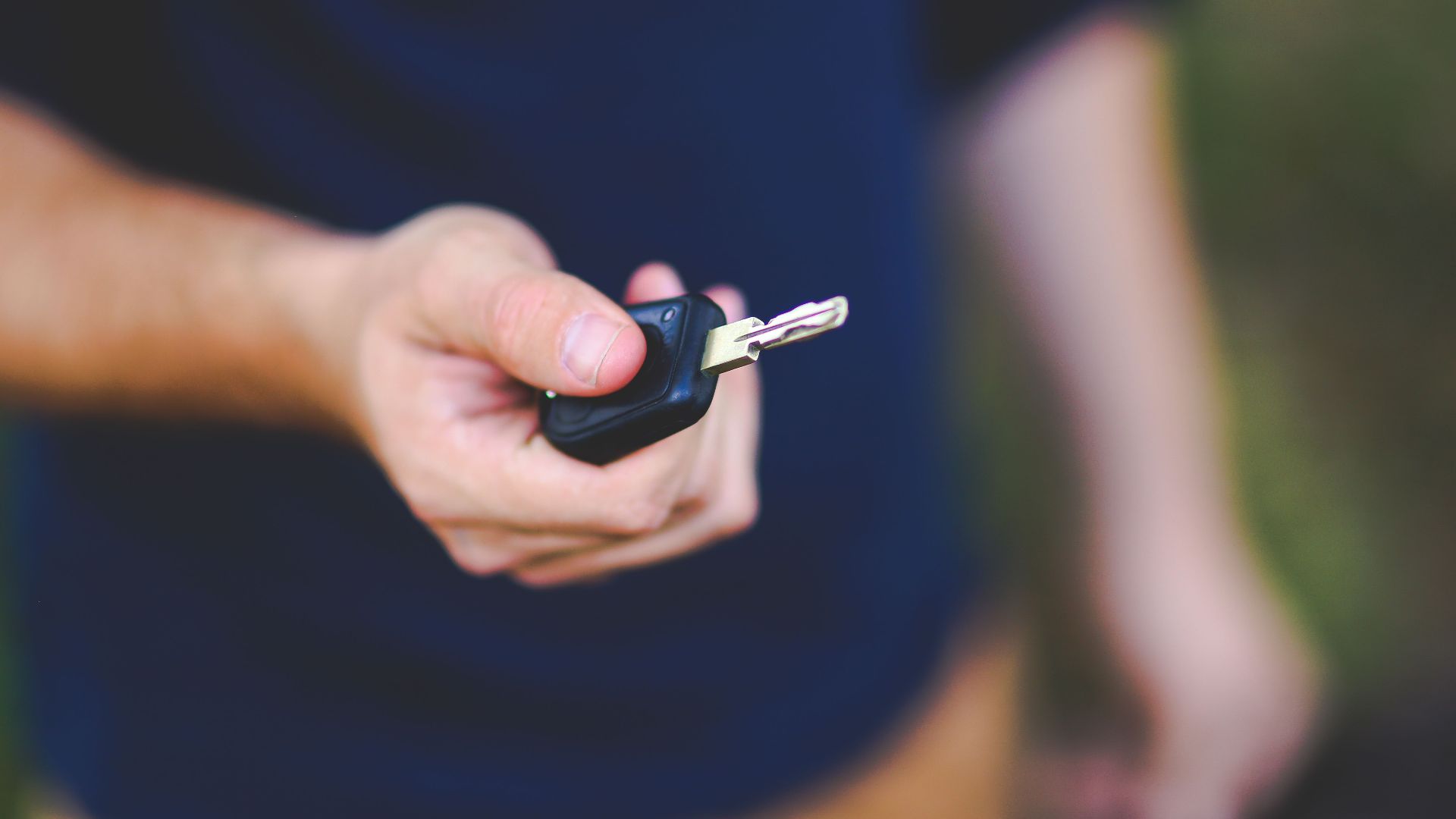
Used cars sometimes arrive with keys from previous owners, auctions, or earlier dealership inventory. A key that looks identical to the working one might contain electronics intended for another vehicle or an incompatible system. Before paying for programming, a qualified technician should confirm that the second key is suitable for the car.
 Karolina Grabowska www.kaboompics.com, Pexels
Programming Can Require Special Equipment
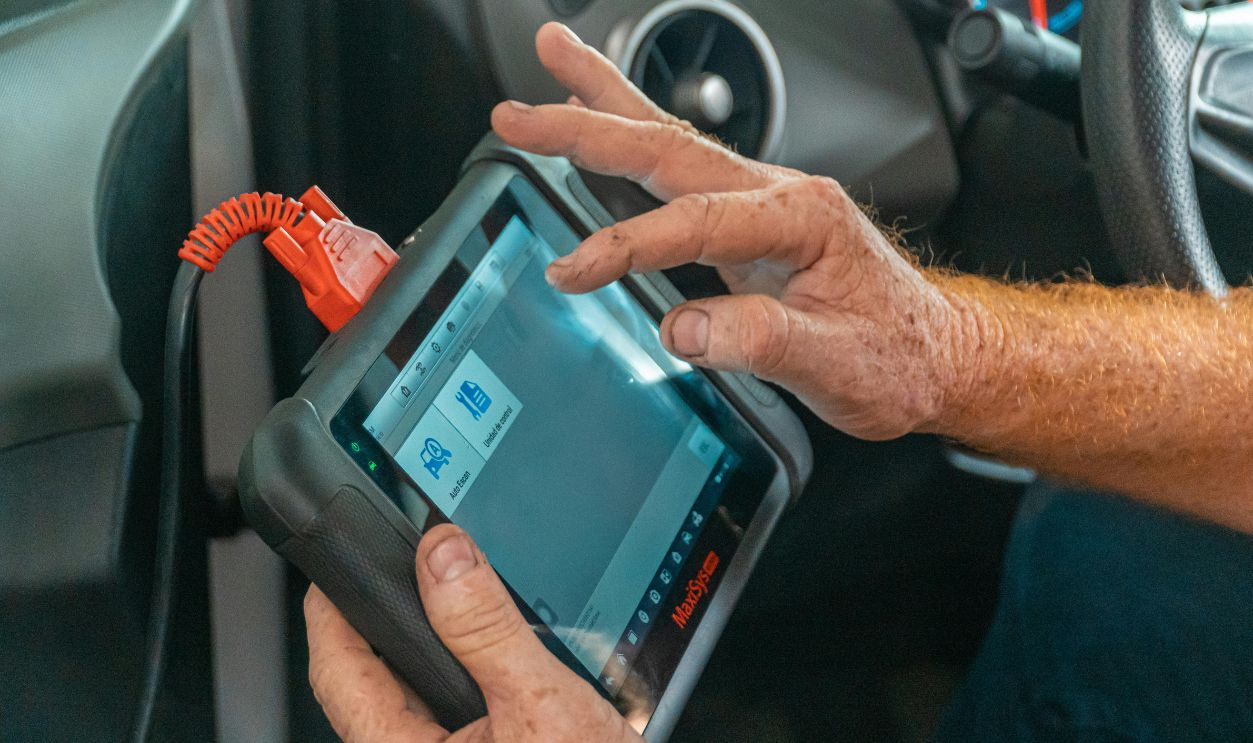
Registering a replacement key may involve communicating with the vehicle's immobilizer or security module. Depending on the manufacturer, the process may require diagnostic equipment, authorized security access, or a specific sequence involving existing keys. That is why replacement keys can cost considerably more than ordinary house keys.

Some Cars Let Owners Program Spares
Not every replacement key requires a dealership appointment. Ford has published owner procedures allowing additional keys to be programmed on certain models. These procedures are model-specific and commonly require two previously programmed keys before another can be added.

Having Only One Working Key Changes Things
A car supplied with two keys might still effectively have only one authorized key. That can matter because certain owner-programming procedures require two already-working keys. Ford instructs owners of some vehicles to visit an authorized dealer when two programmed keys are unavailable.
Programming Is Not Always The Solution
A nonworking key might have damaged electronics, an incorrect transponder, or another hardware problem. In those circumstances, repeating the programming procedure may accomplish nothing. A proper diagnosis should establish whether the existing key can be registered or needs replacement.
 Jose Ricardo Barraza Morachis, Pexels
The Bill Can Include More Than Labor
A replacement-key estimate may include the electronic fob, mechanical blade cutting, diagnostic work, and registration to the vehicle. The necessary operations depend on the type of key and the manufacturer's security system. Asking for an itemized estimate helps distinguish a programming charge from the cost of supplying a completely new key.

The Dealer May Be Able To Fix It Easily
A dealership's service department may already have the equipment and manufacturer information needed to diagnose a key problem. If the original dealer has an appropriate service department, resolving the issue may be simpler than arranging an outside repair. It is reasonable to give the selling dealer an opportunity to inspect the key before paying another provider.

The Sales Agreement Is Your Starting Point
Whether the dealer must pay depends heavily on what was promised during the sale and the consumer protection laws where the transaction occurred. If the agreement explicitly includes two functioning keys, the buyer has a stronger argument that both should operate properly. If the paperwork merely records that two physical keys were handed over, the dispute may be less straightforward.

Written Promises Carry More Weight
The Federal Trade Commission repeatedly advises used-car buyers to get dealership promises in writing. Spoken promises can be difficult to establish when the buyer and salesperson later disagree about what was included. A signed agreement, email, or written delivery checklist identifying two working keys can provide valuable evidence.

Check The Original Advertisement
The vehicle's online listing may contain useful information about what the dealer offered. An advertisement mentioning two keys or two working remotes could support the buyer's account of the transaction. Preserve a copy of the listing along with any messages discussing the vehicle's equipment.

What If The Salesperson Promised Two Keys?
A salesperson might have specifically reassured the buyer that the vehicle came with two usable keys. The FTC recommends documenting such promises because disputes become harder to resolve when they were made only verbally. If the salesperson made that representation, raise it with the dealership and provide any supporting messages or paperwork.

An As-Is Sale Complicates The Argument
In U.S. states that permit them, an as-is used-car sale generally means the dealer is not providing a warranty against covered defects. However, the legal effect depends on state law and the specific agreement. An as-is designation does not automatically settle a separate dispute about an express promise that two working keys were included.

The Buyers Guide Has An Important Role
Under the FTC's Used Car Rule, most U.S. dealers must display a Buyers Guide on vehicles offered for sale. The document identifies whether the vehicle is sold with a warranty, without a dealer warranty where permitted, or subject to implied warranties. It is an important record to review, although it does not automatically answer whether a second key was promised.
 Bogdan Vacarciuc, Shutterstock
A Warranty Might Not Cover The Key
Used-car warranties differ substantially in the systems and components they cover. Some focus on major mechanical assemblies, while others provide broader protection. The FTC advises buyers to examine the written warranty rather than assuming that every defect or accessory is included.

State Laws Can Change The Answer
There is no universal U.S. rule requiring every used-car dealer to supply two programmed keys with every sale. State consumer protection laws, warranty requirements, and contract rules can affect a buyer's remedies. The FTC recommends contacting state or local consumer protection authorities when a dispute cannot be resolved directly.

Canadian Buyers Have Their Own Protections
Ontario, for example, regulates registered motor vehicle dealers through the Ontario Motor Vehicle Industry Council. OMVIC advises buyers to ensure promises and representations are included in the purchase agreement. It also handles complaints involving contract disputes and potentially misleading representations, although it cannot directly order a dealer to pay for repairs.

A Missing Function Is Different From A Missing Key
There is an important distinction between a dealer providing one key when two were promised and providing two keys when one does not work. Both situations may raise questions about whether the agreed equipment was delivered. However, the available remedy depends on the precise representation, the agreement, and applicable law.

Report The Problem Immediately
Discovering the problem shortly after delivery makes it easier to document the condition of the second key. Contact the dealership promptly, preferably in writing, and explain what happens when you attempt to use it. Include the purchase date, vehicle details, and any evidence that two functioning keys were part of the agreement.

Ask The Dealer To Diagnose It First
Before accepting responsibility for an expensive replacement, ask the dealer to establish why the key fails. It may need a battery, programming, or replacement, and those solutions involve different costs. A written diagnosis also helps both sides understand exactly what needs to be corrected.

Put Your Request In Writing
A clear written request is usually more useful than an argument at the service counter. Explain that the vehicle was supplied with two keys, describe the failure, and identify any promise that both would work. Ask the dealer to arrange and pay for the necessary correction if the second functioning key was part of the sale.

Escalate The Complaint If Necessary
If the salesperson refuses to help, consider contacting the sales manager or dealership general manager. The FTC recommends contacting consumer protection agencies when a used-car dispute remains unresolved. Ontario buyers can also use OMVIC's complaint process for transactions involving registered dealers, although the regulator cannot compel a repair or refund.

Keep The Working Key Safe
Until the dispute is resolved, your one functioning key deserves extra attention. Losing it could eliminate the convenient programming options available on vehicles that require existing authorized keys. Arranging a properly working spare is worthwhile even if the dealer ultimately refuses to contribute.

So Should The Dealer Pay?
If the dealer promised two functioning keys, asking it to cover the diagnosis and necessary programming or replacement is a reasonable position. Whether payment is legally required depends on the sales agreement, what the dealer represented, and the law governing the purchase. The strongest approach is to verify the fault, preserve the evidence, and give the dealer a clear opportunity to provide the working second key you understood you were buying.

You May Also Like:
Classic Cars That Were Found In Barns, Then Set Auction Records
Electric Cars With The Fastest 0–60 Times