Apparently, The Ducks Have Become A Legal Issue
You've spent months building an impressive collection of rubber ducks across your dashboard. There are yellow ones, holiday ones, maybe a cowboy duck and one wearing sunglasses. Then you get pulled over, and instead of asking about your speed, the officer points at your tiny plastic passengers and says they're a driving hazard.
Seriously? Can you actually get in trouble for having rubber ducks on your dashboard?

This Isn't Really About Ducks
The officer probably doesn't have a personal vendetta against bath toys.
What matters is where you've placed them, how many there are, how large they are, and whether they interfere with your ability to see or safely operate the vehicle.
Your ducks could just as easily be bobbleheads, figurines, stuffed animals, photographs, or an entire miniature dinosaur collection.

Americans Don't Have One Nationwide "Rubber Duck Law"
You won't find a federal statute saying drivers may possess precisely six dashboard ducks before Duck Number Seven becomes contraband.
Rules affecting drivers' visibility are largely found in state vehicle codes. That means the exact wording—and what an officer needs to establish before issuing a citation—can vary depending on where you're driving.

The Windshield Is The Important Part
States commonly restrict objects that obstruct or impair a driver's view through the windshield. Pennsylvania, for example, prohibits driving with an object placed, attached, or hung in a position that materially obstructs, obscures, or impairs the driver's vision through the front windshield, or that otherwise constitutes a safety hazard.
That's broad enough to cover considerably more than something physically stuck to the glass.

"But They're On The Dashboard"
That distinction may not save you. A dashboard object doesn't need to be attached directly to the windshield to interfere with your view through it. A sufficiently tall object sitting at the bottom of the glass can still occupy part of the area you need to see.
Location matters more than whether the duck is technically touching the windshield.
 The Washington Post, Getty Images
One Tiny Duck Is A Very Different Scenario
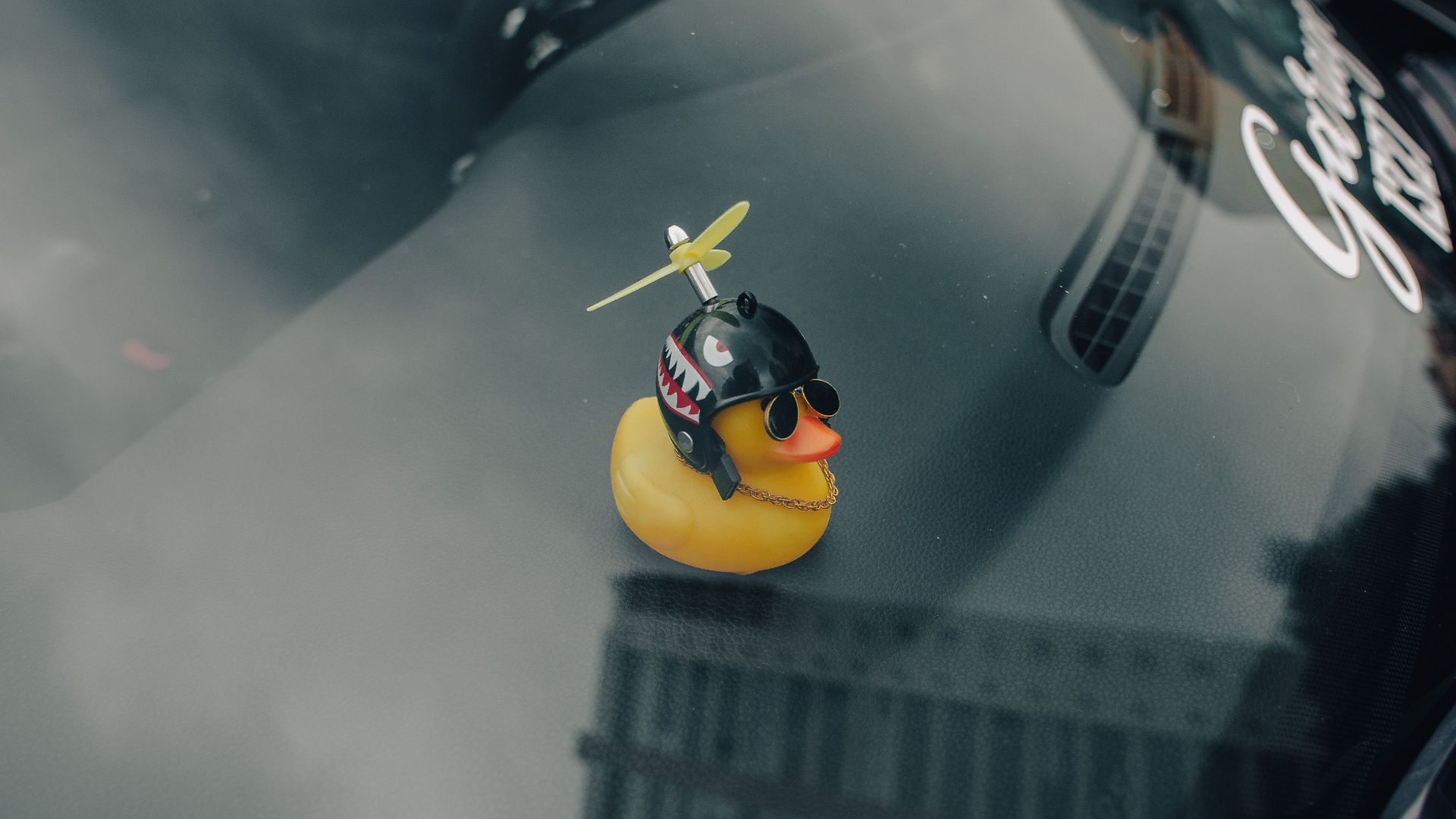
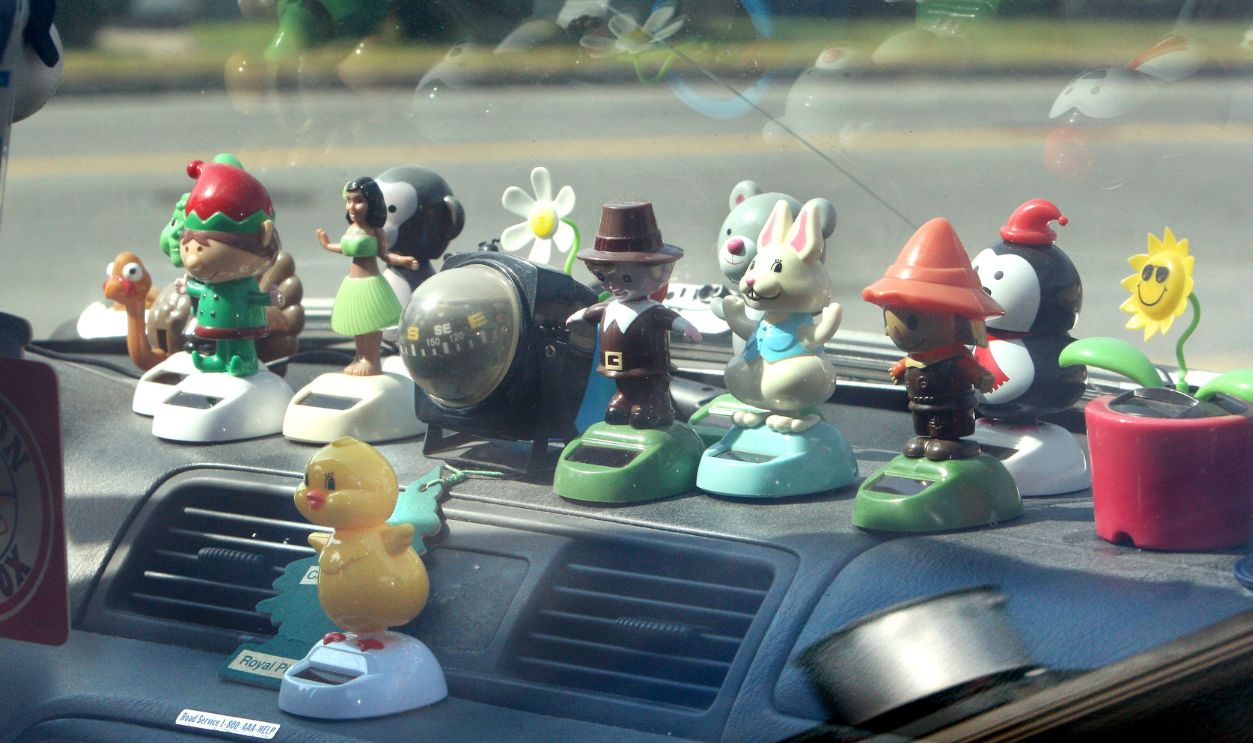
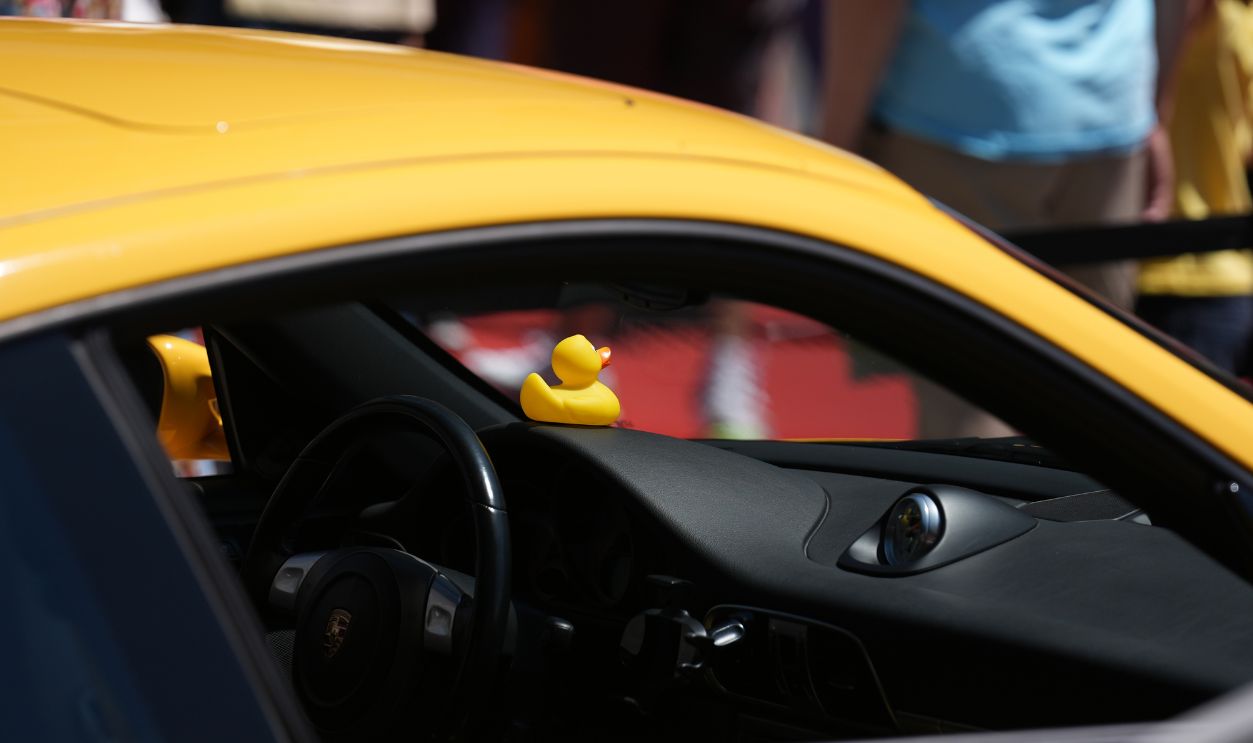
Imagine one two-inch rubber duck sitting low in the far passenger-side corner of a large dashboard. Now imagine 47 ducks arranged in three rows stretching from the driver's A-pillar to the passenger door.
Those are very different visibility situations, even though both drivers could truthfully say, "I have rubber ducks on my dashboard."
How Tall Are Your Ducks?
Size matters. A tiny decoration positioned well below the driver's normal sightline might have practically no effect on forward visibility. A six-inch novelty duck directly in front of the driver could obscure something outside the vehicle. And perspective makes dashboard objects surprisingly important.

Objects Close To Your Eyes Can Block Distant Objects
Hold your thumb several inches in front of your face and close one eye. Your thumb can cover an entire car in the distance. That's roughly why an apparently small dashboard ornament can obscure more of the outside world than its physical dimensions might suggest.

The Lower Windshield Isn't Automatically Useless Space
Drivers sometimes assume anything below their direct view of the horizon is harmless.
But the road immediately ahead matters too. Pedestrians, curbs, lane markings, small children, animals, debris, motorcycles, and other objects can appear relatively low in your field of vision.
A dashboard covered in decorations can chip away at that visibility.
Federal Regulators Care About Driving Visibility Too
Federal Motor Vehicle Safety Standard No. 205 regulates automotive glazing and is intended in part to ensure a necessary degree of transparency for driver visibility.
NHTSA has also repeatedly considered whether equipment or material placed around windshields affects areas considered important for driving visibility.
Federal manufacturing standards aren't the same thing as your state's roadside traffic law, but the underlying safety concern is obvious: drivers need an adequate view of what's outside the vehicle.
 AgnosticPreachersKid, Wikimedia Commons
What About Things Manufacturers Put On Dashboards?
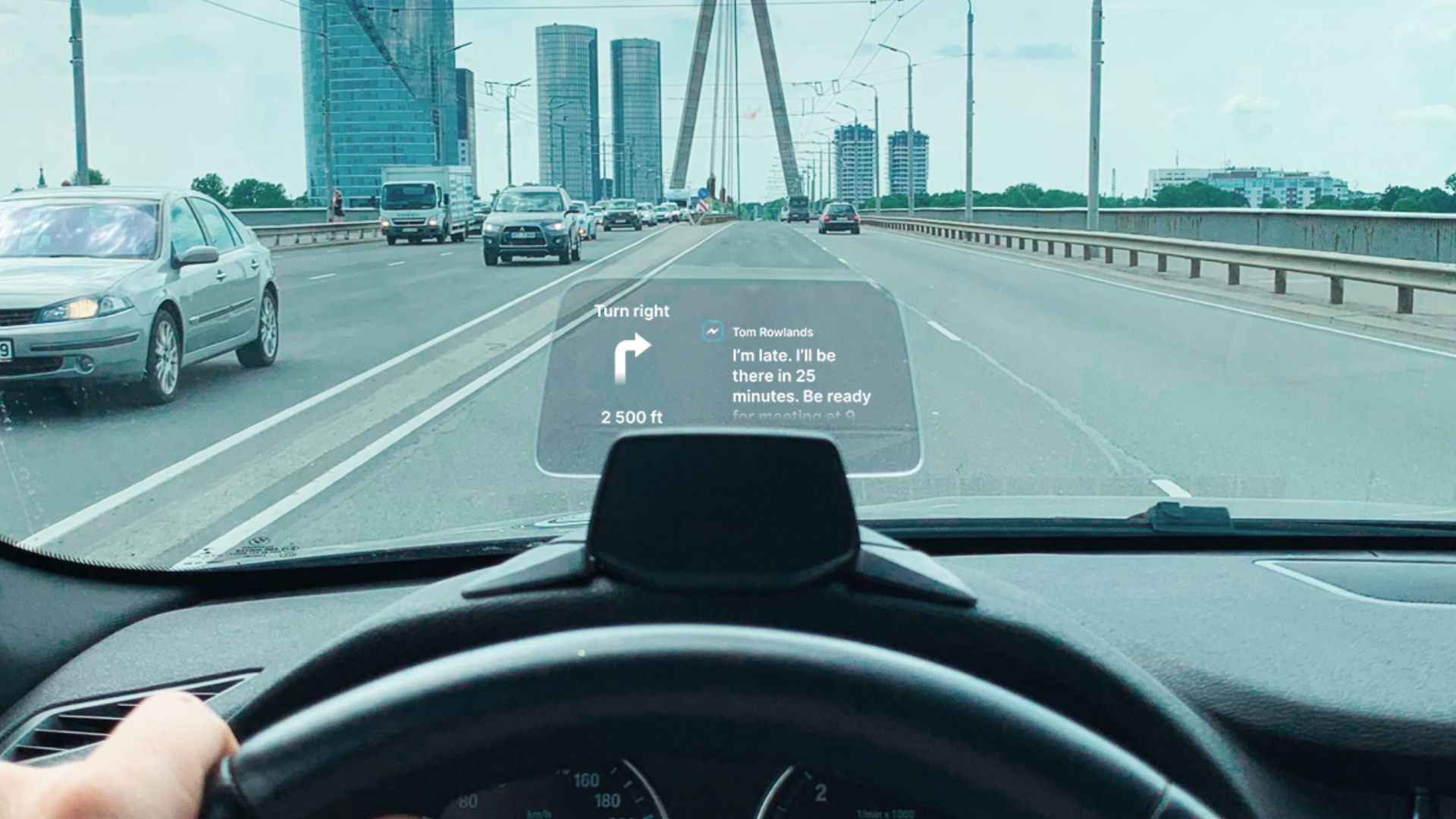
Your car already has a dashboard, instrument panel, windshield pillars, rearview mirror, and possibly a head-up display. So why aren't those illegal?
Vehicle manufacturers design vehicles around applicable federal safety requirements. NHTSA has previously evaluated equipment such as head-up displays by considering where the equipment sits relative to areas important for driver visibility.
Your homemade Duck Army wasn't part of the manufacturer's original vehicle design.
The Officer Doesn't Necessarily Need A Duck-Specific Rule
This is where drivers sometimes get tripped up. You might respond, "Show me the law that says I can't have rubber ducks."
The relevant law may never mention ducks at all. It may prohibit an "object," "material," or other obstruction that materially impairs the driver's view. The duck is simply the object causing the alleged obstruction.

Hanging Decorations Can Cause Similar Problems
Dashboard collections aren't the only concern.
Air fresheners, graduation tassels, necklaces, fuzzy dice, charms, parking placards, and other items hanging from a rearview mirror have historically attracted attention under state obstruction laws too. Again, the exact rule depends on the state.

Your Phone Mount Could Be In The Same Conversation
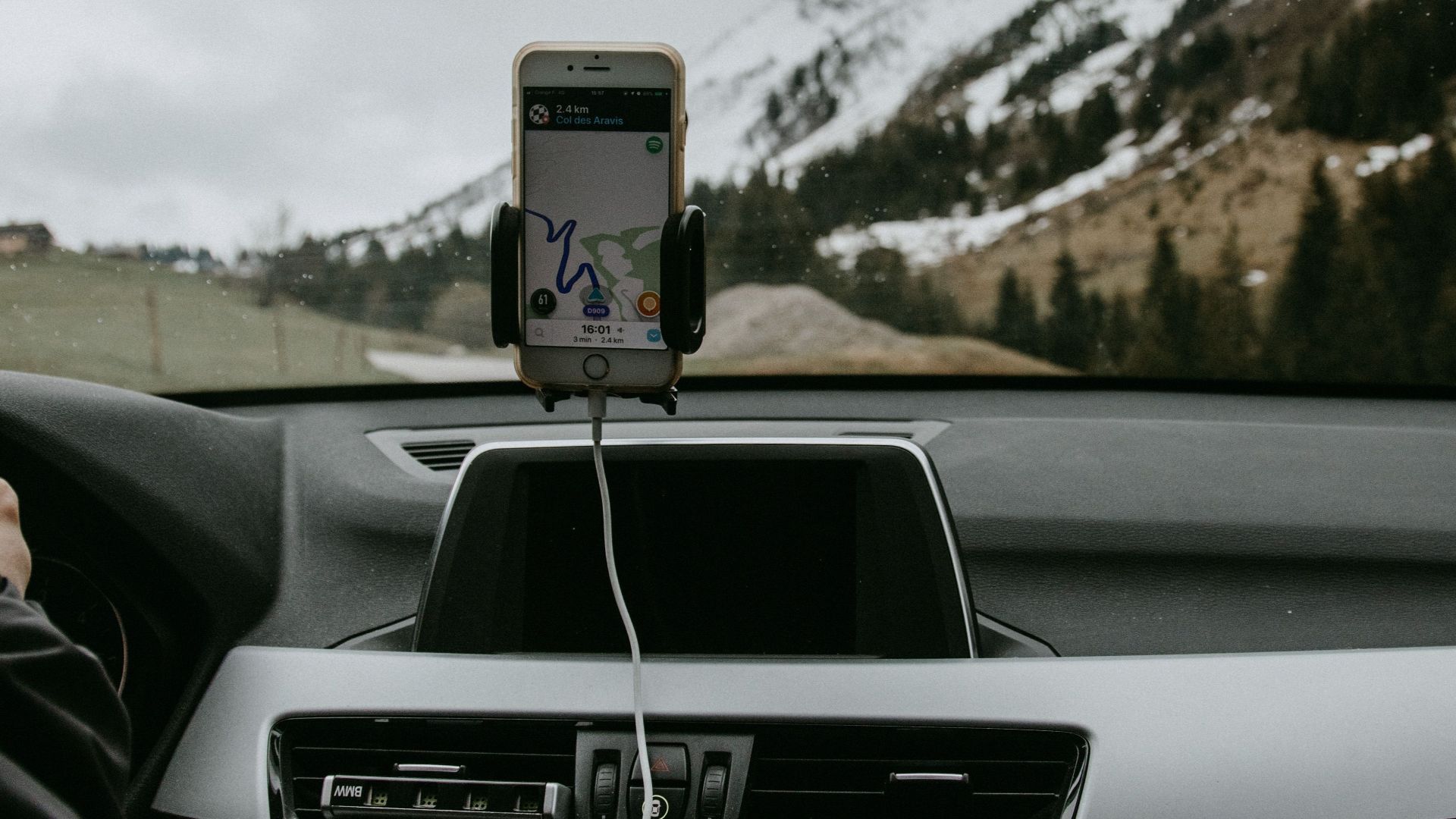
A poorly positioned phone mount, GPS unit, dash camera, or aftermarket display can also interfere with visibility.
Some states provide specific exceptions or placement requirements for certain equipment. That's why "I've seen other people with things on their windshield" isn't necessarily a defense.
Their device may be allowed where yours isn't—or theirs might be improperly positioned too.
Is The Officer Just Making A Judgment Call?
Potentially, yes. Laws using language such as "materially obstruct" or "impair" require someone to evaluate the actual circumstances. How high are the ducks? Where are they positioned? How much of the windshield do they cover from the driver's seating position? Do they interfere with visibility? Those details can matter.

Your Seating Position Matters Too
Two people can sit in the same car and have somewhat different sightlines. A taller driver may see over an object that intrudes more significantly into a shorter driver's view. Seat height and dashboard design can also affect how much of the outside environment a decoration conceals.
That's another reason there isn't a useful universal rule like "dashboard decorations must be under three inches."

A Giant SUV Doesn't Automatically Solve It
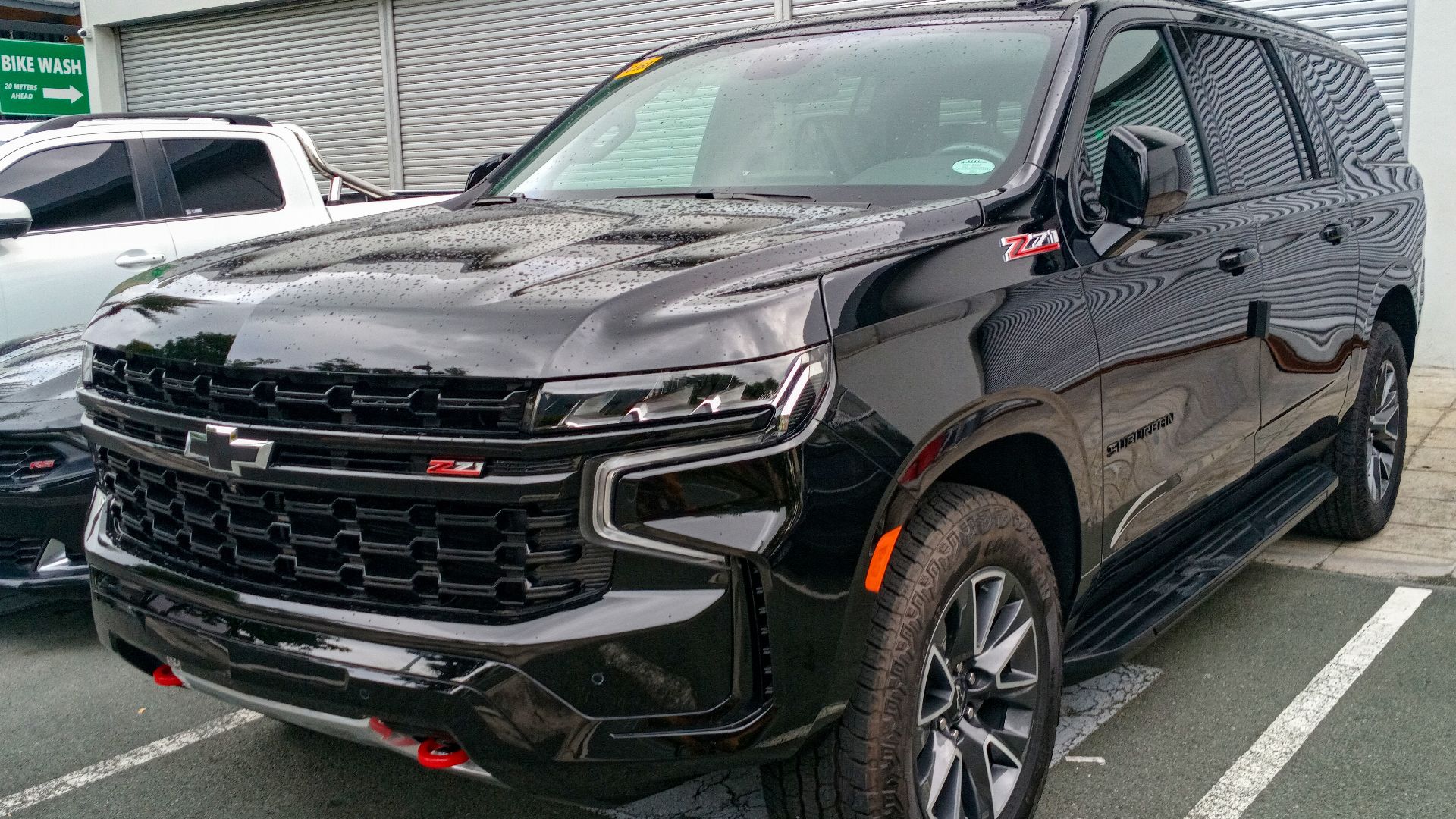
You might think a large windshield means you have plenty of visibility to spare.
Perhaps—but an obstruction directly in a critical portion of your sightline can still matter even when the windshield itself is enormous. Where the object appears from the driver's position can be more important than the total square footage of glass.
 Ethan Llamas, Wikimedia Commons
Loose Ducks Create Another Problem
Suppose your ducks aren't glued, taped, or otherwise secured. You brake hard. Suddenly your adorable dashboard collection becomes a flock of airborne projectiles. Even if the ducks are lightweight, loose objects sliding and bouncing around the driver's area can be distracting.
One Could Fall Near The Pedals
This is the scenario worth taking more seriously.
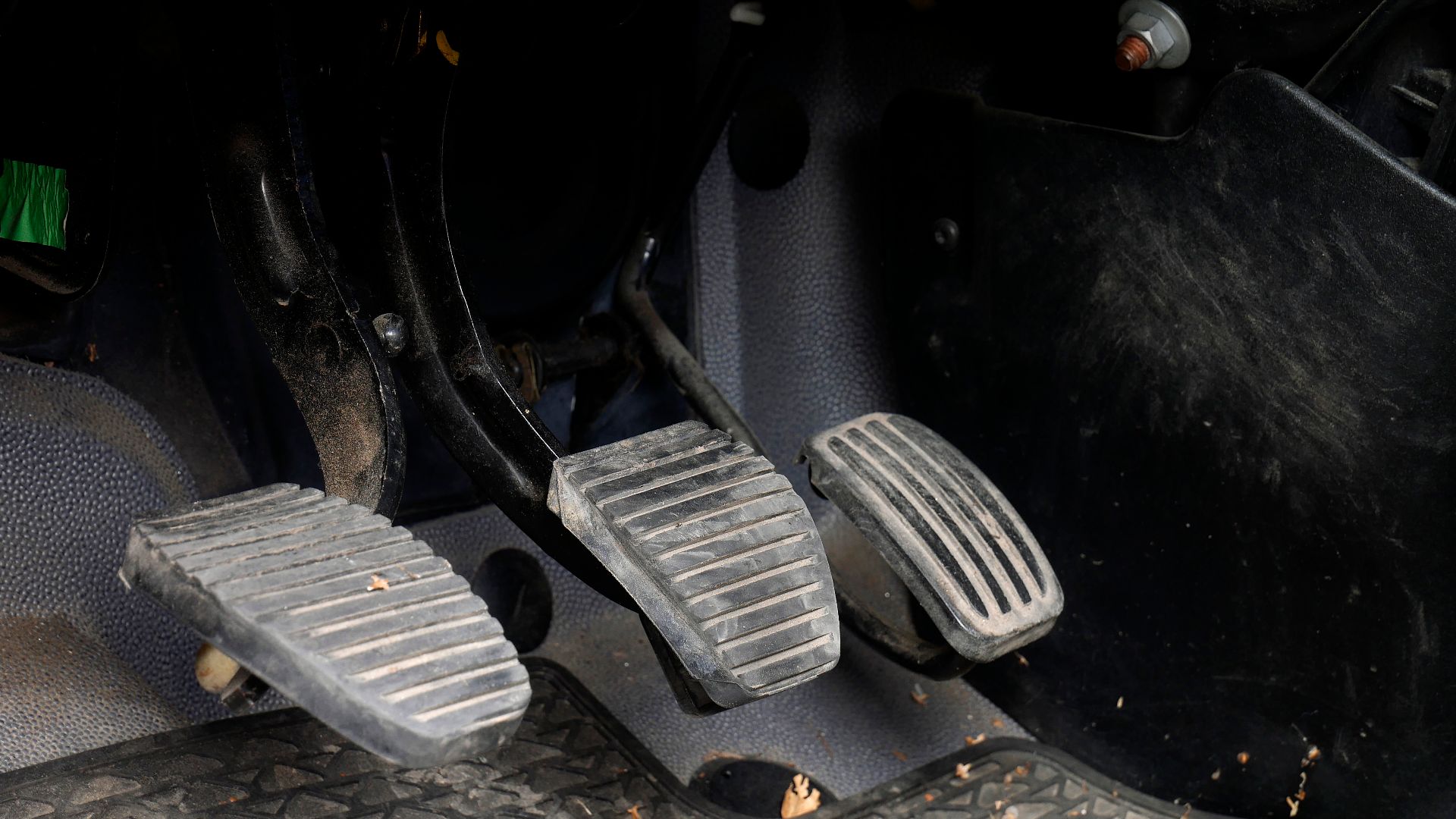
A loose object that falls from the dashboard into the driver's footwell could potentially interfere with access to a pedal depending on its size and where it lands.
Your standard little rubber duck probably isn't going to overpower a brake pedal, but you don't want anything rolling underneath your feet while you're driving.
 Santeri Viinamäki, Wikimedia Commons
They Can Also Distract You
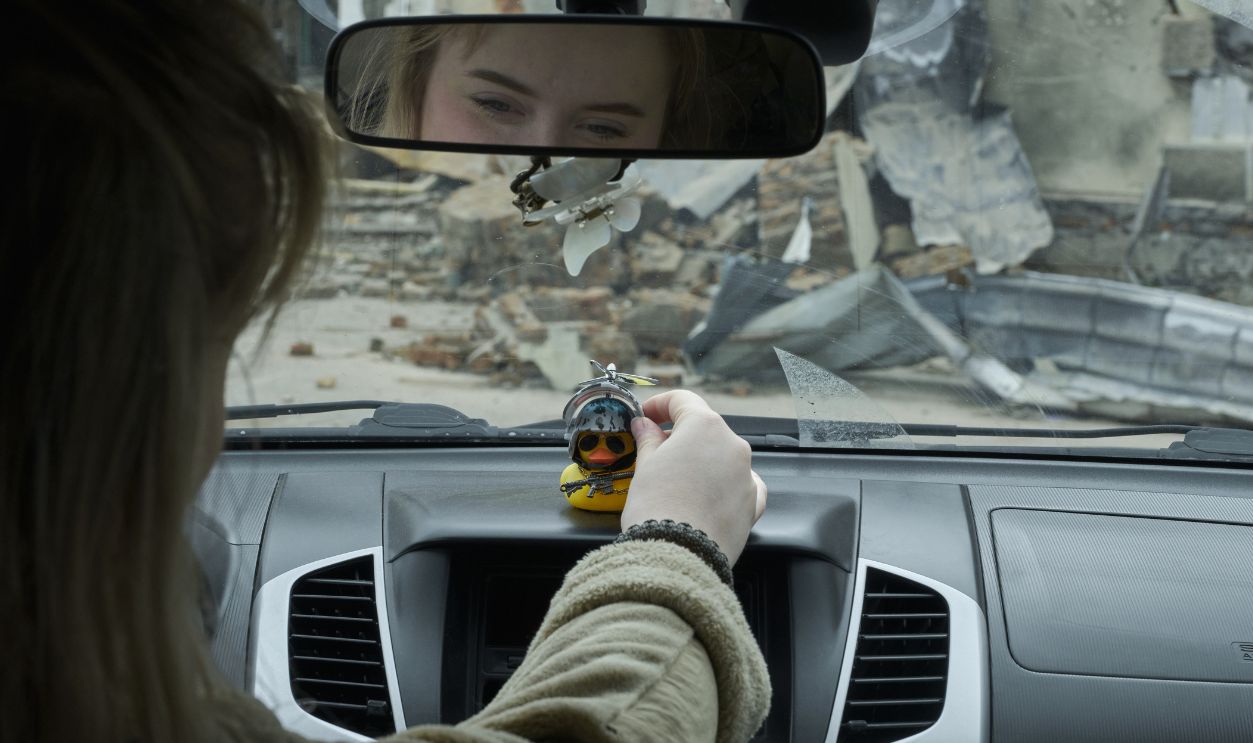
Maybe one duck keeps falling over. You reach forward to stand it back up. Then another slides toward the windshield. You reach for that one too.
At that point, the problem isn't merely the amount of windshield your collection blocks. You're interacting with objects instead of concentrating fully on driving.
Decorations Can Reflect In The Windshield
Here's a less obvious problem.
Bright or light-colored objects sitting on top of the dashboard can sometimes reflect onto the inside of the windshield, particularly under certain lighting conditions.
Automotive dashboards tend to use relatively dark, low-glare surfaces for a reason. Covering one with dozens of brightly colored objects can potentially create reflections that make the view through the glass less clear.

Nighttime Could Make Things Different
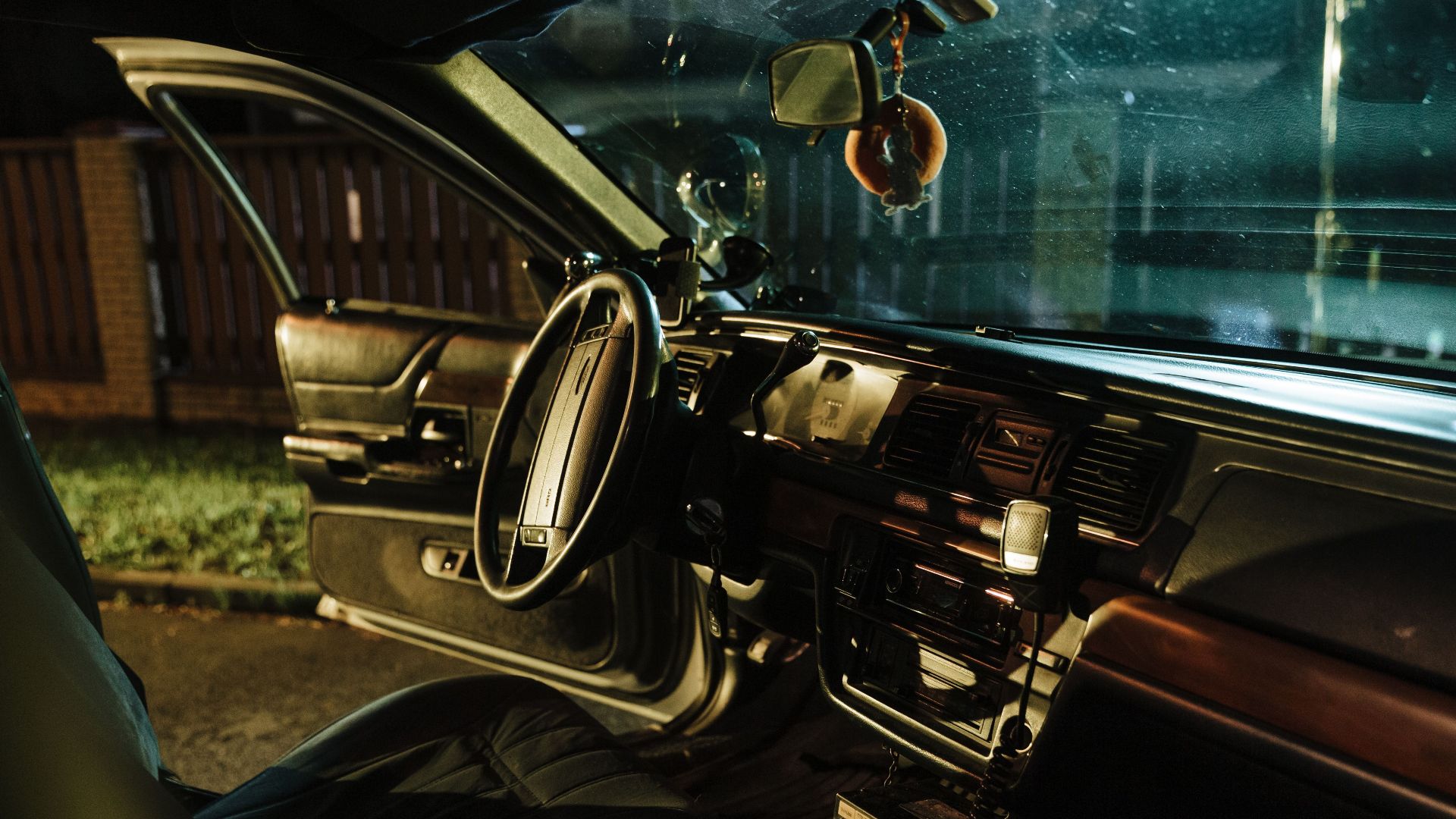
An arrangement that barely bothers you on a bright afternoon could become more distracting after dark. Streetlights, headlights, interior illumination, and reflections can change how dashboard objects appear against the windshield.
That's another reason to judge the setup under actual driving conditions rather than simply looking at the parked car and declaring it harmless.
"I've Driven Like This For Years" Isn't Much Of A Defense
Perhaps you've passed hundreds of police officers without anyone mentioning your ducks. That doesn't necessarily establish that the arrangement complies with your state's law.
Traffic enforcement varies. One officer may not notice the collection, another may consider it insignificant, and another may believe it materially obstructs your view.

Neither Is "Everyone In My Jeep Group Does It"
Rubber ducks have become particularly associated with Jeep culture, where "ducking" another vehicle became a popular tradition. But popularity doesn't create an exemption from state vehicle laws.
You can participate in the tradition without necessarily storing the entire resulting collection across the part of your dashboard that affects forward visibility.
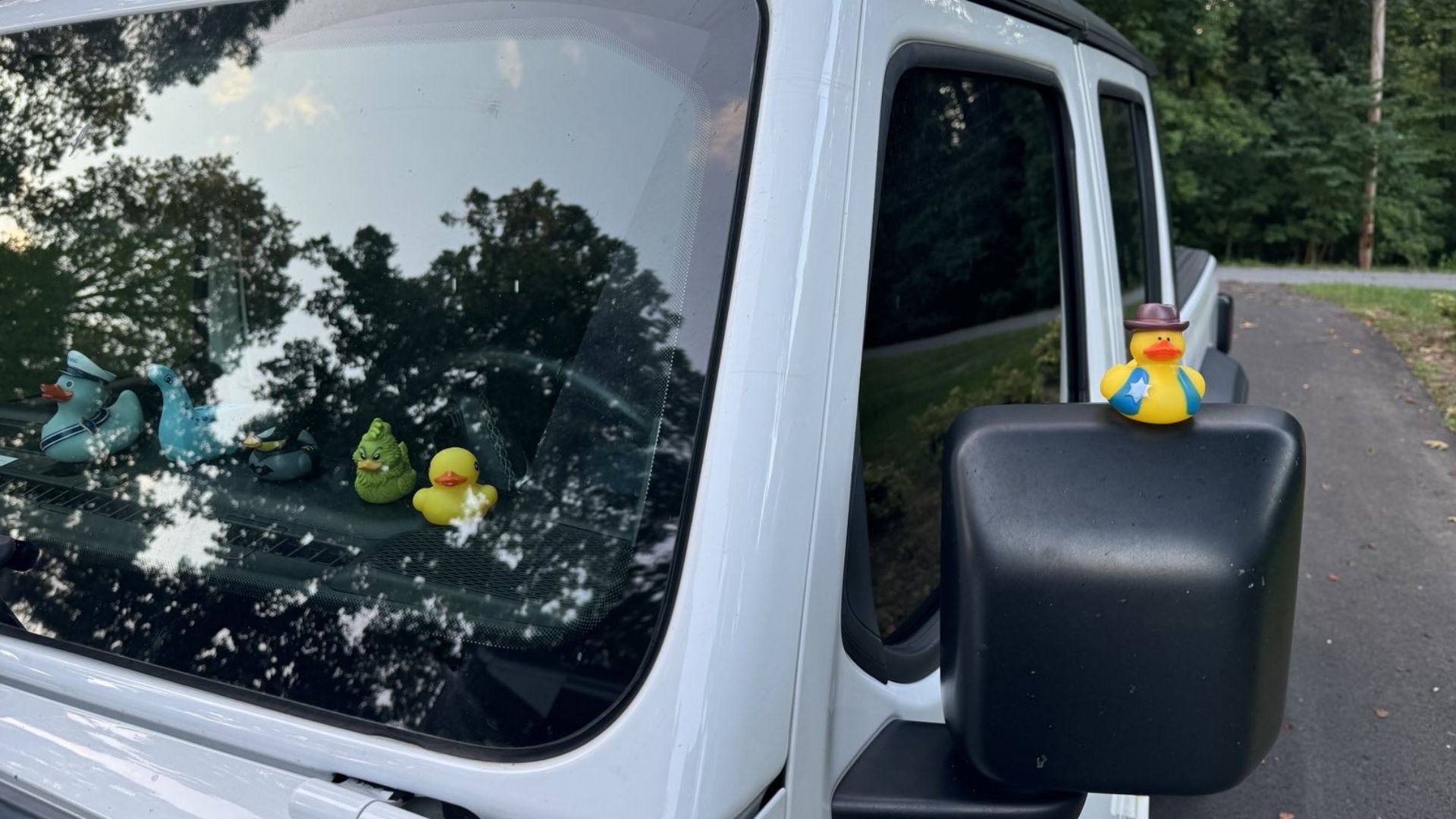
Could You Actually Receive A Ticket?
Potentially. Whether a citation is justified depends on the applicable state law and your actual setup.
If your state prohibits objects that materially obstruct the driver's view and your collection clearly occupies a significant portion of that view, an officer may have considerably more to work with than if you have one tiny duck tucked into an unobtrusive corner.

A Warning Is Different From A Conviction
If the officer simply warned you, don't assume you've been legally declared guilty of maintaining a hazardous duck sanctuary.
A warning can be exactly that: an officer telling you that the arrangement may violate the law or create a safety concern and giving you an opportunity to correct it.
That's considerably cheaper than debating the issue after receiving a citation.

What If You Actually Got Ticketed?
Read the citation carefully. Don't argue against a fictional "rubber duck law." Look at the exact statute or ordinance listed on the ticket and determine what it prohibits.
The real issue may be windshield obstruction, impaired visibility, unsafe equipment, or another state-specific provision.

Take A Picture From Your Normal Driving Position
Before rearranging everything, safely park the car and photograph the dashboard from approximately where your eyes are while you're seated normally. That can help document how much of the windshield was actually obscured if you intend to contest a citation. Don't take the photograph while driving. The ducks have caused enough trouble already.

Then Try A Simple Test
Sit normally in the driver's seat and look through the windshield. Can any duck obscure your view of a pedestrian standing ahead? Can you clearly see the roadway near the front of the vehicle? Are any objects directly in your normal sightline?
If you have to lean around your collection to see something, you've probably answered your own question.

Moving Them Could Solve The Entire Problem
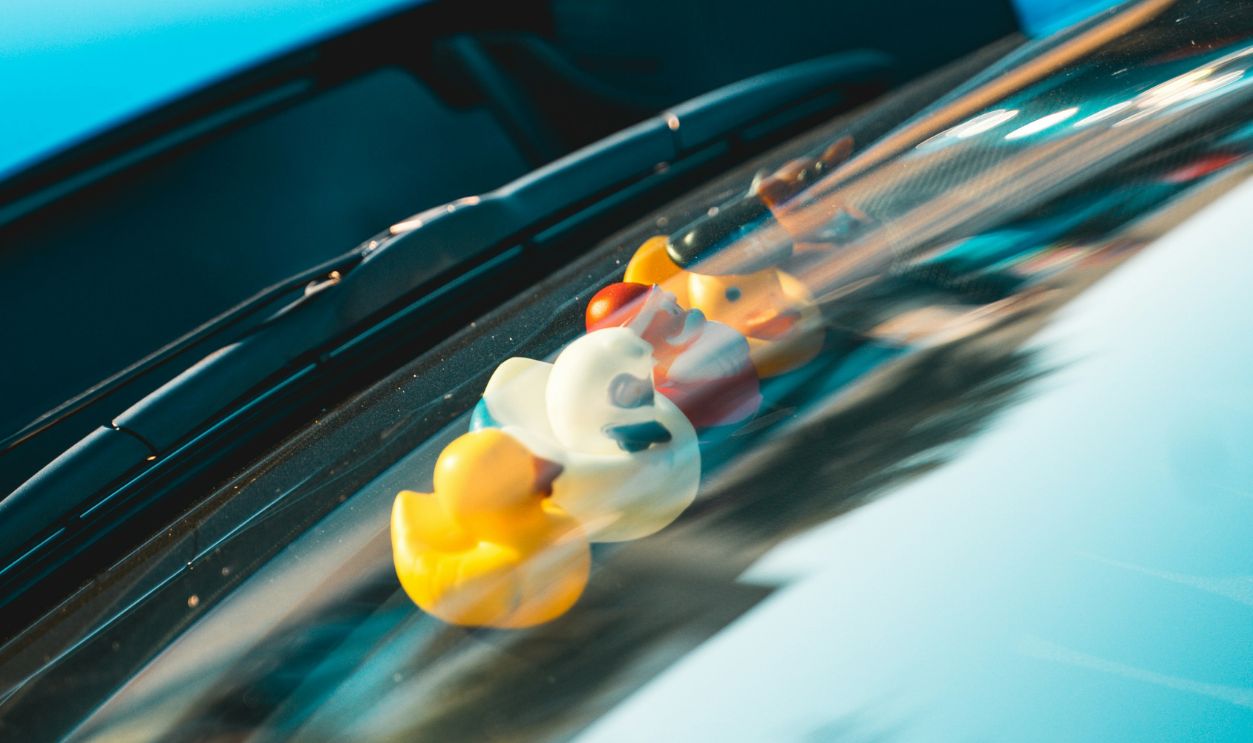
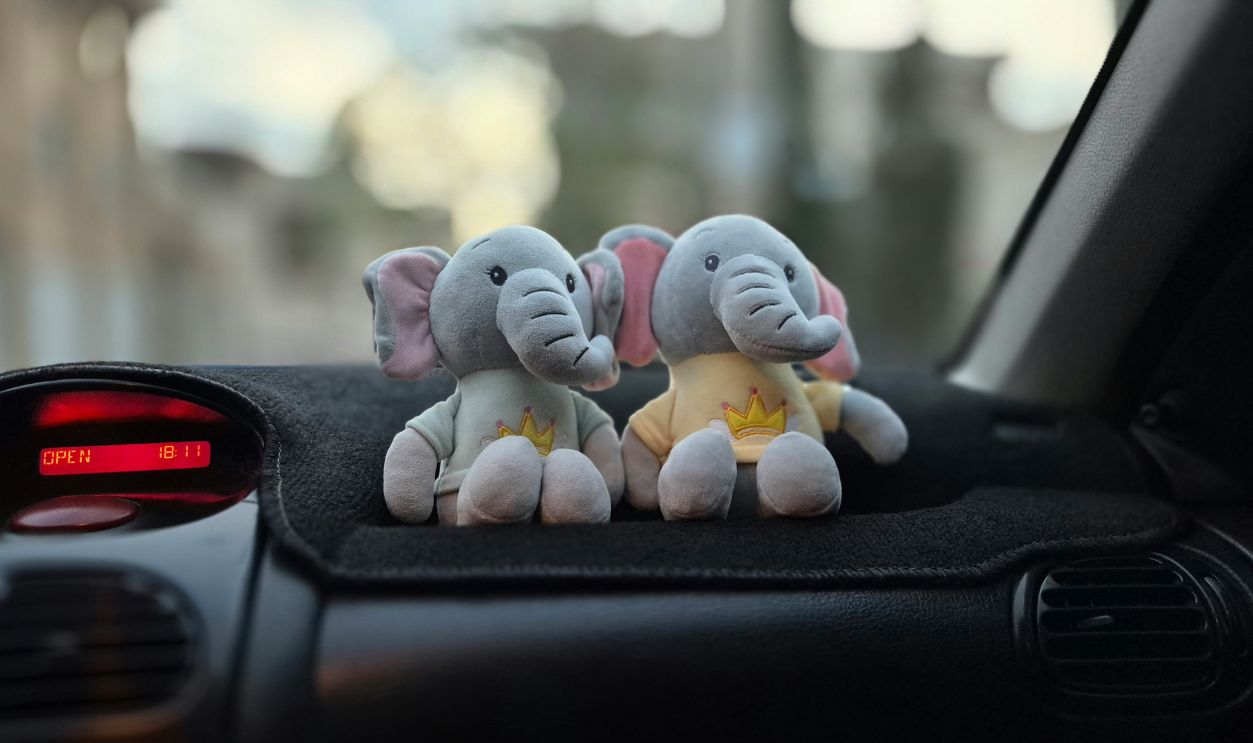
You don't necessarily need to evict the ducks from the car. Consider keeping only a couple of small ones in a location that doesn't interfere with visibility and storing the rest somewhere else in the cabin—or at home.
You could even rotate them. Duck of the Week has a certain prestige to it.
Don't Move Them Somewhere Worse
Be careful where your displaced collection goes.
Don't pile loose objects around the driver's footwell, place them where they interfere with airbags, or attach them to areas that need to remain unobstructed.
The goal is to solve the visibility problem, not relocate it into a new safety problem.
Check Your State's Actual Law
This is ultimately the most important practical step.
Search your state's motor vehicle code for windshield obstructions, driver's view, dashboard objects, hanging objects, and similar terminology.
Because state laws differ, advice from someone three states away—or a viral social-media post about "the new dashboard law"—may not apply to you at all.

So... Is Your Rubber Duck Collection Seriously A Driving Hazard?
It can be. But rubber ducks aren't inherently illegal dashboard cargo.
There isn't a blanket federal law banning Americans from putting a rubber duck on the dashboard. The real question is whether your collection violates your state's rules by materially obstructing or impairing your view, or otherwise creates a safety issue.
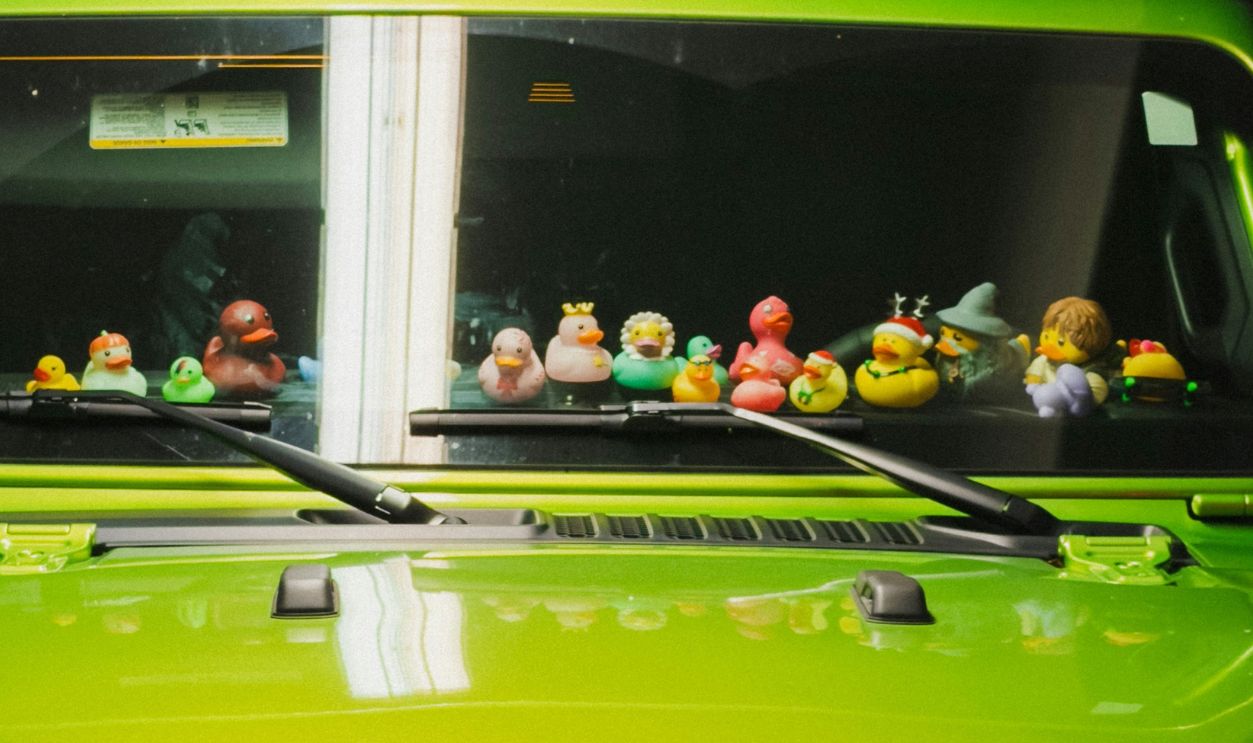
A couple of tiny ducks positioned low and away from your sightline are a very different proposition from a colorful plastic wall stretching across the windshield.
The Officer Might Actually Have A Point
It's easy to laugh when someone describes a rubber duck as a traffic hazard.
But if you've accumulated so many that they block part of the road, create distracting reflections, slide around while you're driving, or tempt you to reach across the dashboard, the officer's concern isn't as ridiculous as it initially sounds.
Keep the collection if you love it. Just keep your windshield view clear, secure loose objects, and check your state's specific rules.
Because your ducks are allowed to ride shotgun. They just shouldn't be navigating.

You May Also Like: