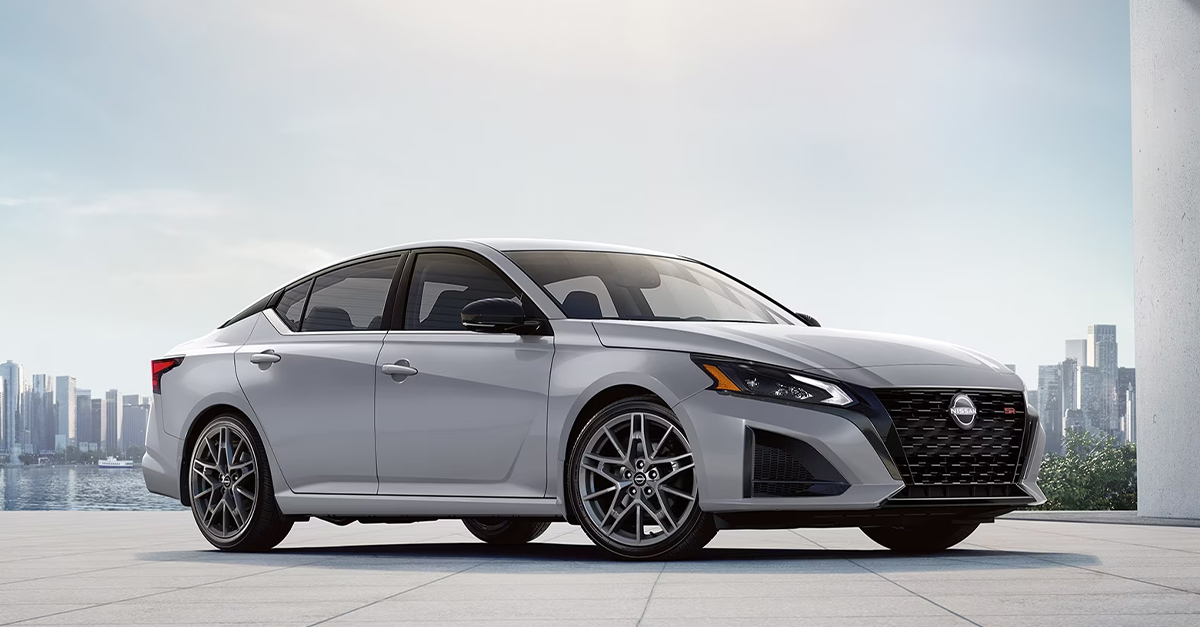
Your Buddy Isn’t Crazy, But Your Dad Is More Right
Winter tires can survive year-round, but they are not built for it. In warm weather, they wear faster, feel squishier, and can stop worse than proper warm-weather tires. Your dad’s “separate set” plan is the safer, smarter long-term move.
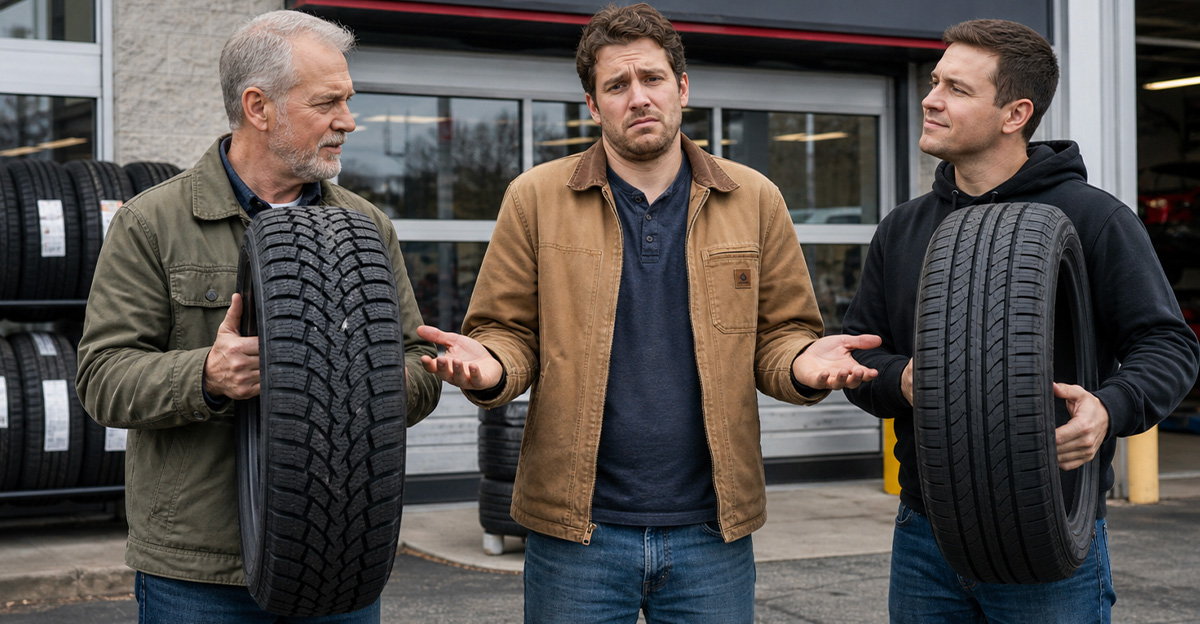
The Tire Budget Problem Is Real
Tires are expensive, and buying two sets can feel like being charged admission twice to the same boring safety show. But tires are not decoration. They are the only parts of your car touching the road, which makes them a bad place to gamble.
What Winter Tires Do Best
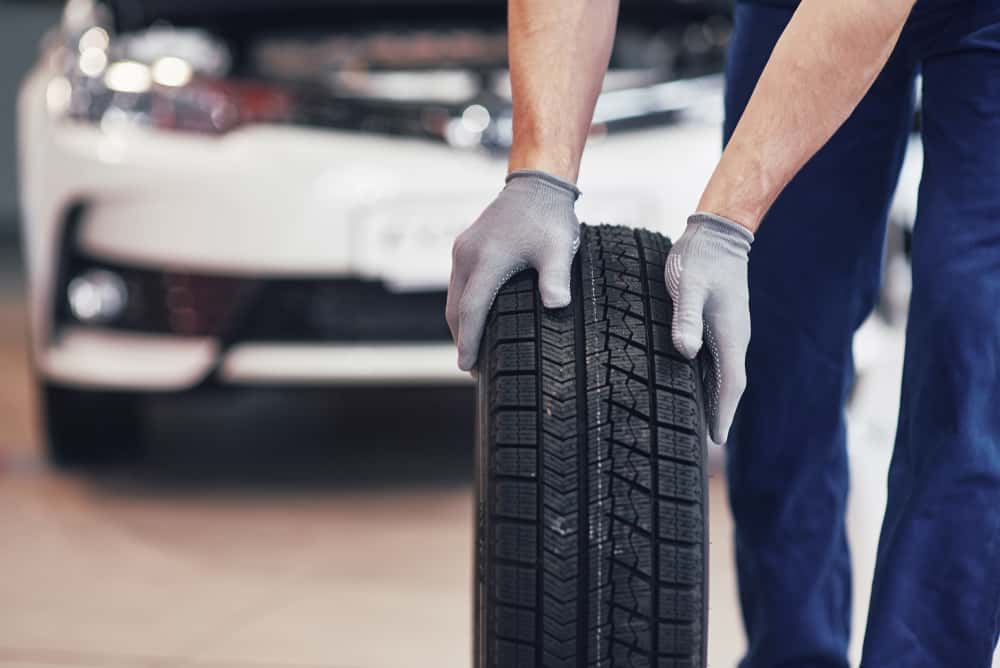
Winter tires are brilliant when it is cold, snowy, icy, or slushy. Their rubber stays flexible in low temperatures, and their tread is designed to bite into ugly winter roads. In those conditions, they can make your car feel much calmer and more controlled.
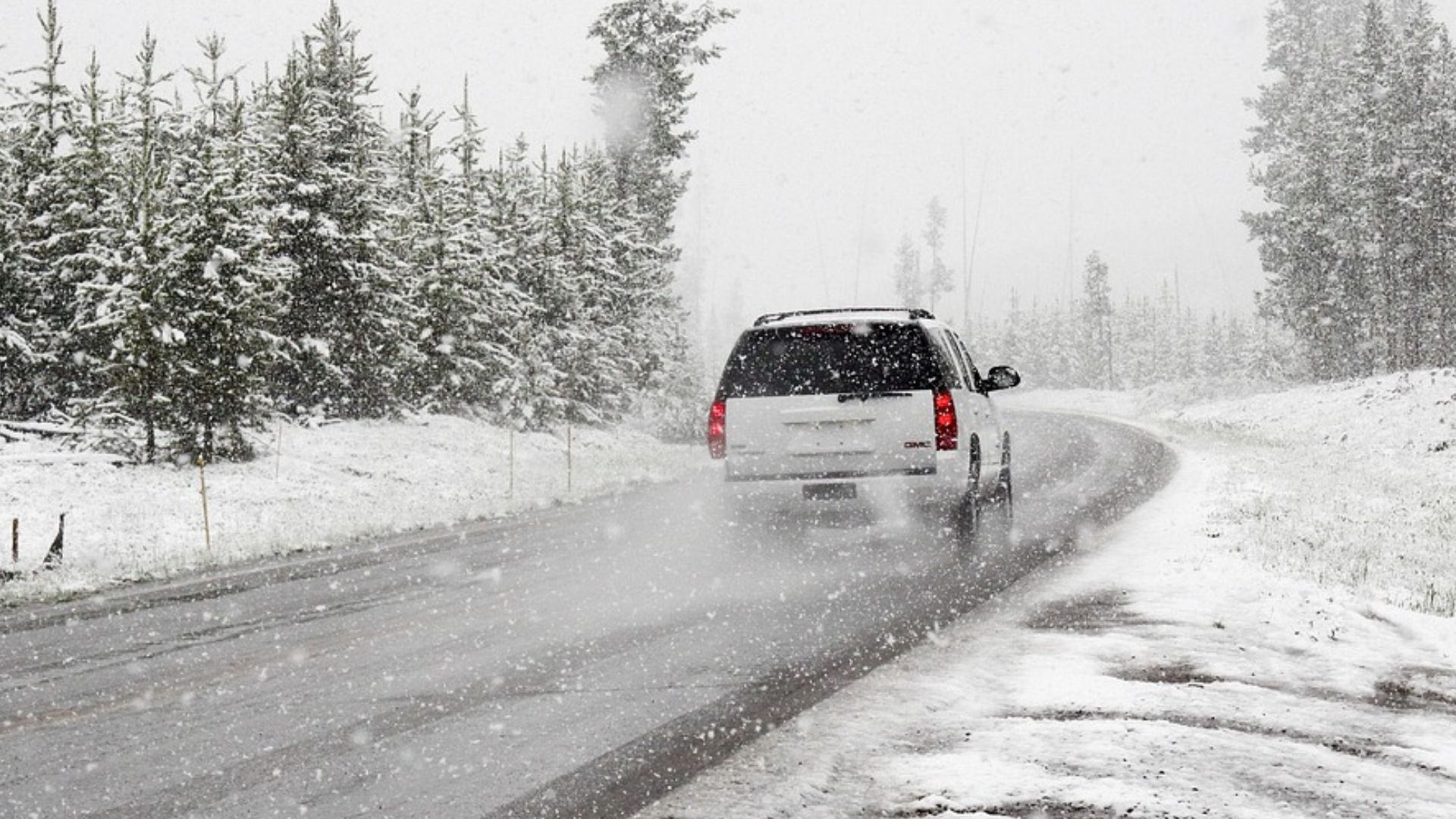
What They Do Worst
The same soft rubber that helps in January becomes a liability in July. Heat makes winter tires feel vague, wear down quickly, and lose the crisp grip you want during braking or sudden lane changes. They are snow boots, not running shoes.
Your Buddy’s Argument
Your buddy is thinking simply: “You already own tires, so just use them.” That is not totally ridiculous. If money is brutally tight, running winters through summer may be possible for a while. But possible and smart are not the same thing.

Your Dad’s Argument
Your dad is looking at the whole bill, not just today’s bill. Two sets cost more upfront, but each set is used only part of the year. That means both sets last longer, and the car performs better in both seasons.

Warm Pavement Eats Winter Rubber
Winter tires are designed to flex. On hot pavement, that flex becomes extra movement, extra heat, and extra wear. You may “save” money by skipping a second set, then burn through your winter tires early and buy replacements sooner.

Braking Is The Big Deal
The most important tire question is not how long they last. It is how well they stop. In summer conditions, winter tires can feel mushy under hard braking. That matters when traffic suddenly becomes a parking lot at 55 mph.

Handling Gets Sloppy
Winter tires often have deeper tread blocks and softer compounds. In warm weather, that can make steering feel less sharp. You turn the wheel, and the car answers like it just woke up from a nap. Not ideal during an emergency swerve.

Rain Can Be Tricky Too
People assume winter tires are automatically great in rain. Sometimes they are fine, but they are not optimized for warm, wet roads the way many all-season or summer tires are. Hot rain is not the same problem as cold slush.
Noise And Comfort Change
Run winter tires all year, and you may notice more road noise, more squirm, and a slightly less planted feel. It might not ruin your commute, but it can make the car feel older, looser, and less confident than it should.

Fuel Economy May Suffer
Winter tires can have more rolling resistance than tires meant for warmer weather. That means your engine may work a little harder, and your fuel economy may dip. It is not usually dramatic, but every extra fuel stop hurts when money is already tight

The Safety Math Matters
A second set sounds expensive until you compare it with a crash, a deductible, a tow, or replacing winter tires early. Tires are one of those annoying purchases where the cheapest answer today can become the most expensive answer later.
Consider All-Weather Tires
If you truly cannot swing two sets, look at all-weather tires, not basic all-seasons. All-weather tires with the three-peak mountain snowflake symbol are designed to handle winter better than regular all-seasons while still being usable year-round.
All-Season Is Not All-Winter
“All-season” is one of the most optimistic names in the car world. Many all-season tires are fine for mild cold and light snow, but they are not winter specialists. If your winters are serious, all-season tires may leave you wanting more grip.
 ShutterstockClimate Decides A Lot
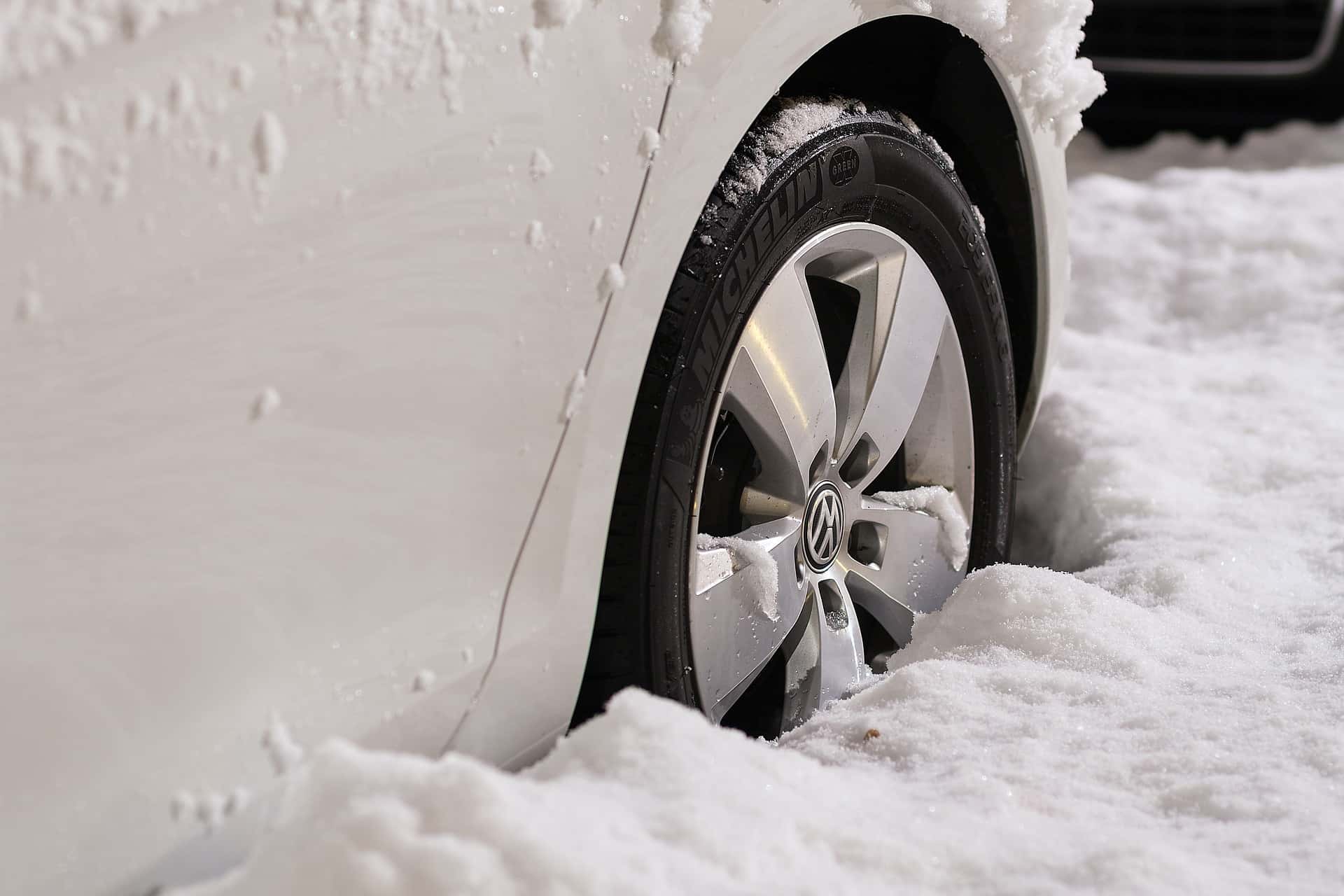
If you live where winter means two frosty mornings and one dramatic snowflake, two sets may be overkill. If you live where snowbanks have their own zip codes, winter tires are not a luxury. They are common sense.
Mileage Matters Too
If you barely drive in summer, keeping winter tires on longer is less terrible. If you commute daily, road-trip often, or drive highways in hot weather, year-round winter use becomes much harder to justify.

Storage Is Part Of The Problem
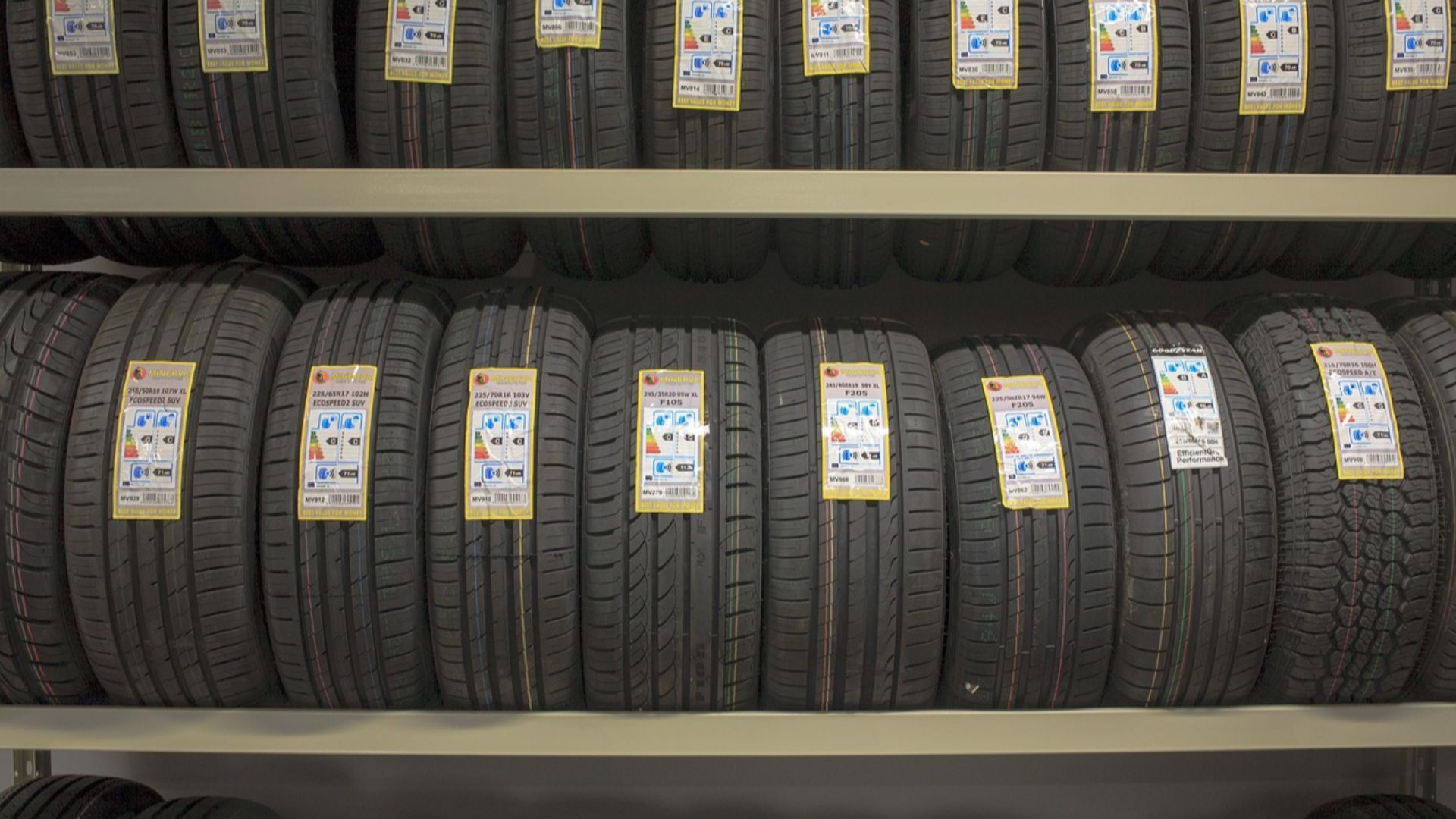
Two sets mean you need somewhere to put four bulky rubber donuts. If you have a garage, great. If you live in an apartment, not so great. Some tire shops offer storage, but that adds another cost to the spreadsheet.
Wheels Can Save Hassle
The best two-set setup is winter tires mounted on cheap separate wheels. That makes seasonal swaps faster and often cheaper. Instead of mounting and balancing tires twice a year, the shop just swaps wheel-and-tire assemblies.
Used Wheels Are Your Friend
You do not need fancy wheels for winter. Steel wheels or used factory wheels are perfect. They are cheaper, tougher, and you will not cry when salt and potholes treat them like a chew toy.
Buy At The Right Time
Tire shopping during the first snowstorm is like buying a generator during a blackout. Everyone else has the same idea. Shop off-season if possible. Spring and early fall can be better times to find deals.
Check Tread Depth Honestly
A worn winter tire is not magic. If the tread is low, it loses the ability to claw through snow and move slush. Before deciding anything, measure the tread. Old, worn winter tires are not worth building a plan around.
 Chokniti-Studio , Shutterstock
Do Not Mix Tire Types
Do not run winter tires on one axle and all-season tires on the other unless your vehicle manual specifically allows it. Mixed grip can make a car behave unpredictably, especially during braking, cornering, or bad weather.
The Budget Compromise
If you cannot buy everything today, price out a phased plan. Run what you have carefully for now, save for a second set, and watch for used wheels or rebates. The goal is not perfection tomorrow. It is a safer setup soon.

So Who Is Right?
Your buddy is right that you can run winter tires year-round in the basic “the car will move” sense. Your dad is right in the bigger, safer, cheaper-over-time sense. In this argument, Dad wins.

The Best Answer For Most Drivers
If you get real winter, use winter tires in winter and all-season or summer tires when it warms up. If two sets are impossible, consider quality all-weather tires as the one-set compromise. Just do not pretend winter tires are happy in July.
The Final Verdict
Winter tires year-round are a survival plan, not a great plan. They wear faster, handle worse in heat, and may cost more over time. If you can possibly manage it, get the second set. Your wallet may complain now, but your car will thank you later.
You May Also Like:
Drivers Hated These SUVs, But Critics Loved Them—Who Do You Agree With?
The Cars That Made Safety Cool—And Profitable
My friend says you should never buy a new car under any circumstances. Is that really true?