The Blanket Rule Falls Apart Once You Run The Numbers
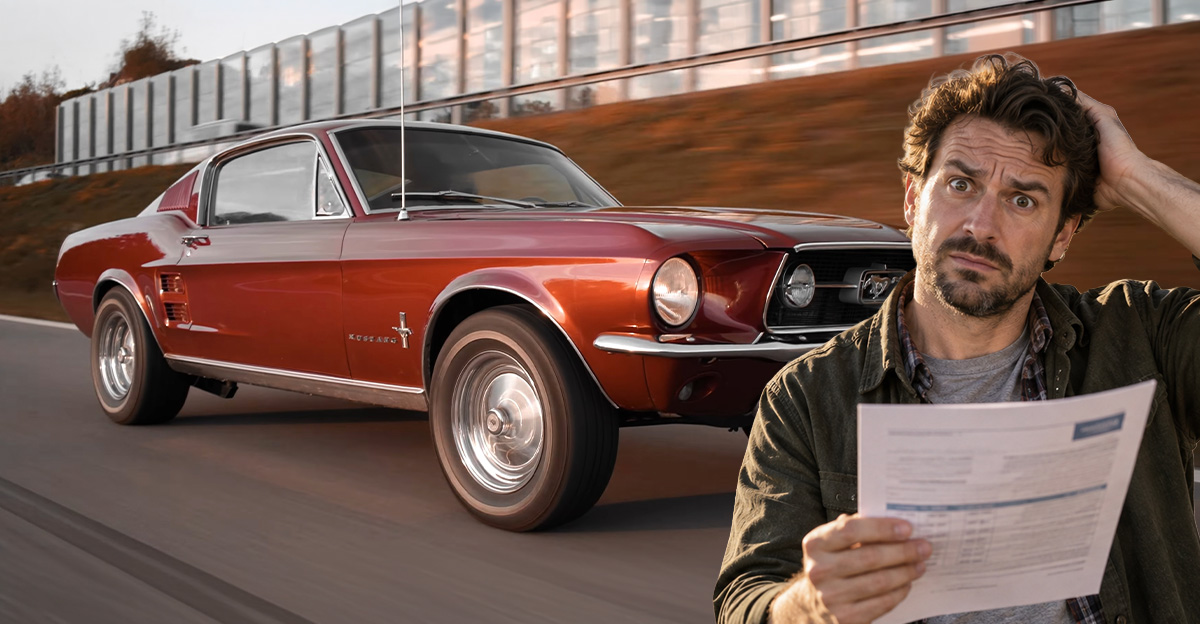
“Never buy a new car” is the kind of advice that sounds solid until you look at the full cost. Sometimes it is right. Sometimes it is not. The real answer depends on price, financing, reliability, incentives, how long you plan to keep the car, and what the used market looks like right now.

Why People Keep Saying It
The usual argument is depreciation. A new car loses value the moment it becomes a used car, and that drop is often steep in the first few years. Edmunds notes that depreciation is one of the biggest costs of owning a vehicle, which is why so many buyers are told to let someone else take that hit.
Depreciation Matters, But It Is Not The Whole Story
AAA’s annual driving cost research looks beyond resale value. It includes depreciation, fuel, maintenance, insurance, finance charges, fees, and tires. That matters because a cheaper used car can still cost more overall if it needs repairs, gets worse gas mileage, or comes with a higher loan rate.

The Used-Car Shortcut Is Not Always Cheap Anymore
This is where the old rule starts to wobble. In recent years, tight supply and strong demand pushed used prices so high that nearly new cars often sold for close to the price of brand-new ones. Consumer Reports has warned that late-model used vehicles can make a lot less sense when the discount is tiny and the warranty is shorter.

What Happened During The Pandemic
The used market went off the rails after the pandemic disrupted production and squeezed supply. The Manheim Used Vehicle Value Index, a major wholesale pricing measure, hit record highs in early 2022. That surge changed the usual new-versus-used math and made one-size-fits-all advice a lot less useful.

When New Cars Start Looking Like The Better Deal
If a one- or two-year-old used car costs only a little less than a new one, the new car can be the smarter buy. You may get a full factory warranty, lower repair risk, newer safety tech, and sometimes better financing. That is not some rare exception. It was a real problem for shoppers in 2021, 2022, and parts of 2023.

Financing Can Change Everything Fast
Interest rates matter more than many buyers think. Automakers often offer lower-rate financing on new vehicles through their own finance arms, while used-car loans usually come with higher rates. Guidance from the Consumer Financial Protection Bureau and lender data have long shown that used auto loans generally cost more than new-car loans, which can wipe out part of the sticker-price advantage.

Factory Incentives Can Tilt The Deal
New cars sometimes come with cash rebates, low-APR offers, lease deals, or loyalty discounts. Used cars usually do not. If a manufacturer is trying to move inventory, those offers can shrink the gap between new and used more than many shoppers expect.
Warranty Coverage Has Real Value
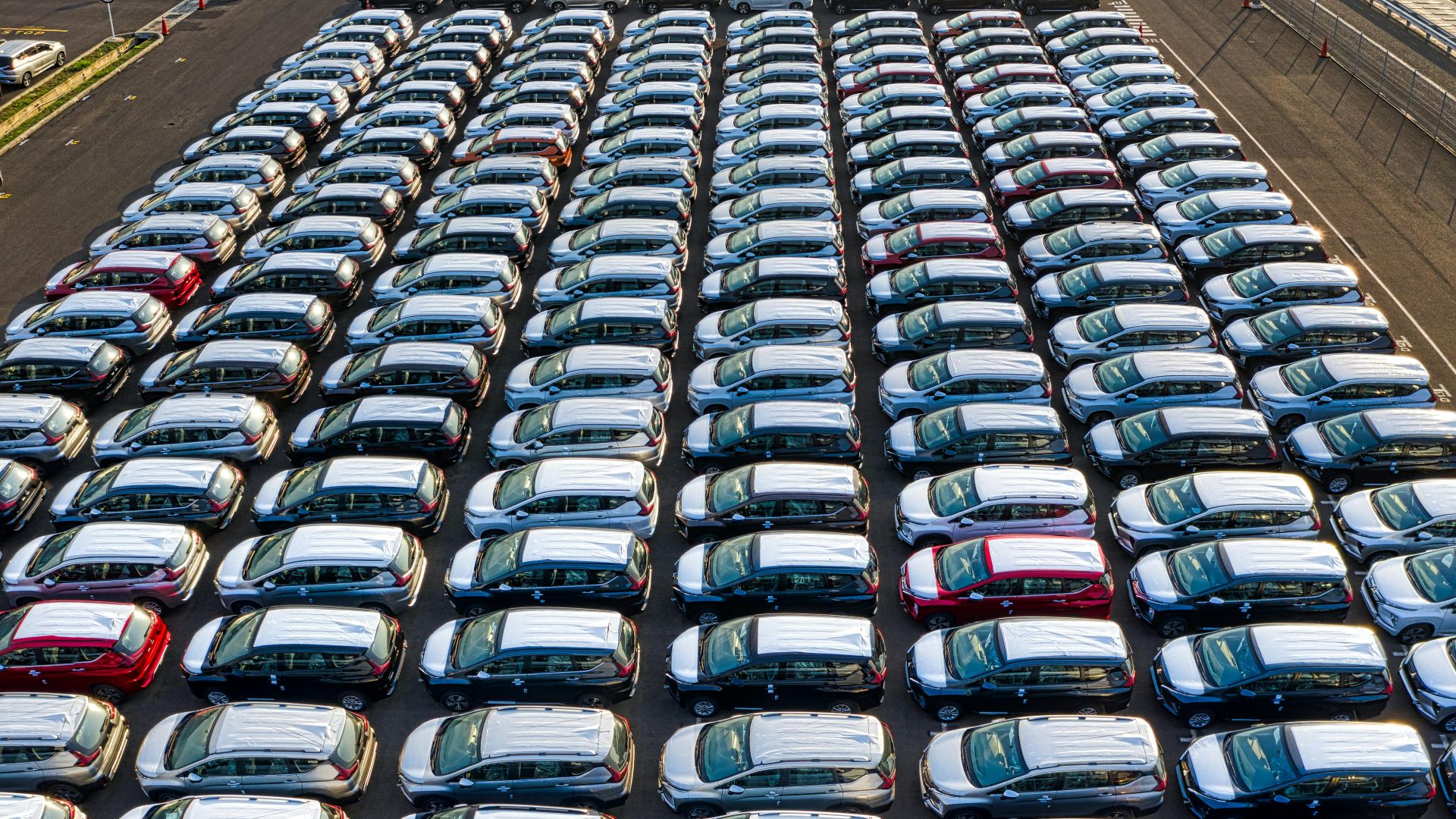
A new car usually comes with bumper-to-bumper and powertrain warranty coverage from day one. That means fewer surprise costs early on. A used car can still be a great value, but if it is out of warranty or close to it, you are taking on more repair risk right away.

Maintenance Bills Usually Grow With Age
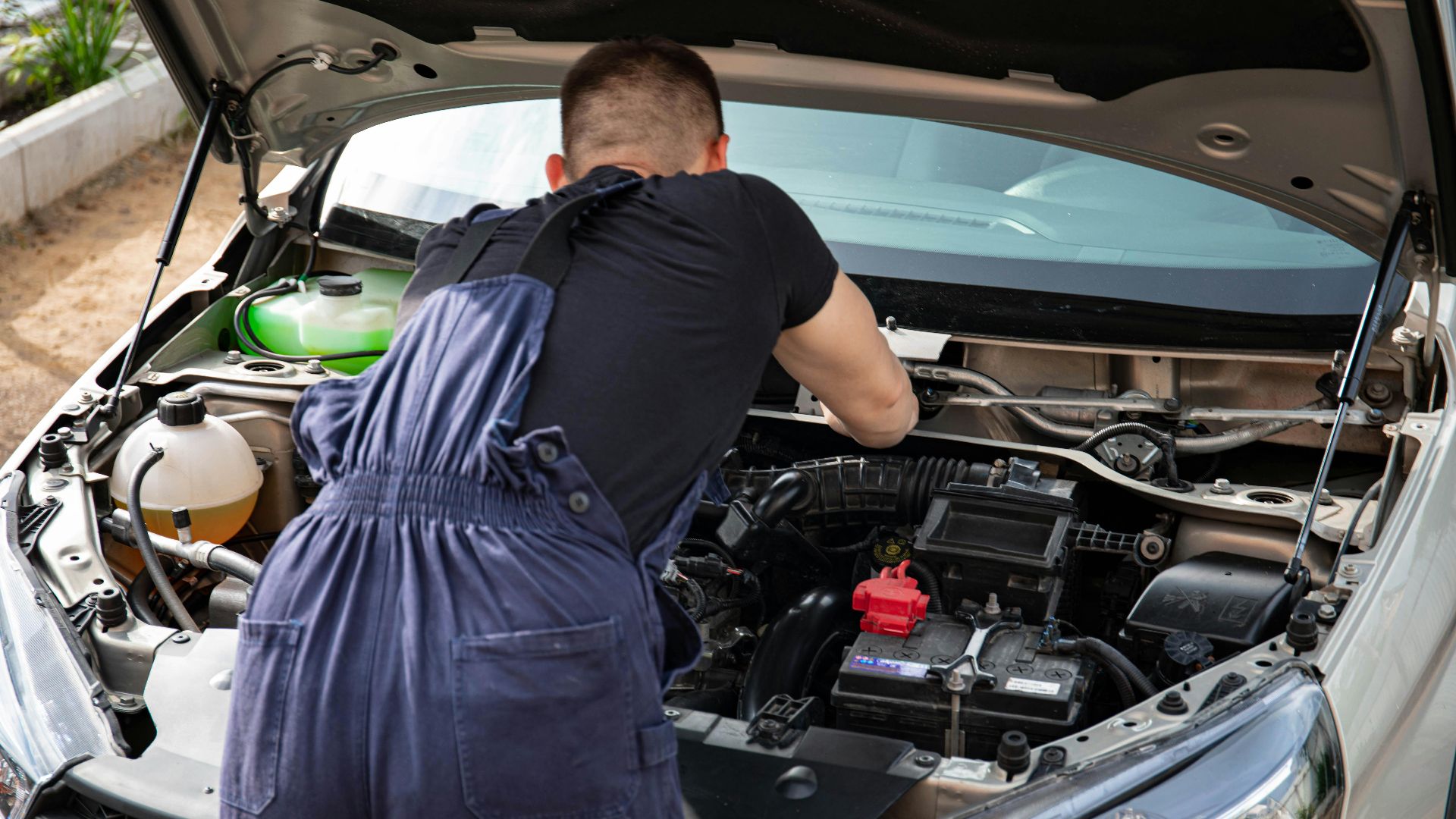
This part is not flashy, but it matters. Consumer Reports has found that maintenance and repair costs usually rise as vehicles get older. A used car can save you money upfront, but those savings can disappear quickly if it needs tires, brakes, suspension work, or electronic repairs sooner than expected.
New Cars Usually Bring Better Safety Tech
Sometimes the best reason to buy new is not money. Newer vehicles are more likely to have the latest crash-avoidance features, including automatic emergency braking, blind spot monitoring, and better pedestrian detection. The Insurance Institute for Highway Safety has shown how much crash standards and safety systems have changed over time.

Fuel Economy Can Tip The Balance
If you drive a lot, better fuel economy can matter more than a small difference in purchase price. That is especially true with hybrids, plug-in hybrids, and EVs, where efficiency gains can be big compared with older models. The U.S. Department of Energy and EPA both offer model-specific fuel economy data that can turn this into a simple math problem.
EVs Make The Old Rule Even Less Reliable
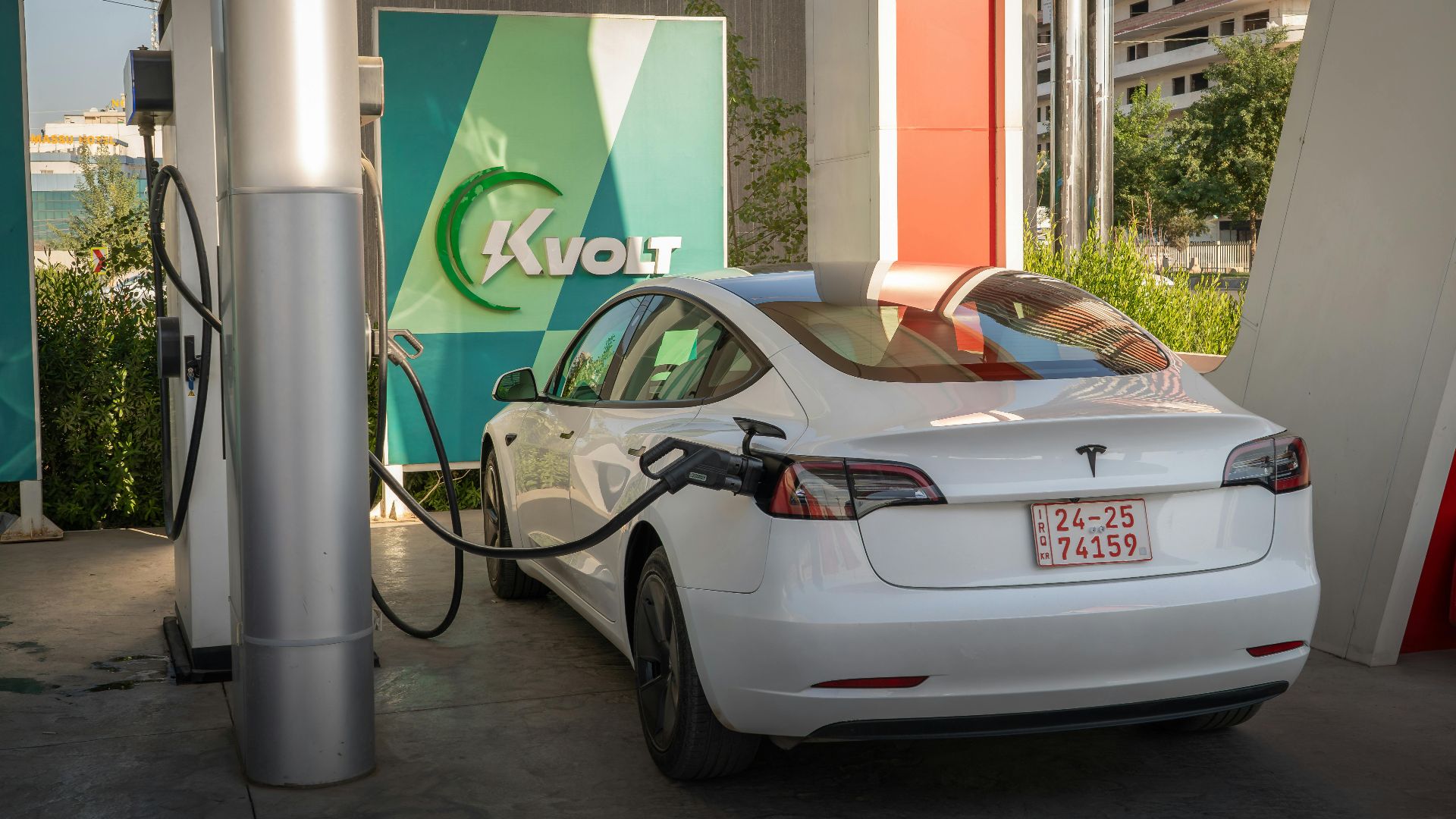
Electric vehicles make the new-versus-used choice even trickier. New EVs may qualify for federal tax credits if they meet current rules, and some states add extra incentives. A used EV may also qualify for a separate federal credit in some cases, so the better buy depends on eligibility, battery warranty, local charging, and actual sale price.
Tax Credits Can Make New Cheaper Than You Expect
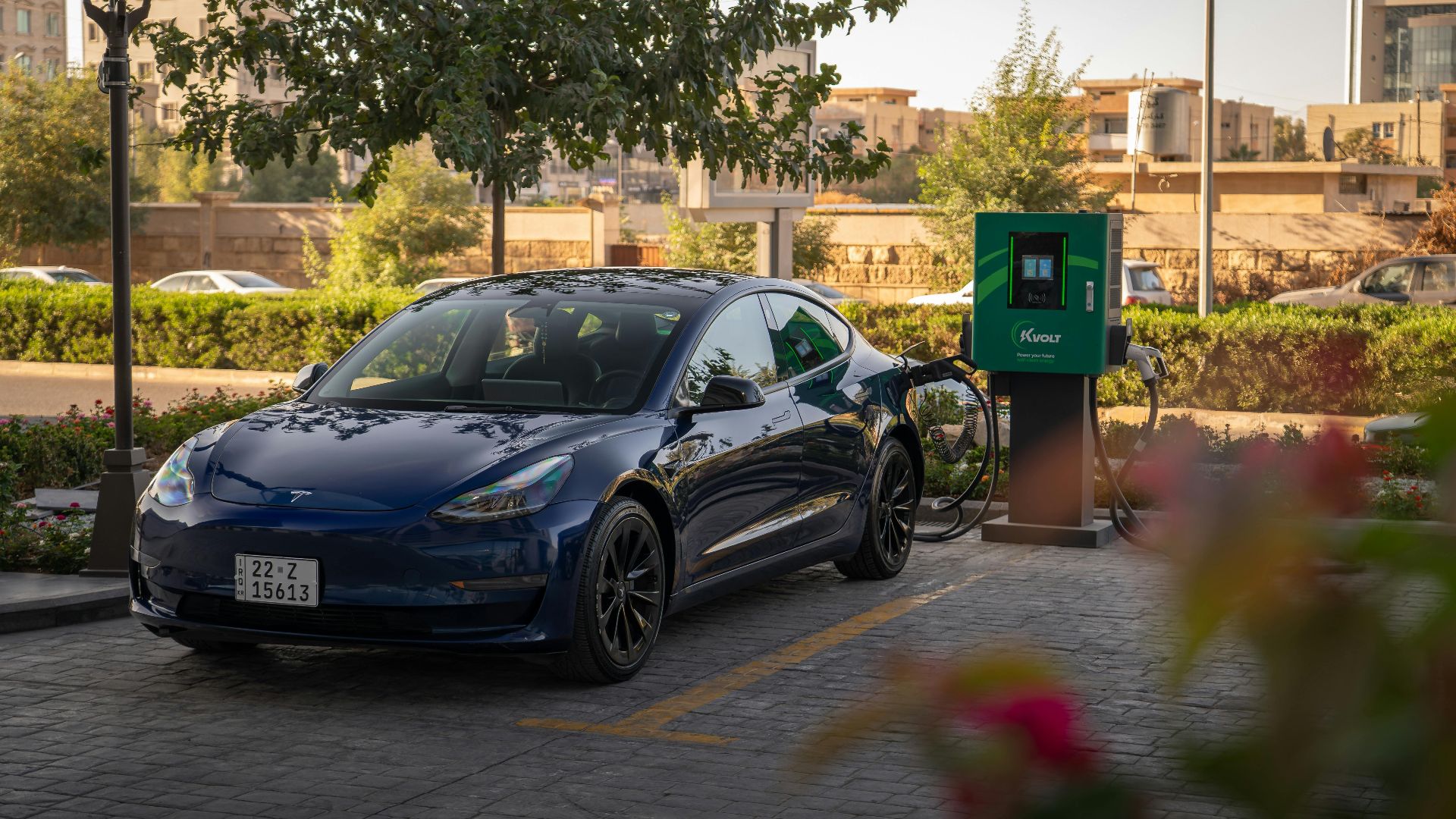
This is one area where buyers can be caught off guard. The IRS offers a federal clean vehicle credit for eligible new EVs and a separate used clean vehicle credit with different limits and rules. If the new model qualifies and the used one does not, the old “never buy new” line can fall apart fast.

Insurance Does Not Always Favor Used By Much
People often assume an older car will always be much cheaper to insure. Sometimes that is true, but not always. Insurance prices depend on repair costs, theft rates, safety features, and claim history, so two cars with very different ages can end up surprisingly close.

There Is Still A Sweet Spot For Used Cars
That does not mean the old advice is useless. In a normal market, buying a dependable car that is a few years old can still be a strong value move because the first owner took the biggest depreciation hit. If the car has a good reliability record, a clean history report, and a real discount versus new, used can absolutely be the smarter buy.

Certified Pre-Owned Can Be A Good Middle Ground
Certified pre-owned programs exist for a reason. They give buyers some of the savings of a used car with some of the peace of mind of a new one. These vehicles usually come with inspections, limited warranty coverage, and extras like roadside assistance. You will often pay more than for a regular used car, but sometimes that added protection is worth it.

Reliability Trends Matter More Than Age
A three-year-old used car is not automatically a bargain if that model has known engine, transmission, or electronics problems. And a new car is not automatically a mistake if it comes from a model line with a strong reliability record. J.D. Power and Consumer Reports both track reliability trends, and buyers should look at the specific model, not just whether it is new or used.
How Long You Keep It Changes The Math
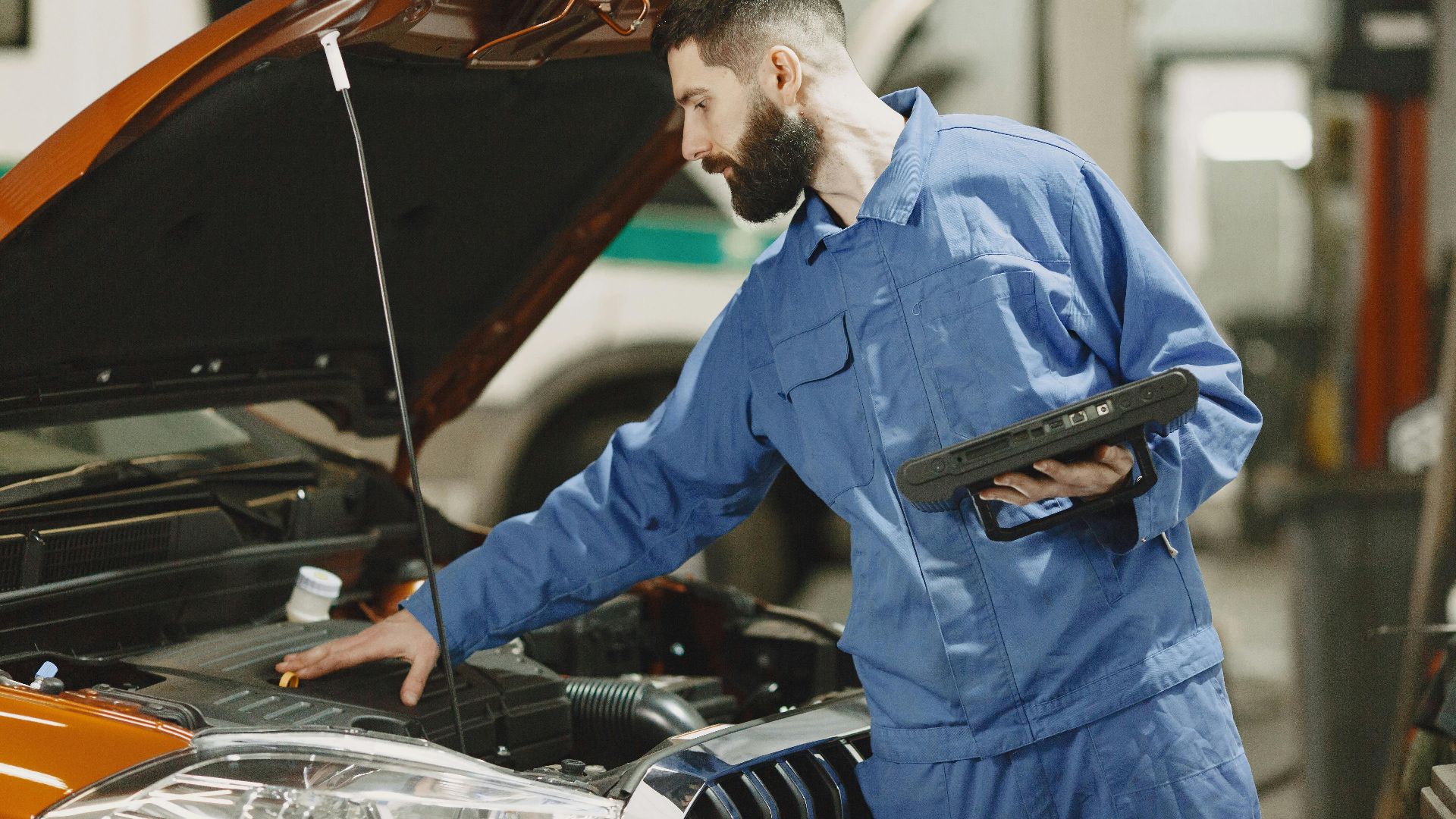
This may be the biggest factor of all. If you buy new and keep the car for 10 to 15 years, the early depreciation hurts less because you spread that cost over a long time. If you trade in every few years, buying used often looks better because you avoid taking that steep early depreciation again and again.

Mileage Makes It Personal
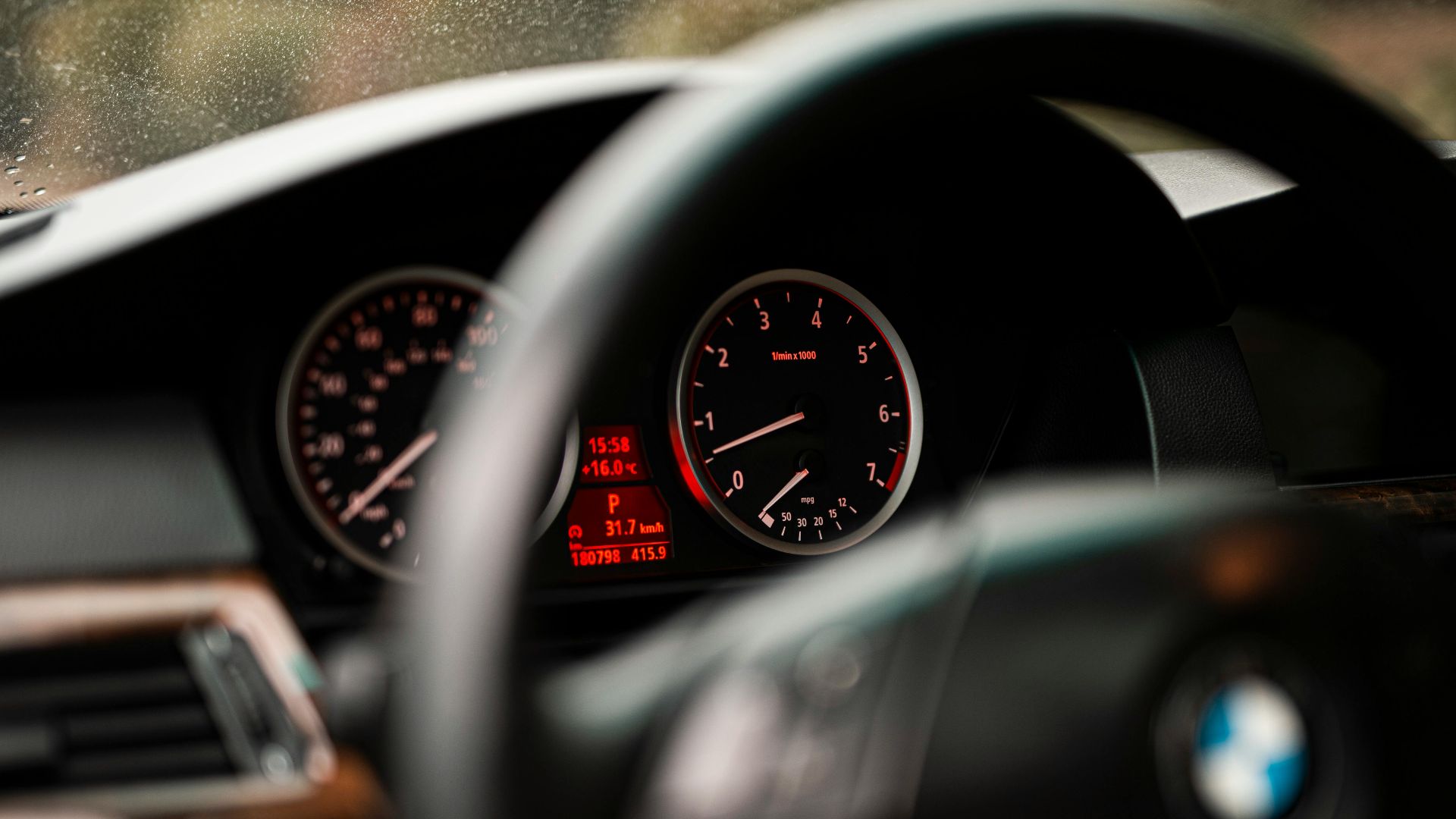
Someone driving 20,000 miles a year will feel fuel, maintenance, and warranty differences a lot more than someone driving 6,000 miles a year. High-mileage drivers may get more value from a new, efficient car with full warranty coverage. Low-mileage drivers may do just fine with an older used car they put very little wear on.
Cash Buyer Or Monthly Payment Shopper
How you pay matters almost as much as what you buy. A cash buyer may focus most on purchase price and long-term repair risk. A buyer shopping by monthly payment has to compare loan terms, incentives, and insurance too, because a cheaper used car can still lead to a worse monthly budget.

Some New Cars Hold Their Value Better Than Expected
Not every new vehicle drops in value at the same pace. Popular hybrids, certain trucks, and high-demand models have often held their value better than average, especially when supply is tight. That means the usual depreciation penalty can be smaller on the right car and much worse on the wrong one.

Some Used Cars Cost Too Much For What They Offer
This is the other side of the argument people often miss. If a used vehicle is priced high because it is in demand, you may be paying a premium while getting more wear, fewer features, and less warranty coverage. In that case, buying new may be the more sensible move.
The Smart Move Is To Compare Total Cost, Not Sticker Price
AAA’s ownership-cost framework is useful because it forces buyers to zoom out. You need to compare depreciation, finance charges, insurance, fuel, maintenance, fees, and likely repairs over the time you plan to own the car. That gets you much closer to the real answer than repeating a rule that treats every market and every buyer the same.

There Are Times When Buying New Clearly Makes Sense
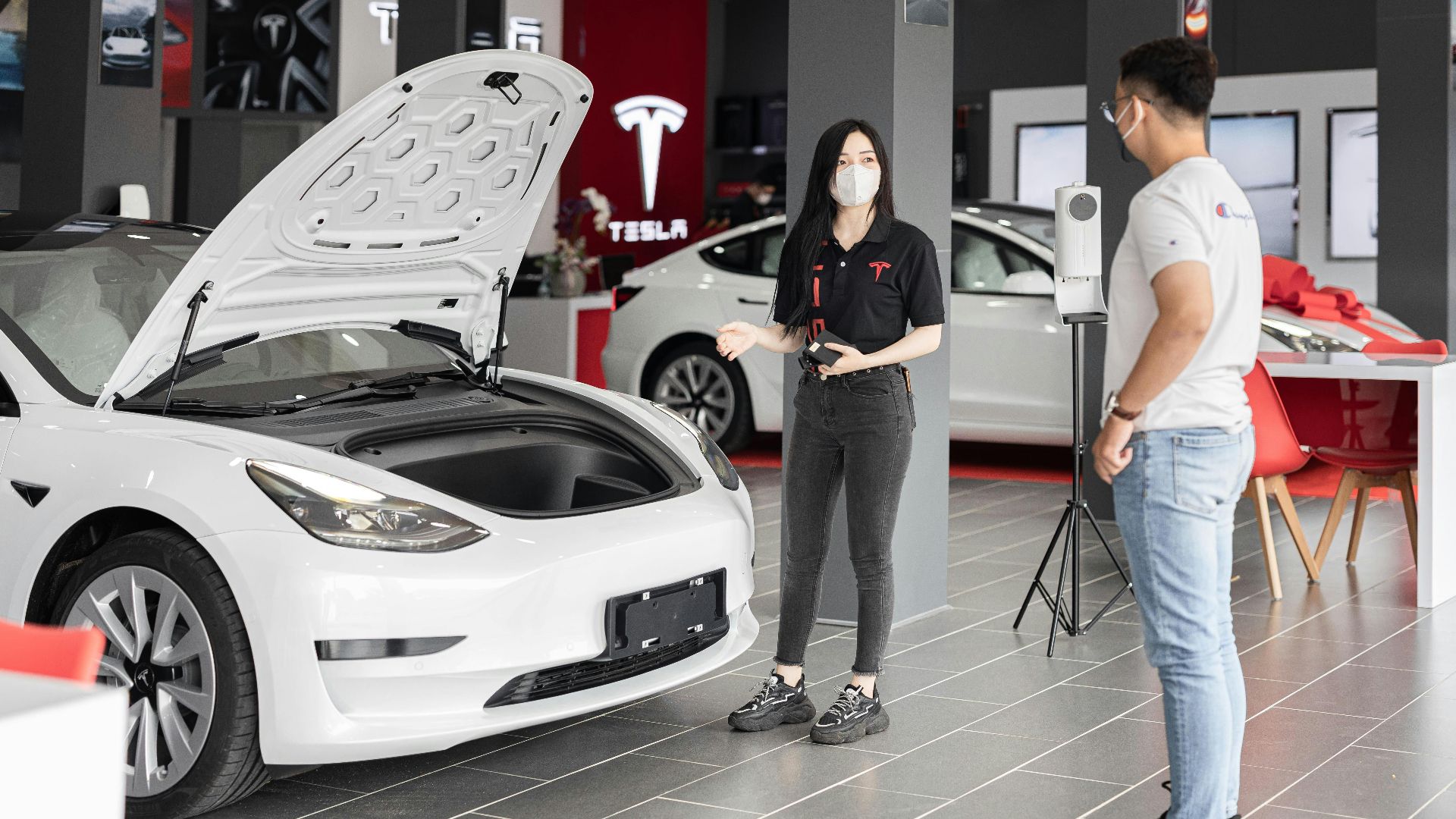
Buying new can make sense if the used version is barely cheaper, if new-car financing is much better, if you qualify for incentives, or if you want to keep the car a long time with as few repair surprises as possible. It can also make sense if the new model has major safety or efficiency gains. Those are not fringe cases anymore.
And There Are Times When The Old Advice Is Exactly Right
If you can find a reliable used car with a clean title, a solid service history, and a meaningful discount, used is often the better value. That is especially true if you pay cash, avoid a high-interest loan, and choose a model with low repair costs. In plenty of everyday situations, buying used is still the smartest move.
The Honest Answer Is Less Dramatic
No, it is not true that you should never buy a new car. It is true that new cars usually lose value faster early on, and that often makes used cars the better deal. But financing, incentives, warranty coverage, reliability, tax credits, and market conditions can all make a new car the smarter buy for the right person at the right time.

What To Do Before You Decide
Price the new car and the exact used options you would really consider. Compare loan rates, warranty coverage, insurance quotes, fuel costs, and expected resale value over the years you plan to keep it. Once you do that, the answer usually gets a lot clearer than any blanket advice from a friend.