Safety Ratings Can Be Reassuring.
They tell you valuable things about occupant protection and crash avoidance, but they do not promise that the vehicle will be inexpensive to repair. A modern car can perform brilliantly in a severe crash and still produce a painful bill after a parking-lot collision.
Safety Ratings Answer A Different Question
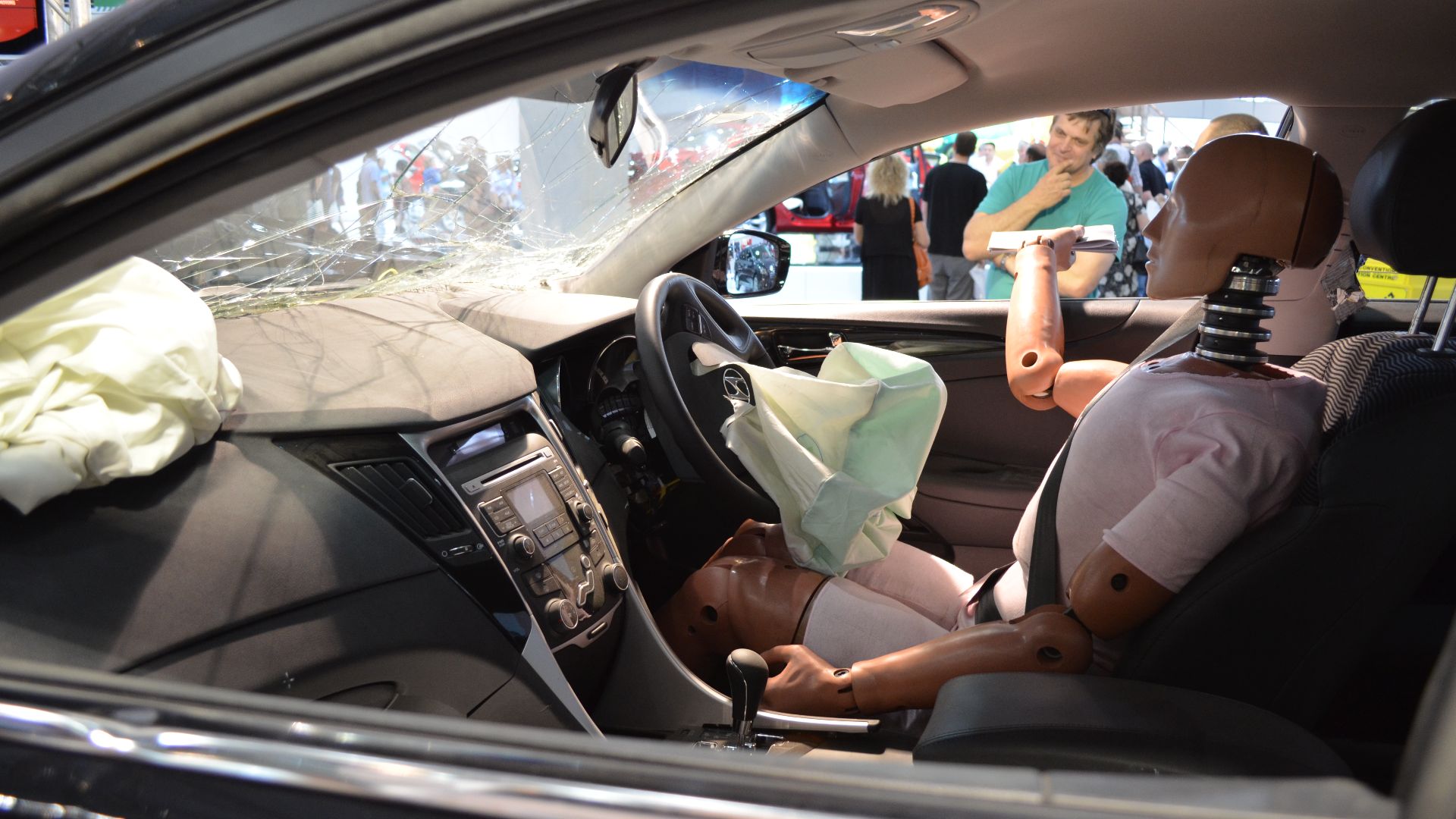
NHTSA’s 5-Star Safety Ratings assess areas including frontal impacts, side impacts, rollover resistance, and crash-avoidance performance. IIHS also evaluates how well vehicles protect occupants and how effectively certain systems prevent crashes. Neither program is primarily a rating of repair affordability after a minor collision.
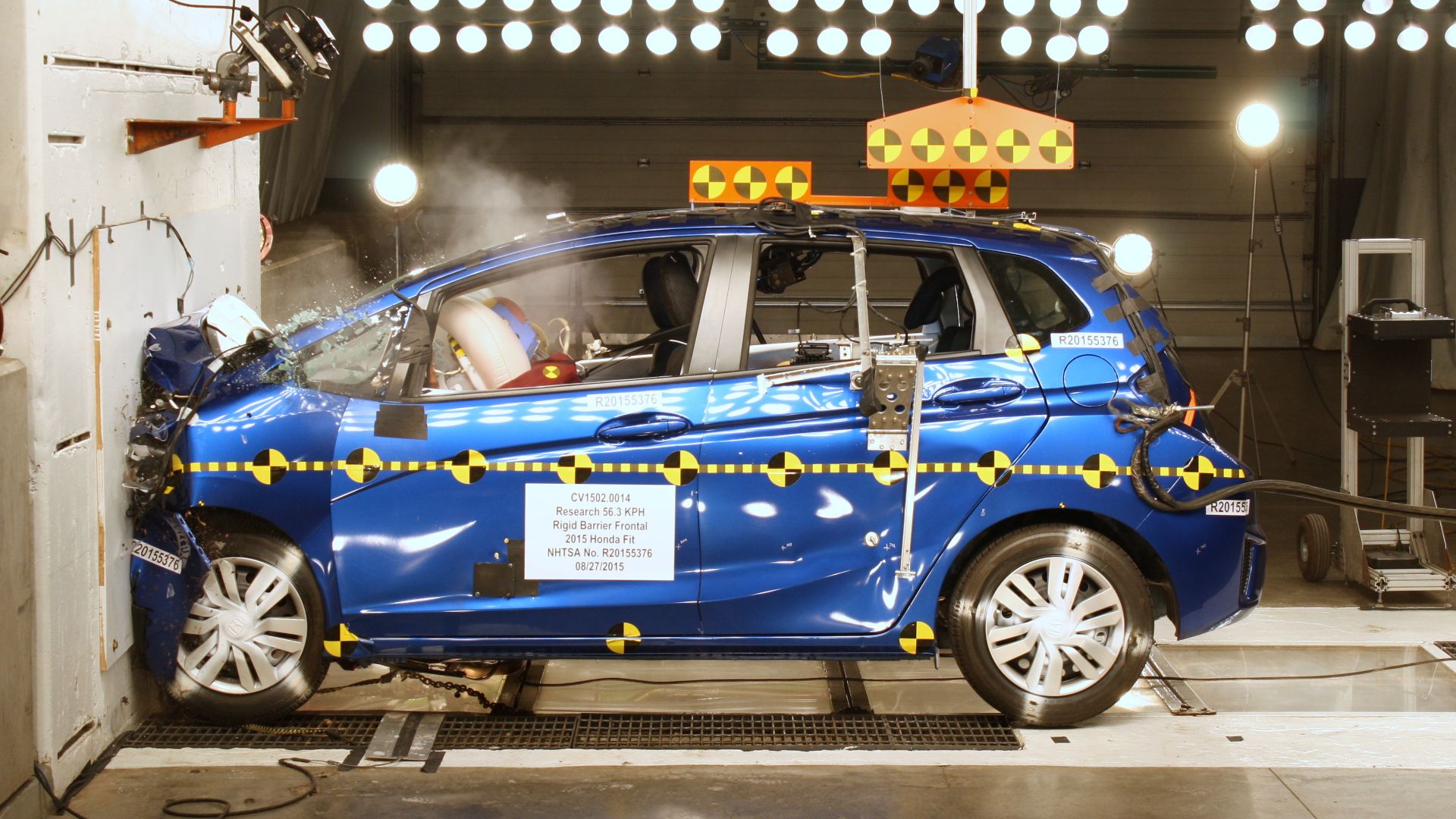 Calspan Corporation, National Highway Traffic Administration, Wikimedia Commons
Crashworthiness Is Not Damage Resistance
Crashworthiness describes how well a vehicle protects people during a crash. Damage resistance concerns how much of the vehicle must be repaired after an impact. A car can earn strong safety results while having expensive exterior components that are easily damaged at low speeds.
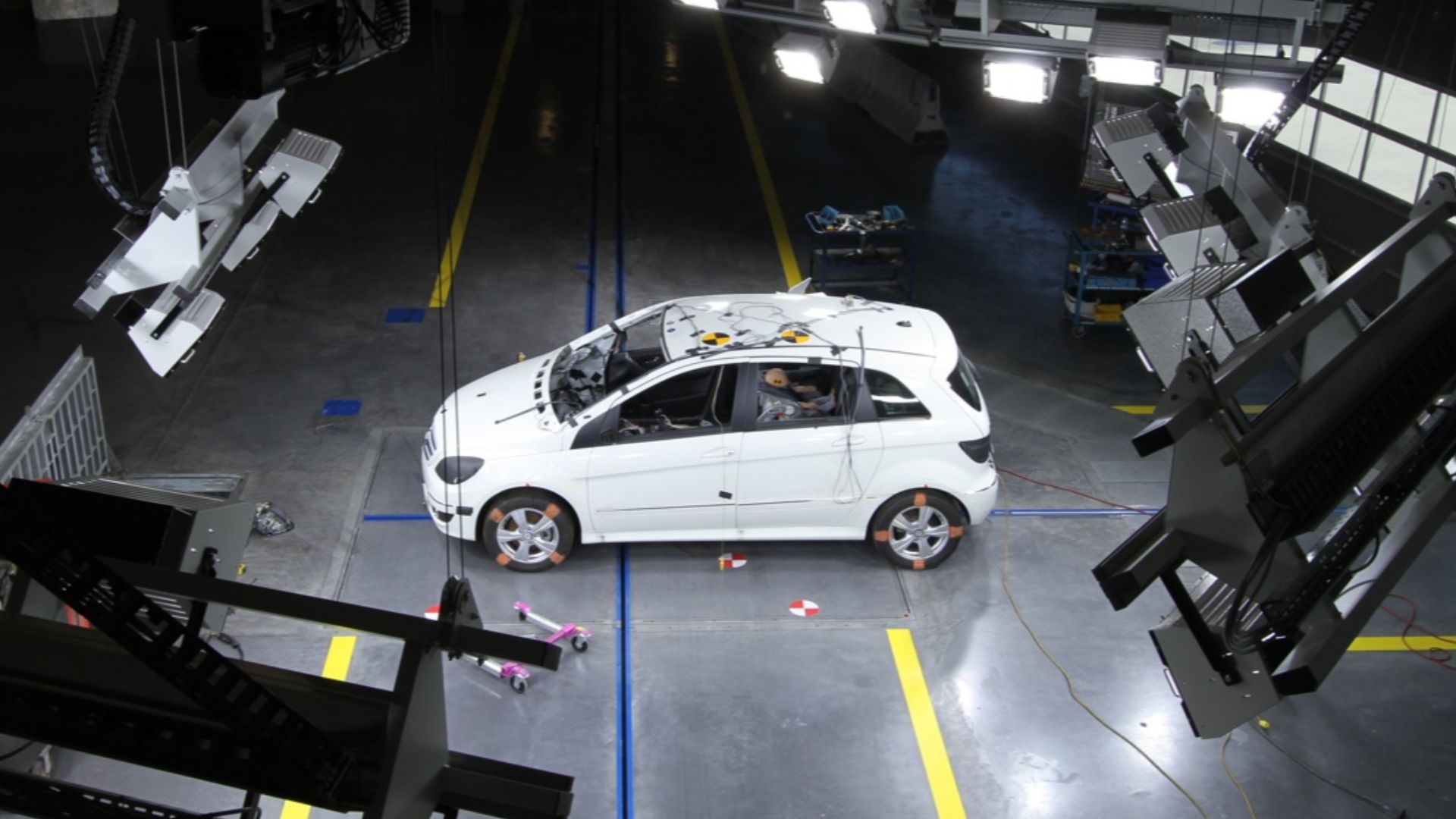
Crumple Zones Are Supposed To Give Way
Modern vehicle structures are designed to manage crash energy before it reaches the passenger compartment. That can require exterior and structural components to deform in a controlled manner. Parts that sacrifice themselves to protect occupants may perform exactly as intended, even though replacing them is expensive.
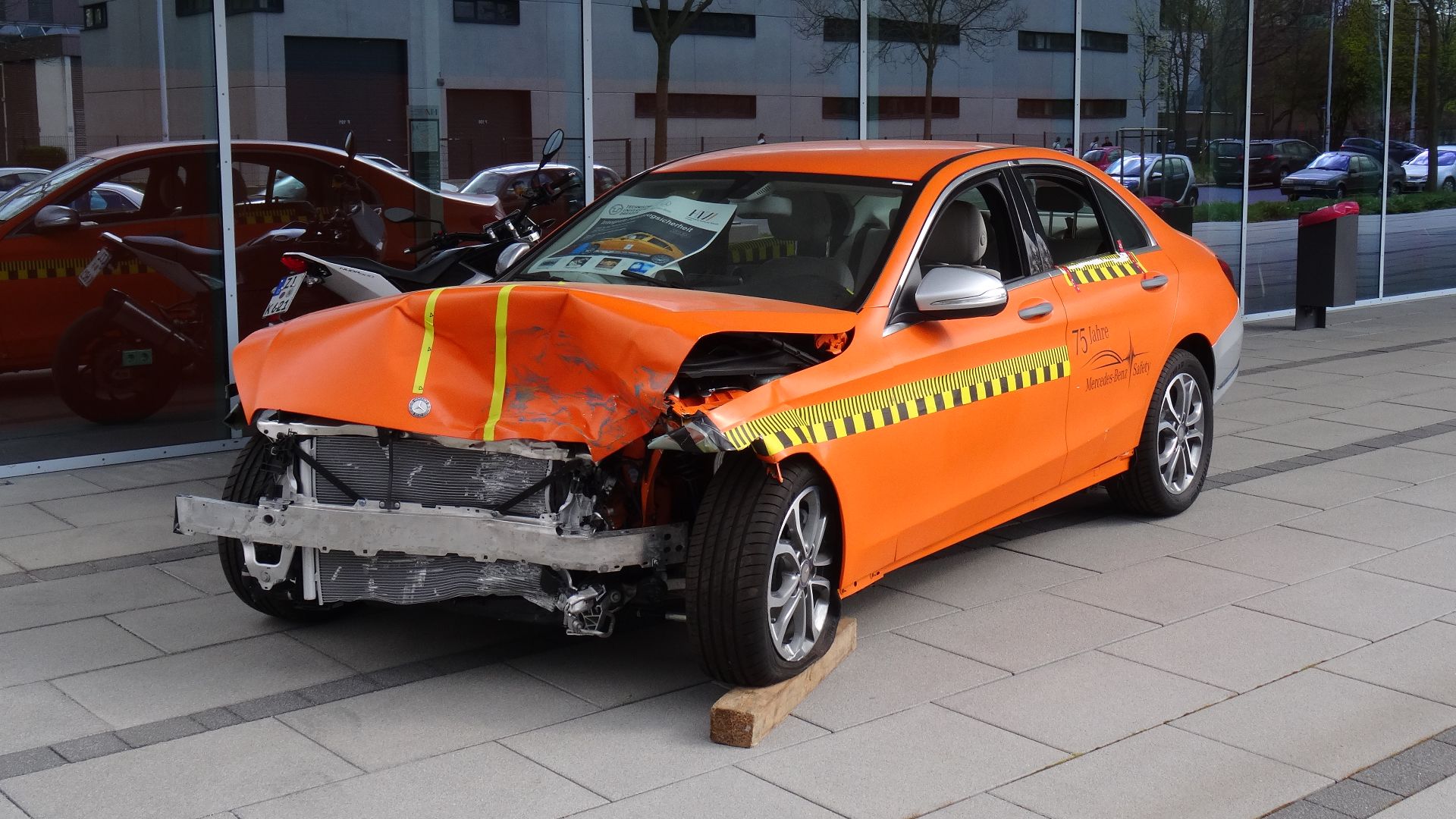 Kalispera Dell, Wikimedia Commons
A Minor Crash Can Still Reach Major Components
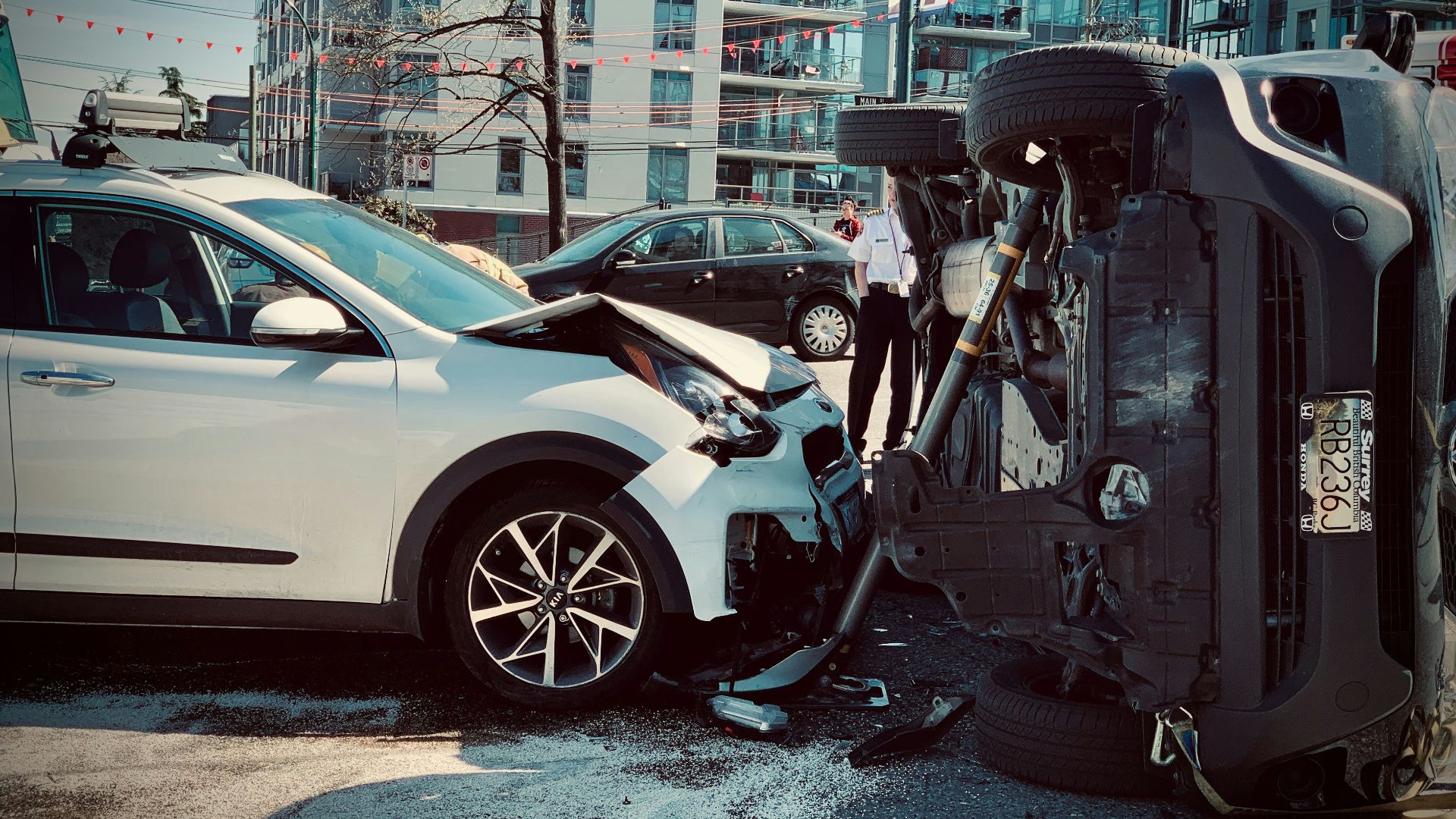
Drivers often judge collision severity by speed or visible damage. A bumper cover may spring back into shape while brackets, absorbers, wiring, sensors, or reinforcement pieces underneath remain damaged. The first visual inspection may therefore reveal only a small portion of the eventual repair.
The Bumper Is No Longer Just A Bumper
A modern bumper area can contain radar sensors, parking sensors, wiring harnesses, cameras, impact absorbers, lighting, and active aerodynamic equipment. Even when the painted cover appears repairable, attached components may require replacement or testing. Removing and reinstalling this equipment also increases labor.
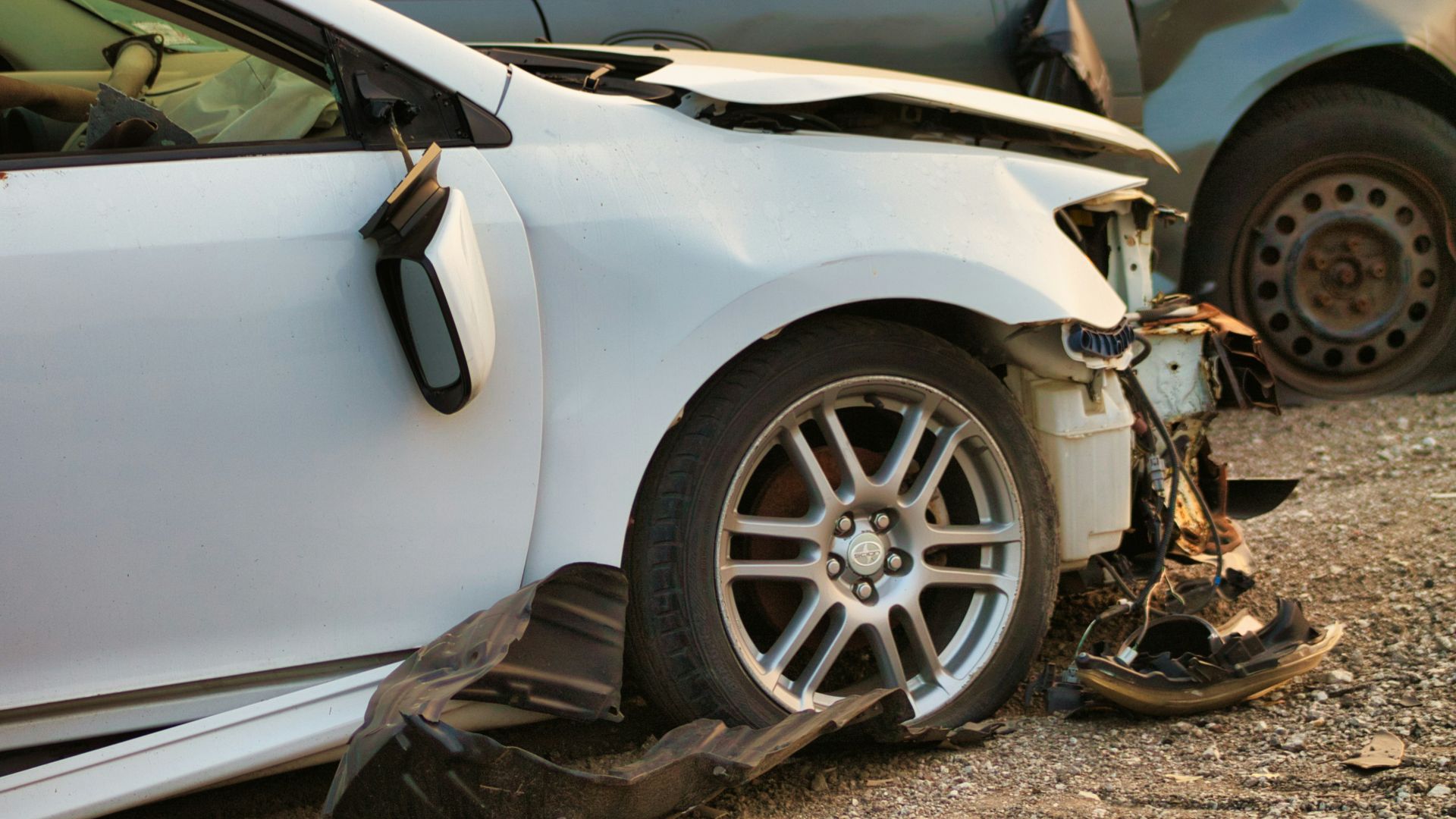
Radar Can Turn A Tap Into A Big Bill
Front radar units commonly support automatic emergency braking and adaptive cruise control. AAA found that replacing and calibrating front radar sensors on the vehicles in its study could cost between $500 and $1,300. A sensor mounted near the point of impact can therefore become one of the largest items on a minor-collision estimate.

Rear Sensors Add Their Own Expense
Rear bumpers may contain parking sensors, blind-spot radar units, and rear cross-traffic detection hardware. AAA found that ADAS components accounted for an average of $684.63 in its studied minor rear-collision repairs. That represented 40.9 percent of the average total estimate in that particular test group.
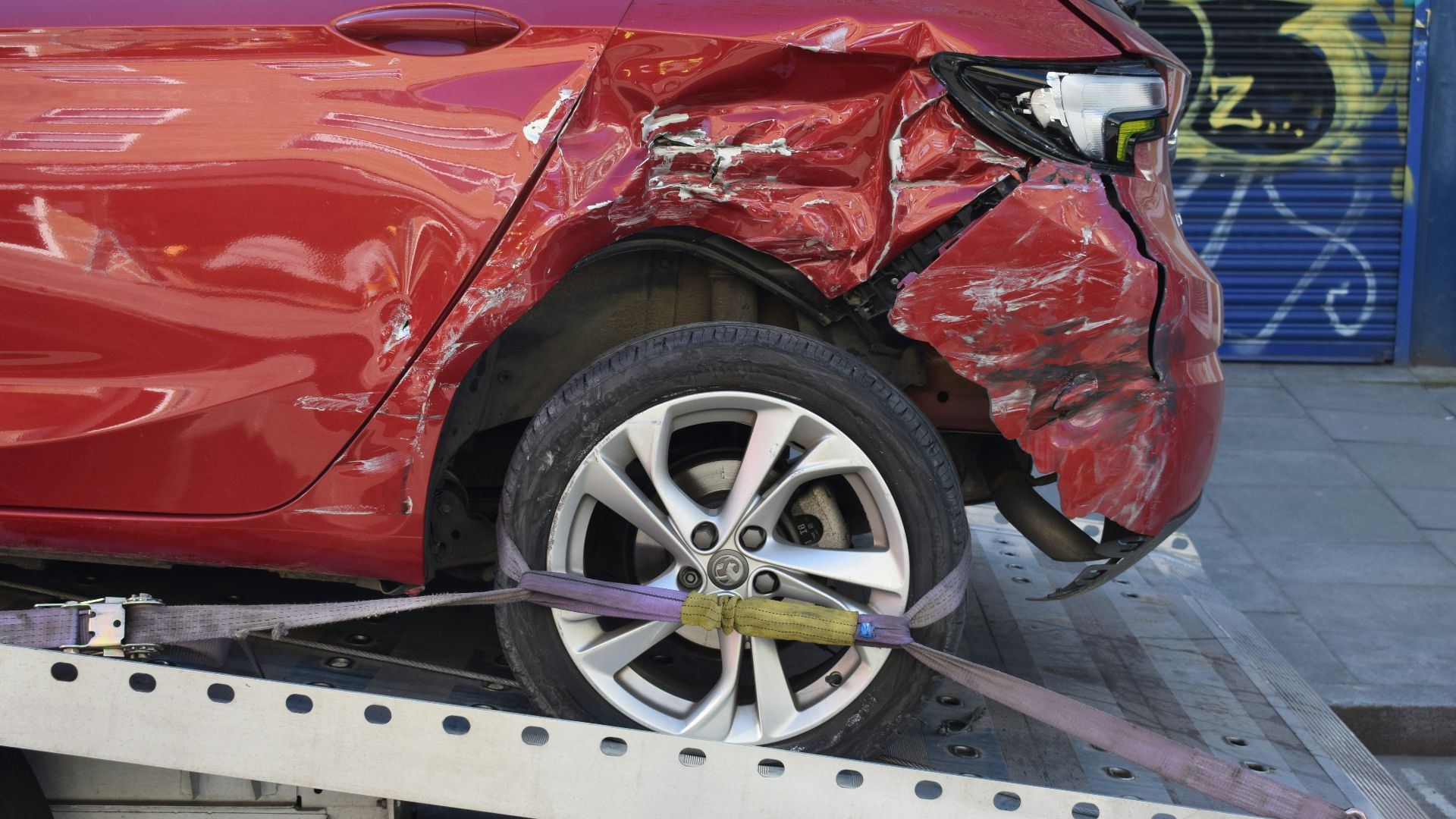
Side Mirrors Have Become Electronic Modules
A side mirror can now contain a camera, blind-spot warning light, heating element, power-folding mechanism, turn signal, and memory controls. AAA found that an ADAS camera housed in a side-mirror assembly accounted for an average of $1,067 in the repair scenario it studied. A damaged mirror is no longer necessarily a simple piece of glass and plastic.
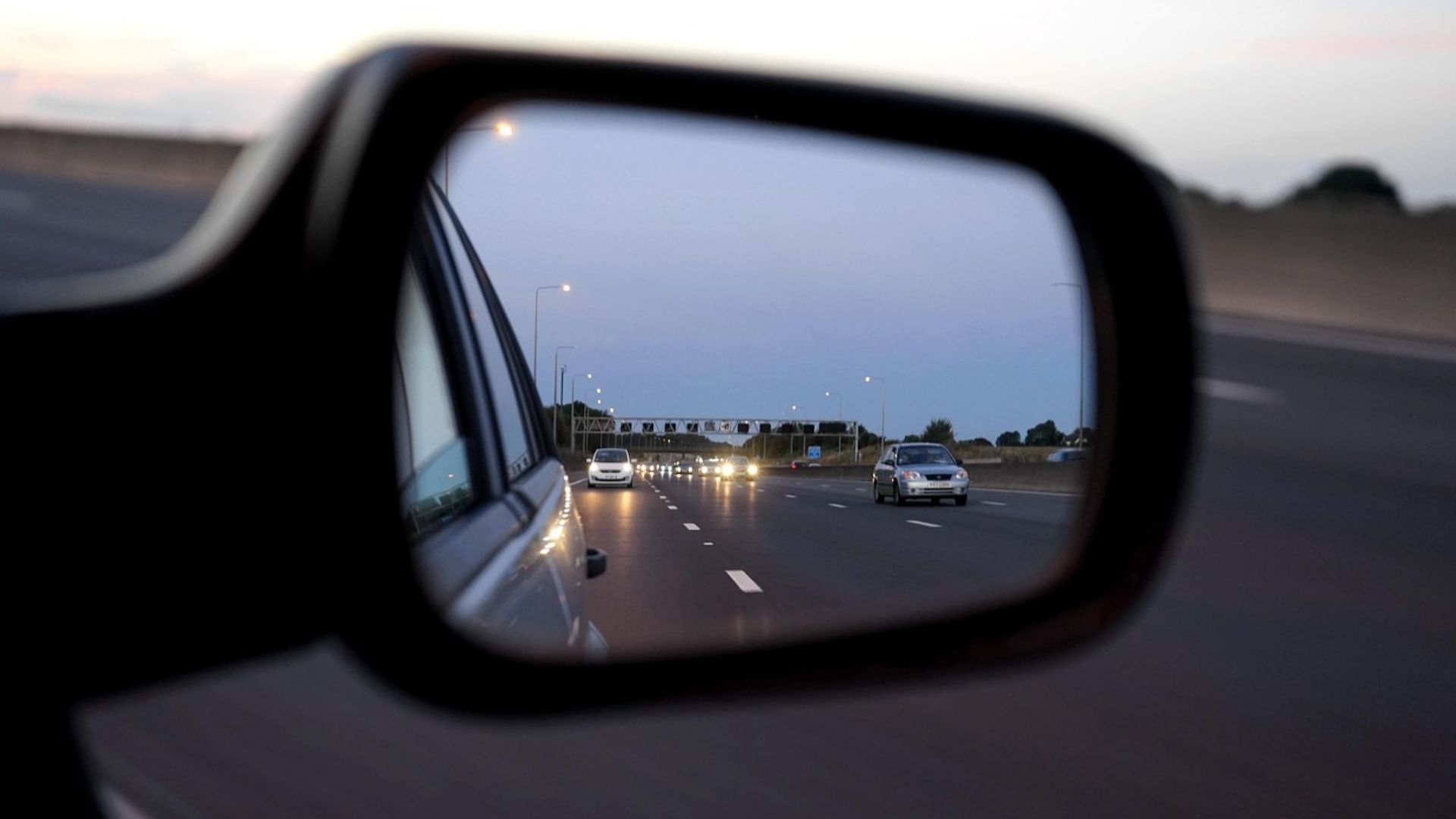
Cameras Must Point In The Right Direction
Driver-assistance cameras and radar sensors rely on precise positioning. A small change in angle can affect how a system interprets lane markings, vehicles, or obstacles. Repairing the body without verifying sensor alignment can leave the technology functioning incorrectly.
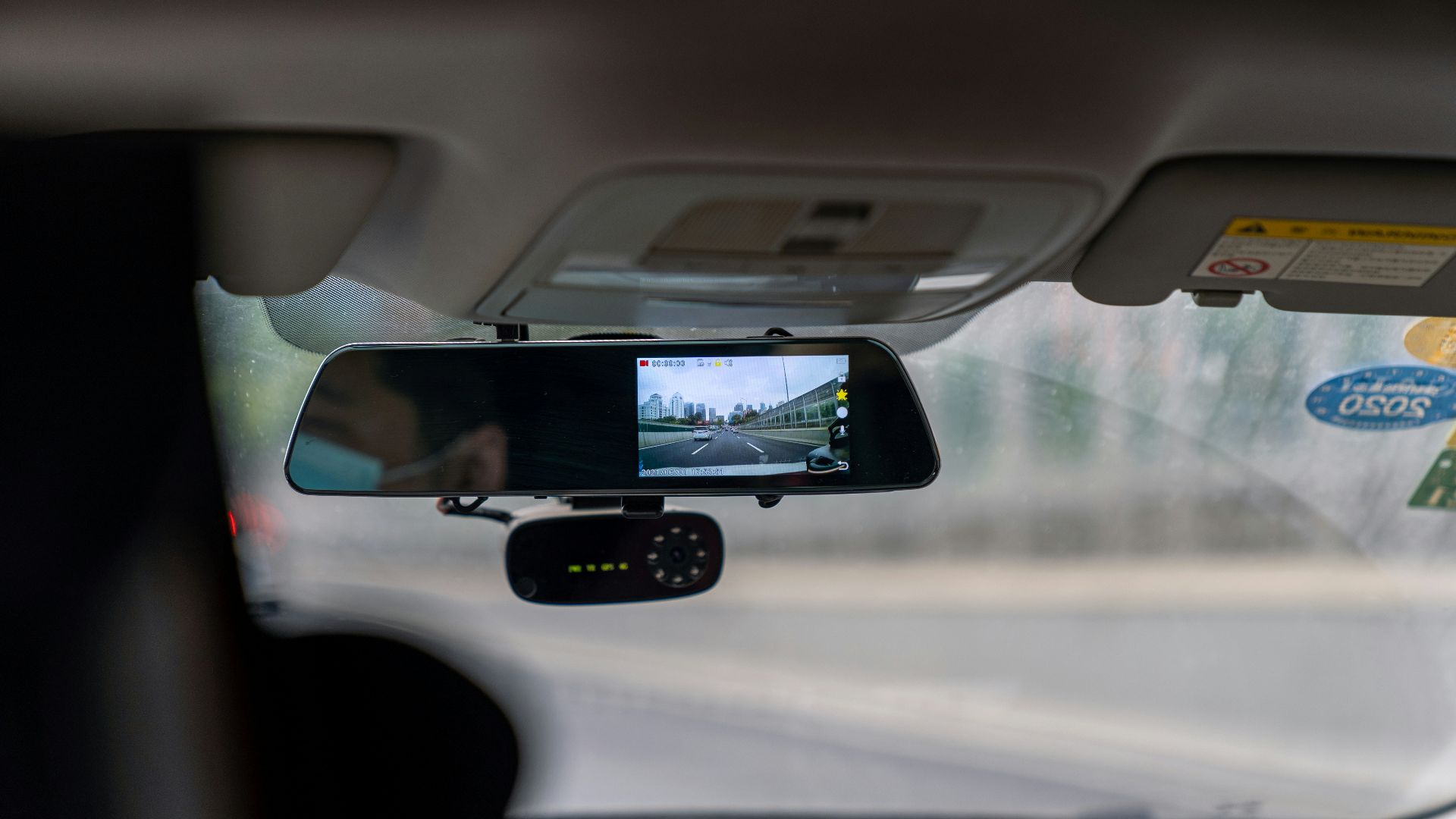
Calibration Adds A Second Repair Stage
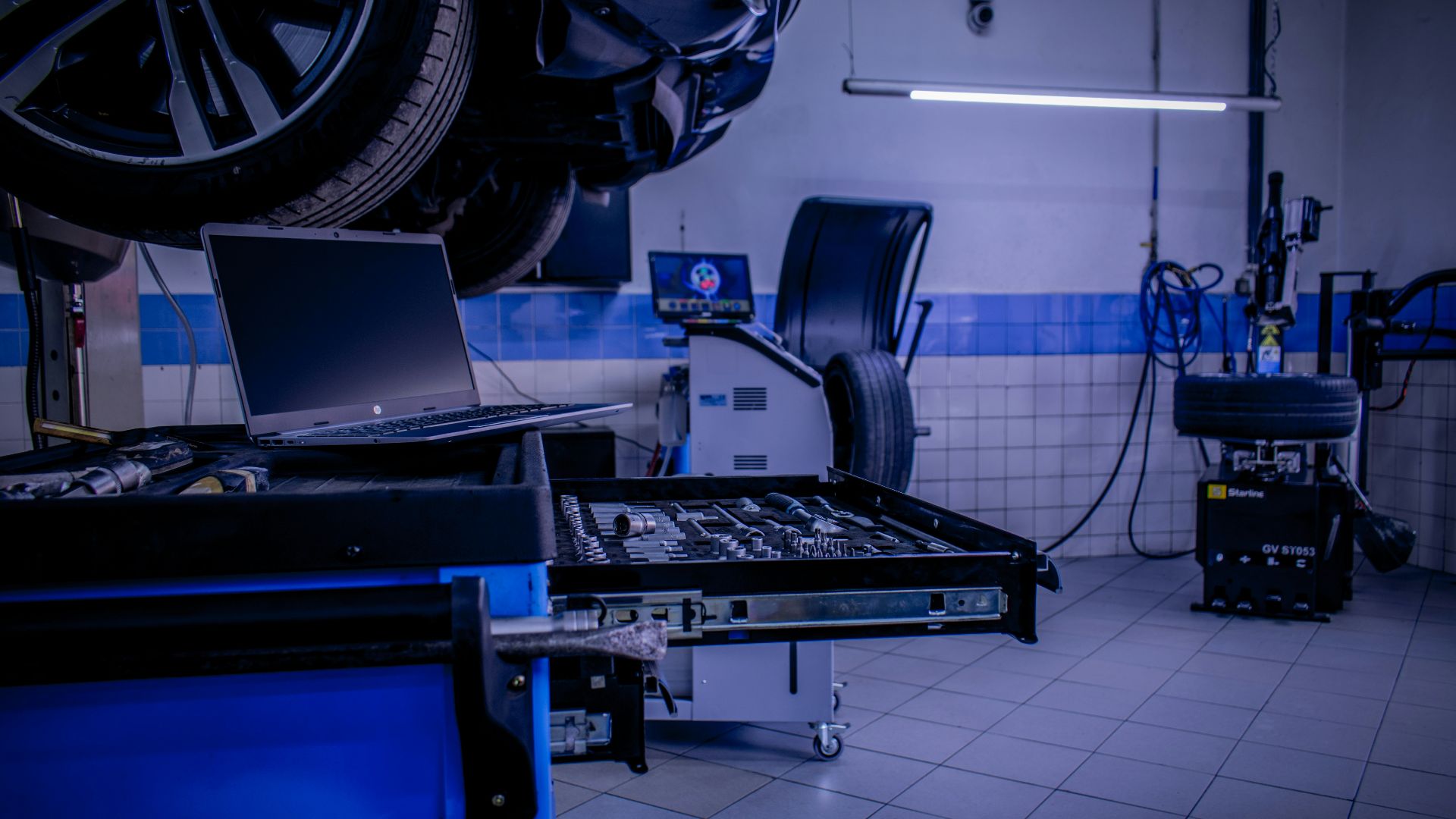
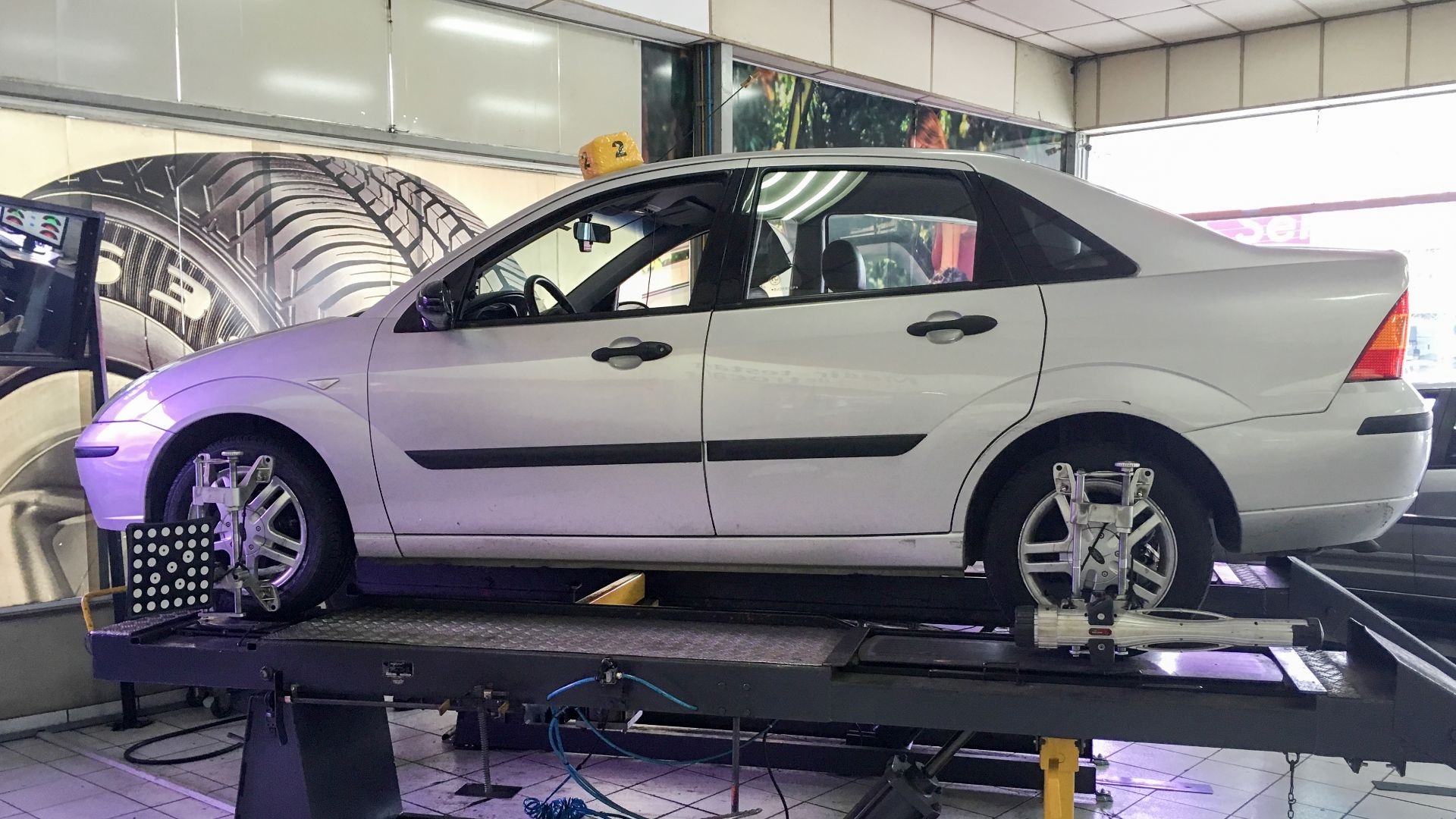
Some systems require static calibration using targets and specialized equipment inside a shop. Others require dynamic calibration while the vehicle is driven under prescribed road conditions. Certain vehicles need both procedures, adding time, equipment, and technician labor after the physical repair is complete.
The Windshield Can Be Part Of The System
Forward-facing cameras are often mounted behind the windshield. A collision may require inspection or calibration even when the glass itself did not break. Windshield replacement can also trigger additional ADAS work because the camera must be transferred and accurately repositioned.
Diagnostic Scans Reveal Hidden Problems
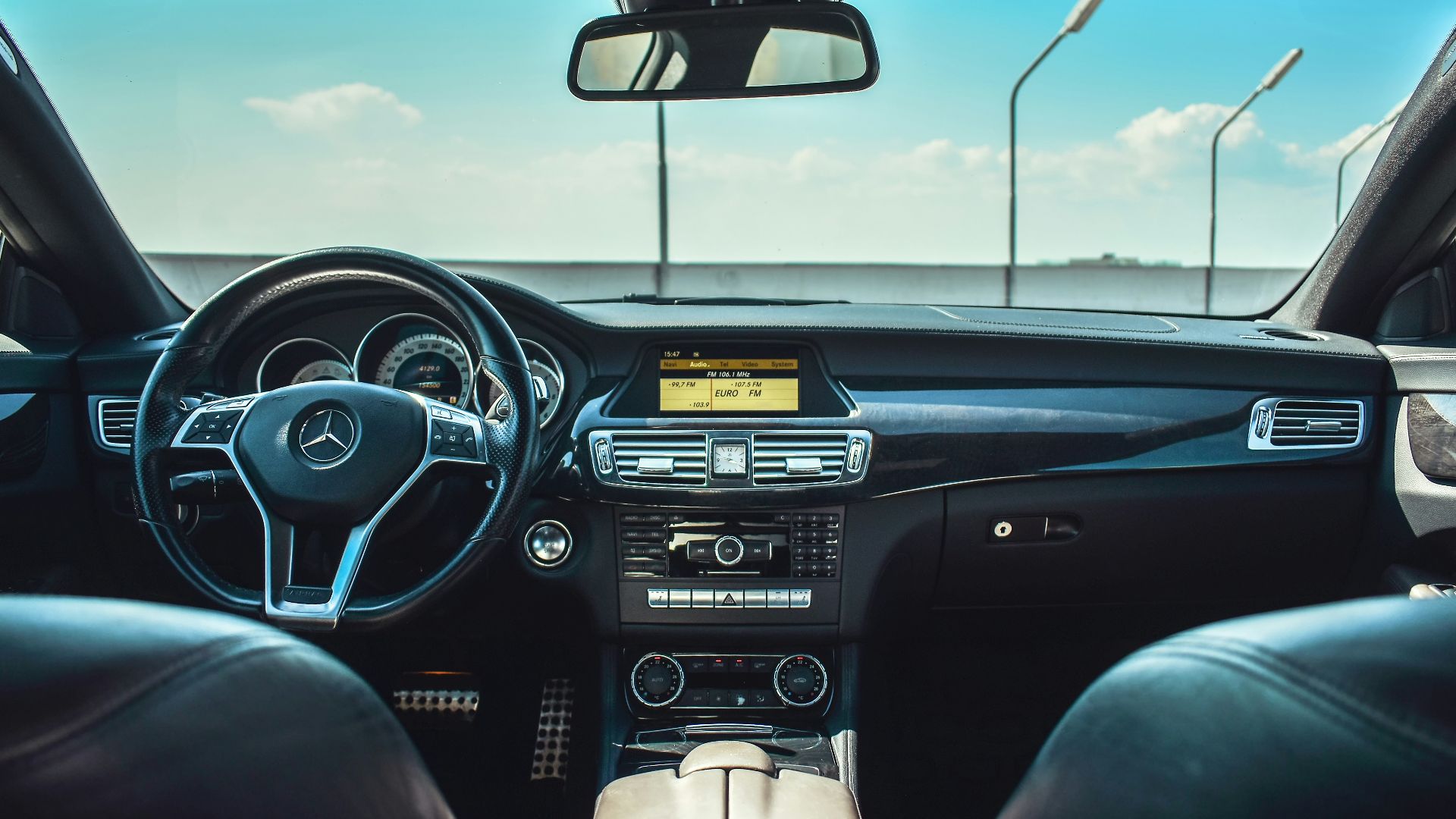
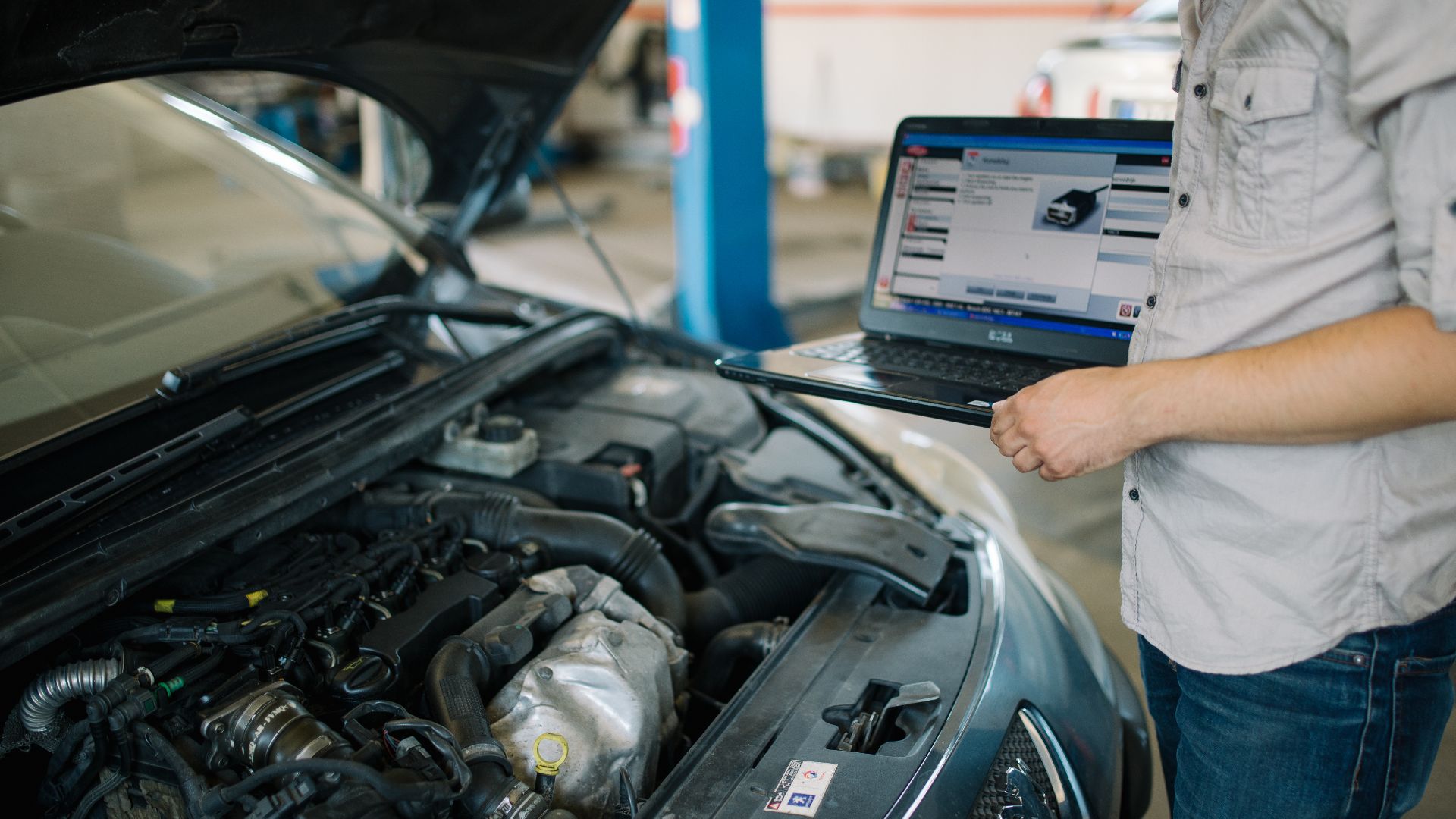
Modern vehicles contain numerous electronic control modules that can store diagnostic trouble codes after an impact. A collision-repair facility may perform a pre-repair scan to identify affected systems and a post-repair scan to confirm that problems were addressed. These procedures add cost, but they can uncover faults that would otherwise remain invisible.
 Shixart1985, Wikimedia Commons
Mounting Brackets Matter More Than They Look
A camera or radar unit may survive an impact while the bracket holding it bends slightly. That small change can alter the sensor’s field of view enough to require replacement or calibration. The expensive electronic component is only useful when its mounting position remains within specification.
 Photograph by Mike Peel (www.mikepeel.net)., Wikimedia Commons
Advanced Safety Features Still Earn Their Keep
Automatic emergency braking, blind-spot monitoring, rear cross-traffic alert, and other systems can reduce certain types of crashes. IIHS and HLDI research has repeatedly found real-world safety benefits from crash-avoidance technology. The systems can lower crash frequency while increasing the repair cost of collisions that still occur.
 Simon Yeo from Drouin, Australia, Wikimedia Commons
Stronger Materials Complicate Body Work
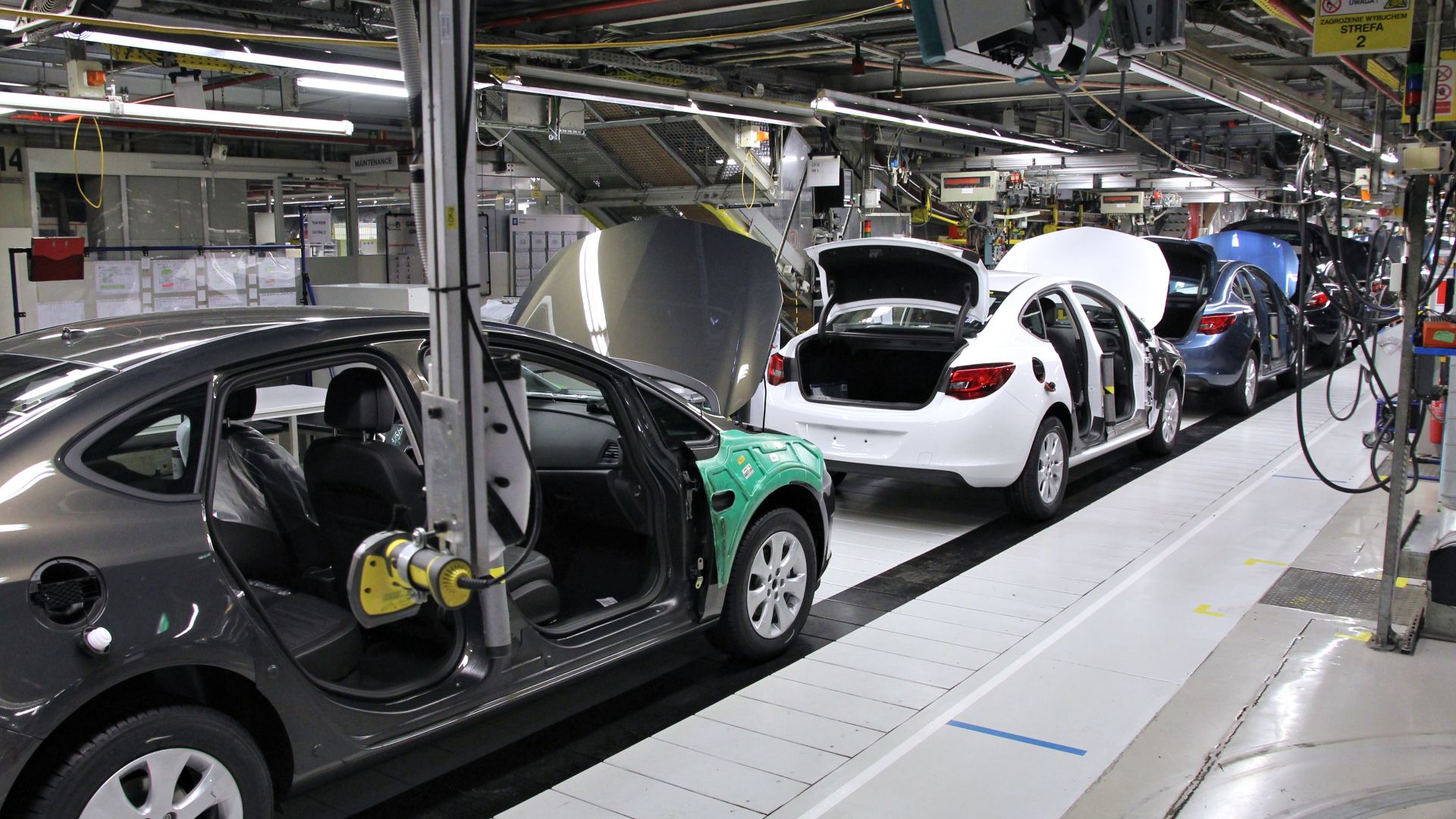
Modern vehicles use combinations of advanced high-strength steel, aluminum, composites, and other materials to manage weight and crash energy. These materials can require specific cutting, joining, heating, and replacement procedures. A repair technique that worked on an older steel body may be unsafe or prohibited on a newer structure.
 Marek Ślusarczyk (Tupungato) Photo portfolio, Wikimedia Commons
Some Parts Cannot Simply Be Straightened
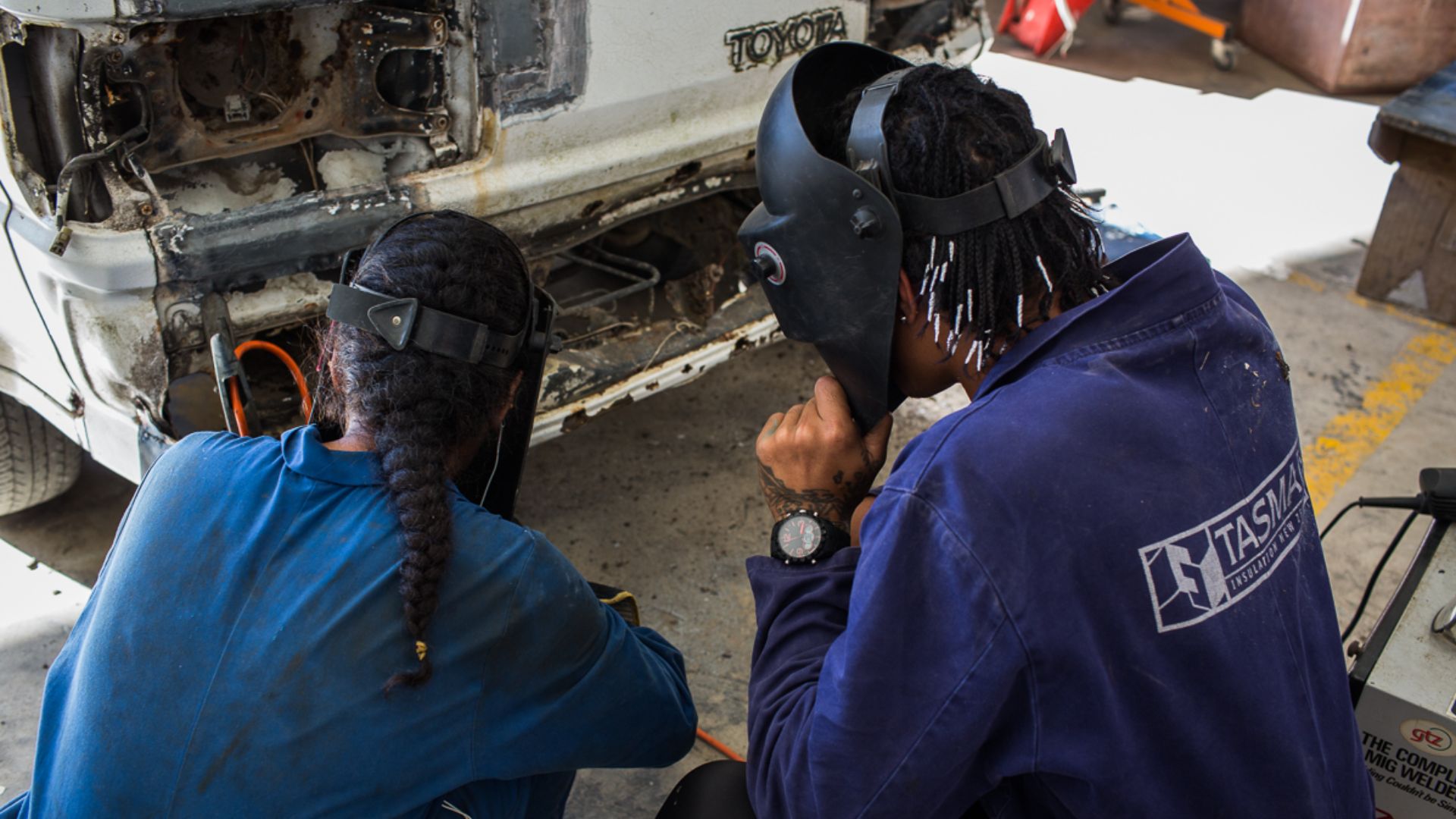
Vehicle manufacturers specify which structural components can be repaired and which must be replaced. Excessive heating or reshaping can change the properties of certain metals. Following the approved procedure may cost more, but it helps preserve the crash performance designed into the vehicle.
 Department of Foreign Affairs and Trade, Wikimedia Commons
Disassembly Consumes More Labor Than Expected
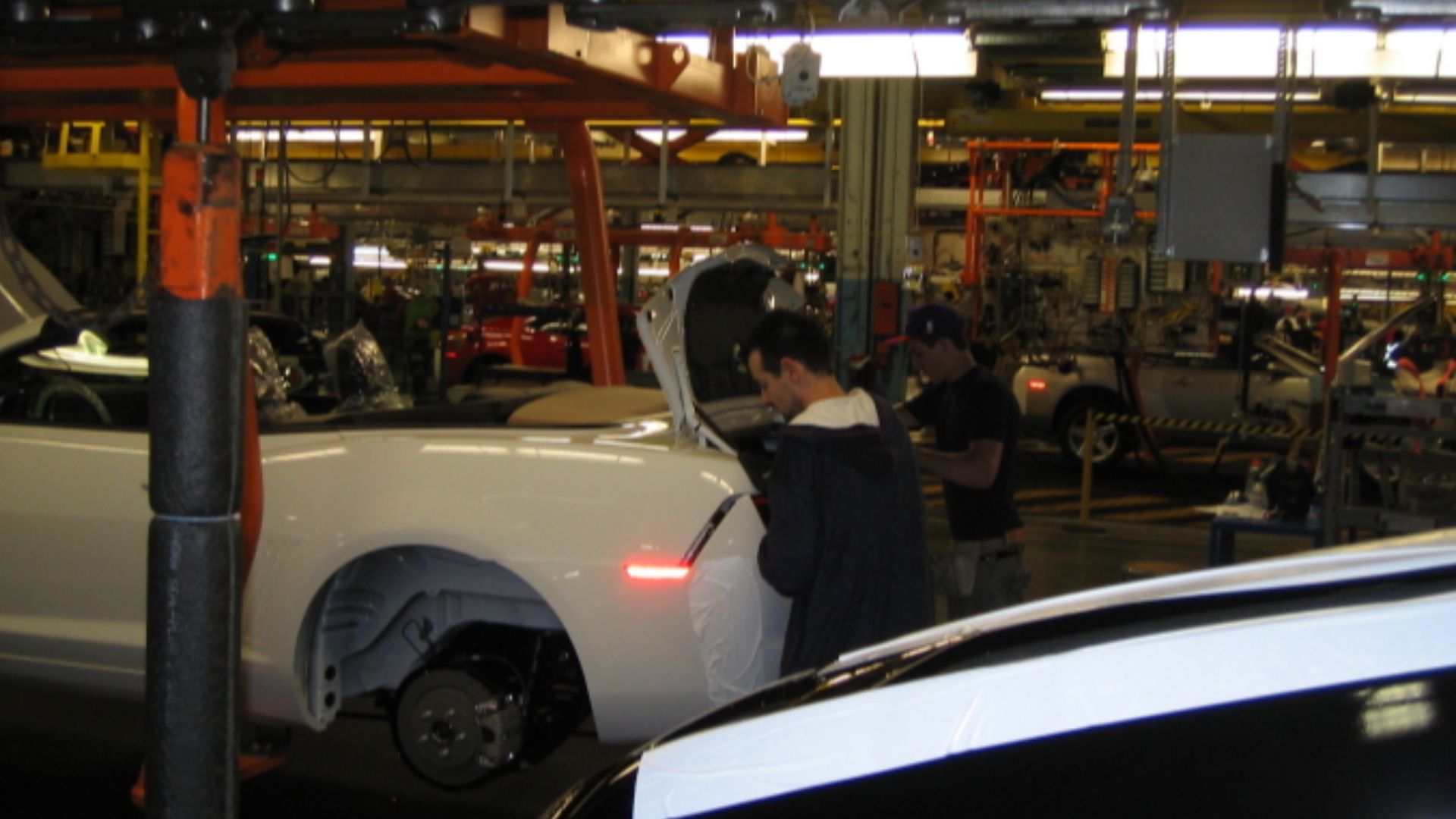
Technicians may need to remove trim, lamps, liners, underbody panels, grilles, sensors, wiring, and adjacent body parts before reaching the damaged area. Those components must later be inspected and correctly reinstalled. A small dent can therefore generate many billable labor operations.
 Robert T Bell from Oshawa, Canada, Wikimedia Commons
Paint Work Extends Beyond The Dent
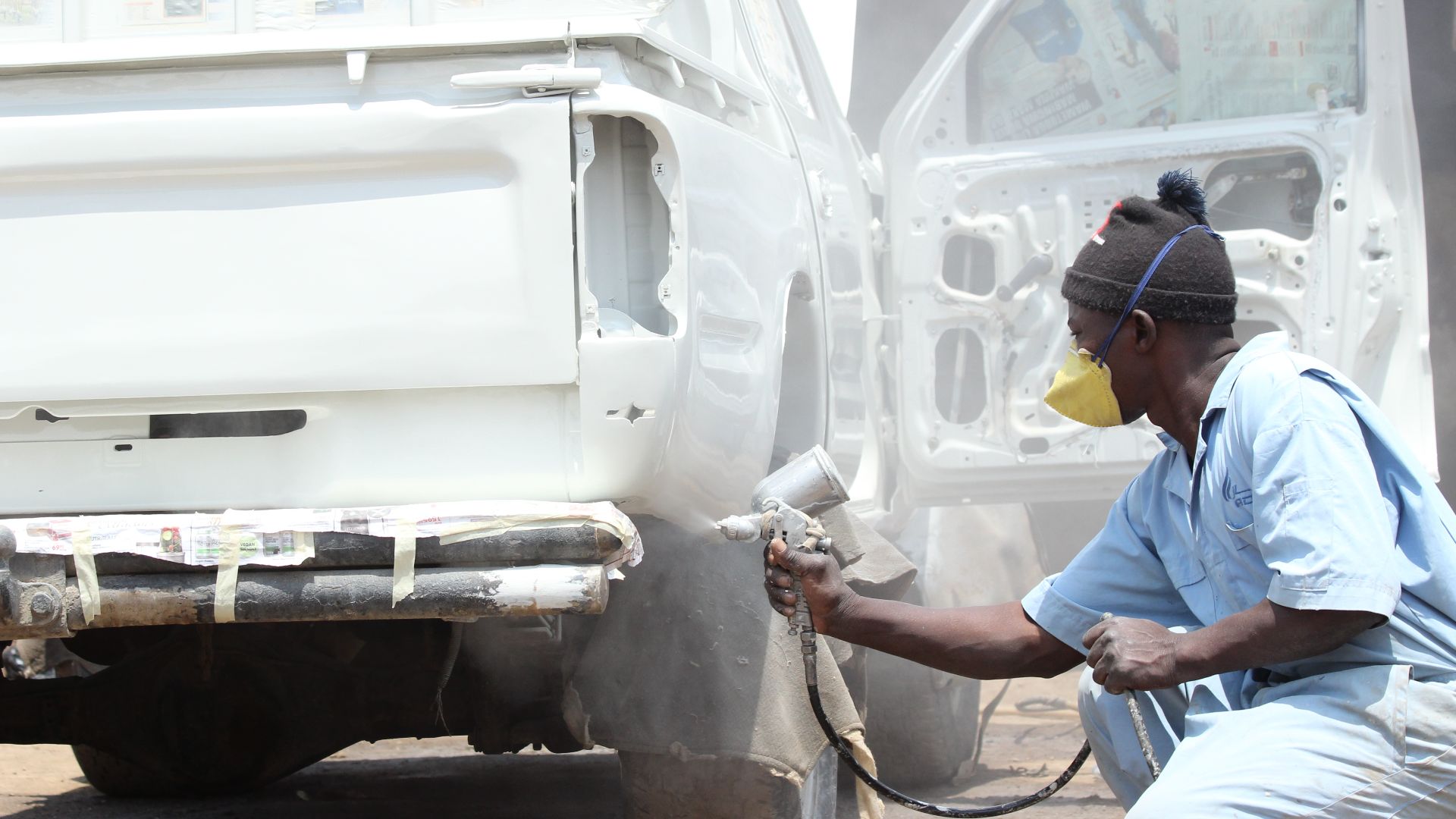
Matching a modern finish can require preparation, primer, basecoat, clearcoat, and blending into adjacent panels. Metallic and pearlescent finishes can be particularly sensitive to color and application differences. The painted area on the invoice may be larger than the visibly damaged spot because the repair must look consistent under changing light.
Headlights Can Be Surprisingly Expensive
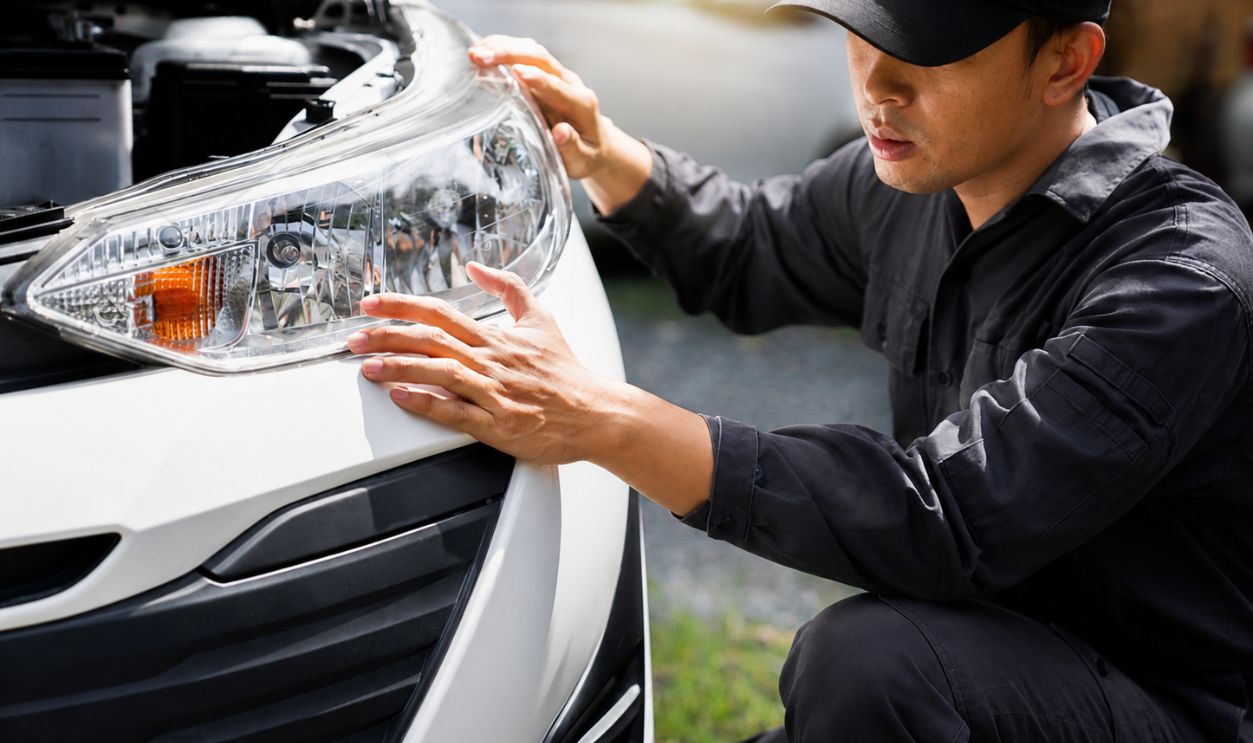
Modern headlamp assemblies can incorporate LEDs, control modules, automatic leveling, steering-responsive lighting, and distinctive daytime-running lights. The assembly may be sealed and replaced as a unit rather than repaired internally. Damage near the front corner of the vehicle can therefore produce a large parts charge without affecting the engine or suspension.
Manufacturer Procedures Shape The Estimate
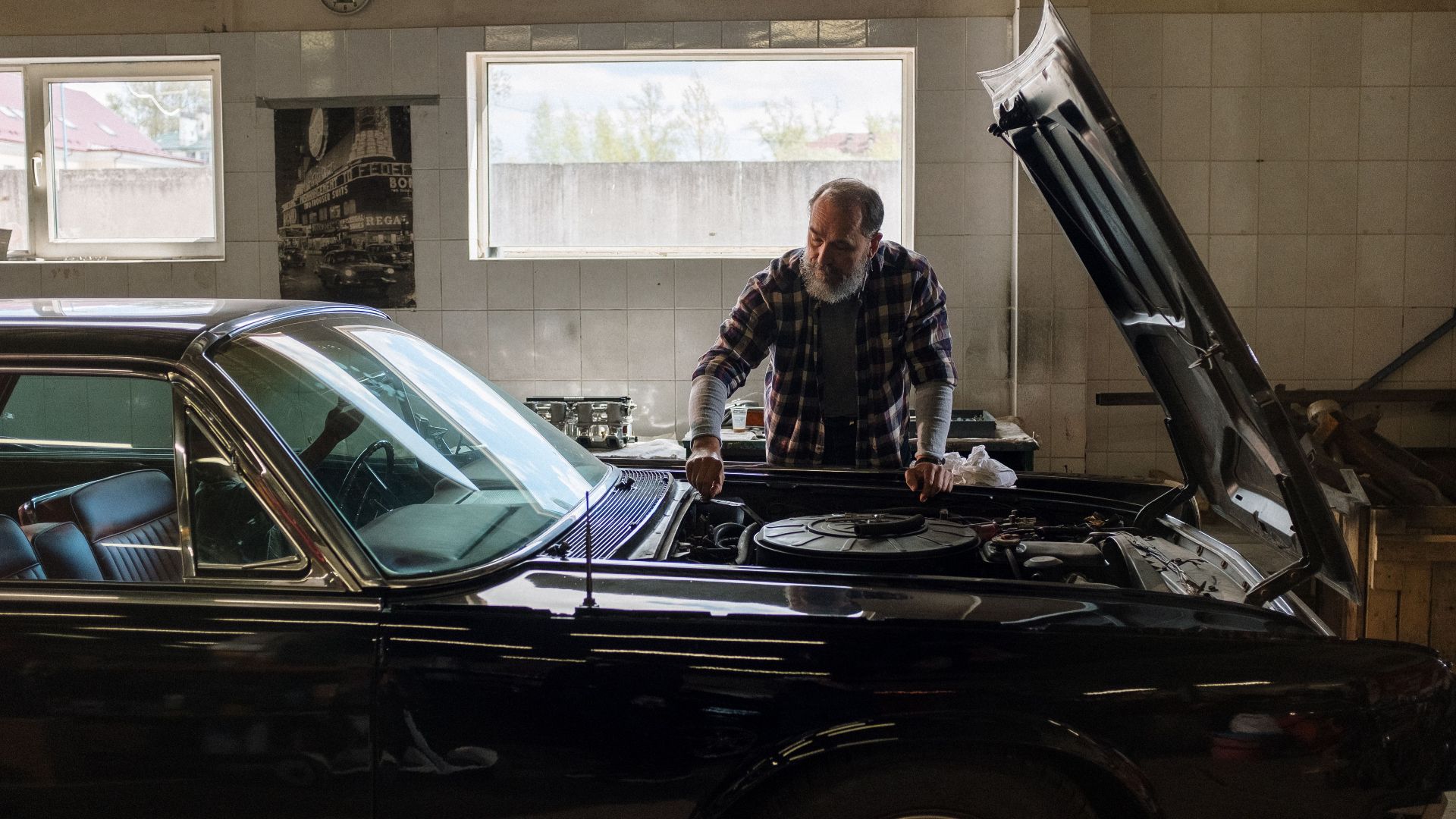
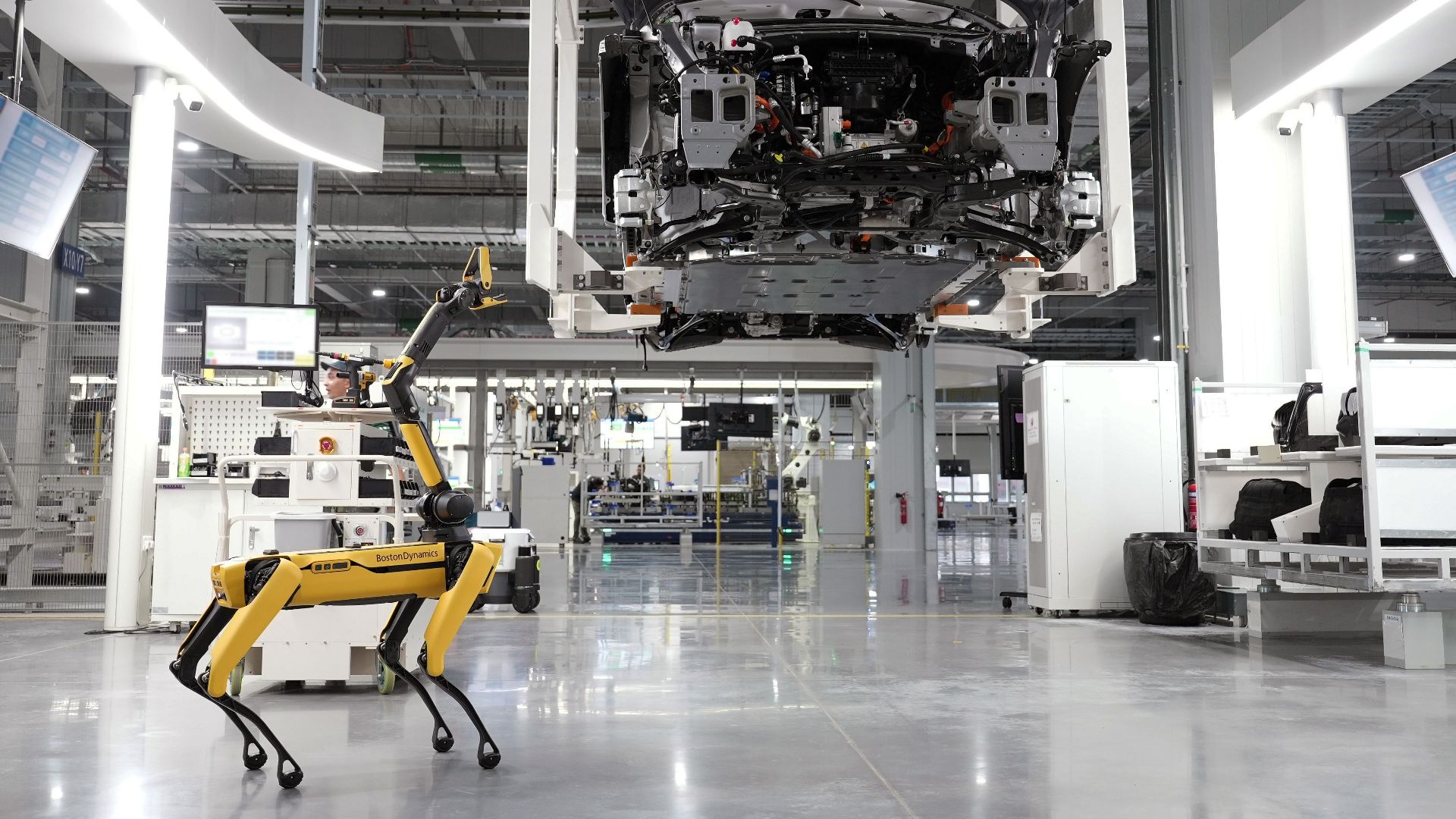
Collision shops must determine how the automaker says the vehicle should be measured, repaired, joined, scanned, and calibrated. I-CAR maintains access to manufacturer repair information because procedures vary widely among vehicles. Extra operations on an estimate may reflect those specific requirements rather than unnecessary shop padding.
Parts Choices Affect Price And Fit
An estimate may use original-equipment, aftermarket, recycled, or reconditioned parts depending on availability, policy terms, and state rules. Prices and specifications can differ substantially. Cameras, brackets, structural pieces, and appearance-sensitive components may create additional compatibility concerns.
The First Estimate May Not Be Final
An adjuster or shop usually begins with the damage that can be seen before the vehicle is fully disassembled. Additional problems may appear once the bumper, trim, or body panels are removed. The shop then submits a supplement to document newly discovered parts and labor.
Your Deductible Creates The Personal Shock
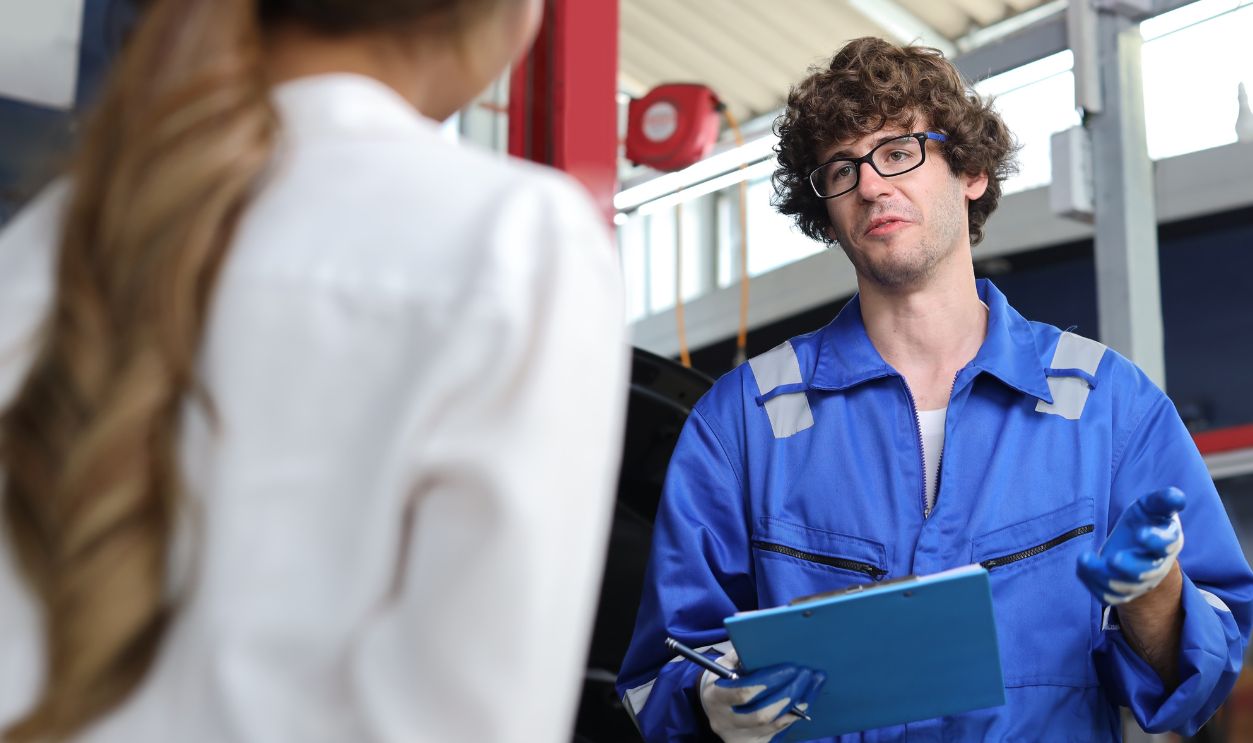
Collision coverage generally pays for covered vehicle damage after the policyholder’s deductible is applied. A $500 or $1,000 deductible can make even an approved insurance repair feel extremely expensive. Damage close to the deductible may leave the owner paying most or all of the bill.
A Claim Can Follow You
Insurance companies may use claim-history information when underwriting or pricing coverage, subject to state law and company practices. That does not mean every small claim automatically produces a rate increase. It does mean drivers should consider repair cost, deductible, fault, and potential insurance consequences before deciding how to proceed.
Expensive Repairs Can Total A Driveable Car
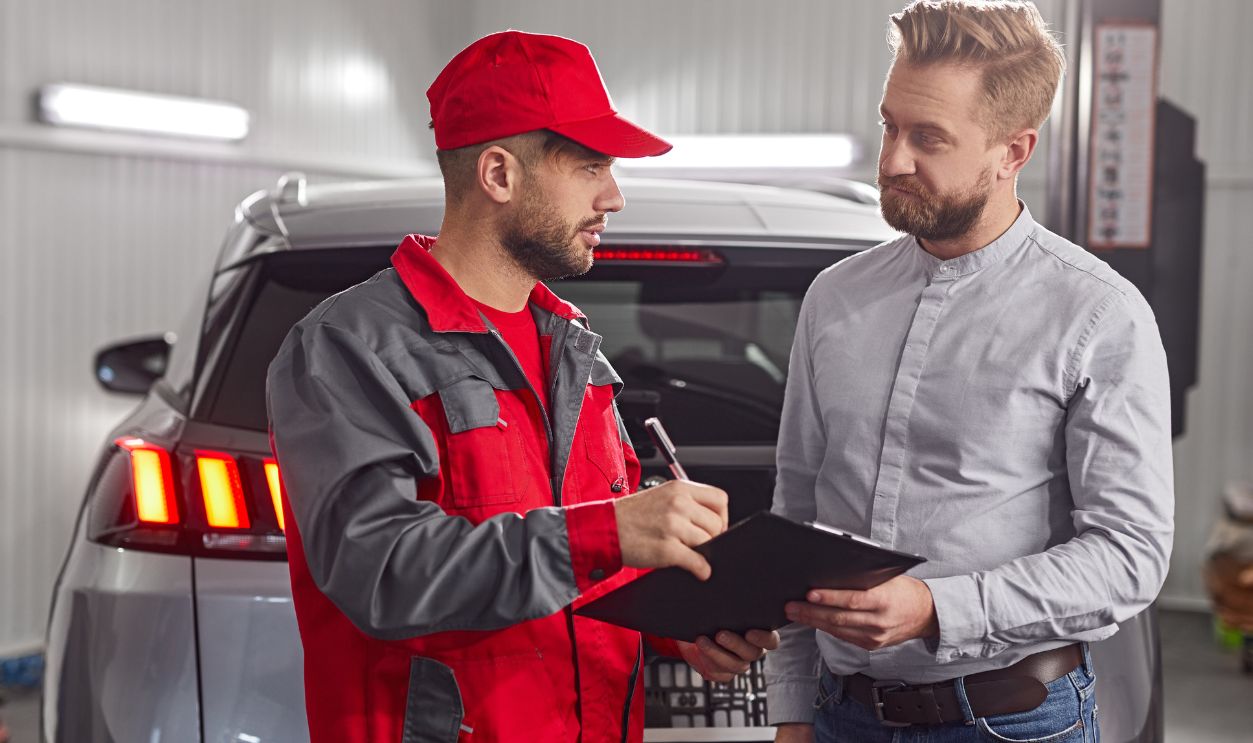
An insurer may declare a vehicle a total loss when the repair economics no longer make sense relative to its value and applicable state rules. A car does not need to appear destroyed for this to happen. High parts prices, calibration requirements, hidden structural damage, and rental expenses can push the calculation upward.
 Jose Ricardo Barraza Morachis, Pexels
The Right Repair Shop Matters
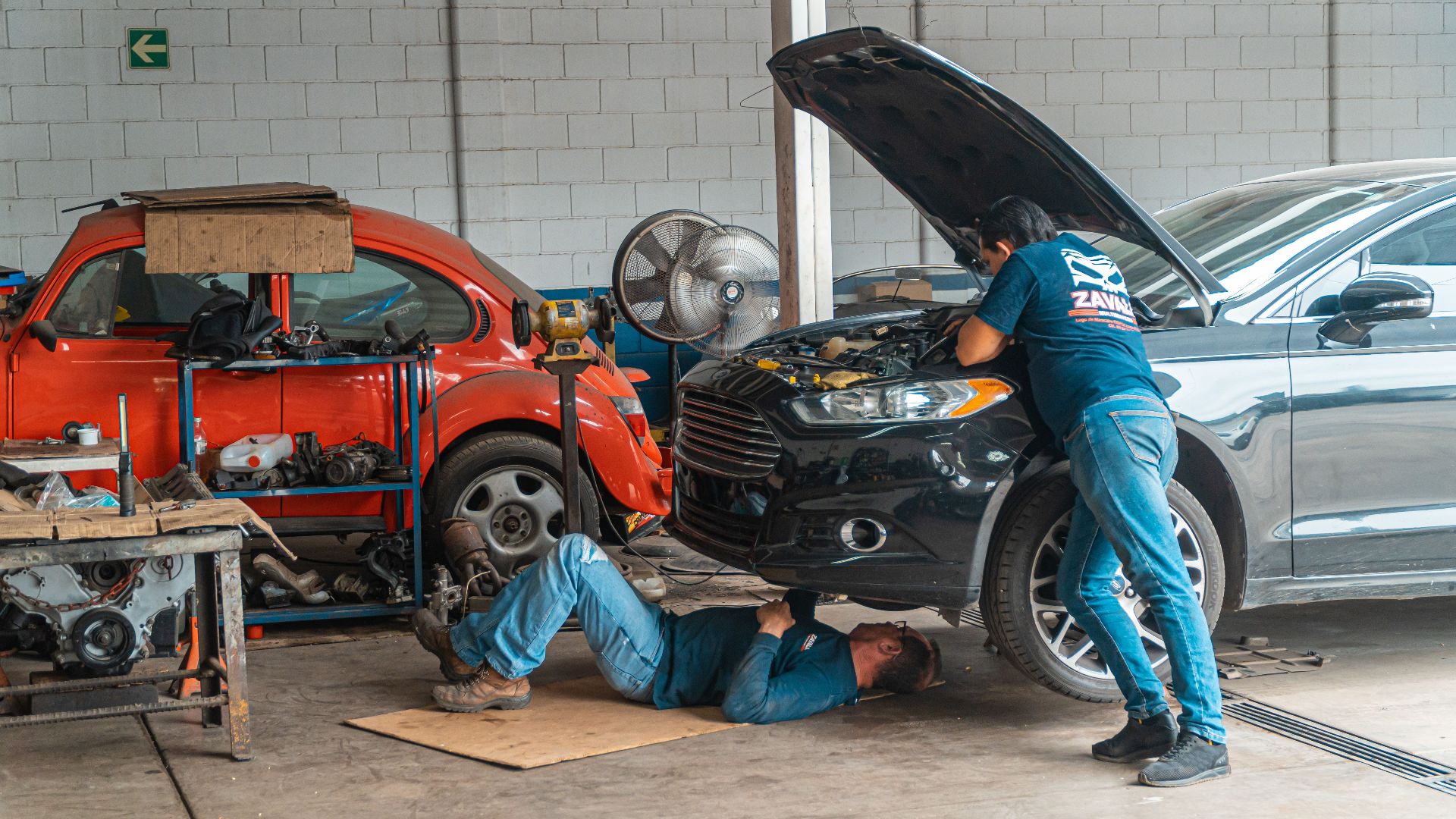
A modern safety system is only valuable when the vehicle is repaired and calibrated correctly. Look for a shop with appropriate training, equipment, manufacturer information, and experience with your model. Ask whether scans, measurements, calibrations, and road tests are included and documented.
Ask For An Itemized Explanation
Request a detailed estimate showing parts, labor, paint materials, scans, calibrations, and outside services. Ask the shop to identify which operations are required by the manufacturer and which parts remain uncertain until disassembly. A clear explanation can distinguish legitimate complexity from charges that deserve further questioning.

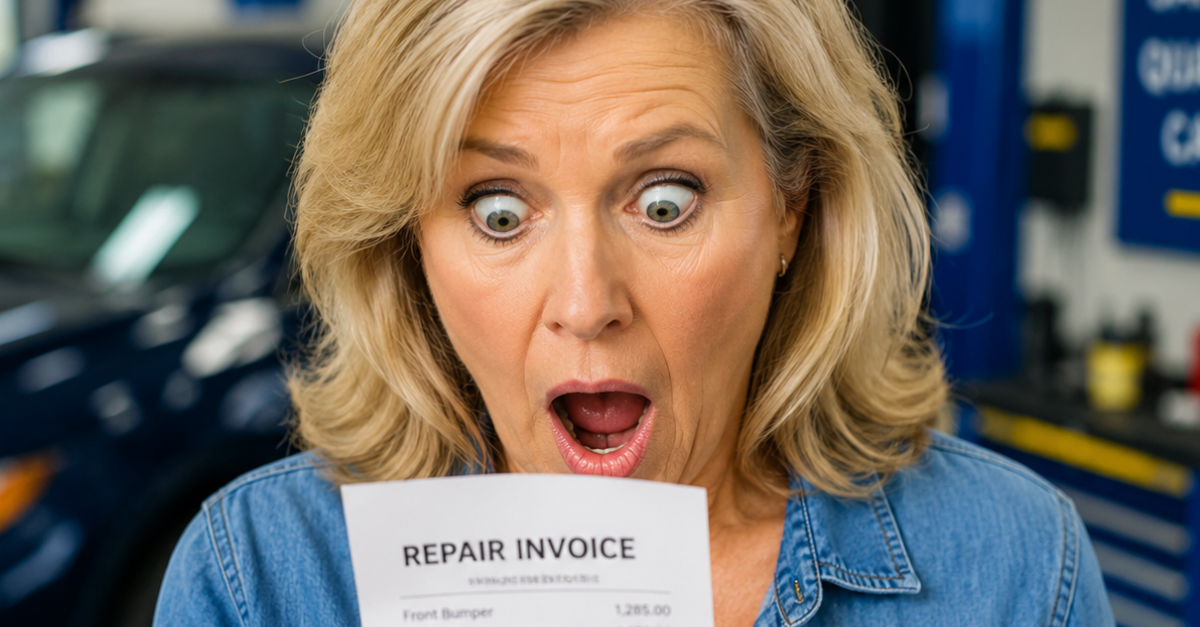
The Bill Can Be Normal And Still Hurt
High repair costs after a minor collision have become increasingly common on vehicles equipped with advanced safety and convenience systems. That does not mean choosing a highly rated vehicle was a mistake, because occupant protection and crash avoidance remain valuable. The better lesson is that safety ratings, insurance costs, deductibles, and repairability should all be considered when buying the next vehicle.
 Sergei Gontsarov, Shutterstock
You May Also Like:
Safety Innovations That Changed Driving Forever
These Mechanic-Approved Car Hacks Might Save Your Life One Day
Many SUVs are built with safety in mind—but only these models have earned America’s highest ratings.