The Surprise Nobody Mentions
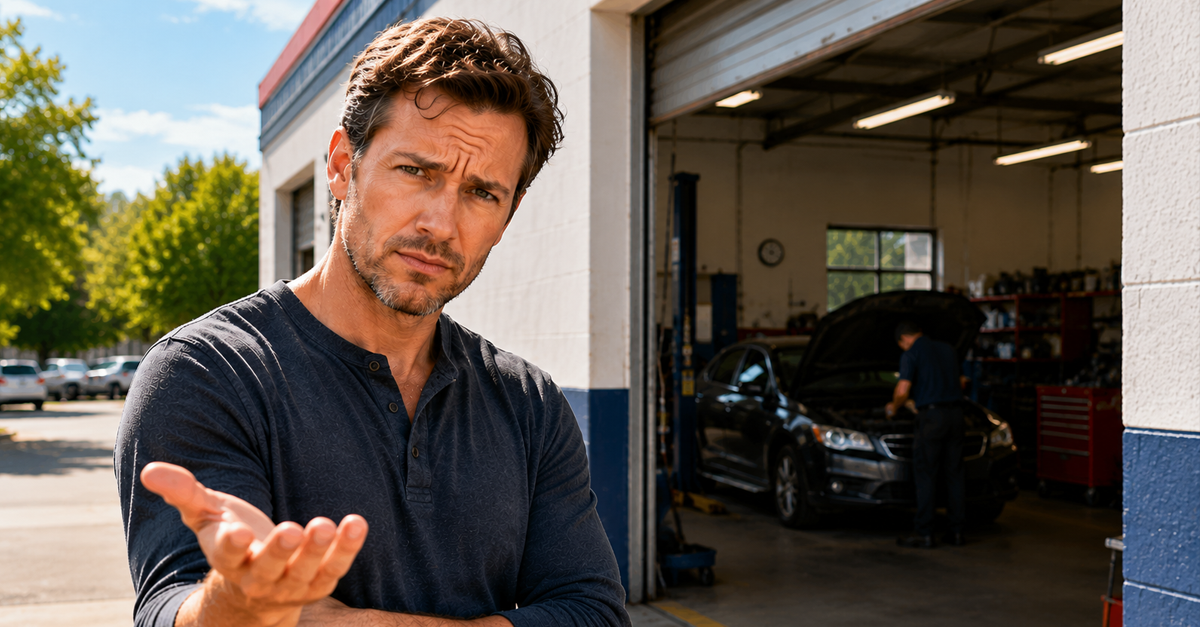
You bought a vehicle with the latest safety technology and expected a better driving experience. Then the first repair bill arrived and left you staring at the estimate in disbelief. Many owners are discovering that advanced driver assistance systems, or ADAS, can make even minor repairs much more expensive.
What Exactly Is ADAS?
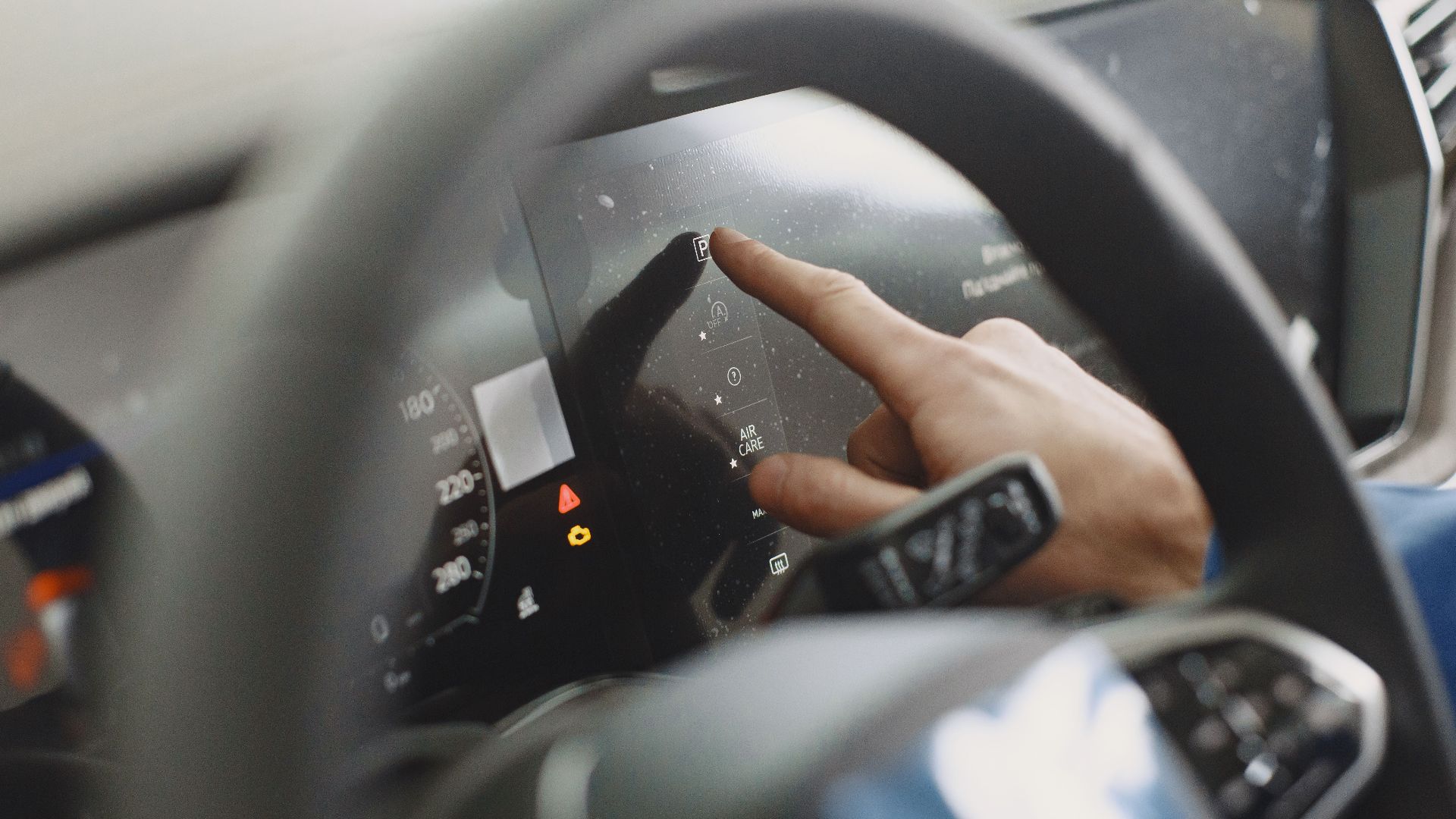
ADAS refers to technologies such as automatic emergency braking, lane-keeping assist, adaptive cruise control, blind-spot monitoring, and parking assistance. These systems rely on cameras, radar sensors, ultrasonic sensors, and computers. They are becoming standard equipment on many new vehicles.

Why These Systems Cost More To Repair
Traditional repairs often involved replacing damaged parts and repainting body panels. Modern vehicles frequently require sensor replacement, software checks, and calibration procedures after the physical repair is complete. That additional work adds labor, equipment costs, and time to the bill.
Sensors Live In Vulnerable Places
Many ADAS components are mounted in areas that commonly suffer damage. Cameras are often attached to the windshield, while radar units sit behind bumpers and grilles. A relatively minor collision can affect systems that were never touched in older vehicles.
A Small Bumper Tap Can Become A Big Expense
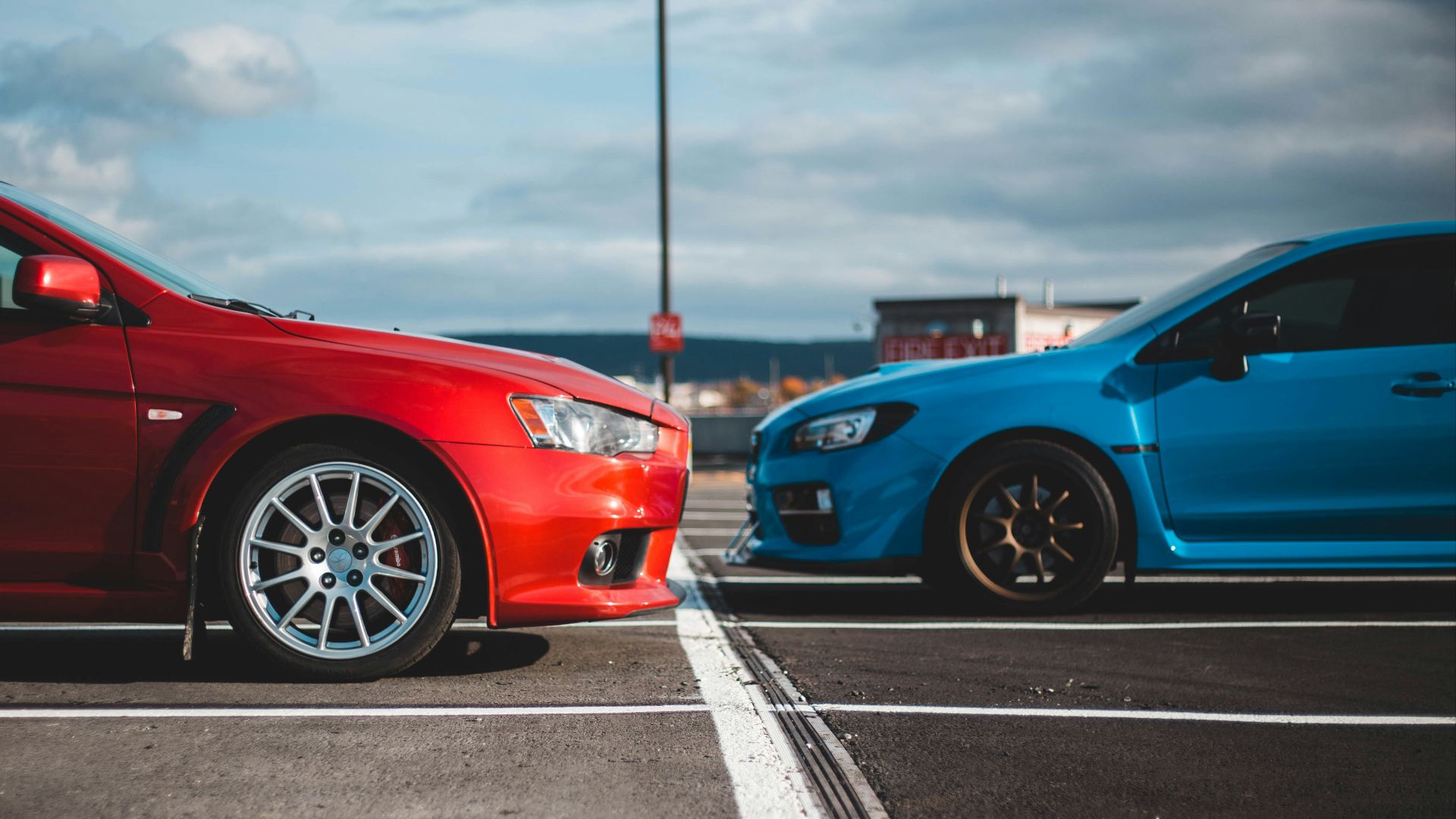
Years ago, a low-speed parking lot incident might have required little more than cosmetic repairs. Today, that same impact could damage radar sensors or knock them out of alignment. The resulting calibration work can add hundreds of dollars to the repair bill.
Windshield Replacements Are Not What They Used To Be
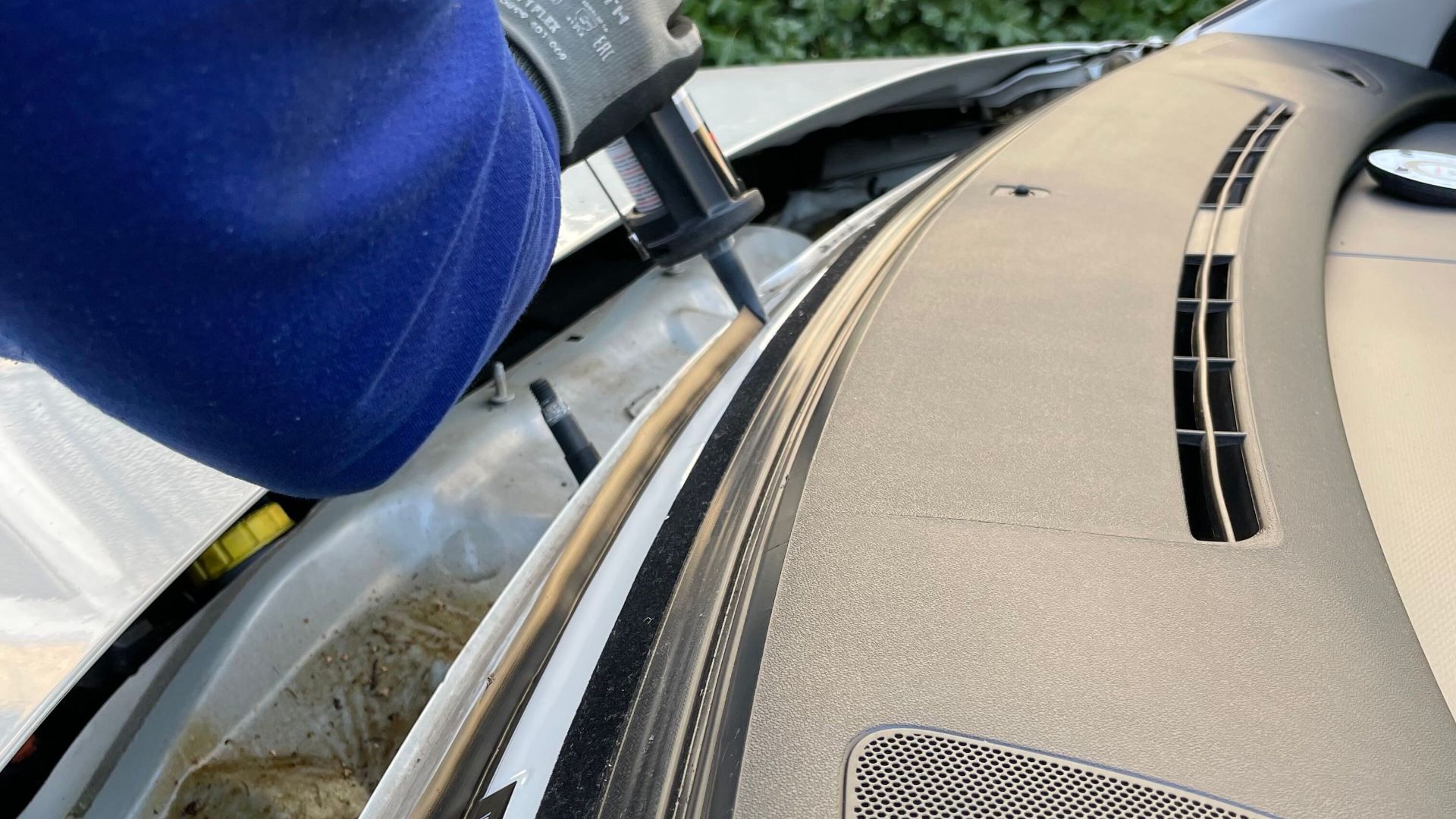
Many modern vehicles have forward-facing cameras mounted near the rearview mirror. Replacing the windshield can require recalibrating those cameras so safety systems continue to function properly. What was once a straightforward glass replacement has become a more complex service.
Calibration Is The Hidden Cost
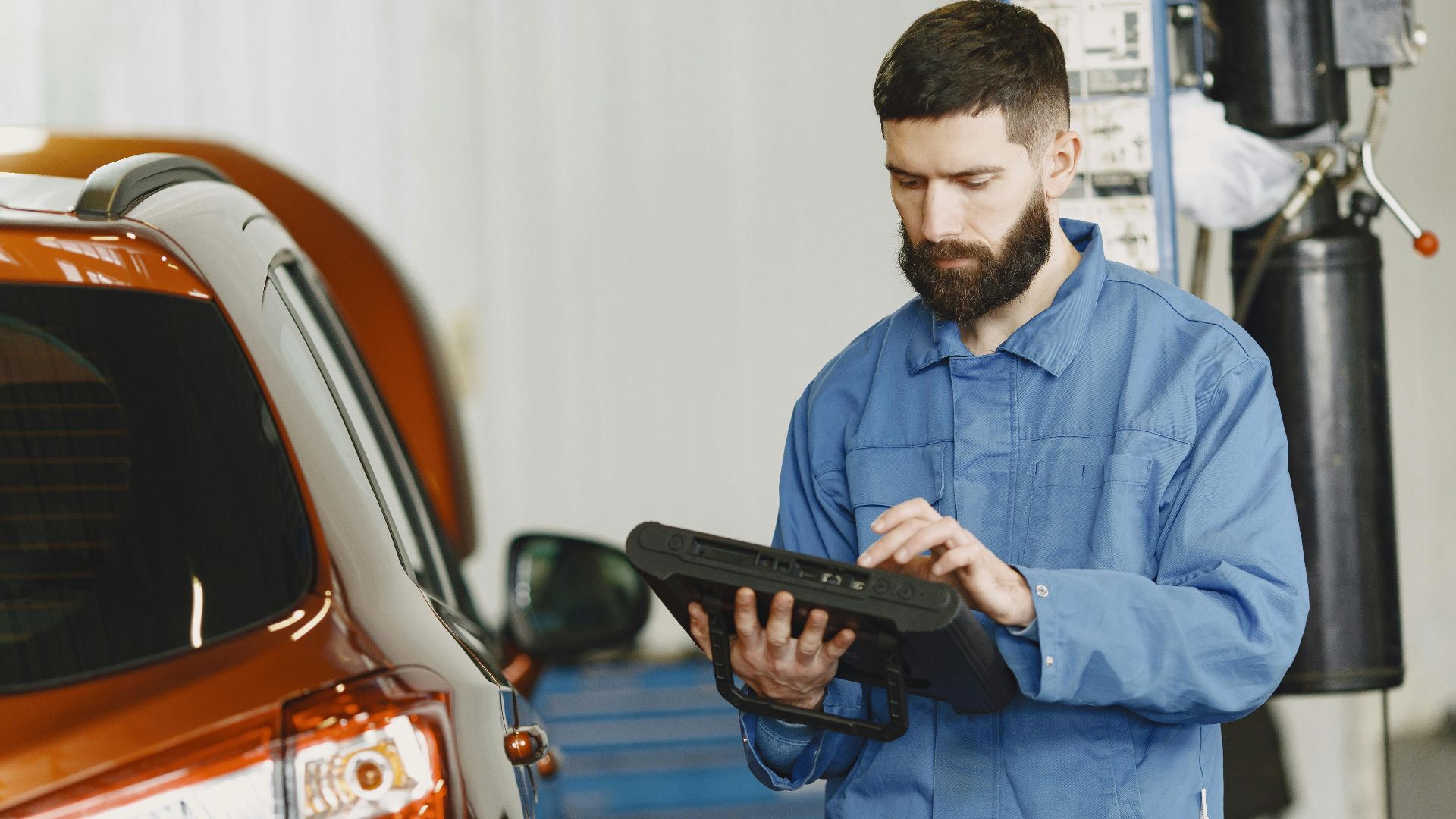
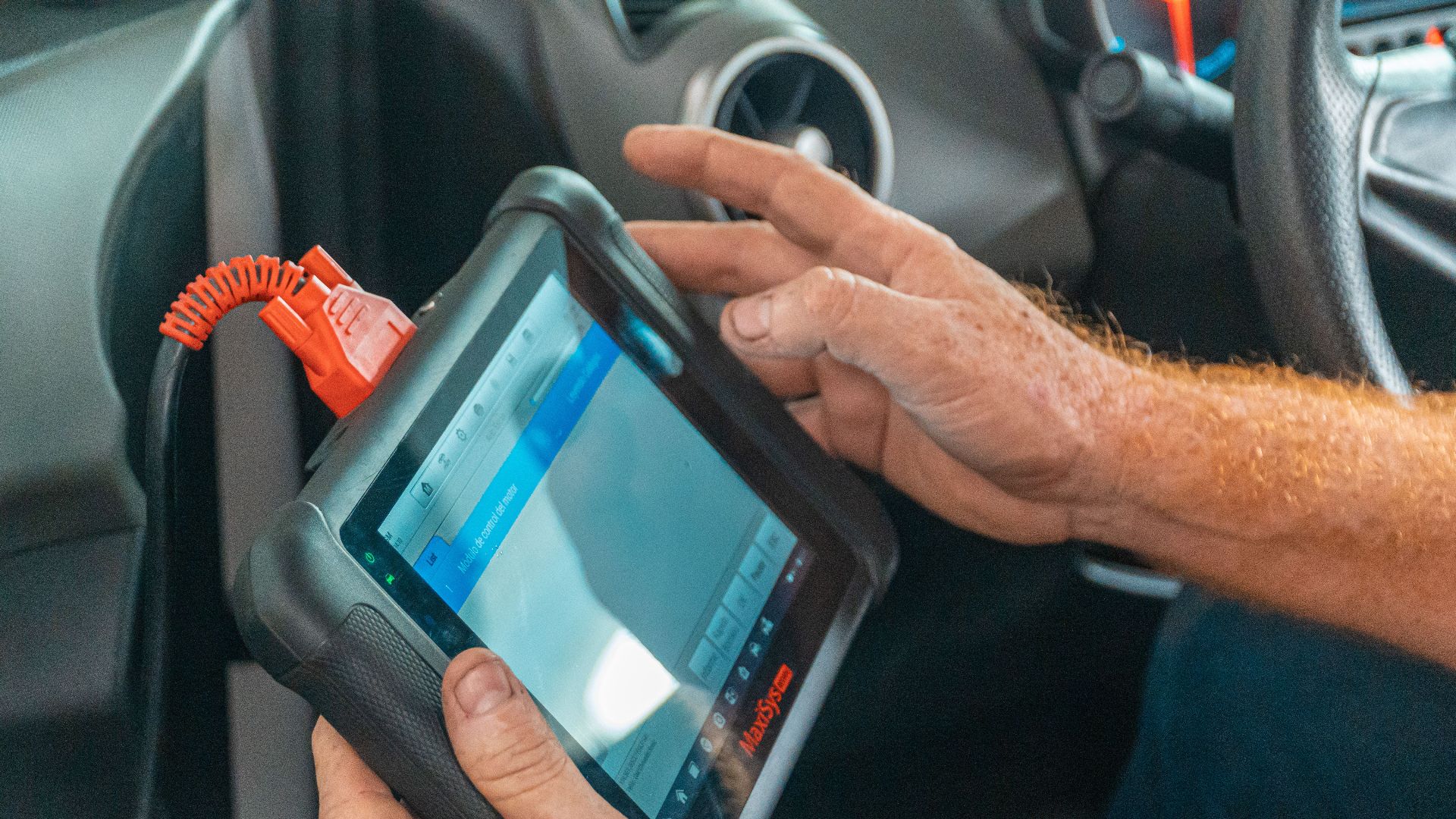
Calibration is the process of ensuring sensors and cameras are aimed and functioning according to manufacturer specifications. Even a slight misalignment can affect how a system detects vehicles, lane markings, or pedestrians. Shops must use specialized equipment and procedures to complete the work correctly.
 Jose Ricardo Barraza Morachis, Pexels
Why Calibration Cannot Be Skipped
These systems are designed to help make critical driving decisions. A poorly calibrated camera or radar sensor may not perform as intended during an emergency. That is why manufacturers and repair professionals treat calibration as an essential part of the repair process.
The Equipment Is Expensive
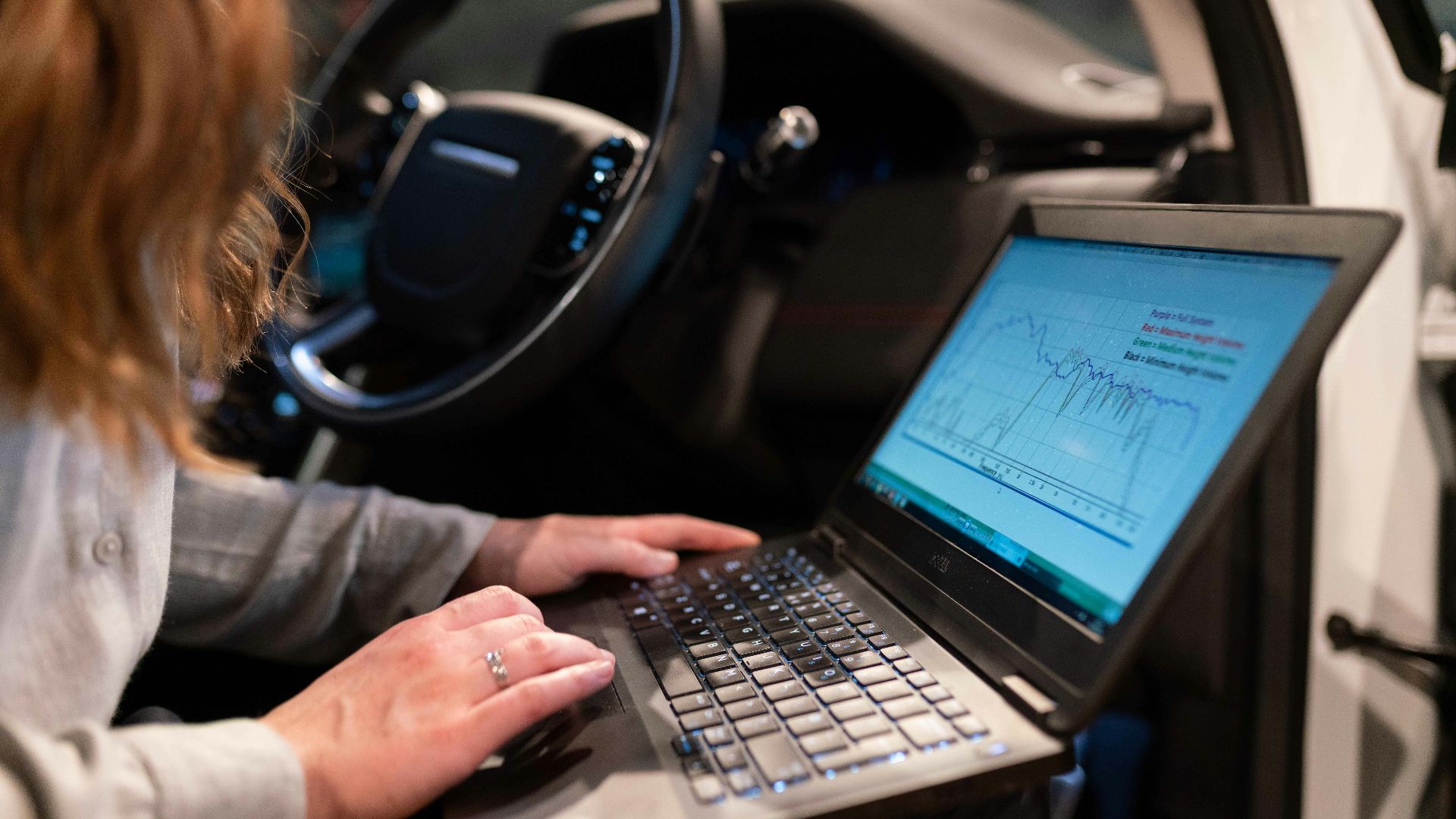
Repair facilities often invest tens of thousands of dollars in calibration targets, scan tools, software subscriptions, and manufacturer-specific equipment. Those investments are reflected in the prices customers ultimately pay.

Labor Costs Are Rising Too
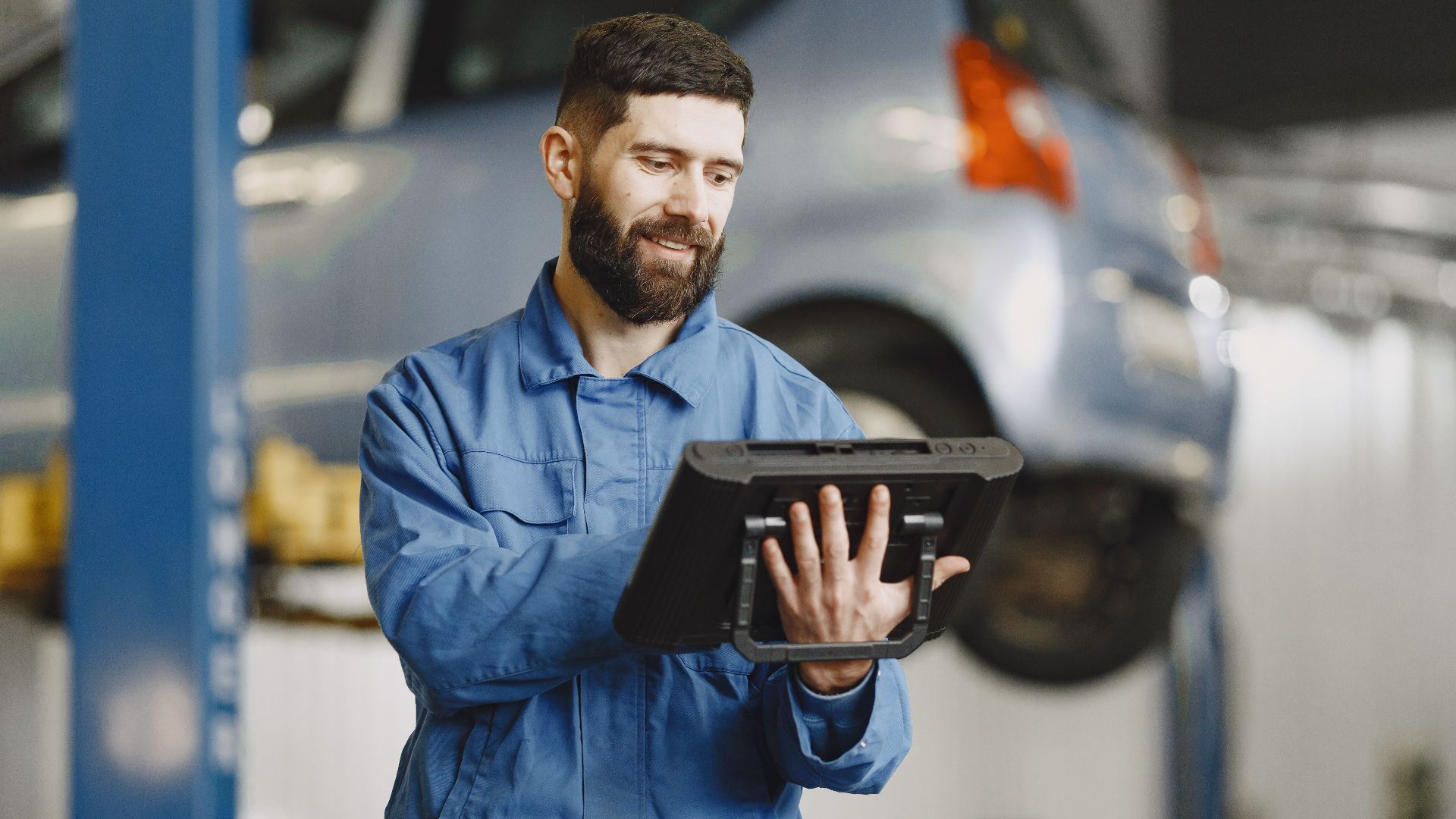
ADAS repairs require technicians with specialized training. Shops must continually update their knowledge as manufacturers introduce new systems and procedures. Skilled labor commands higher wages, which contributes to rising repair costs.
How Much Does Calibration Cost?
Costs vary by vehicle and system. Industry estimates commonly place calibration charges in the hundreds of dollars, with many jobs ranging from roughly $250 to $600 per system. Complex vehicles or multiple-system calibrations can exceed $1,000.

ADAS Can Represent A Huge Portion Of Repair Bills
AAA research found that ADAS-related repairs can account for more than one-third of total repair costs after a crash. Sensors, parts, labor, and calibration all contribute to the final total. Even seemingly minor incidents can become surprisingly expensive.

Insurance Companies Are Feeling The Impact
As repair costs increase, insurers are paying larger claims. Higher claim costs affect insurance pricing across the industry. While many factors influence premiums, rising repair complexity is becoming an increasingly important one.

New Vehicles Contain More Technology Than Ever
Every model year seems to add new sensors, cameras, and safety features. Features that were once reserved for luxury vehicles now appear on mainstream models. Greater technology penetration means ADAS-related repairs are becoming more common.

Repair Estimates Are Including More Calibrations
Industry data shows that calibration procedures are appearing on a growing share of collision repair estimates. What was once an occasional requirement is becoming a standard part of many repairs. That trend suggests technology-related repair costs will remain significant.
 Cast of Thousands, Shutterstock
So, Is It Going To Get Worse?
In the short term, the answer is probably yes. More vehicles are being equipped with increasingly sophisticated systems. As the number of sensors grows, repair complexity tends to increase as well.
 Prostock-studio, ShutterstockThere Is A Counterargument
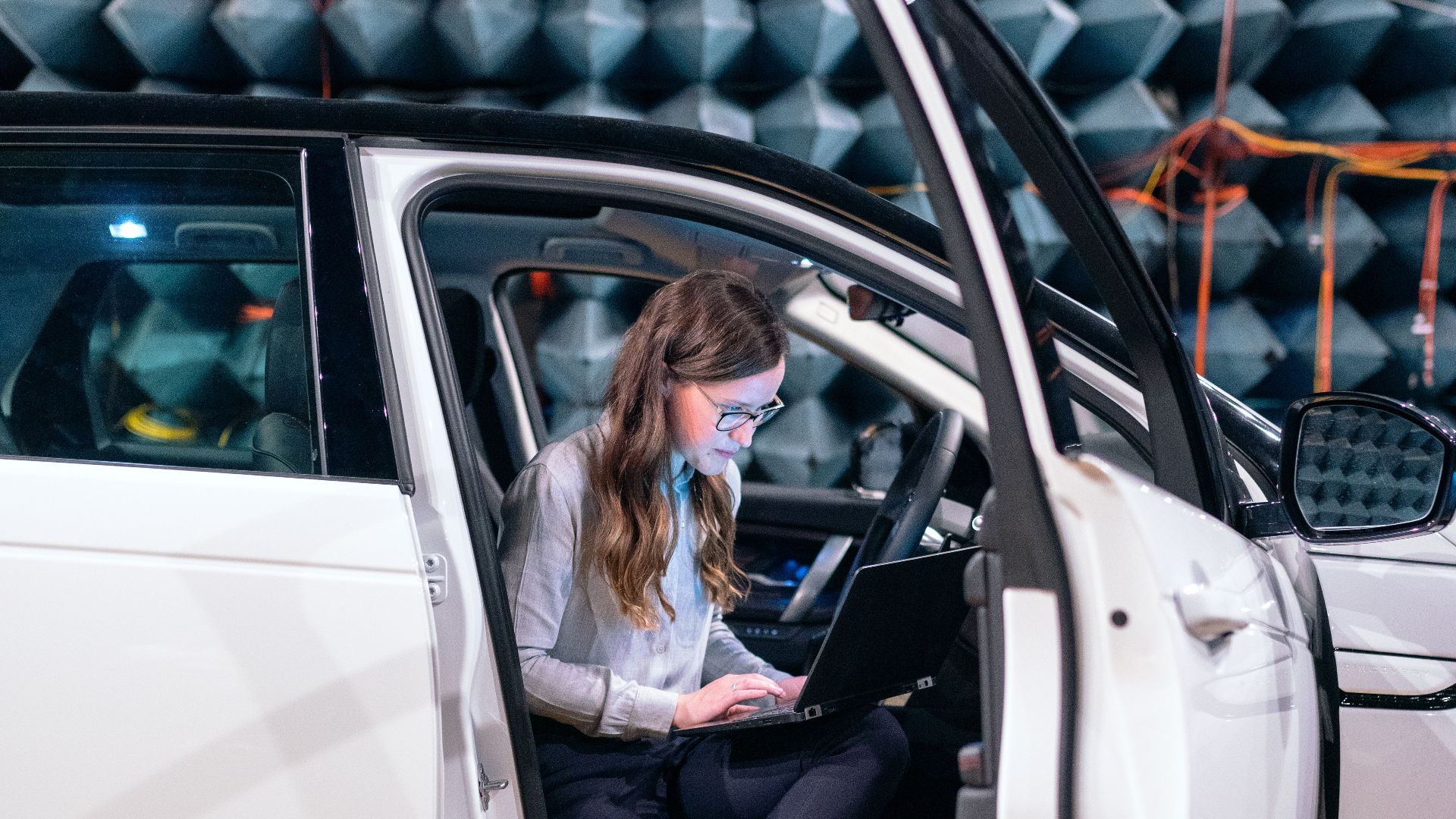
Technology does not always remain expensive forever. As ADAS becomes more common, repair procedures become more standardized and more technicians gain experience. Competition can eventually help bring some costs down.
More Independent Shops Are Entering The Market
Historically, many ADAS repairs were concentrated at dealerships and specialized facilities. Independent repair shops are investing in training and calibration equipment. Greater competition could improve pricing over time.

Right-To-Repair Could Matter
There is ongoing debate about access to manufacturer repair information and tools. Supporters of right-to-repair initiatives argue that broader access would allow more shops to service modern vehicles. Increased competition could help control costs.
Manufacturers May Simplify Future Repairs
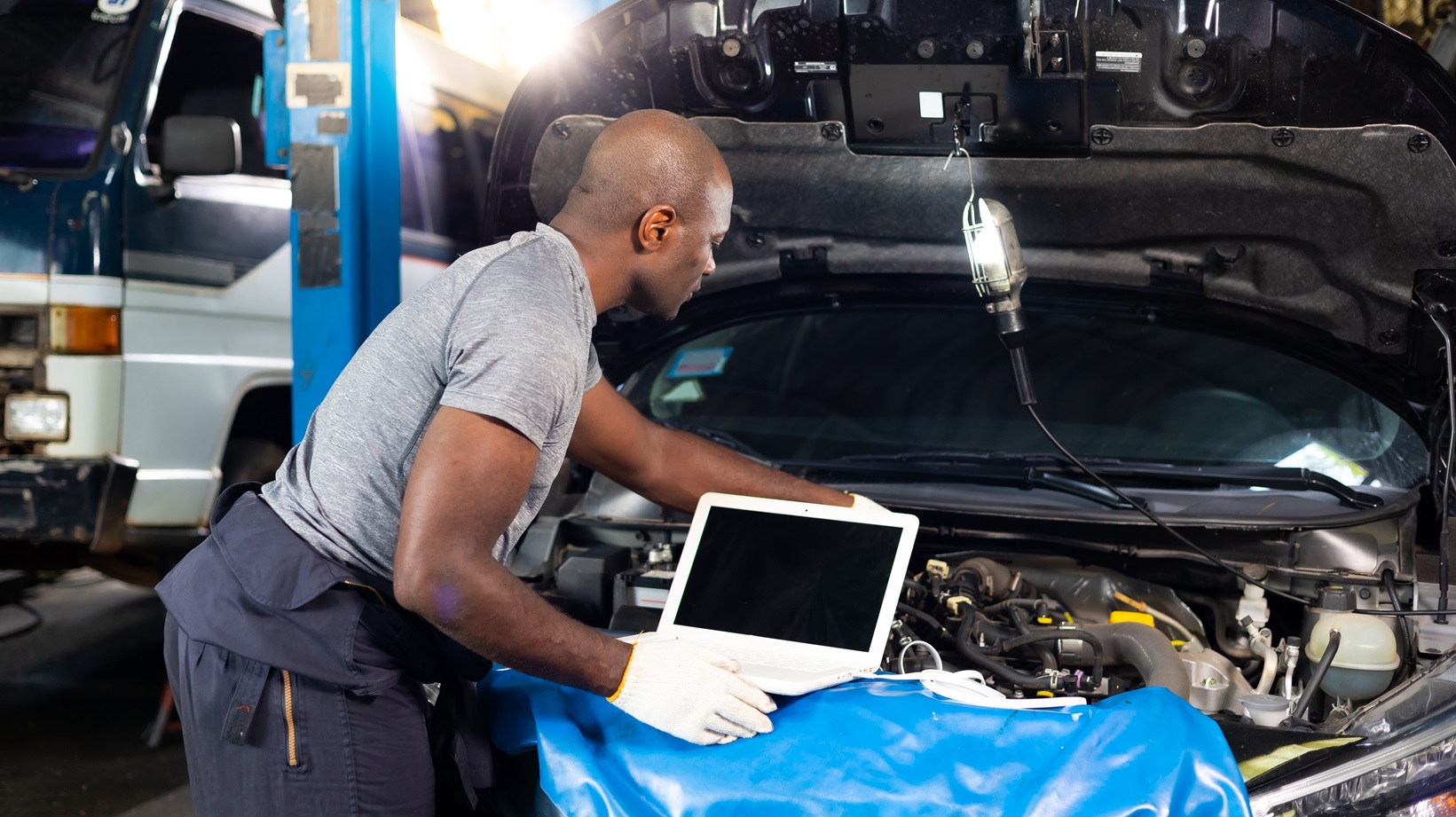
Automakers understand that high ownership costs can frustrate customers. Some companies are exploring more modular components and improved calibration processes. Future designs may make certain repairs less complicated than they are today.
Safety Benefits Still Matter
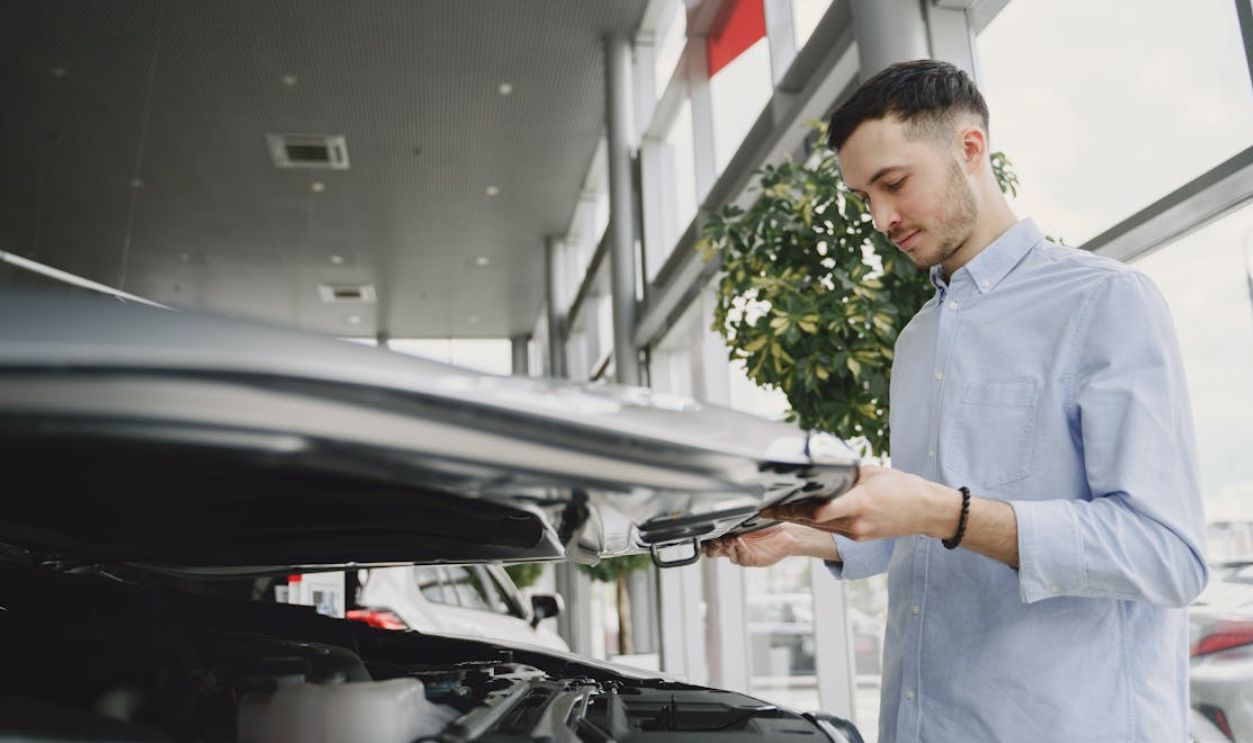
It is important to remember why ADAS exists. Technologies such as automatic emergency braking and blind-spot monitoring can help reduce crashes and improve driver awareness. Repair costs tell only part of the ownership story.

The Real Tradeoff
Drivers are essentially exchanging lower accident risk for higher repair complexity. Preventing even one serious crash can offset years of additional maintenance expenses. The value proposition depends on each driver's circumstances and priorities.
Shop Around For Repairs
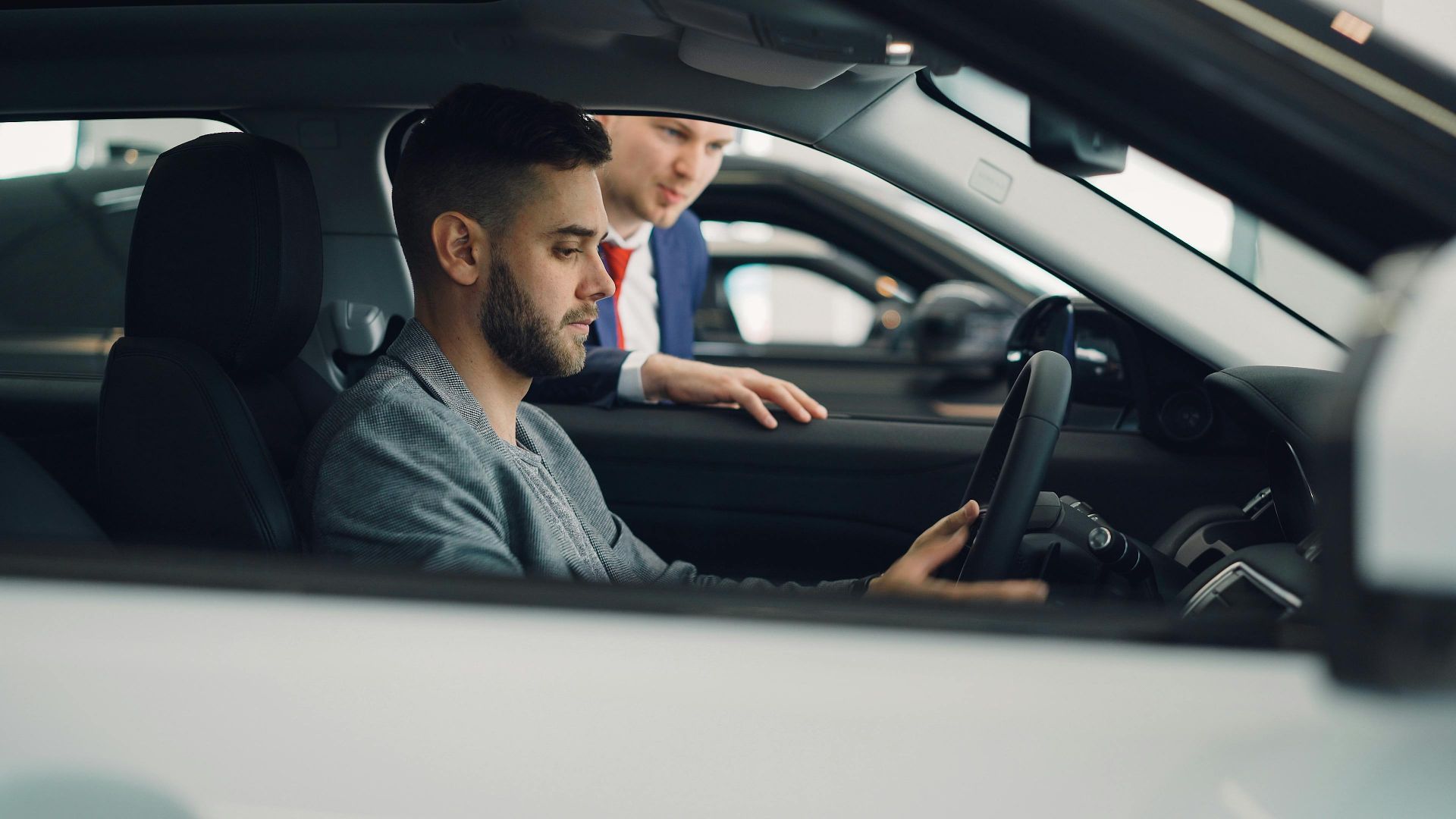
Not every repair facility charges the same rates. Comparing estimates from qualified shops can sometimes reveal substantial differences in pricing. Just make sure the facility follows manufacturer-approved procedures.

Ask Questions About Calibration
Before authorizing repairs, ask whether calibration is required and what it will cost. Request an explanation of which systems are affected. Understanding the process can help avoid surprises when the final invoice arrives.
 Quality Stock Arts, Shutterstock
Review Your Insurance Coverage
Some insurance policies handle ADAS-related repairs differently than others. It is worth understanding how your coverage treats windshield replacement, sensor damage, and calibration costs. A little homework now could save money later.

Protect The Sensors You Already Have
Keeping sensors clean and addressing minor damage quickly may help prevent larger problems. Follow manufacturer recommendations for maintenance and repairs. Small preventative steps can sometimes reduce future expenses.

Older Cars Face A Unique Challenge
ADAS costs can be especially problematic on aging vehicles. As a vehicle's market value declines, expensive technology repairs can represent a larger percentage of its worth. In some cases, repair costs may even push a vehicle toward a total loss determination.
The Bottom Line
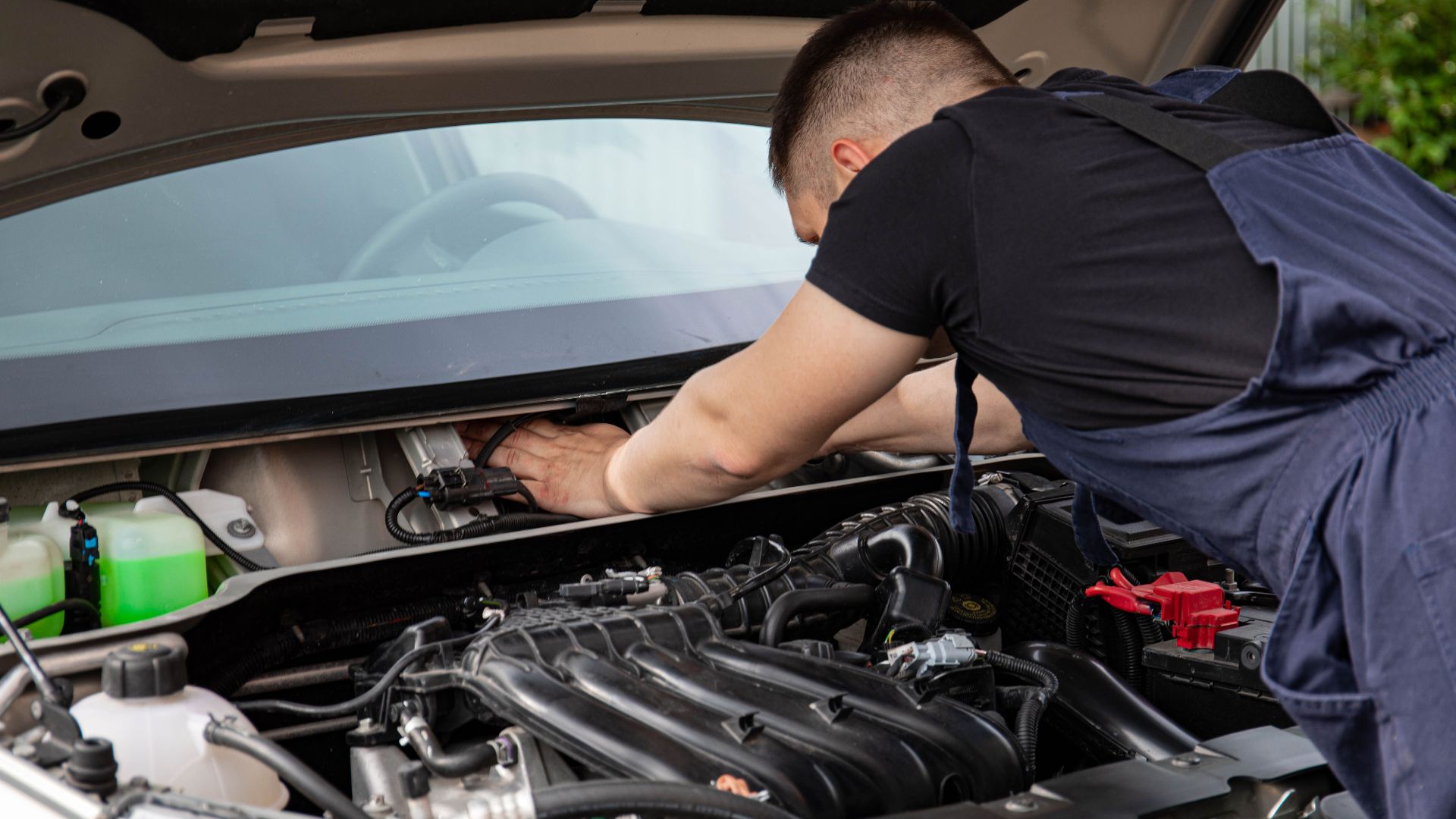
If your recent repair bill shocked you, you are not alone. Advanced driver assistance systems are making vehicles safer, but they are also making repairs more expensive and technically demanding. Costs are likely to remain elevated in the near future, although increased competition, improved repair infrastructure, and evolving technology may eventually help slow the trend.
 simona pilolla 2, Shutterstock
You May Also Like: