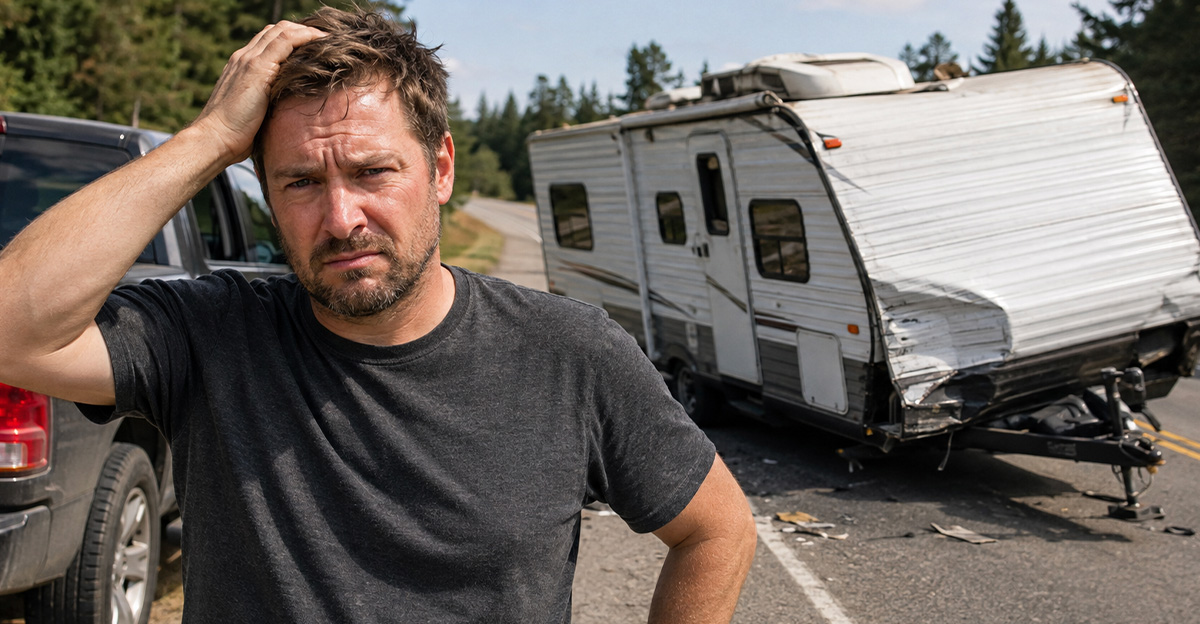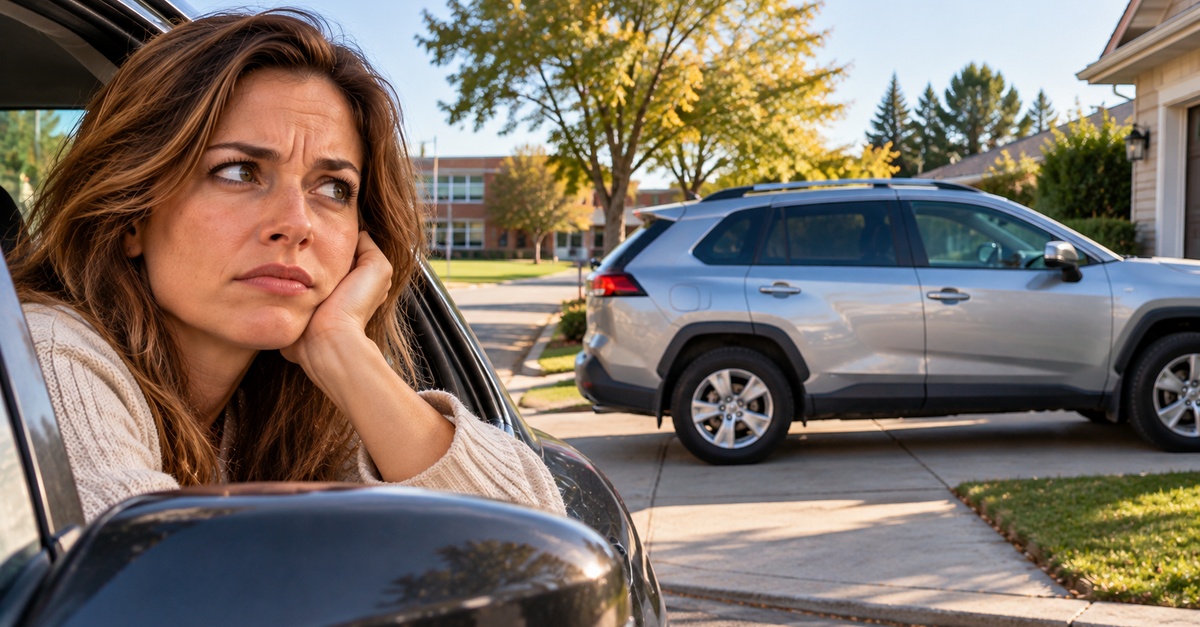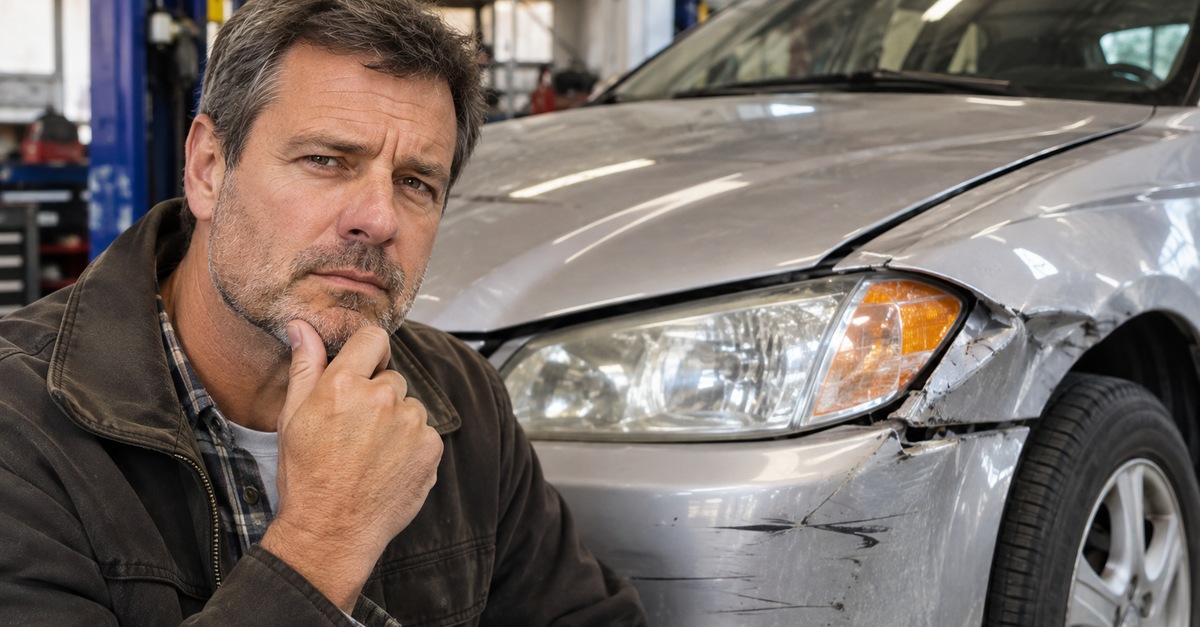
The Report Was Clean, So What Went Wrong?
Buying a used car with a clean Carfax report feels like a reassuring decision. You checked the vehicle's history, saw no reported accidents, and assumed you were avoiding someone else's problems. Then your mechanic discovered evidence of collision repairs that the report never mentioned. How could a car with a supposedly clean history have accident damage hiding underneath?
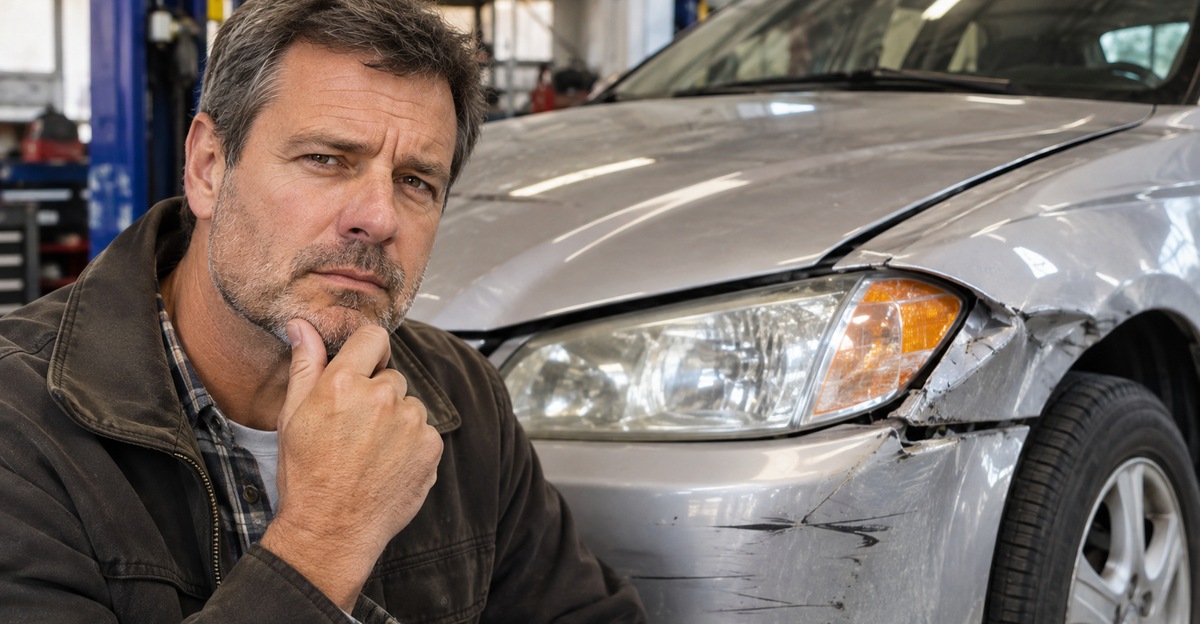
A Clean Carfax Doesn't Mean Accident-Free
The first thing to understand is that Carfax doesn't guarantee a vehicle has never been damaged. Its reports compile information received from thousands of sources, including vehicle registration agencies, insurers, and repair facilities. However, Carfax acknowledges that not every accident or damage event gets reported to its database. A clean report therefore means no relevant damage was recorded in the available information, not that the vehicle has a spotless past.

Carfax Can Only Report What It Knows
A vehicle history report isn't the result of someone physically examining the car. Instead, Carfax collects records supplied by participating organizations and associates them with individual vehicles. If an accident never enters those records, it may never appear in the report. That distinction explains why a mechanic can sometimes discover damage that a database missed.
Some Accidents Never Involve Insurance
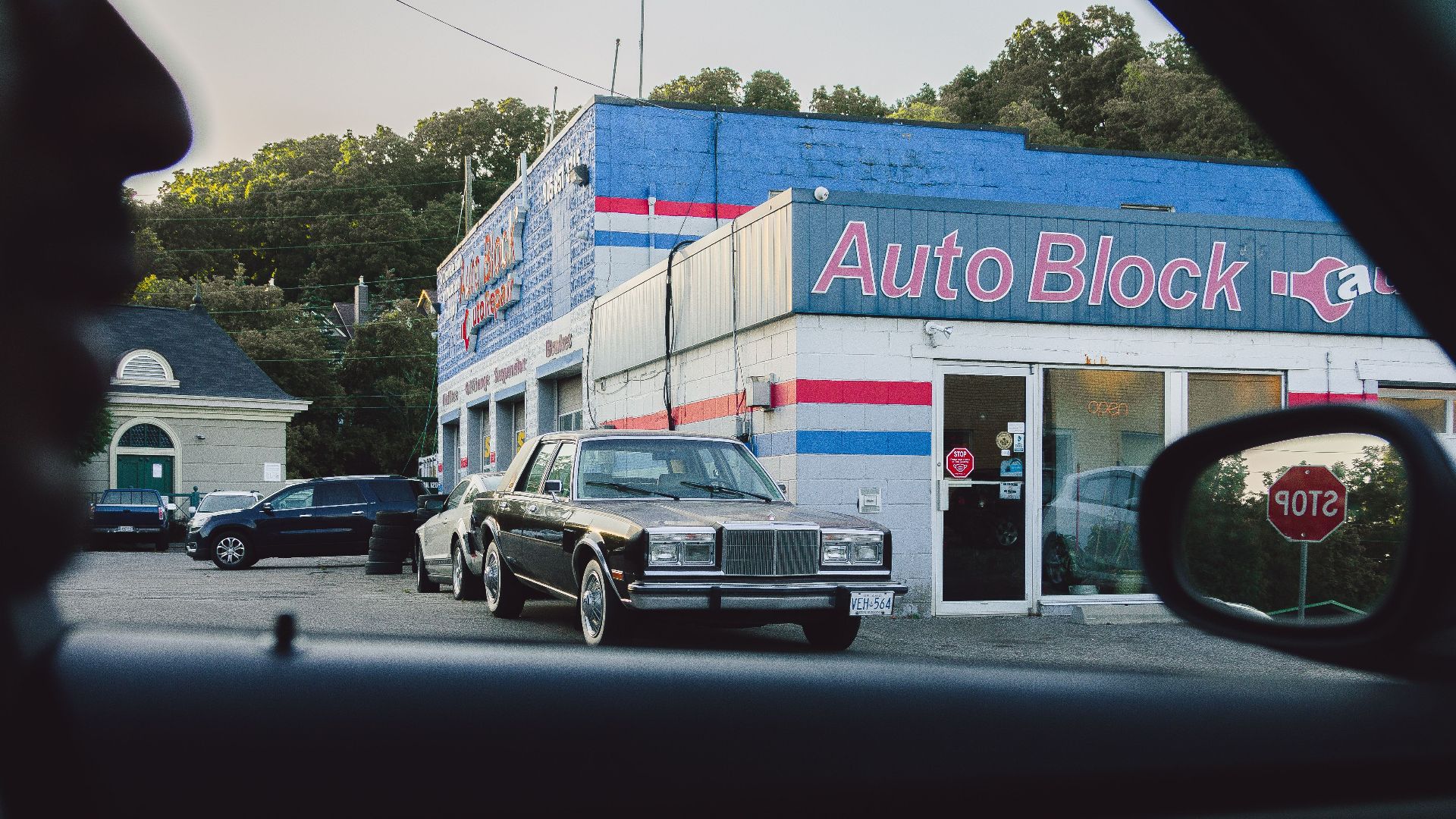
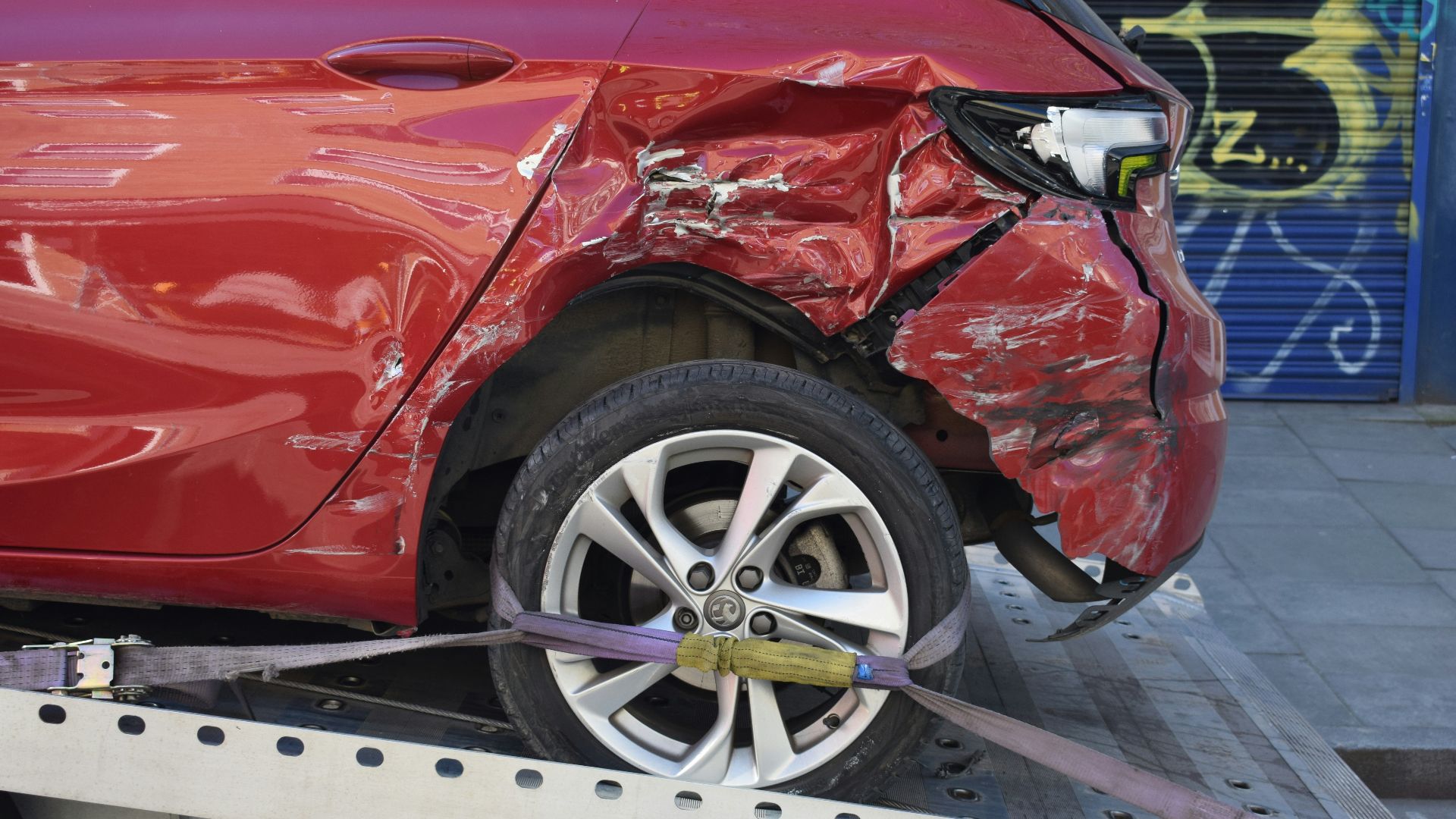
Imagine a previous owner backed into a concrete pillar and damaged the rear quarter panel. Rather than filing an insurance claim, the owner paid a body shop directly for the repairs. If the repair facility didn't supply information to Carfax and no other reporting source recorded the incident, the damage might remain absent from the report. The vehicle could subsequently be advertised with a clean Carfax despite having undergone significant bodywork.

A Police Report Isn't Always Created
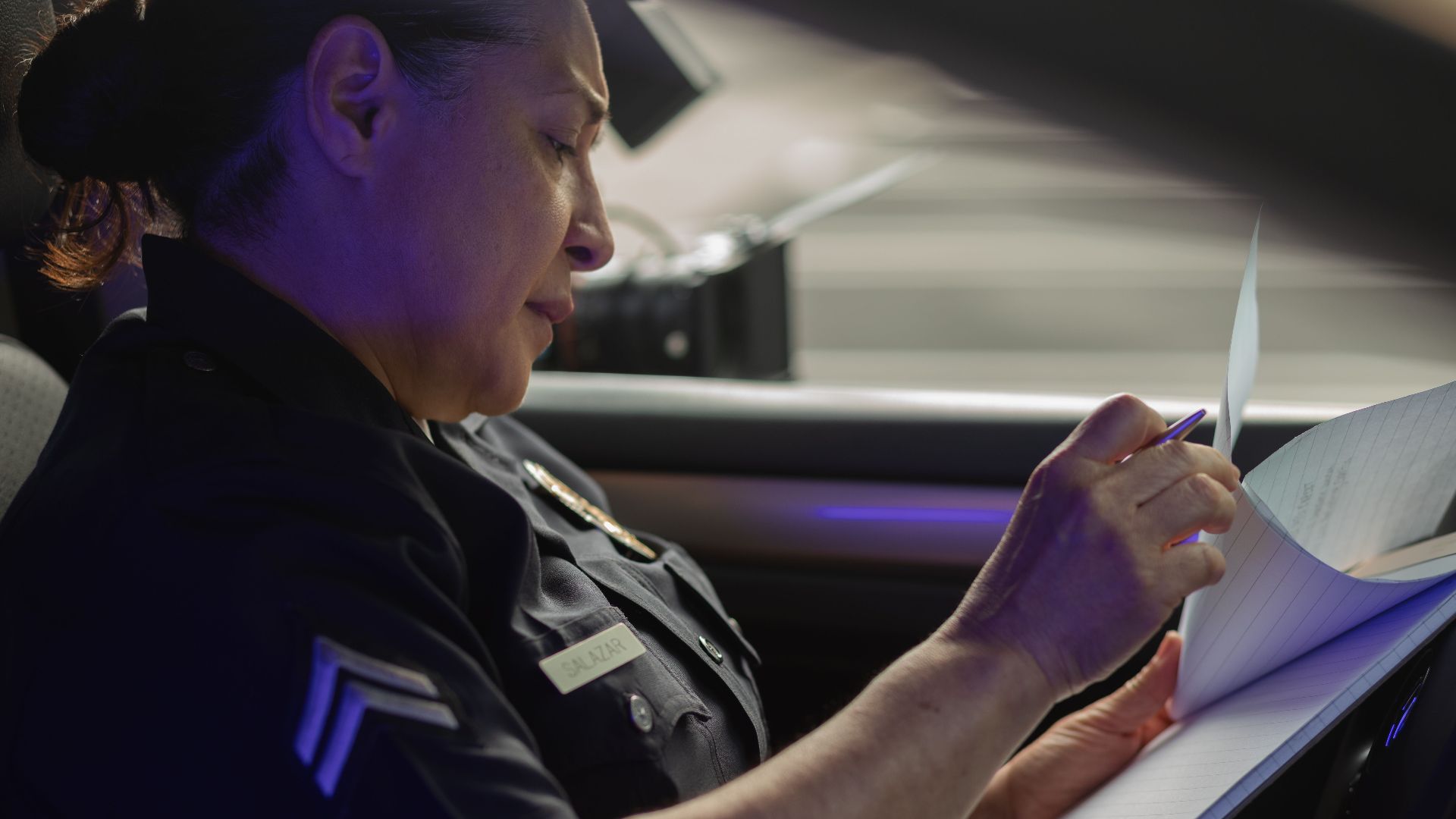
Not every collision results in police attendance or an official accident report. Reporting requirements vary by jurisdiction and depend on circumstances such as injuries and the extent of property damage. When drivers handle a minor incident privately, there may be no police record for a vehicle history provider to receive. Even when an official record exists, that doesn't guarantee Carfax will obtain it.
Body Shops Don't All Share Their Records
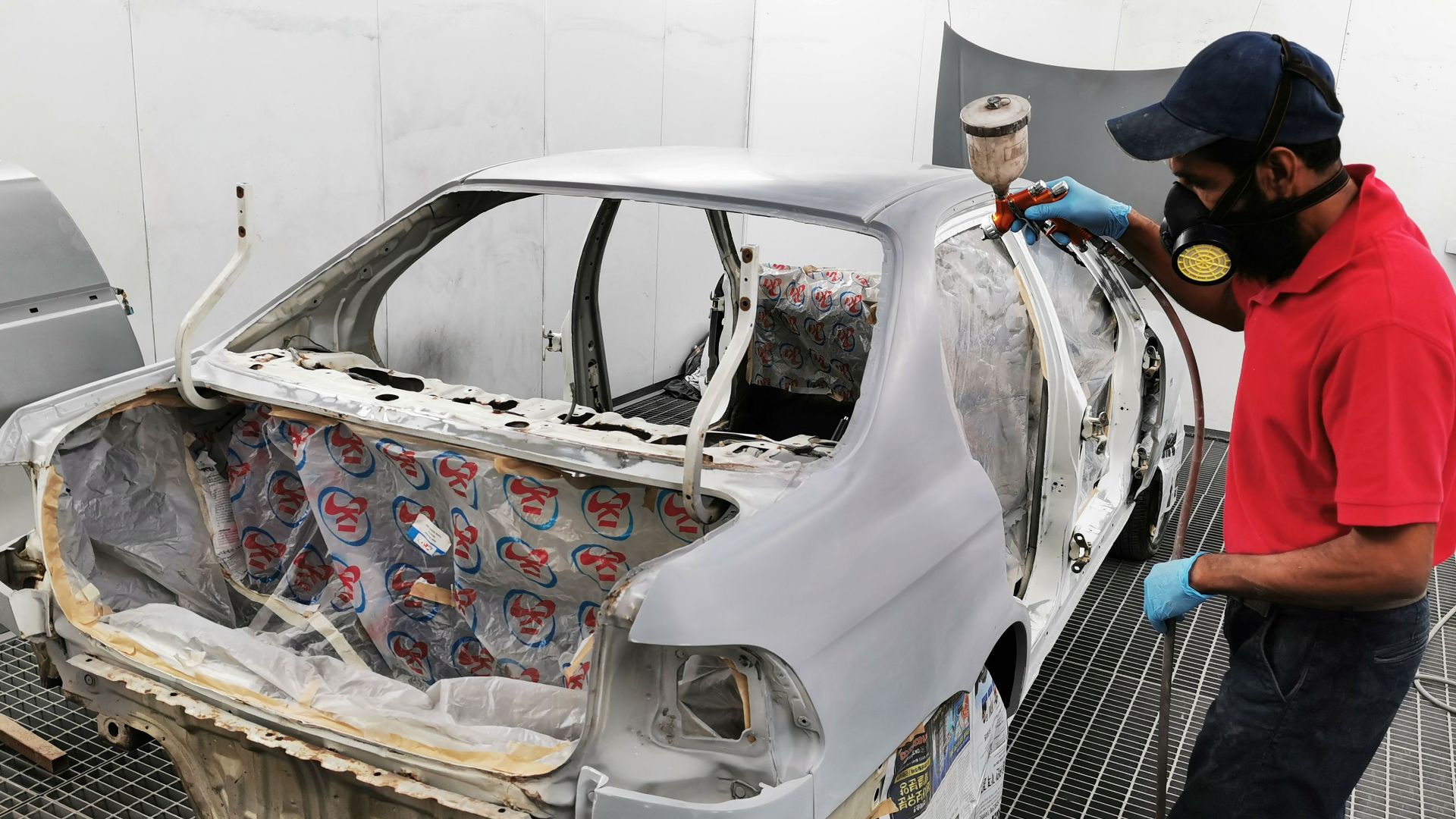
Carfax receives service and repair information from participating businesses, but its coverage isn't universal. A repair completed by a shop that doesn't supply records may leave no trace in the vehicle history database. The same uncertainty applies when repairs are performed privately rather than through a participating business. That's why a professionally repaired car can still have an incomplete documented history.

A Repair Can Be Invisible On Paper
A damaged bumper, door, or fender can be replaced without the vehicle ever receiving a salvage title. Title records generally serve a different purpose from documenting every repair performed during a car's life. Consequently, the absence of a branded title doesn't establish that the body panels are original. A vehicle may retain a normal title while carrying evidence of previous collision repairs.
Sometimes The Information Arrives Late
Carfax reports reflect the information available when they are generated. If an accident record is supplied later, an earlier report may not have contained it. This means the history available to a buyer can change as additional information becomes available. If you discover suspicious repairs, obtaining an updated report is one reasonable place to begin.
 ANTONI SHKRABA production, Pexels
A Clean Title Isn't A Clean Bill Of Health
A clean vehicle title and a clean accident history aren't interchangeable concepts. Salvage and rebuilt title brands generally concern vehicles that have met specific legal or administrative criteria. A vehicle can sustain collision damage without necessarily meeting those thresholds. That's why checking the title is important, but it doesn't replace examining the actual vehicle.

Even Carfax Recommends An Inspection
Carfax itself advises buyers to combine its reports with a pre-purchase inspection and a thorough test drive. The Federal Trade Commission makes the same recommendation, explaining that vehicle history reports cannot replace independent mechanical inspections. These two sources of information answer different questions about a used car. One examines documented history, while the other evaluates the vehicle's physical condition.

Your Mechanic May Spot What The Database Missed
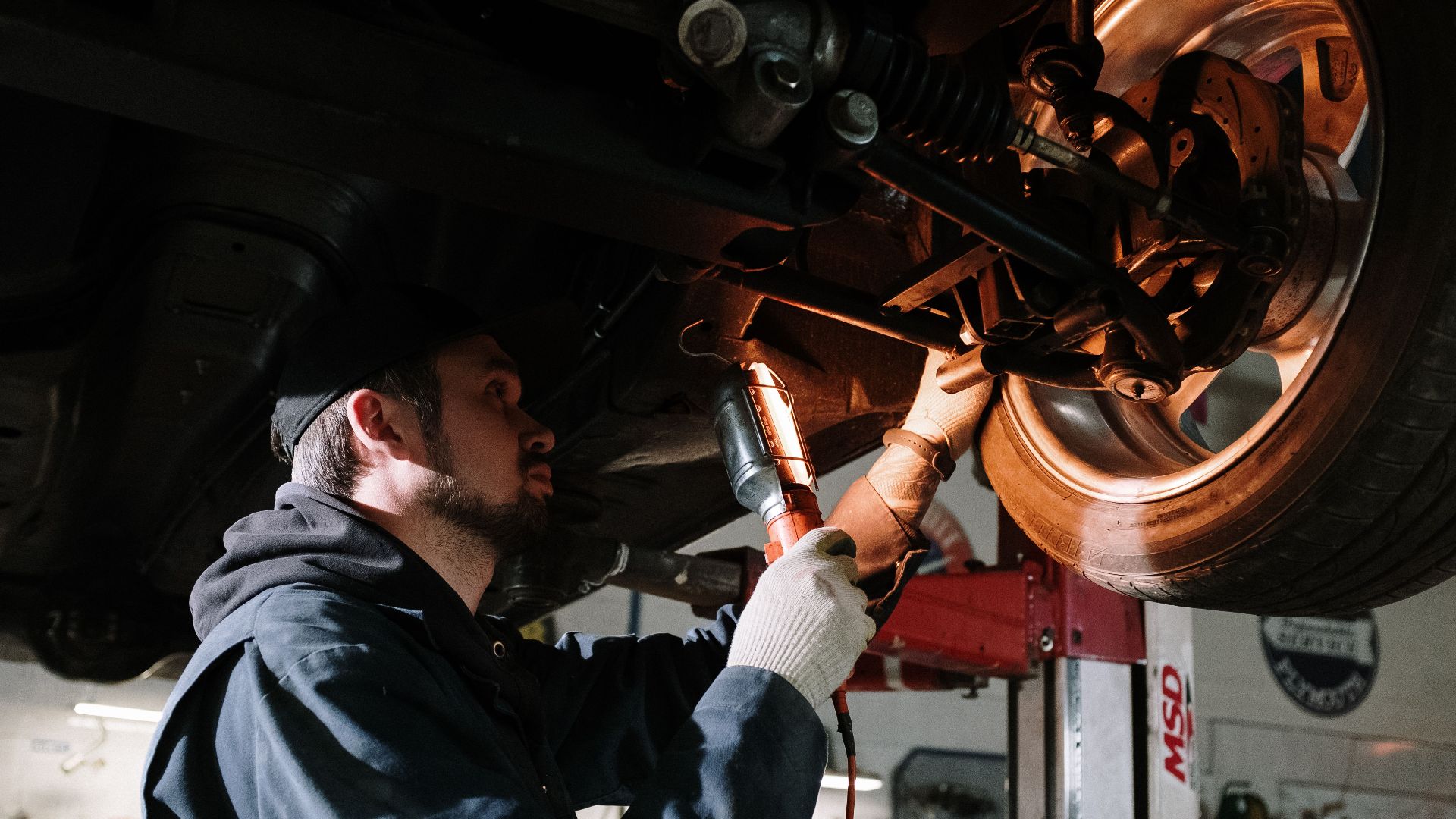
An experienced mechanic can identify signs of previous repairs that aren't obvious during a casual walkaround. These include inconsistent body-panel gaps, unusual welds, replacement parts, and paint where it doesn't belong. Some clues become visible only when the vehicle is raised on a lift. Physical evidence can reveal problems even when the paperwork looks perfectly ordinary.

Uneven Panel Gaps Can Tell A Story
Look closely at the spaces between the hood, fenders, doors, and trunk. On an undamaged vehicle, these gaps should generally be consistent and the panels should align properly. A noticeably wider gap on one side may indicate that a panel was removed, replaced, or poorly adjusted. It isn't definitive proof of a collision, but it gives an inspector a reason to investigate further.

Fresh Paint Can Hide An Old Collision
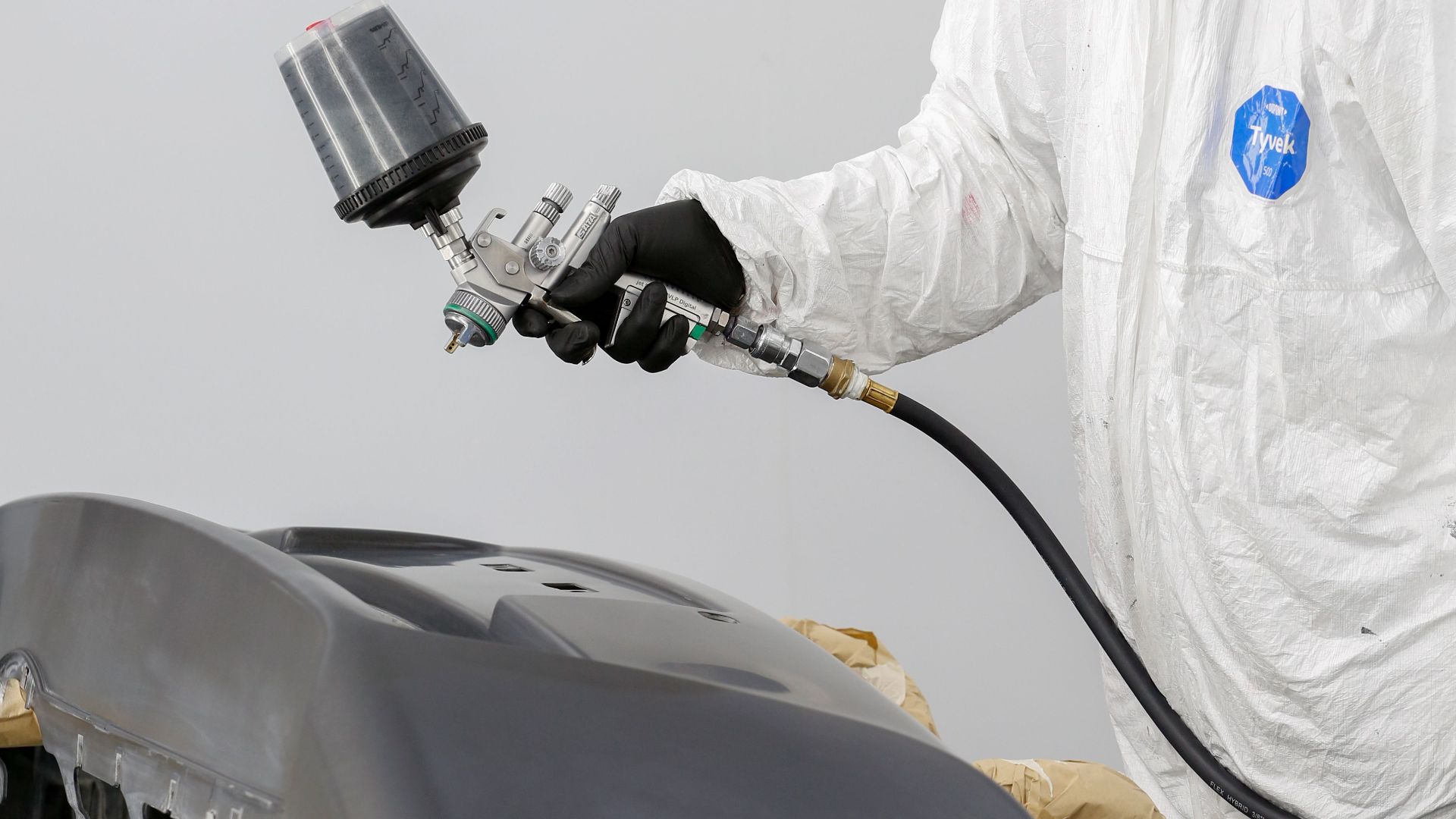
A shiny paint job can make a used car look remarkably well maintained. However, differences in color, texture, or finish between adjacent panels may indicate previous refinishing. Consumer Reports also recommends checking for paint overspray around trim, doorjambs, and wheel wells. These clues can reveal bodywork that wasn't disclosed in the vehicle history report.
Replacement Parts Leave Clues Behind
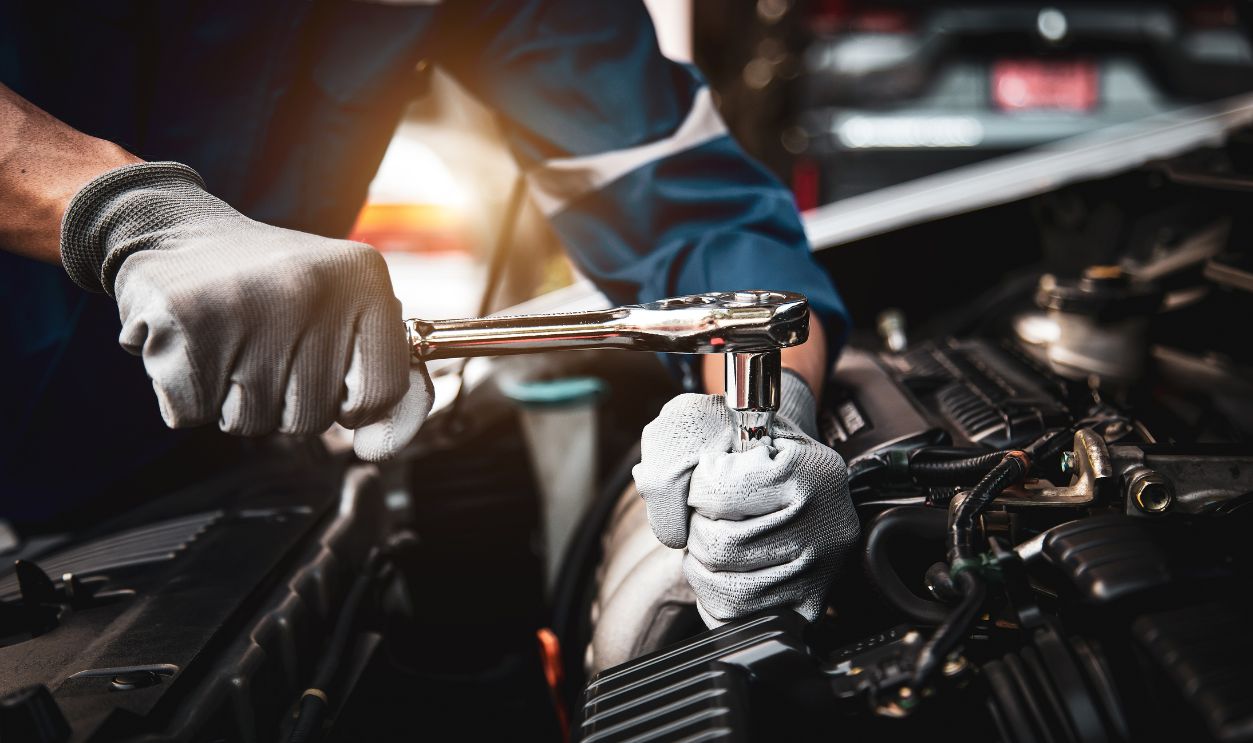
A mechanic may notice that certain body components don't match the surrounding factory-installed parts. Replacement panels, unusual fasteners, and inconsistent welds can all suggest that repairs have been performed. Consumer Reports notes that some replacement parts carry identification markings that help reveal their origin. These findings deserve further examination, although replacing a component doesn't automatically mean the car suffered a serious accident.
 Eakrin Rasadonyindee, Shutterstock
Structural Damage Is A Bigger Concern
A repainted bumper isn't the same problem as damage to a vehicle's structural components. Repairs involving the frame, unibody, or suspension mounting areas deserve particularly careful evaluation. Carfax identifies unusual welds, damaged structural areas, and poor wheel tracking as warning signs worth investigating. If your mechanic suspects structural damage, a qualified collision-repair specialist should assess the vehicle before you assume it's safe.

The Test Drive Might Reveal Another Clue
Some collision-related problems become apparent only when the vehicle is moving. A car that pulls to one side, tracks unusually, or behaves inconsistently may warrant closer inspection of its suspension and alignment. Consumer Reports specifically identifies pulling to one side as a possible sign of previous damage. These symptoms can have other causes, so a proper diagnosis matters more than guessing what happened.

Not Every Accident Makes A Car Worthless
Discovering previous bodywork doesn't necessarily mean you've purchased an unsafe vehicle. Carfax acknowledges that used cars with accident histories can still represent reasonable purchases when buyers understand the damage and repairs. The critical questions concern the severity of the original damage and whether the repair work was performed correctly. Minor cosmetic repairs are very different from unresolved structural or safety problems.
Hidden Damage Can Still Hurt Resale Value
Even when collision repairs are completed properly, a vehicle's accident history can affect its market value. Carfax incorporates reported damage into its vehicle-specific valuation estimates because buyers often distinguish between damaged and undamaged cars. That means a clean-history purchase price may be difficult to justify if substantial previous damage comes to light. An independent appraisal can help determine whether you paid more than the car's condition warranted.
Ask Your Mechanic For Written Evidence
If your mechanic discovers suspicious repairs, request a detailed written inspection report. The Federal Trade Commission recommends obtaining a report that identifies the vehicle and includes estimates for necessary repairs. Photographs of damaged components, unusual welds, and inconsistent bodywork can help document the findings. This information will be useful if you need another opinion or decide to challenge the seller's representations.

Get A Collision Specialist's Opinion
A general mechanic may recognize signs of previous damage without being able to determine the full extent of the repairs. A reputable collision-repair facility can provide a more focused assessment of body structure and repair quality. Ask the specialist to distinguish cosmetic work from damage affecting safety or structural integrity. That distinction can help you decide whether the car needs repairs, further investigation, or immediate attention.

Check The Vehicle's History Again
Once you have physical evidence, revisit the vehicle's records rather than relying solely on the report you received before purchase. The FTC recommends checking vehicle history through approved providers, including those accessing the National Motor Vehicle Title Information System. Those records can help identify title brands, insurance total-loss information, and certain salvage-related events. They won't necessarily uncover every unreported collision, but they can provide another useful layer of verification.
You Can Ask Carfax To Investigate
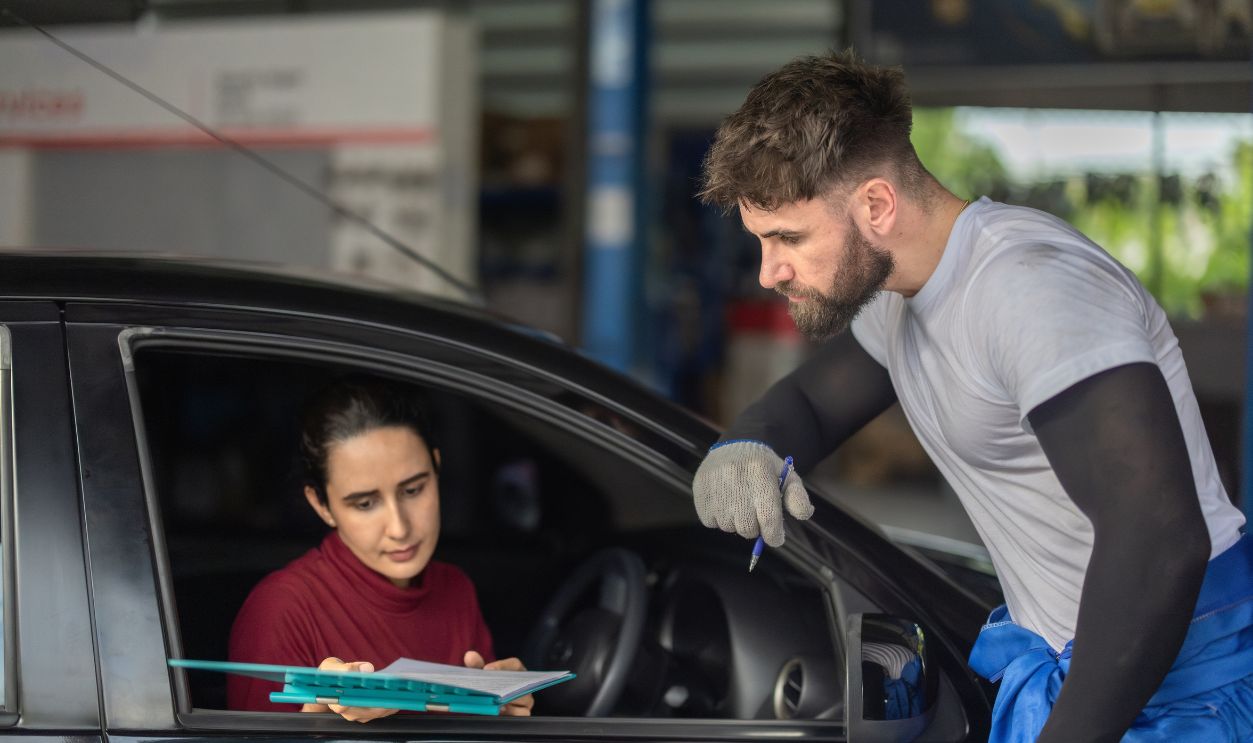
Carfax provides a process for requesting research when information appears to be missing or incorrect. Its customer support guidance says owners can submit supporting documentation, such as a police report or repair order, for review. A mechanic's findings may help you begin investigating, although physical evidence alone might not establish the date or circumstances of an accident. Contacting Carfax is worthwhile, but don't assume the company can reconstruct every missing event.
 Anastasija Vujic, Shutterstock
The Carfax Guarantee Has Important Limits
Some buyers assume a clean Carfax report means the company will reimburse them if accident damage is discovered. However, the Carfax Buyback Guarantee is primarily concerned with certain DMV-issued title brands that were missing from an eligible report. Ordinary unreported collision repairs don't automatically qualify for that protection. Read the guarantee's terms before expecting compensation based solely on a mechanic's discovery.
 Hryshchyshen Serhii, Shutterstock
What Did The Dealer Actually Promise?
If you bought the vehicle from a dealership, review the advertisement, purchase agreement, and any written statements about its condition. There's a meaningful difference between a dealer saying the Carfax showed no accidents and explicitly representing the vehicle as never having been damaged. The FTC advises buyers to get promises in writing because verbal assurances can be difficult to enforce. Whether a seller made a misleading representation depends on the facts and applicable law, not simply on the existence of a clean report.

An As-Is Sale Doesn't Answer Every Question
Many used vehicles are sold with limited warranty protection or under an as-is arrangement. The FTC explains that the required Buyers Guide tells consumers whether a dealer is offering a warranty or selling the vehicle without one. However, warranty coverage and allegations of misleading sales representations are separate issues. If you believe important damage was misrepresented, review your paperwork and seek advice about the consumer protection rules that apply where you purchased the car.

You May Have Options After The Sale
Start by contacting the dealership or seller with your mechanic's written findings and any supporting photographs. Explain the discrepancy and ask for a response in writing, particularly if the vehicle was advertised as accident-free. If the dispute remains unresolved, the FTC identifies state attorneys general, consumer protection agencies, and legal proceedings as possible avenues in the United States. Your available remedies will depend on the purchase agreement, evidence, and laws in your jurisdiction.

The Best Protection Comes Before You Buy
A clean Carfax is useful, but it should never be the final step in evaluating a used vehicle. The FTC recommends an independent inspection even when a car has been certified by a dealership or comes with a warranty. Consumer Reports also advises buyers to examine bodywork, take a thorough test drive, and watch for signs of hidden repairs. Spending time investigating before signing is much easier than trying to resolve a dispute afterward.

A Clean Report Is Only Part Of The Truth
Your mechanic's discovery doesn't automatically prove that Carfax made an error or that the seller deliberately concealed damage. It does show why a vehicle's documented history and its physical condition must be evaluated separately. Start by establishing what was repaired, whether the car is safe, and what the seller actually represented before the purchase. A clean Carfax can provide reassurance, but a careful inspection is what helps turn that reassurance into an informed decision.
You May Also Like:
Classic Truck Features That Drivers Miss Now That Pickups Have Gone Luxury