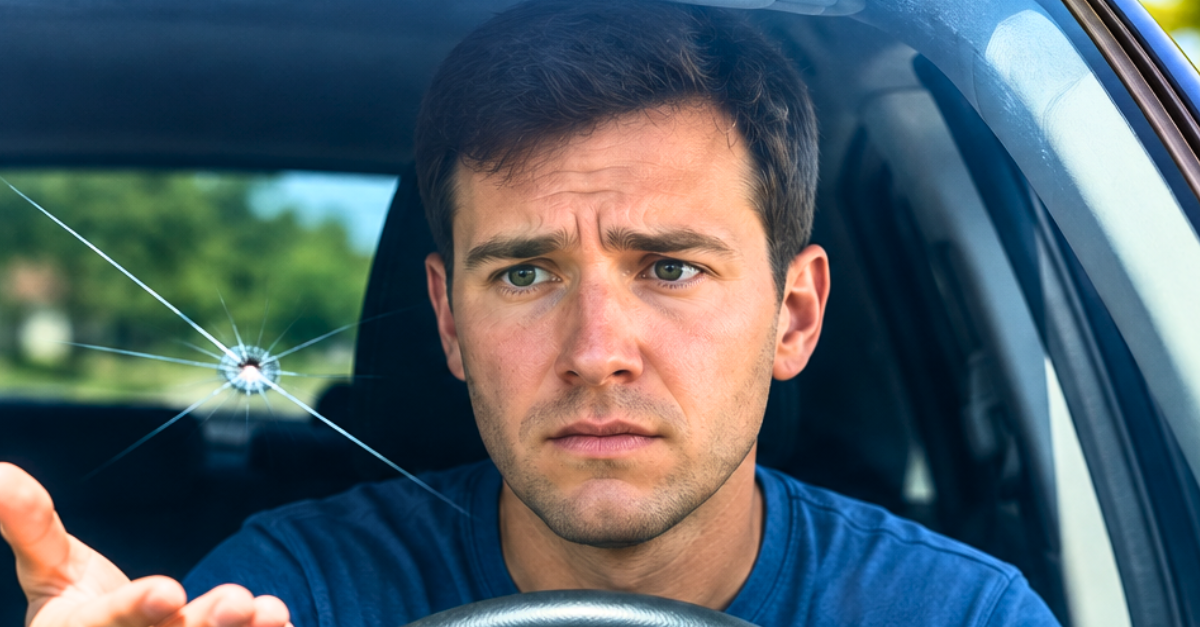
That Tug At The Wheel Feels Wrong For A Reason
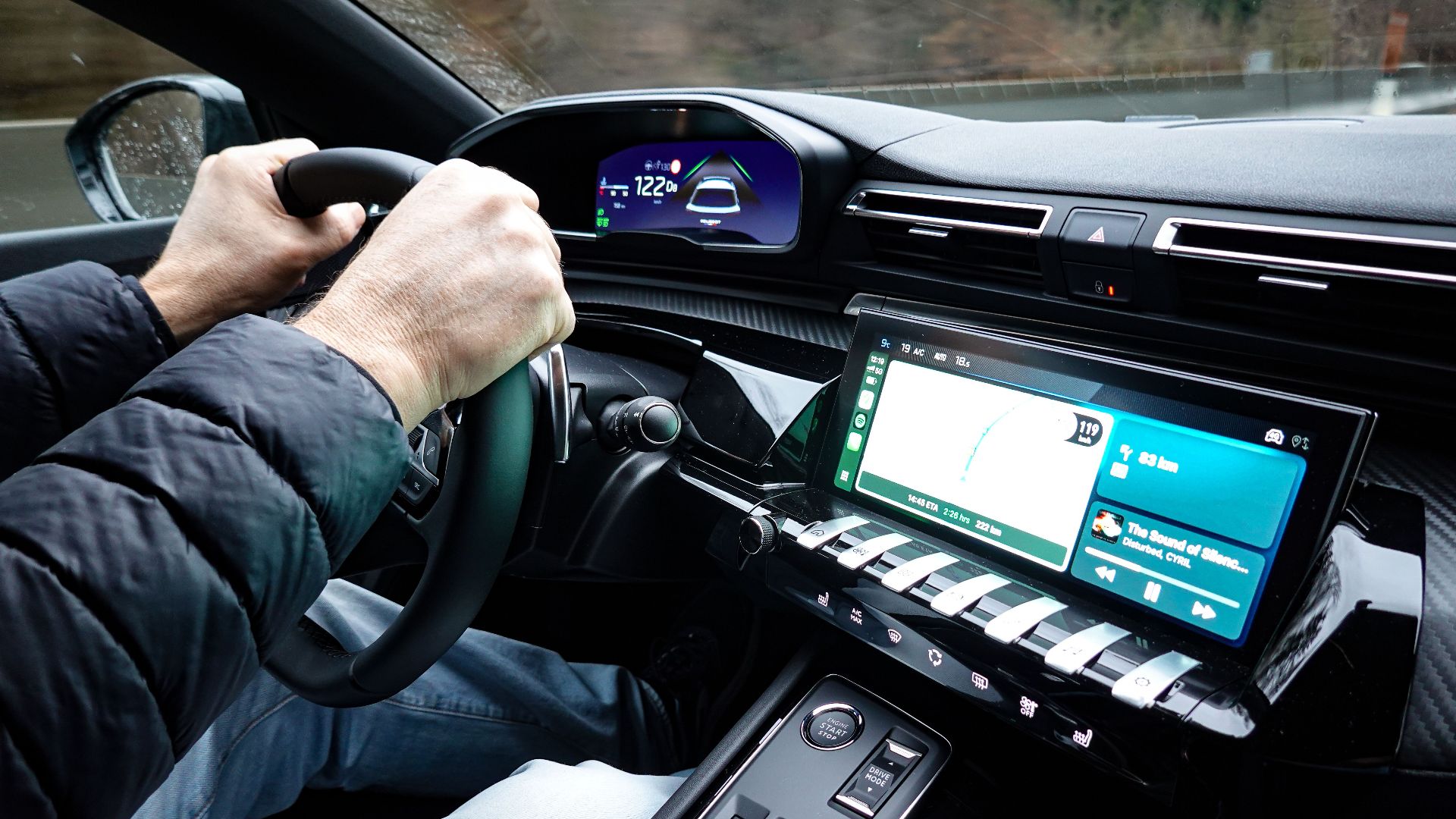
If your car’s lane-keeping system starts nudging you toward faded or messy lane lines, you’re not imagining it. These systems can help, but they depend on seeing lane markings clearly. On poorly maintained roads, that gets a lot harder, which is why drivers need to know when to trust the system and when to take over completely.

Lane-Keeping Is Assistance, Not Autopilot
Lane-keeping assistance is meant to reduce unplanned lane drift, not replace the driver. The National Highway Traffic Safety Administration says these features can add steering input to help keep a vehicle in its lane, but they still require an attentive driver. That matters most on rough, faded, or confusing roads where the system may read the lane wrong.

What The System Actually Uses To Steer
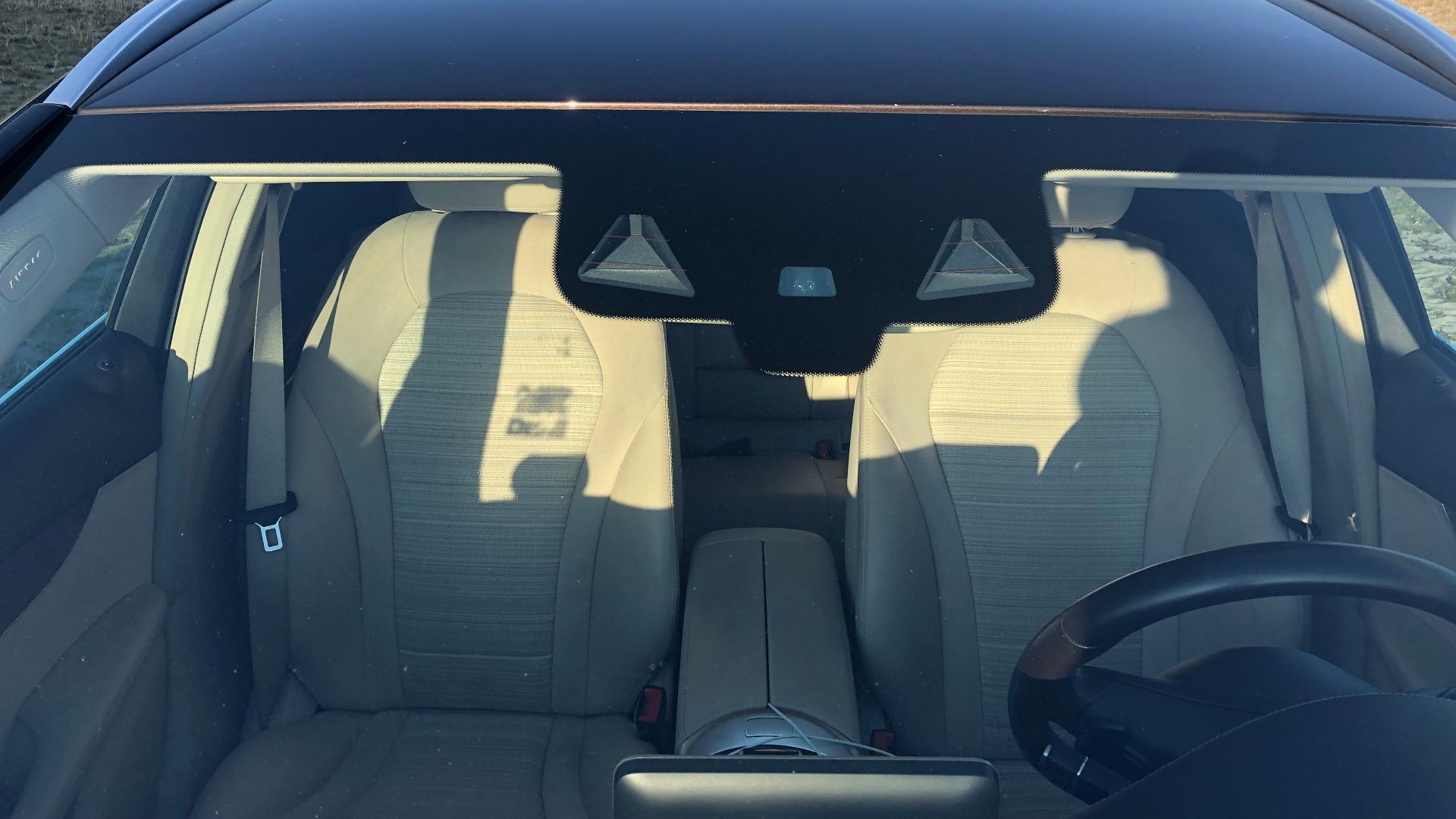
Most lane-keeping systems use forward-facing cameras near the windshield, along with software that looks for painted lane boundaries. If those lines are faded, patched over, washed out by glare, or mixed with old striping, the system can struggle. The Insurance Institute for Highway Safety notes that these features work best when lane markings are easy to see and road conditions are good.
 Omar Nordsve, Wikimedia Commons
Faded Markings Are A Known Weak Spot
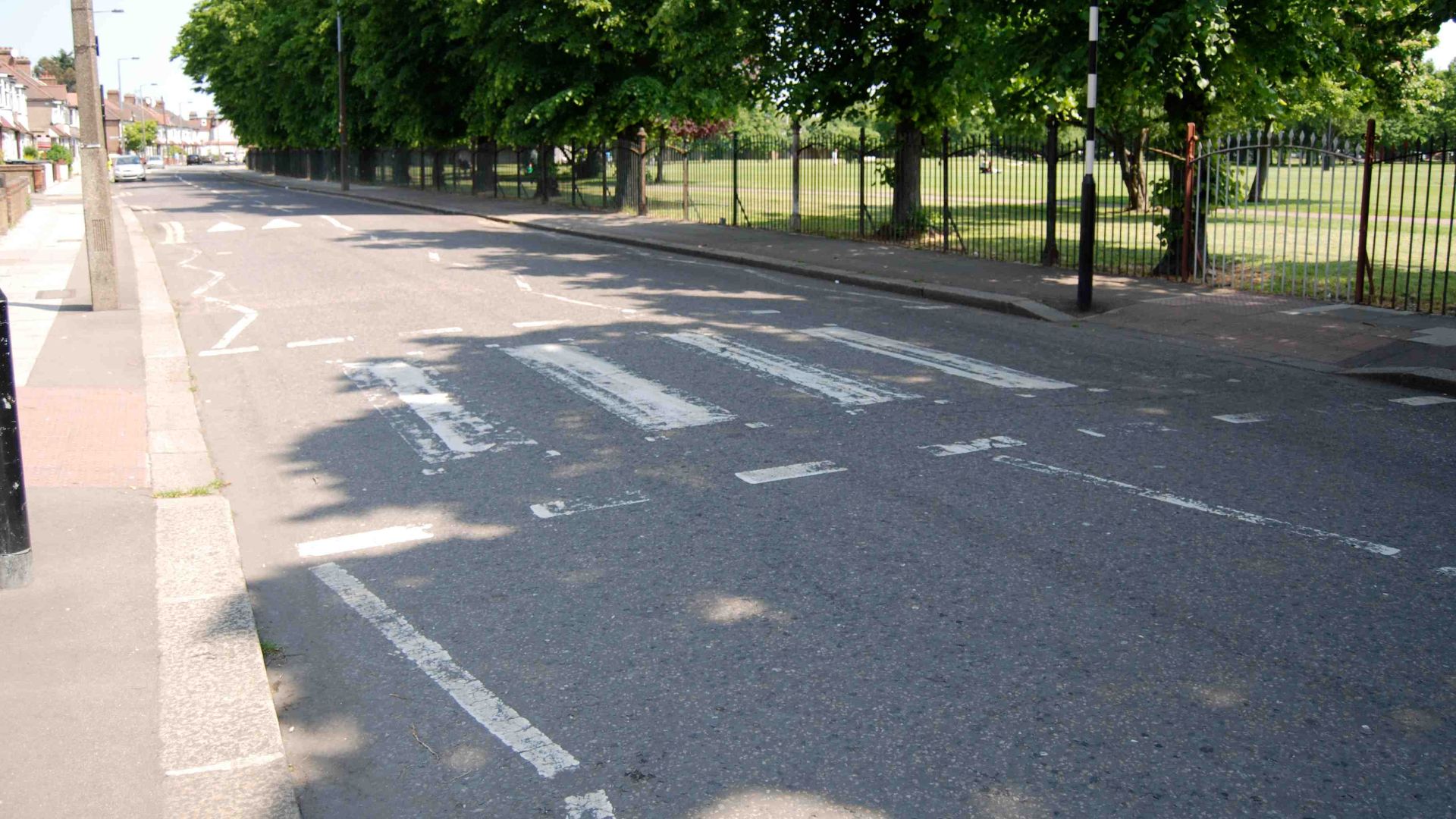
This is not some rare fluke. Federal safety guidance and automaker owner’s manuals regularly warn that lane-keeping and lane-centering features may not work properly when lane markings are unclear, worn down, or missing. Poorly maintained roads are exactly the kind of situation manufacturers already point to as a limit.
 Alan Stanton, Wikimedia Commons
Why The Car Can Steer The Wrong Way
When lane lines are faint, broken, doubled, or mixed with old construction markings, the camera software can lock onto the wrong visual cue. The car may then try to center itself between misleading lines or drift toward a boundary it thinks is correct. It can feel like the system is fighting you, but really it is making a bad guess from bad road information.
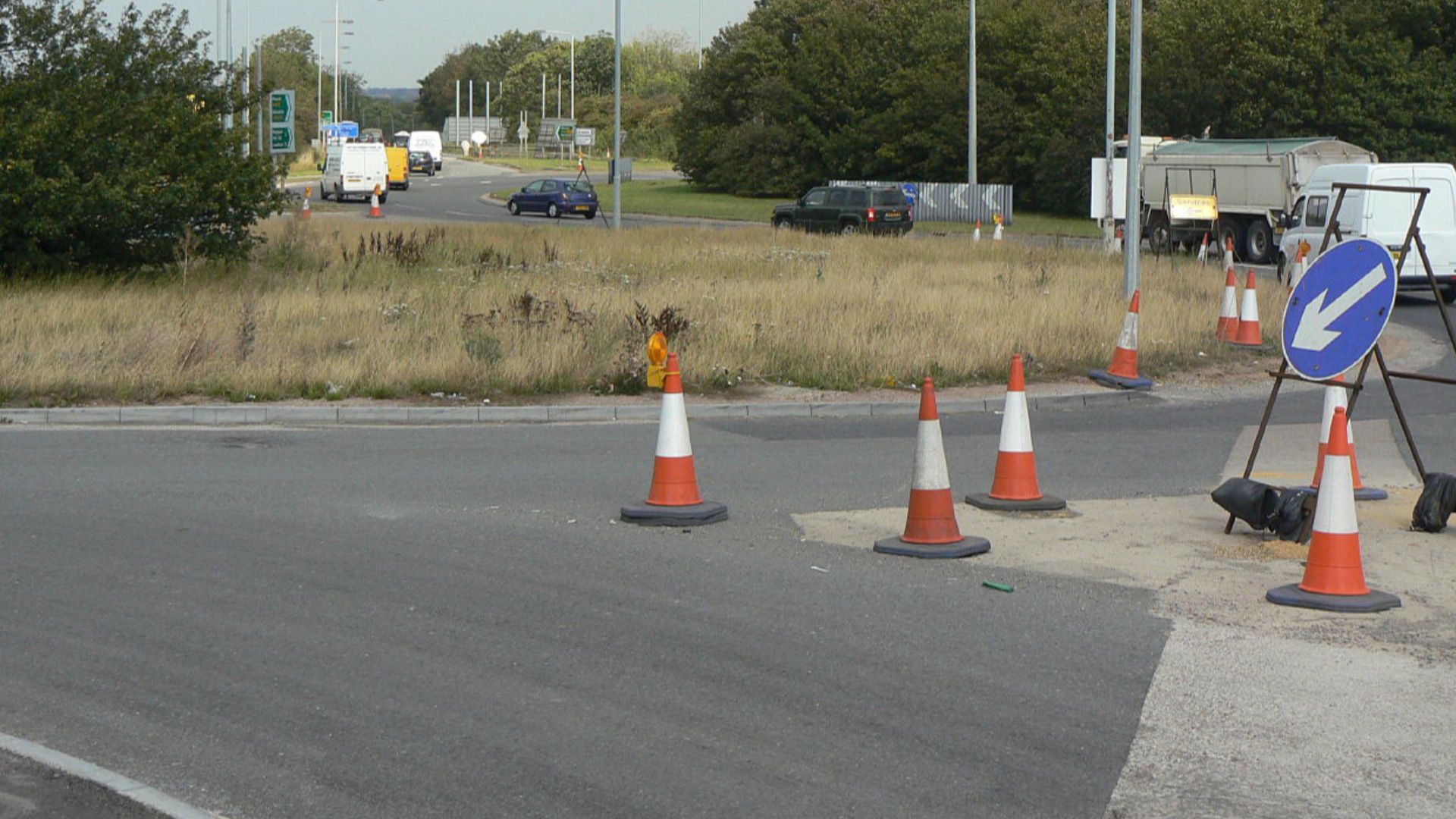
Old Construction Lines Can Be Especially Tricky
Temporary traffic patterns and ghost markings can confuse both people and computers. The Federal Highway Administration has long stressed how important pavement marking visibility is, especially at night and in work zones. If your car has ever tugged toward a faint old lane line in a resurfacing area, that is a real example of a known visibility problem.
 Alan Murray-Rust , Wikimedia Commons
Rain, Glare, And Night Driving Make It Harder
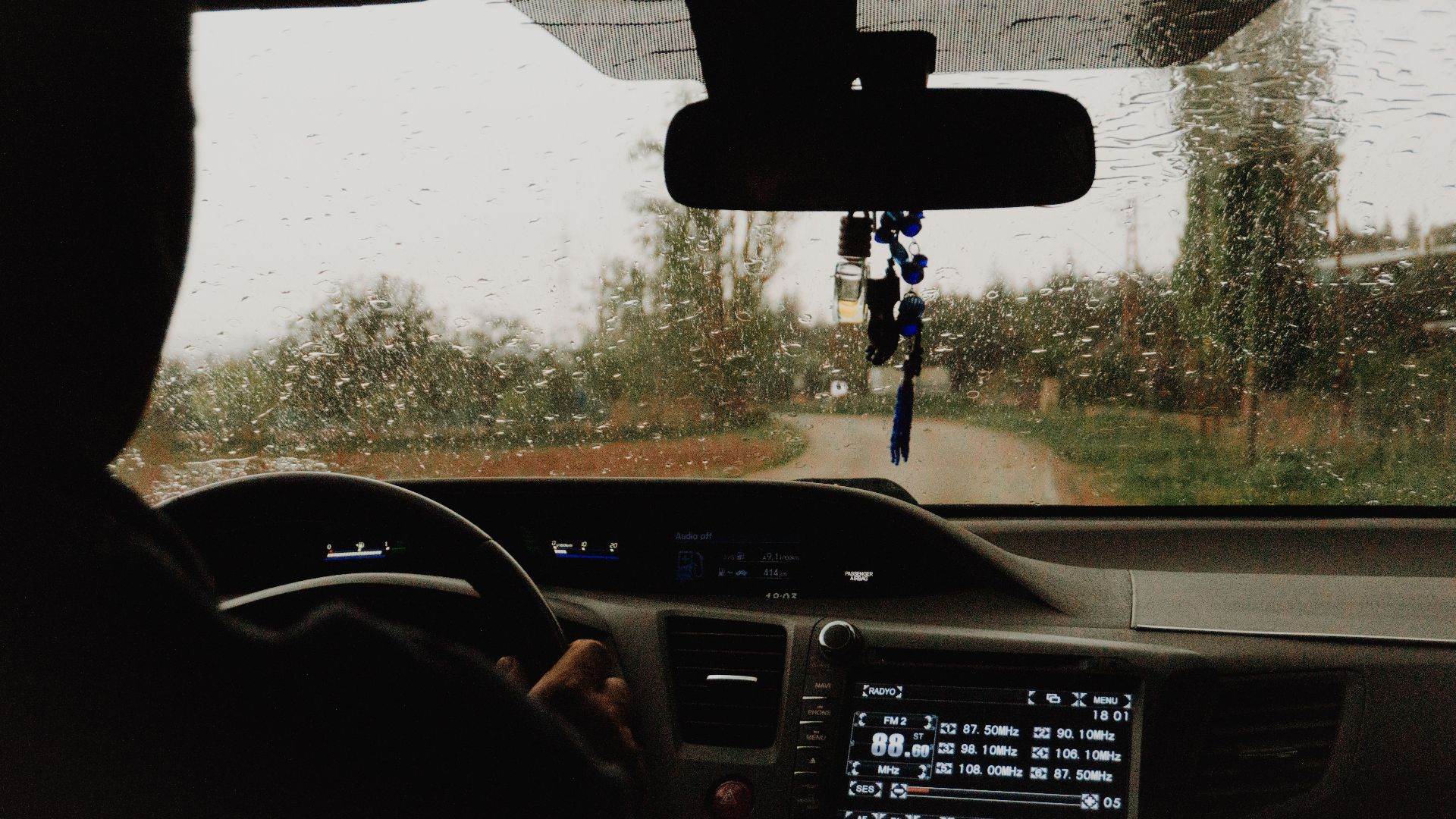
Even decent lane paint can be tough for cameras to track in rain, low sun, snow, or nighttime glare. NHTSA notes that driver-assistance systems can have performance limits in certain weather and lighting conditions. Add faded paint to that, and the odds of bad steering input go up even more.
Automakers Usually Spell This Out
Owner’s manuals often plainly warn that lane-keeping assist may not work correctly on roads with unclear markings. Toyota, Ford, Honda, Hyundai, BMW, and others include some version of this warning in their official documentation. The wording changes, but the message stays the same: if the road markings are poor, the system may not help the way you expect.

So Is It Safer To Switch It Off
On poorly maintained roads, it can be safer to turn lane-keeping assistance off if the system is making wrong or distracting steering inputs. That does not mean the technology is always unsafe. It means unwanted steering can create risk when the road is hard to read. If the feature is pulling toward faded markings instead of helping you hold a safe line, shutting it off for that stretch is a reasonable defensive move.

The Critical Difference Between Alerting And Steering
Lane departure warning and lane-keeping assist are not the same thing. A warning-only system may beep or vibrate if you drift, while a lane-keeping system can actively add steering torque. On poor roads, many drivers find warning-only help less annoying because it does not physically tug the wheel when the lane picture is messy.
Lane Centering Can Be Even More Sensitive
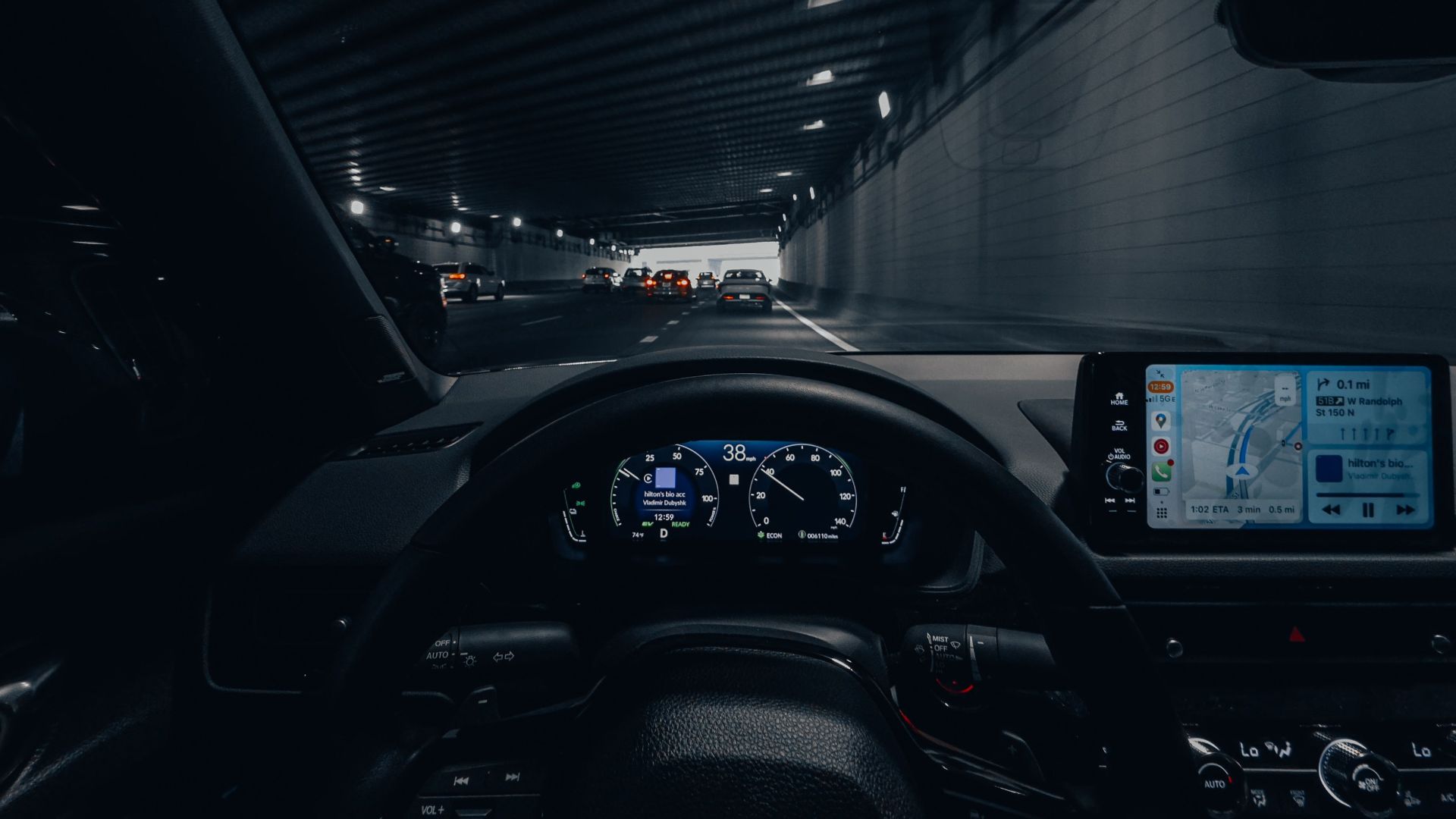
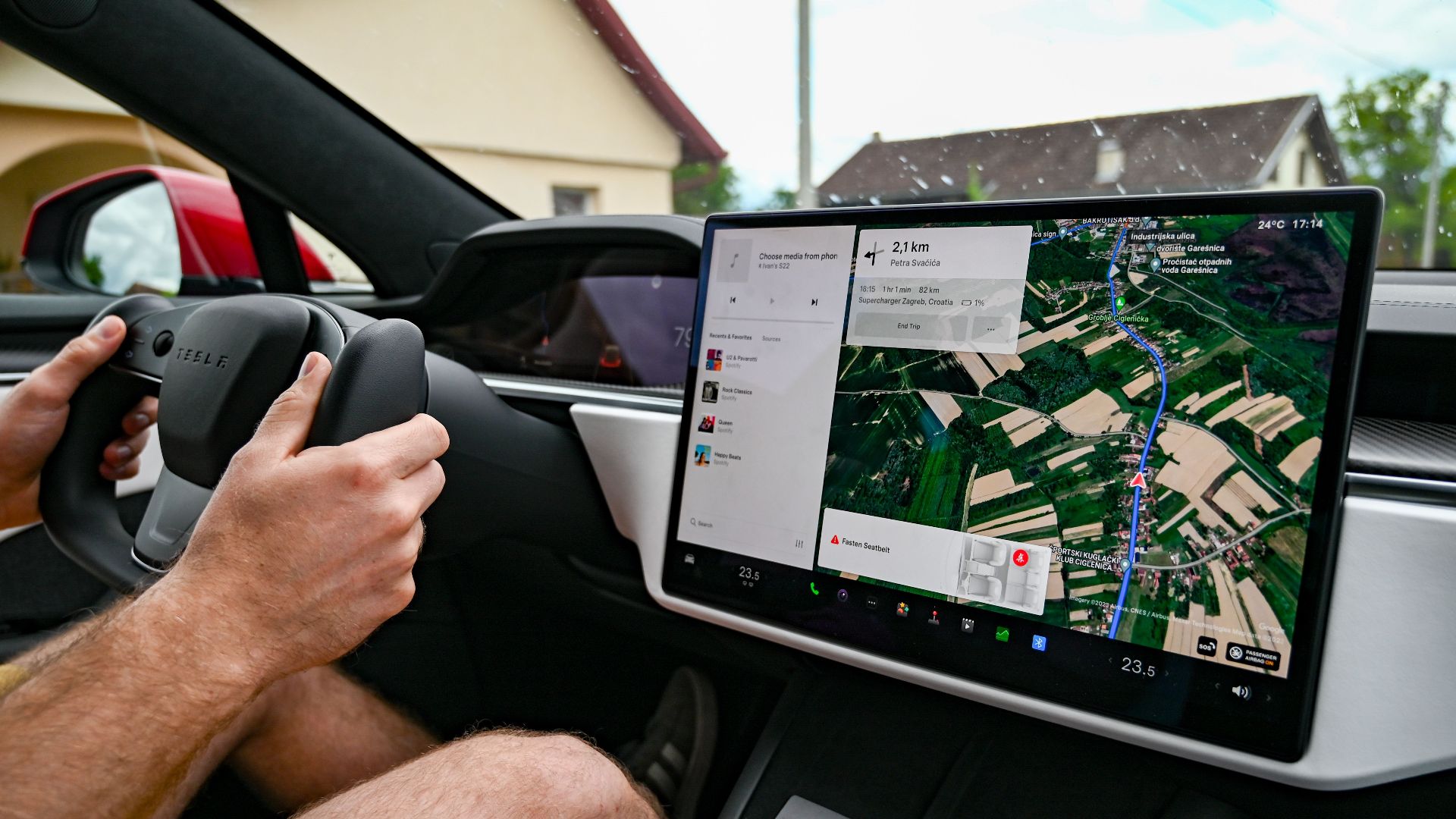
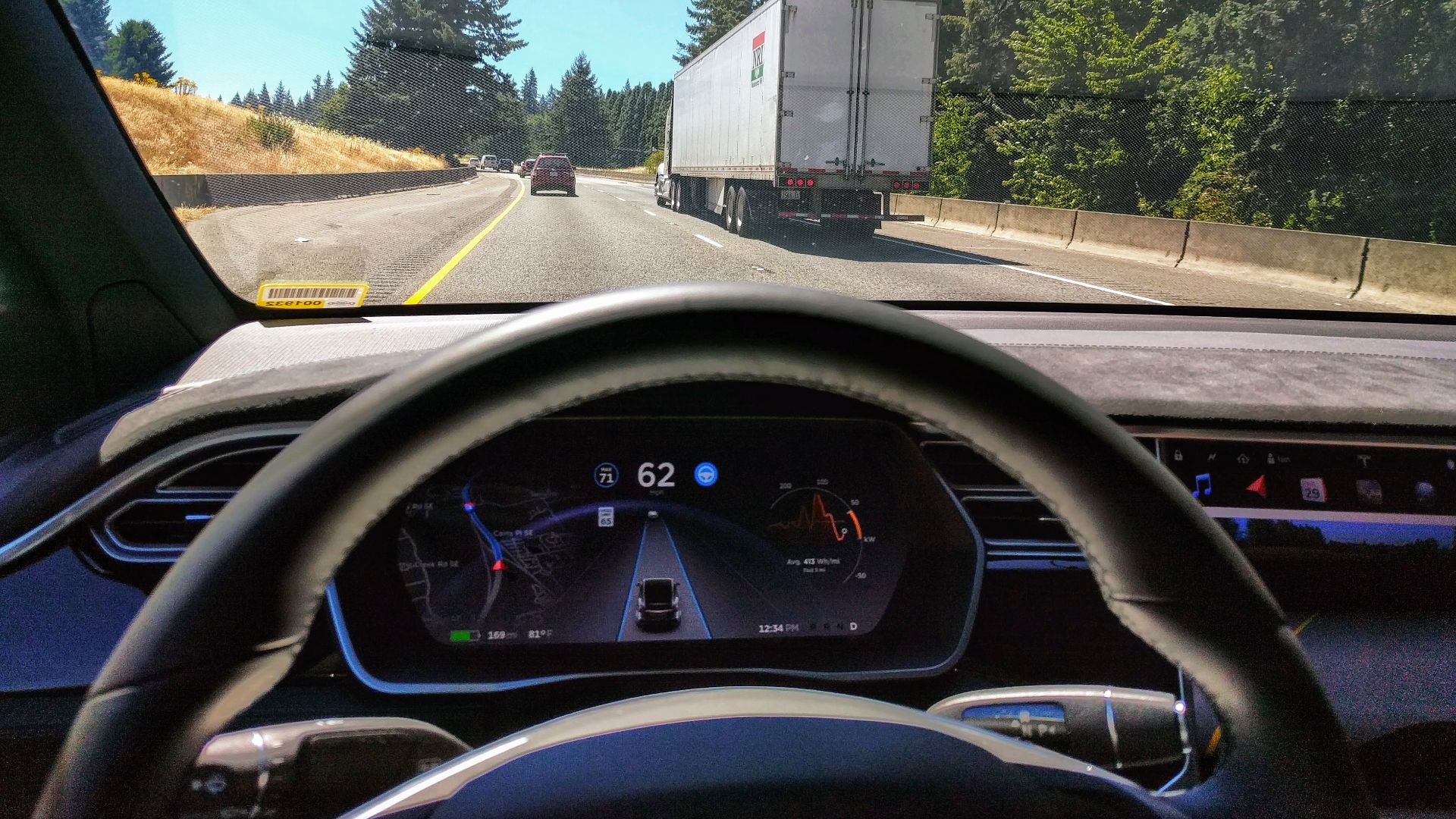
Some newer vehicles use lane centering, which continuously helps keep the car near the middle of the lane instead of only correcting drift. That can feel smoother on well-marked highways, but it also means the car is making more steering decisions. If the markings are worn or confusing, you may notice more wandering or more frequent corrections.
 Ian Maddox , Wikimedia Commons
Safety Groups Have Tested These Systems In The Real World
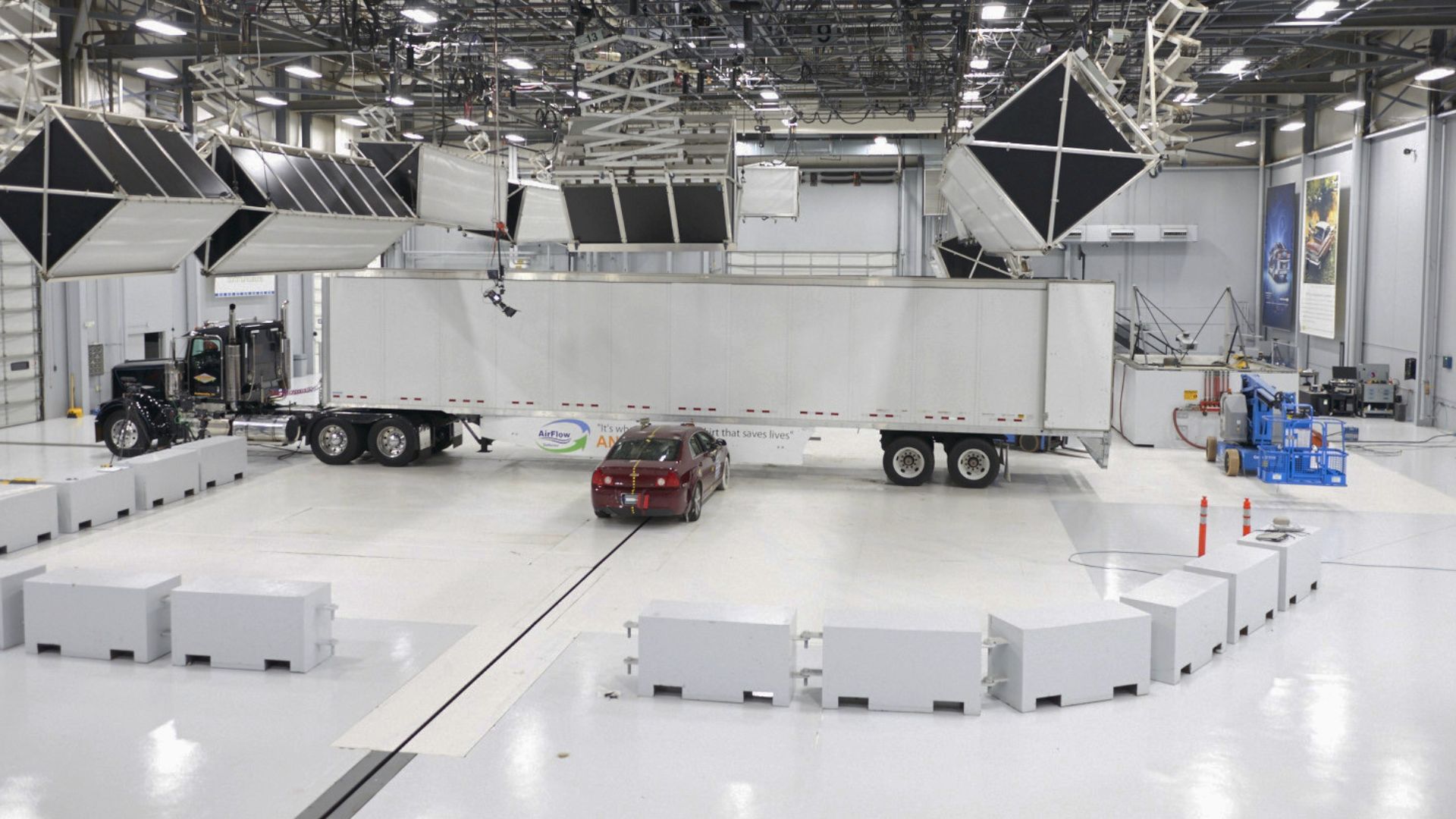
The Insurance Institute for Highway Safety and other testers have found major differences in how well partial automation and lane support systems work. Their tests show that some systems are better at keeping drivers engaged and some are better at tracking lanes, but none make the driver optional. The big takeaway is simple: performance varies, and road quality still matters a lot.
 Insurance Institute for Highway Safety, Wikimedia Commons
Consumer Reports Reached A Similar Conclusion
Consumer Reports has repeatedly tested active driving assistance systems and found that even strong systems can stumble in situations with lane merges, missing lines, or worn markings. Their reviews stress that these are convenience and safety support features, not replacements for paying attention. That matters on roads that look neglected, patched, or poorly striped.

There Is Research Behind The Concern
Academic and transportation research has shown that pavement marking quality affects both human drivers and machine vision systems. The Federal Highway Administration has funded work on lane marking visibility because it is directly tied to safe lane guidance. Clear markings are not just cosmetic. They are part of the road infrastructure many modern driver-assistance systems rely on.
What A “Poorly Maintained Road” Usually Looks Like To Your Car
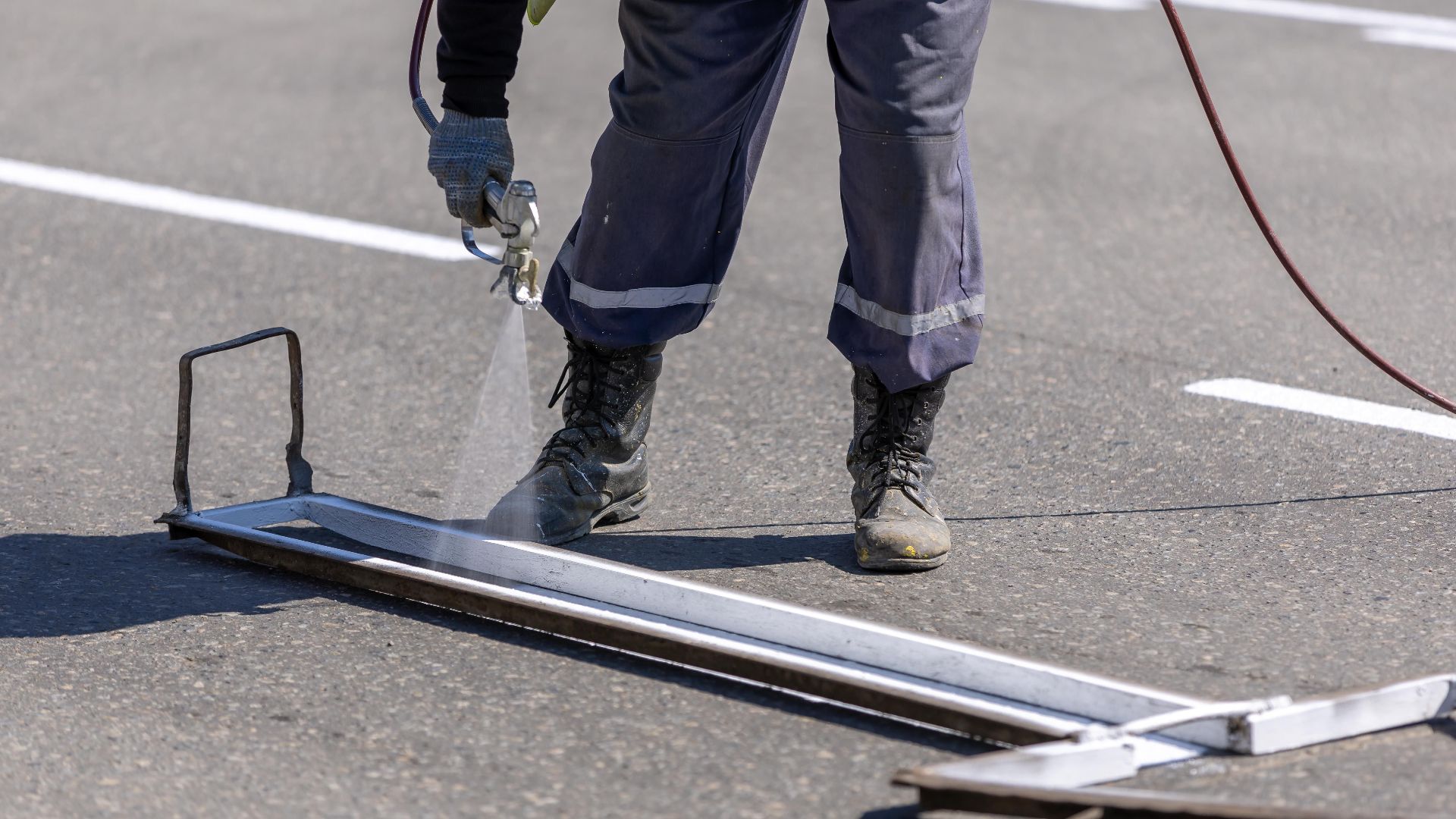
To you, the road may just look old or rough. To the camera, it may look like a confusing mix of cracks, sealant, patched asphalt, shadows, and faded paint. If there are several possible lines to follow, especially in resurfaced or construction-heavy areas, the system may pick the wrong one.
 Lorenzo Alessio Messina, Pexels
The Best Sign You Should Turn It Off
If the steering help feels inconsistent, tugs toward the wrong line, or makes driving more stressful instead of easier, that is your sign. A driver-assistance feature should support your control, not work against it. When the system becomes a distraction on a bad road, switching it off can be the safer choice.

Do Not Wait For A Big Mistake
You do not need to wait until the car makes a dramatic swerve to decide the feature is not helping. Small repeated nudges, lane ping-pong, or a wheel that feels like it is arguing with you are enough warning signs. The safer move is to disable the assist feature and drive that section manually with full attention.
How To Turn It Off Without Losing Your Cool
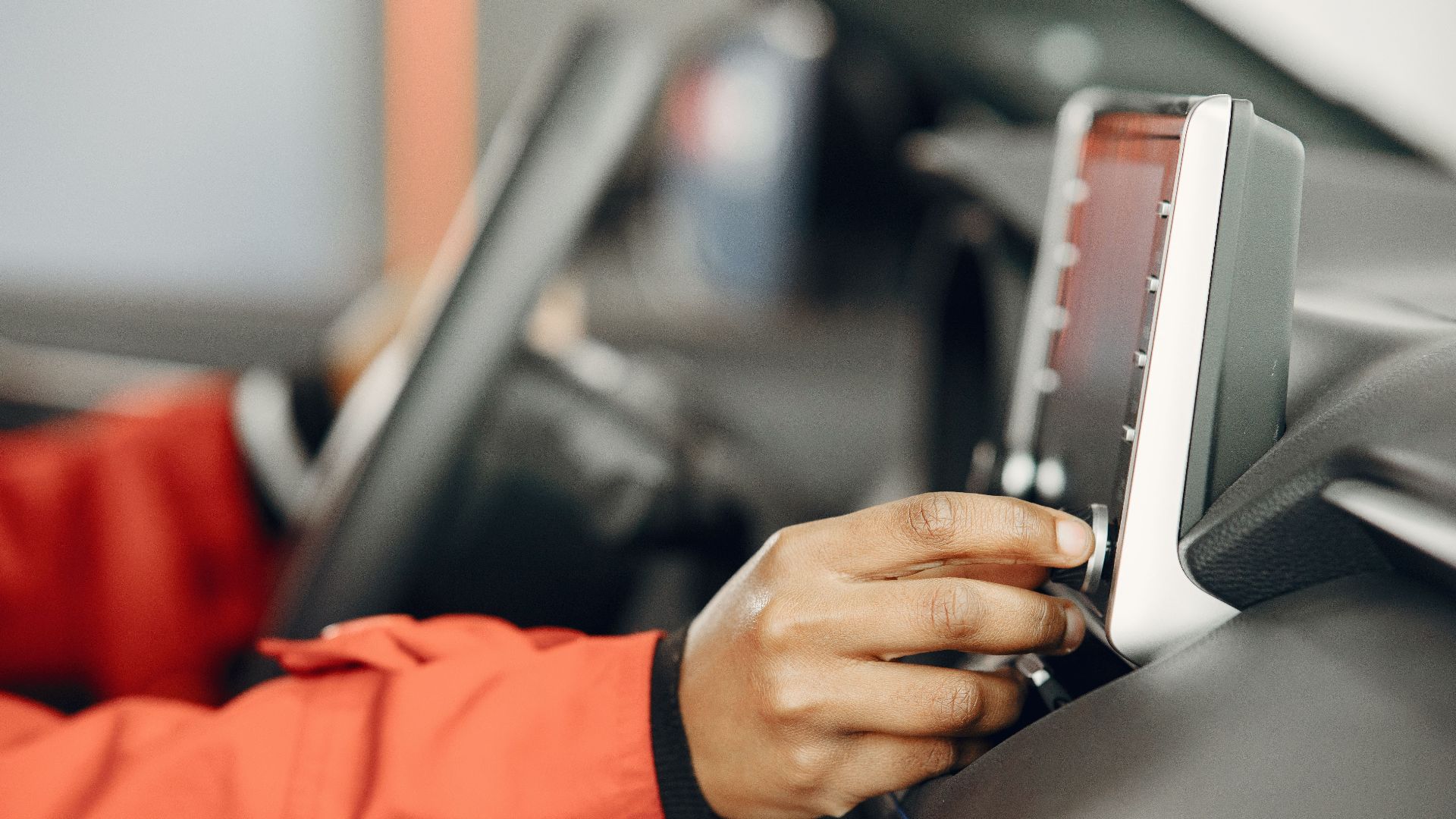
Most vehicles let you disable lane-keeping through a steering wheel button, a dashboard menu, or a driver-assistance settings screen. Some cars also let you turn off steering intervention while keeping warning alerts active. Check your owner’s manual ahead of time so you know the fastest way to do it before you hit a sketchy stretch of road.

You May Not Need To Disable It Forever
Turning the system off on one road does not mean giving up on it completely. On well-marked highways in good weather, lane-keeping assist can still reduce fatigue and help prevent unplanned drifting. It is best thought of as a tool that works well when conditions fit its limits.
Road Maintenance Plays A Bigger Role Than Many Drivers Realize
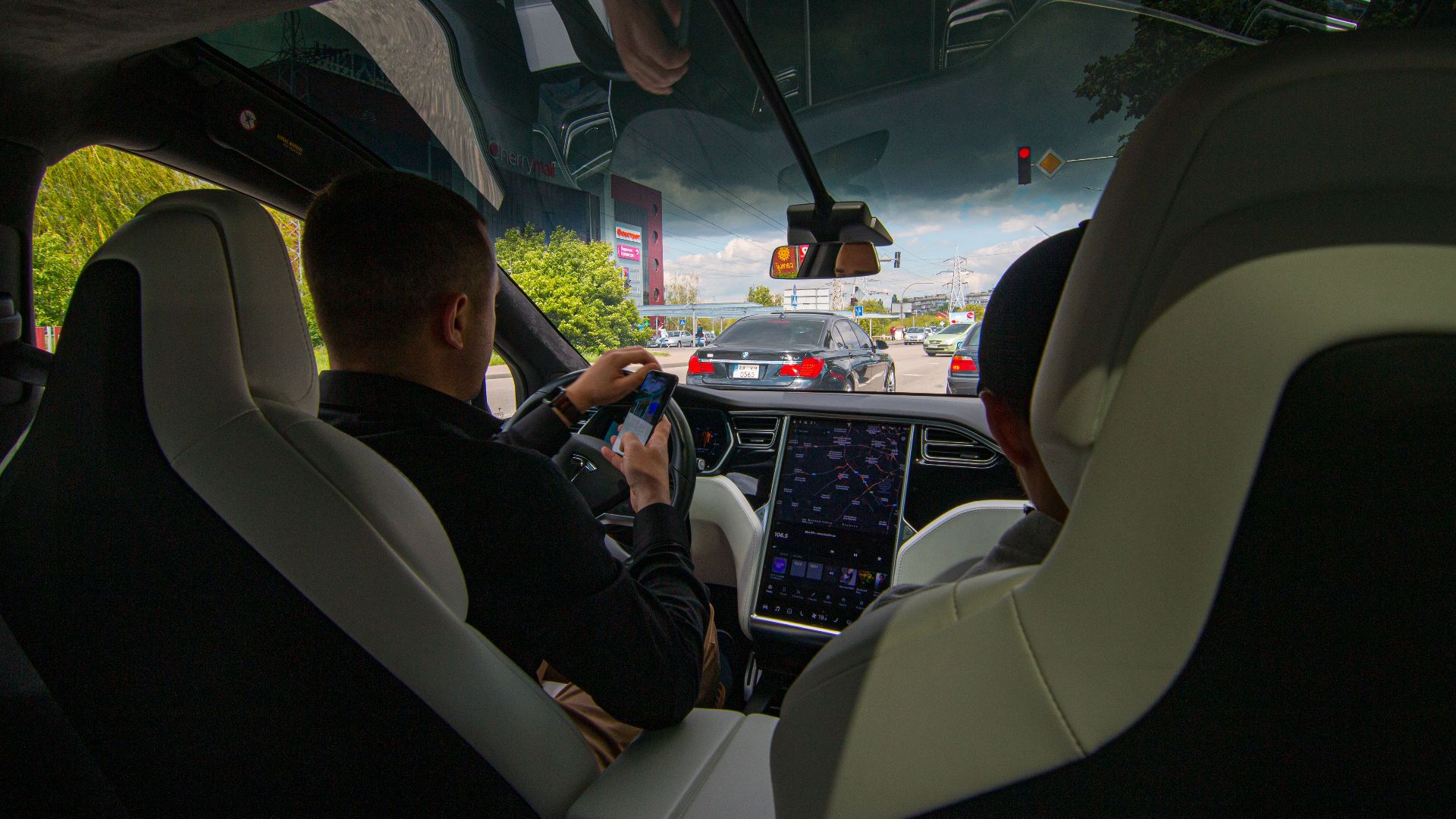
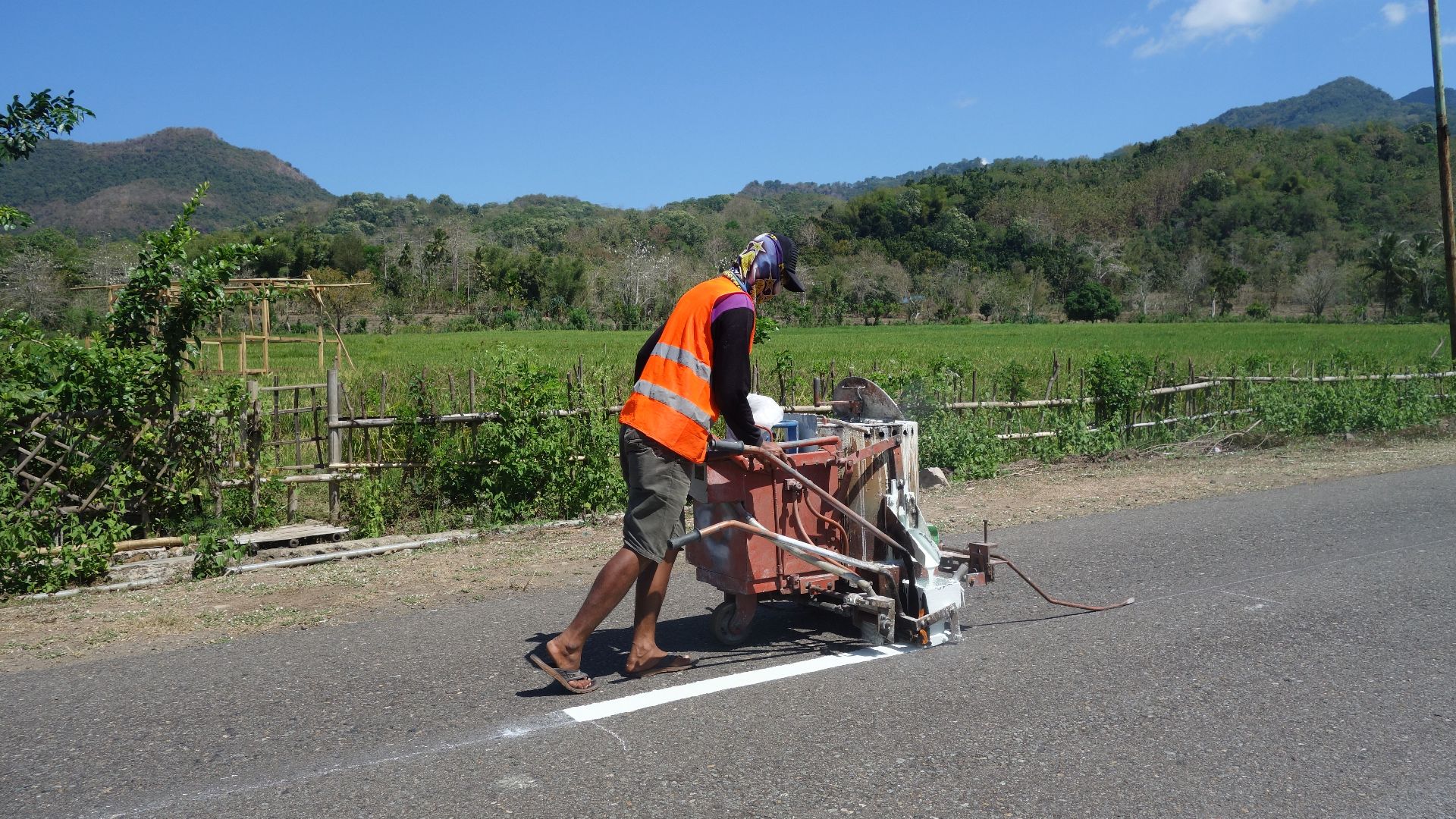
There is a reason transportation agencies care so much about lane visibility. FHWA guidance ties visible striping to safer lane guidance for drivers, especially at night and in bad weather. As more vehicles rely on cameras for lane support, faded paint becomes more than an annoyance. It becomes a compatibility problem between the road and the technology.
Why Nighttime Can Be The Breaking Point
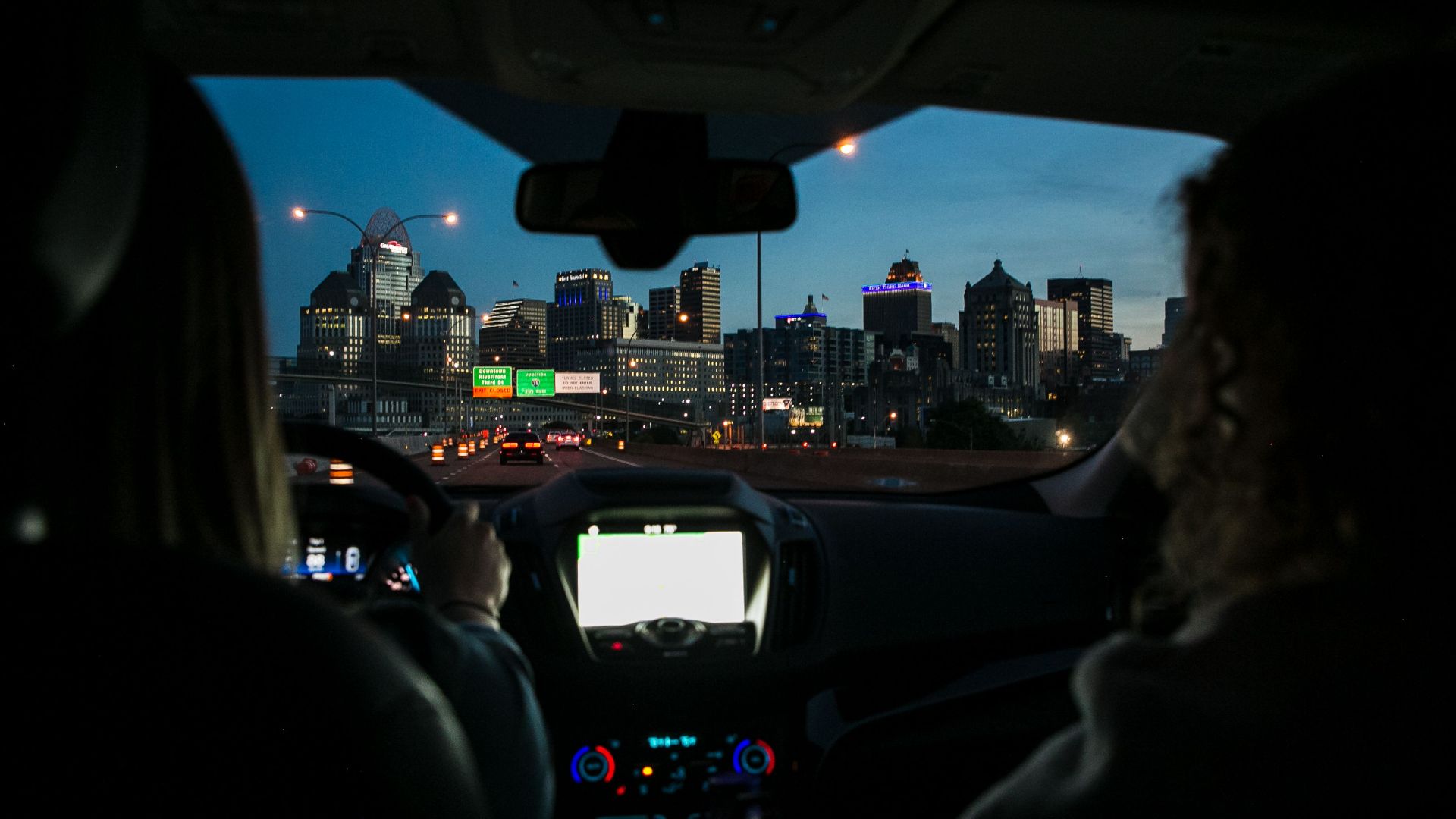
At night, retroreflective lane markings matter much more because both people and cameras have less visual information to work with. If the markings are worn and no longer reflecting well, lane-keeping performance can drop fast. That is one reason a road that feels manageable in daylight can feel much worse after dark.
Snow, Dirt, And Windshield Issues Also Matter
Sometimes the road is not the only problem. A dirty windshield, a blocked camera area, or buildup from snow and salt can limit what the system sees. Many automakers specifically list these conditions as reasons lane assistance may not work correctly or may shut off on its own.

False Confidence Is The Real Hazard
The biggest risk is assuming the system can handle a situation it was never built to master. NHTSA has repeatedly stressed that driver-assistance features do not make vehicles self-driving. On a road with weak markings, overtrust can be more dangerous than simply turning the feature off and driving the old-fashioned way.
It Helps To Separate Convenience From Safety
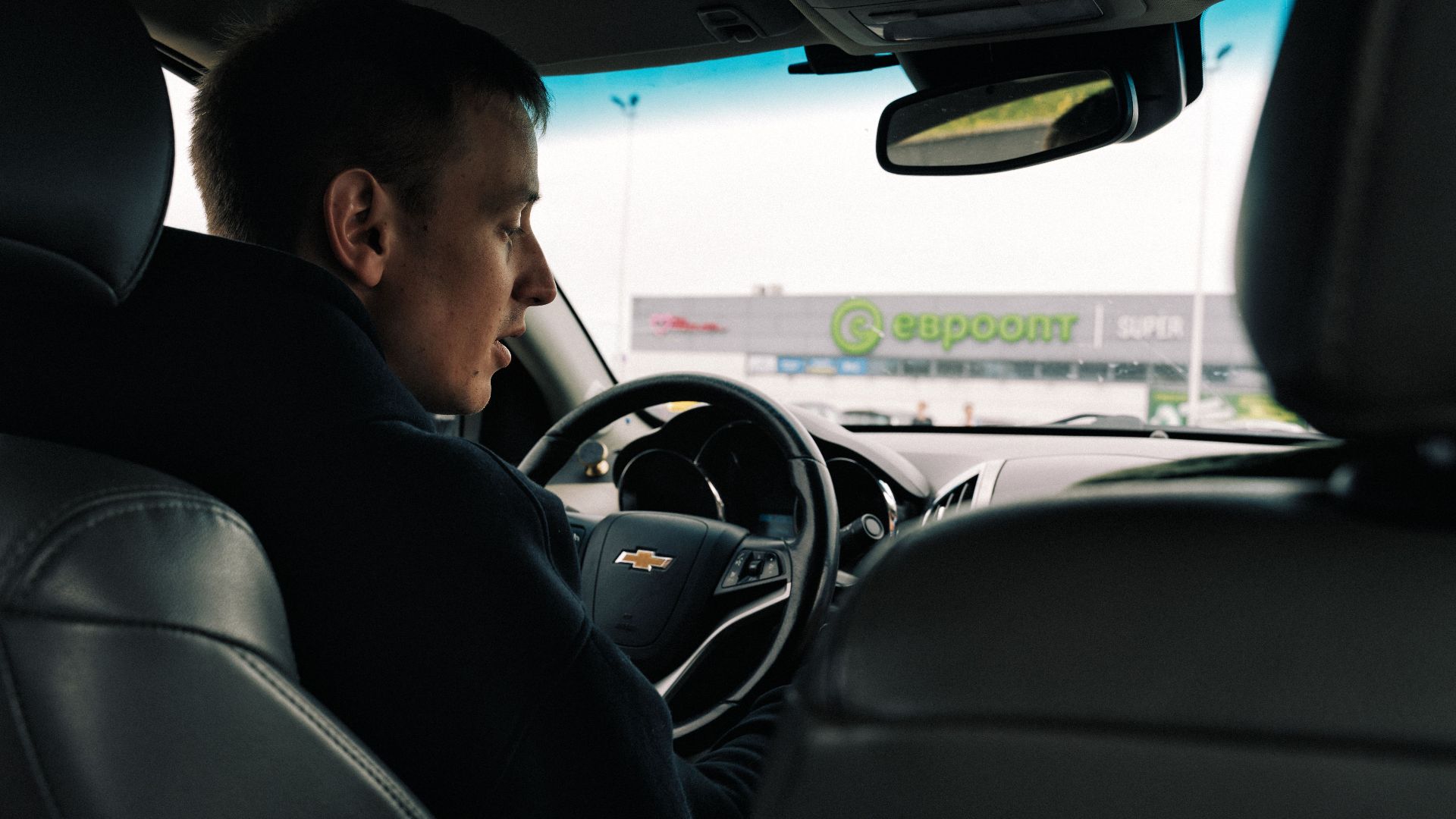
Some drivers feel like turning off a modern feature means giving up a safety benefit. But the safest choice is the one that fits the conditions. If the assist system is reading the road badly, shutting it off is not rejecting safety tech. It is using common sense.
What To Do Instead On Bad Roads
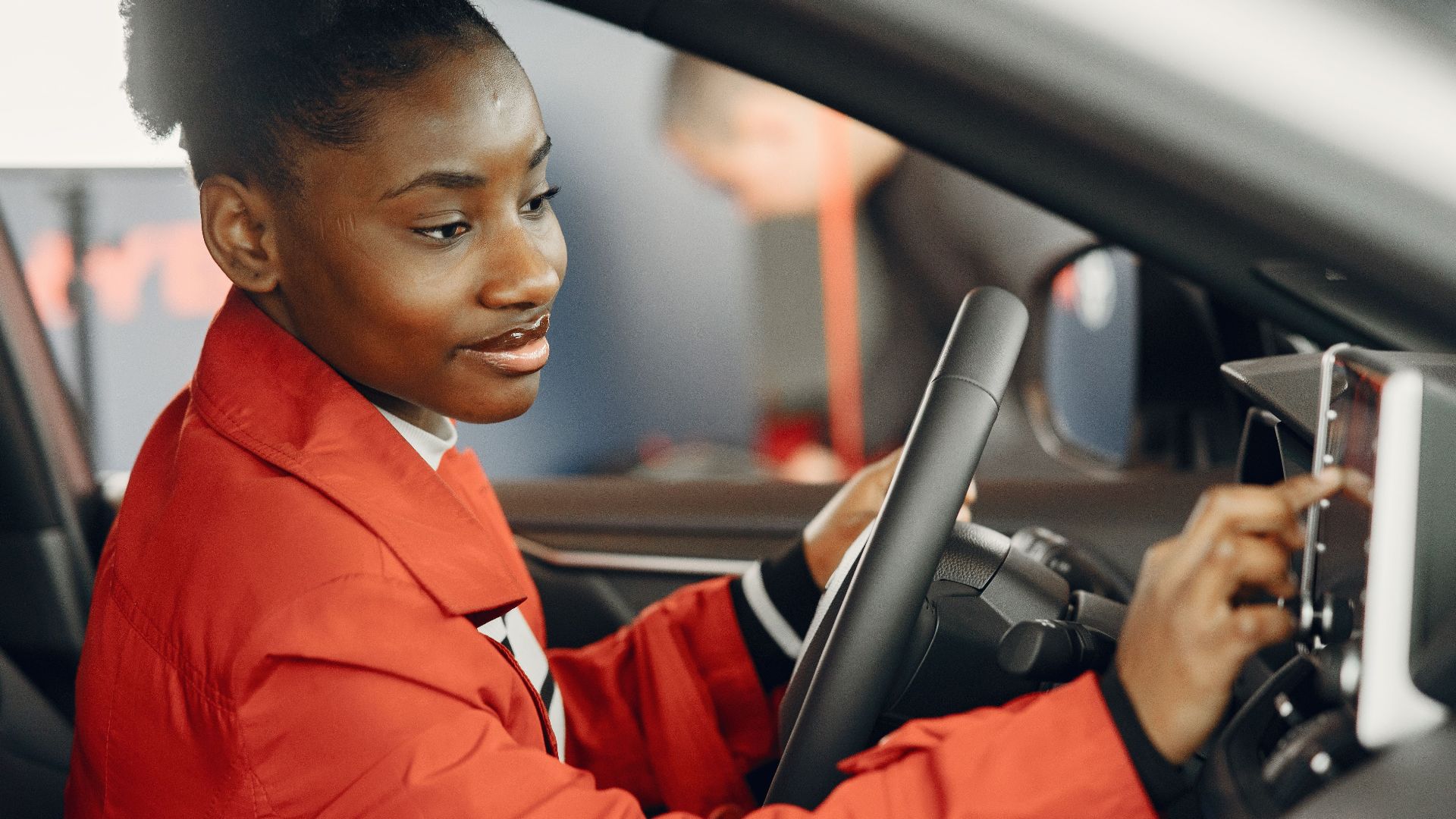
Slow down a little, leave more following distance, keep both hands engaged, and look farther ahead for the clearest path through the lane. If your car allows it, you can keep lane departure warnings on while turning off active steering. That gives you an extra alert without letting the car tug toward questionable markings.
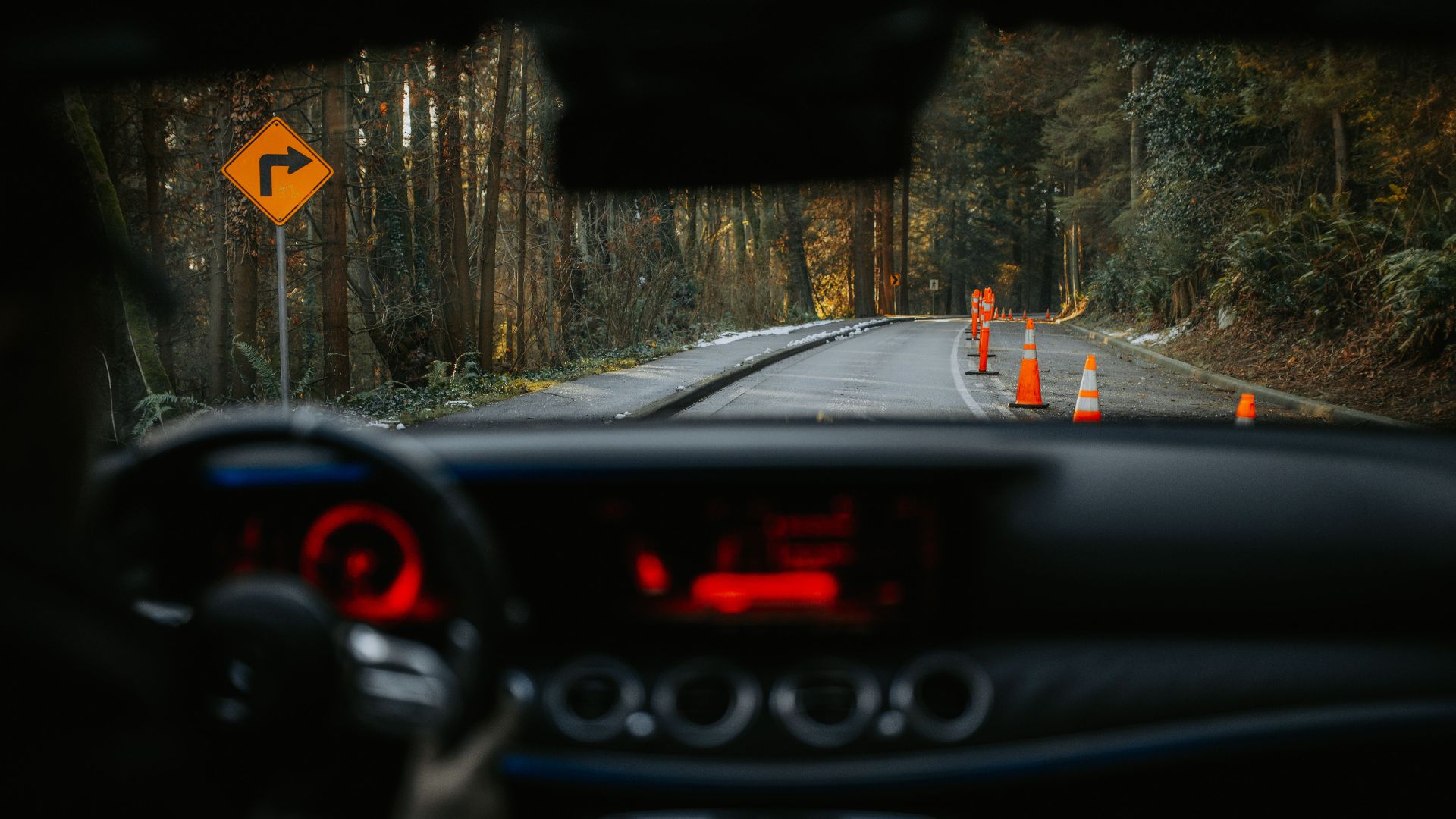
If The Problem Happens Everywhere, Check For Another Issue
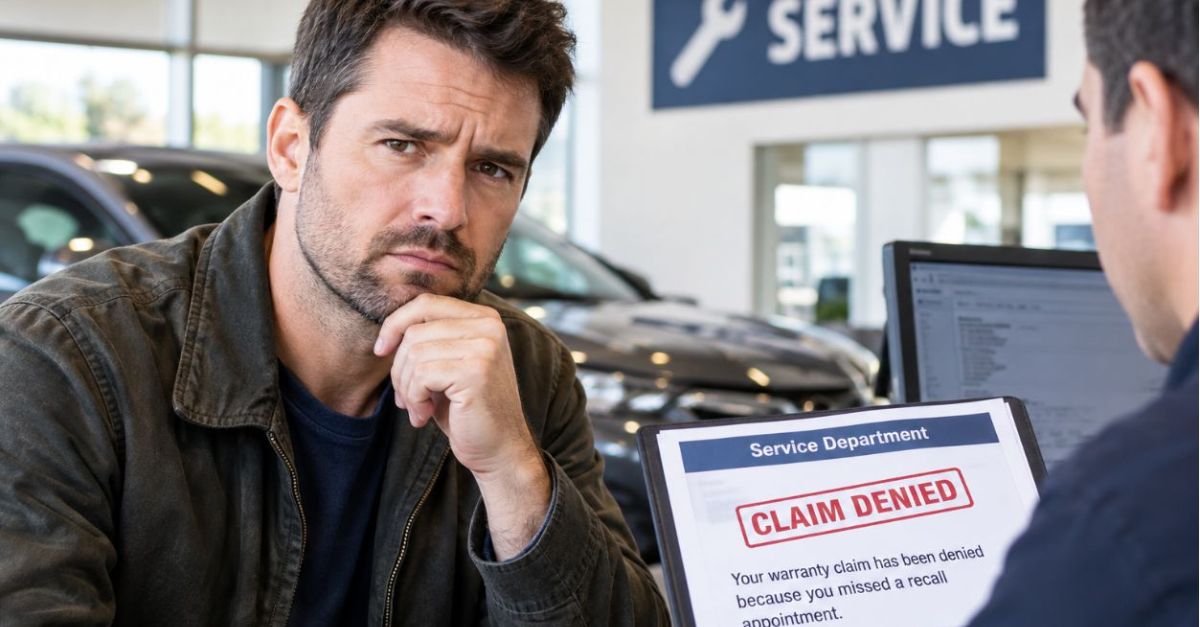
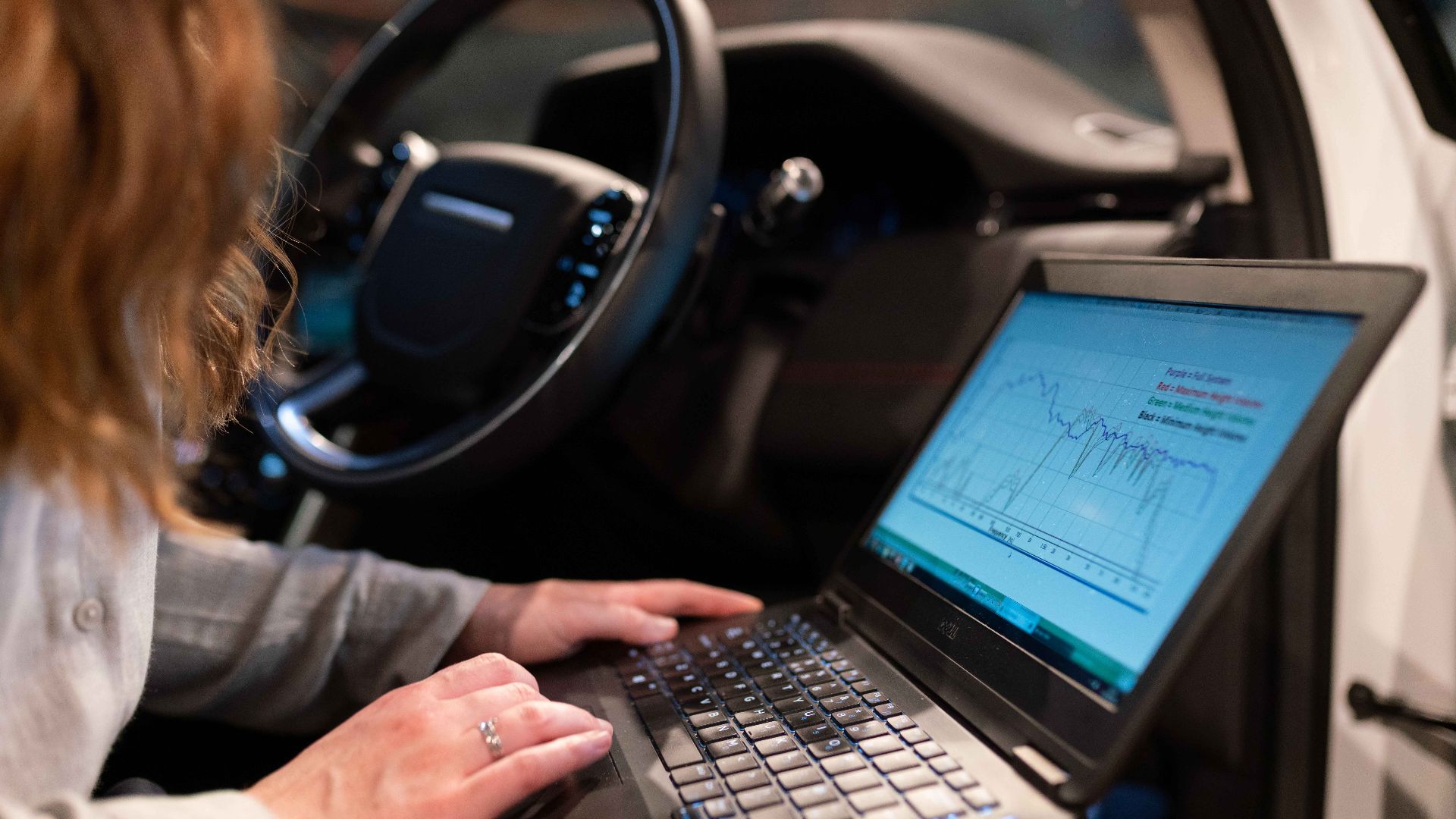
If your lane-keeping system acts strangely even on freshly marked roads in good weather, the pavement may not be the problem. Camera calibration, windshield replacement, damage near the sensor area, or software faults can all affect performance. In that case, a dealer or qualified repair shop should inspect the system.
The Bottom Line For Drivers
Yes, on poorly maintained roads, it can be safer to switch off lane-keeping assistance if it is steering toward faded or misleading markings. The system depends on clear visual cues, and federal safety guidance, safety-group testing, and automaker documentation all point to the same limit. Treat lane-keeping as a useful helper on good roads, not as a feature you need to keep on when it clearly is not seeing the road correctly.