The Dream Car Paradox
After years of saving, searching, and imagining the perfect drive, you finally own the car you always wanted. Instead of grabbing the keys, however, you may find yourself calculating mileage, checking the weather, and worrying about resale value. The machine that once represented freedom can suddenly feel too precious to use.

Every Mile Suddenly Feels Expensive
Mileage matters because buyers commonly use it as a quick indicator of wear, remaining life, and overall condition. Low-mileage examples can command substantial premiums, particularly when a model is rare, original, or highly collectible. That does not mean every additional mile produces an equally dramatic loss in value.

First Decide What You Actually Bought
There is an important difference between a desirable enthusiast car and a preservation-grade collector car. A well-maintained sports car with moderate mileage may be expected to see regular road use. An exceptionally original vehicle with unusually low mileage may derive much of its value from remaining untouched.

Mileage Is Only One Part Of Value
Mileage is only one factor that influences a vehicle's value. Buyers also consider condition, documentation, rarity, modifications, market demand, and recent comparable sales. A low odometer cannot compensate for accident damage, neglected maintenance, or a questionable history. Buyers often prefer a carefully maintained driver over a low-mileage car that has deteriorated while sitting.

Ordinary Cars Usually Keep Depreciating
Most modern vehicles are depreciating assets rather than guaranteed investments. Estimates suggest that many new vehicles lose about 20 percent of their value during the first year and nearly 60 percent within five years. Avoiding a few thousand miles may not overcome the broader depreciation caused by age and changing market demand.

Collectible Cars Follow Different Rules
Certain limited-production, historically important, or culturally desirable vehicles can behave differently from ordinary used cars. Exceptionally low mileage can create a scarcity premium when collectors are searching for the most original example available. That premium is most relevant when the mileage is genuinely unusual for that particular model.

Not Every Dream Car Is An Investment
A car can be emotionally valuable without being financially exceptional. Popular performance models may retain value well while still being common enough that buyers have many alternatives. Treating an enjoyable but replaceable car like an irreplaceable artifact can unnecessarily limit the experience you purchased.

Your Ownership Goal Should Guide You
Ask whether you bought the car primarily to drive, display, preserve, or eventually resell. None of those goals is automatically wrong, but each one requires a different ownership strategy. Problems begin when someone buys a driver-focused car for enjoyment and then manages it entirely around the preferences of a future buyer.

The Purchase Price Is Already Spent
Owners sometimes protect mileage because they want to justify what they paid. Yet the purchase price is a sunk cost once the transaction is complete. Your current decision should focus on future enjoyment, expenses, risk, and resale value rather than trying to reverse the original purchase.
Ownership Costs Continue While It Sits
Parking the car does not eliminate registration, insurance, depreciation, storage, maintenance, or financing costs. According to a 2025 estimate, owning and operating an average new vehicle cost $11,577 annually, with depreciation remaining one of the largest expenses. A rarely used car can therefore become expensive on a per-mile basis.
Cars Still Age Without Moving
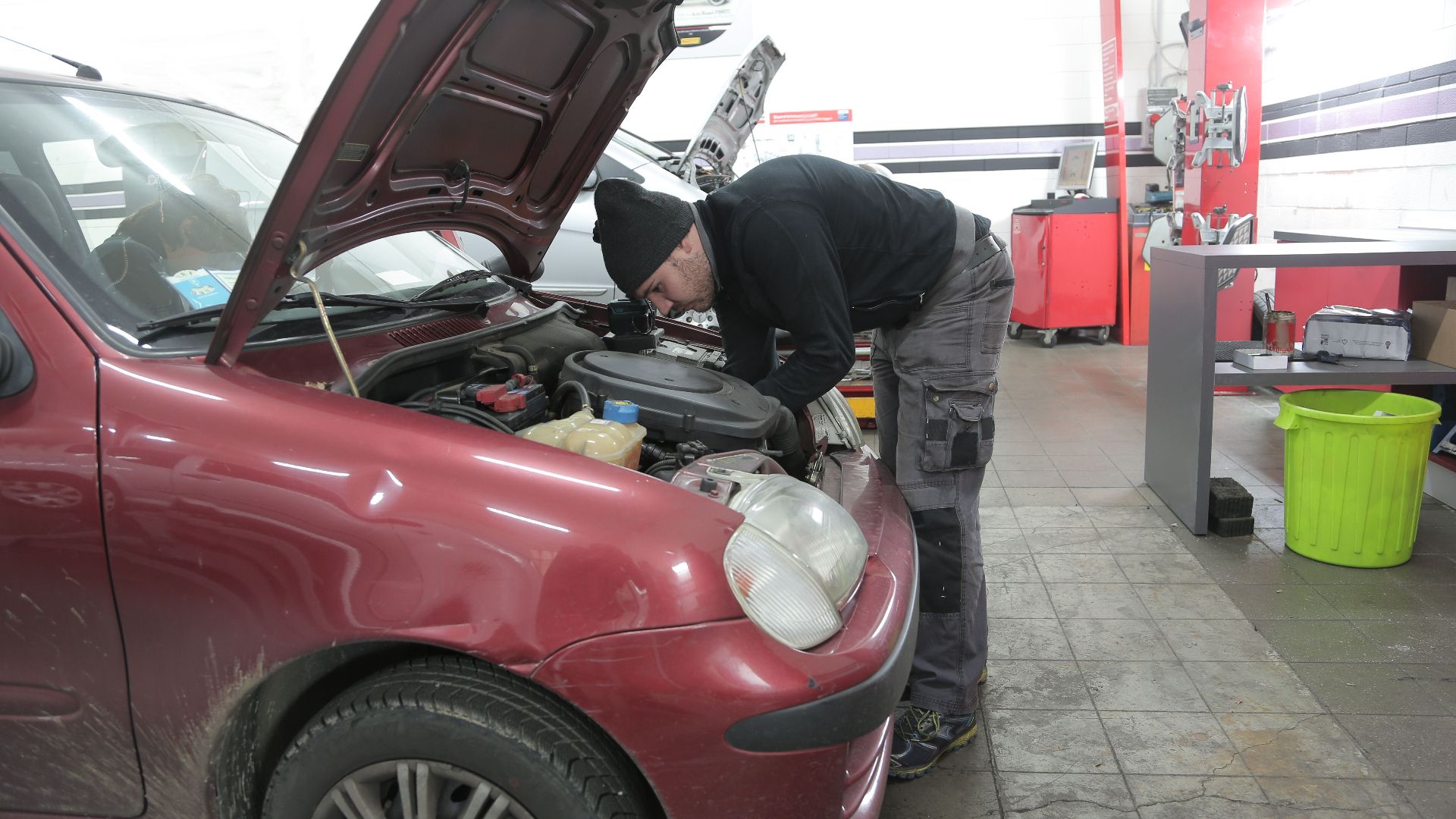
Rubber, plastic, seals, fluids, batteries, and tires continue to deteriorate with time. A stationary vehicle may look pristine while developing mechanical needs that are invisible from across the garage. Low mileage should never be confused with an absence of aging.
Tires Have A Calendar Too
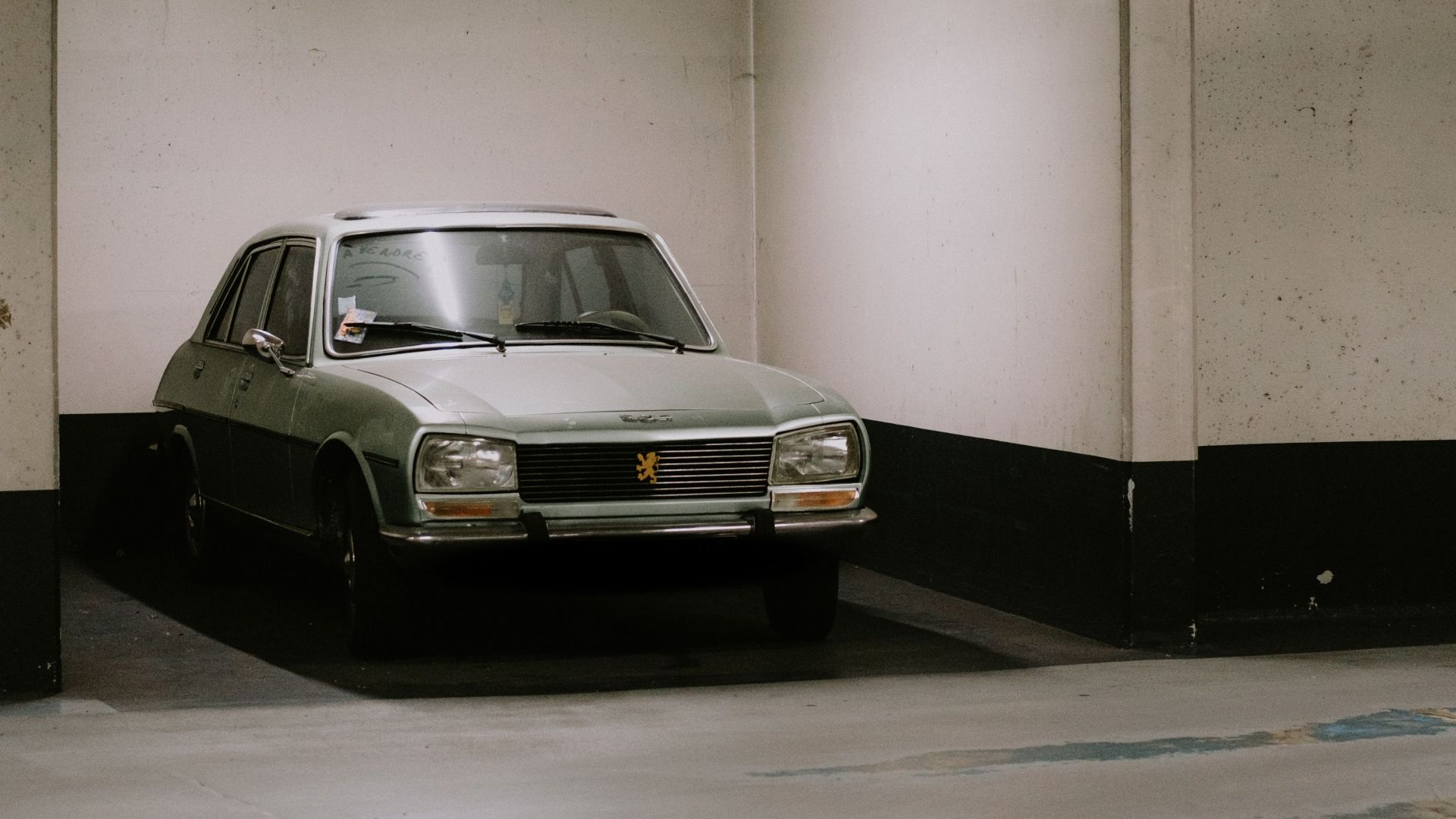
Tires deteriorate through heat, oxygen exposure, and time, even when their tread remains deep. NHTSA research has examined how tire components can degrade internally as they age. A garage-kept car may therefore require replacement tires long before it accumulates enough miles to wear them out.

Batteries Dislike Long Vacations
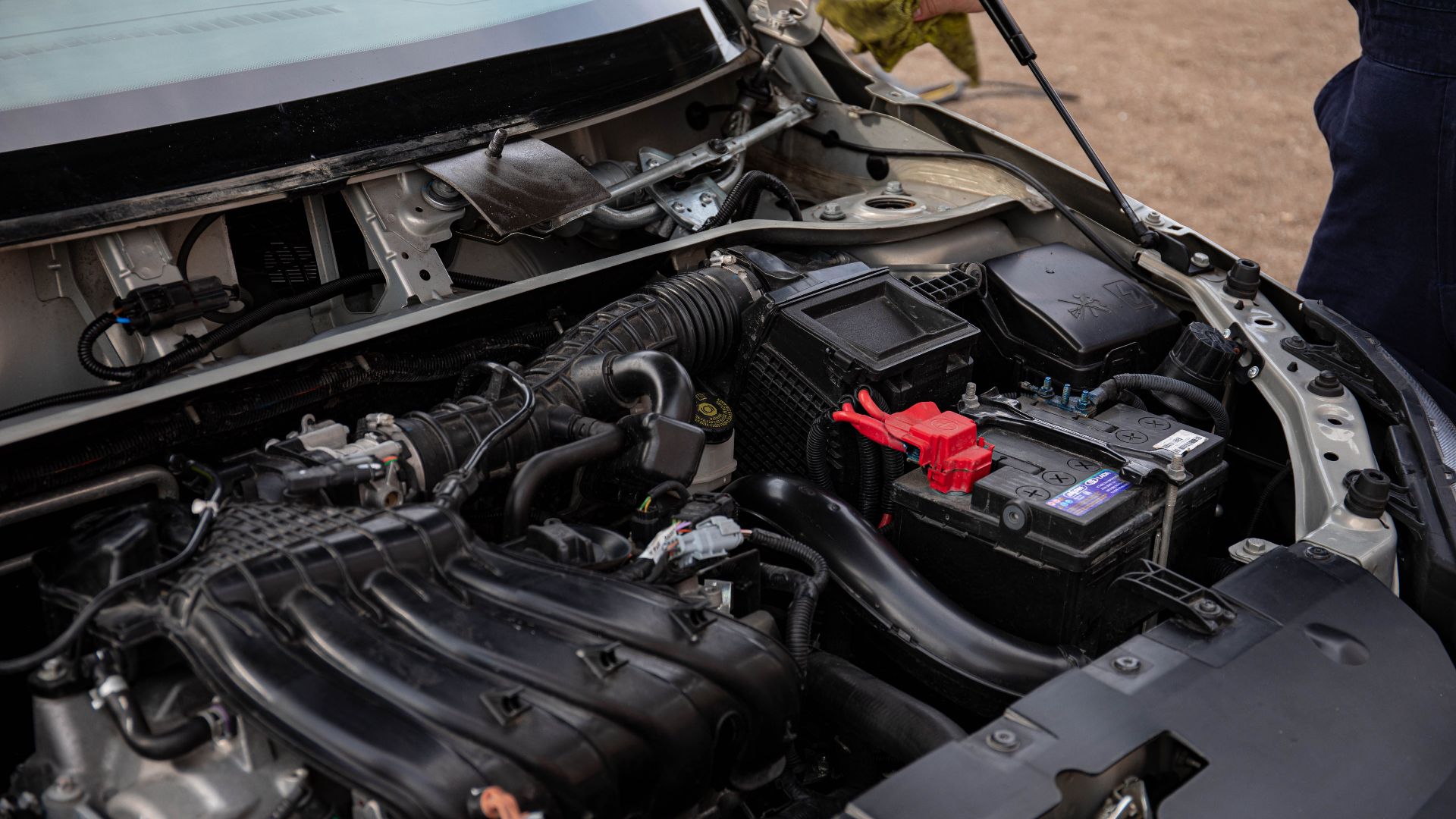
Modern cars use electrical power for alarms, computers, remote-entry systems, and other electronics while parked. Extended inactivity can discharge and damage the battery, especially if the vehicle already has a weak one. Consumer Reports recommends considering a battery tender for vehicles that are not driven regularly.
Fluids Do Not Become Timeless
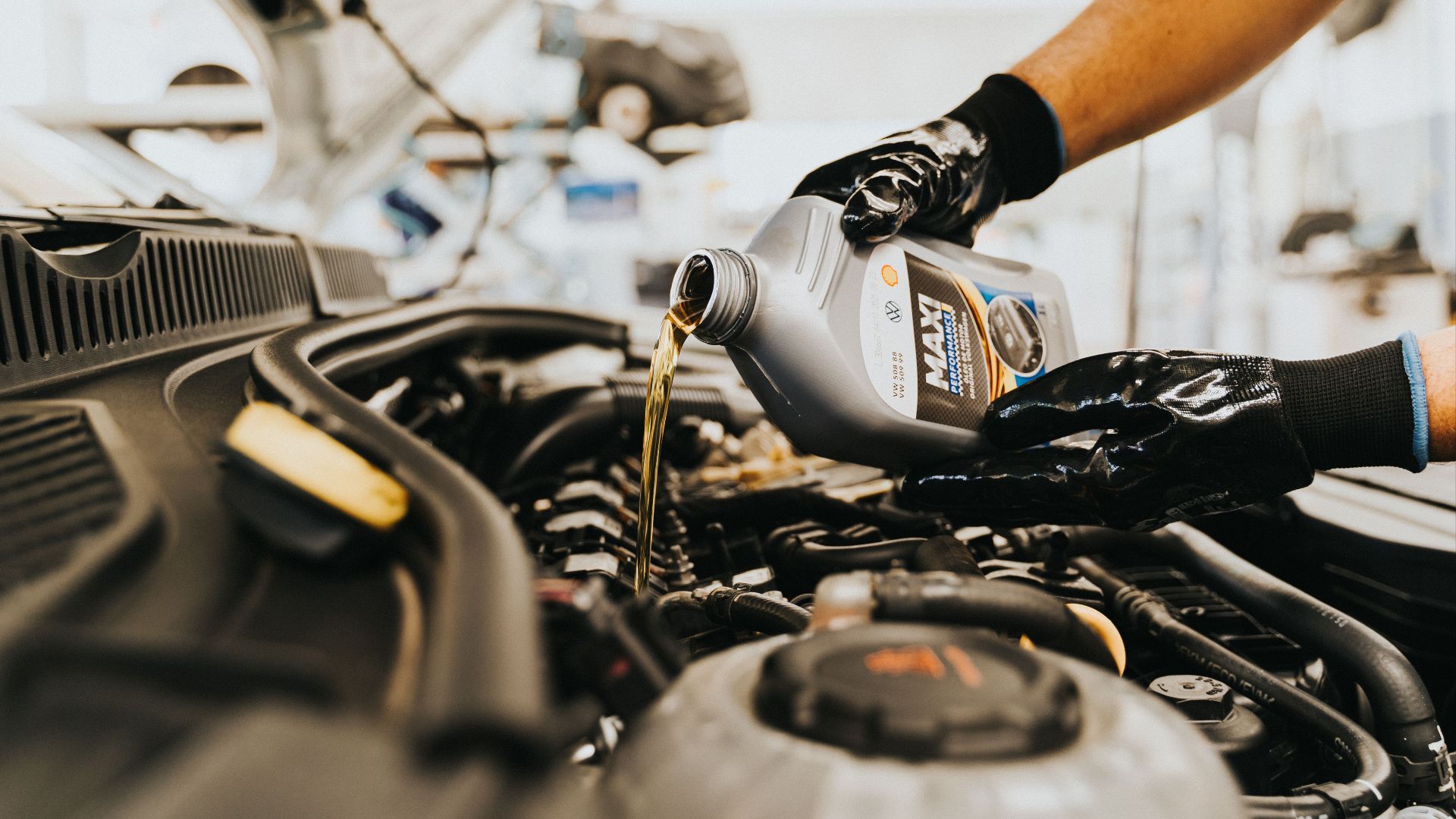
Oil, coolant, brake fluid, and other fluids may require service based on time as well as mileage. Many manufacturer schedules specify an interval followed by the phrase “whichever comes first.” Skipping maintenance because the odometer has barely moved can therefore create mechanical problems and weaken service records.
Short Starts Are Not Real Exercise
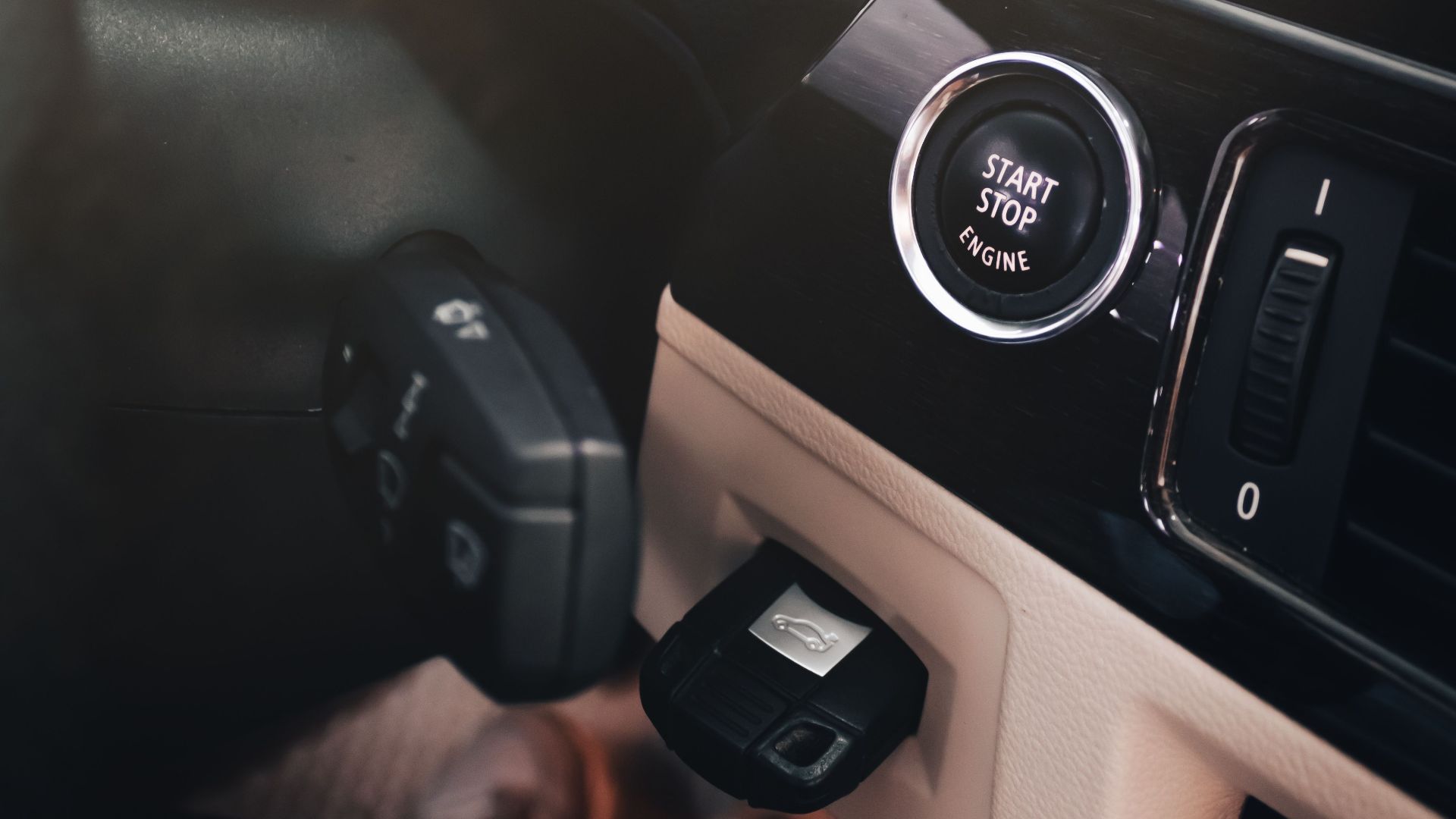
Briefly starting the engine in the garage is not the same as properly driving the car. The engine and exhaust may not reach full operating temperature, allowing moisture and combustion byproducts to remain in the system. When conditions permit, a meaningful drive is generally more useful than repeated short idling sessions.
A Sensible Drive Can Help
Regular operation circulates fluids, exercises seals, charges the battery, and allows the brakes and drivetrain to function normally. It also gives you an opportunity to notice leaks, warning lights, unusual sounds, or changes in handling. Mechanical problems are easier to address when they are discovered early rather than after years of storage.

Choose Better Miles Instead Of Zero Miles
Not every mile creates the same amount of risk or wear. A relaxed weekend drive in good weather is very different from a crowded commute involving potholes, road salt, tight parking, and constant door-ding exposure. Selective use can preserve the car without removing driving from the ownership experience.

Build A Personal Mileage Budget
A mileage budget can prevent anxiety from controlling every outing. You might reserve a realistic annual allowance for scenic drives, club events, special occasions, or weekend trips. The exact number matters less than choosing it intentionally and then allowing yourself to use it.

Avoid Imaginary Resale Calculations
Owners sometimes assume that every mile has a fixed dollar cost, but vehicle markets rarely work so neatly. Value changes depend on mileage thresholds, condition, age, specification, maintenance history, and current demand. Unless you have model-specific sales data, assigning a precise price to each mile is usually speculation.

Watch The Important Mileage Thresholds
Buyers often notice major odometer milestones such as 10,000, 25,000, 50,000, or 100,000 miles. Crossing one may affect search filters or change how the vehicle is perceived. If your car is close to a meaningful threshold and you plan to sell soon, temporarily limiting use may be reasonable.
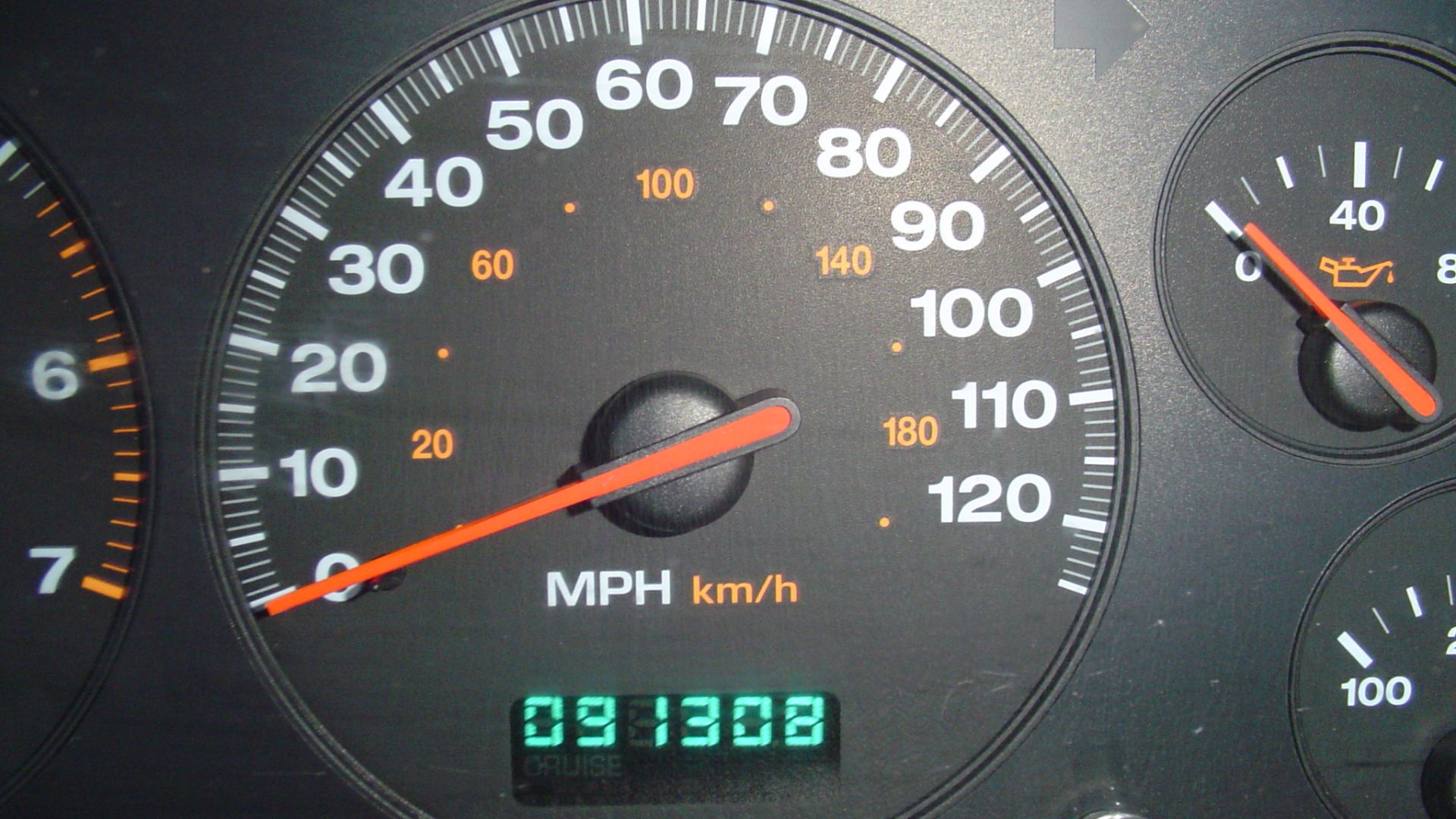 Sav127 at English Wikipedia, Wikimedia Commons
Condition Can Matter More Than Restraint
Stone chips, stained upholstery, damaged wheels, modifications, and poor repairs can affect value more than a modest increase in mileage. Careful washing, proper storage, paint protection, and prompt maintenance can preserve condition while still allowing you to drive. A clean, documented vehicle usually presents better than a neglected garage ornament.
Documentation Protects Your Story
Keep invoices, inspection reports, service records, photographs, and notes about major work. A complete history reassures buyers that mileage was accumulated responsibly and maintenance was not ignored. Records can be especially important when the car is unusual, modified, or serviced by a recognized specialist.

Make Sure The Insurance Fits
Standard auto insurance commonly values vehicles using depreciation and market comparisons. Collector policies may instead offer agreed-value coverage, under which the owner and insurer establish the insured amount in advance. Usage rules vary, so review restrictions before assuming that every type of driving is covered.

Some Collector Policies Allow Real Driving
Specialty insurance does not always impose a tiny fixed mileage limit. Progressive’s collector program through Hagerty advertises flexible pleasure use without fixed mileage restrictions, although the vehicle generally cannot serve as a regular daily driver. The policy language, storage requirements, and driver eligibility still need to match your situation.

Protect It Without Becoming Trapped
You can reduce risk through secure parking, careful route selection, appropriate insurance, roadside assistance, and defensive driving. Avoiding severe weather or salted winter roads may make sense for a special vehicle. Refusing to drive on any pleasant day because something could happen eventually defeats the reason many people wanted the car.
Consider A Less Precious Alternative
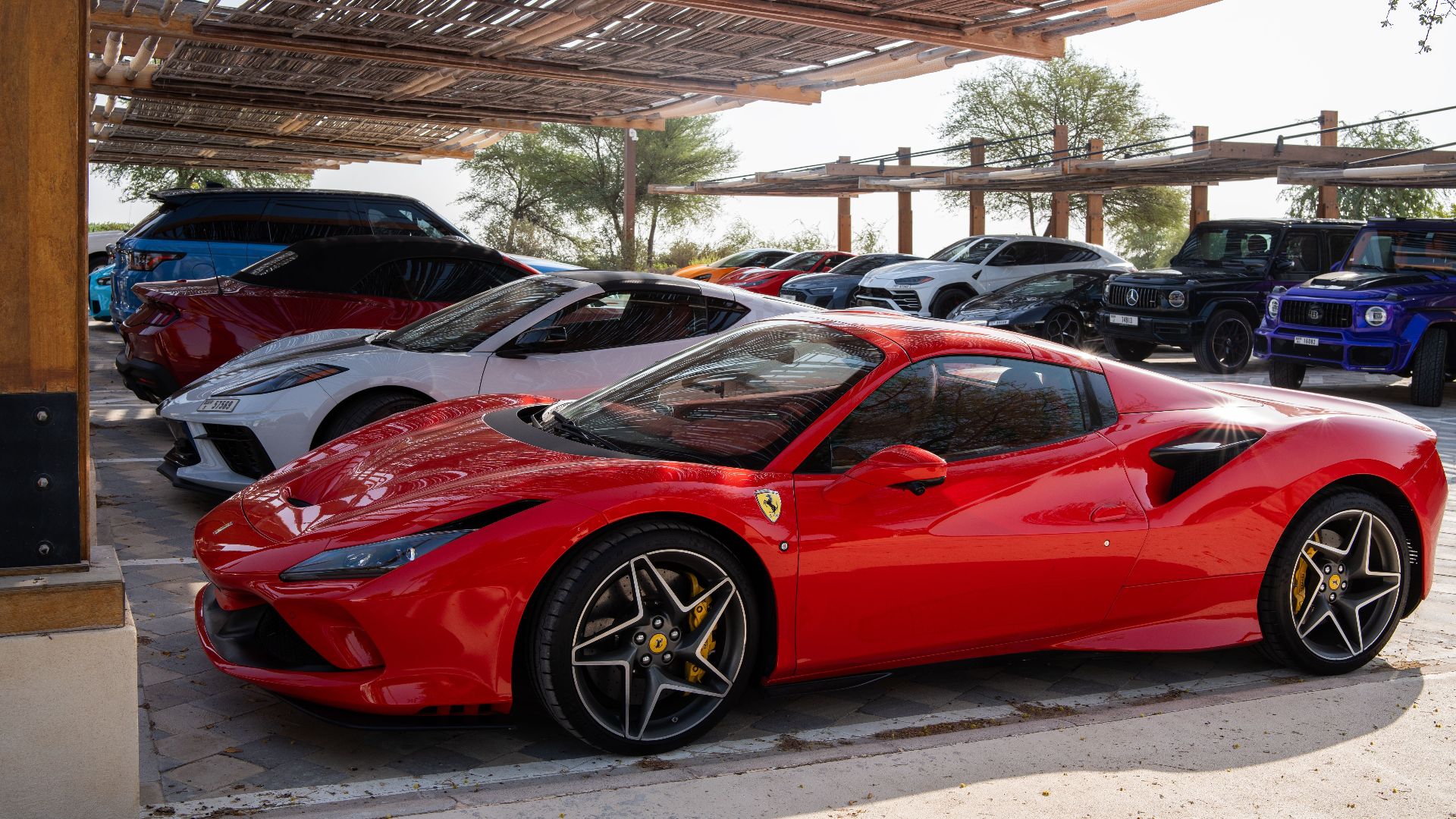
If the car’s mileage is central to its value, adding a second enthusiast vehicle may solve the conflict. A higher-mileage example of the same model can provide much of the experience with less anxiety. This is only sensible when the added insurance, storage, maintenance, and purchase costs fit comfortably within your budget.

Selling May Be More Honest Than Storing
Sometimes the ownership experience reveals that the car is more valuable to you as money than as transportation. Selling is reasonable if every drive creates stress or if preserving the car has become an unwanted responsibility. Another owner may be delighted to preserve it, while you can choose something you will use more freely.

Your Dream Was Probably About Driving
A truly exceptional preservation car may deserve carefully limited mileage, but most dream cars do not need to become museum pieces. Drive it thoughtfully, maintain it properly, document everything, and accept that enjoyment has value even when it cannot be recovered at resale. The best ownership plan is one that preserves both the vehicle and the reason you wanted it.

You May Also Like:
https://www.factinate.com/fabe/tailor/entries/blog-post/58625