They Fit Perfectly, So What's The Problem?
The tires look great. They fit your wheels, clear the bodywork, and seem to drive just fine, so why is your dealership suddenly warning that they could cause trouble with your warranty?
Your Dealer Might Have A Point
A tire can physically fit your vehicle without meeting the manufacturer's specifications. Tire dimensions affect more than appearance, including load capacity, handling, and the operation of certain electronic systems. The National Highway Traffic Safety Administration recommends using the original tire size or another size approved by the vehicle manufacturer. That doesn't automatically mean your dealer is right about the warranty, but the warning deserves attention.
The First Thing To Check Is Your Door Sticker
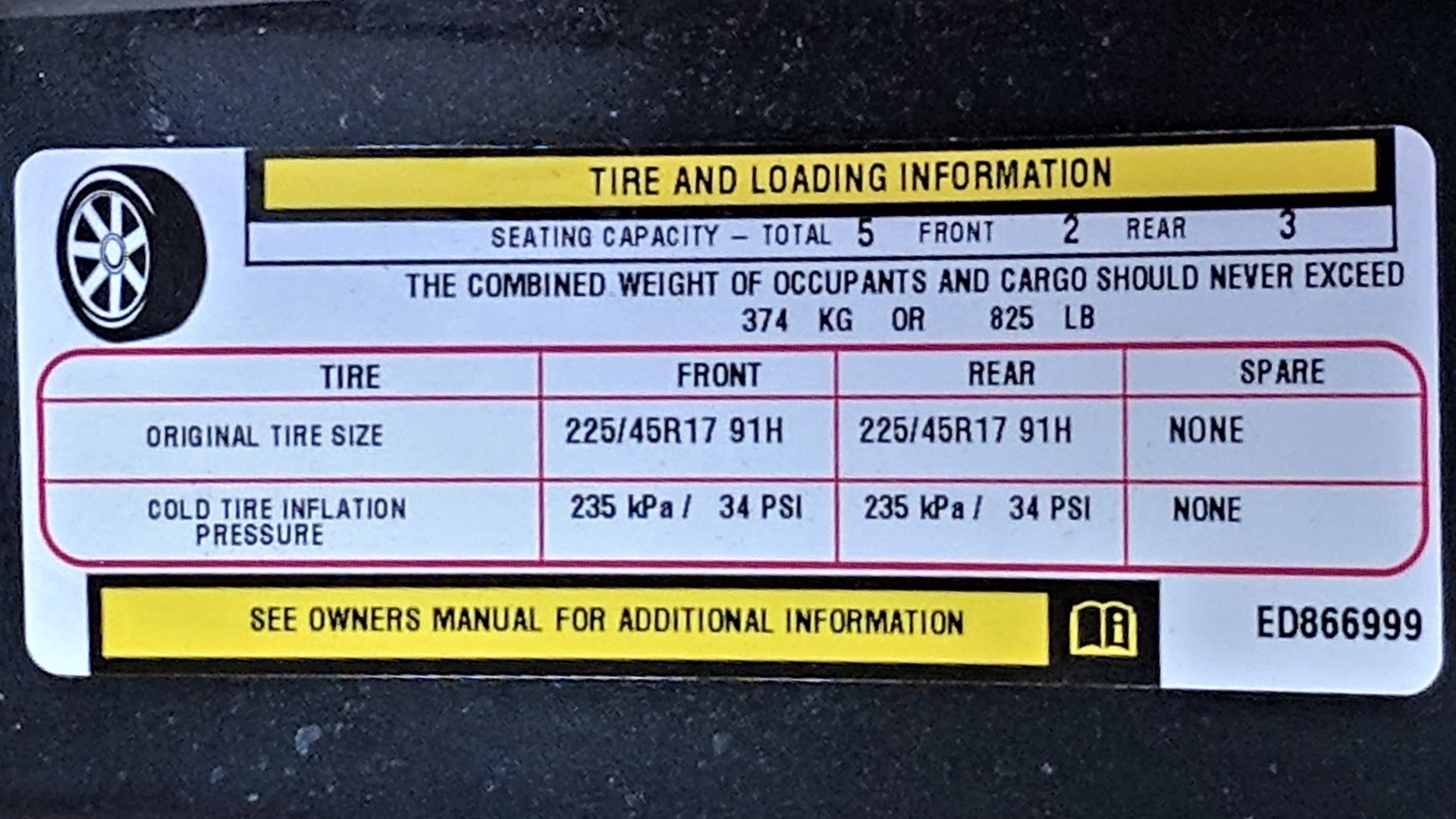
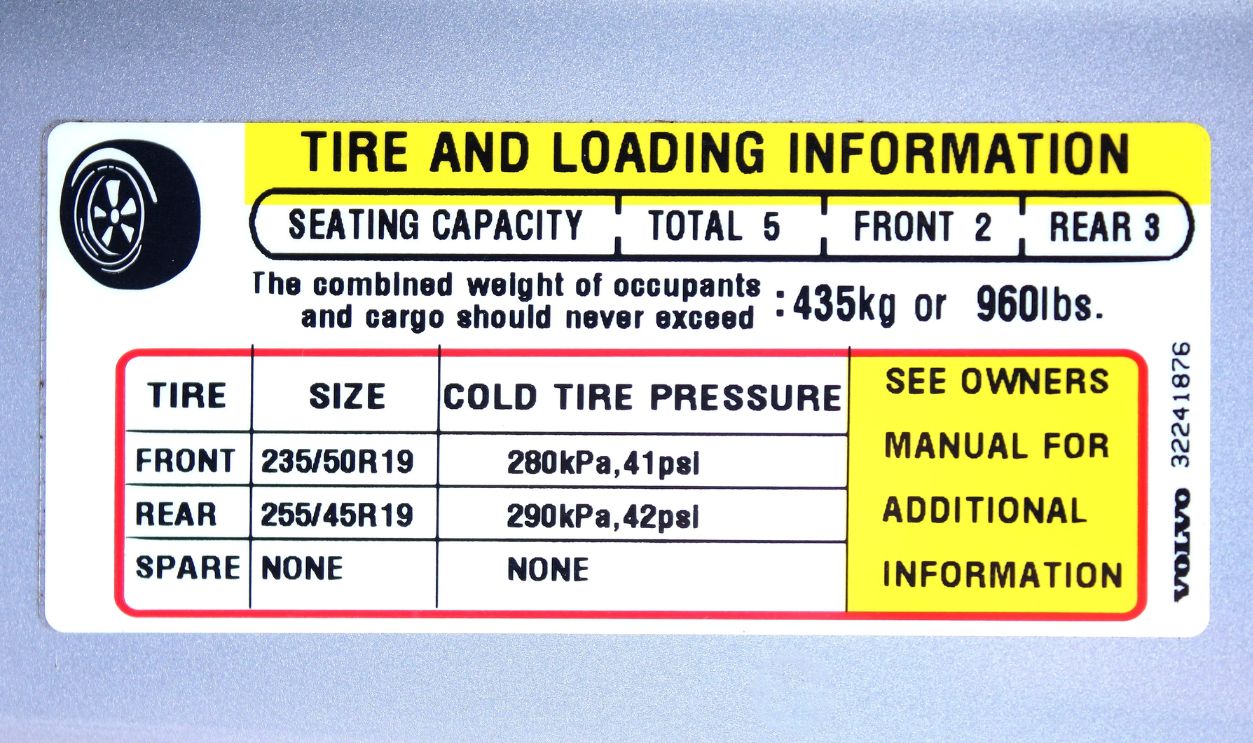
Open the driver's door and look for the tire information label on the door edge or pillar. It lists the manufacturer's recommended tire size and cold inflation pressure, often alongside other loading information. NHTSA identifies this label and the owner's manual as the primary references when choosing replacement tires. If the numbers on your current tires are different, you've found the starting point for investigating the dealership's concern.
Those Numbers On The Sidewall Actually Matter
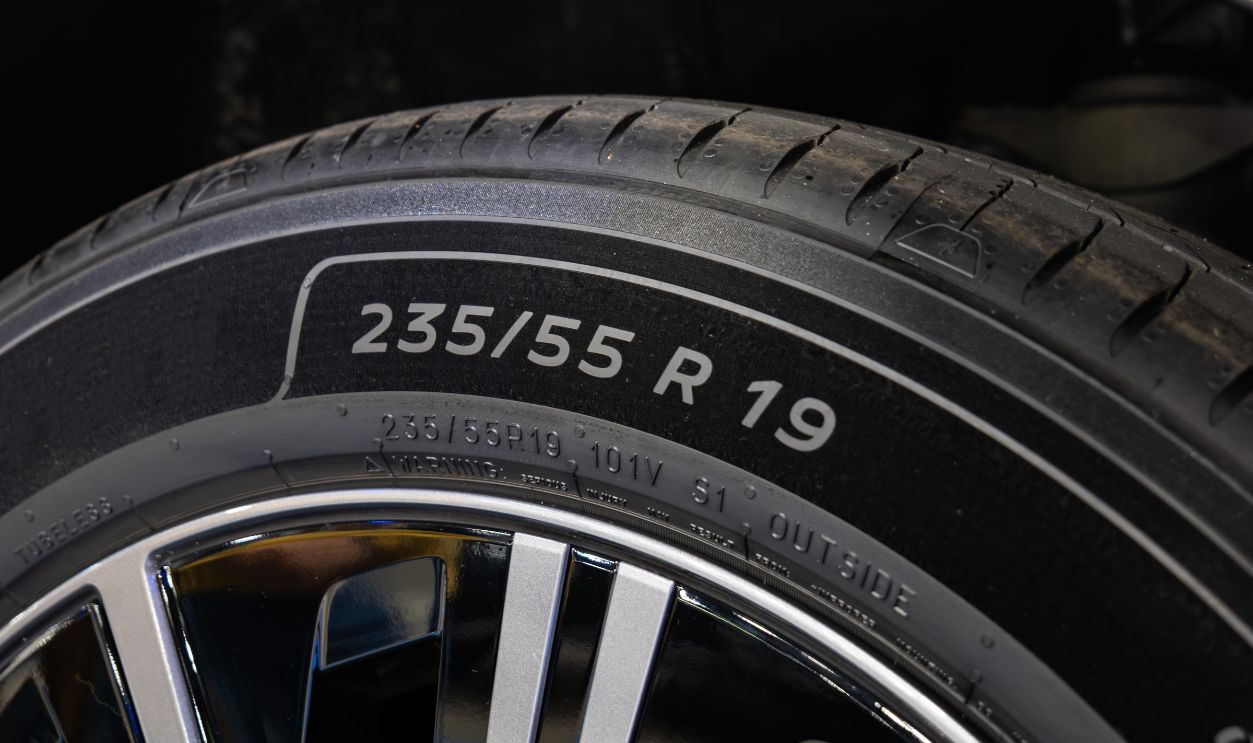
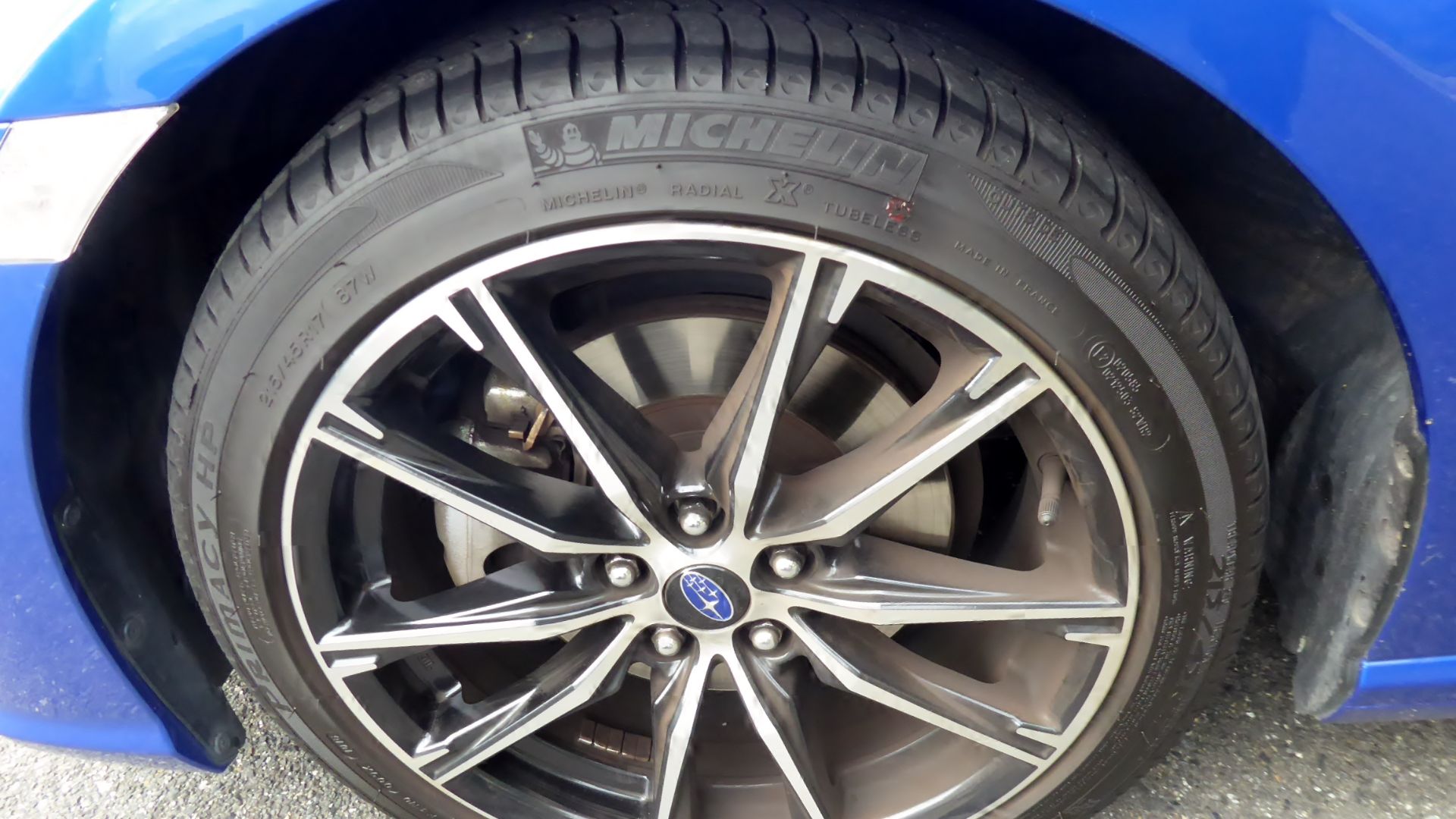
A tire marked 235/55R18 contains several important pieces of information. The 235 indicates its nominal section width in millimeters, while 55 describes the sidewall height as a percentage of that width. The R identifies radial construction, and 18 specifies the wheel diameter in inches. Michelin explains that these measurements help determine whether a tire is suitable for a particular vehicle.
A Tire Can Fit Without Being Correct
Just because a tire mounts onto a wheel doesn't mean it's appropriate for that vehicle. Discount Tire explains that tire fitment also involves wheel width, overall diameter, load capacity, and clearance around suspension components. A tire might appear perfectly normal while parked but create problems under different driving conditions. Proper fitment requires checking specifications, not simply looking at the finished installation.
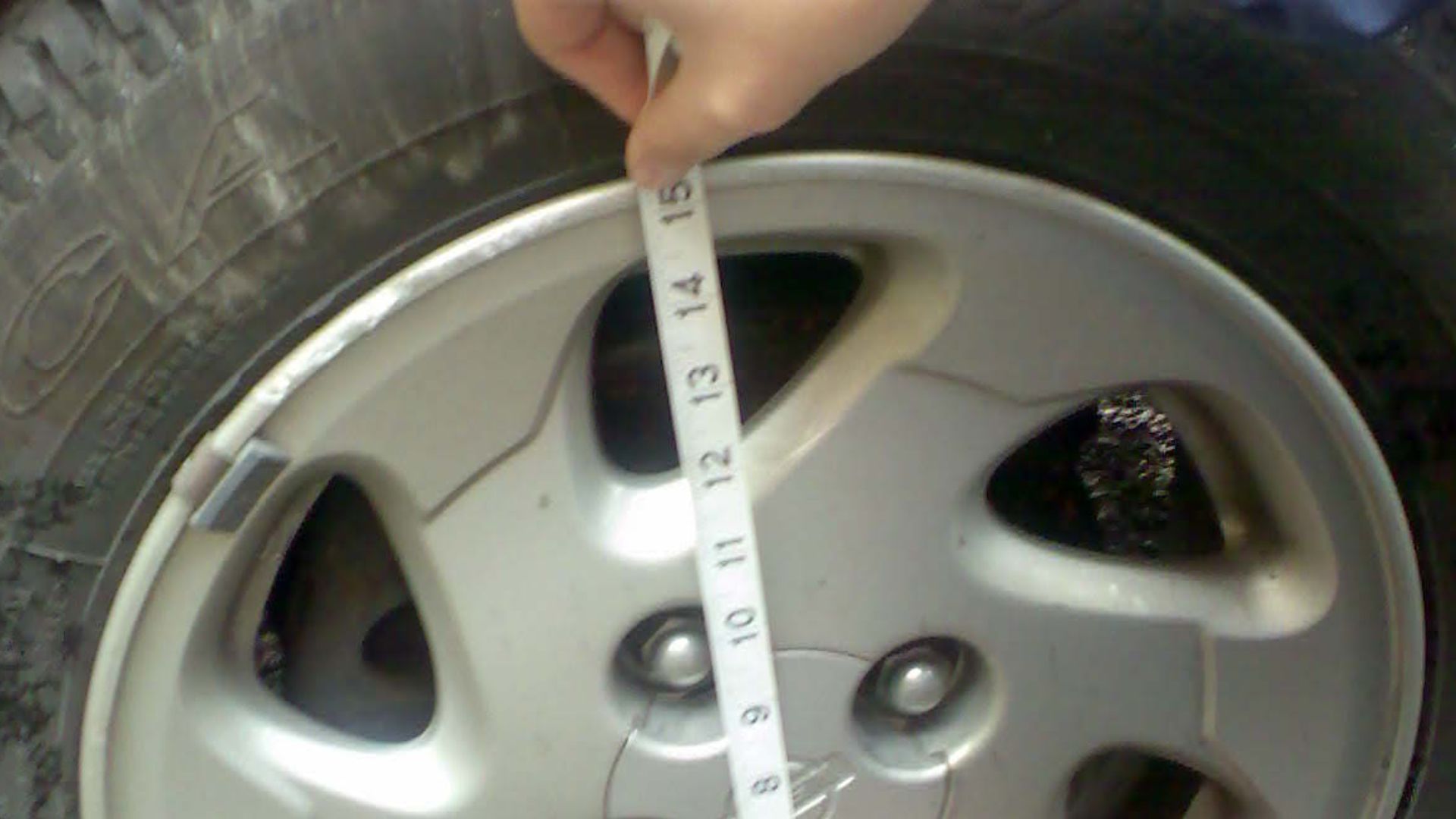 The original uploader was Rossog at English Wikipedia., Wikimedia Commons
The Diameter Is More Important Than You Think
A tire's overall diameter determines how far the vehicle travels during each wheel revolution. Changing that diameter can affect the speedometer, odometer, gearing, and other systems that depend on wheel-speed information. Michelin specifically warns that changing tire and wheel diameter can influence traction control, stability control, and braking behavior. That's why two tires that look almost identical can still behave differently.
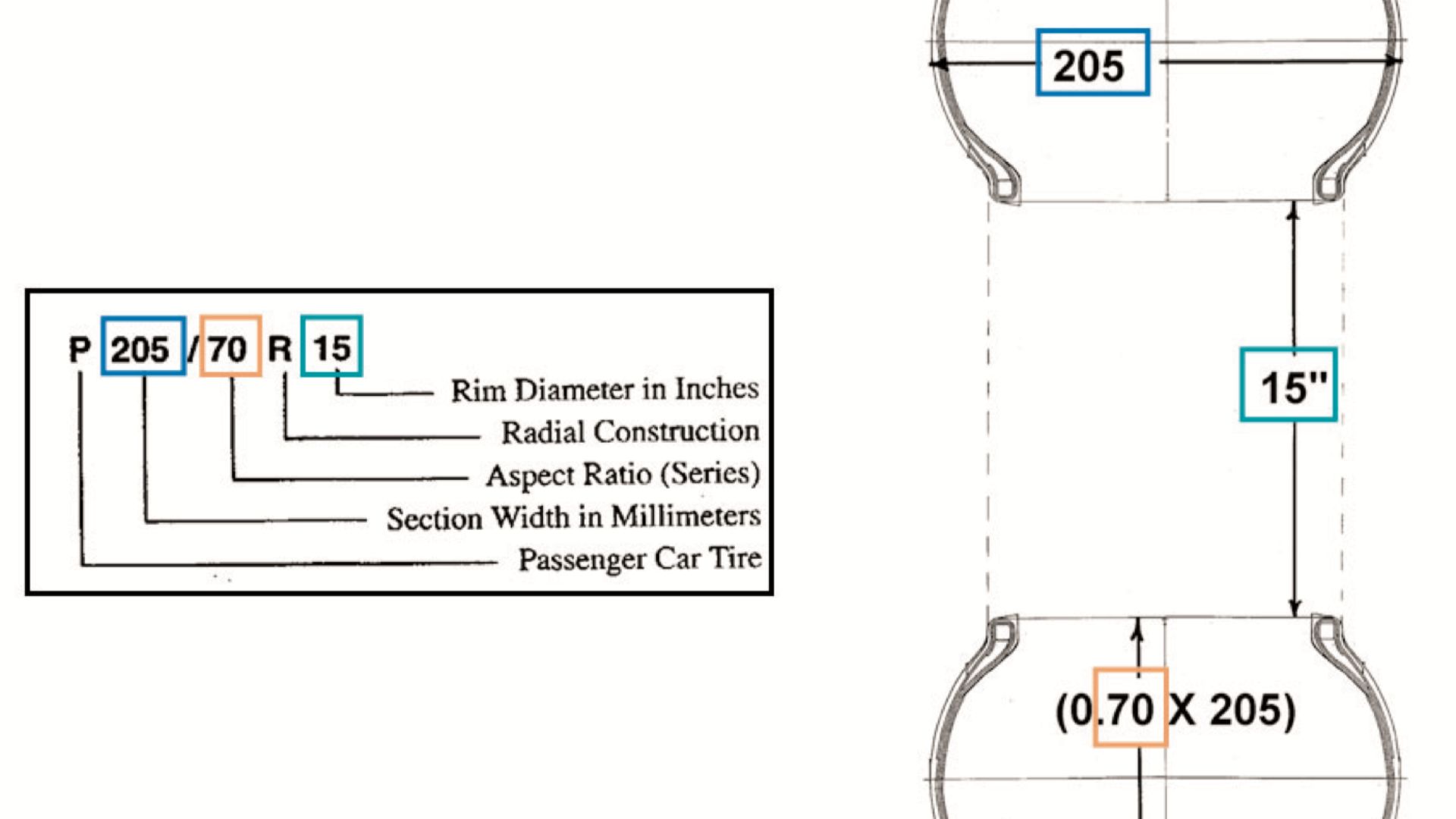 Employee of the U.S. Department of Transportation, Wikimedia Commons
Your Speedometer Could Be Lying
Suppose you replace your original tires with a taller set. Because each revolution now covers more distance, your actual road speed can be higher than the speedometer indicates. Tire Rack confirms that increasing tire diameter generally causes the speedometer to underreport speed. Smaller-diameter replacements produce the opposite effect, making the speedometer read faster than the vehicle is actually traveling.
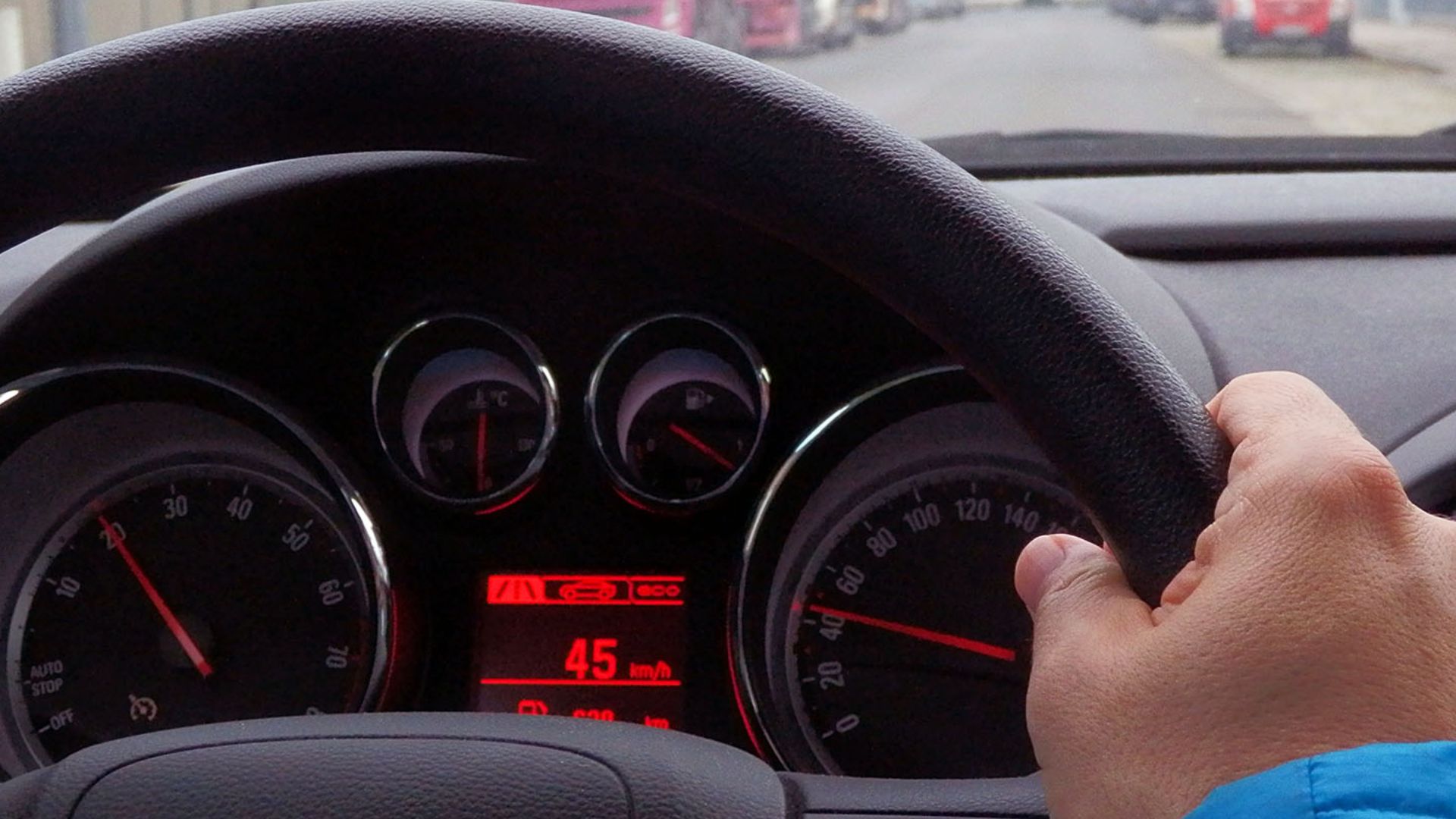
Even Your Mileage Reading Can Change
The odometer is another instrument affected by changes in tire diameter. Discount Tire explains that altering the number of wheel revolutions required to travel a mile changes how the vehicle calculates distance. Taller tires can cause the odometer to record fewer miles than the vehicle actually travels. This is another reason tire size isn't simply a matter of whether the rubber clears the fenders.
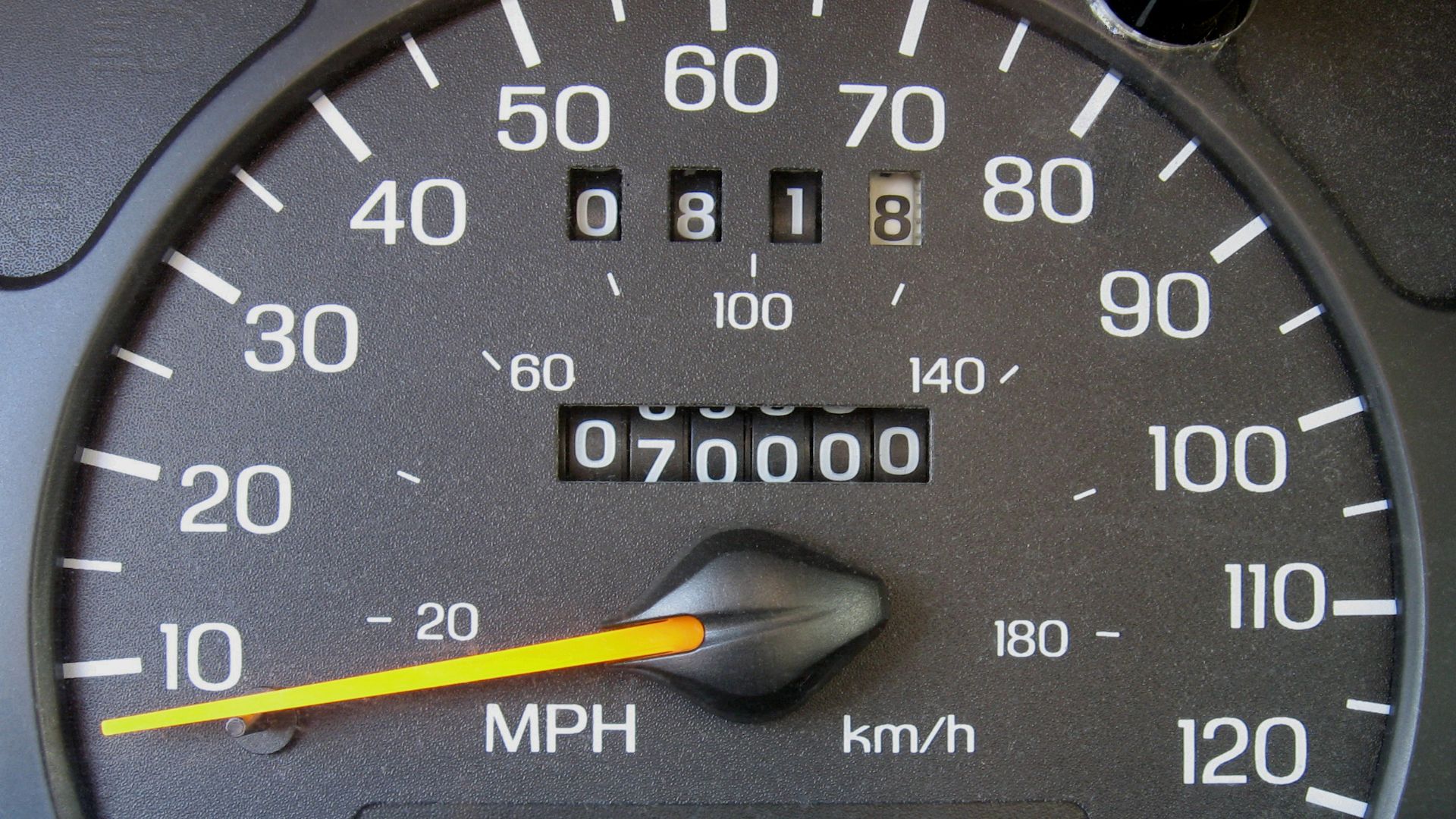 Downtowngal, Wikimedia Commons
Your Safety Systems Were Calibrated For Something
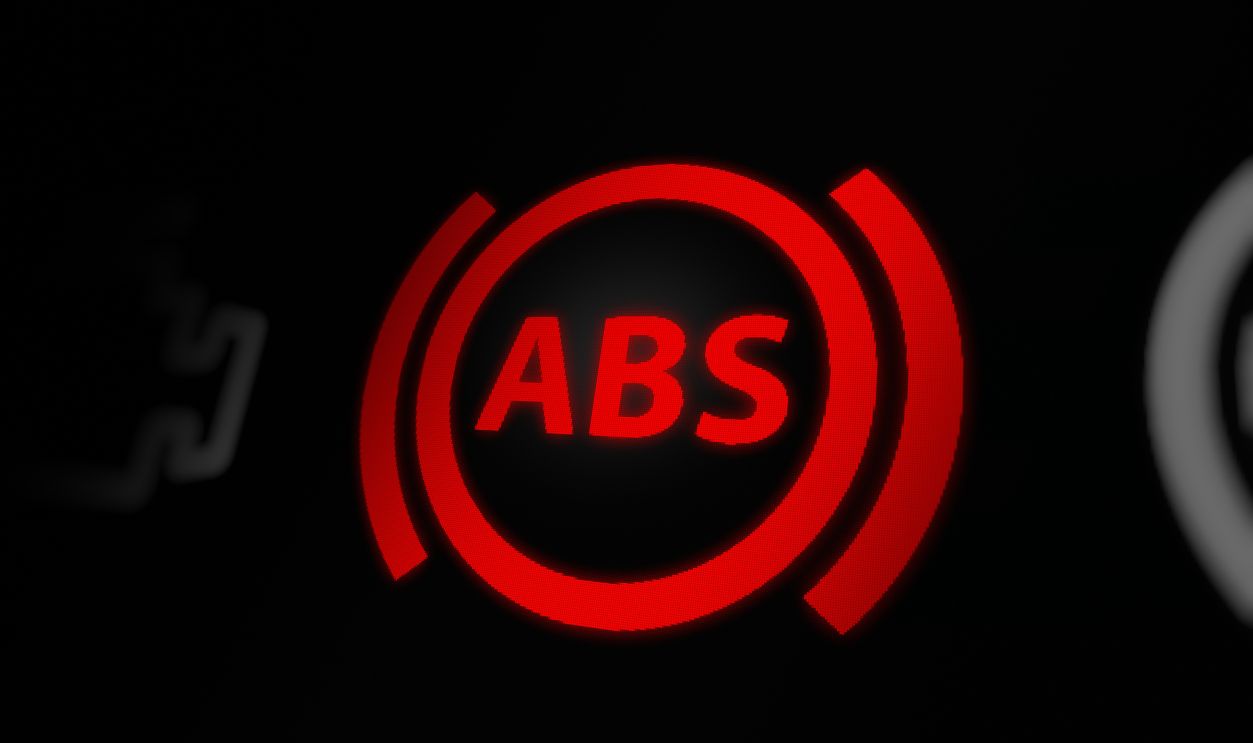
Modern vehicles use wheel-speed information in systems such as anti-lock braking, traction control, and electronic stability control. Michelin warns that changes in tire diameter can affect the operation of these systems. That doesn't mean every small tire-size change will cause a malfunction. It does mean that compatibility should be checked against the vehicle manufacturer's requirements rather than judged by appearance alone.
The Transmission Can Notice Different Tires
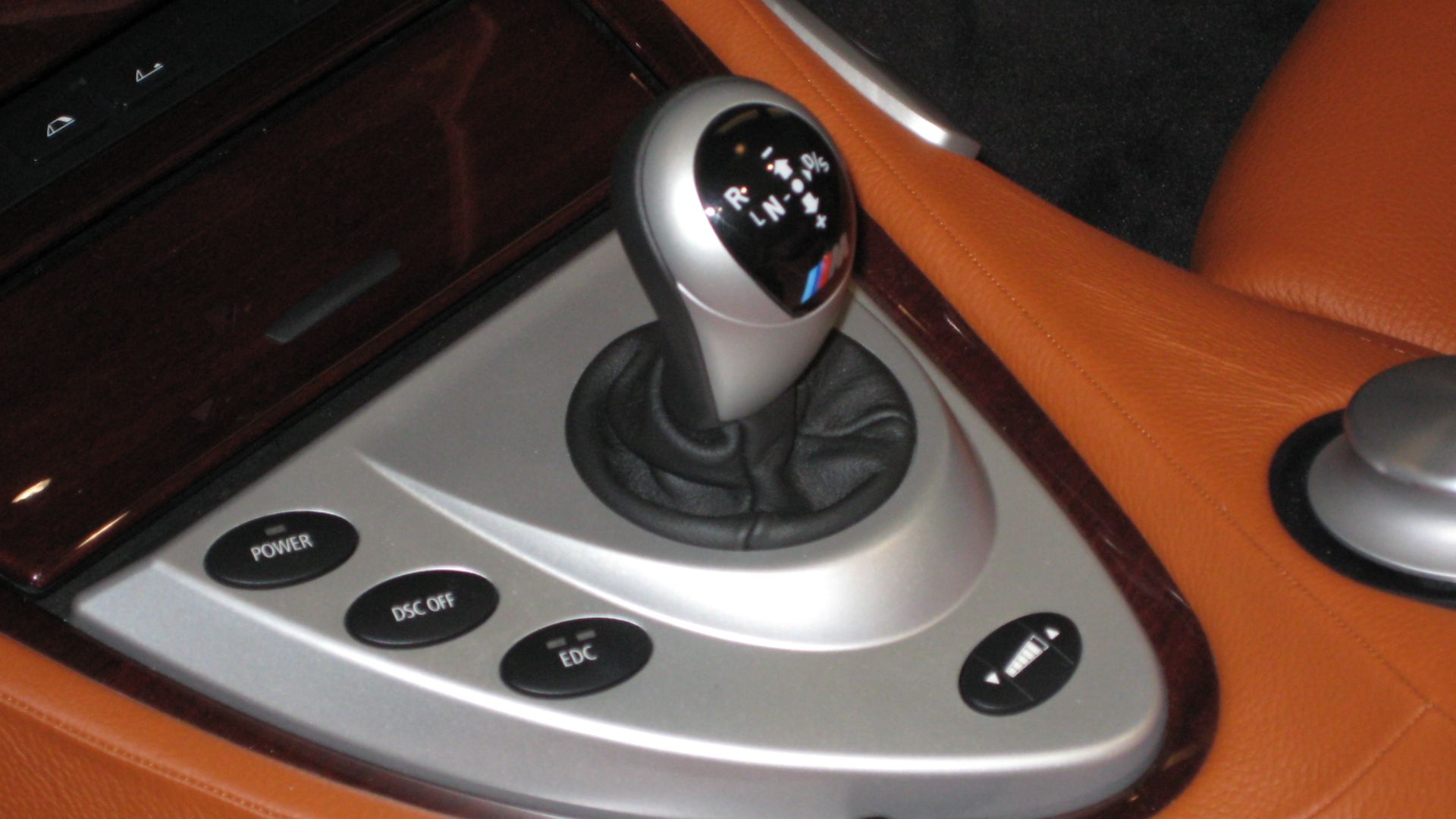
Tire diameter can also change the effective gearing between the engine and the road. Discount Tire notes that size changes may affect automatic transmission shift points, particularly when overall diameter changes significantly. The vehicle may therefore behave differently even though no transmission components were modified. A tire upgrade that seems cosmetic can have consequences beyond the wheels themselves.
 Hatsukari715, Wikimedia Commons
Wider Tires Aren't Automatically Better
A wider tire can change the vehicle's steering response and handling characteristics. Michelin explains that wider tires are sometimes used to improve grip, but the benefits depend on choosing an appropriate tire and wheel combination. Discount Tire also warns that larger or wider tires can create clearance problems. Bigger rubber isn't necessarily an upgrade if it compromises the vehicle's intended operation.

Rubbing Might Happen Only While Driving
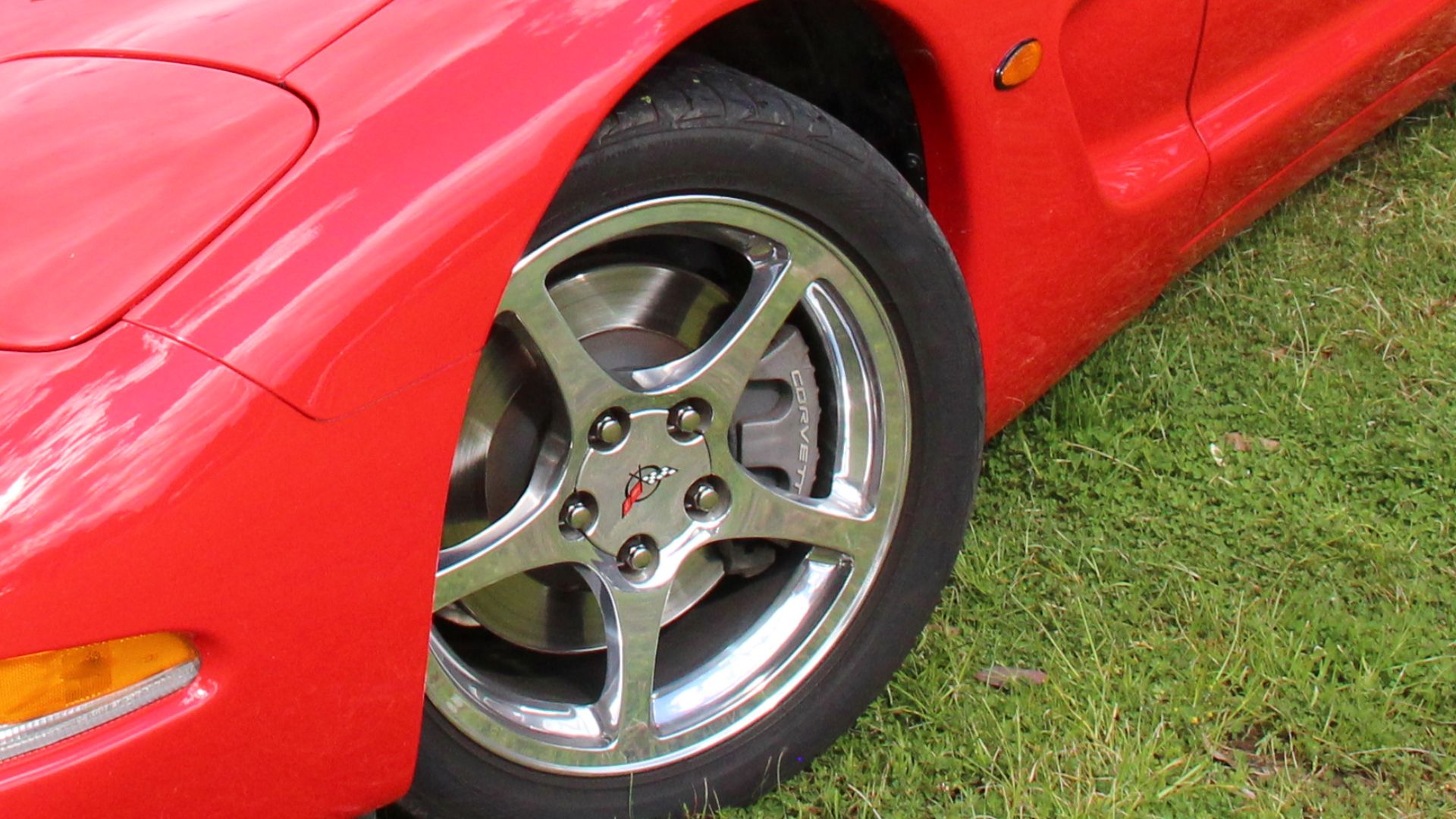
A tire can clear the fender while the vehicle is parked and still make contact when the suspension moves. Discount Tire recommends checking clearance at full steering lock and throughout the suspension's travel. Wider tires can also interfere with wheel-well liners or nearby suspension components. That means a quick visual inspection in the driveway isn't enough to establish proper fitment.
Your Wheel Width Is Part Of The Equation
Tire manufacturers specify an approved range of wheel widths for each tire model and size. Discount Tire warns that mounting a tire outside that range can affect handling, wear, and safety. A tire that's too wide or too narrow for its wheel may behave differently from the manufacturer's intended design. Even when the bead seats correctly, the combination still needs to meet the applicable specifications.
 Tokumeigakarinoaoshima, Wikimedia Commons
The Load Rating Could Be The Bigger Problem
A tire's load index indicates how much weight it is designed to support under specified conditions. Michelin advises that replacement tires must have load-carrying capacity equivalent to or greater than the vehicle's requirements. NHTSA similarly emphasizes that replacement tires must have adequate load capacity. A tire with an unsuitable load rating is a much more serious concern than a minor cosmetic difference.
The Speed Rating Matters Too
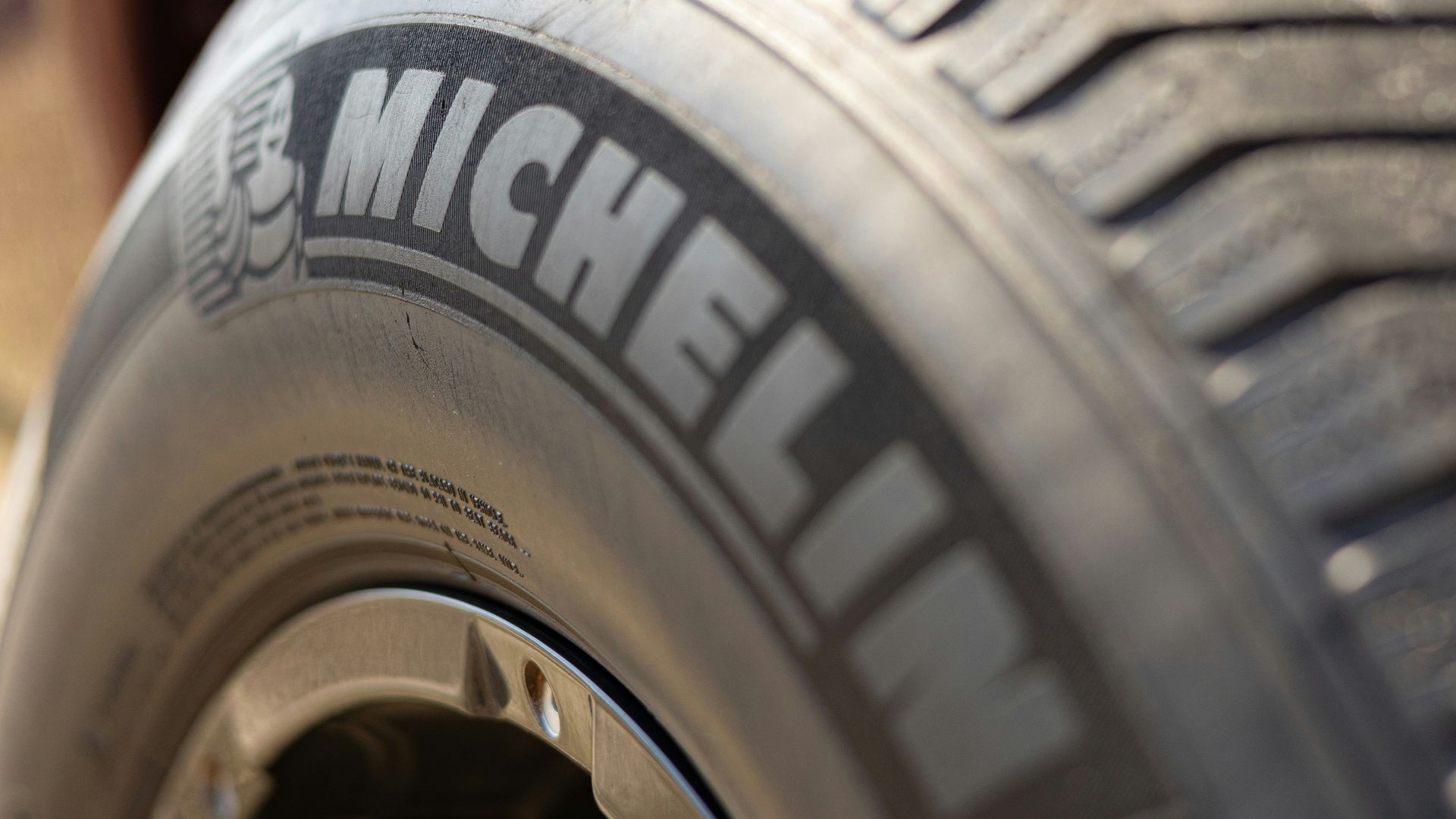
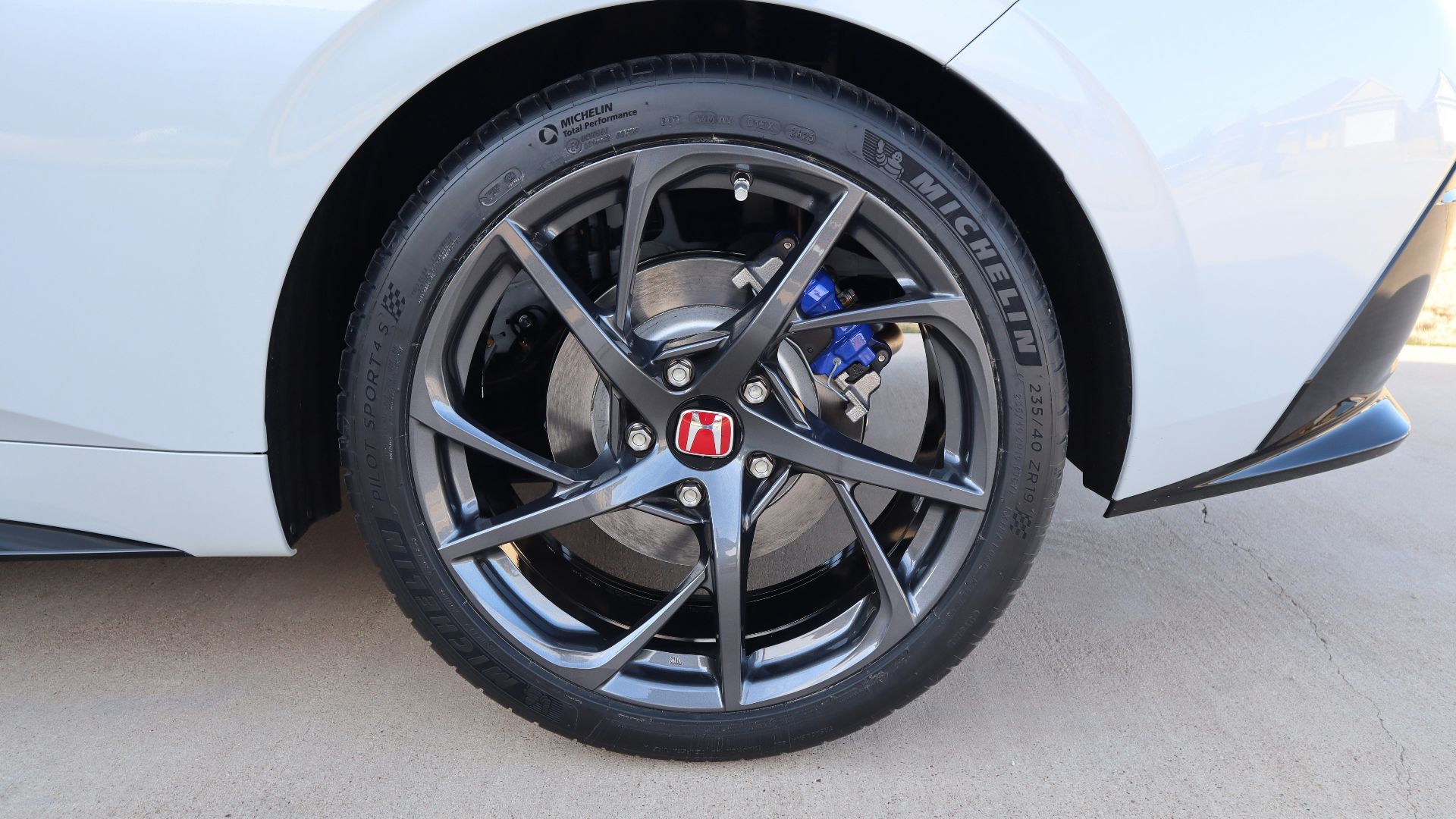
Another marking on the sidewall identifies the tire's speed rating. Michelin recommends selecting replacement tires with a speed rating equal to or greater than the original specification, subject to vehicle-specific requirements. A lower-rated tire can change the vehicle's permitted operating limits and performance characteristics. Michelin also notes that certain winter-tire applications may use lower speed ratings, provided the appropriate restrictions are understood.
All-Wheel Drive Adds Another Complication
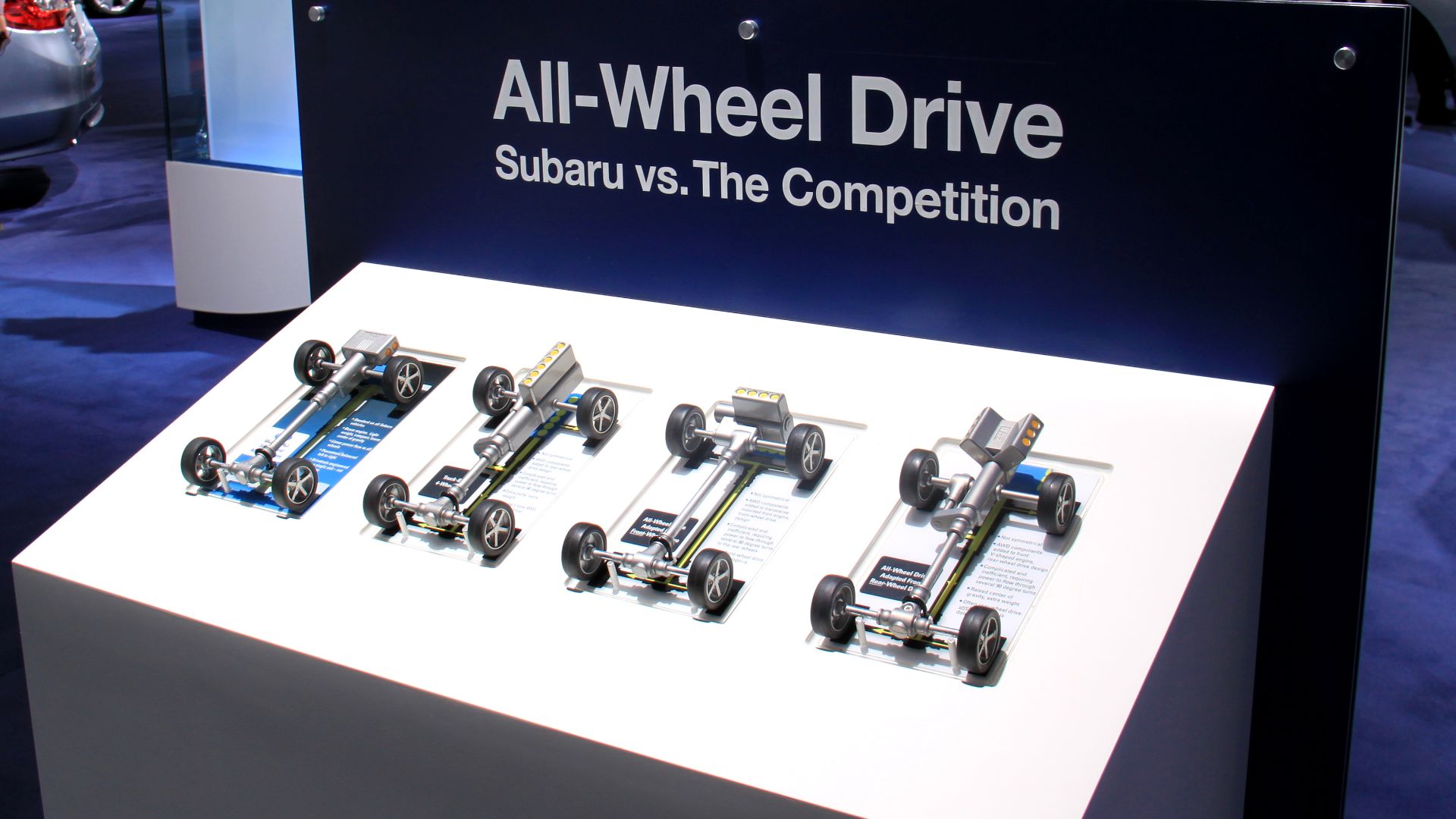
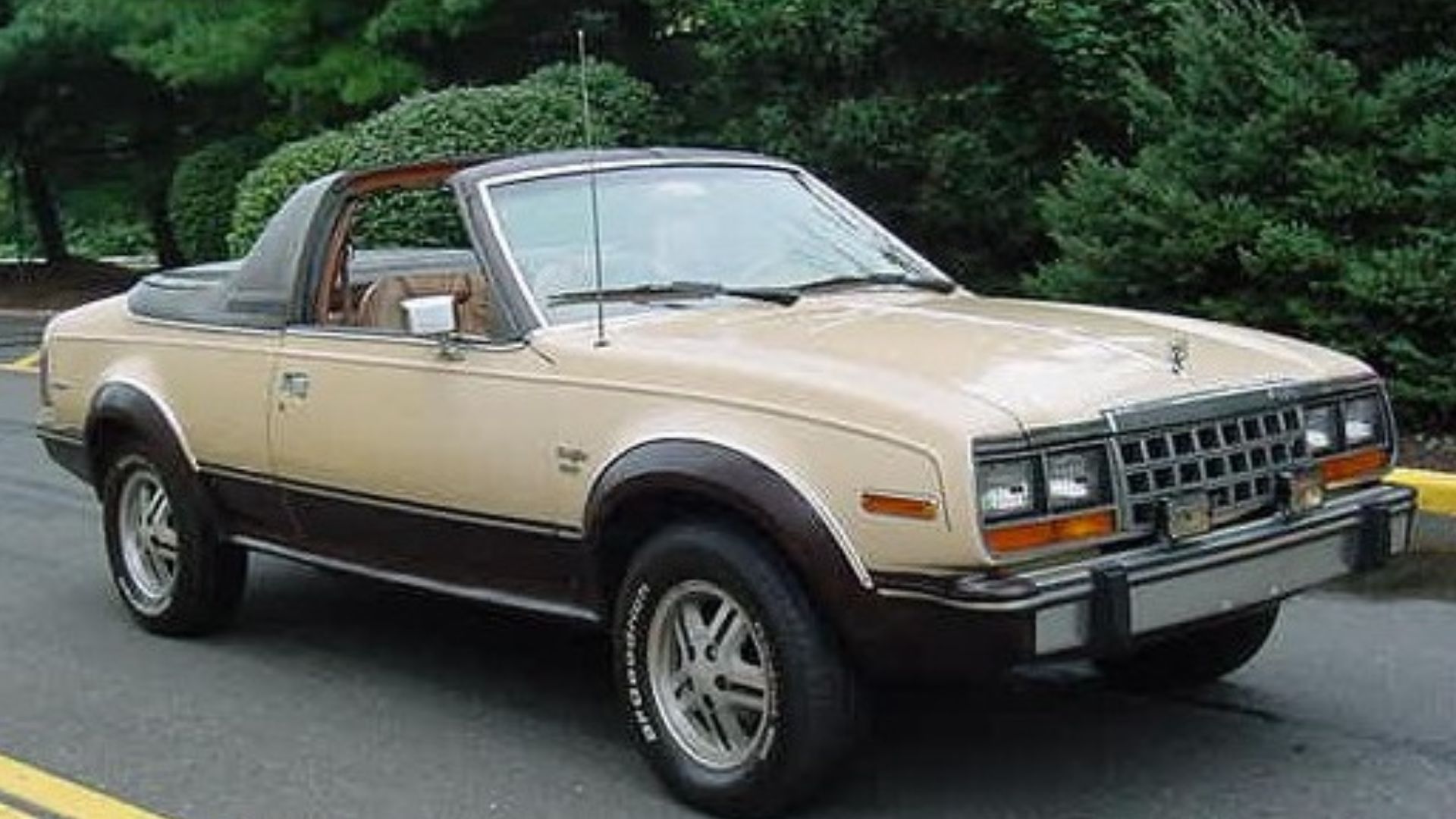
On an all-wheel-drive vehicle, the relationship between tire sizes can be especially important. Michelin recommends using matching tire sizes and types across all four wheel positions unless the vehicle manufacturer specifies otherwise. Differences in rolling characteristics can interfere with the intended operation of certain drivetrain systems. A setup that works on one vehicle may therefore be inappropriate for another.
 Joseph Brent, Wikimedia Commons
Different Front And Rear Tires Aren't Always Wrong
Some vehicles leave the factory with different tire sizes on the front and rear axles. This arrangement is commonly called a staggered fitment, and Michelin identifies it as a manufacturer-designed configuration on certain vehicles. The important distinction is whether the vehicle was engineered or approved for that combination. Installing different sizes without checking the specifications is not the same as using an original factory arrangement.
There Is A Legitimate Way To Change Tire Sizes
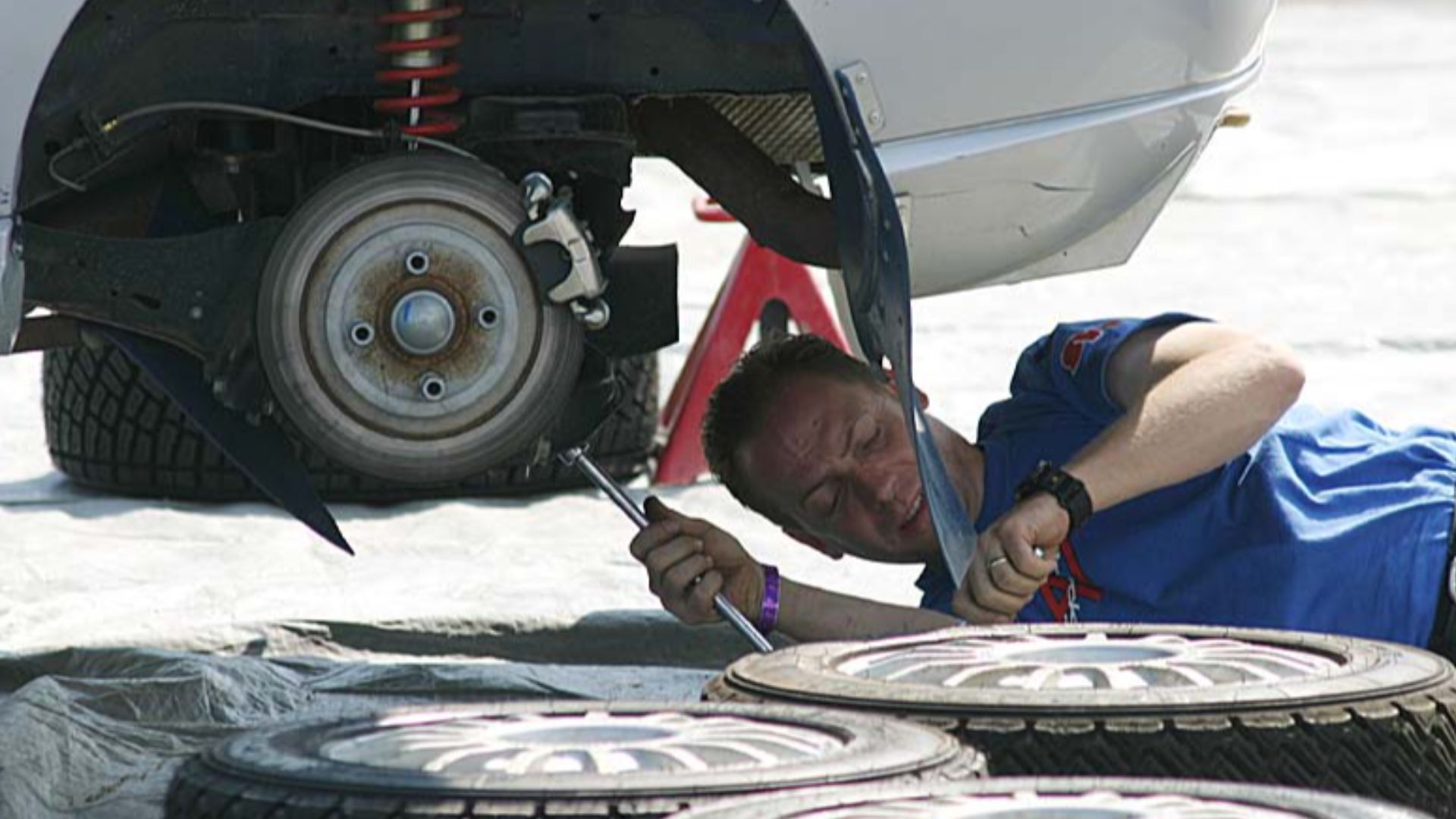
Changing tire size isn't automatically unsafe or unreasonable. Michelin describes plus sizing, where a larger wheel diameter is paired with a shorter tire sidewall to maintain approximately the original overall tire diameter. When done correctly, the approach can change the vehicle's appearance and handling characteristics without substantially altering its rolling circumference. However, Michelin recommends checking manufacturer restrictions before making the change.
 User Interiot on en.wikipedia, Wikimedia Commons
A Bigger Wheel Doesn't Require A Taller Tire
Many drivers confuse wheel diameter with overall tire diameter. A vehicle can move from a smaller wheel to a larger one while using a lower-profile tire to preserve nearly the same overall dimensions. Michelin explains that this is the basic principle behind conventional plus sizing. The wheel becomes larger, but the tire's overall height can remain close to the original specification.
That Three Percent Rule Isn't A Warranty Guarantee
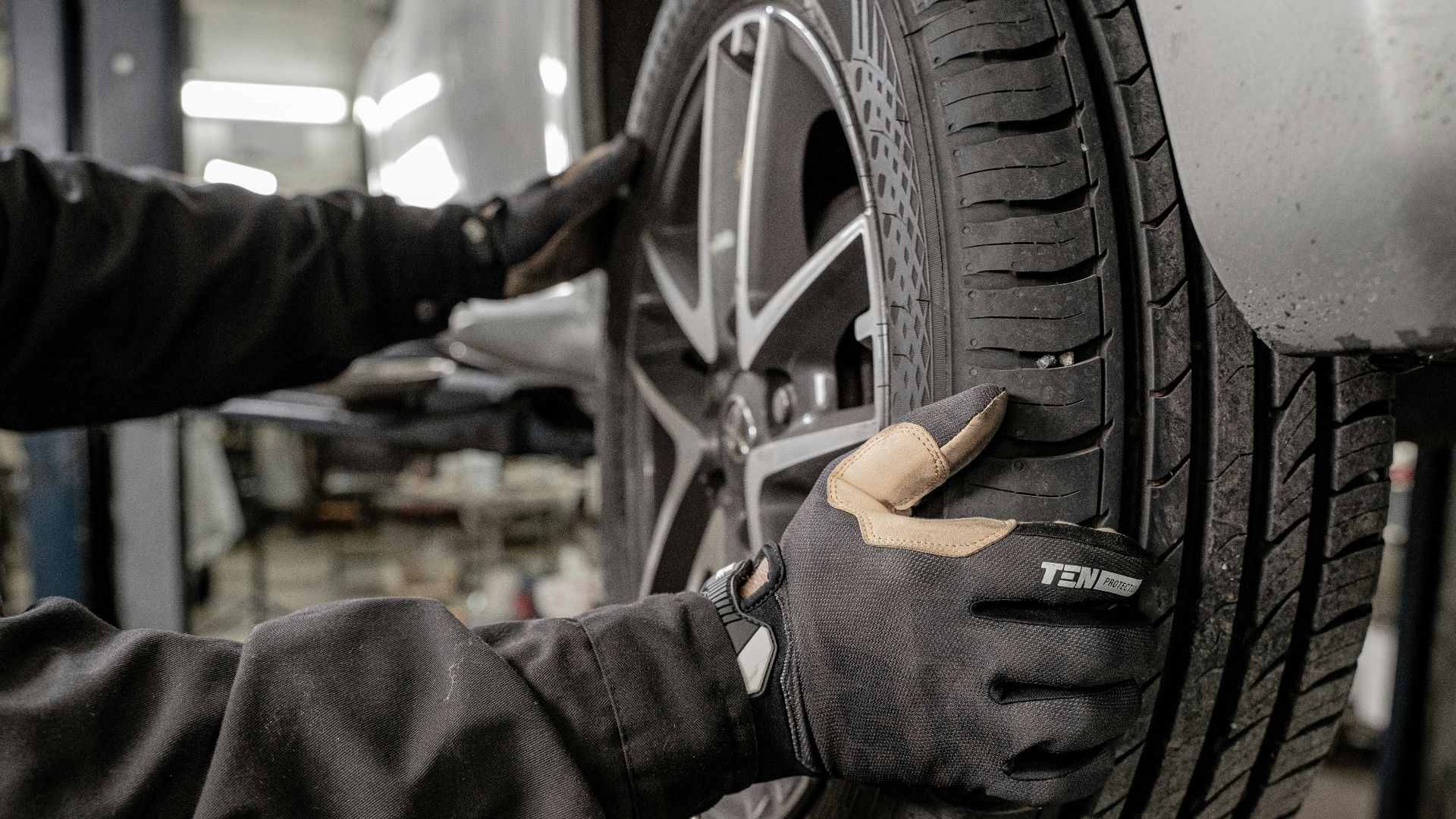
Discount Tire advises keeping overall tire diameter within approximately three percent of the original size as a general fitment guideline. However, this is not a universal manufacturer-approved tolerance or a federal warranty rule. A vehicle may have more restrictive requirements involving clearance, load capacity, or electronic systems. Even a tire combination within that general range still needs to be checked for compatibility.
 Hryshchyshen Serhii, Shutterstock
Now For The Big Question About Your Warranty
The dealership's warning becomes much more complicated when it involves warranty coverage. Under the federal Magnuson-Moss Warranty Act, manufacturers generally cannot deny warranty coverage simply because an owner uses aftermarket parts. The Federal Trade Commission specifically explains that using non-original components does not automatically void a vehicle's warranty. However, there is an important exception when a modification actually causes damage.

Your Entire Warranty Doesn't Simply Disappear
The FTC states that a manufacturer or dealer cannot automatically void warranty protection because a customer installed aftermarket equipment. If the aftermarket part caused a particular failure, the manufacturer may have grounds to deny coverage for that damage. However, unrelated warranty protections generally remain in force. This distinction is crucial when a dealership suggests that changing tire size invalidates the entire warranty.

But A Related Repair Could Be Denied
Imagine that a vehicle develops a drivetrain problem after being fitted with tires that don't meet the manufacturer's specifications. If the manufacturer can demonstrate that the tire modification caused the failure, the FTC says the resulting damage may be excluded from warranty coverage. That is different from denying a claim merely because aftermarket tires are present. The connection between the modification and the actual failure matters.
The Dealer Needs More Than A Suspicion
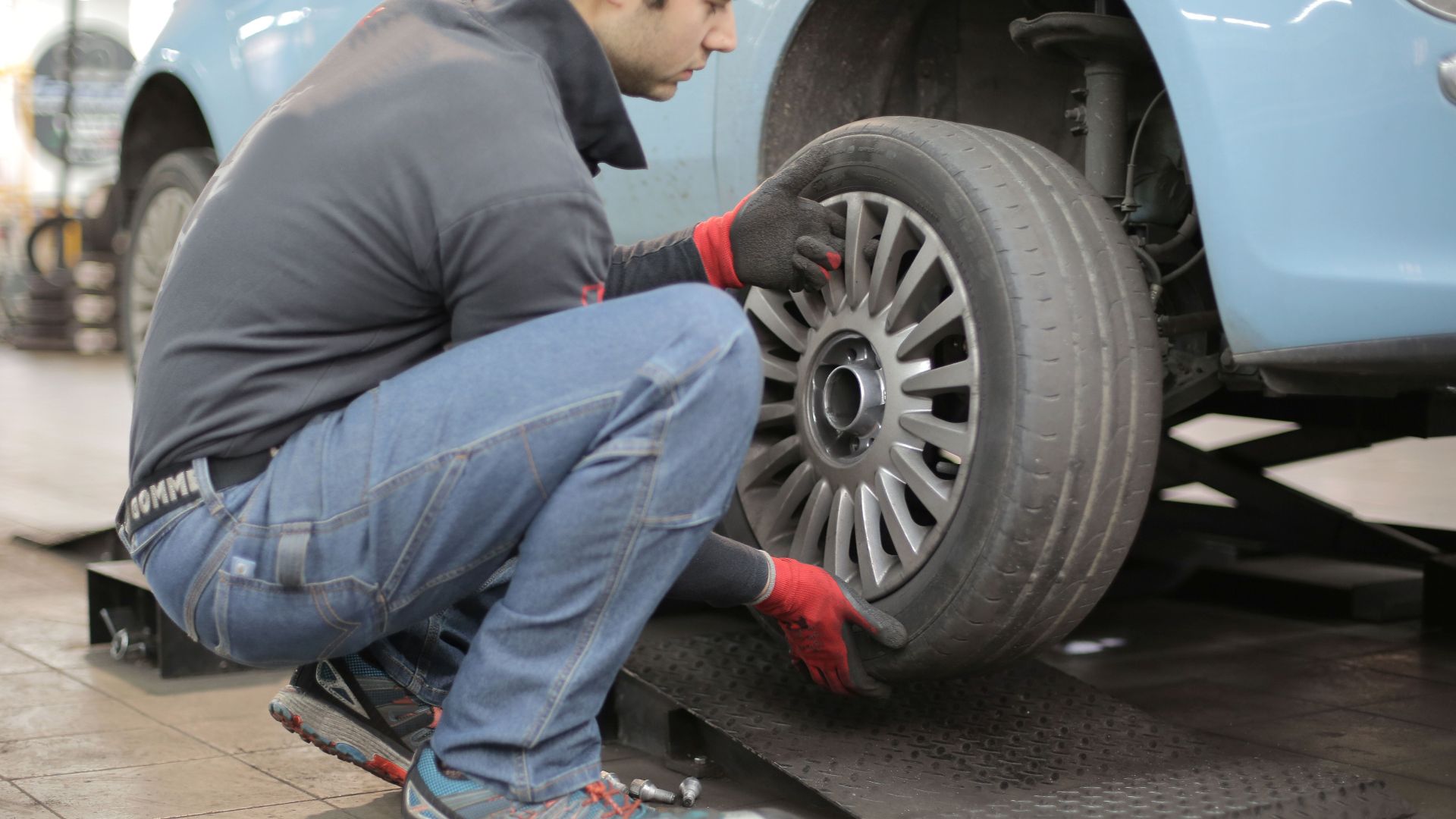
The FTC explains that manufacturers and dealers must be able to demonstrate that an aftermarket part or improper installation caused the damage they refuse to cover. Simply noticing nonstandard tires isn't sufficient proof that they caused an unrelated mechanical defect. A dealership's warning about possible future coverage is also different from a formal denial of an existing claim. If a claim is denied, ask for the specific explanation and supporting findings.

Your Engine Warranty Is A Separate Question
Suppose your vehicle develops an engine problem that has no connection to its tire dimensions. The FTC's guidance says warranty coverage cannot be denied solely because an unrelated aftermarket component was installed. The manufacturer would need grounds connecting the modification to the claimed failure. This is why broad statements suggesting that different tires eliminate all factory protection are misleading.
 Zoriana Zaitseva, Shutterstock
An Extended Warranty Might Have Different Terms
Not every product described as an extended warranty operates under the same rules as the factory warranty. The FTC explains that separately purchased vehicle service contracts are generally distinct from warranties provided with the vehicle. Their coverage, exclusions, and maintenance requirements depend on the agreement. If you purchased additional protection, review that contract separately instead of assuming it offers identical coverage.

What If The Tire Shop Recommended The Size?
If an independent tire retailer selected and installed the tires, ask for the original invoice and fitment recommendation. The FTC confirms that having work performed outside the dealership does not, by itself, invalidate a manufacturer's warranty. However, improper installation or an unsuitable component can still create problems if it causes damage. Your installation records may help establish what was recommended and who performed the work.

Ask The Dealer To Put The Warning In Writing
Before agreeing to buy another set of tires, request the exact reason the dealership considers your current size unsuitable. Ask which manufacturer specification the tires fail to meet and whether the concern involves diameter, load rating, clearance, or another requirement. If the dealer is warning about warranty coverage, request an explanation of the specific systems that could be affected. Written documentation makes it easier to seek a second opinion or challenge an unsupported claim.

A Second Opinion Could Save You Money
A qualified tire specialist can compare your existing setup with the manufacturer's original specifications. Discount Tire offers guidance and tools for comparing tire dimensions, load ratings, and wheel compatibility. Michelin also recommends consulting knowledgeable tire professionals when considering alternative sizes. If the tires are unsuitable, an independent assessment can help you understand the actual problem before replacing them.

So, Does The Wrong Tire Size Really Matter?
Yes, tire size can matter even when the tires fit perfectly and the vehicle seems to drive normally. Incorrect dimensions or specifications can affect handling, safety systems, speedometer accuracy, and potentially the reliability of related components. However, federal warranty protections mean that simply fitting aftermarket or differently sized tires does not automatically erase your entire factory warranty. The sensible next step is to verify the manufacturer's specifications, establish whether the tires are actually unsuitable, and insist on a clear explanation before spending money on replacements.

You May Also Like:
How To Extend The Life Of Your Vehicle's Engine