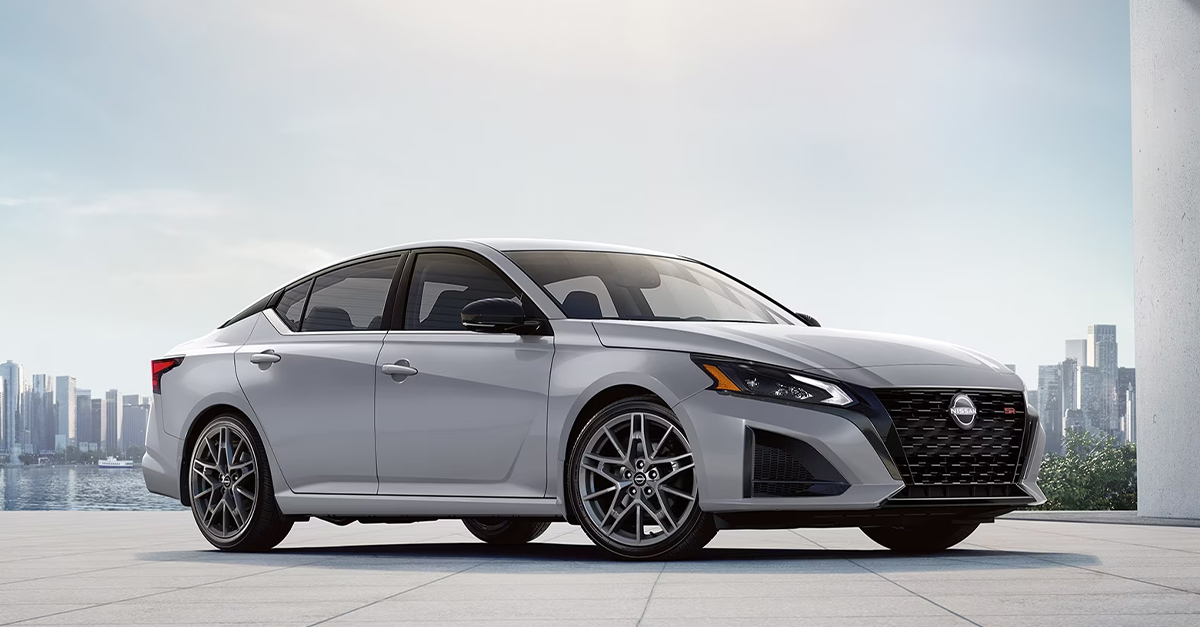
The Certified Sticker Can Sound Like A Promise
You see “Certified Pre-Owned” on a windshield and it sounds reassuring. Obviously, it suggests the car was checked over carefully and comes with extra protection. But if you bought a certified used car and now it has problems all over the place, the hard truth is this: “Certified” does not mean flawless.

Certified Does Not Mean One Universal Standard
This is the first thing a lot of buyers miss. There is no single nationwide CPO rulebook that makes every certified car the same. Most certified programs are created by carmakers or dealerships, and the details can vary a lot depending on who is selling the car and what program applies.
 CPO Commerce, Wikimedia Commons
What Factory Certified Usually Means
A manufacturer-backed certified pre-owned vehicle usually comes from a franchised dealer and has to meet age and mileage limits set by the brand. It also usually has to pass a brand inspection and come with some form of limited warranty coverage. Consumer Reports notes that CPO cars are often late-model used vehicles that have been inspected, reconditioned, and backed by a warranty, but those protections still depend on the specific program.

Dealer Certified Can Be Something Else Entirely
The phrase gets more slippery when a dealership advertises a car as “dealer certified.” That can mean the store created its own standards instead of using an automaker’s official CPO program. Kelley Blue Book warns shoppers to ask whether a car is manufacturer certified or dealer certified, because the inspection, warranty, and benefits may be very different.
The Inspection Sounds Great On Paper
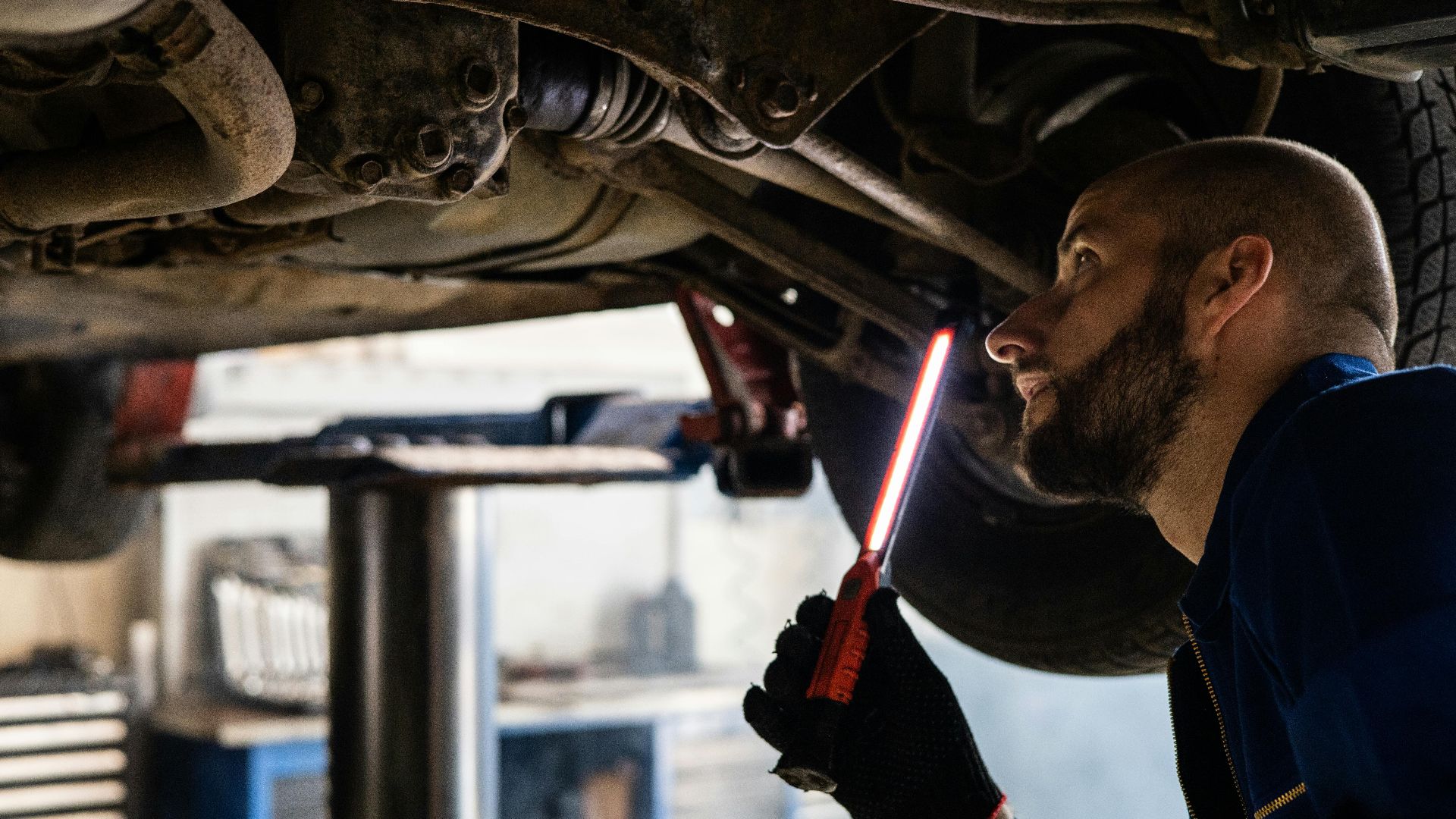
Automakers love to advertise long checklists with big numbers like 100-point or 172-point inspections. Those lists are meant to build confidence. But a multi-point inspection is only as good as the technician doing it, the process behind it, and the dealership’s follow-through.
A Checklist Is Not A Shield
Even a real inspection does not guarantee that every future problem will be caught. Some issues come and go, some show up after the sale, and some are simply missed. That matters because buyers often hear “certified” and assume it means near-new condition, when the real promise is usually much narrower.

The Warranty Is Often The Real Selling Point
In many cases, the biggest benefit of buying certified is not perfection. It is the extra warranty coverage and perks that may come with it, like roadside assistance or a free maintenance visit. Edmunds has long advised shoppers to compare the cost of a CPO car against the warranty and benefits it actually includes, because that extra price is what you are really paying for.

But Warranty Coverage Has Limits
This is where disappointment usually begins. A certified warranty may cover certain powertrain or limited repair items, but not every squeak, rattle, cosmetic issue, worn trim piece, or maintenance-related complaint. If your car has issues everywhere, some may be covered, some may not, and the contract language is what decides it.

Wear And Tear Is Usually Not The Same As A Defect
Used cars, even certified ones, can still have normal wear. Tires, brakes, batteries, upholstery, weatherstripping, and infotainment issues can all be frustrating, but coverage may depend on whether the item counts as wear, damage, or a warranty-covered defect. That is why the paperwork matters more than the sales pitch.
The Federal Trade Commission Has A Basic Warning
The FTC has long told used-car shoppers to get promises in writing and read warranty terms carefully before signing. It also reminds buyers that spoken assurances from a salesperson are not the same as enforceable contract language. If the dealer said the car was “perfect,” that matters a lot less than what is actually written in your purchase documents.

The Buyers Guide Matters More Than Many People Realize
On used cars sold by dealers, the FTC Buyers Guide is an important document. It tells you whether the vehicle is being sold “as is” or with a warranty, and it should reflect key warranty terms. That guide can help you figure out whether the protections you thought you had were real, limited, or not there at all.

State Law Can Change The Story
Your rights can depend a lot on where you bought the car. Some states have used-car warranty laws or strong consumer protection rules, while others give dealers more room. If your certified car has serious problems right after purchase, your state attorney general or consumer protection office may give you more useful guidance than generic advice online.

California Is One Place With Specific Disclosure Rules
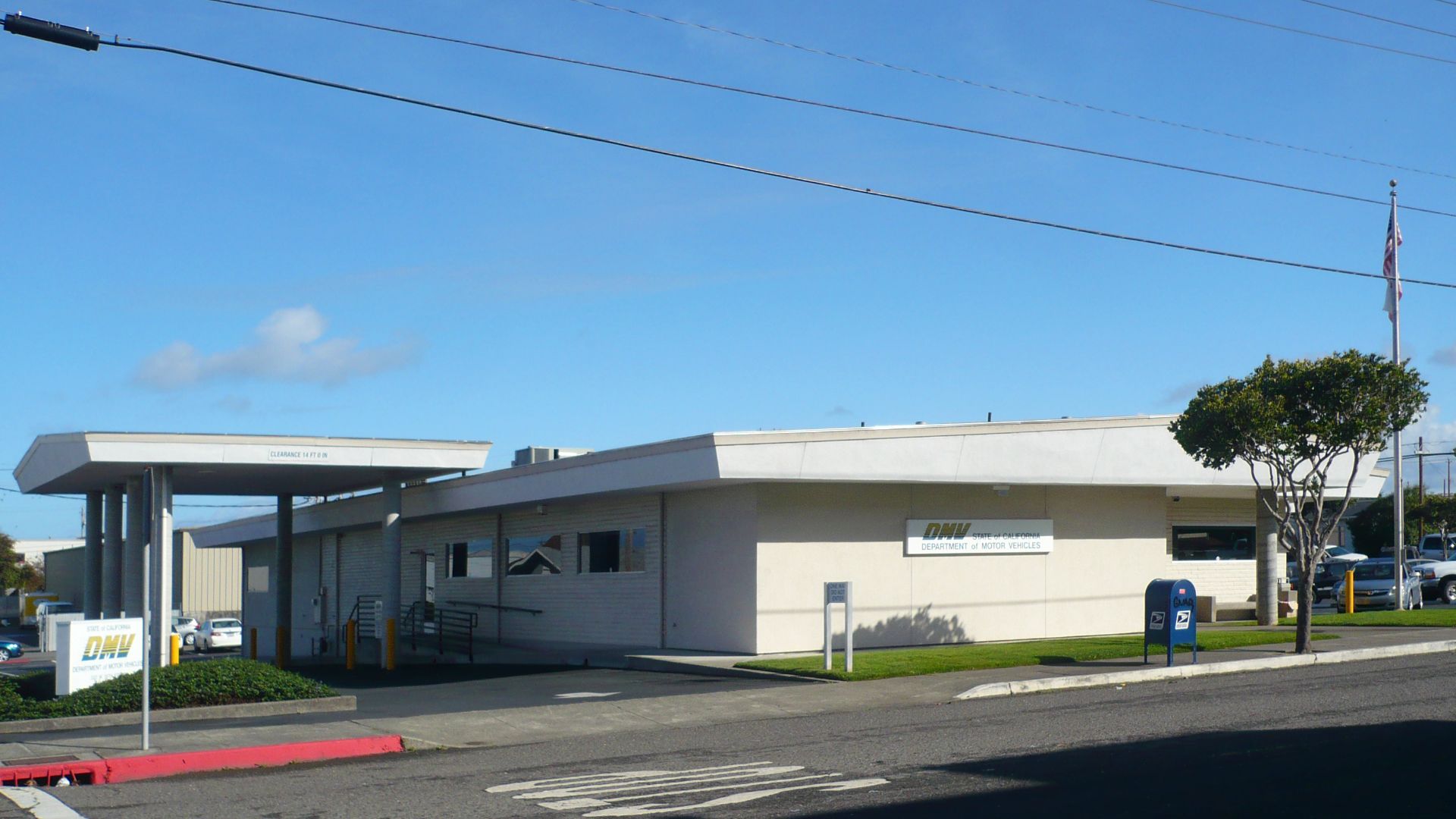
California’s Department of Motor Vehicles explains that dealers cannot call a used vehicle “certified” or “CPO” if certain disqualifying conditions apply, such as frame damage, an odometer rollback, or a title branded as salvage, junk, flood, or lemon law buyback. The state also requires a completed inspection report and a written warranty for a certified used vehicle. Those rules do not make every certified car great, but they do show that the word has legal consequences in at least some states.

That Does Not Mean Every State Defines Certified The Same Way
This is one reason buyers get confused. California lays out specific rules, but many shoppers in other states assume those standards exist nationwide. They do not, so your next move should be based on your state’s laws, your contract, and the exact certified program attached to your car.
 Ellin Beltz, Wikimedia Commons
Manufacturer CPO Programs Still Vary By Brand
One automaker may offer broad powertrain coverage and roadside assistance. Another may give you a shorter limited warranty or different exclusions. Consumer Reports points out that CPO programs differ in deductible amounts, transferability, inspection standards, and what is included, so two certified cars on the same street can come with very different real-world protection.

The Fine Print Can Hide Deductibles And Exclusions
Some certified warranties include deductibles for each repair visit. Some exclude electronics, trim, glass, alignments, maintenance items, or issues tied to pre-existing damage. If your frustration is rising, this is the moment to pull out the warranty booklet and read the exclusions line by line.

Pre-Existing Problems Are The Breaking Point
The issue that makes buyers angriest is simple. If a defect clearly existed before the sale, many people assume certification should have caught it. That is a fair reaction, but the real remedy still depends on whether the problem violates the program standards, the written warranty, or state law covering misrepresentation and vehicle sales.
 Karolina Grabowska www.kaboompics.com, Pexels
Start With Documentation, Not A Blowup
If your certified car is piling on problems, start by documenting everything. Take photos and videos, save service invoices, note dates, mileage, warning lights, noises, and who you spoke with at the dealership. A calm, detailed paper trail is usually more powerful than an angry phone call.

Ask For The Inspection Report
If the car was sold as certified, ask the dealer for the completed inspection checklist and any reconditioning records. Compare those records to the issues you are seeing now. If a supposedly passed item failed almost right away, that can become an important fact in your discussion with the dealer or manufacturer.

Read The Warranty Booklet Cover To Cover
This is not glamorous advice, but it matters. Look for the start date, mileage limits, covered components, exclusions, deductibles, and rules for getting repairs approved. The answer to “what does certified guarantee?” is often buried in those pages, not in the showroom pitch.

Go Back To The Selling Dealer First
If the problems showed up shortly after purchase, contact the selling dealer as soon as possible. Be specific about each issue and ask whether it is covered under the CPO warranty, the original factory warranty, a dealer warranty, or goodwill repair. Many disputes get easier when the timeline shows the problems started right away.

Loop In The Manufacturer If It Is Factory Certified
If the car is part of an official manufacturer CPO program, contact the automaker’s customer assistance line too. This matters because a brand may have leverage over a franchised dealer that an individual customer does not. It also creates a second formal record showing that you reported the issue.

An Independent Inspection Can Be Worth It
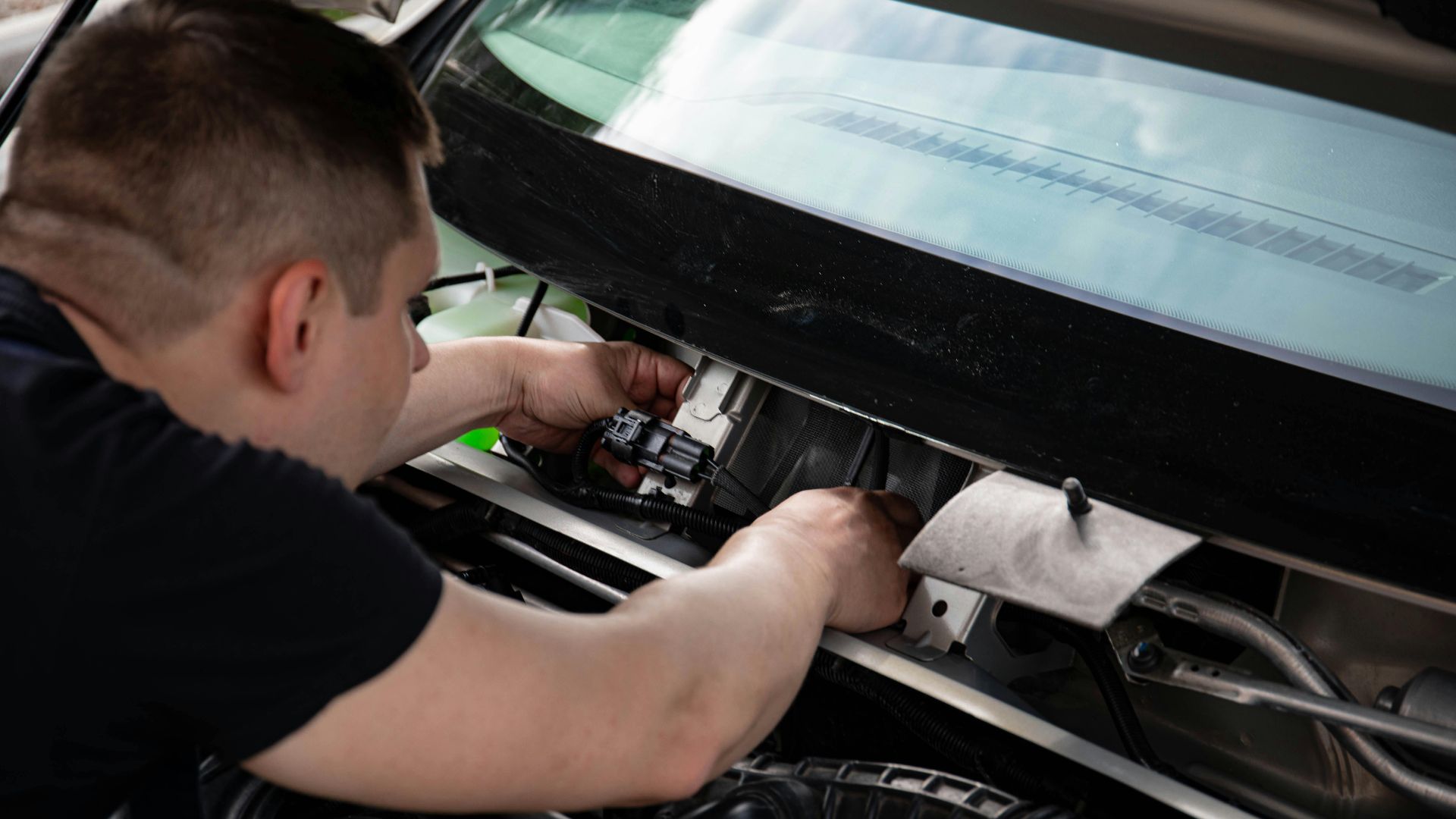
If the dealer pushes back, consider paying for an independent inspection by a reputable mechanic. Ask for a written report identifying the current defects and, where possible, whether they appear long-standing or recent. That report can help if you need to escalate the matter to the manufacturer, a state agency, or an attorney.
Do Not Confuse Certification With Lemon Law Coverage
Some buyers hear “certified” and assume they have the same rights as someone who bought a new car with major recurring defects. Usually, that is not how it works. Lemon law protections for used vehicles vary sharply by state, and in many places a CPO label alone does not create broad lemon law rights.

Arbitration, Mediation, And Complaints May Be Next
If the dealer will not cooperate, check whether the warranty or purchase agreement requires arbitration or offers dispute resolution. You can also file complaints with your state attorney general, consumer protection agency, or motor vehicle regulator, depending on your state. The FTC also offers guidance on used-car buying and warranty disputes, even though it generally does not resolve individual complaints directly.

What Certified Usually Guarantees In Plain English
In practical terms, “certified” usually guarantees only a few things. It generally means the car met a program’s eligibility rules, went through some form of inspection or reconditioning, and comes with specific written benefits such as limited warranty coverage. It does not guarantee a trouble-free ownership experience, and it definitely does not guarantee every issue on the car will be fixed for free.
Why Buyers Feel Misled So Often
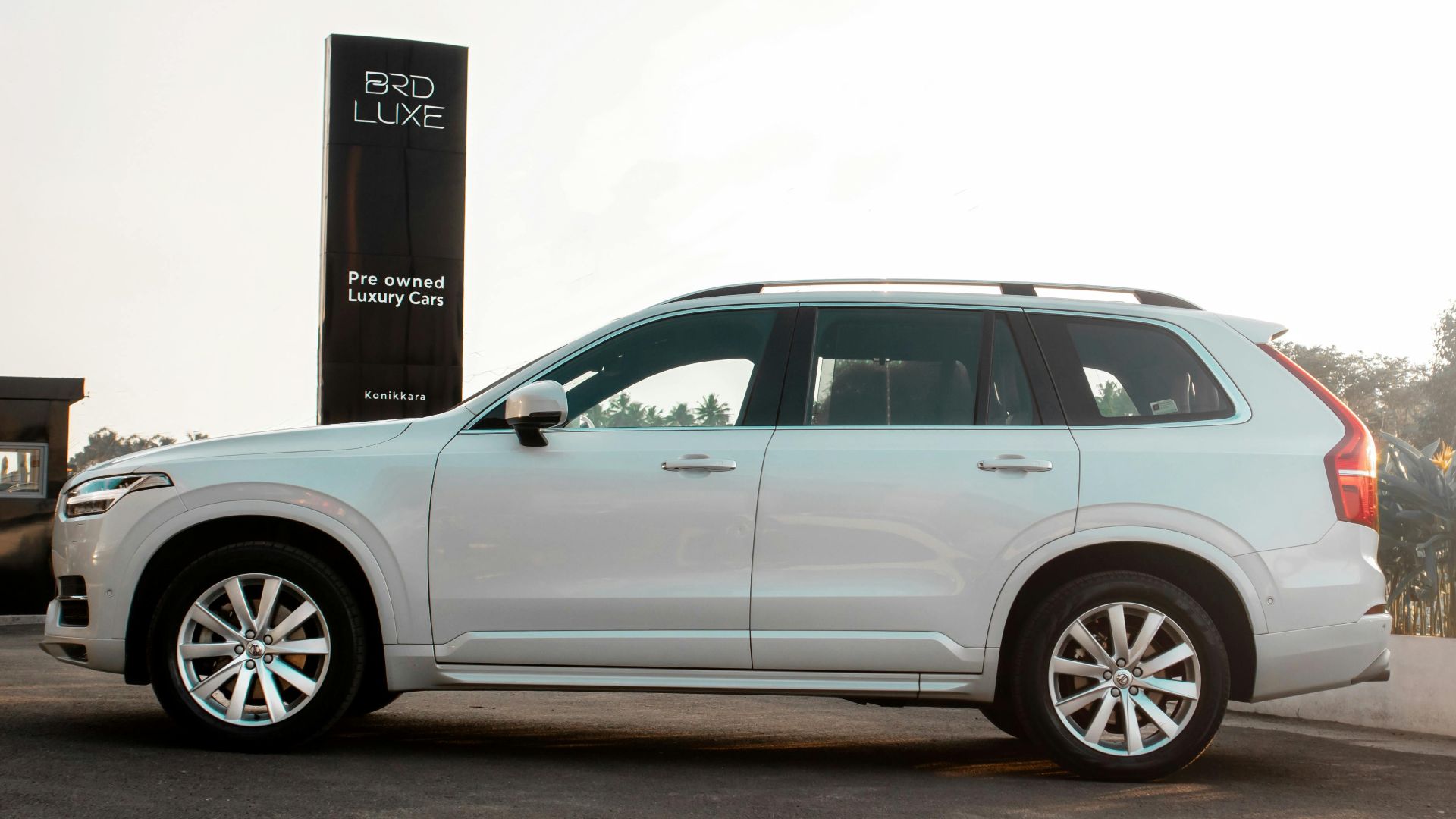
The label sounds stronger than the legal reality. The marketing leans hard on reassurance, while the contract leans hard on limits. That gap is where a lot of post-purchase anger starts, especially when a buyer paid extra for a CPO car expecting near-new peace of mind.

The Best Way To Protect Yourself Next Time
Before buying another certified used car, ask whether it is factory or dealer certified, request the inspection report, read the warranty before signing, and get a pre-purchase inspection if possible. Compare CPO pricing against a similar non-certified car plus the cost of an extended warranty or repair fund. Certified can be worth it, but only when you know exactly what is being promised and exactly what is not.

The Bottom Line On That Certified Badge
If your certified used car already feels like a headache, you are not wrong to ask what that badge really guaranteed. The answer is usually narrower than buyers expect and broader than dealers explain in a quick sales pitch. Your best move now is to lean on the written warranty, gather documentation, and push for a factual resolution based on the program terms and your state’s consumer protections.