I Thought My Car Was Just Getting Me From Place To Place
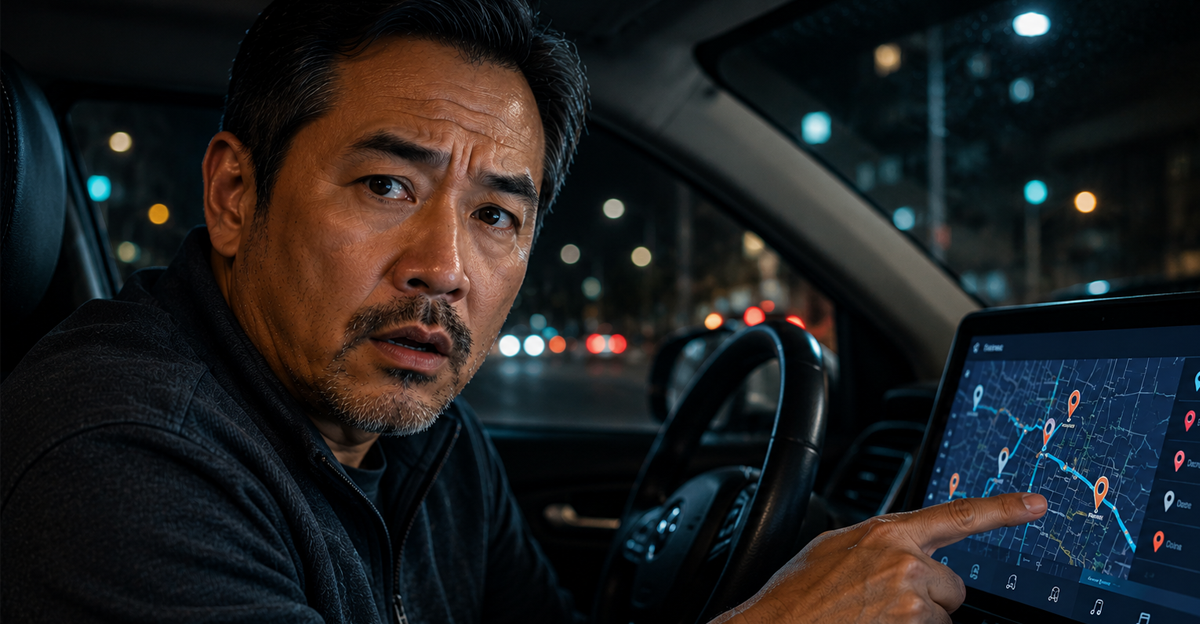
I always assumed my car only knew where I was while I was using navigation. Then I learned that many connected vehicles can store or transmit detailed location information long after the trip is over. The more I read, the more I wondered exactly how much my car knew about me, and whether I could stop it.
Modern Cars Are Connected Computers
Many new vehicles are connected to the internet through built in cellular connections. They can communicate with manufacturer servers even if you never plug in your phone. These systems support navigation, emergency assistance, remote apps, software updates, and other convenience features.
Your Car May Know Everywhere You Go
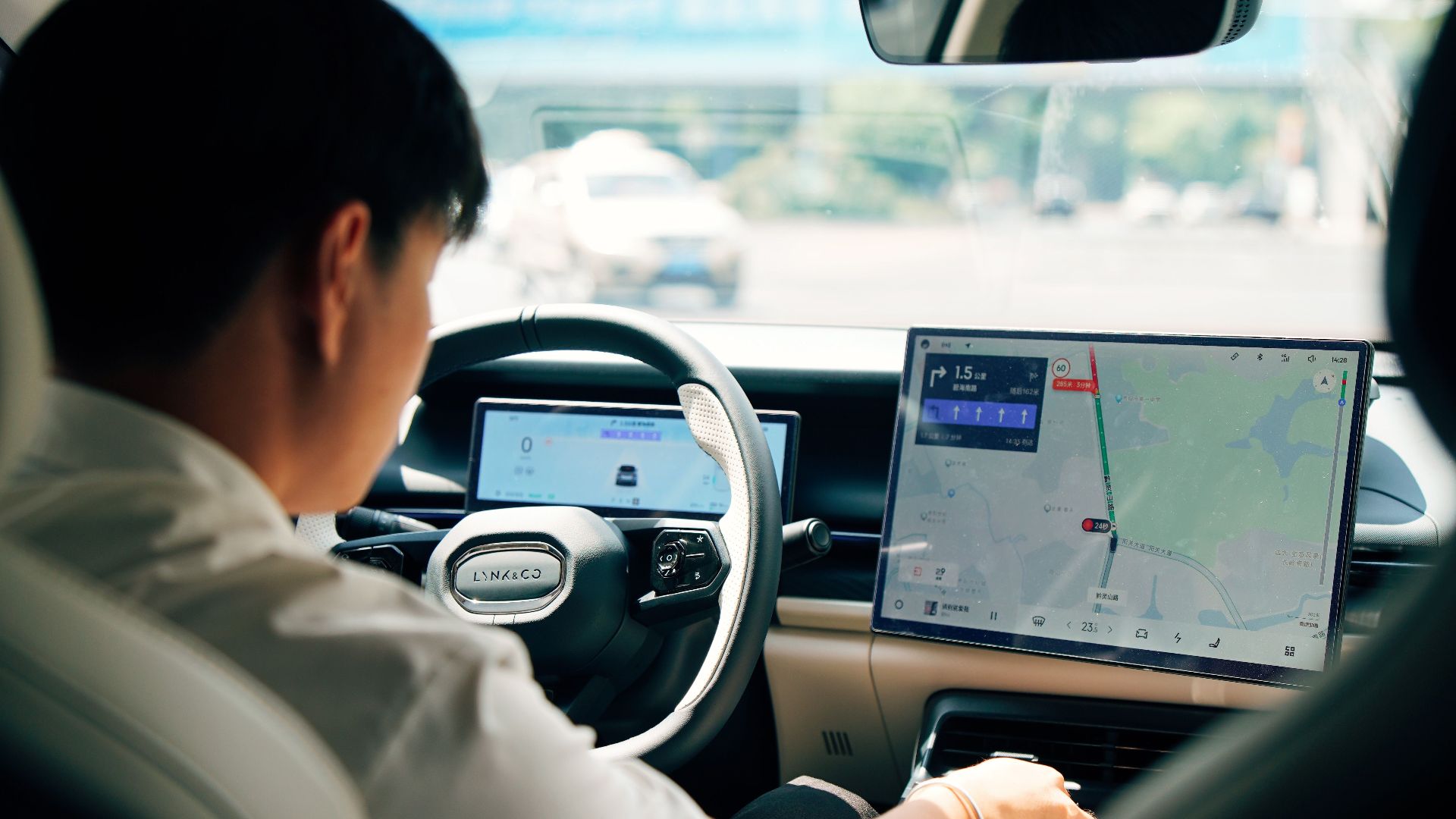
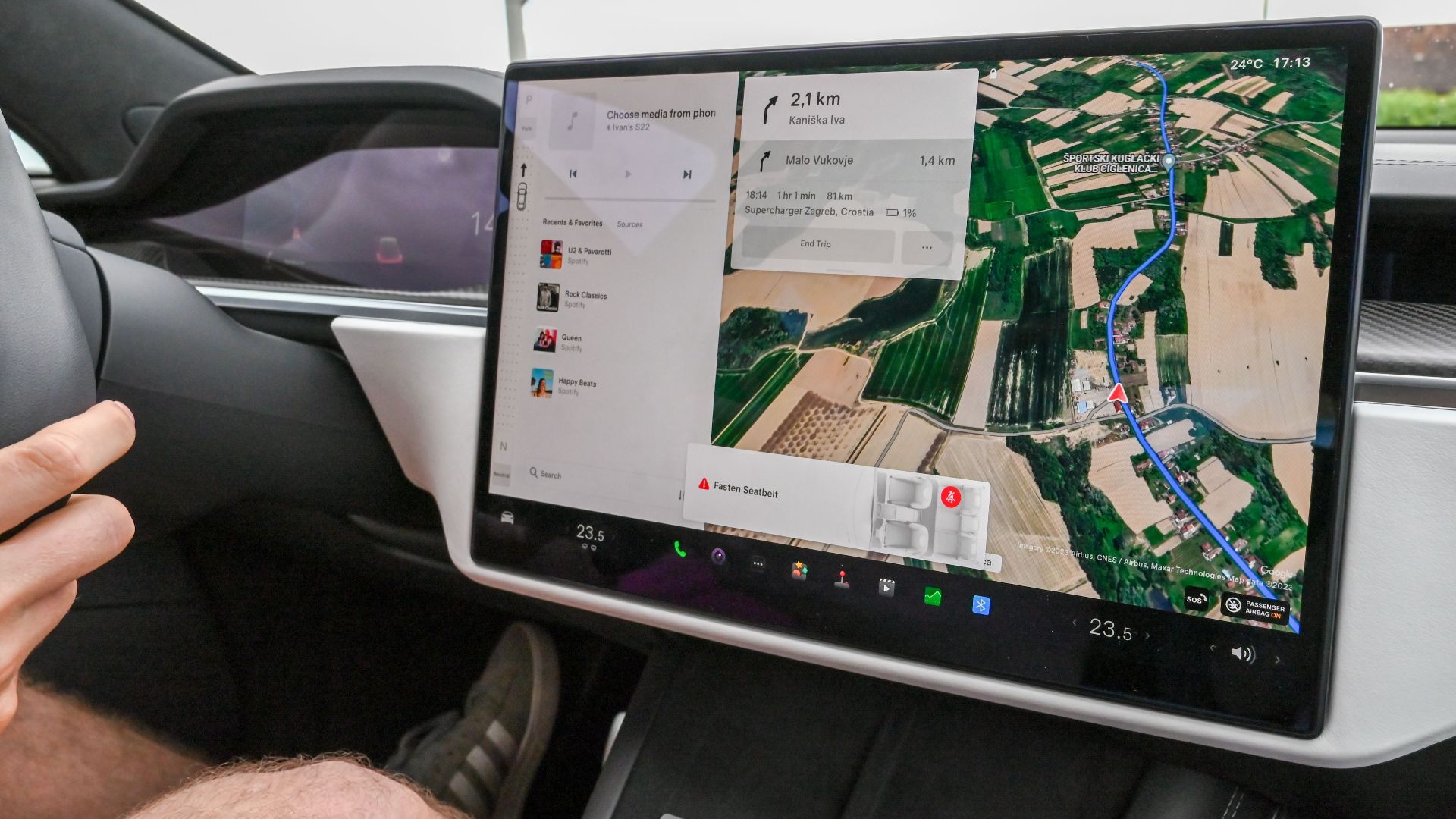
Location tracking can be much more detailed than simply remembering your home address. Connected vehicles may record trip routes, destinations, timestamps, and frequently visited locations depending on the vehicle and services you use. Some systems also log where you parked your vehicle so you can find it later.

Navigation Is Only Part Of The Story
Even if you rarely use the built in navigation system, your vehicle may still collect location information. Mobile apps, emergency response services, connected subscriptions, and remote vehicle management can all rely on location data. The exact information collected varies widely by manufacturer.
Your Phone Can Add Even More Data
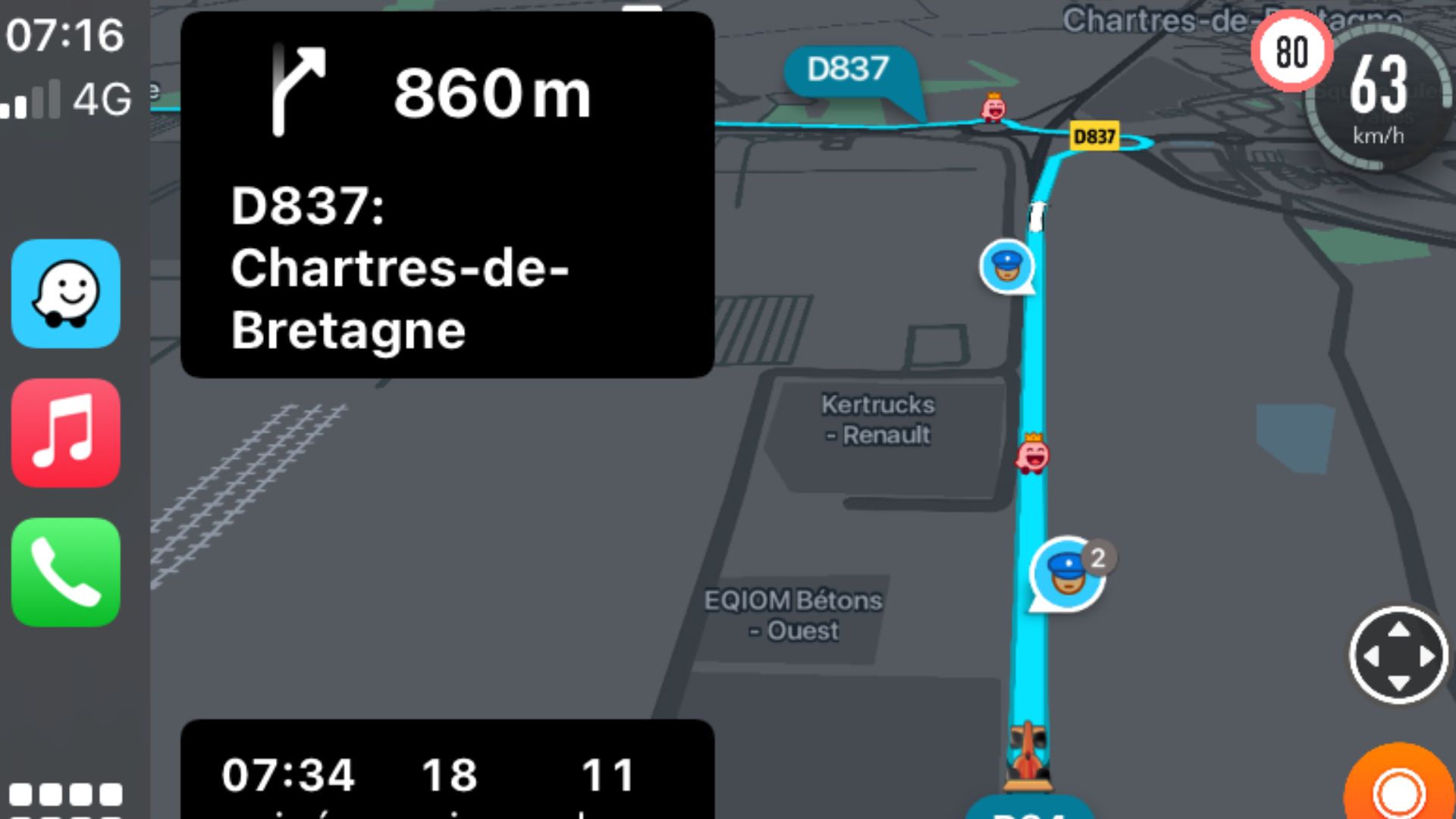
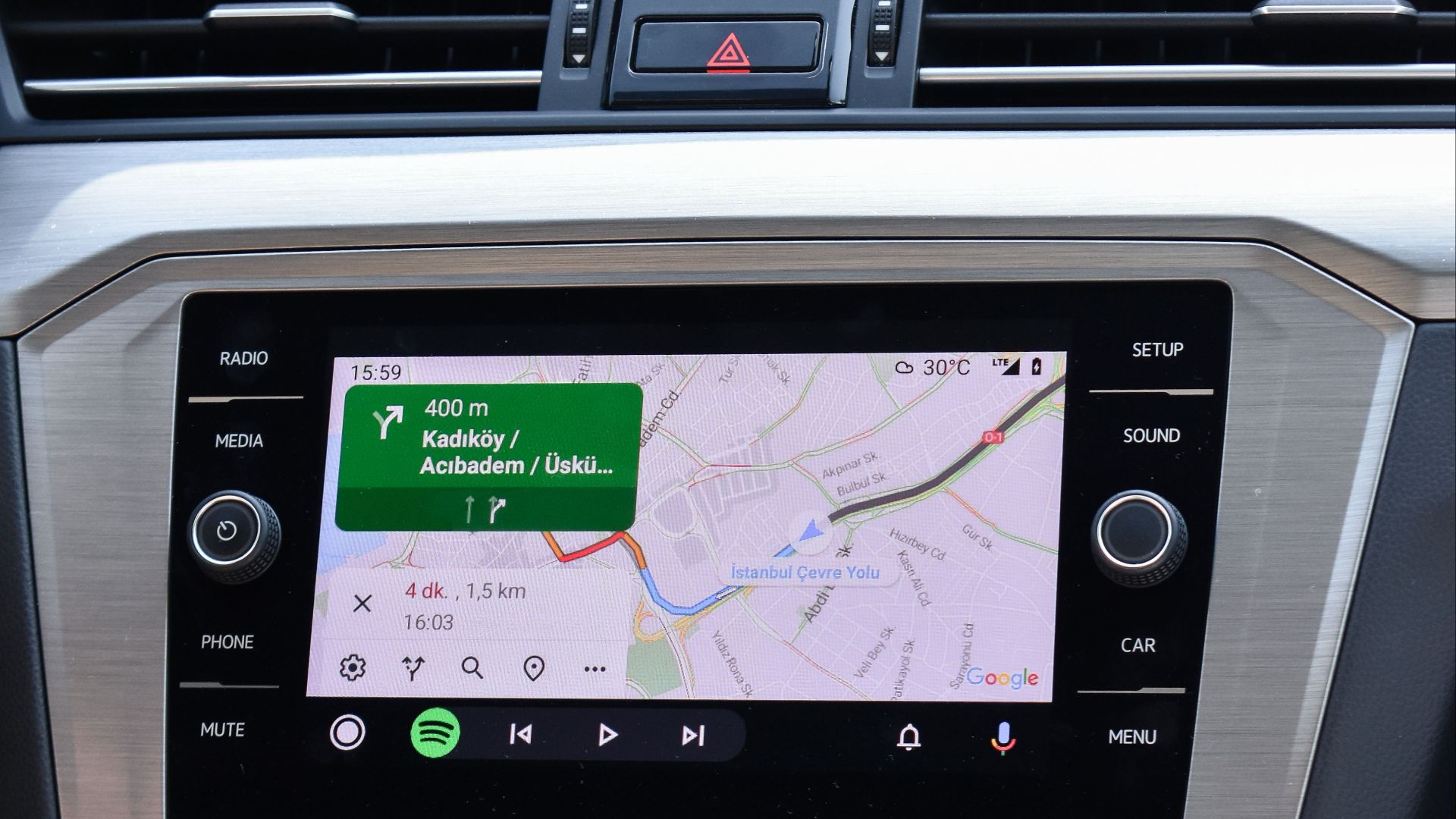
Connecting your smartphone through Apple CarPlay or Android Auto does not automatically mean the automaker receives all of your phone's location history. However, companion apps from the manufacturer often collect additional information when you use remote features. Reading both your phone app permissions and the vehicle privacy policy is important.
Convenience Often Comes With A Tradeoff
Many popular connected features depend on location information. Remote start, stolen vehicle recovery, live traffic, roadside assistance, and finding your parked car all require your vehicle to know where it is. Turning off location sharing may reduce or eliminate some of these services.

The Record Can Become Surprisingly Detailed
Repeated location updates create a travel history over time. That history can reveal daily commutes, workplaces, favorite stores, schools, gyms, and other routine destinations. Privacy experts have long warned that location data can paint an unusually complete picture of a person's life.

Why Automakers Want Location Data
Manufacturers say location information helps improve products and services. It can support traffic information, diagnose technical problems, improve navigation, provide emergency assistance, and deliver connected services. Some companies also analyze data to improve future vehicle development.

Insurance Became Part Of The Conversation
In recent years, questions about connected vehicle data expanded beyond navigation. Some automakers shared driving behavior information with third parties involved in insurance related products, prompting government investigations and lawsuits. Those developments made many drivers pay closer attention to privacy settings.

The FTC Took Action
In 2025, the Federal Trade Commission accused General Motors and OnStar of collecting and sharing precise geolocation and driving behavior information without adequately informing consumers or obtaining proper consent. The agency said some location information was collected as often as every three seconds. GM later agreed to significant restrictions under an FTC settlement.

Your Driving Habits May Be Recorded Too
Location is often collected alongside driving behavior. Depending on the system, vehicles may also record speeding events, hard braking, rapid acceleration, sharp cornering, and other driving patterns. These records can provide useful diagnostics but also raise privacy concerns.

Every Brand Does Things Differently
There is no universal industry standard for connected vehicle privacy. Some automakers provide detailed privacy controls inside the vehicle. Others require customers to use online accounts or mobile apps to manage certain settings.

Privacy Policies Can Be Hard To Read
Vehicle privacy policies are often much longer than most people expect. They may describe different categories of data, multiple sharing partners, optional connected services, and various retention practices. It is easy to accept these terms without fully understanding them.

Researchers Raised Alarm Bells
Privacy researchers at Mozilla reviewed major vehicle brands and concluded that modern cars collect far more personal information than most consumer products. The organization found that drivers often have limited control over how their information is collected and shared.

Can You Turn It Off?
Sometimes the answer is yes. Many vehicles allow owners to disable certain connected services, location sharing, or driving analytics through vehicle settings or account preferences. However, the available options depend entirely on the manufacturer and model year.
It May Not Be One Simple Switch
Privacy controls are often spread across multiple menus. Your vehicle may have separate settings for navigation history, connected services, driving analytics, emergency features, smartphone apps, and marketing preferences. Disabling one option does not necessarily disable every type of location collection.
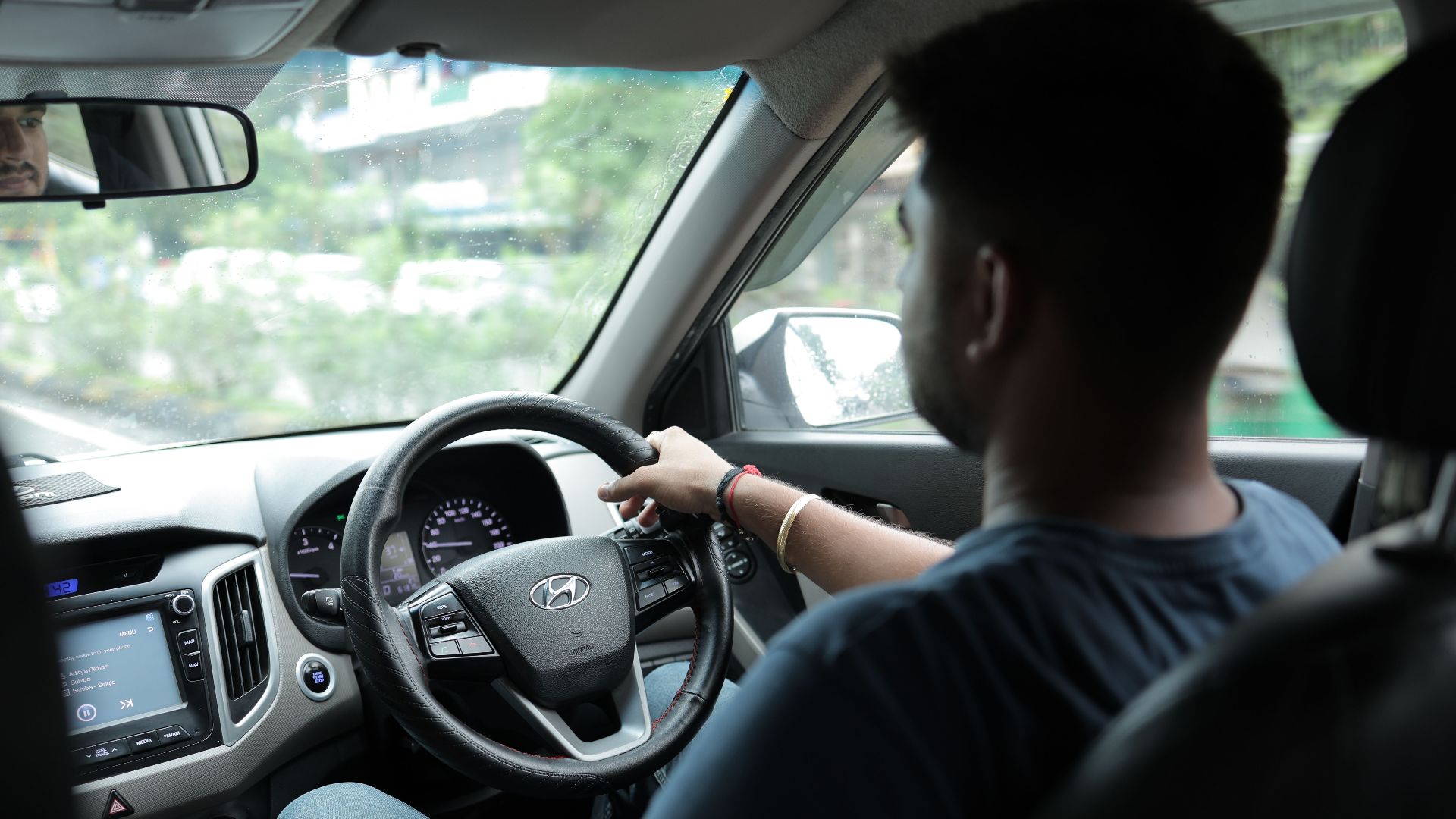
 Krakenimages.com, Shutterstock
Your Account Matters Too
Many connected cars are tied to an online owner account. Logging into that account may reveal additional privacy controls that are not visible inside the vehicle itself. It is worth reviewing both the website and companion app settings.

You Can Usually Limit App Permissions
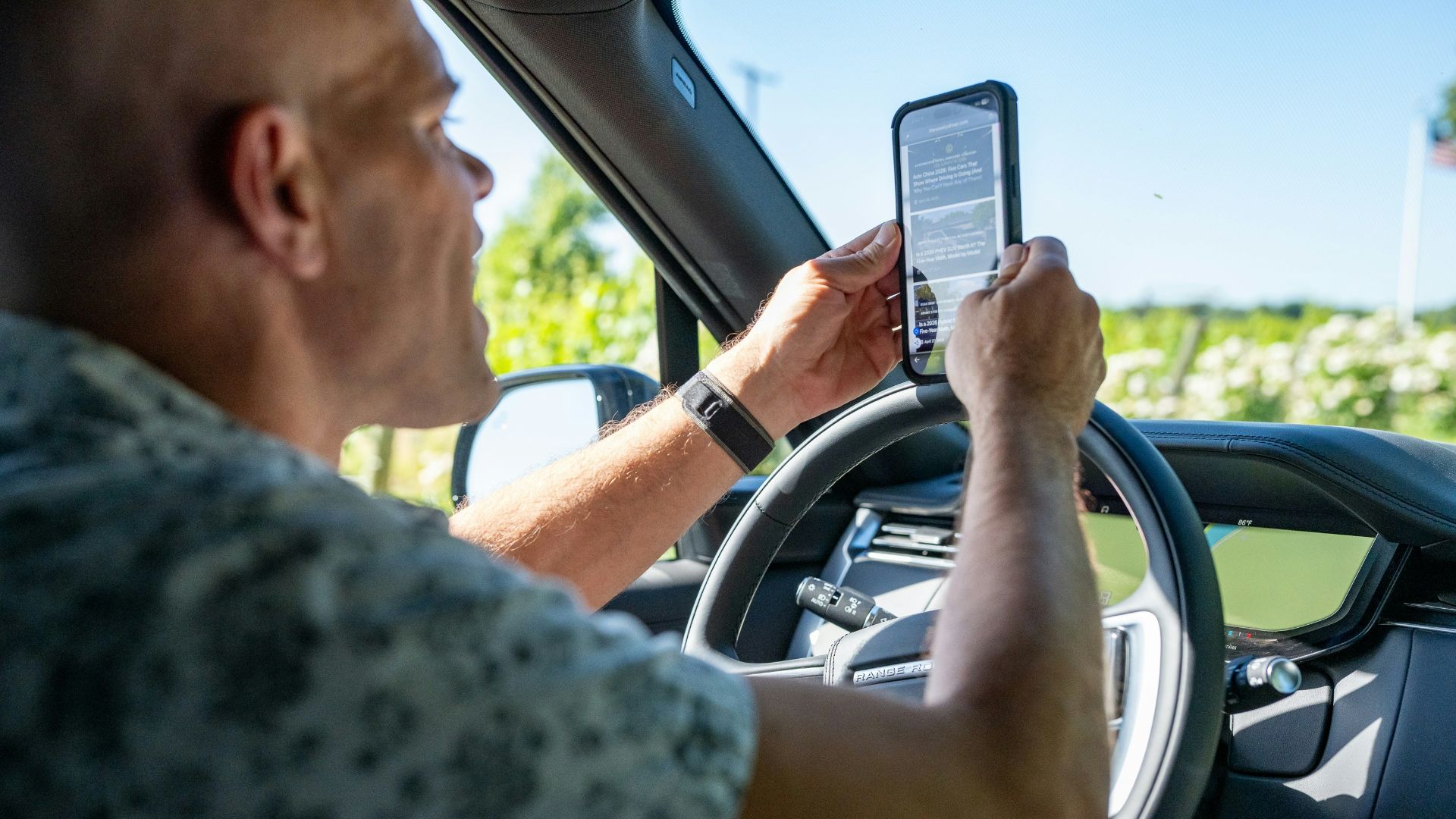
Manufacturer apps often request location permission from your smartphone. If you rarely use remote features, you may be able to revoke location access or limit it to only while using the app. You should expect some connected functions to stop working afterward.

Data Deletion May Be Possible
Some automakers now allow customers to request copies of their personal information or ask for its deletion. Regulations in certain states also provide consumers with additional privacy rights. The process varies by company and by where you live.
Selling Your Car Requires One More Step
Before trading in or selling a connected vehicle, it is a good idea to remove your personal account and perform a factory reset if the manufacturer recommends it. This can erase saved addresses, contacts, connected accounts, and other personal information. It also helps prevent future owners from accessing your connected services.

Older Cars Usually Collected Less
Vehicles built before widespread connected services generally collected far less information because they lacked built in internet connections. That does not necessarily make them better vehicles, but they often generated much smaller digital records than today's connected models.
State Privacy Laws Are Expanding
Several states, including California, have passed consumer privacy laws that give residents additional rights regarding personal information. Depending on where you live, you may have the ability to access, delete, or limit certain data collected by businesses. Those rights continue to evolve as lawmakers address connected technologies.

You Do Not Have To Accept Every Default
When setting up a new vehicle, it is worth slowing down during the activation process. Review optional connected services, read permission screens carefully, and decline features you do not actually plan to use. A few extra minutes can reduce unnecessary data collection.

Ask Questions Before You Buy
If privacy matters to you, ask the dealership how the vehicle handles connected services before signing paperwork. Request a demonstration of the privacy settings and ask whether specific data collection features can be disabled. Knowing the answers in advance can prevent unpleasant surprises later.

The Goal Is Finding The Right Balance
Connected features genuinely make many aspects of driving easier and safer. At the same time, location data is among the most sensitive information a vehicle can collect. Understanding what your car records, and knowing which settings you can control, lets you decide where your own comfort level lies.
You May Also Like: