Your First Car Never Really Leaves You
You may have owned faster cars, nicer cars, and cars with luxuries your teenage self could barely imagine. But your first car is different. You remember the smell, the steering wheel, the strange noises, and probably every dent. Whether it was glorious or dreadful, that machine helped introduce you to freedom.
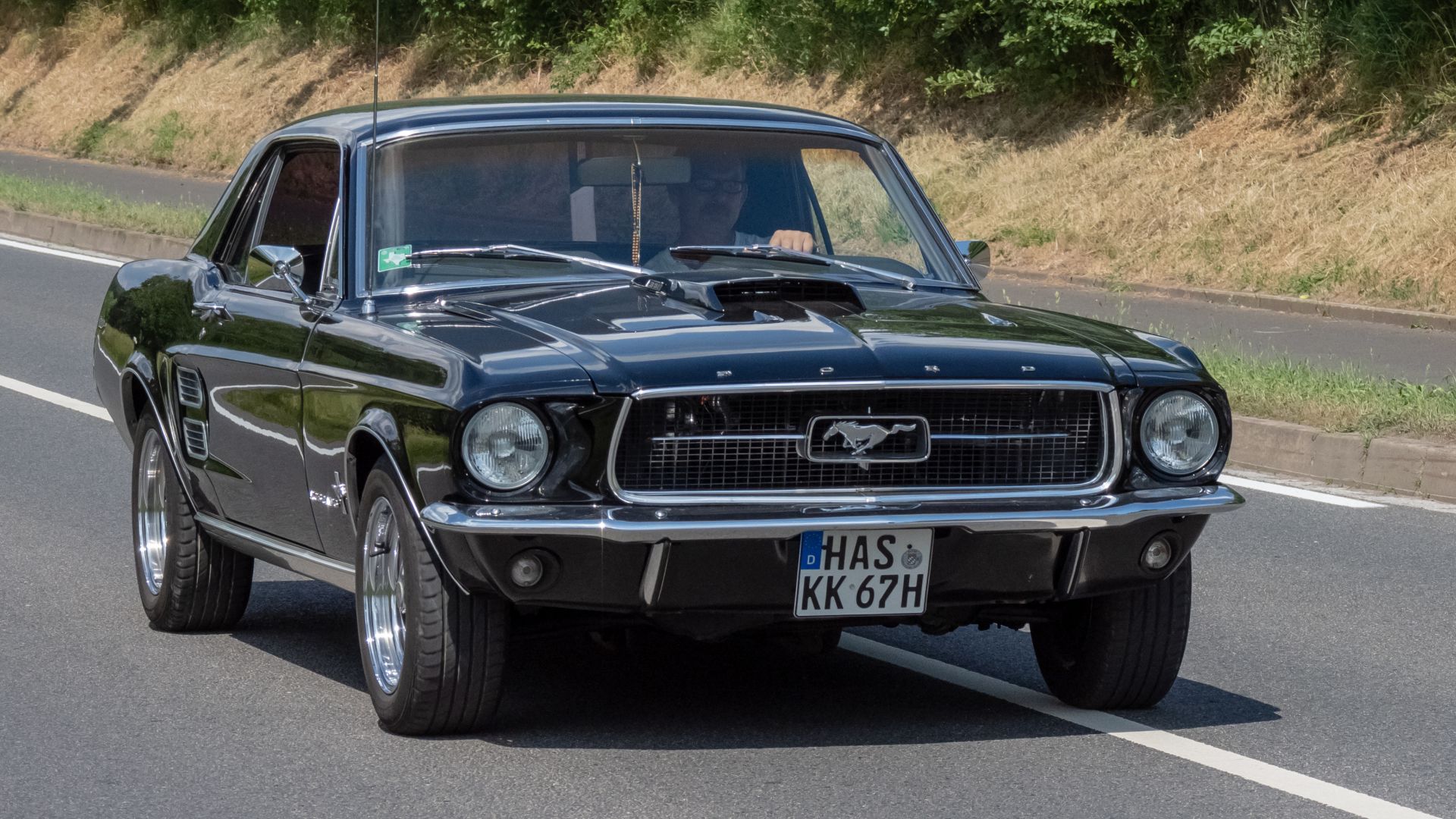
If It Was A Ford Mustang
Your teenage years probably included at least a little ambition. A Mustang as a first car meant you wanted people to notice when you pulled into the parking lot. Whether it was a pristine fastback or a tired secondhand coupe, you weren't interested in quietly blending into traffic.
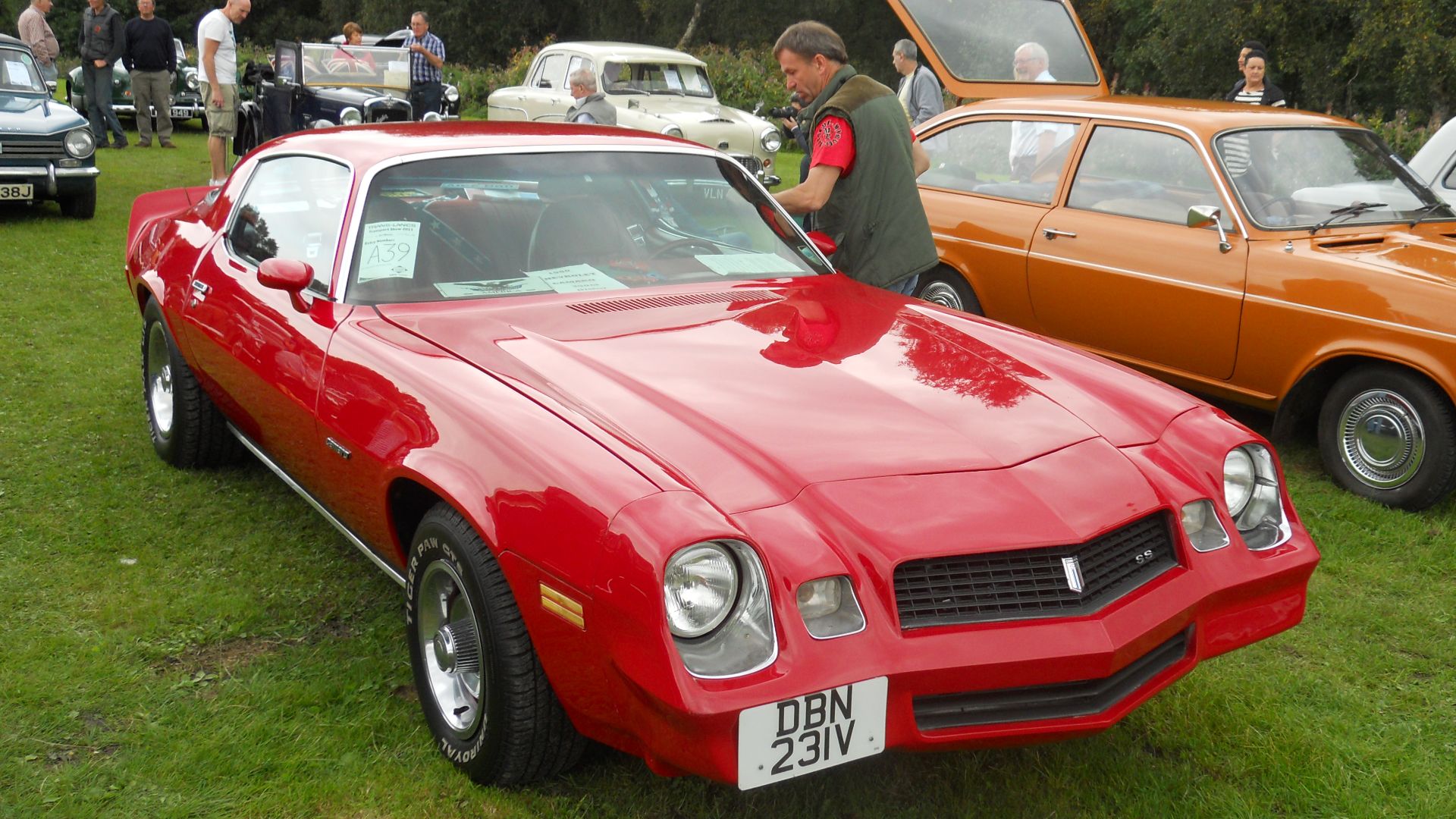
If It Was A Chevrolet Camaro
You probably considered yourself just a little tougher than the Mustang crowd. Camaro owners weren't buying transportation alone. They were buying attitude. Even if yours had mismatched paint and an engine that needed constant encouragement, you probably defended that Chevy like it was part of the family.
 Firing up the quattro from Manchester, UK, Wikimedia Commons
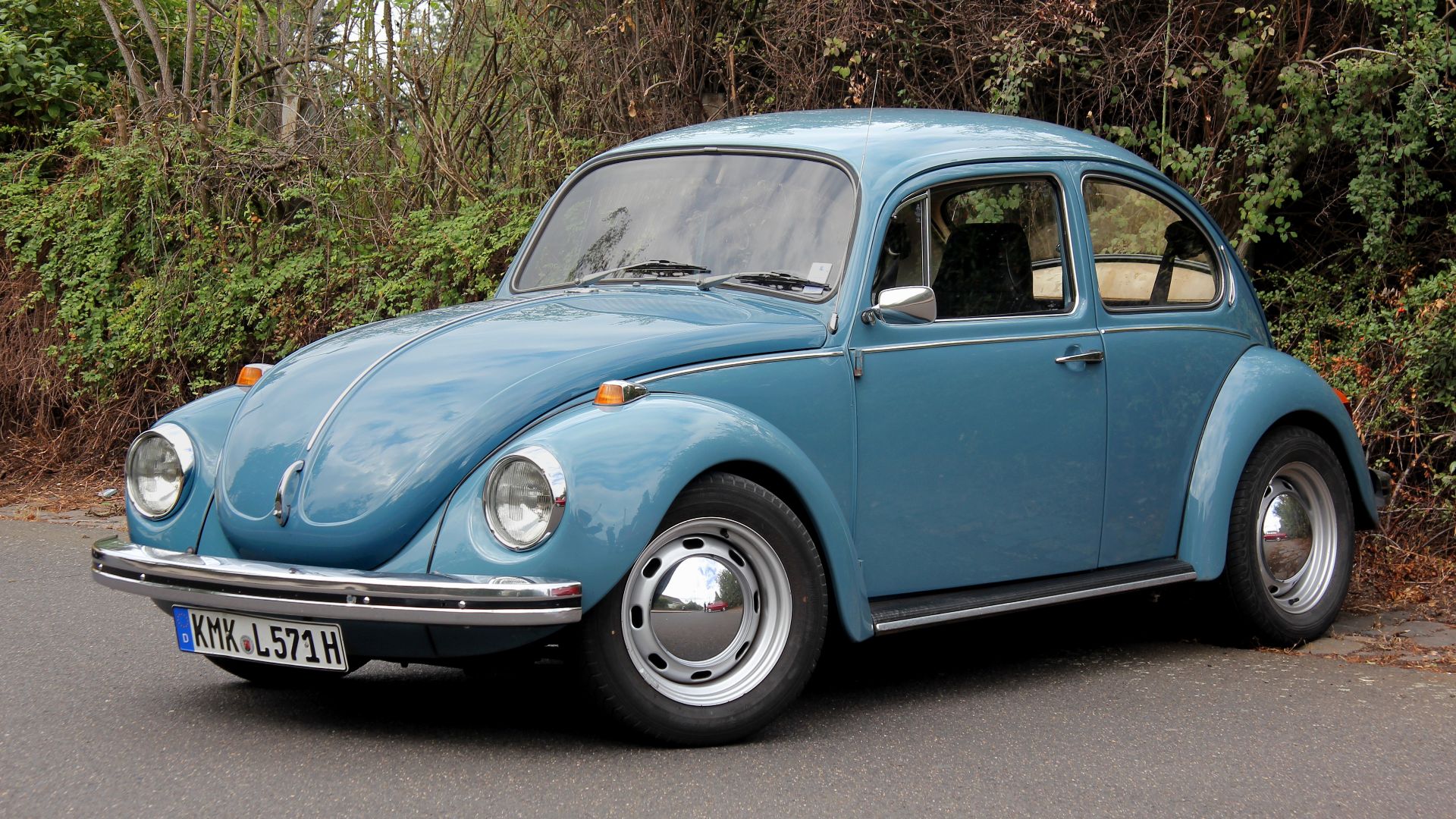
If It Was A Volkswagen Beetle
You were perfectly comfortable doing things your own way. The Beetle was cheerful, unmistakable, and unlike nearly everything Detroit was selling. Maybe you appreciated simplicity. Maybe it was merely affordable. Either way, you learned that personality could matter more than horsepower.
 Lothar Spurzem, Wikimedia Commons
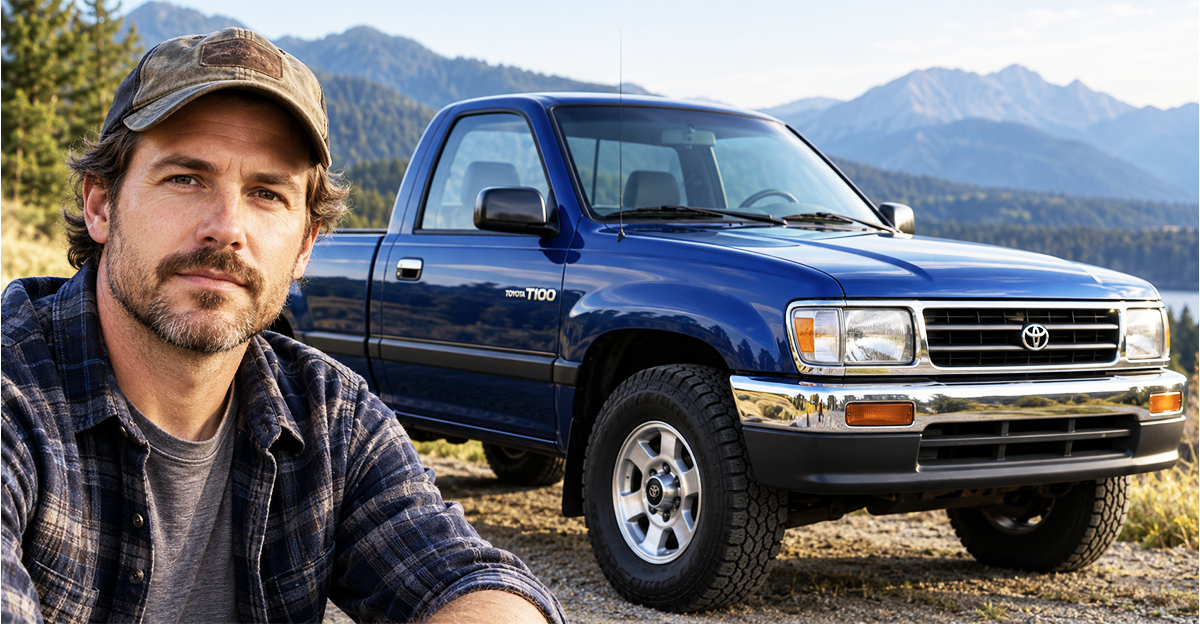
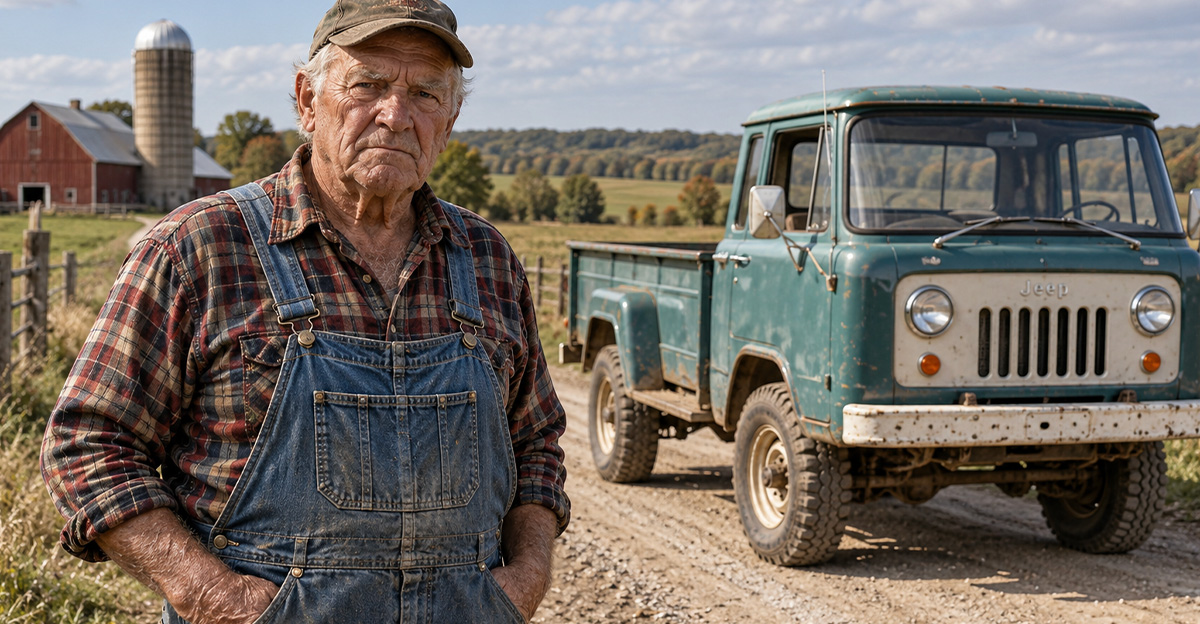
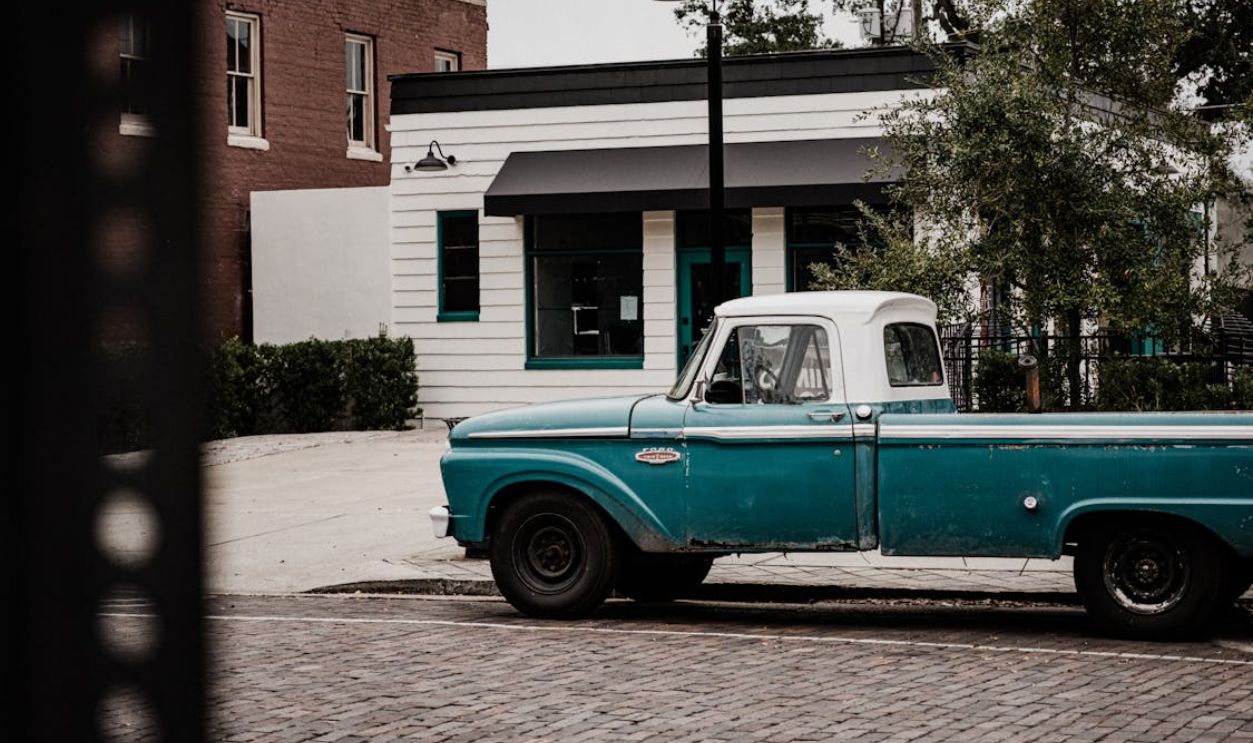
If It Was An Old Pickup
Chances are, your first vehicle was expected to work. You hauled lumber, helped somebody move, carried tools, or spent weekends handling chores instead of polishing chrome. An old pickup suggested practicality, independence, and the useful realization that nobody complains about your vehicle when they suddenly need something transported.
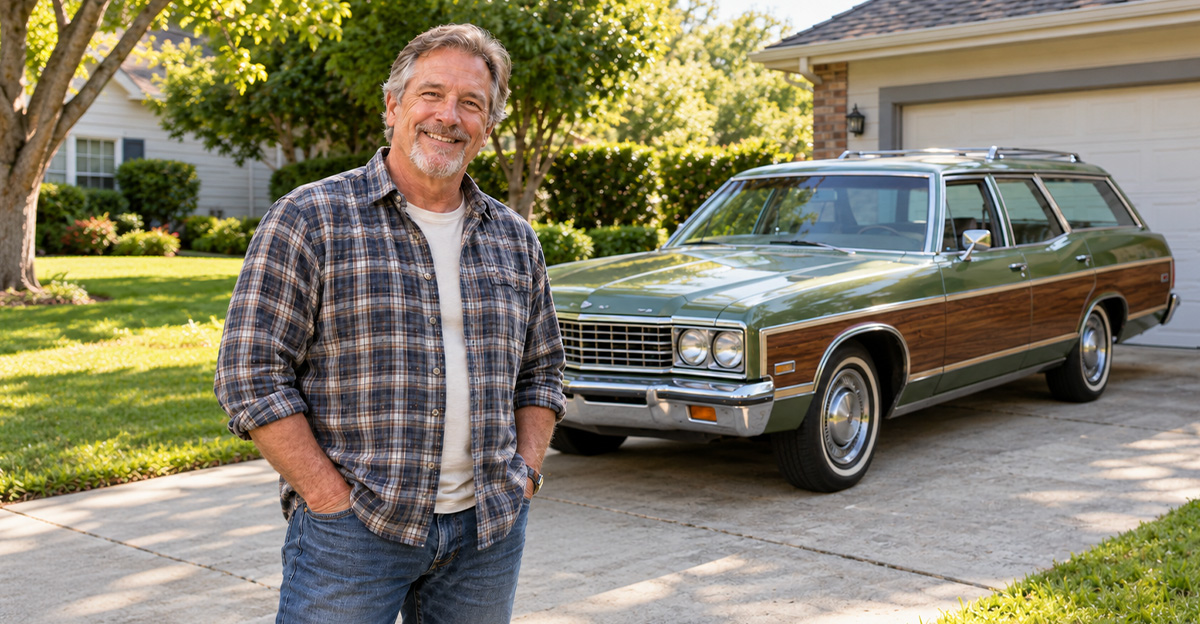
If It Was The Family Station Wagon
You didn't necessarily choose your first car. You inherited it. Yesterday, Mom was using that enormous wagon for groceries. Today, you were taking it out on Friday night. It wasn't glamorous, but it had endless room, incredible visibility, and enough sheet metal to resemble a small naval vessel.
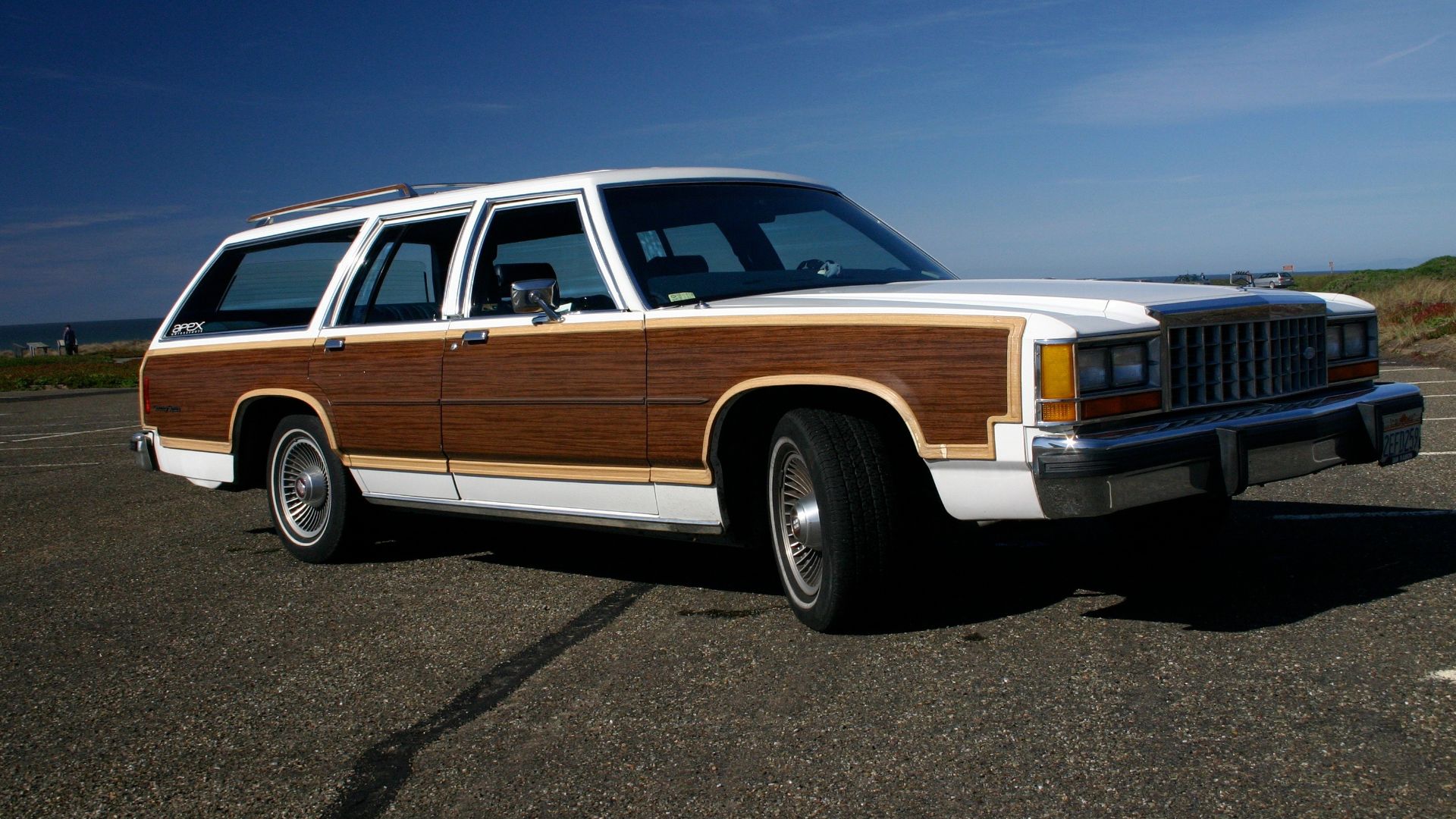 Sunstarfire, Wikimedia Commons
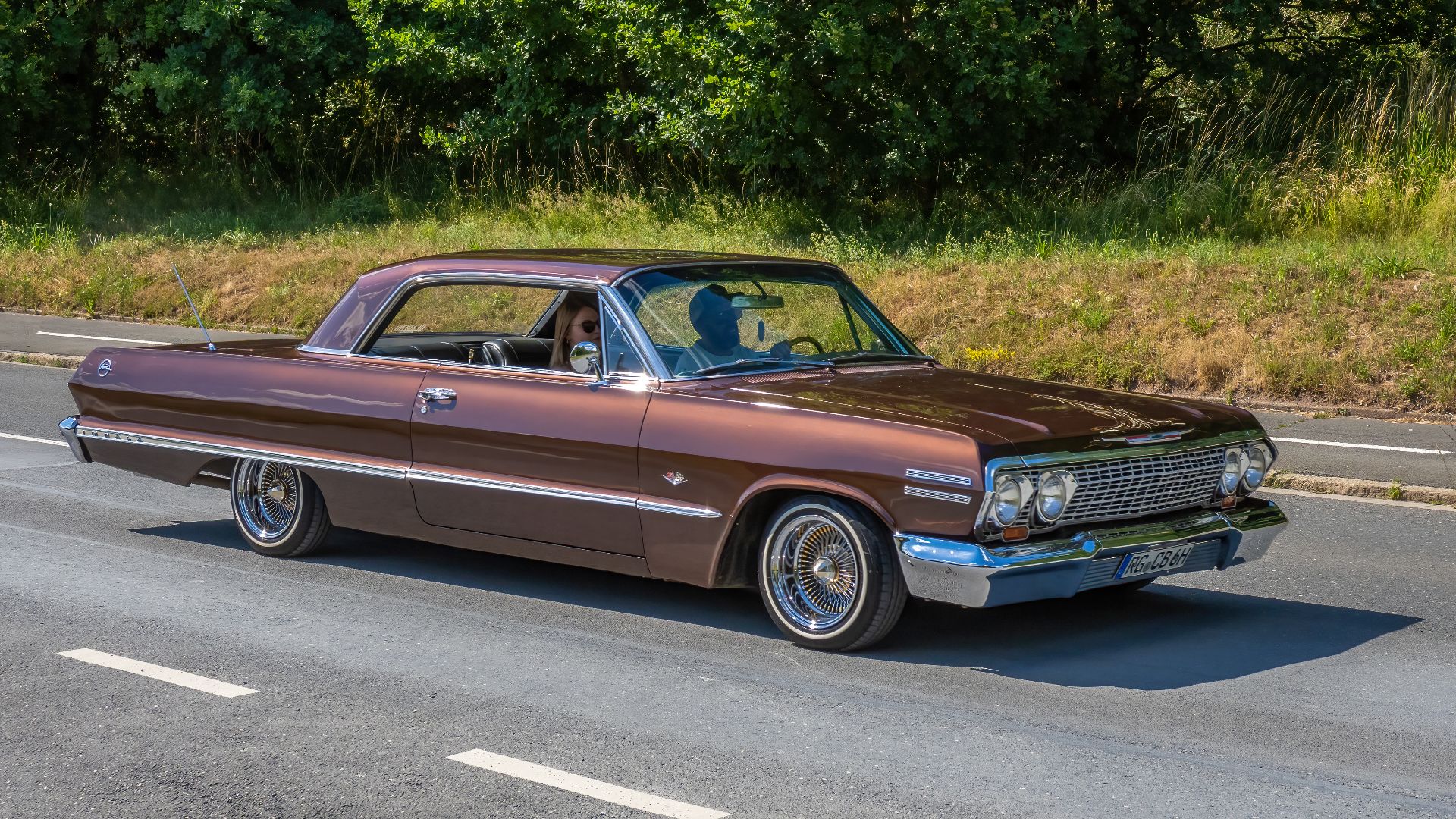
If It Was A Chevrolet Impala
You appreciated a proper American automobile. An older Impala offered big seats, a huge trunk, and enough hood stretching ahead of you to require careful parking. Your first-car experience probably taught you to enjoy cruising rather than rushing, and you may still think today's cars feel unnecessarily cramped.
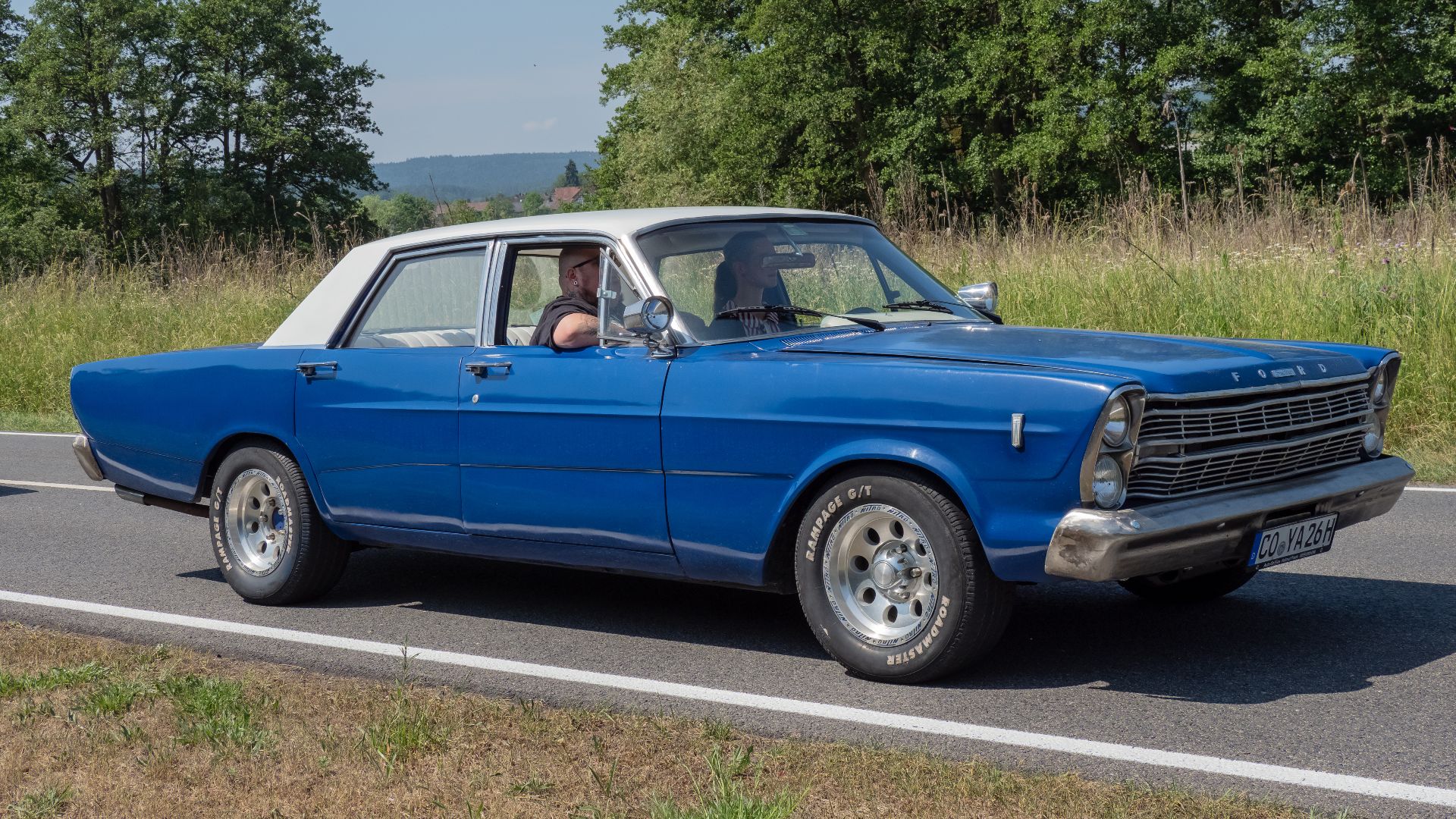
If It Was A Ford Galaxie
You probably learned driving with acres of Detroit steel surrounding you. A Galaxie wasn't shy about its dimensions, and neither were you once you mastered it. Parallel parking one successfully was practically a driver's examination all by itself. Modern compact cars probably feel like golf carts afterward.
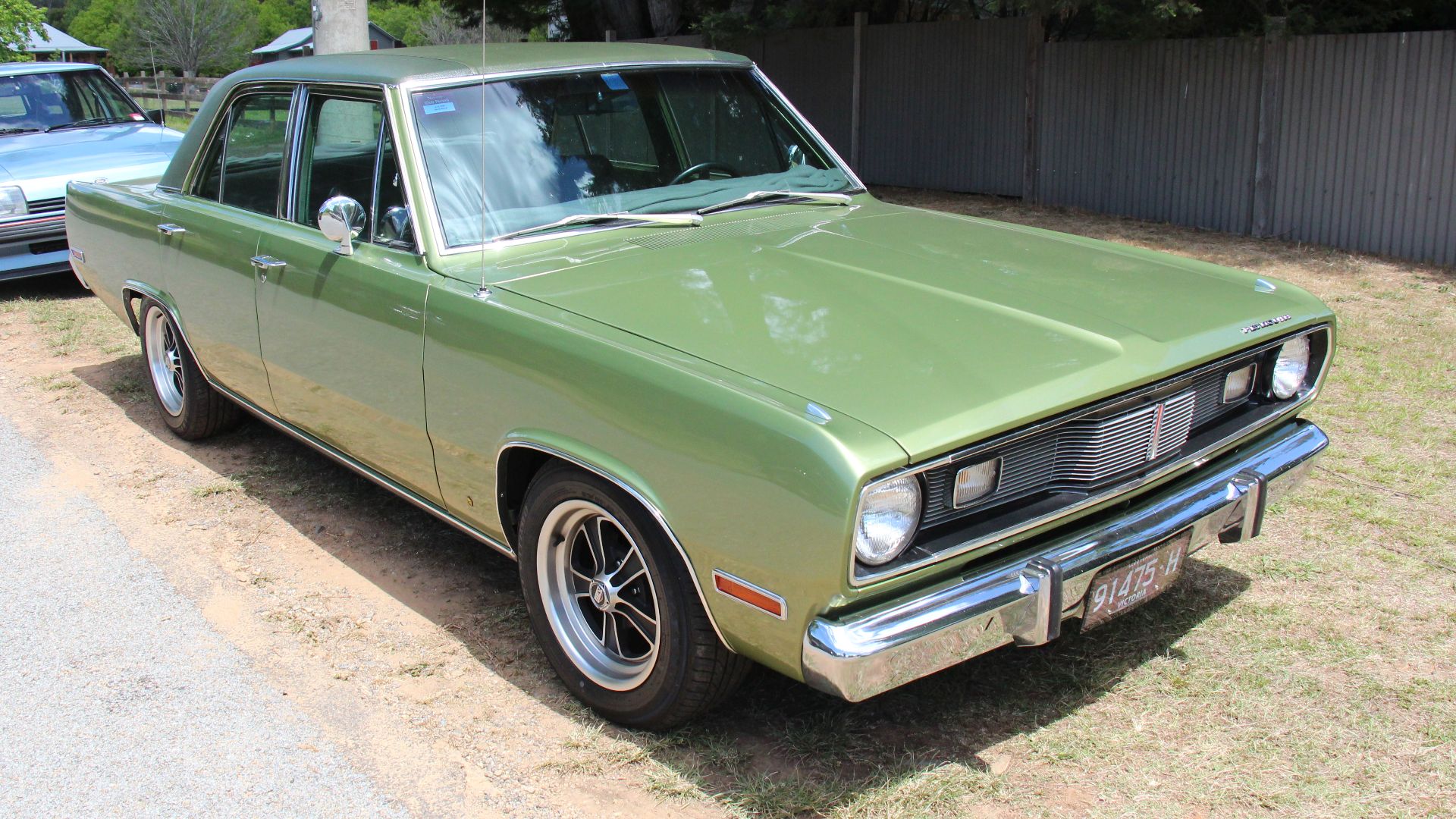
If It Was A Dodge Dart
You understood value before it became fashionable. Darts were straightforward, durable machines that didn't need to shout about what they could do. If one was your first car, you probably became the kind of driver who appreciates machinery that starts every morning without demanding applause.
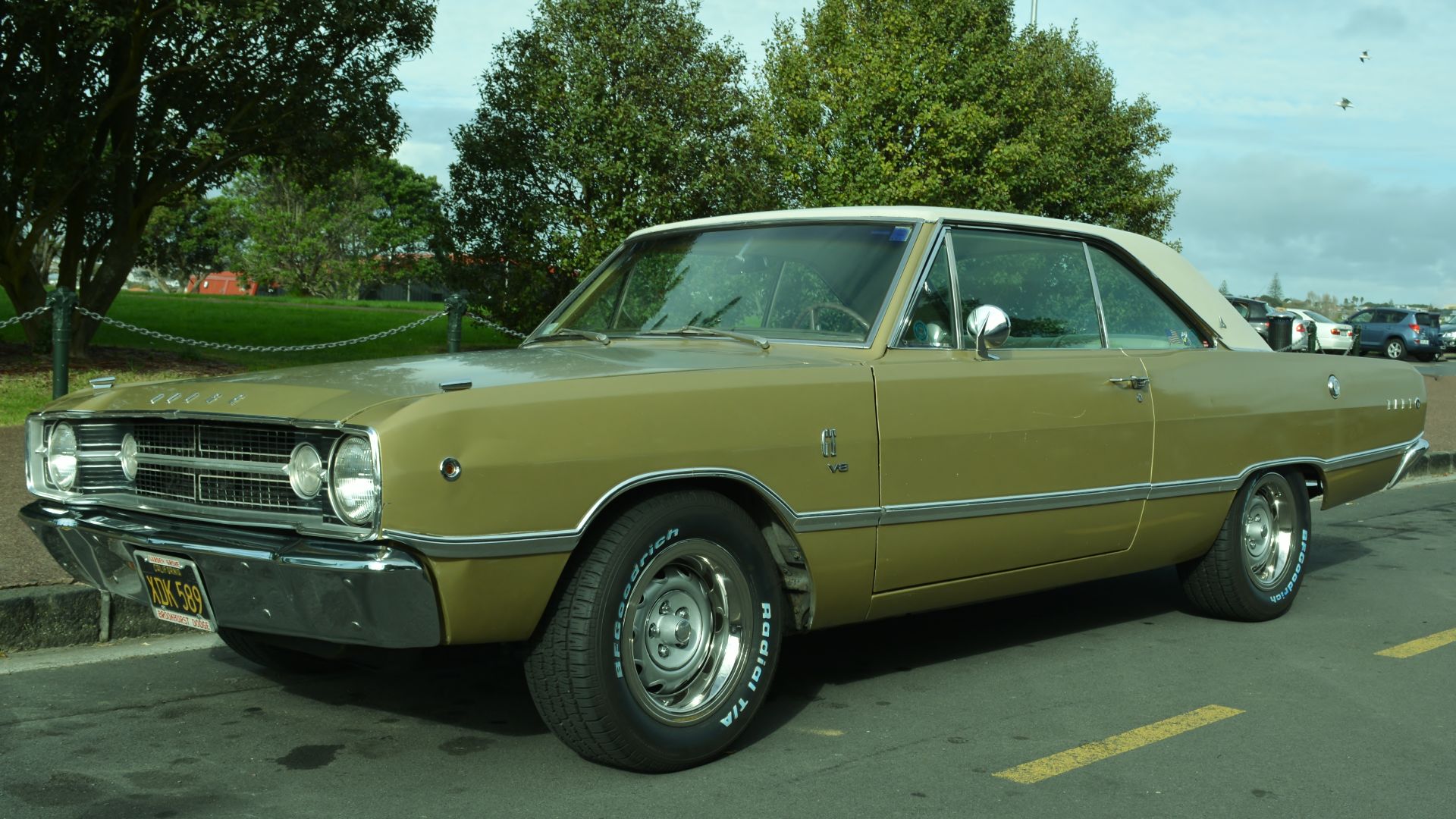 GPS 56 from New Zealand, Wikimedia Commons
If It Was A Plymouth Valiant
You were sensible, whether you wanted to admit it or not. The Valiant was the sort of car parents liked because it seemed responsible, which naturally made teenagers somewhat less enthusiastic. Yet those rugged little Plymouths kept going, quietly teaching an entire generation that dependable can eventually become lovable.
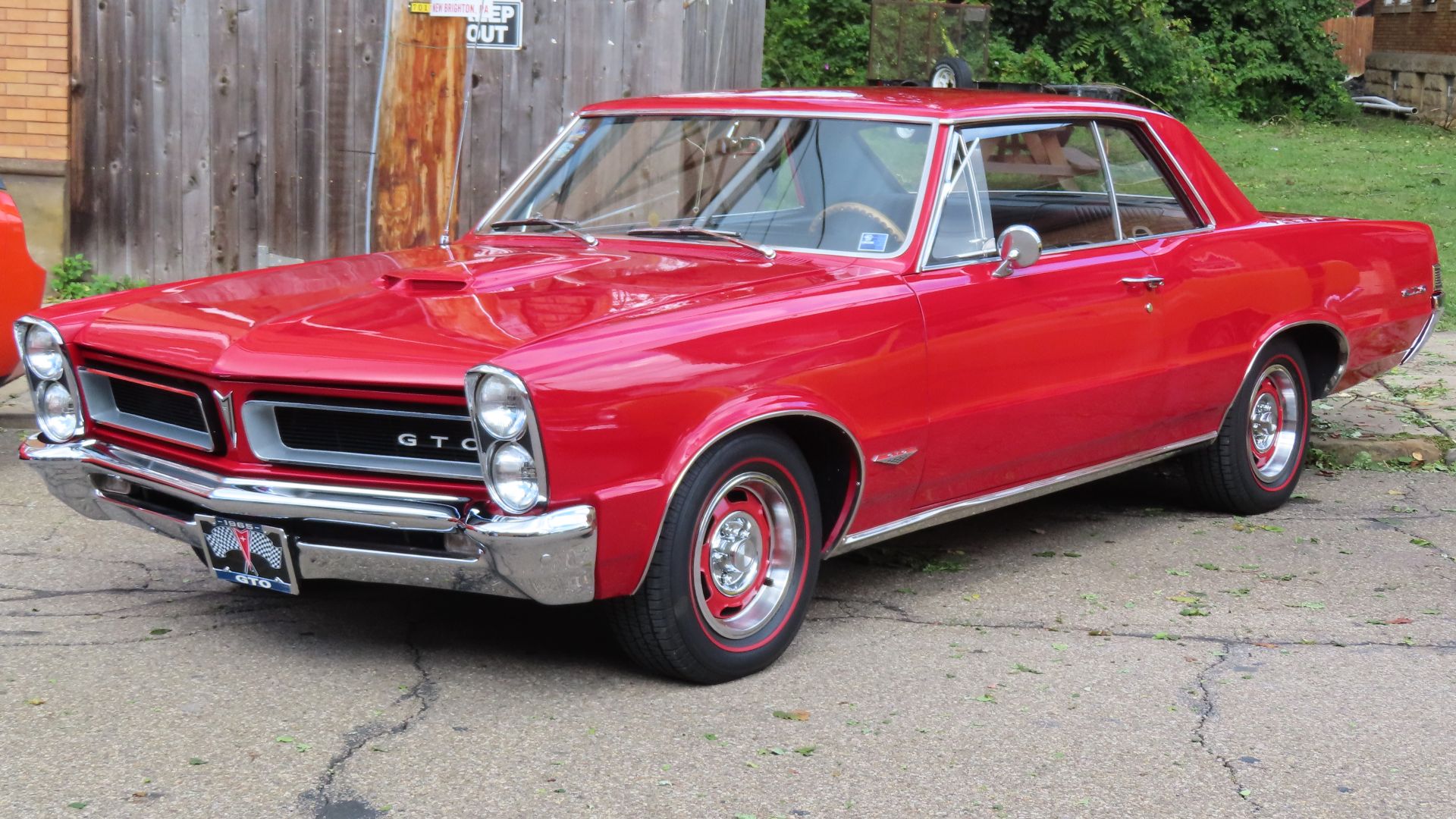
If It Was A Pontiac GTO
You weren't easing gently into car ownership. You were arriving. A GTO as a first ride meant acceleration wasn't merely a specification printed in a brochure. It was an event. Chances are you can still remember the engine note, and you've spent decades explaining that memory to younger drivers.
 MercurySable99, Wikimedia Commons
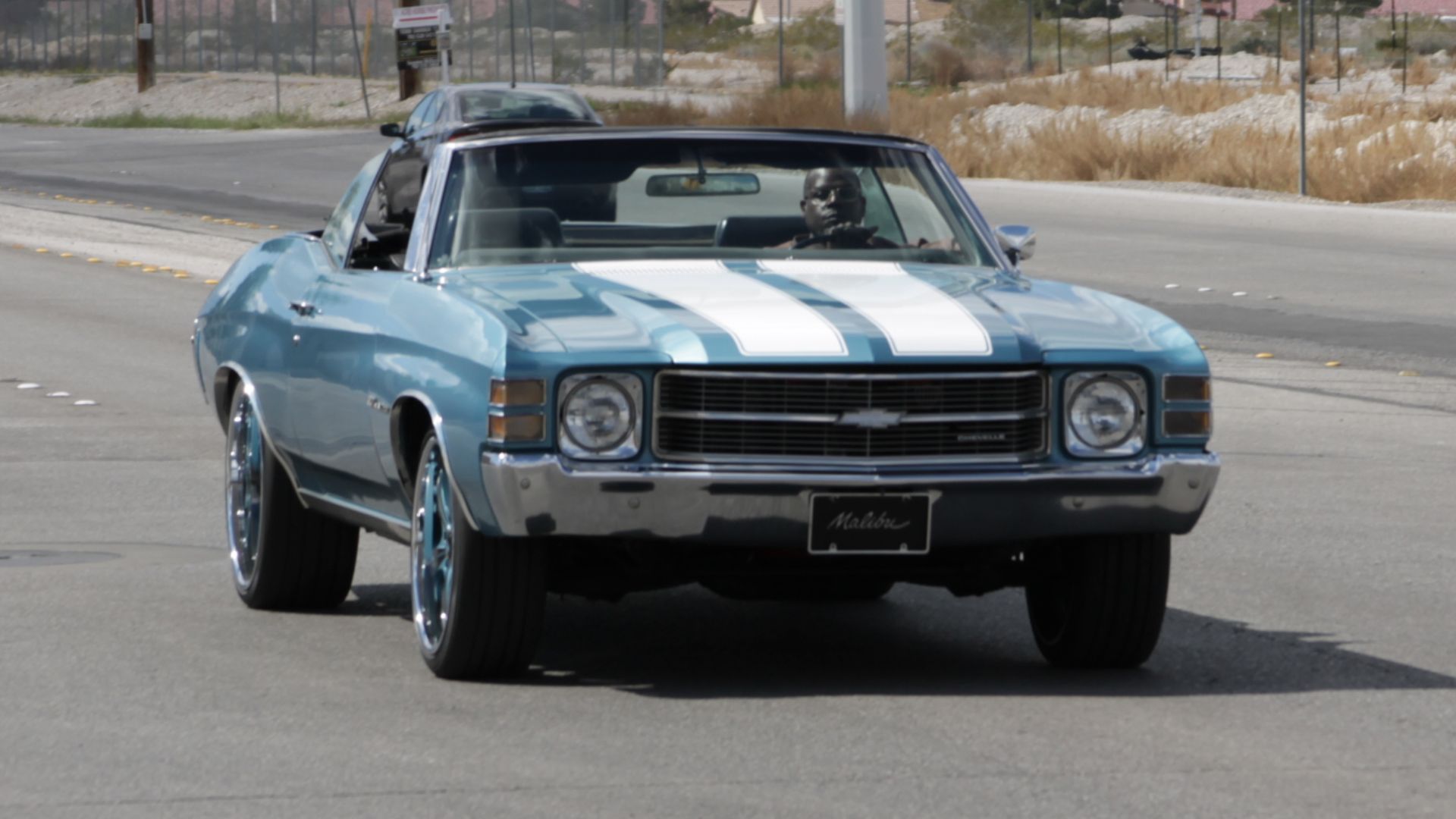
If It Was A Chevrolet Chevelle
You probably enjoy telling people how inexpensive these cars once were. Nobody believes you now. A used Chevelle could once be merely an older car sitting in someone's driveway rather than a prized collectible. If you owned one young, today's auction prices may cause a particularly painful kind of nostalgia.
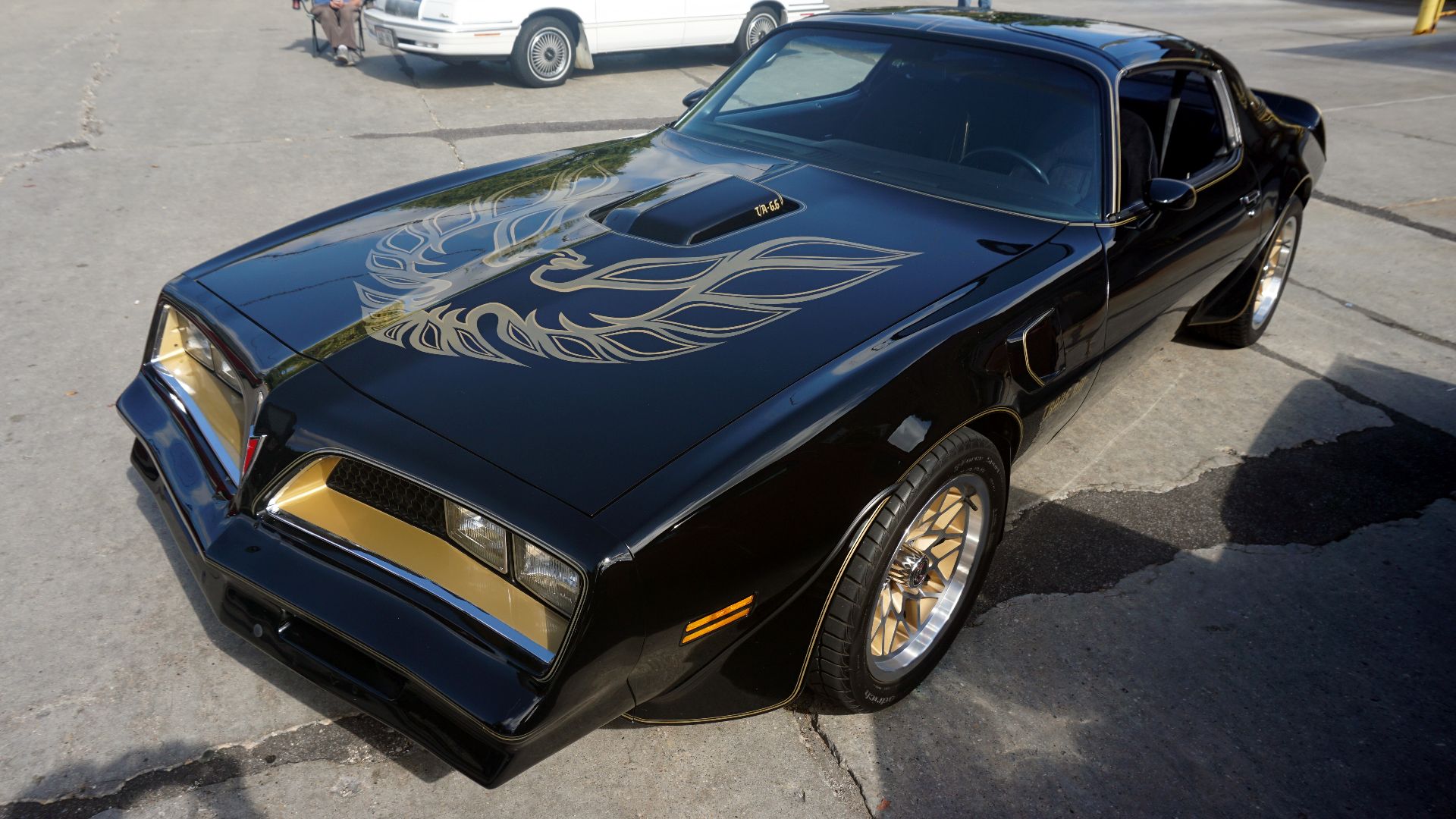
If It Was A Pontiac Firebird
You liked a little theater with your transportation. Firebirds had long hoods, dramatic styling, and enough swagger to make a trip to the grocery store feel more interesting. If yours came during the 1970s, chances are you also developed strong opinions about hood graphics, spoilers, and T-tops.
 Michael Barera, Wikimedia Commons
If It Was A Ford Pinto
You're probably very good at laughing at yourself. The Pinto's reputation eventually became bigger than the car itself, but thousands of people simply remember it as affordable transportation. If one was your first ride, you learned early that loving an automobile and admitting its flaws aren't mutually exclusive.
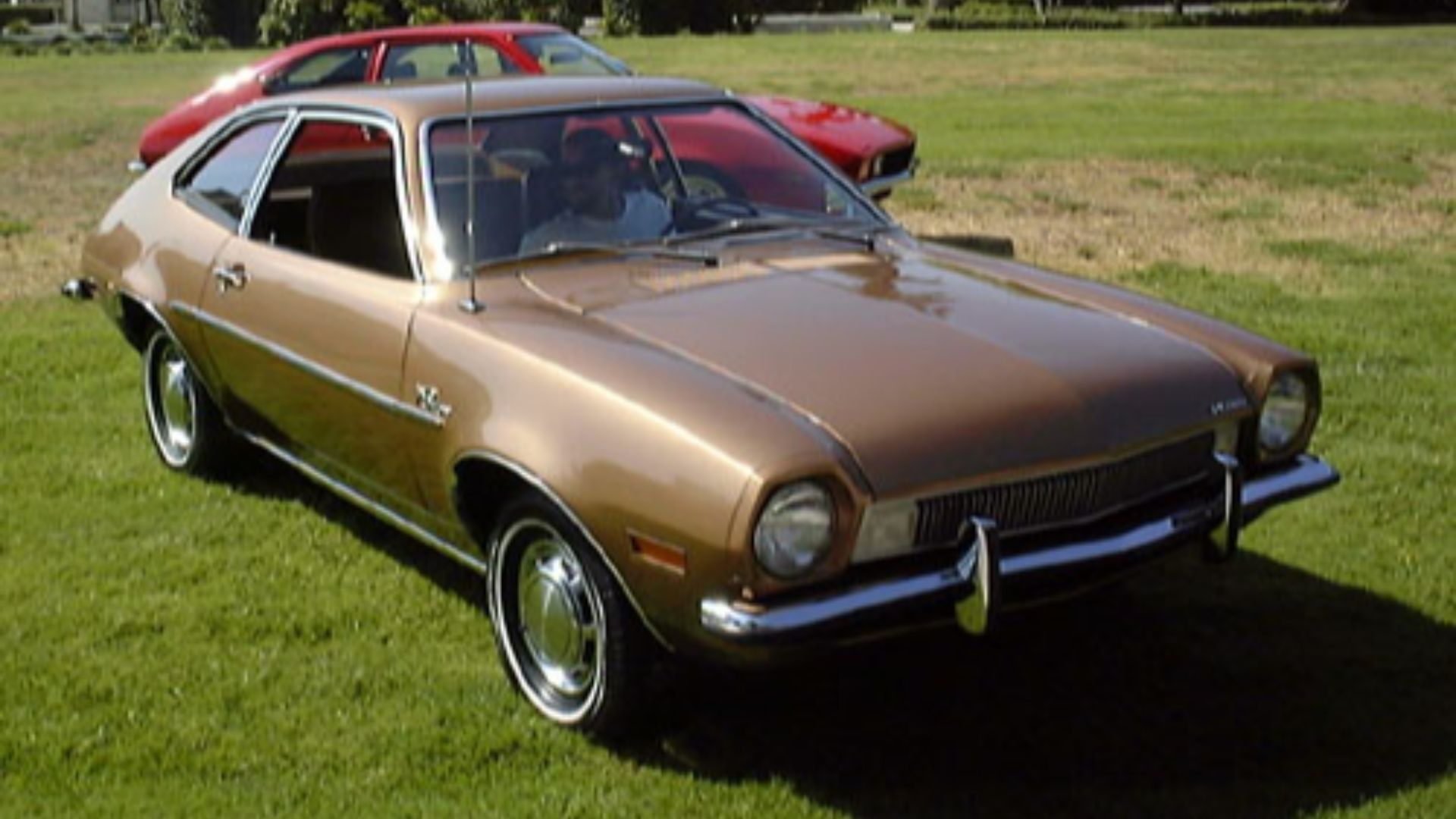 User Morven on en.wikipedia, Wikimedia Commons
If It Was An AMC Gremlin
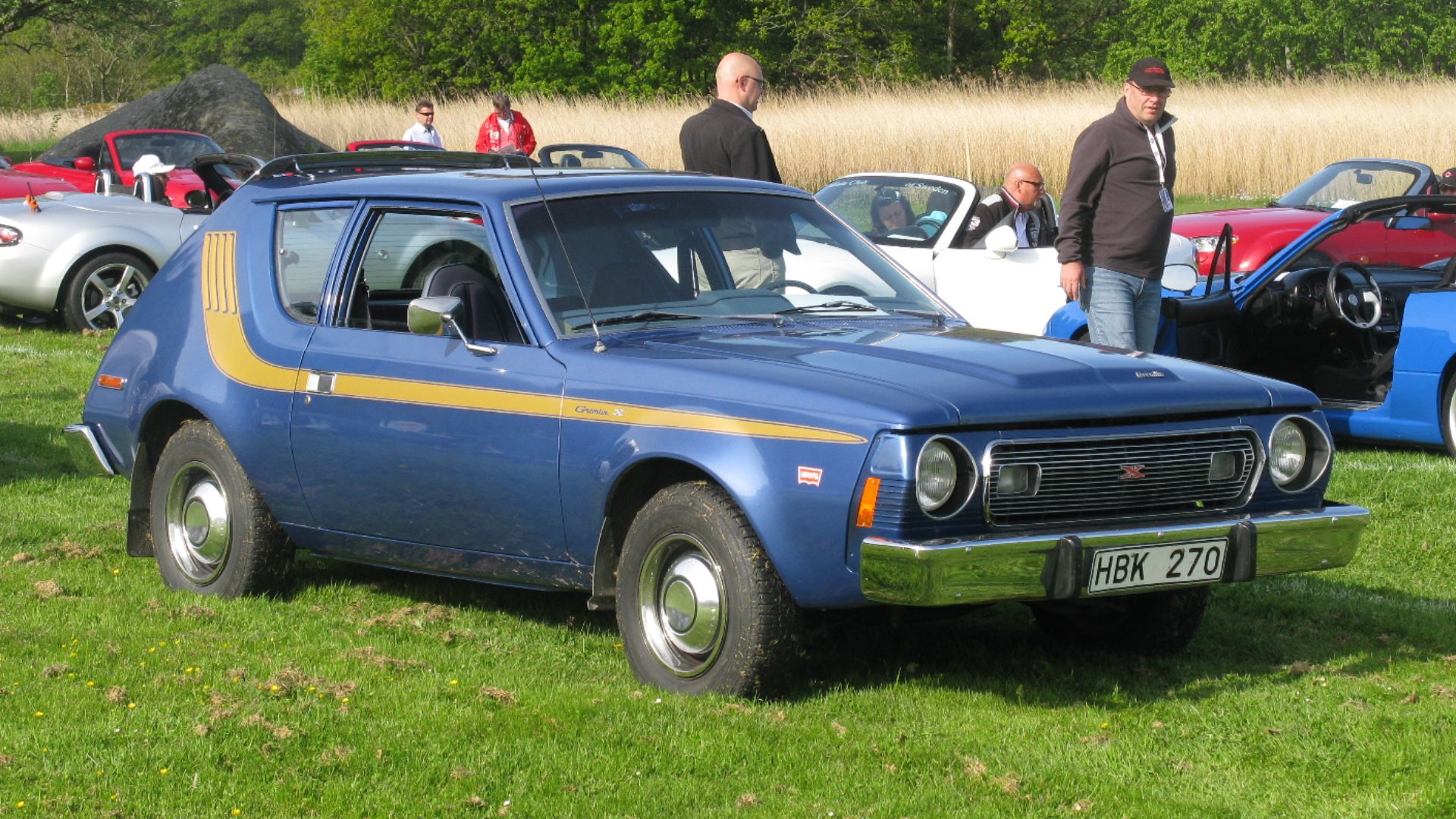
You have never been especially concerned with conventional taste. The Gremlin looked like somebody had removed the back of a larger car and called the job finished. Yet that strange shape gave it genuine character. Former owners tend to remember them with a grin rather than embarrassment.
If It Was An AMC Pacer
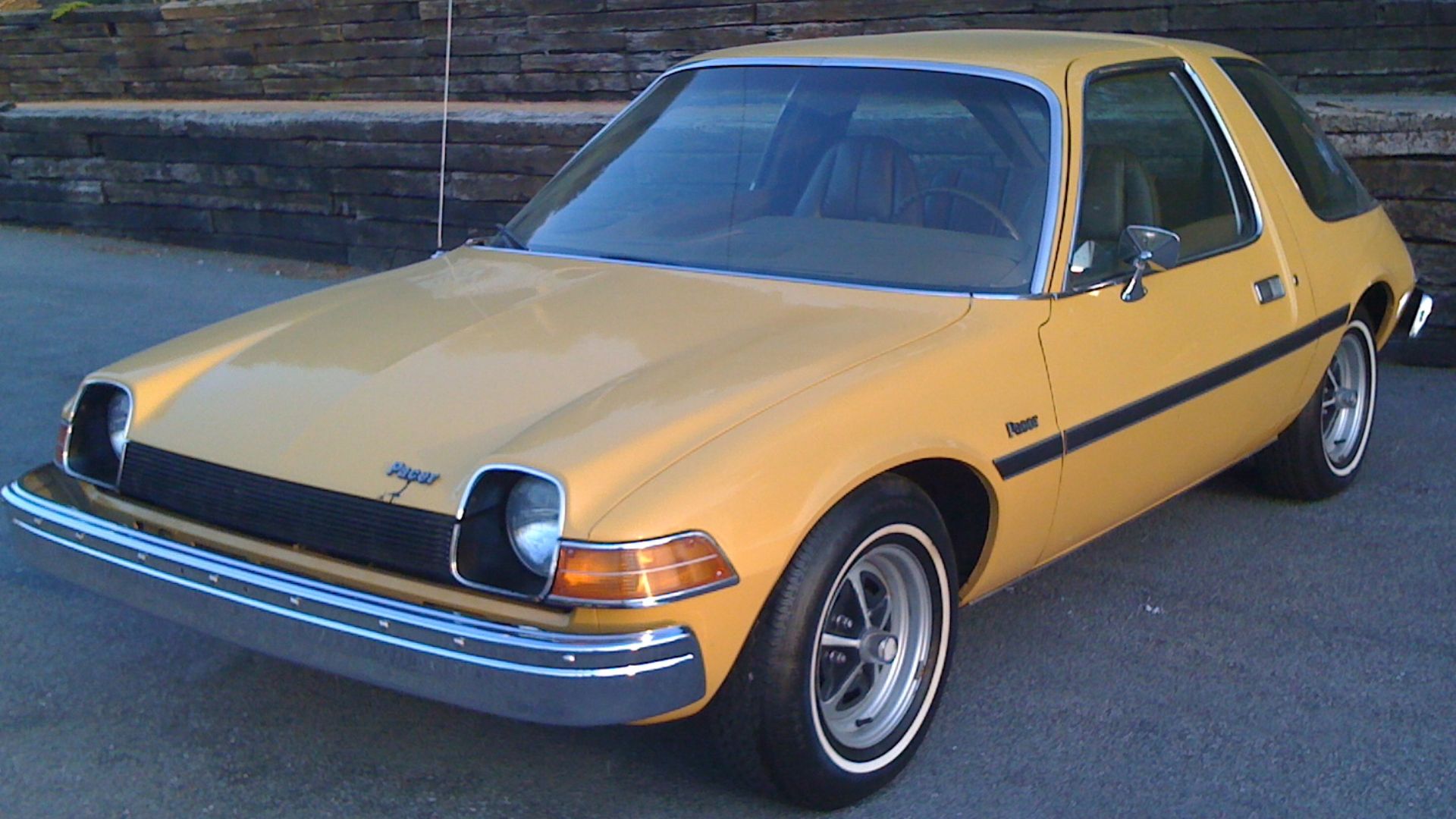
You were either wonderfully individualistic or your parents found an incredible deal. Possibly both. The Pacer's enormous windows and unmistakable proportions guaranteed attention everywhere it went. Anyone who learned to drive one probably developed a lifelong appreciation for cars that weren't designed by committee.
If It Was A Volkswagen Bus
You weren't worried about reaching your destination quickly. You were interested in bringing everyone along. Volkswagen buses turned transportation into a social occasion. Friends piled inside, luggage went wherever it fit, and modest horsepower encouraged patience. You probably still value the journey almost as much as the destination.
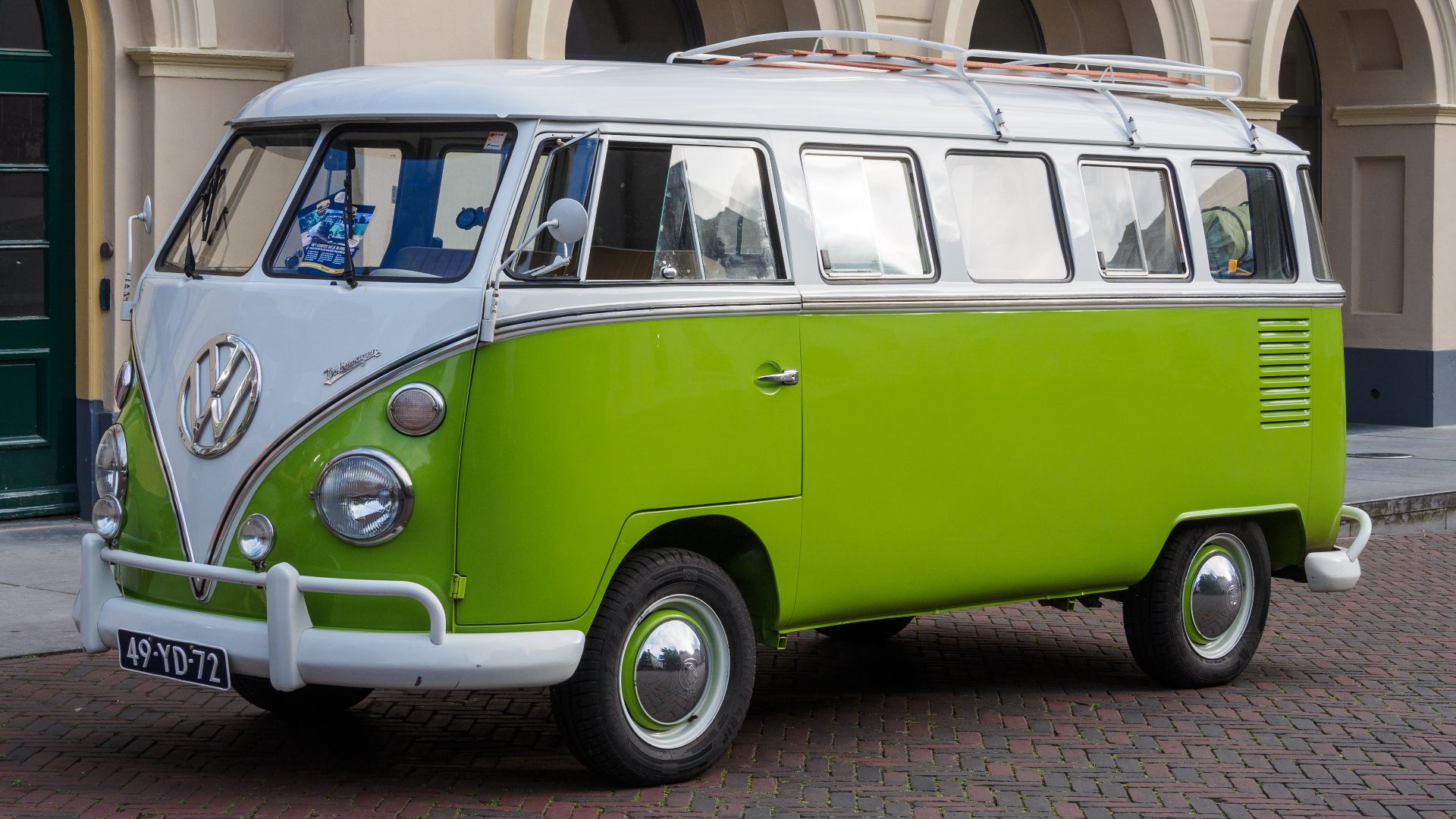 JoachimKohler-HB, Wikimedia Commons
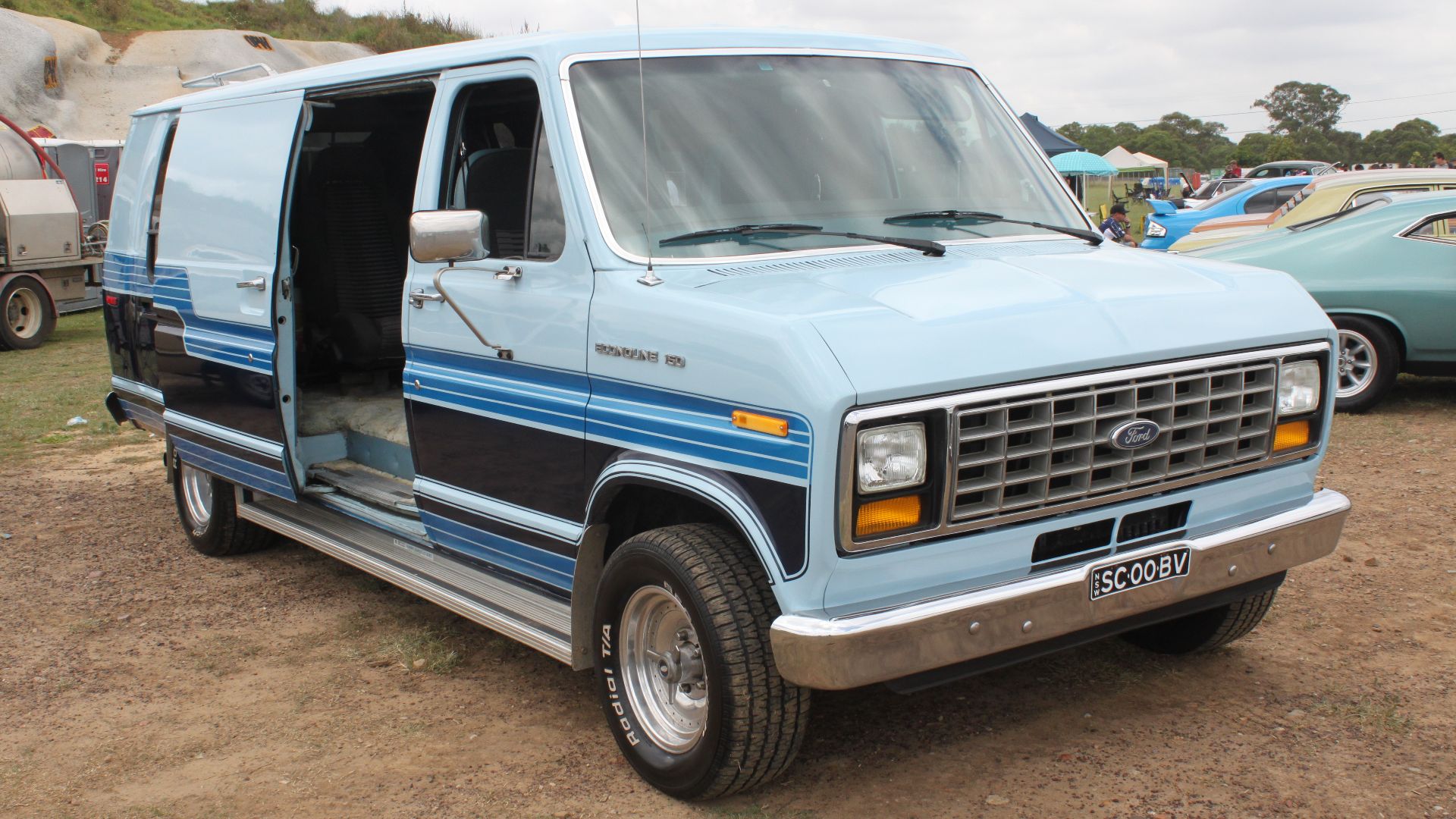
If It Was A Ford Econoline Van
You wanted freedom with cargo space. Vans became rolling expressions of personality during the 1960s and 1970s, and an Econoline offered possibilities ordinary sedans simply couldn't match. It could haul equipment during the week and become an adventure machine on weekends. Practical? Absolutely. Boring? Never.
 Jeremy from Sydney, Australia, Wikimedia Commons
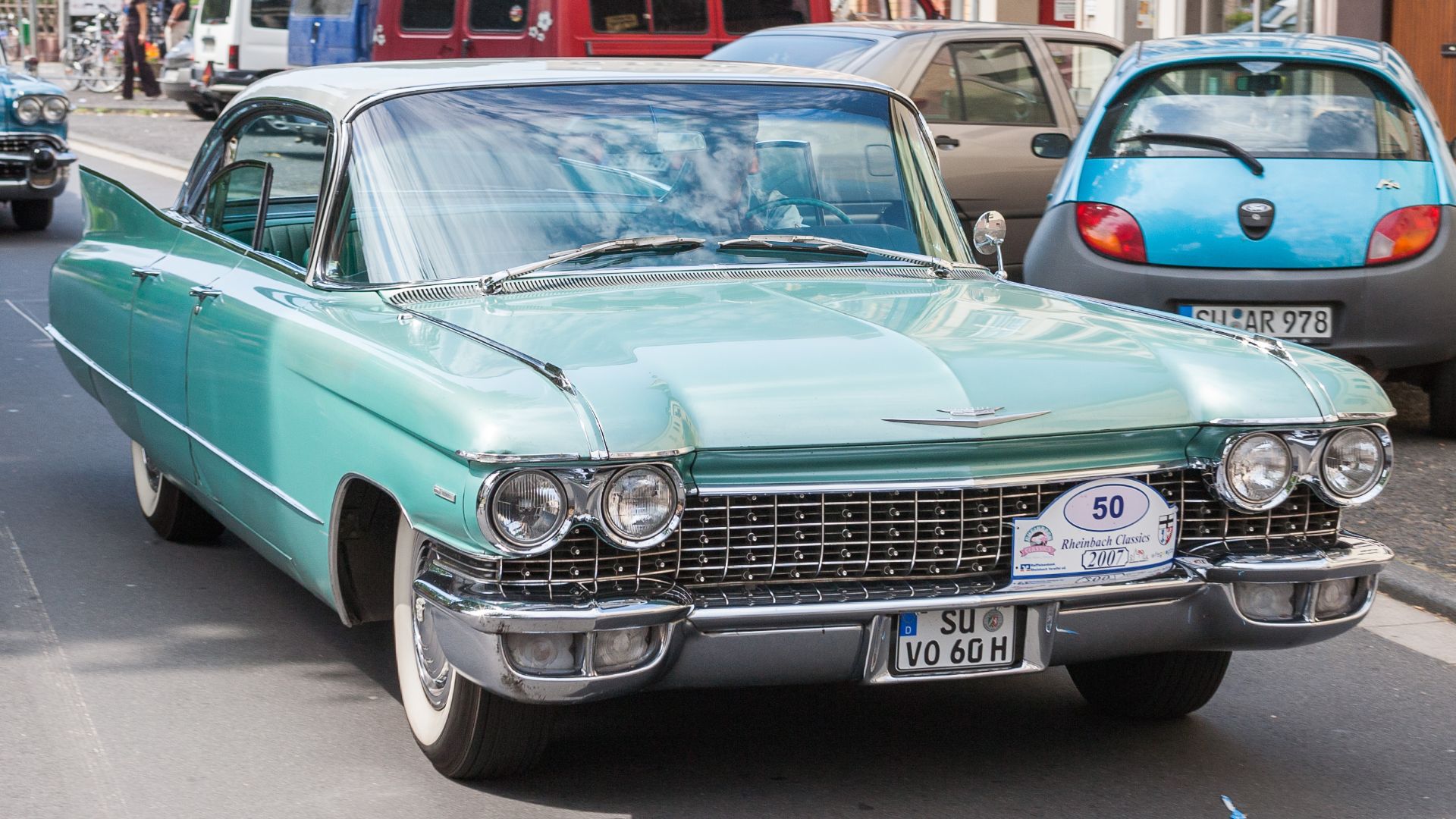
If It Was A Cadillac Hand-Me-Down
You started at the top and perhaps didn't fully appreciate it. While friends drove economy cars, you arrived behind several yards of chrome, carpeting, and Detroit luxury. The fuel bill may have been painful, but few first cars could make a teenager feel more important while going 35 mph.
 Eckhard Henkel, Wikimedia Commons
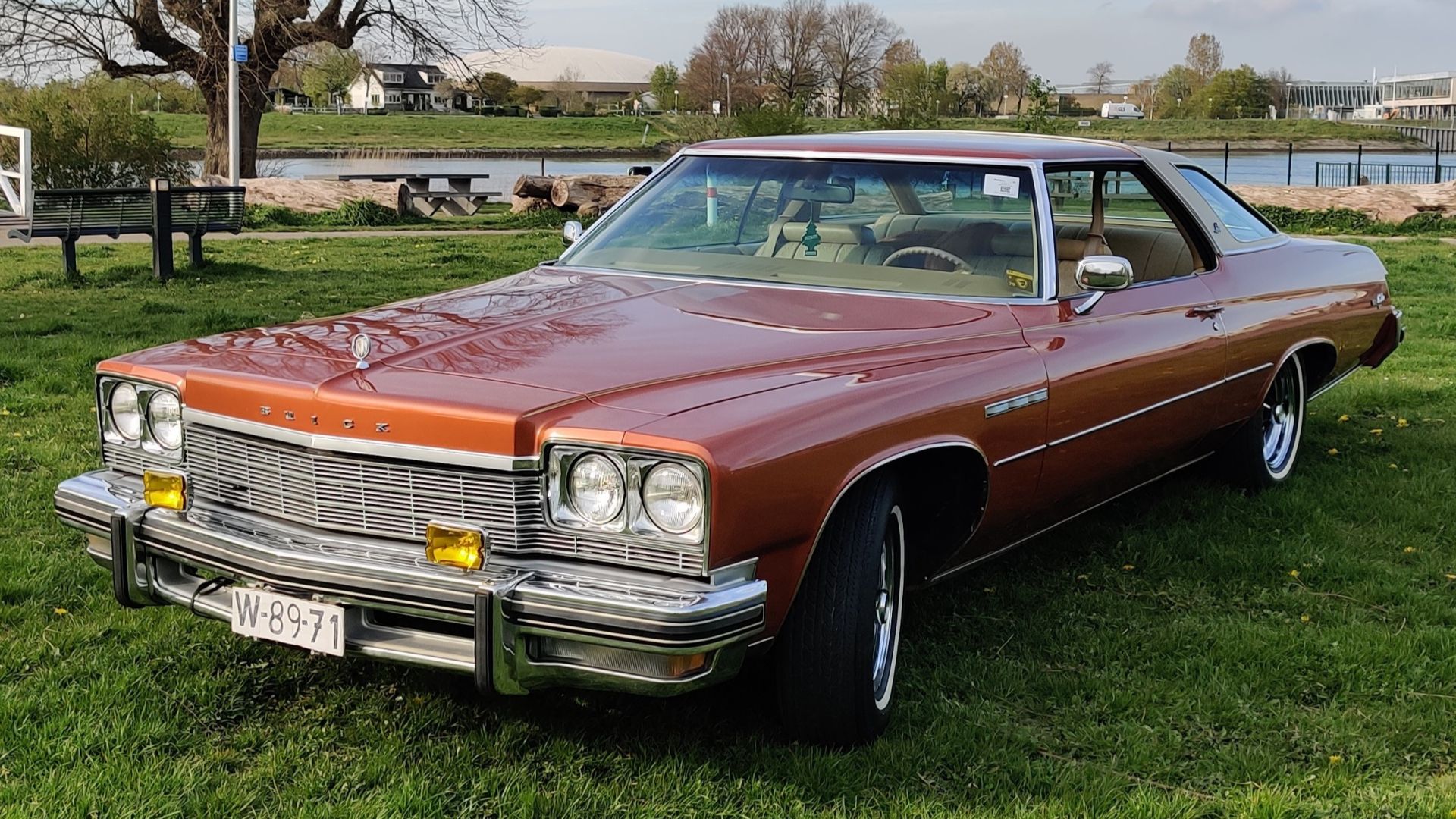
If It Was A Buick
You may have inherited your first car from somebody considerably older than you. That's no insult. Used Buicks often became excellent starter cars because families already owned them, they were comfortable, and they usually had plenty of life left. You probably learned to appreciate comfort surprisingly early.
 Merijn Buick LeSabre, Wikimedia Commons
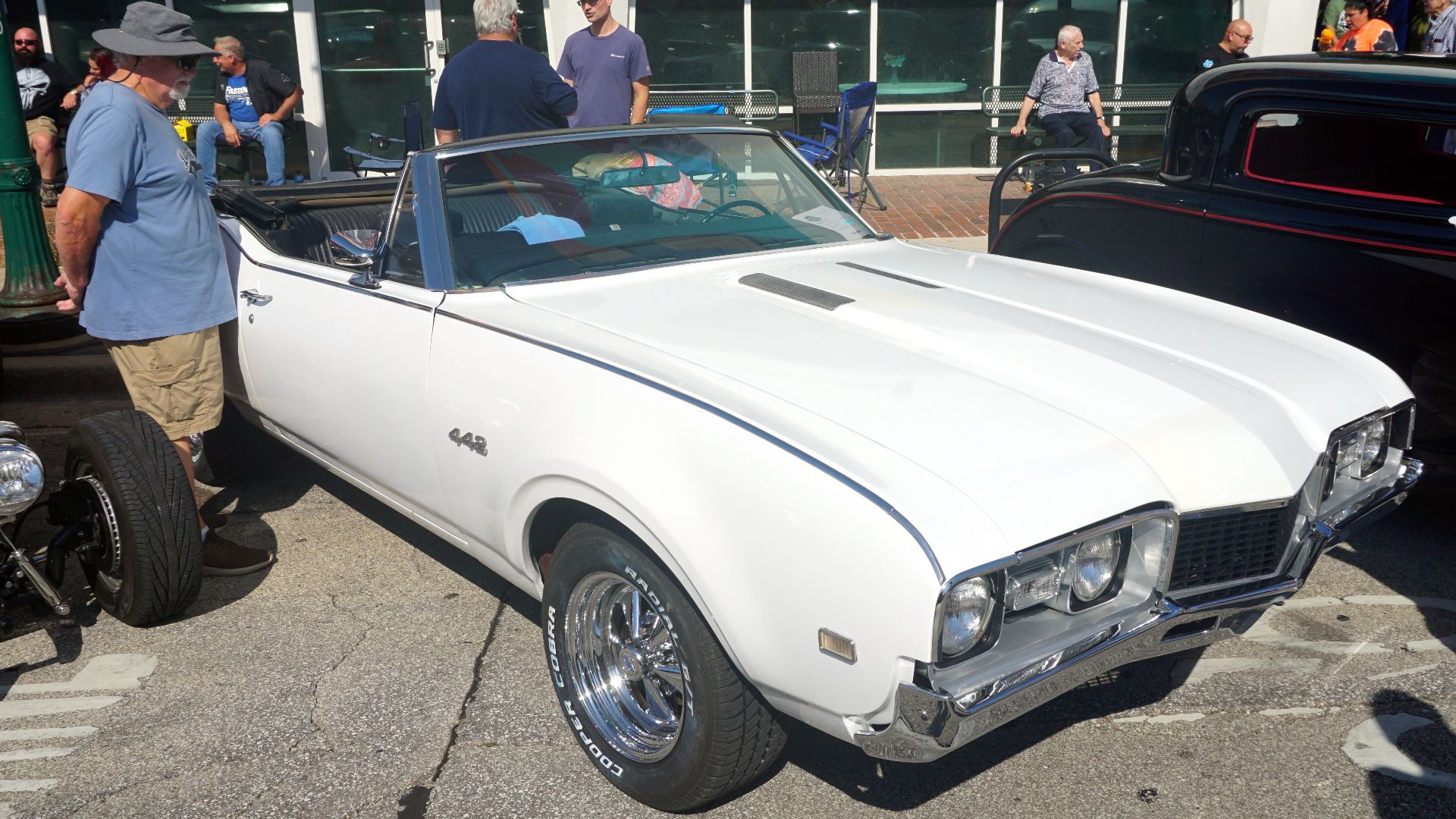
If It Was An Oldsmobile Cutlass
You landed right in the sweet spot between sensible and stylish. Cutlasses were everywhere for good reason. They were comfortable enough for parents yet handsome enough that younger drivers didn't mind being seen in them. If one was your first car, you probably remember American personal luxury very fondly.
 Michael Barera, Wikimedia Commons
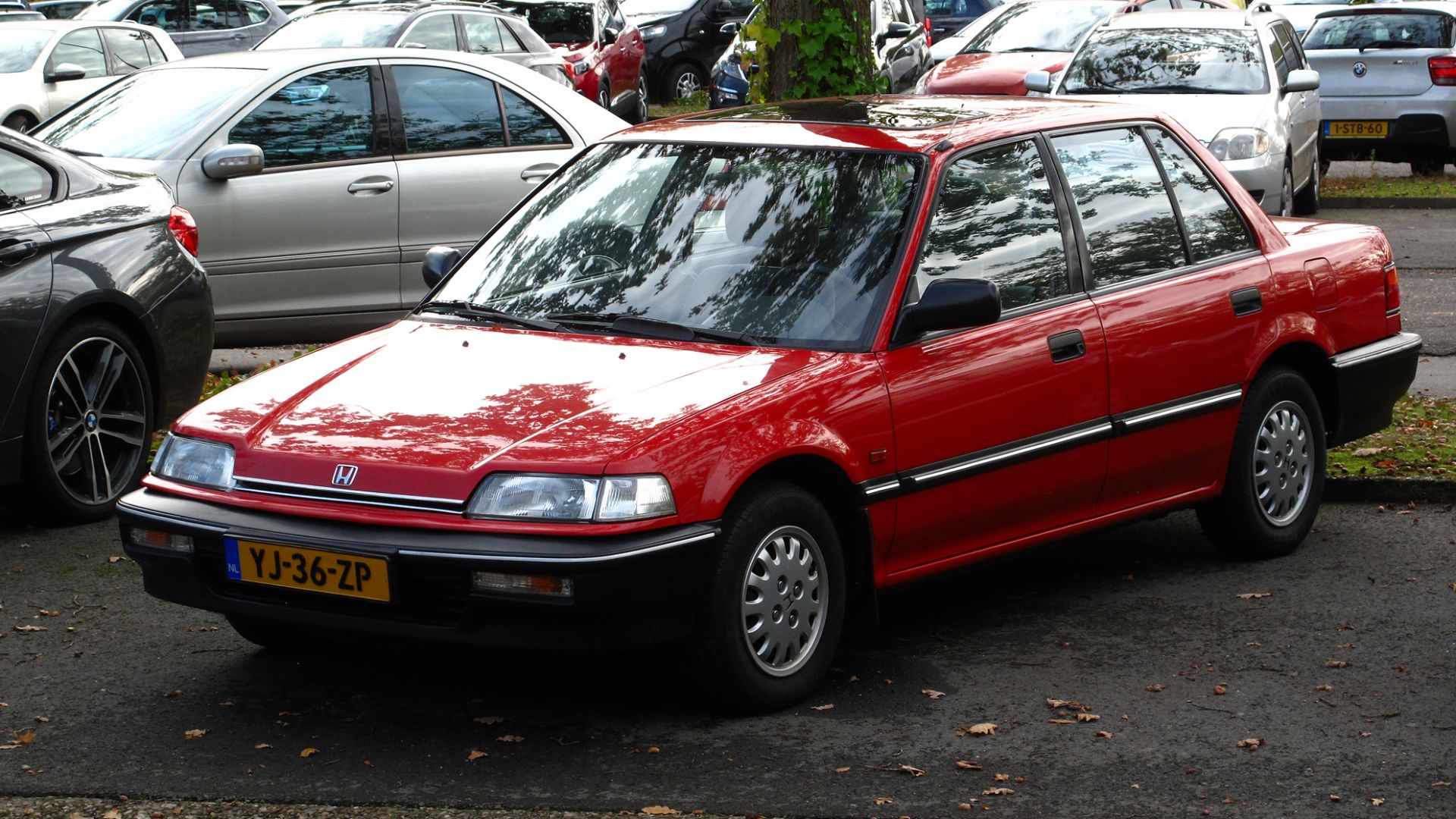
If It Was A Honda Civic
You entered car ownership with a different philosophy. Small Hondas proved that dependable transportation didn't have to weigh two tons or require a huge engine. Early Civic owners often discovered something revolutionary: filling the tank didn't have to empty the wallet. That lesson aged particularly well.
 Rutger van der Maar, Wikimedia Commons
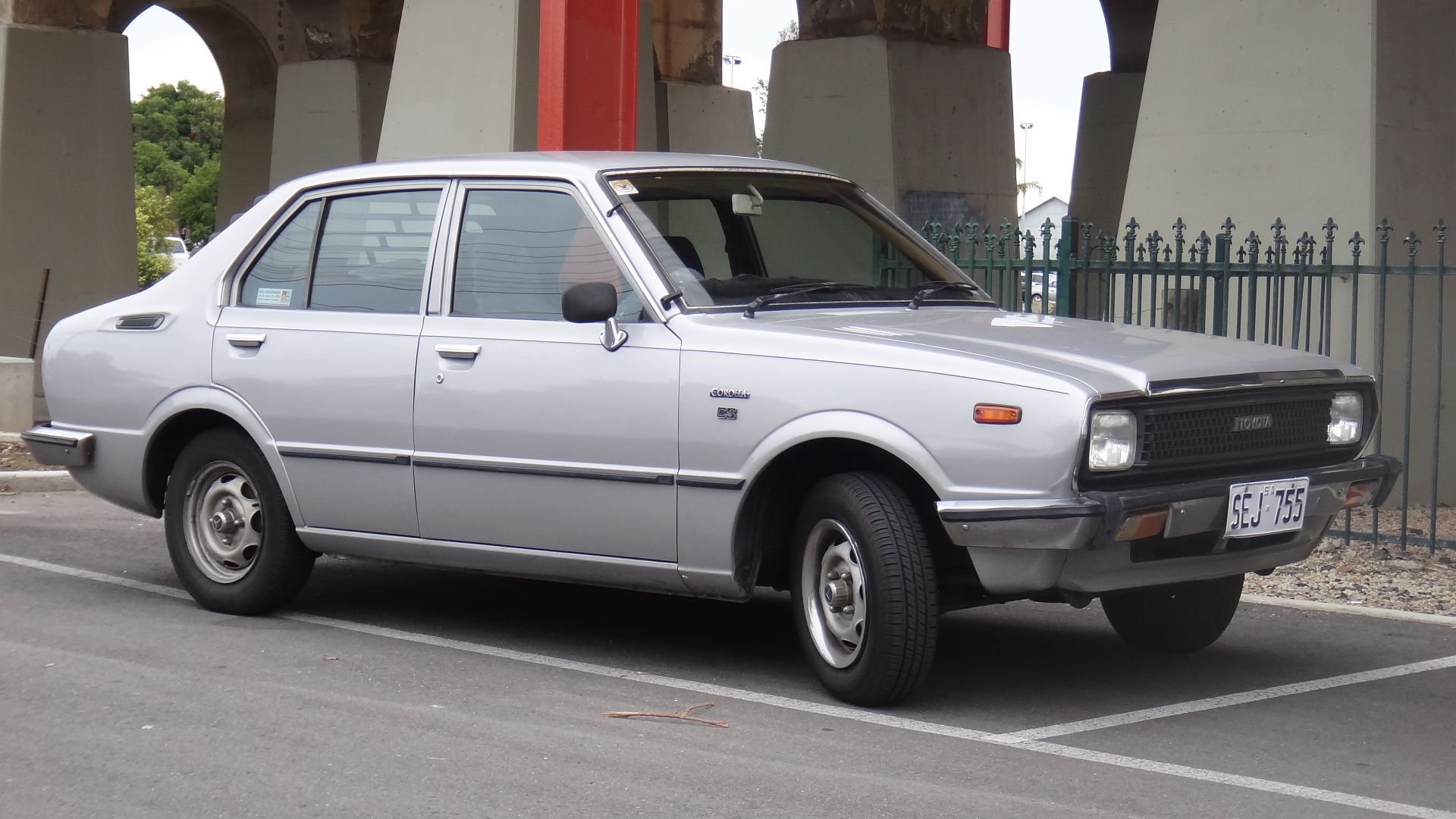
If It Was A Toyota Corolla
You may not have had the coolest car in the school parking lot, but there was a good chance yours would start when some cooler cars wouldn't. Corolla ownership encouraged practicality. You probably learned that the best vehicle isn't always the one everyone admires. Sometimes it's the one that works.
 TuRbO_J from Adelaide, Australia, Wikimedia Commons
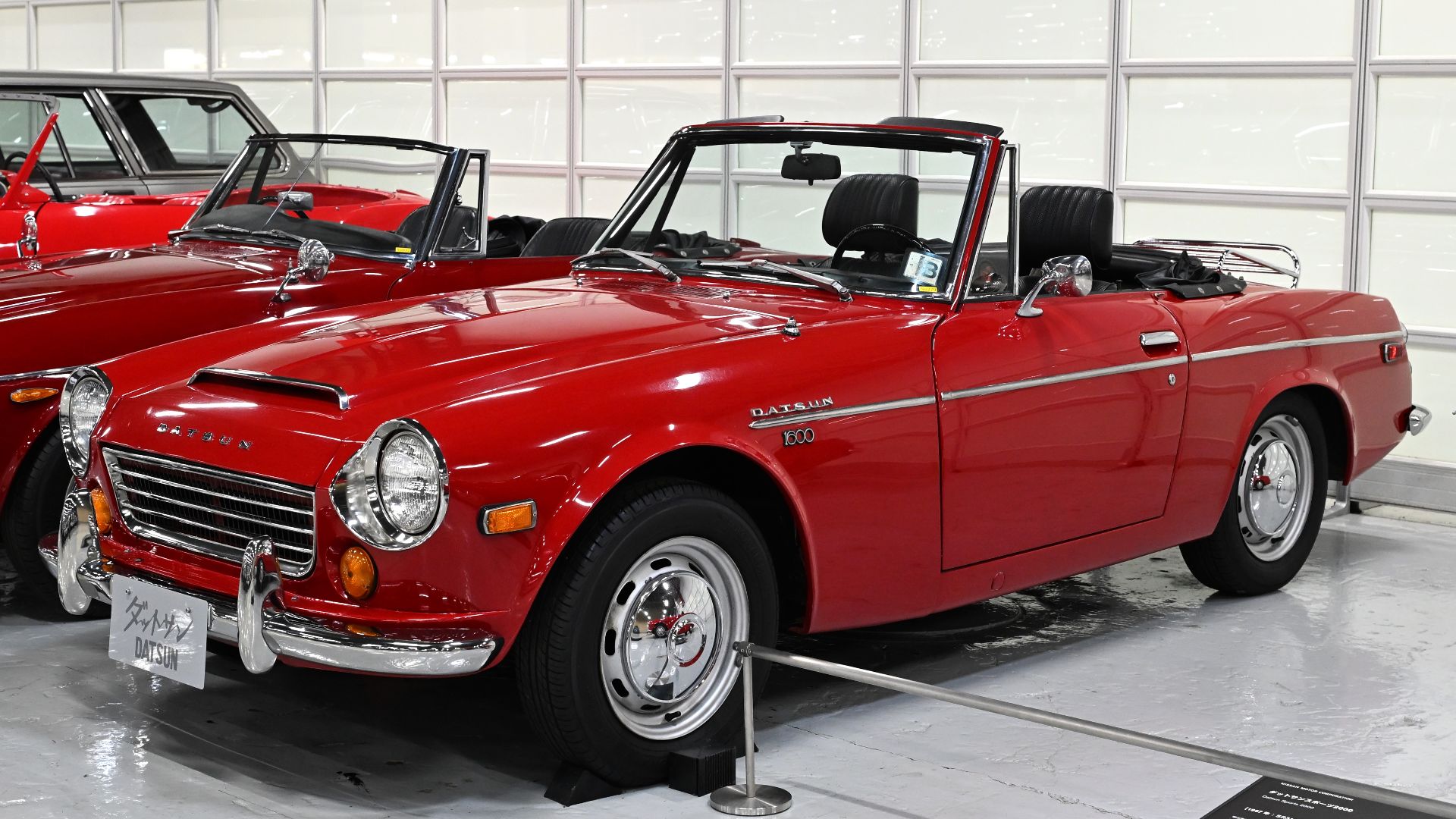
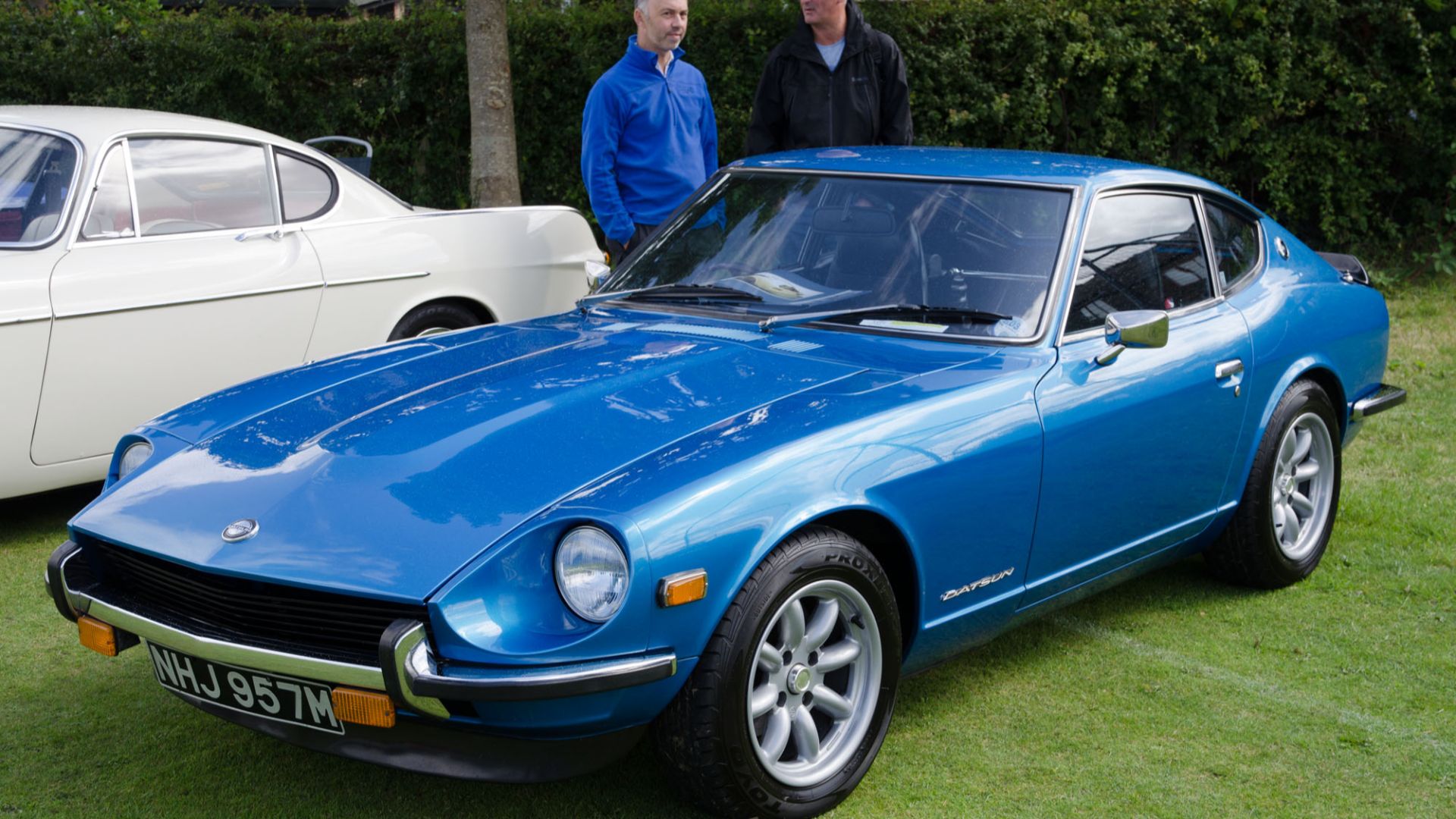
If It Was A Datsun
You were ahead of the curve. Before Nissan became a household name in America, Datsuns were winning drivers over with compact dimensions, good fuel economy, and genuine personality. If you owned one early, you watched Japanese cars go from curious outsiders to major competitors almost in real time.
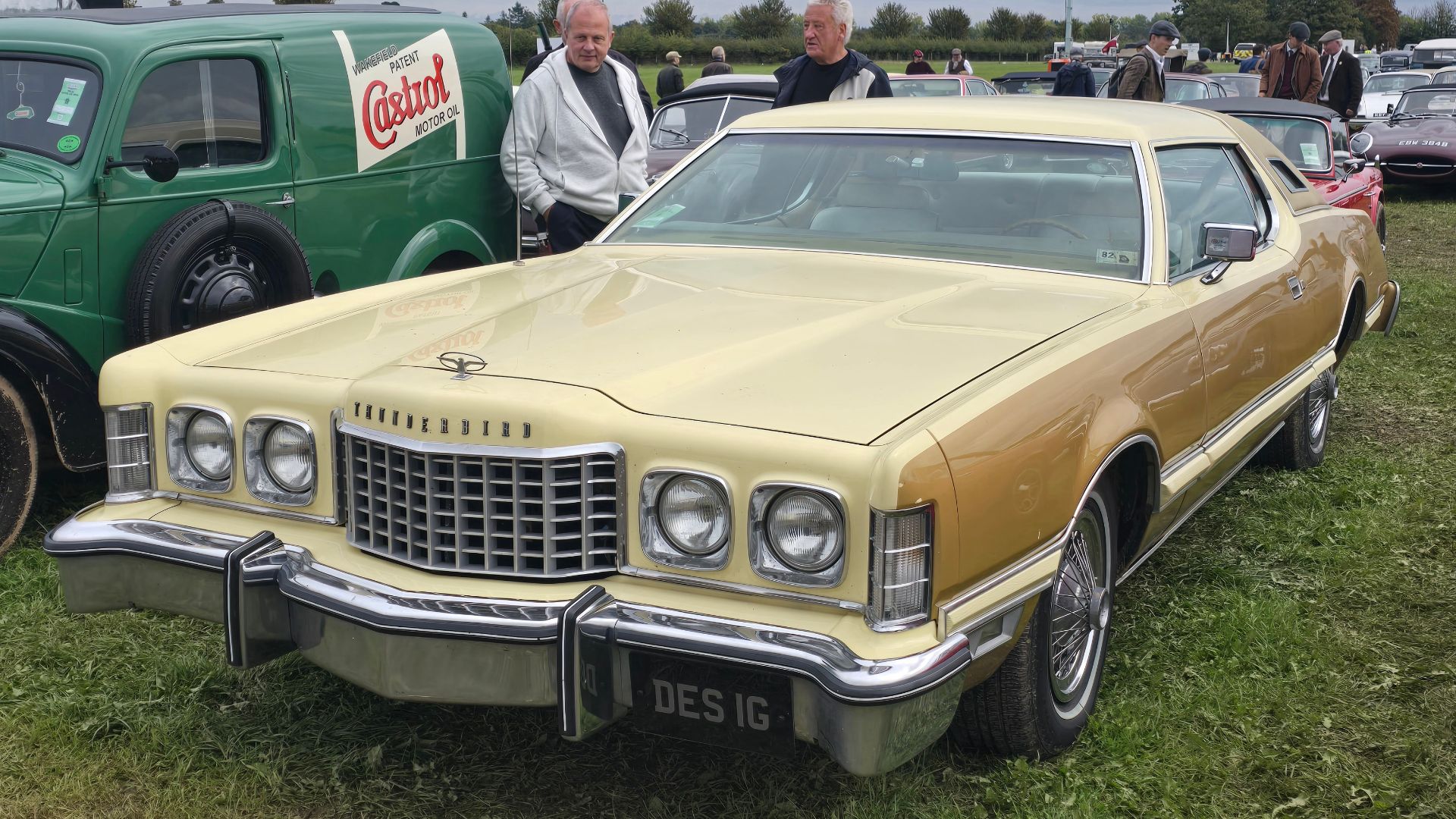
If It Was A Giant Luxury Coupe
You believed more car was always better. Maybe you drove a Thunderbird, Monte Carlo, Grand Prix, or similarly enormous two-door machine. The doors were approximately the length of a canoe, the hood disappeared toward the horizon, and the back seat somehow remained difficult to enter. You loved it anyway.
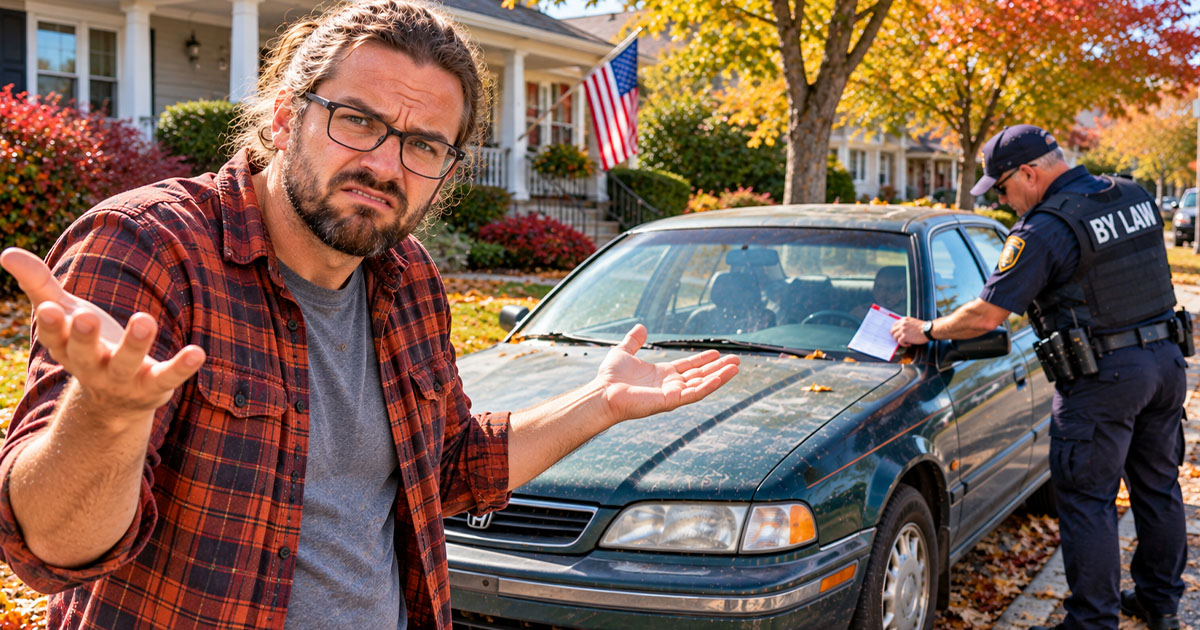
If It Barely Ran At All
Congratulations. You received one of the most useful automotive educations available. When your first car constantly needed repairs, you learned the language of strange noises, leaking fluids, stubborn starters, and mysterious electrical problems. You probably became mechanically resourceful because you couldn't simply replace everything that broke.
 LightField Studios, Shutterstock
If You Still Own It
You're either extremely sentimental, remarkably organized, or wise enough to realize something special before everyone else did. Keeping a first car for decades means preserving a physical piece of your younger life. Every scratch has a story, and every familiar control can transport you backward in seconds.
Your First Car Was Really About Freedom
The badge on the hood mattered, but what your first car truly said about you was simple: you were finally going somewhere on your own. It might have been fast, slow, beautiful, ugly, dependable, or held together through determination alone. Decades later, that's why we still remember those first keys so clearly.

You May Also Like:
Modern Car Repairs That Shock Owners Because They Used To Be Simple