The Best Of The Best
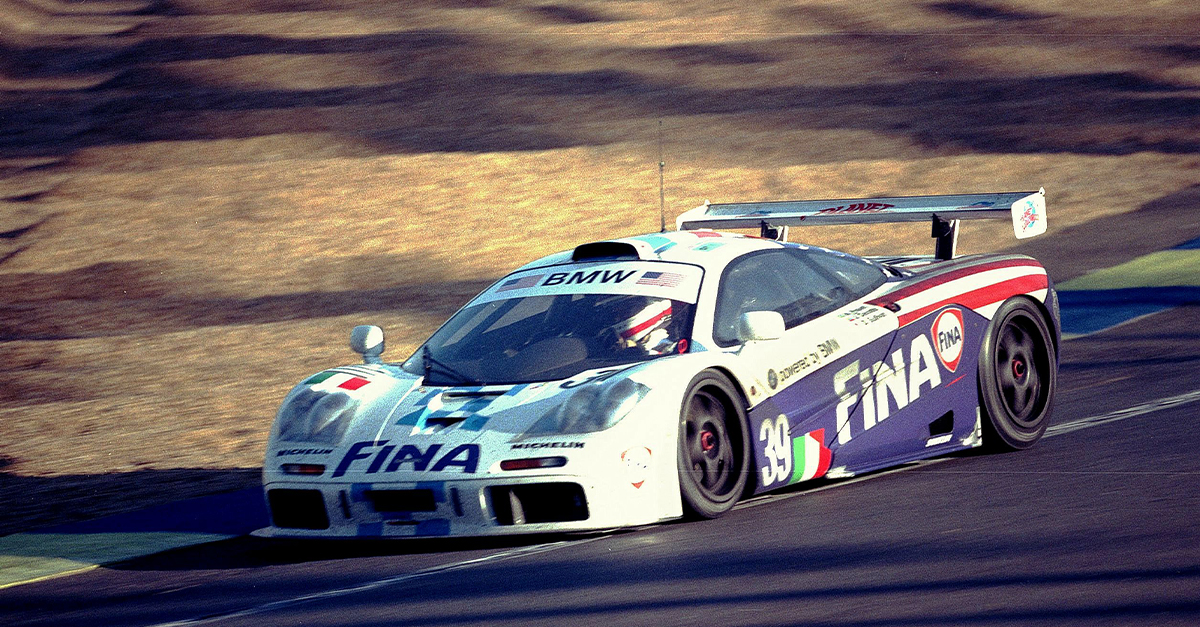
The McLaren F1 GTR is one of the most remarkable race cars ever created. Born from a road-legal supercar, it was engineered to conquer endurance racing against purpose-built rivals. Its innovative design, mind-boggling performance, style, detailing were amazing enough. But its historic win at the 1995 24 Hours of Le Mans cemented its immortal place in racing history.
The Birth Of The McLaren F1
The McLaren F1 debuted in the early 1990s as a revolutionary supercar. Its central driving position, carbon fiber body construction, and BMW V12 engine set new standards. The car’s jaw-dropping performance, amazing features and concept origins made it uniquely suited for transformation into a competitive endurance racing machine.
One Man’s Vision
The design team for the original McLaren F1 road car was led by former Brabham Formula One designer Gordon Murray, who outlined his radical supercar concept in a simple sketch to McLaren boss Ron Dennis. Murray’s vision placed lightness, driver focus, and engineering purity above all. Working with fellow designer Peter Stevens, they translated those ideas into the F1’s distinctive exterior, making the revolutionary road car as stylish as it was advanced.
 Darren Heath Photographer, Getty Images
Stunning Performance
The original McLaren F1 delivered performance numbers that were beyond anyone's expectations for what a road car could achieve. Its 6.1-liter BMW V12 produced 618 horsepower, it sprinted from zero to sixty miles per hour in just over three seconds and recorded a top speed of 240.1 mph, a world record that stood for years. Even decades later, its acceleration, power-to-weight ratio, and real-world speed are still worthy benchmarks for modern designers (and drivers) to chase.
 Spycatcher58, Wikimedia Commons
From Road Car To Racecar
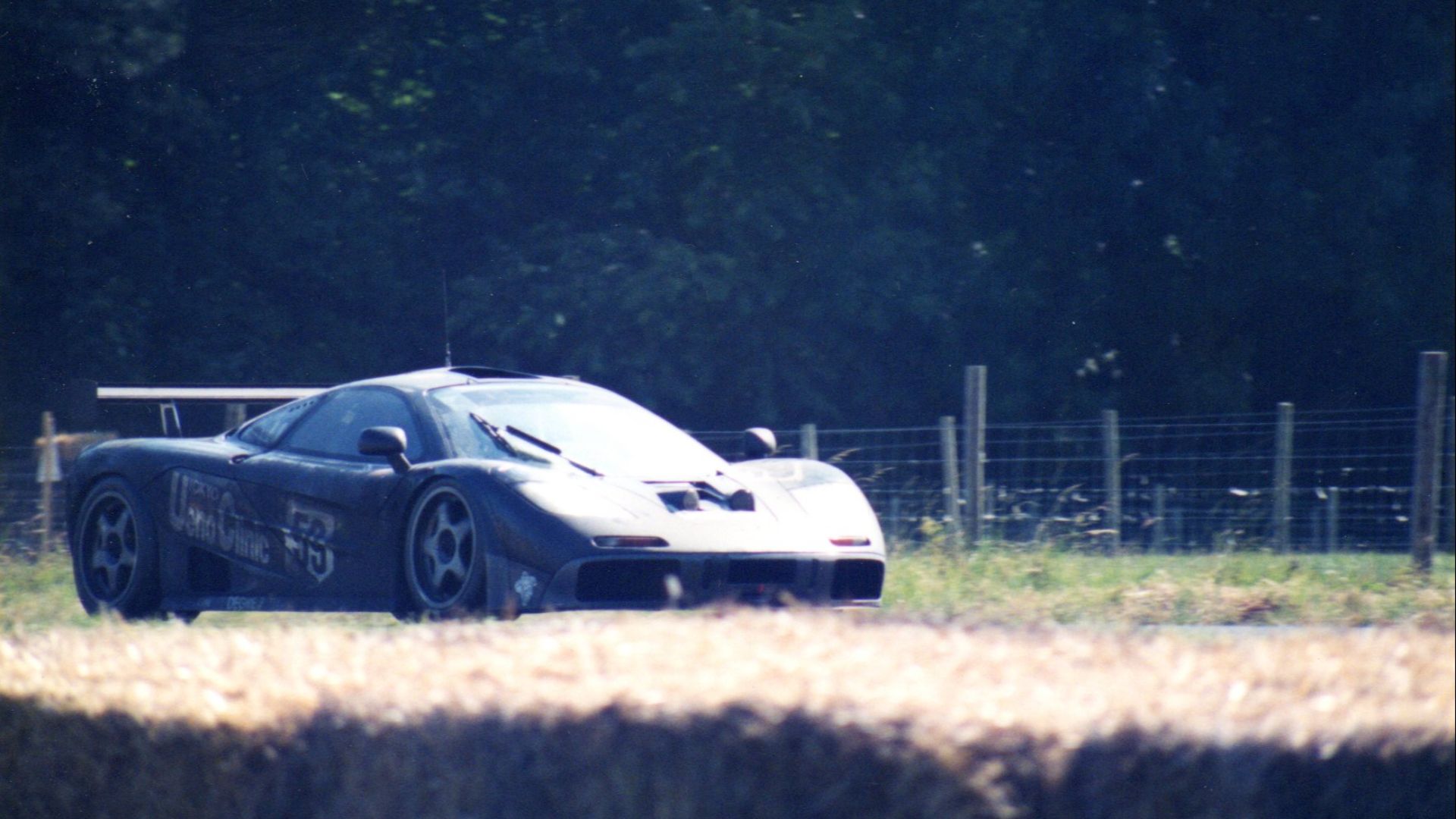
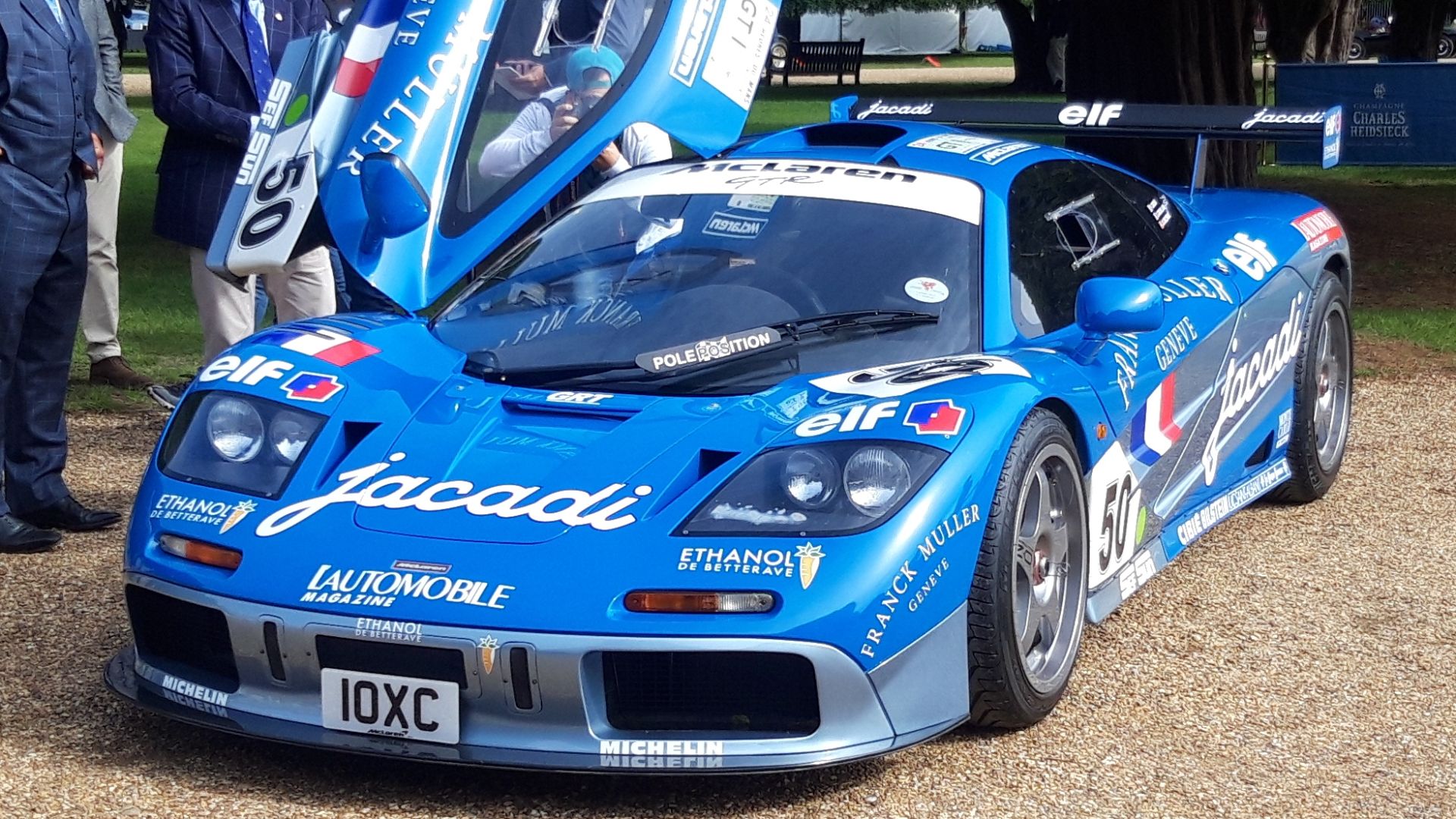
Though it was originally intended strictly for the road, customer interest and racing opportunities pushed McLaren to develop the F1 GTR. Key updates included revised aerodynamics, suspension tuning, and safety equipment. The engineers hoped that these design modifications would allow the car to run successfully in GT racing while still holding on to its core design philosophy.
Fine-Tuned For Success
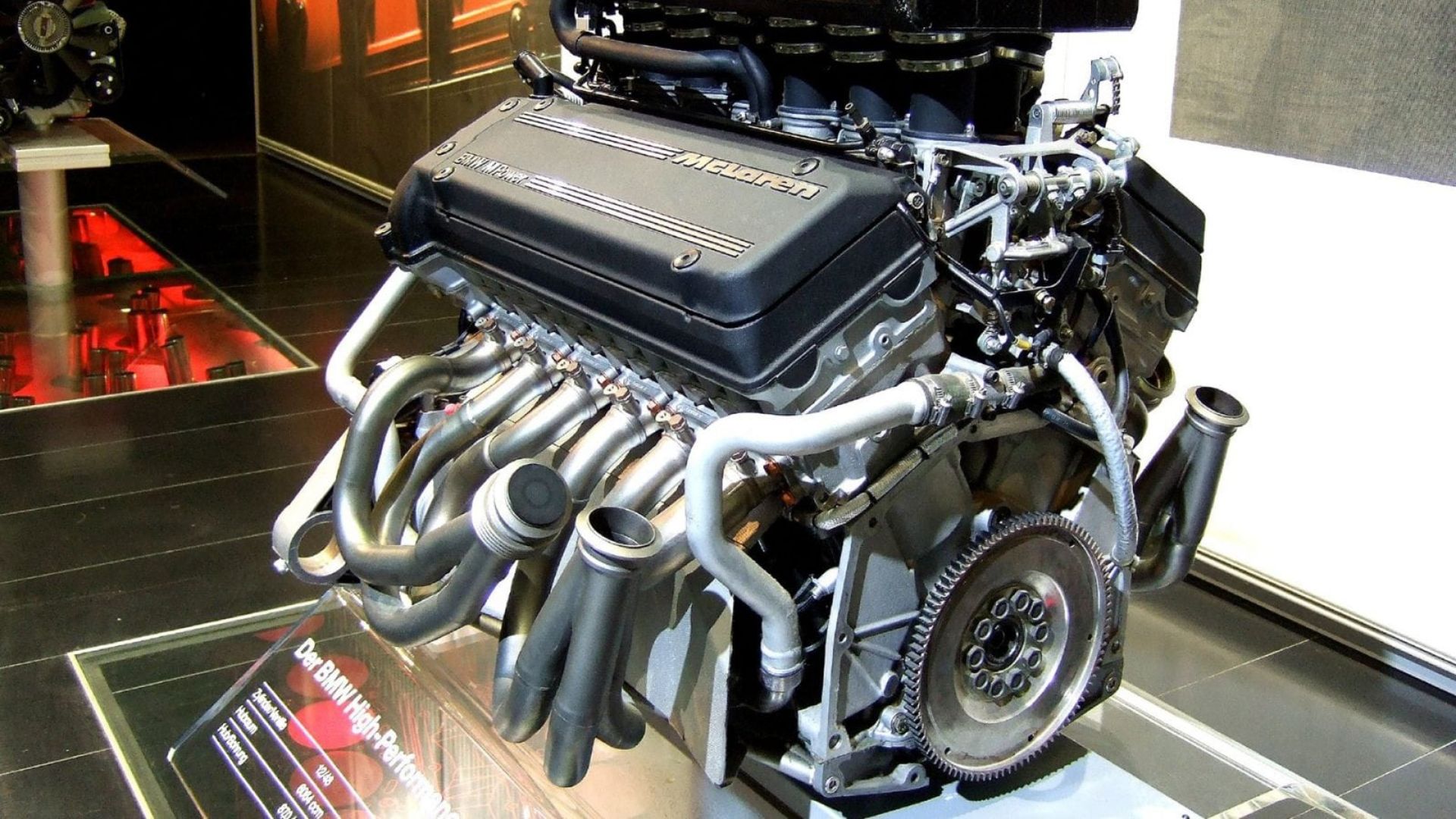
The McLaren F1 GTR used the BMW S70 V12 engine. It was detuned slightly for reliability and restricted to meet racing regulations. Despite the reduced output, it still produced massive torque and maintained an exceptionally high level of durability. This allowed the car to run consistently over long endurance races without mechanical drama.
 DoctorAlzheimer2, Wikimedia Commons
Aerodynamics And Weight Reduction
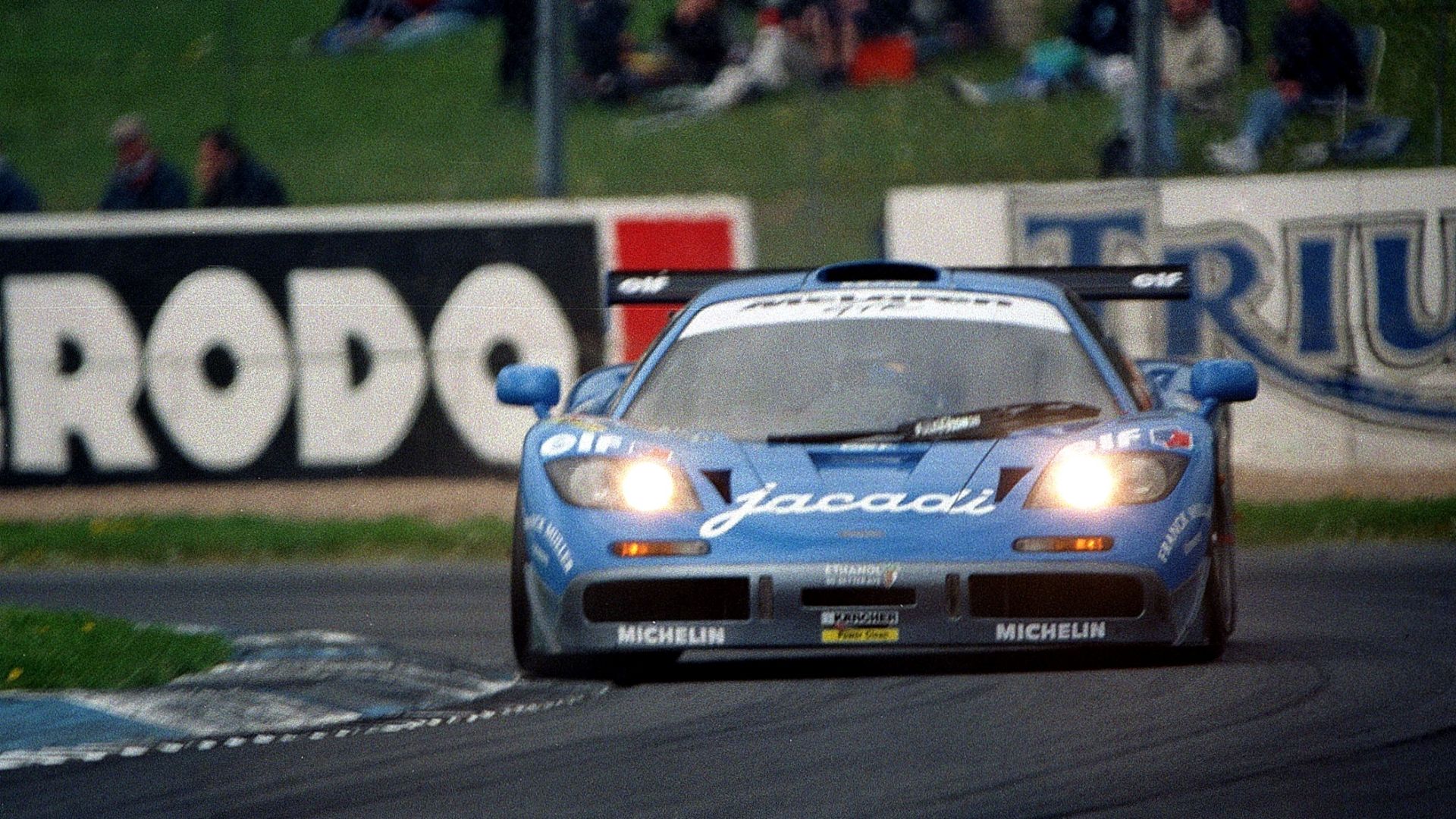
Race specific aerodynamic elements improved the downforce on the car and its stability at high speeds, while careful weight reduction enhanced its handling. The lightweight carbon fiber monocoque and minimal interior helped the F1 GTR run comfortably alongside the heavier purpose-built prototype class vehicles on varied circuits.
 Martin Lee from London, UK, Wikimedia Commons
BPR Global GT Series Dominance
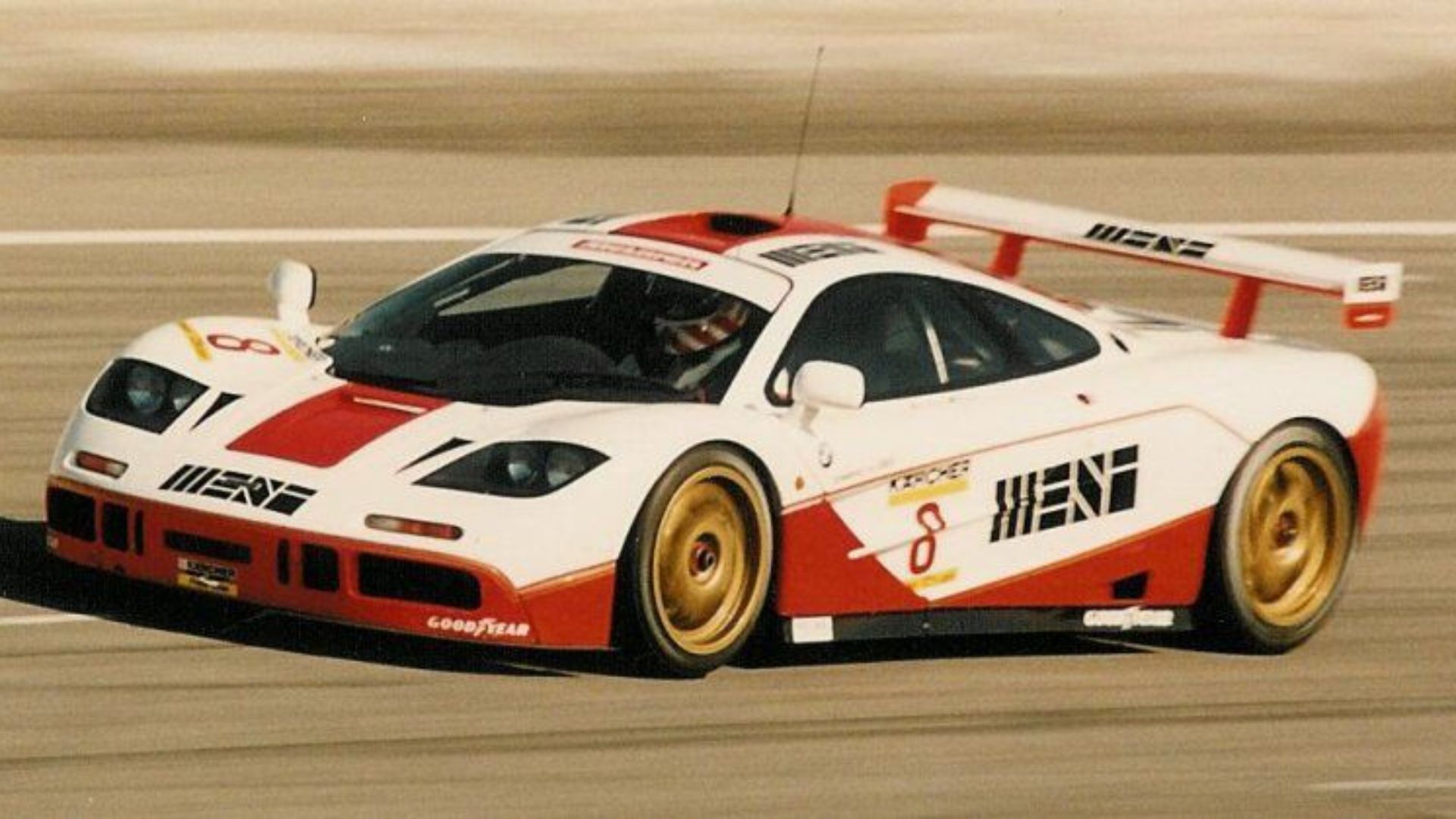
Prior to Le Mans, the F1 GTR asserted its dominance in the 1995 BPR Global GT Series. The amazing combination of speed, balance, and reliability brought home multiple victories, and placed McLaren front and center as a serious endurance racing contender in spite of the group’s limited factory racing experience at the time.
 Laurent Chauveau, Wikimedia Commons
Le Mans Entry In 1995
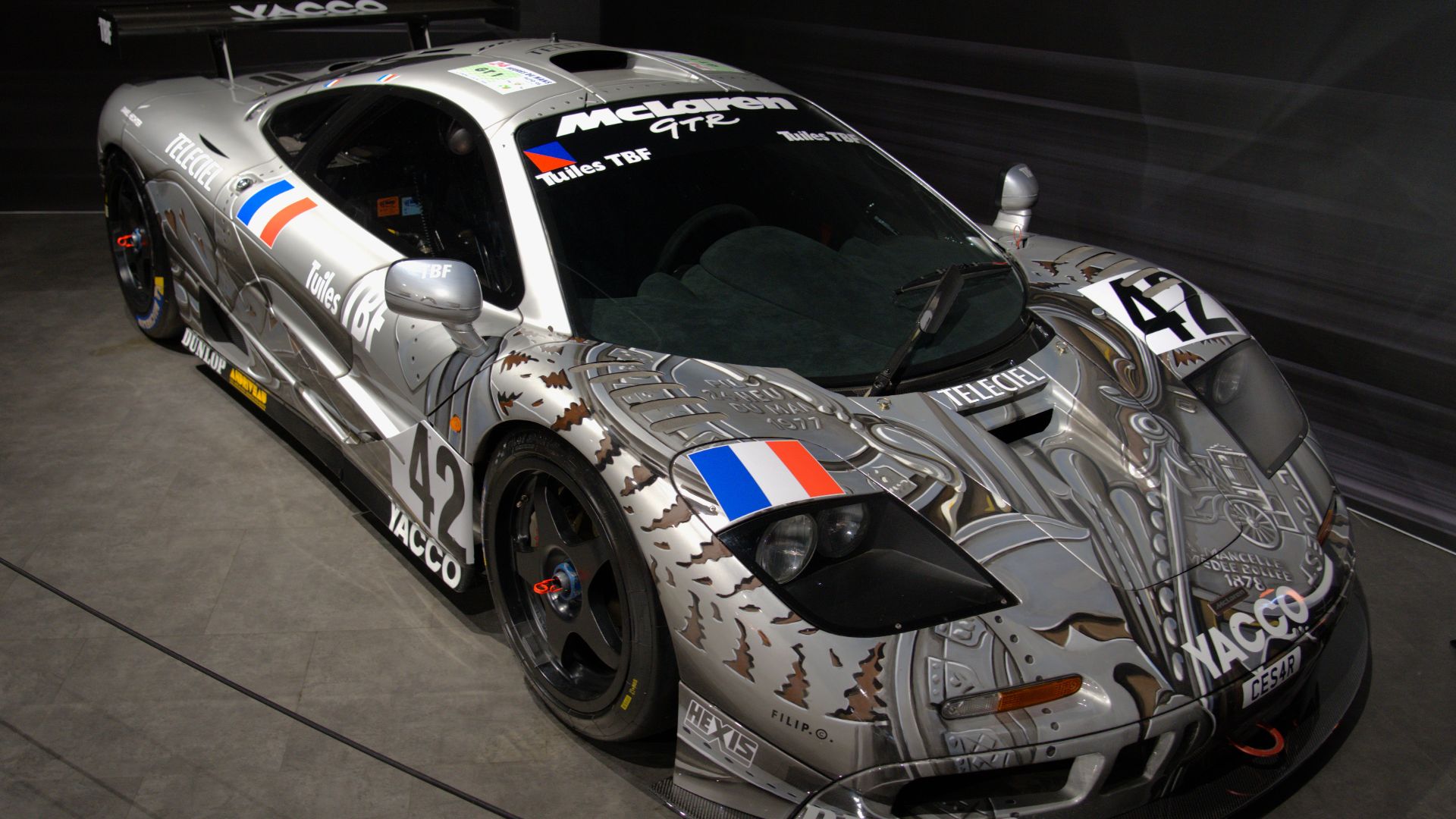
The 1995 24 Hours of Le Mans marked McLaren’s first appearance at the iconic endurance race. The F1 GTR faced powerful prototype competitors, yet its preparation, team coordination, and durability positioned it well for the unpredictable conditions that would define that year’s event.
The Fateful Day Arrived
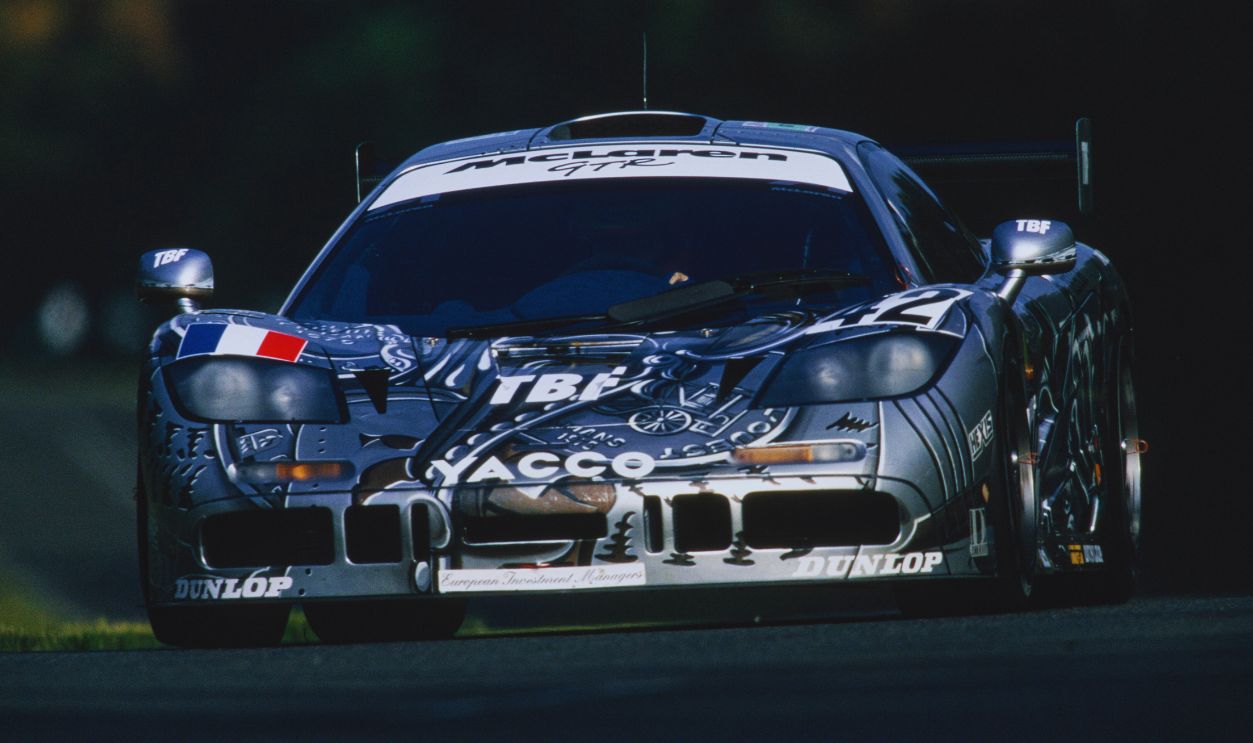
The 1995 24 Hours of Le Mans was the 63rd running of the famed endurance race at Circuit de la Sarthe in France. The event drew the expected diverse field of prototypes and GT cars. Most observers were expecting the purpose-built racers to dominate. But unexpected circumstances opened the door to a surprise result that would go down in racing history.
Key Participants And Grid Action
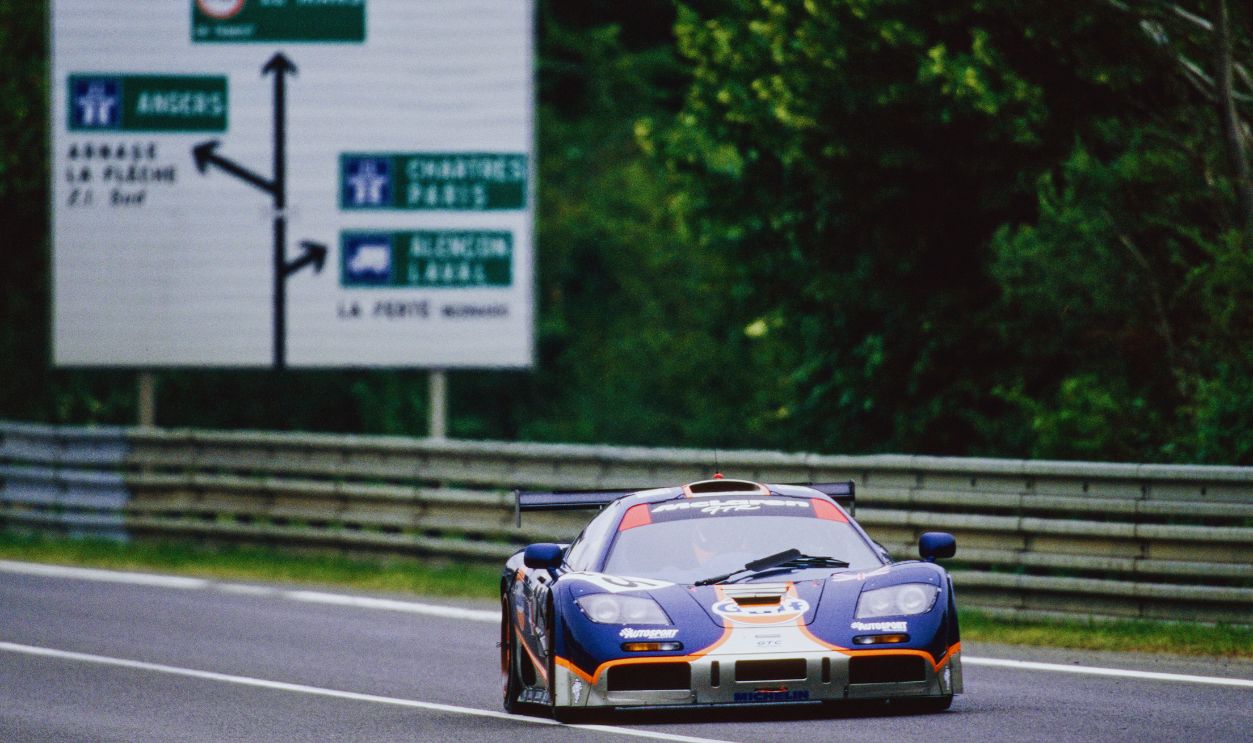
The field featured 48 cars starting from an original pool of 76 entries. Pole position was claimed by the lightweight WR LM94 driven by William David and friends; this prototype was widely expected to have the edge. The McLaren F1 GTRs, entered by several teams, were generally viewed as outsiders among the established prototype rivals.
Weather Conditions And Influence
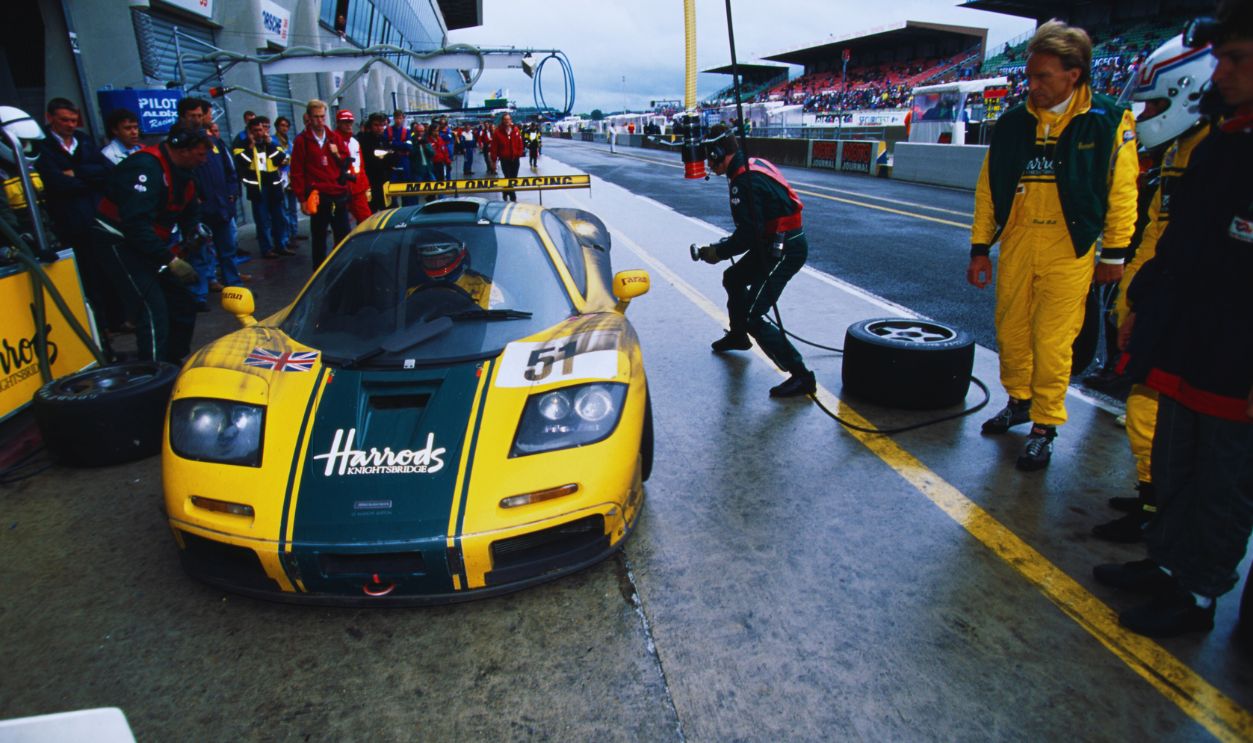
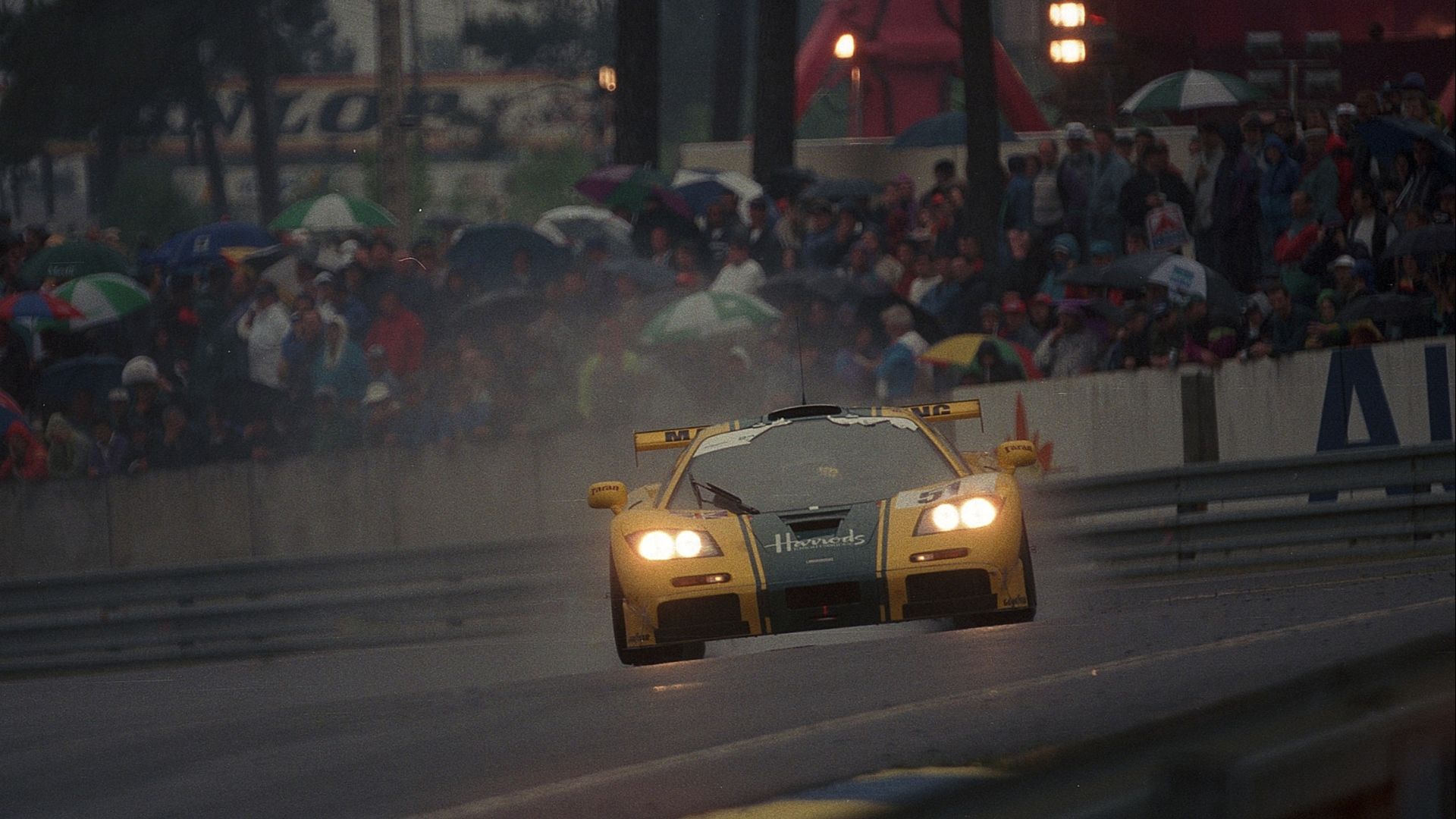
The race is infamous as one of the wettest in Le Mans history, with more than 17 hours of rain during the 24 hours. Though the word game-changer is overused, there is no other word to describe the persistent rain that reduced visibility, caused aquaplaning, and stressed drivers and machinery to the limit. These were the conditions that evened the playing field between prototypes and GT cars.
Lead Changes And Midrace Drama
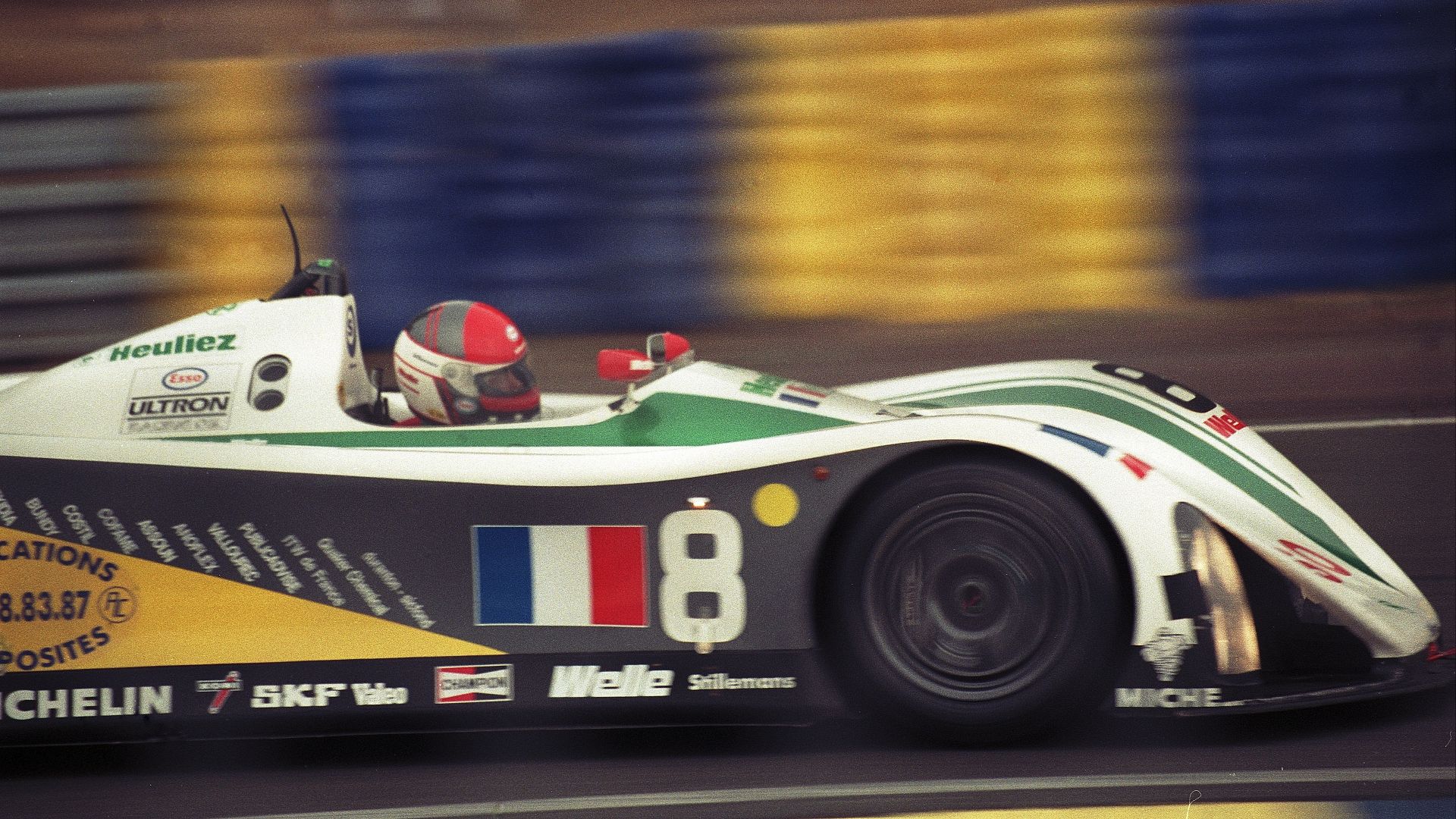
Early in the race, the small and nimble prototype cars established a lead before the rain shifted momentum. Accidents and mechanical failures hit many of the prototype entries, including a dramatic crash by Patrick Gonin, who aquaplaned off the Mulsanne Straight in his WR LM94, but luckily survived with a few broken ribs. As reliability steadily turned into the main factor, McLaren F1 GTRs gradually moved up in position over the slippery circuit.
 Martin Lee from London, UK, Wikimedia Commons
Climactic Battle And Final Hours
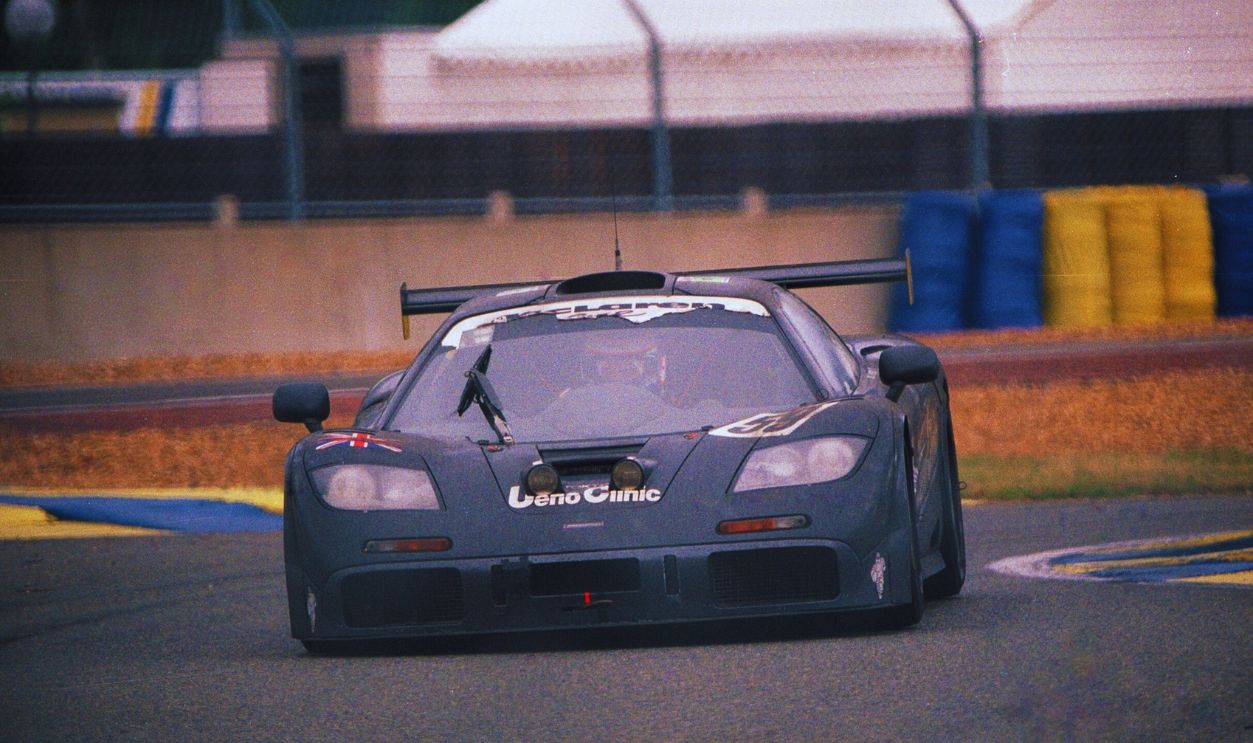
As the rain eased off late in the race, the Courage team prototype driven by Bob Wollek, Mario Andretti, and Éric Hélary regained some ground, but the McLarens remained strong. In the last few hours, Yannick Dalmas drove his McLaren into the lead. A late push by the Courage team narrowed the gap, but the F1 GTR held on with unyielding pace and strategy to secure victory.
 Martin Lee from London, UK, Wikimedia Commons
Outcome And Legacy
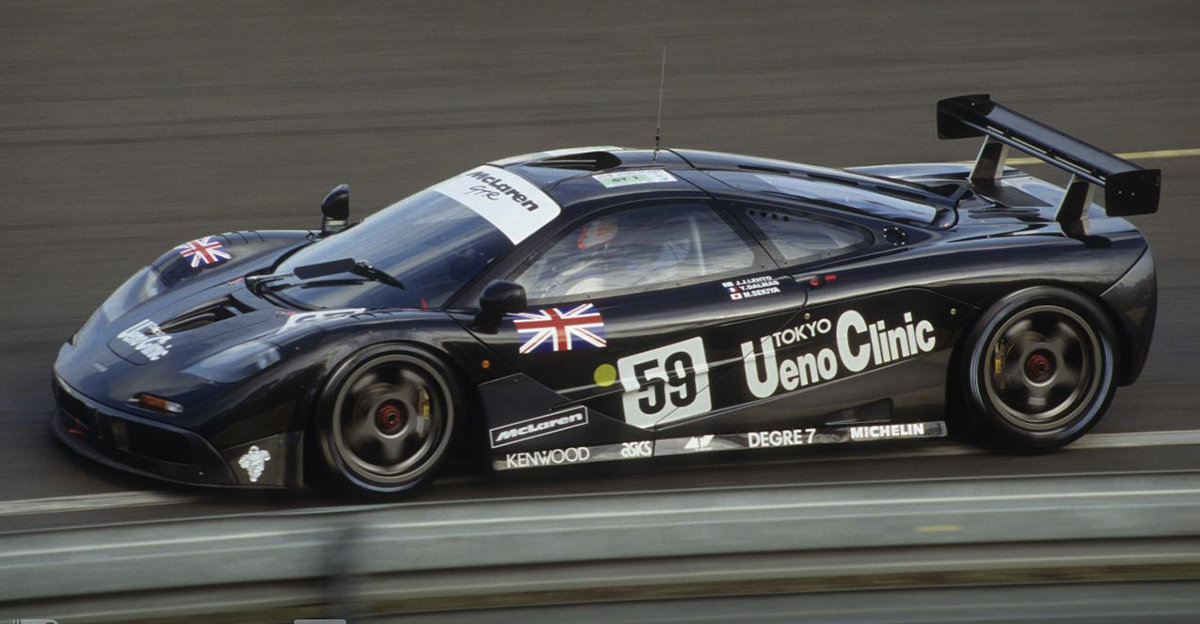
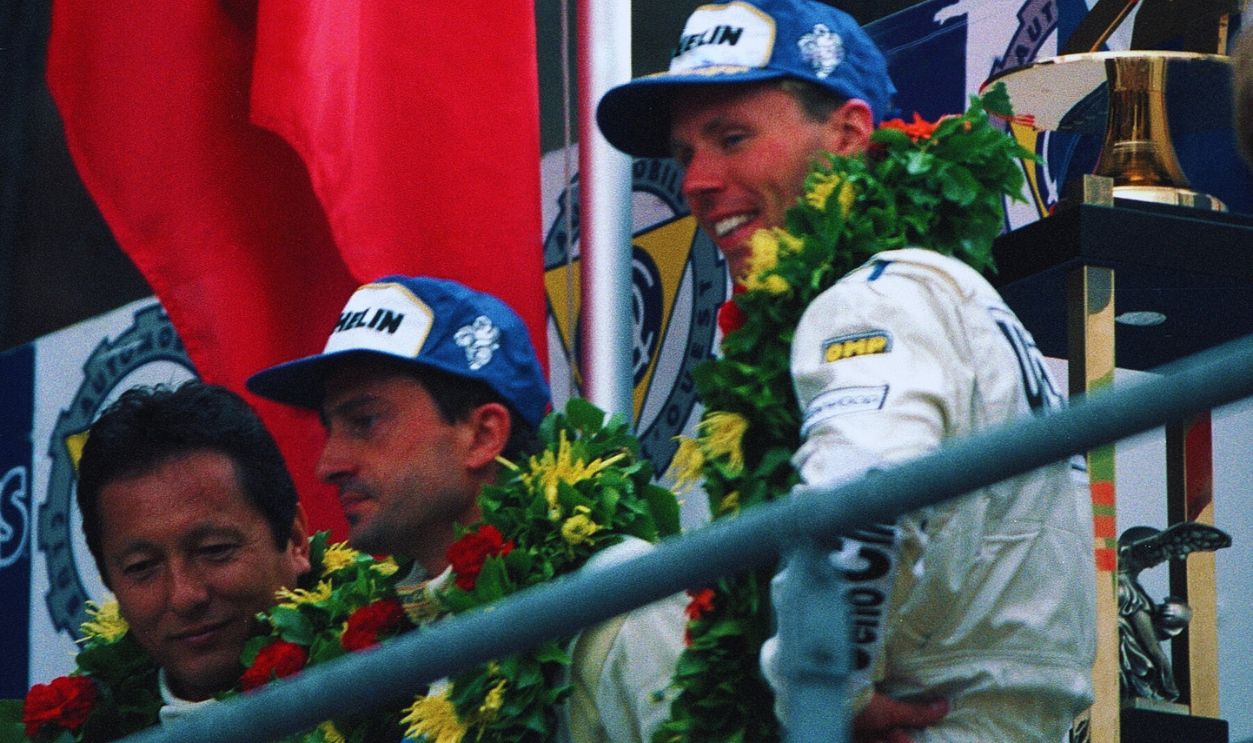
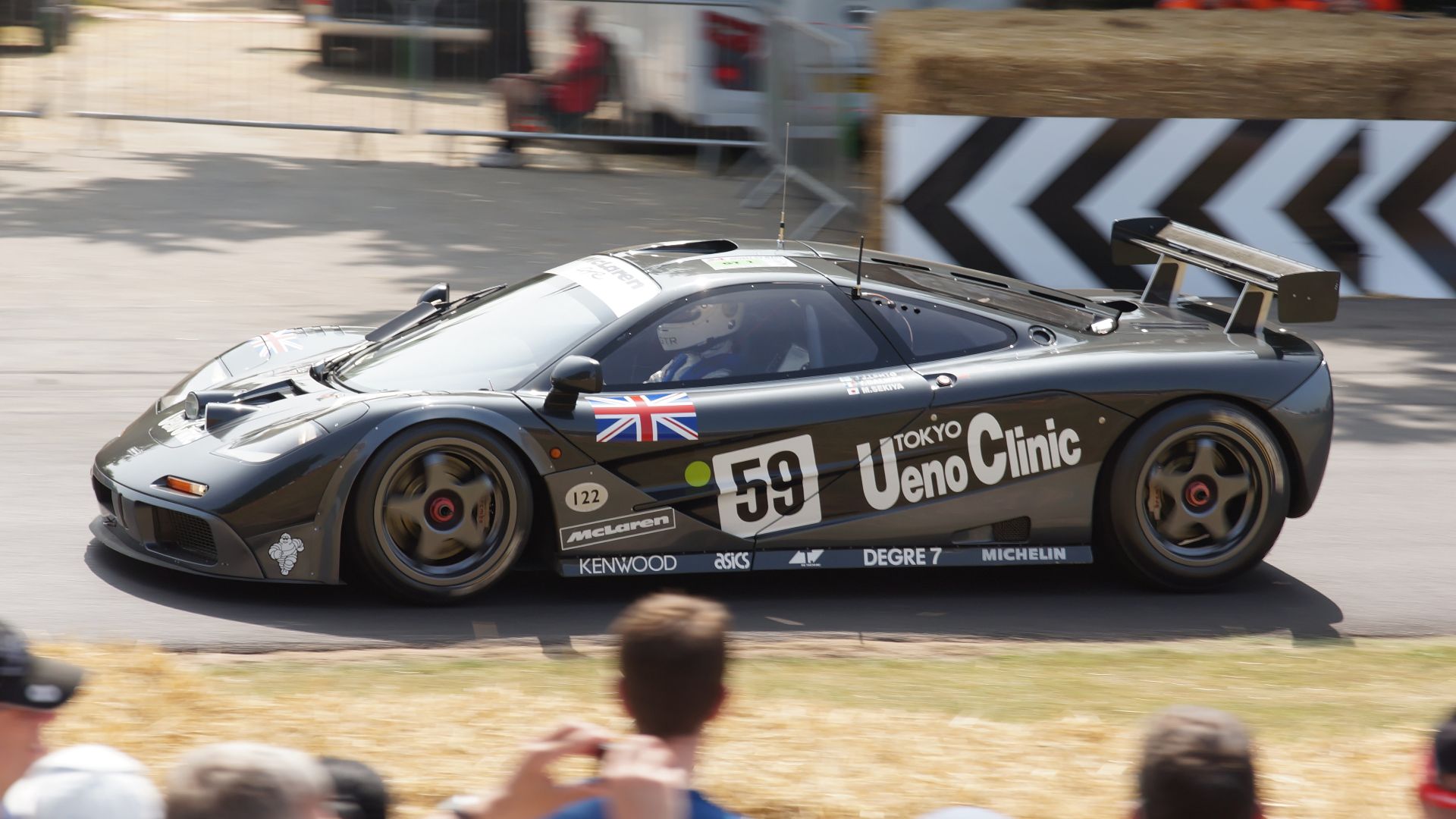
At the finish, the no 59 McLaren F1 GTR driven by Yannick Dalmas, Masanori Sekiya, and JJ Lehto had taken the extraordinary overall win for Lanzante Motorsport, becoming one of the few cars ever to win Le Mans on its first attempt and the first GT car since the famed Ford GT40 in the 60s to do so. Four F1 GTRs placed in the top five, cementing a legendary result.
 Martin Lee from London, Wikimedia Commons
Key To Victory
Prolonged and persistent rain throughout the race swung the balance away from outright speed. The F1 GTR’s stable handling and predictable behavior in wet road conditions allowed its drivers to push consistently while rivals floundered with mechanical failures and handling issues across the twenty-four hours.
 Martin Lee from London, UK, Wikimedia Commons
Team Triumph And Multiple Results
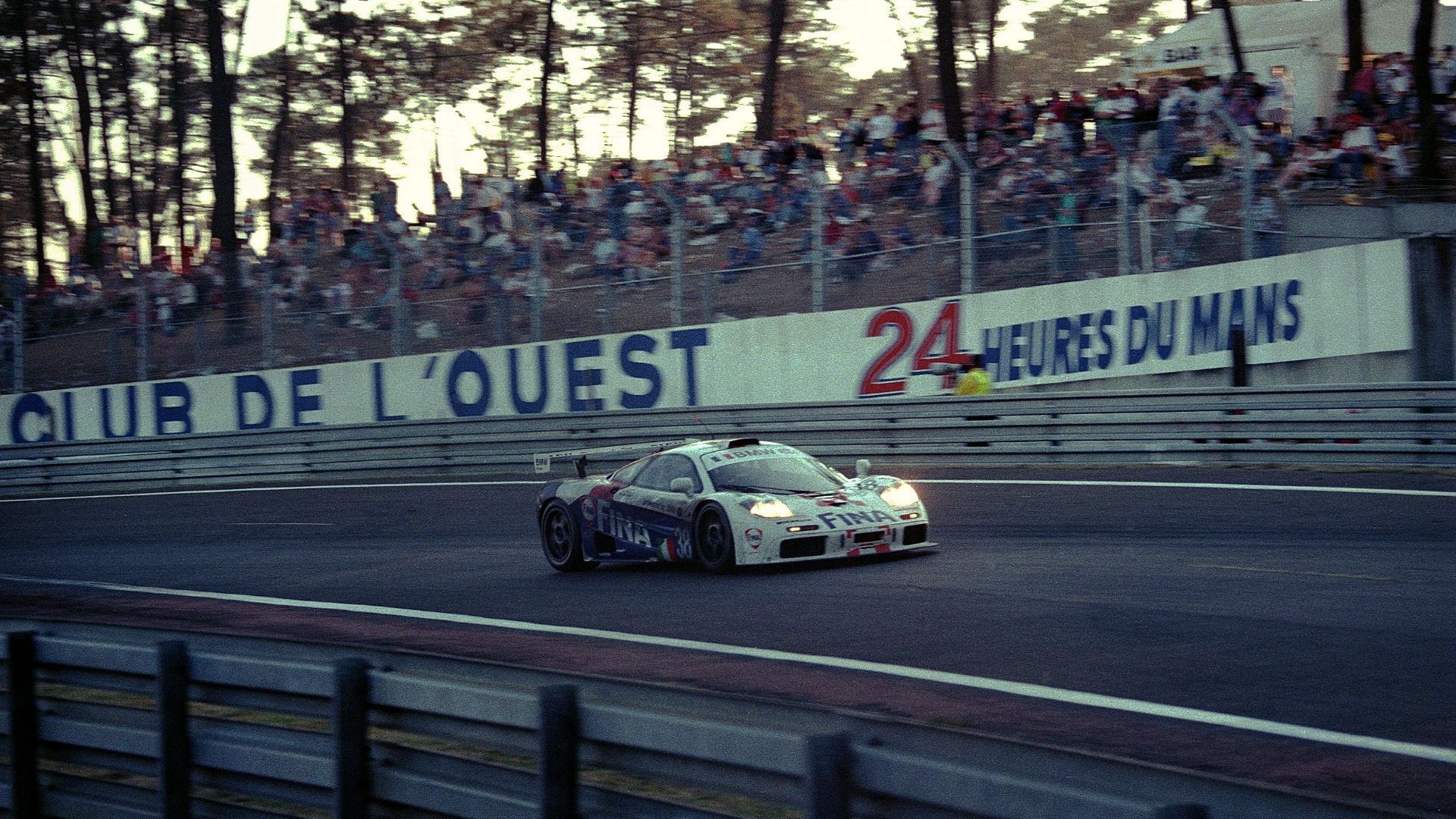
As mentioned above, McLaren’s success went far beyond the winning Lanzante Team’s car. Several F1 GTRs finished in top positions, including third, fourth, and fifth overall. This depth of performance proved that the design was not a fluke but a robust and competitive racing platform.
 Martin Lee from London, UK, Wikimedia Commons
Meaning Of The Win
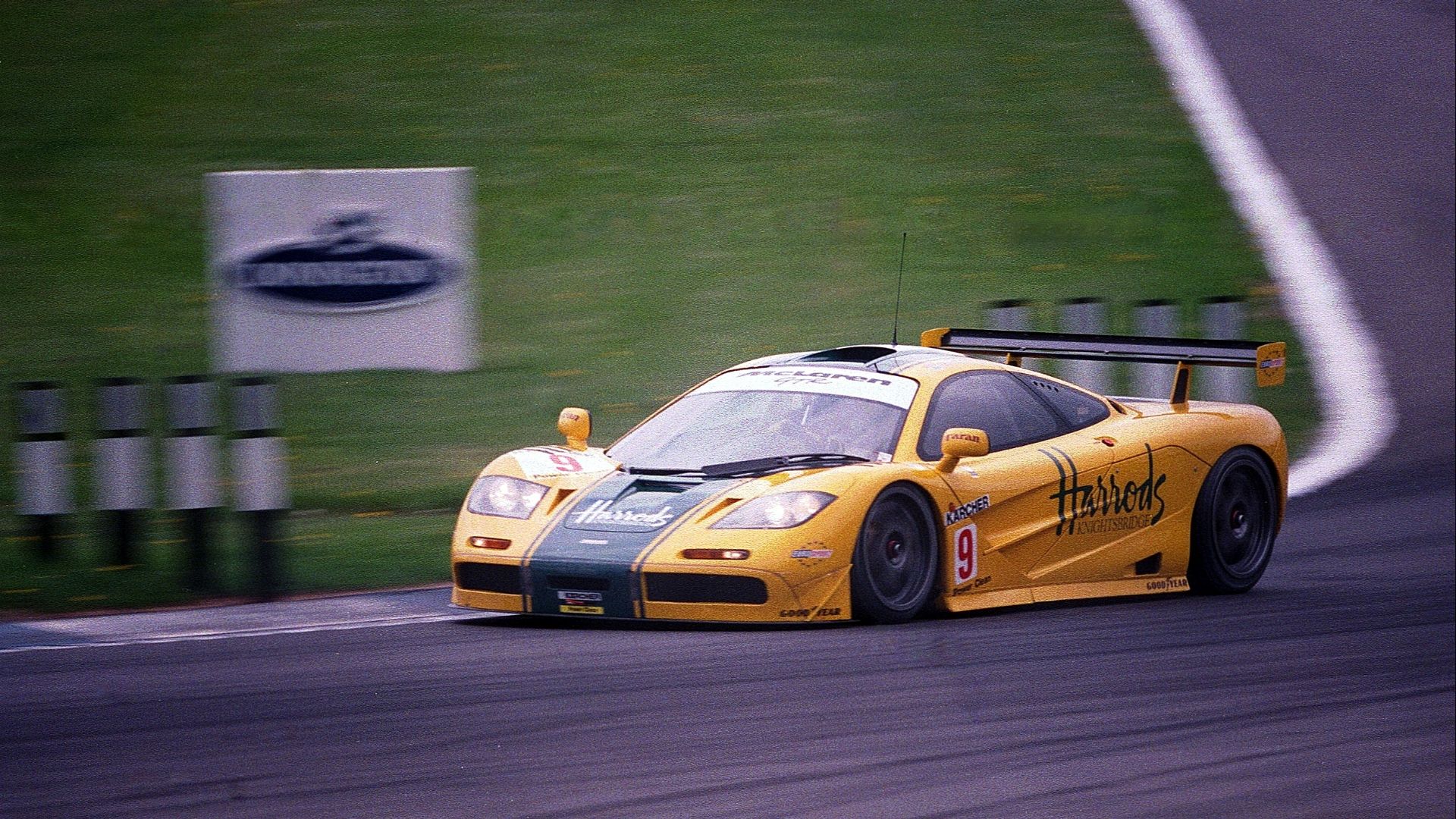
The 1995 victory carried historic importance, as only Ferrari had previously achieved a Le Mans win on its first entry decades earlier. McLaren’s breakthrough raised the brand’s status and validated its engineering philosophy centered on balance, efficiency, and innovation.
 Martin Lee from London, UK, Wikimedia Commons
Evolution Into 1996 And Beyond
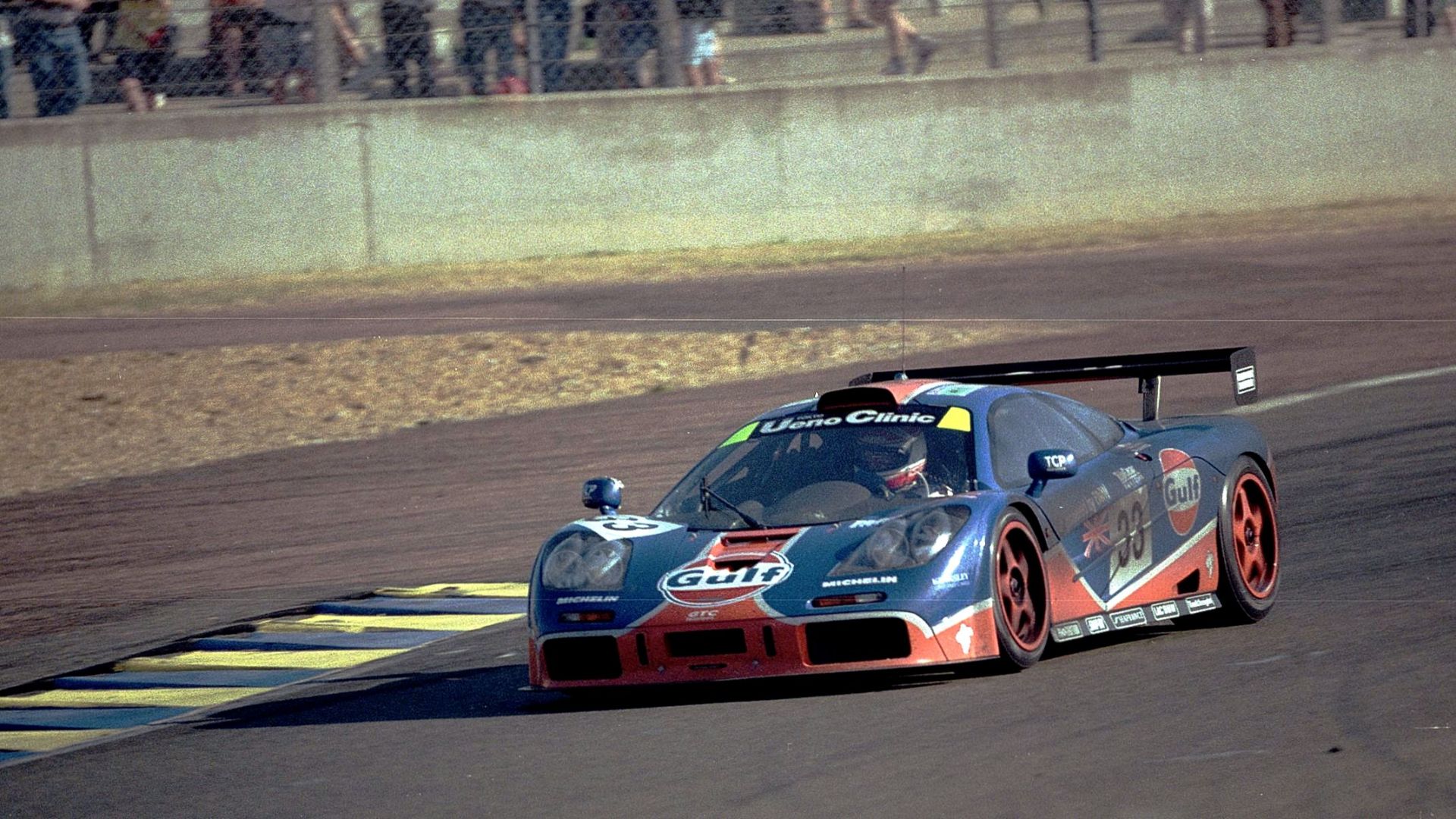
After Le Mans, McLaren continued refining the F1 GTR. Updated aerodynamics, chassis adjustments, and improved cooling kept the car competitive through the 1996 and 1997 seasons as GT racing became increasingly intense.
 Martin Lee from London, UK, Wikimedia Commons
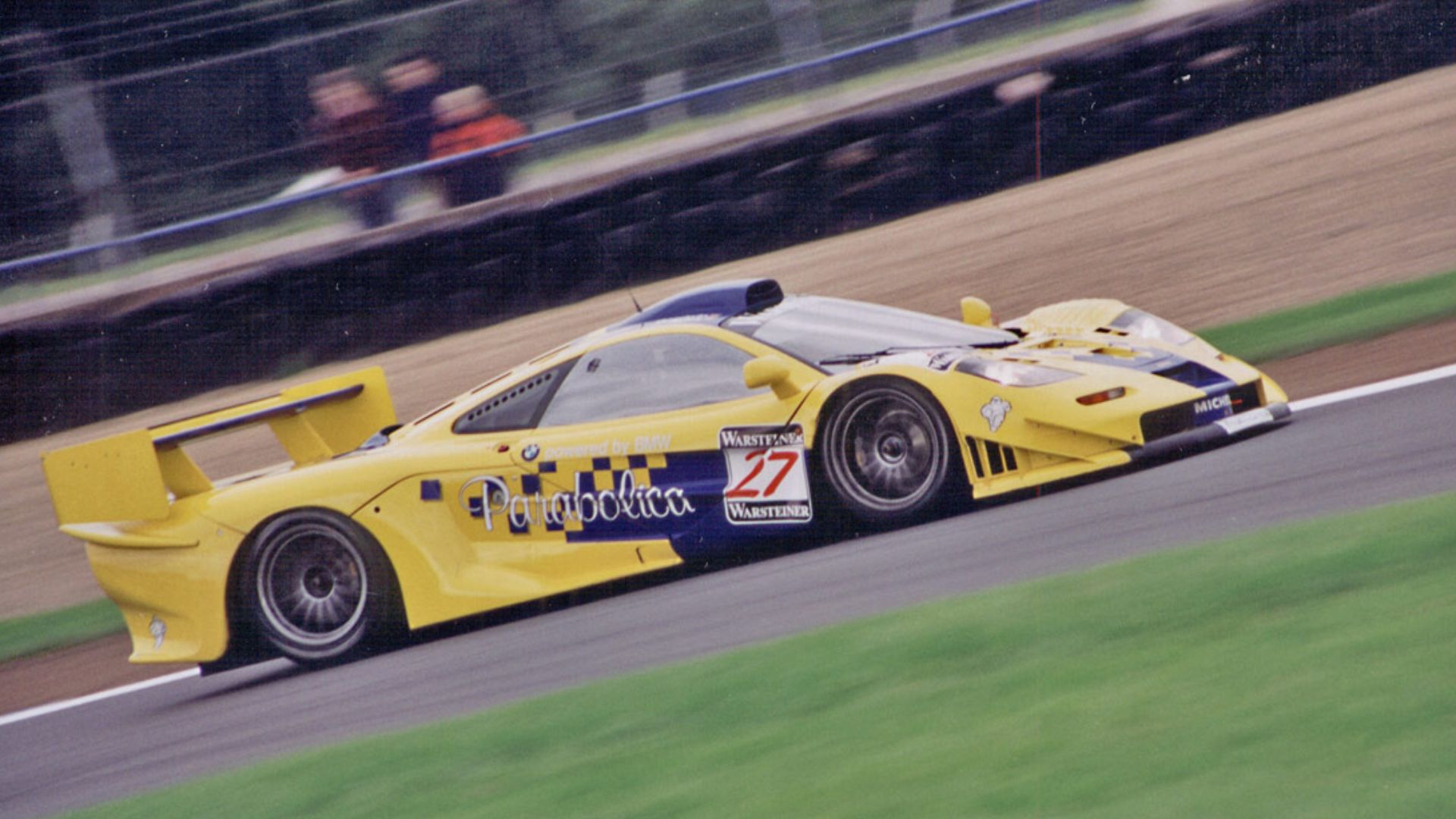
F1 GTR In FIA GT Championships
The McLaren F1 GTR competed extensively in FIA (International Automobile Federation) GT championships, scoring wins and podium finishes against increasingly specialized rivals. Its long-running relevance was proof of the flexibility and strength of the original design even as regulations continually evolved.
 Tony Harrison from Farnborough, UK, Wikimedia Commons
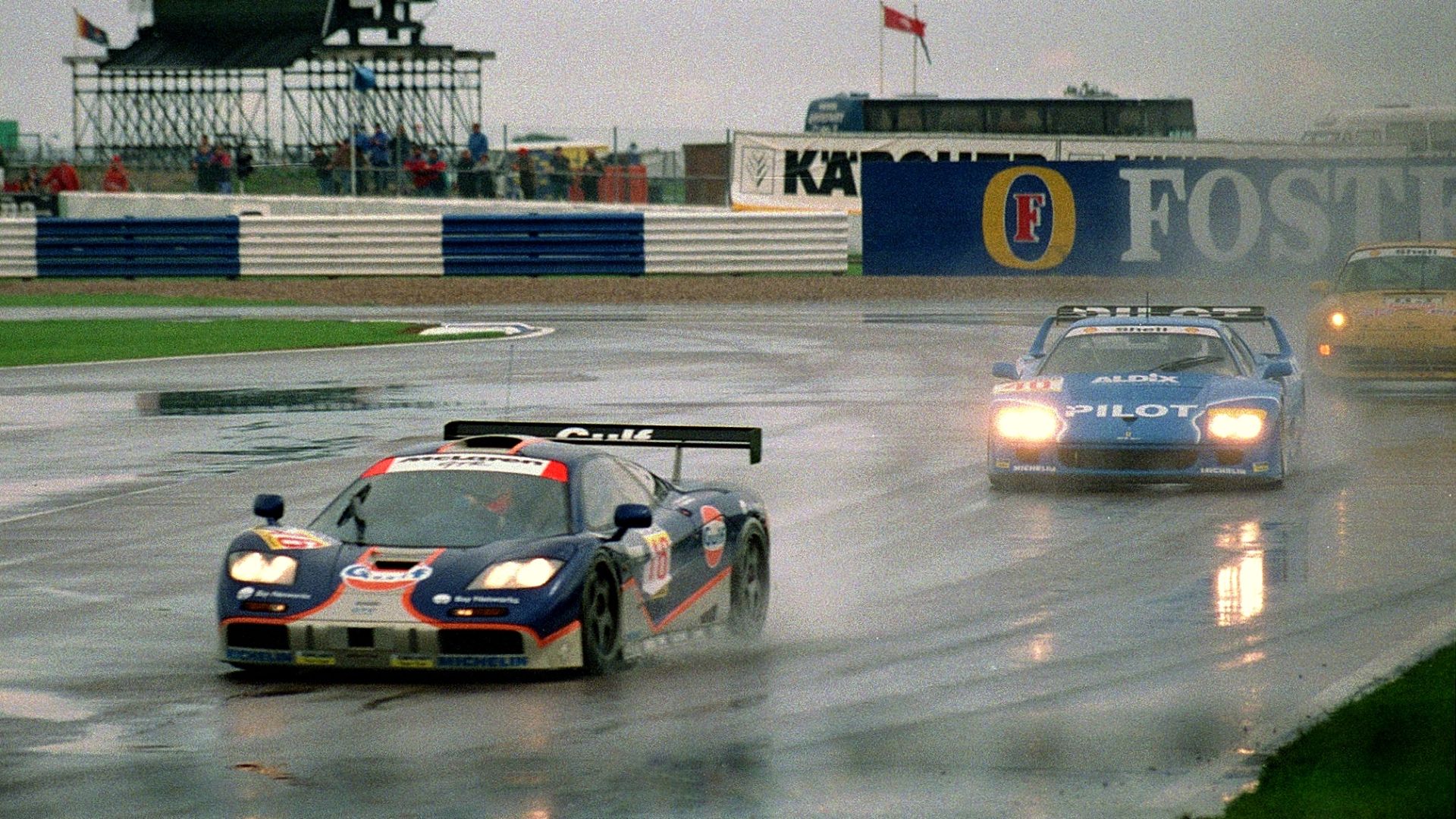
Privateer Success
Many F1 GTRs were sold to private racing teams, where they went on scoring impressive results. As proven at Le Mans, it was the car’s reliability and adaptability that made it a favorite among those independent teams looking to have a fighting chance on the track without full factory support.
 Martin Lee from London, UK, Wikimedia Commons
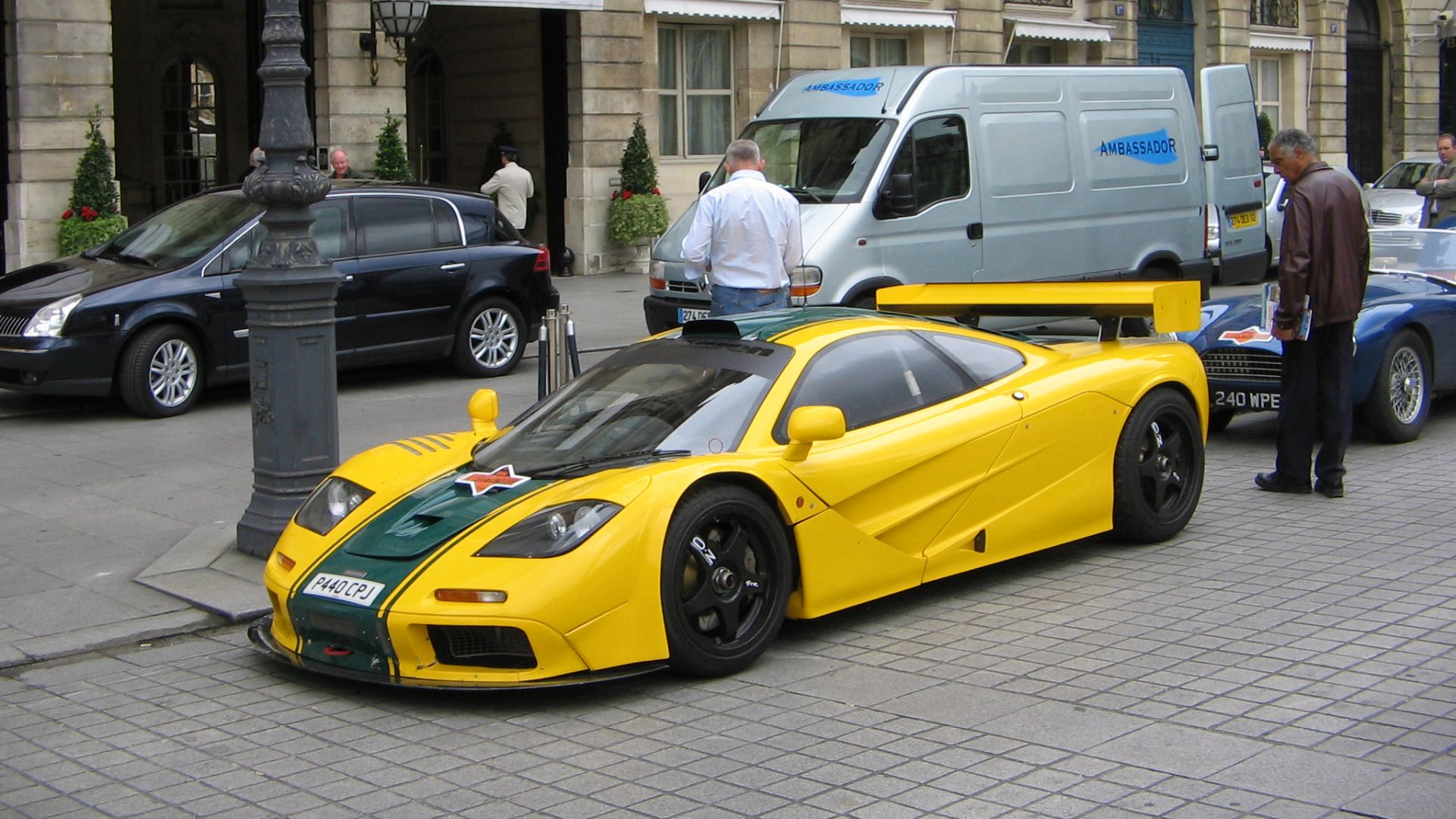
Effect On Supercar Engineering
The F1 GTR proved that production supercars could enjoy stunning success in endurance racing. The concept influenced other manufacturers like Porsche, Nissan, and Dodge, etc. to delve into their own development of racing versions of their road cars, helping grow the modern GT racing categories around the production-based platforms.
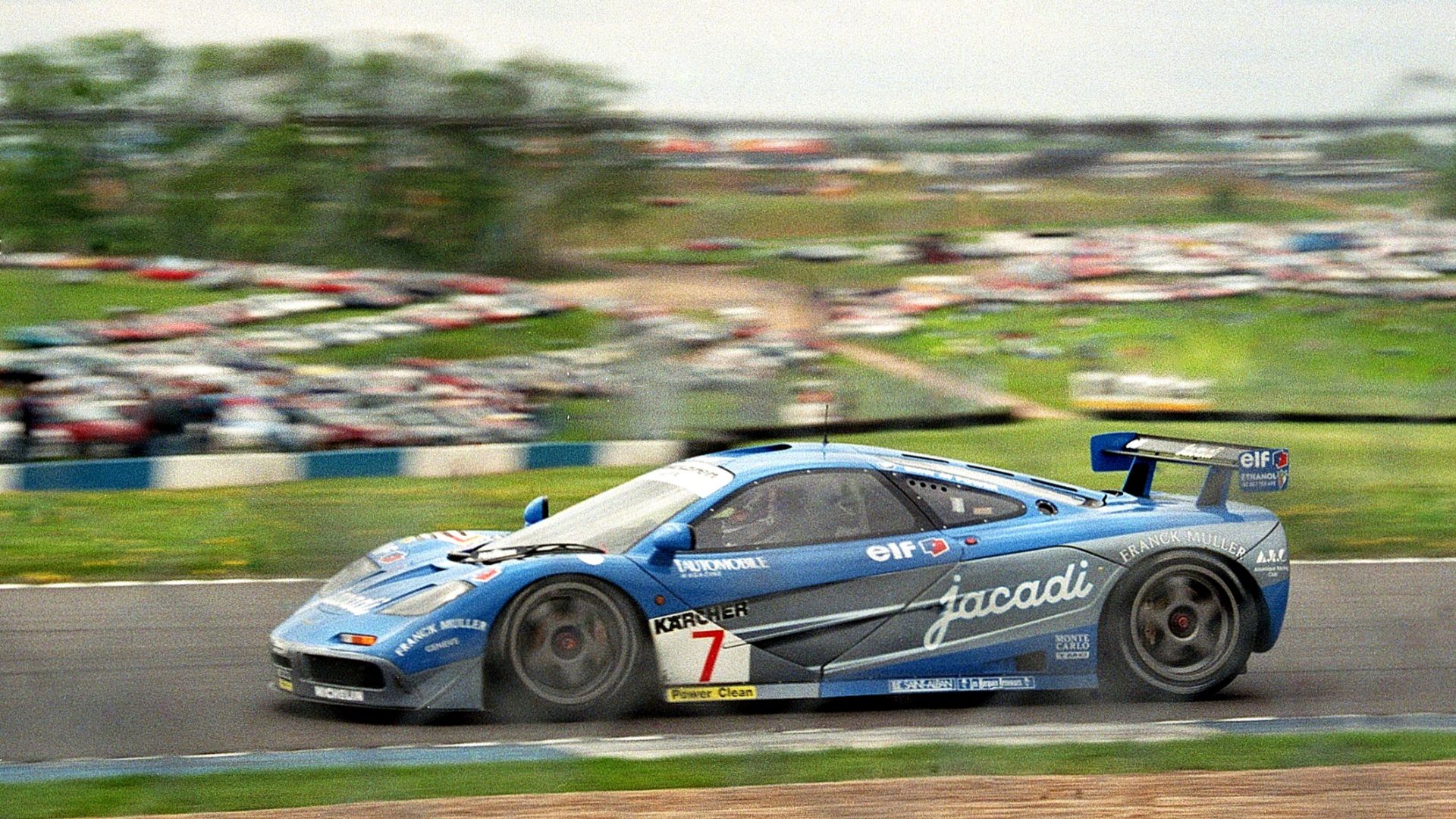
Aerodynamic Lessons Sink In
Engineering insights gained from the F1 GTR were a revelation that informed later McLaren designs. Advances in cooling, airflow management, and stability impacted both racing prototypes and future road cars alike, reinforcing McLaren’s growing obsession with aerodynamic efficiency.
 Martin Lee from London, UK, Wikimedia Commons
Road Car’s Legacy
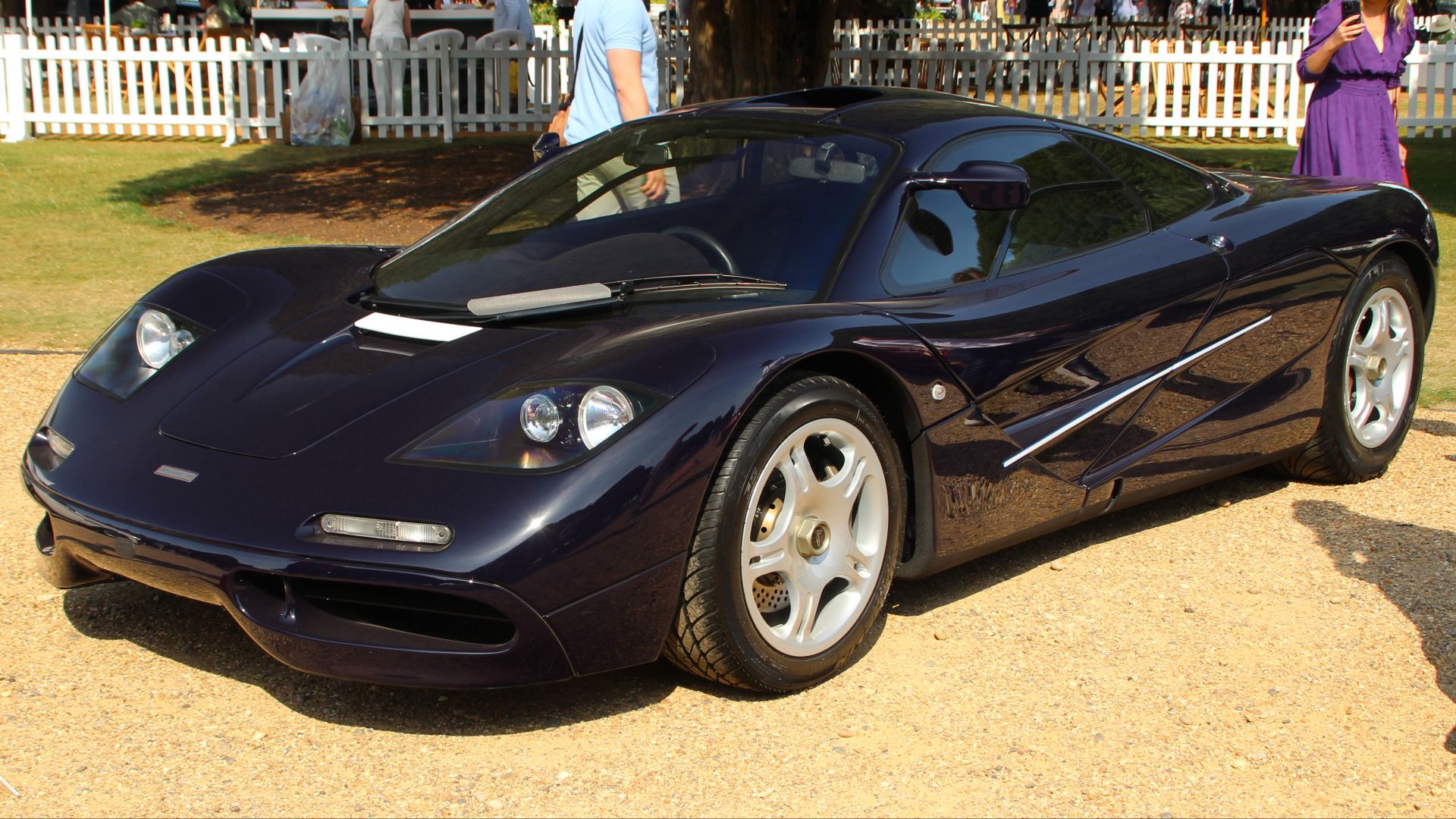
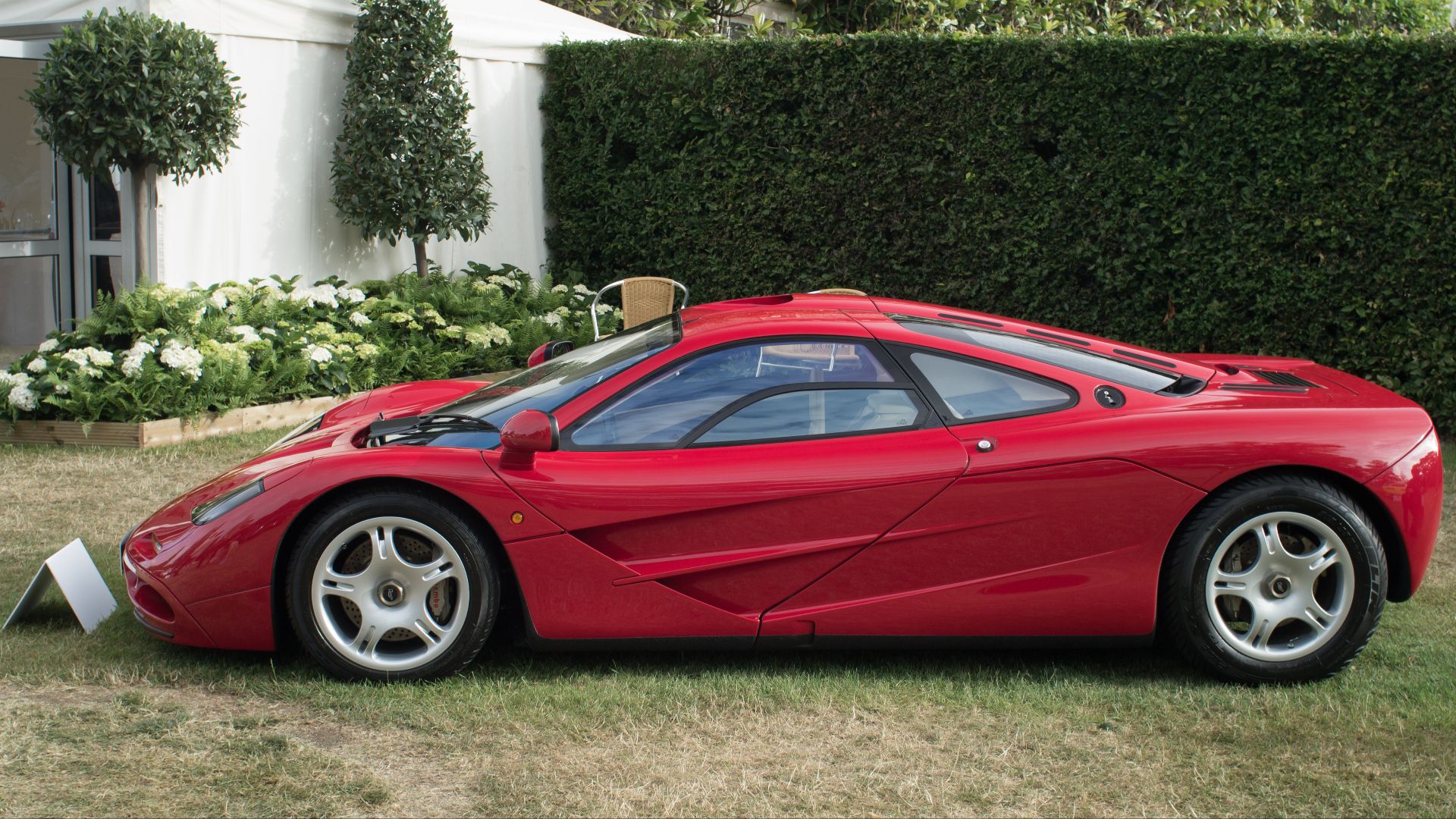
The McLaren F1 road car is an absolute legend for its performance and classic design. Its central seating position, lightweight construction, and amazing engine that gave incredible performance while meeting California emissions standards helped it hold the title of fastest production car for many years.
Homologation And Collectability
Because of the limited number of cars produced and its stunning racing success, F1 GTRs are among the most collectible racing cars ever made. Original examples of just the F1 road cars command auction bids well into the tens of millions of dollars, a reflection of their milestone prestige in both automotive and racing history.
 Edvvc from London, UK, Wikimedia Commons
Commemorative Editions And Tributes
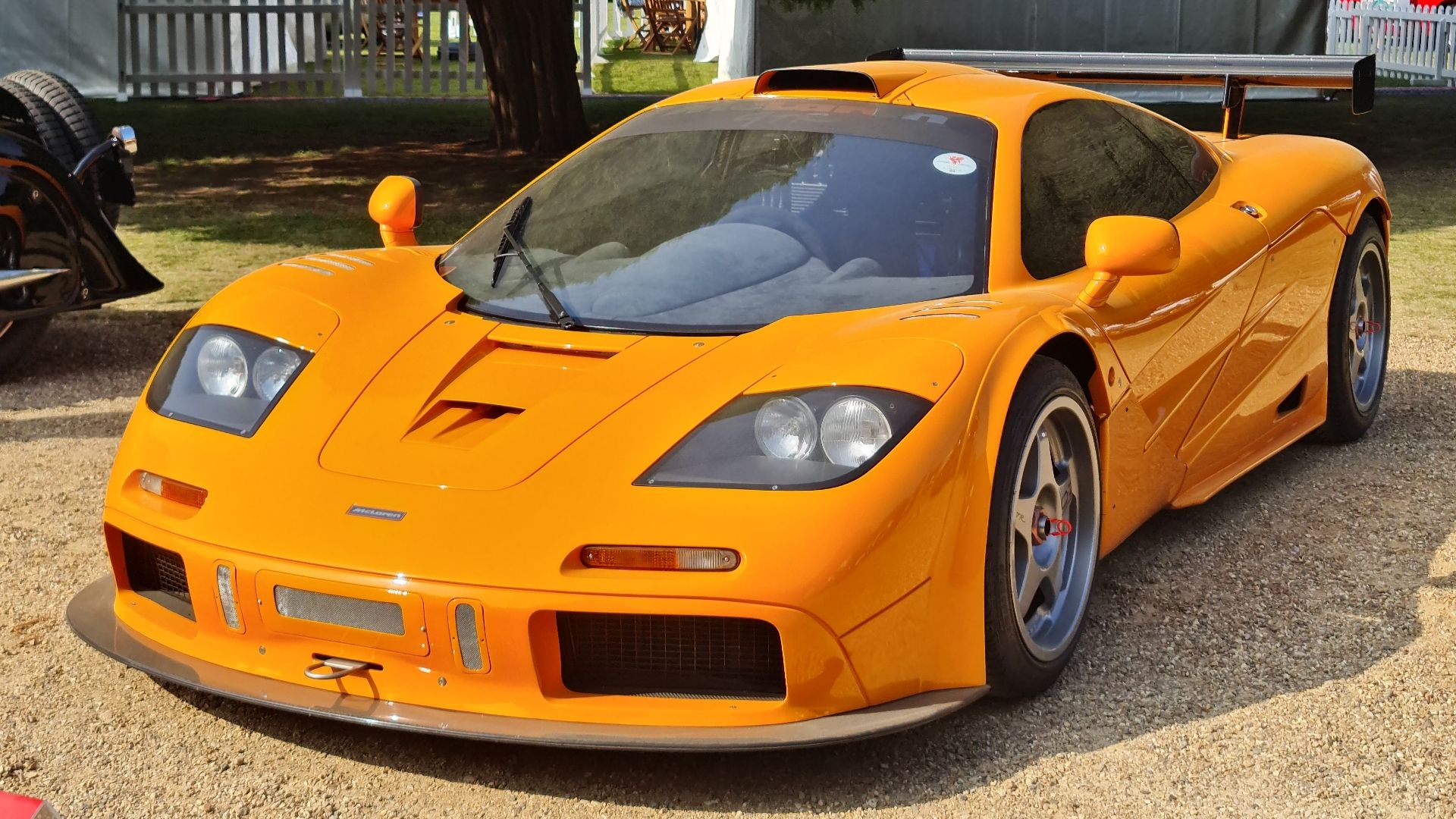
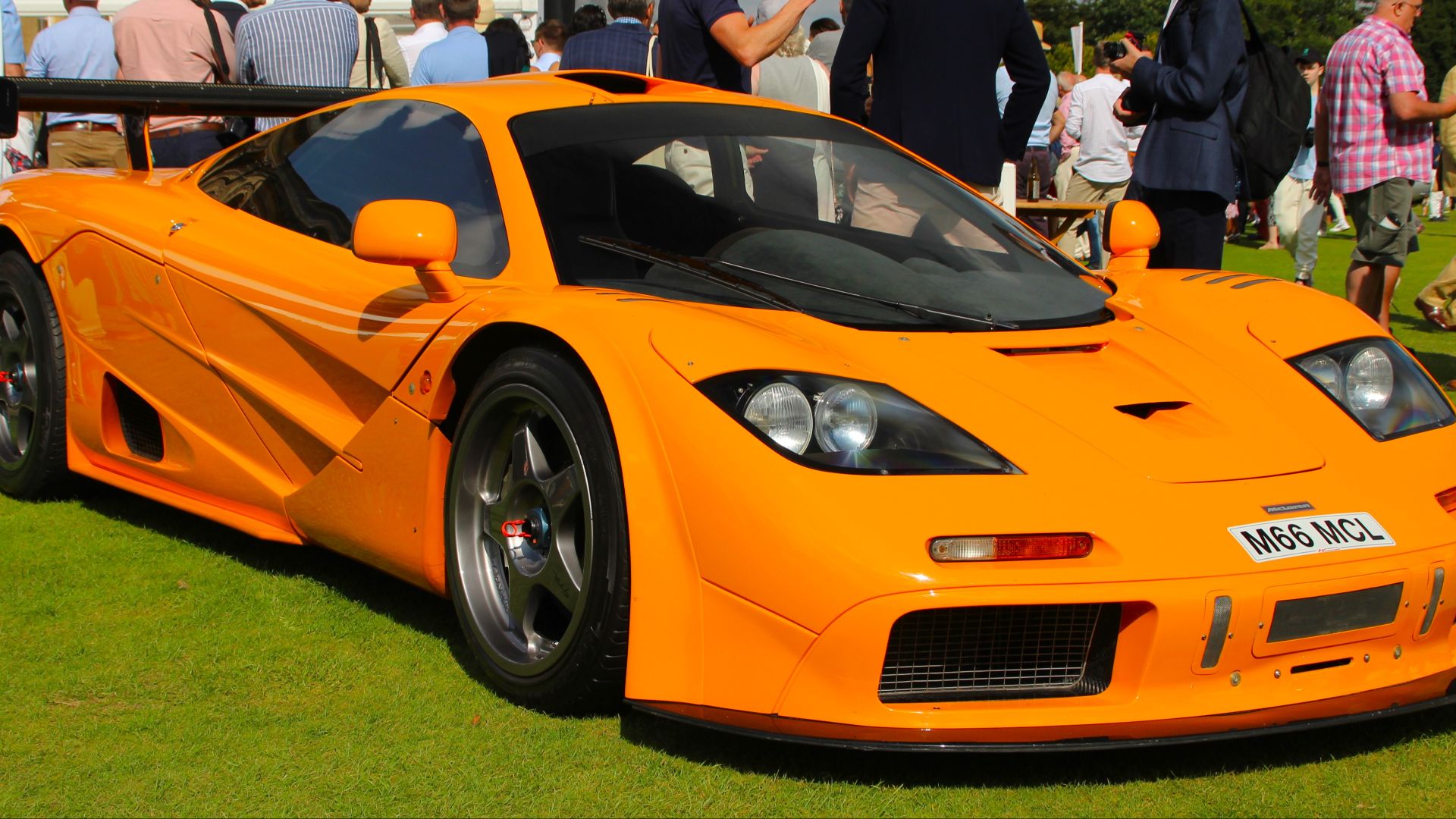
Special models like the McLaren F1 LM were created to celebrate Le Mans success. These variants incorporated lessons from the GTR while honoring its racing heritage, making them highly sought after among collectors.
Modern Racing Impact
The F1 GTR’s Le Mans victory influenced GT racing philosophy and regulations. It showed the effectiveness of blending road car performance with endurance reliability, shaping how manufacturers approach long distance racing today. It also demonstrated the importance of an outstanding racing strategy based on versatility in all weather and road conditions.
Cultural Reverence
Among enthusiasts, the F1 GTR is revered as a symbol of engineering excellence. People still look back fondly on the story, as it represents one of those rare moments when innovation, opportunity, and execution came together perfectly to challenge and defeat established racing norms.
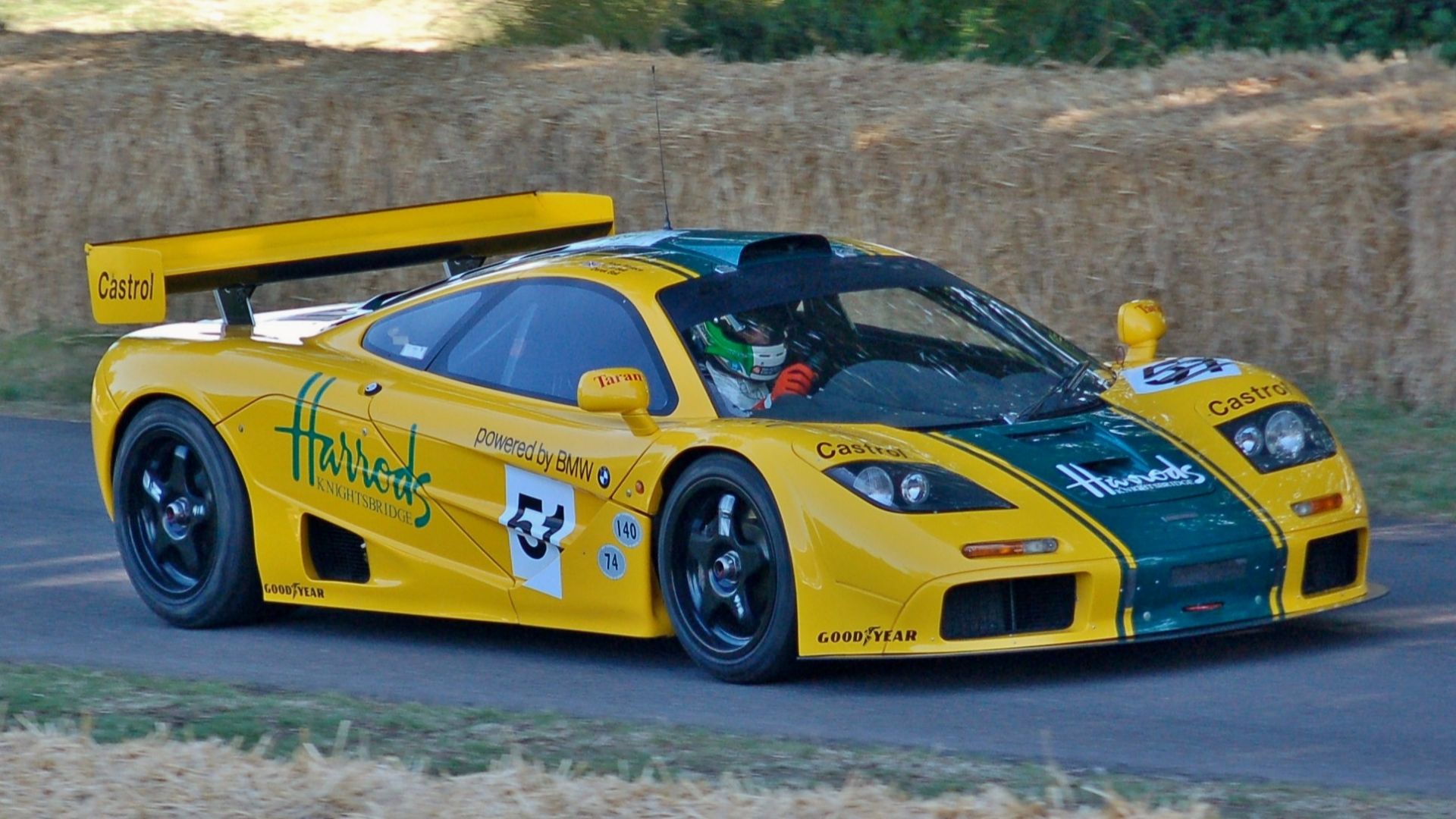
Legacy In McLaren’s Future
McLaren’s future endurance racing ambitions often reference the F1 GTR as a guiding inspiration. The 1995 success at Le Mans continues to motivate the brand’s desire to get back to the highest levels of endurance competition. Echoes of the F1 style can be seen in active racers like the 720S GT3. What a legacy to live up to!
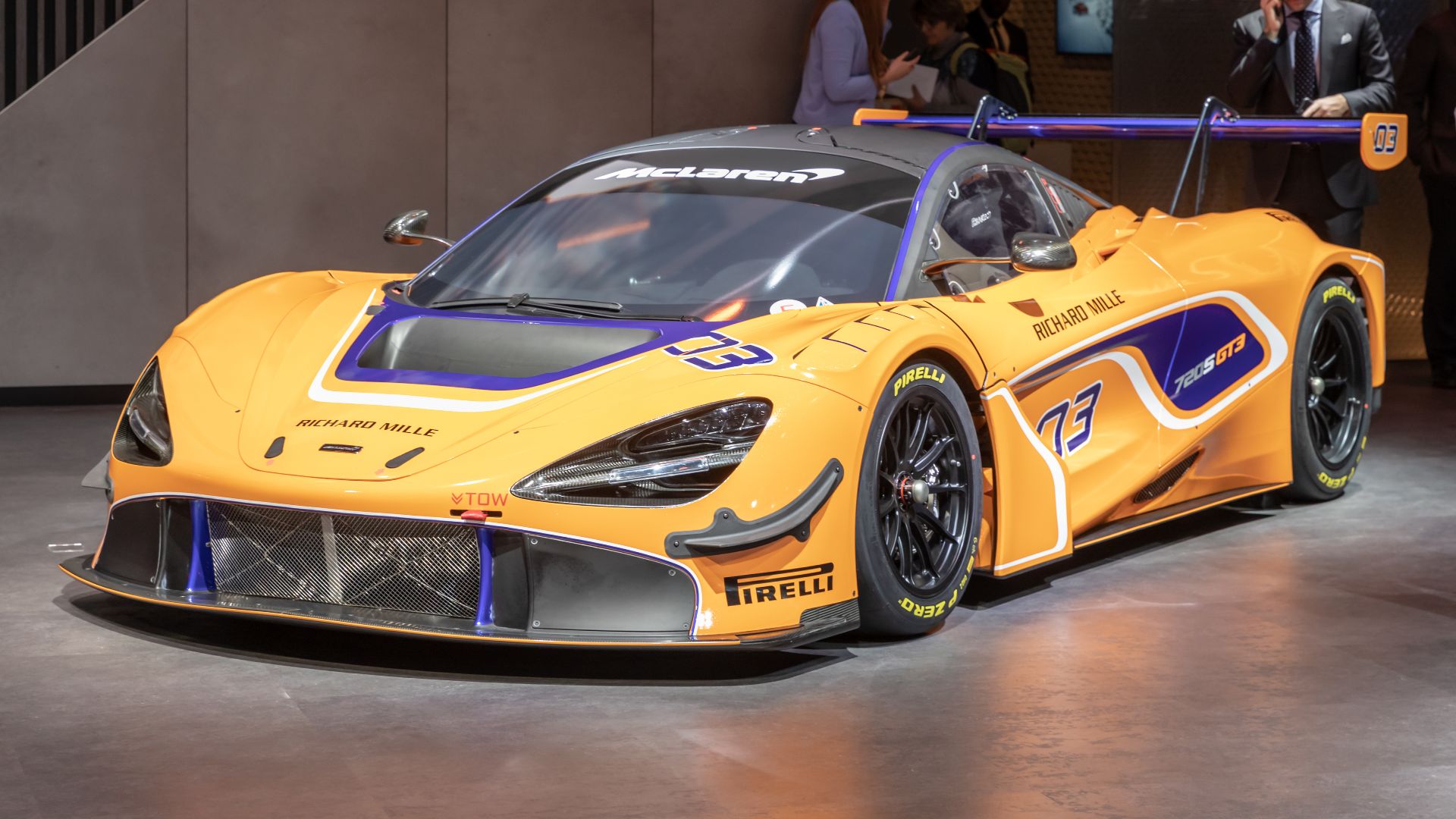 Matti Blume, Wikimedia Commons
One Of The All Time Greats
The McLaren F1 GTR stands as one of the greatest racing cars ever built. Its unexpected dominant victory at Le Mans in 1995 showed once and for all that innovation and balance were the keys to success over brute force, securing its place as a timeless racing legend.
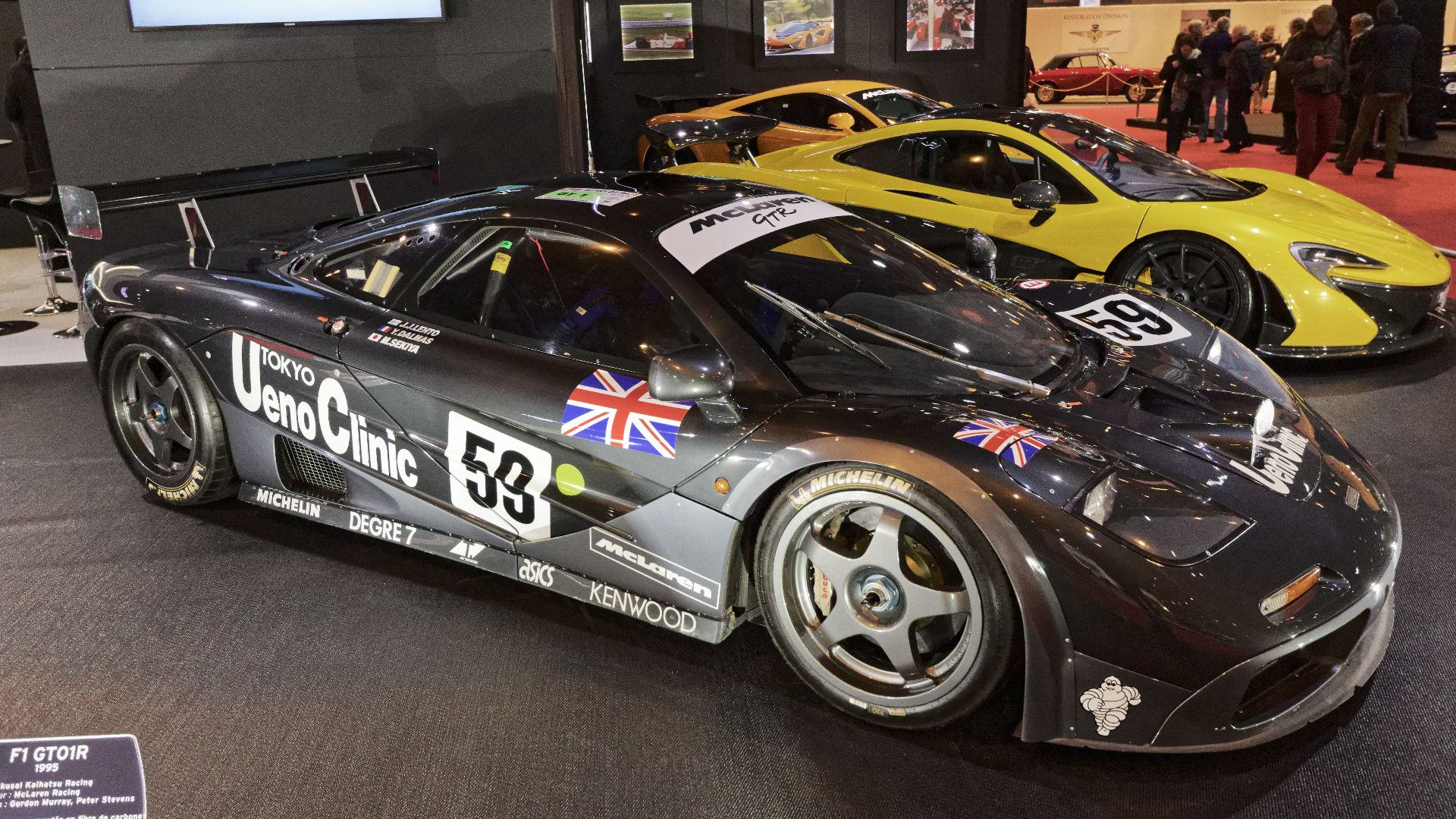 Thesupermat, Wikimedia Commons
You May Also Like:
Cars Likely To Become Collectibles
The Panoz Esperante—The Untold Story Of America's Rarest Supercar