When American Cars Were Built To Cruise
Remember when a proper American sedan had a big V8, a soft ride, and enough room for the whole family? Those days aren't entirely forgotten, but the cars certainly are disappearing. Let's revisit the last great American land yachts and ask whether they deserve another shot.
What Made A Full-Size Sedan Special?
We're talking rear-wheel drive, generous legroom, big trunks, and engines that barely broke a sweat on the highway. Many even had separate steel frames, just like pickup trucks. These weren't little commuter cars pretending to be luxurious. They were built for covering serious miles in comfort.
 Ethan Llamas, Wikimedia Commons
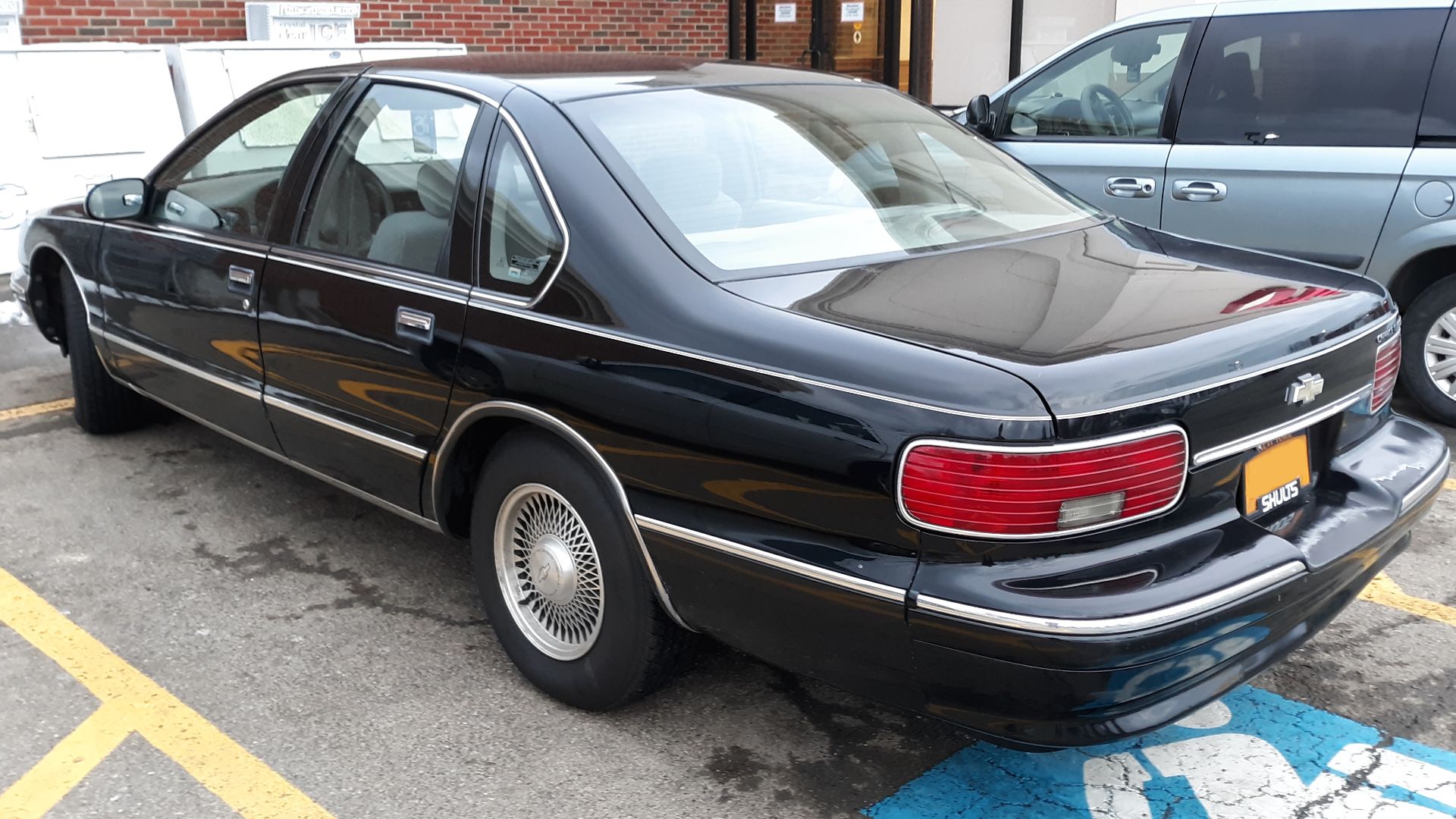
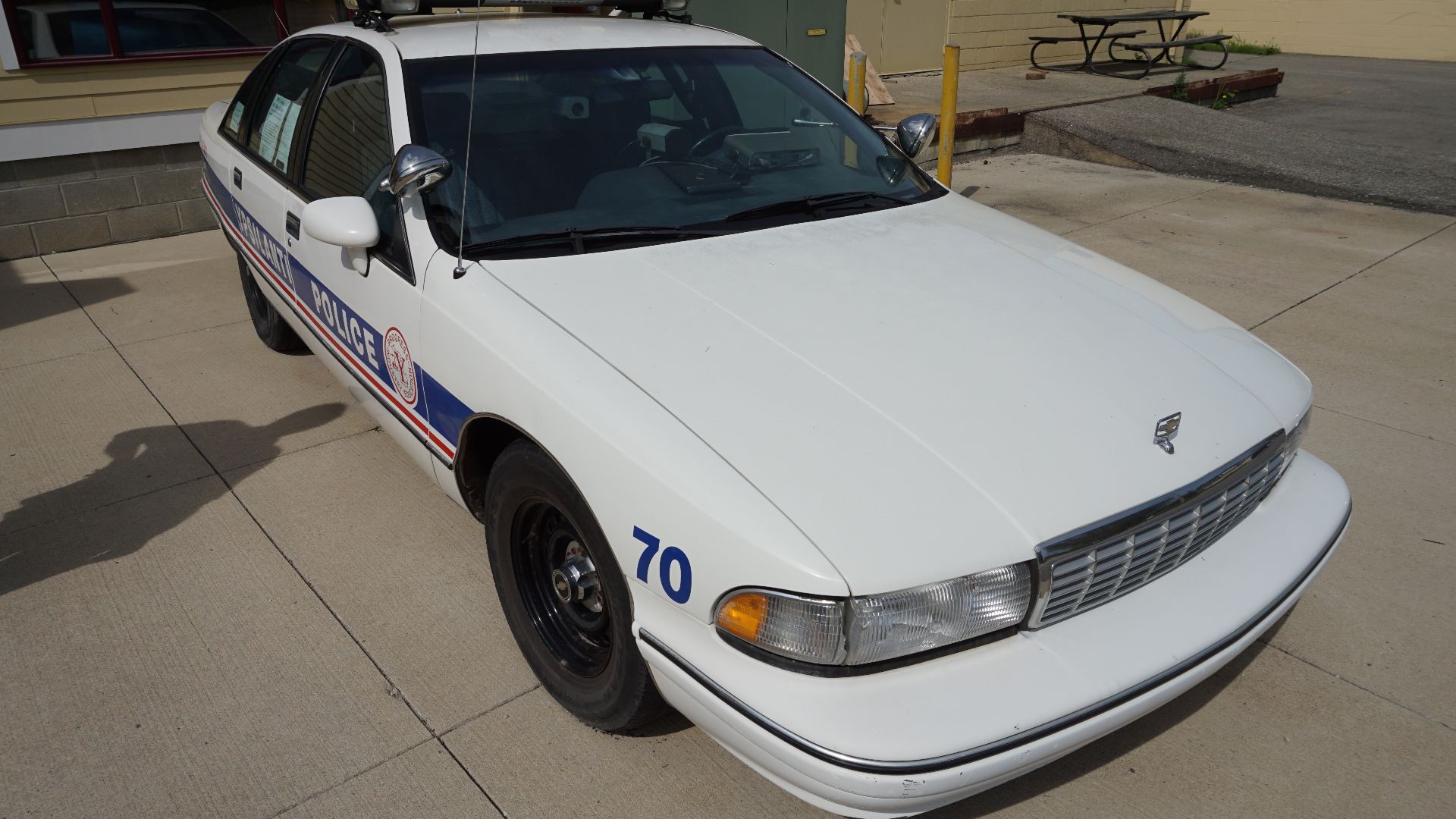
Chevrolet Caprice: The Family Favorite
The Chevrolet Caprice was once a familiar sight in American driveways. By its final generation, sold from 1991 through 1996, it still offered traditional body-on-frame construction and V8 power. Its rounded styling divided opinions, but the roomy cabin and comfortable ride were unmistakably old-school.
 Reelcheeper, Wikimedia Commons
The Caprice Was More Than A Family Car
Police departments and taxi companies loved the Caprice for many of the same reasons families did. It was spacious, powerful, and well suited to long hours on the road. The final models even offered a 5.7-liter LT1 V8, giving this big Chevy some surprising muscle.
 Michael Barera, Wikimedia Commons
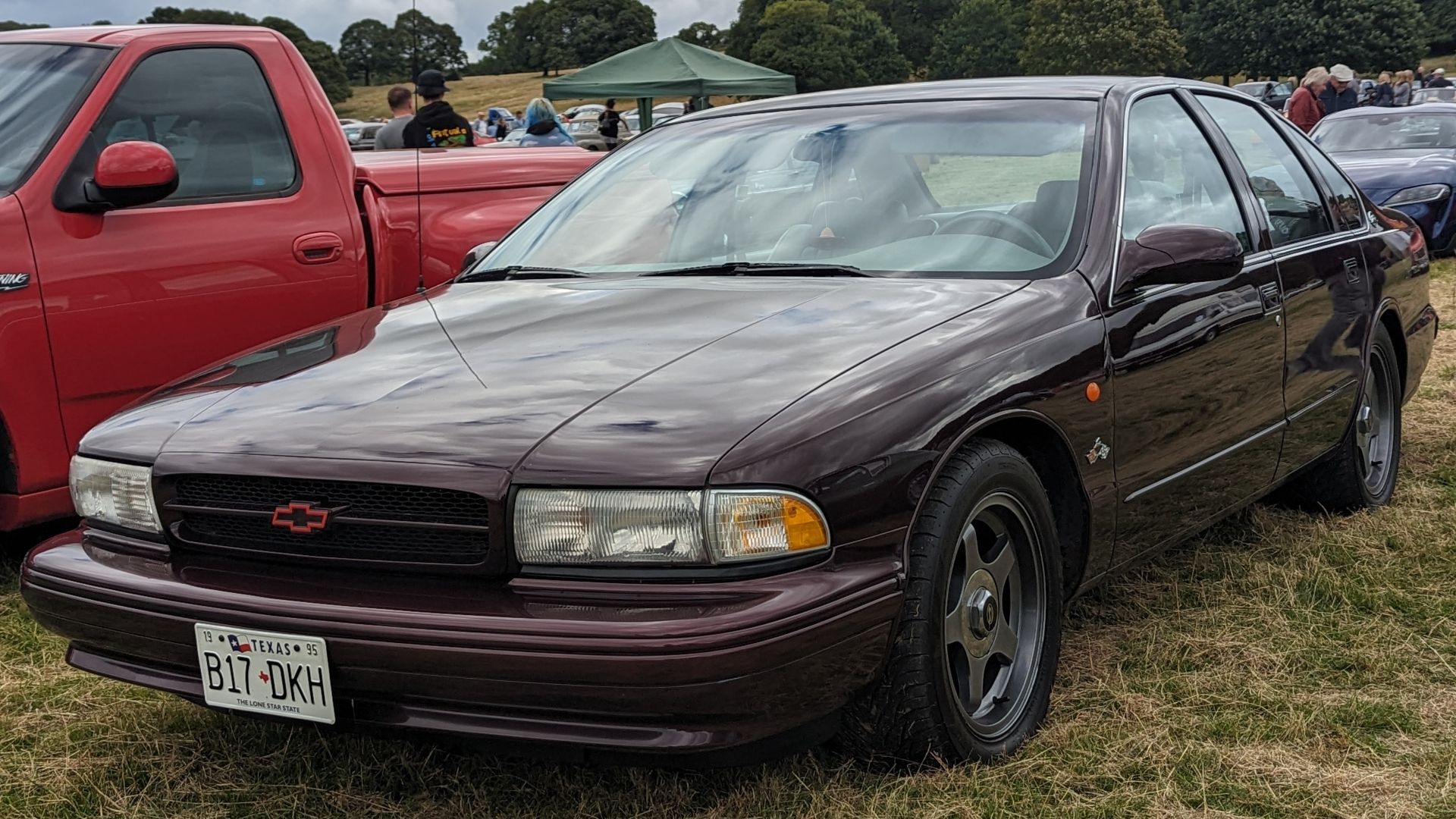
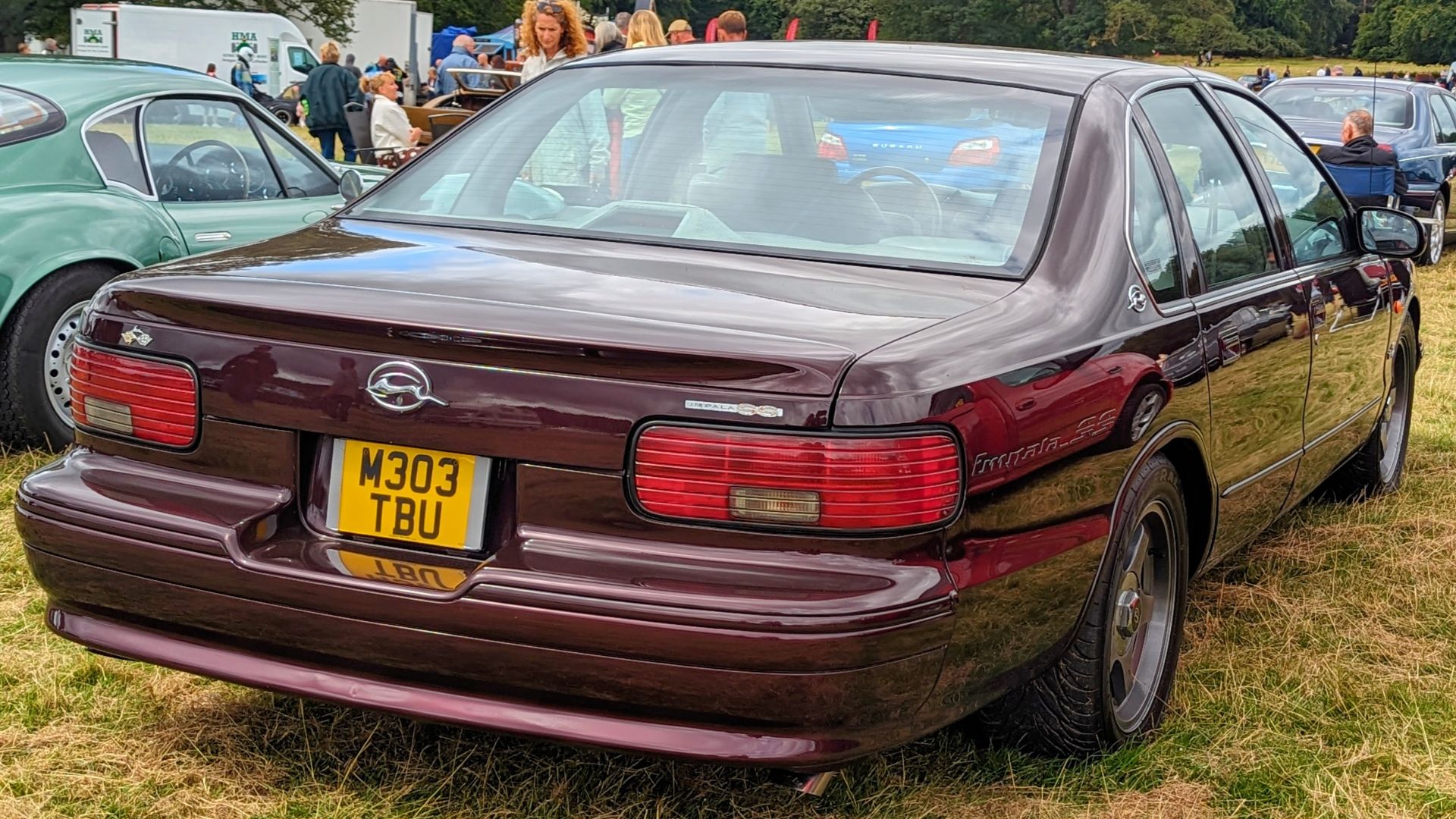
Chevrolet Impala SS: The Muscle Car In Disguise
Chevrolet took its Caprice and created something special in 1994. The Impala SS combined a 260-horsepower LT1 V8 with sporty suspension, distinctive wheels, and aggressive styling. It looked like a family sedan but had enough attitude to make muscle-car enthusiasts pay attention.
Why The Impala SS Still Turns Heads
Built from 1994 through 1996, the Impala SS became a modern classic. Its combination of rear-wheel drive, V8 performance, and genuine passenger space was difficult to replace. Even today, finding a clean example can feel like discovering a forgotten piece of Chevrolet history.
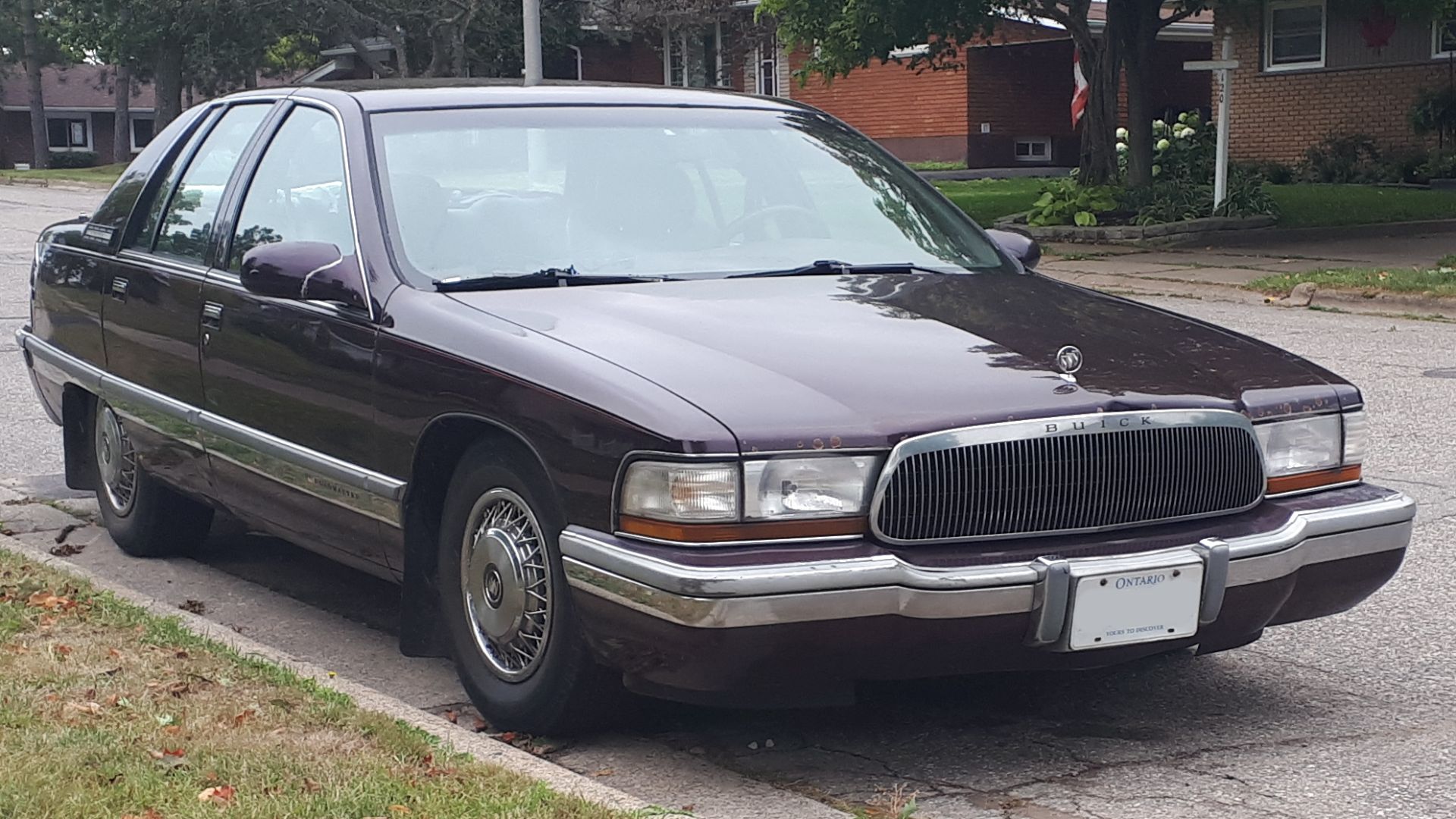
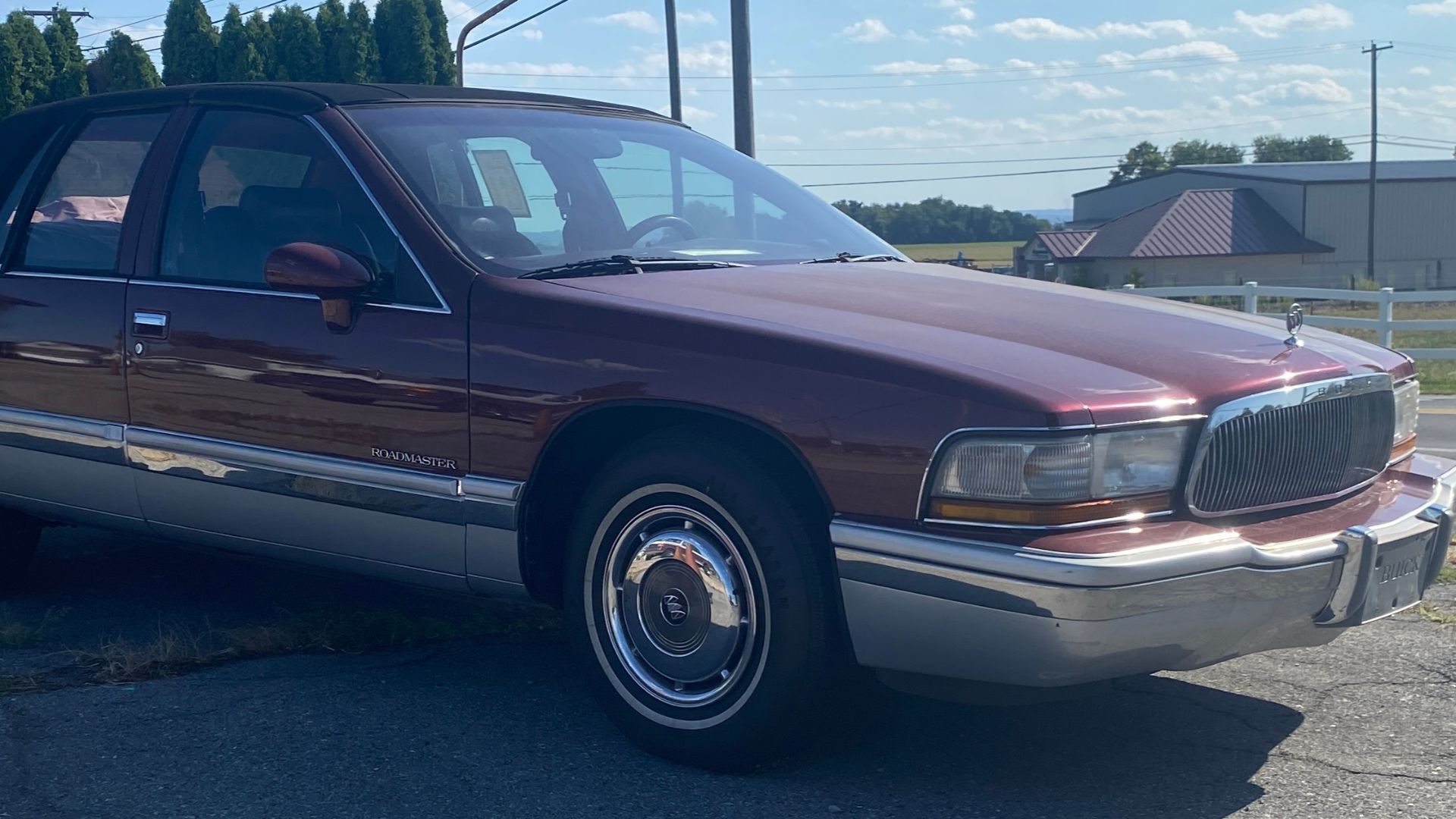
Buick Roadmaster: The Gentle Giant
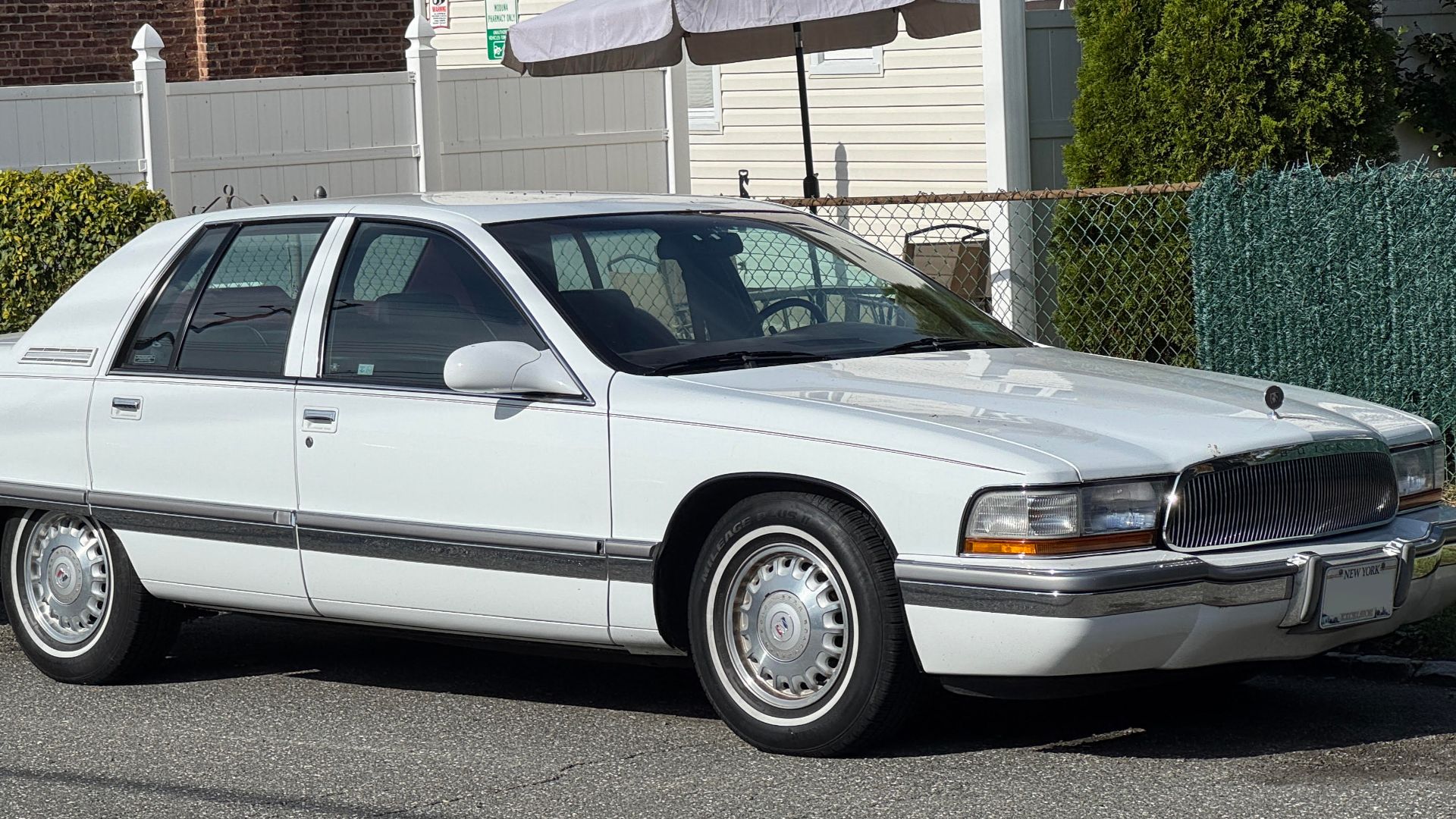
The Buick Roadmaster returned for 1991, bringing old-fashioned American luxury into the modern era. It was enormous, comfortable, and wonderfully relaxed on the highway. Buyers could enjoy plush seating and traditional V8 power without paying Cadillac prices. This was Buick doing what Buick did best.
 SsmIntrigue, Wikimedia Commons
The Roadmaster Had A Surprising Secret
From 1994 through 1996, the Roadmaster received a 5.7-liter LT1 V8 producing 260 horsepower. That's serious performance for a luxury cruiser of its day. The Roadmaster wasn't designed for racetracks, but it could surprise drivers who assumed its enormous body meant sluggish acceleration.
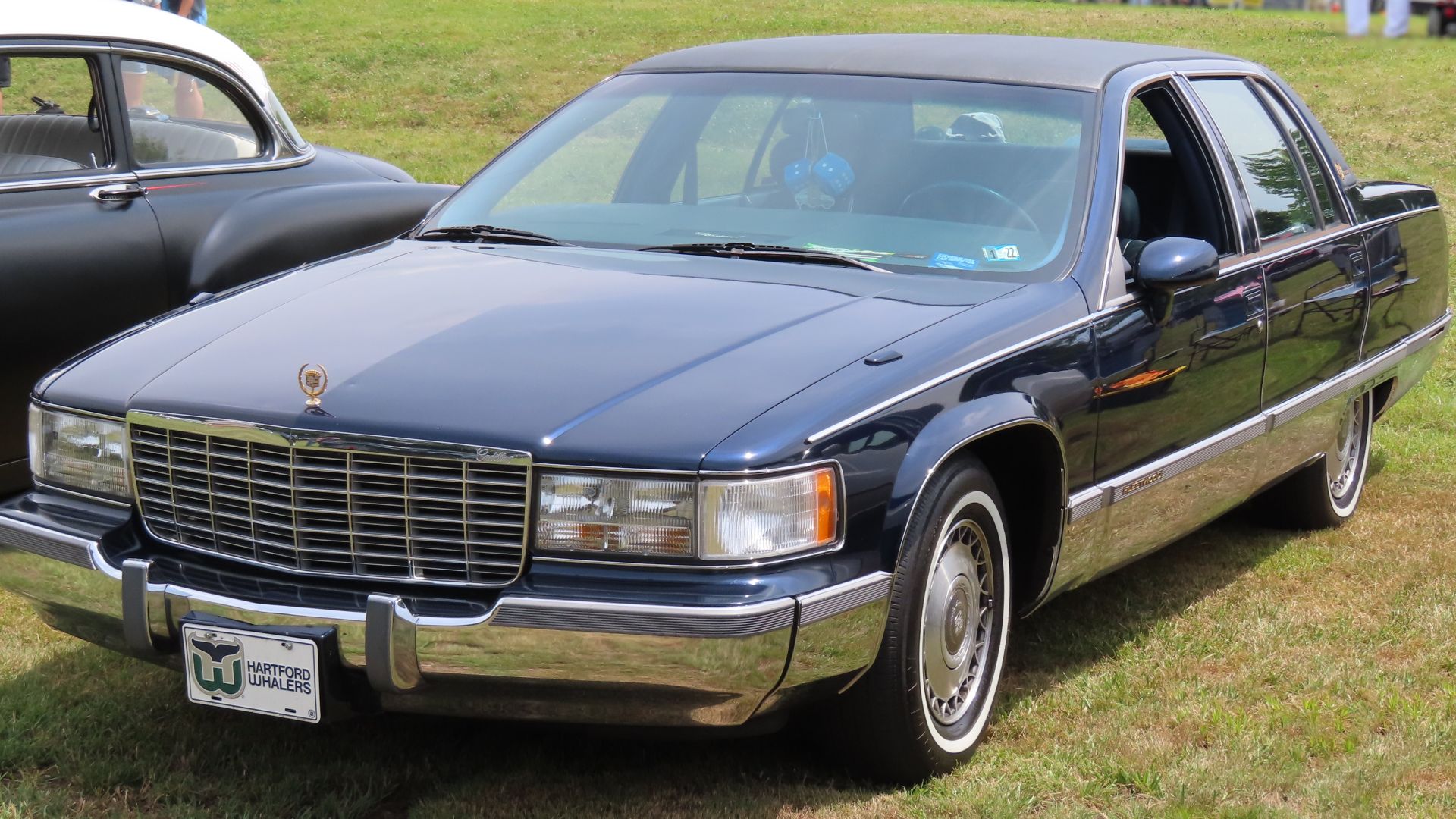
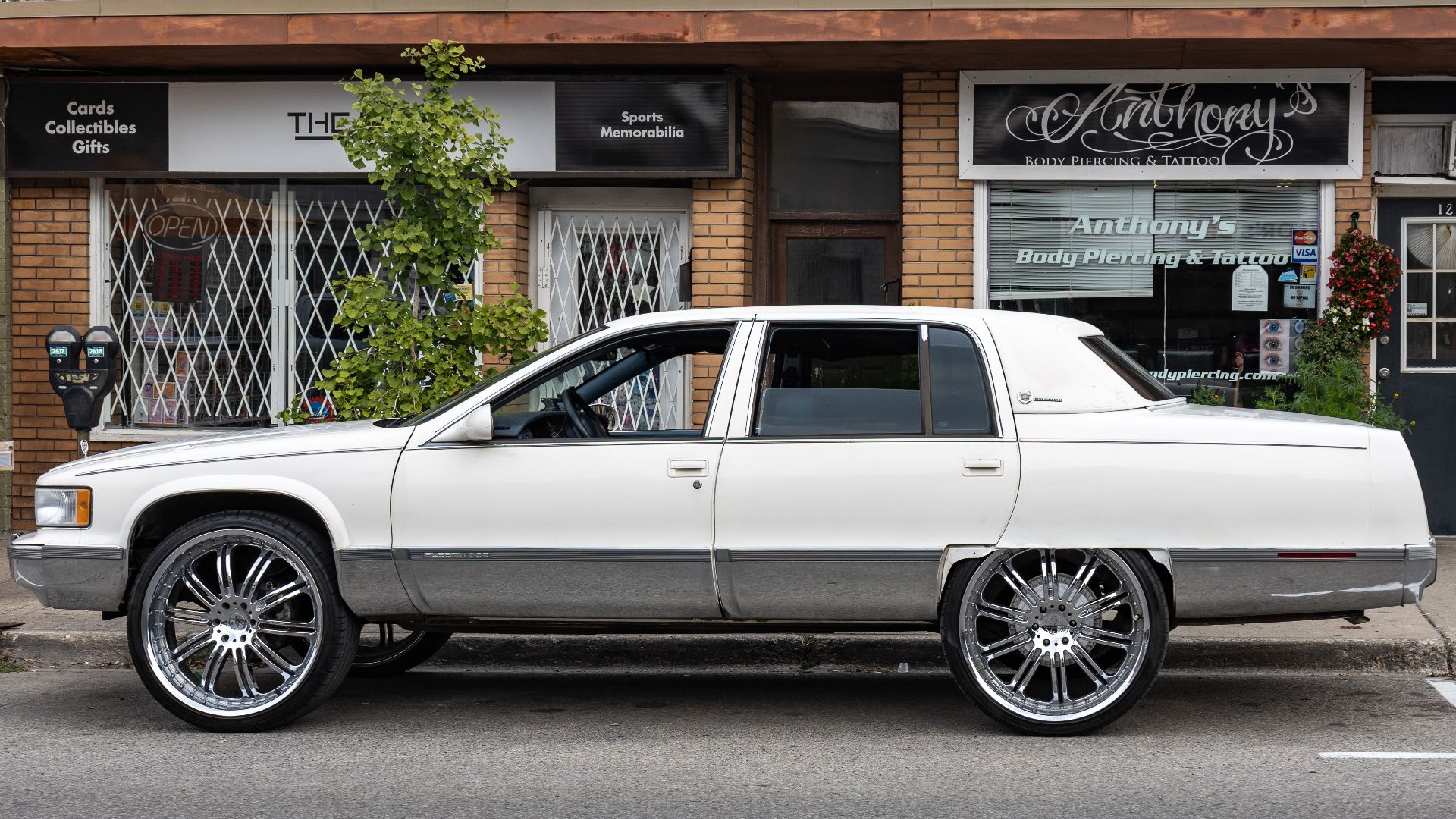
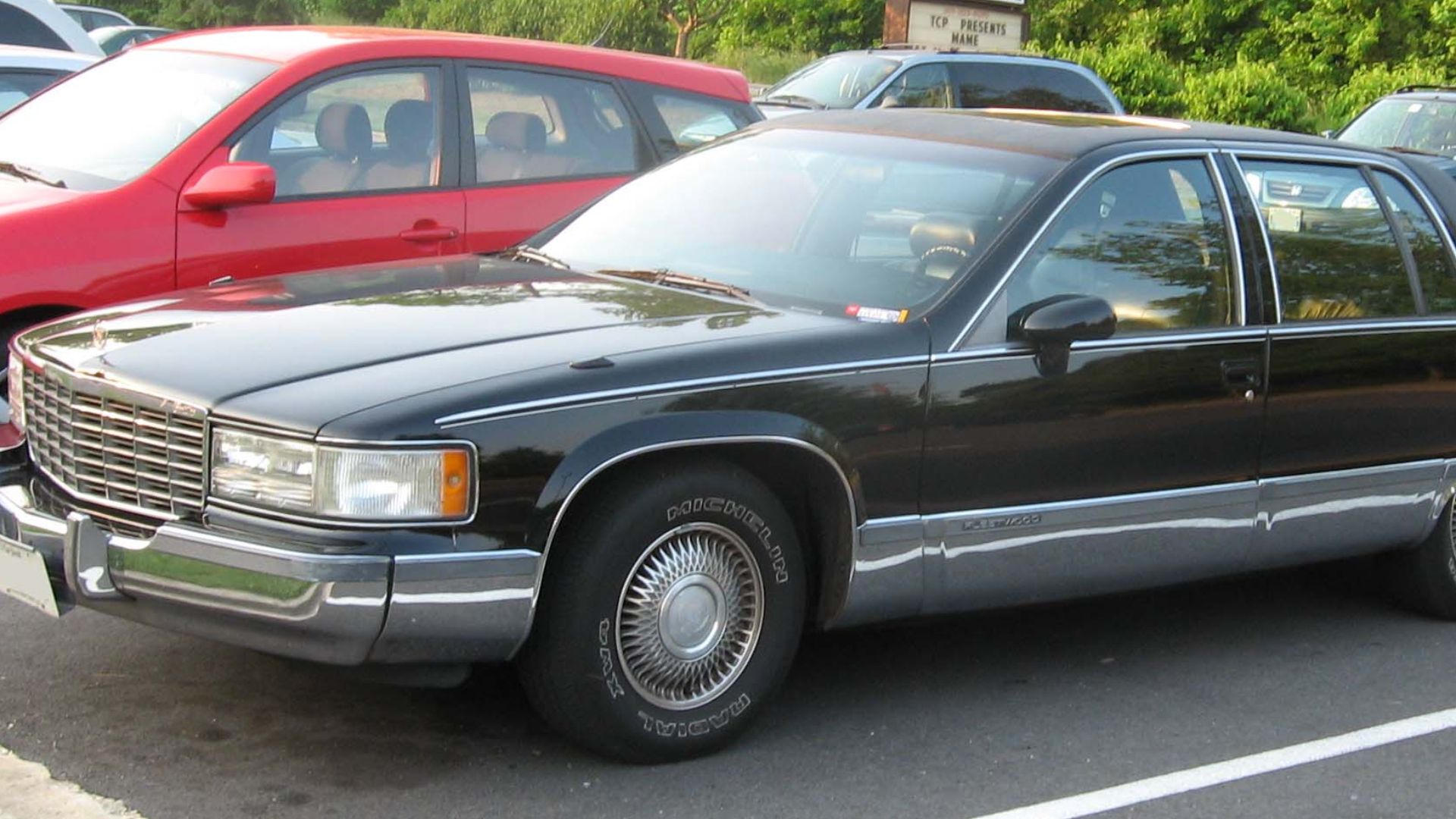
Cadillac Fleetwood: Luxury On A Grand Scale
The final rear-wheel-drive Cadillac Fleetwood, produced from 1993 through 1996, was everything an old-school Cadillac should be. It was long, imposing, and filled with comfort features. Its enormous proportions made arriving anywhere feel like an occasion, especially when compared with today's smaller luxury sedans.
 MercurySable99, Wikimedia Commons
The Fleetwood Was A True Highway Cruiser
At roughly 225 inches long, the final Fleetwood was enormous even by American standards. Its soft suspension and spacious interior made highway journeys wonderfully relaxed. From 1994, its 260-horsepower LT1 V8 delivered considerably more performance than earlier versions. Cadillac luxury still came with serious horsepower.
 Chris Woodrich, Wikimedia Commons
The Day General Motors Walked Away
In December 1996, General Motors ended production of the Caprice, Impala SS, Roadmaster, and Fleetwood. Its Arlington, Texas, factory was converted to build trucks and SUVs. America's changing tastes had finally caught up with the traditional full-size GM sedan. Ford would carry the torch alone.
Ford Crown Victoria: The Last Of Its Kind
Few cars represent old-school American motoring better than the Ford Crown Victoria. Its body-on-frame construction, rear-wheel drive, and 4.6-liter V8 made it a direct descendant of the family cruisers Americans had driven for decades. It remained in production until September 2011.
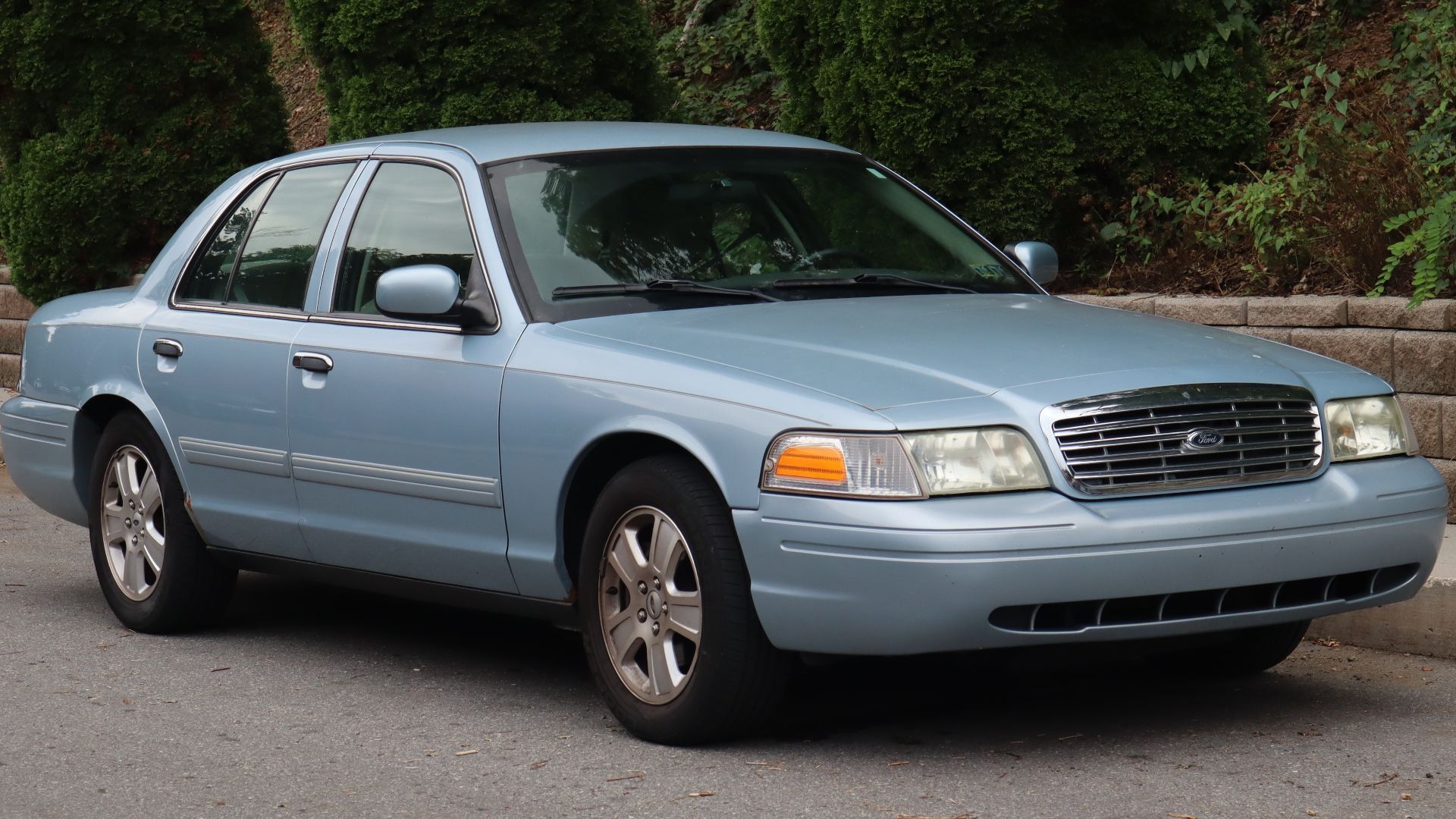
Why Police Departments Loved The Crown Vic
The Crown Victoria Police Interceptor became one of America's most recognizable patrol cars. Its proven mechanical layout, roomy interior, and suitability for fleet maintenance made it popular with police departments. For an entire generation, spotting a Crown Vic in the rearview mirror meant checking your speedometer.
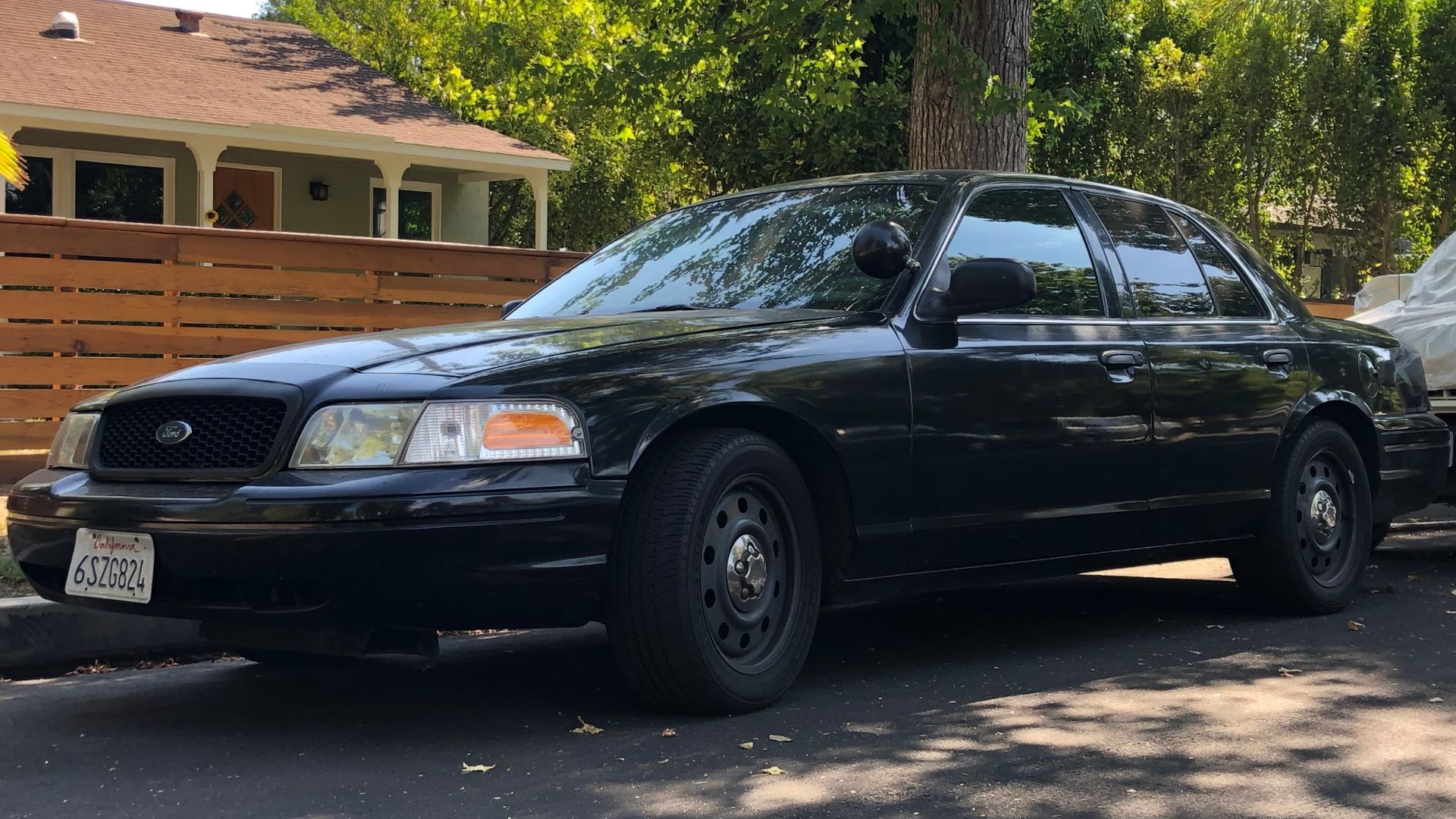
Mercury Grand Marquis: The Underrated Luxury Cruiser
The Mercury Grand Marquis shared its basic engineering with the Crown Victoria but offered a more traditional luxury experience. Its quiet cabin, comfortable seats, and understated appearance appealed to drivers who weren't interested in sporty handling. It was practically made for leisurely Sunday drives.
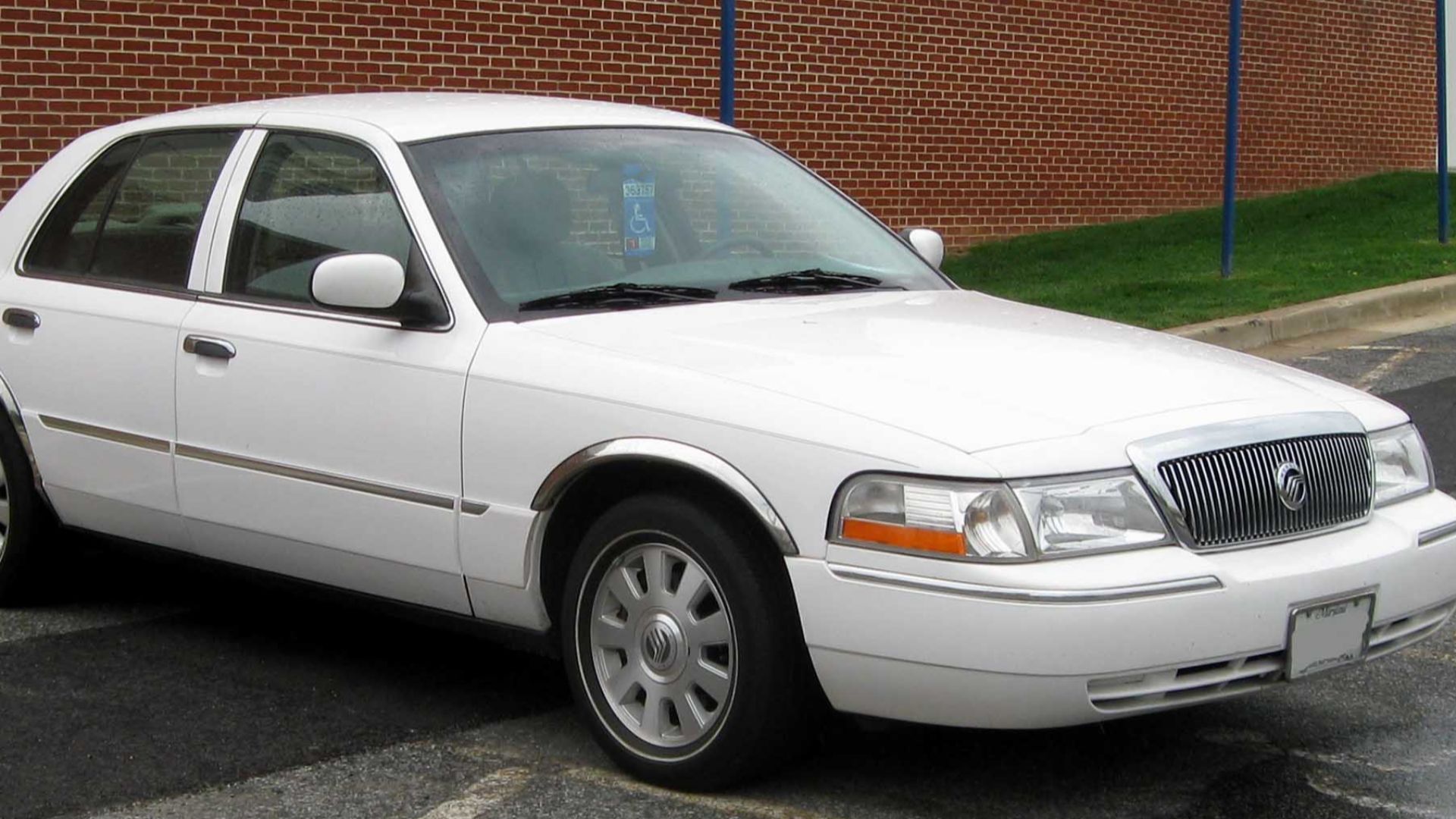
Why Grand Marquis Owners Stayed Loyal
Many Grand Marquis buyers appreciated its straightforward controls, familiar mechanical layout, and comfortable driving position. There was little need to learn complicated new technology. You simply climbed aboard, selected Drive, and enjoyed the journey. Unfortunately, Mercury's closure brought Grand Marquis production to an end in 2011.
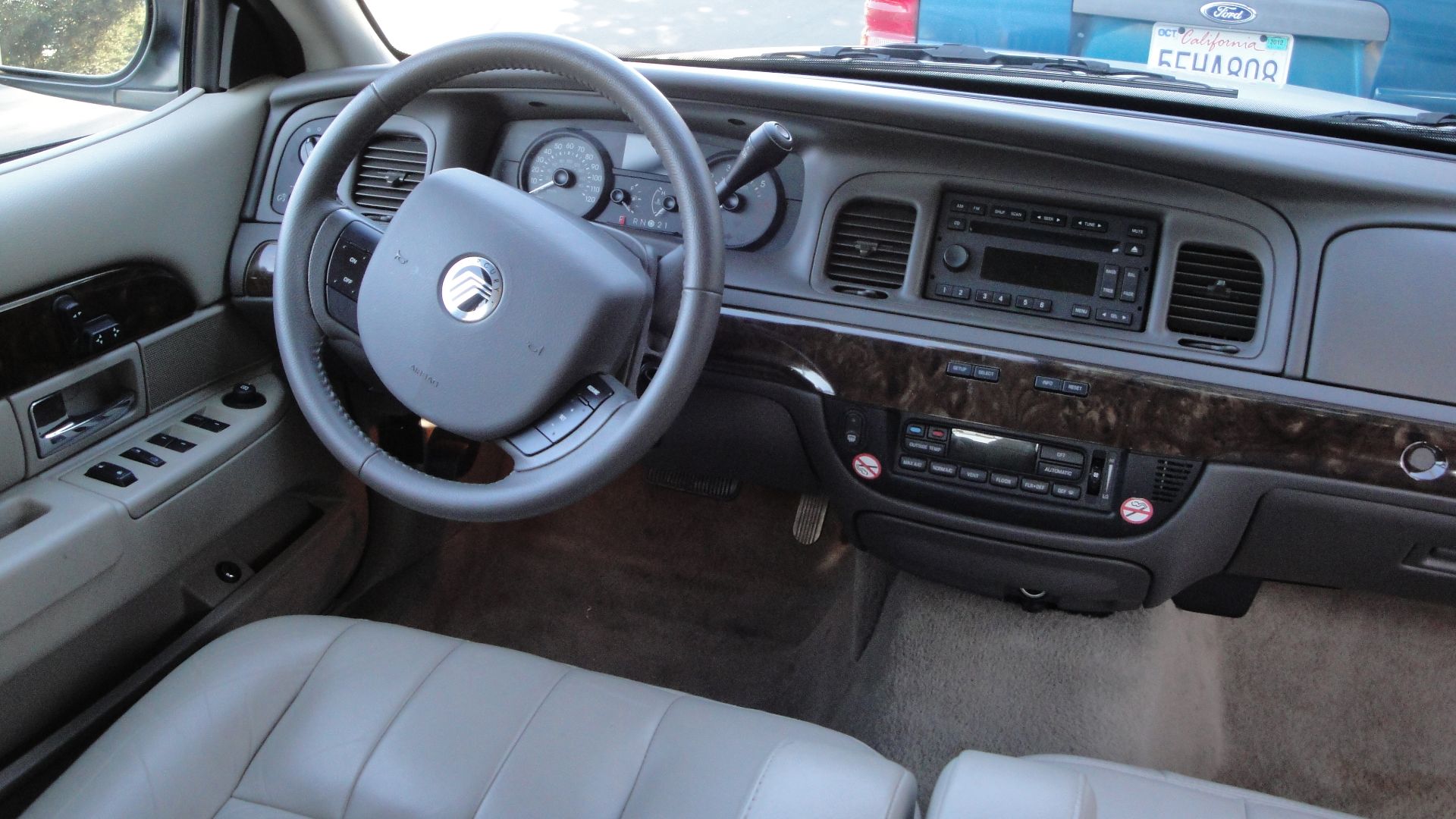 Greg Gjerdingen, Wikimedia Commons
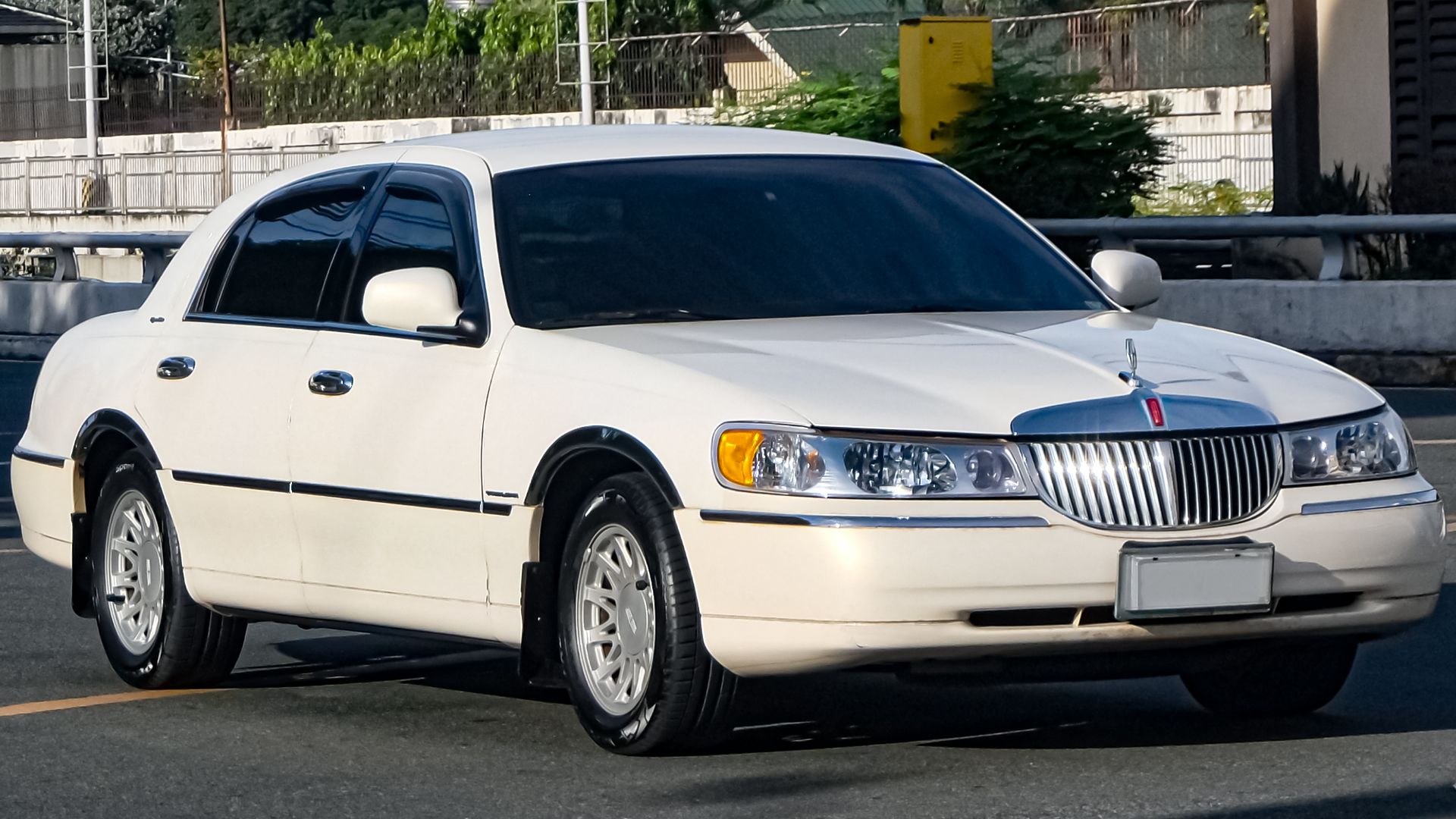
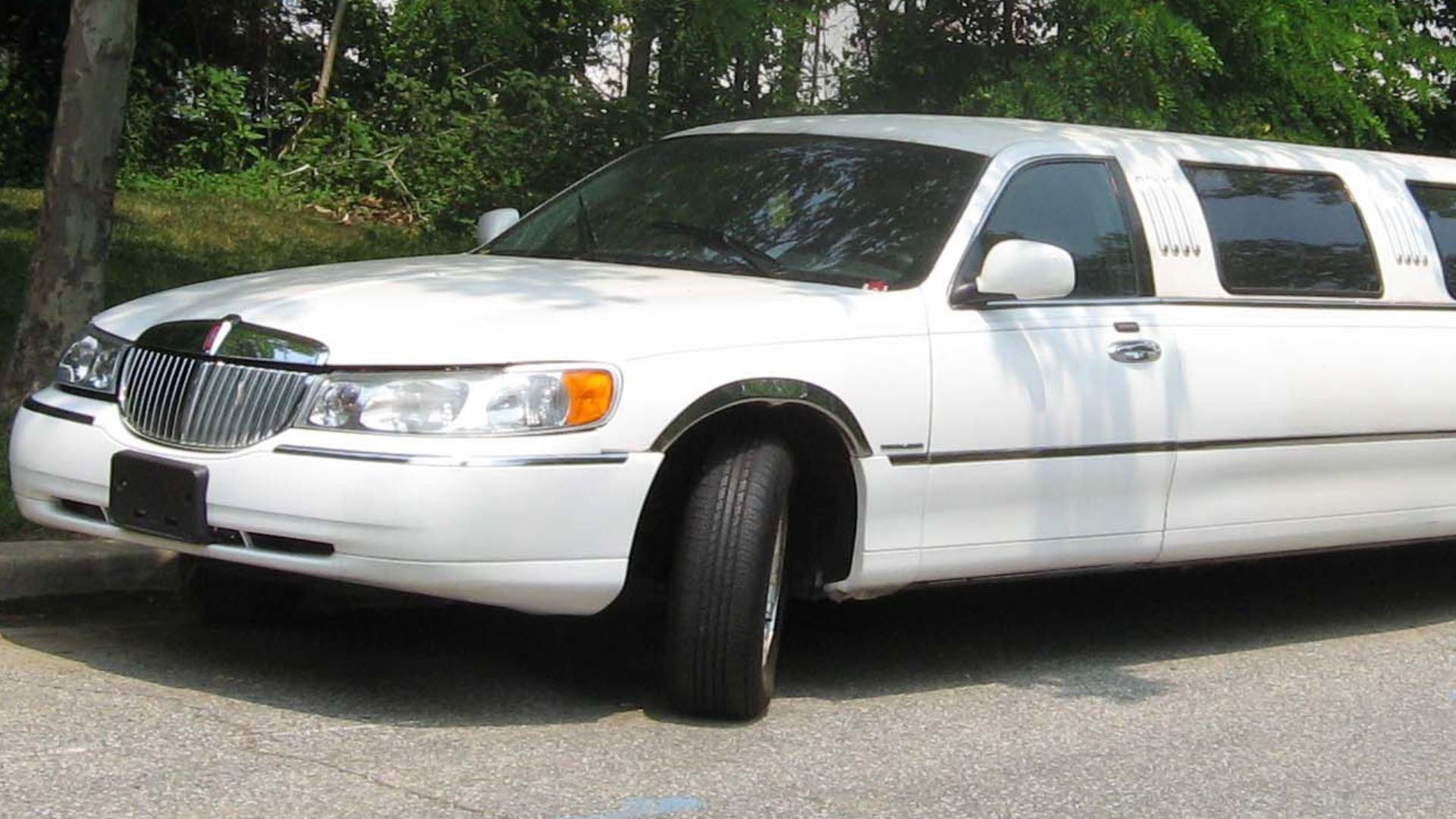
Lincoln Town Car: America's Rolling Living Room
The Lincoln Town Car represented traditional American luxury at its finest. Its enormous interior, smooth V8, and exceptionally comfortable ride made it popular with private owners and limousine services. It wasn't especially athletic, but that wasn't the point. Comfort was always the priority.
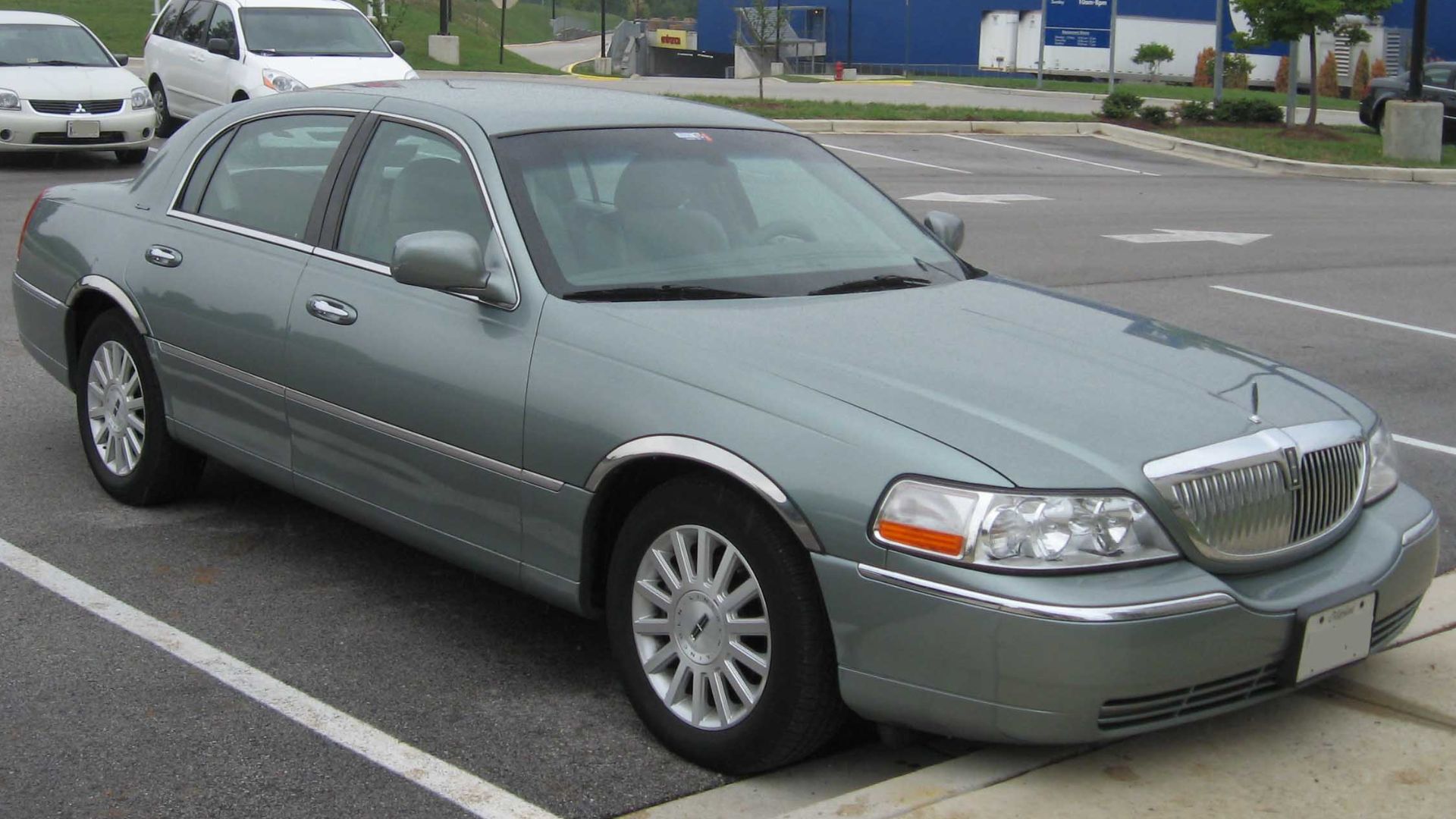
The Town Car's Remarkable Staying Power
The Town Car survived until 2011, long after many competitors abandoned body-on-frame construction. Its generous rear-seat space and comfortable ride made it a favorite for chauffeured transportation. When production ended, Lincoln lost a vehicle that had represented American luxury for generations.
Chrysler 300: The Big Sedan Gets Its Swagger Back
When Chrysler introduced the modern 300 for 2005, American drivers finally had another bold, rear-wheel-drive sedan to consider. Its upright grille and imposing proportions recalled Detroit's glory days. Better still, buyers could choose a HEMI V8, bringing genuine muscle back to the luxury-sedan market.
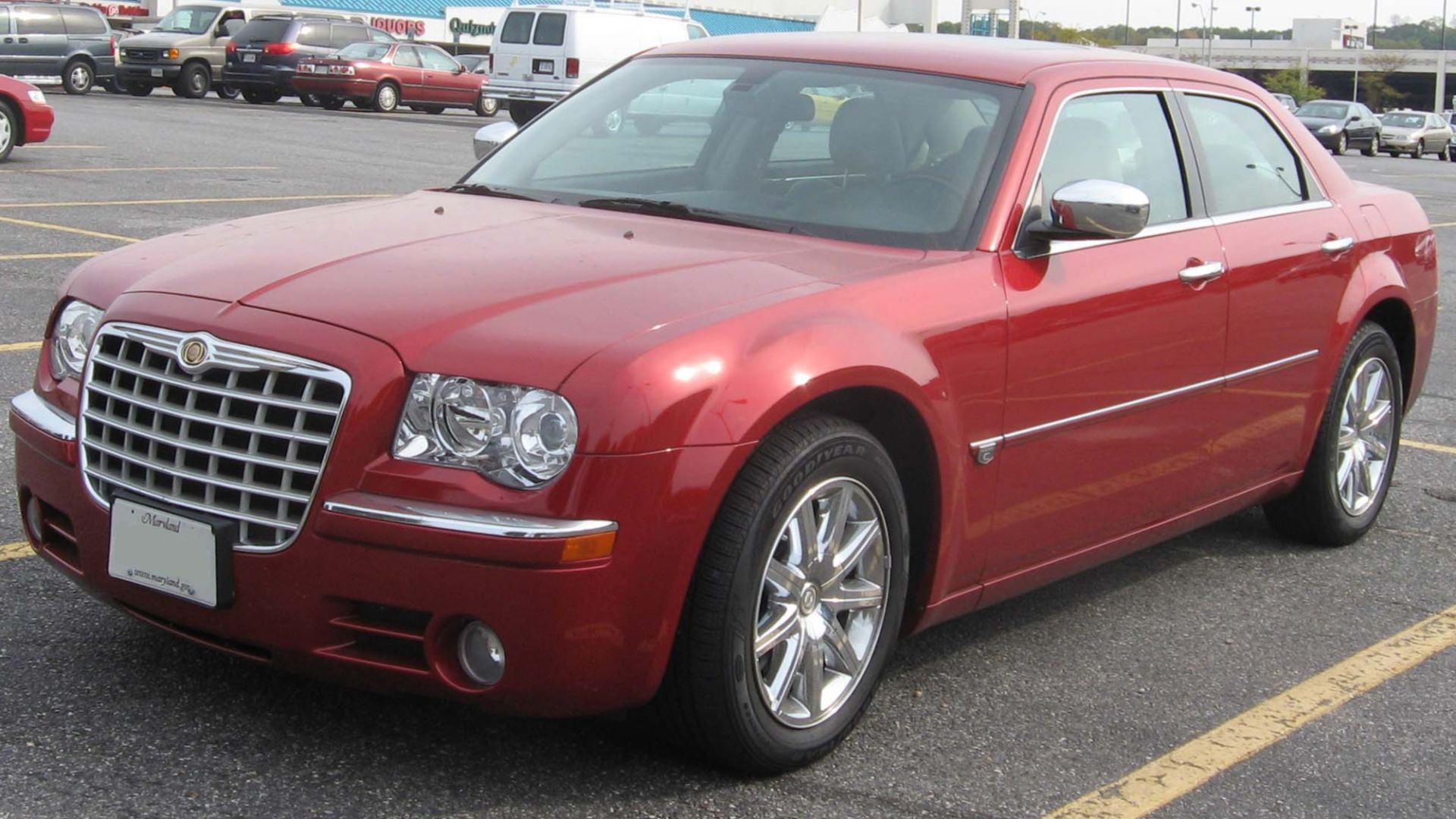
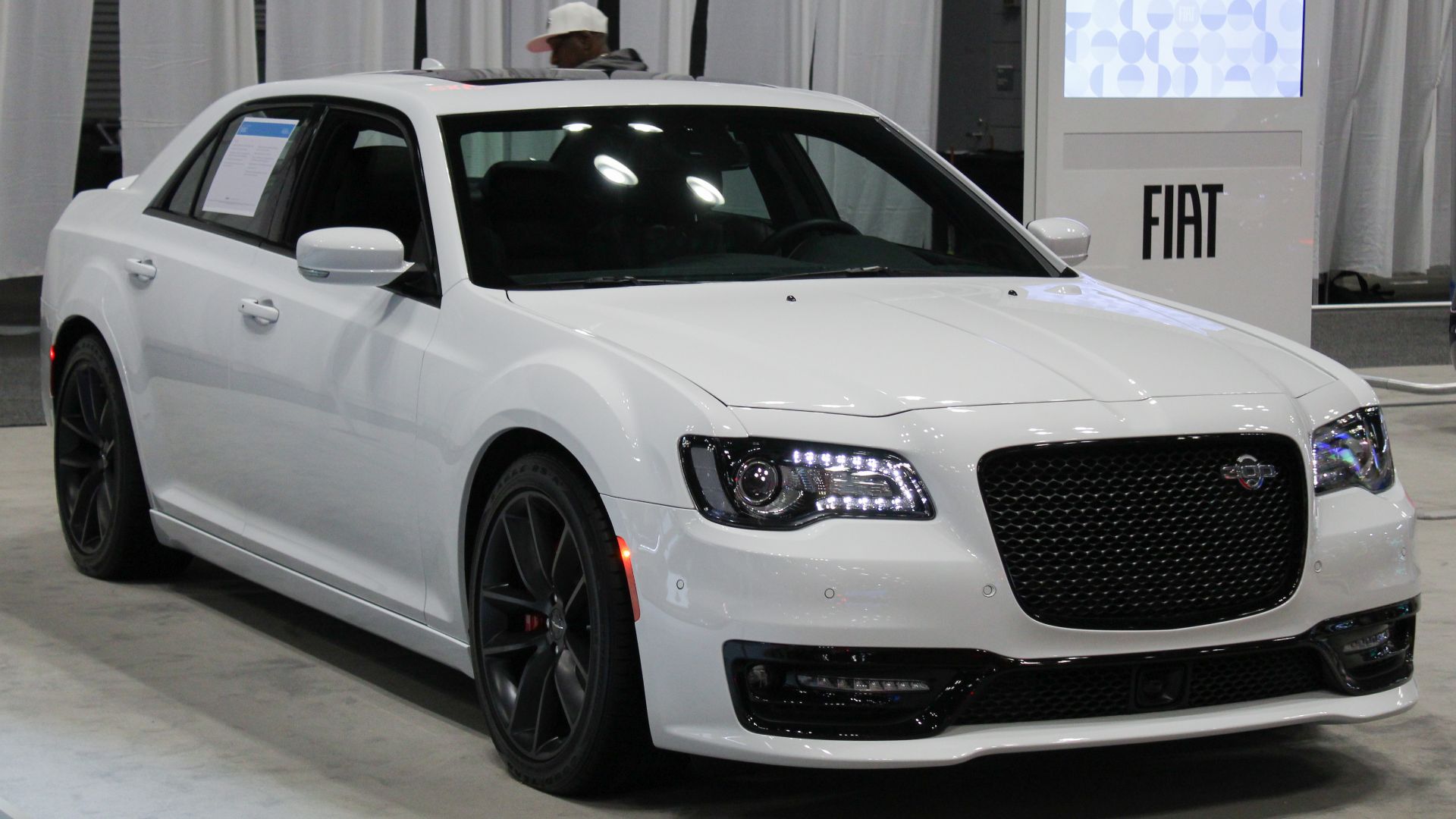
The Chrysler 300C Was A Modern Classic
The 300C combined traditional American presence with modern unibody construction. Unlike the old Crown Victoria, it didn't use a separate frame, but its rear-wheel-drive layout and available V8 kept the spirit alive. Chrysler ended production in 2023, closing another chapter in American automotive history.
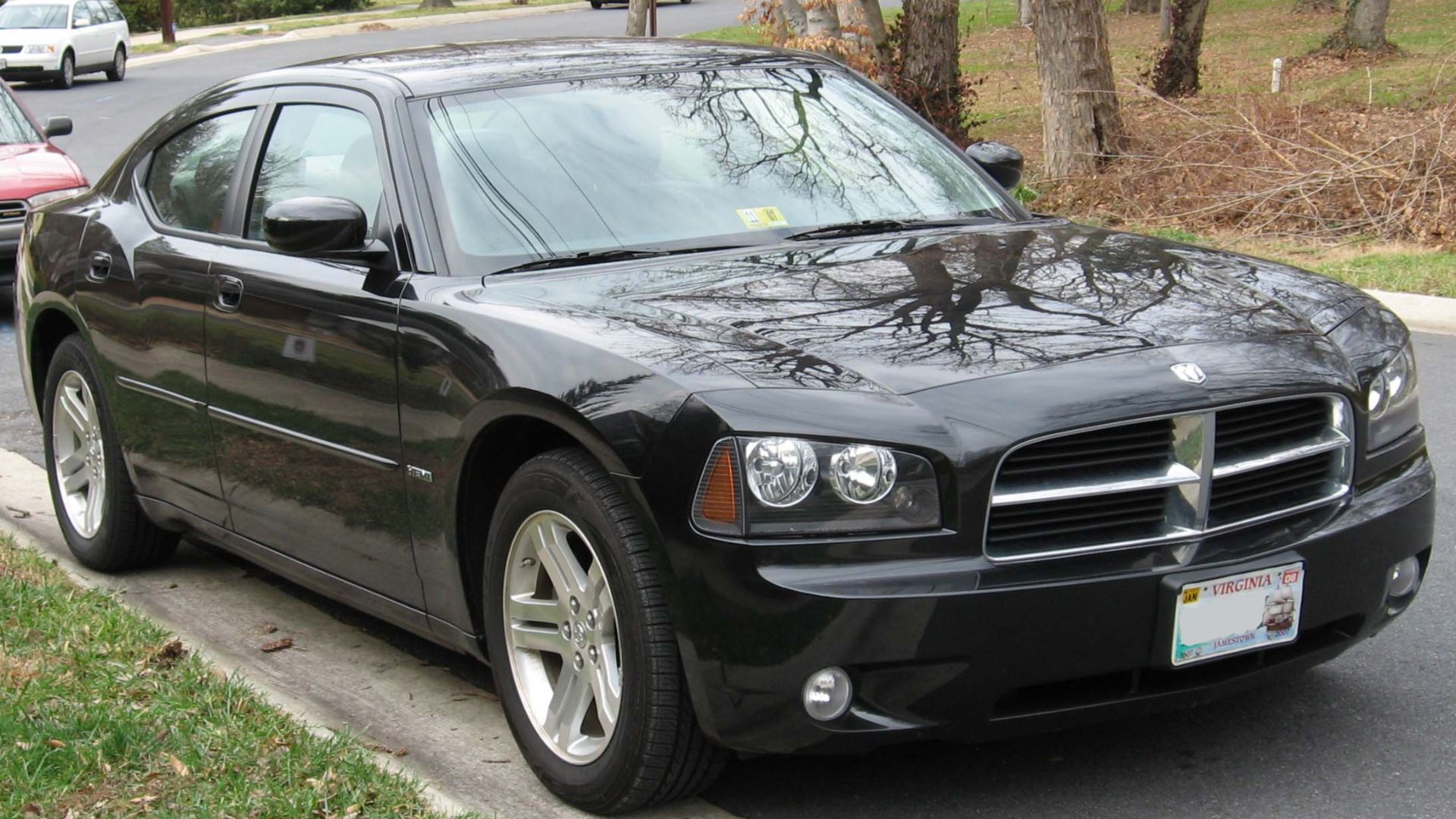
Dodge Charger: The Four-Door Muscle Car
The modern Dodge Charger arrived for 2006, proving a practical sedan could still have serious attitude. Its spacious cabin made family duty possible, while available HEMI V8 engines delivered muscle-car excitement. The Charger was a reminder that four doors didn't have to mean boring.
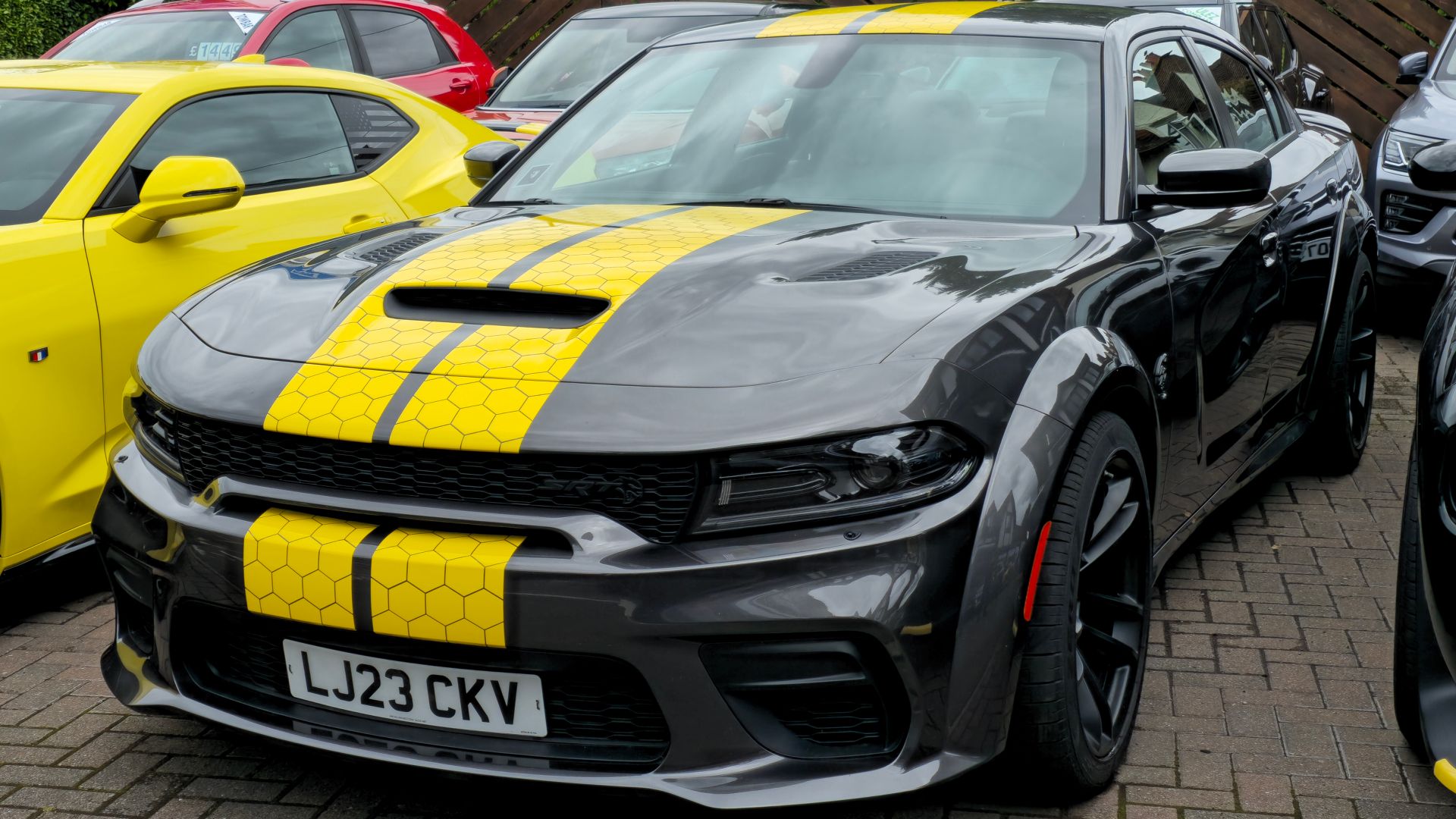
The Charger Went Out With A Roar
By its final 2023 model year, the previous-generation Charger offered everything from practical V6 transportation to supercharged Hellcat performance. Some versions produced more than 700 horsepower. When production ended, enthusiasts said goodbye to one of Detroit's wildest four-door sedans.
Why Did These Big Sedans Disappear?
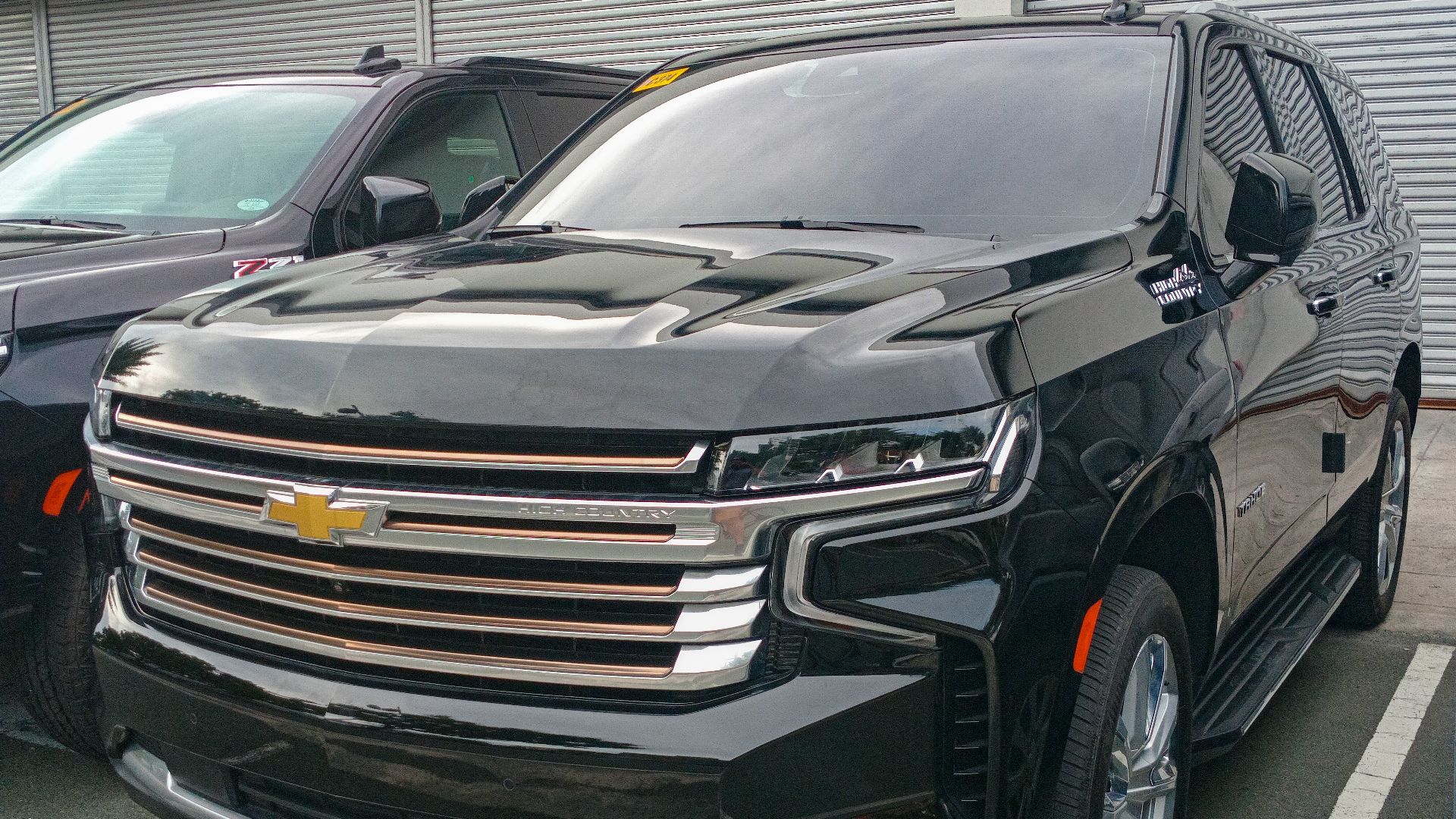
The answer is simpler than you might think. American buyers increasingly preferred SUVs, crossovers, and pickup trucks. Automakers followed the money, investing in vehicles customers were buying. Meanwhile, traditional sedans faced changing fuel-economy expectations and increasingly expensive development requirements.
 Ethan Llamas, Wikimedia Commons
SUVs Took Over Their Old Job
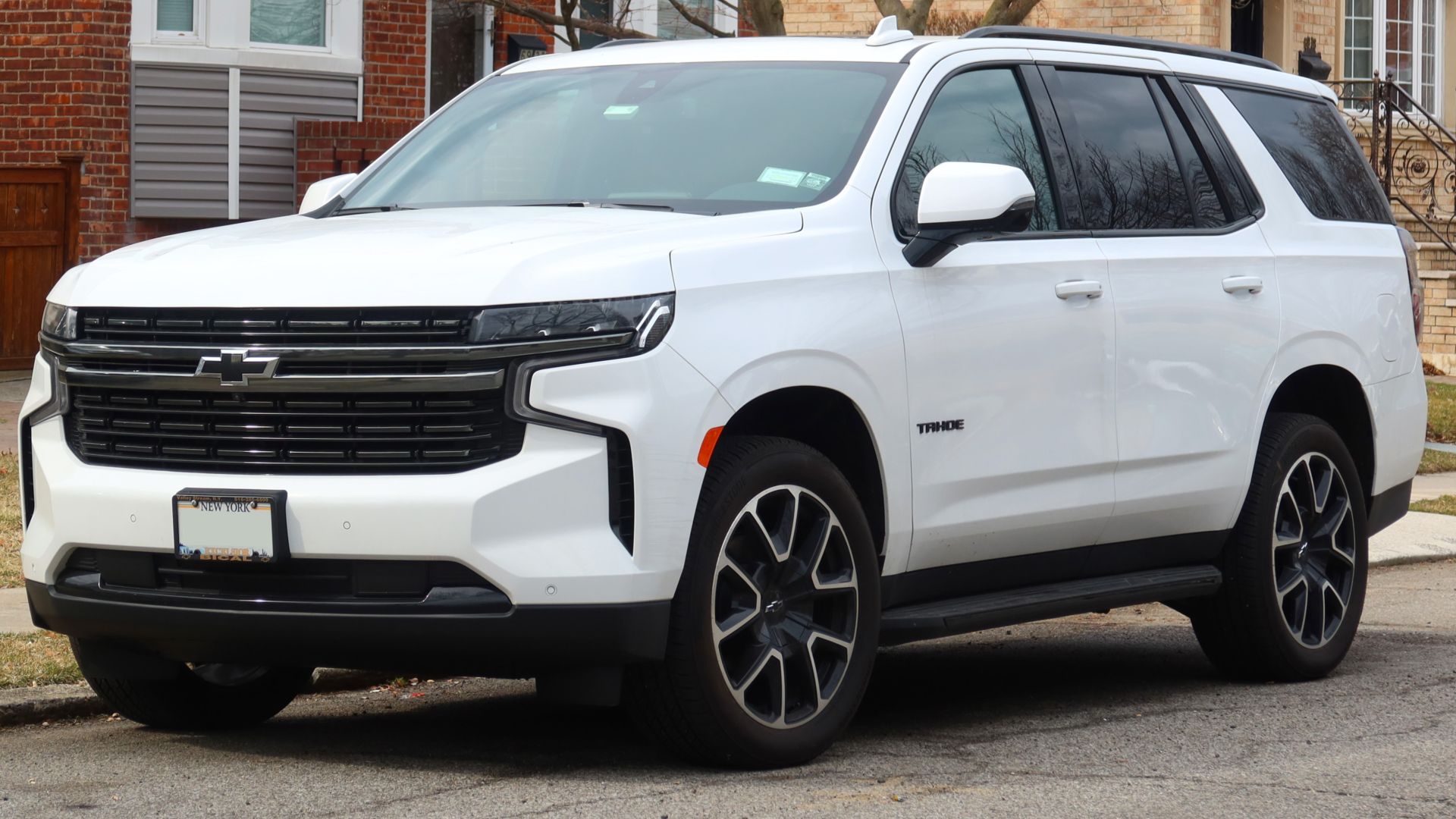
Think about what families once wanted from a Caprice or Roadmaster: space, comfort, and room for luggage. Modern SUVs provide those same benefits while adding higher seating positions and versatile cargo areas. For many buyers, the SUV became the natural replacement for the big sedan.
But Big Sedans Still Have Their Advantages
A traditional sedan's lower seating position and center of gravity can offer a more settled driving experience than a tall SUV. Large trunks keep luggage separate from passengers, and a long wheelbase can make highway cruising exceptionally comfortable. There are still good reasons to love them.
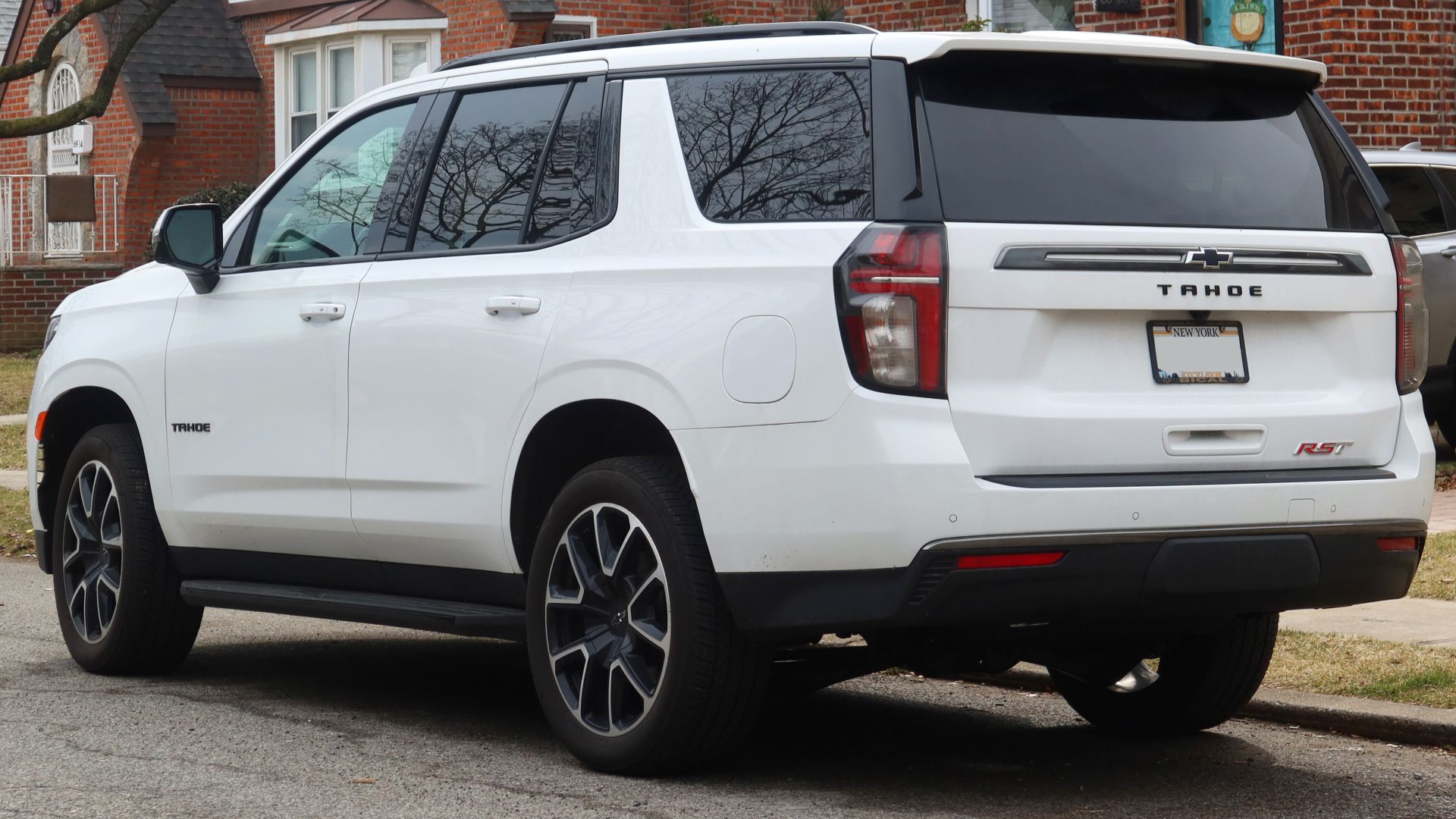
Could A Modern Land Yacht Actually Work?
A modern full-size American sedan wouldn't necessarily need a thirsty V8 or separate frame. Imagine a spacious, rear-wheel-drive cruiser with a comfortable suspension, hybrid power, and simple controls. It could offer traditional American comfort without bringing back every compromise of the past.
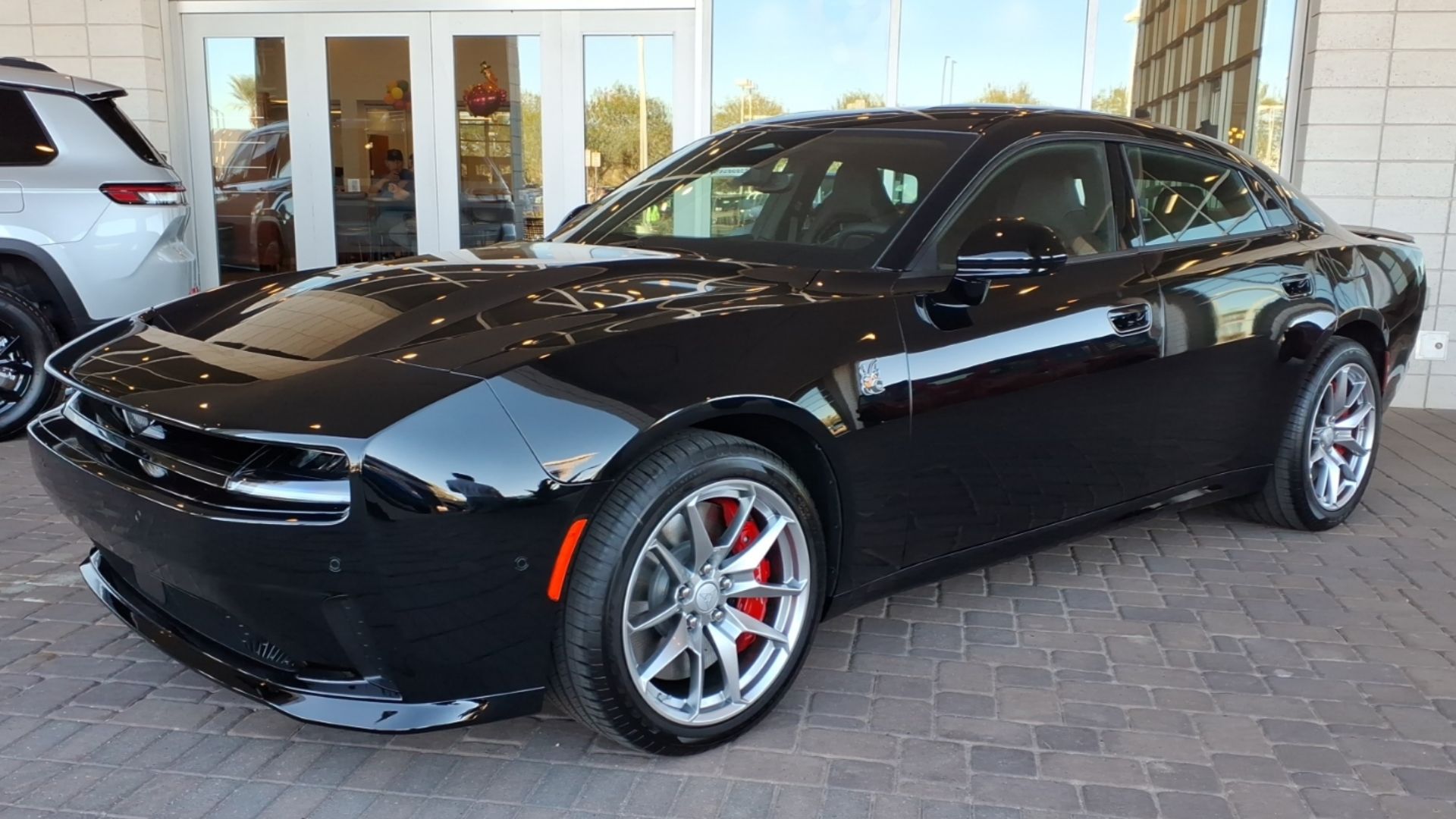
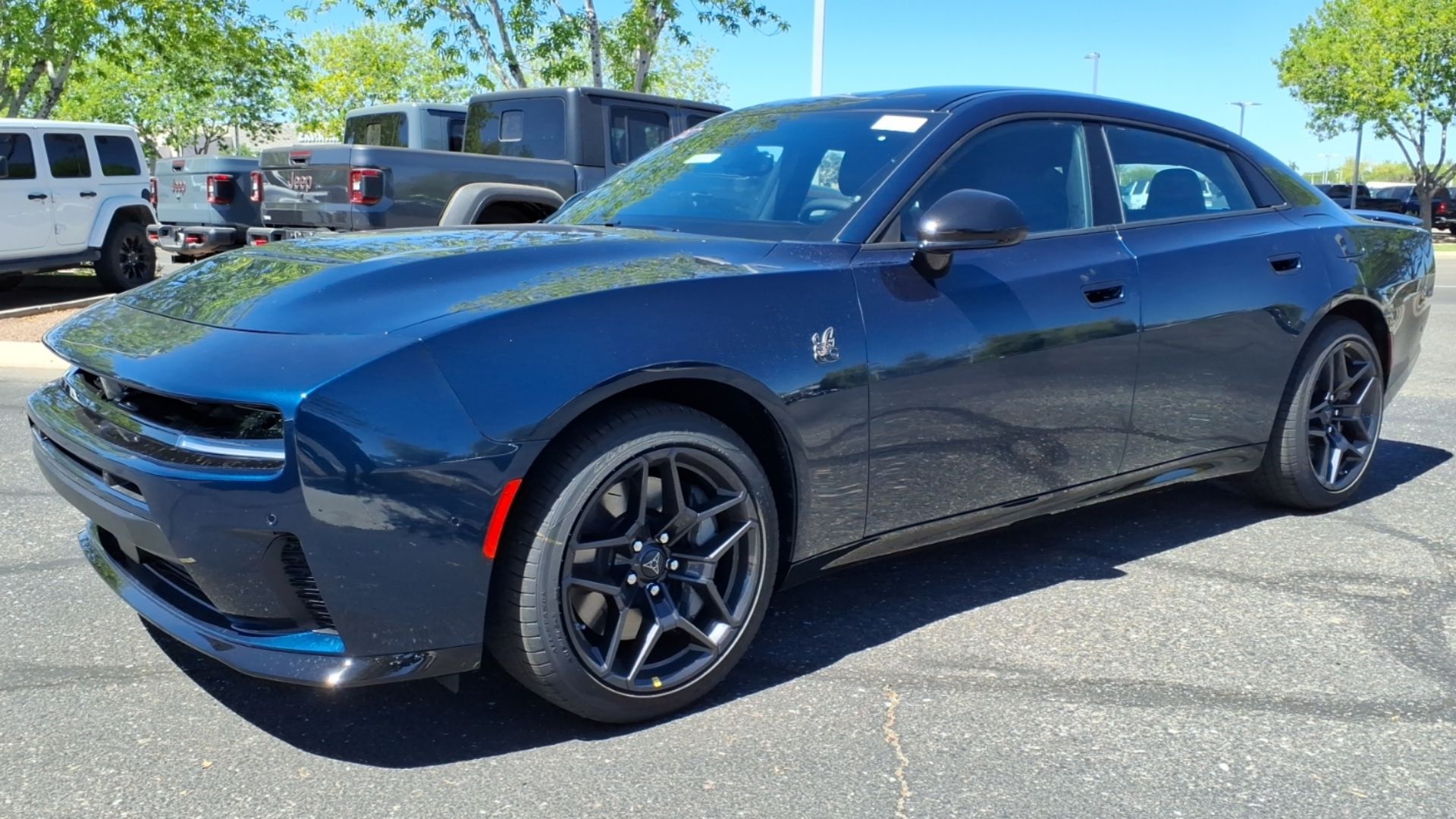
Dodge Is Already Testing The Waters
The Charger name continues with a new generation, including four-door versions for 2026. Gas-powered models use turbocharged six-cylinder engines, while electric versions offer another approach to American performance. These aren't traditional land yachts, but they show that large, powerful American sedans still have a place.
Should The Great American Sedan Return?
There's something wonderfully appealing about a big American sedan built for the open road. The old Crown Victoria, Roadmaster, and Town Car offered comfort without apology. Whether enough buyers would return is another question. But give us a roomy cabin, a smooth ride, and a long highway, and we'd happily take another one for a spin.
 Mr.choppers, Wikimedia Commons
You May Also Like:
Why Chrome Bumpers Slowly Gave Way To Plastic On American Cars
My Classic Car Sits All Winter. Should I Start It Every Week Or Leave It Alone?