Depreciation Gone Wild
Tesla owners discovered they're trapped in vehicles nobody wants to buy. The secondhand market collapsed under political backlash and relentless competition. What seemed like the safest EV investment became America's fastest-depreciating car.
Early Dominance
Remember when spotting a Tesla on the road felt like glimpsing the future? Between 2012 and 2020, Tesla was selling a lifestyle revolution. The Model S launched as the only luxury EV capable of traveling more than 200 miles on a single charge.
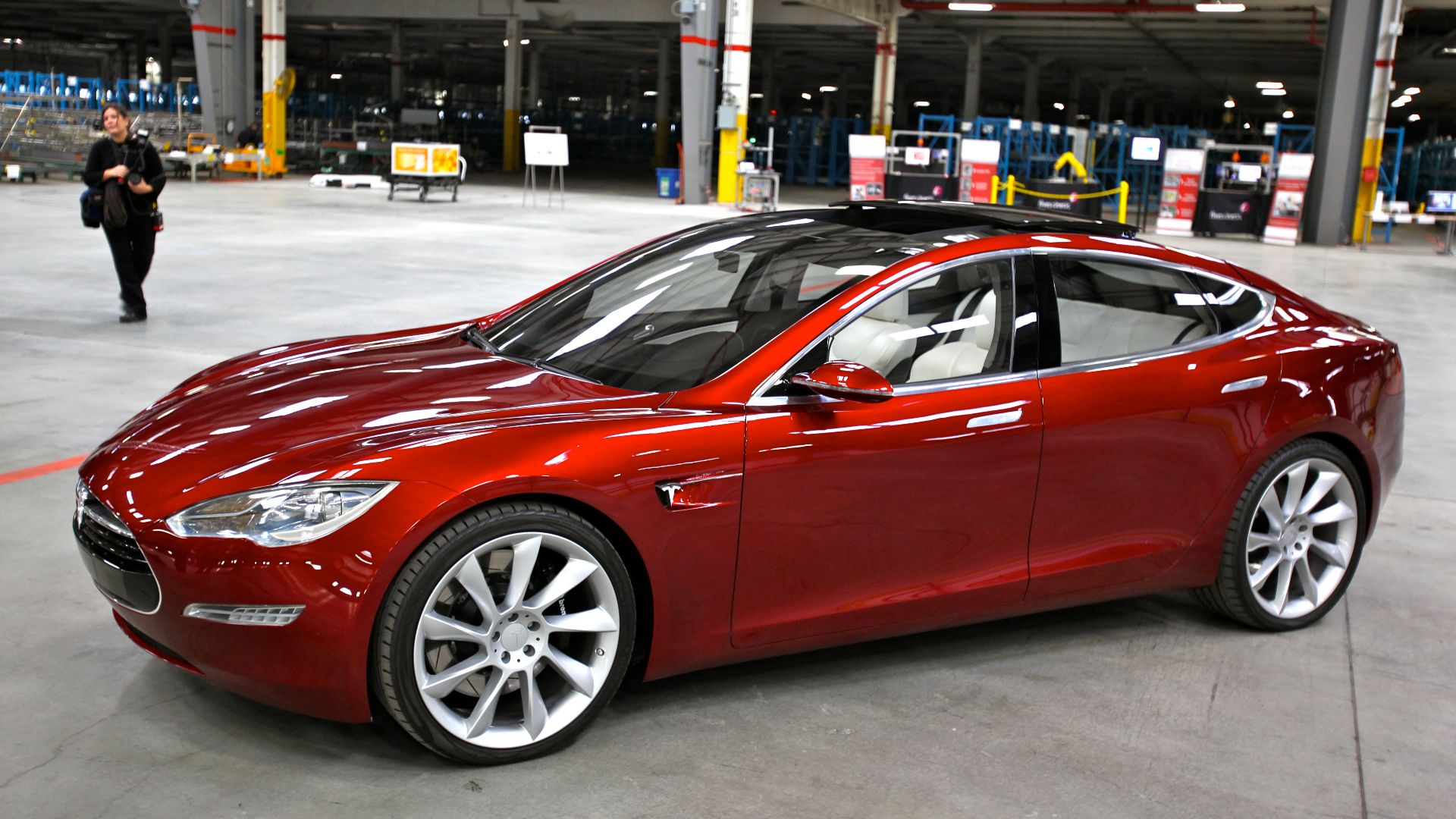 jurvetson (Steve Jurvetson), Wikimedia Commons
Pandemic Boom
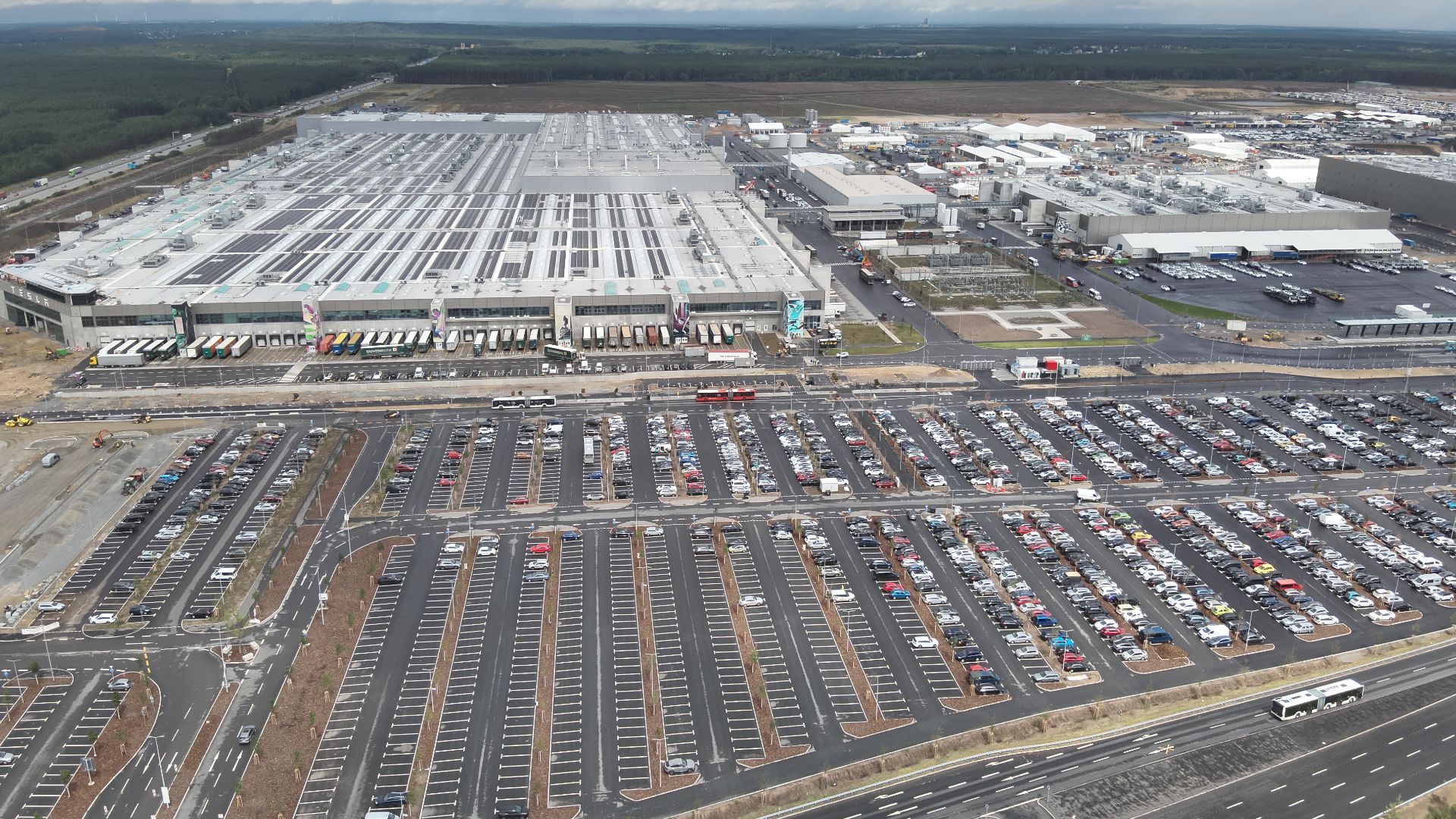
The COVID-19 pandemic created the most bizarre car market in modern history, and Tesla rode that wave to unprecedented heights. Supply chain disruptions strangled new car production worldwide. By mid-2022, some used Tesla Model 3 owners discovered they could sell their year-old cars for more than they paid new.
 Michael Wolf (Webseite), Wikimedia Commons
Peak Valuations
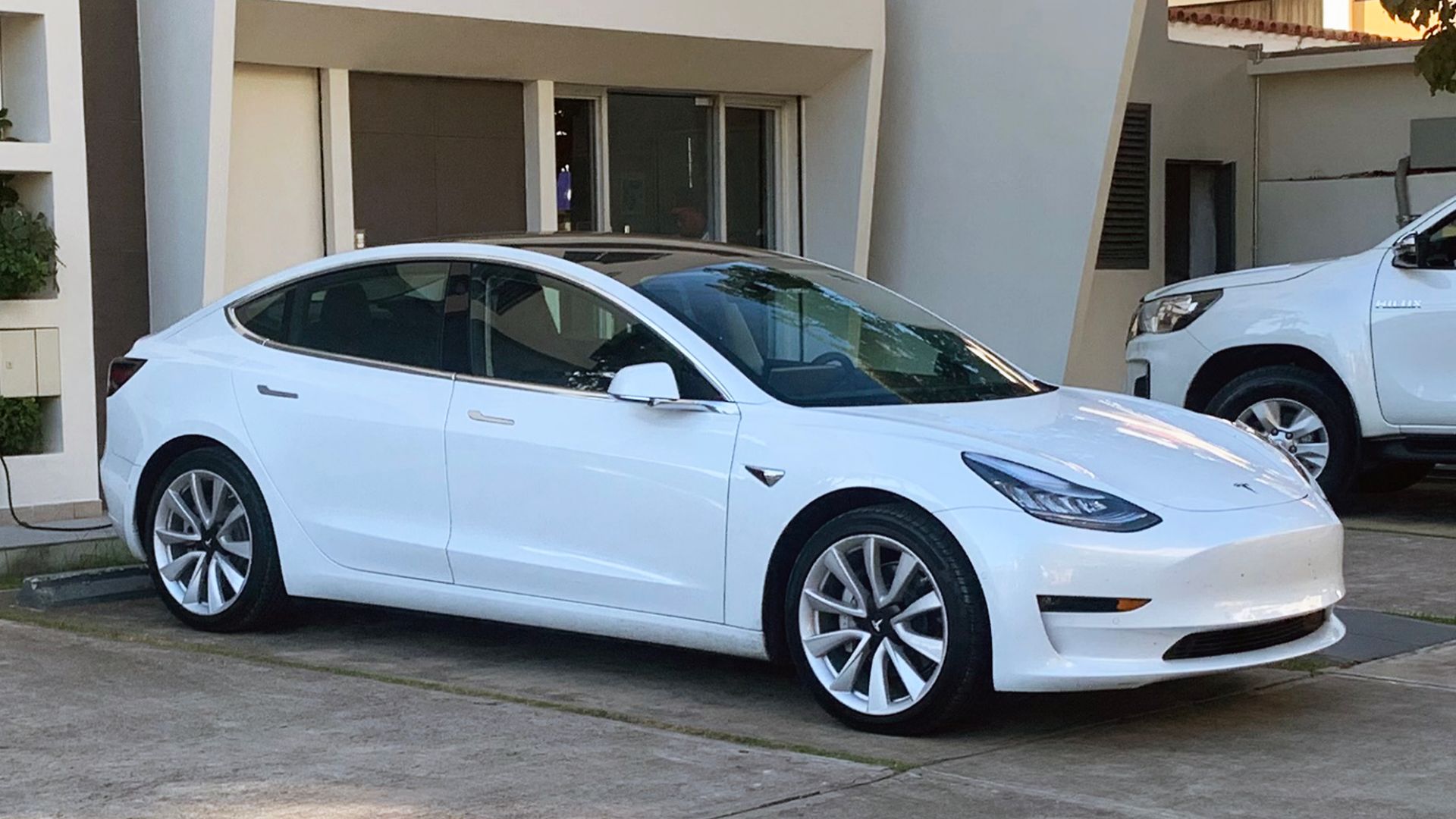
February 2022 marked the absolute zenith of used Tesla values, a moment that now seems like financial fantasy. Used 2019 Model 3s were commanding $52,000, about $3,000 less than their original sticker price three years earlier, and in some markets, clean examples actually exceeded MSRP.
 Mariordo (Mario Roberto Duran Ortiz), Wikimedia Commons
Price Cuts
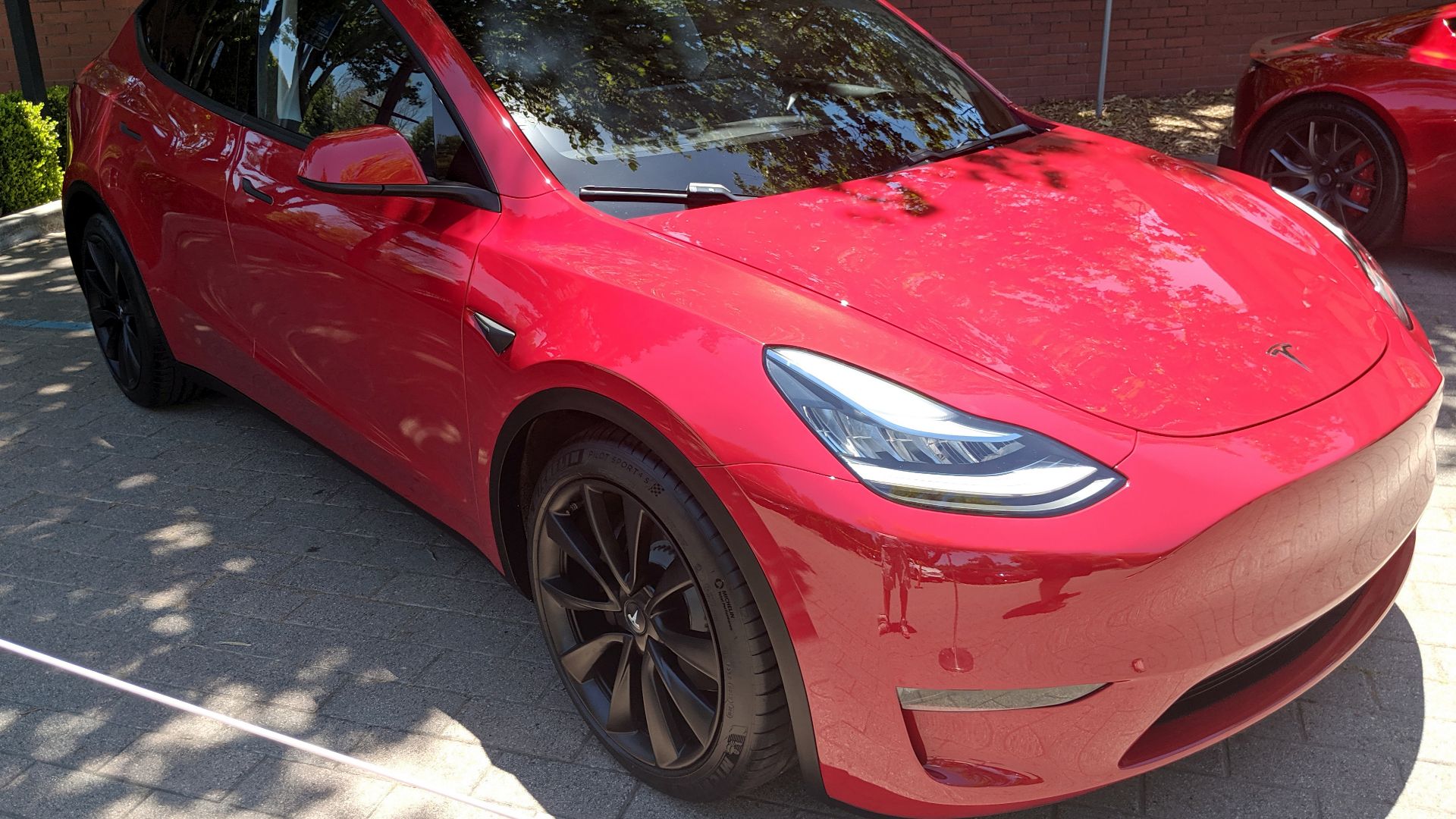
Tesla detonated a bomb under the used EV market in January 2023 that's still sending shockwaves today. The company slashed the Model Y's base price from $65,990 to $52,990 overnight—a stunning $13,000 reduction that obliterated used car values instantly.
 Daniel.Cardenas, Wikimedia Commons
Hertz Investment
In October 2021, Hertz made what looked like a brilliant bet: ordering 100,000 Tesla Model 3s to electrify their rental fleet. The announcement sent Tesla's stock soaring and positioned Hertz as an environmental leader in the rental car industry. The logic seemed airtight.
 Dwight Burdette, Wikimedia Commons
Resale Shock
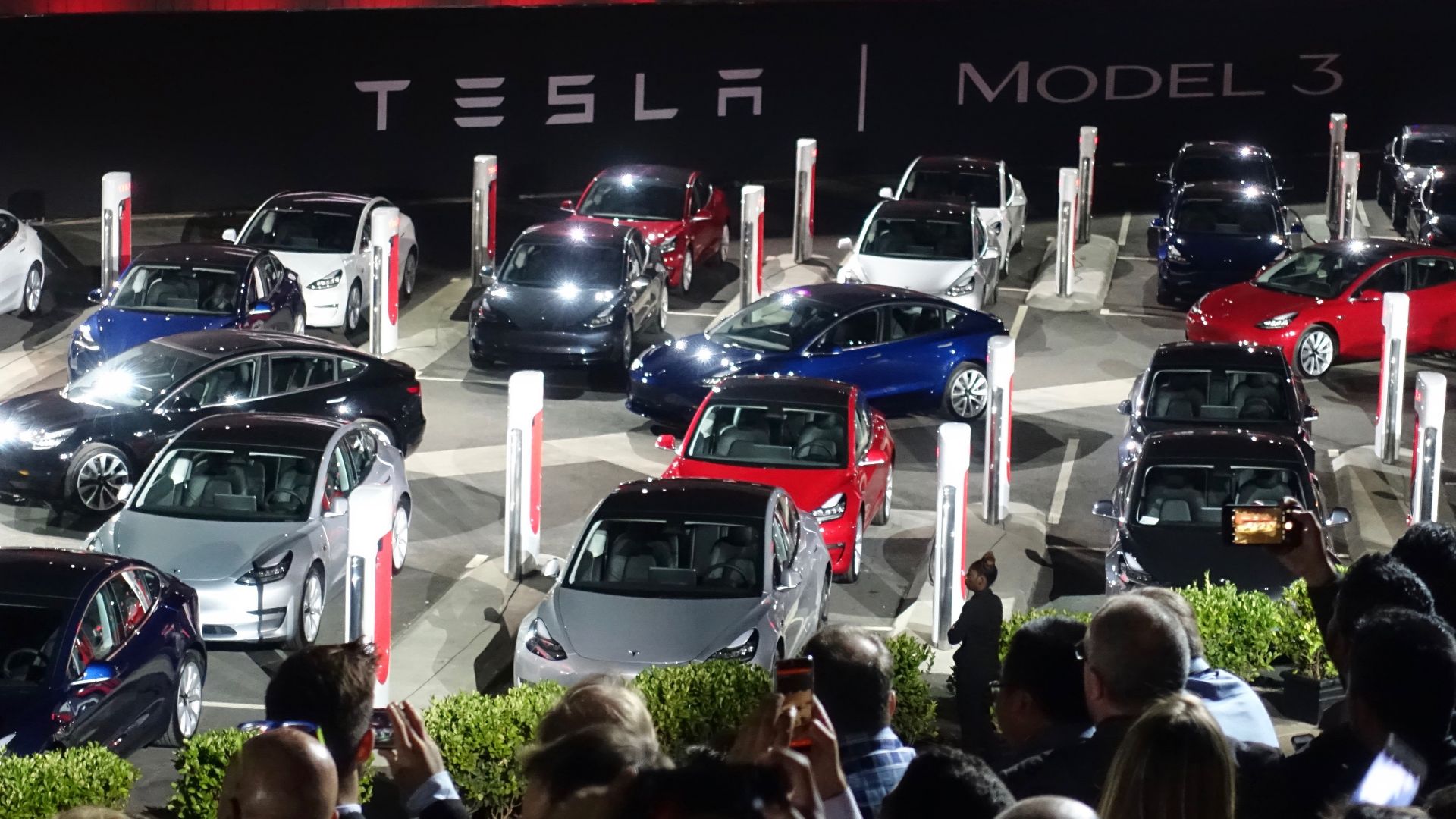
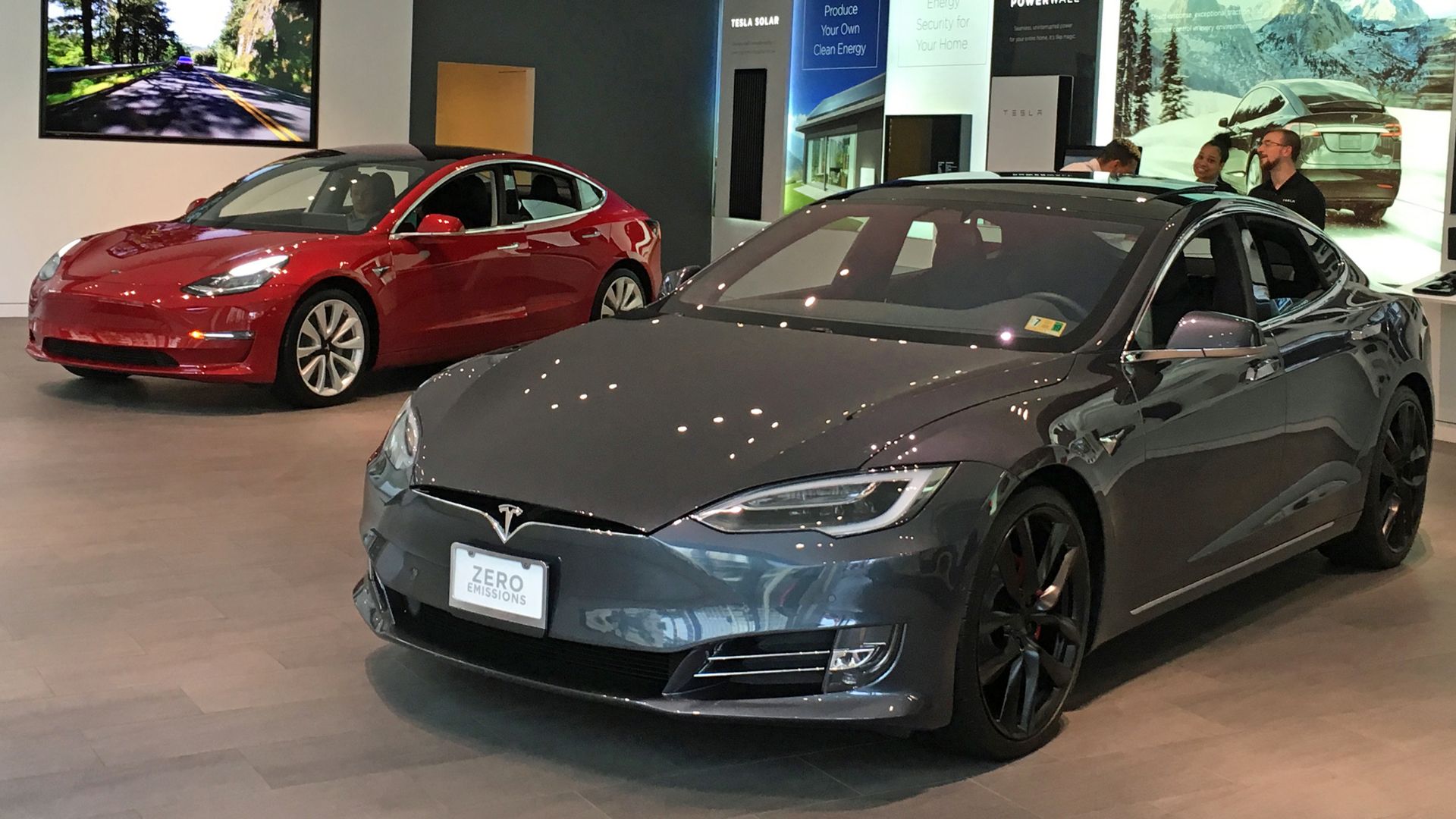
The first cracks appeared in late 2022 when used Tesla prices began their relentless decline. Model 3 values that had held at $45,000 started slipping to $40,000, then $35,000, and then kept falling. By early 2024, many used Model 3s from 2020–2021 were listed below $30,000.
 Steve Jurvetson, Wikimedia Commons
Twitter Acquisition
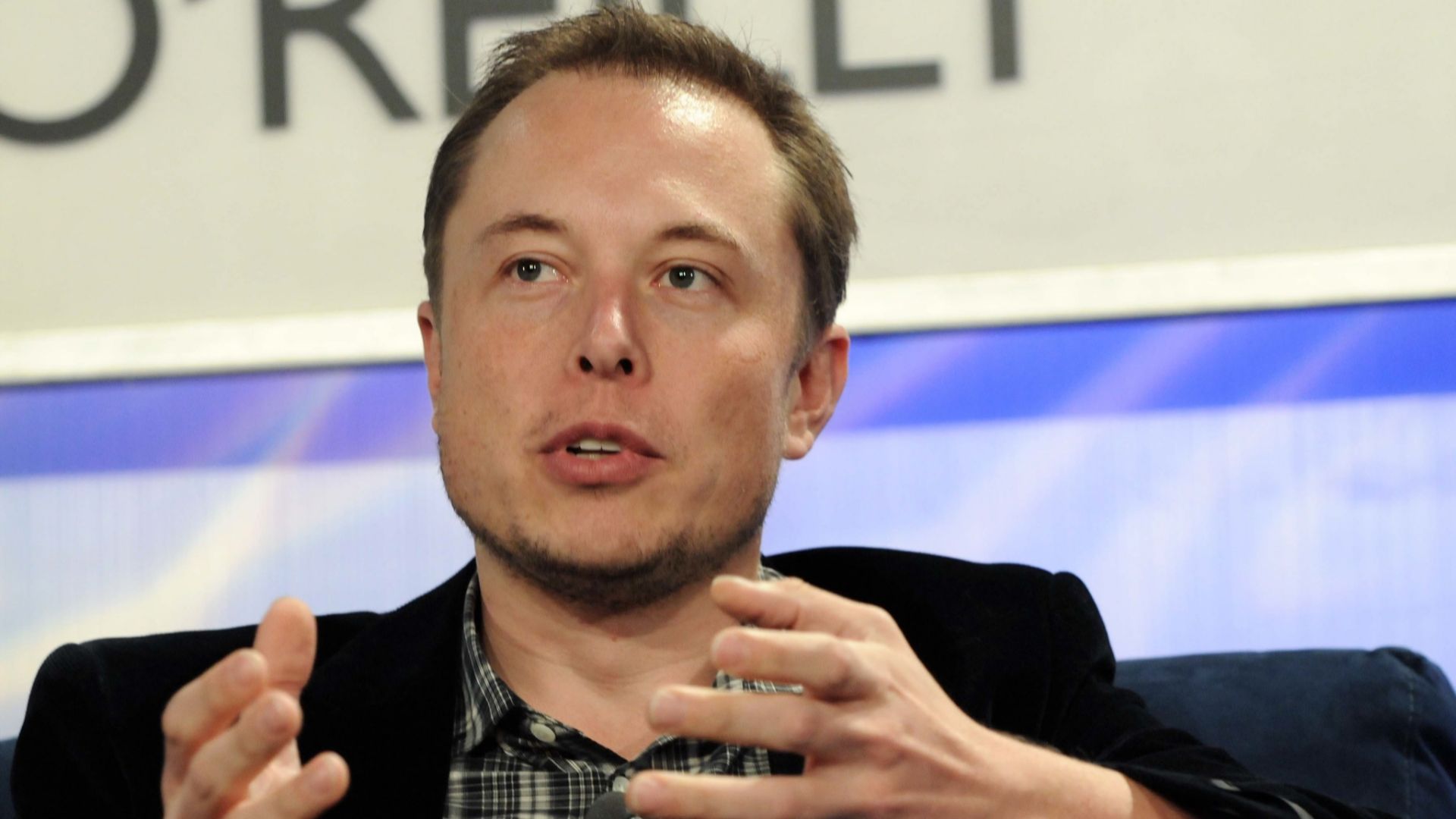
October 2022 marked a turning point nobody saw coming. Elon Musk completed his $44 billion purchase of Twitter, soon rebranding it to X. What started as a tech acquisition quickly morphed into a political statement as Musk's posts grew increasingly controversial and partisan.
Brand Polarization
Yale University economists later quantified what Tesla owners were feeling viscerally: Musk's political transformation was destroying sales. A comprehensive study from the National Bureau of Economic Research found that Musk's partisan activities cost Tesla between 1 million and 1.26 million vehicle sales since October 2022.
 JD Lasica from Pleasanton, CA, US, Wikimedia Commons
Competition Emerges
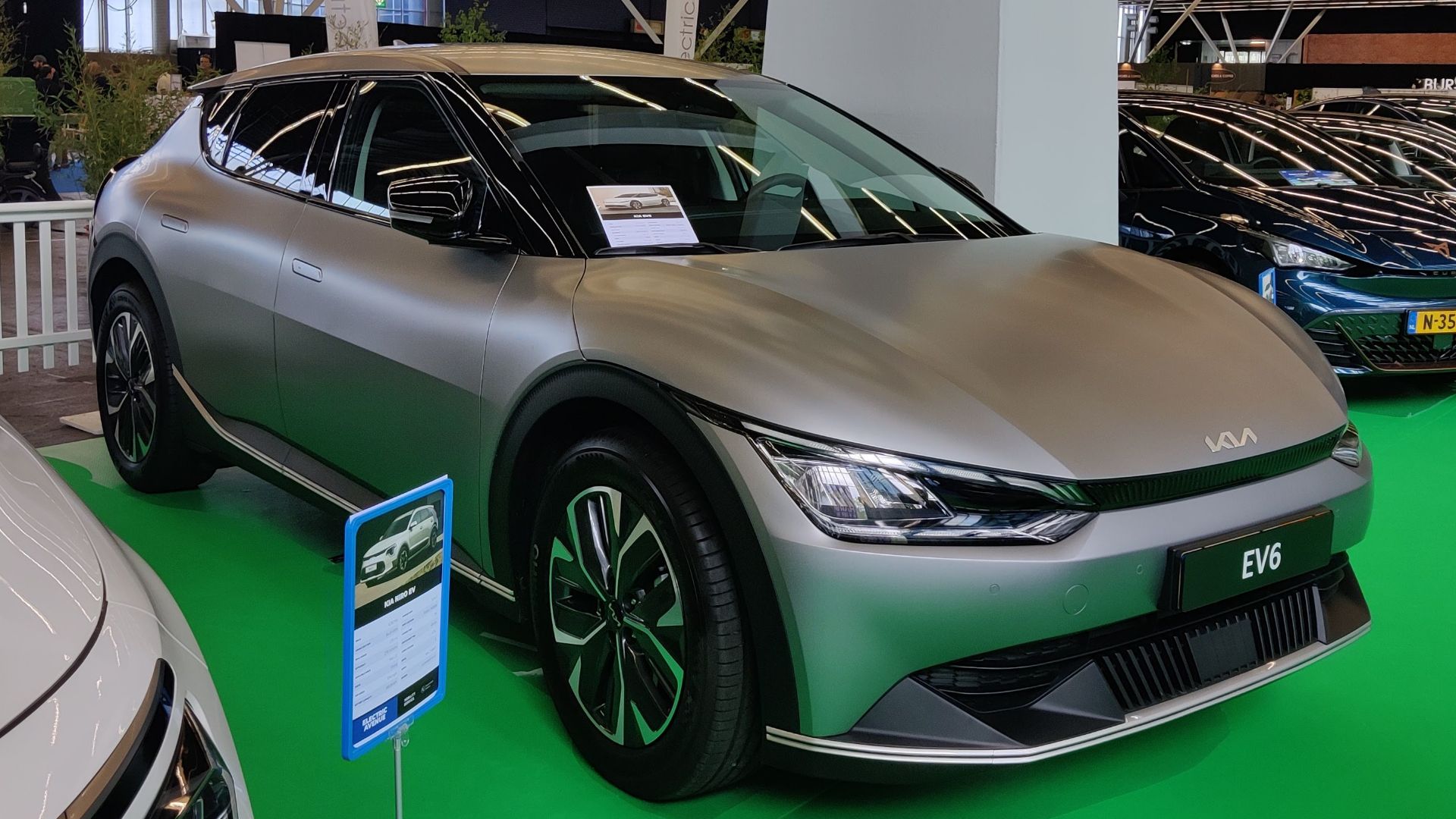
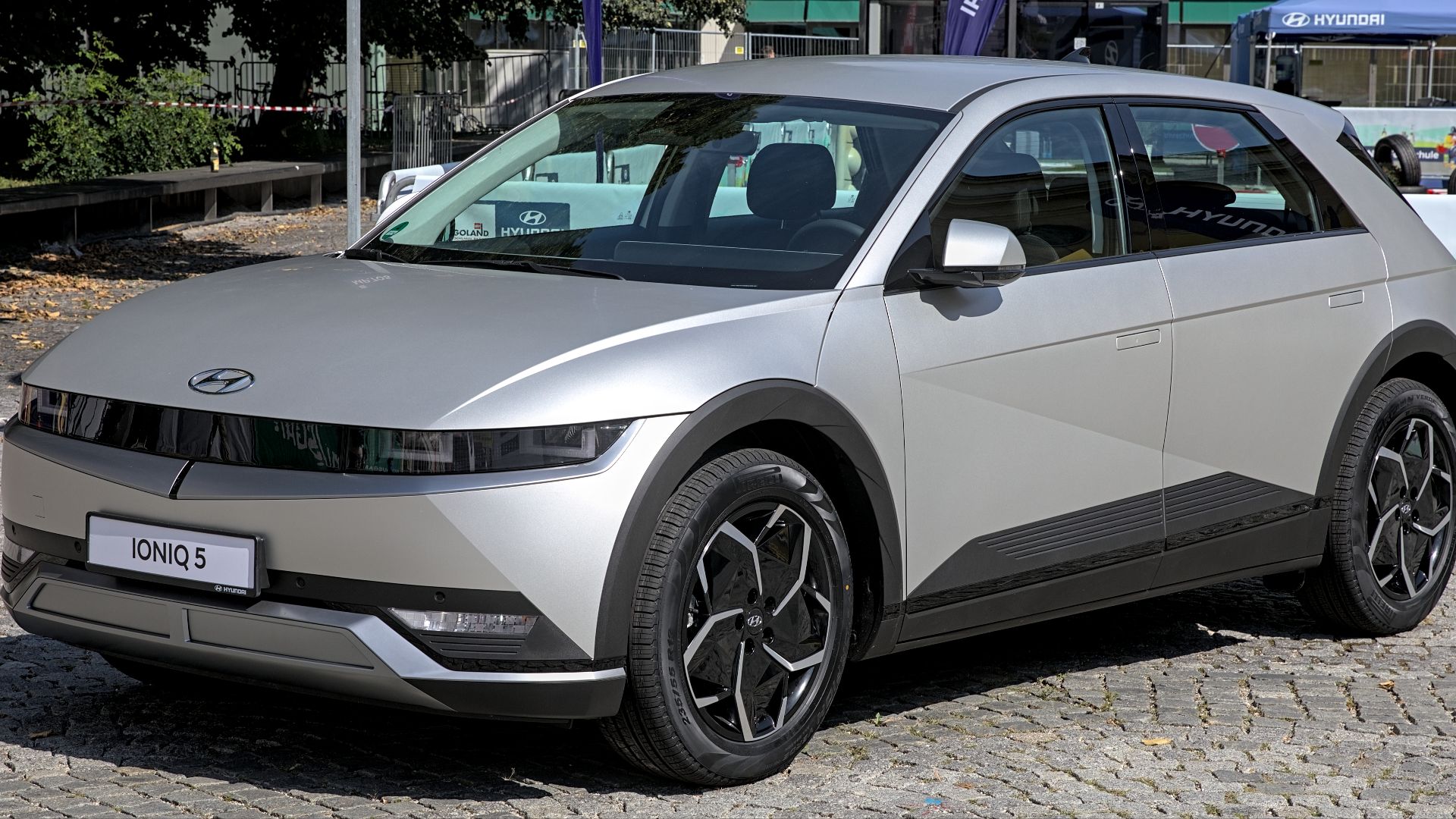
While Tesla stumbled politically, legacy automakers finally caught up technologically. The 2024–2025 model years brought a flood of compelling alternatives. The Hyundai Ioniq 5 and Ioniq 6 offered 300+ mile range with futuristic styling, the Kia EV6 and EV9 provided family-friendly practicality, and the BMW i4 delivered superb driving dynamics.
Battery Myths
Here's where science crashed the fear party. Modern EV batteries weren't dying as everyone predicted. Geotab's analysis of 5,000 fleet vehicles showed average degradation of just 1.8% per year, down from 2.3% five years earlier as battery technology improved.
Depreciation Acceleration
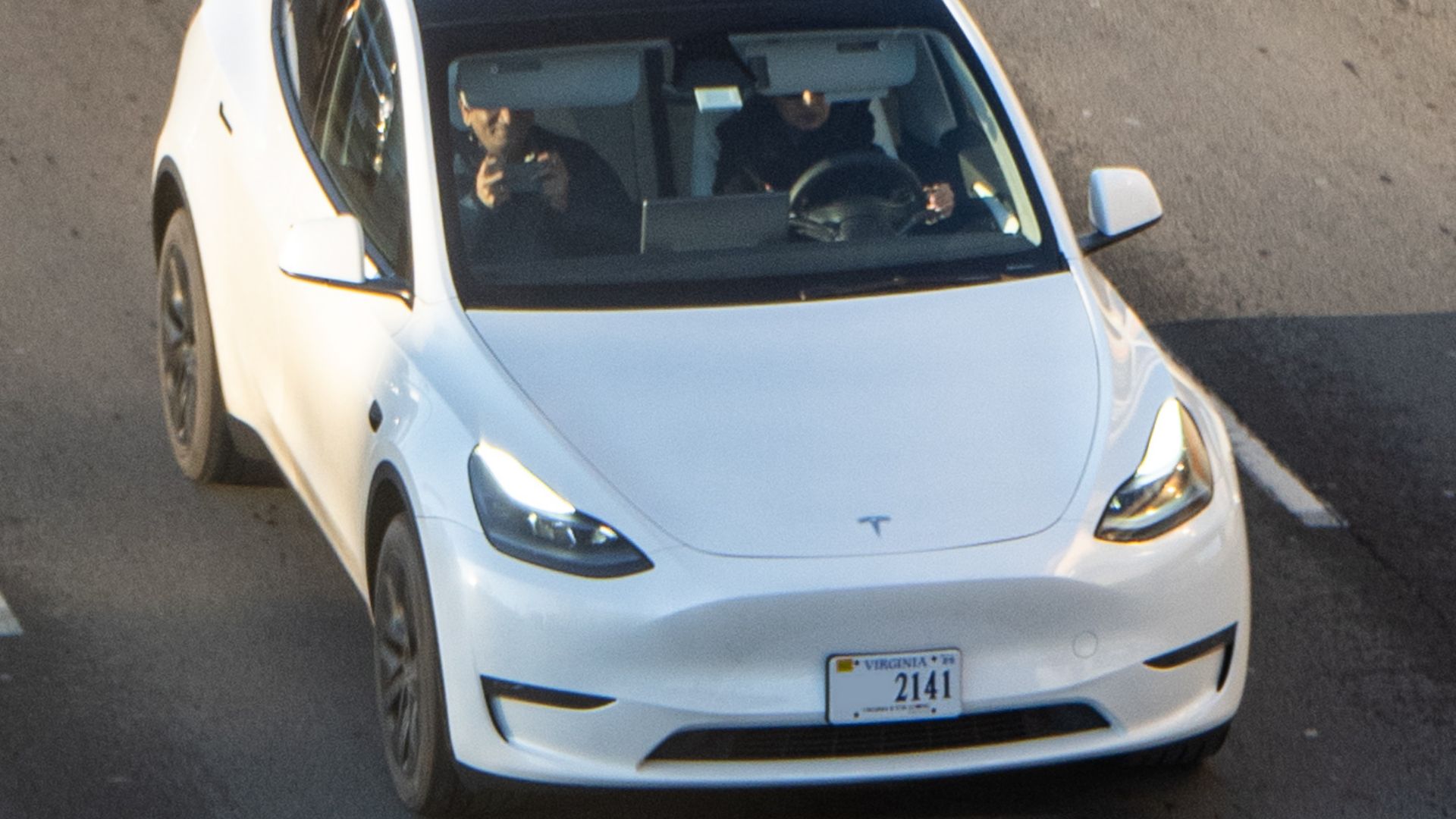
By 2024, the bloodbath was undeniable. Tesla's Model 3 and Model Y lost 25% of their value in just twelve months, according to CarGurus' analysis. A March 2025 analysis revealed that used Teslas depreciated at a 7.26% year-over-year, compared to the market average.
 OWS Photography, Wikimedia Commons
Repair Nightmares
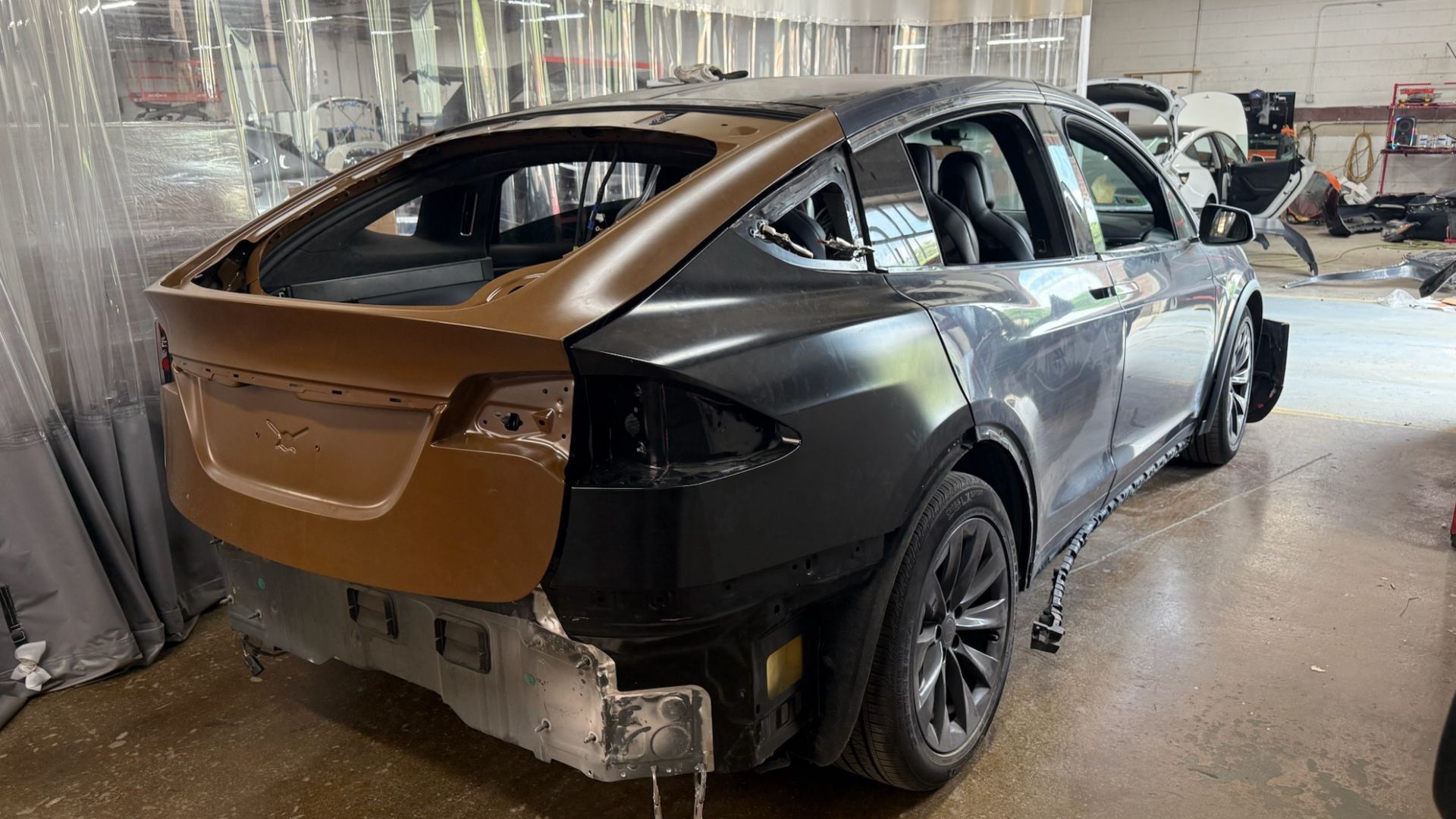
Tesla's unique construction became a financial trap for collision repairs. The vehicles use aluminum body panels instead of traditional steel, requiring specialized equipment and trained technicians that most body shops simply don't have. Even minor fender benders could damage the expensive sensor arrays.
 Scientificranking, Wikimedia Commons
Insurance Premiums
Well, EVs now cost 49% more to insure than gas-powered cars, with average annual premiums hitting $4,058 versus $2,732 for traditional vehicles, according to 2025 Insurify data. Tesla dominated the most expensive list. The Model S topped out at $3,365 per year, followed by the Model X at $2,915.

Political Backlash
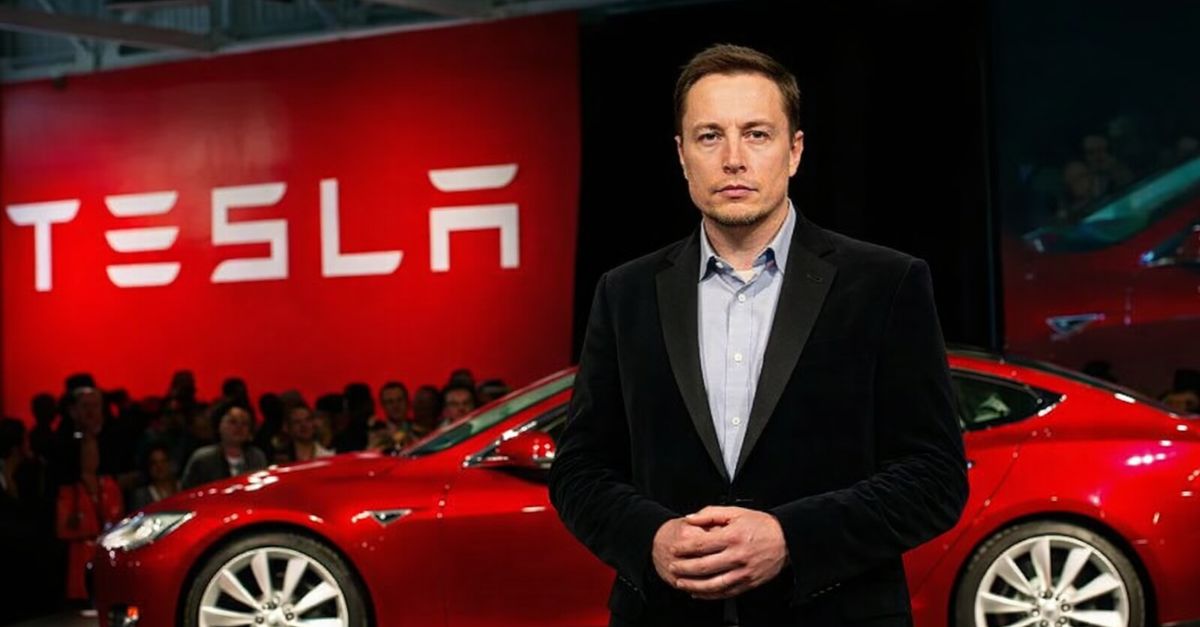
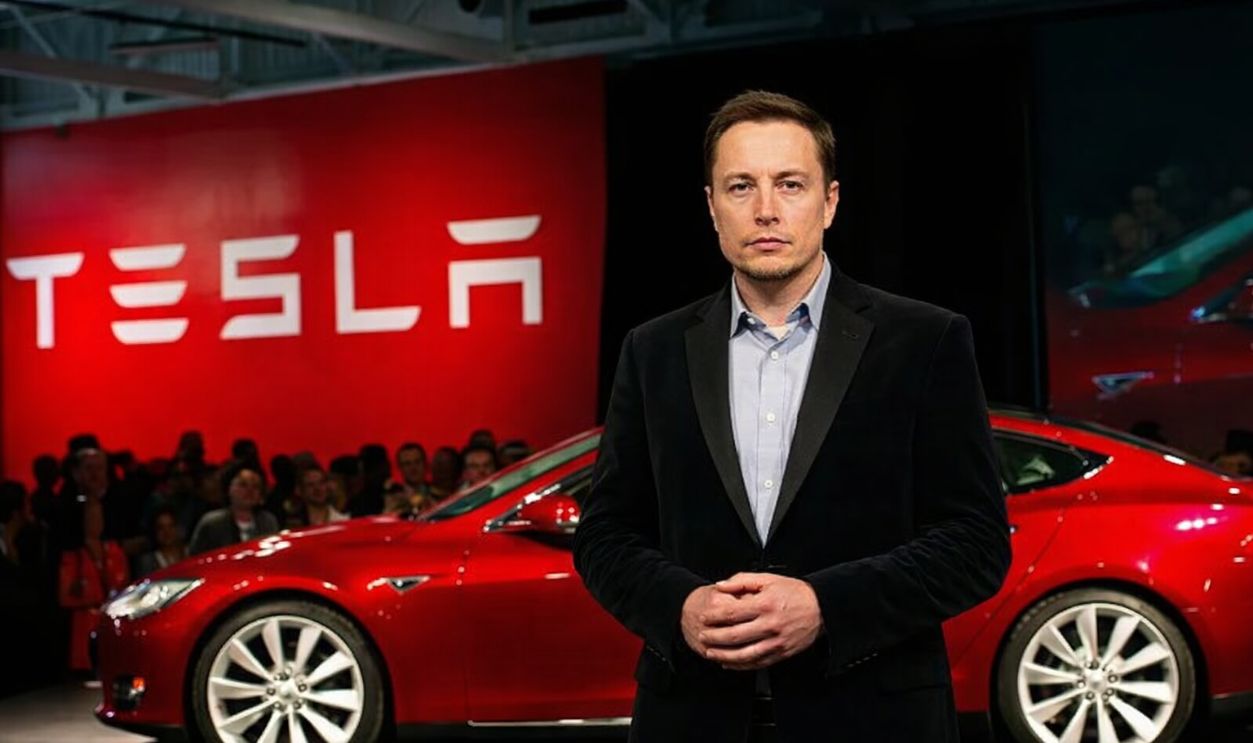
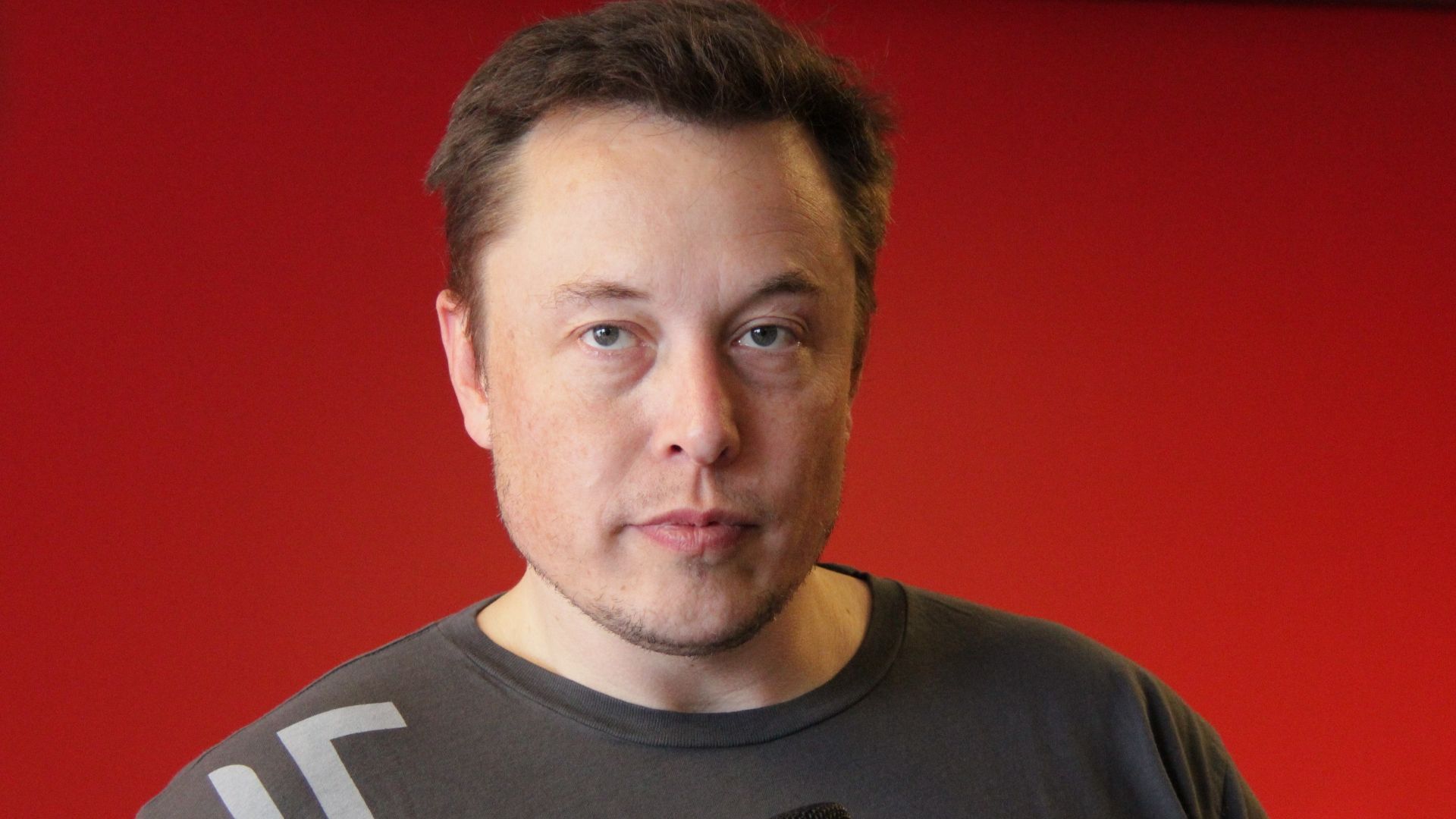
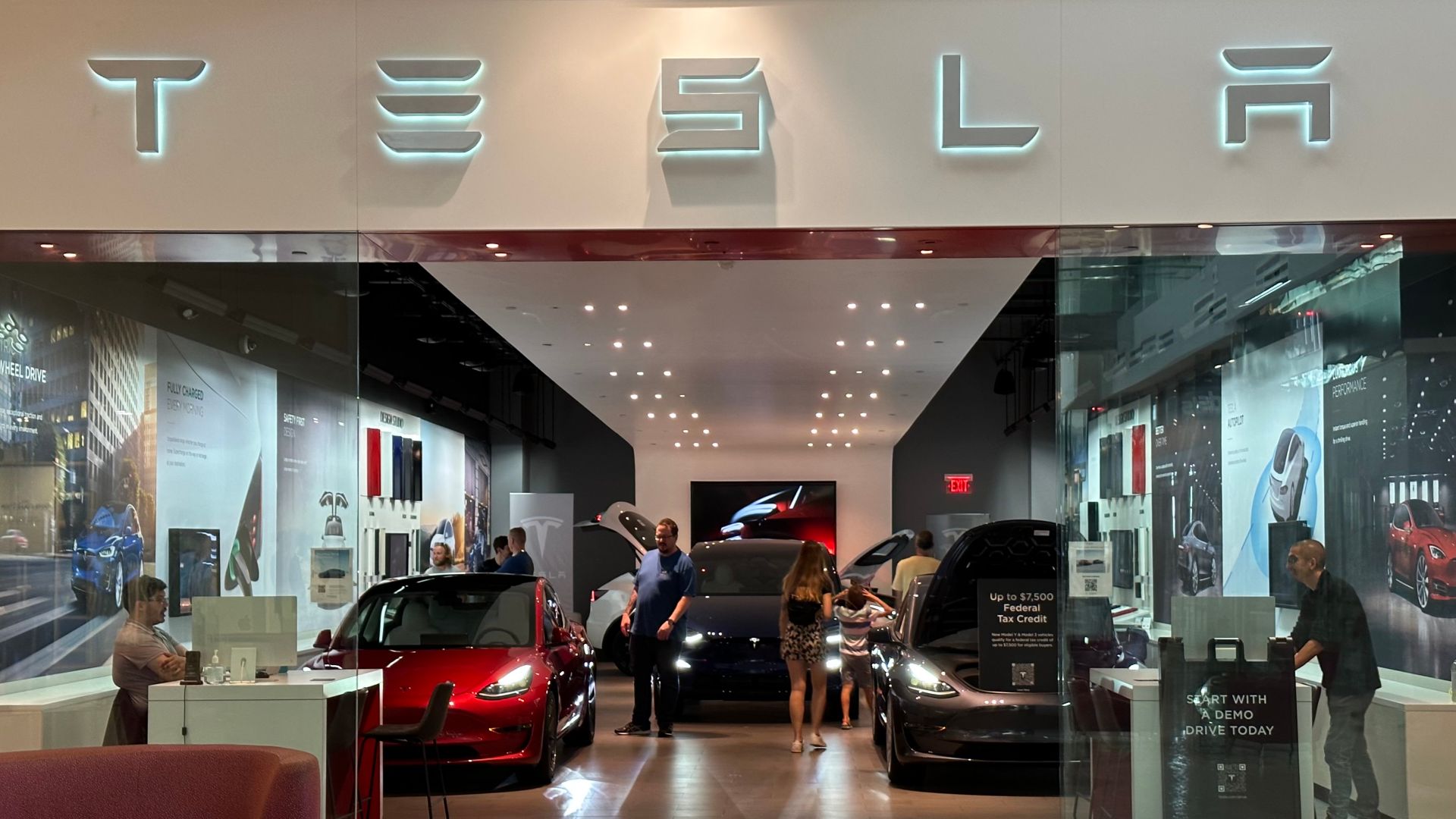
Elon Musk didn't just wade into politics; he cannonballed. After pumping $270 million into Trump's 2024 campaign and taking a leading role in the Department of Government Efficiency (DOGE), Musk became inextricably linked with conservative politics. Tesla showrooms faced massive protests across America.
 Tesla Owners Club Belgium, Wikimedia Commons
Democratic Exodus
The data painted a devastating picture for Tesla's traditional customer base. A Nature scientific study tracking surveys from November 2023 through March 2025 found liberals showed "declining intentions to purchase Teslas compared with other EVs," with the gap widening each quarter.
 Phillip Pessar, Wikimedia Commons
Hertz Losses
Hertz's electric vehicle experiment became a corporate cautionary tale worth $440 million in losses. The company reported a devastating $392 million loss in Q1 2024 alone. That $195 million Q1 charge came from writing down just 10,000 additional EVs they were desperately trying to unload.
 AutoRentals, Wikimedia Commons
Fleet Flooding
CarGurus data showed Tesla's used inventory grew 20% year-over-year in Q1 2025 alone, while used Teslas sat on dealer lots for 62 days compared to 68 for other EV brands. The rental stigma—buyers traditionally avoid ex-rental vehicles due to perceived hard use—further depressed prices.
Alternative Appeal
Tesla owners fleeing the brand discovered they had excellent options. The Hyundai Ioniq 5 and Kia EV6 offered 300+ mile ranges with 800-volt architecture enabling 10–80% charges in under 20 minutes, actually beating Tesla's charging speeds. The Ioniq 6's aerodynamic design delivers up to 342 miles of range.
 Alexander Migl, Wikimedia Commons
Supply Glut
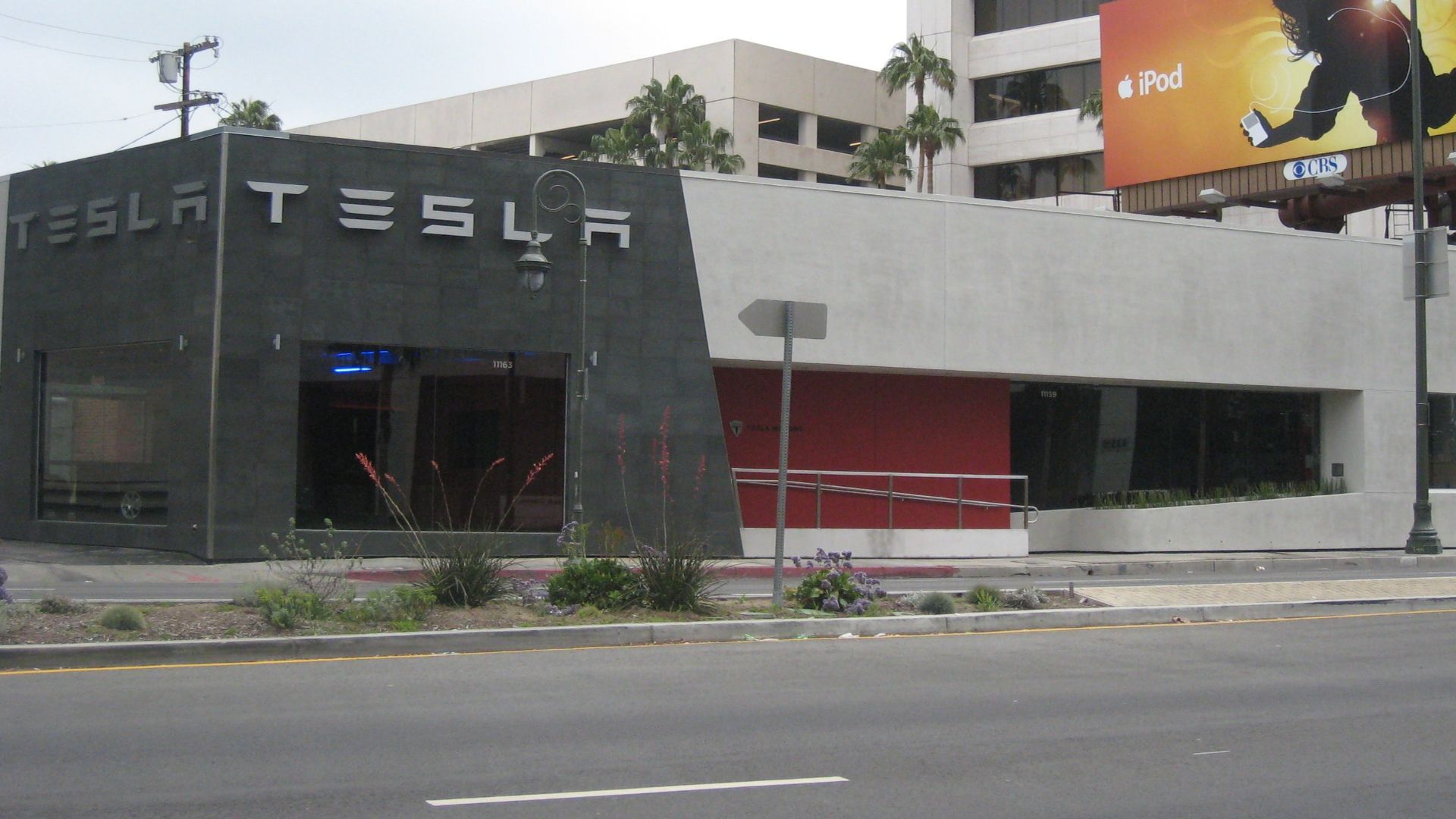
The perfect storm hit: massive supply met evaporating demand. Tesla produced record numbers of vehicles while simultaneously cutting prices, flooding markets globally. In California, Tesla's biggest US market, sales were "falling precipitously," according to analysts, while in China, deliveries nearly halved in February 2025.
Cybertruck Debacle
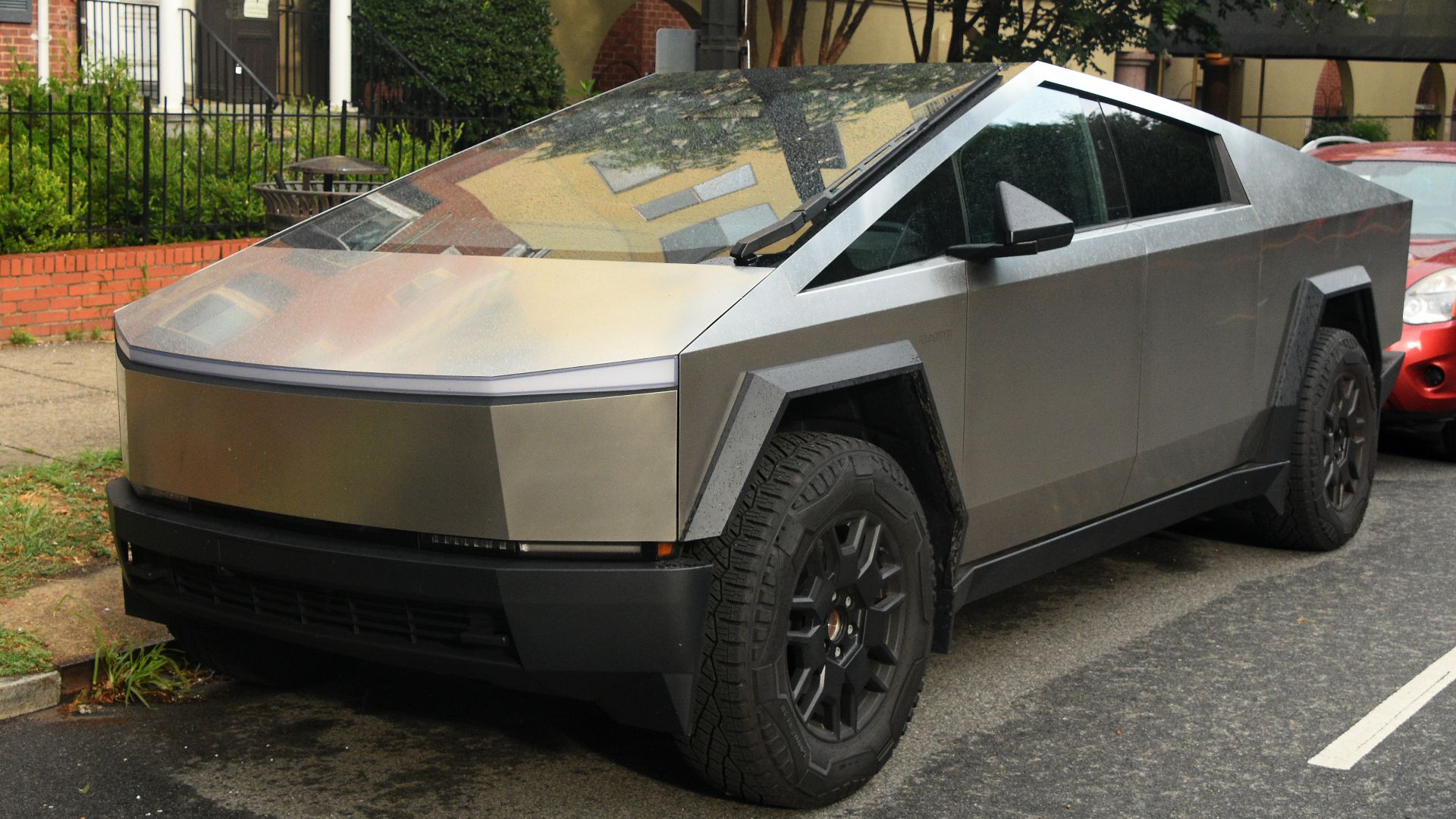
If regular Teslas were struggling, the Cybertruck was in freefall. The polarizing electric pickup lost 45% of its value in just one year, according to CarGurus tracking. Early buyers who'd waited years and paid $80,000–$100,000 for Founder's Edition and limited models watched values crater.
 Amaury Laporte, Wikimedia Commons
Warranty Transfers
Here's where used EV buyers found a silver lining amid the chaos: Tesla's warranties actually transfer to subsequent owners, providing crucial protection against the dreaded battery replacement scenario. Federal law mandates EV manufacturers provide at least 8 years or 100,000 miles of battery warranty coverage.

Charging Concerns
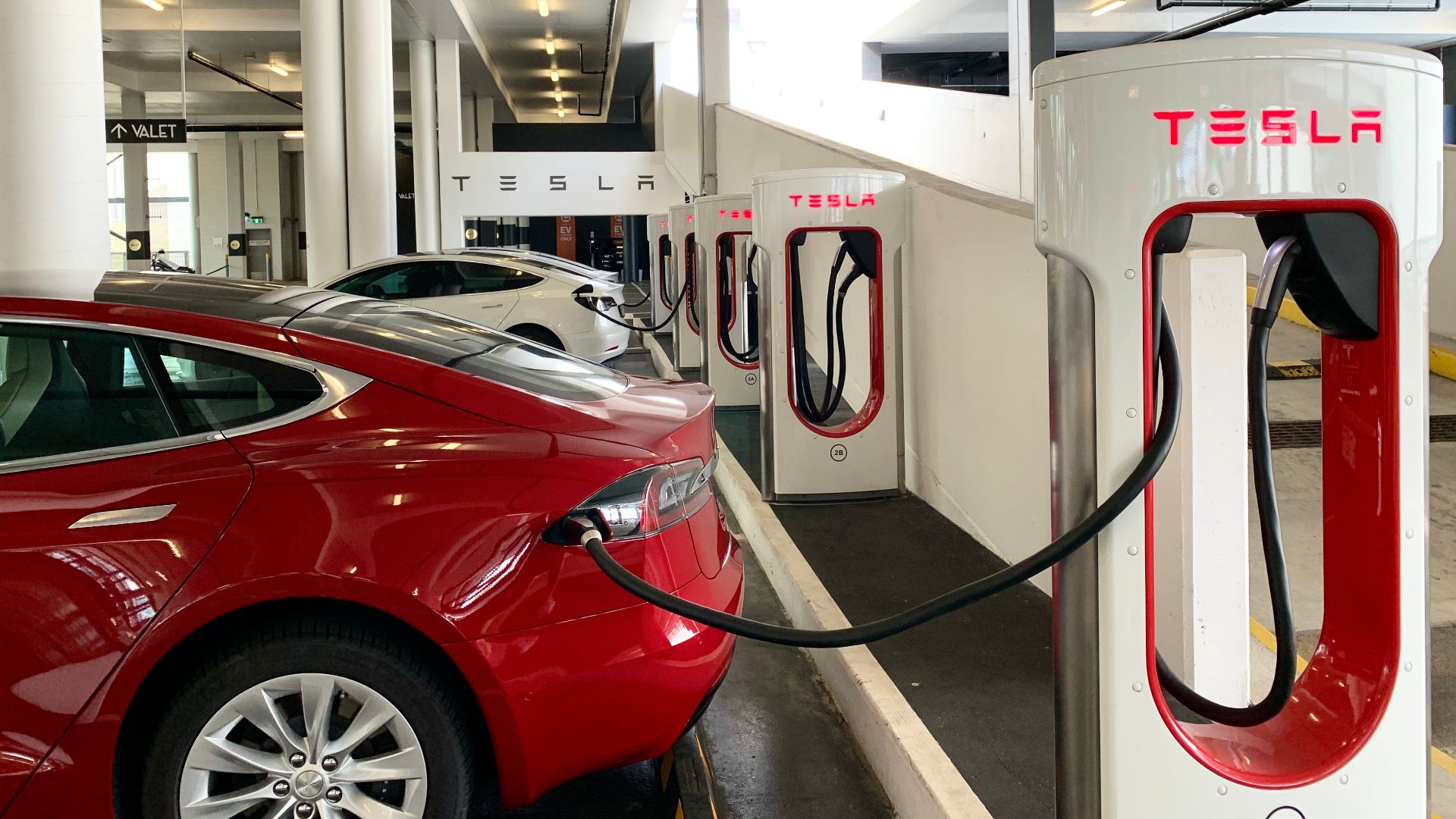
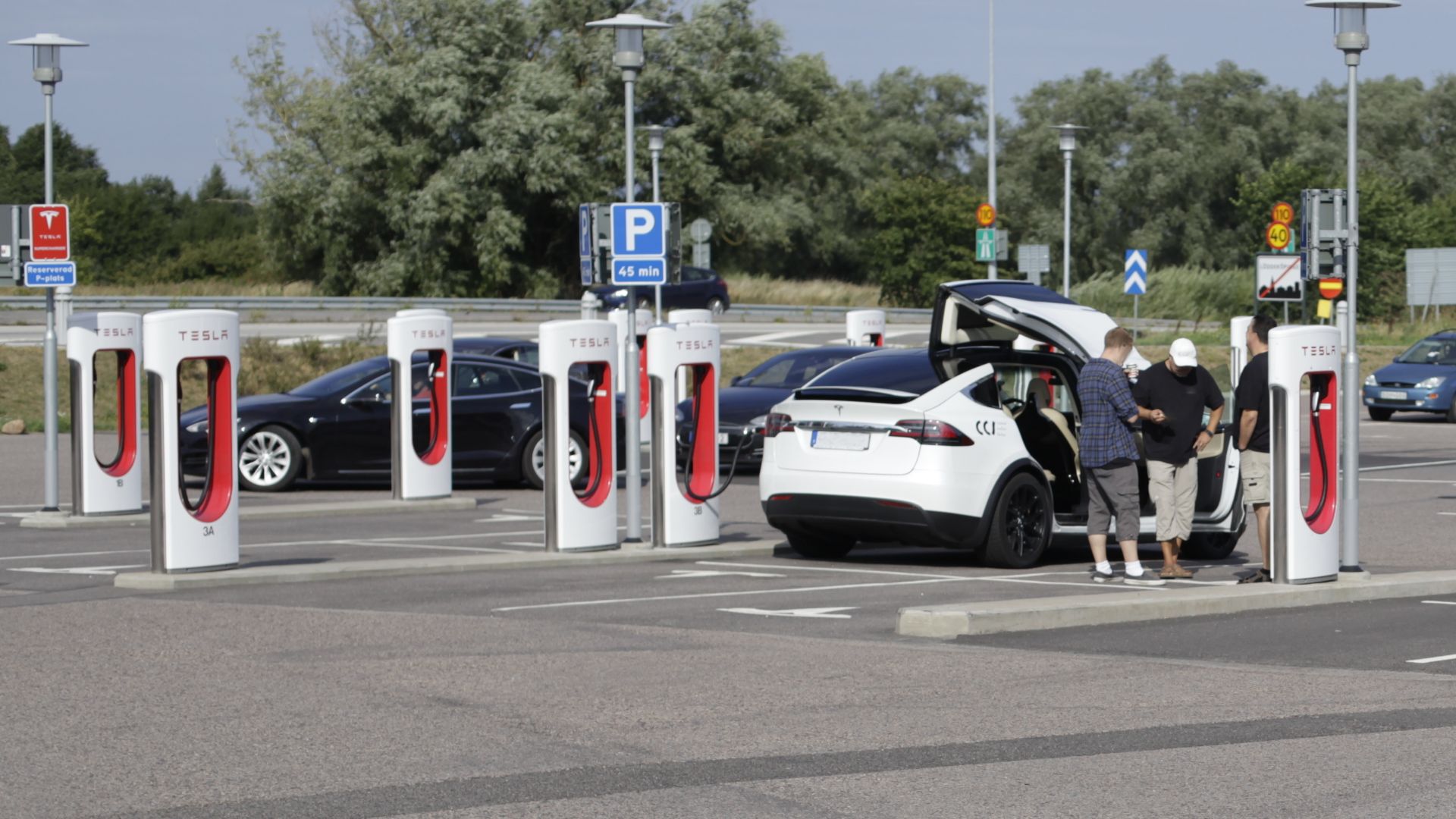
The charging infrastructure paradox cut both ways for used Tesla buyers. On one hand, Tesla's Supercharger network remained the gold standard. Over 50,000 connectors across North America offered reliable, fast charging that actually worked consistently. Tesla owners enjoyed plug-and-charge simplicity.
Buyer Psychology
The mental calculus for used EV buyers had fundamentally changed, creating a uniquely difficult decision matrix. Financial logic said "buy now"—depreciation had done its damage, prices were historically low, and the vehicles themselves remained technologically competent with good range and performance.
 Alexander-93, Wikimedia Commons
Recovery Prospects
So can used Tesla values recover, or is this the new normal? The outlook remains murky and heavily dependent on factors beyond mere automotive fundamentals. If Musk stepped back from politics and focused on the Tesla brand, perception might gradually repair among Democrats.
 Steve Jurvetson from Menlo Park, USA, Wikimedia Commons