The Past Is Closer Than It Looks
Modern cars can practically park themselves, stream millions of songs, and warn us about hazards before we notice them. Yet drivers are increasingly nostalgic for features that required no software updates, subscriptions, or touchscreen tutorials. Once you remember how satisfying those older details could be, today’s most advanced interiors can suddenly feel like they are missing something important.
Vent Windows That Made Their Own Breeze
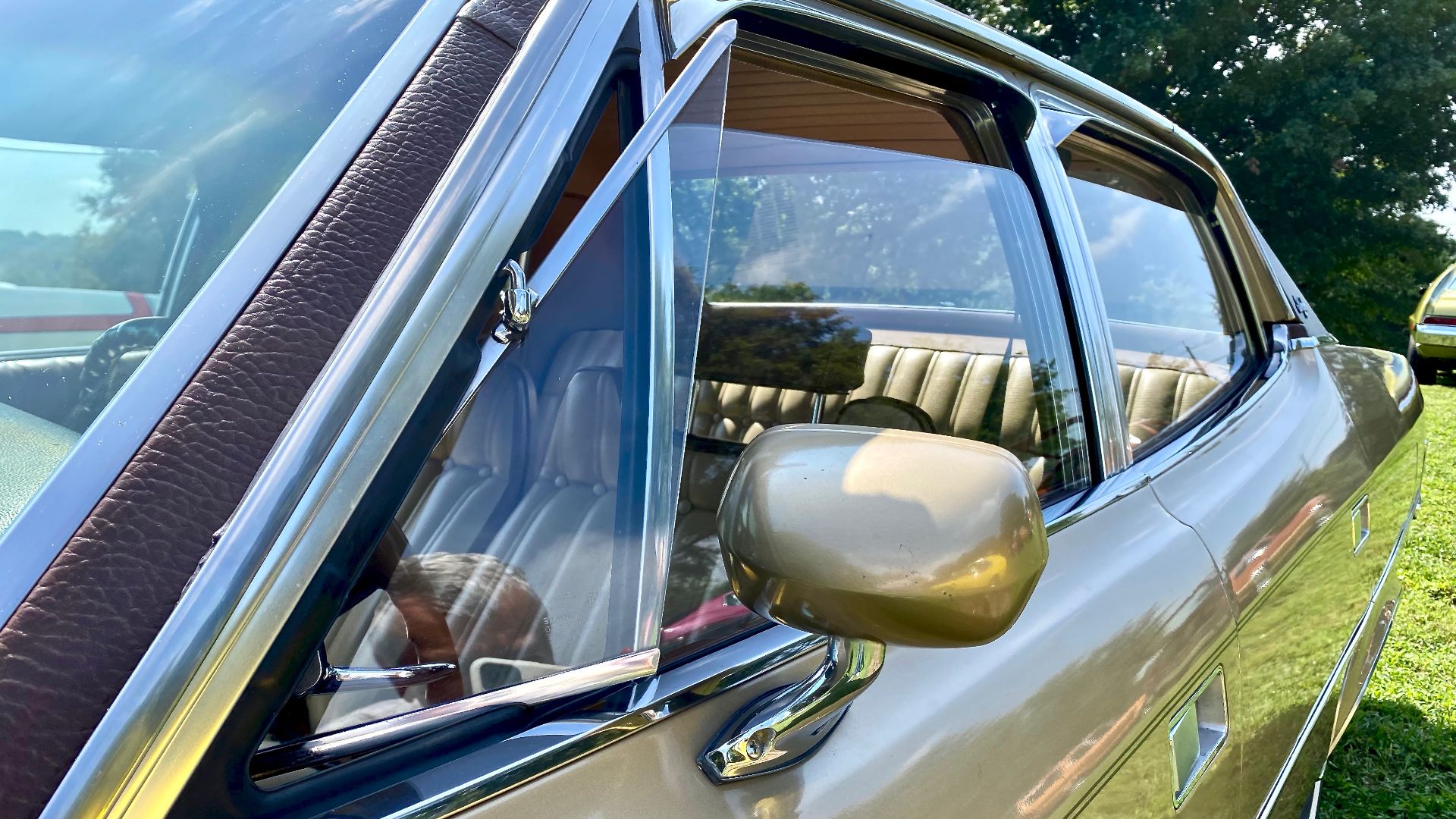
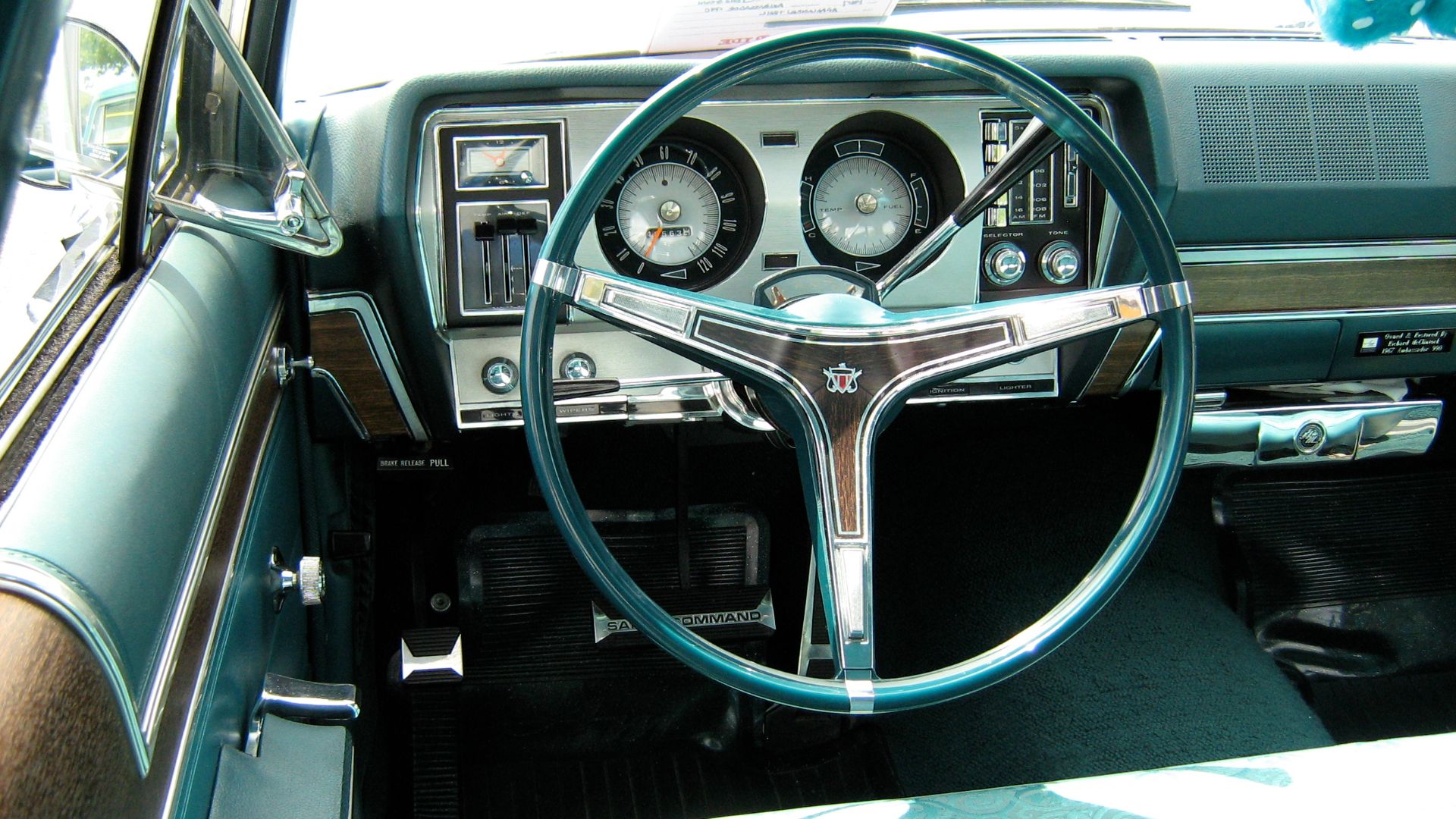
Small triangular vent windows once directed a concentrated stream of fresh air into the cabin. Drivers could rotate them to cool their faces, clear cigarette smoke, or increase airflow without lowering the main window. Air conditioning is more effective, but it cannot quite recreate the simple pleasure of catching the perfect roadside breeze.
Bench Seats Built For Togetherness
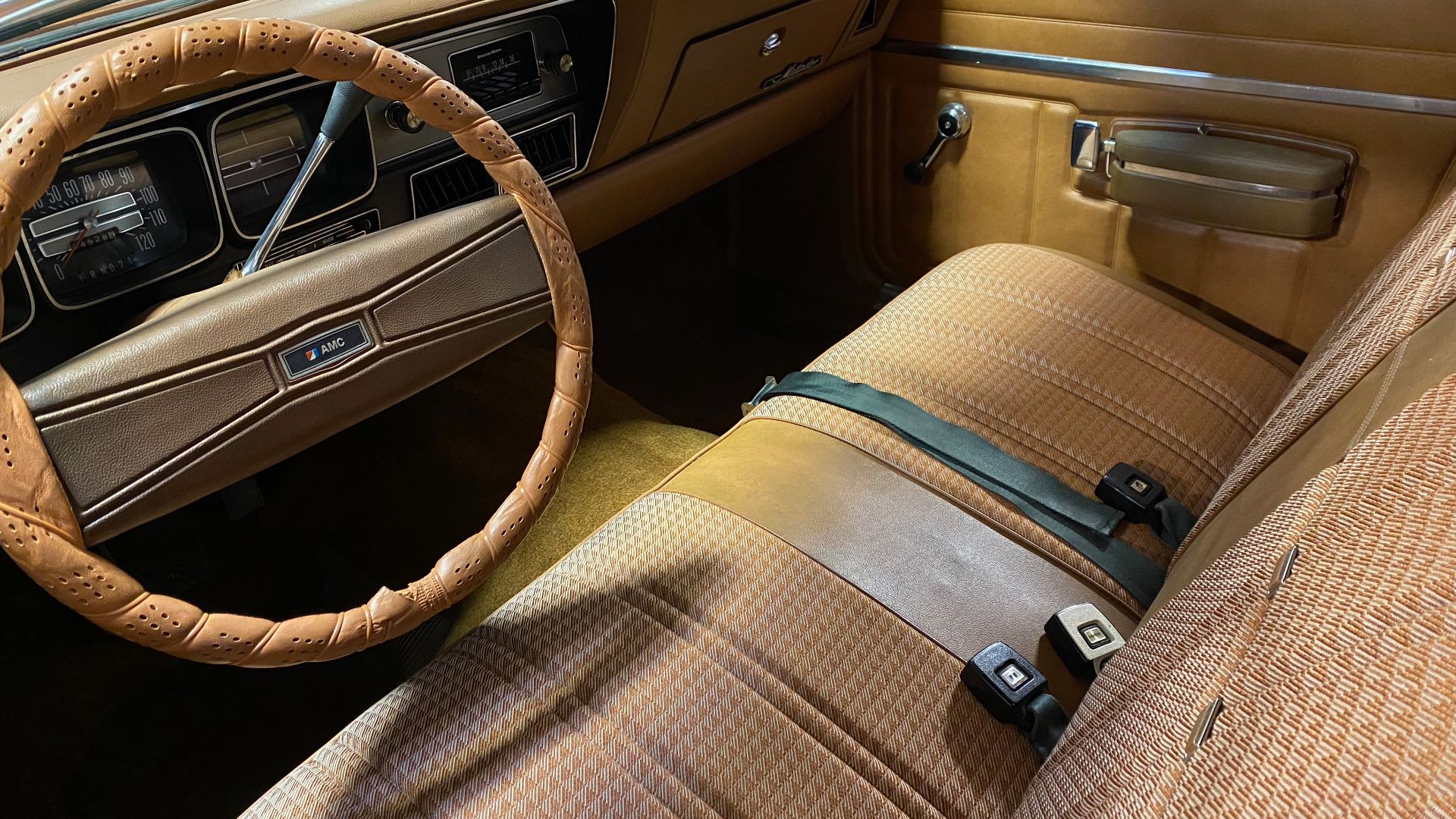
Front bench seats gave many American sedans enough room for three people across. They also made the cabin feel open because there was no large center console dividing the driver and passenger. Bucket seats provide better individual support, but they rarely create the relaxed, communal atmosphere of an old bench.
Column Shifters That Freed Up Space
Mounting the gear selector on the steering column kept the floor clear and worked naturally with a front bench seat. Both automatic column shifters and three-speed manual “three-on-the-tree” arrangements were once familiar sights in American cars. Today’s compact electronic selectors may save room, but few have the mechanical character of pulling an old lever into Drive.
Pop-Up Headlights With Real Personality
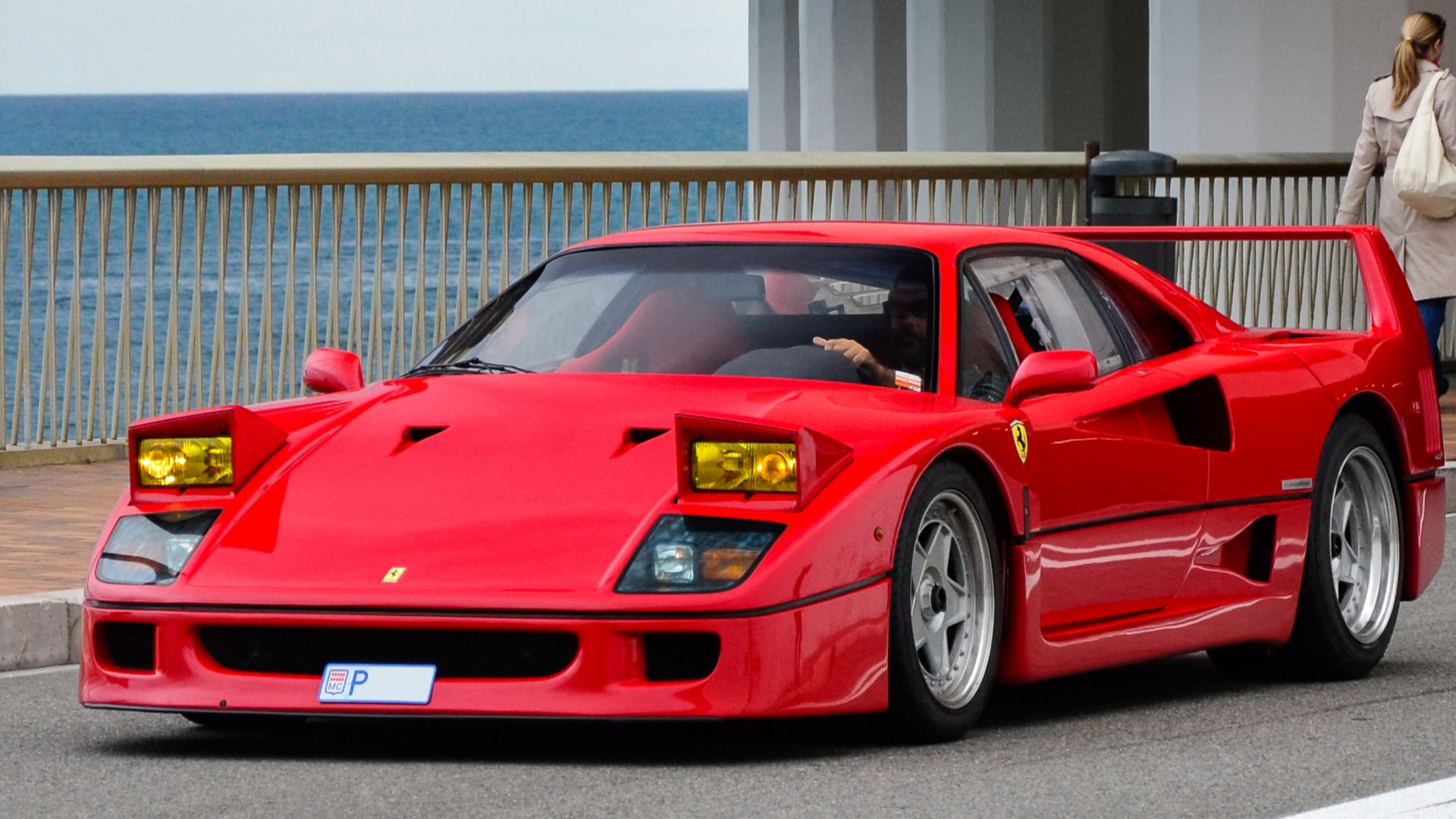
Pop-up headlights transformed a car’s face every time darkness arrived. The idea dates back to the 1930s and became especially popular on sports cars during the 1980s and 1990s. Modern lighting is brighter and more efficient, but fixed LED strips rarely deliver the same miniature theatrical performance.
 Alexandre Prevot from Nancy, France, Wikimedia Commons
Hidden Headlights That Preserved The Styling
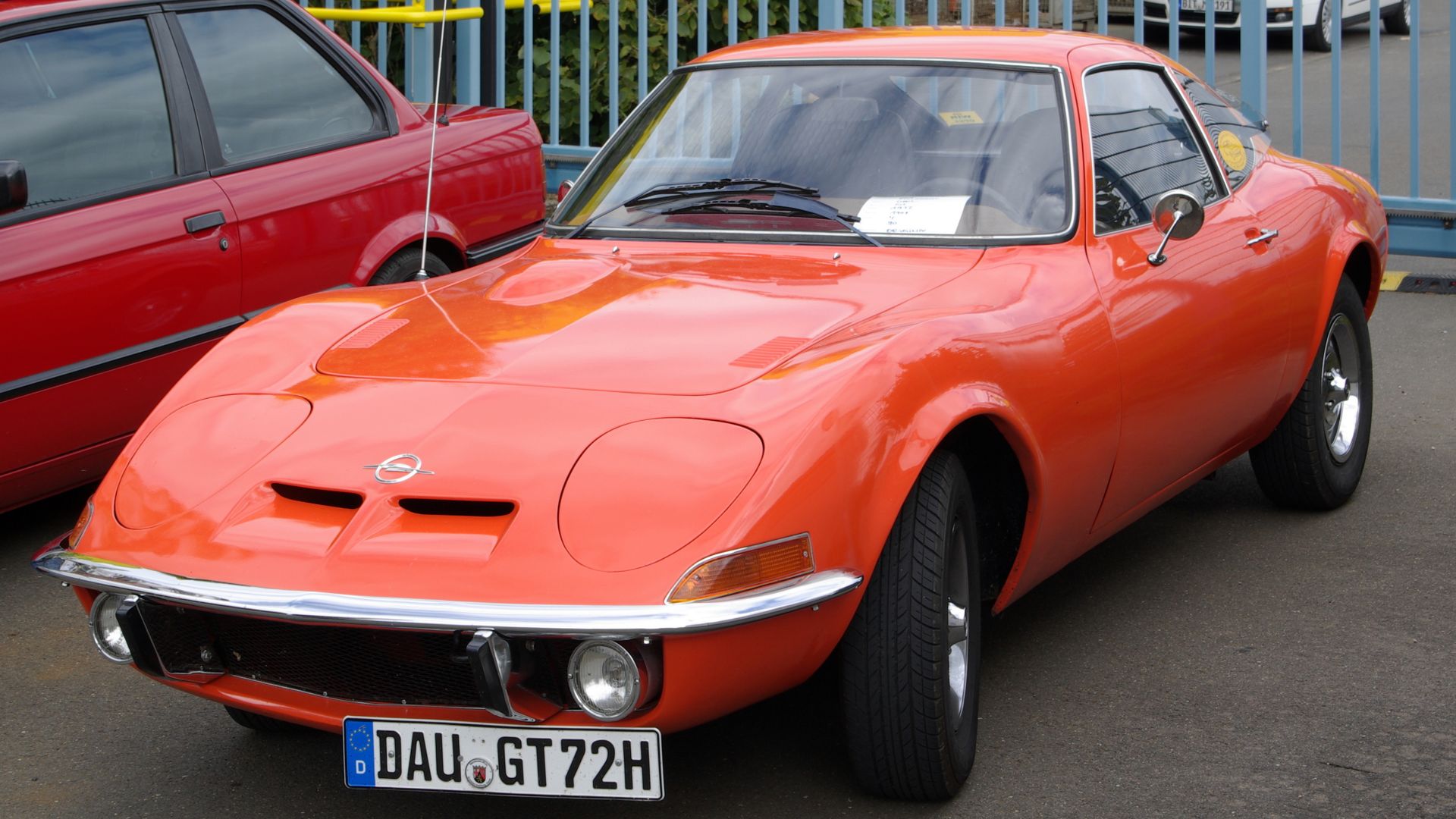
Not every disappearing headlight rose into the air. Some classic American cars used doors or panels that concealed stationary lamps when they were switched off. The result was a cleaner grille during the day and a memorable mechanical reveal at night.
 Berthold Werner, Wikimedia Commons
Manual Windows That Always Listened
A hand-crank window did not need a motor, control module, or electrical connection to operate. Drivers could adjust it with the ignition off and usually understand the problem immediately when something went wrong. Power windows are undeniably convenient, but a sturdy metal crank offered reassuring simplicity.
Real Keys With Real Feedback
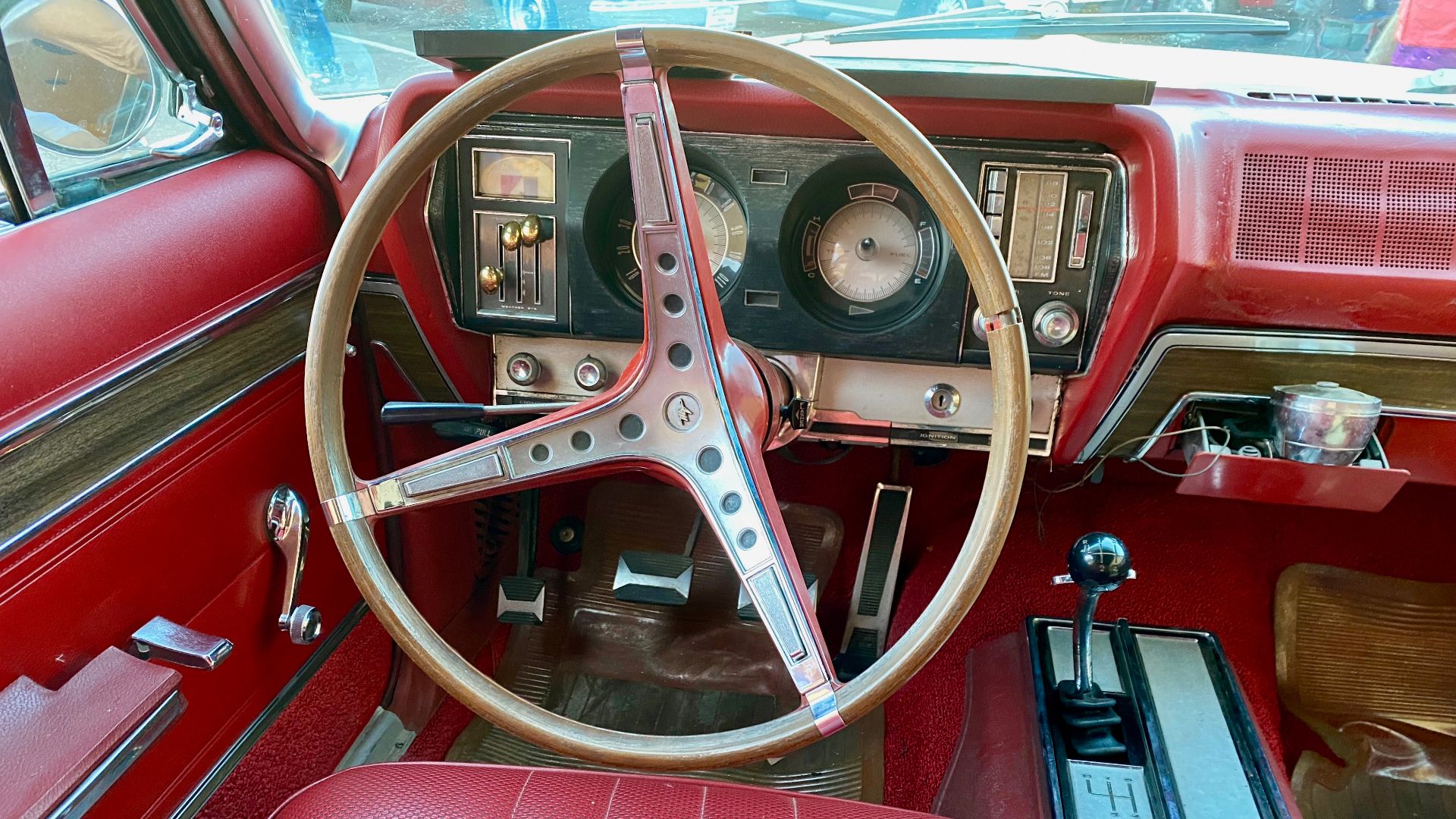
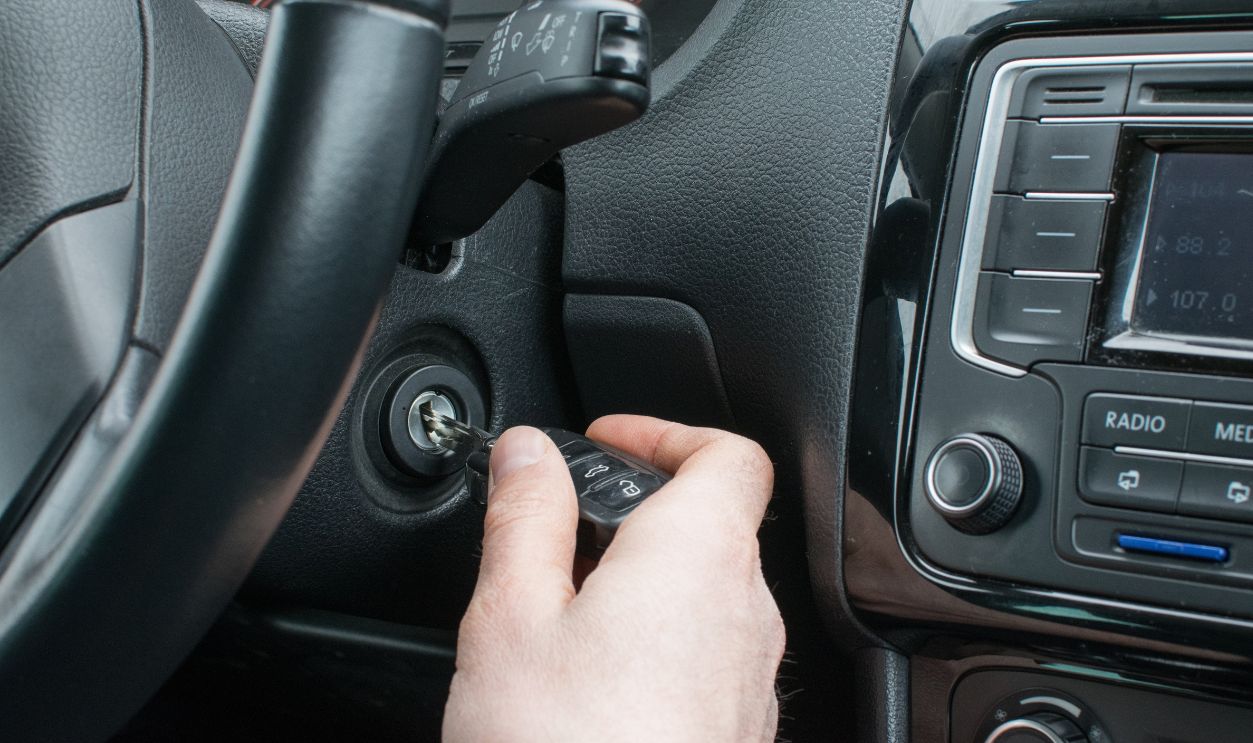
For decades, starting a car meant inserting a shaped metal key and physically turning an ignition cylinder. The action provided unmistakable feedback and created a small ritual before every drive. Push-button starting is quicker, but it has also made the key itself feel more like an anonymous electronic token.
Floor-Mounted Dimmer Switches
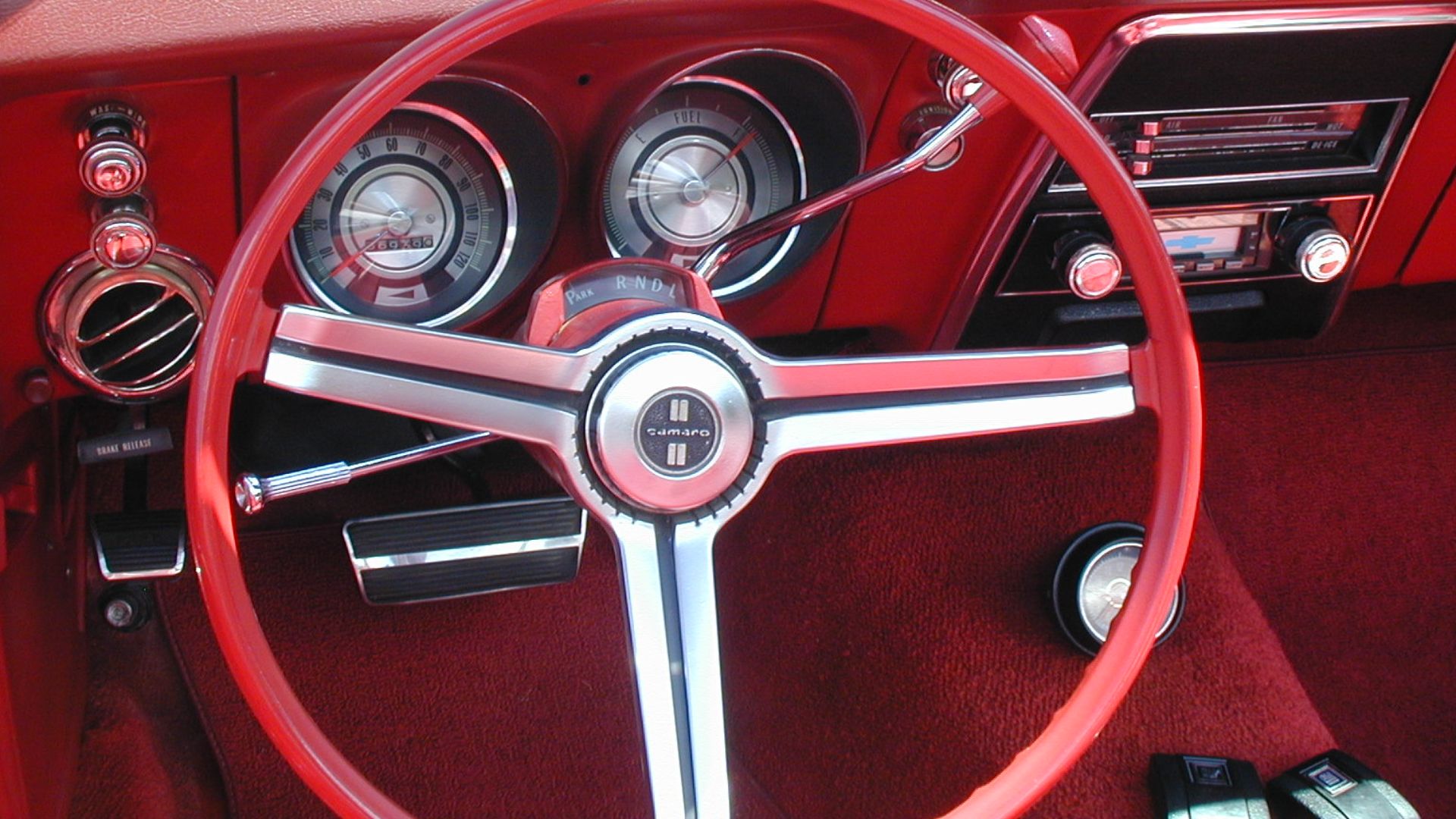
Many older American cars placed the headlight dimmer switch on the floor, where drivers operated it with their left foot. That arrangement allowed both hands to remain on the steering wheel while switching between high and low beams. Steering-column controls are more standardized, yet longtime drivers still remember the satisfying click under their shoe.
 Joe Ross from Lansing, Michigan, Wikimedia Commons
Radios With Tuning Knobs
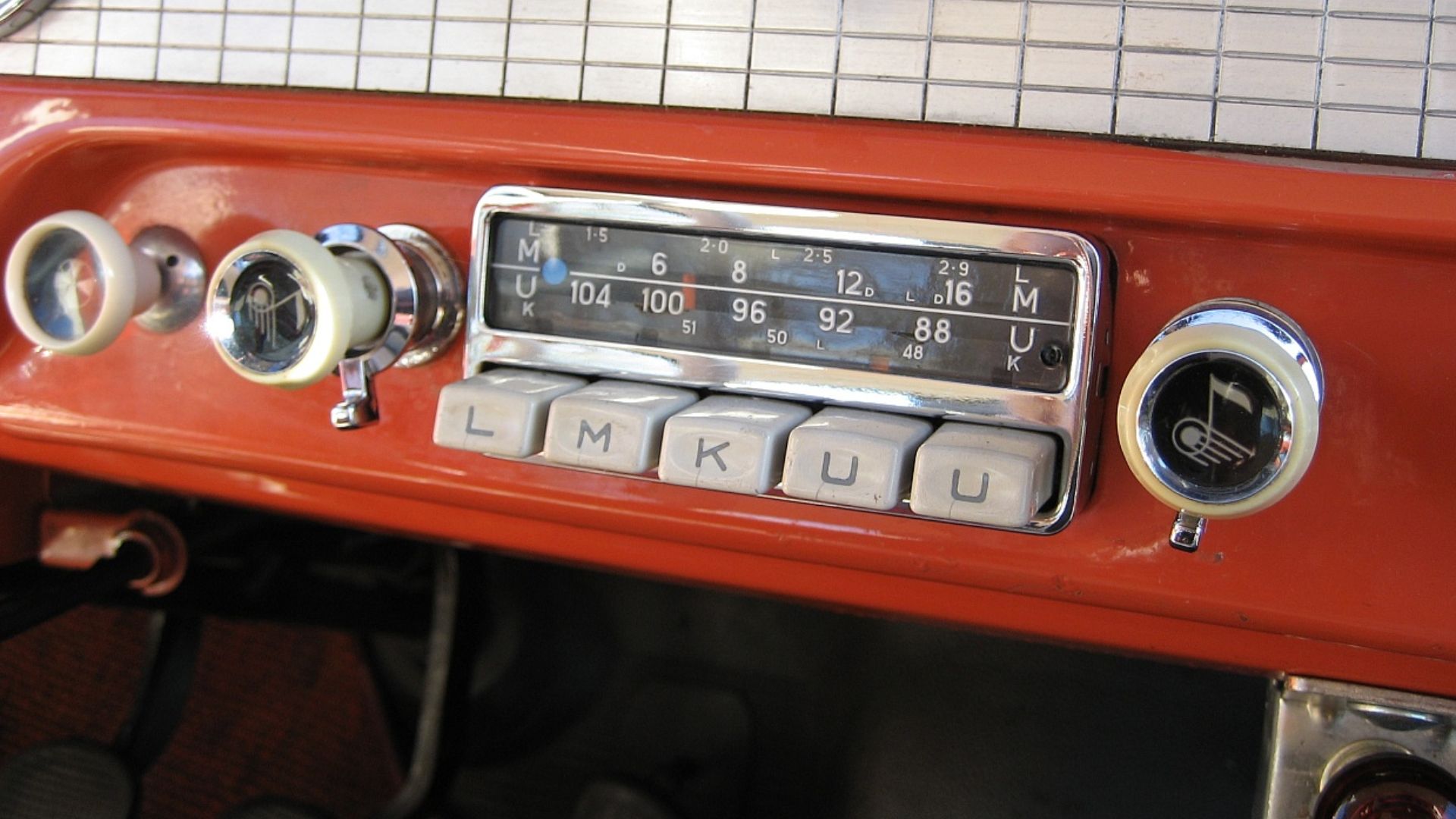
Traditional car radios could be adjusted almost entirely by touch. A large knob controlled volume, another found the station, and physical preset buttons provided instant access to favorites. Consumer Reports has noted that touch-sensitive controls can be harder to use while driving than physical buttons and knobs, which helps explain why old dashboards suddenly seem so sensible.
 Yeti.bigfoot, Wikimedia Commons
Climate Controls You Could Feel
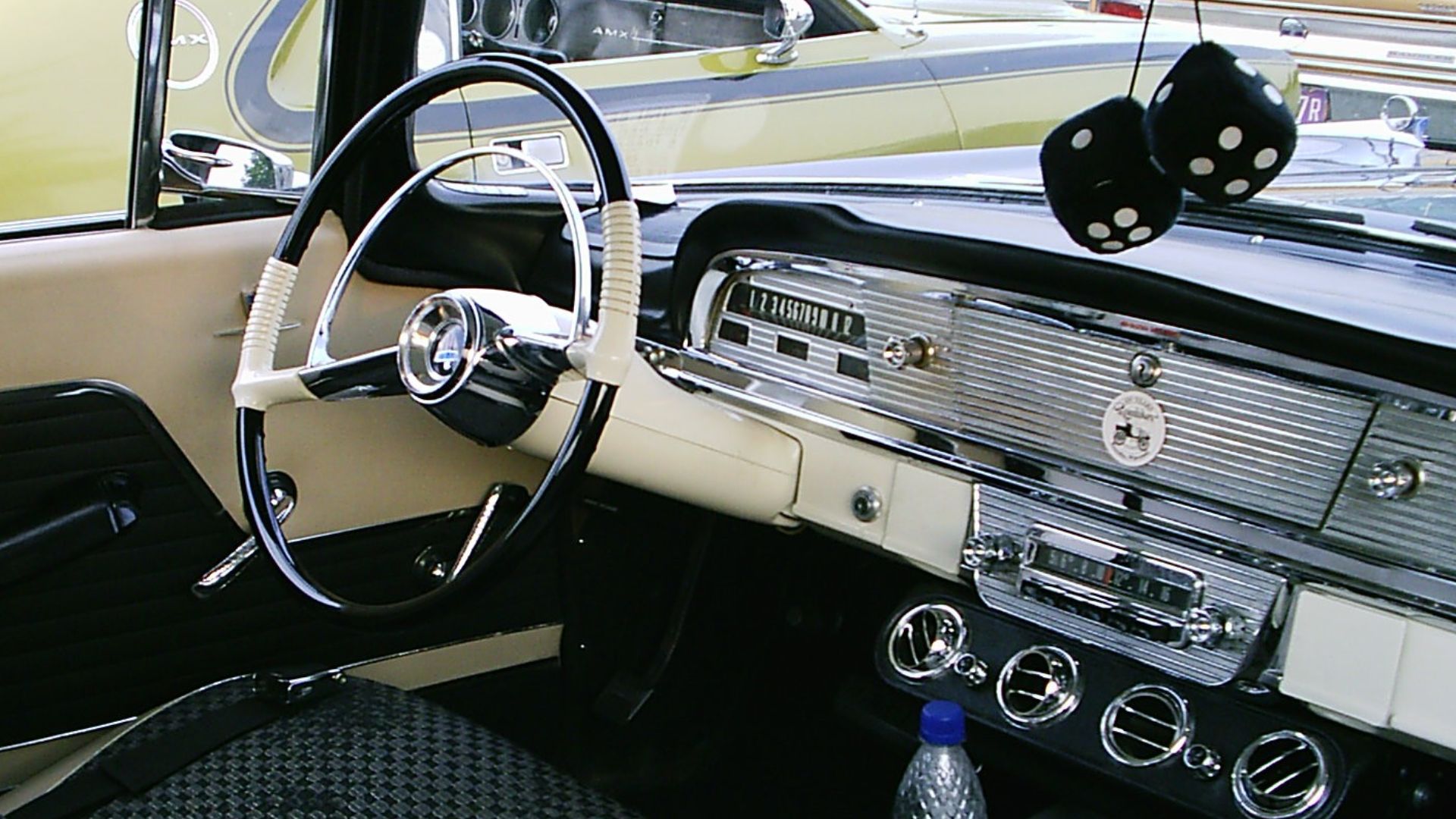
Older heating and air-conditioning systems commonly used sliders, rotary dials, and sturdy push buttons. A driver could change the temperature or fan speed without navigating a menu or taking a long look away from the road. Modern automatic climate control is more precise, but burying basic settings inside a screen can turn a simple adjustment into a distracting task.
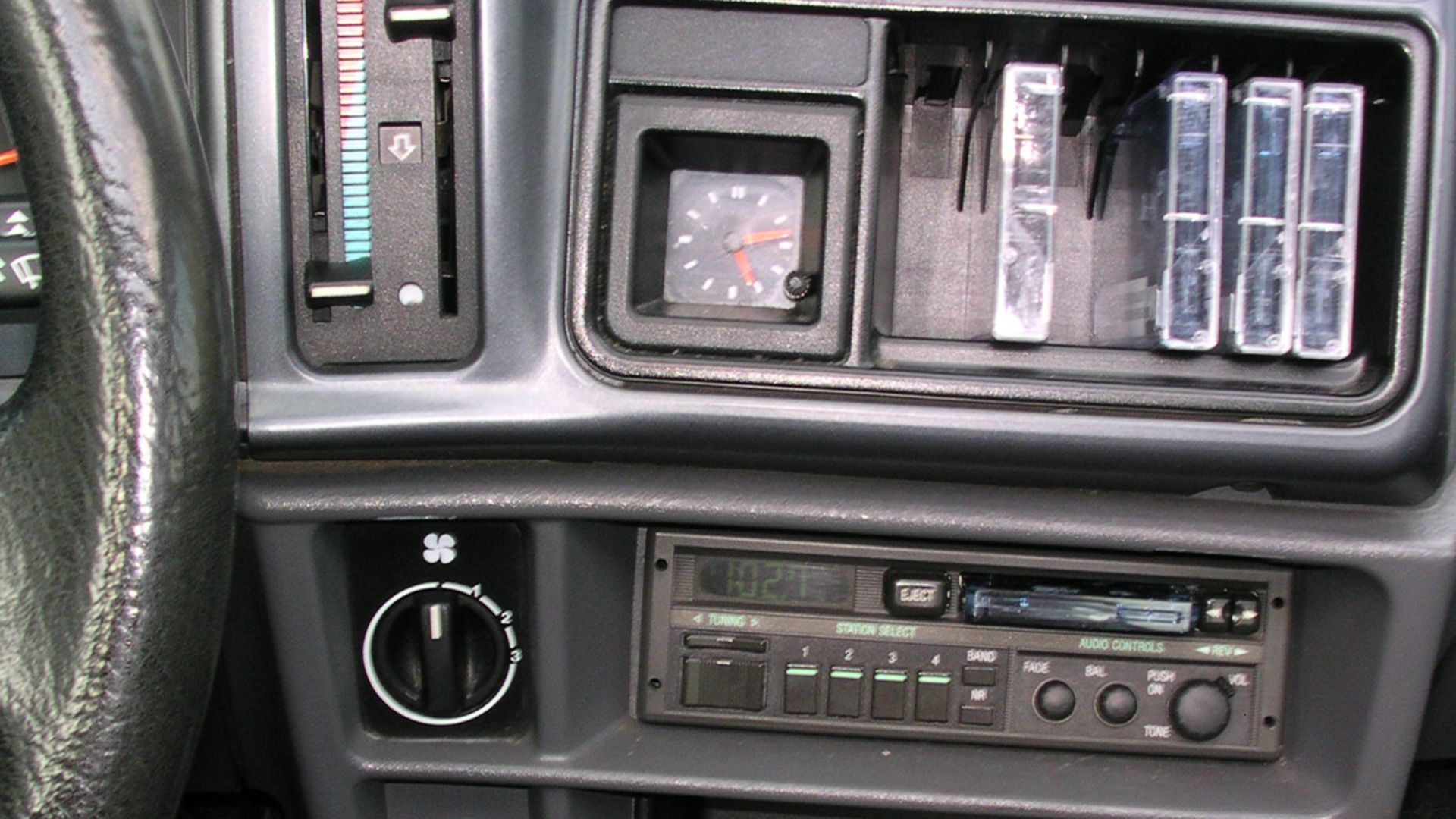
Cassette Decks Made Music Personal
The cassette became a major success in automotive audio because it was compact, recordable, and easy to carry. Drivers could make mixtapes, label them by hand, and build a collection specifically for the road. Streaming offers nearly unlimited choice, but it cannot duplicate the sense of commitment involved in carefully selecting two sides of a tape.
 Norbert Schnitzler, Wikimedia Commons
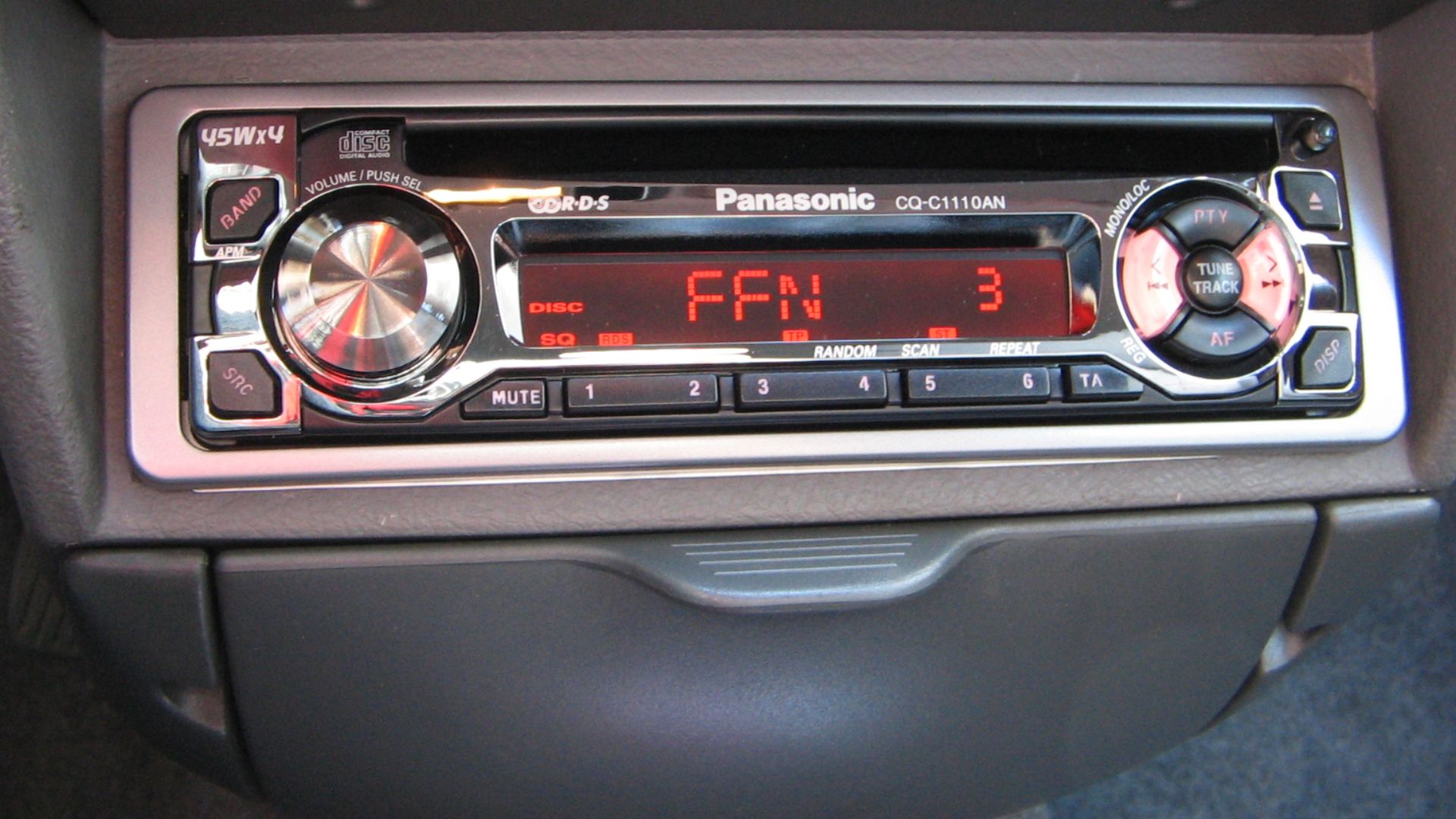
CD Players Offered A Happy Middle Ground
Compact discs provided cleaner sound and faster track selection than cassettes while remaining physical objects that drivers could own. A glove compartment full of scratched jewel cases became a familiar part of road-trip preparation. Digital libraries are more convenient, but they lack the small surprise of rediscovering an album that has been hiding under a seat for years.
 Zoidy at German Wikipedia, Wikimedia Commons
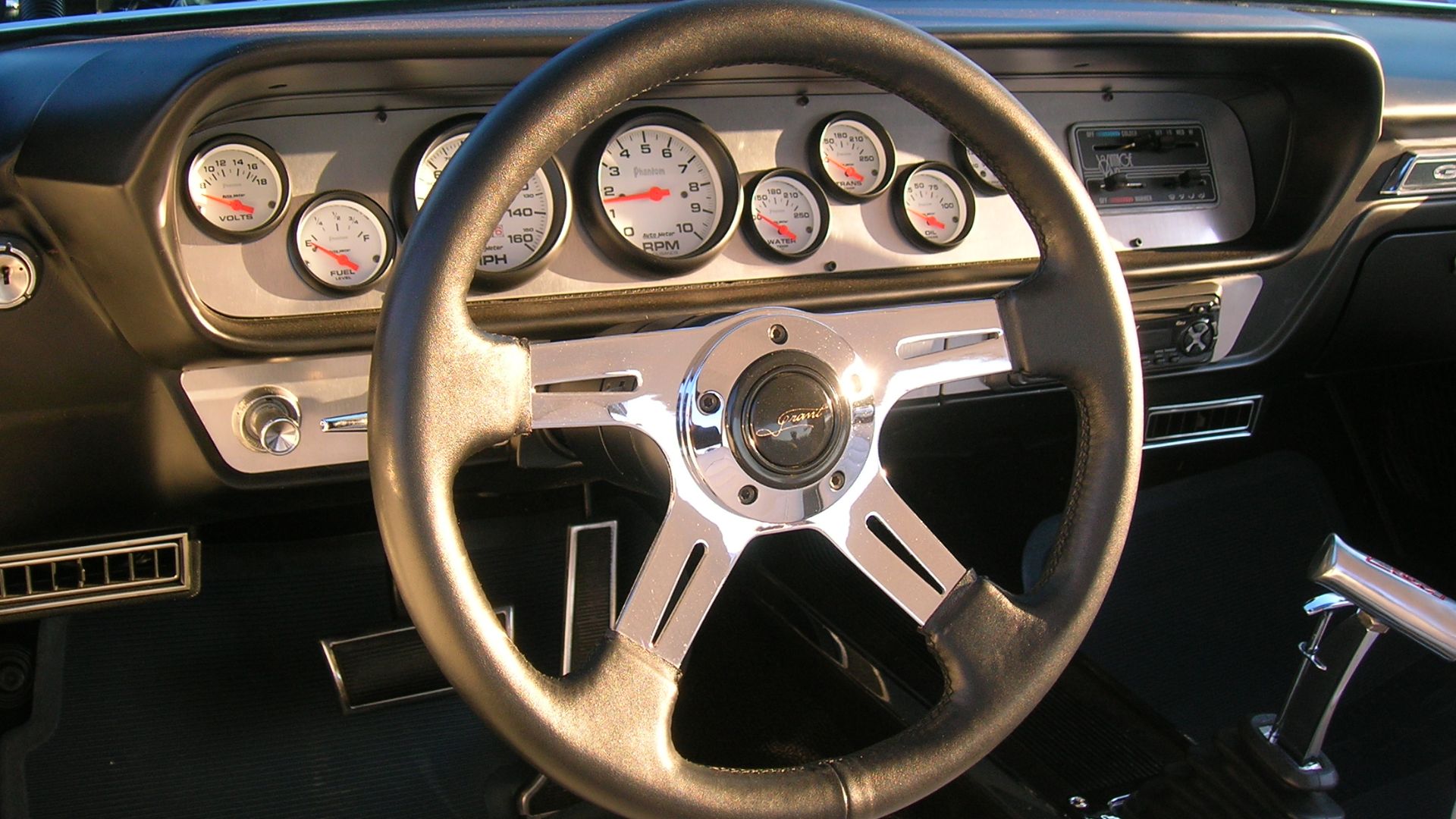
Analog Gauges With Moving Needles
Traditional instrument panels communicated speed, engine temperature, fuel level, and oil pressure through physical needles. Their shapes and movements gave different cars distinct personalities, even when the information was basic. Digital displays can present far more data, but an elegant row of round gauges often feels easier to absorb at a glance.
Full-Size Spare Tires
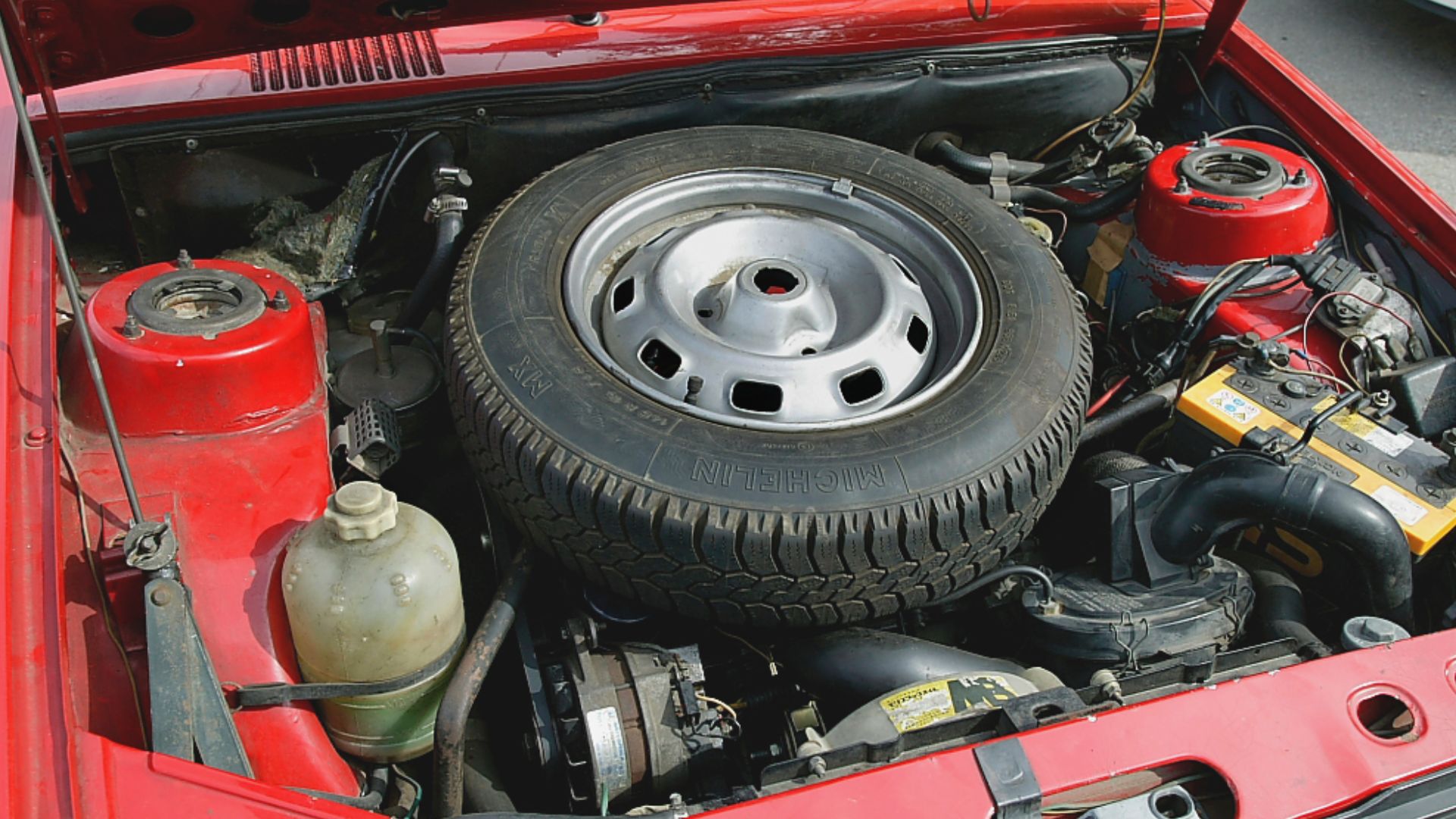
A full-size spare allowed a driver to replace a damaged wheel and continue the trip without immediately searching for a tire shop. Many newer vehicles no longer include a spare tire, instead relying on run-flat tires or tire-repair kits. Those alternatives save weight and cargo space, but sealant kits cannot handle many larger leaks, blowouts, or sidewall failures.
 Natural gas, Wikimedia Commons
Mechanical Parking Brakes
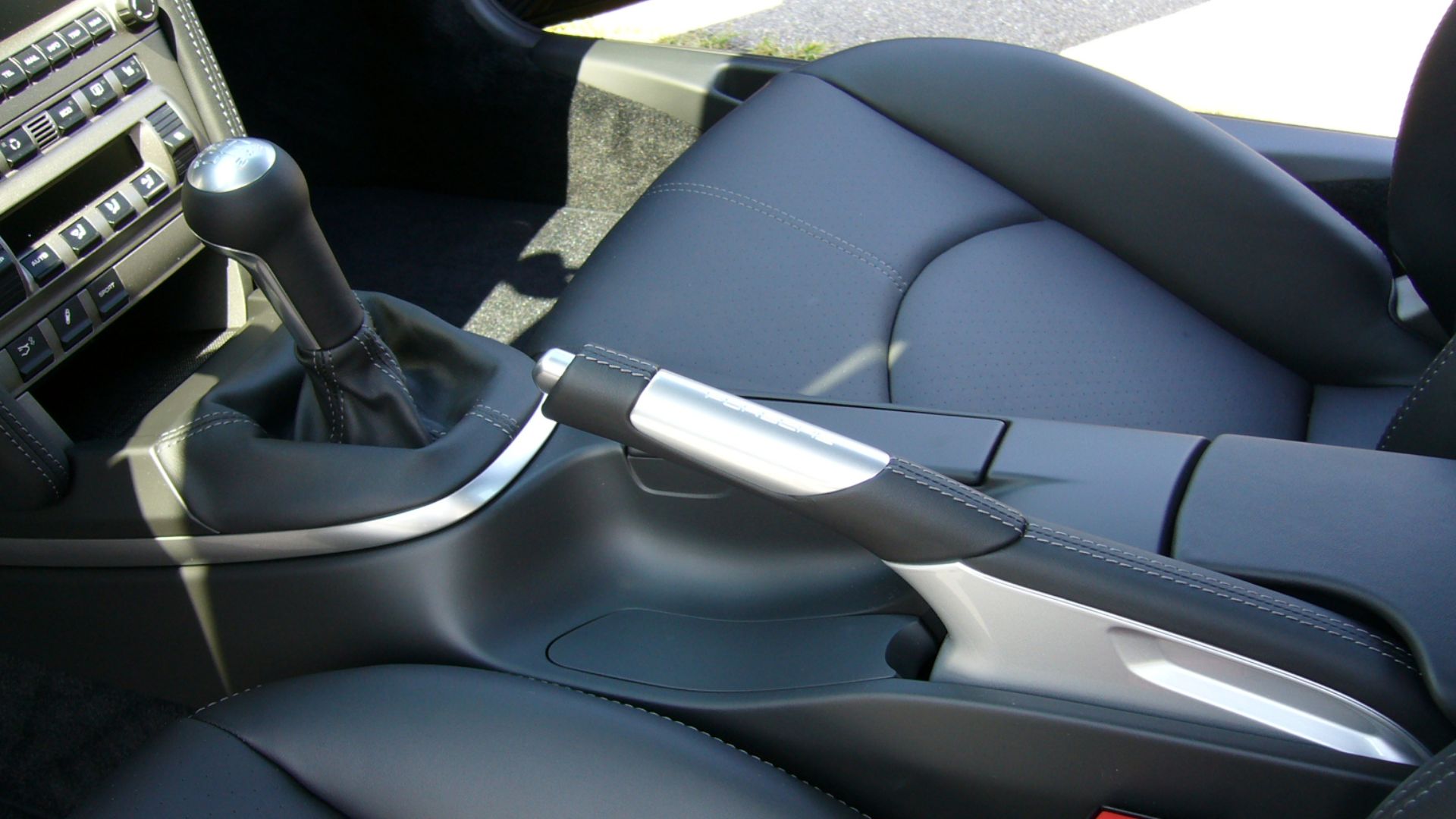
A conventional parking brake lever gave the driver a direct mechanical control that was easy to recognize and operate. It also provided clear physical feedback about how firmly the brake had been applied. Electronic switches free up console space, but they turn another straightforward action into a command processed somewhere out of sight.
 Cerafino~commonswiki, Wikimedia Commons
Manual Transmissions That Demanded Attention
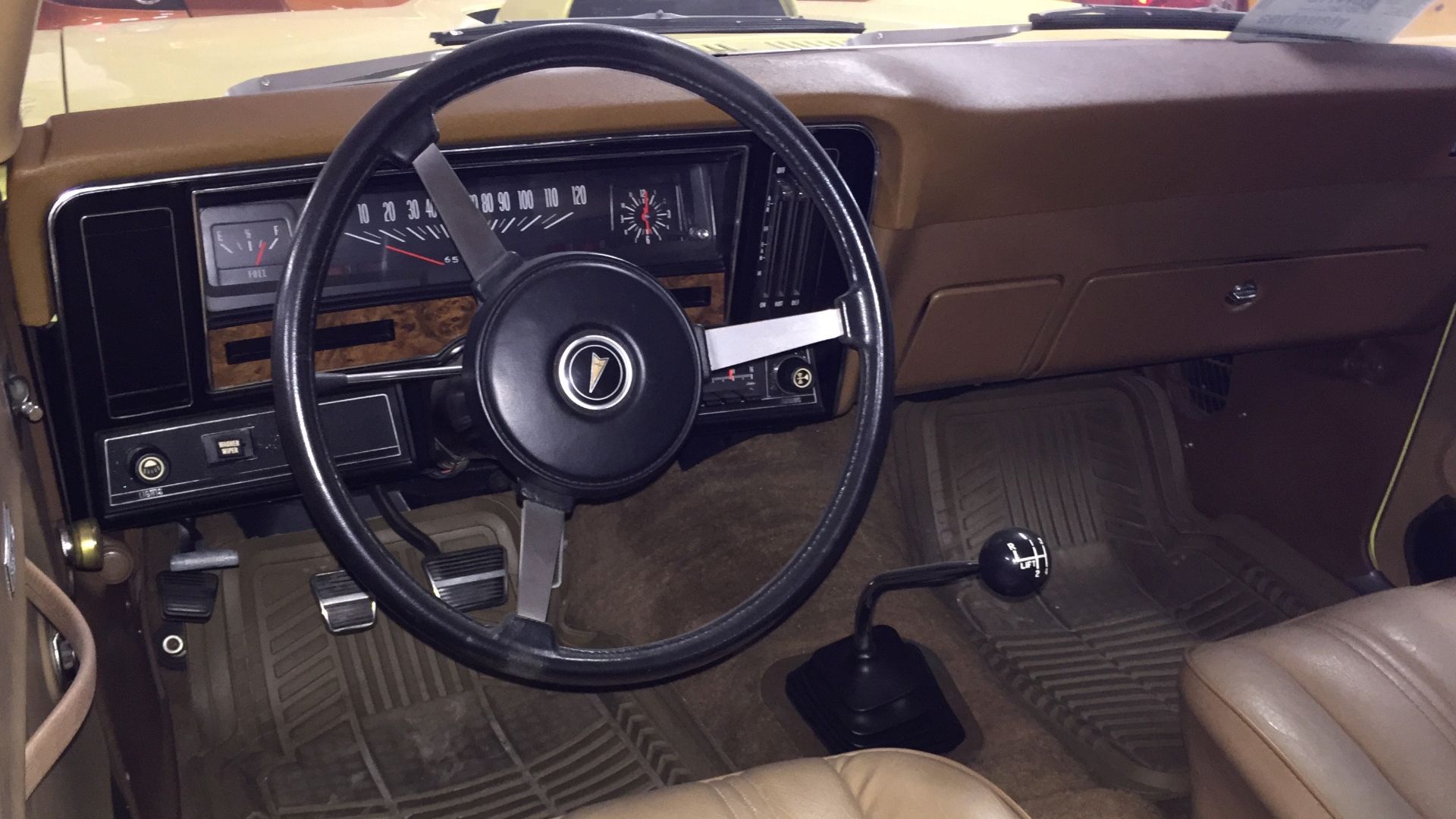
A clutch pedal and gear lever made the driver an active participant in every acceleration, hill start, and downshift. Manual transmissions have steadily declined in market share as automatics and continuously variable transmissions became dominant. Modern automatics are quicker and more efficient, but a good manual still creates an unusually direct connection between the driver and the machine.
Steering That Let The Road Speak
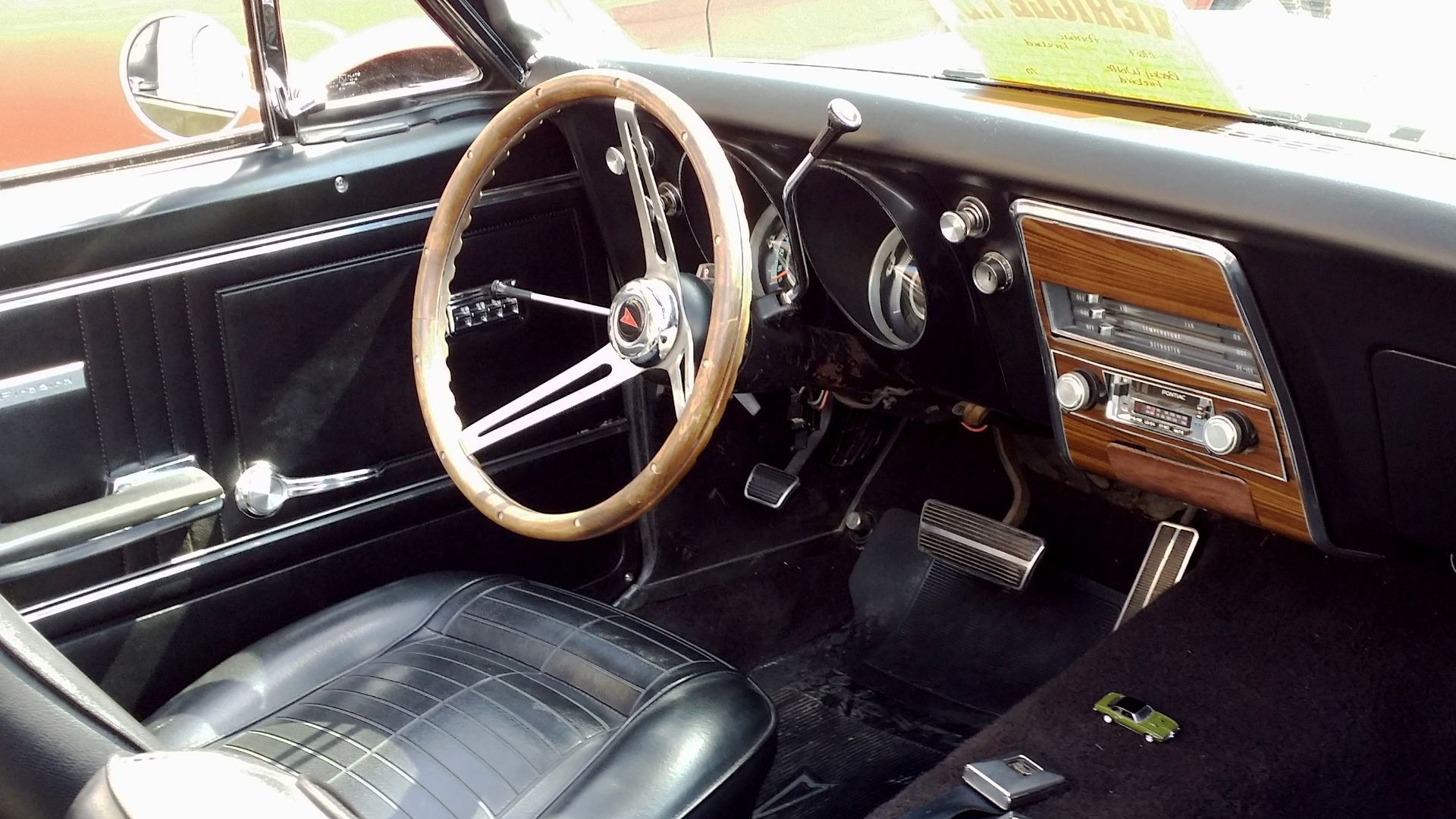
Cars without heavily boosted power steering transmitted bumps, surface changes, and tire loading through the steering wheel. They could feel demanding at parking-lot speeds, especially with a heavy engine over the front wheels. Once moving, however, that weight and feedback made ordinary corners feel like meaningful events.
 Eric Friedebach, Wikimedia Commons
Hood Ornaments With A Sense Of Occasion
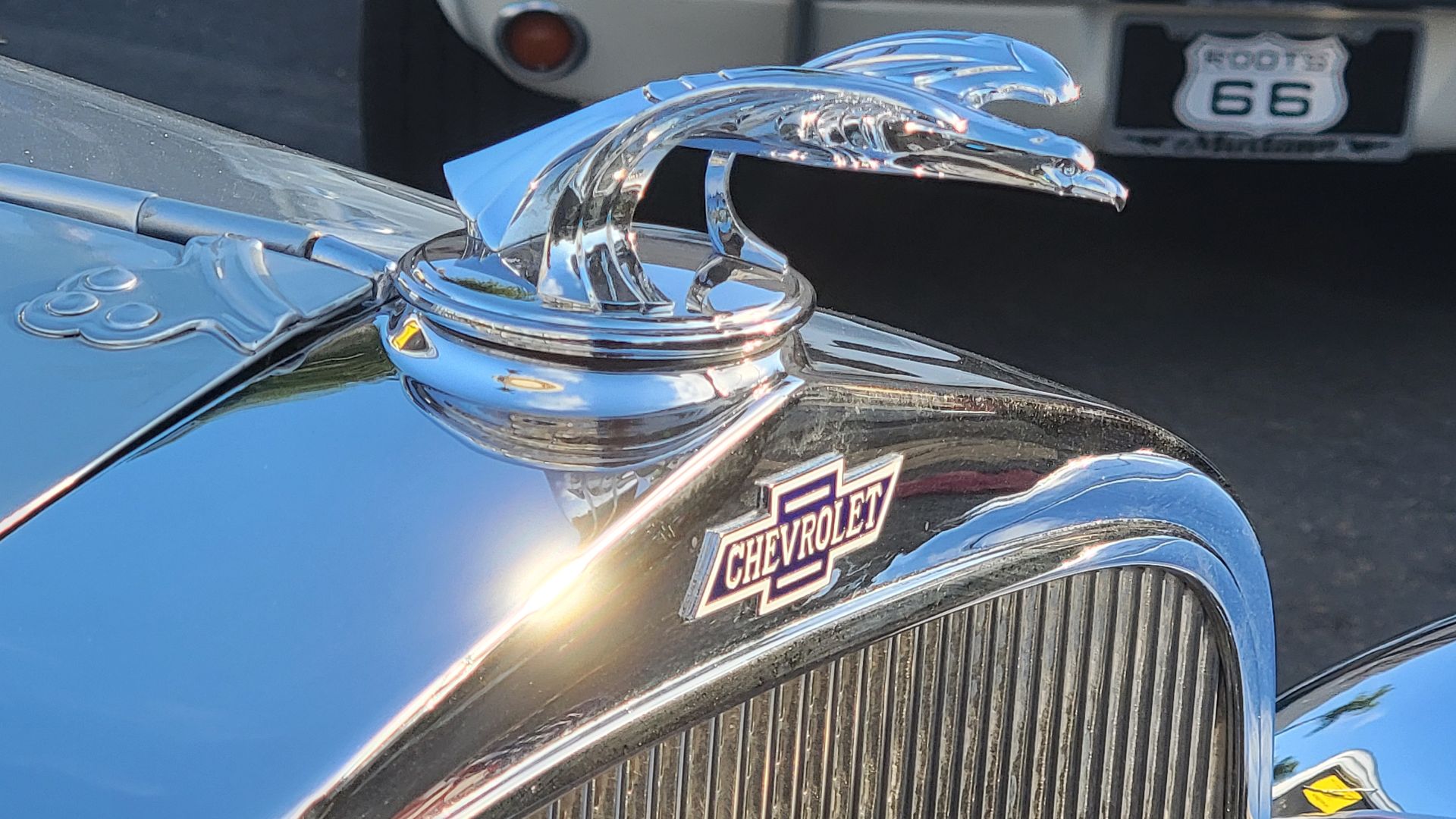
Prominent hood ornaments once served as rolling sculptures and instantly recognizable brand signatures. Their golden age included elaborate chrome and glass designs inspired by animals, human figures, and the streamlined forms of the Art Deco period. Most disappeared as styling, safety, and theft concerns changed, leaving modern hoods noticeably bare.
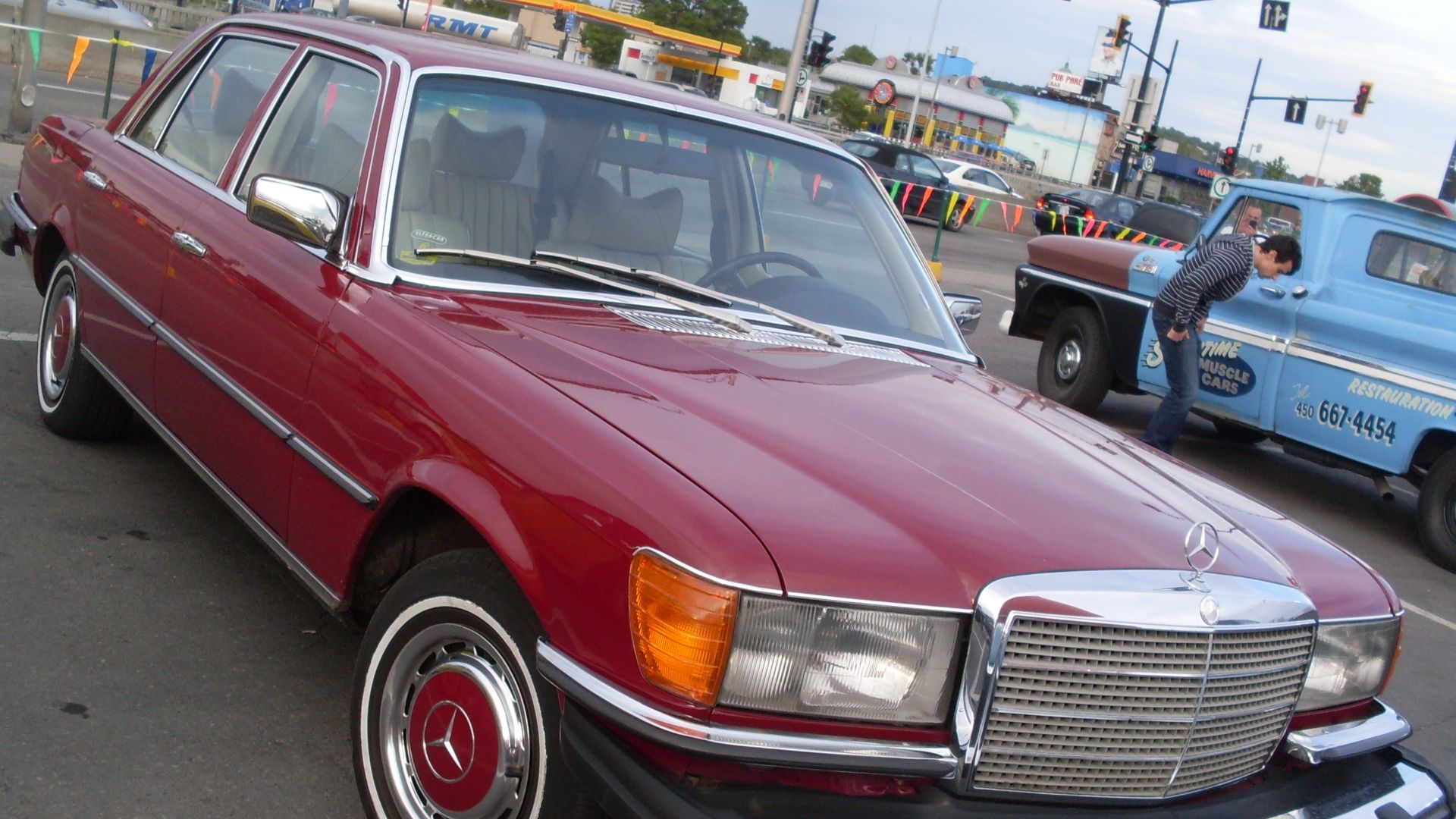
Chrome That Actually Sparkled
Chrome bumpers, grille surrounds, mirrors, and body trim gave older cars bright visual highlights. The material also emphasized the width and shape of many classic American designs. Painted plastic is lighter and easier to integrate aerodynamically, but it rarely catches sunlight with the same dramatic effect.
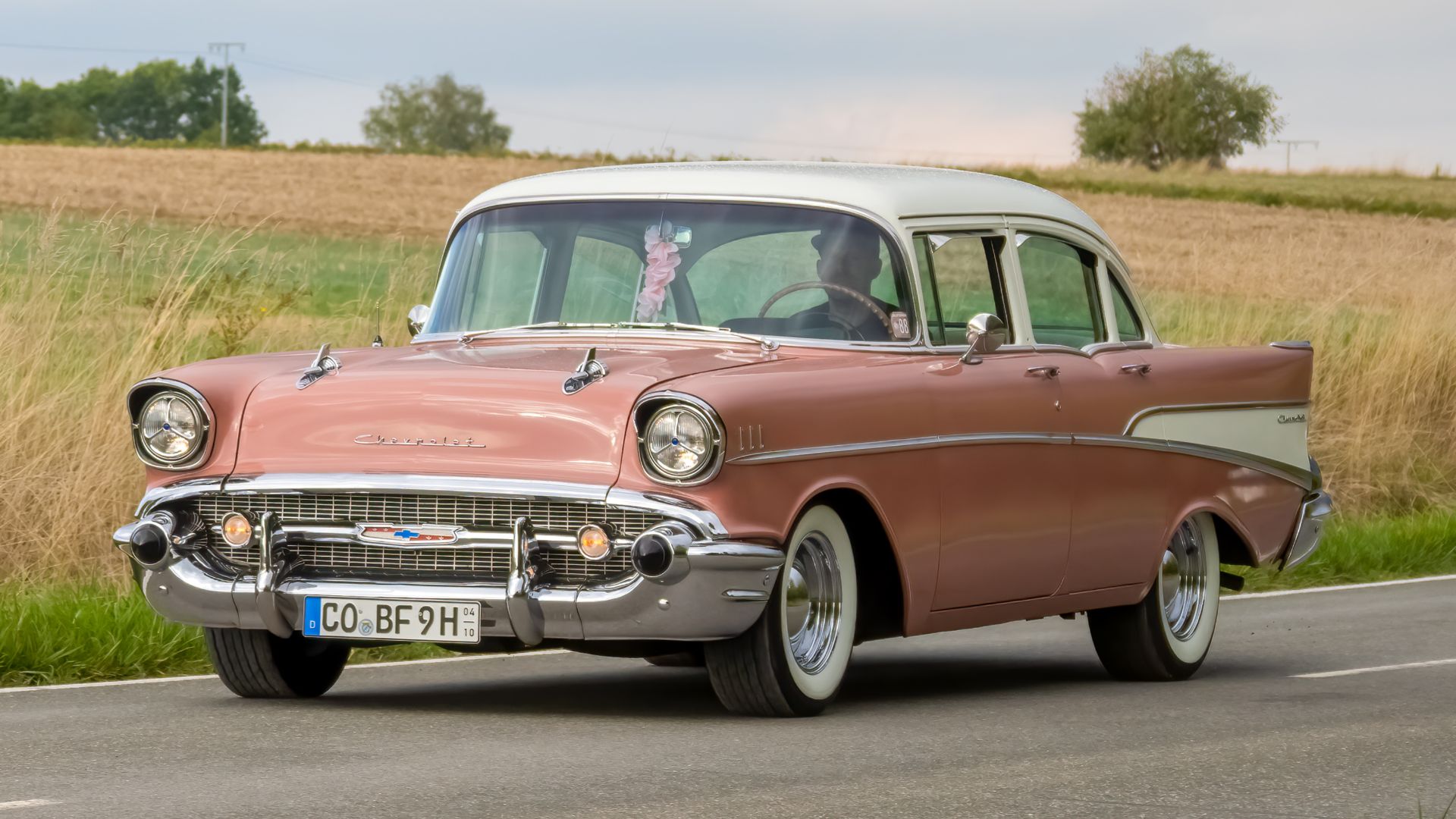
Colors Beyond Black, White, And Gray
Past showrooms frequently displayed greens, oranges, yellows, purples, and vivid shades of blue. Colorful paint allowed an affordable family car to express almost as much personality as a sports coupe. Neutral finishes may be easier to resell, but rows of nearly identical gray vehicles have made adventurous factory colors feel more valuable than ever.
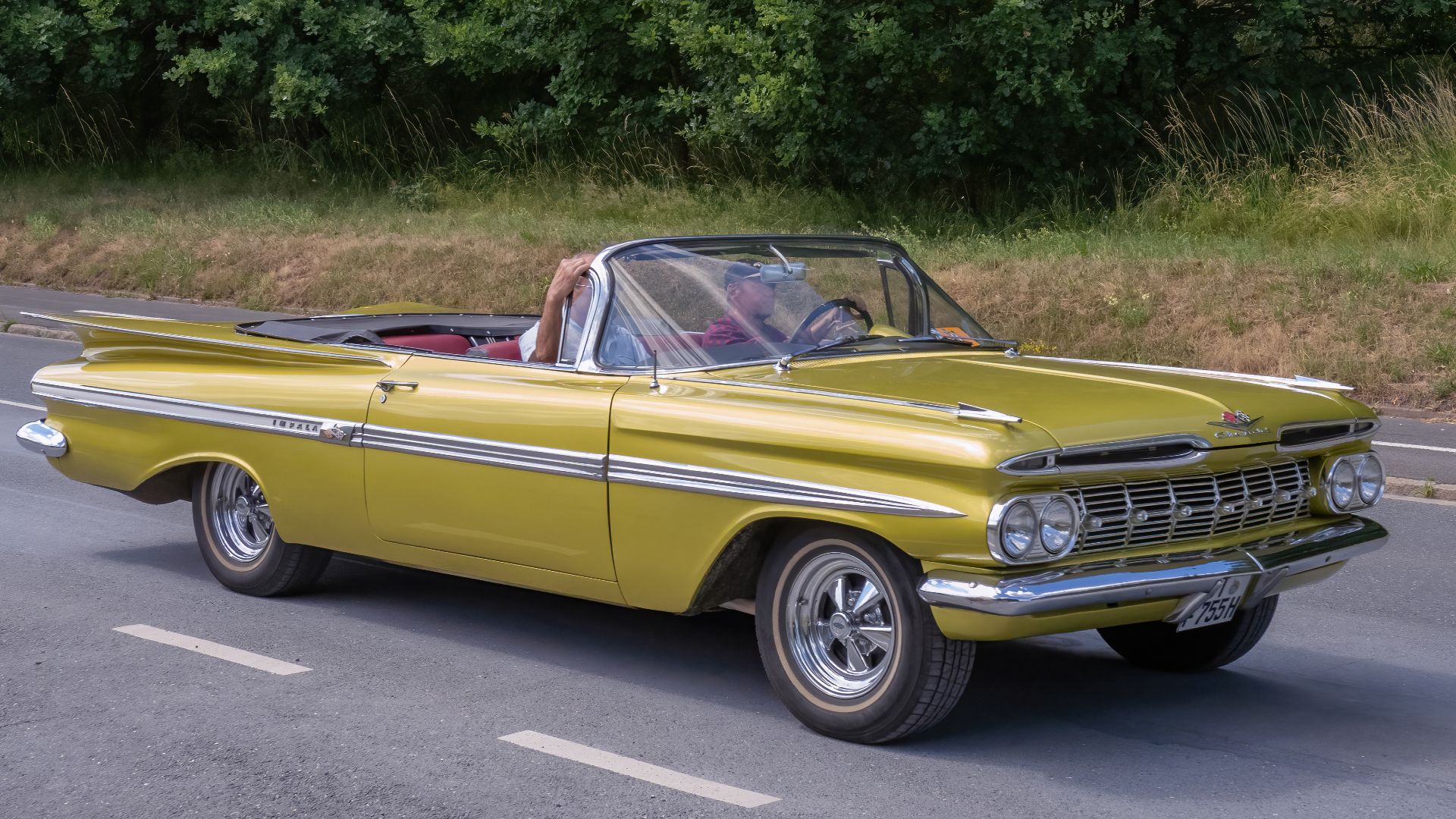
Two-Tone Paint With Built-In Drama
Contrasting roofs, side panels, and body sections once gave mainstream automobiles a custom appearance straight from the factory. Designers used the color break to emphasize fins, rooflines, chrome strips, and sweeping body contours. Some manufacturers have revived contrasting roofs, but full two-tone schemes remain uncommon enough to attract immediate attention.
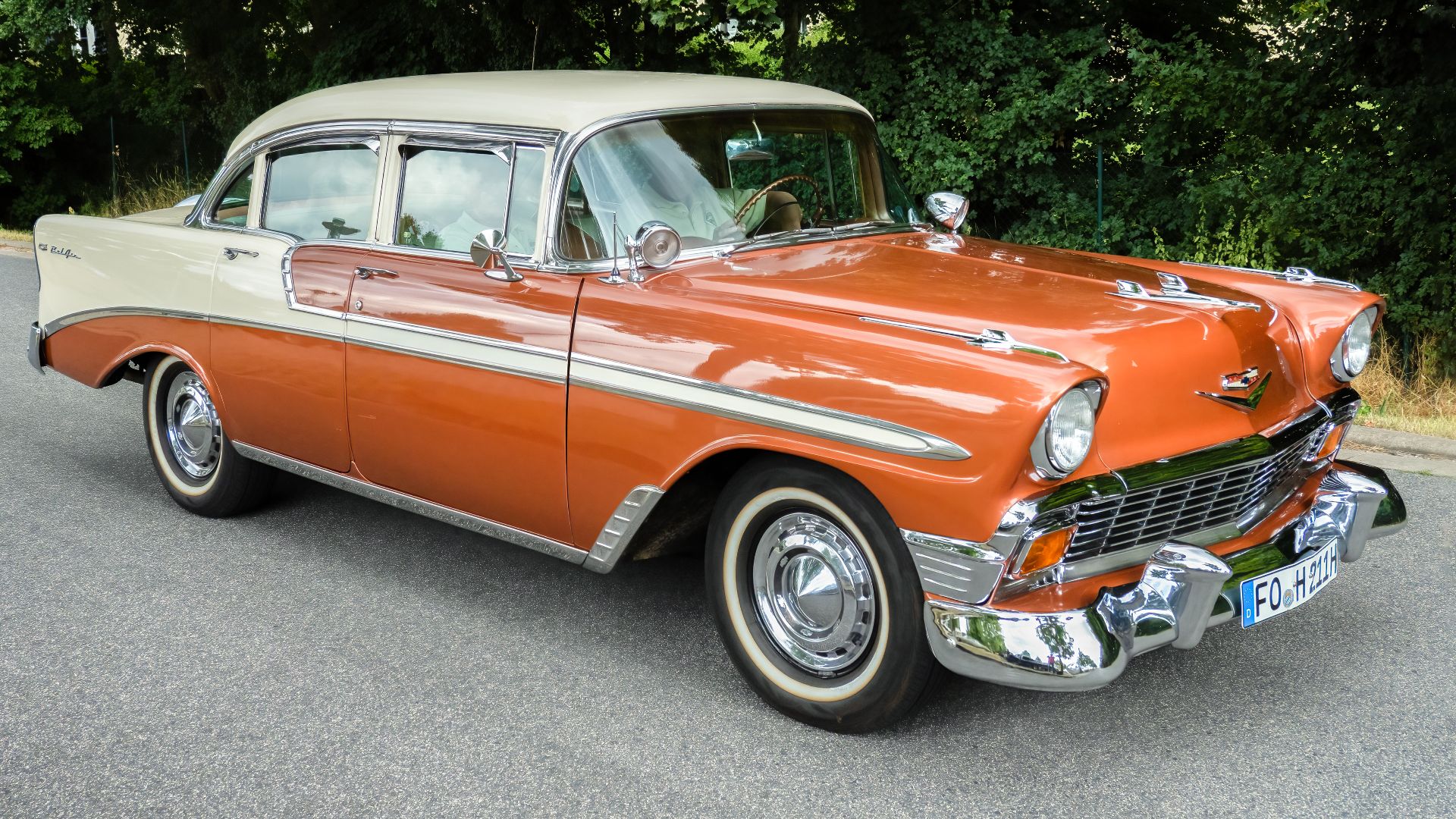
Whitewall Tires That Finished The Look
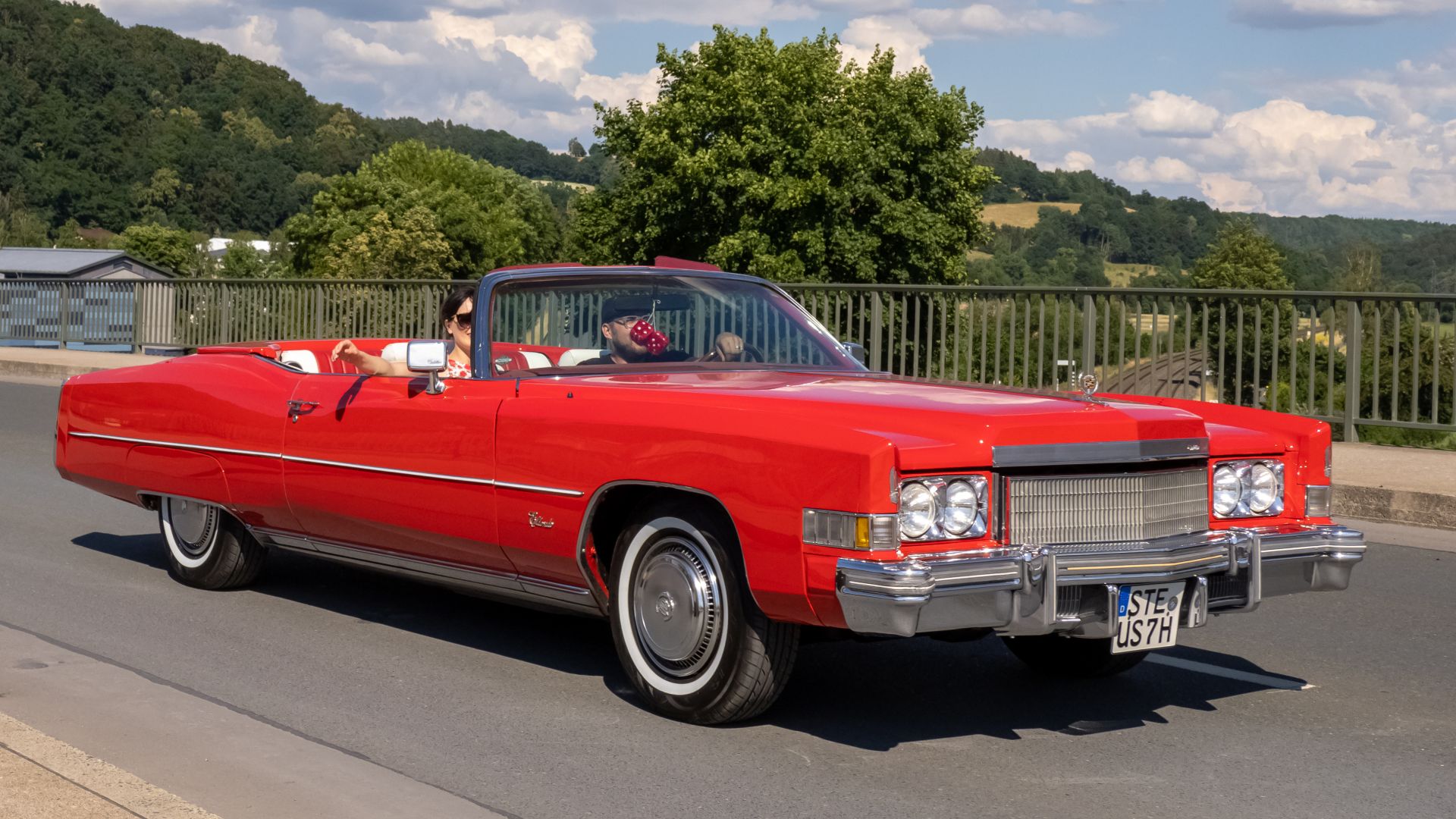
White sidewalls framed wheels with a bright ring that worked beautifully with chrome hubcaps and polished trim. The style became closely associated with American luxury cars, cruisers, and early postwar automobiles. Modern low-profile tires improve handling response, yet they seldom contribute as much visual theater.
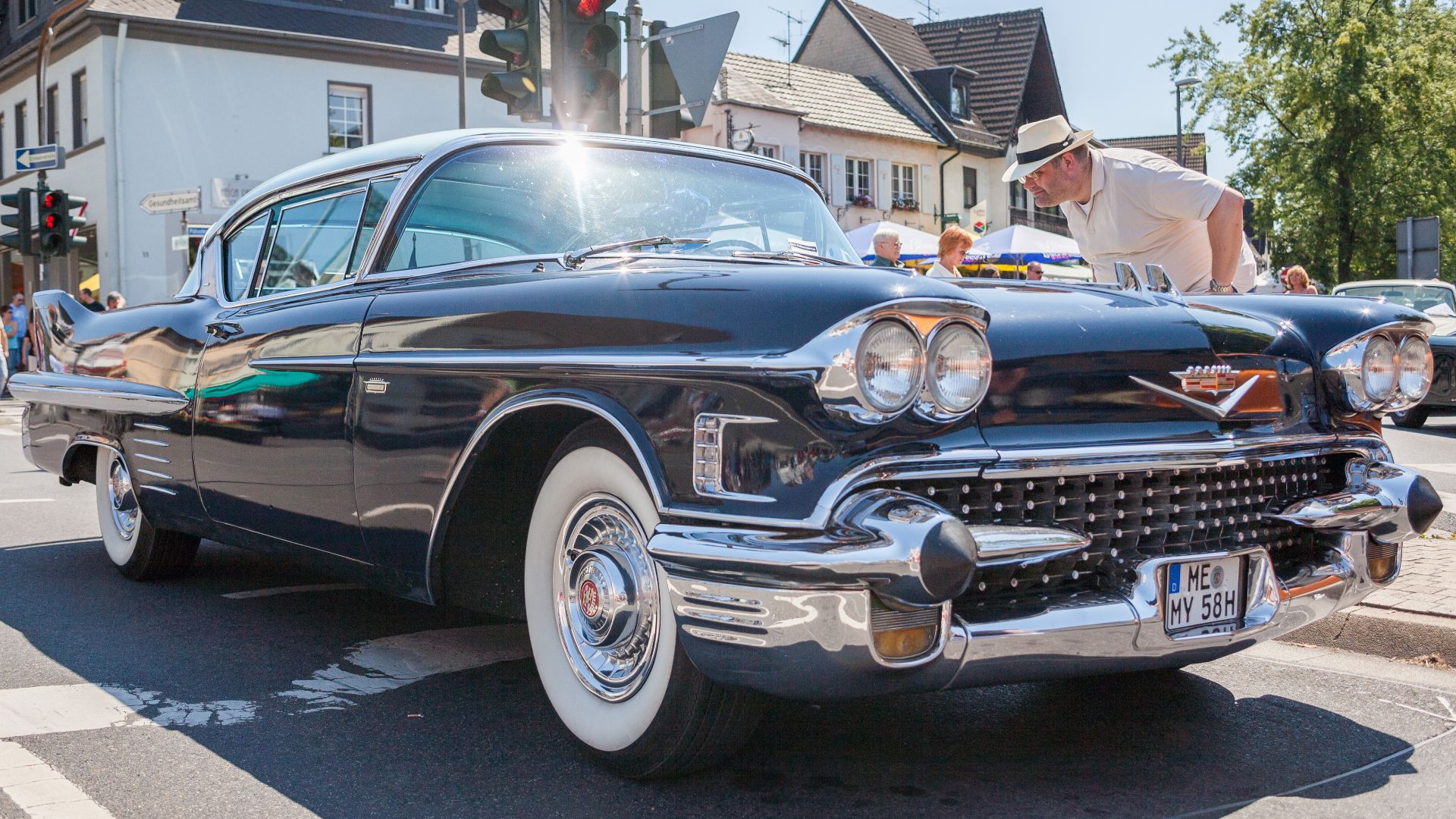 Eckhard Henkel, Wikimedia Commons
T-Tops For A Little Open-Air Freedom
Removable roof panels gave coupes some of the openness of a convertible without eliminating the entire fixed roof structure. T-tops became especially recognizable on American performance cars during the 1970s and 1980s. They could leak, squeak, and consume valuable cargo space, but removing those panels made an ordinary evening drive feel like an event.
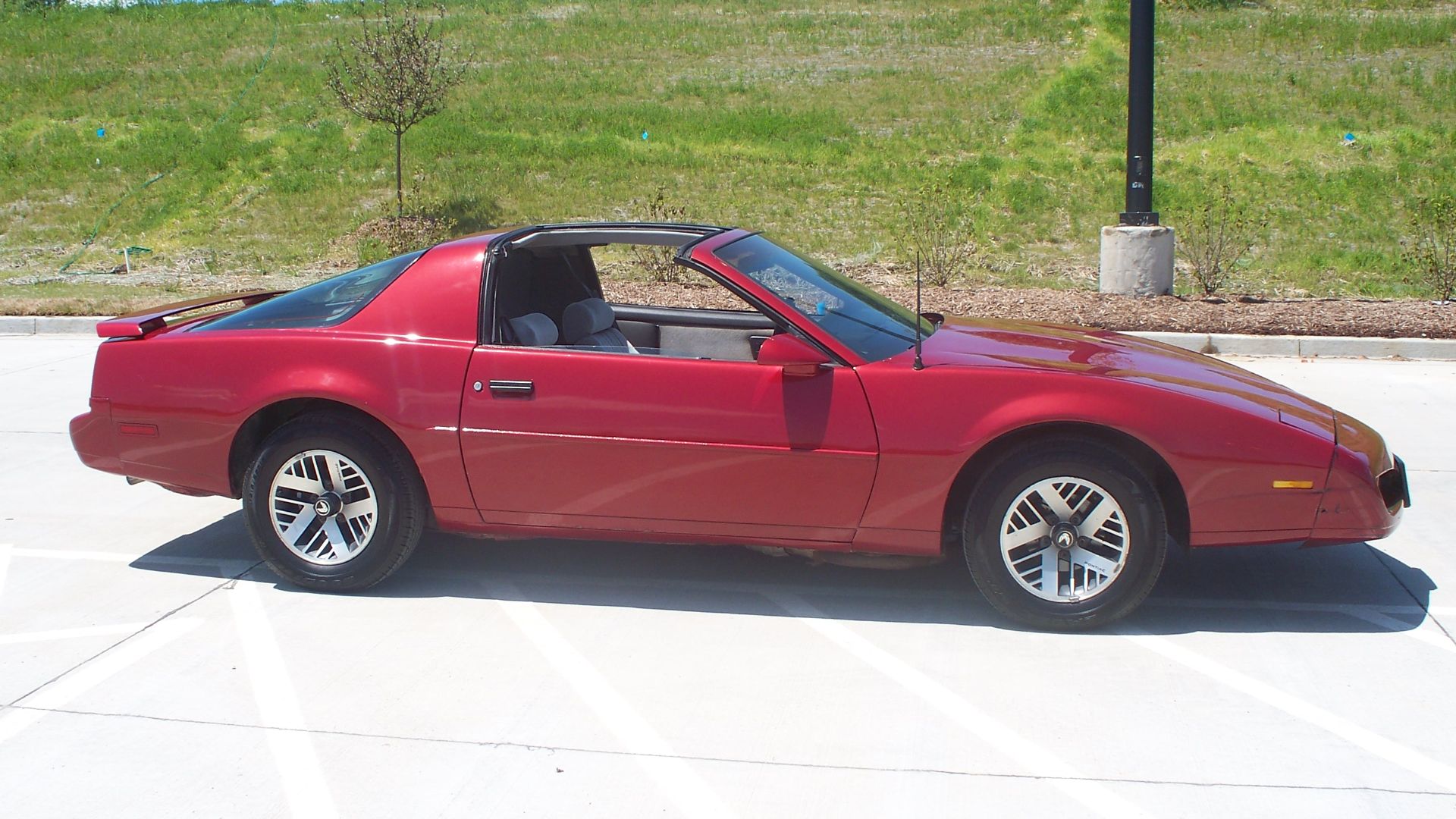 Robert Stinnett from St. Peters, Missouri, United States, Wikimedia Commons
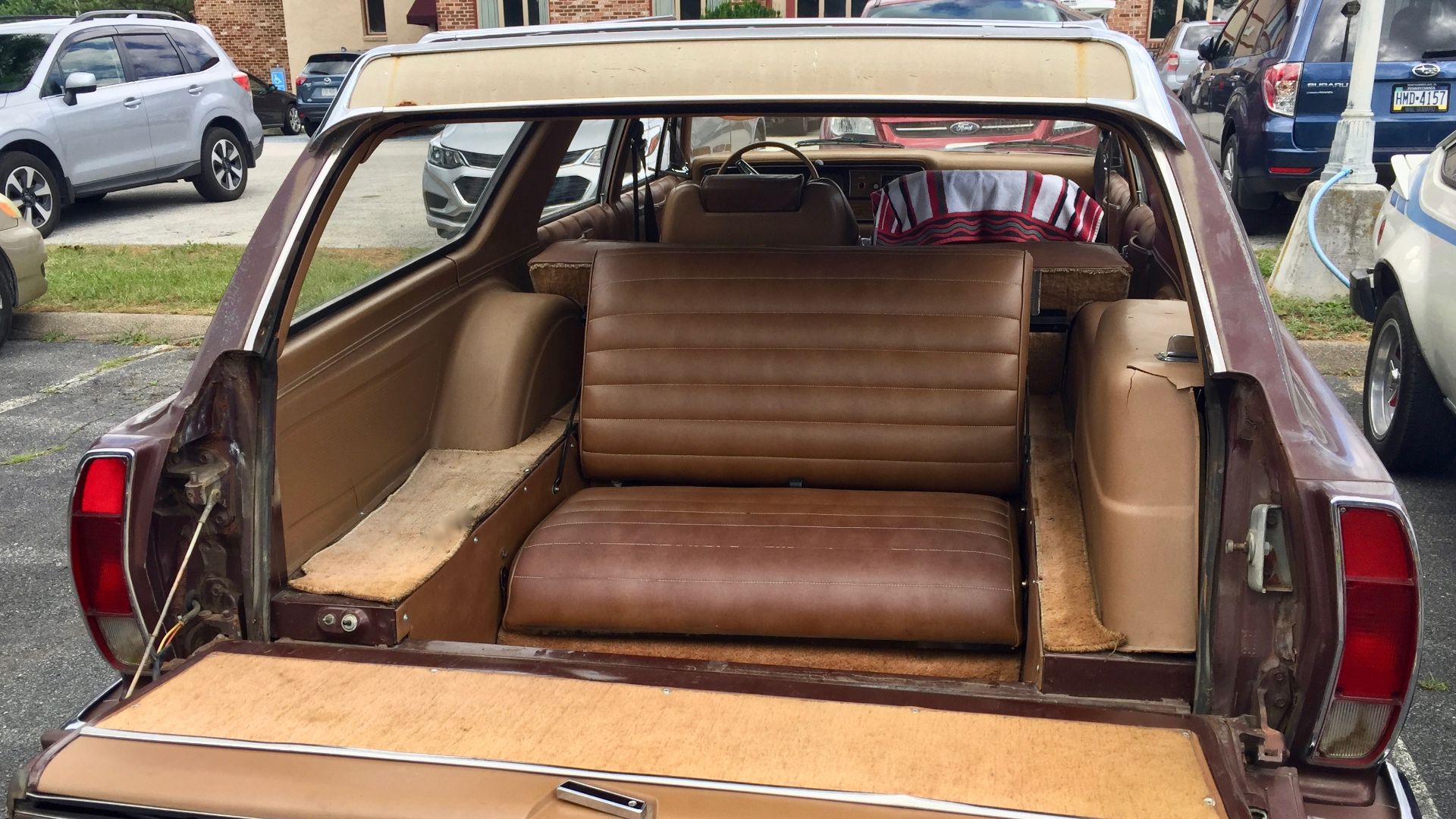
Rear-Facing Station Wagon Seats
Large station wagons sometimes included a third row that faced backward, giving children an unforgettable view of the road disappearing behind them. The arrangement turned the cargo area into an additional passenger zone and helped wagons carry surprisingly large families. Modern three-row crossovers are more carefully engineered for occupant protection, but few rear seats feel as adventurous.
Rain Gutters Above The Doors
Traditional roof gutters directed water away from door openings and provided sturdy mounting points for simple roof racks. Modern vehicles generally use smoother roof edges to improve aerodynamics, reduce wind noise, and create cleaner styling. Anyone who has opened a wet modern car and received a small waterfall from the roof may understand why the old channels still have fans.
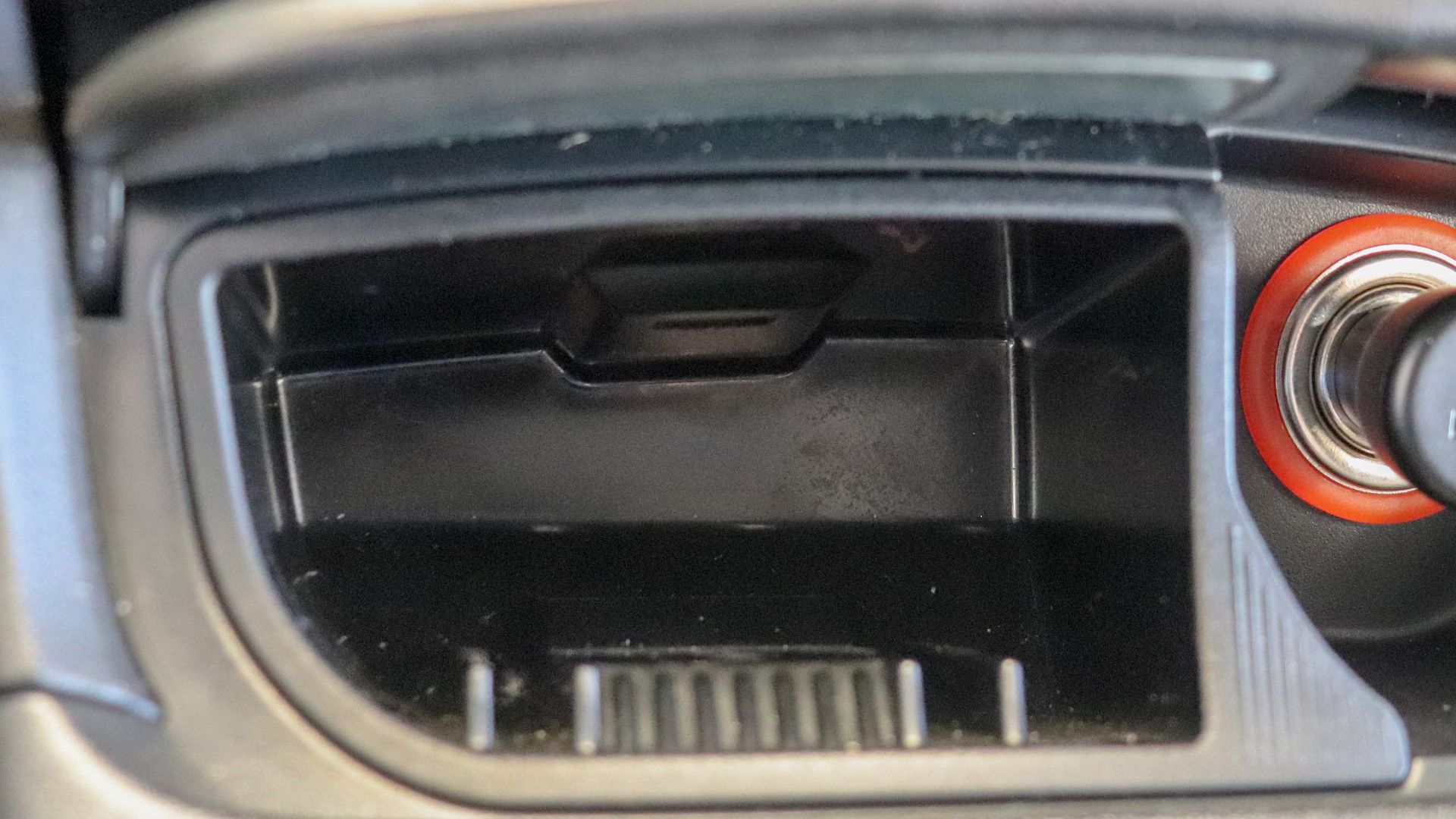
Ashtrays That Became Tiny Storage Bins
Built-in ashtrays and cigarette lighters reflected an era when smoking inside a car was widely accepted. As habits changed, many owners repurposed those small metal compartments for coins, fuses, screws, and other useful odds and ends. Nobody needs the smoke to return, but drivers could still use more durable little storage spaces designed for everyday clutter.
Simplicity Was The Feature
The most missed quality may not be any single switch, seat, or piece of chrome. Older cars often made their major functions visible, tactile, and understandable, while modern vehicles increasingly rely on software, layered menus, cameras, sensors, and electronic modules. Today’s cars are far safer, cleaner, and more capable, but classic features remind us that progress feels best when it keeps the driver involved.
You May Also Like:
The Most Beautiful Classic Cars To Grace The Big Screen—How Many Of These Icons Do You Remember?
Each Generation's Favorite Classic Cars
Sources: 1, 2, 3, 4, 5, 6, 7, 8, 9, 10, 11, 12, 13, 14, 15, 16, 17, 18, 19, 20, 21