When Design Looks Ready To Strike
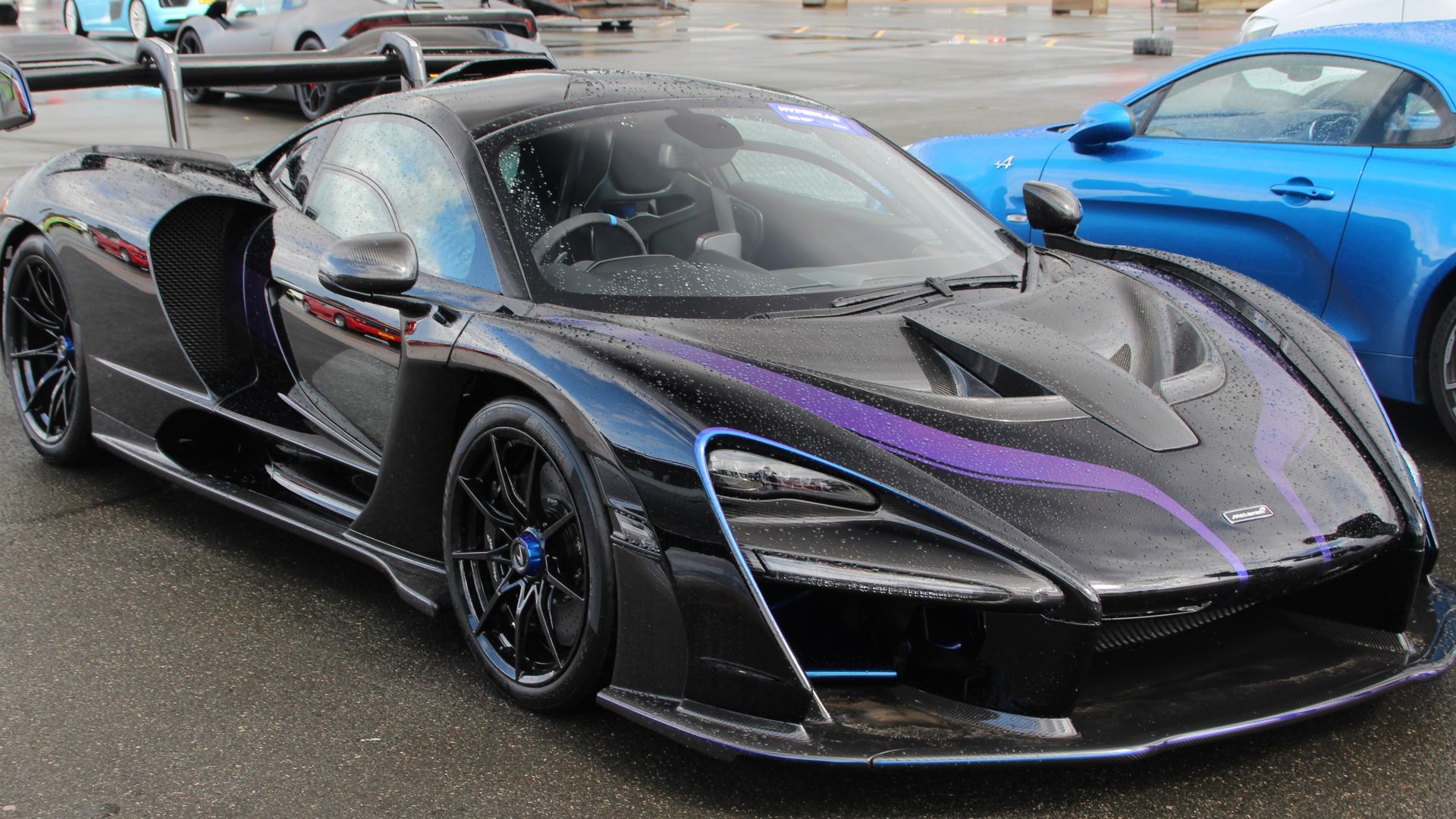
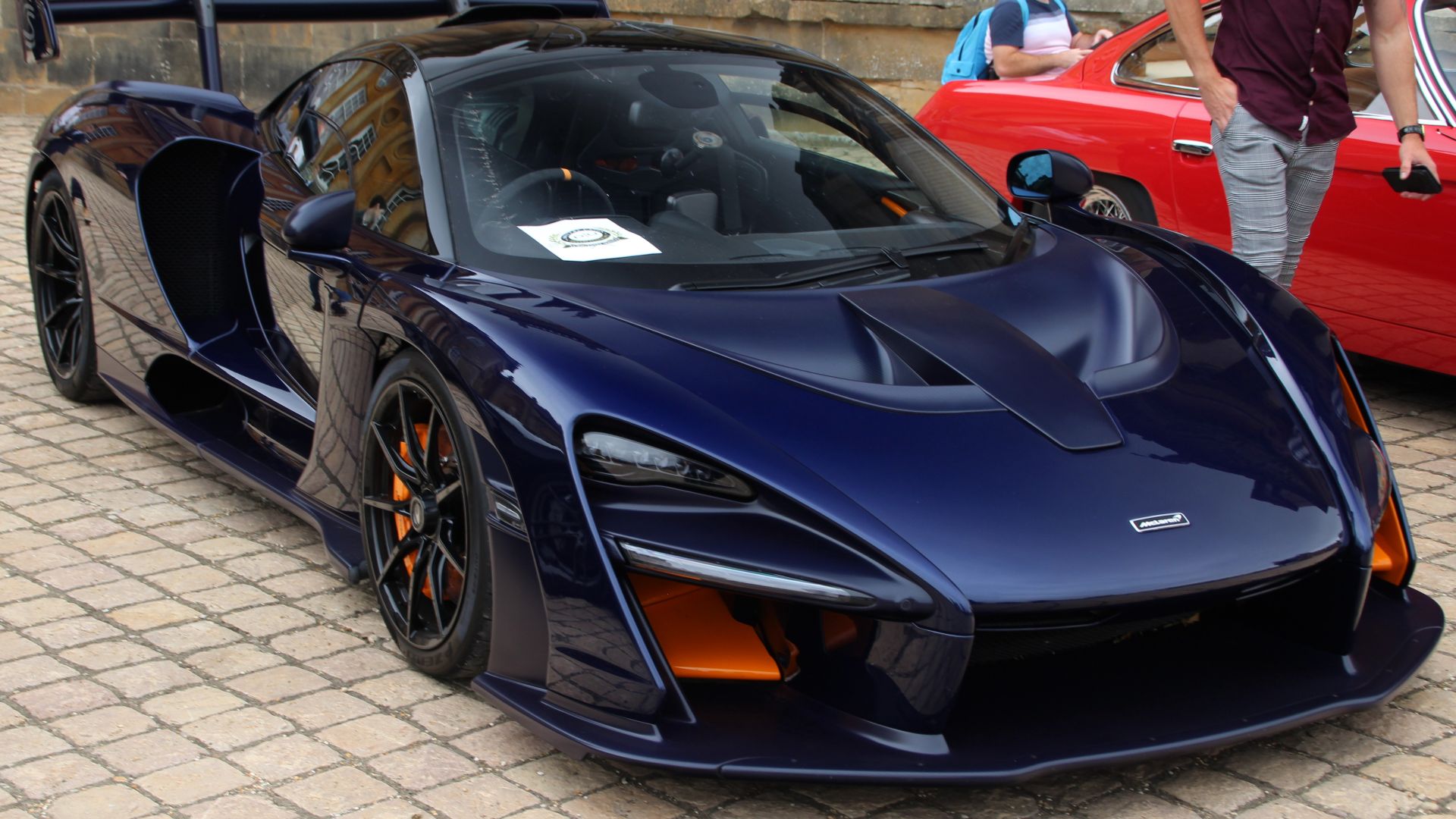
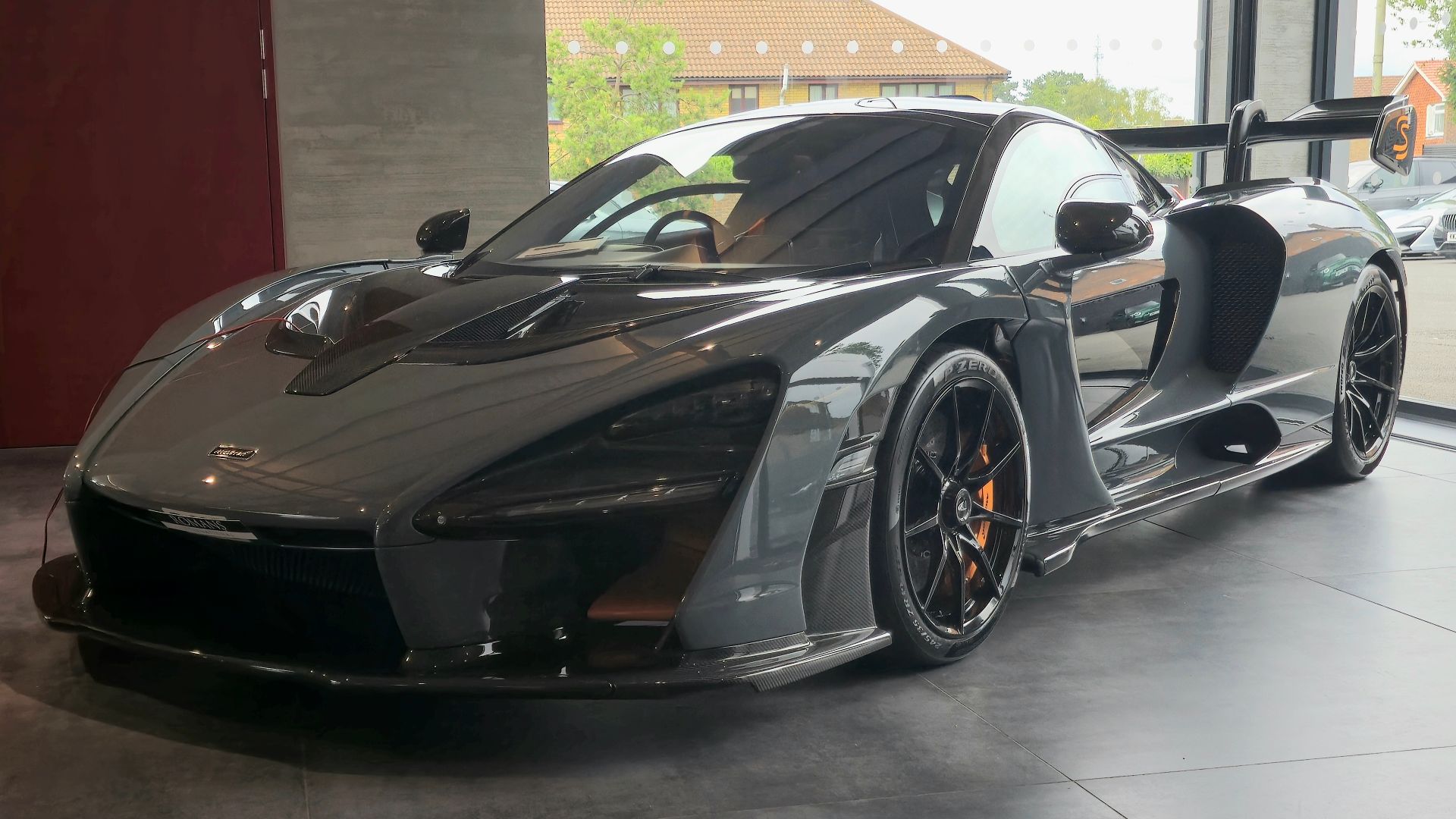
It doesn’t just turn heads; it stops traffic. The Senna is the kind of machine that makes people pull out their phones before it even moves. Every bolt looks like it belongs in a battle. In space.

A Tribute That Became A Monster
McLaren didn’t just name a car after Ayrton Senna—it built something worthy of him. The project began as a tribute, yet it turned into an apex predator of engineering, where every decision screamed speed, control, and unapologetic focus on raw, unfiltered performance.
Born In The Shadow Of Ayrton’s Legacy
Carrying the Senna name meant chasing perfection. The team studied his racing philosophy of lightness and honesty between man and machine. Those lessons shaped everything, giving the car a personality that values precision over comfort and emotion over ease.
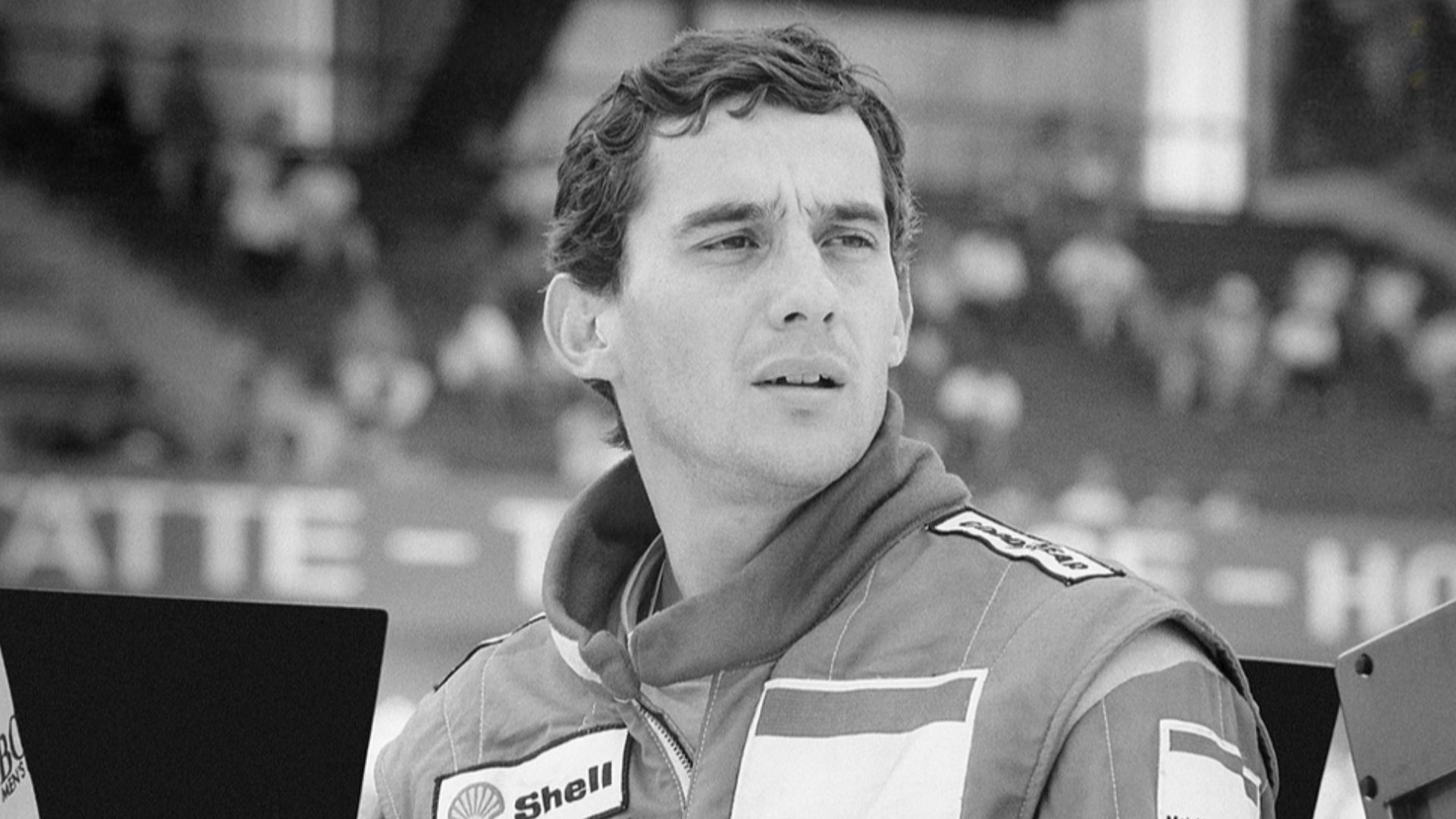 Instituto Ayrton Senna, Wikimedia Commons
The Day McLaren Decided To Go Extreme
Internal debates raged about making something this radical. Yet engineers pushed for a machine that ignored beauty for downforce and comfort for command. That decision produced one of the boldest shapes ever to leave Woking’s doors.
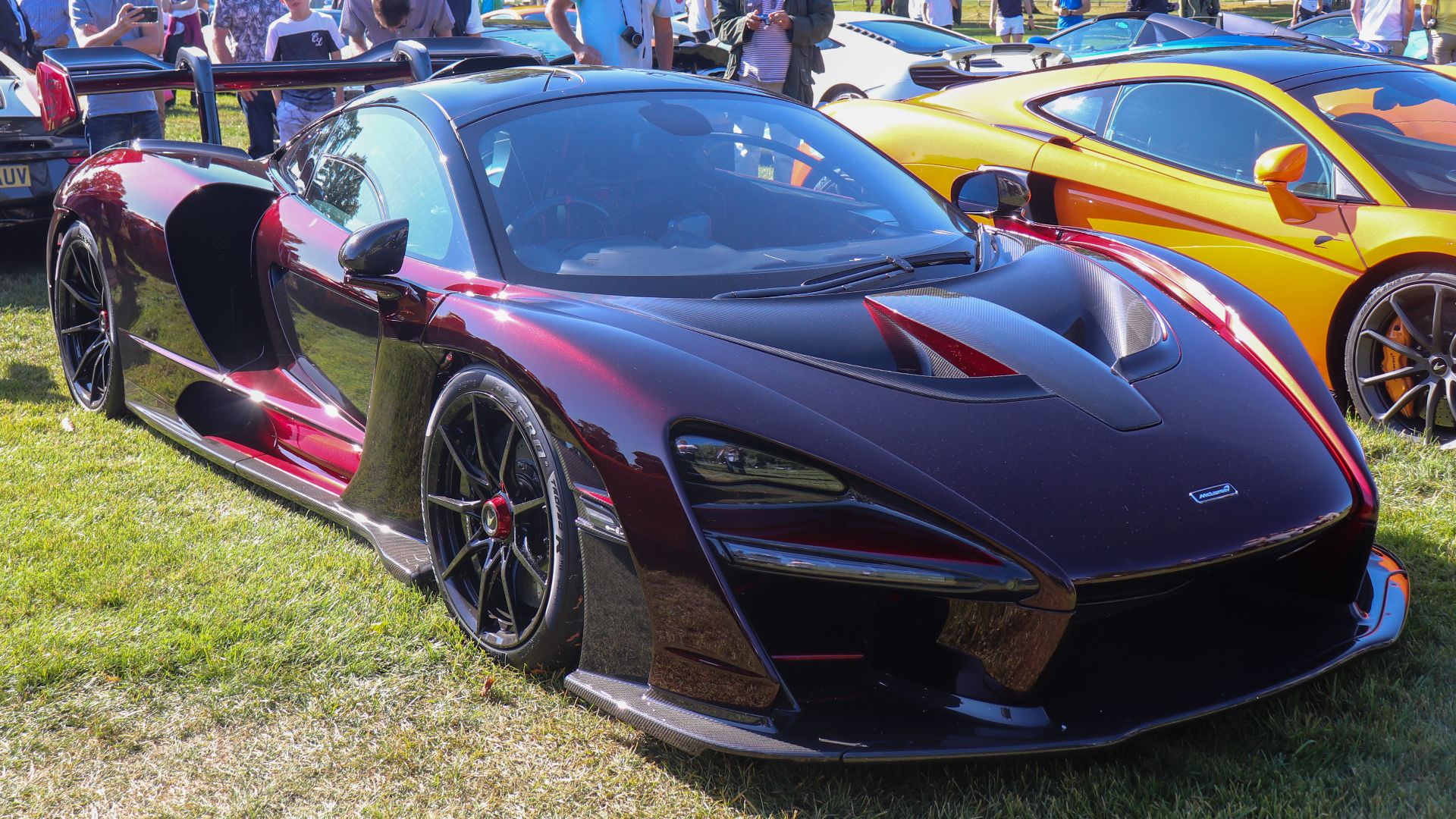
Blueprints That Looked Like Battle Plans
Early design work focused on aerodynamic modeling and airflow optimization. The team was plotting airflow, balance, and pressure zones. Every adjustment served one goal: to help the driver slice air with surgical precision at any speed.

A Wind Tunnel’s Favorite Child
The Senna practically lived in McLaren’s wind tunnel. Engineers tweaked wing angles and pressure points until the airflow wrapped around it like armor. Even the headlights and mirrors earned aerodynamic jobs to prove that beauty was never the mission—efficiency was.
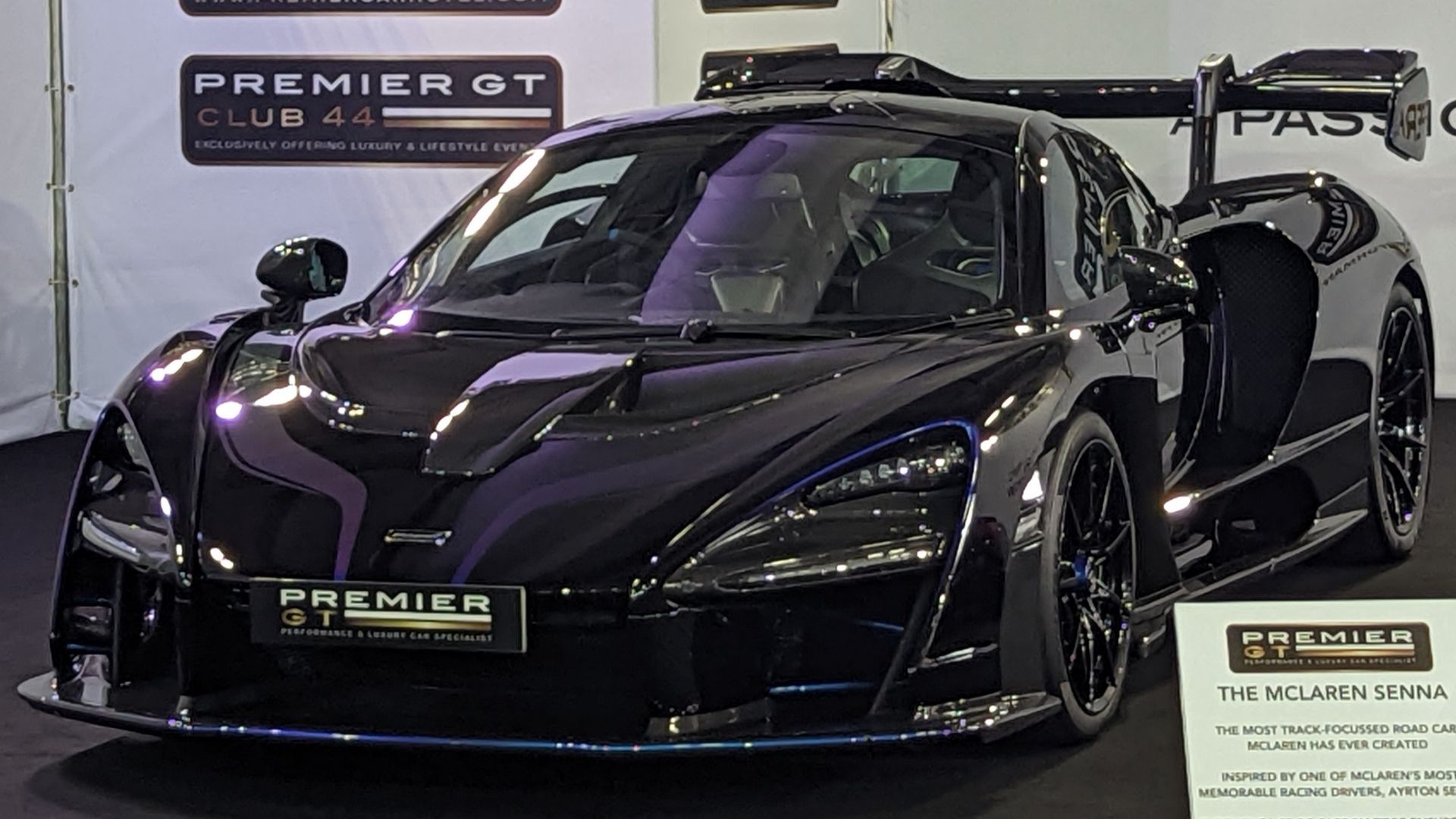
Every Curve Has A Job To Do
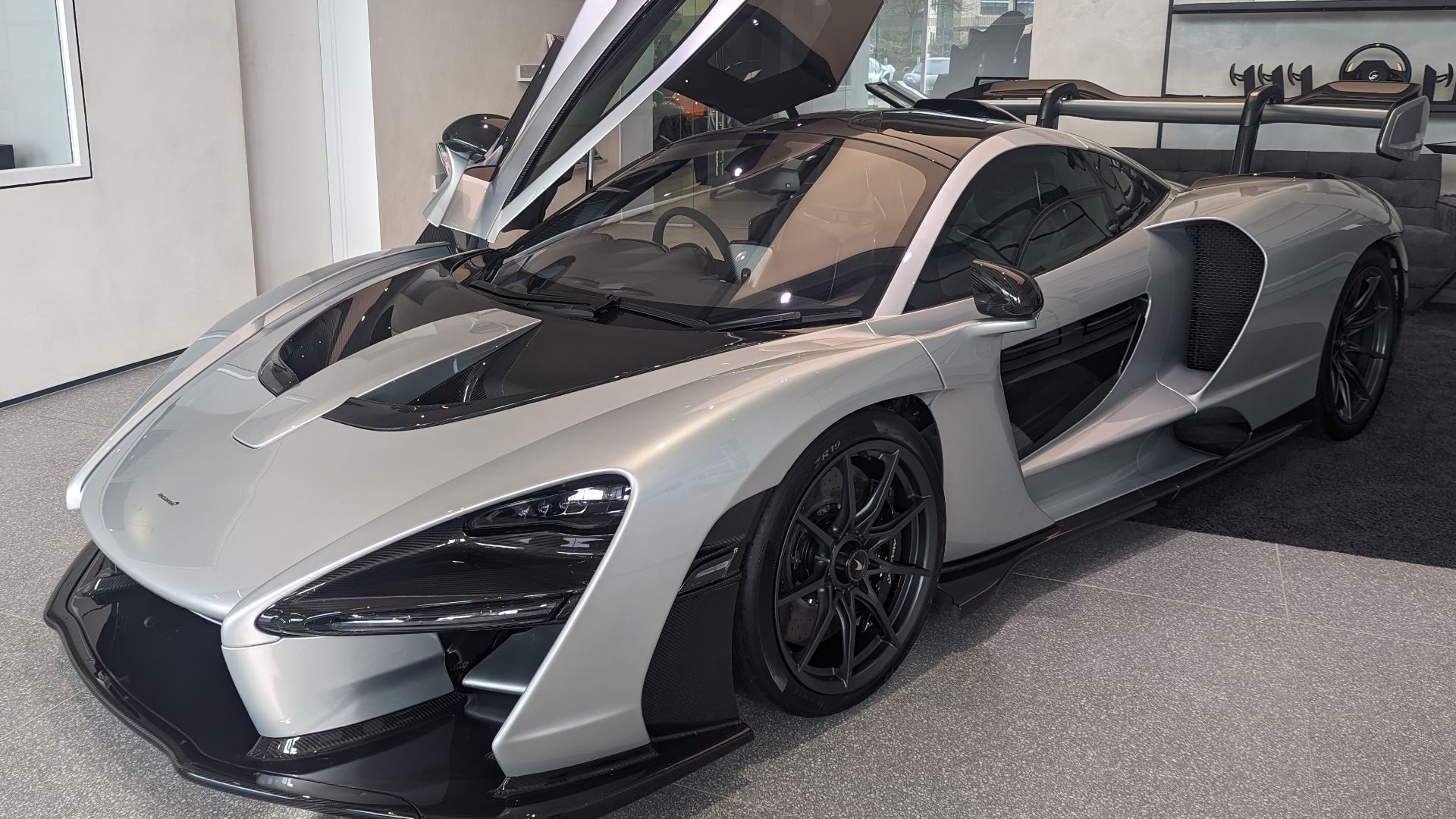
Nothing about its shape is accidental. The dips, vents, and splitters redirect air, cooling the brakes and feeding the engine. It’s design stripped of vanity; everything visible has a task, and everything unseen keeps that task working harder.
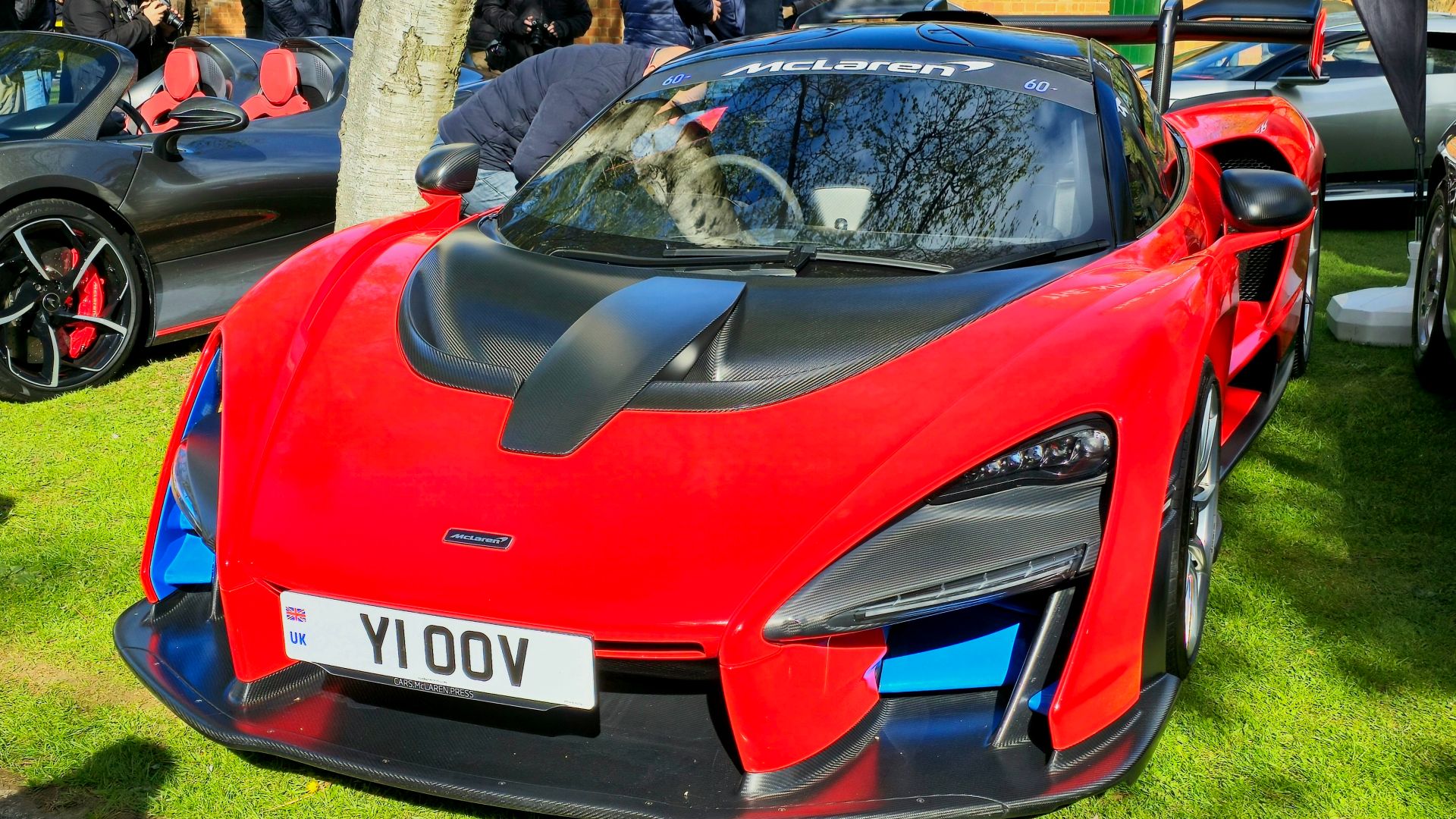
Why The Senna Looks So Angry
It’s all function disguised as fury. Massive intakes gulp air like lungs, while exposed screws and ducts give off mechanical menace. That expression is anatomy, shaped by necessity and the need to dominate physics instead of aesthetics.
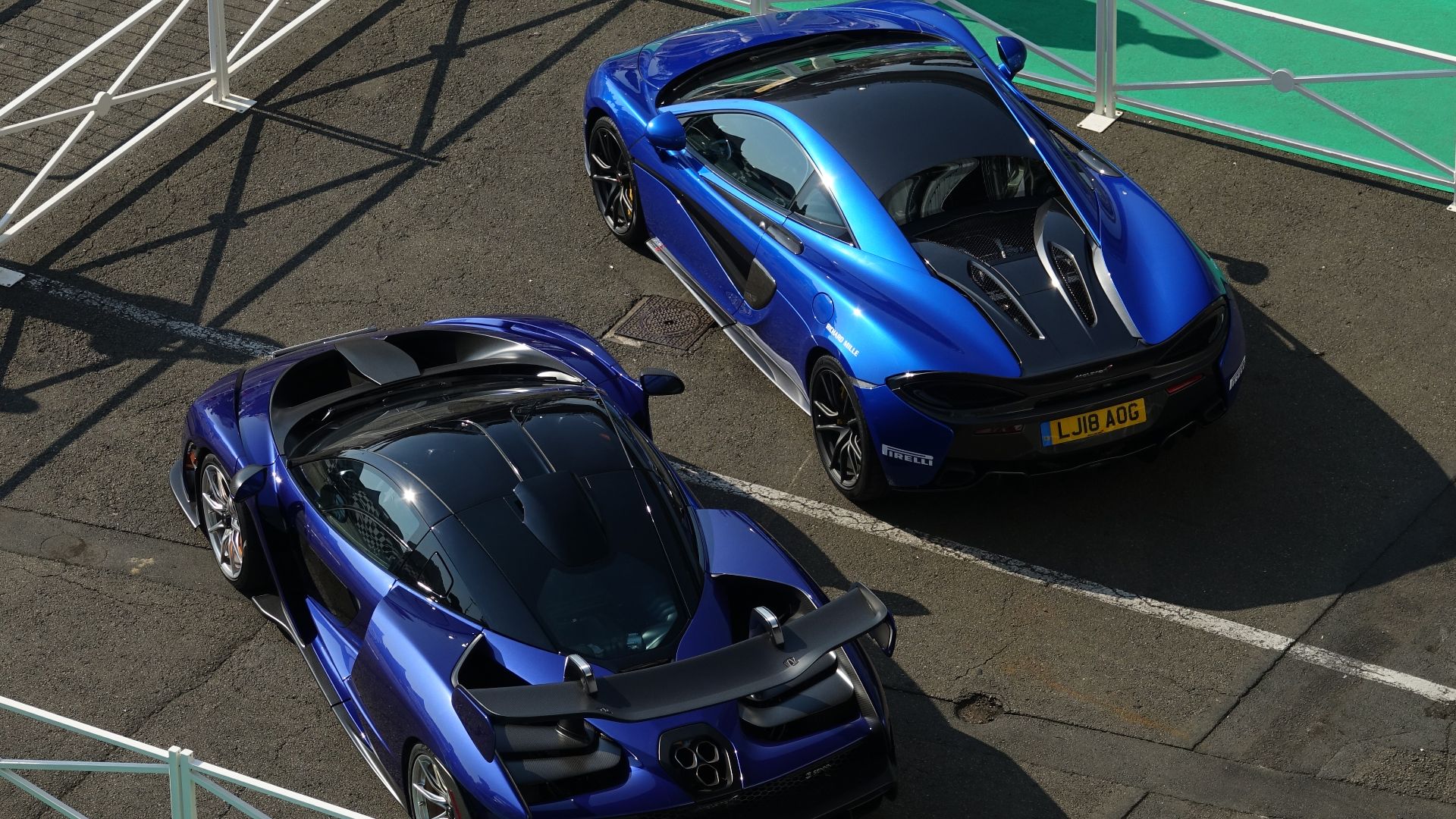
Wings That Move Like Thought
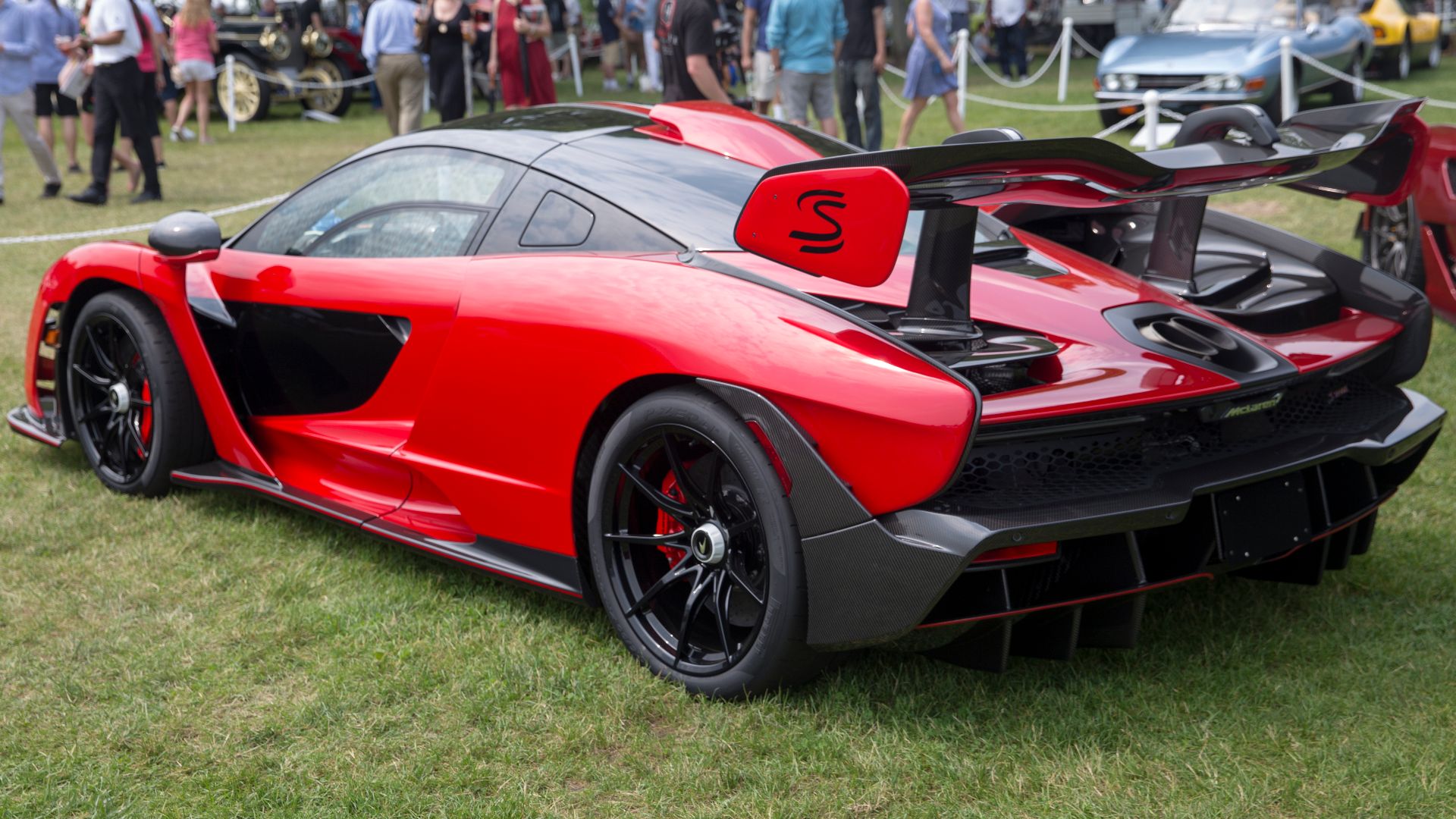
The rear wing isn’t fixed because it thinks. Hydraulic actuators tilt it under braking and flatten it on straights. It also reacts faster than you blink, generating up to 800 kg of downforce at speed. Watching it adjust mid-drive feels almost alive—a silent conversation between software, airflow, and speed.
 Mr.choppers, Wikimedia Commons
A Rear End That Commands Attention
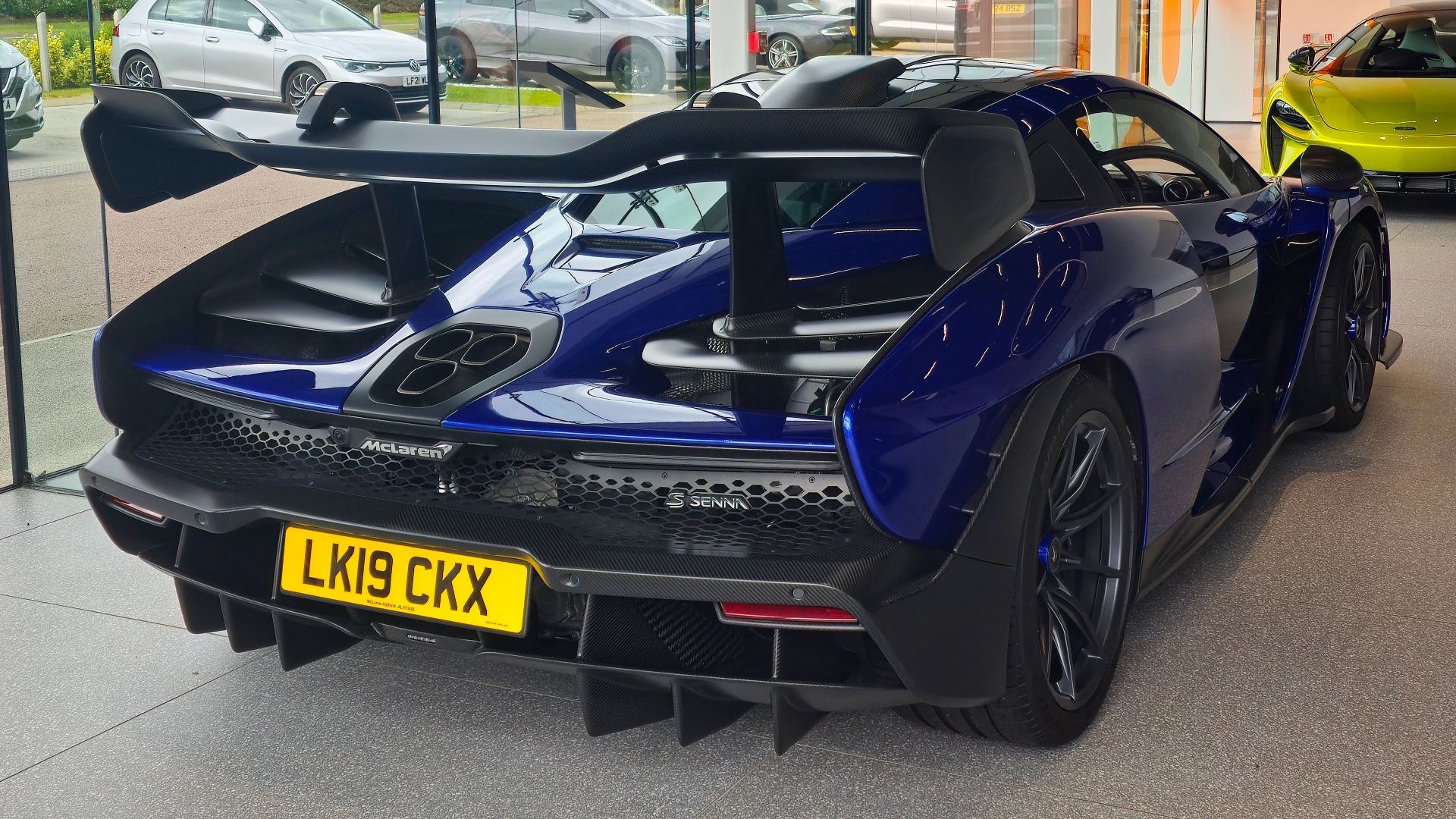
The back of the Senna looks like a jet’s exhaust bay. Exposed carbon panels, and massive diffusers. Then, it also has twin pipes positioned high to remind you this isn’t a sports car but a hypercar. It’s a machine built for aggression, unapologetically mechanical to its core.
Glass Doors And X-Ray Panels
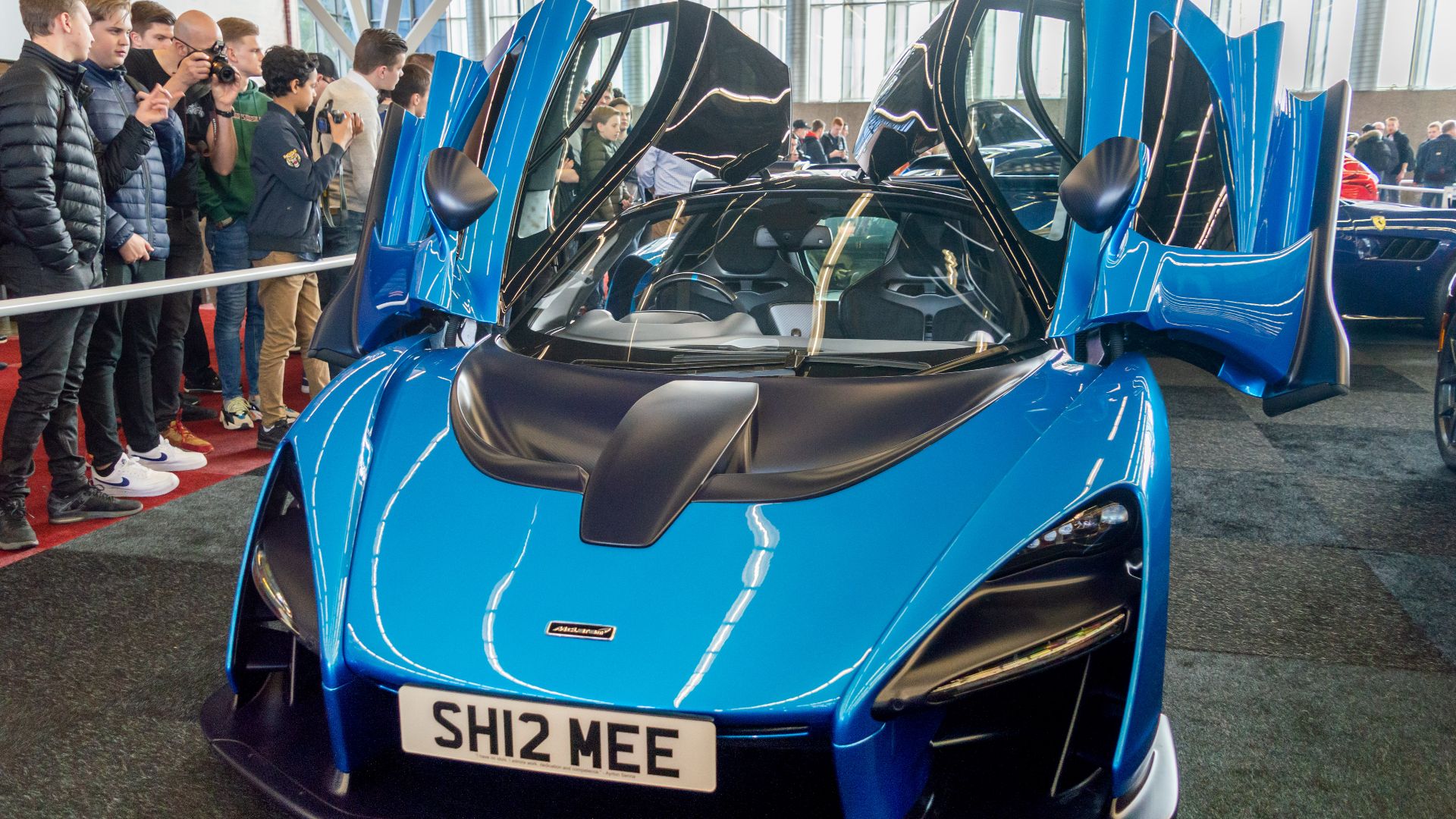
Transparent door cutouts let you see the road rushing beneath your feet. McLaren used Lexan panels to reduce weight and heighten intensity. Here, you observe its anatomy working around you, a rare peek into performance itself.
 Tristan Surtel, Wikimedia Commons
Inside Feels More Cockpit Than Cabin
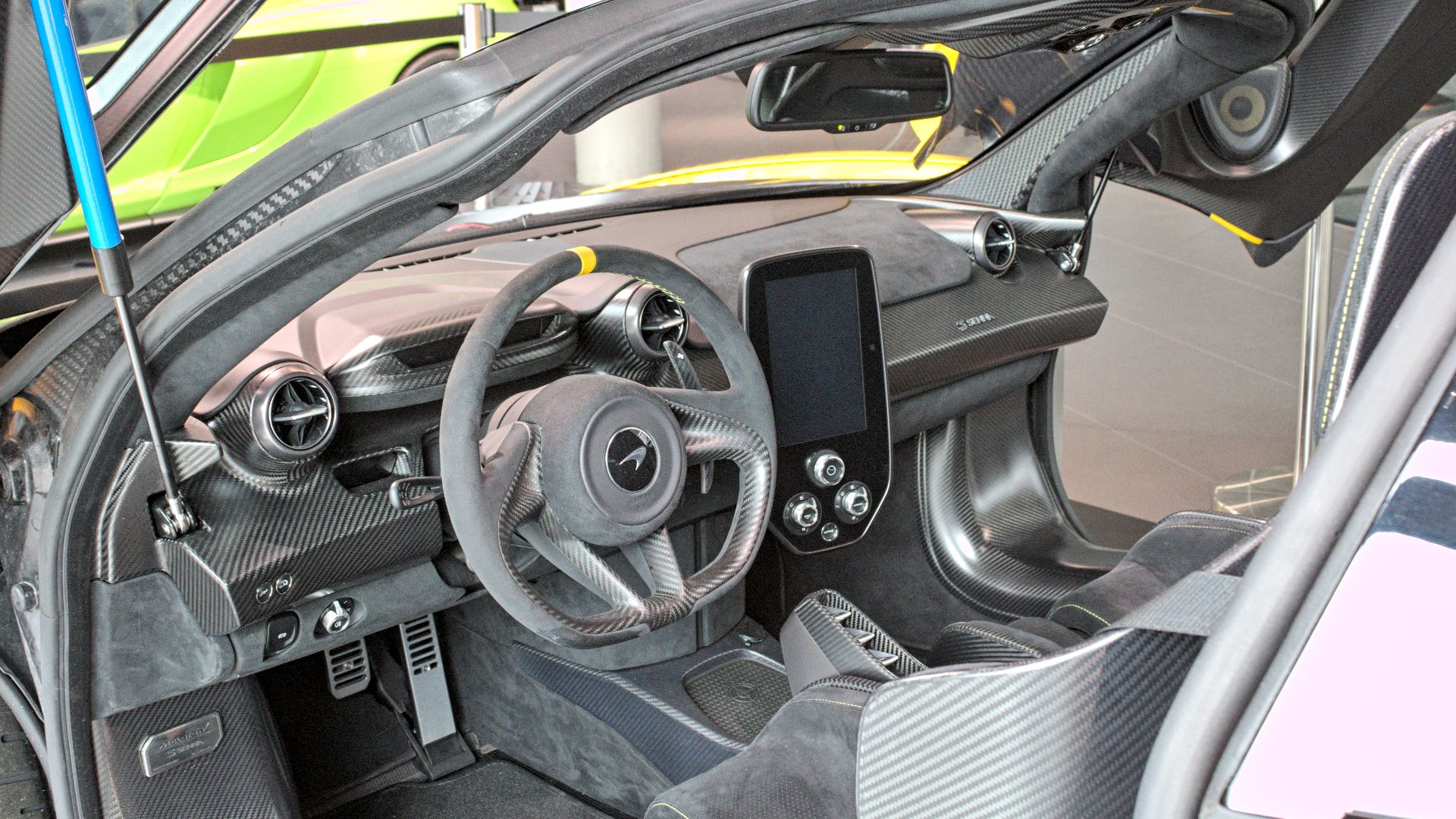
Switches replace decor, straps replace handles. And slim screens prioritize data over drama. Seating drops low and sightlines stay clear. Exposed fasteners and purposeful textures reinforce intent. Control takes center stage, and this gives the space a focused, aviation-style rhythm.
 Alexander Migl, Wikimedia Commons
The Steering Wheel Says It All
A molded rim fits thumbs and fingers precisely. Tactile toggles cluster within easy reach. The paddle throws feel crisp and spokes leave gauges visible. Inputs translate cleanly to response, creating a direct channel between decision, motion, and grip.
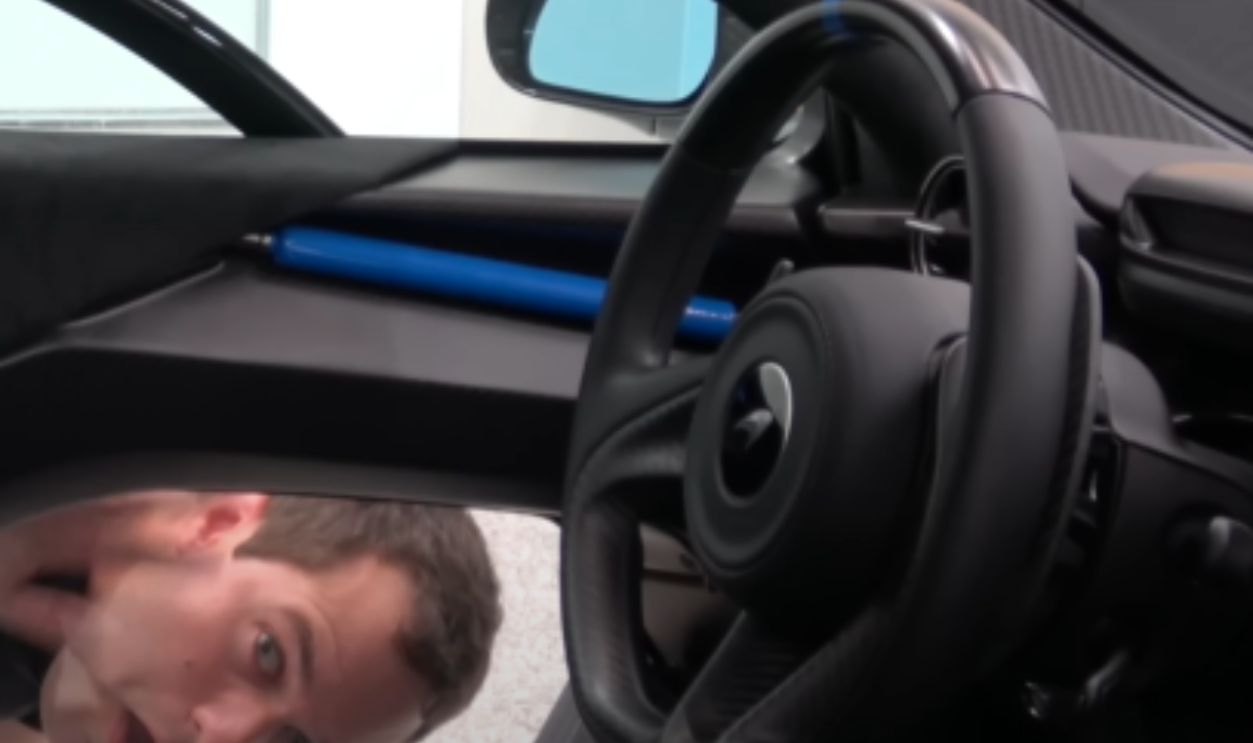 The McLaren Senna Is an Insane $1.8 Million Supercar by Doug DeMuro
Seats Milled Like Racing Tools
Carbon shells hug tight to secure your torso against heavy braking and acceleration. Thin pads save weight yet still offer comfort through structure. Every contour on this ride feels intentional, built to hold position, not provide luxury.
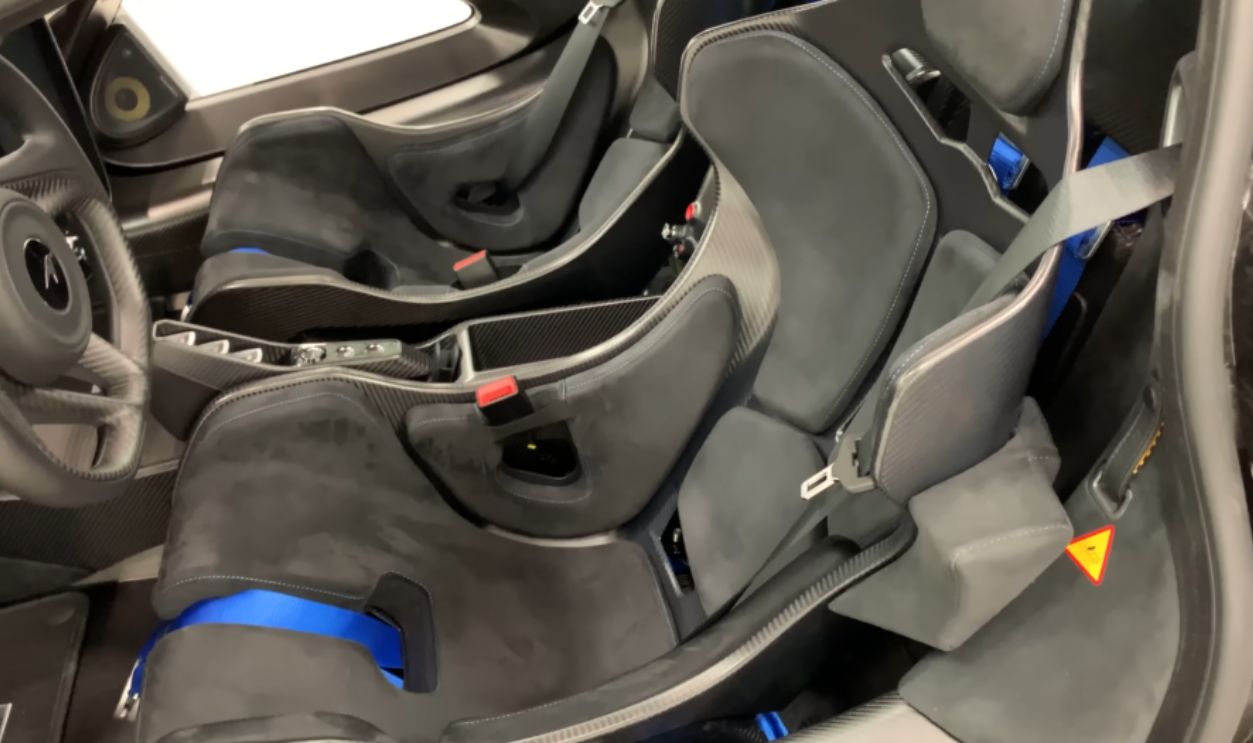 The McLaren Senna Is an Insane $1.8 Million Supercar by Doug DeMuro
The Carbon Tub That Changed Everything
Beneath the body sits the heart of its strength—a carbon-fiber tub. The structure ties suspension, engine, and body together in one rigid shell. Precision replaces guesswork. This core gives handling its accuracy and crash protection its quiet confidence.
Where Weight Loss Became Obsession
Engineers trimmed hinges and wiring. Glass thinned and the materials were swapped for lighter alternatives. The result sharpened reactions at every command. Weight wasn’t reduced for bragging rights—it vanished to give motion less hesitation.
Noise That Feels Mechanical, Not Musical
Forget polish. The soundtrack blends turbine hiss and exhaust pulse. All layers report what’s happening beneath. This is here not to charm—it’s there to inform. Those mechanical tones connect driver to machinery better than any soundtrack ever could.
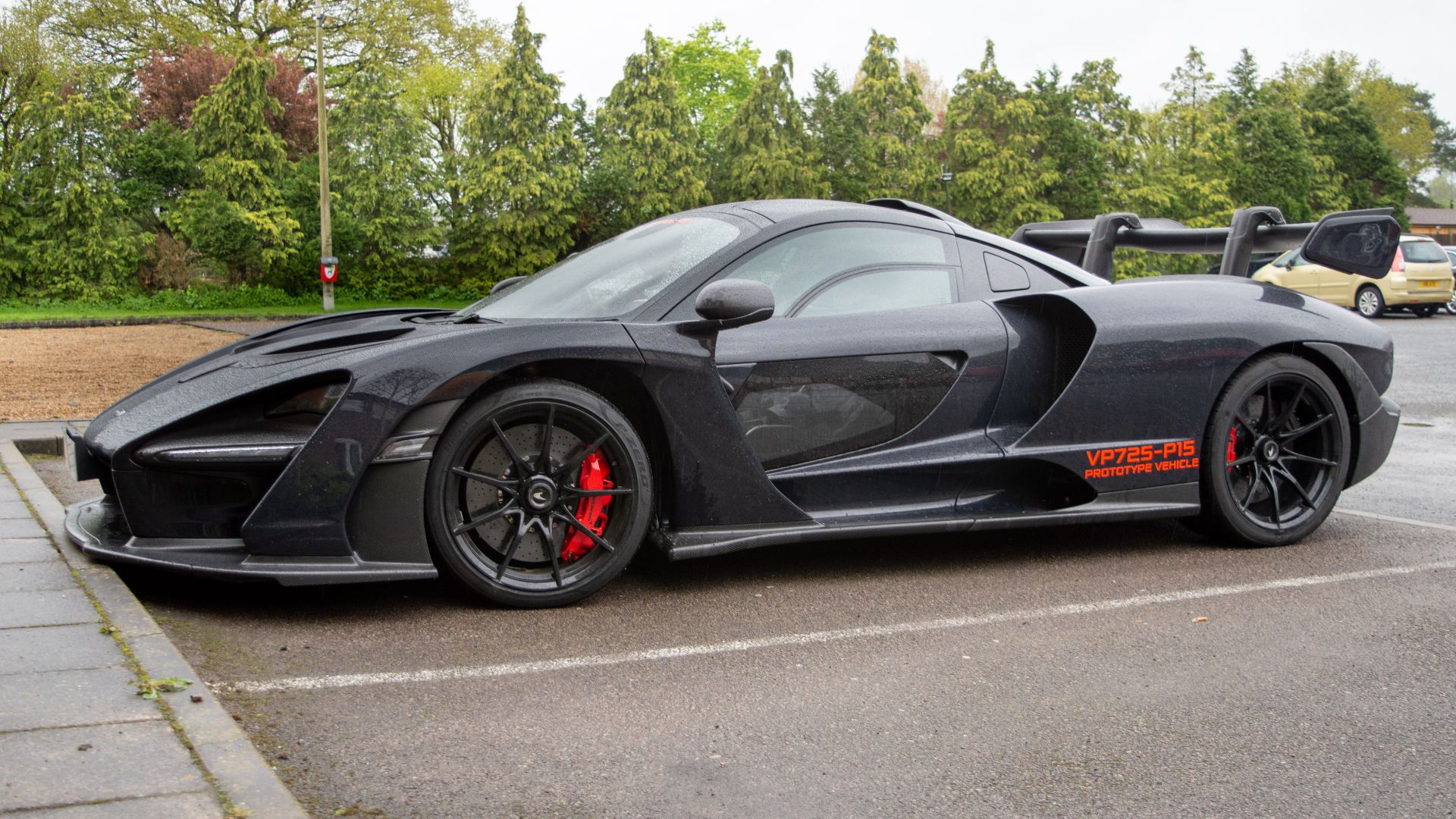 Tristan Surtel, Wikimedia Commons
Brakes Built For Fighter Jets
Press the pedal and the system responds like instinct. Carbon-ceramic rotors grab hard but predictably. Cooling veins keep consistency under heat. Pedal feel stays firm through lap after lap. It’s performance bred for courage, delivering precision braking every time.
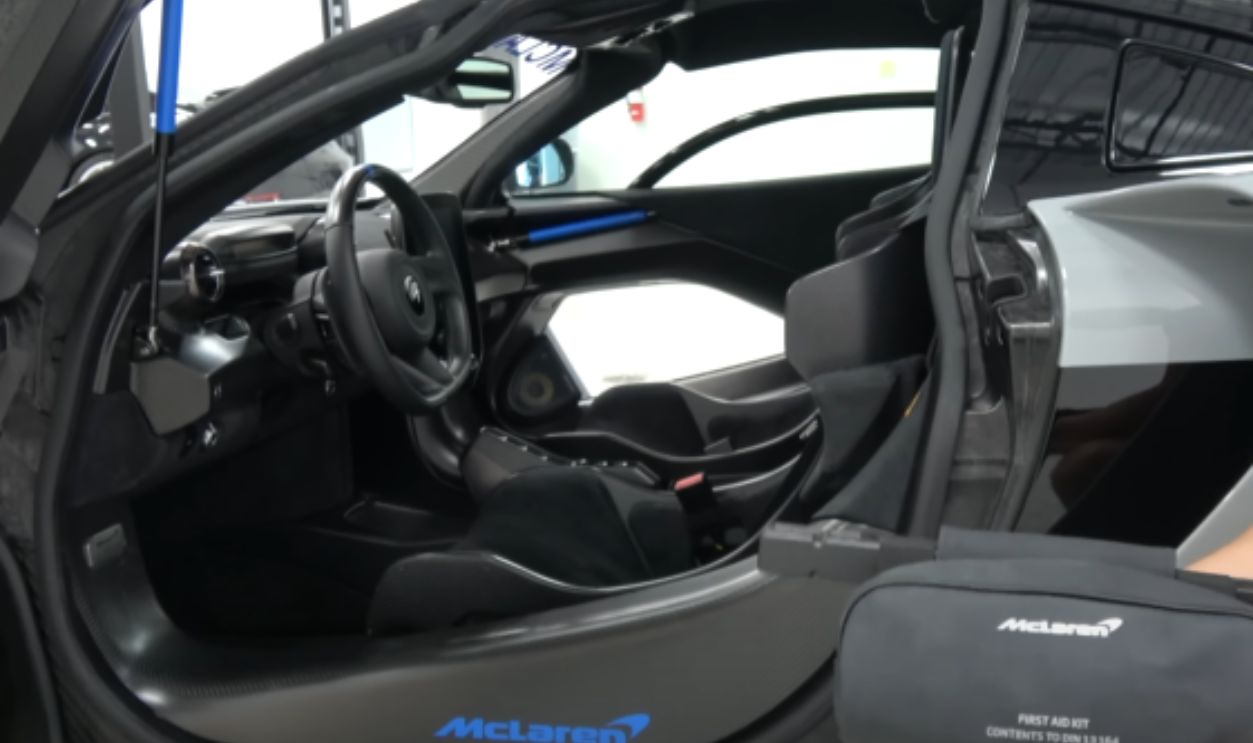 The McLaren Senna Is an Insane $1.8 Million Supercar by Doug DeMuro
Tires That Translate Terror To Grip
The rubber means business because the soft compounds heat fast, and the sidewalls flex only when needed. Alignment matters, pressure matters, temperature matters, and when dialed right, the tires tell you everything through feel alone. They convert violent energy into confidence at the limit.
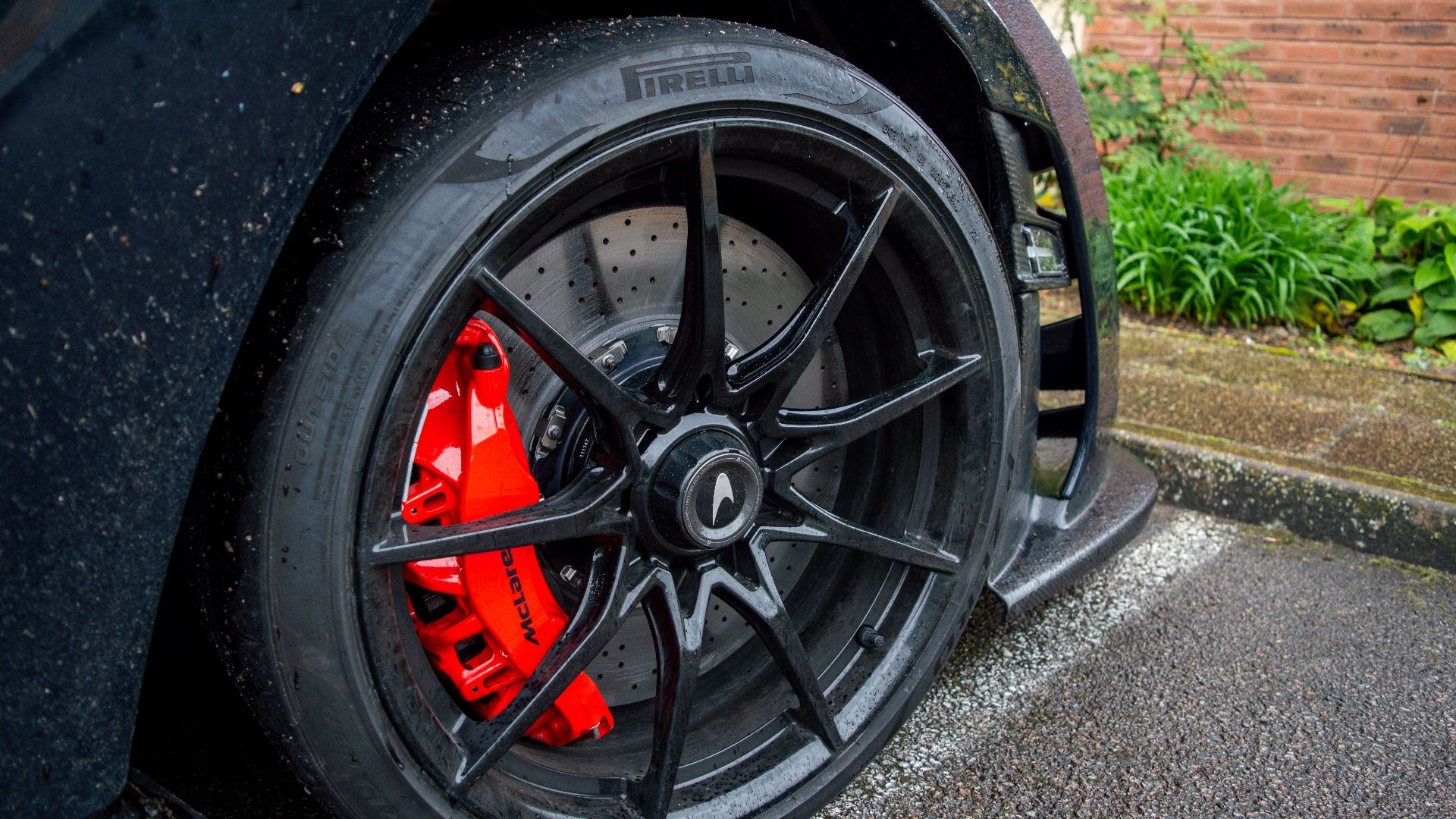 Tristan Surtel, Wikimedia Commons
When Electronics Think Faster Than You Do
Underneath the calm, processors never rest. Sensors watch everything, from wheelspin to throttle input. Systems adjust damping and aero in milliseconds—faster than reflex. You react; it predicts. Together they maintain balance, merging human instinct with machine precision.
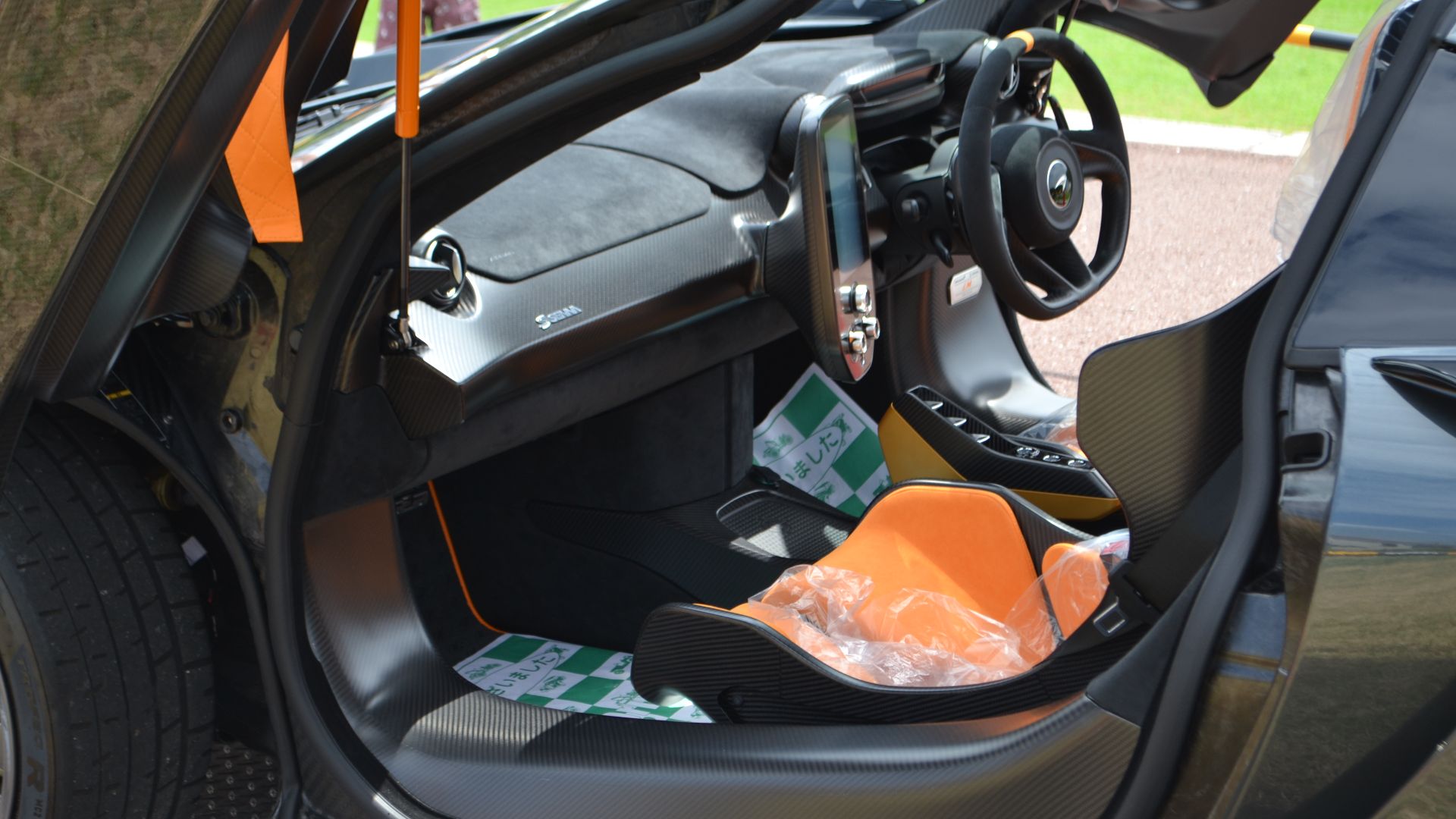 Follow the beginning of the past, Wikimedia Commons
Every Lap Feels Like Combat
Push harder and rhythm builds. Corners turn into maneuvers, straights into breathing space. The Senna doesn’t comfort—it demands control. Lap after lap, its consistency builds trust until concentration replaces fear. Track time becomes training for precision itself.

Limited Numbers, Unlimited Talk
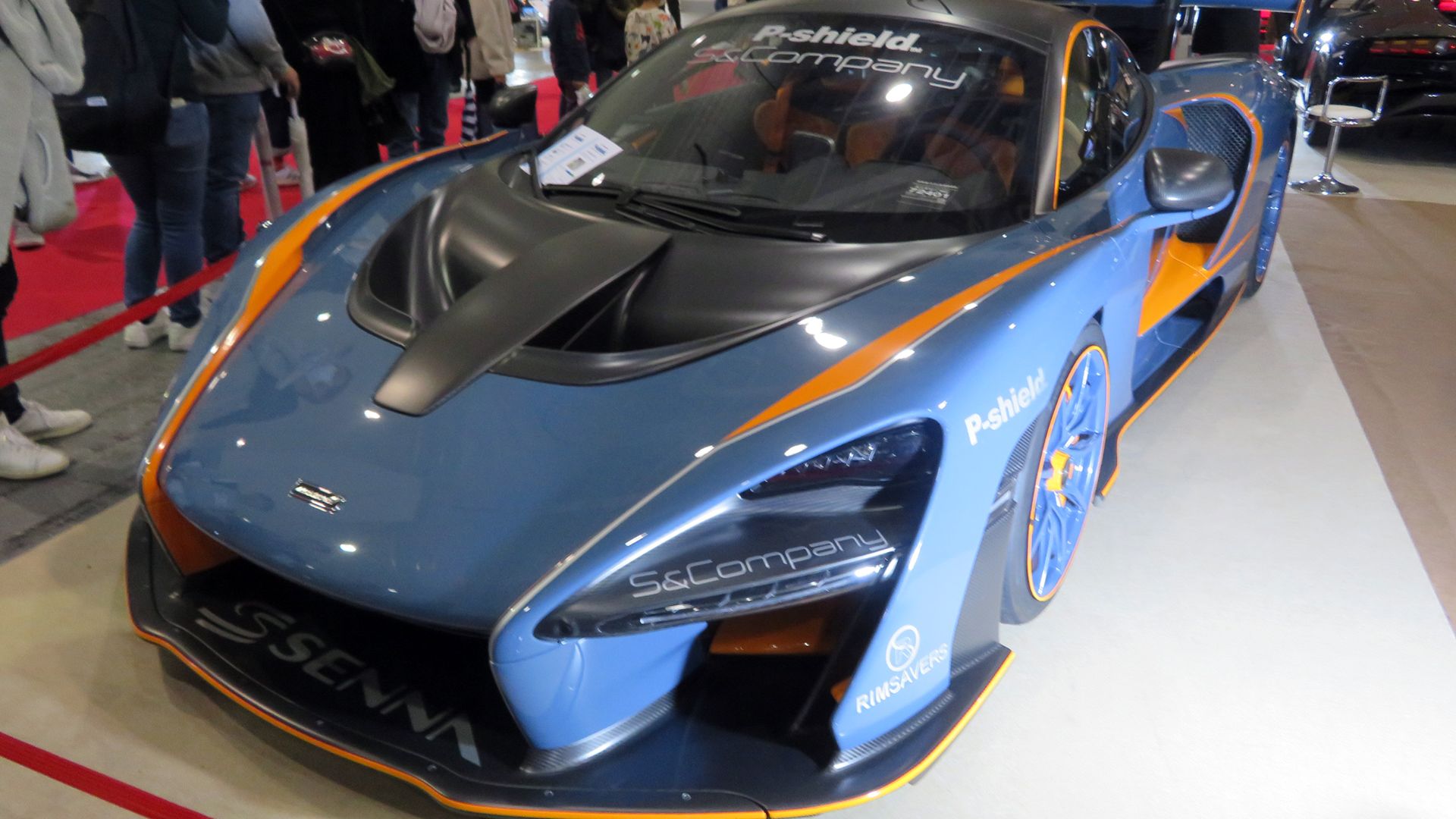
Five hundred cars, countless opinions. Enthusiasts argue lap data and ownership quirks. Oh, and setup tweaks are never left out of the conversation. Scarcity feeds debate, but the fascination stays rooted in performance—proof that exclusivity means more when earned on merit.
 Tokumeigakarinoaoshima, Wikimedia Commons
Collectors Who Treat It Like Religion
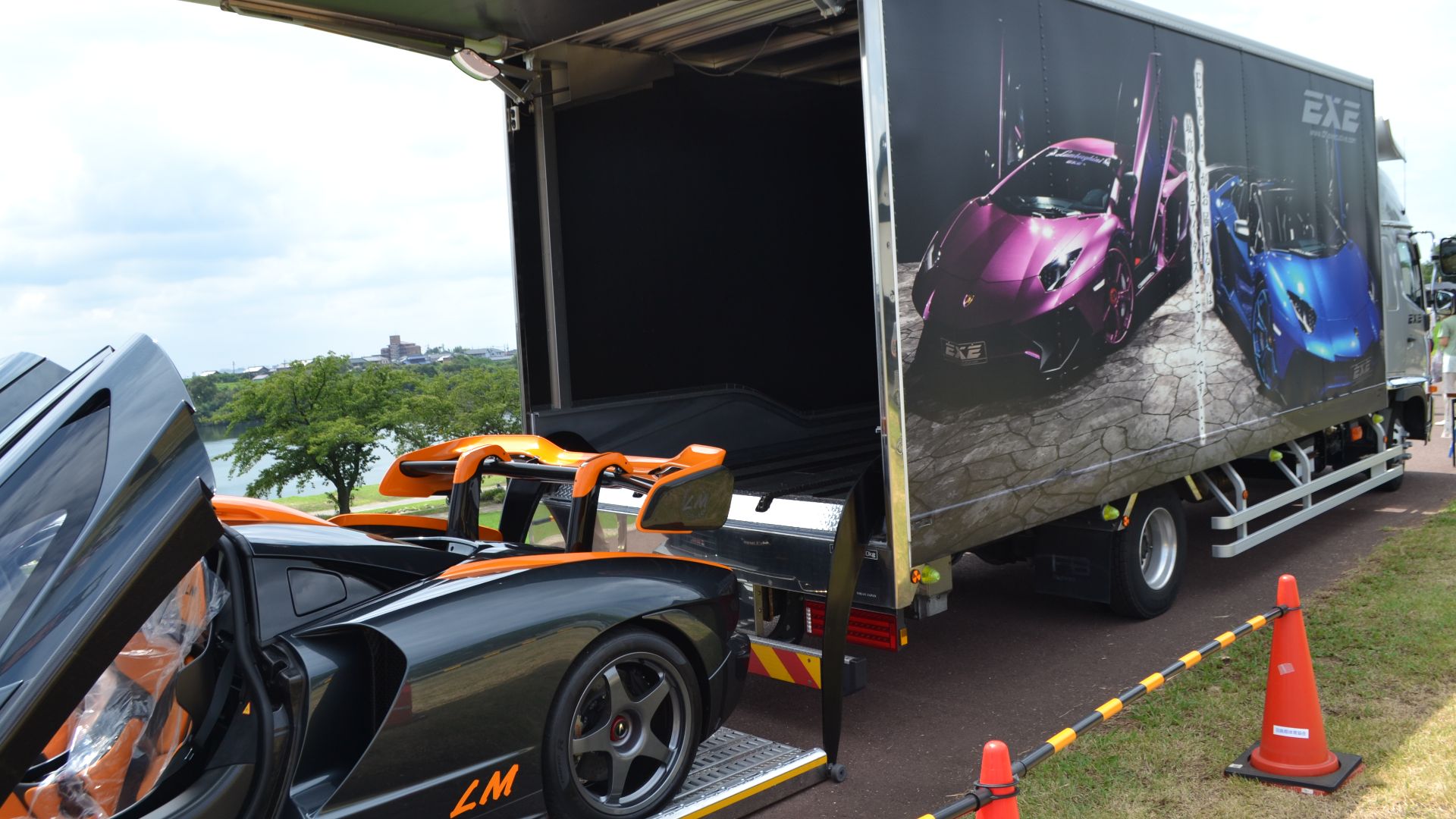
In private garages, Senna owners treat maintenance like ritual. Cars stay climate-controlled with their batteries always tended. Records also stay immaculate. Technicians familiar with quirks visit regularly. To these owners, preservation equals respect for a machine designed to live under pressure.
 Follow the beginning of the past, Wikimedia Commons
Crashes That Proved Its Limits
Accidents told their own stories. Most stemmed from temperature, setup, or tire age. Data always followed, showing systems doing exactly what they should. The carbon shell saved lives, reinforcing its purpose. Every impact expanded understanding, and eliminates fear.
 McLaren Senna Crashes - Edmond Mondi by Mcarsla
Critics Who Didn’t Understand The Mission
Reviewers wanted grace; engineers aimed for precision. The Senna skipped elegance and went straight to efficiency. Feedback mattered more than comfort. Once drivers realized its focus, criticism shifted to respect. Purpose left no room for misunderstanding.
 Mr.choppers, Wikimedia Commons
Fans Who Called It A “Transformer”
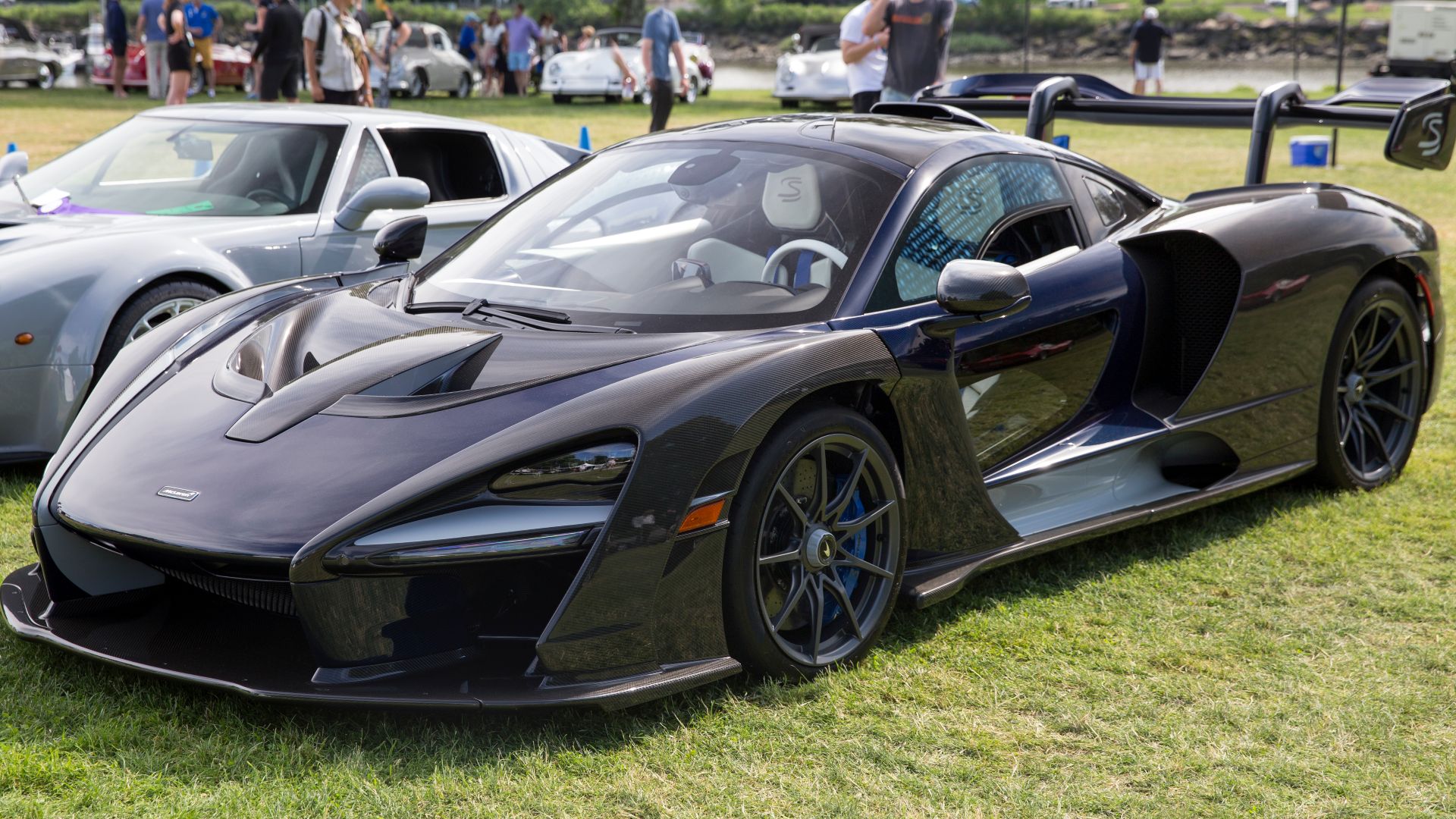
That nickname came easy. Its body panels and mechanical presence looked animated. Cameras caught its aggression in motion. It resembled a machine built to fight. The resemblance to movie villains only strengthened its legend.