Muscle At Its Peak
From homologation specials to modern factory monsters, muscle cars share one trait: power delivered without hesitation. Their appeal comes from engineering choices that favor strength, speed, and mechanical presence.
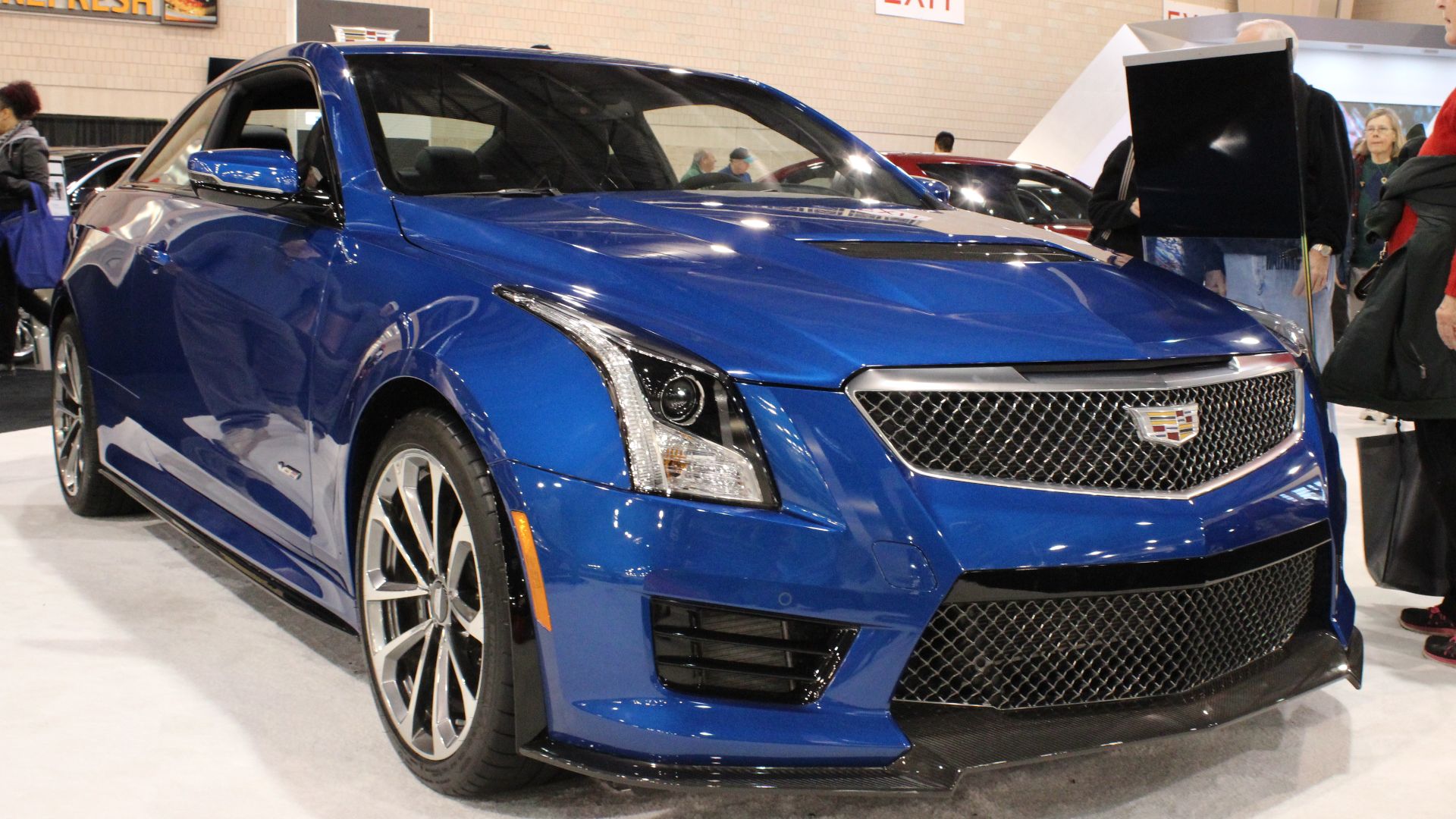
2016 Cadillac ATS-V
Cadillac developed a twin-turbocharged 3.6-liter V6 exclusively for the V-Series. Rear-wheel drive paired with a standard limited-slip differential gave it proper muscle car credentials in both sedan and coupe body styles. The engineers actually tuned it on Germany's legendary Nurburgring, targeting BMW's M3 and M4 directly.
 Jacob Frey 4A, Wikimedia Commons
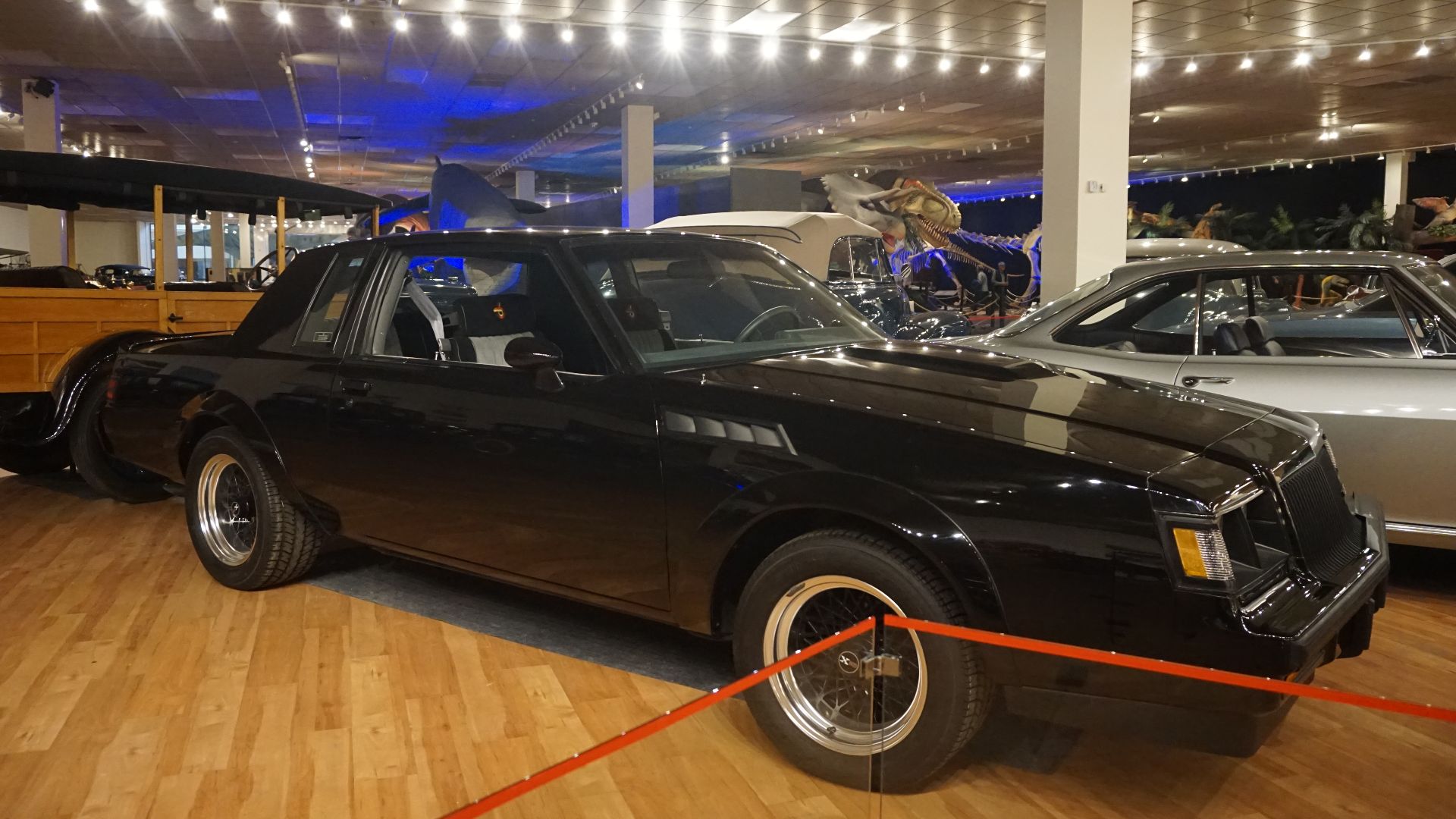
1987 Buick GNX
Only 547 units rolled off the line in 1987, and made the GNX instantly legendary among turbocharged Regal Grand National variants. Buick partnered with McLaren Performance Technologies for development, which brought Formula 1 expertise to American muscle.
 Michael Barera, Wikimedia Commons
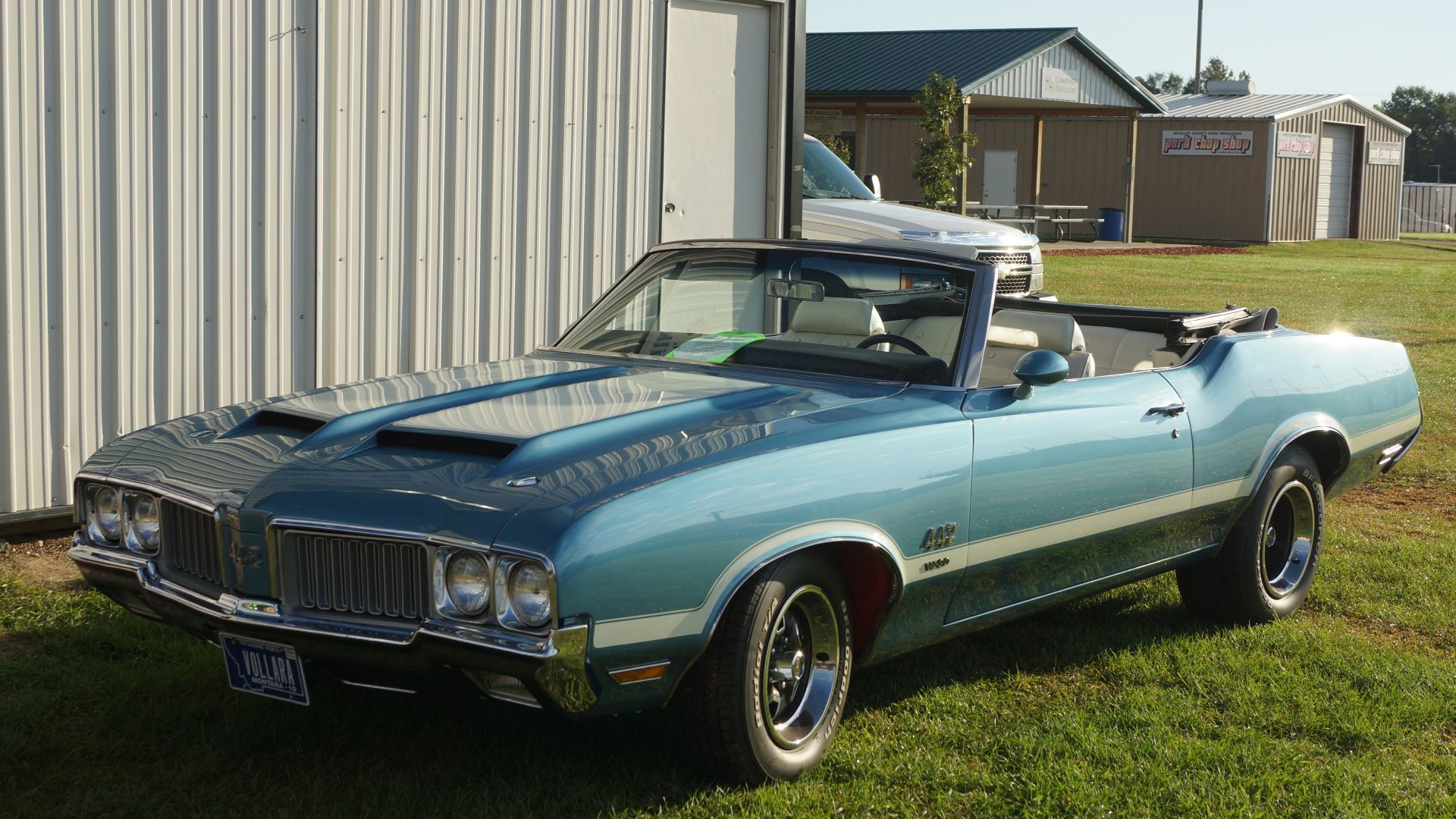
1970 Oldsmobile 442 W-30
Oldsmobile's marketing built the 442 name around "4-barrel, 4-speed, 2 exhausts"—simple numerology for serious performance. That W-30 package stuffed a high-output 455 cubic-inch V8 under the hood with functional scoops. Those hood scoops actually improved airflow to that massive V8.
 Greg Gjerdingen from Willmar, USA, Wikimedia Commons
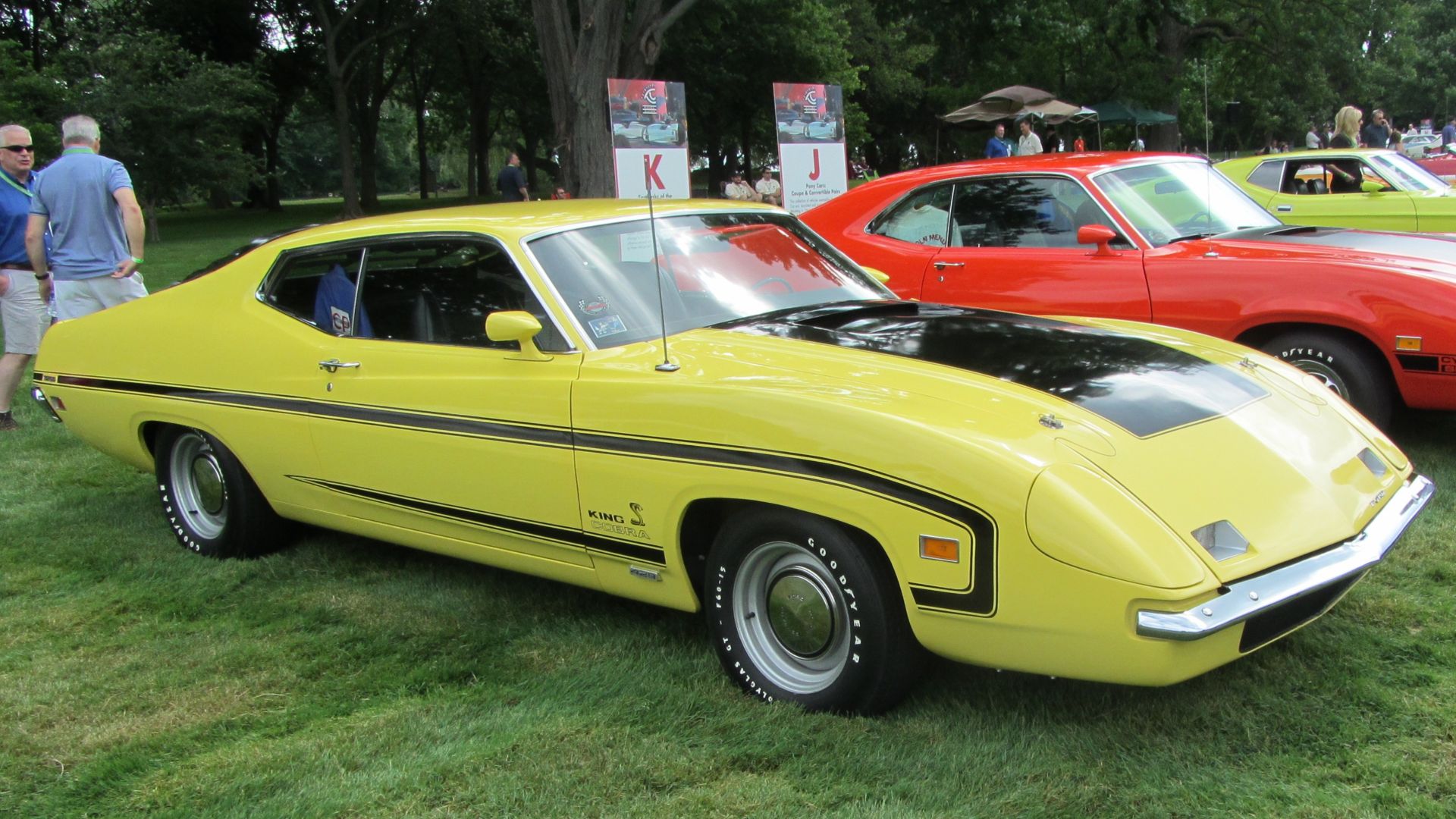
1970 Ford Torino King Cobra
An extended aerodynamic nose distinguished the King Cobra from standard Torinos, purpose-built for NASCAR competition. Very few examples escaped the factory before Ford canceled the project and quietly swept it under the corporate rug. This homologation special represented Ford's racing ambitions that got cut short.
 JOHN LLOYD from Concrete, Washington, United States, Wikimedia Commons
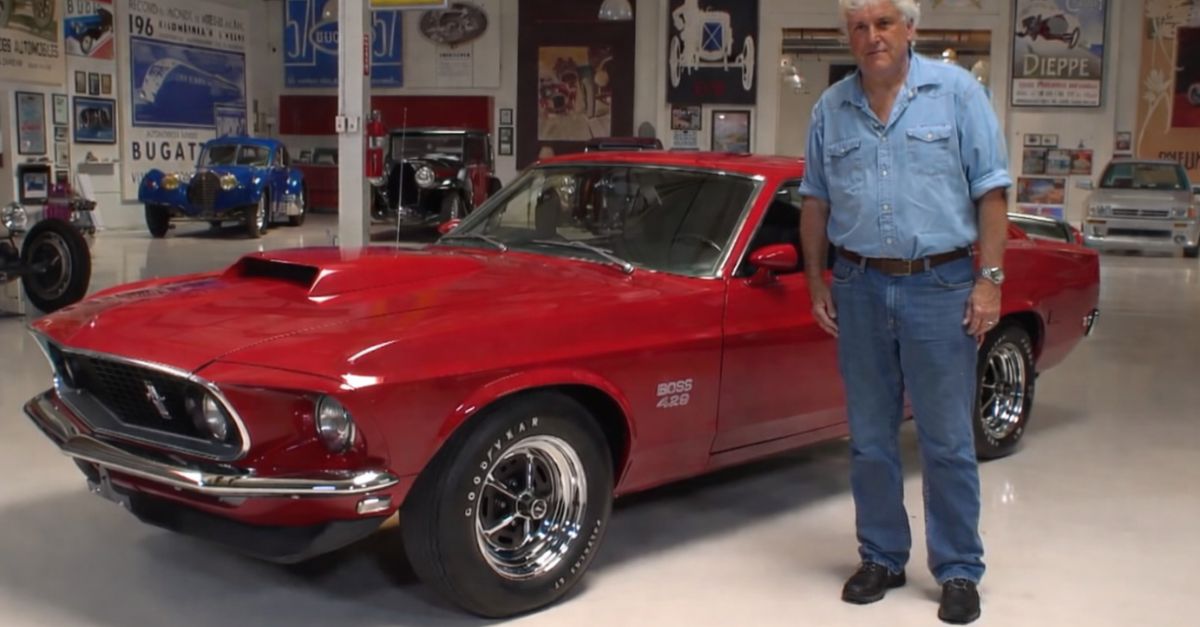
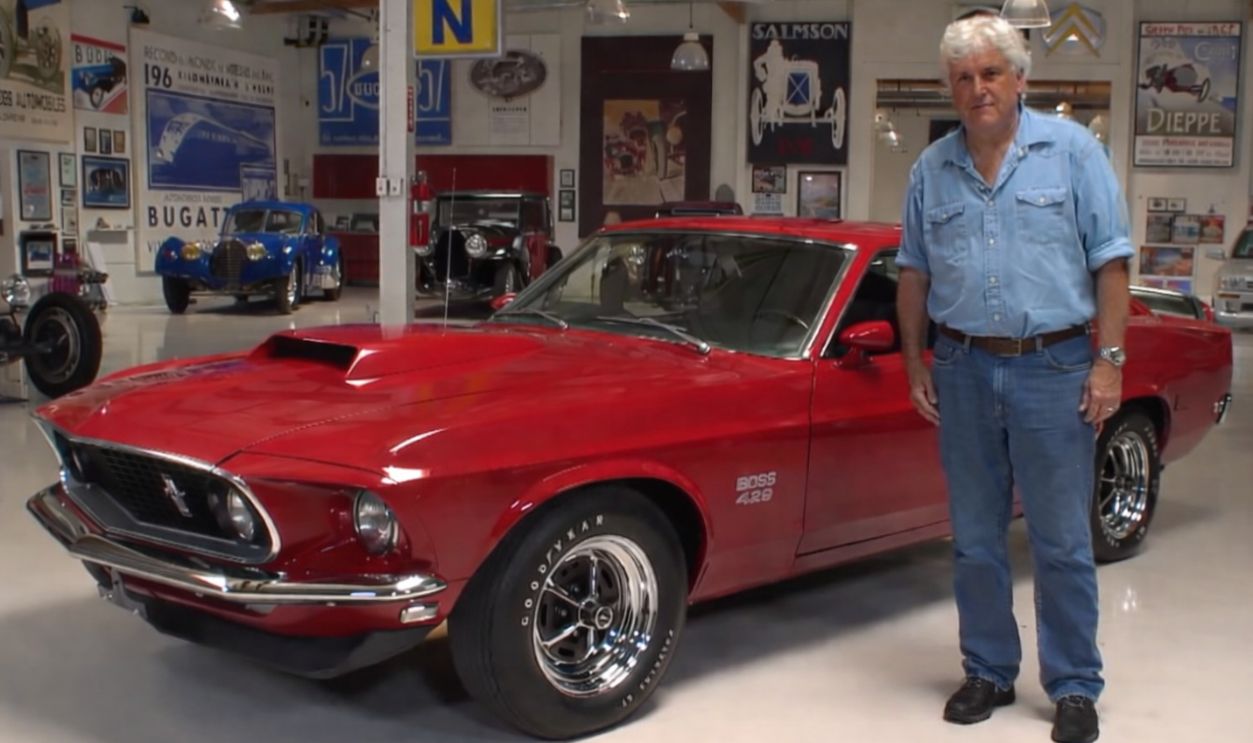
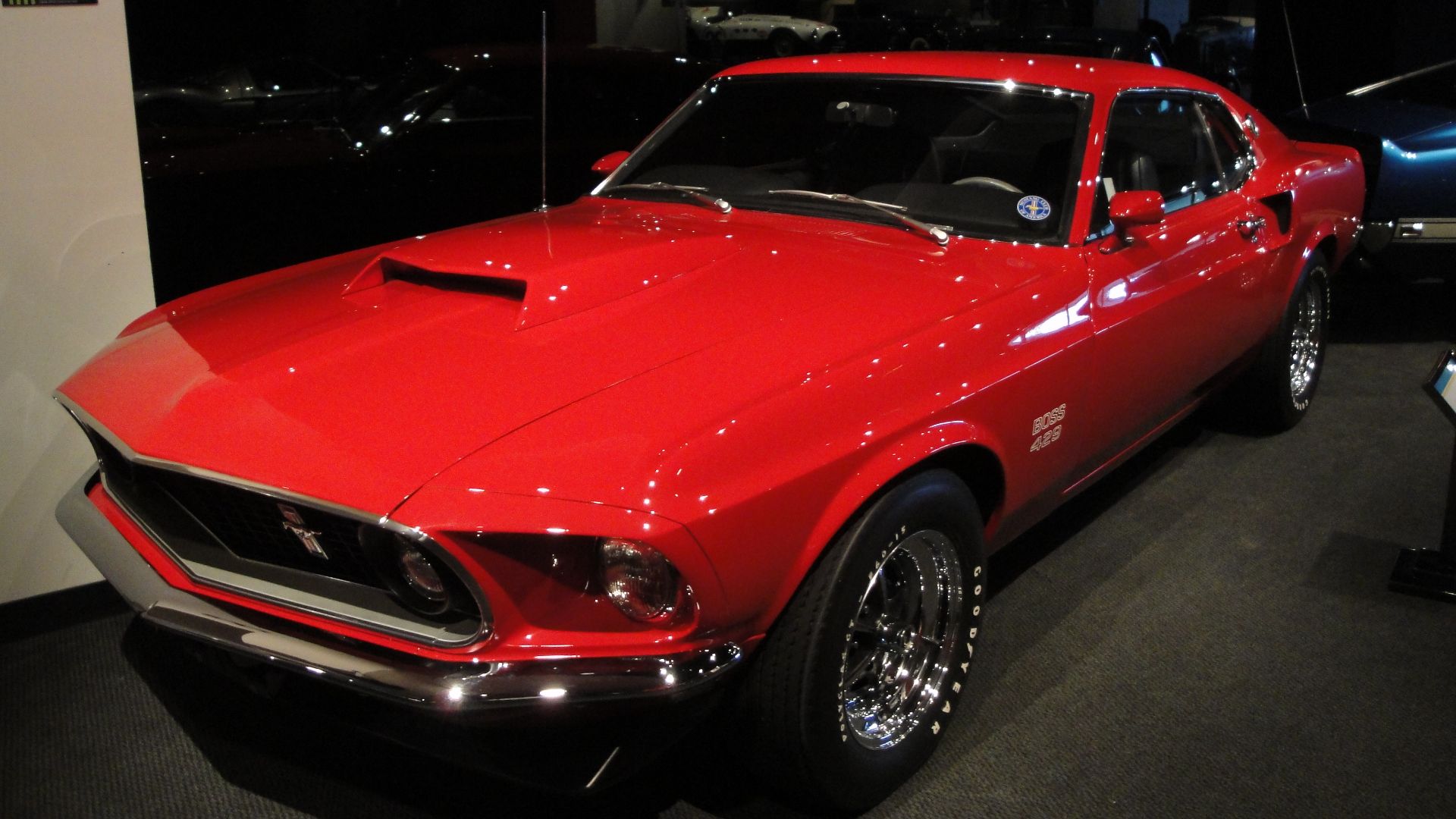
1969 Ford Mustang Boss 429
Kar Kraft took standard Mustangs and completely reengineered the engine bay to squeeze in Ford's massive 429 Hemi-head V8. This wasn't casual modification work—extensive changes were required before final sale to accommodate that enormous engine. It carried one of the highest price tags among new Mustangs, immediately separating serious buyers from window shoppers.
 Greg Gjerdingen from Willmar, USA, Wikimedia Commons
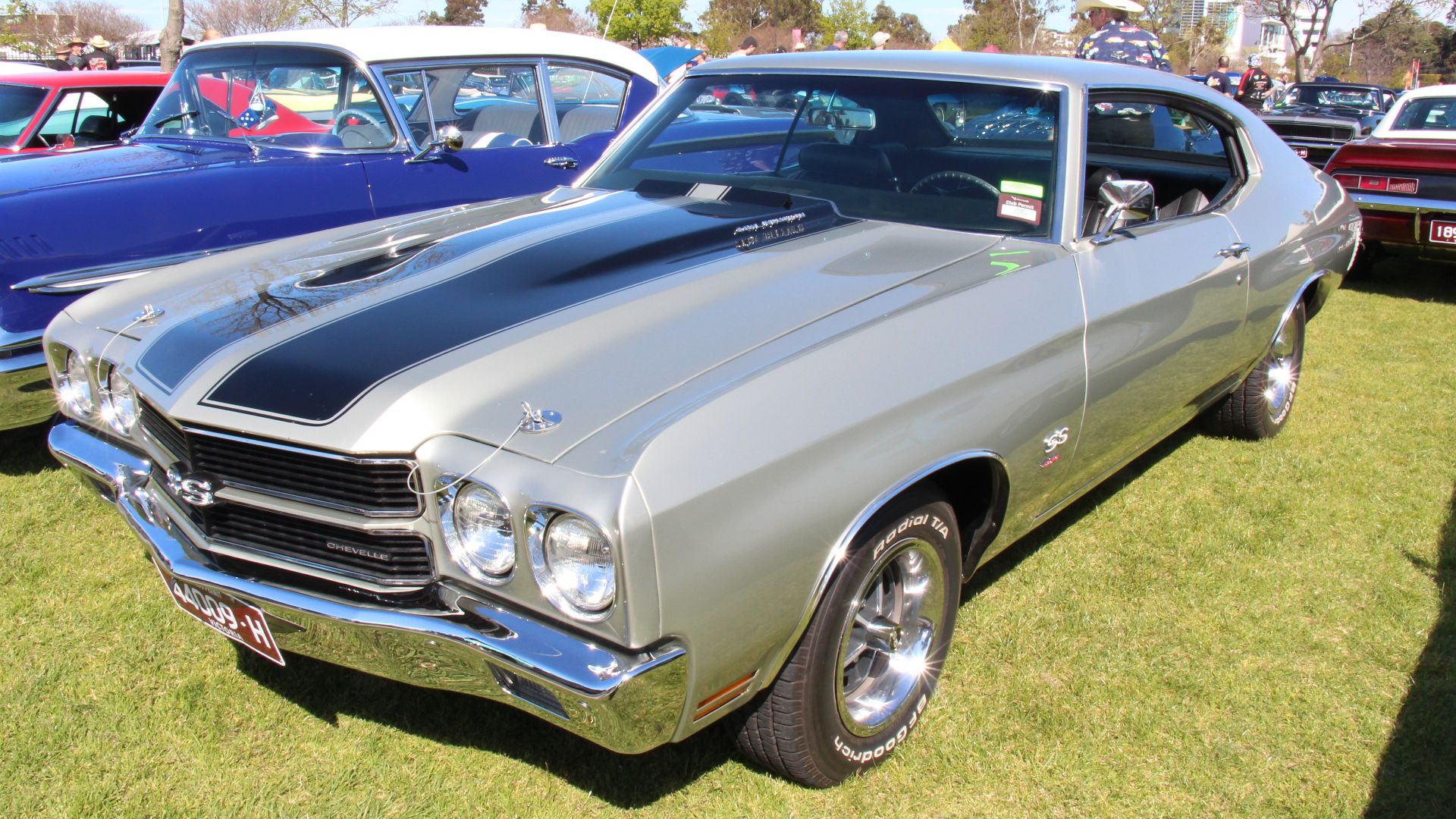
1970 Chevrolet Chevelle SS 454 LS6
Strengthened suspension and heavy-duty components supported what many regard as one of the fastest muscle cars ever constructed. That LS6 big-block represented Chevrolet's most powerful engine of the era, absolutely brutal in its delivery.
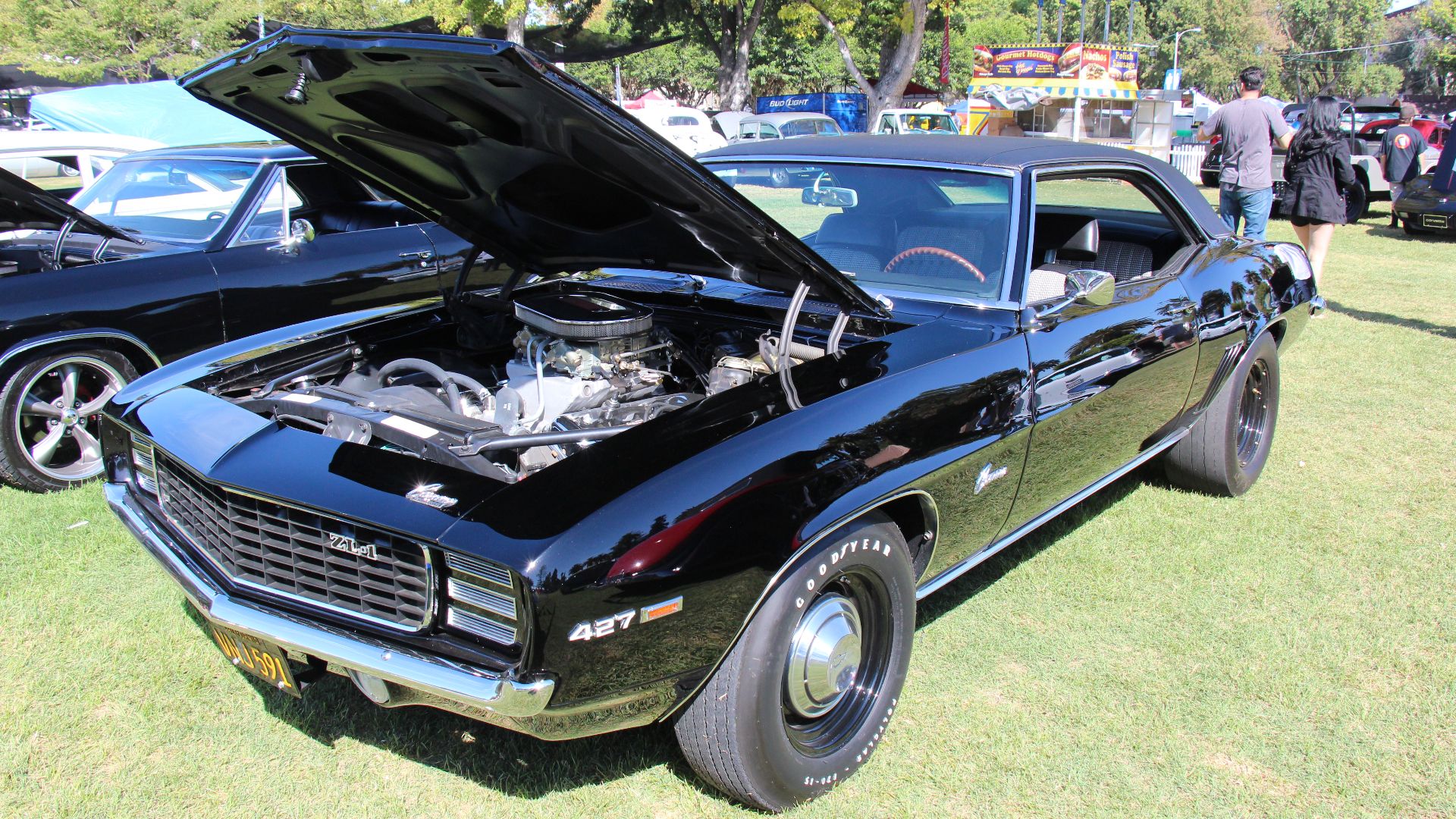
1969 Chevrolet Camaro ZL1
Only 69 factory ZL1 Camaros escaped the assembly line, making them instantly collectible and impossibly rare. Chevrolet severely underrated the horsepower figures for that all-aluminum 427 cubic-inch V8, likely for insurance reasons. Its aluminum big-block made it lighter and faster than specifications suggested.
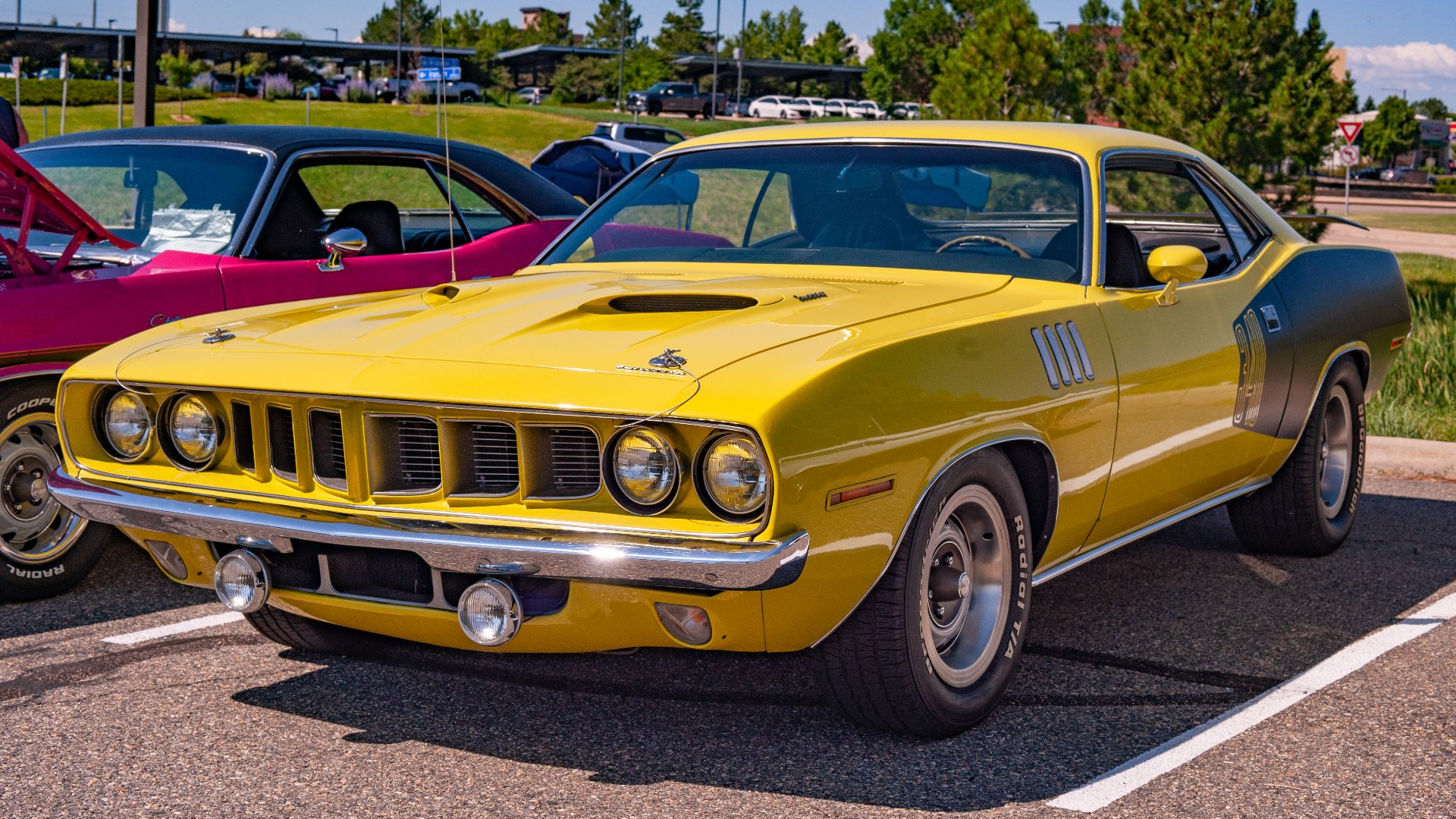
1971 Plymouth Hemi 'Cuda
Chrysler's legendary 426 Hemi engine made the 'Cuda Plymouth's top performance trim. However, emissions regulations killed production numbers, which made these cars incredibly rare from day one. Today, it ranks among the most valuable American muscle cars.
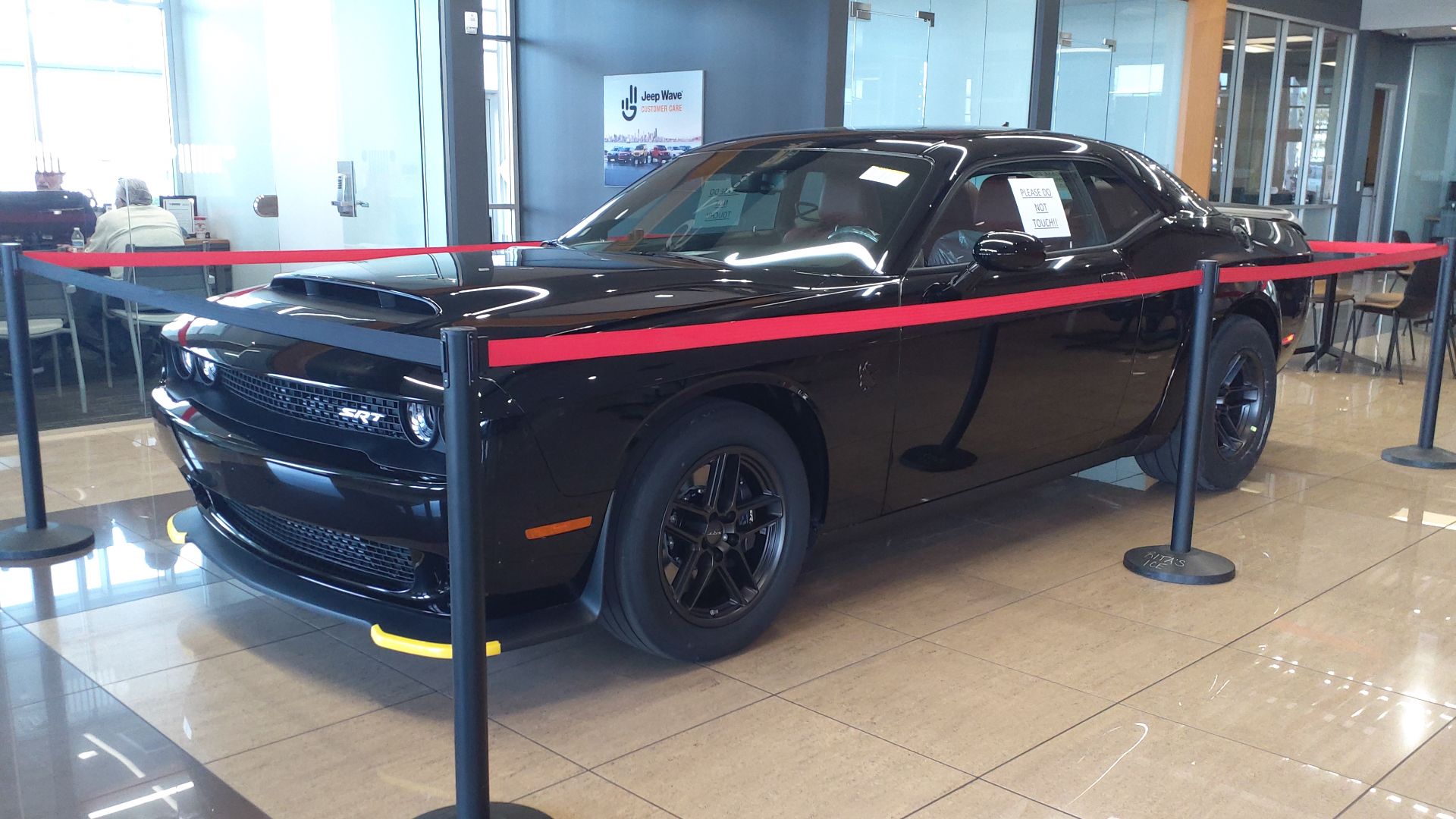
2023 Dodge Challenger SRT Demon 170
E85 ethanol fuel became the secret sauce for achieving maximum output in what Dodge marketed as the quickest production car built. Those narrow front wheels weren't styling choices—they were purpose-built drag racing equipment shipped from the factory. Production numbers stayed deliberately limited, creating a collector-focused final Challenger variant that screamed defiance.
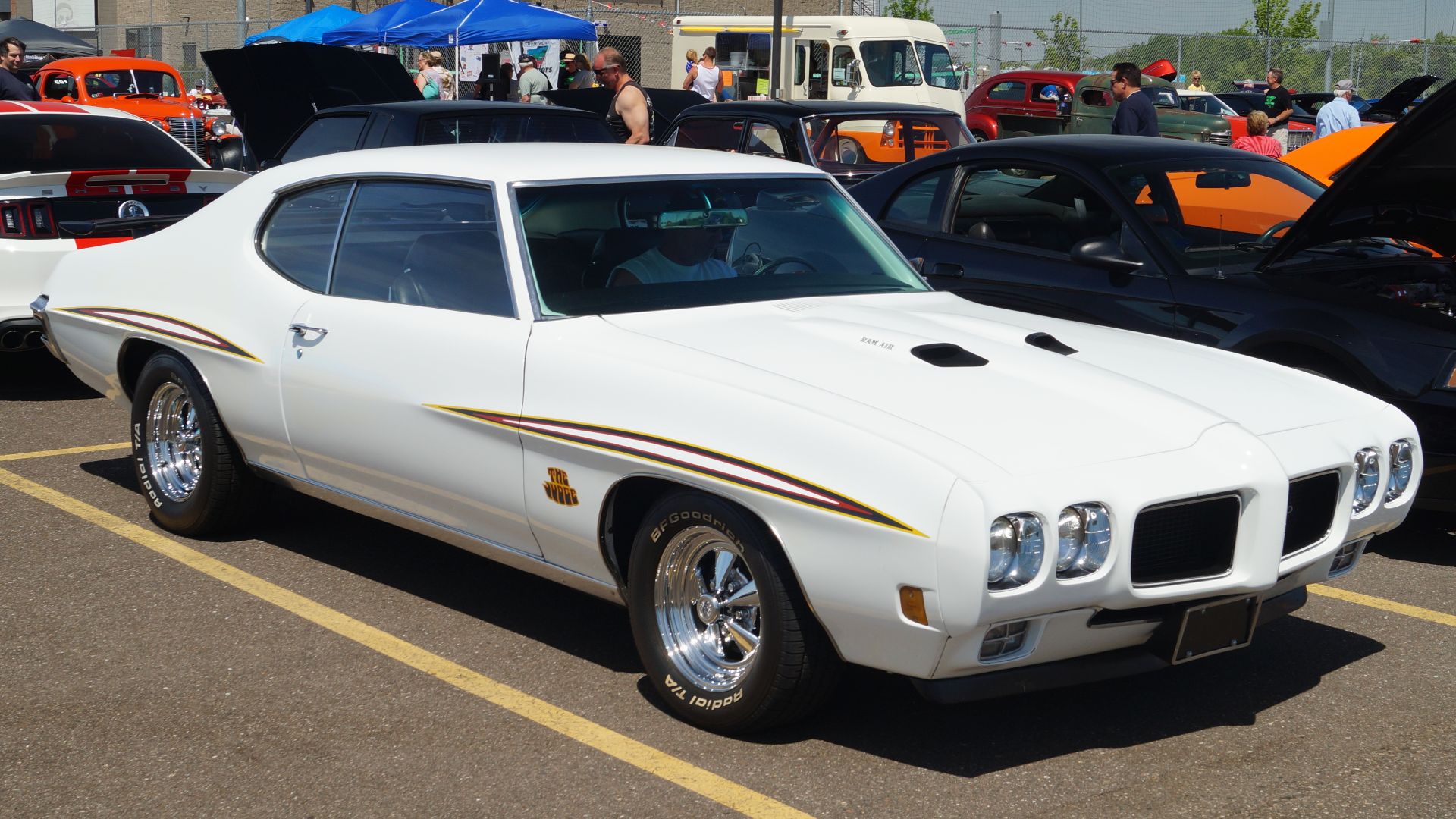
1970 Pontiac GTO 'The Judge'
In this car, standard equipment included wild graphics and a rear spoiler that made subtlety impossible. The name came from a popular TV comedy sketch, Pontiac's marketing embracing counterculture humor brilliantly. Originally conceived as a value-focused performance option, The Judge became an icon that transcended its budget-friendly origins.
 Greg Gjerdingen from Willmar, USA, Wikimedia Commons
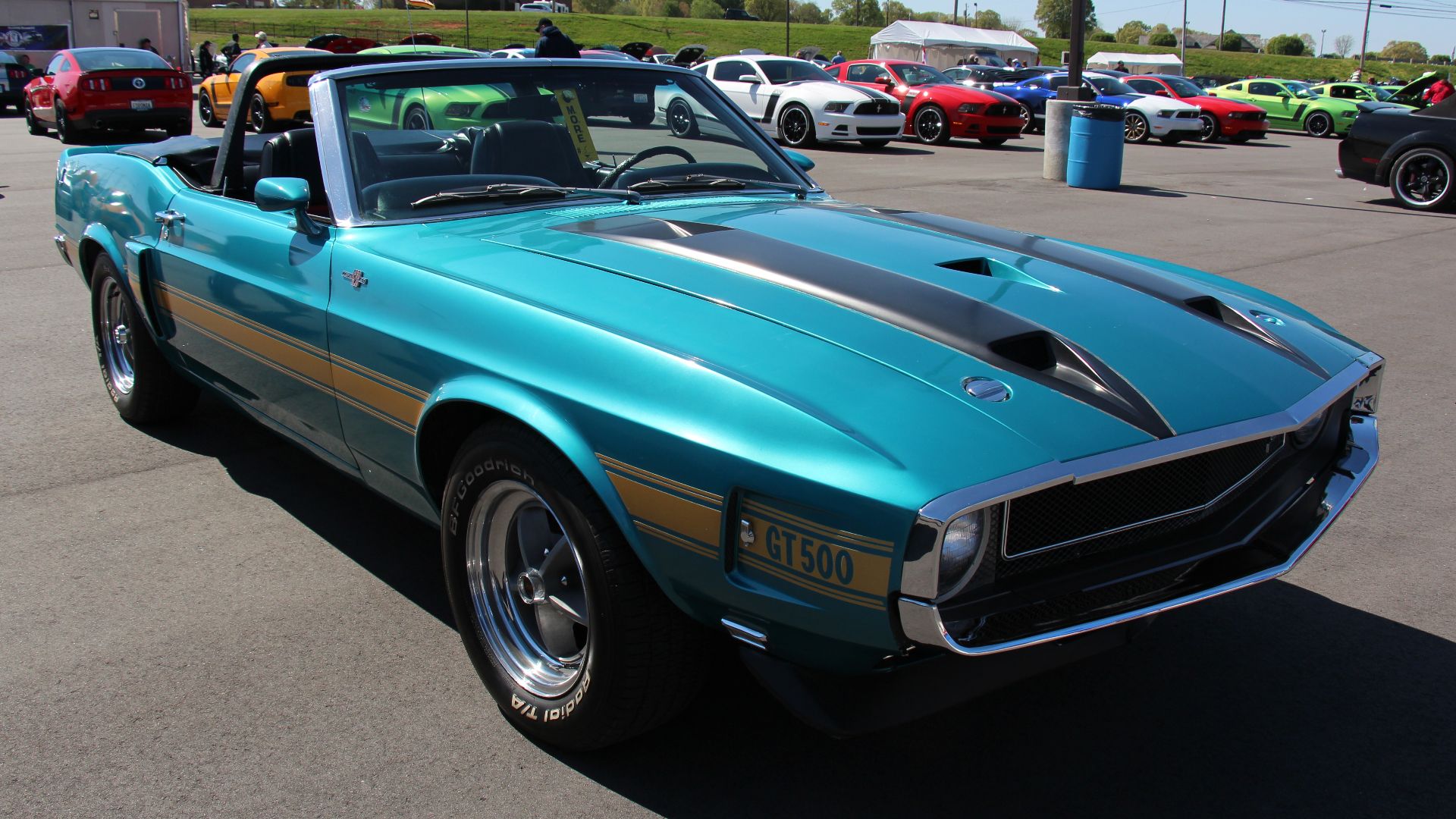
1970 Shelby GT500
Shelby-specific bodywork separated the GT500 from standard Mustangs. A 428 cubic-inch Cobra Jet V8 provided the muscle, serious power wrapped in distinctive sheet metal. This became one of the last Shelbys before a long production hiatus.
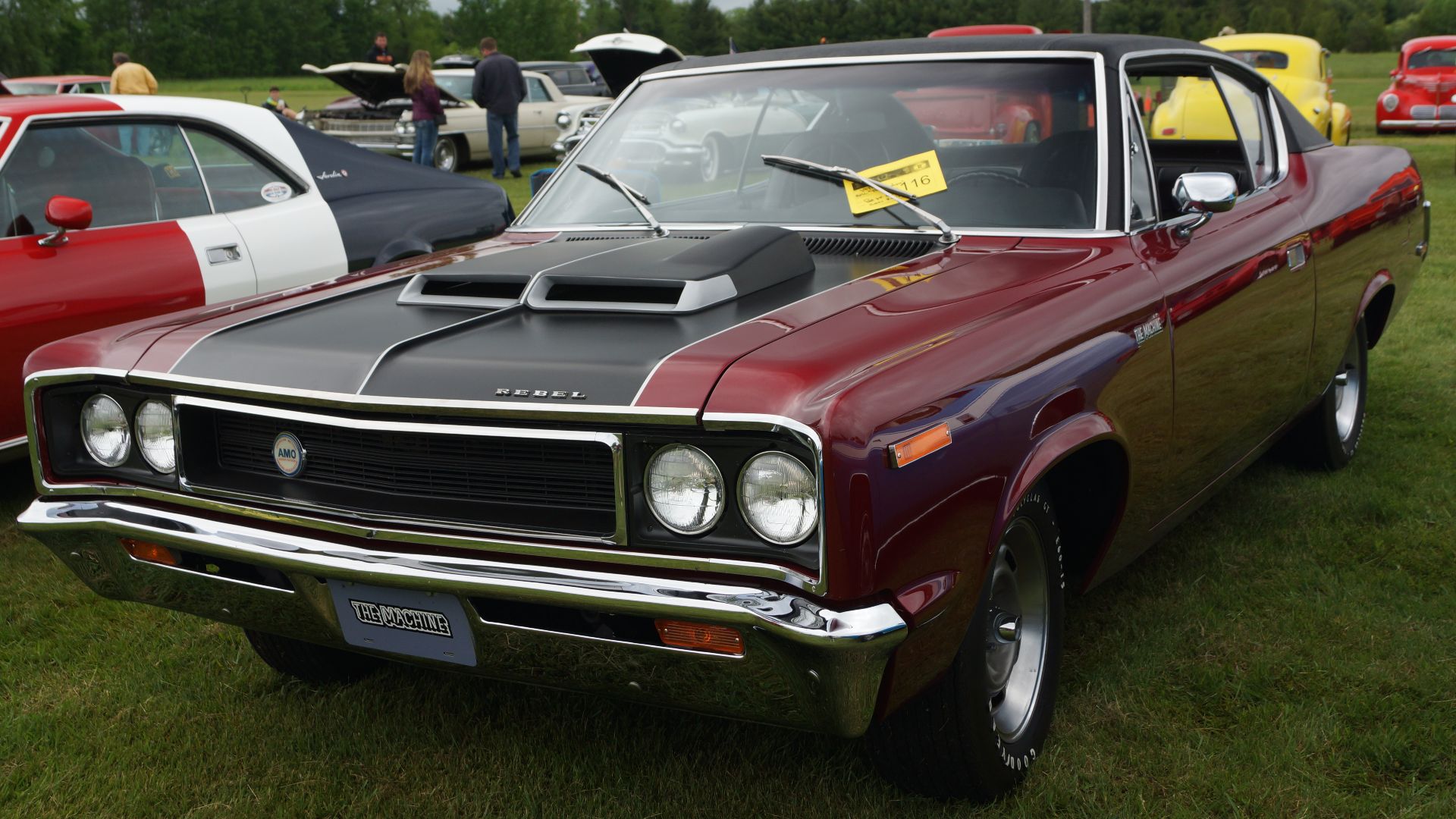
1970 AMC Rebel Machine
AMC stuffed a 390 cubic-inch V8 into their flagship muscle car offering, challenging Detroit's "Big Three" directly with underdog determination. Bold red, white, and blue graphics decorated early versions, patriotic styling that screamed confidence and defiance.
 Greg Gjerdingen from Willmar, USA, Wikimedia Commons
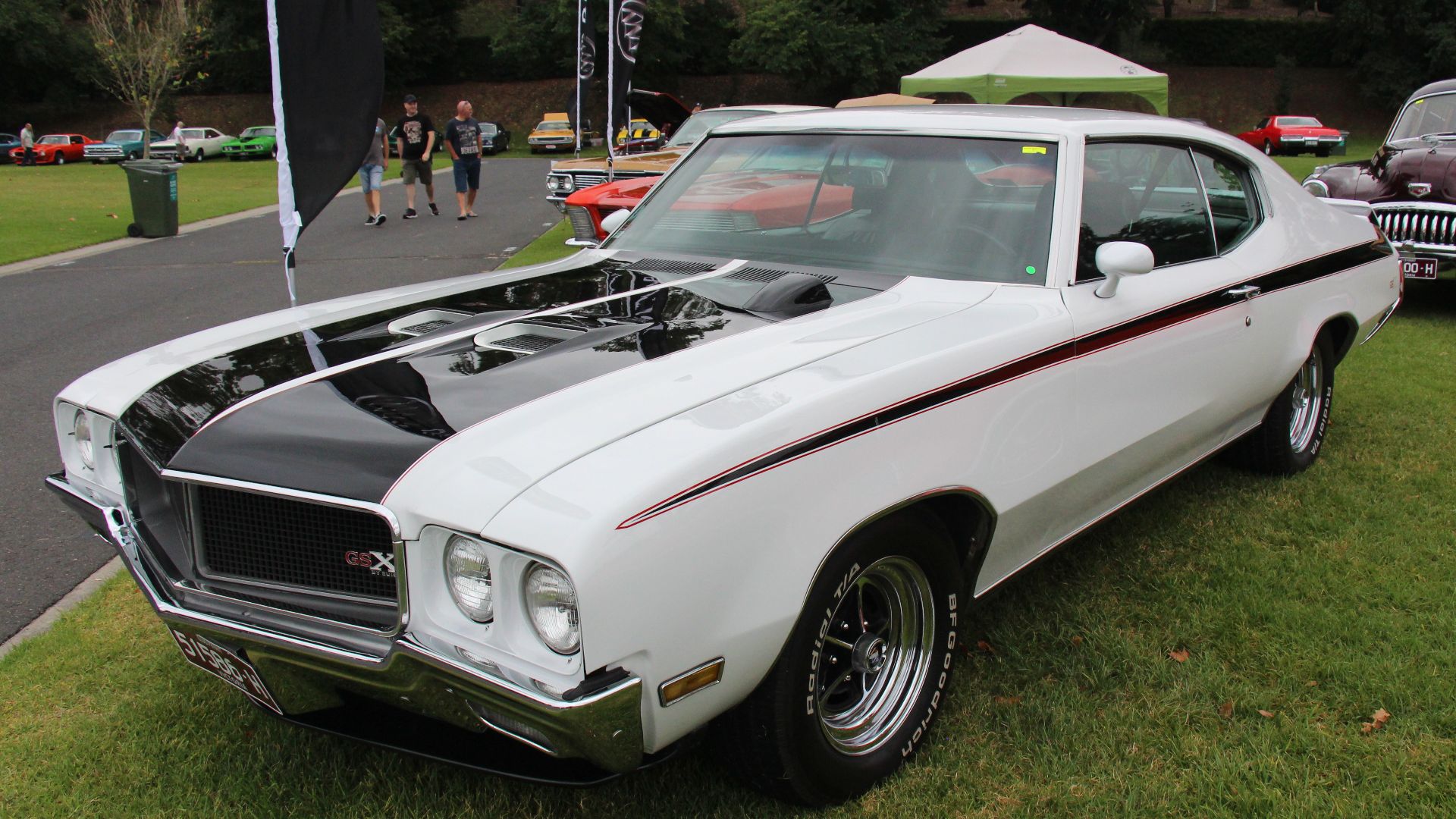
1970 Buick GSX
Built on the Gran Sport platform, the GSX offered a Stage 1 performance package that transformed Buick's muscle car completely. High-visibility stripes made identification instant, bold graphics that rejected understated luxury conventions. Buick positioned it as a luxury muscle car alternative.
1969 Dodge Charger Daytona
Becoming the first NASCAR car to exceed 200 mph required a massive rear wing and an extended nose cone working together aerodynamically, and Daytona delivered it. The wing sat tall enough to open the trunk underneath it, a function creating accidental practicality.
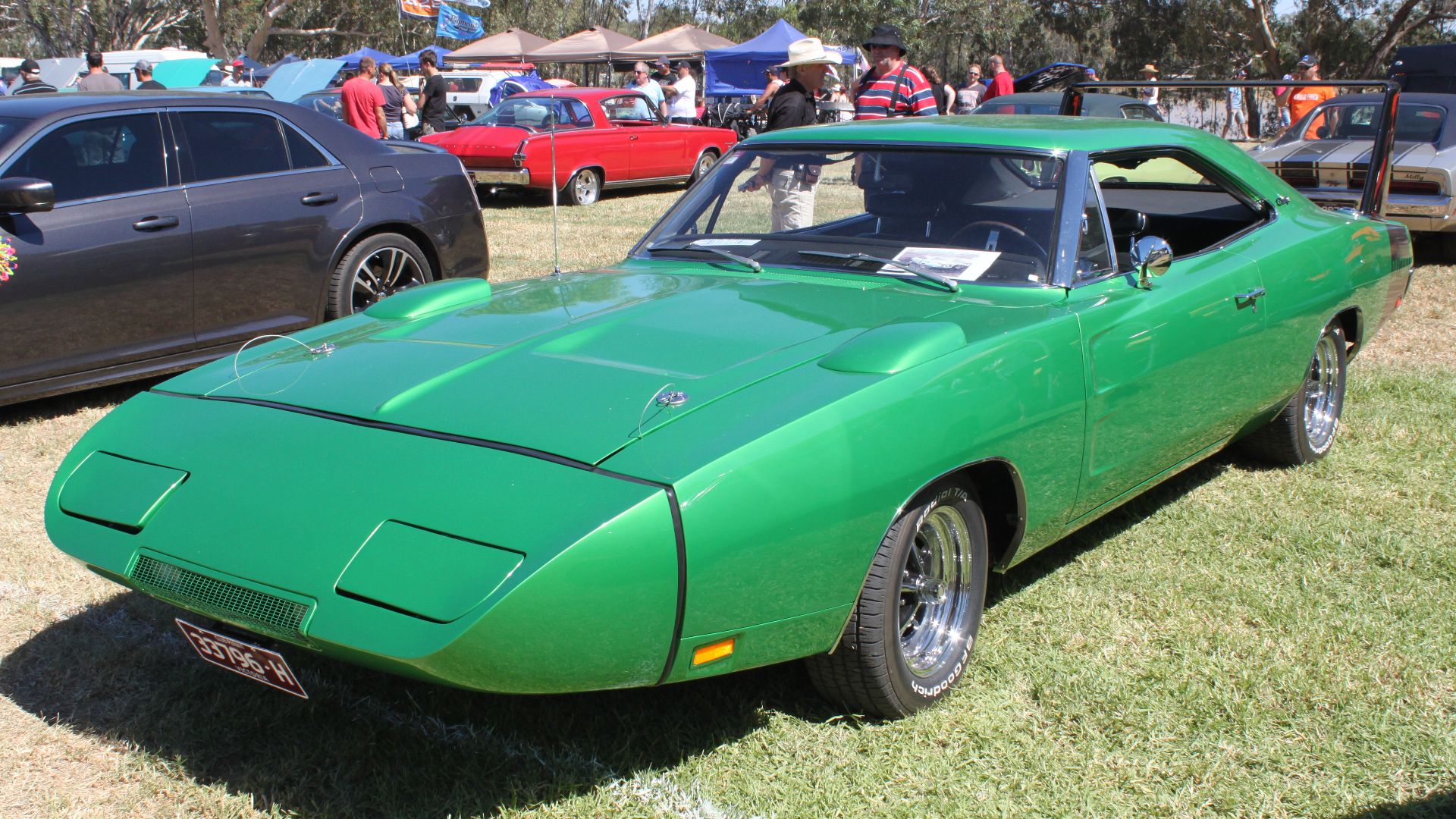 Jeremy from Sydney, Australia, Wikimedia Commons
1965 Plymouth Belvedere A990
Plymouth stripped out heaters and sound deadening from many examples—weight reduction taken to obsessive extremes for drag racing. That race-spec 426 Hemi engine paired with lightweight aluminum body components created a purpose-built quarter-mile weapon. Built strictly for drag racing, the A990 made zero compromises for street comfort or practicality.
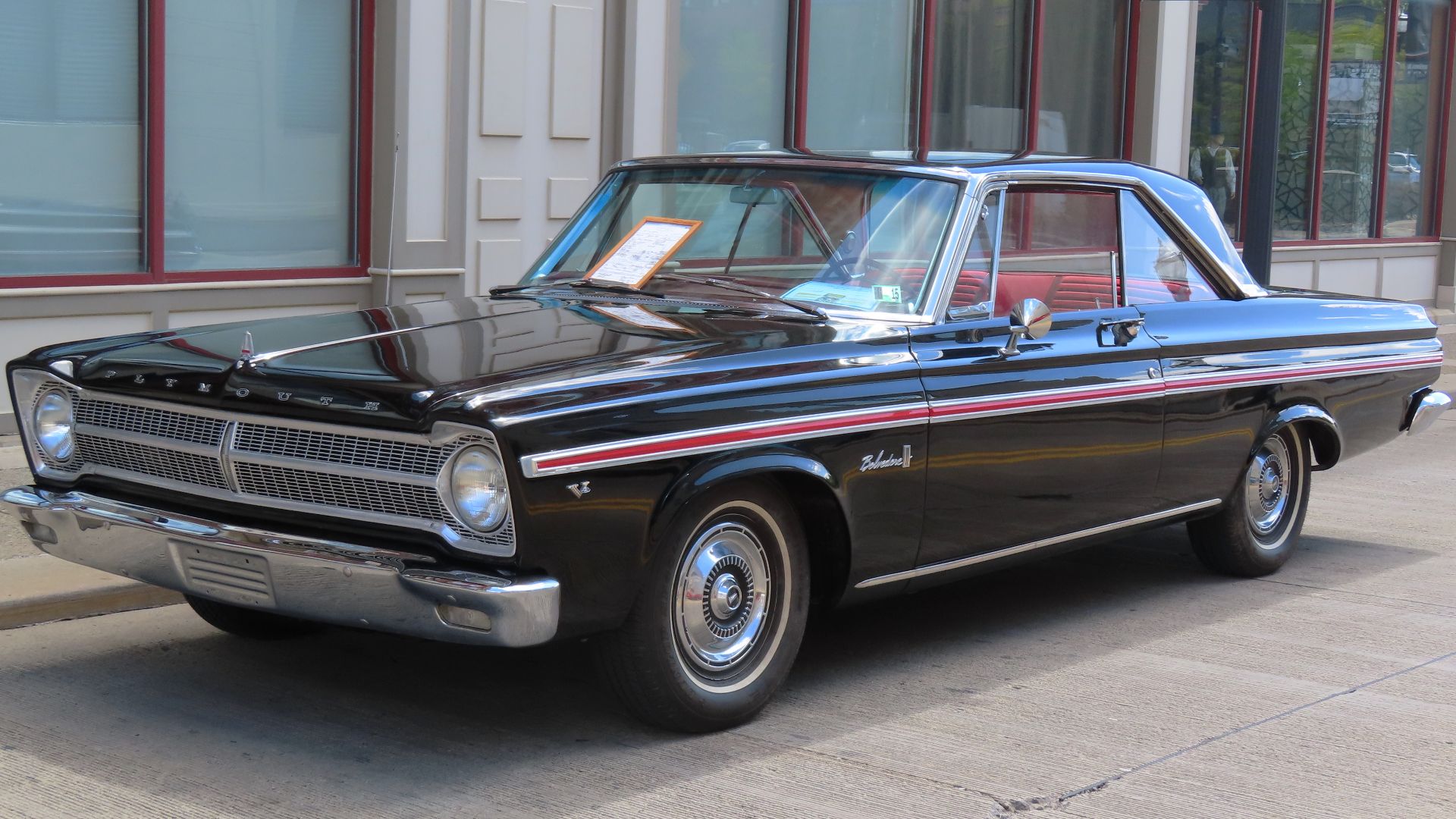 MercurySable99, Wikimedia Commons
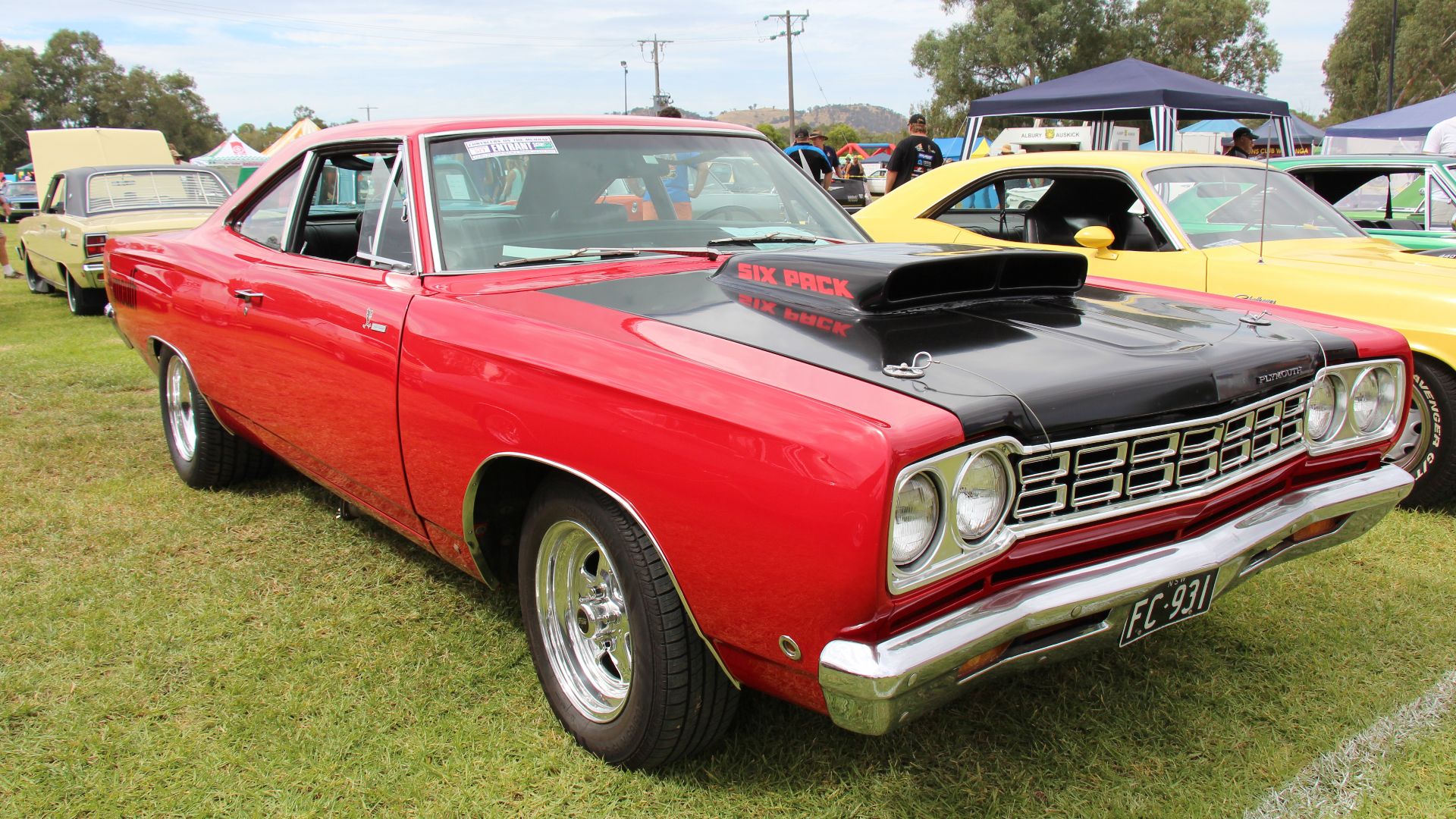
1969½ Plymouth Road Runner A12
Simple pins held down the lift-off fiberglass hood; no fancy hinges were needed when weight reduction drove every decision. Mid-year production timing made the A12 relatively rare compared to standard Road Runners and boosted collectibility immediately. That factory "Six-Barrel" carburetion setup meant triple carburetors working together, feeding the engine ridiculous amounts of fuel.
1973 Pontiac Firebird Trans Am Super Duty
Debuting right before emissions regulations tightened their grip, the Super Duty engine represented Pontiac's defiant last stand. Engineered for durability and strength with heavy-duty components throughout, it outlasted competitors who simply gave up. Pontiac's performance reputation survived the brutal 1970s largely thanks to this engine's existence.
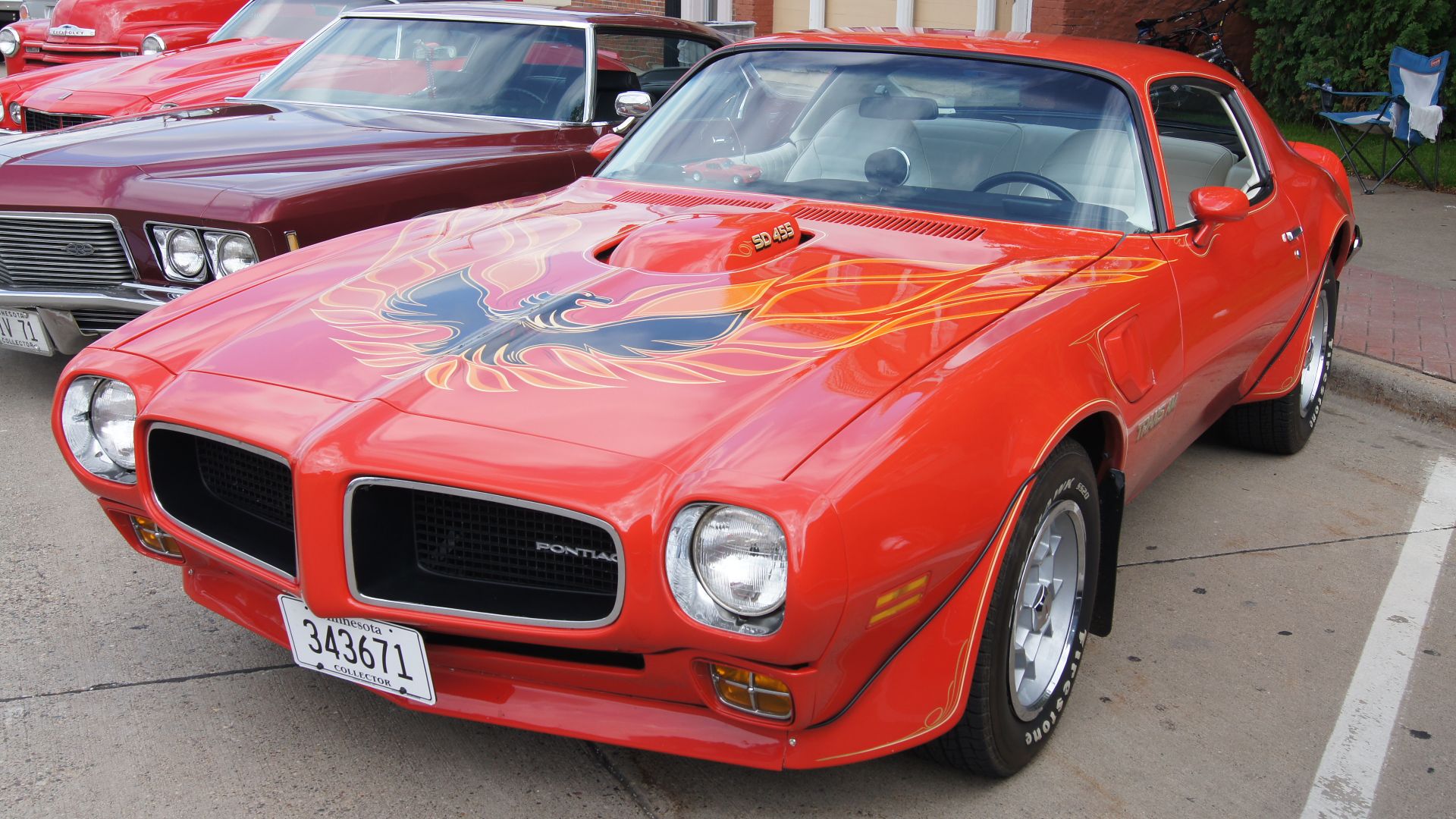 Greg Gjerdingen from Willmar, USA, Wikimedia Commons
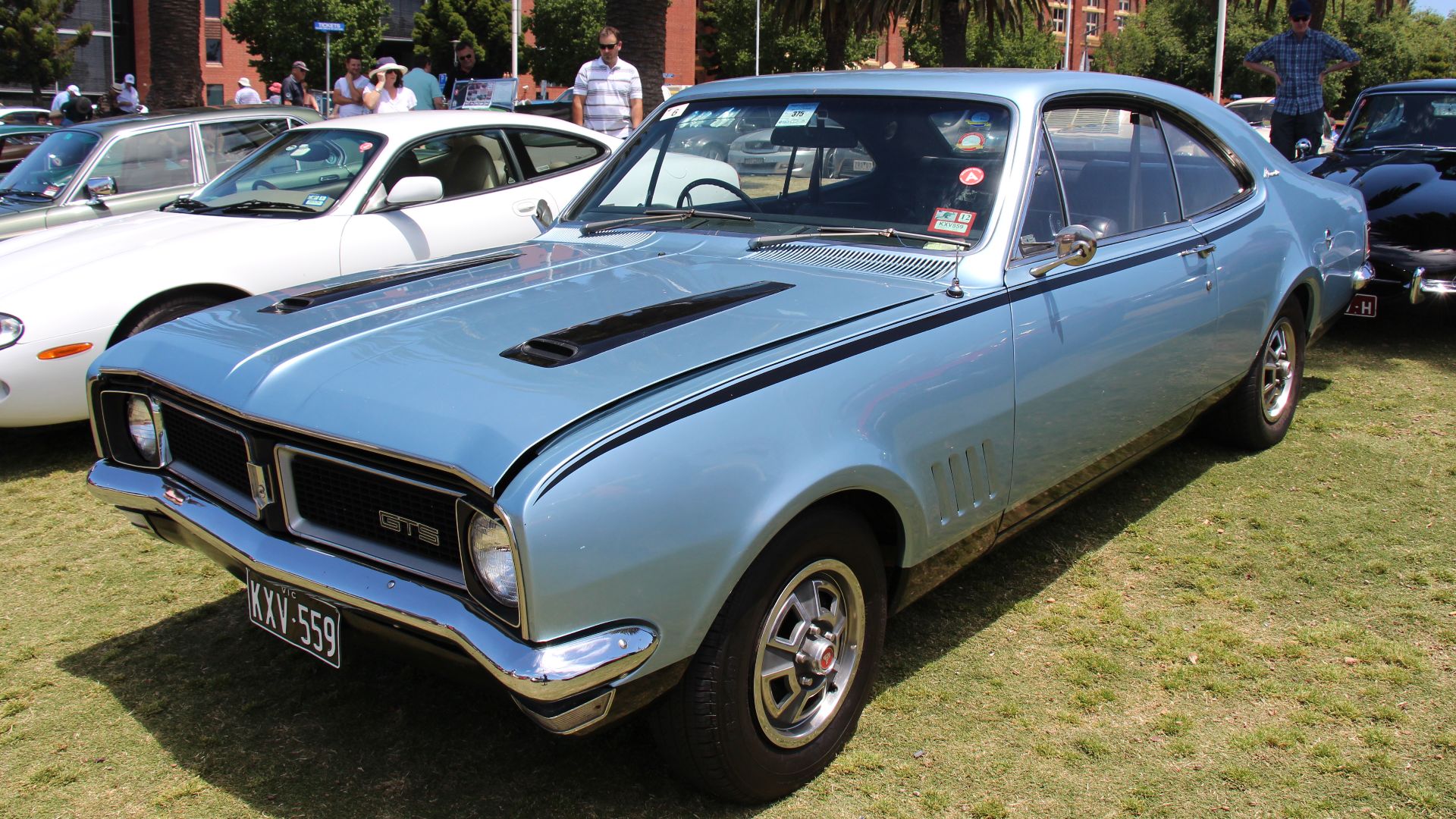
1971 Holden Monaro GTS
Australian touring car racing built the Monaro's legendary reputation. The GTS featured a powerful V8 option that proved Australia could build muscle cars rivaling American performance. Holden engineered it for both racing and street duty—practical versatility that American muscle cars often lacked.
1970 Mercury Cyclone Spoiler 429 SCJ
Aerodynamic enhancements distinguished the Spoiler from standard Cyclones. Built to homologate Mercury's NASCAR engine, the 429 Super Cobra Jet delivered high-RPM durability for racing. Engineering connections to the Boss 429 Mustang meant shared technology across different Ford divisions.
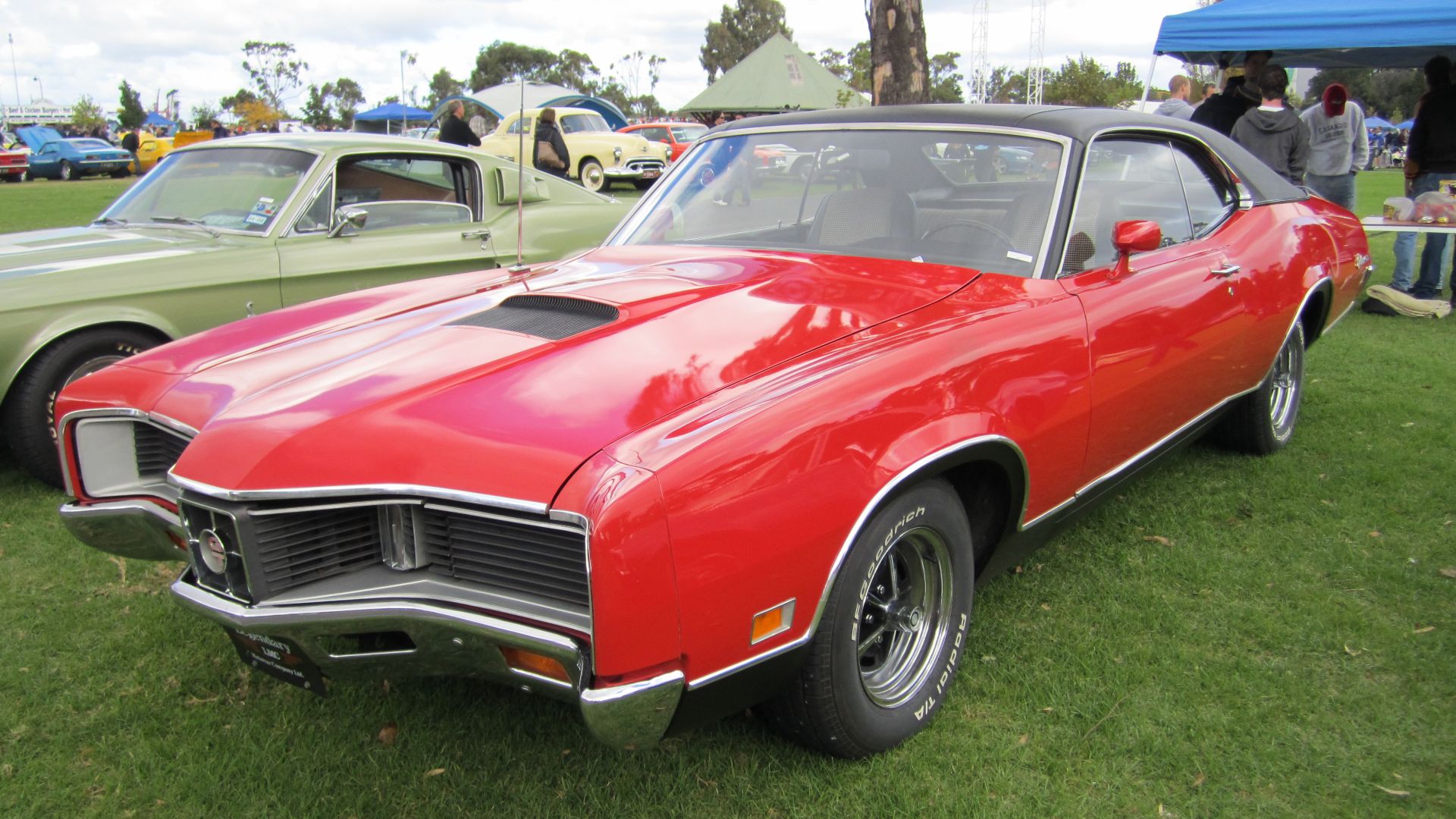
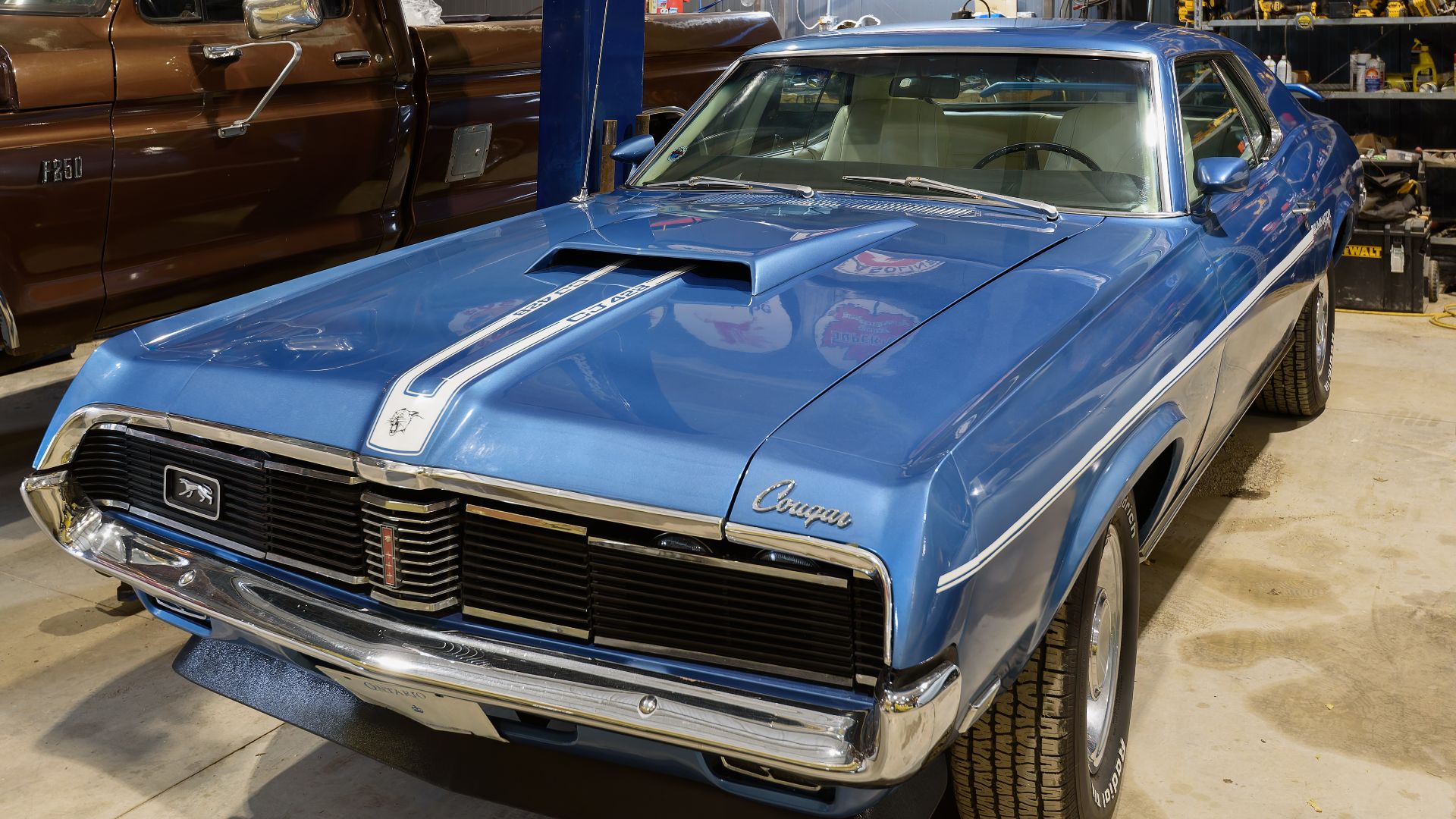
1969 Mercury Cougar Eliminator
Mercury’s 1969 Cougar Eliminator instantly caught attention through unique striping and graphics. Big‑block V8 options delivered serious horsepower for drivers craving speed. By blending muscle car aggression with upscale design cues, Mercury positioned the Eliminator as a bridge between brute performance and stylish sophistication.
 Mustang Joe, Wikimedia Commons
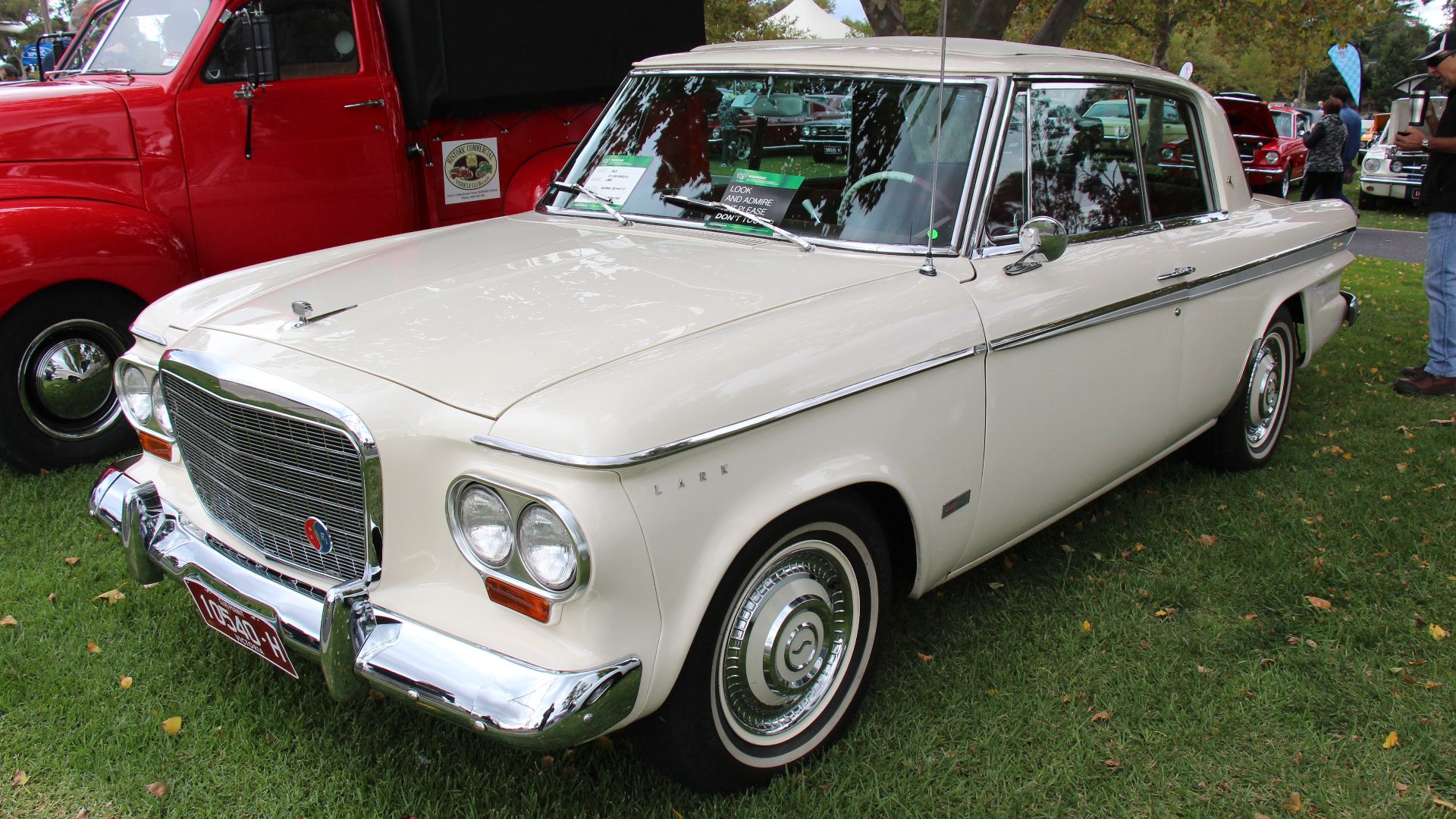
1963 Studebaker Super Lark R2
Early drag racing saw the Super Lark R2 shocking larger competitors who underestimated the supercharged compact. Its factory-blown V8 delivered straight-line performance that Studebaker engineered specifically for acceleration. The R2 package made no apologies; it existed purely for speed, compact dimensions hiding serious capability.
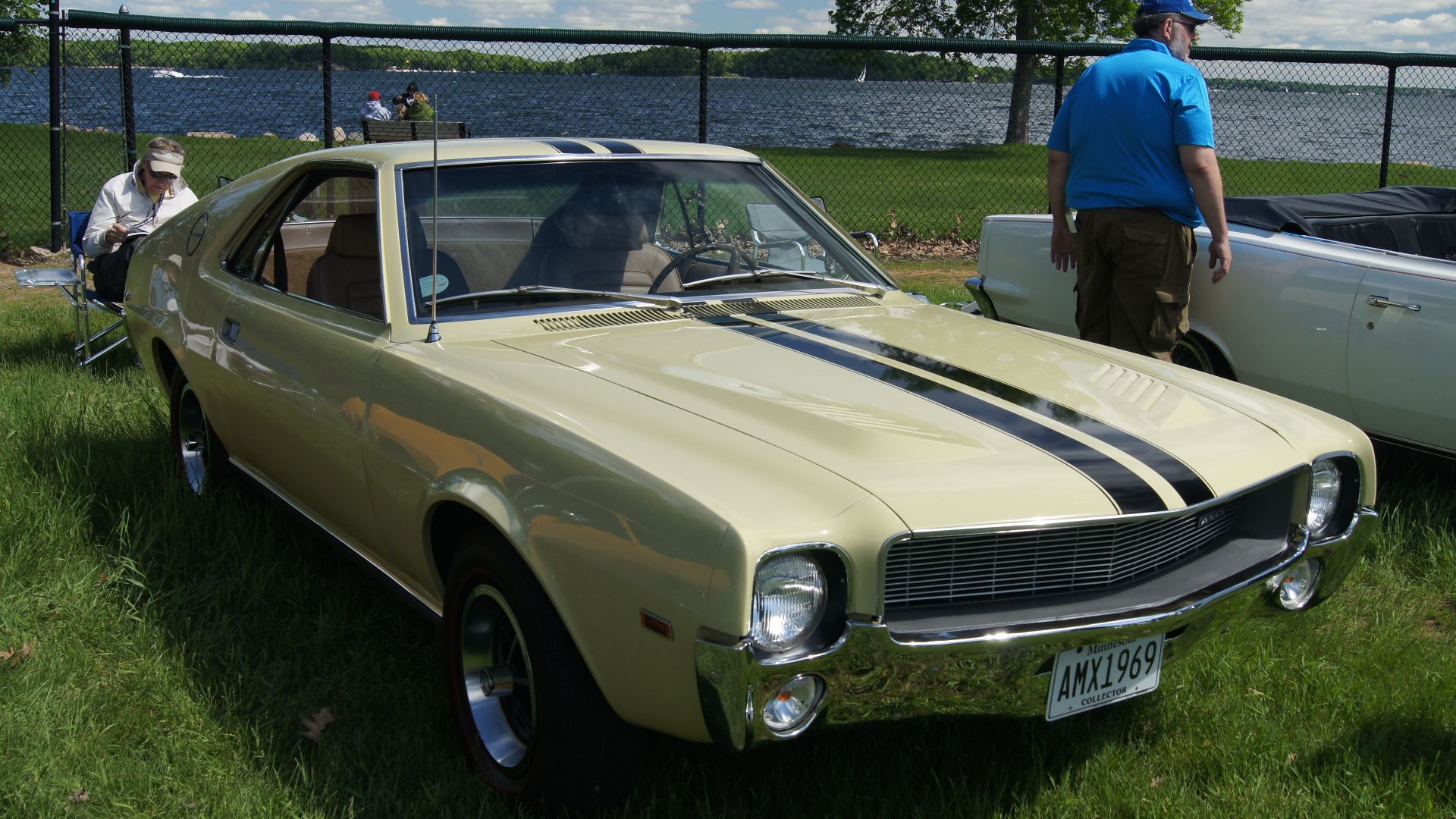
1969 AMC AMX
A shorter wheelbase made the AMX more nimble than typical muscle cars. AMC offered large-displacement V8 engines, giving their compact coupe serious punch against established competitors. Its underdog status made the challenge even bolder by competing directly against the Corvette and Mustang.
 Greg Gjerdingen from Willmar, USA, Wikimedia Commons
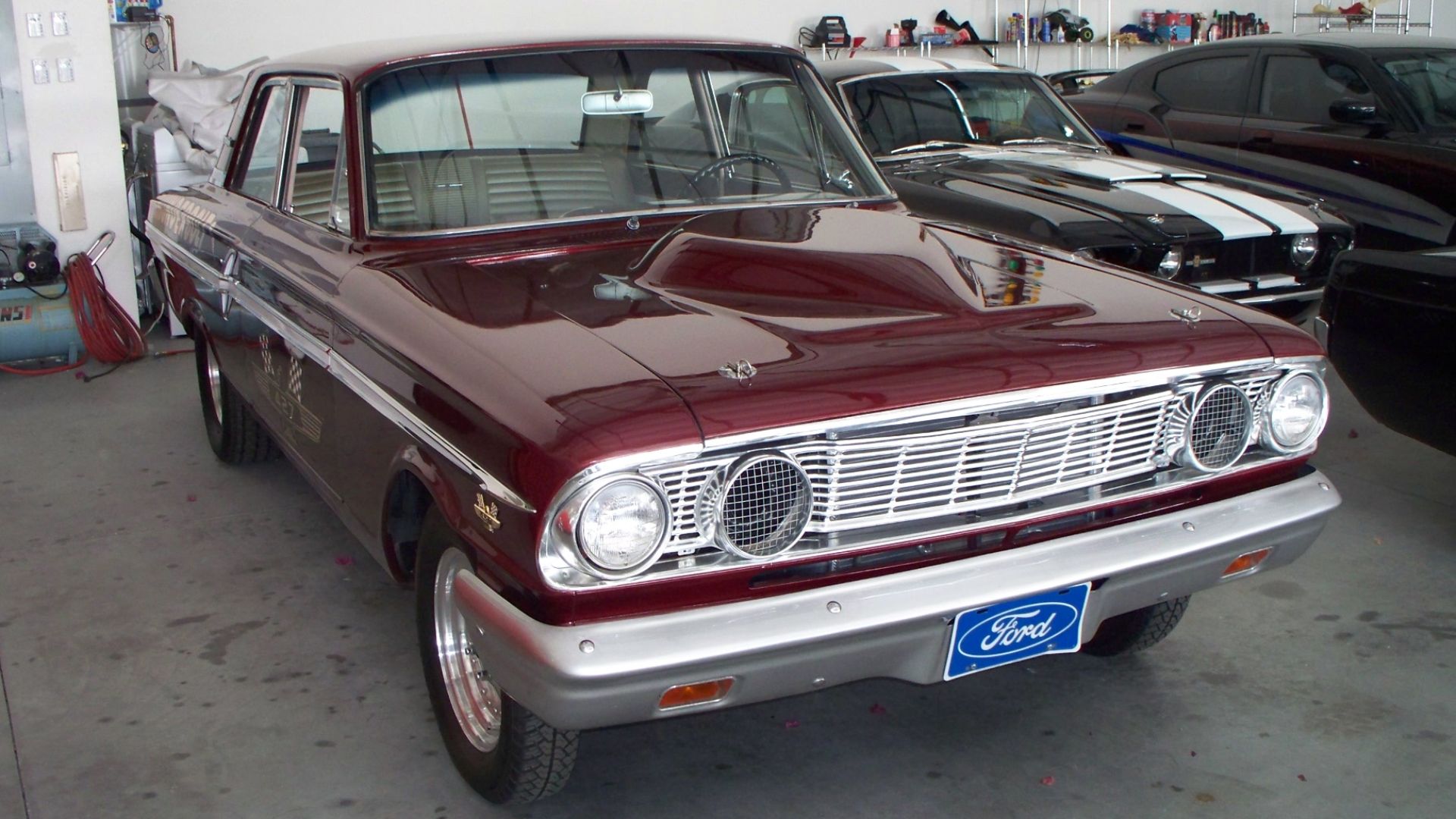
1964 Ford Thunderbolt
Built solely for drag racing, the Thunderbolt featured Ford's 427 V8 crammed into a lightweight Fairlane body strategically. Regular customers rarely saw these—most sold directly to racers who understood their competition-focused purpose. That lightweight construction combined with serious power created a purpose-built drag weapon, not a street car.
 PMDrive1061, Wikimedia Commons
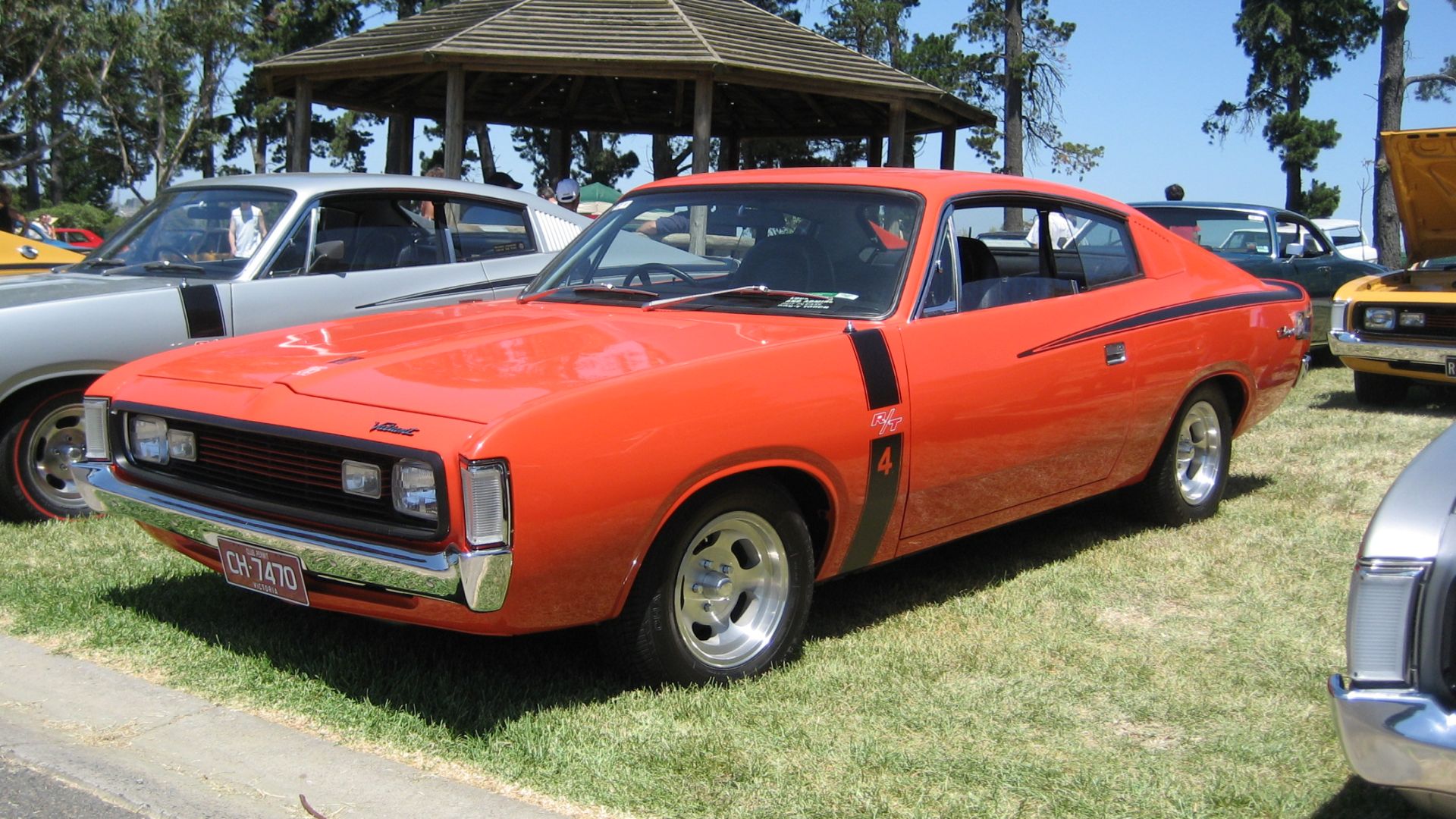
1971 Chrysler Valiant Charger R/T E49
Buyers expecting V8 power got shocked by the high-performance inline-six that made the E49 Australia's fastest production car. Chrysler Australia engineers developed something special, proving six cylinders could embarrass eight when properly tuned.
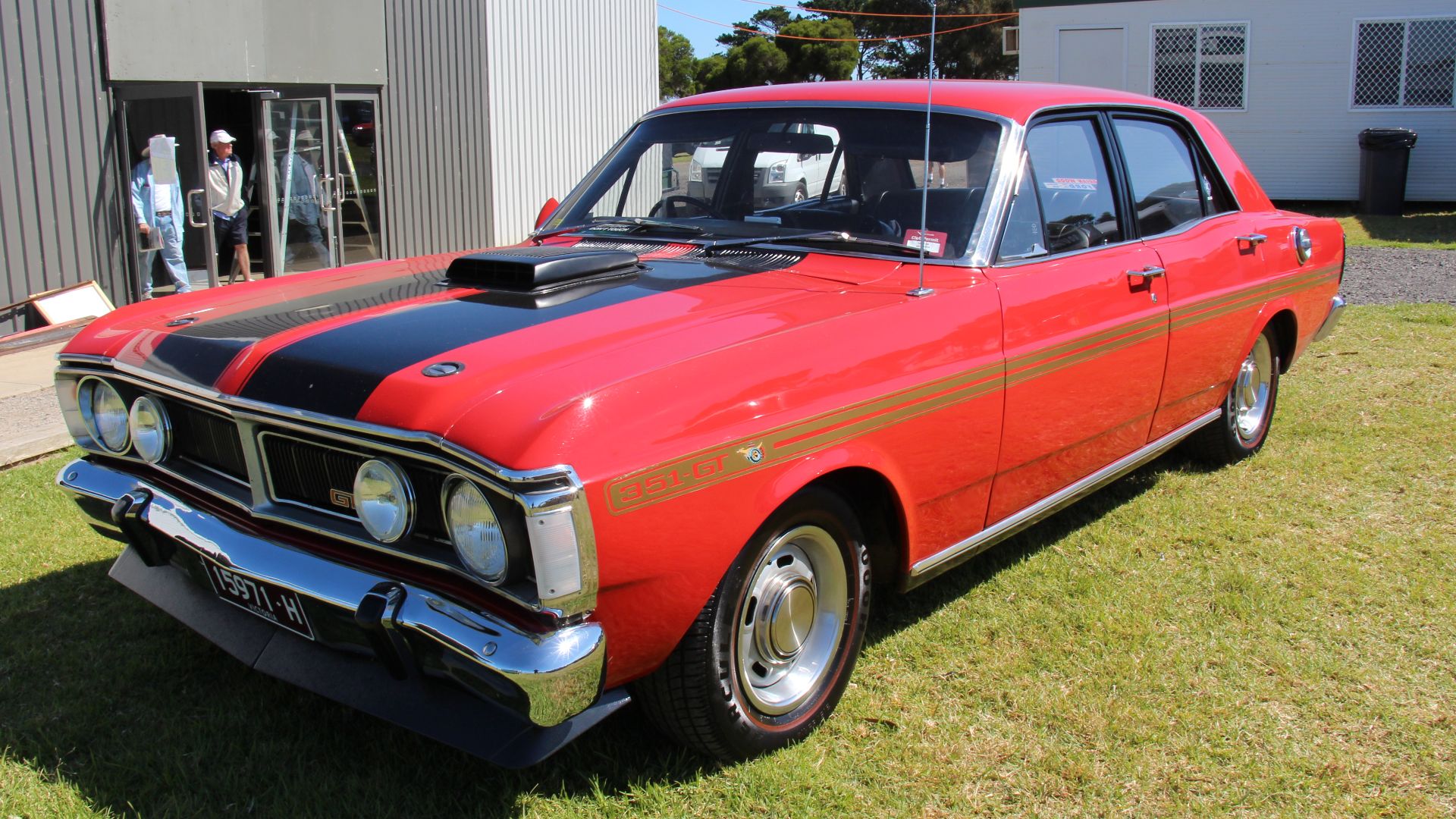
1971 Ford Falcon XY GT-HO Phase III
Media performance tests made the Phase III famous, publicity cementing its status as an Australian touring car legend. Its highly tuned V8 was designed specifically for racing homologation, serious engineering wrapped in family sedan bodywork. It remains one of Australia's most collectible cars today, and auction prices reflect its motorsport heritage.