The Listing That Starts It All
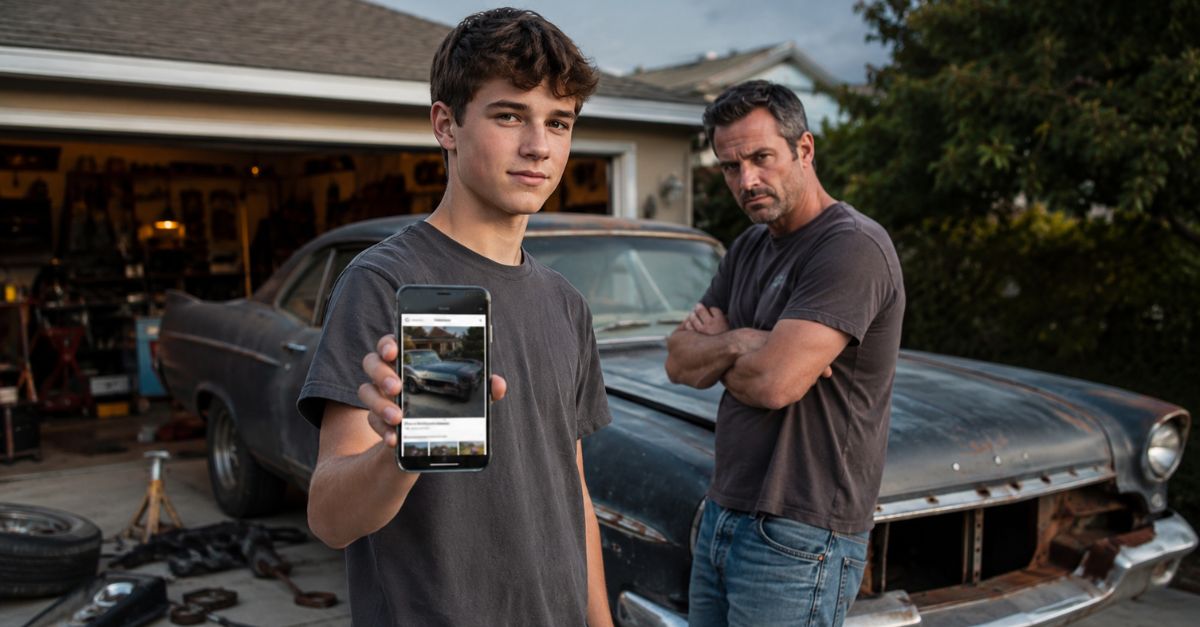
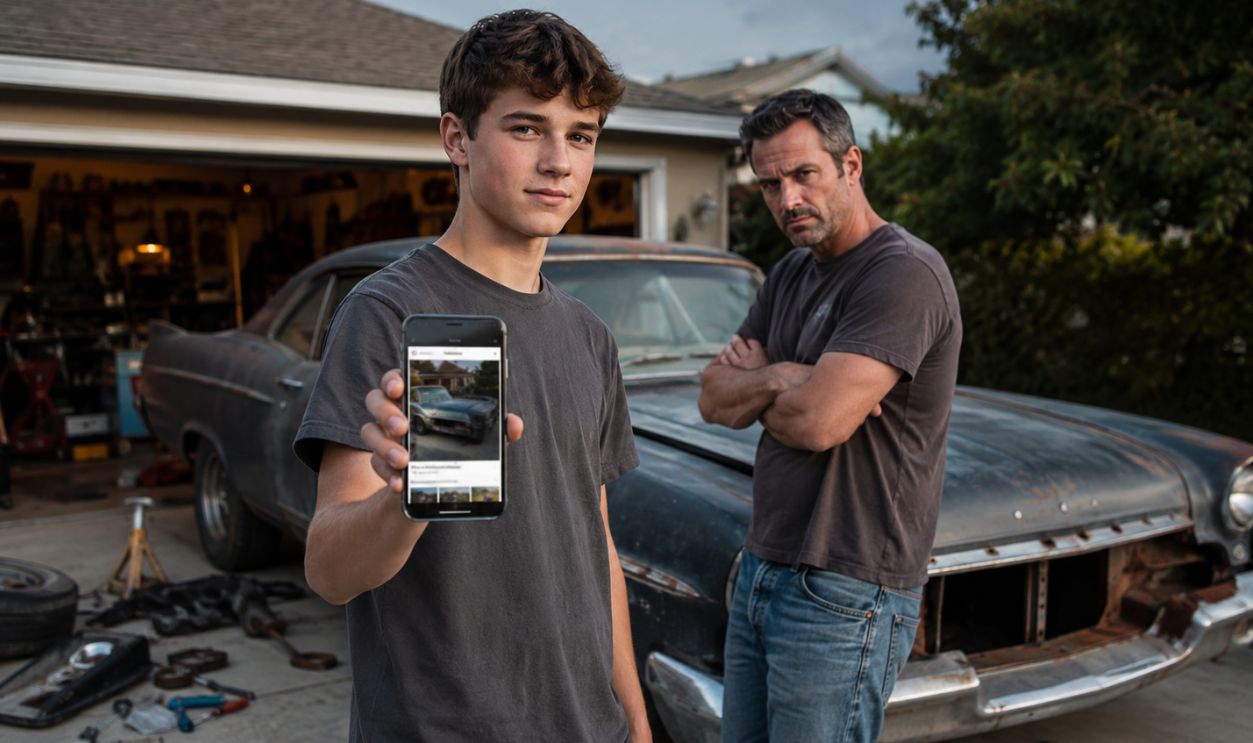
It usually starts with an online ad, a few rough photos, and a teenager saying, “This is the one.” If your son wants to dump his savings into a project car he found online, this may not be a passing phase. It may be the start of a full-blown car obsession, the kind that leads to late nights in the garage, drained bank accounts, and some genuinely useful mechanical skills.
Yes, This Is How It Often Begins
Car enthusiasm rarely shows up in a sensible way. It usually starts with a strong pull toward a machine that is older, cheaper, rougher, or rarer than it should be. Hagerty has pointed out that project cars appeal to people because they offer a hands-on connection to driving and ownership that newer cars often do not.

The Internet Made The Spark Easier To Catch
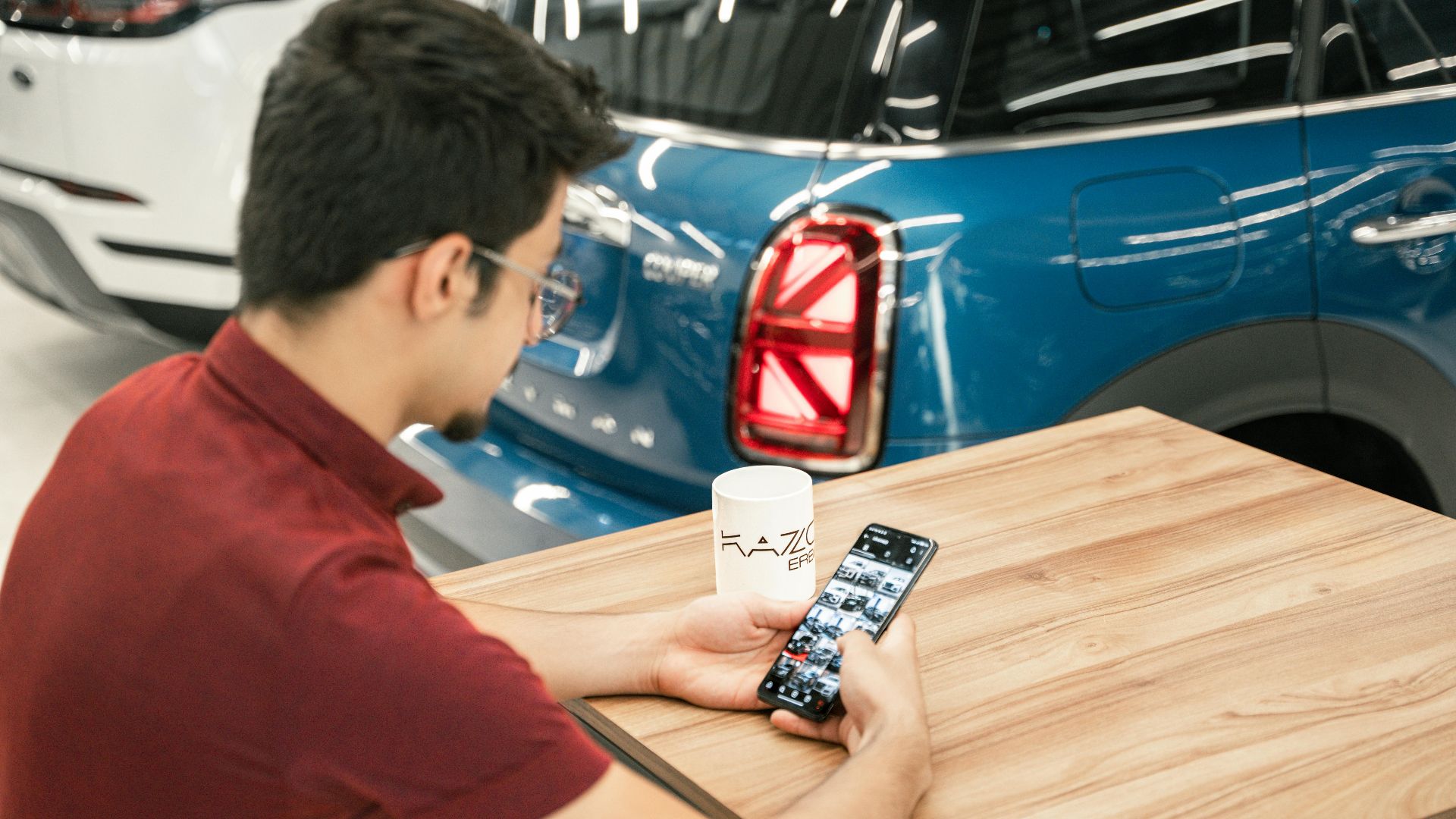
Before online marketplaces, finding a cheap project car took luck, local classifieds, and plenty of patience. Now Facebook Marketplace, Craigslist, Bring a Trailer, and enthusiast forums put tempting projects in front of young buyers every day. That easy access means the obsession can start earlier and with a lot less effort than it did a generation ago.
A Project Car Is Rarely A Rational Buy
This is usually the first thing parents notice. A project car is often bought with emotion, not math, because the purchase price is only the start. Consumer Reports and other car-buying guides have long warned that older used vehicles can get expensive fast once repairs and neglected maintenance start piling up.
The Cheap Car Trap Is Real
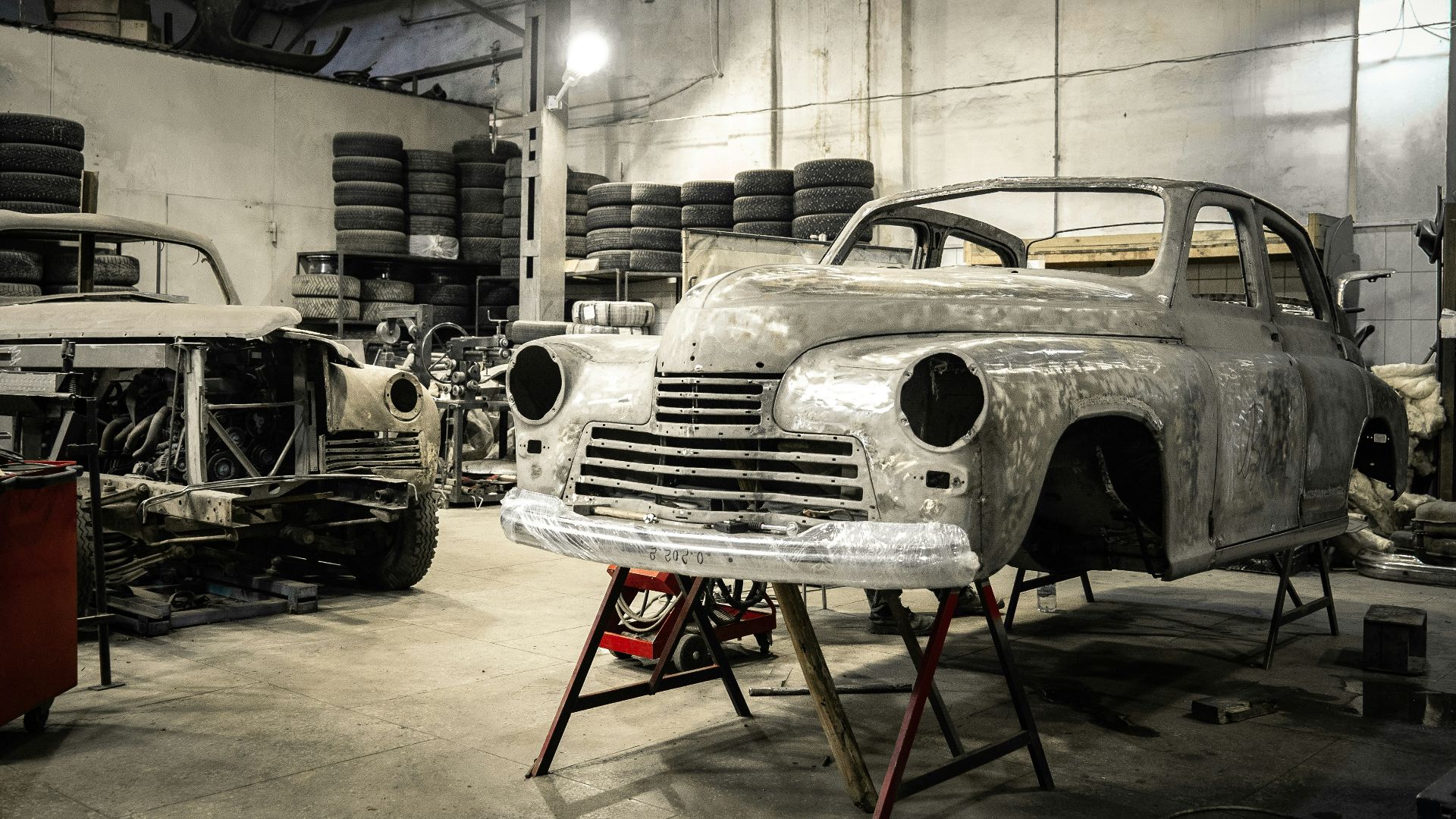
The low asking price is what grabs a young buyer, but it is rarely the number that matters most. AAA has long stressed that ownership costs include maintenance, repairs, insurance, fuel, tires, and registration, not just the money paid up front. A cheap project can turn into an expensive lesson in a matter of months.

Why Teen Buyers Fall So Hard
For a lot of young people, a project car is more than transportation. It represents freedom, identity, and the chance to build something with their own hands. That mix is powerful, and it helps explain why a teenager can look at a non-running coupe with faded paint and see pure potential.

What He Sees In The Car
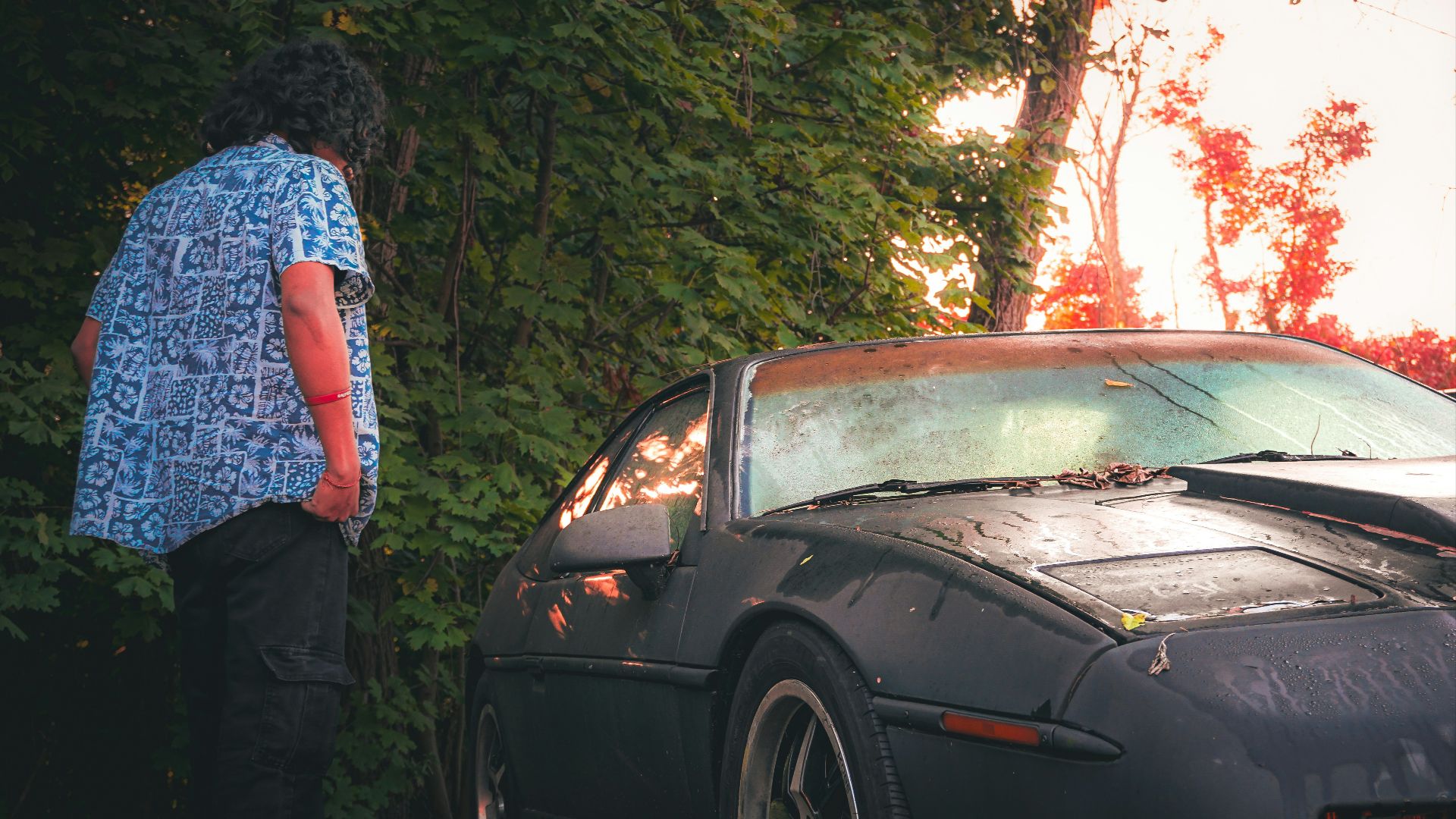
He may not just see rust, oil leaks, and a glowing check engine light. He may see weekend drives, garage sessions with friends, and the satisfaction of fixing something himself. That vision is not foolish, but it does need to be checked against what the car really is and what it will take to make it roadworthy.
What You Probably See Instead
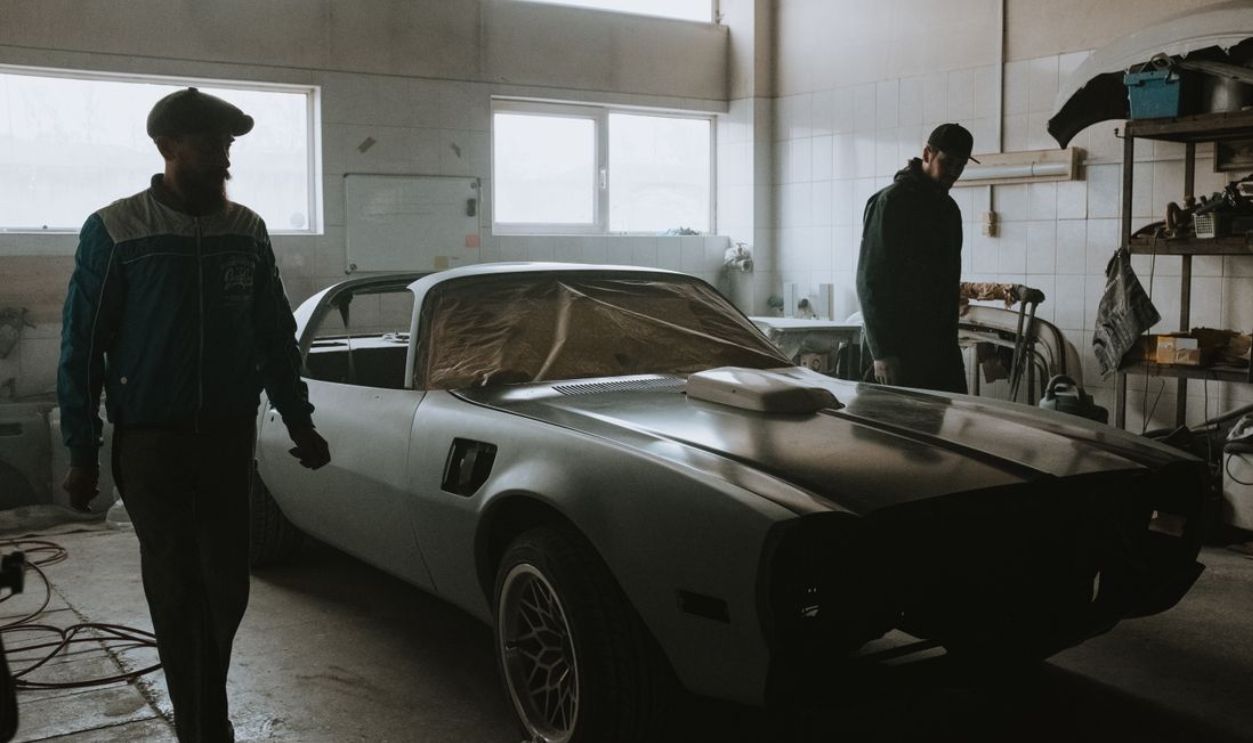
You are probably seeing an emptied savings account, tow bills, back-ordered parts, and a driveway decoration that never quite runs right. That is not negativity. It is experience, and it matters, because project cars have a long history of costing more and taking longer than anyone expects.
The Inspection Is The First Reality Check
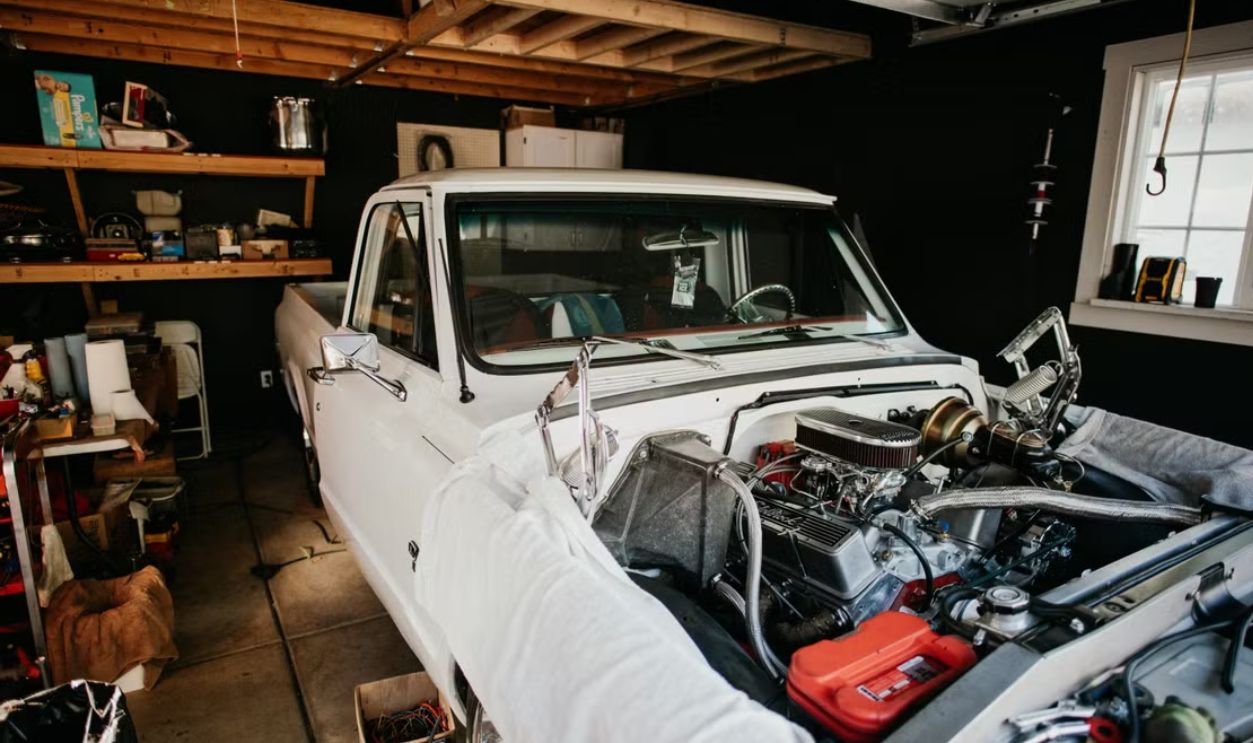
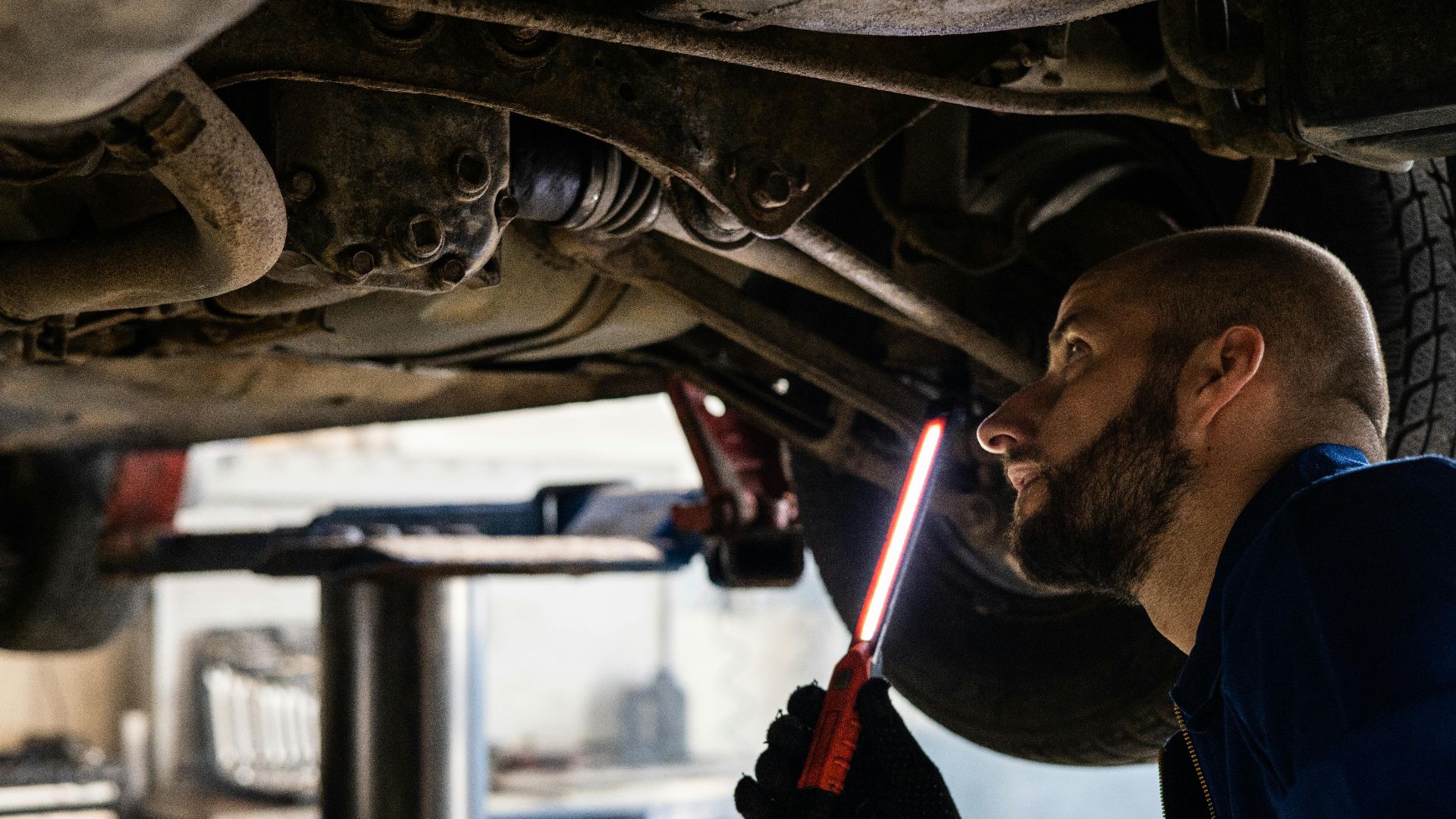
If the car is serious enough to spend real money on, it is serious enough to inspect properly. The Federal Trade Commission advises used-car shoppers to get an independent inspection before buying whenever possible. With a project car, that step matters even more because hidden rust, crash damage, and mechanical neglect can turn a dream into a money pit fast.
Rust Is Usually The Real Villain
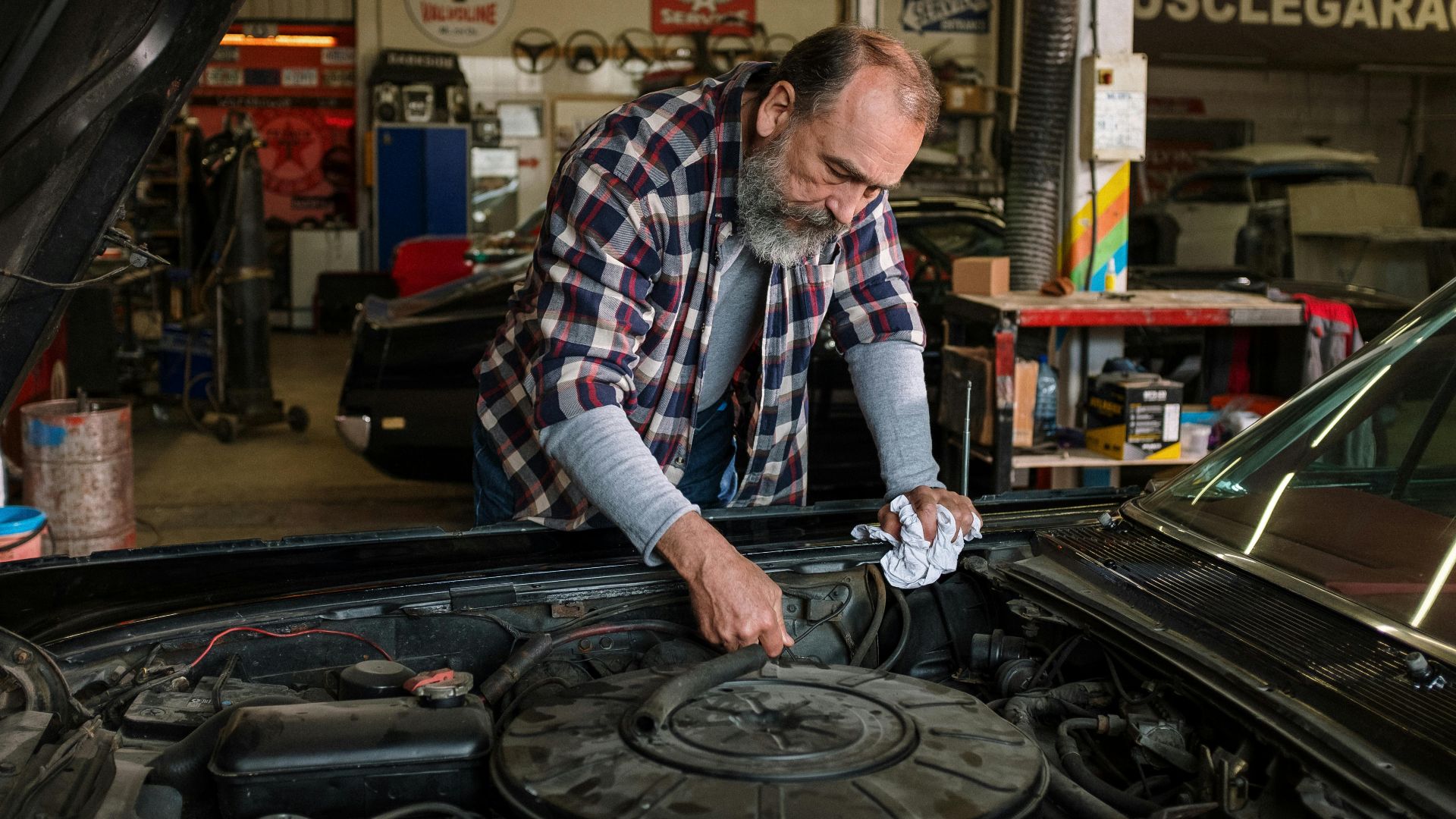
Mechanical issues can often be fixed with time and parts. Structural rust is another story because it can affect safety, repair cost, and whether the car is worth saving at all. Buyers often obsess over engines and transmissions, but experienced project-car owners know the underbody, frame rails, floors, and suspension mounting points often tell the real story.
Incomplete Cars Can Be Worse Than Broken Ones
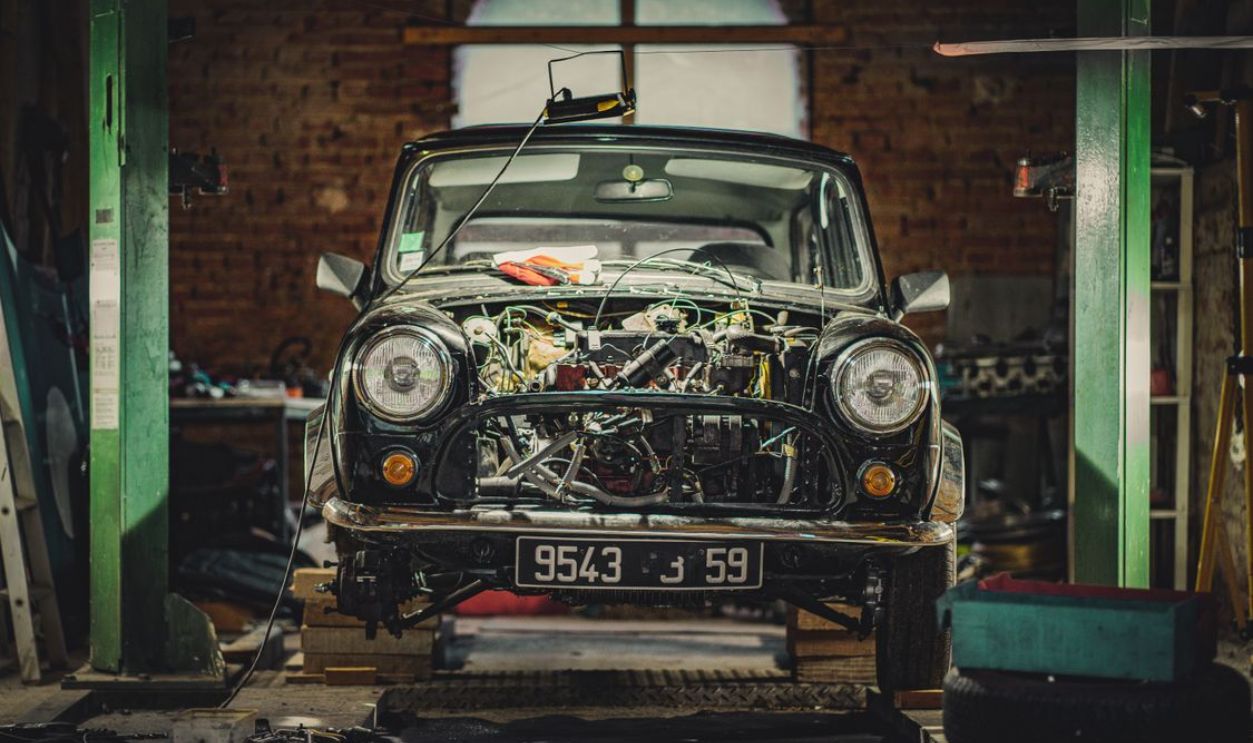
A non-running car can still be a decent project if it is solid and complete. A partly disassembled car with missing trim, mystery wiring, and boxes of unlabeled parts is often a much riskier buy. Missing pieces are what kill budgets and motivation, especially when parts are rare or no longer made.
Parts Support Can Make Or Break The Whole Plan
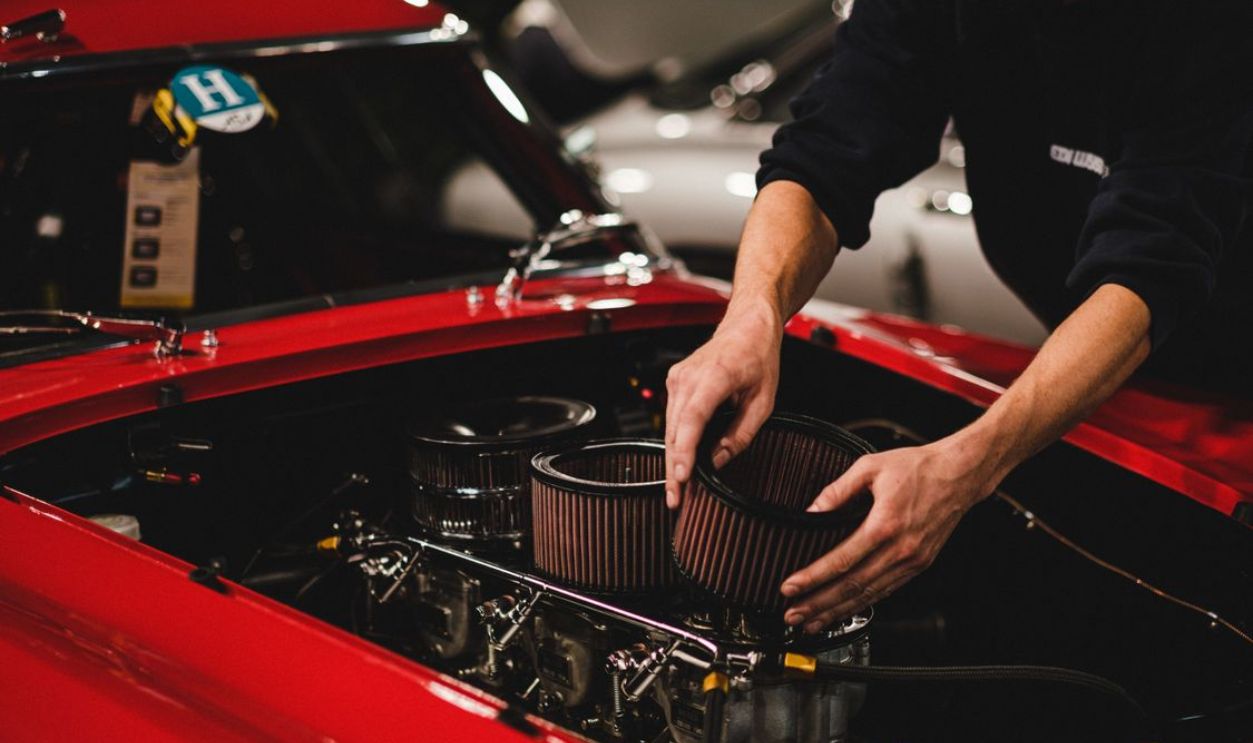
Some project cars survive because they have strong aftermarket support and active owner communities. Others become frustrating because even basic parts are hard to find, overpriced, or only available secondhand. Hagerty and enthusiast clubs have repeatedly noted that popular models stay viable projects partly because the parts supply remains strong.
Insurance Can Be A Shock
A teenager planning a project usually thinks about the purchase price, not everything that comes after. Insurance for a young driver can be expensive even on an older vehicle, and modified cars can make things more complicated depending on the insurer and the type of coverage. That means the true cost of getting the car on the road may be far higher than the listing suggests.

Registration And Emissions Matter More Than He Thinks
Older cars are not automatically easy to register or legal to drive everywhere. State inspection and emissions rules vary, and a car that looks like a bargain can turn into a headache if it cannot pass required checks without major work. It is one of those boring details that needs to be confirmed before anyone hands over money.
Do Not Empty The Savings Account
This is where many parents should draw the line. Spending every dollar on the purchase leaves nothing for tools, repairs, transport, or surprises, and project cars are full of surprises. A better plan is to keep money in reserve and treat the car as a long-term hobby instead of a one-time purchase.

The Smart Rule Is To Hold Back Half
If he has enough saved to buy the car, that does not mean he should spend it all on the car. A practical approach is to use only part of the savings for the purchase and keep the rest for the first wave of expenses after the sale. That does not kill the dream. It just keeps the whole project from falling apart when it immediately needs brakes, tires, or a battery.

Tools Cost Real Money Too
A first project car quickly teaches another lesson. Wrenches, jack stands, torque wrenches, diagnostic tools, fluids, and a service manual are all part of the true startup cost. A teenager who spends everything on the vehicle itself may not be able to do the work that made the project exciting in the first place.
When Obsession Turns Into Education
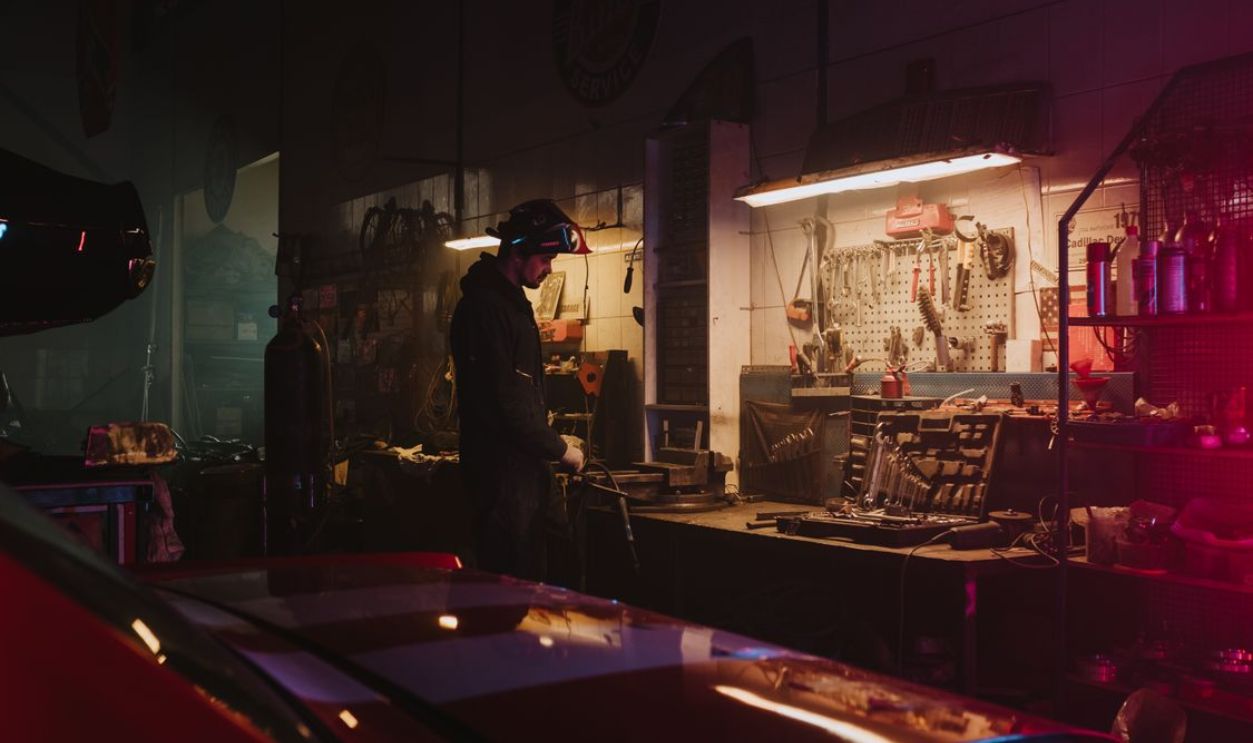
There is a real upside if the project is chosen wisely. Working on an older car can teach patience, budgeting, research, mechanical basics, and problem-solving in a way few hobbies can. For some young enthusiasts, that first rough project has opened the door to careers in engineering, restoration, fabrication, or dealership service.
The Community Is Part Of The Pull
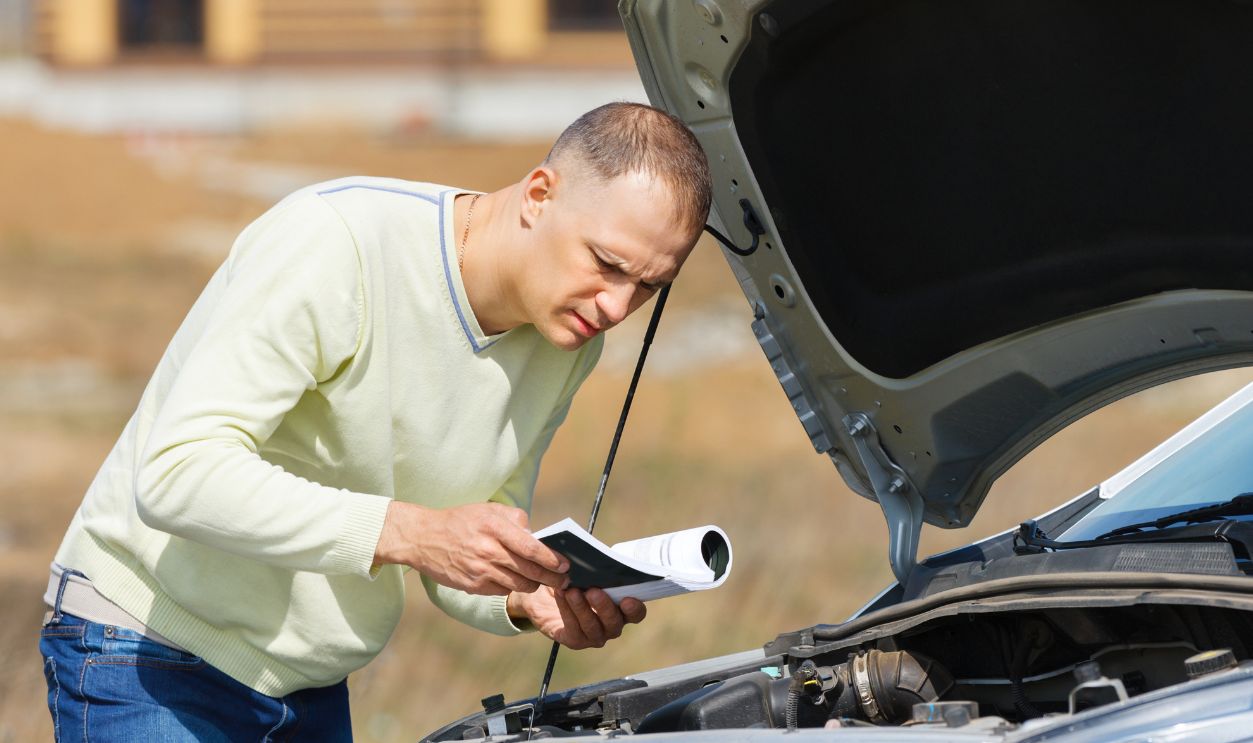
Car obsession is not just about the machine. It is also about forums, owner groups, local meets, YouTube repair channels, and learning from people who know the platform inside and out. That social side helps explain why project cars can become such a deep and lasting interest.
Parents Do Not Have To Play The Villain
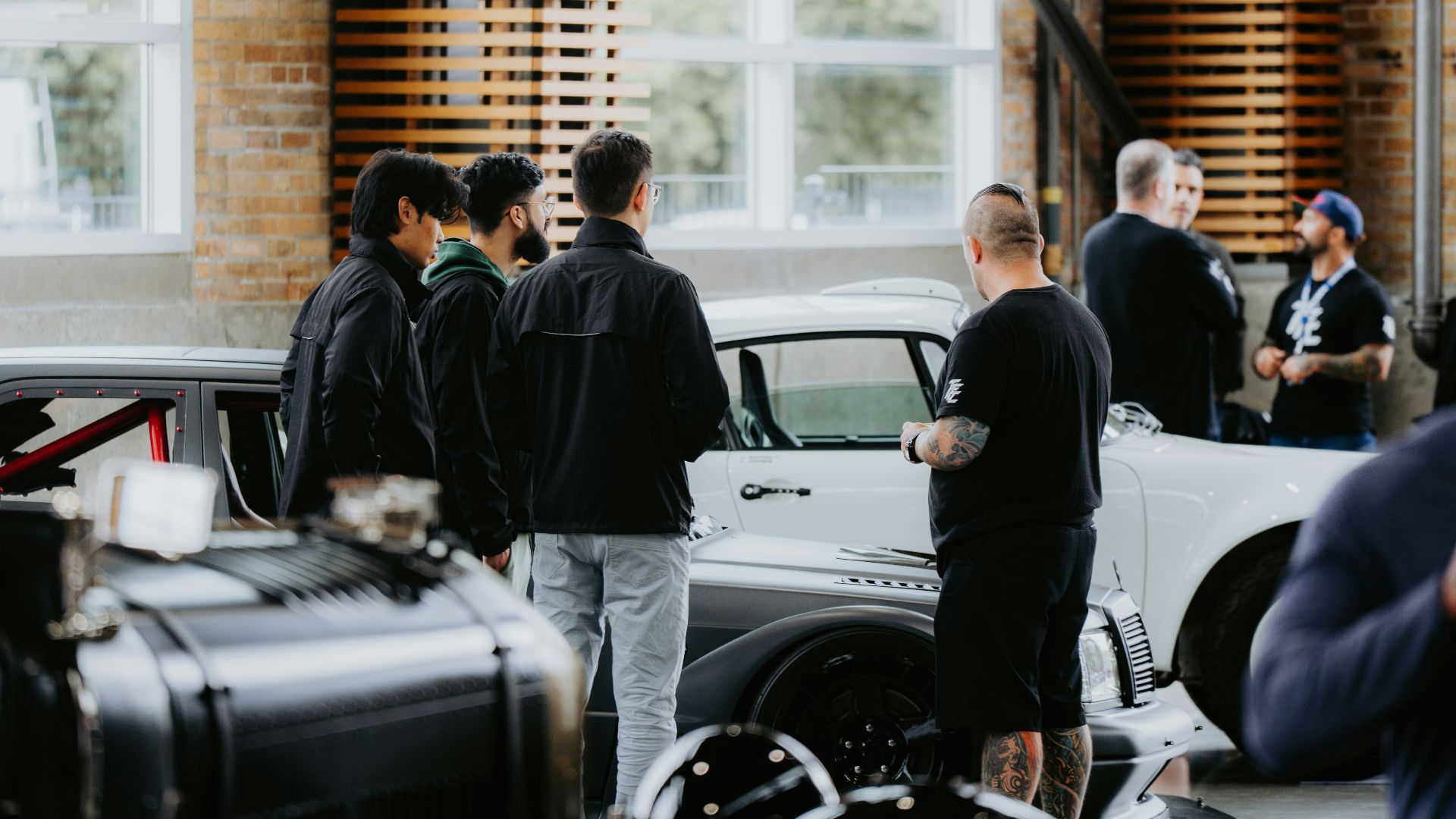
Saying “absolutely not” may stop one purchase, but it may not teach much. A better move is often to turn the excitement into a plan with a budget, inspection checklist, ownership-cost estimate, and a firm cap on the purchase price. That approach respects the enthusiasm while adding some adult judgment to the process.
Ask These Three Questions First
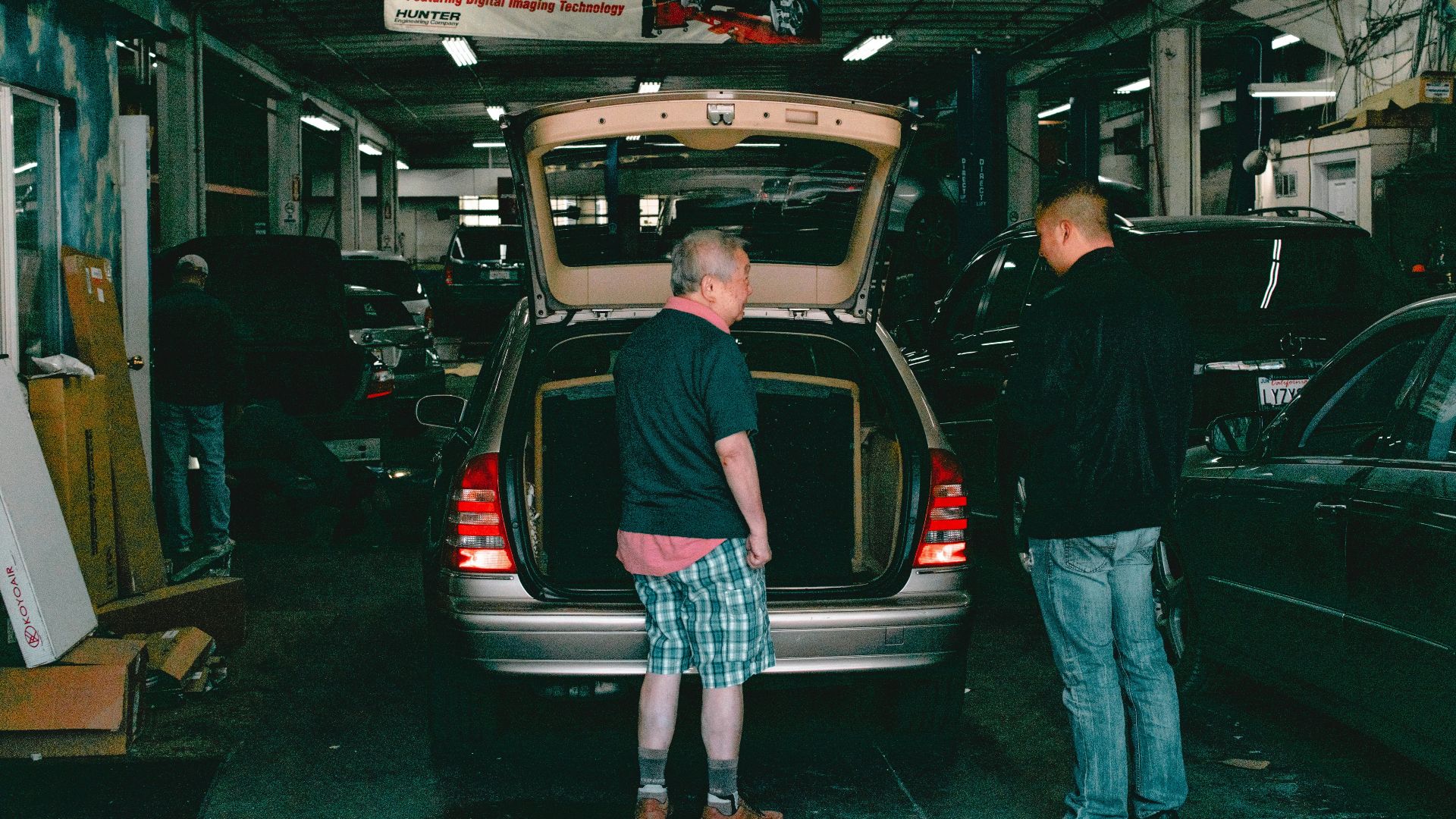
First, is the car structurally solid enough to justify saving. Second, are parts available at a reasonable price. Third, can he afford not just to buy it, but to own it afterward. If the answer to any of those questions is no, this probably is not the right car to start with.
The Best First Project Usually Looks Boring On Paper
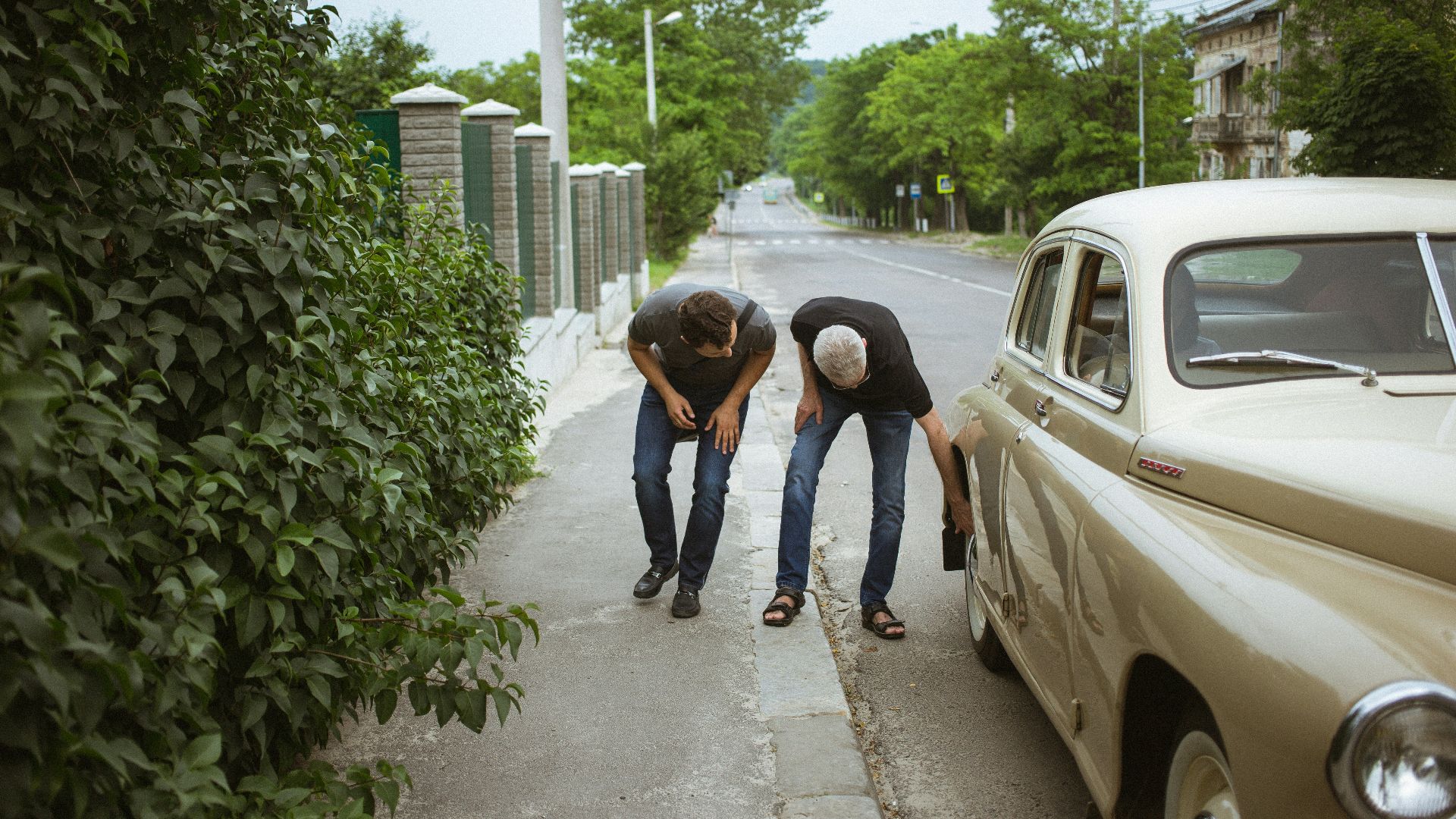
The smartest beginner project is usually not the rare turbo coupe or neglected luxury car that looks irresistible online. It is usually something simple, common, well-documented, and backed by a big owner community. The less exotic the platform, the better the chances of actually finishing it and enjoying it.
A Running Car Usually Beats A Romantic Wreck
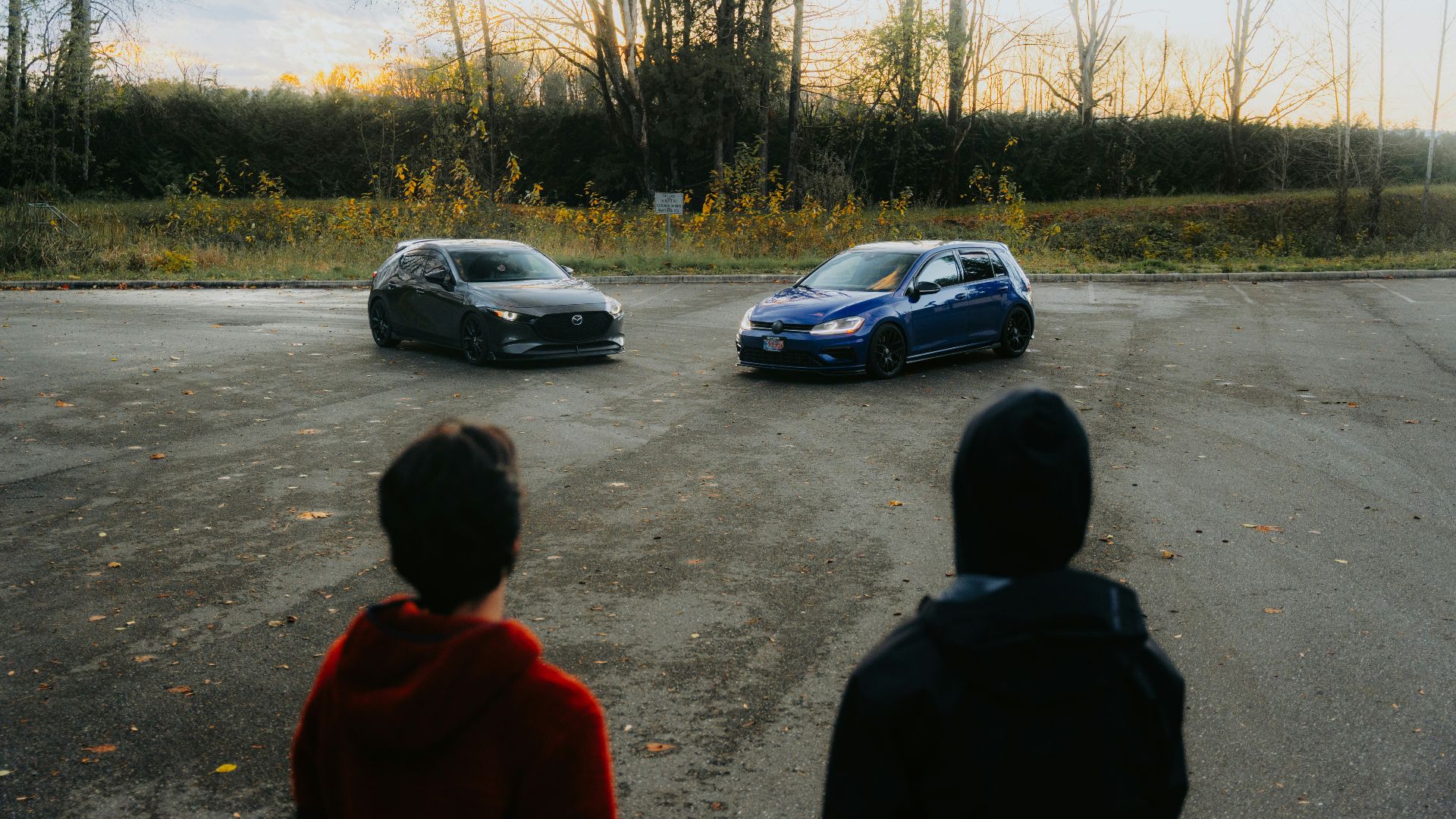
If the choice is between a running, driving car with cosmetic flaws and a non-running “easy fix” with unknown problems, the running car is usually the better buy. It may be less dramatic, but it is far more likely to keep a young enthusiast motivated. Momentum matters, and being able to drive the car at least a little can keep the whole project alive.

Bring Experience, Not Just Hope
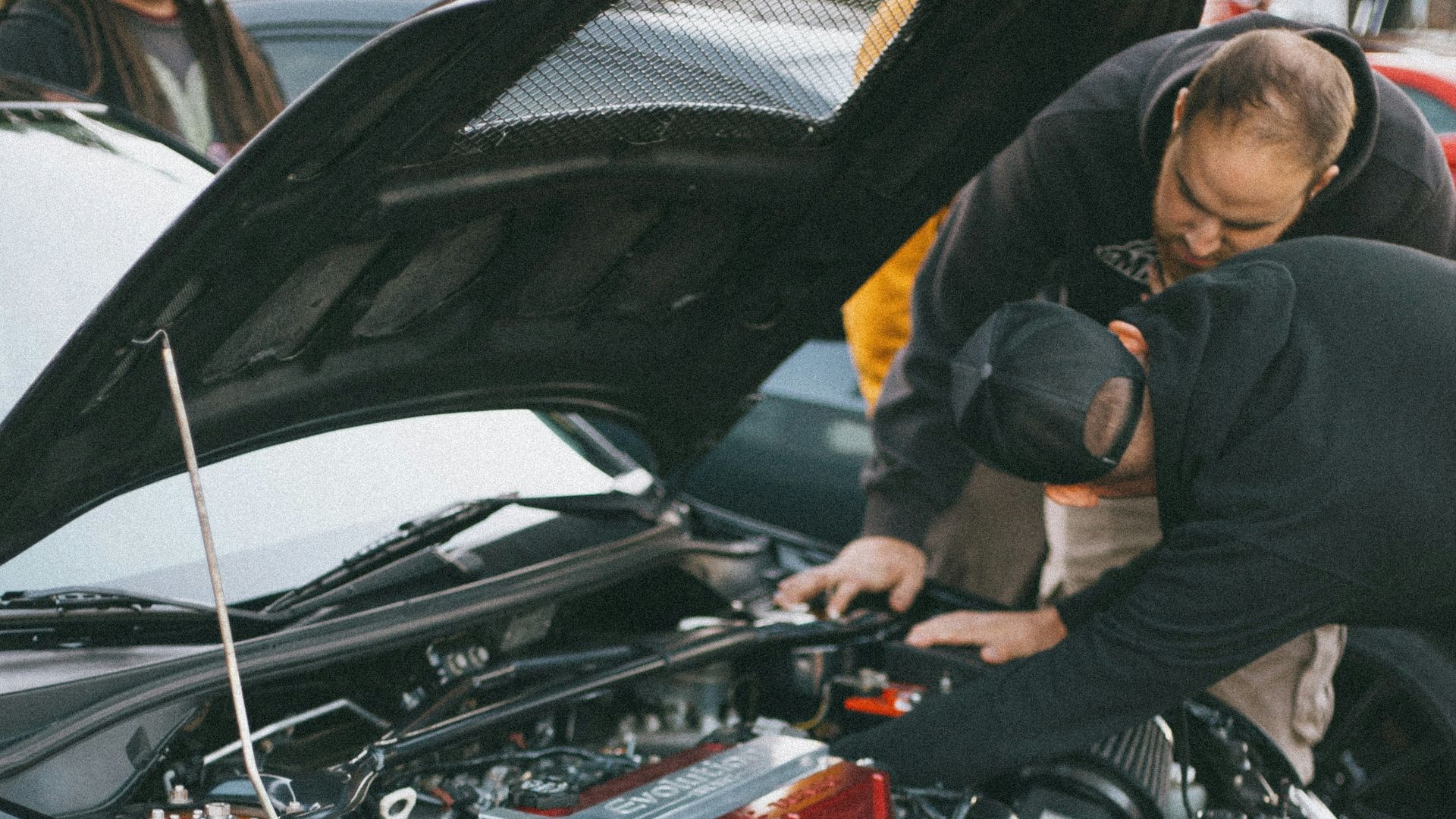
If you decide to look at the car, bring someone who knows the model or at least knows older cars well. A knowledgeable second set of eyes can catch bad repairs, hidden rust, sketchy wiring, and signs of neglect that an excited buyer will miss. That one step can save far more money than it costs.
The Goal Is Not To Shut Down The Passion
A car obsession is not automatically a bad thing. In the right form, it can become a productive hobby that teaches responsibility and gives a young person something real to build. The trick is making sure the first purchase becomes a lesson in ownership, not a financial disaster.
So, Is This How Car Obsessions Start
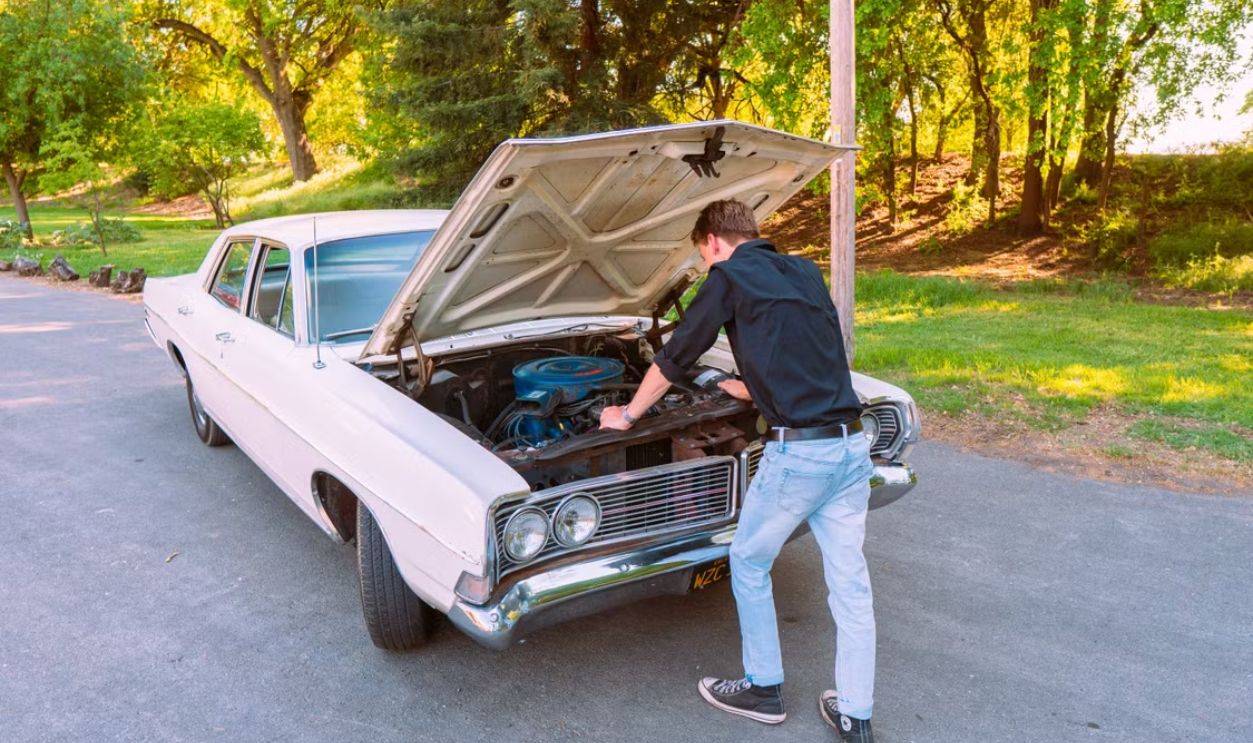
Very often, yes. They start with a listing, a dream, and a willingness to ignore at least a few warning signs in pursuit of something exciting. The best version of that story is not “he bought the cheapest project he could find,” but “he learned how to choose one that would not bury him.”

The Best Answer Is Usually A Conditional Yes
If the car passes inspection, fits a realistic budget, has solid parts support, and leaves money in the bank, saying yes may be perfectly reasonable. If it wipes out his savings and depends more on hope than evidence, saying not yet is probably the smarter move. That balance is where many long, rewarding car obsessions begin.