When Volvo Decided To Build A Luxury Coupe
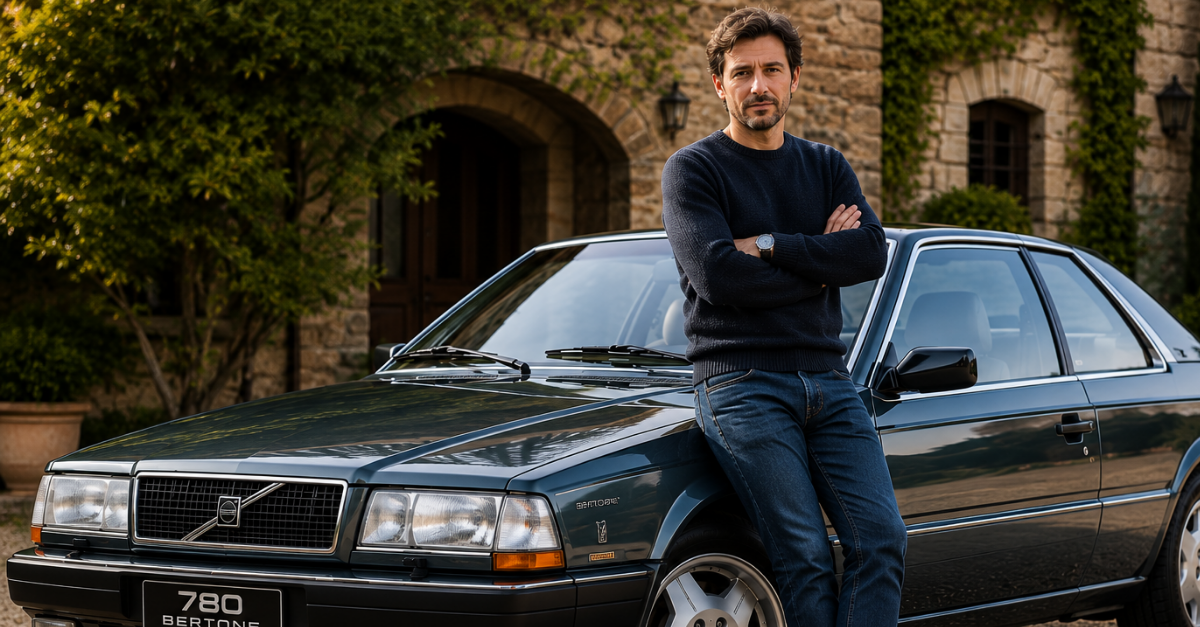
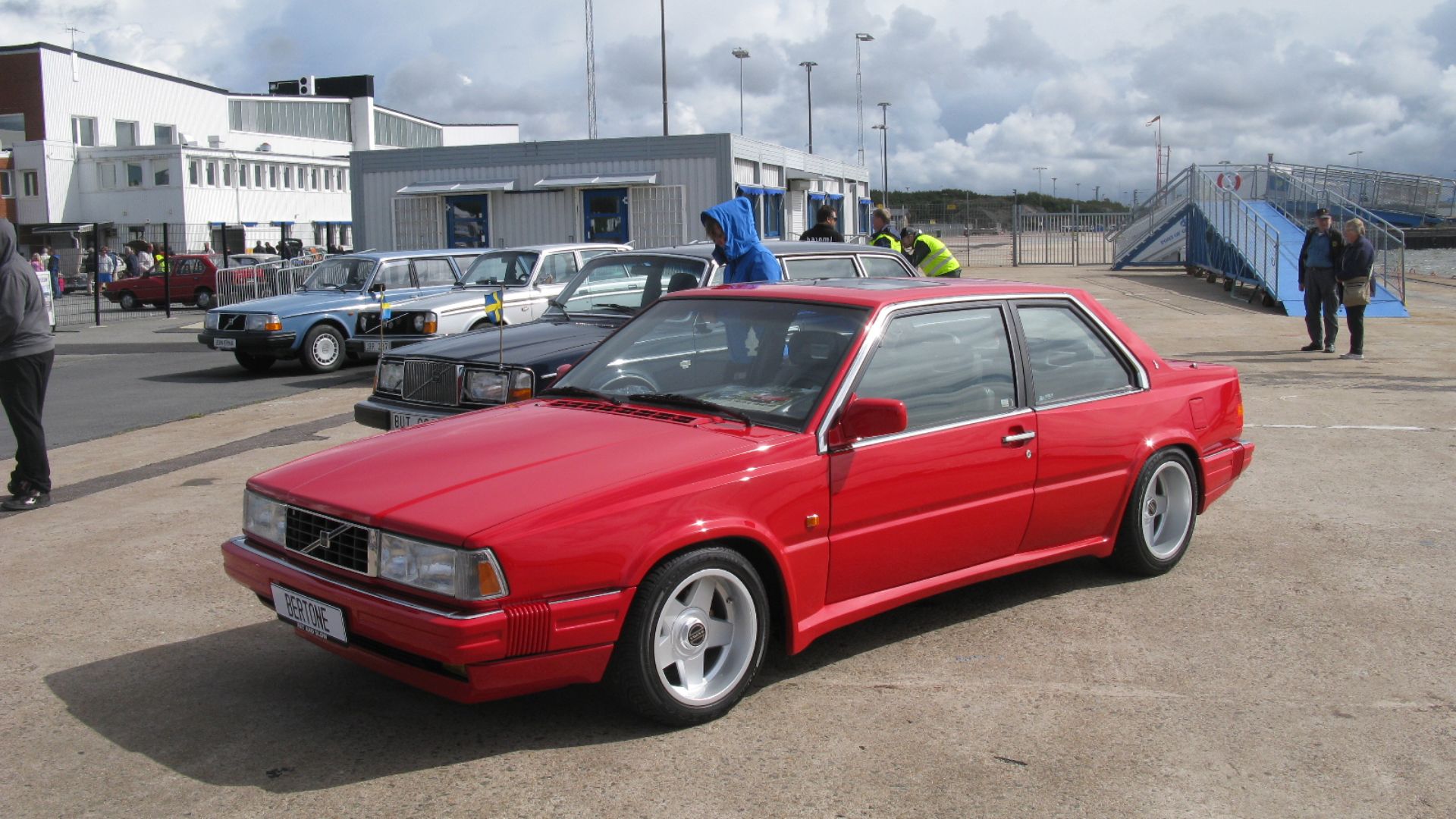
Most people associate Volvo with practical sedans and boxy wagons, but during the 1980s the company decided to try something much more ambitious. Volvo wanted a genuine luxury coupe that could compete with premium European grand tourers while still retaining the brand’s reputation for safety, comfort, and durability.
Bertone Was The Perfect Partner
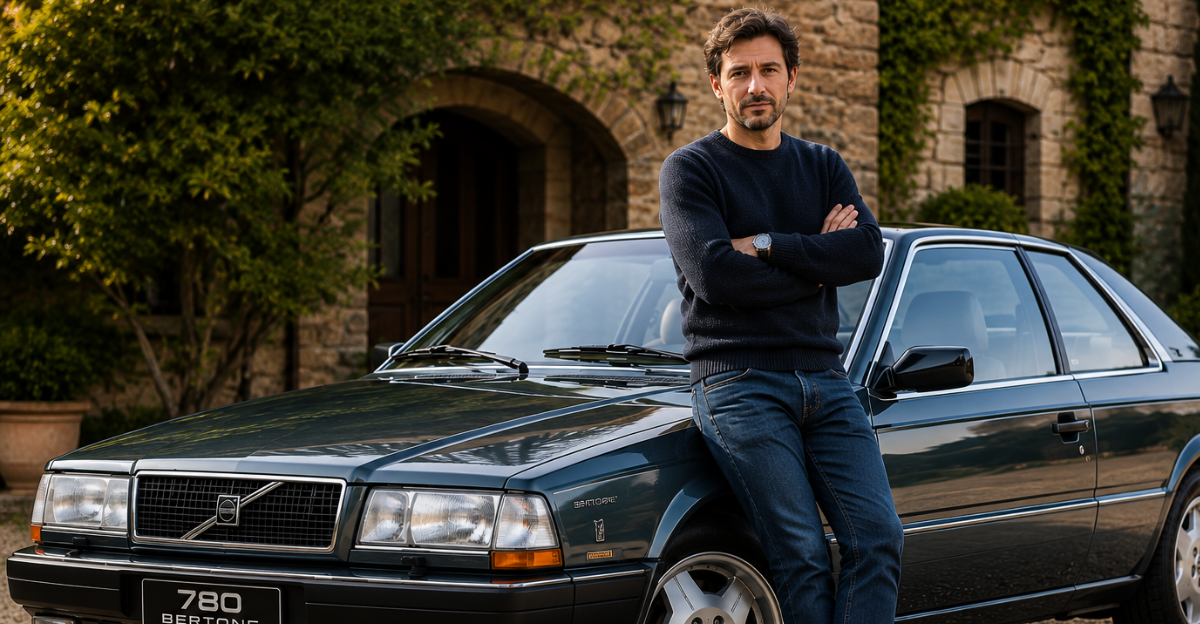
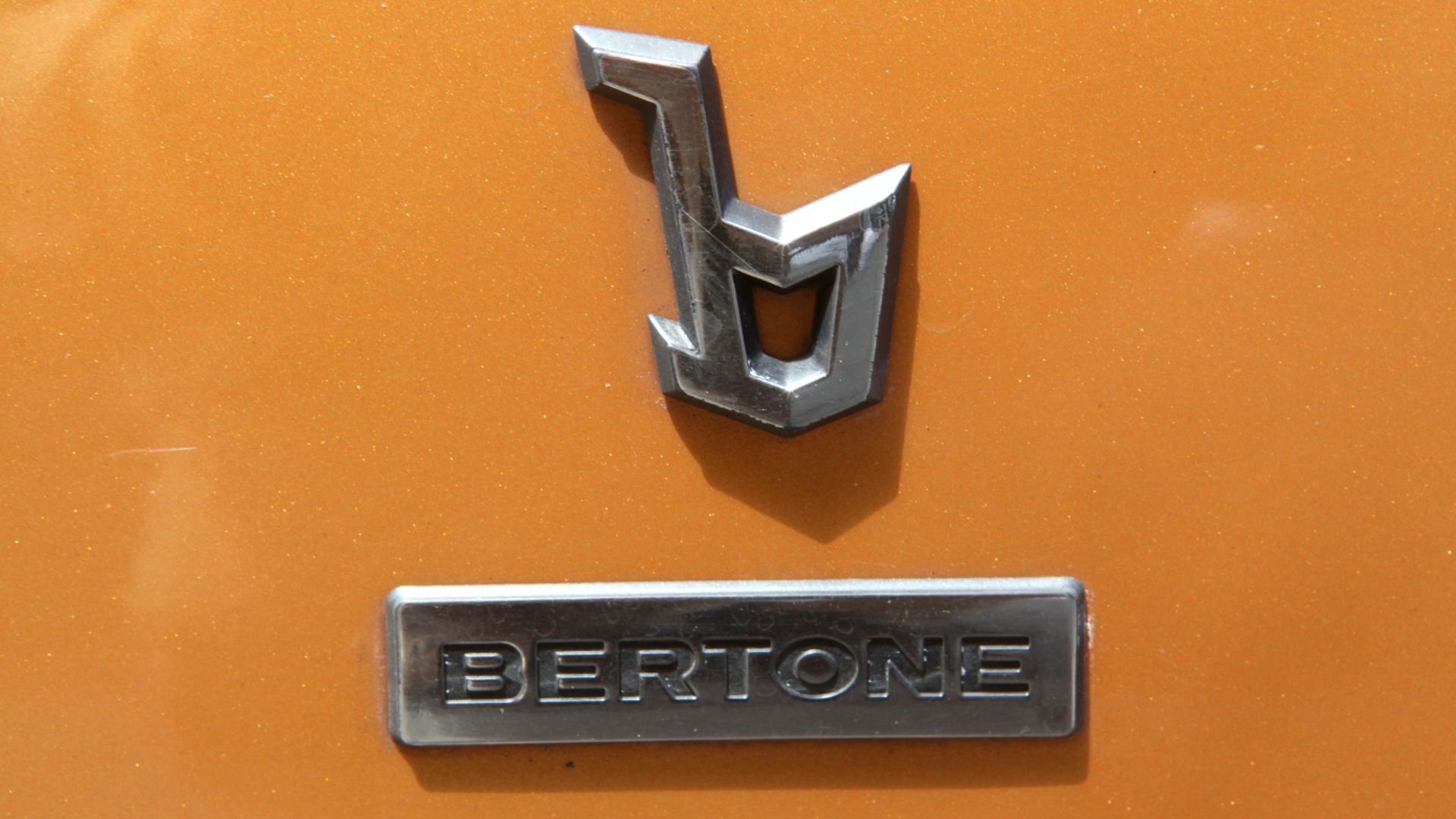
Rather than designing the car entirely in-house, Volvo turned to Italy’s famous Bertone design house. The two companies had already collaborated on the Volvo 262C, and that relationship made Bertone the natural choice for Volvo’s next upscale coupe project.
 Joost J. Bakker from IJmuiden, Wikimedia Commons
The 780 Debuted In Geneva
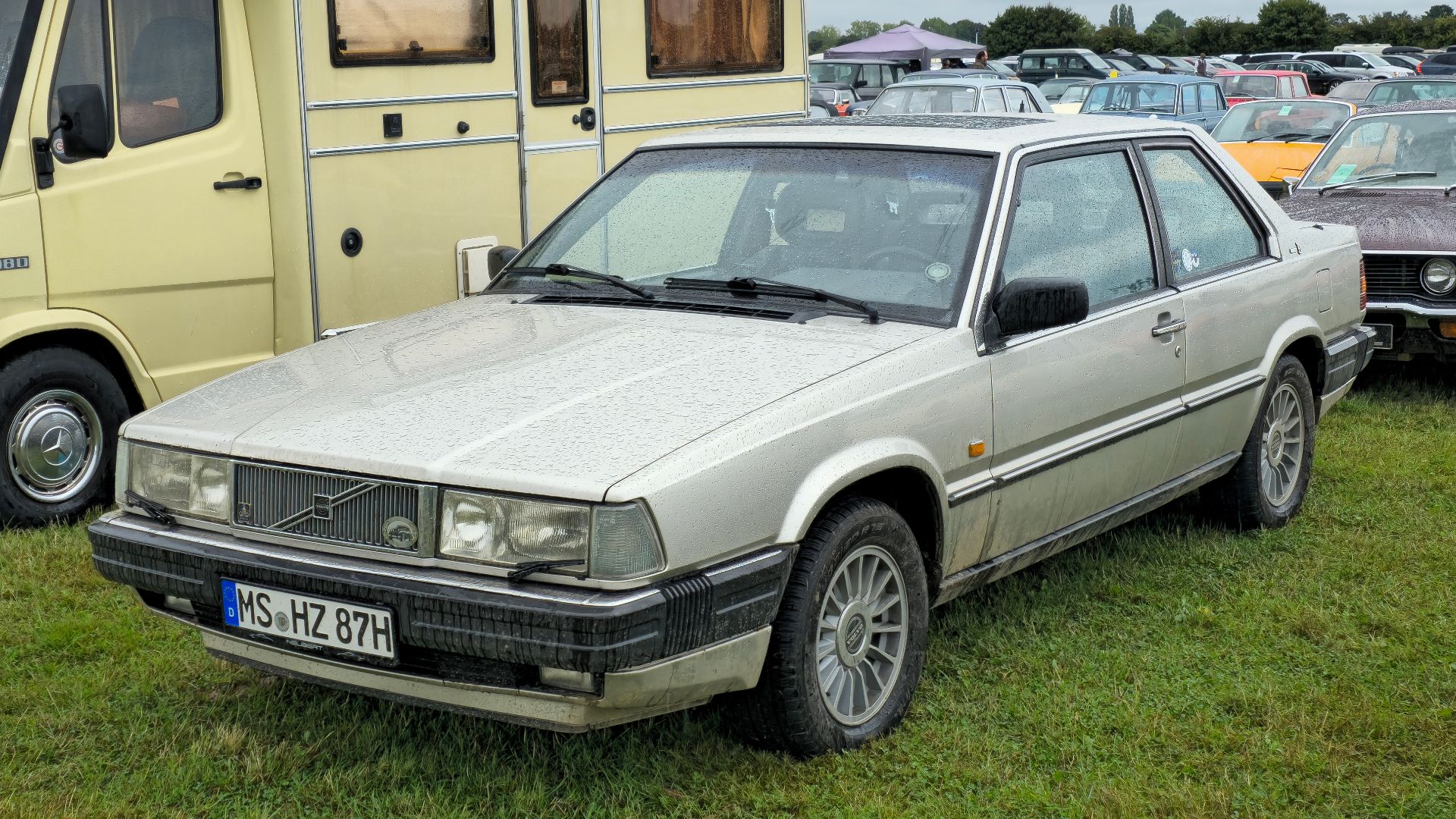
The Volvo 780 made its public debut at the Geneva Motor Show in 1985. It represented Volvo’s return to the two-door luxury coupe market after the discontinuation of the 262C several years earlier, signaling that the company wanted a stronger presence in the premium segment.
It Was Based On The Volvo 760
Underneath its elegant bodywork, the 780 shared its platform with the Volvo 760. That gave it proven mechanical components and the sturdy engineering that Volvo had already developed for its flagship sedan.
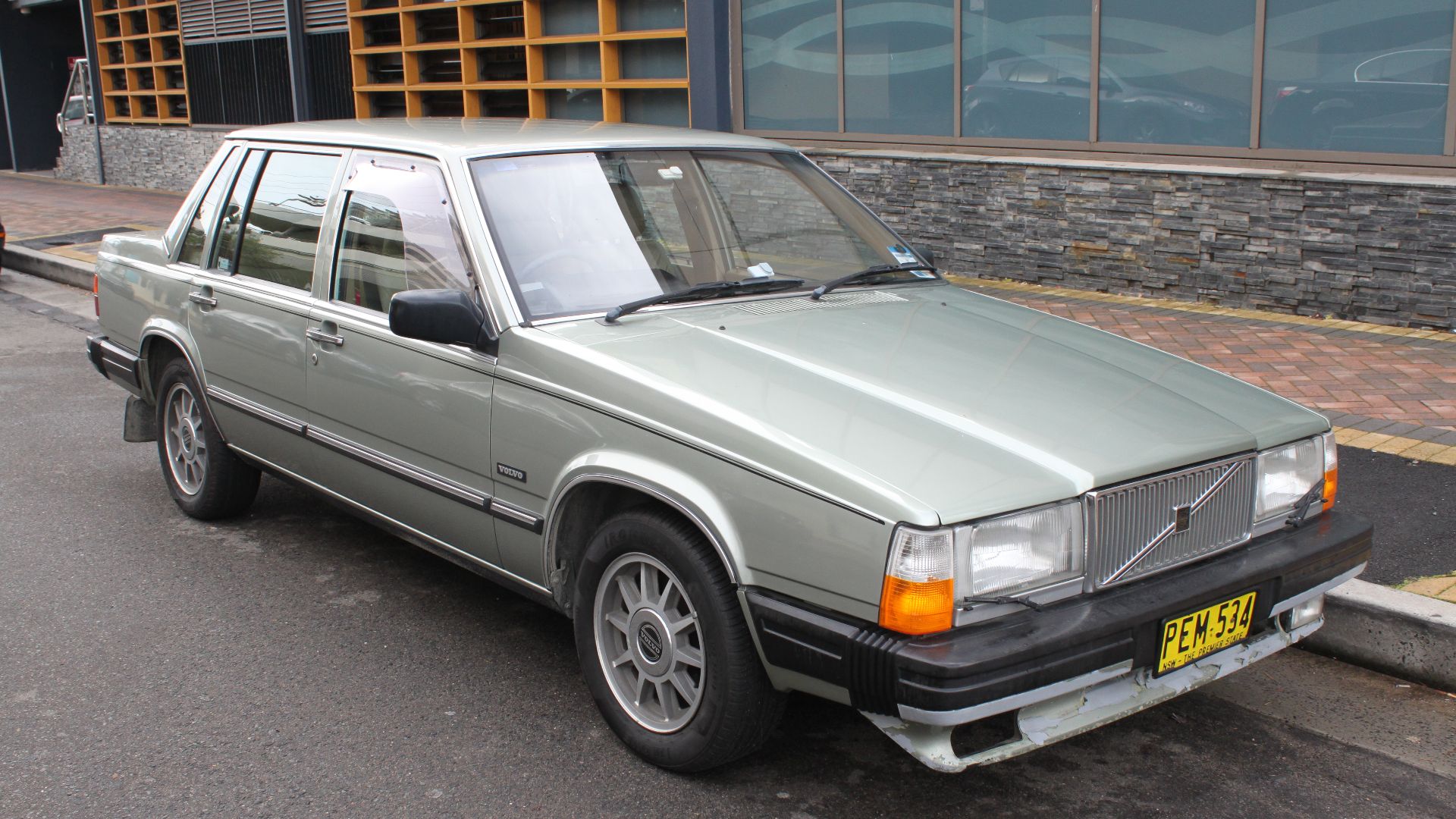 Jeremy from Sydney, Australia, Wikimedia Commons
Almost Every Exterior Panel Was Unique
Although the 780 borrowed its basic structure from the 760, very little of the visible bodywork was shared. Bertone created a lower roofline, revised hood, redesigned trunk, and unique side profile that made the coupe look far more sophisticated than its sedan sibling.
The Design Stayed True To Volvo
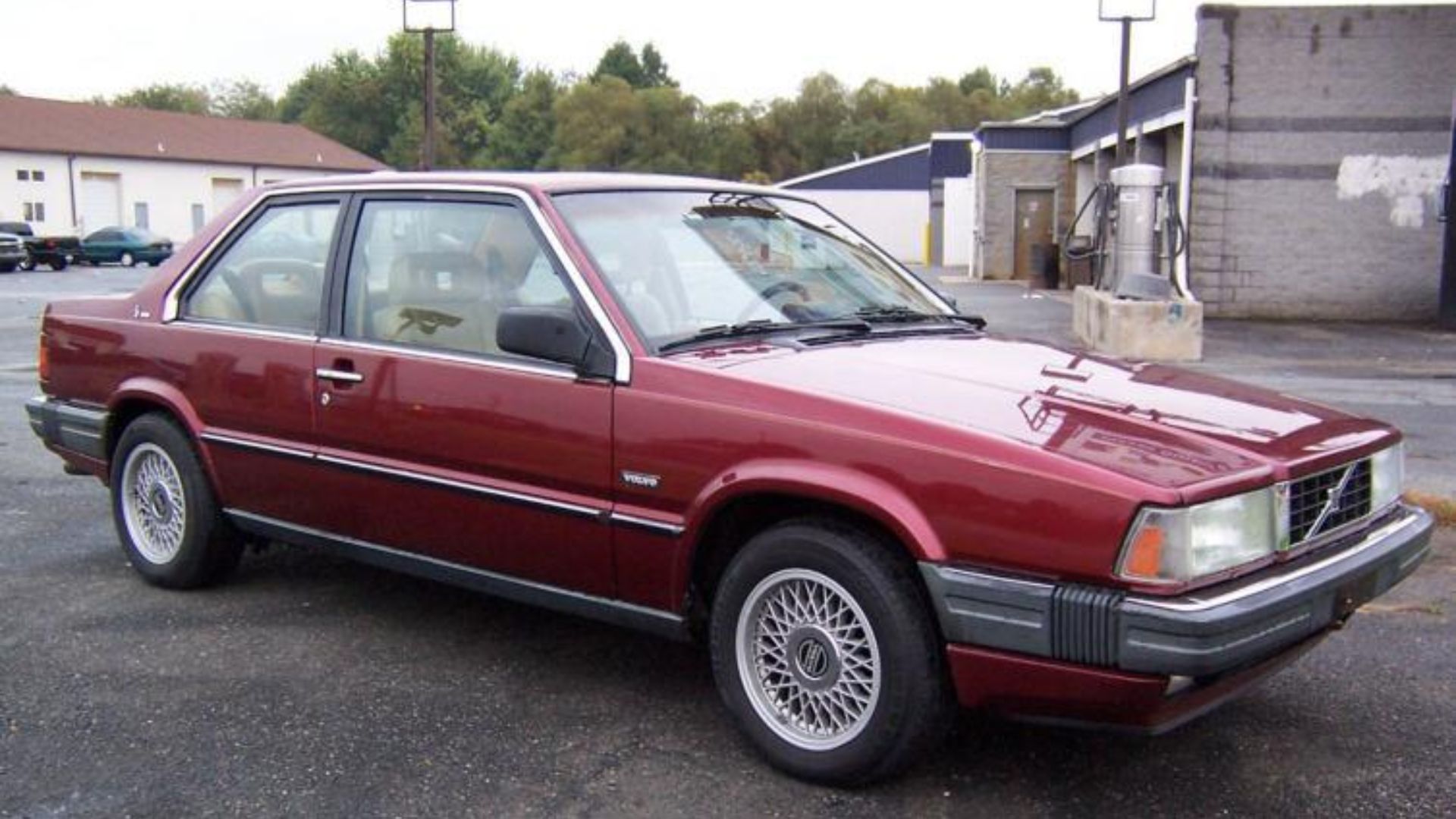
One of Bertone’s biggest challenges was making the coupe feel special without abandoning Volvo’s identity. The result was a car that looked unmistakably Swedish while incorporating subtle Italian styling cues that gave it a more upscale appearance.
Production Happened In Italy
Unlike most Volvos of the era, the 780 was built by Bertone in Turin, Italy. Bertone handled production of the car, making the 780 one of the most international vehicles Volvo ever sold during the 1980s.
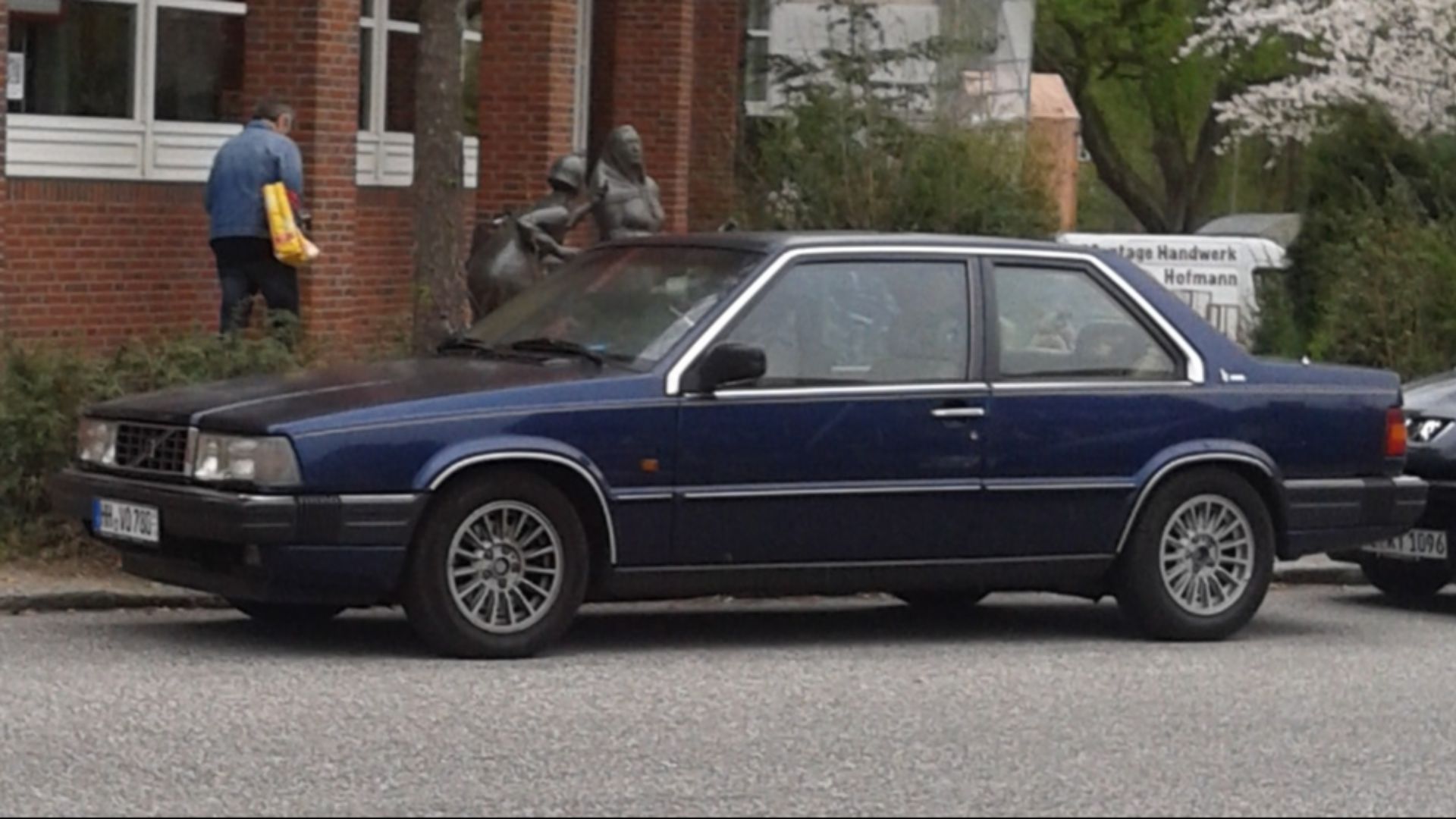 Matthias v.d. Elbe, Wikimedia Commons
The Interior Was Built For Luxury
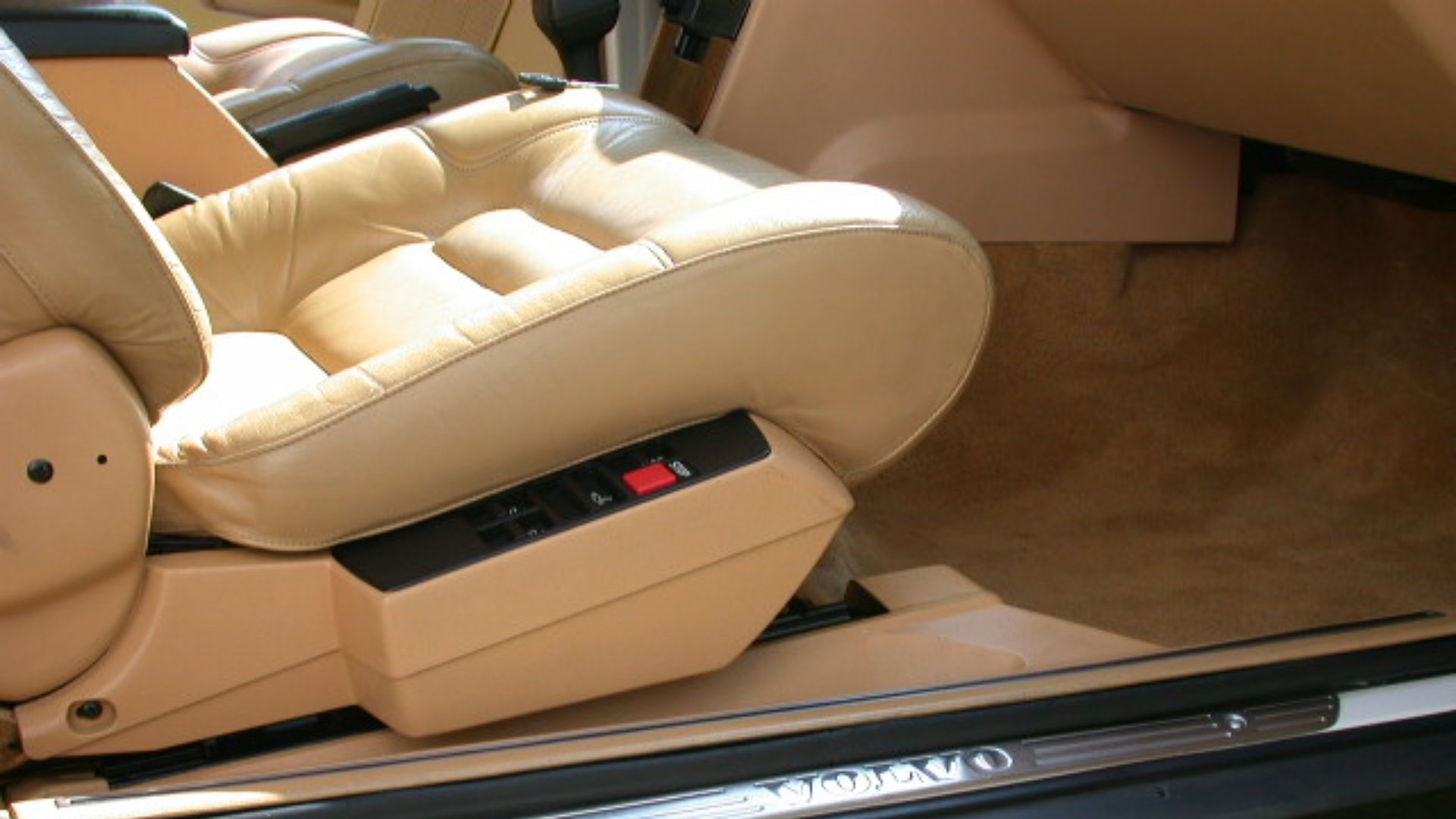
Volvo and Bertone paid special attention to the cabin. Leather upholstery, wood trim, and premium materials were used throughout the interior. Compared with ordinary 700-series models, the 780 felt significantly more exclusive.
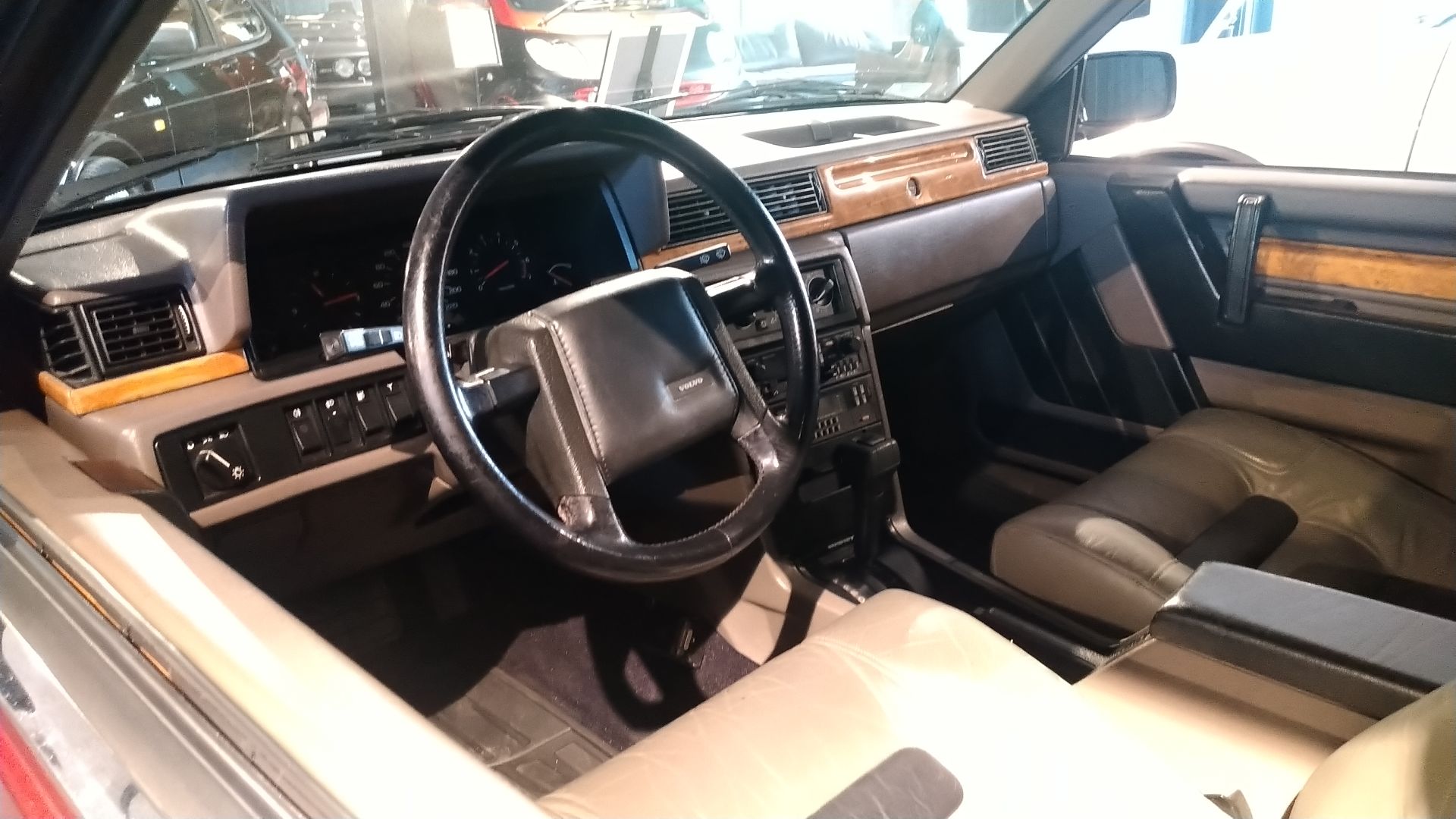 Herranderssvensson, Wikimedia Commons
Rear Passengers Received Special Treatment
Instead of treating the back seat as an afterthought, Volvo designed individual rear seating positions for two passengers. The arrangement emphasized comfort and reinforced the car’s grand-touring mission.
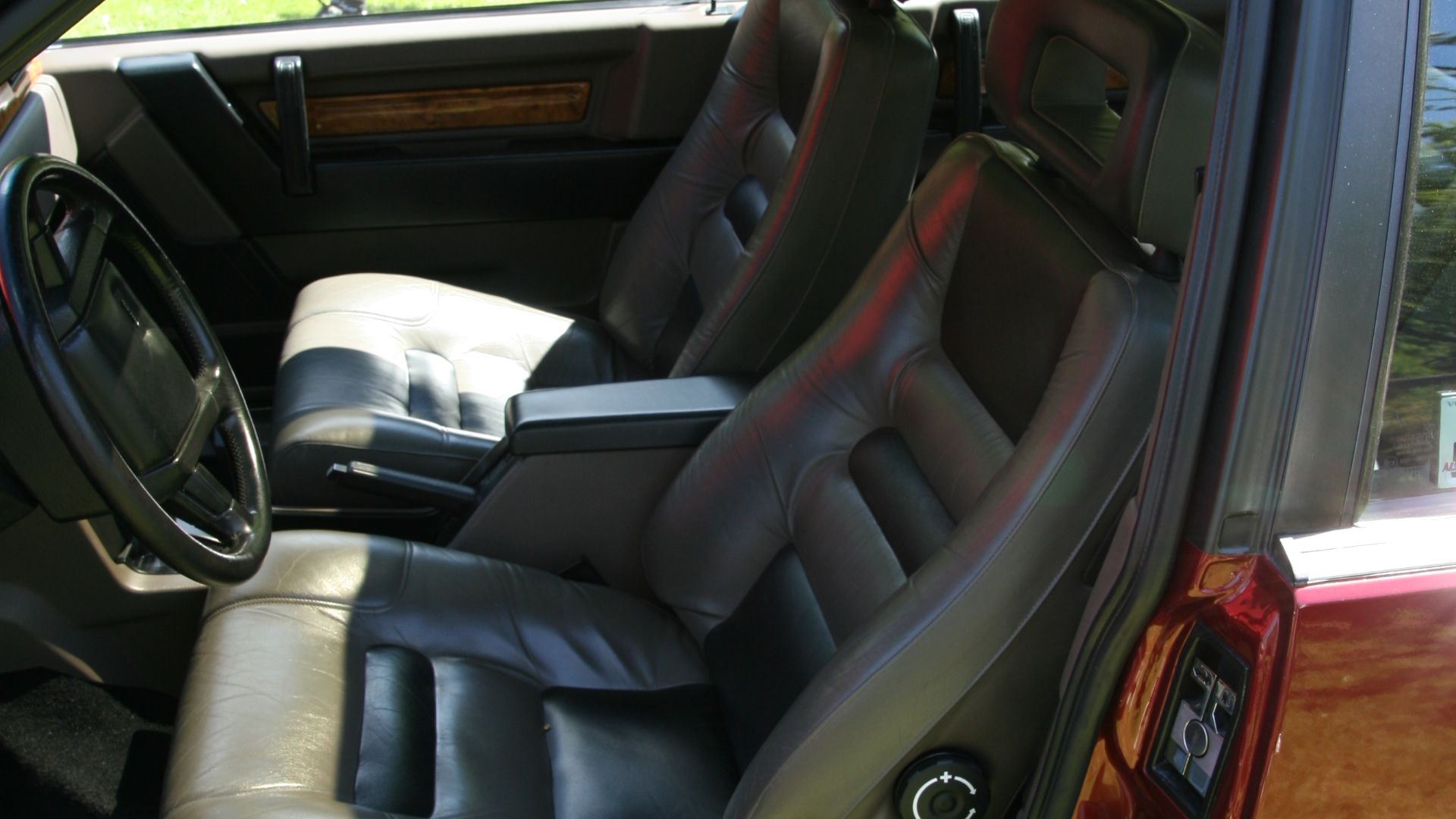 Magnus Bäck, Wikimedia Commons
Early Cars Used A PRV V6
The first 780 models were powered by the PRV V6 engine developed jointly by Peugeot, Renault, and Volvo. While the engine delivered smooth cruising ability, some buyers wished it offered stronger performance to match the car’s premium image.
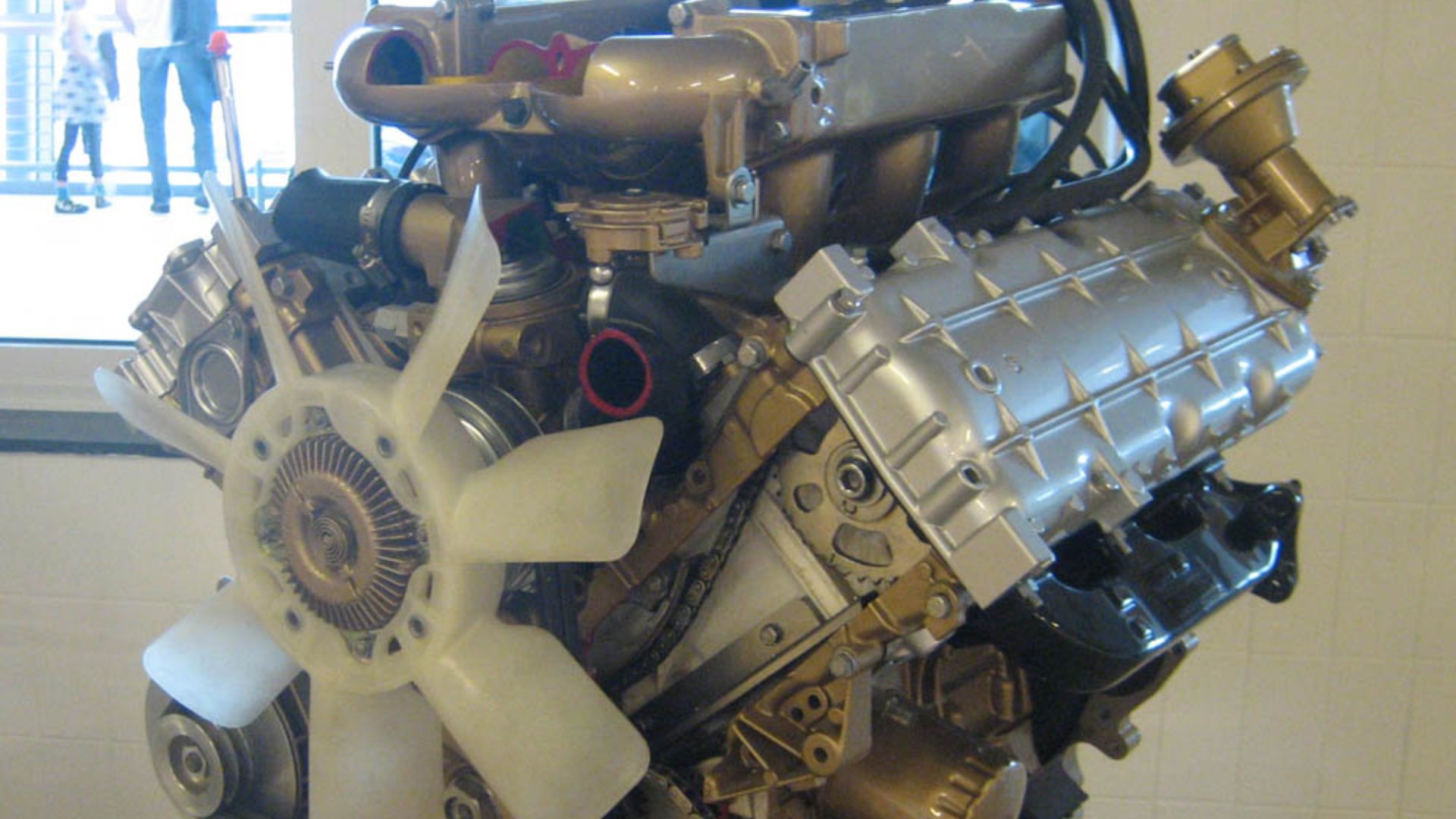 Svennex at English Wikipedia, Wikimedia Commons
Turbocharged Power Arrived Later
Volvo eventually expanded the engine lineup with turbocharged four-cylinder options. These engines improved acceleration and became popular among buyers who wanted more performance without sacrificing efficiency.
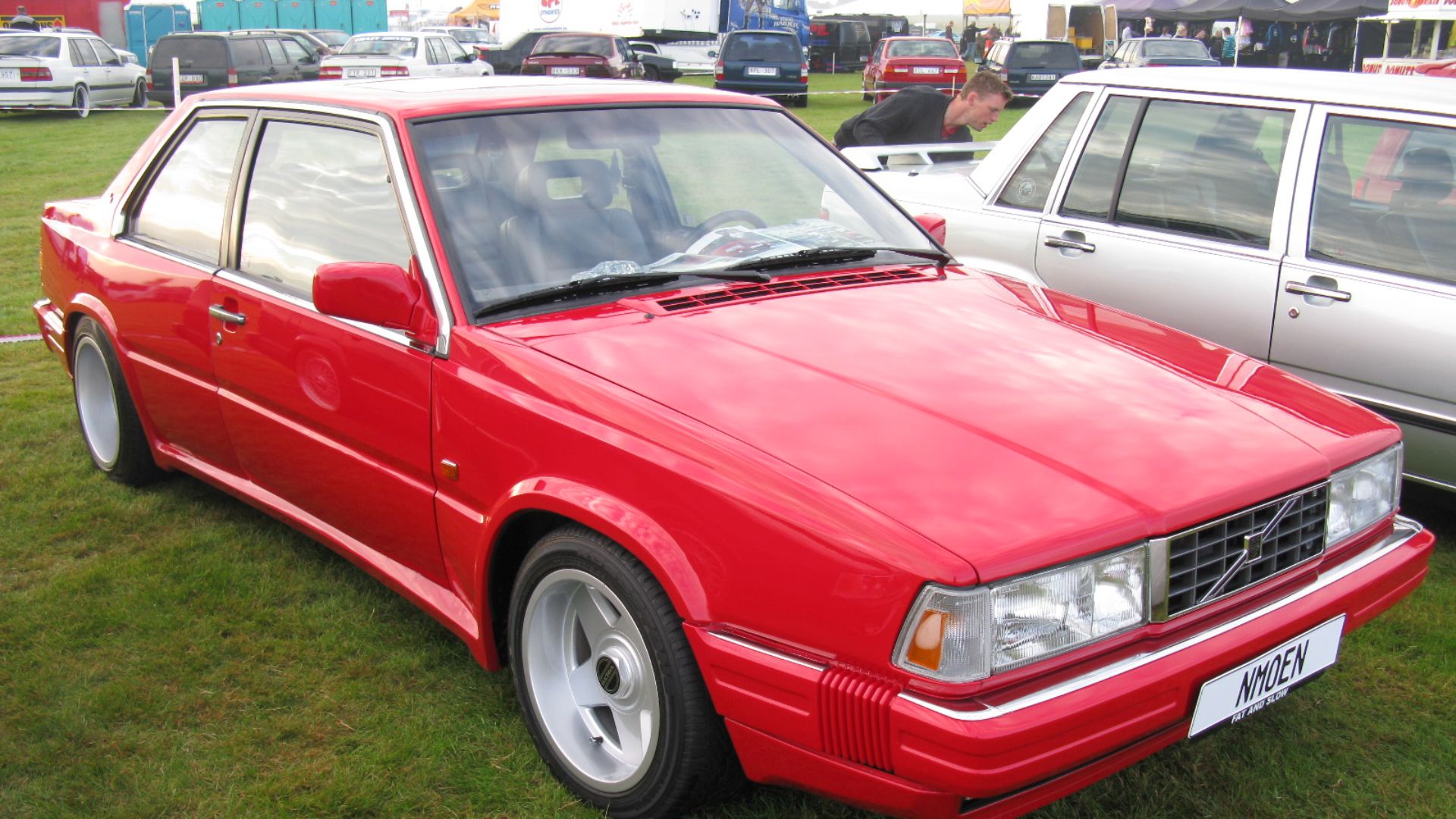
Diesel Versions Existed Too
In certain European markets, Volvo even offered diesel-powered versions of the 780. These models used Volkswagen-sourced six-cylinder diesel engines and appealed to buyers seeking long-distance economy.
 Bharani Padmanabhan MD PhD, Wikimedia Commons
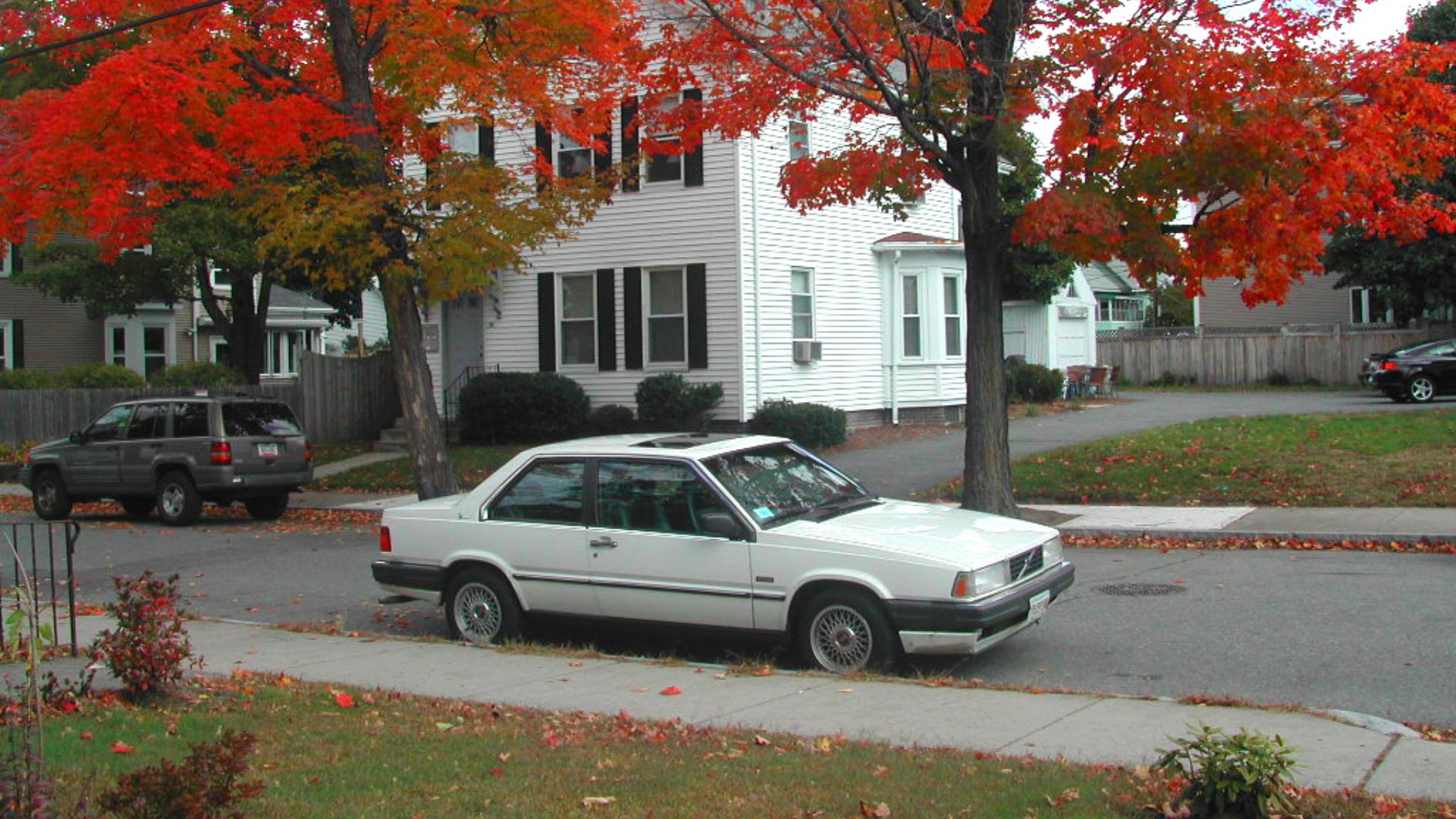
The Suspension Improved Dramatically
One of the most important upgrades arrived for the 1988 model year when Volvo introduced an independent rear suspension system. The change significantly improved ride quality and handling while helping the coupe feel more refined on long journeys.
 Magnus Bäck, Wikimedia Commons
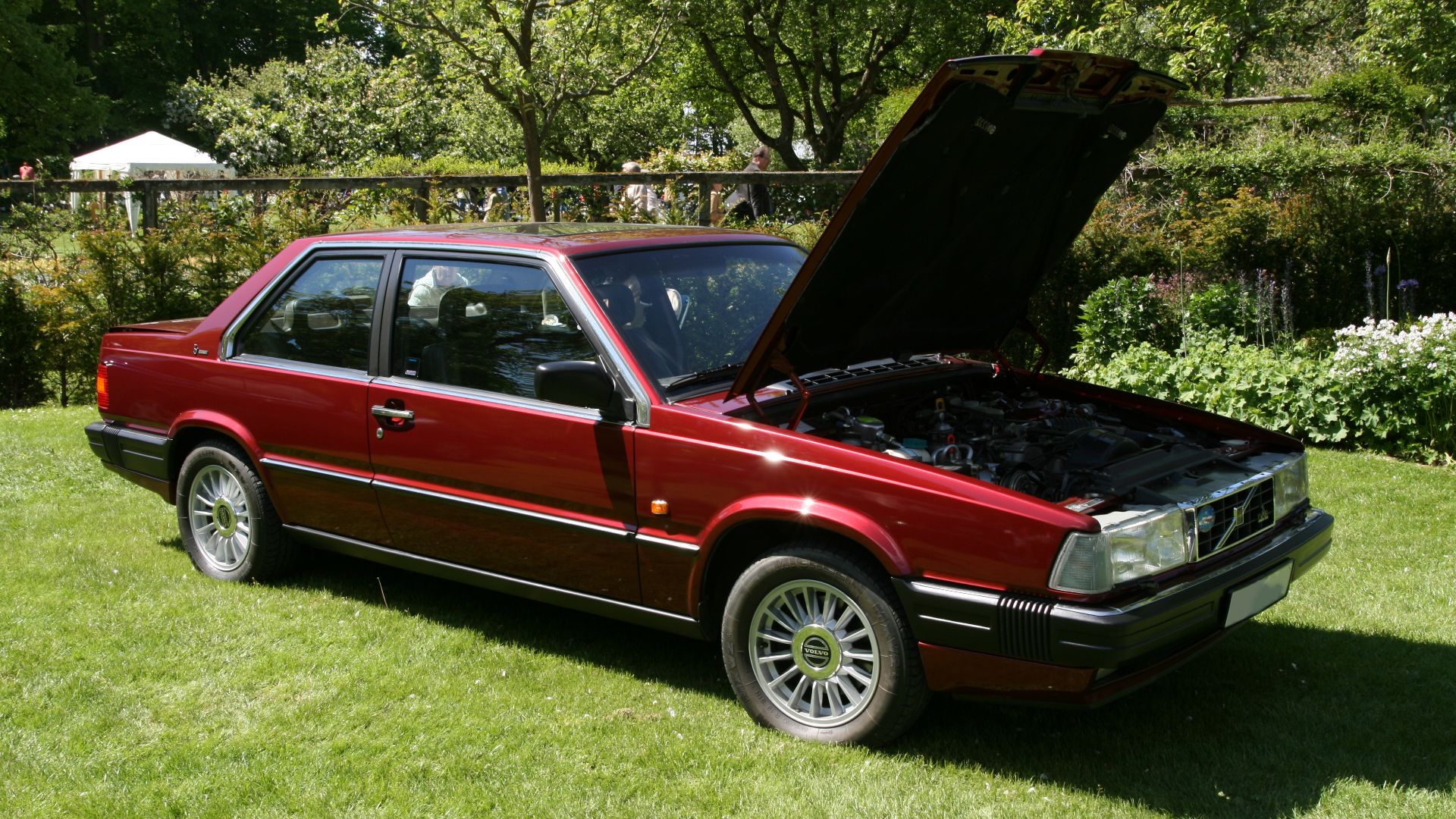
Comfort Was A Top Priority
The 780 was never intended to be a sports car. Instead, Volvo engineered it as a luxurious grand tourer capable of covering long distances in comfort. Smooth ride quality, supportive seats, and a quiet cabin were central parts of its appeal.
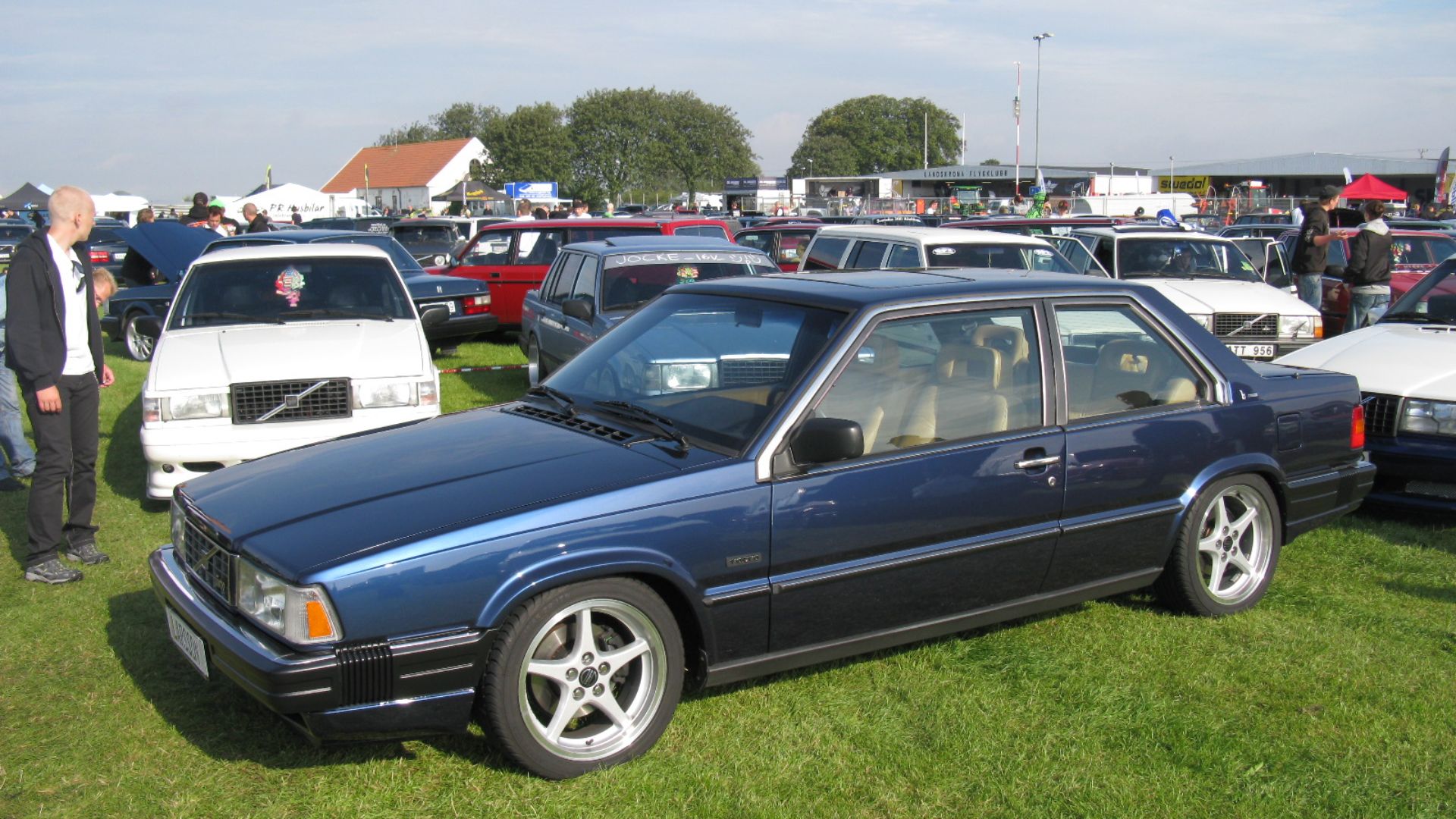
It Came Packed With Features
For its era, the 780 offered an impressive list of standard equipment. Buyers could enjoy power seats, automatic climate control, premium audio systems, anti-lock brakes, and numerous luxury touches that were not common on mainstream vehicles.
The Car Was Surprisingly Expensive
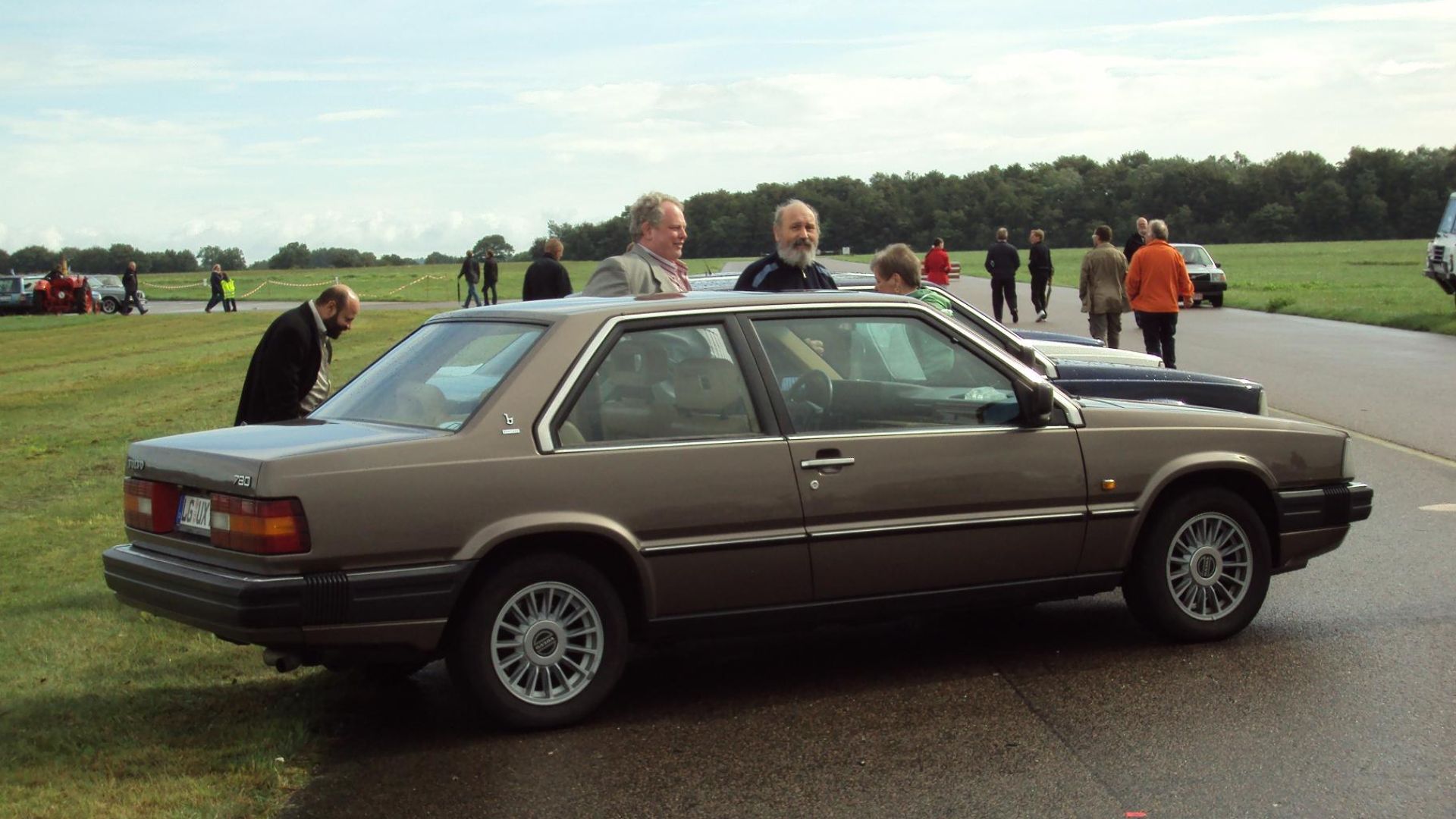
Luxury came at a cost. In many markets, the 780 was one of the most expensive Volvos ever sold. Its price often placed it alongside prestigious competitors from Mercedes-Benz, BMW, Jaguar, and Porsche.
Sales Never Reached Huge Numbers
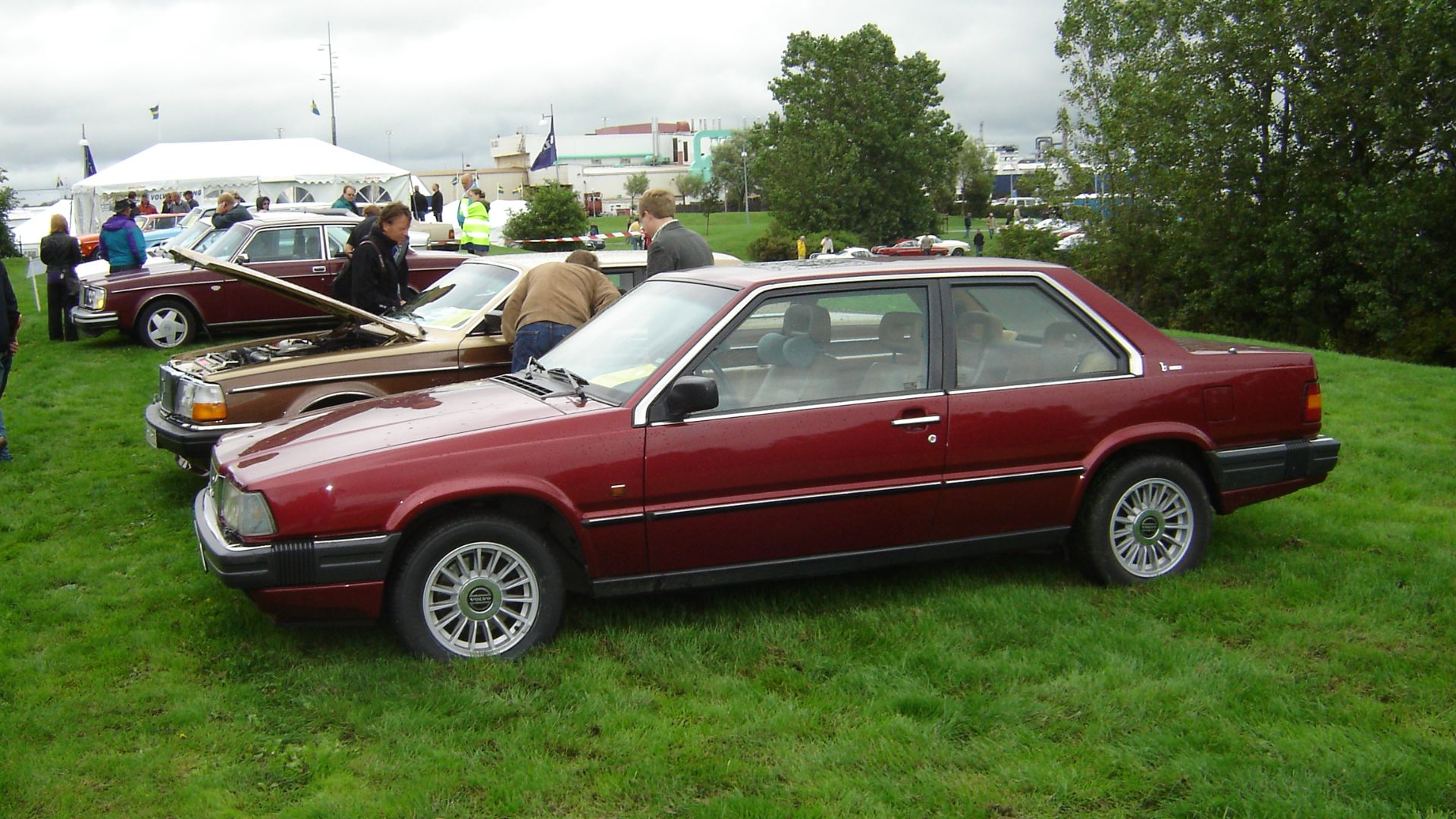
Despite its sophistication, the 780 remained a niche product. Volvo never expected massive sales, and production volumes stayed relatively low throughout the model’s lifespan, helping preserve its exclusivity.
Fewer Than 9,000 Were Built
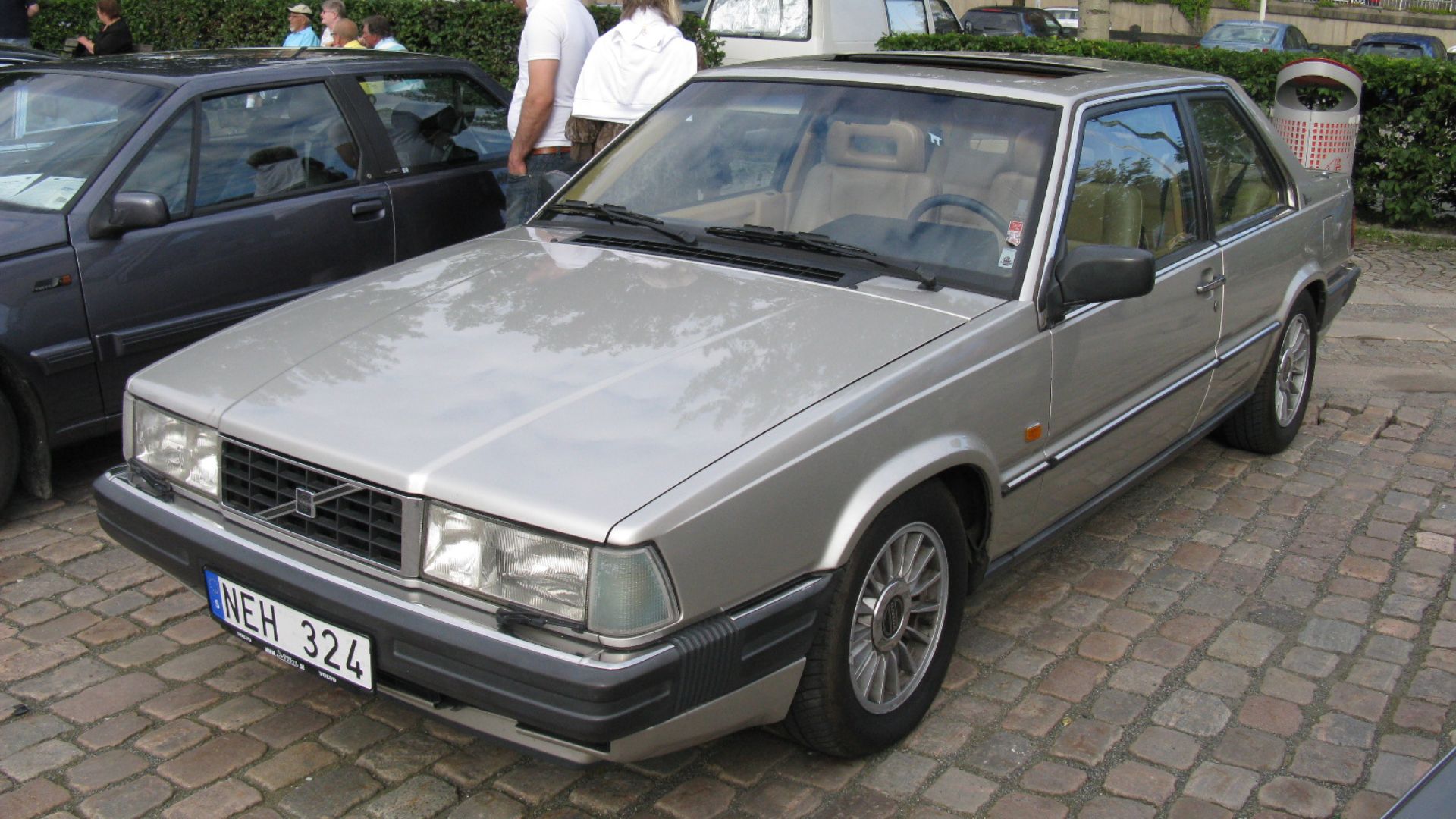
Volvo’s official production total for the 780 stands at 8,518 vehicles. That relatively small number makes the car one of the rarest production models in Volvo’s modern history and contributes greatly to its collector appeal today.
The 780 Was Volvo’s Flagship Coupe
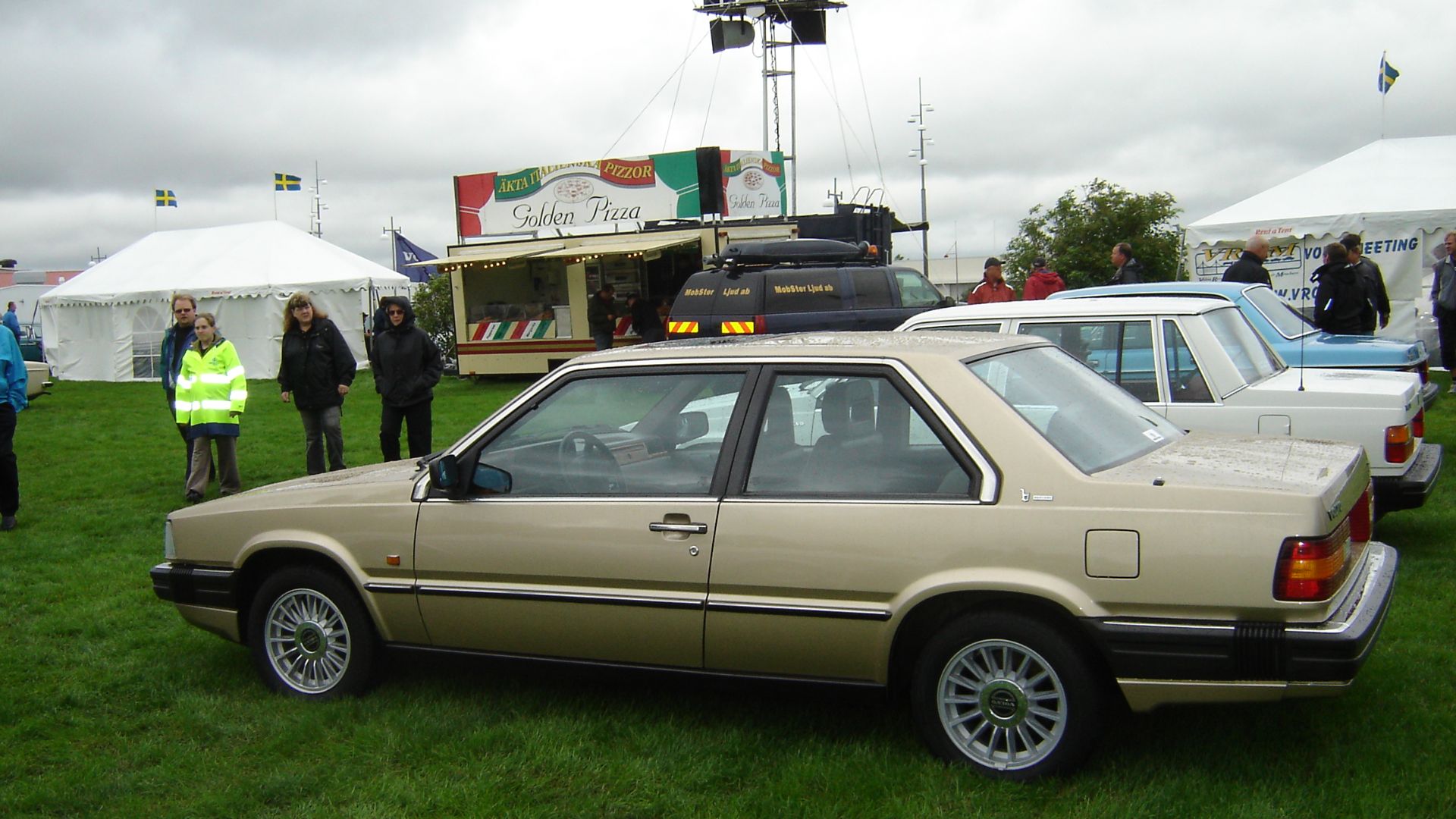
Throughout its production run, the 780 represented the most luxurious and prestigious coupe Volvo offered. It demonstrated that the company could build something far more glamorous than the practical family cars for which it was best known.
Its Legacy Lives On
Production ended in the early 1990s, and Volvo would not introduce another luxury coupe until the arrival of the C70 later in the decade. Today, the 780 Bertone is appreciated as a fascinating blend of Swedish engineering and Italian craftsmanship—a rare grand tourer that quietly became one of Volvo’s most distinctive creations.
 Dennis Elzinga, Wikimedia Commons
You May Also Like: