
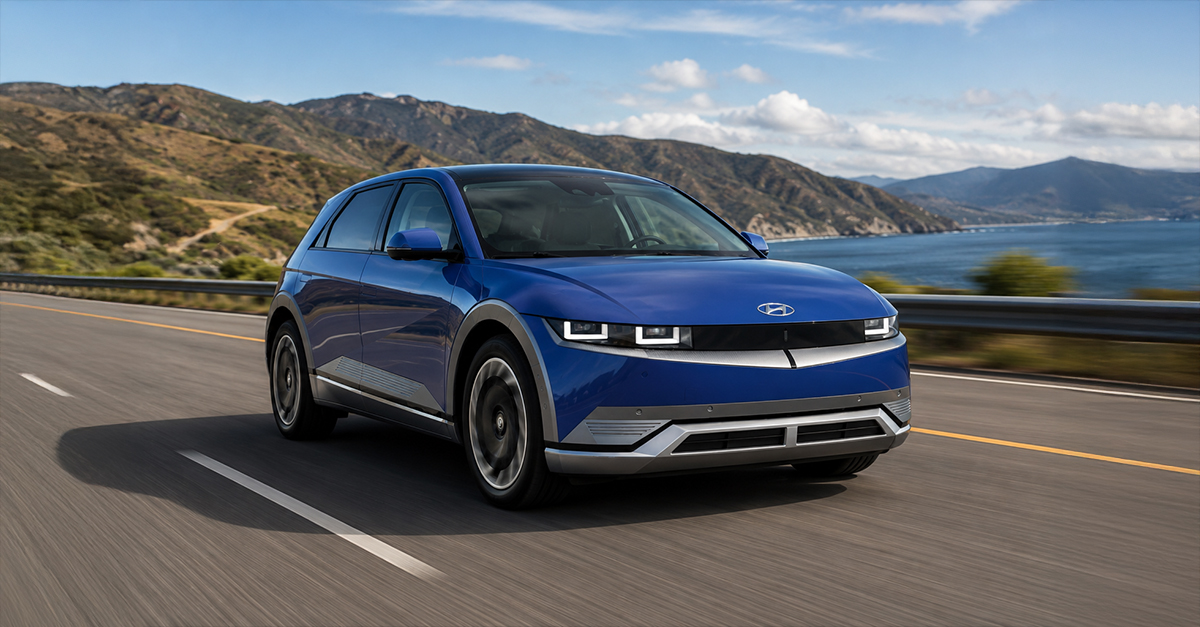
A Car That Plays To Its Strengths
The Hyundai Ioniq 5 has quickly become one of the most talked-about electric vehicles in its class, blending retro-futuristic styling with advanced tech. Drawing from multiple expert reviews, this breakdown explores this car's real-world strengths and weaknesses, starting with its price positioning in an increasingly crowded EV market.
Price And Value Proposition
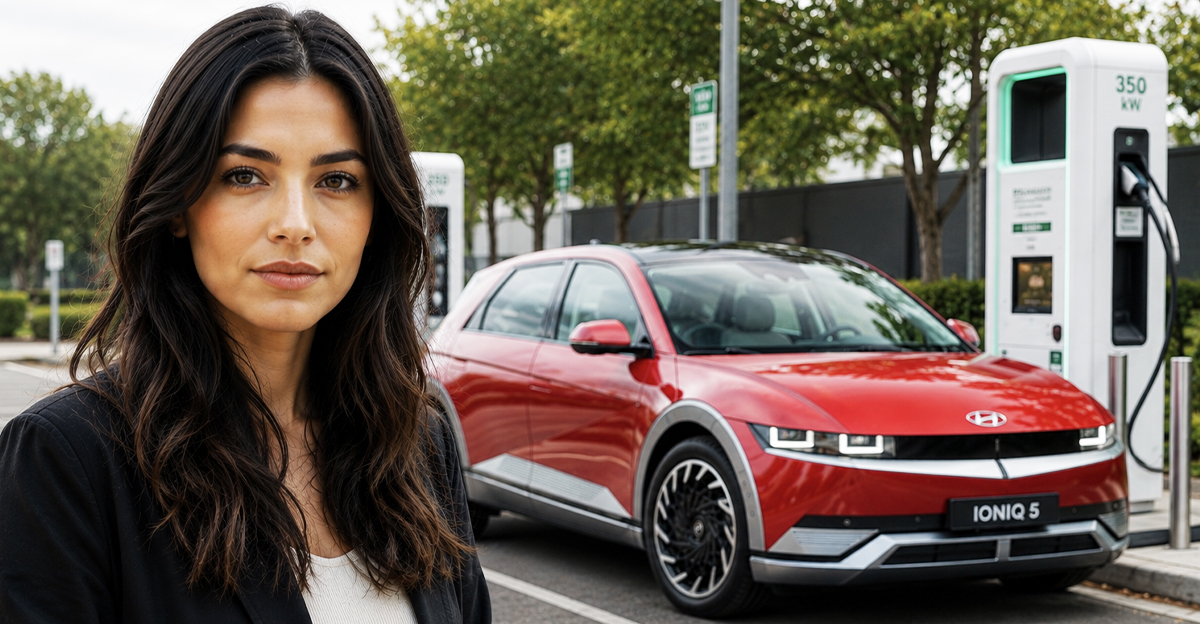
The Ioniq 5 sits in a competitive mid-range EV crossover price bracket, typically undercutting premium rivals while offering more tech than budget entries. Starting at around $35,000 for the entry-level SE Standard Range model, it delivers strong value per dollar, though higher trims creep toward luxury pricing. That balance leads naturally into how far your money actually takes you on a charge.
 Benespit, CC BY-SA 4.0, Wikimedia Commons
Driving Range On A Single Charge
Range varies between roughly 250 to 300 miles depending on battery size and configuration, making it competitive but not class-leading. It comfortably covers daily needs and road trips alike, though some rivals stretch further. Still, charging speed plays a huge role in real usability.
 Damian B Oh, CC BY-SA 4.0, Wikimedia Commons
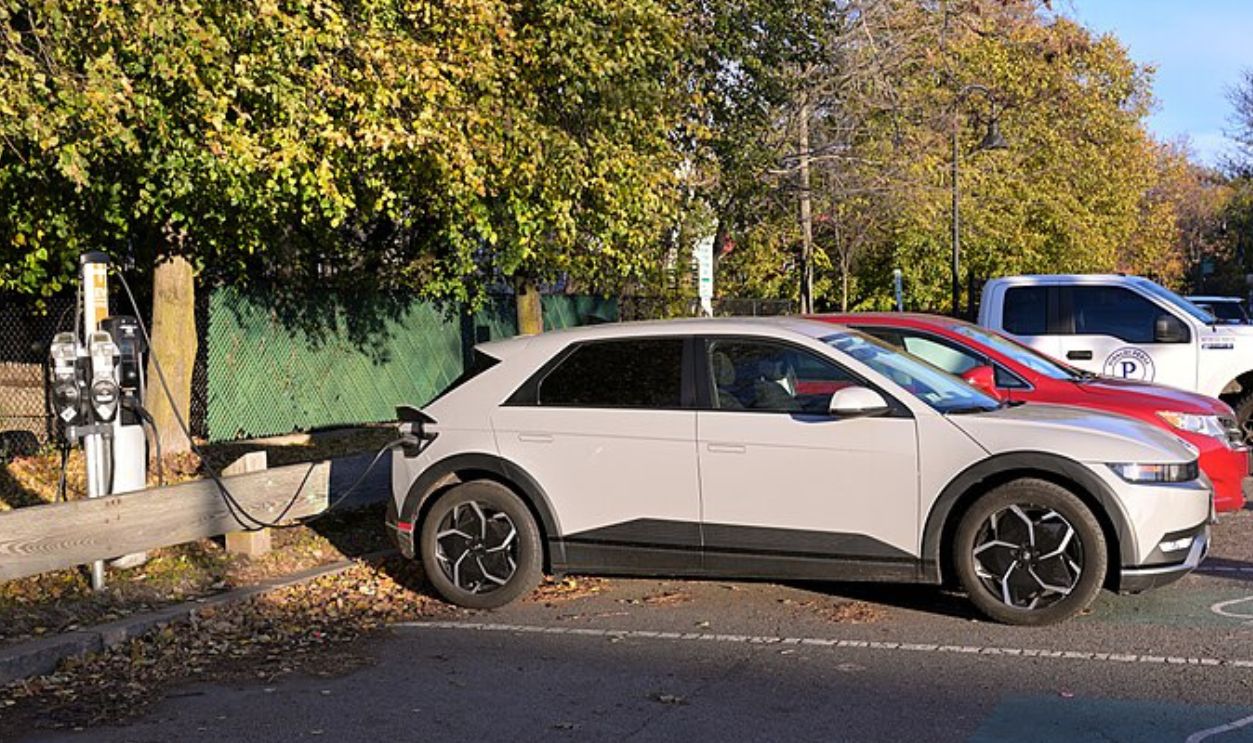
Ultra-Fast Charging Capability
One of the Ioniq 5’s standout features is its 800-volt architecture, enabling extremely fast charging under ideal conditions. It can recover significant range in under 20 minutes, rivaling premium EVs. That convenience helps offset any range anxiety, especially when paired with a thoughtfully designed interior.
 4300streetcar, CC BY 4.0, Wikimedia Commons
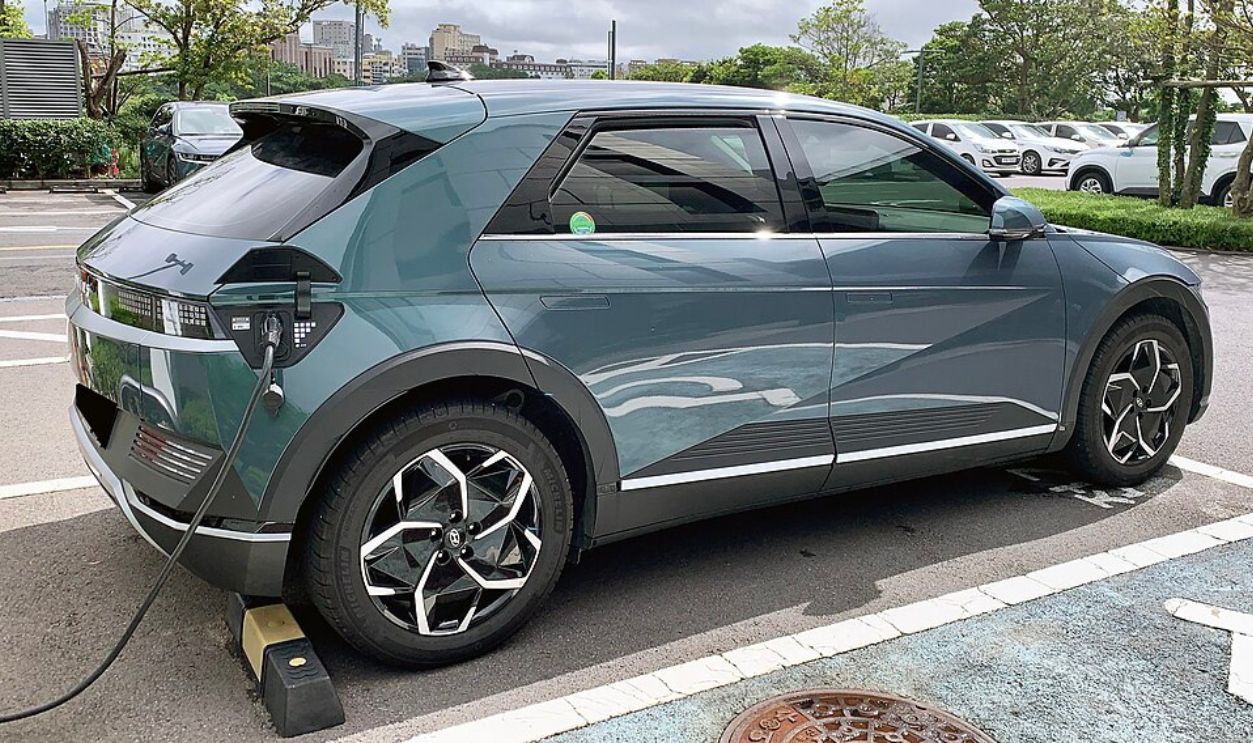
Bidirectional Charging
The Ioniq 5’s has bidirectional charging capability, also known as Vehicle-to-Load (V2L). Using an adapter connected to the charging port, the Ioniq 5 can supply electricity to external devices like camping gear, laptops, appliances, power tools, or even charge another EV directly from the car itself. Hyundai’s system can deliver up to roughly 3.6 kW of power, making the Ioniq 5 one of the more versatile EVs in its class.
 Benespit, CC BY-SA 4.0, Wikimedia Commons
Interior Comfort And Space
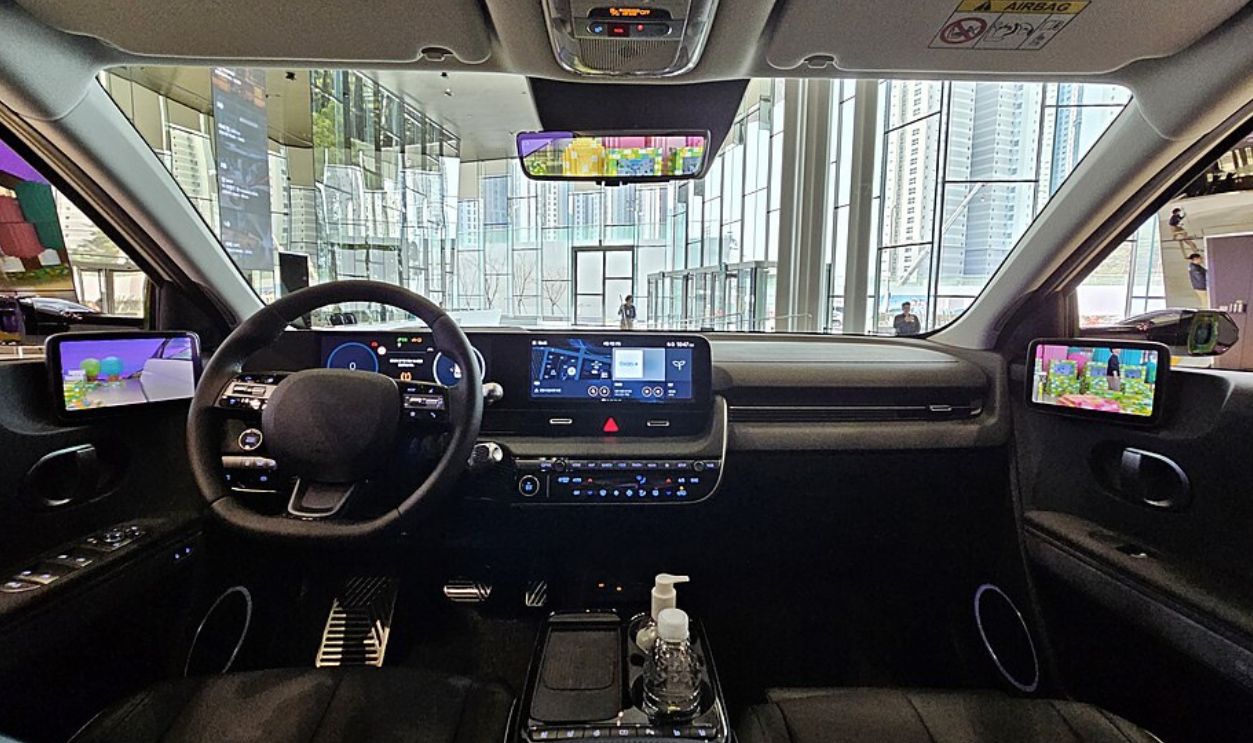
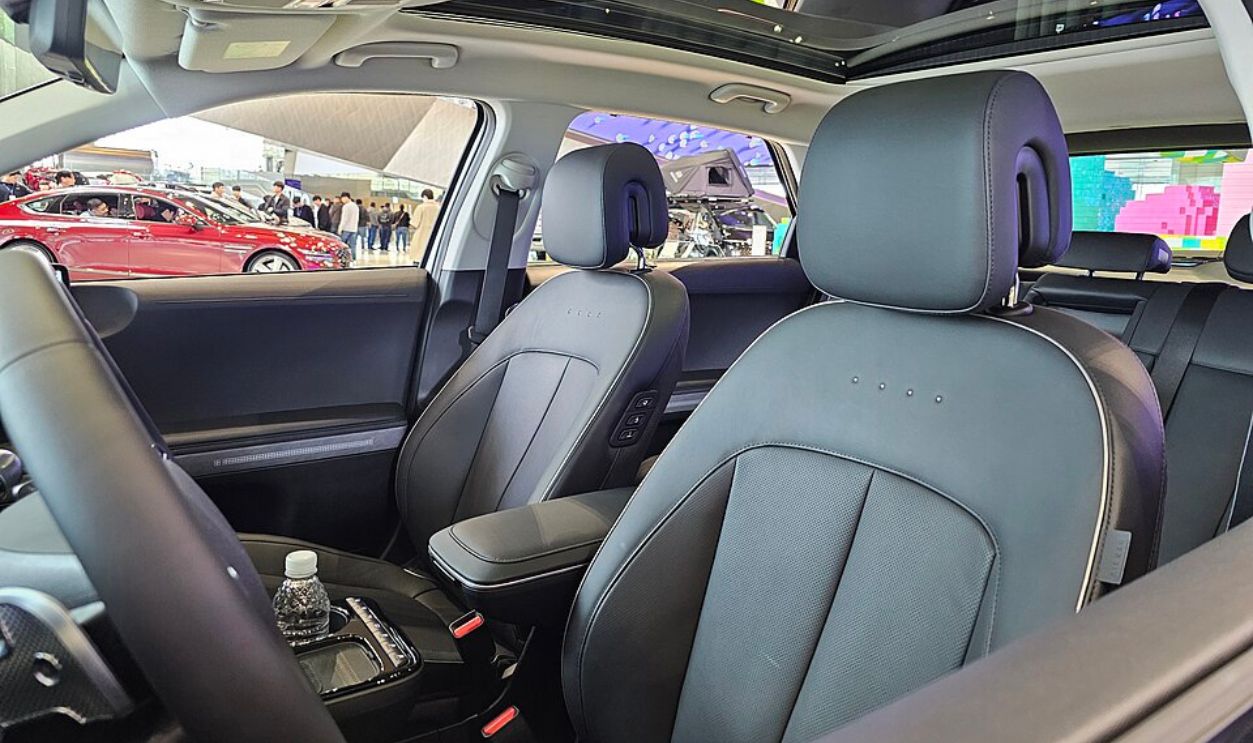
Inside, the Ioniq 5 feels airy and modern, with a flat floor and sliding center console enhancing flexibility. Rear-seat space is generous, rivaling larger SUVs. Materials are good but not fully premium, a feature that becomes more noticeable when comparing it to higher-end competitors.
 Damian B Oh, CC BY-SA 4.0, Wikimedia Commons
Cabin Technology And Infotainment
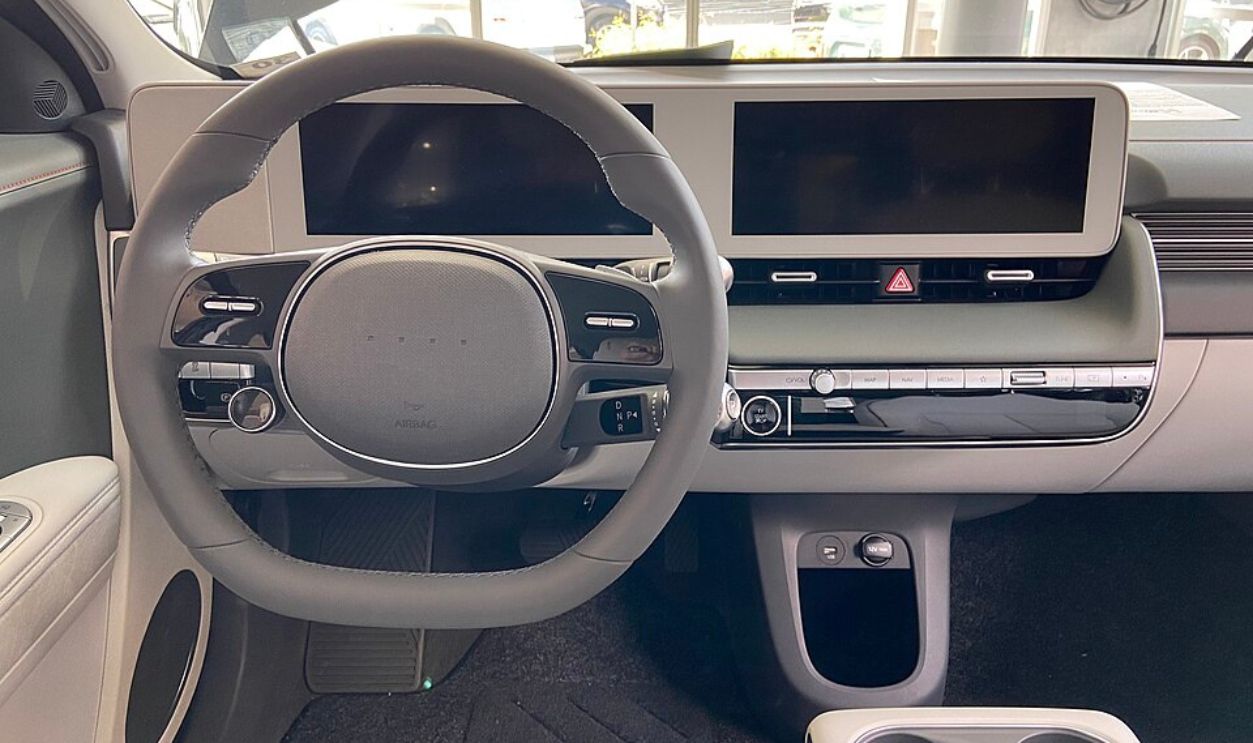
Dual digital displays dominate the dashboard, offering crisp graphics and intuitive controls. While the system is user-friendly, it lacks some of the slickness seen in rivals like Tesla. Hyundai finally added native wireless Apple CarPlay and Android Auto support to the Hyundai Ioniq 5 starting in the 2025 model year. The 2022–2024 Ioniq 5 models required a USB cable for CarPlay and Android Auto because of the older infotainment hardware.
 Michael Kramer, CC BY-SA 3.0, Wikimedia Commons
Exterior Styling And Design Identity
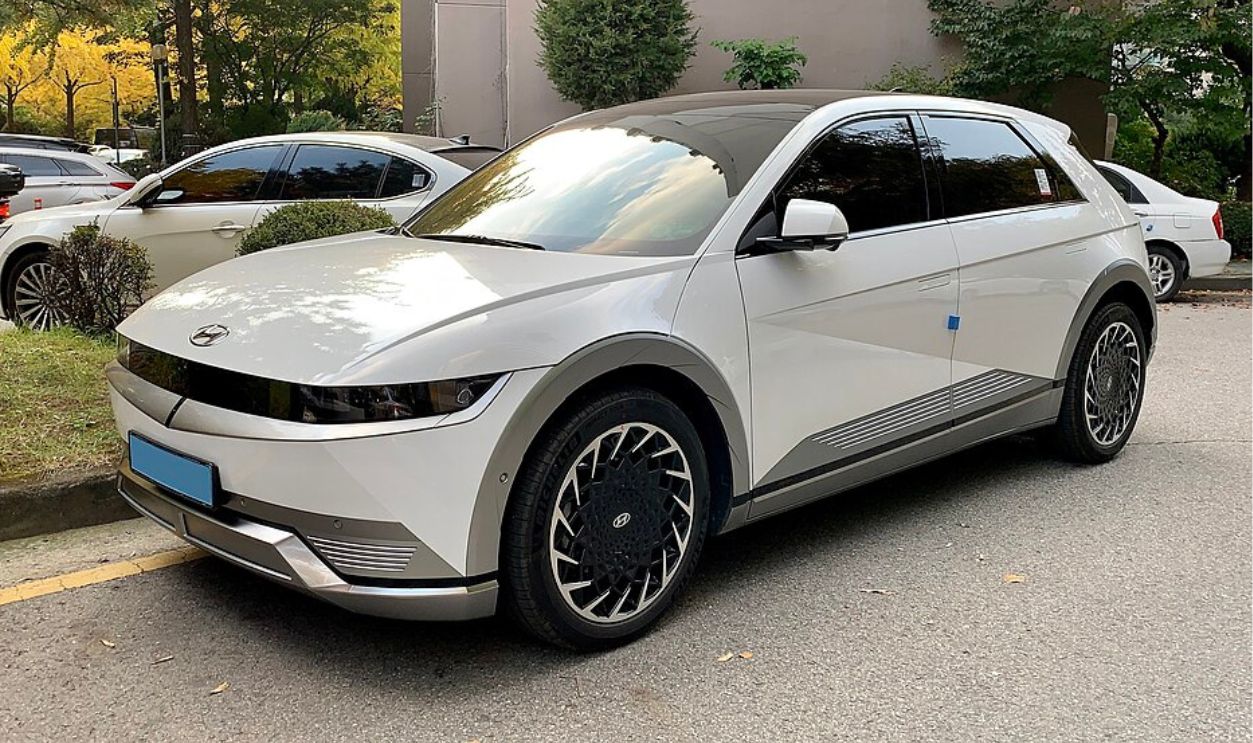
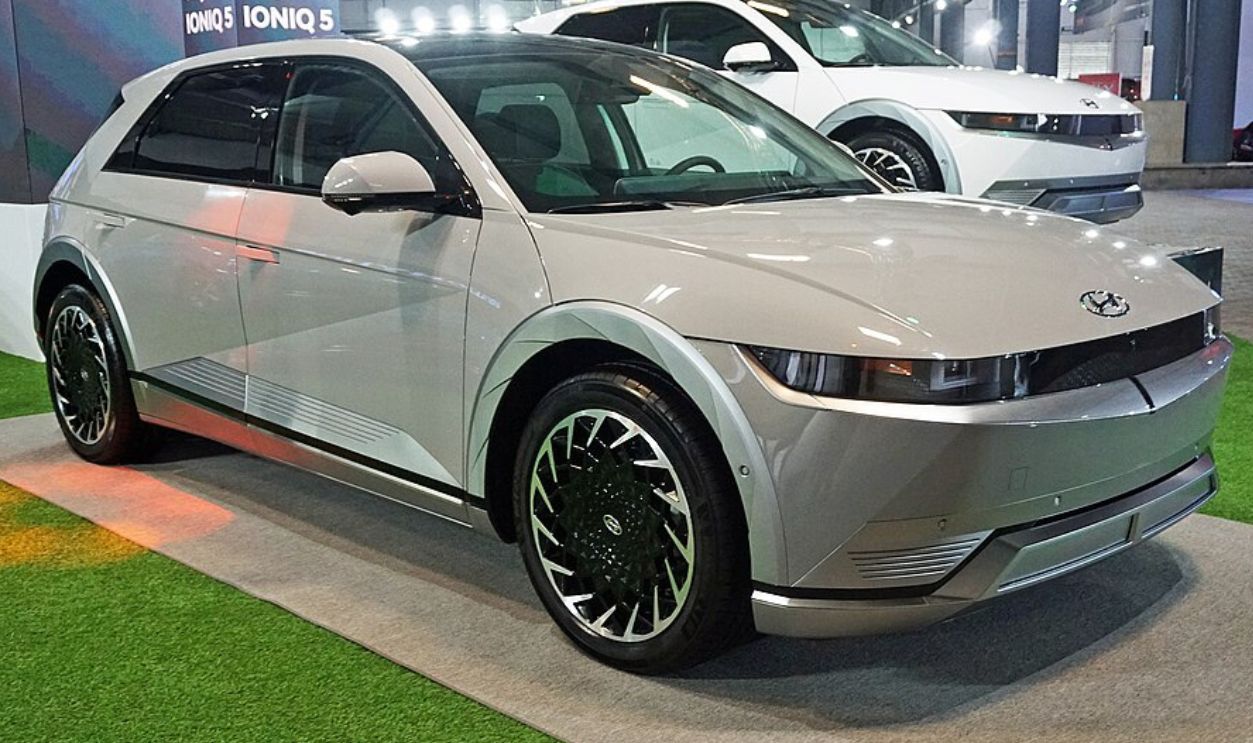
The Ioniq 5’s pixel-inspired design stands out immediately, blending retro hatchback cues with futuristic elements. It turns heads in a way most EVs don’t, though its bold look may not appeal to everyone. That visual personality carries into how it feels behind the wheel.
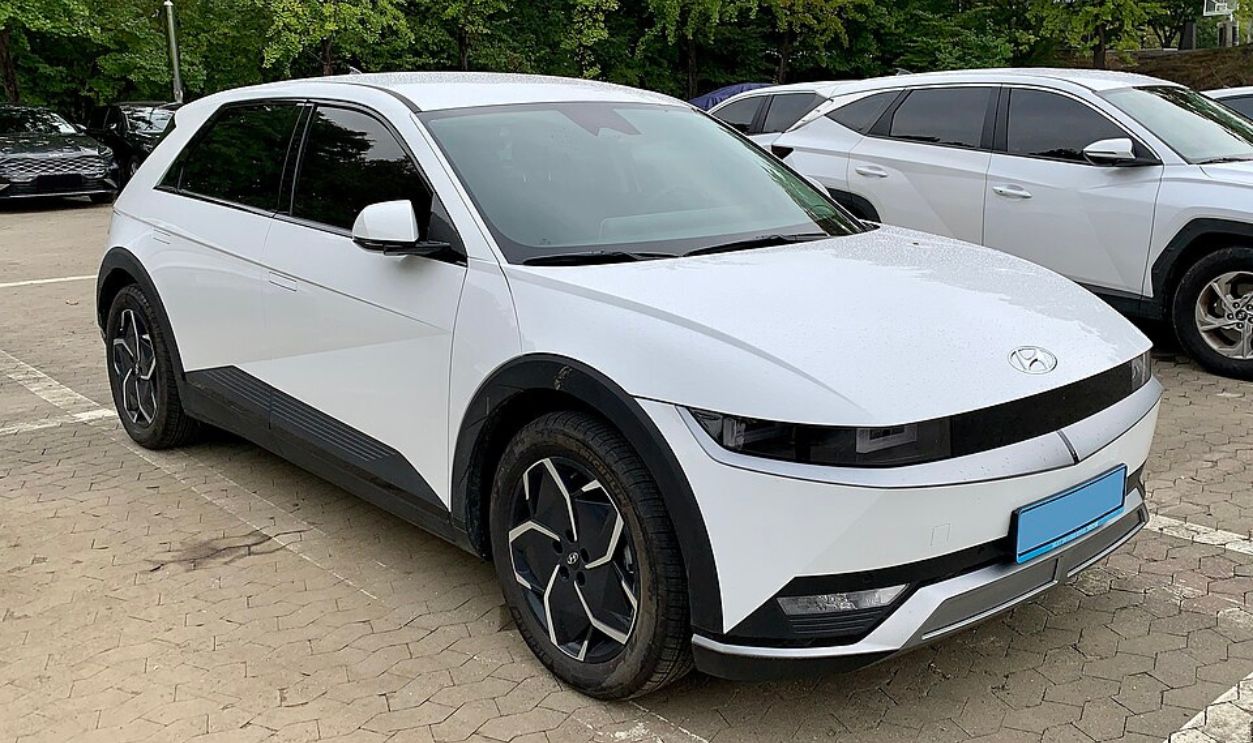 Alexander-93, CC BY-SA 4.0, Wikimedia Commons
Performance And Driving Feel
Acceleration is brisk, especially in dual-motor variants, with instant torque delivering confident passing power. The 2025 model can accelerate from 0 to 60 mph in just 2.8 seconds. However, it’s tuned more for comfort than sportiness, prioritizing smoothness over sharp handling. That makes it a relaxed cruiser, which ties into its everyday practicality.
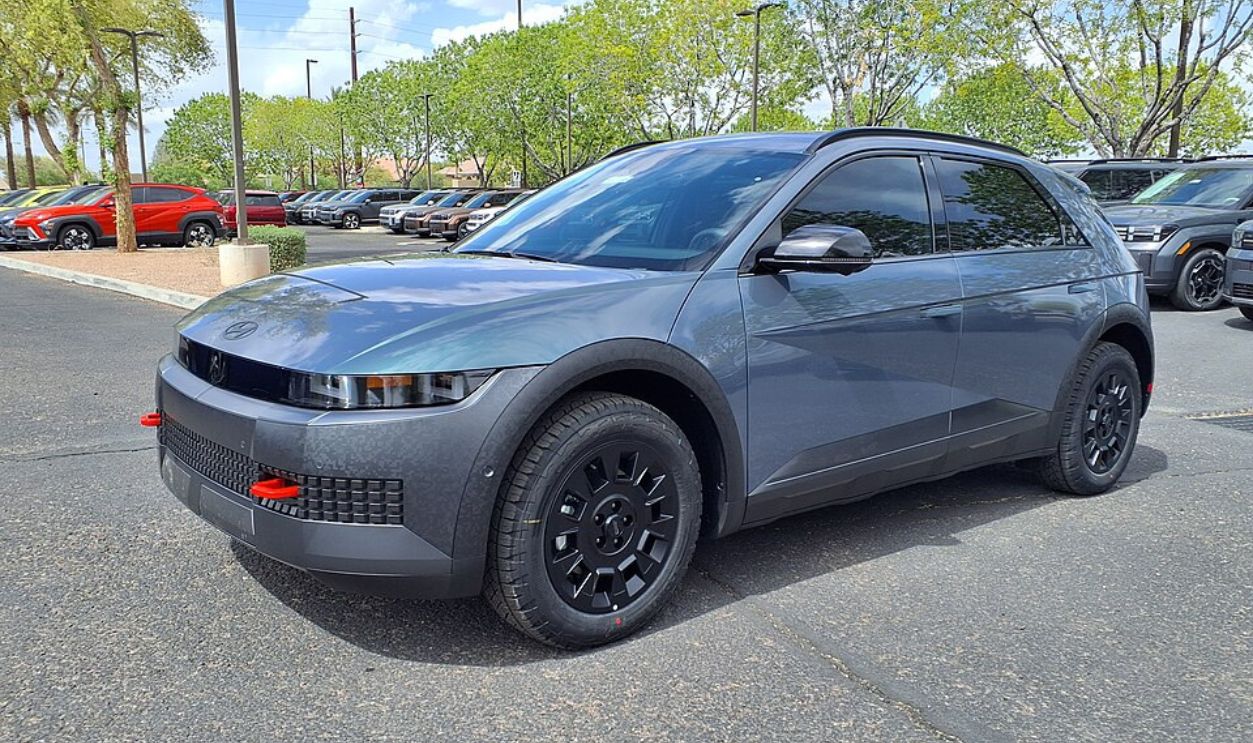 HJUdall, CC0, via Wikimedia Commons
Ride Quality And Handling
The suspension absorbs bumps well, making it ideal for city driving and longer journeys. Handling is stable but not particularly engaging, leaning toward comfort rather than excitement. For most buyers, this kind of trade-off enhances the car’s usability, especially when you take into account cargo and versatility.
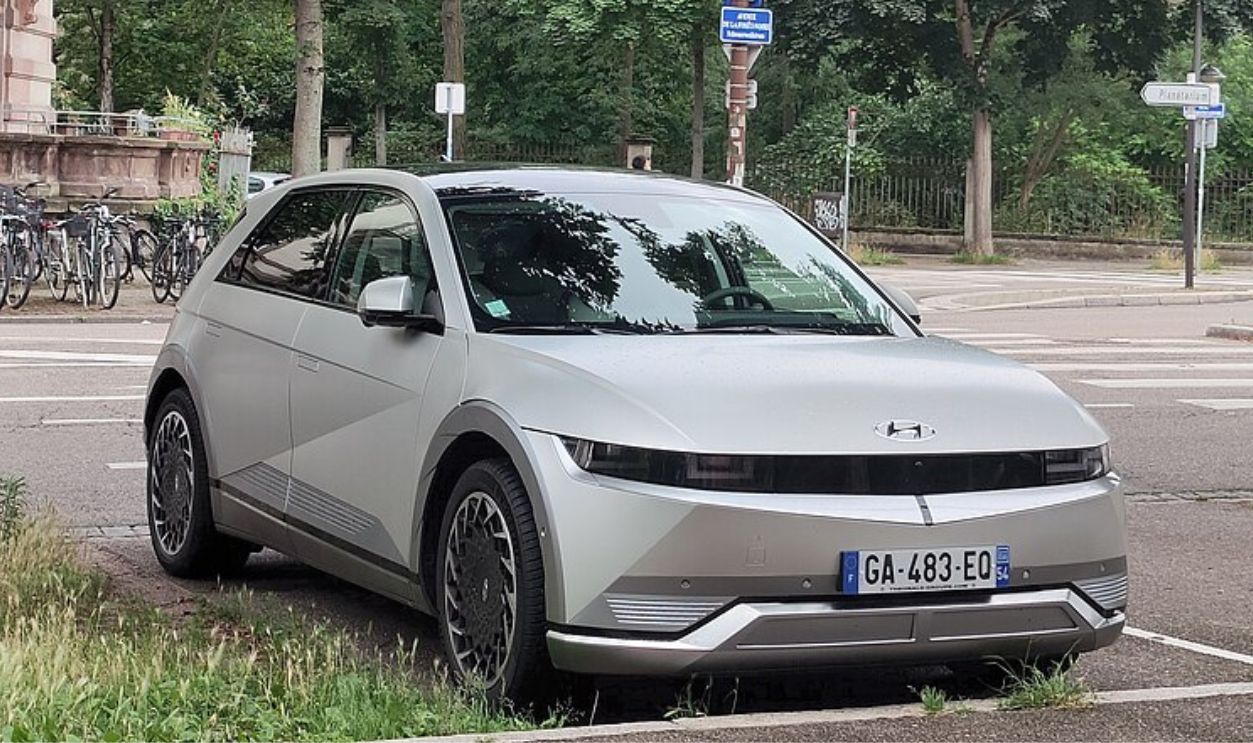 crash71100, CC0, Wikimedia Commons
Practicality And Cargo Space
With a roomy cargo area and flexible seating, the Ioniq 5 excels as a family-friendly EV. The front trunk is small but handy for cables or small items. Its practical design reinforces its role as an everyday vehicle. All this is great, of course, but how does the Ioniq 5 stack up against rivals?
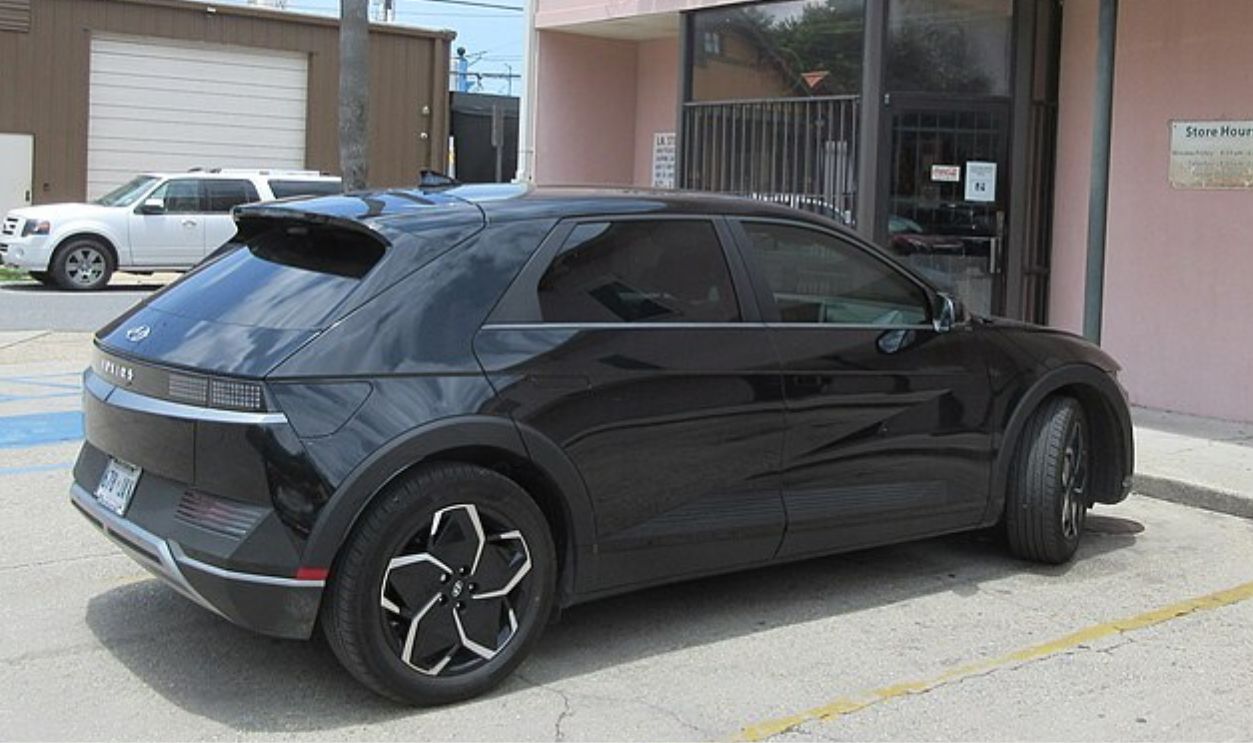 Infrogmation, CC BY-SA 4.0, Wikimedia Commons
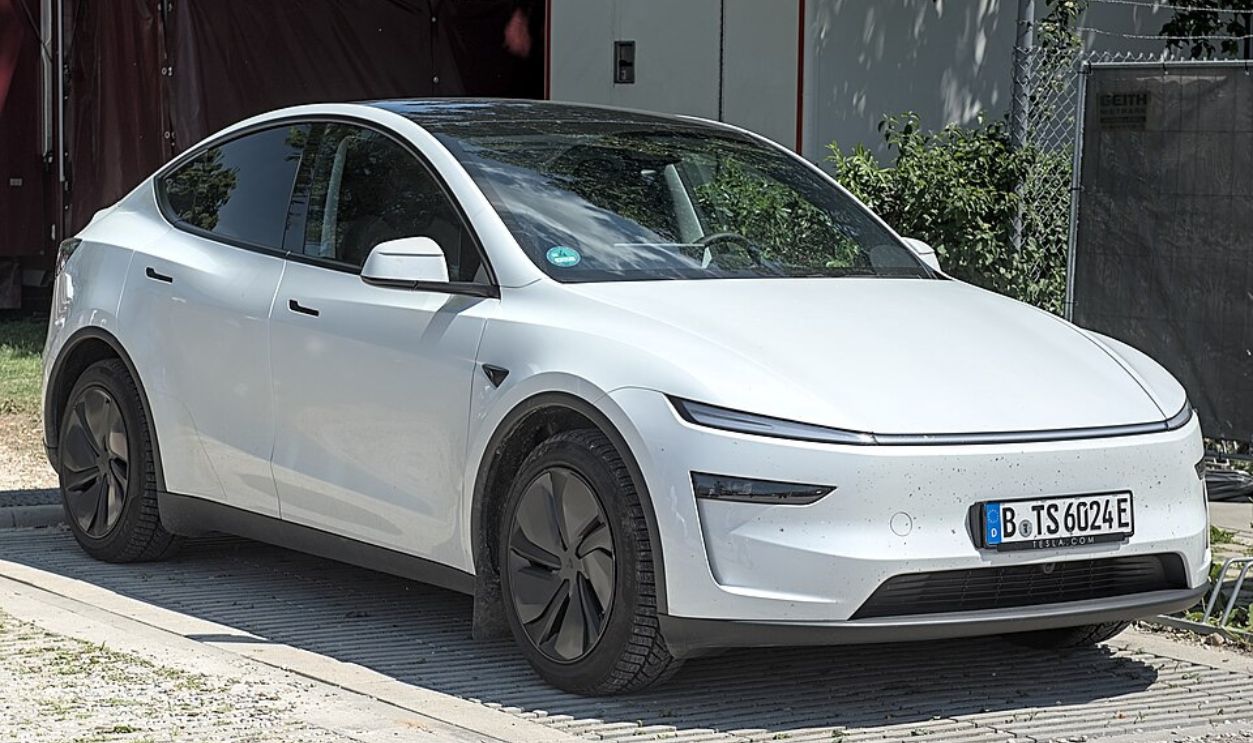
Comparison To Tesla Model Y
Against the Tesla Model Y, the Ioniq 5 offers better ride comfort and faster charging but falls behind in software and range efficiency. Tesla’s ecosystem still leads, though Hyundai counters with build quality and design flair, setting up comparisons with other competitors.
 Alexander Migl, CC BY-SA 4.0, Wikimedia Commons
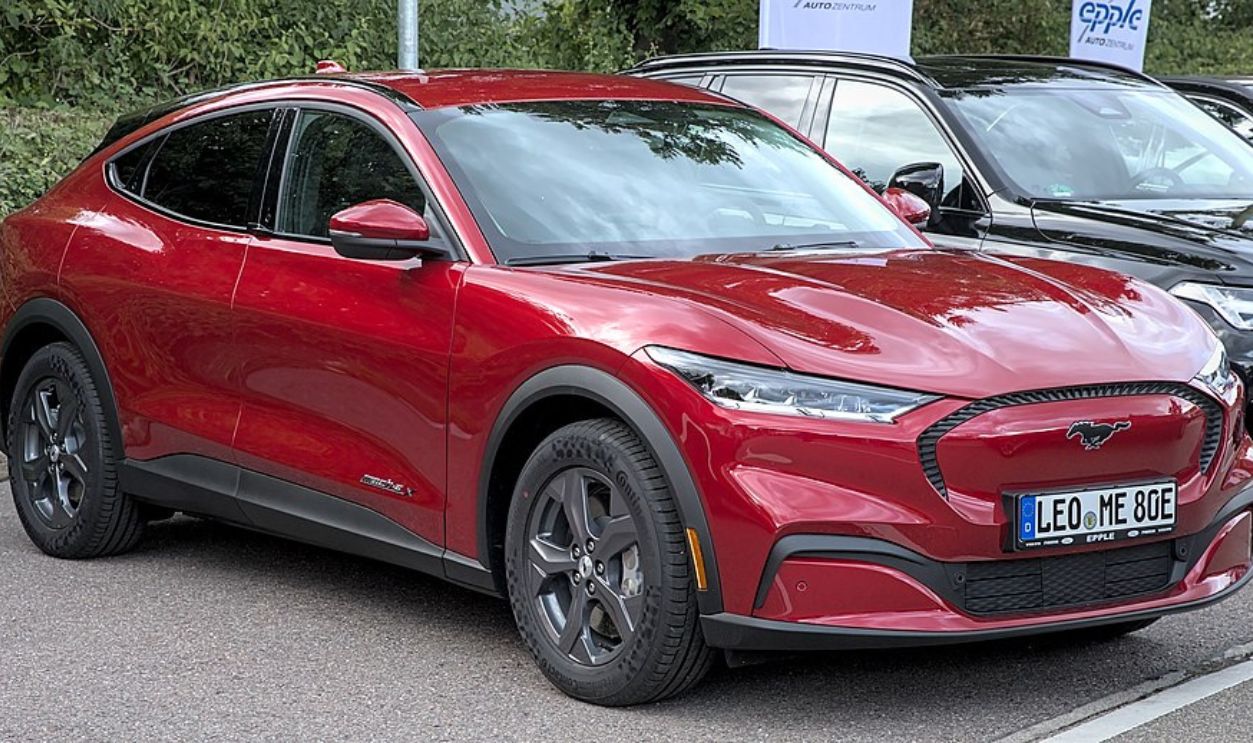
Comparison To Ford Mustang Mach-E
The Ford Mustang Mach-E leans sportier, with sharper handling and a more aggressive driving feel. The Ioniq 5 counters with superior interior space and charging speed. Choosing between them often comes down to priorities: are you looking for performance or do you want comfort and usability?
 Alexander Migl, CC BY-SA 4.0, Wikimedia Commons
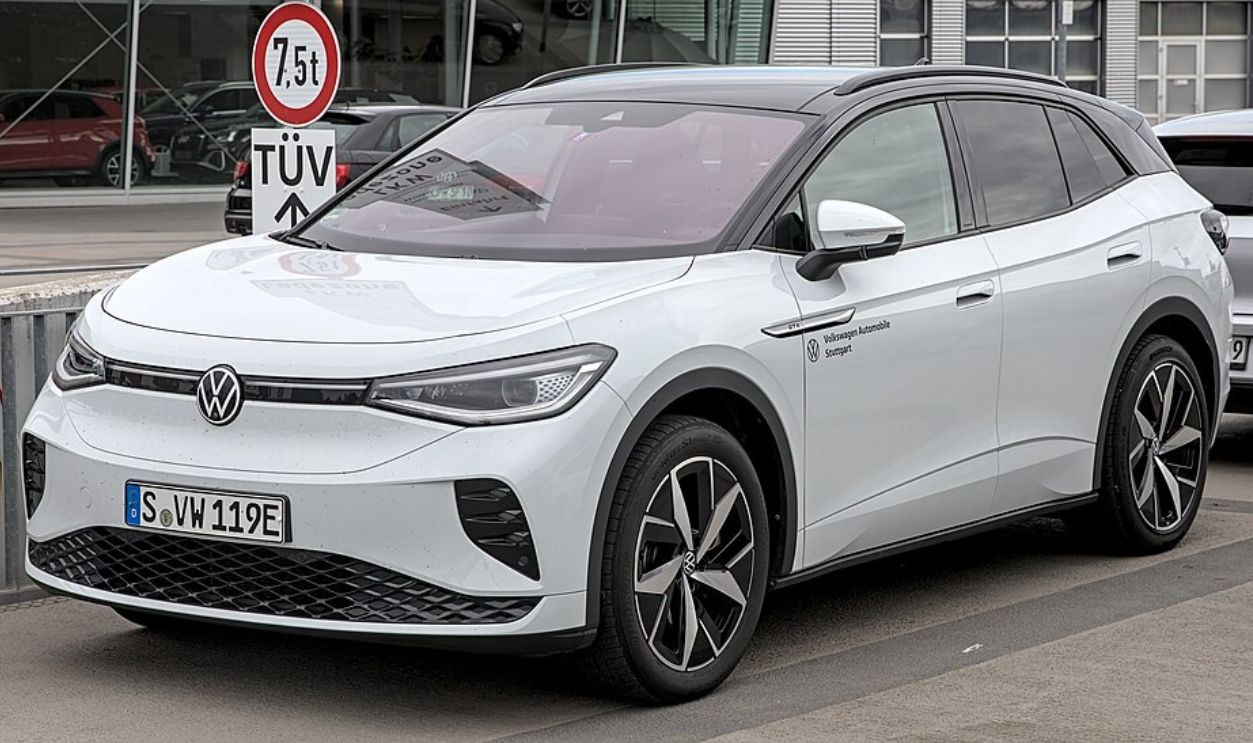
Comparison To Volkswagen ID.4
The Volkswagen ID.4 is more conservative in styling and driving dynamics, appealing to traditional SUV buyers. The Ioniq 5 feels more innovative and spacious, though both target similar audiences. That innovation becomes even clearer when looking at Hyundai’s latest updates.
 Alexander Migl, CC BY-SA 4.0, Wikimedia Commons
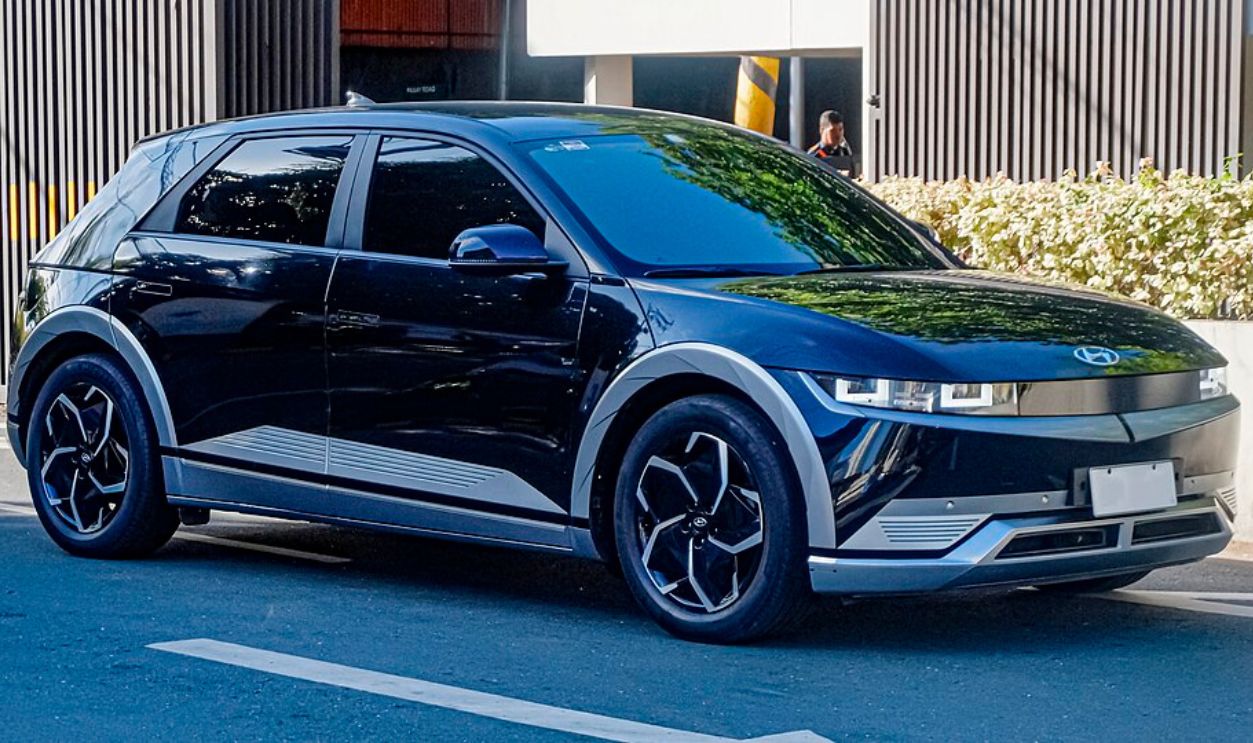
2026 Model Updates Overview
The 2026 Ioniq 5 introduces refinements rather than a full redesign, focusing on efficiency, tech upgrades, and improved usability. These updates aim to keep it competitive in a rapidly evolving EV market, starting with enhancements to battery range and efficiency.
 Ethan Llamas, CC BY-SA 4.0, Wikimedia Commons
Improved Battery And Efficiency
Hyundai has tweaked battery management and efficiency for the 2026 model, squeezing out incremental range gains. While not revolutionary, these improvements make the car more competitive against newer rivals pushing range boundaries even further.
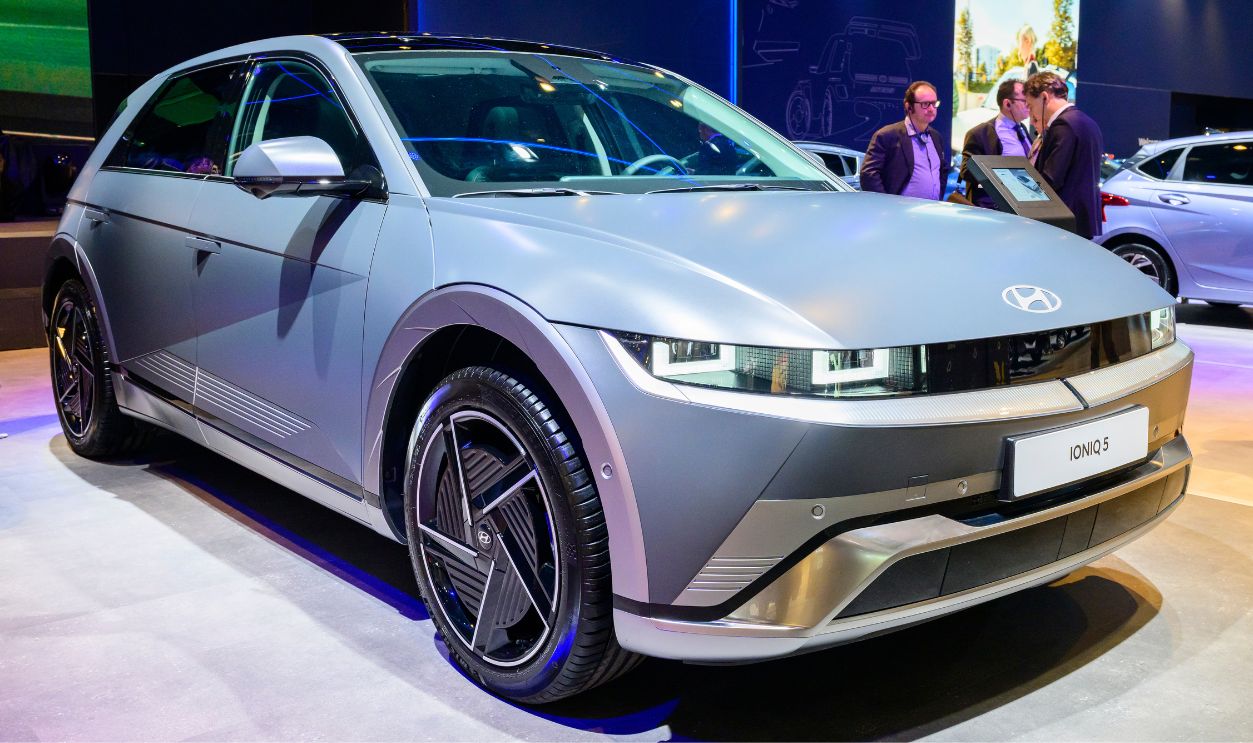 Sjoerd van der Wal, Getty Images
Enhanced Technology Features
The infotainment system receives updates for better responsiveness and connectivity, addressing one of the few criticisms of earlier models. Driver assistance systems are also refined, making the Ioniq 5 feel more advanced and user-friendly in daily driving.
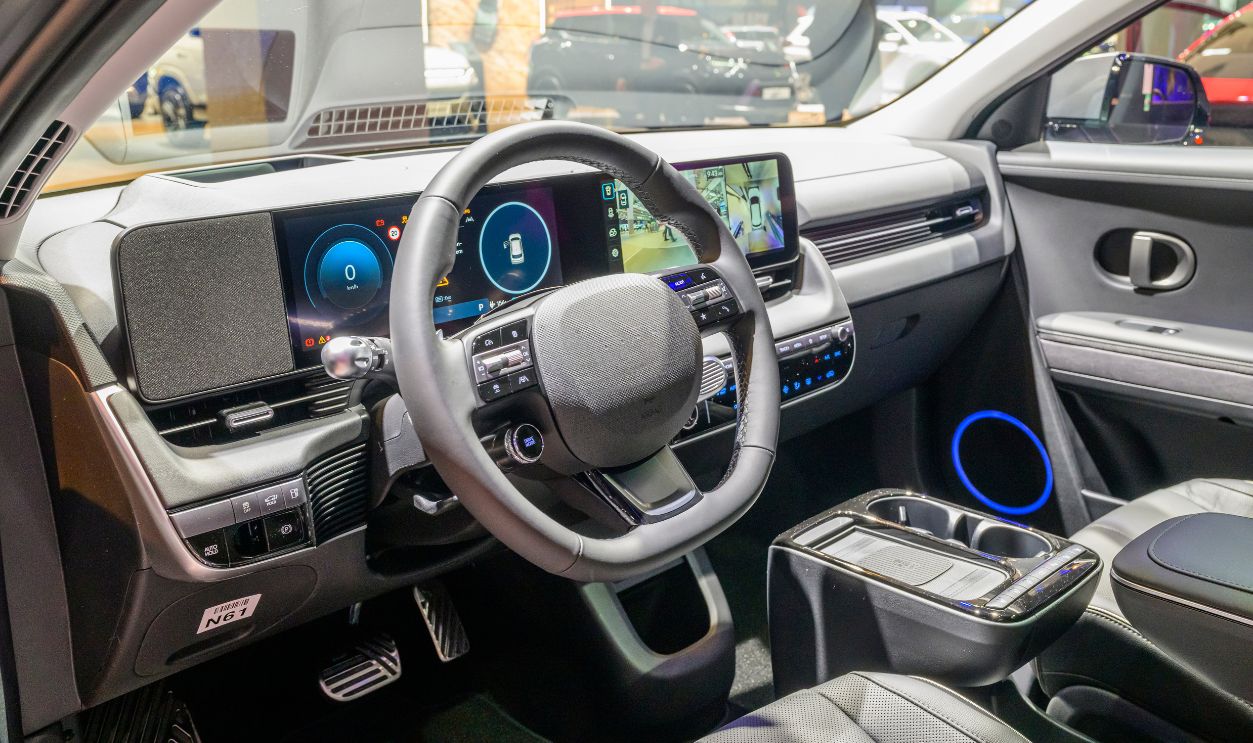 Sjoerd van der Wal, Getty Images
Subtle Design Tweaks
Exterior changes for 2026 are minimal, preserving the Ioniq 5’s distinctive look while refining details like lighting and trim. Inside, small material upgrades improve perceived quality, helping it edge closer to premium territory without a major overhaul.
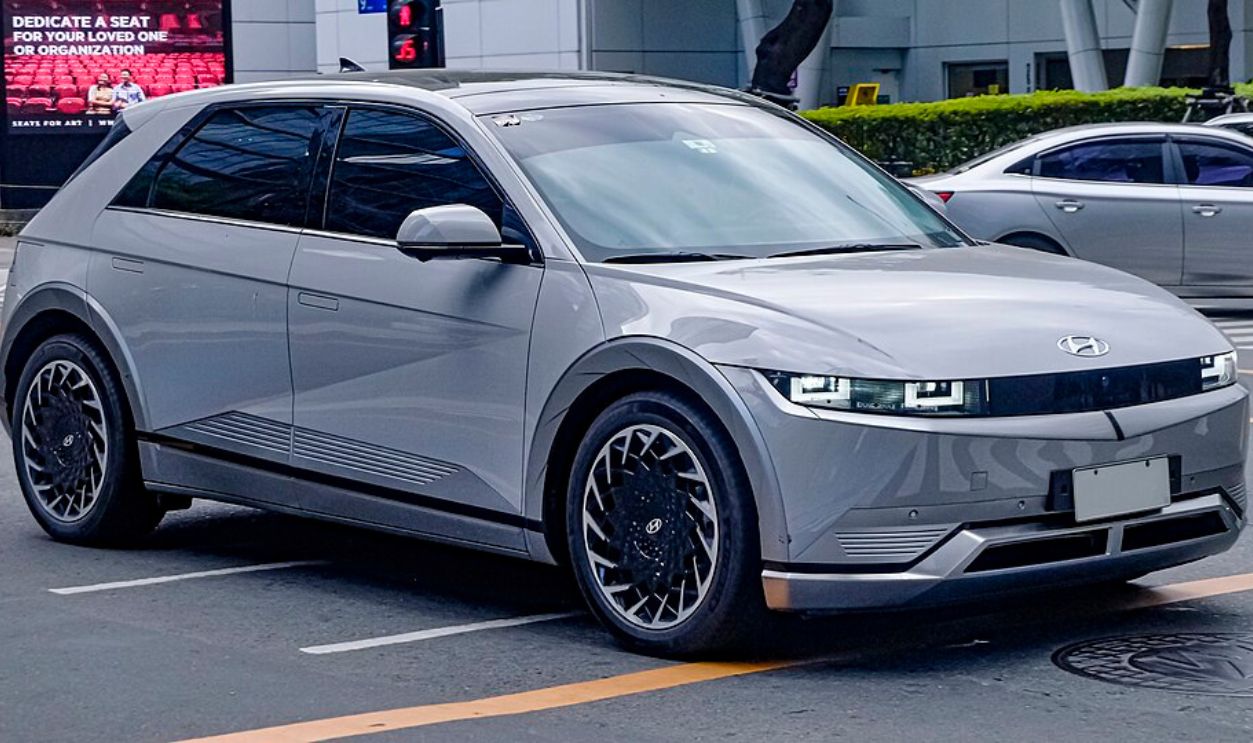 Ethan Llamas, CC BY-SA 4.0, Wikimedia Commons
Prices Slashed
Hyundai slashed prices for the 2026 Hyundai Ioniq 5 by between roughly $7,600 and $9,800 depending on trim level. This was to keep the Ioniq 5 competitive as federal EV tax credits disappeared in the United States. The entry-level SE Standard Range model dropped to about $35,000 before freight charges, while even higher trims saw major cuts that brought some versions back under the psychologically important $40,000 mark.
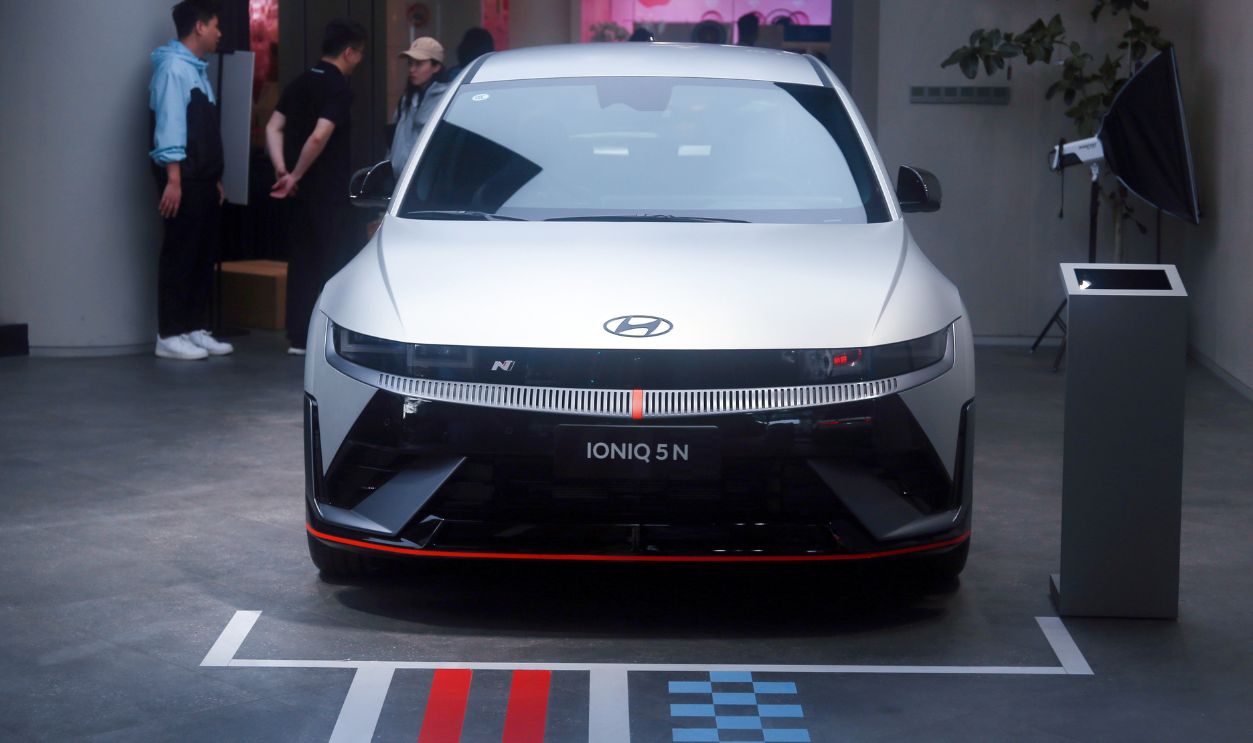
Award Winner
The Ioniq 5 has collected an impressive list of international awards, marking itself as one of the most acclaimed EVs of the decade. Its biggest triumph came in 2022, when it swept the prestigious World Car Awards by winning World Car of the Year, World Electric Vehicle of the Year, and World Car Design of the Year. More recent variants have continued the streak, with the high-performance Ioniq 5 N taking the 2024 World Performance Car award.
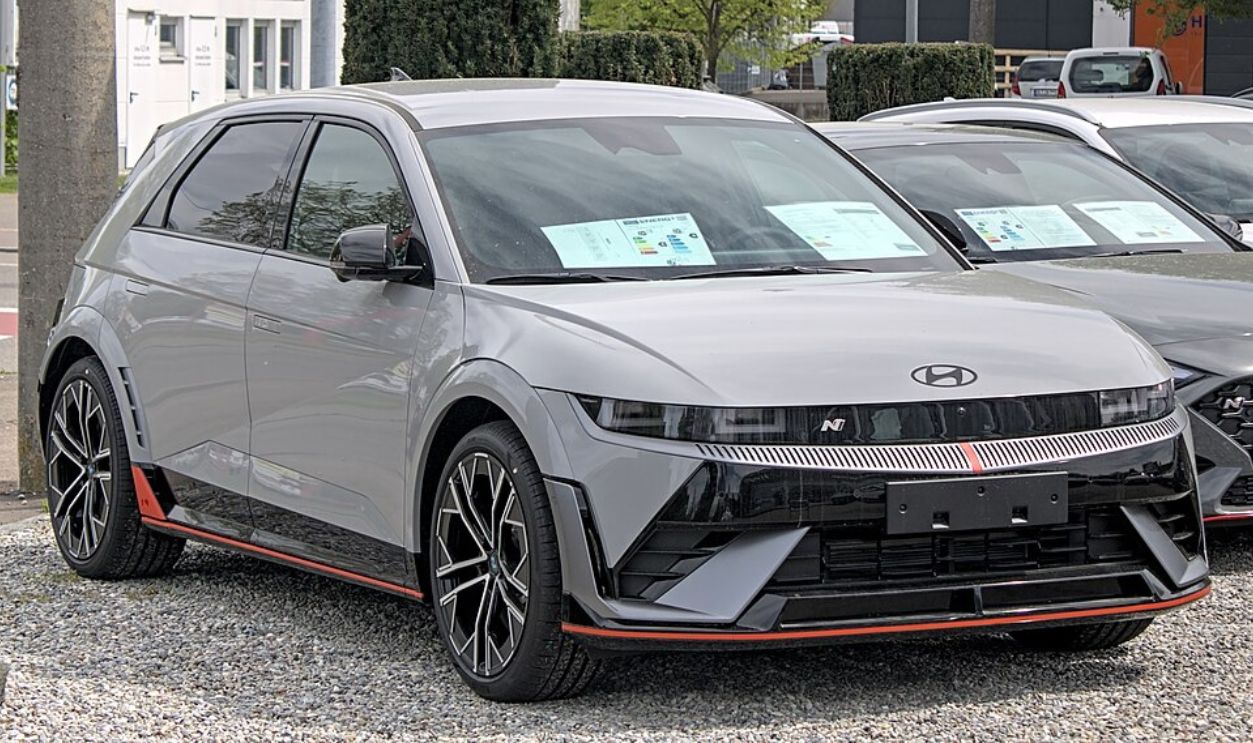 Alexander-93, CC BY-SA 4.0, Wikimedia Commons
Real-World Ownership Experience
Owners of the Ioniq 5 consistently praise the EV’s comfort, charging speed, and practicality, while noting occasional software quirks and range variability in colder climates. These real-world factors shape the overall ownership experience, which ultimately feeds into its grading.
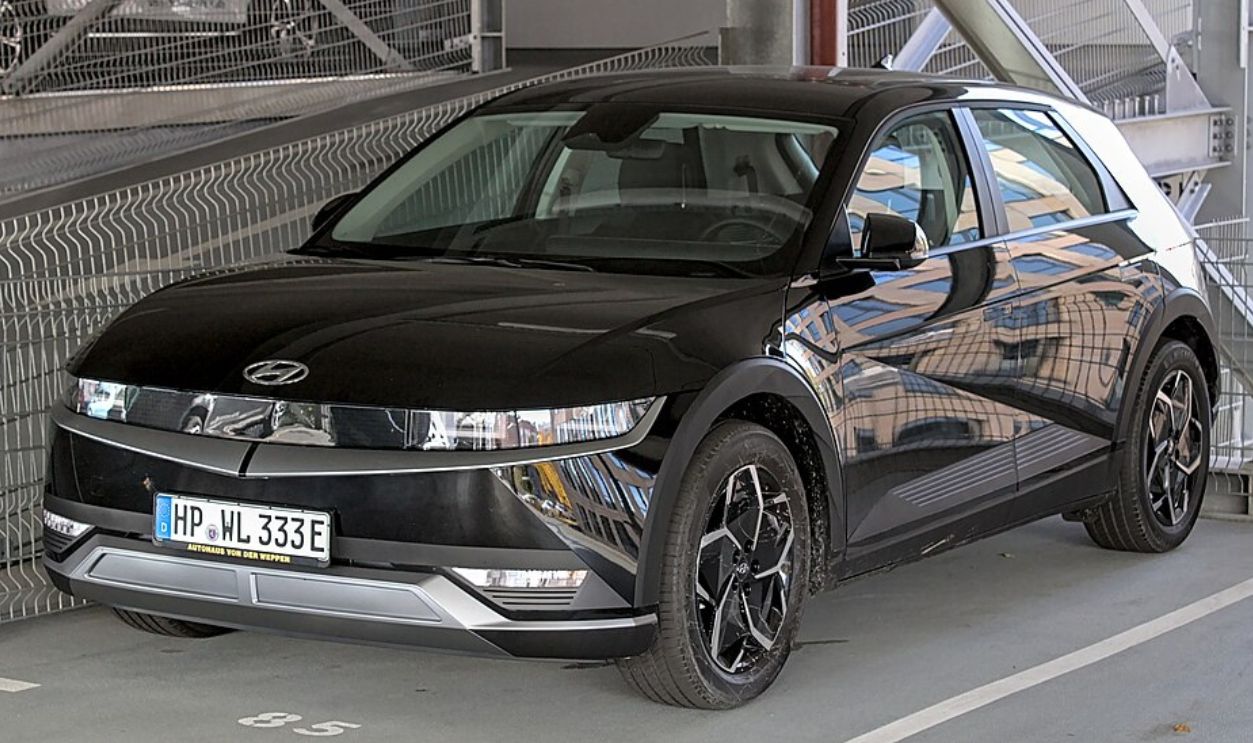 Alexander Migl, CC BY-SA 4.0, Wikimedia Commons
Strengths At A Glance
Key strengths include standout design, ultra-fast charging, spacious interior, and strong value. It excels as a daily driver and road-trip companion, making it one of the most well-rounded EVs in its segment.
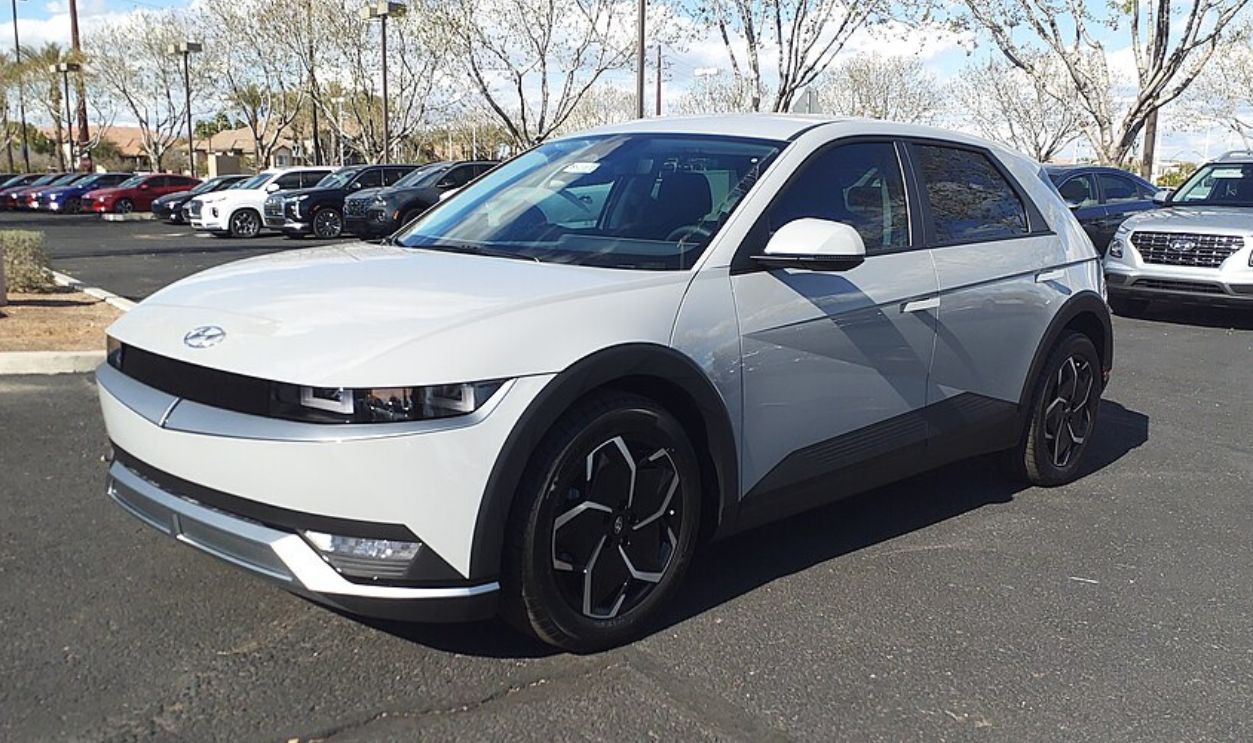 HJUdall, CC0, Wikimedia Commons
Weaknesses To Consider
On the downside, infotainment system polish lags behind top competitors, and the range isn’t class-leading. Some materials feel slightly below premium expectations at higher trims, and driving dynamics may feel too soft for enthusiasts.
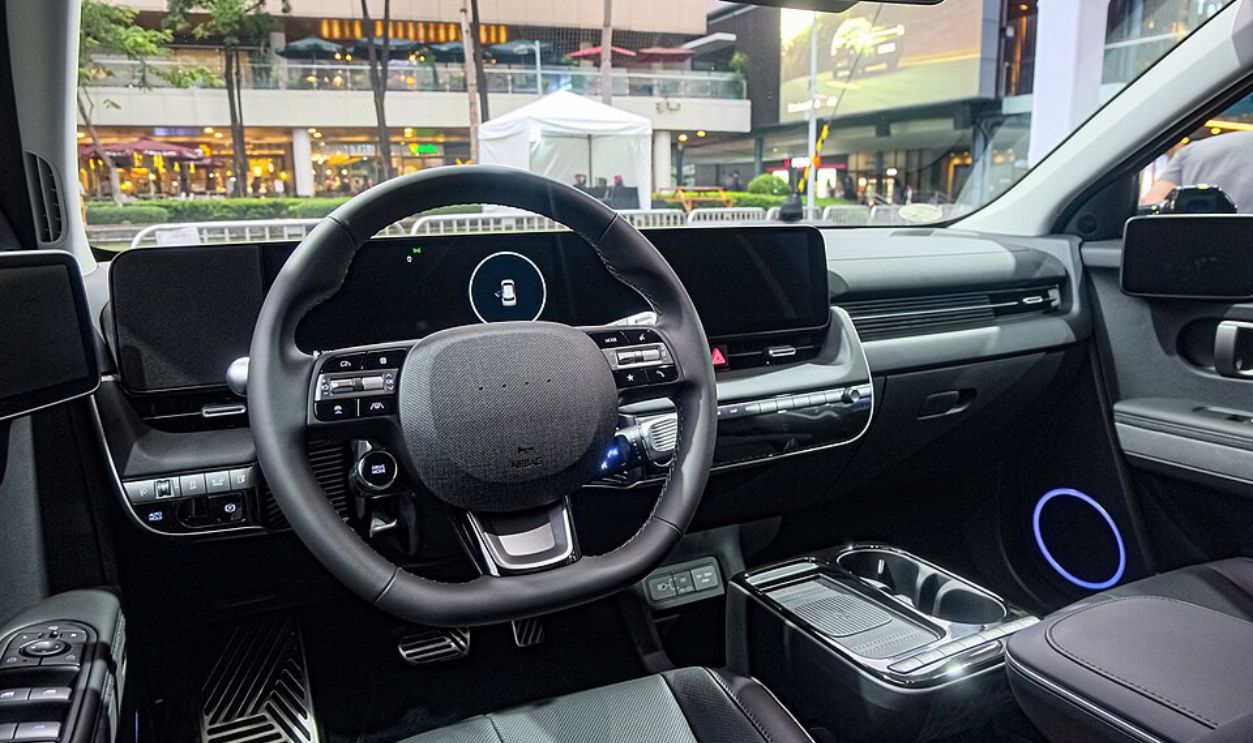 Ethan Llamas, CC BY-SA 4.0, Wikimedia Commons
Final Verdict
The Hyundai Ioniq 5 remains one of the most compelling EVs in its class, blending style, comfort, and cutting-edge charging tech into a highly usable package. It may not lead in every metric, but its overall balance makes it a standout choice in today’s EV landscape.
 Mariordo (Mario Roberto Duran Ortiz), CC BY-SA 4.0, Wikimedia Commons
You May Also Like:
Gen X Hates Electric Cars. These Are The EVs That Will Finally Win Them Over





.jpg)


.jpg)


.jpg%20)

_MYLE_Festival_2025_DSC_9564.jpg)


.jpg)

