When Sparks Met Horsepower
Before fire trucks had sirens, flashing lights, and engines that sounded like rolling thunder, firefighting was a slower, tougher job. Crews relied on horses, heavy wagons, and a whole lot of coordination. Then the Ford Model T showed up—not as a firefighting tool, but as something departments realized they could adapt. And while it didn’t instantly transform everything overnight, it definitely pushed fire departments toward a faster future.
 Alf van Beem, Wikimedia Commons
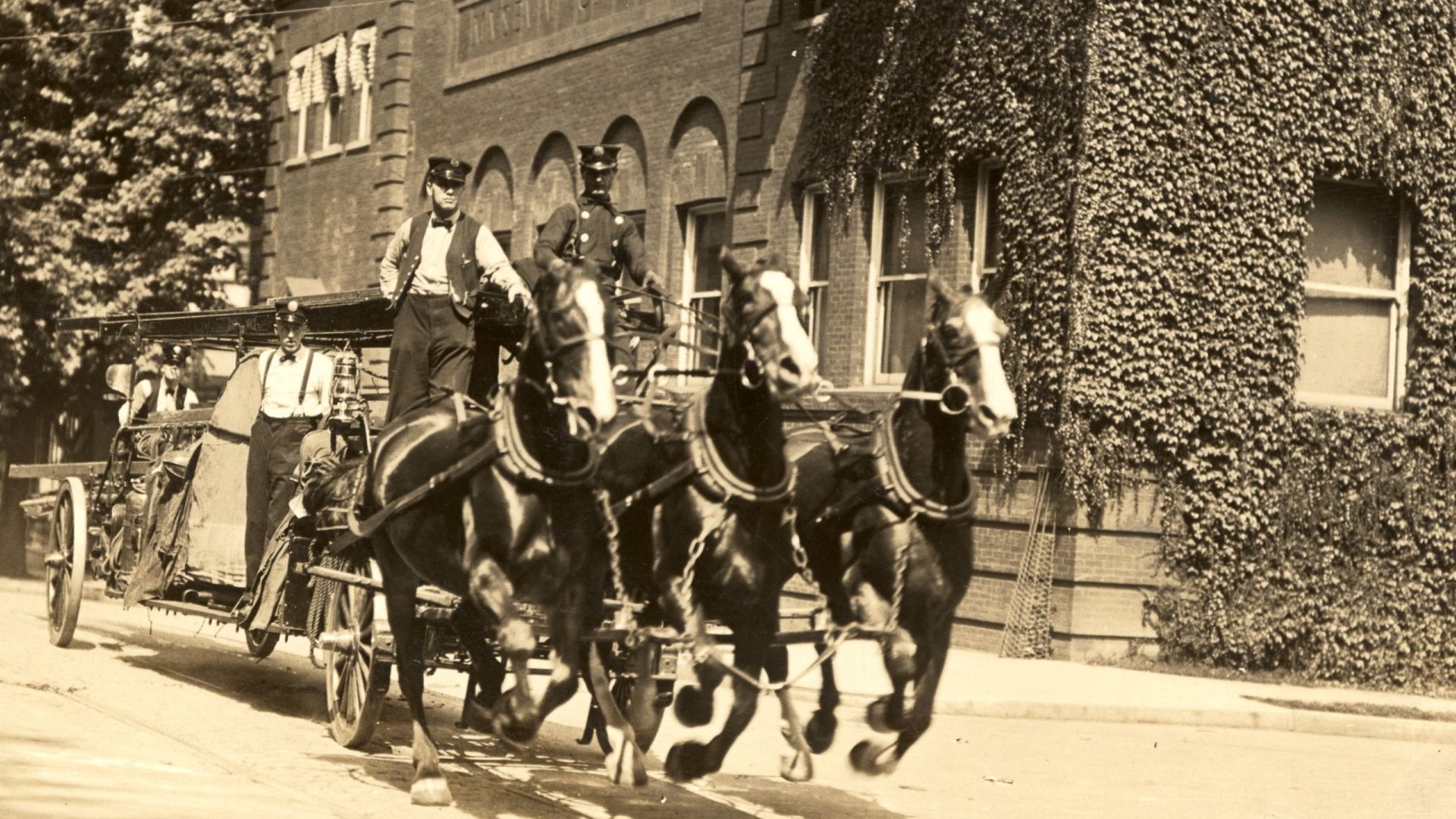
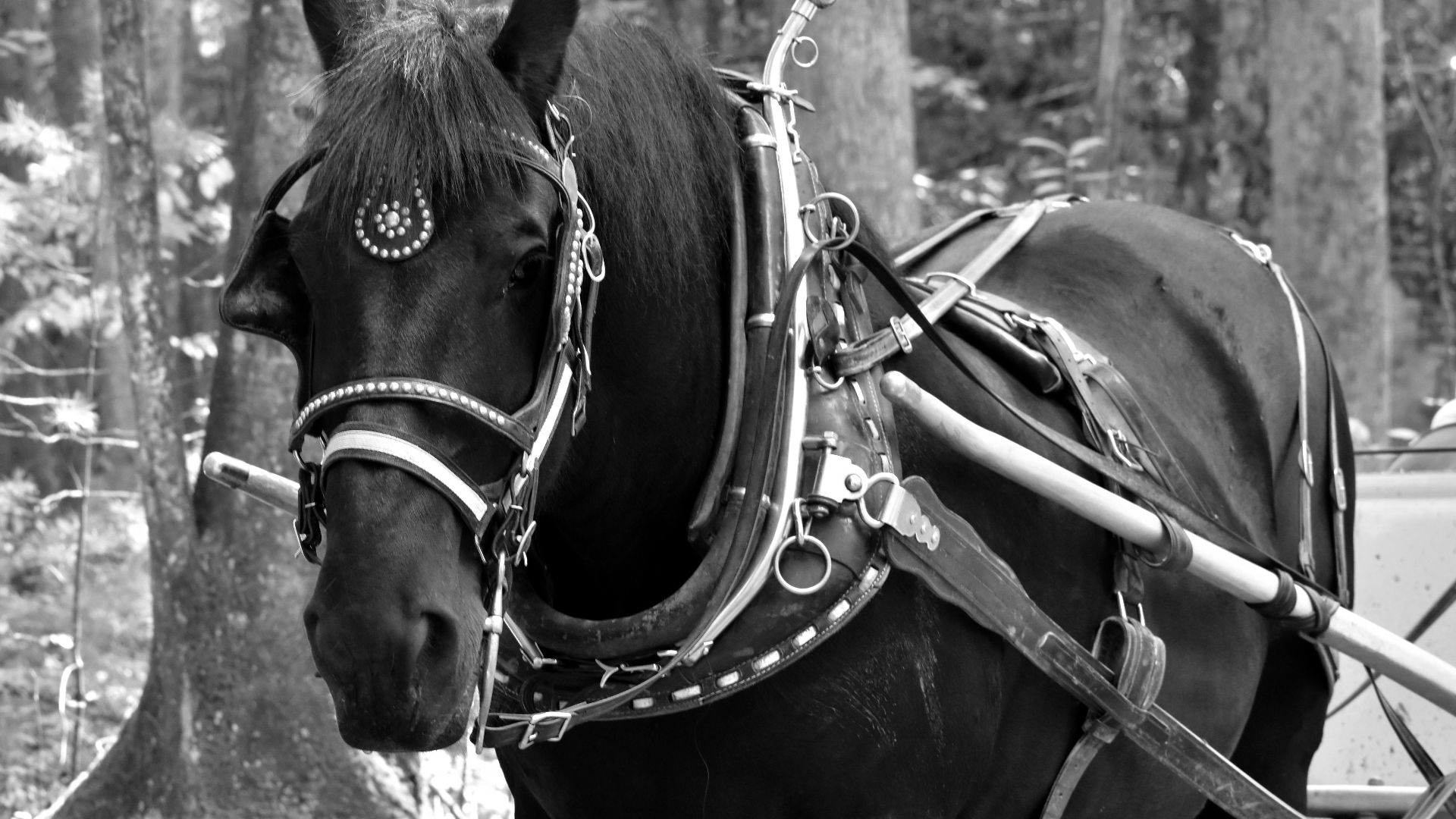
The Era Of Horse-Drawn Fire Wagons
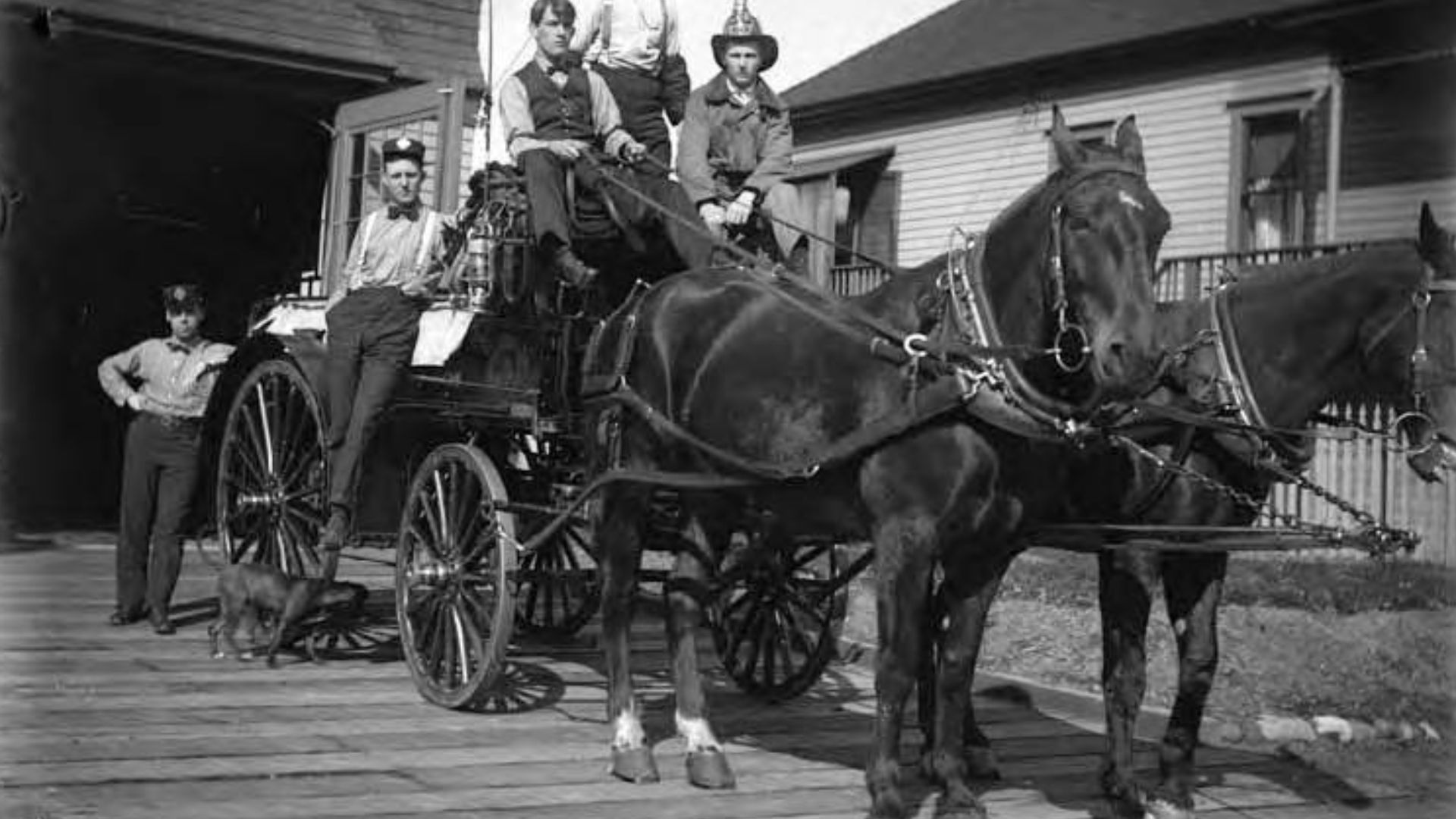
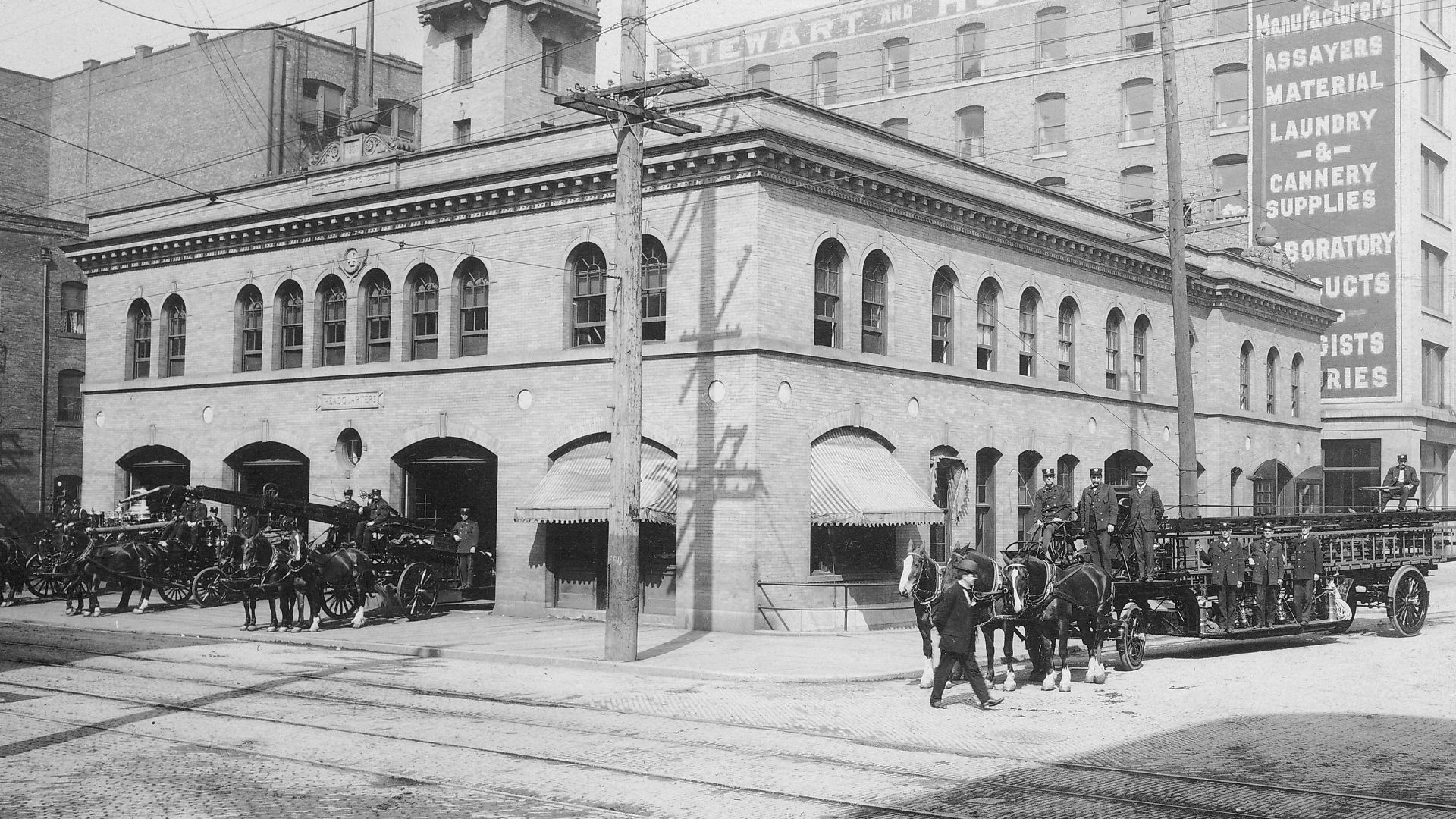
In the early 1900s, most fire departments still used horse-drawn wagons to carry hoses and equipment. These setups worked, but they were limited by how fast horses could run and how quickly crews could get organized. It was reliable in its own way, just not especially fast.
 University of Washington, Wikimedia Commons
Fires Didn’t Wait Around
When a fire broke out, every second counted. Horses could move quickly, but not always consistently—especially over long distances or rough terrain. Firefighters knew that shaving even a minute or two off response time could make a real difference.
Enter Henry Ford’s Practical Machine
The Model T wasn’t built with firefighting in mind. It was designed to be affordable, simple, and easy to repair. But those exact qualities made it appealing to fire departments looking for a practical upgrade.
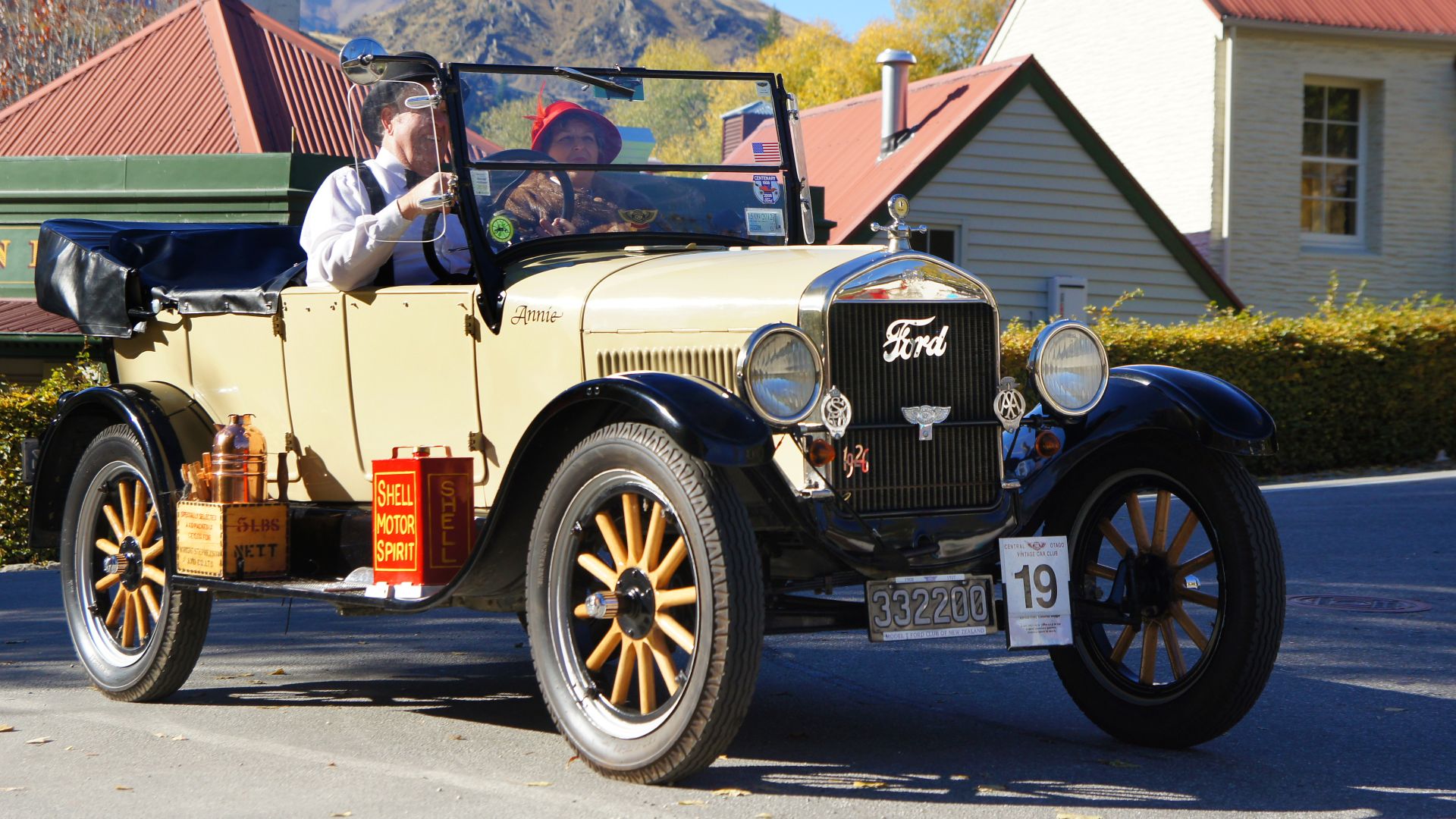 Bernard Spragg. NZ from Christchurch, New Zealand, Wikimedia Commons
Affordable Enough To Experiment With
One of the biggest reasons the Model T caught on was its price. Smaller towns, which couldn’t afford large, purpose-built fire engines, suddenly had an option. It wasn’t perfect, but it was within reach.
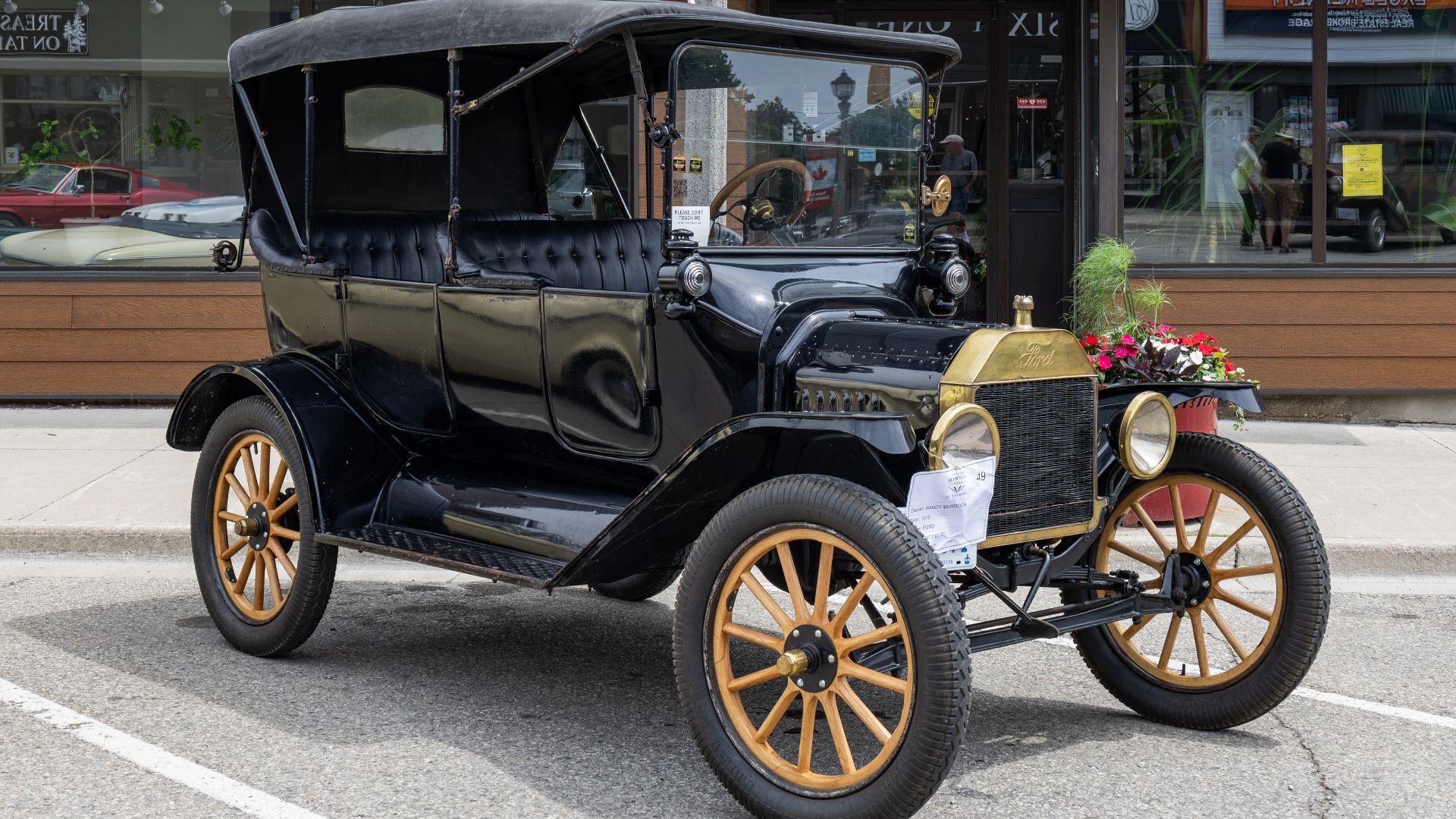 Crisco 1492, Wikimedia Commons
Small Towns Took The First Step
Rural and small-town departments were the first to give the Model T a shot. These communities often had the most to gain from faster response times and the least access to expensive equipment. So they got creative.
 Arthur Churchill Warner, Wikimedia Commons
Turning A Car Into A Fire Rig
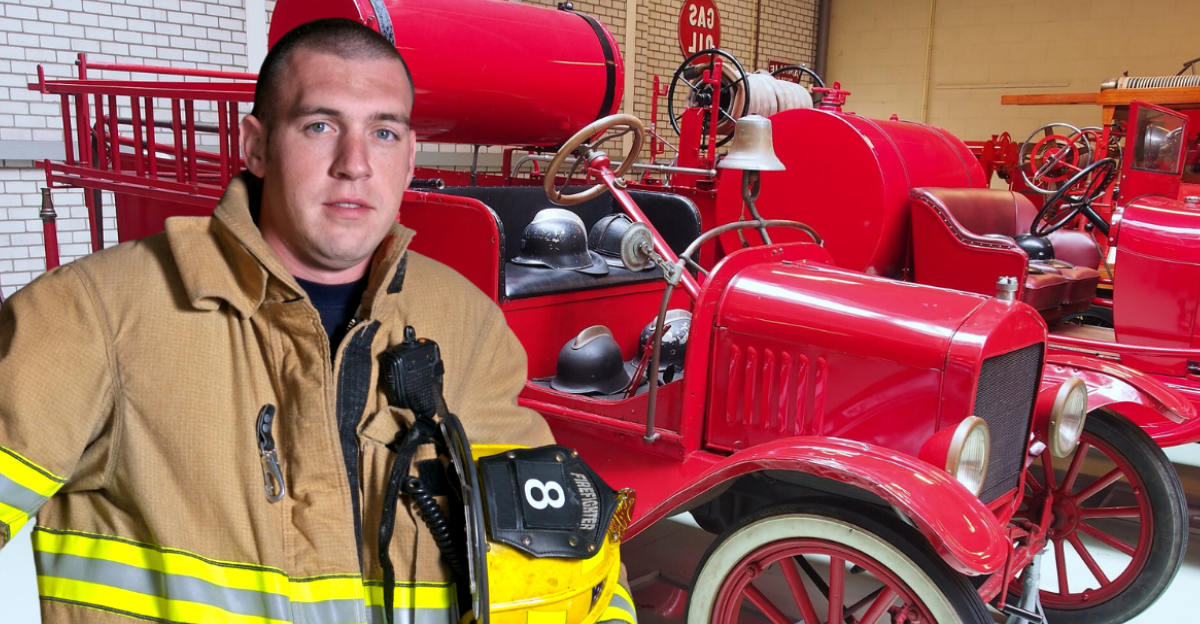
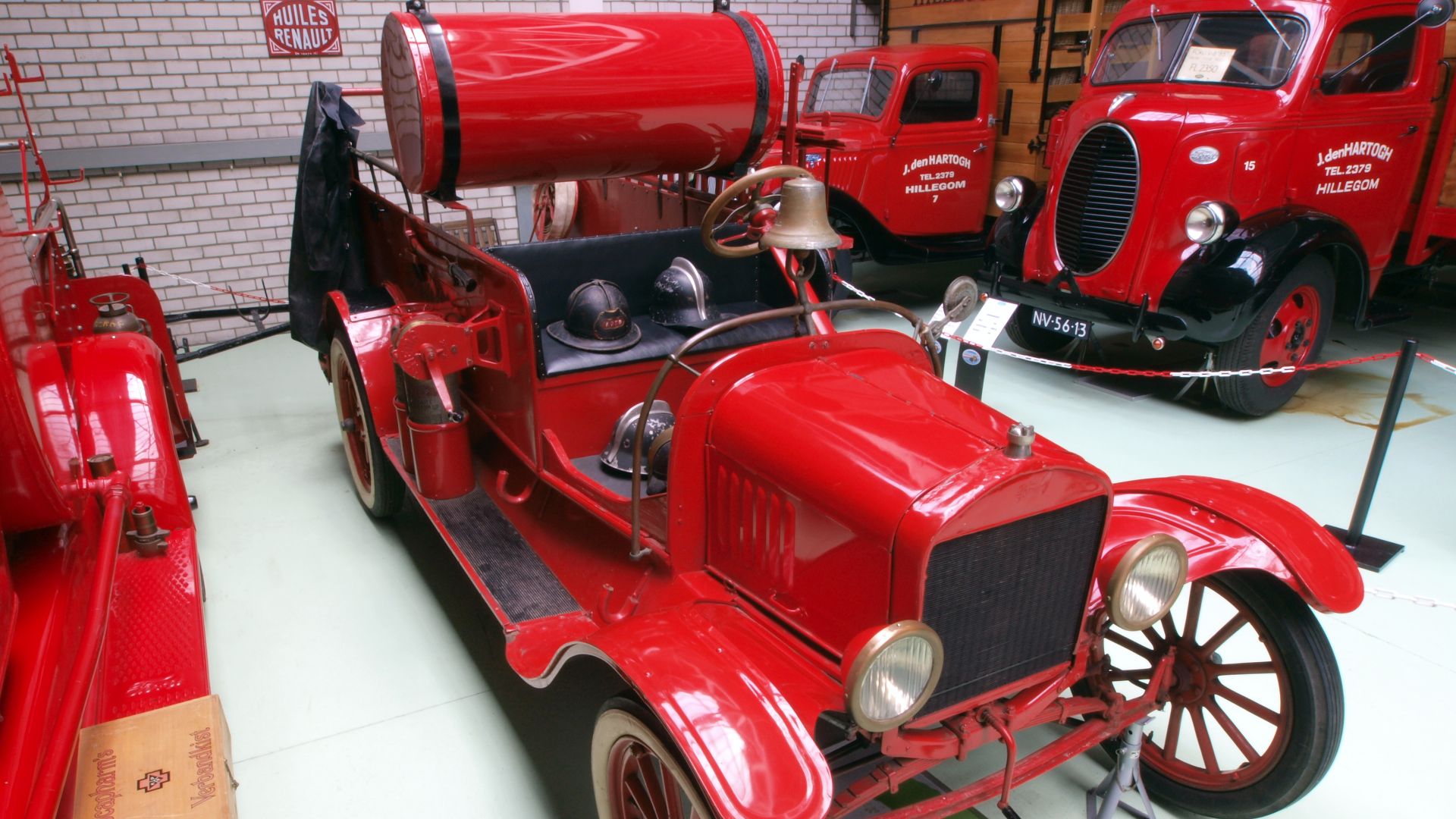
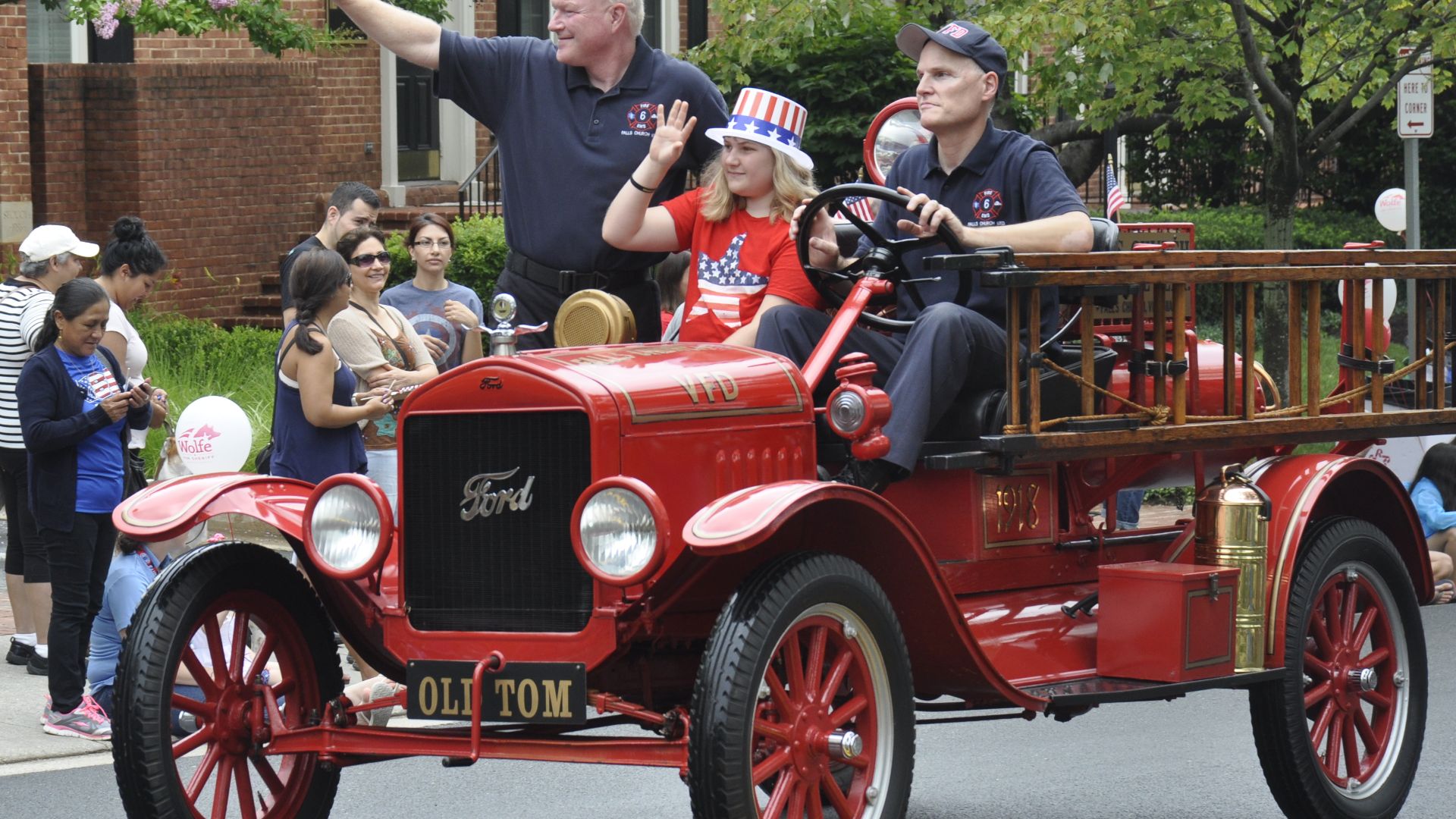
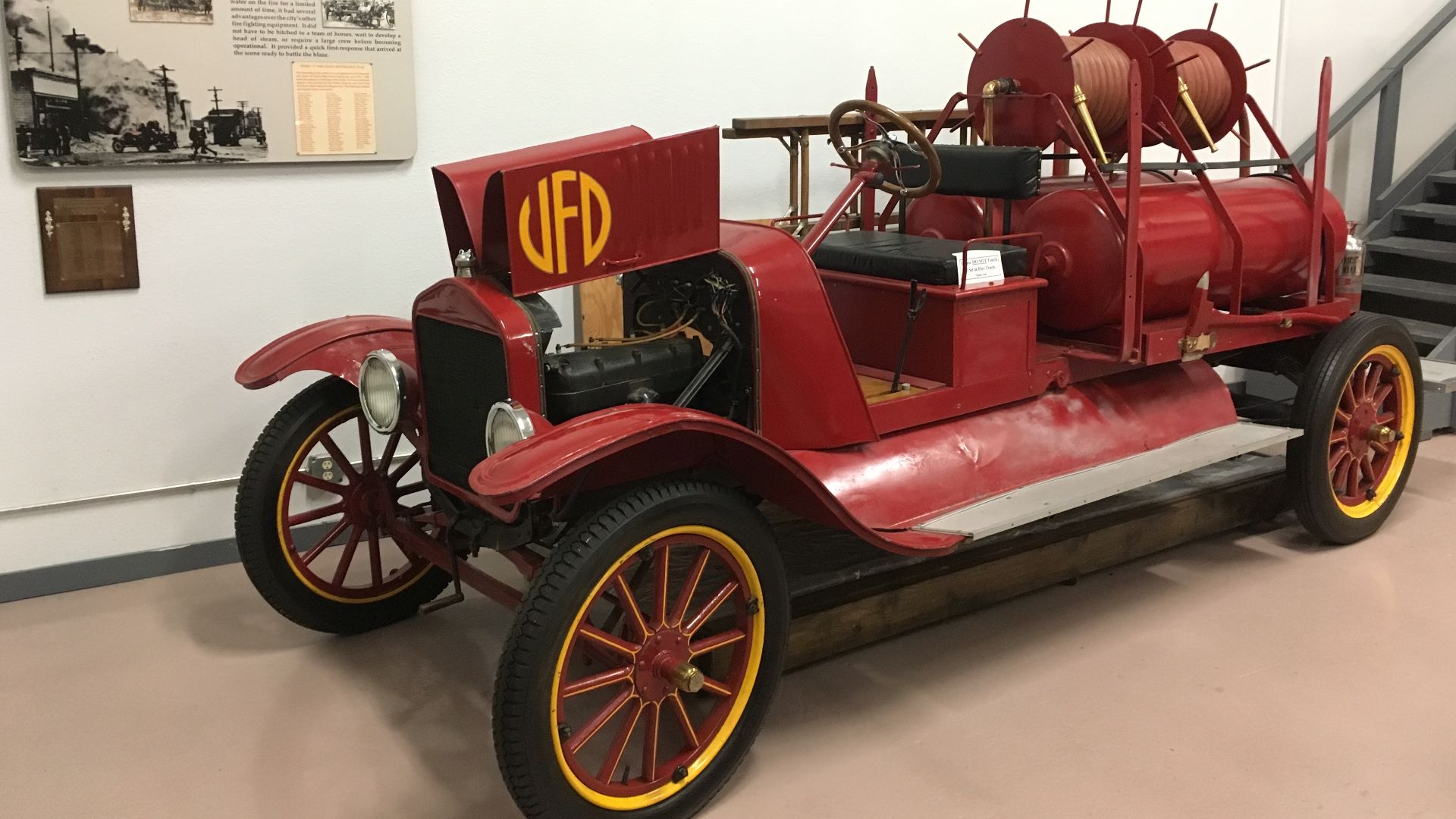
Departments didn’t just roll up to fires in a stock Model T. They modified them—adding hose reels, chemical tanks, ladders, and storage. Some conversions were done locally, while others came from companies that specialized in outfitting vehicles for firefighting.
 Alf van Beem, Wikimedia Commons
Faster, But Not Flawless
There’s no question the Model T helped crews get to fires more quickly. That said, it wasn’t a powerhouse. It had limited speed and strength compared to later fire engines, but even a modest improvement over horses made a noticeable difference.
 Jarek Tuszynski, Wikimedia Commons
Reliability With A Few Caveats
The Model T had a reputation for being tough and easy to fix, which helped its case. But it wasn’t indestructible, and firefighting pushed it into demanding situations. Crews still had to deal with breakdowns and mechanical quirks from time to time.
Saying Goodbye To Stable Duty
One clear advantage of switching to motorized vehicles was leaving behind the daily care horses required. Feeding, grooming, and housing animals took time and resources. With a Model T, the focus shifted more toward fuel and mechanical upkeep.
A Whole New Skill Set
That shift wasn’t entirely simple. Firefighters had to learn how to drive, maintain, and repair these vehicles. It was a different kind of work, but one that gradually became second nature.
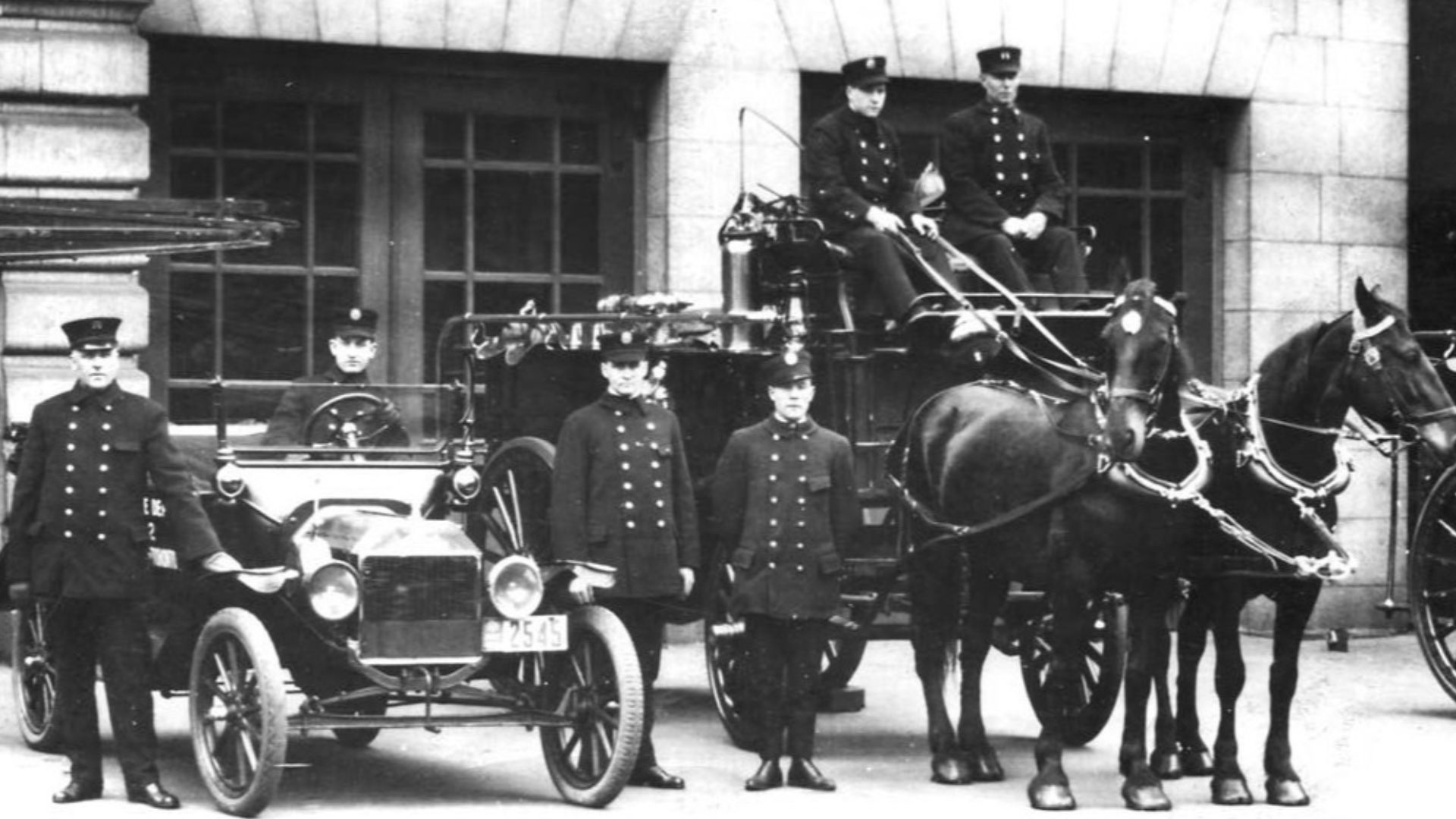 William James, Wikimedia Commons
Bigger Cities Took A Different Route
While small towns leaned heavily on the Model T, larger cities often skipped straight to bigger, purpose-built fire engines. The Model T still had its place, but it wasn’t the main solution in urban departments.
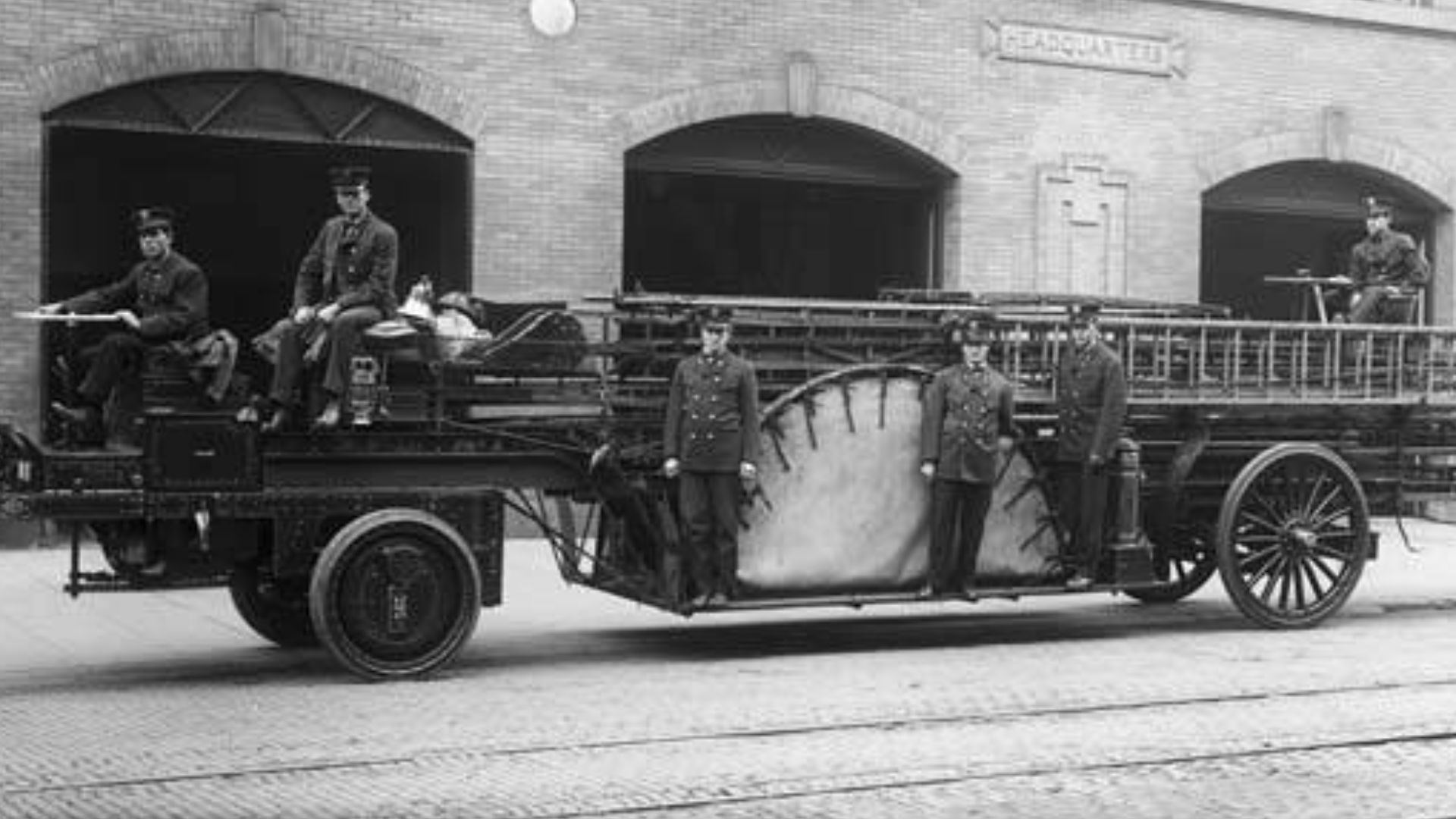 Webster & Stevens, Wikimedia Commons
Different Builds For Different Jobs
Not every Model T fire vehicle looked the same. Some carried hoses, others were equipped with chemical tanks, and some transported firefighters. The flexibility was part of what made it so useful.
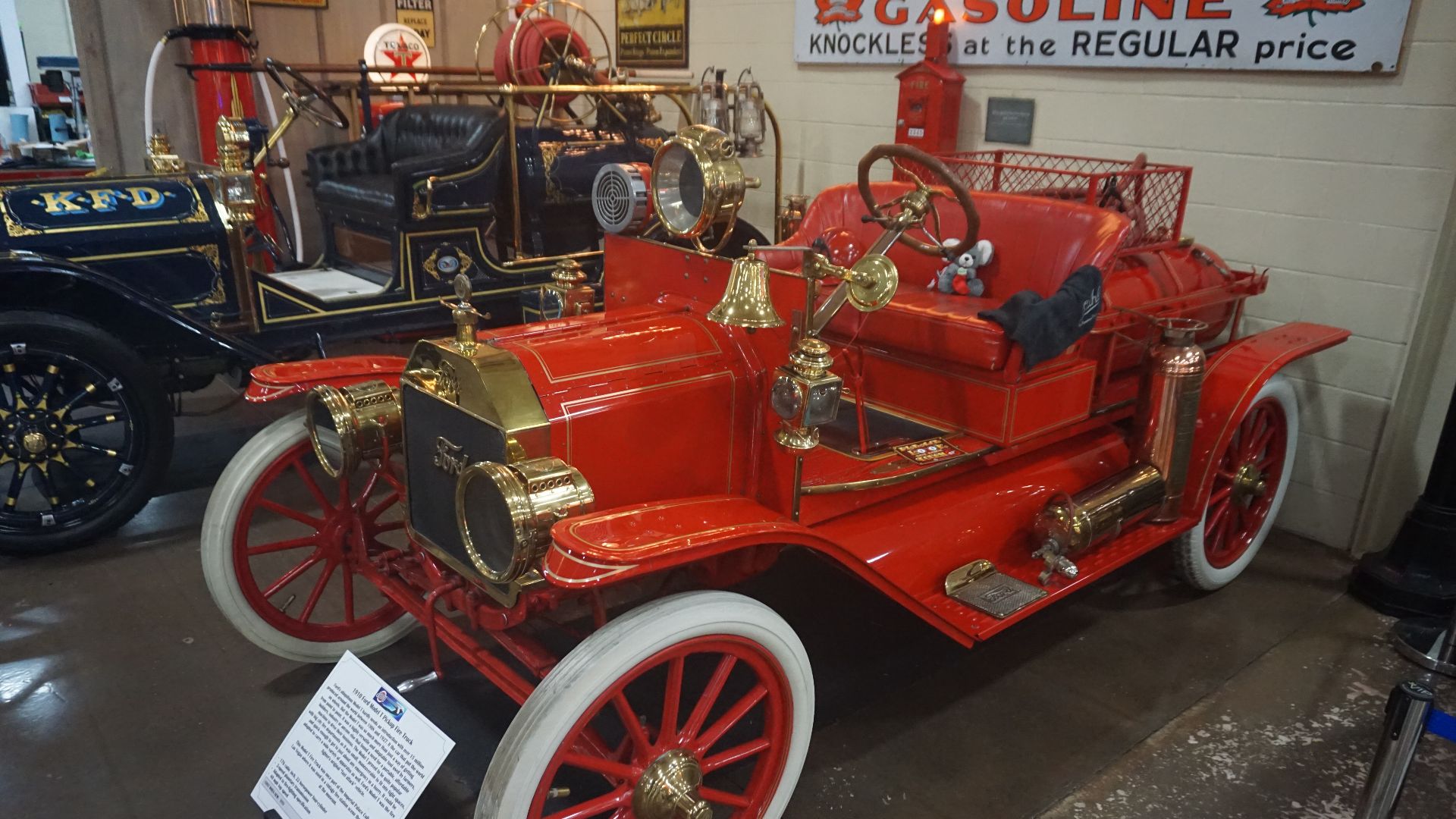 Michael Barera, Wikimedia Commons
A Gradual Shift To Motorization
The Model T didn’t replace horse-drawn wagons overnight. The transition happened over time, with many departments using both for a while. But it clearly pointed the way forward.
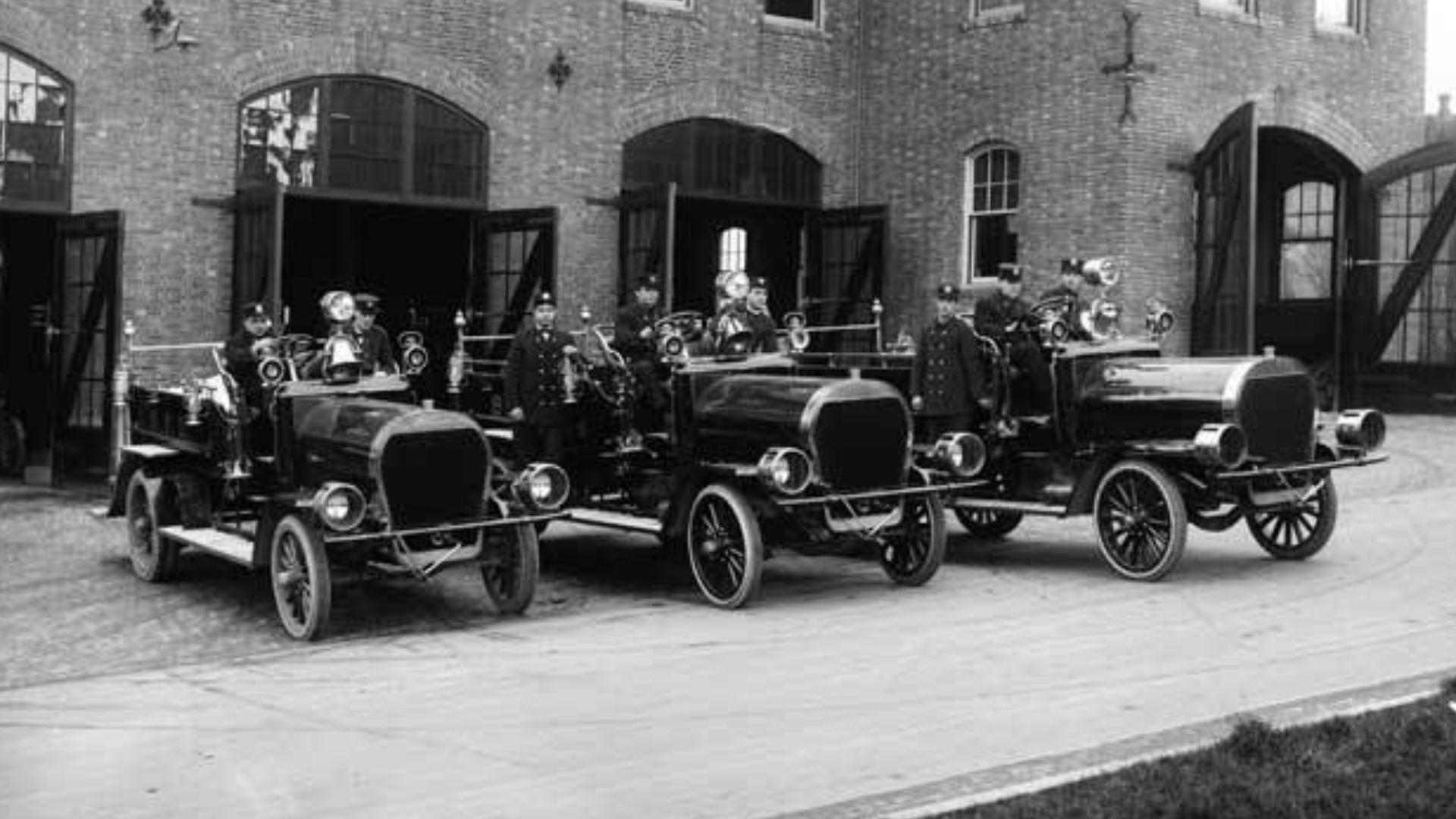 Webster & Stevens, Wikimedia Commons
Faster Response, Better Chances
Getting to a fire sooner often meant having a better shot at controlling it. Even small improvements in response time could lead to fewer buildings lost and safer outcomes for crews and civilians.
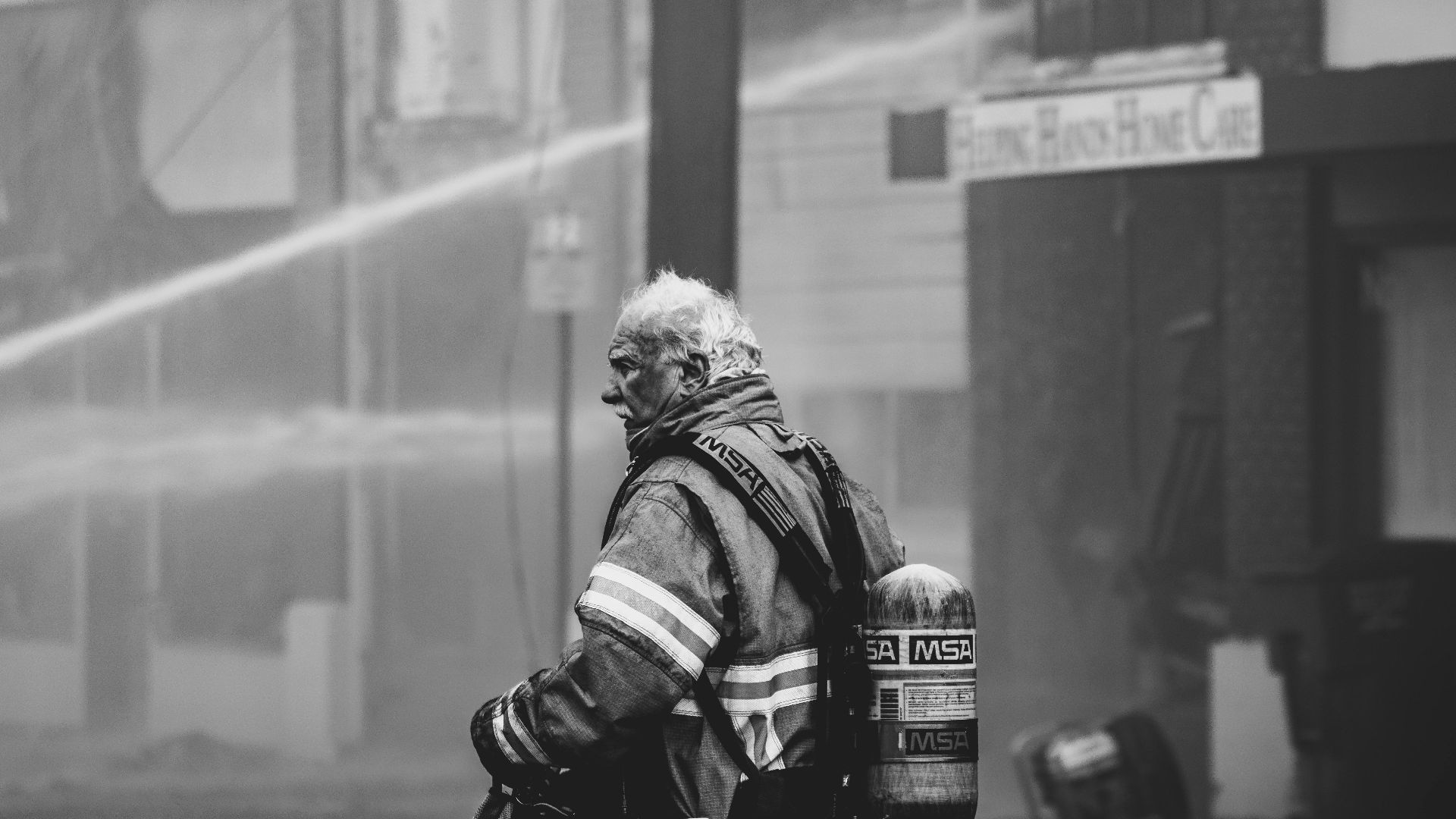
Maintenance Became More Predictable—Mostly
Compared to caring for horses, maintaining a vehicle was more straightforward in some ways. Parts were easier to source, and repairs could be standardized. Still, early automotive maintenance came with its own learning curve.
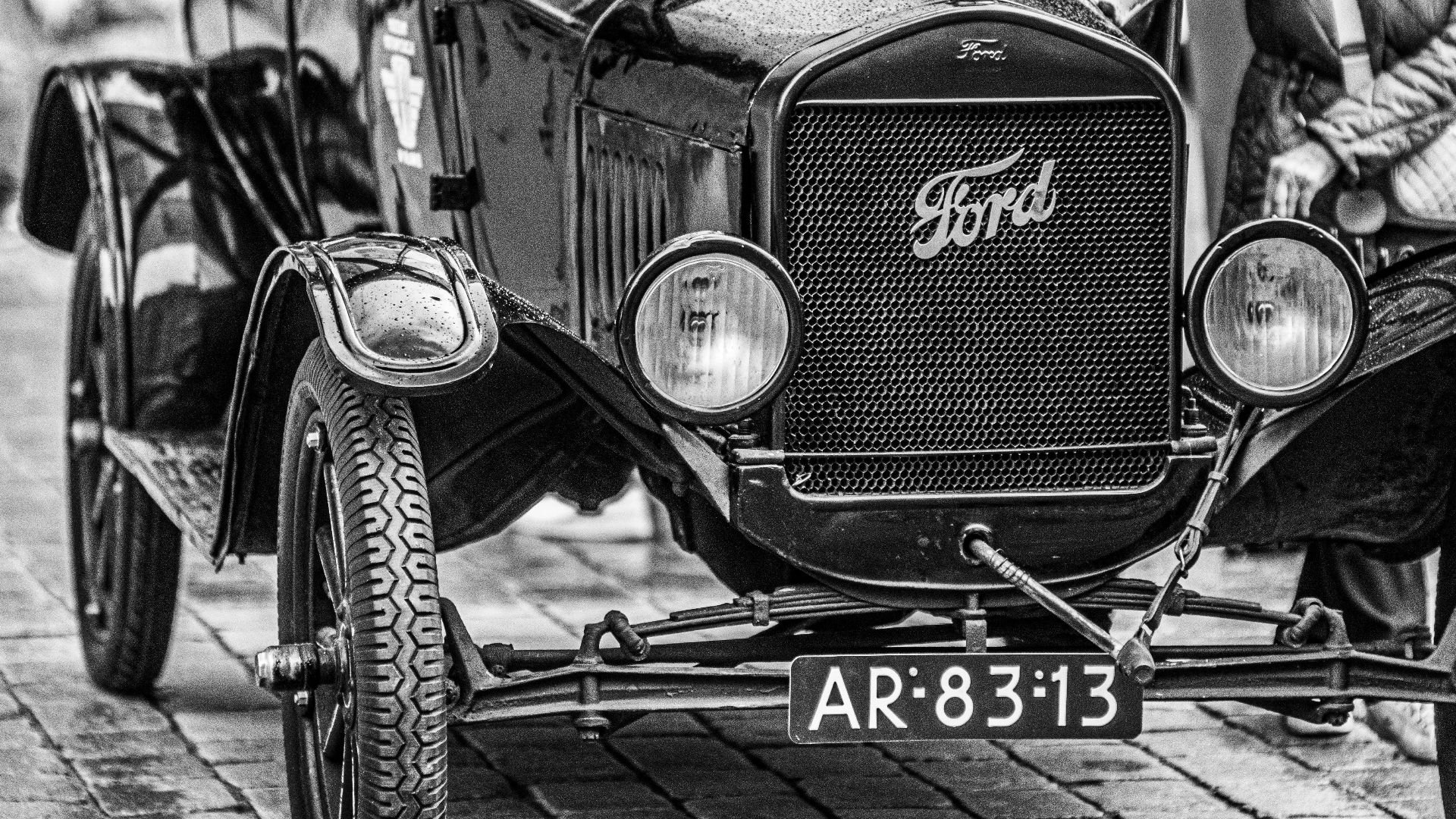
Changing What People Expected
As motorized vehicles became more common, communities started expecting faster responses. The idea of waiting for a horse-drawn wagon began to feel outdated pretty quickly.

A Stepping Stone, Not The Final Answer
The Model T wasn’t the ultimate firefighting vehicle, but it helped bridge an important gap. It showed departments what was possible with motorized transport and paved the way for more advanced equipment.
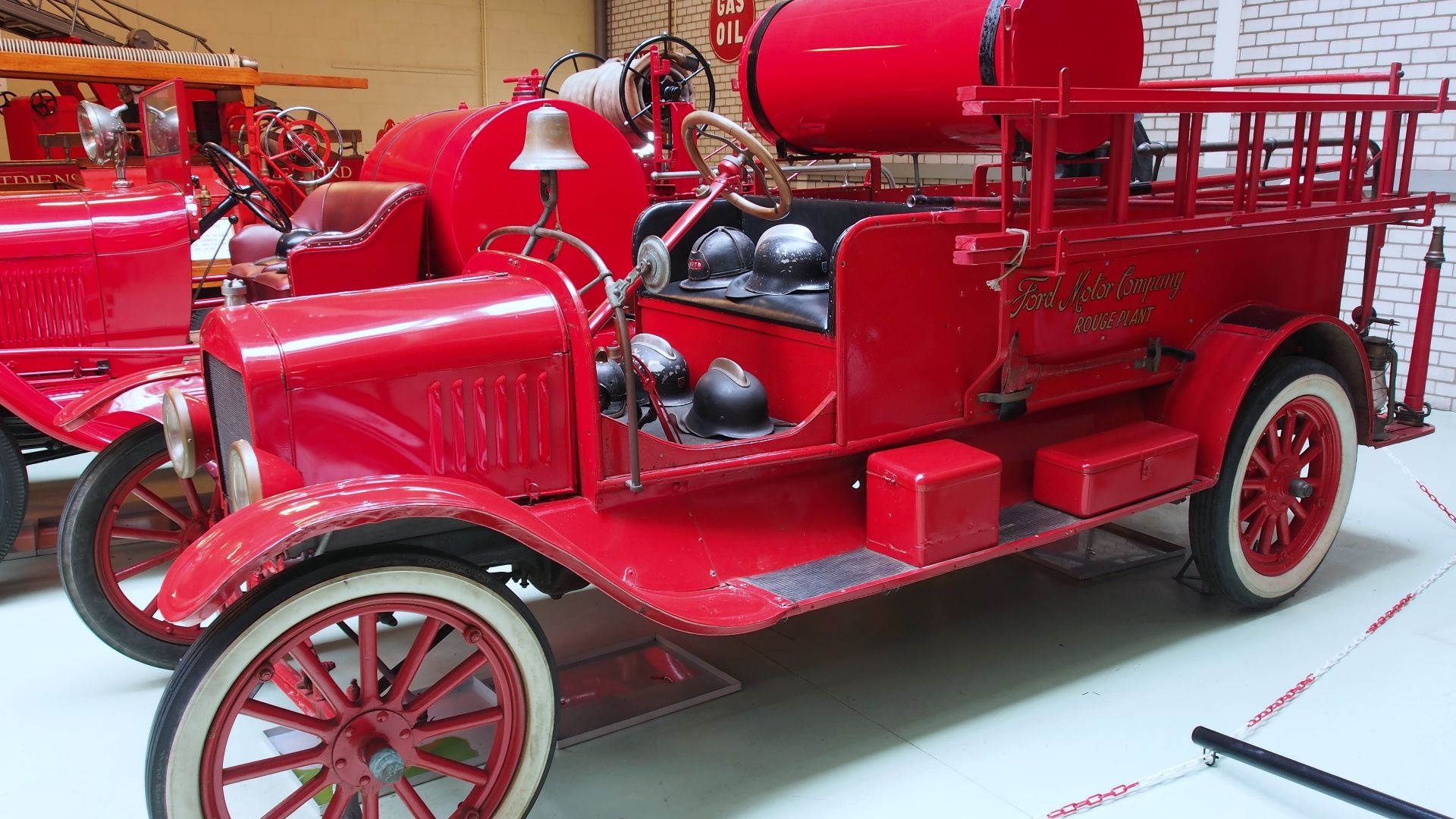 Alf van Beem, Wikimedia Commons
Henry Ford’s Unexpected Impact
Henry Ford didn’t set out to change firefighting, but his car ended up playing a role anyway. By making something affordable and adaptable, he gave fire departments a tool they could shape to their needs.
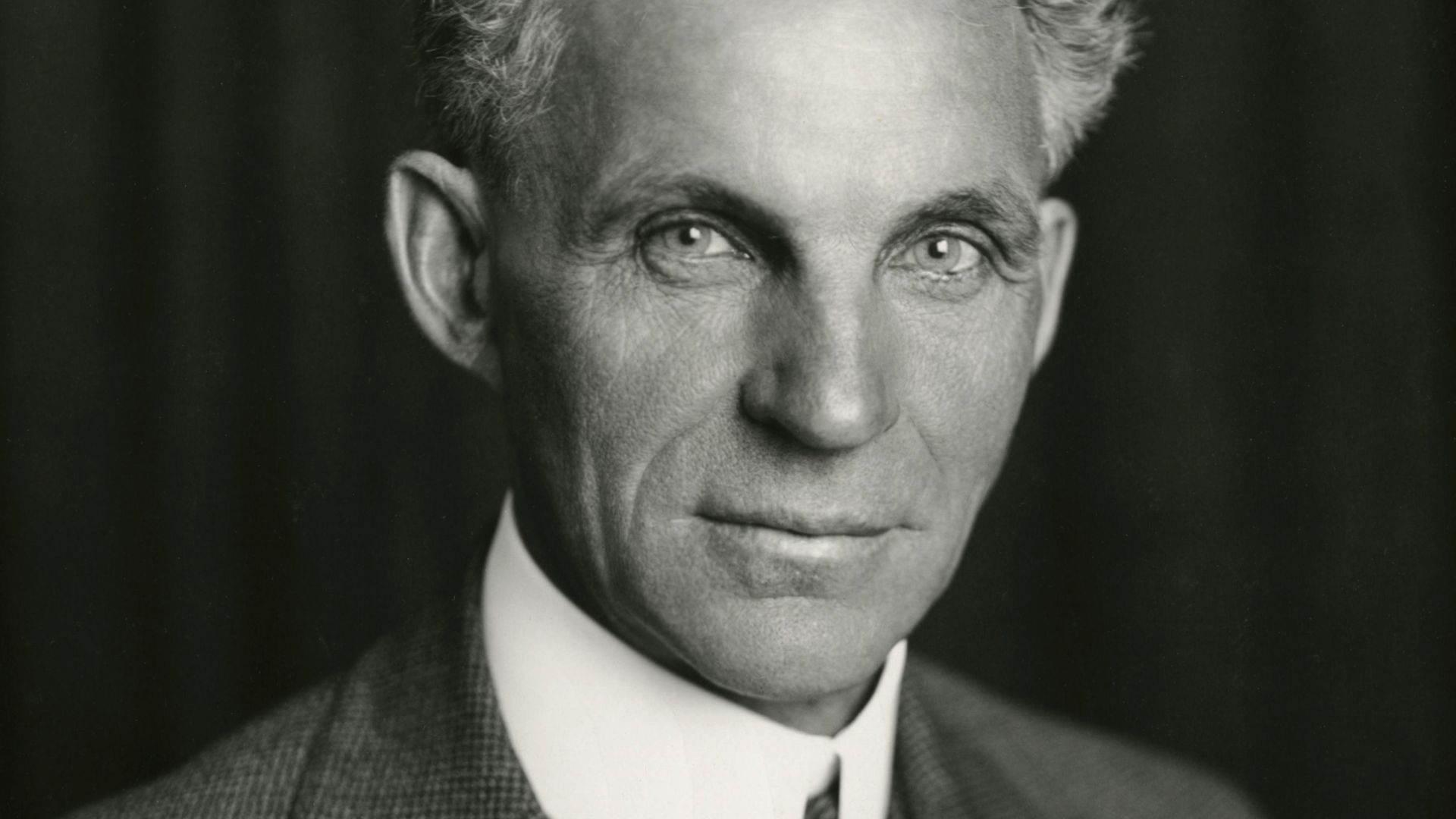 Ford Motor Company. Photographic Department, Wikimedia Commons
The Slow Fade Of The Horse Era
As more departments adopted motorized vehicles, horses gradually disappeared from firehouses. It wasn’t an instant shift, but over time, the old way of doing things gave way to something faster and more efficient.
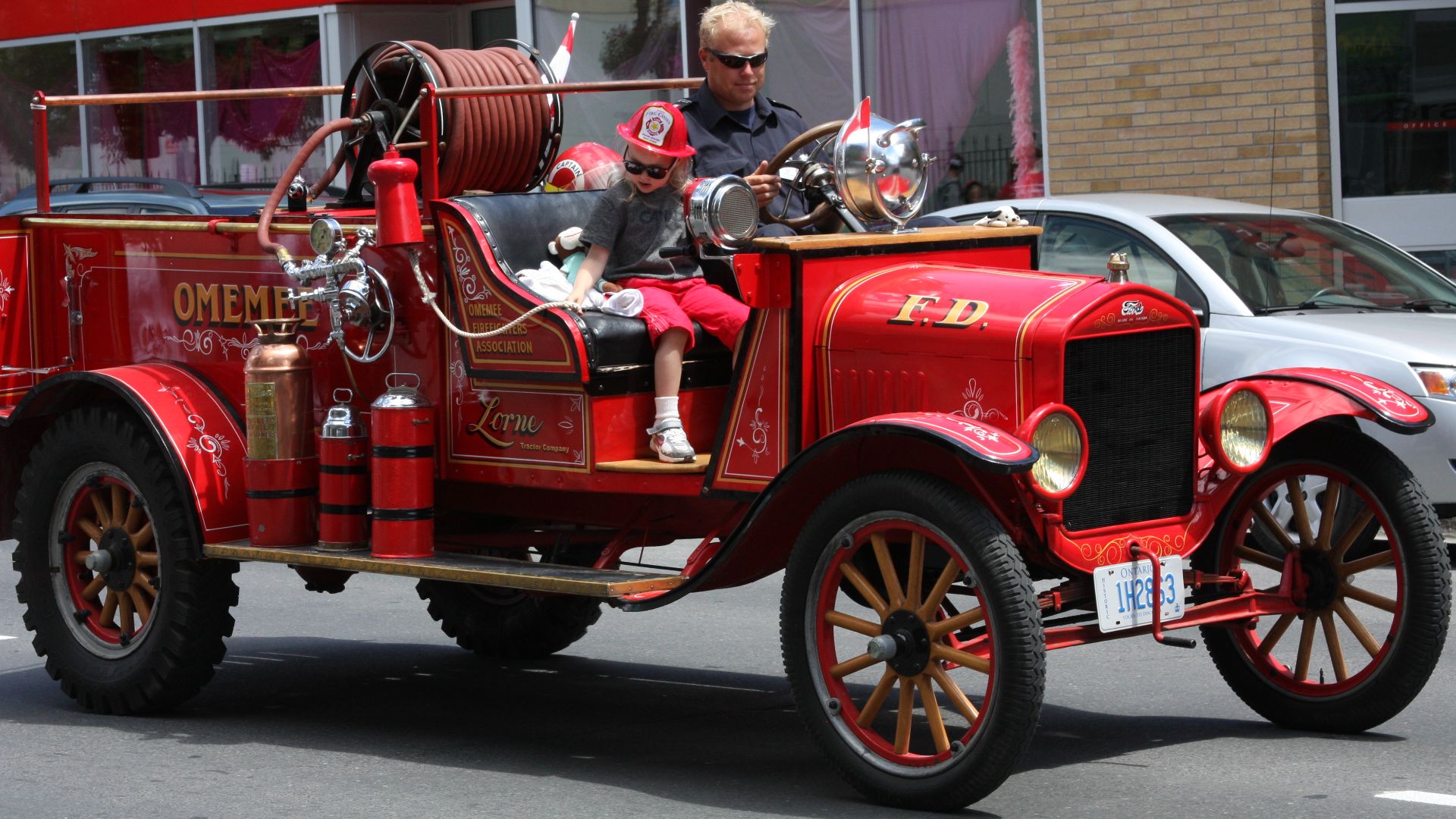
Why The Model T Still Matters
Looking back, the Model T’s role in firefighting is less about dramatic transformation and more about steady progress. It didn’t solve every problem, but it helped move things forward—and sometimes that’s exactly what’s needed.
 Derek Hatfield from Peterborough, Canada, Wikimedia Commons
You May Also Like:
Strange NASCAR Rules Most Fans Don't Even Know About
I bought a classic car at an auction, and now my mechanic says the VIN looks altered. What do I do?