Changing Faster Than Expected
Something unusual is happening in the car market, and it goes beyond simple price drops. Buyers and sellers are reacting to uncertainty in ways that reveal deeper cracks beneath the surface. Flipping almost overnight, changes are becoming too hard to understand.

Why The Car Market Suddenly Feels Unstable
Compared to several months ago, the car market currently feels unstable because buyers and sellers are reacting to rapid shifts in pricing and expectations. What once felt predictable now raises eyebrows, as vehicles no longer hold inflated values and market confidence has weakened across both new and used segments.
 Olgierd Rudak, Wikimedia Commons
How Small Shifts Quietly Built Momentum
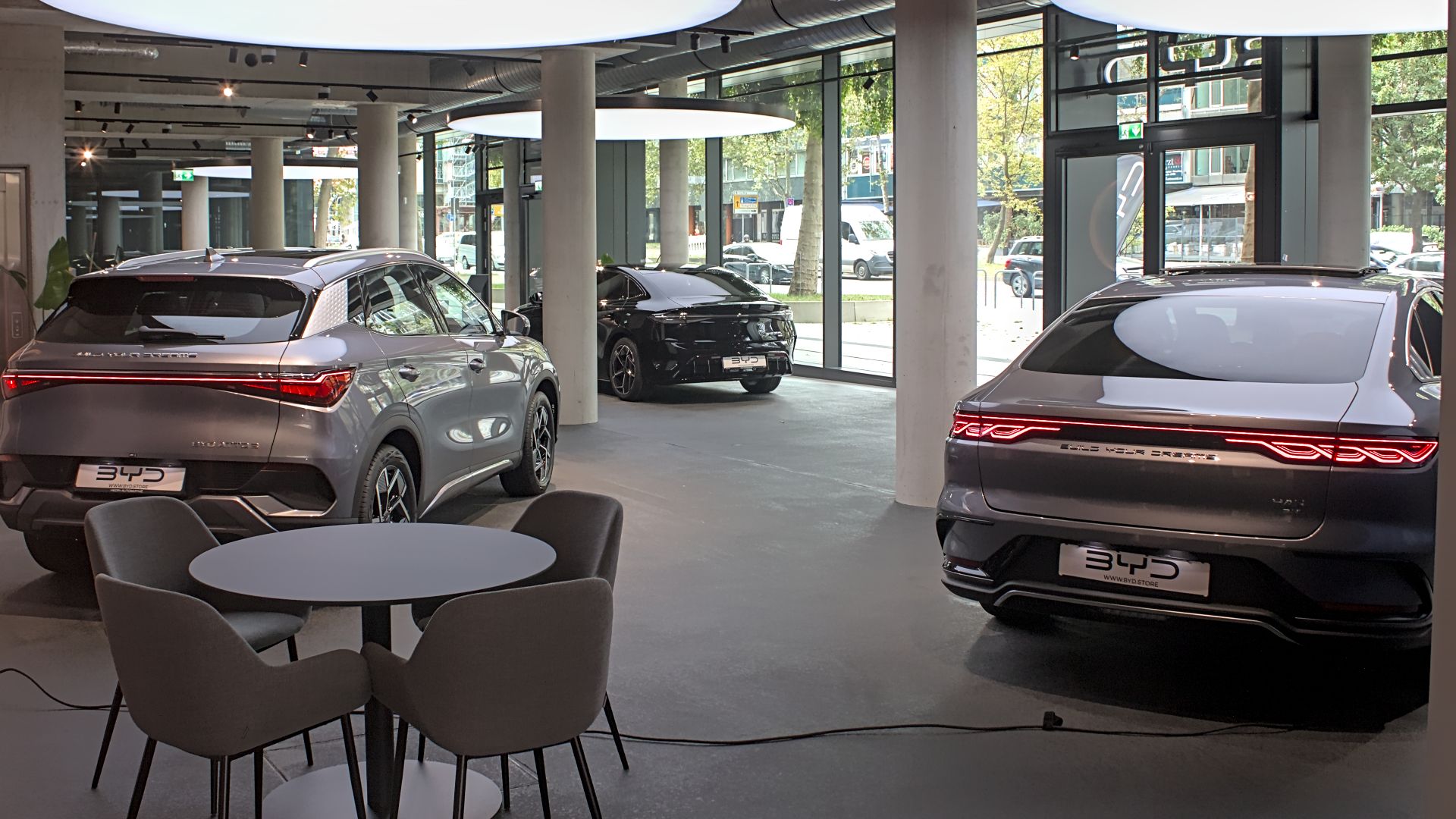
Market fluctuations rarely happen in a single moment. Slower sales and subtle price reductions accumulated over weeks. Individually, these signs seemed minor, but together they built momentum that eventually tipped sentiment and altered how people viewed car ownership and resale value.
 Alexander-93, Wikimedia Commons
The Pandemic Buying Boom That Skewed Prices
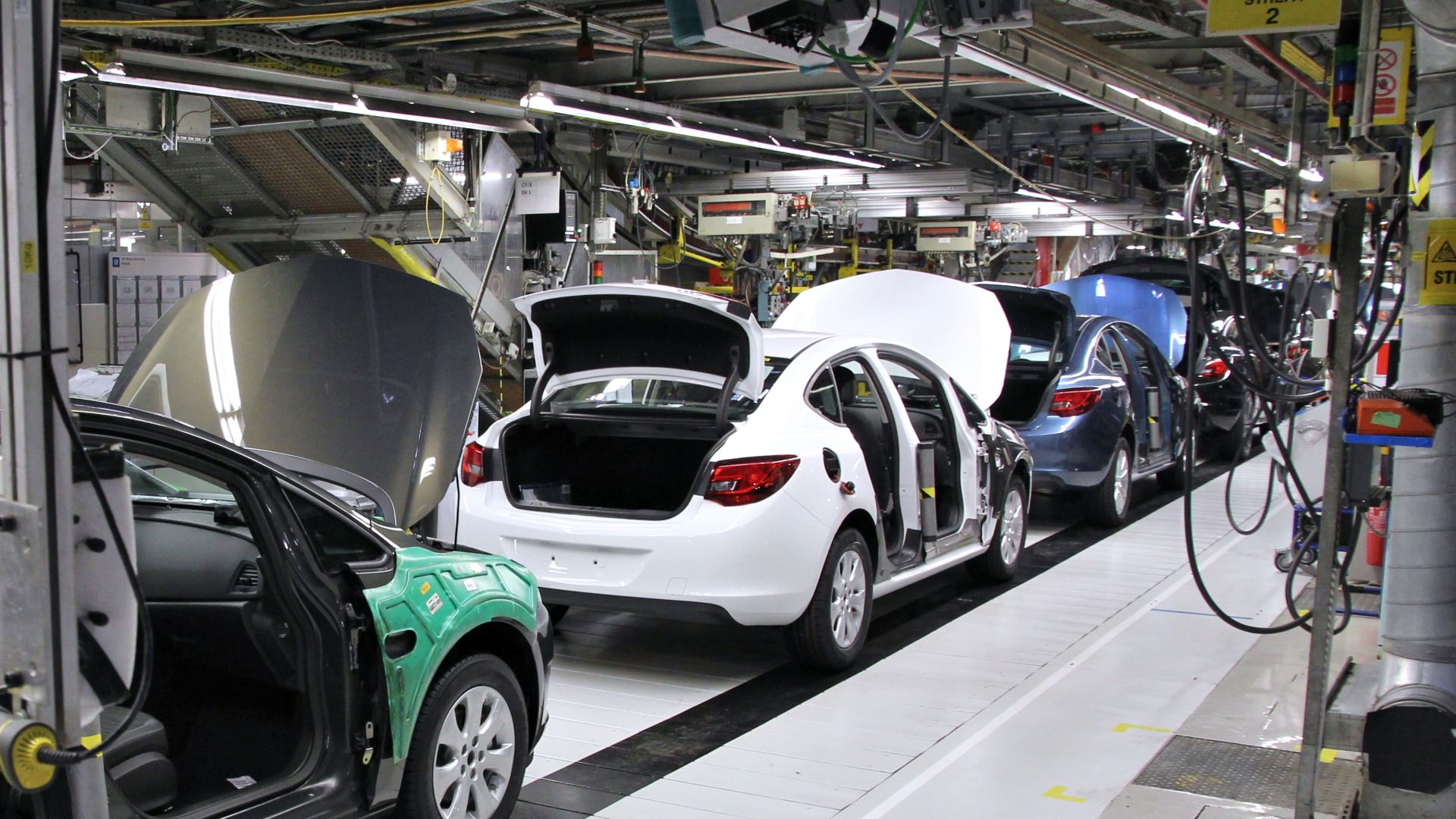
During the pandemic, limited supply and strong demand pushed vehicle prices far beyond historical norms. Production delays and inventory shortages allowed sellers to command premiums, which created a market where inflated pricing became accepted, even though it was disconnected from long-term fundamentals.
 Marek Ślusarczyk (Tupungato) Photo portfolio, Wikimedia Commons
Overpaying For Cars Became Routine
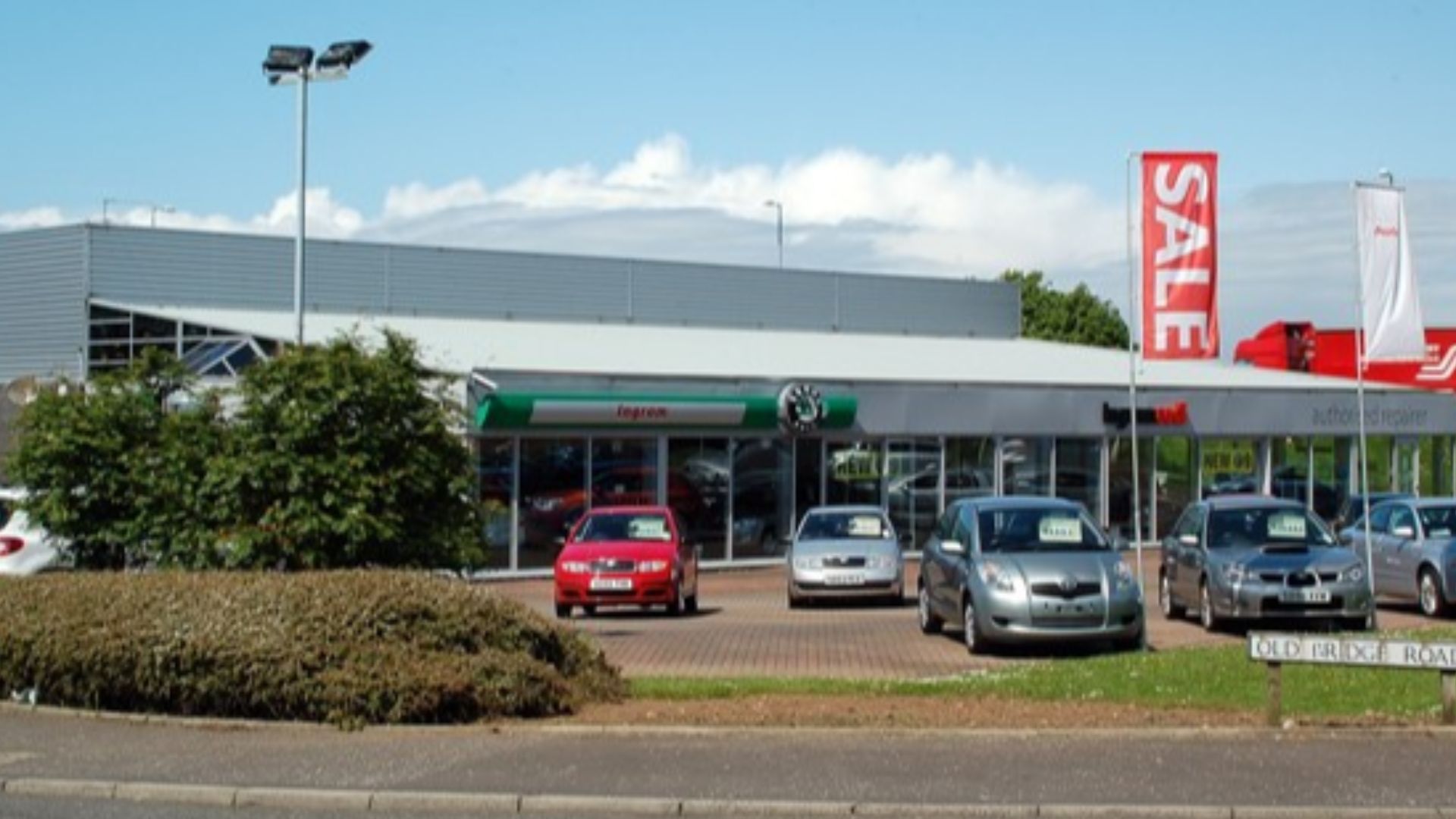
As prices climbed, many buyers adjusted expectations rather than waiting. Paying above sticker price or accepting high used-car valuations became common, reinforced by messaging that scarcity would continue. Over time, overpaying felt normal, despite increasing the long-term financial risk for owners.
 Mary and Angus Hogg, Wikimedia Commons
Emotional Buying Replaced Rational Decisions
Fear of missing out drove many purchasing decisions during the peak. Instead of careful budgeting or long-term planning, urgency and uncertainty shaped behavior. Emotional buying overshadowed traditional value assessments, which left many owners exposed once conditions began shifting back toward balance.

Financing Made High Prices Feel Manageable
Low down payments and extended loan terms made expensive vehicles seem affordable on a monthly basis. Many buyers focused on payment size rather than total cost, which masked how much they were actually paying and increased long-term exposure once rates rose or values declined.

The Early Signs Demand Was Losing Strength
Demand didn’t disappear suddenly. Vehicles stayed listed longer, and incentives quietly returned. These early signals suggested buyers were becoming more cautious, even as prices remained high. The disconnect hinted that the market’s balance was beginning to shift.
 Helgi Halldórsson from Reykjavík, Iceland, Wikimedia Commons
Rising Interest Rates Tightened Buyer Behavior
As interest rates climbed, financing costs increased sharply. Monthly payments rose even when vehicle prices stayed the same, which pushed many buyers to delay purchases or downsize expectations. Higher rates cooled demand and put pressure on prices.
The Market Was Changing All Along
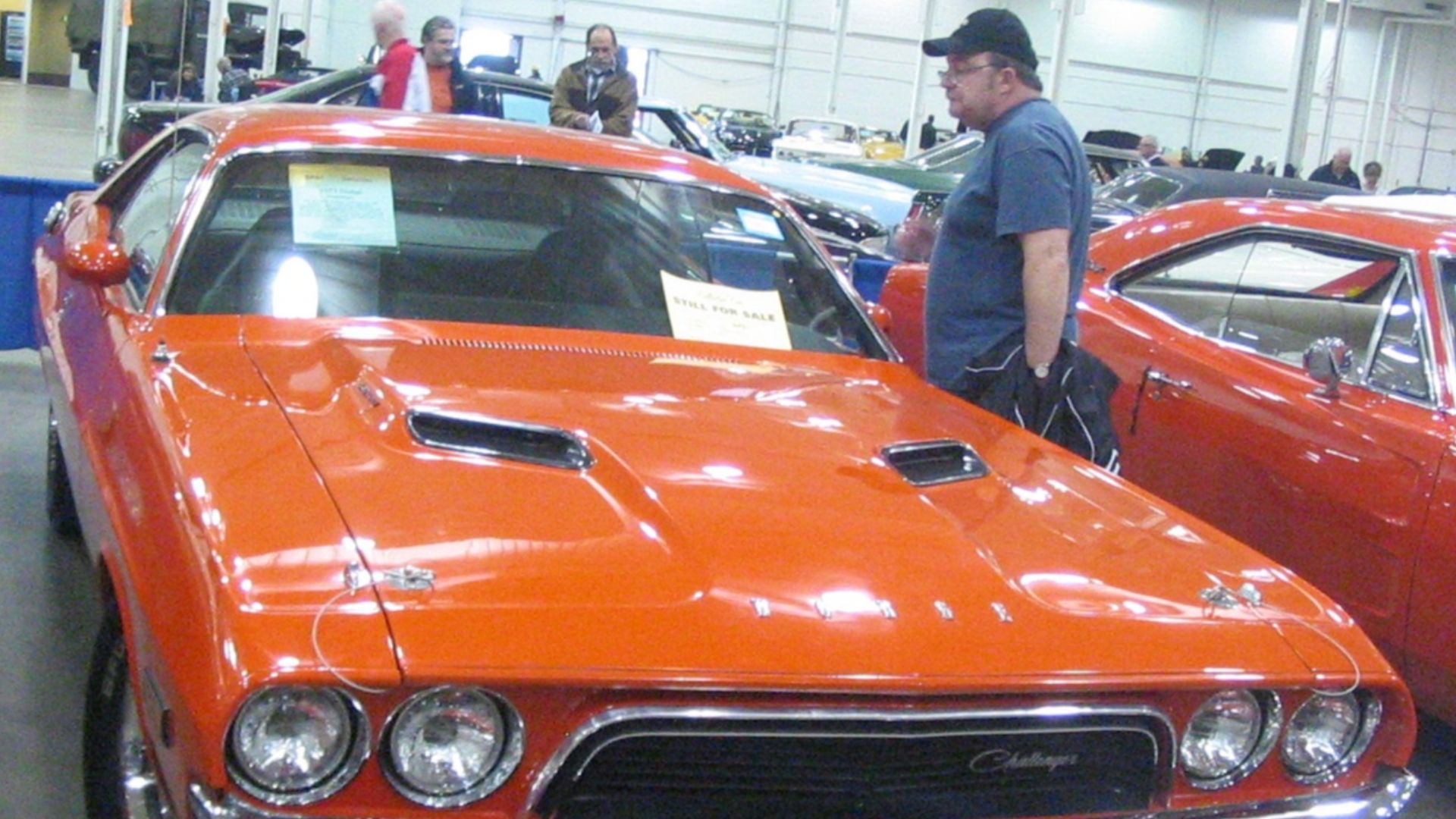
Auction prices softening, trade-in values slipping, and dealer inventories growing were clear indicators. Although not everyone noticed, these trends pointed to weakening demand. The information was there, but optimism and habit kept many participants from adjusting expectations early enough.
 Bull-Doser at English Wikipedia, Wikimedia Commons
Renewed Covid Concerns Are Influencing Decisions
As Craig Stowell from Flying Wheels explains, even limited talk of renewed Covid disruptions has an impact. Memories of sudden shutdowns and income loss remain fresh. That doubt affects planning and makes people more cautious about large financial commitments. This applies to assets like vehicles that come with long-term payment obligations.

Fear As A Powerful Economic Driver
Fear doesn’t wait for confirmation. It influences behavior ahead of actual events. Concerns about job security, mobility restrictions, or economic slowdowns can prompt people to sell assets and reduce debt. This, in turn, accelerates market shifts driven as much by emotion as data.
 Senado Federal, Wikimedia Commons
Households Are Reconsidering Large Financial Commitments
With fear rising, many households are reevaluating priorities. Vehicles once viewed as necessities or upgrades are now seen as liabilities. This reassessment leads some owners to downsize, sell, or delay purchases in favor of flexibility and lower financial exposure.

The Urge To Simplify Expenses And Debt
As ambiguity grows, many people are prioritizing leaner budgets. High monthly payments feel riskier than before, and this motivates households to reduce recurring expenses. Cars with large loans become prime targets, especially when owners believe cutting debt now may prevent bigger problems later.
Auto Loans Suddenly Feel Dangerous
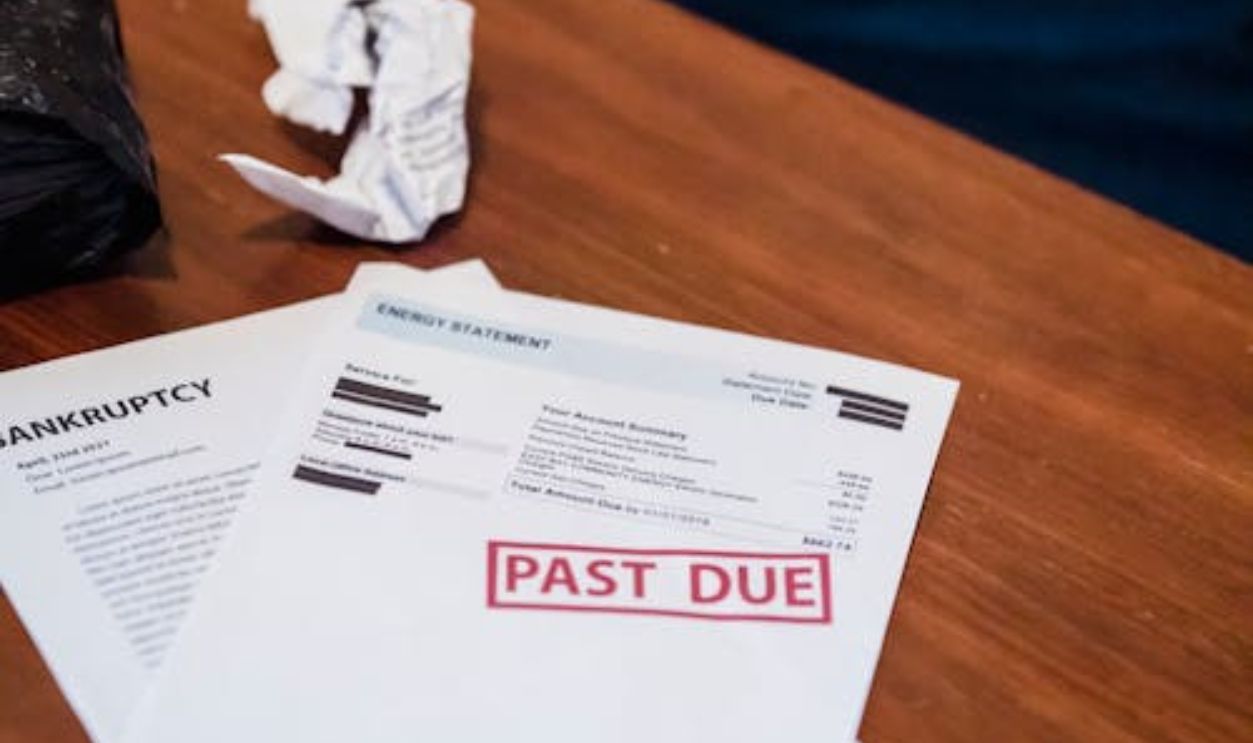
Auto loans feel riskier because they combine depreciating assets with long repayment terms. When values fall faster than balances, owners can owe more than the car is worth. That imbalance creates anxiety, particularly for buyers who financed during peak pricing.
Owners Are Trying To Get Ahead Of Trouble
Some owners are acting early rather than waiting for conditions to worsen. By selling or trading vehicles now, they aim to avoid repossession or deeper losses later. This proactive behavior increases market supply, even when prices are already trending downward.

A Wave Of Overvalued Cars Is Hitting The Market
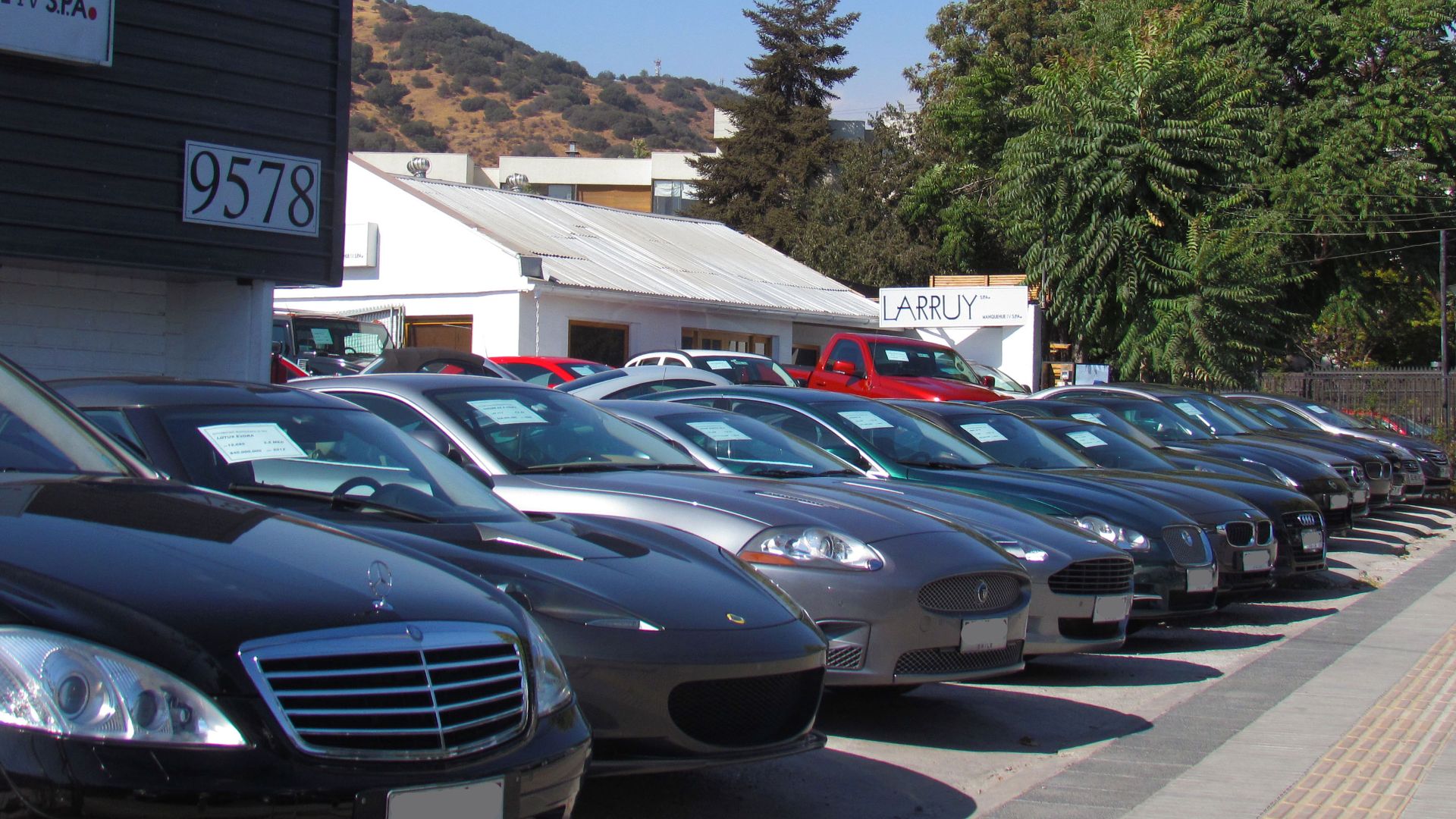
Vehicles purchased at inflated prices are returning to the market as owners reassess their finances. Many of these cars were never worth what buyers paid. When large numbers reappear simultaneously, pricing pressure intensifies across both private sales and dealer inventories.
 order_242 from Chile, Wikimedia Commons
Inventory Is Growing Faster Than Buyer Demand
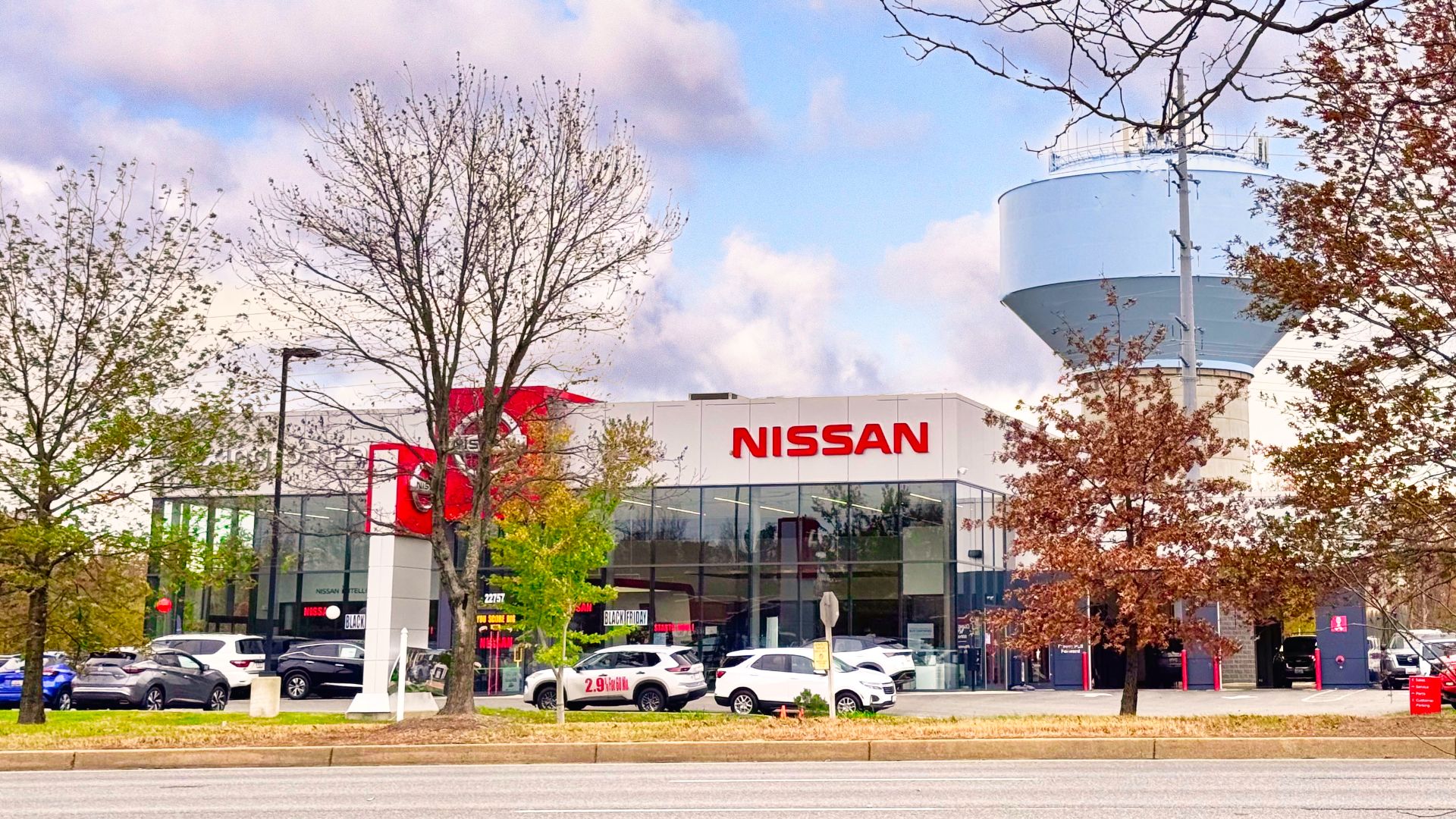
Supply is rising faster than demand can absorb it. More trade-ins and auction vehicles create competition among sellers. Buyers gain leverage, and sellers face longer wait times with fewer offers. The whole picture reinforces the downward trend in market values.
 Harrison Keely, Wikimedia Commons
Excess Supply Is Forcing Prices Lower
When similar vehicles compete for limited buyers, price cuts become necessary. Even sellers willing to wait are eventually pulled down by market reality. Excess supply doesn’t just reduce asking prices but actually reshapes expectations of what cars are actually worth.
Owners Are Accepting Losses To Exit Early
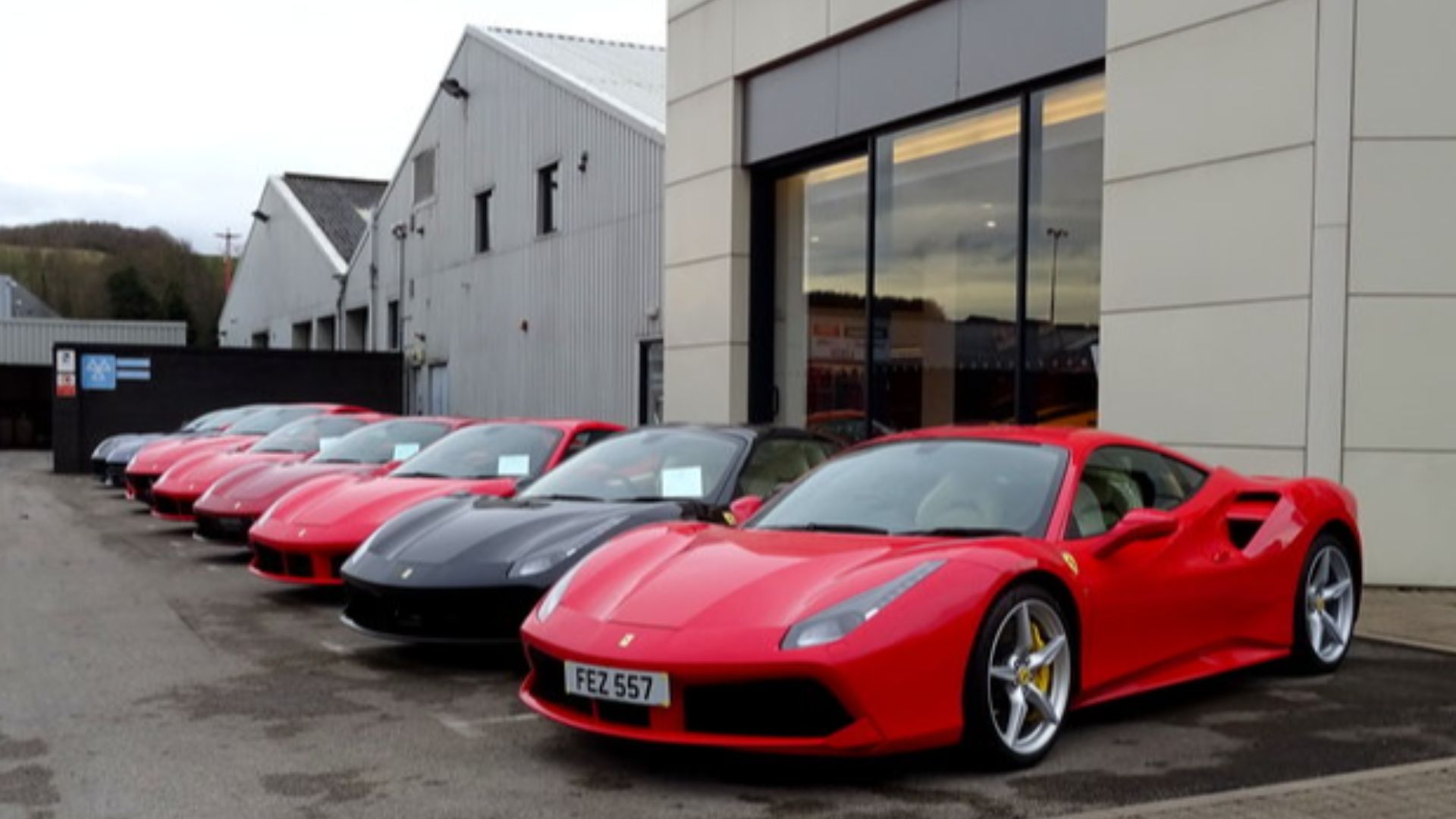
Many sellers now accept losses to regain financial control. Rather than holding onto depreciating assets, they choose certainty over hope. This willingness to sell below purchase price reflects shifting priorities, where stability and reduced risk matter more than recovering sunk costs.

The Consequences Of Buying At The Peak
Buying at the peak leaves owners vulnerable when conditions reverse. High purchase prices combined with financing costs mean equity disappears quickly. As values normalize, some owners face difficult choices, realizing the timing of their purchase matters as much as the vehicle itself.

How Waiting Too Long Magnifies Losses
Delaying a sale in a declining market often worsens outcomes. As prices slide, holding out for past values becomes unrealistic. Each passing month can reduce equity further by turning manageable losses into significant financial setbacks for owners slow to adjust expectations.

Panic Selling Adds Fuel To Declines
When fear spreads, rational pricing gives way to urgency. Sellers undercut one another to move vehicles quickly, and this accelerates declines. Panic selling amplifies downward pressure and makes market corrections sharper and faster than fundamentals alone would suggest.

Dealers And Auctions Are Struggling To Absorb Supply
Dealers and auctions face challenges as inventory rises. Limited buyer demand forces cautious purchasing, and vehicles move more slowly. This bottleneck pushes prices down further, as sellers compete for fewer outlets willing to take on additional risk.

Preparing For The Future In A Fear-Driven Market
Planning ahead now means focusing on flexibility rather than speculation. Reducing debt, avoiding stretched financing, and understanding market cycles can help individuals handle uncertainty. In fear-driven environments, informed decisions matter more than reacting to headlines or short-term noise.