The Unexpected Innovators
Plastic might sound cheap until you realize who used it. Big names, small brands, all testing limits—proof that bold ideas sometimes hide under glossy paint and quiet confidence.

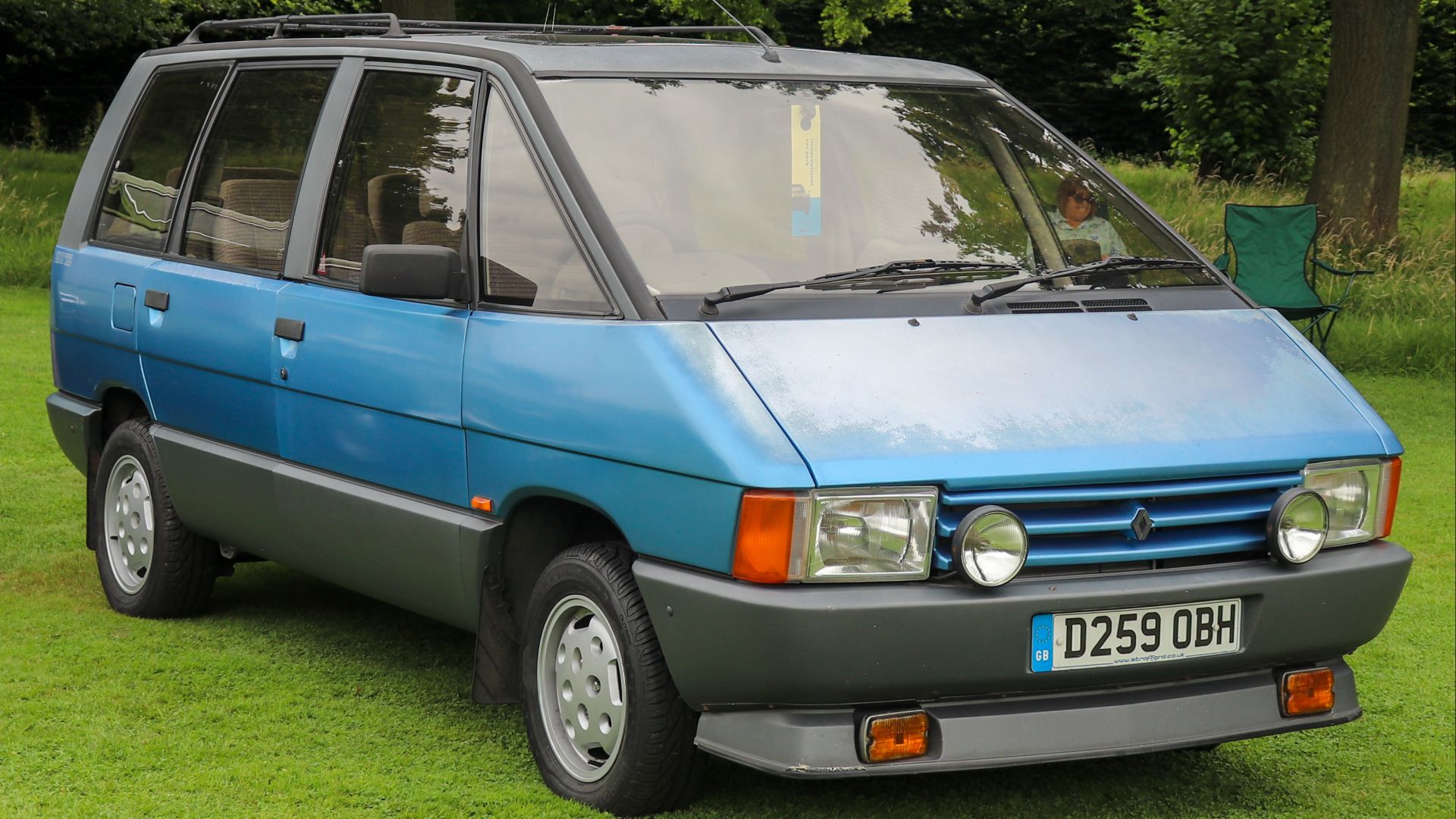
Renault Espace (First Generation)
In July 1984, Matra and Renault unveiled their vision for a new vehicle category. Breaking from conventional car design, they mounted fibreglass-reinforced plastic panels on a galvanized steel spaceframe. This radical lightweight, rust-resistant construction enabled the Espace to pioneer Europe's MPV segment.
BMW M1
Born in Munich as BMW's sole mid-engined concept, the M1's journey wound through Italy, where Modena's TIR facility crafted its glass-fiber reinforced plastic body panels. After Lamborghini's early involvement faltered, German coachbuilder Baur stepped in to unite the innovative plastic shell with its steel chassis, completing this cross-continental creation.
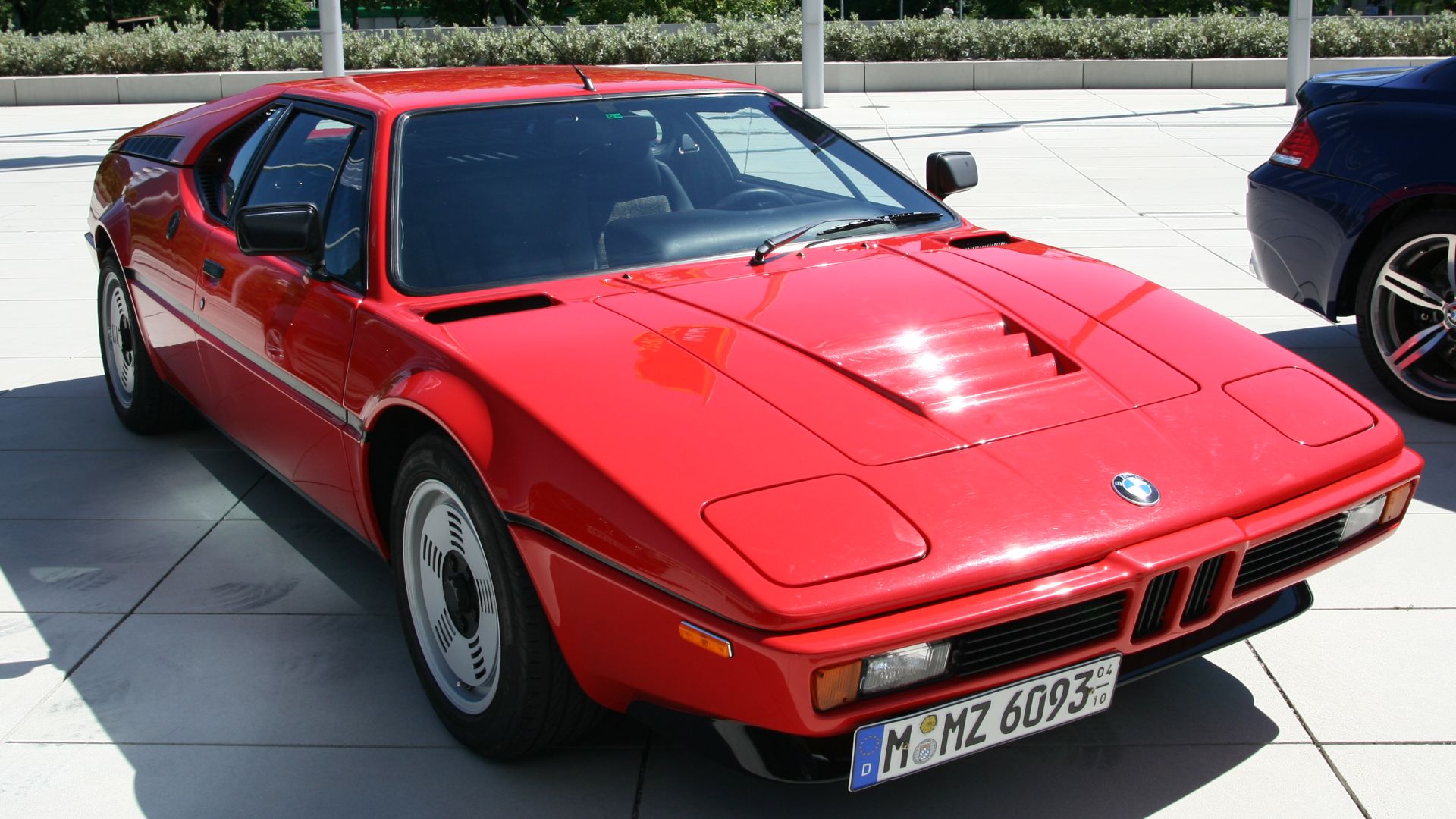 sandro.sonntag, Wikimedia Commons
Matra Rancho
Lightweight yet surprisingly sturdy, fiberglass-reinforced plastic offered the perfect marriage of form and function for Matra's adventurous 1977–1984 Rancho. By wrapping this composite material around a traditional steel frame—most notably in the rear section—Matra crafted a leisure vehicle that playfully thumbed its nose at conventional all-metal construction methods.
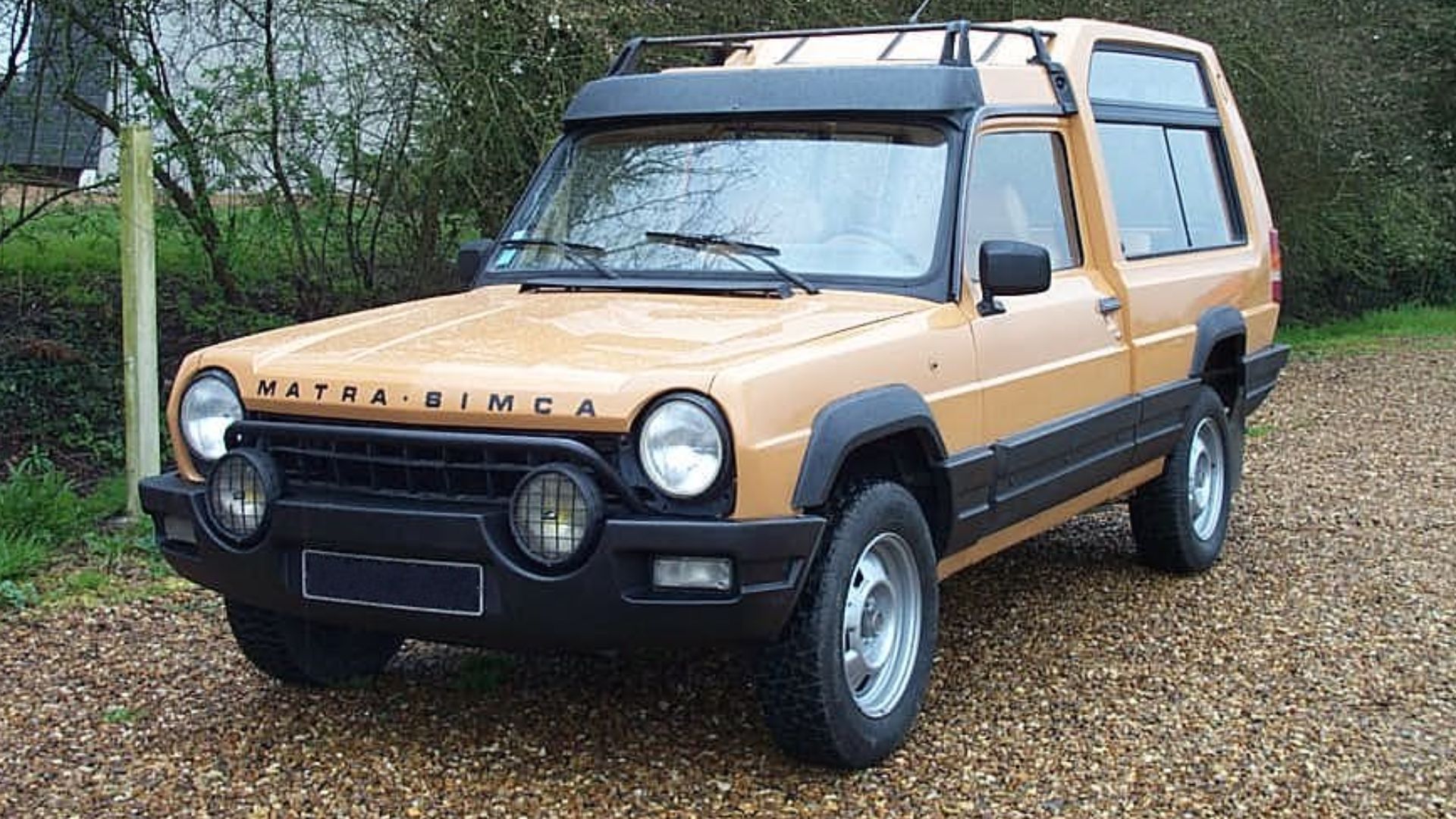 unknown, affiliated with Garage de l'Est, uploaded by Bravada, Wikimedia Commons
Saturn SC2
Traditional steel car bodies were constantly plagued by dents and rust. Saturn tackled these vulnerabilities head-on with innovative polymer-plastic panels. The dent-resistant design proved its worth during the model's eleven-year production span from 1991 to 2002.
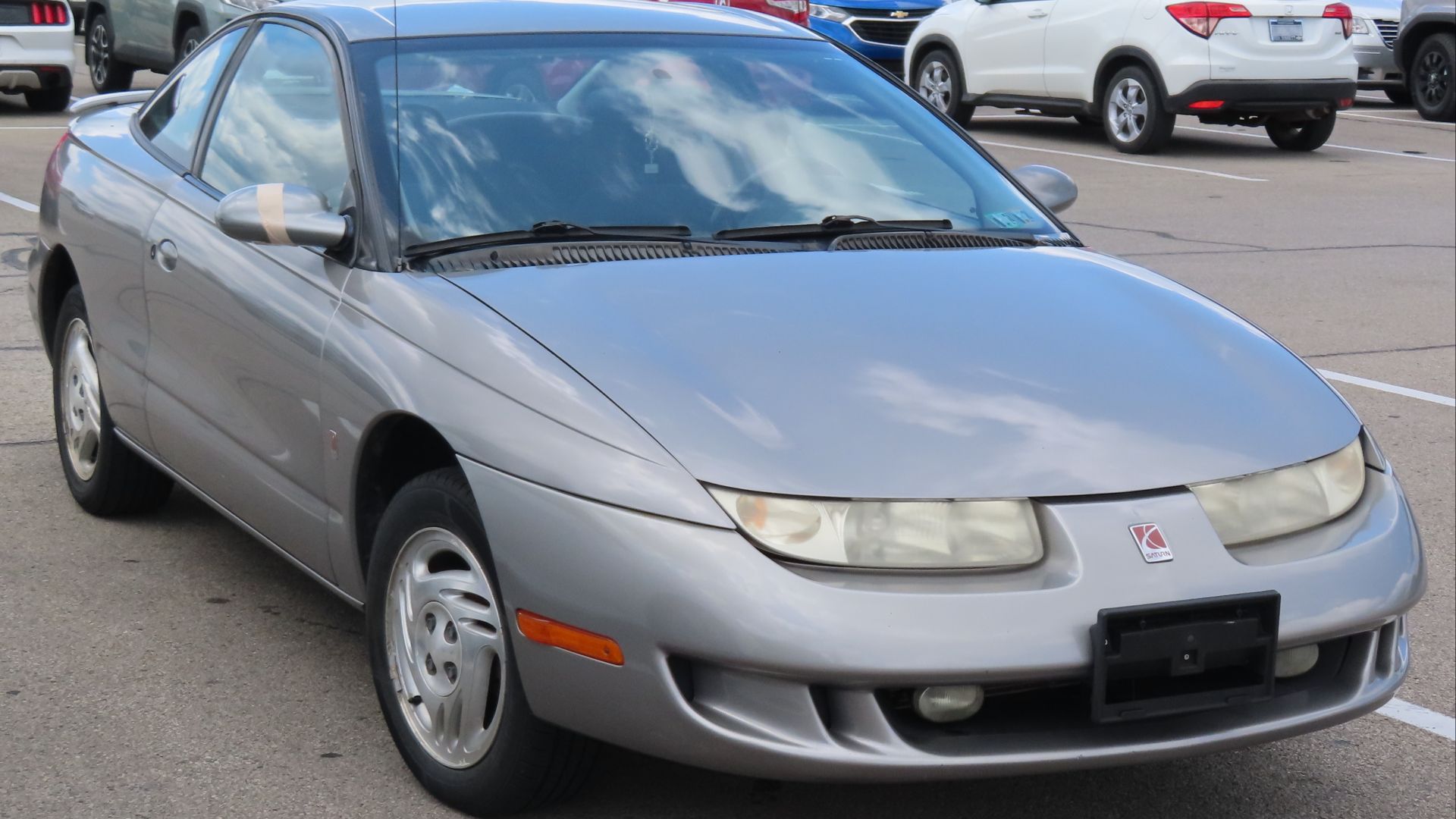 MercurySable99, Wikimedia Commons
Citroen Mehari
Rust and weight were persistent headaches for automakers until Citroen engineered a brilliant solution: the Mehari's revolutionary all-ABS plastic body. This rustproof, lightweight design made it uniquely suited for beach outings and rural adventures.
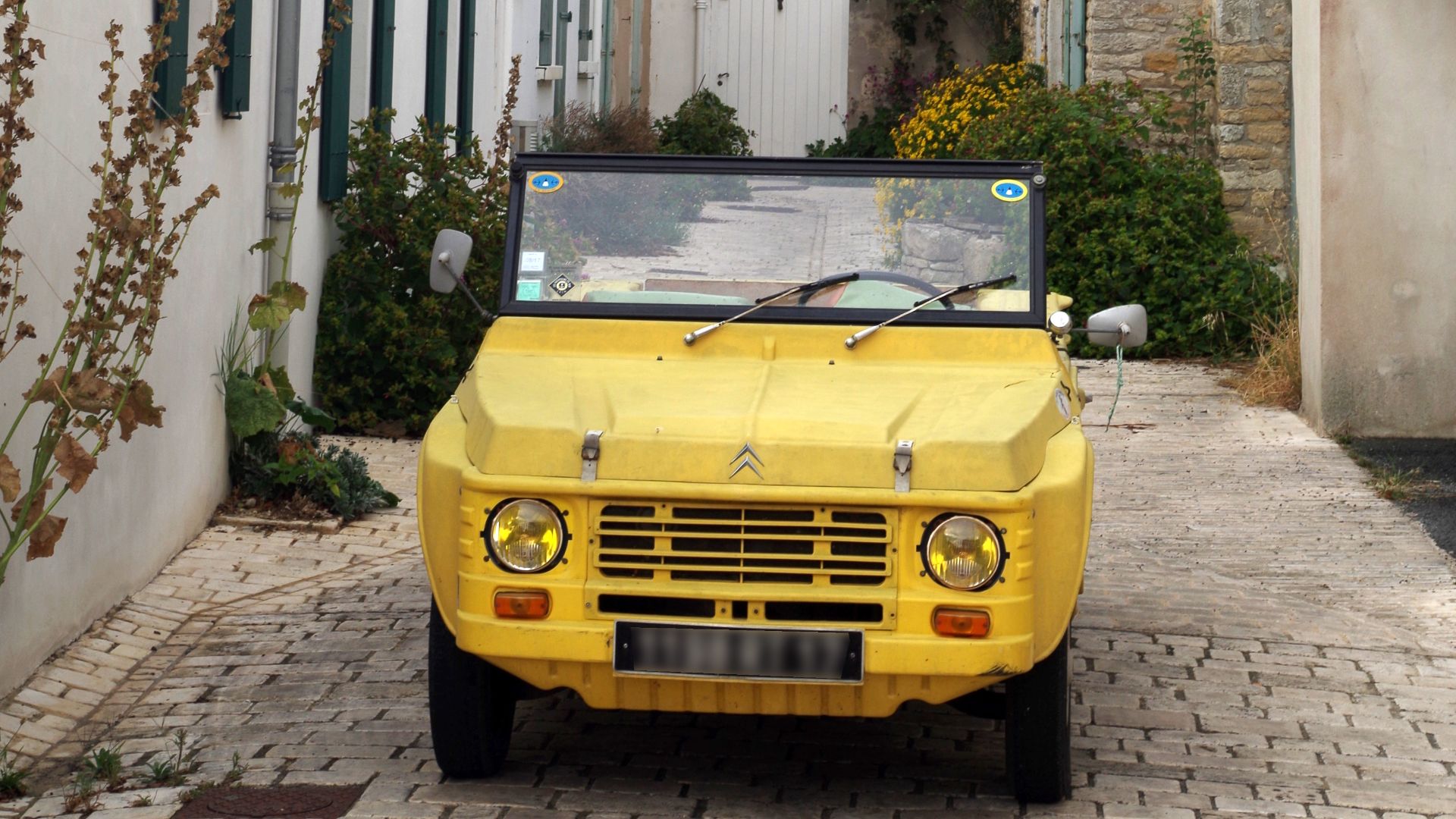 David Perez, Wikimedia Commons
TVR Tuscan
British sports cars traditionally celebrated steel and aluminum craftsmanship, but TVR's Tuscan rejected these conventions entirely. From 1999 to 2006, this bold challenger married a tubular steel chassis with fiberglass and composite plastic body panels, forging a distinctly modern path in British performance car design.
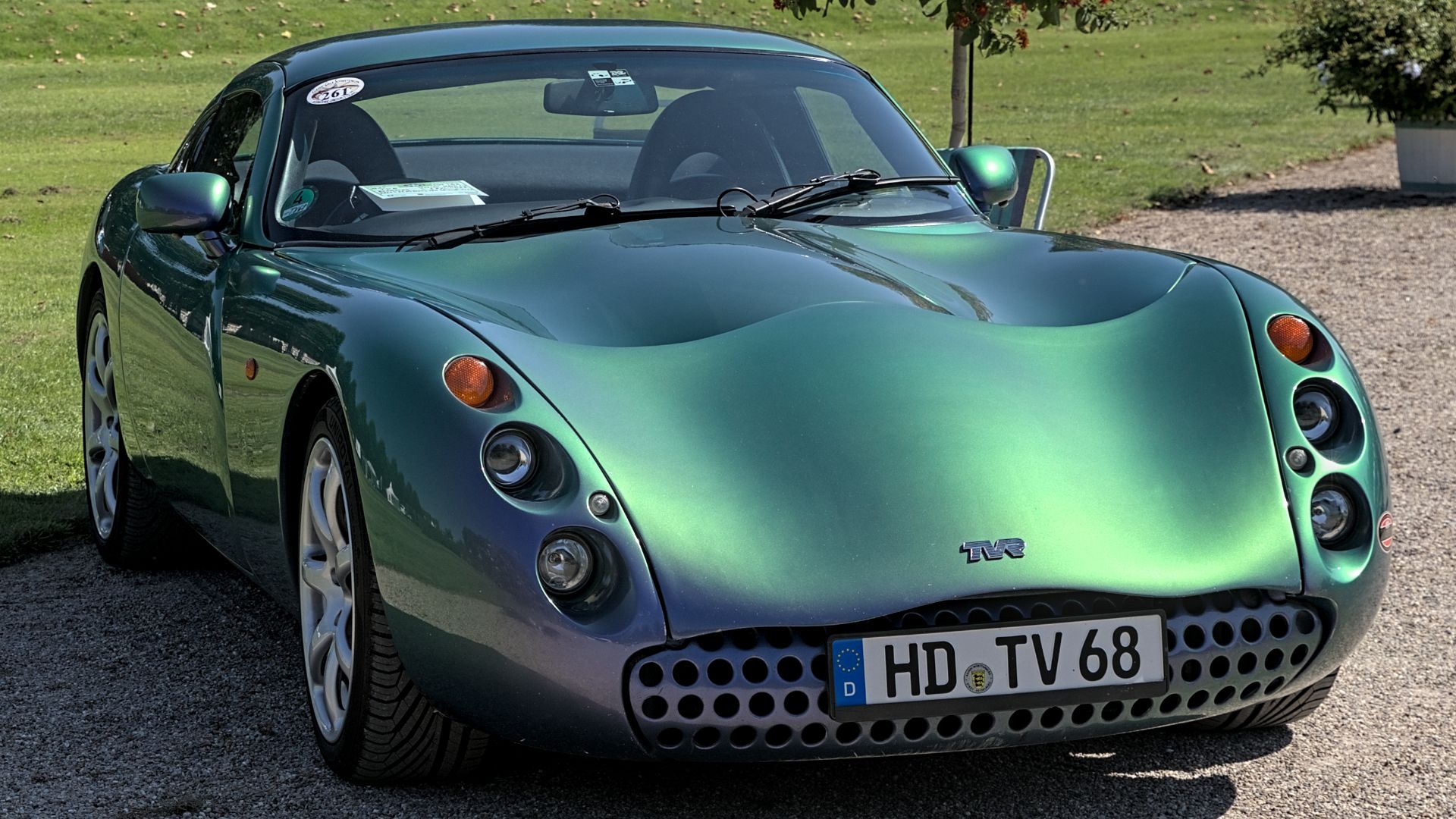 Alexander Migl, Wikimedia Commons
Pontiac Trans Sport
Did you know that beneath its space-age skin, this car was secretly a polymer pioneer? General Motors's 1990-1999 minivan masterpiece wrapped its family-friendly functionality in innovative thermoplastic body panels. The result? A silhouette so strikingly vacuum-cleaner-esque that it earned the affectionate nickname “Dustbuster”.
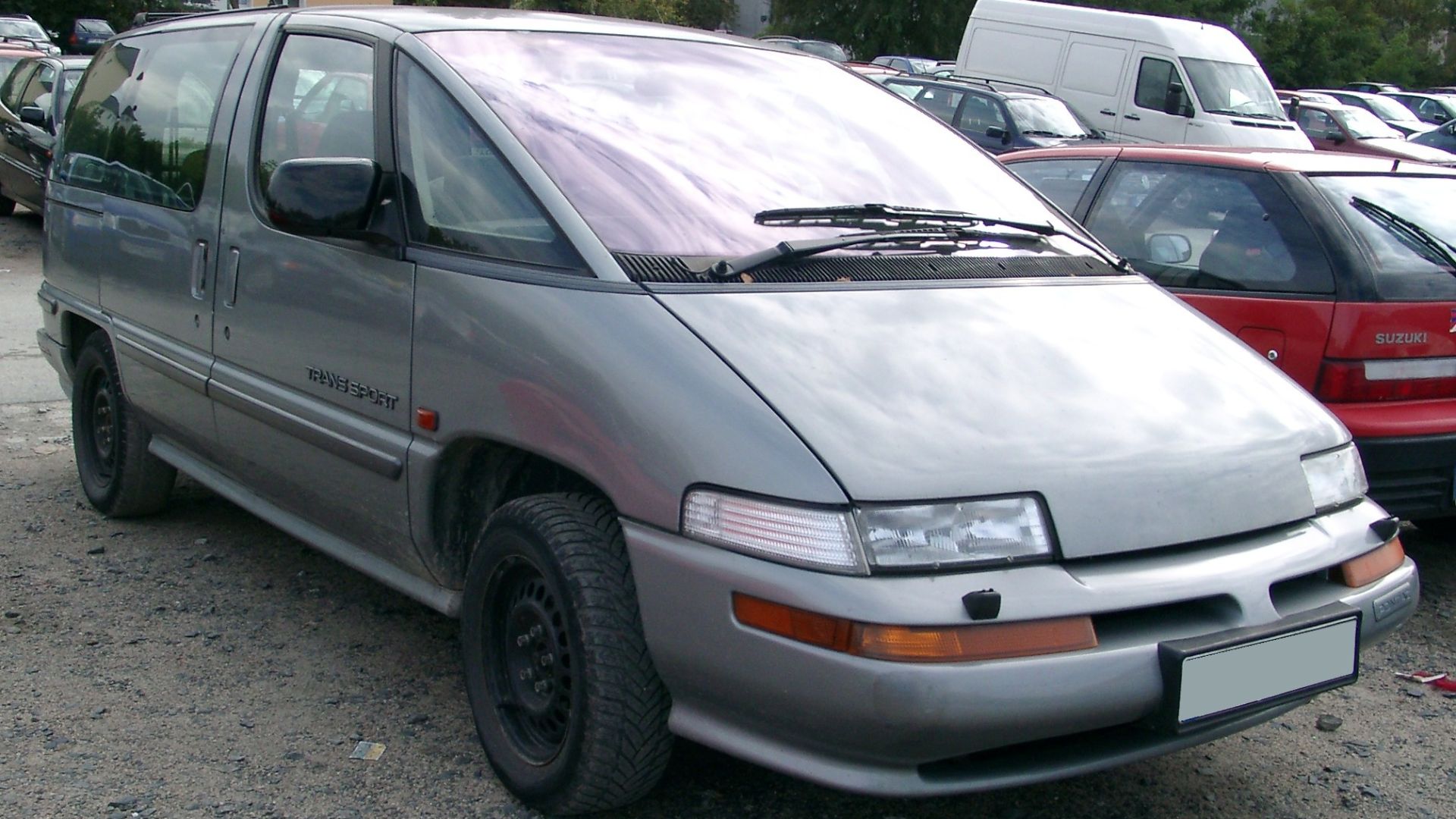 Rudolf Stricker, Wikimedia Commons
Ginetta G4
For decades, metal was the undisputed king of automotive bodies, but the 1960s ushered in a materials revolution that would change everything. The Ginetta G4 perfectly captured this shift—from 1961 to 1968, this British-made sports car proved that lightweight glass-fibre plastic construction was possible.
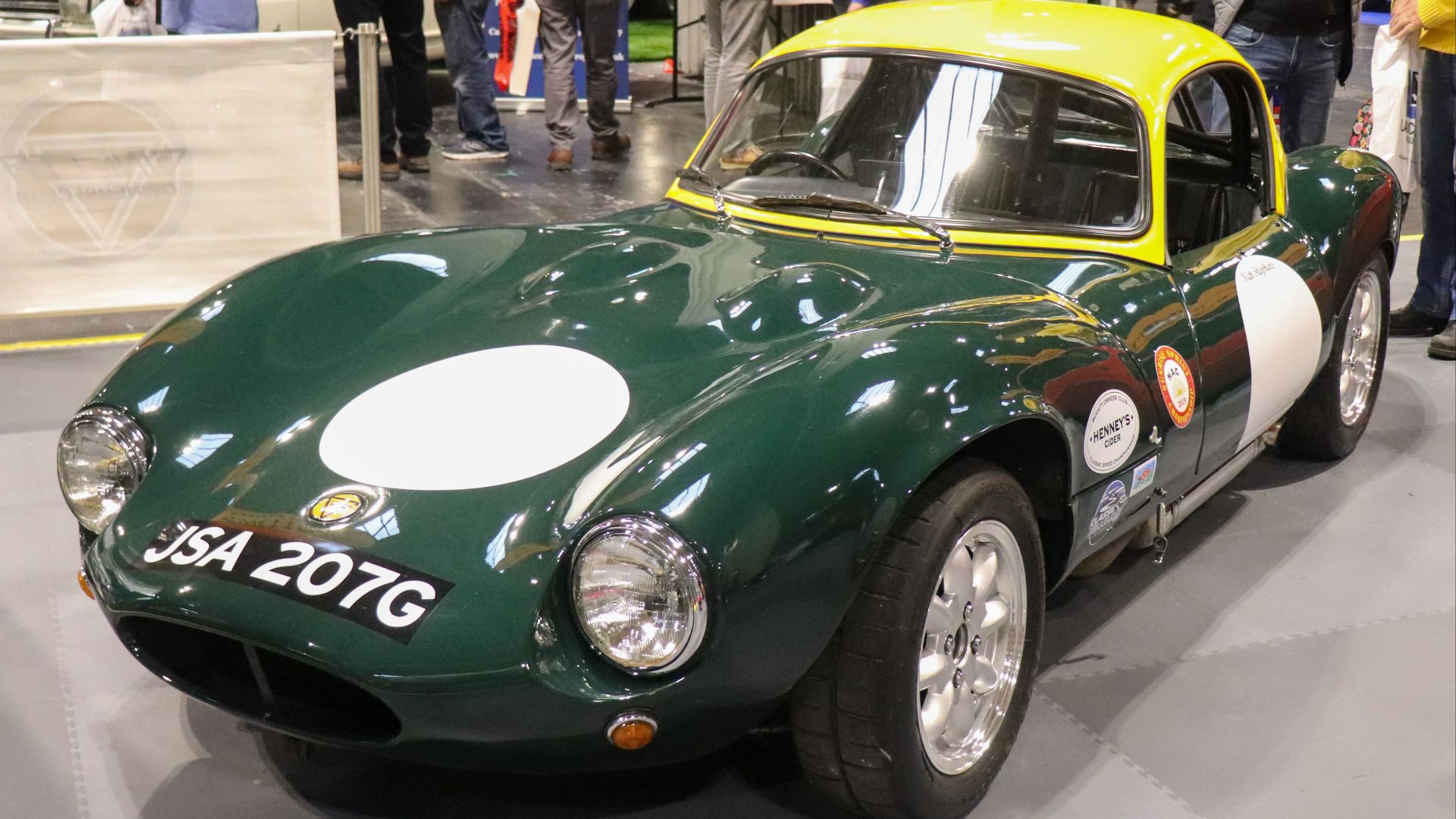
Mercedes-Benz C111
Engineering lighter, faster sports cars posed a persistent challenge for Mercedes-Benz until their C111 experimental program found an elegant solution: glass-fiber reinforced plastic body panels mounted on a tubular steel frame. This innovative construction approach enabled extensive testing of advanced engine technologies throughout the early 1970s.
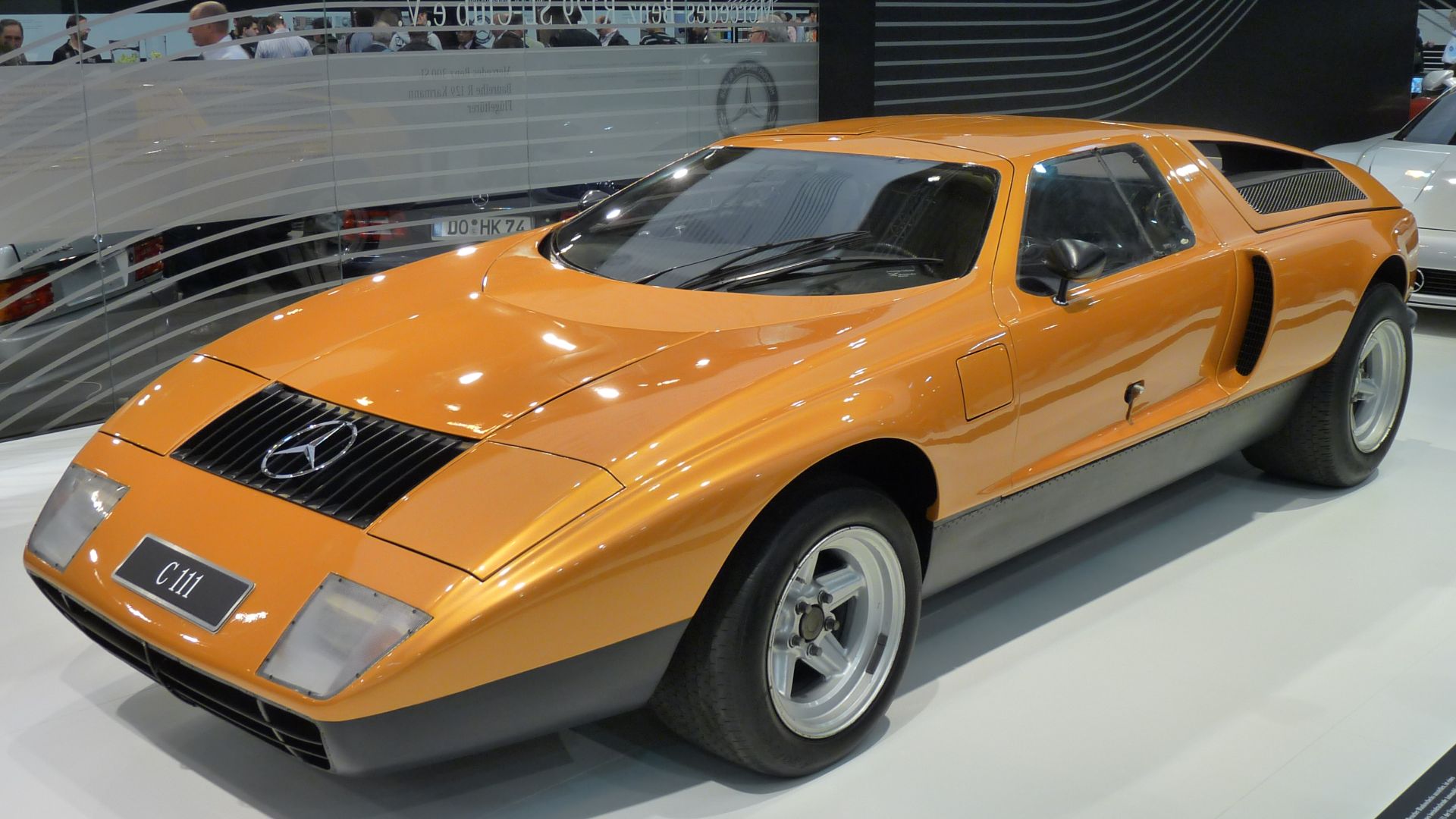 Detectandpreserve, Wikimedia Commons
Saab Sonett III
The Saab managed to create one of the lightest Swedish sports cars of the early 1970s, and the secret was plastic. The Sonett III, produced from 1970 to 1974, featured an innovative glass-fibre reinforced plastic body, making this distinctive sports car a fascinating study in unconventional automotive engineering.
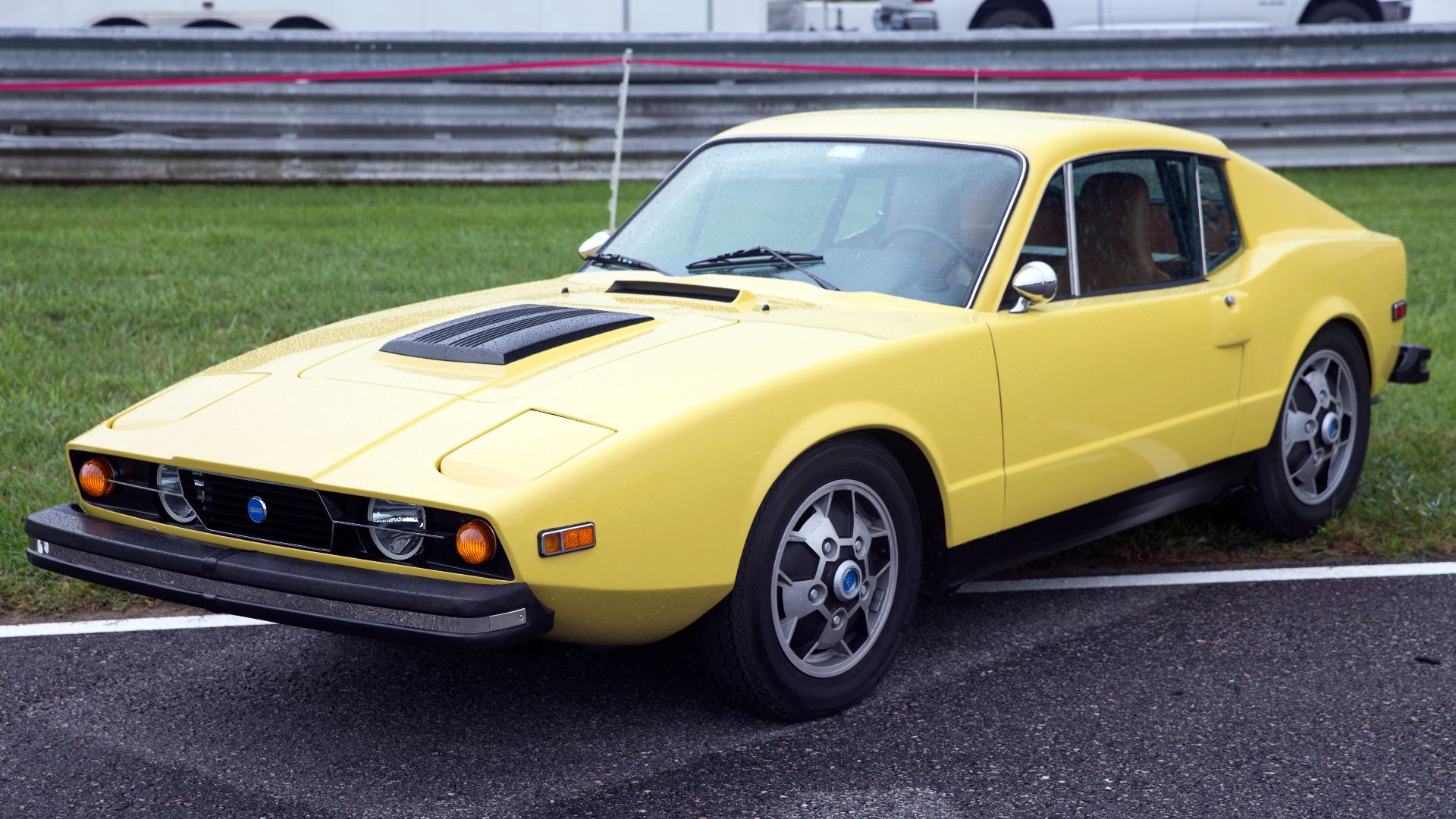 Mr.choppers, Wikimedia Commons
Chevrolet Lumina APV
Thermoplastic composites revolutionized material science with their unique blend of durability and corrosion resistance. From 1990 to 1996, Chevrolet boldly applied this advanced technology to create the Lumina APV minivan. Its distinctive plastic body panels, including doors and fenders, delivered practical dent protection for busy families.

Lotus Elite (Type 75)
This Elite Type 75 ride exemplified Lotus's mastery of material duality by combining a featherlight fibreglass-reinforced body with a purposeful steel backbone chassis. This strategic pairing of opposing elements defined the 1974–1982 model's engineering essence and demonstrated Lotus's innovative approach to sports cars.
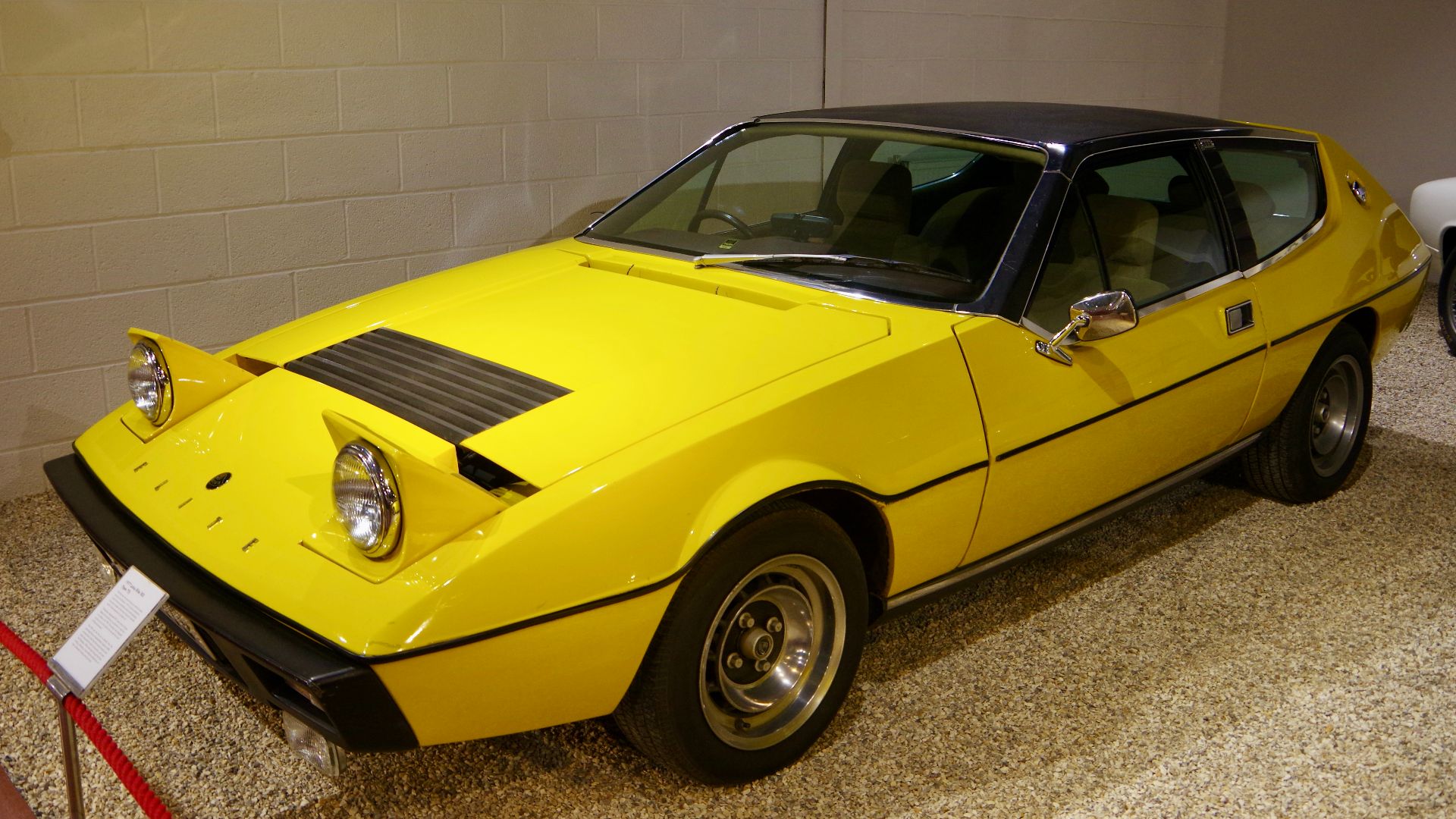 David Merrett from Daventry, England, Wikimedia Commons
Ford RS 200
The Ford RS 200's design philosophy centered on pure performance, starting with its competition-bred mid-engine layout and four-wheel drive system. This rally car's glass-fiber reinforced panels were actually a calculated engineering choice that shaved significant weight compared to conventional steel construction.
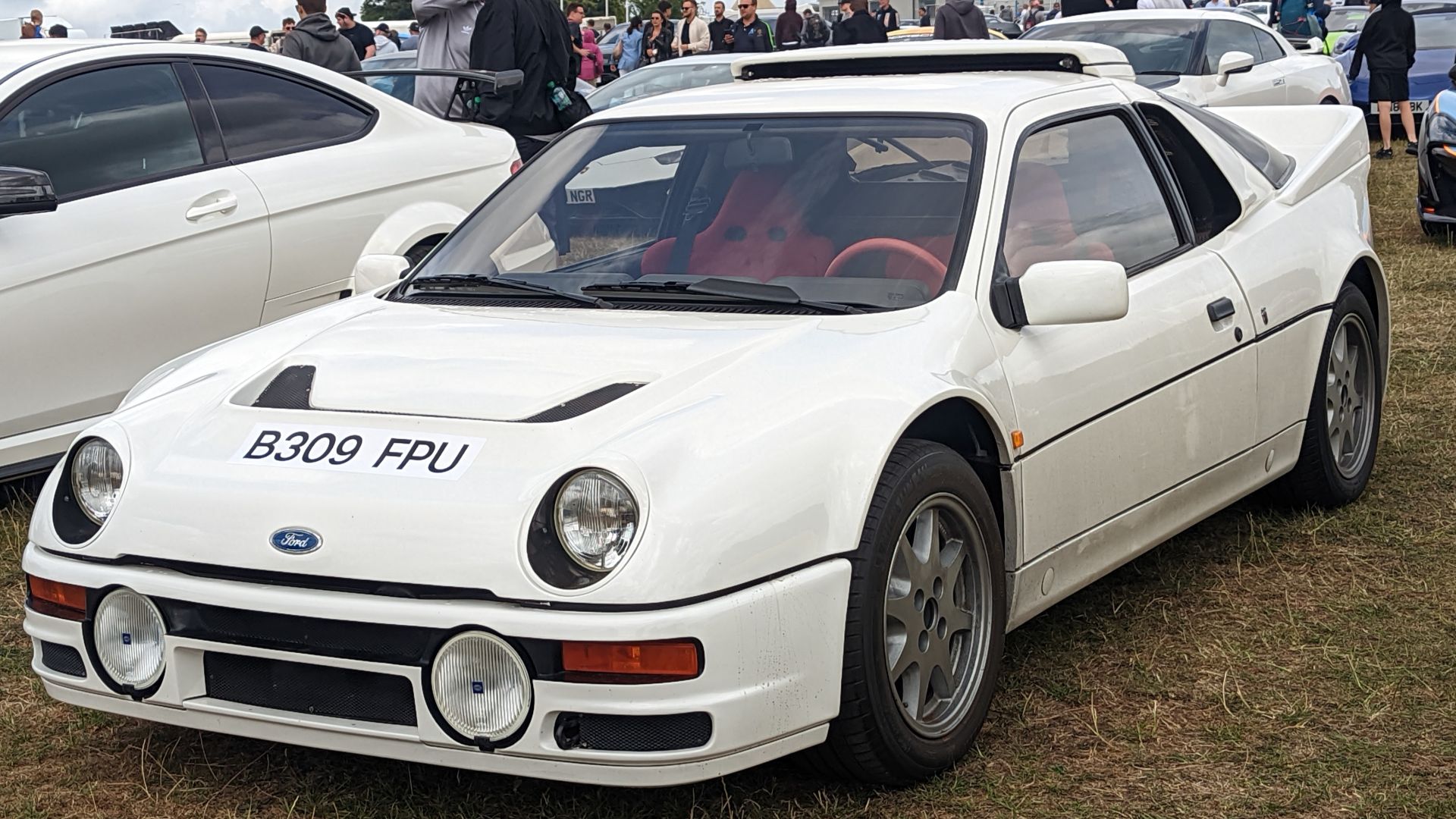
Reliant Scimitar GTE
Among Britain’s most interesting automotive experiments, the Reliant Scimitar GTE stood out with its glass-fiber plastic body—a bold departure from traditional steel estates. Built from 1968 to 1986 and famously driven by Princess Anne, it became both a technical milestone and a social statement.
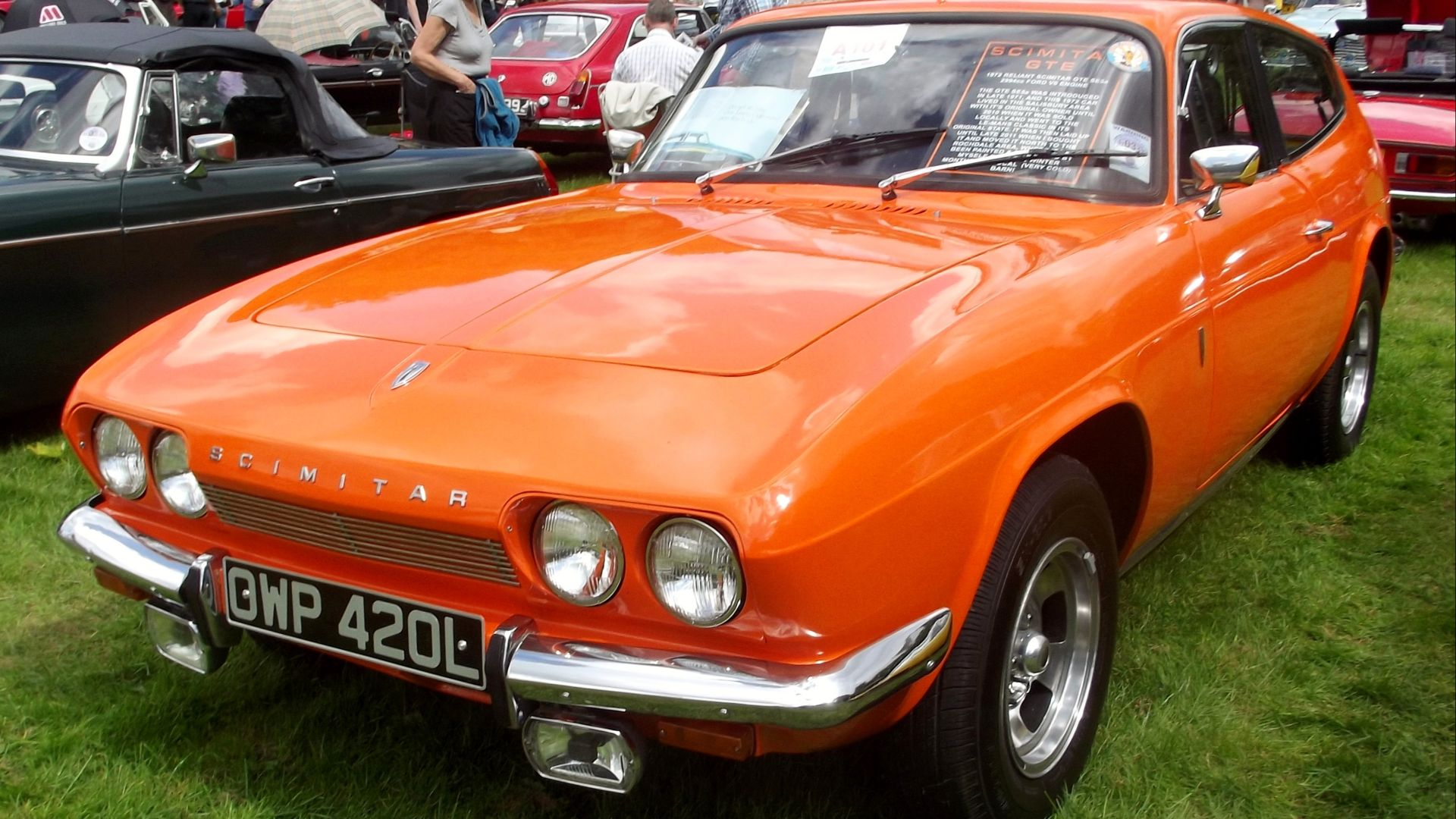 Thomas's Pics, Wikimedia Commons
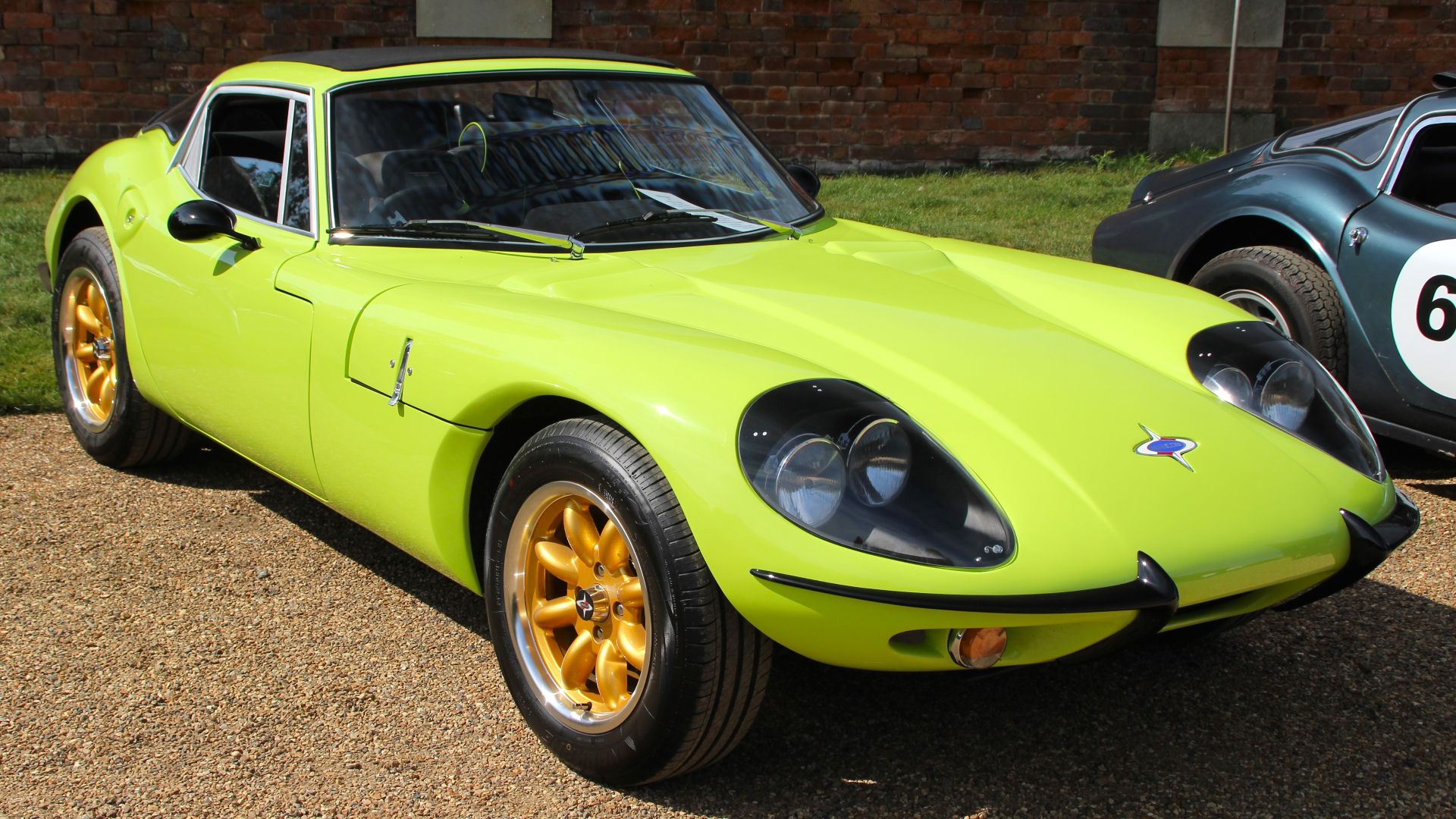
Marcos GT
Born for the racetrack, the Marcos GT turned automotive evolution on its head from 1964 to 1971 with its speed-breeding material marriage. While a wooden chassis might sound like a throwback, it cleverly supported a glass-fibre plastic body that sliced through the air like a low-slung arrow.
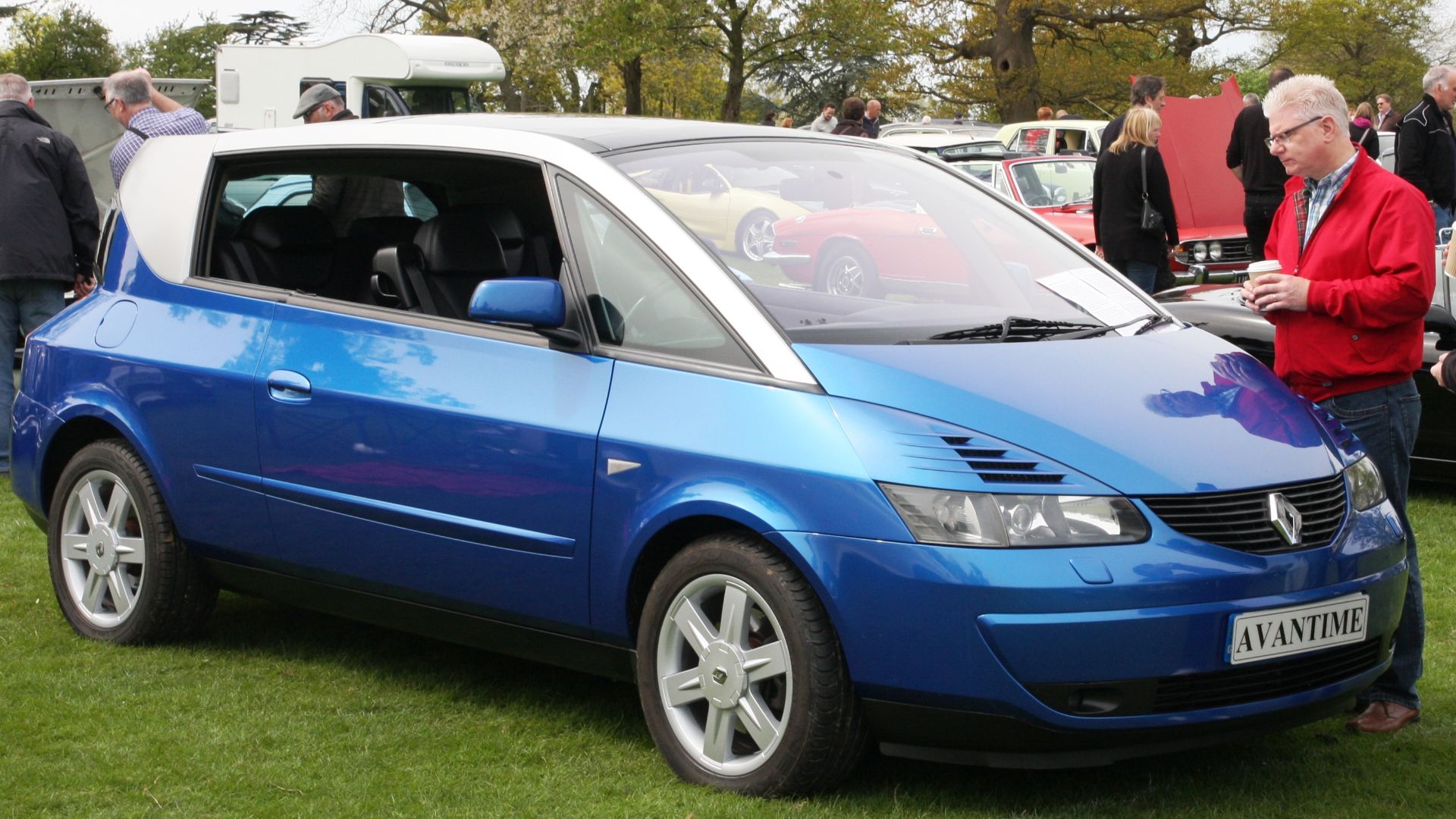
Renault Avantime
You might think you know what a coupe is, and what a minivan looks like, but the Renault Avantime of 2001-2003 threw out that rulebook completely. With its aluminum roof, composite plastic body sections, and pillarless windows, this genre-bending marvel delivered open-air freedom.
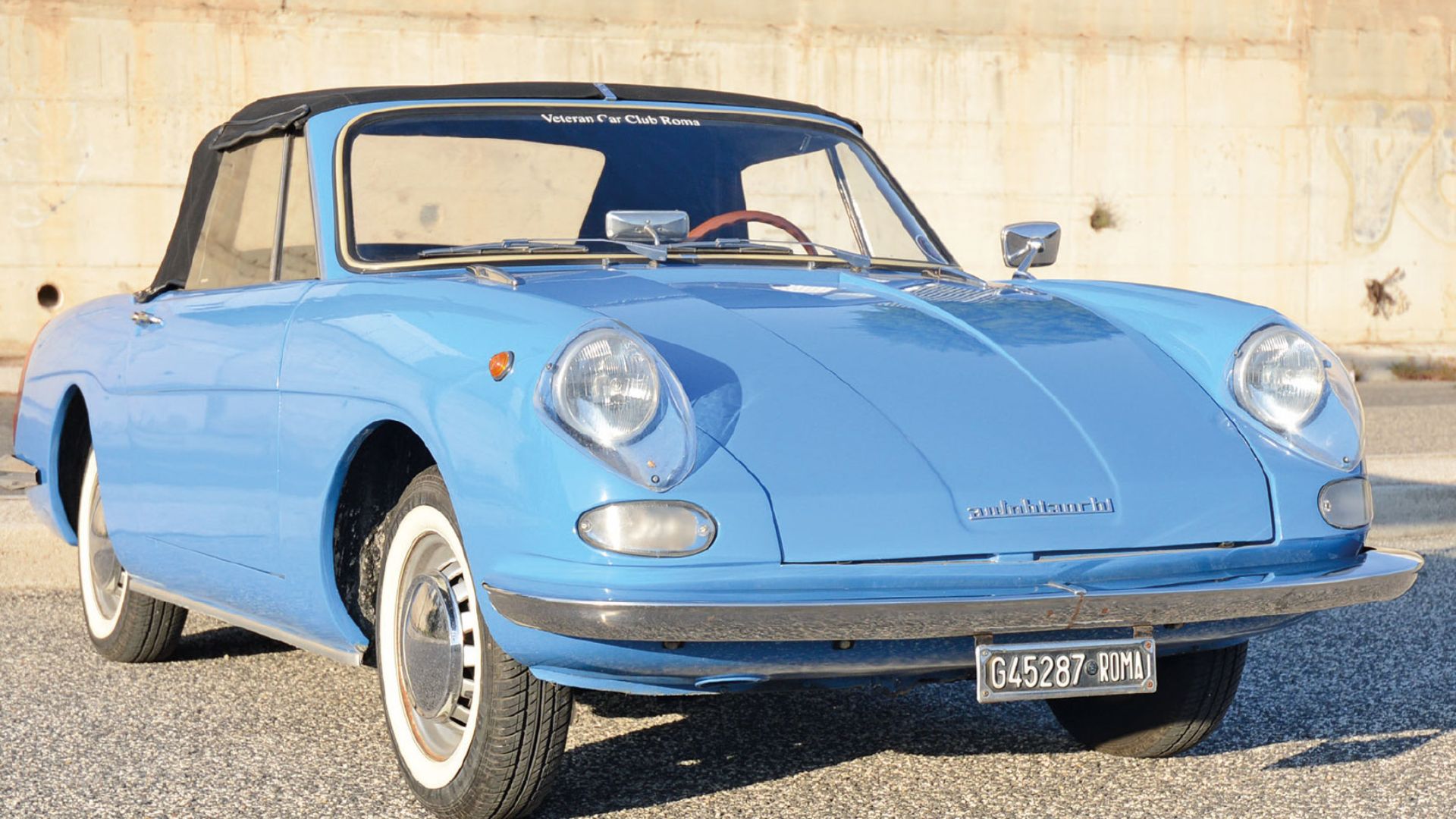
Autobianchi Stellina
Traditional metal car bodies were heavy and complex to build, so engineers started looking for smarter materials. Glass-fiber reinforced plastic offered strength without the weight. In 1964, the Autobianchi Stellina brought the idea to life as Italy’s first plastic-bodied production car, built on a steel chassis.
 Mehmet.dundar, Wikimedia Commons
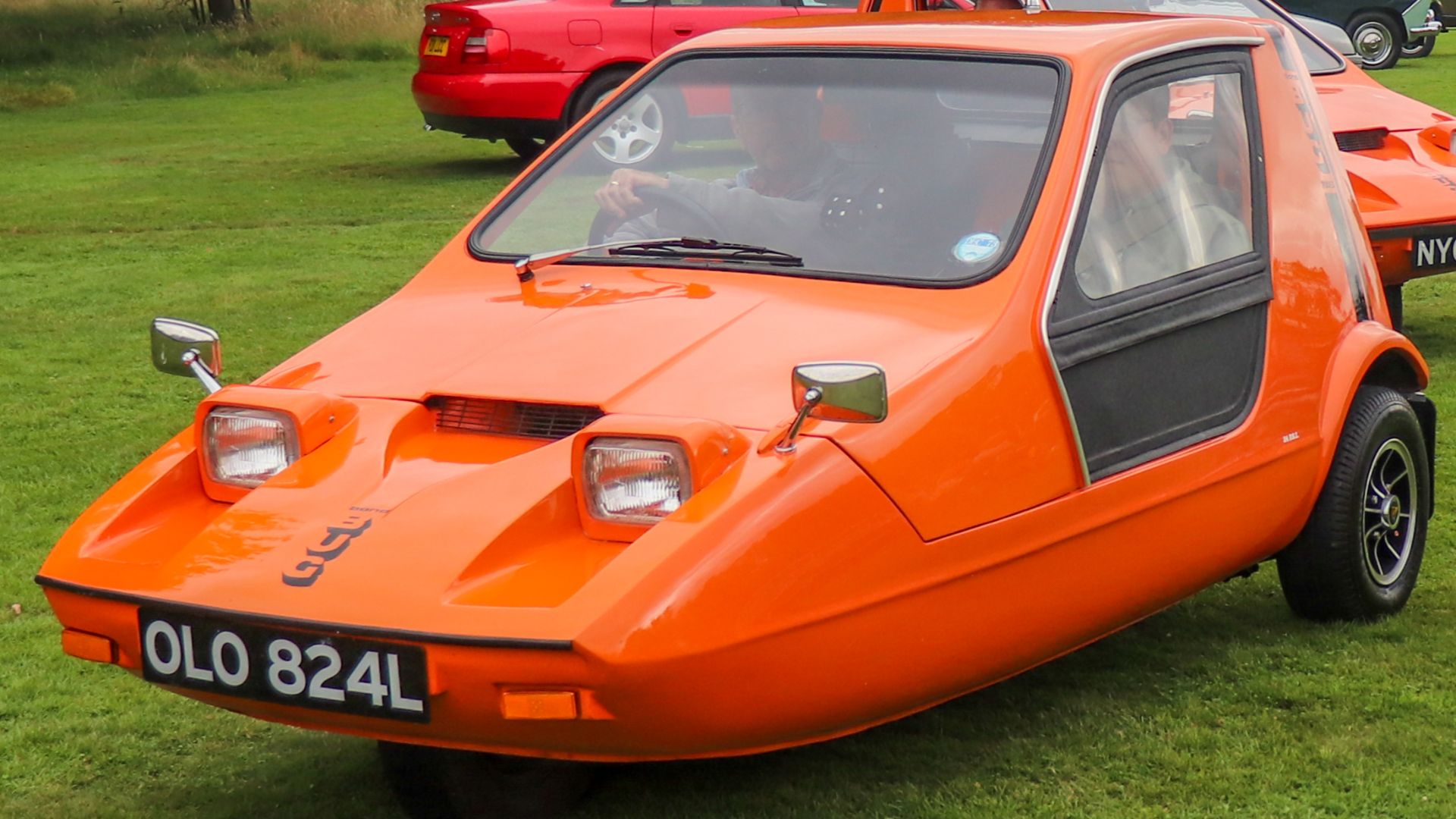
Bond Bug
While most early-1970s cars were busy following the rulebook of boxy designs and metal bodies, the Bond Bug gleefully tore up the automotive script. This cheeky three-wheeler defied convention with its wedge-shaped fiberglass plastic body and theatrical lift-up canopy entrance.
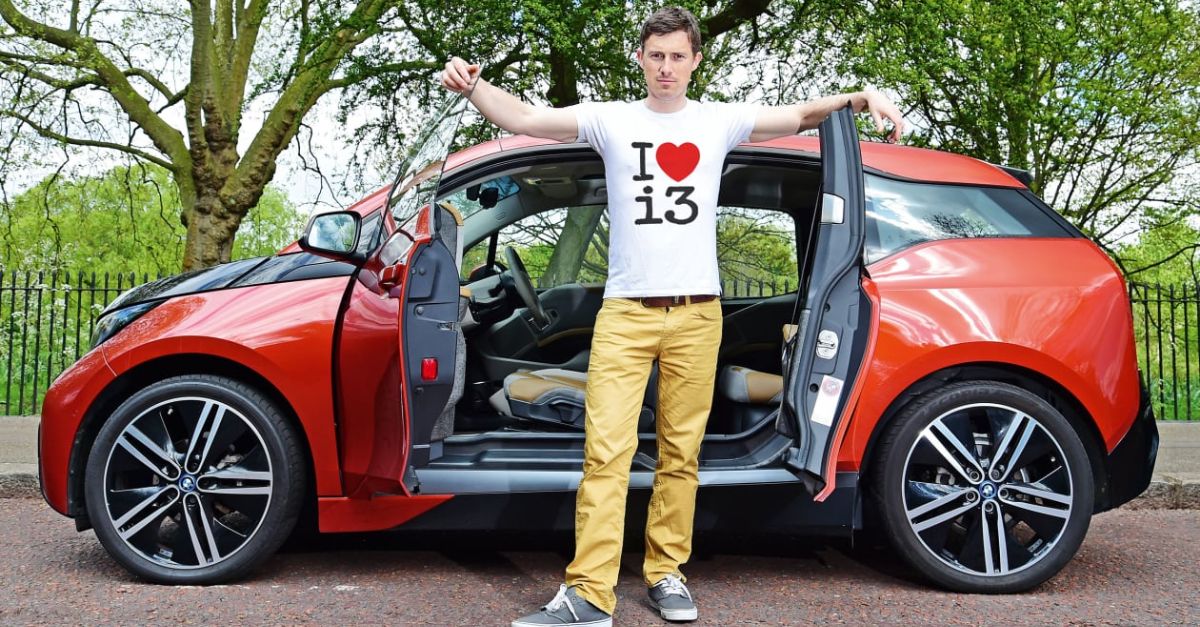
BMW i3
Carbon-fiber reinforced plastic represents a quantum leap in automotive materials science, combining ultra-lightweight properties with exceptional structural strength. BMW brilliantly harnessed this advanced composite in 2013 to engineer the groundbreaking i3 with a CFRP passenger cell and innovative thermoplastic body panels.
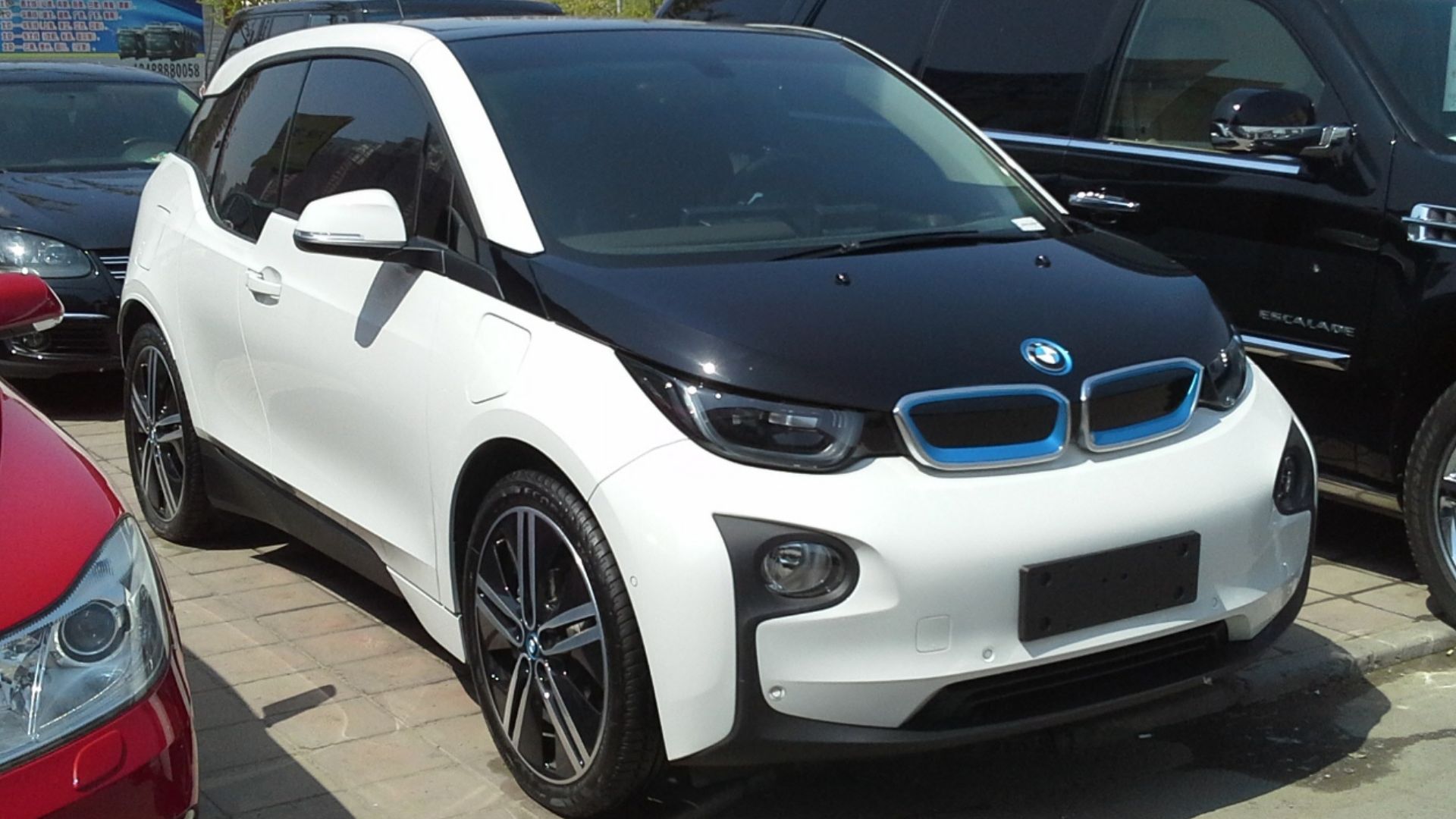 Navigator84, Wikimedia Commons
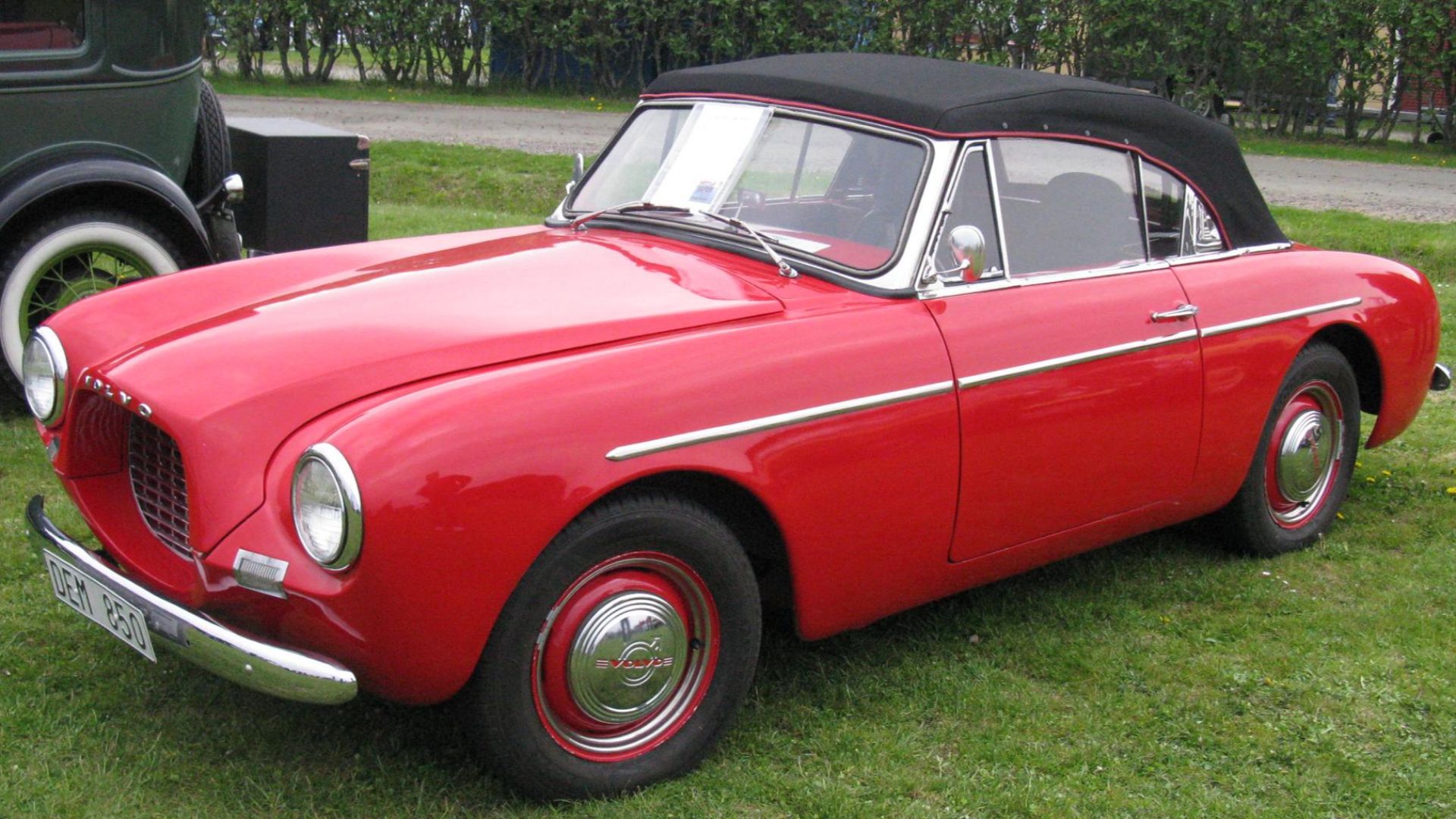
Volvo P1900
Glass-fiber reinforced plastic revolutionized automotive design by combining lightweight durability with moldable versatility. The Volvo P1900 of 1956–1957 showcased this innovative material's potential, with its pioneering fiberglass body construction positioning the Swedish manufacturer among the early adopters of synthetic bodywork in sports car manufacturing.
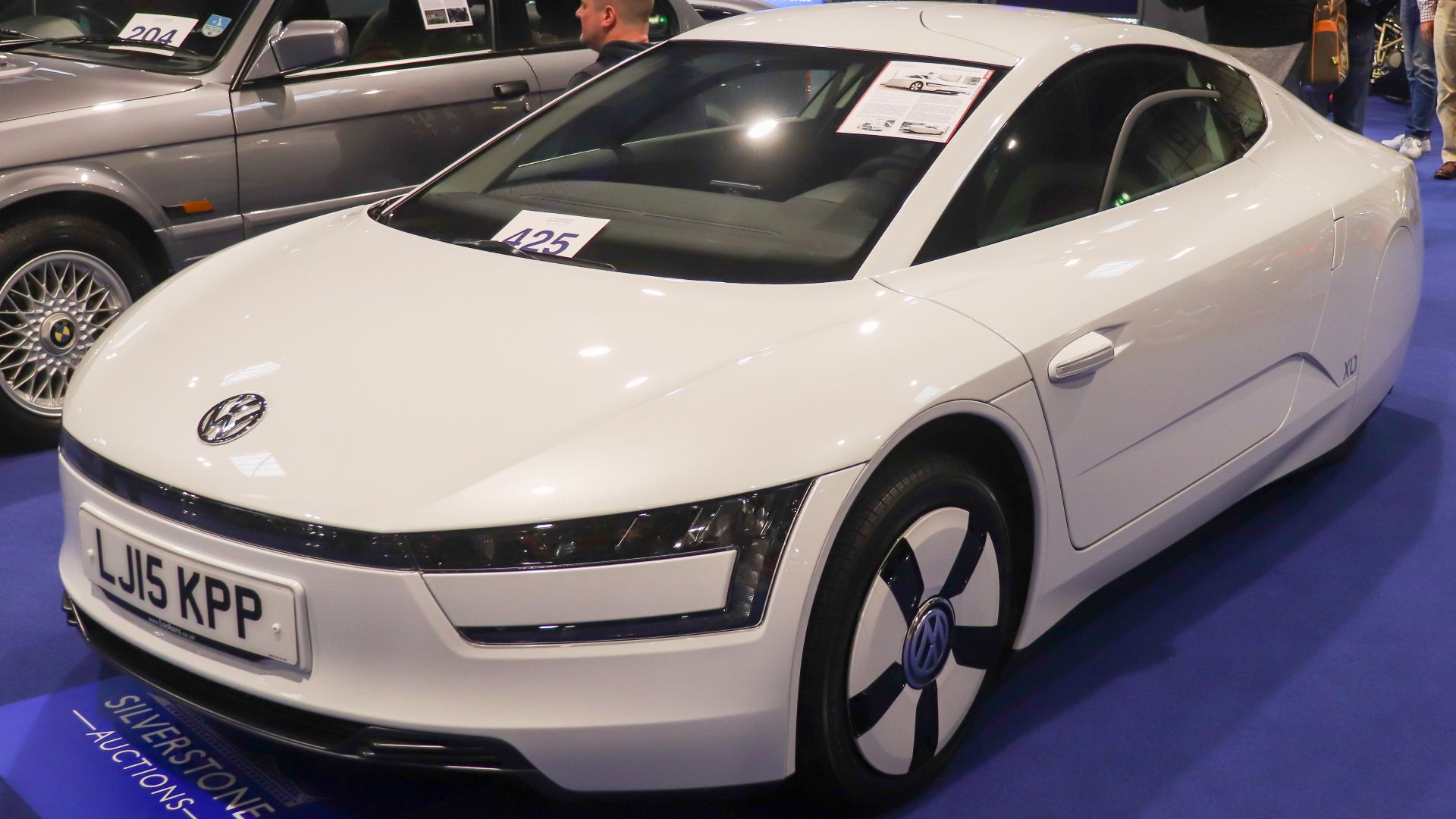
Volkswagen Xl1
Where typical cars stack layers of heavy metal to form their structure, the Volkswagen XL1 took a radically different path. Its carbon fibre-reinforced plastic construction, used for both the monocoque and body panels, slashed weight to a mere 1,753 pounds (795 kg) while delivering exceptional aerodynamics and efficiency.
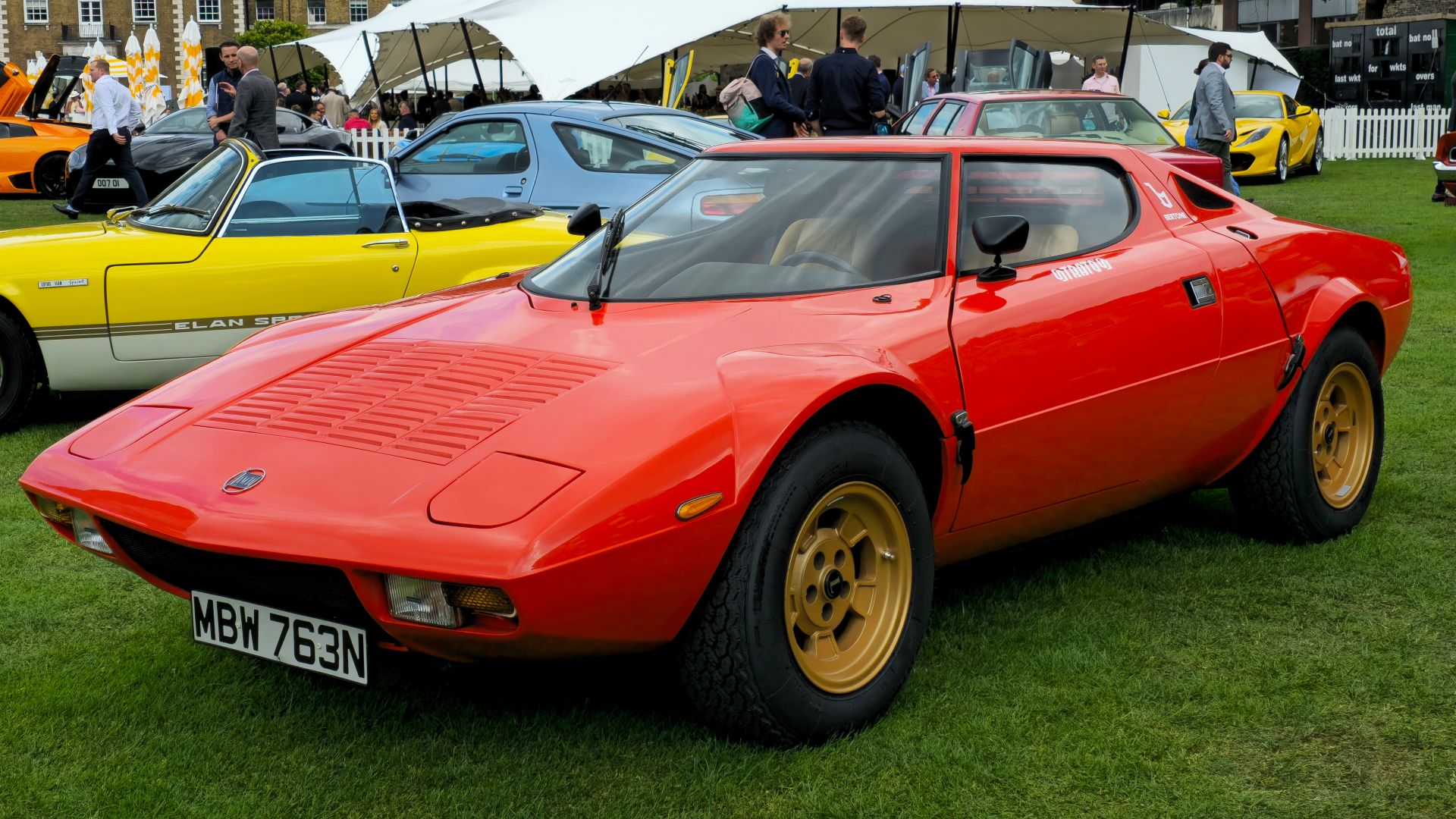
Lancia Stratos
In the punishing world of rally racing, every extra pound could mean the difference between victory and defeat. That's where the Lancia Stratos gained its killer edge while competitors lugged around heavy metal bodywork. This innovative machine sported lightweight fiberglass-reinforced plastic panels.
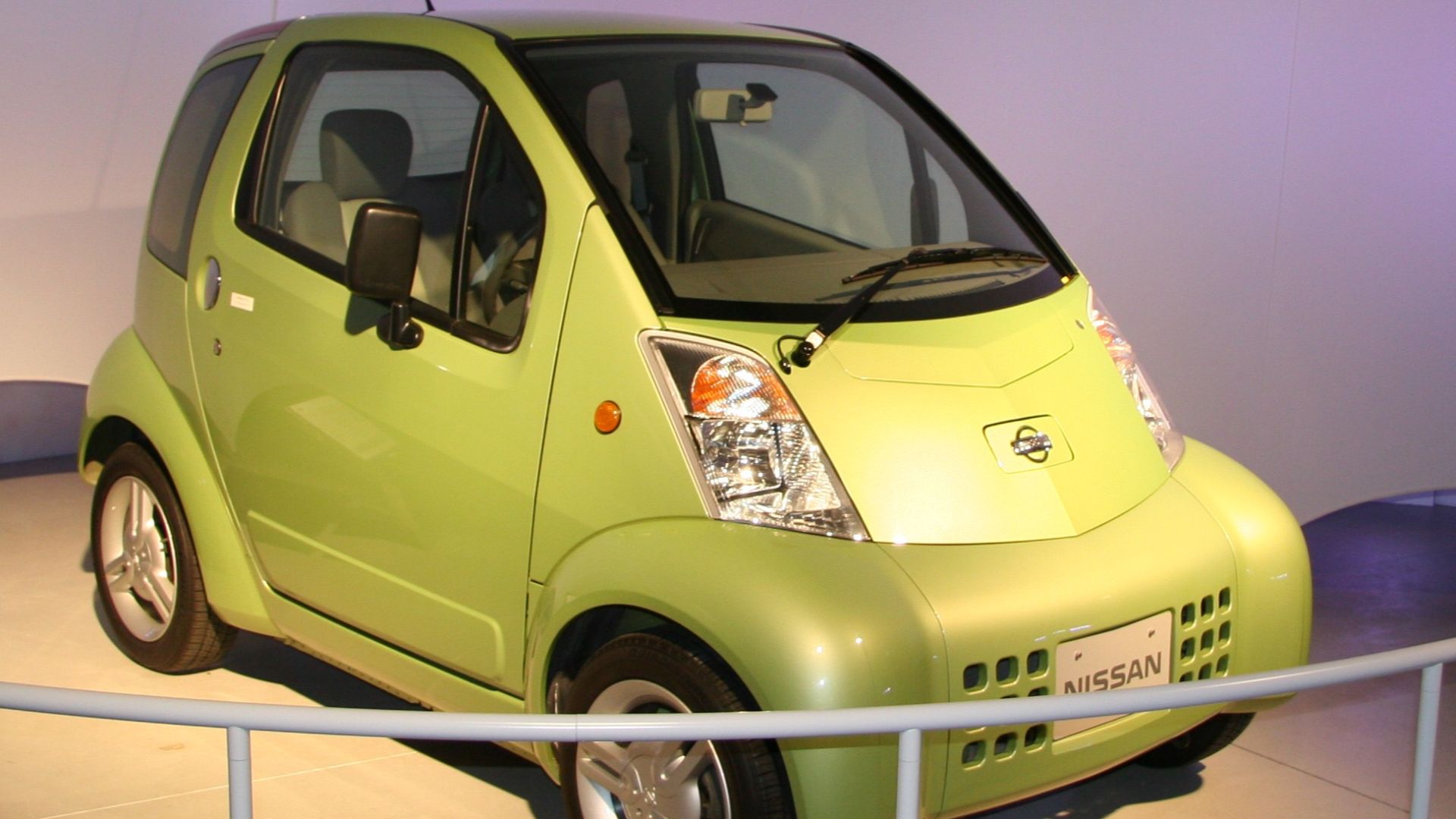
Nissan Hypermini
A true double shot of eco-innovation, the 1999–2001 Nissan Hypermini didn’t just run on clean electric power—it wore recycled plastics and thermoplastic resin panels over an aluminum spaceframe. This forward-thinking city car showed that sustainability could begin with materials and continue through the powertrain.
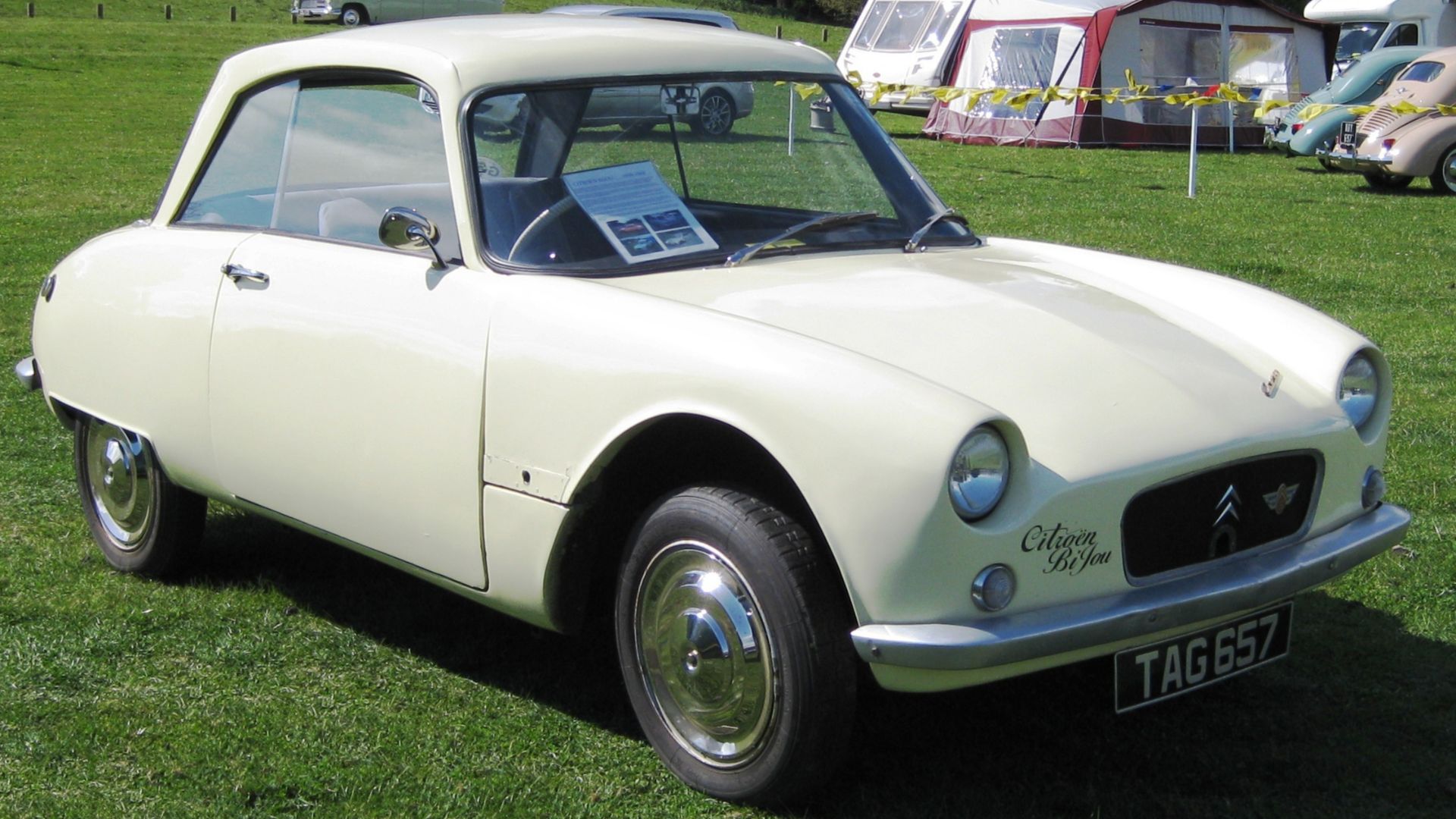
Citroen Bijou
Built on Citroen’s reliable 2CV platform, the Bijou was a bold step in automotive experimentation. Made exclusively for British buyers between 1959 and 1964, its fiberglass body stood out in a steel-dominated era. Only 210 were made, but it helped pioneer plastic-bodied production cars.
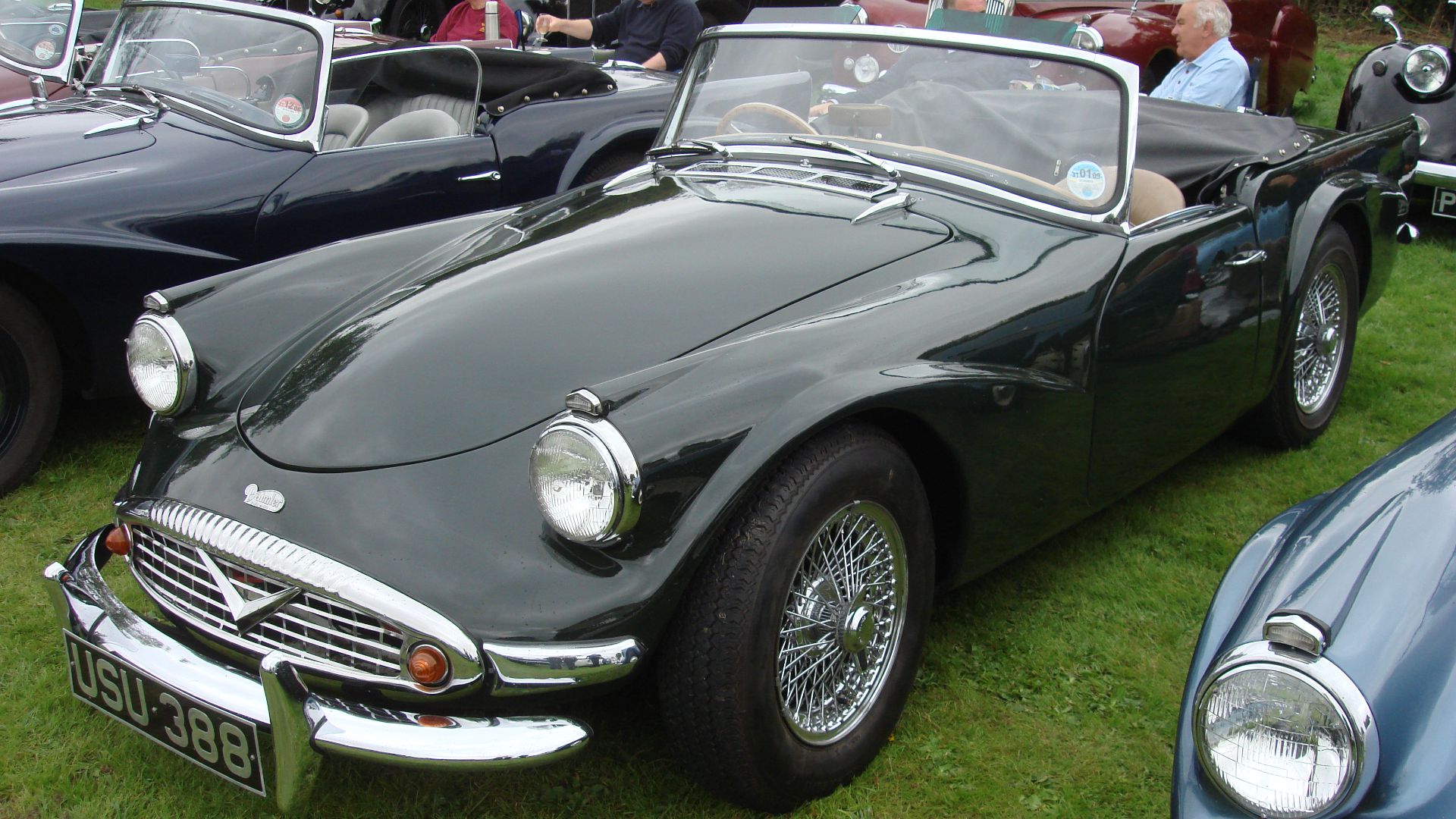
Daimler SP250 “DART”
When British sports car engineers pondered the eternal quest for performance-enhancing weight reduction, the Daimler SP250 “DART” team hatched an unconventional solution. Bypassing traditional steel and aluminum entirely, they embraced glass-fiber reinforced plastic for the complete body.