
Built To Endure
It seems like EV motors are the only thing under the hood that people want to talk about these days. That means these engineering marvels aren't getting their due, just because they run on gasoline. But if you want to push your car to 300,000 miles and beyond, having one of these brilliant engines is a good place to start.
 Alexander-93, CC BY-SA 4.0, Wikimedia Commons, Modified
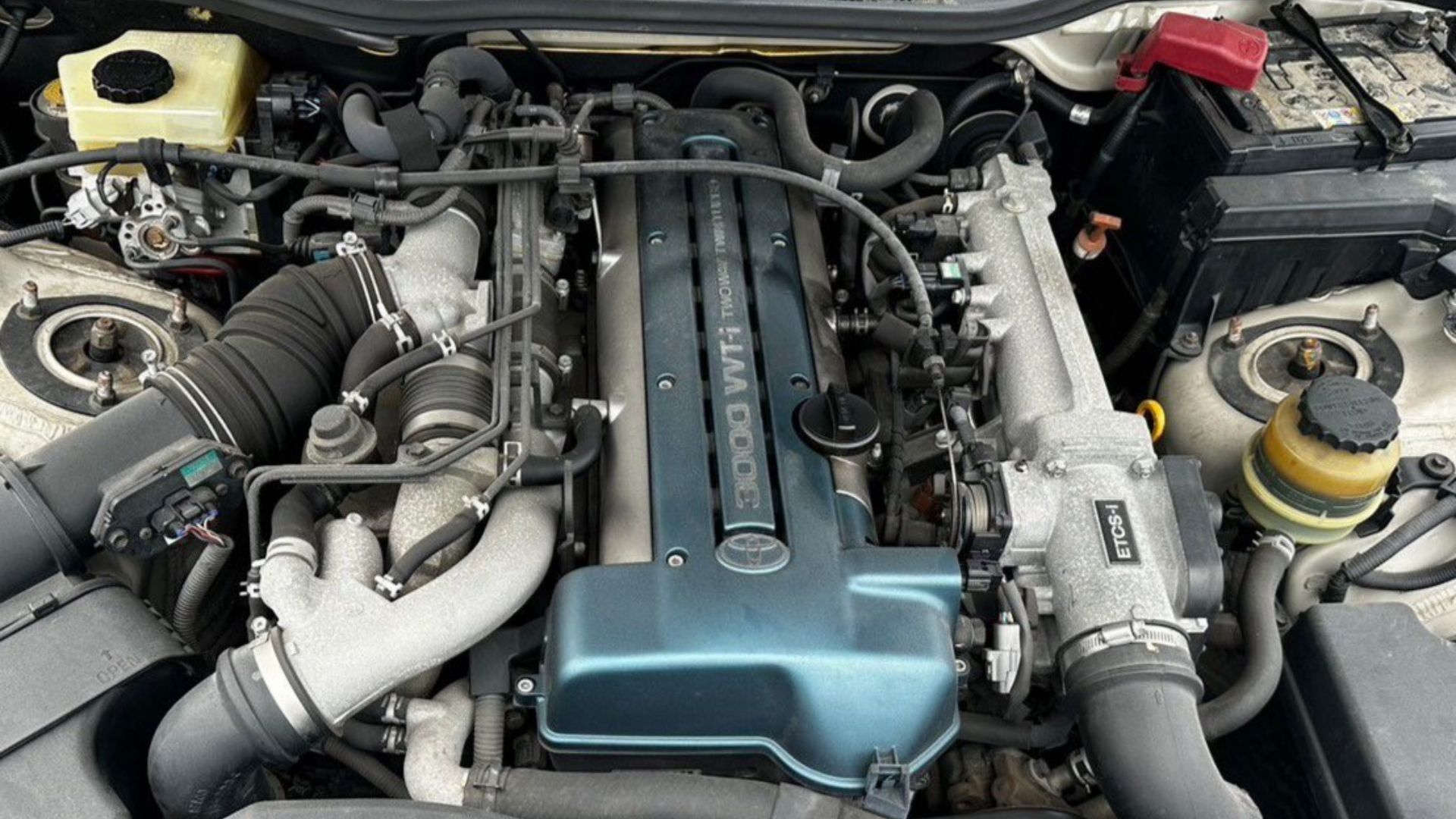
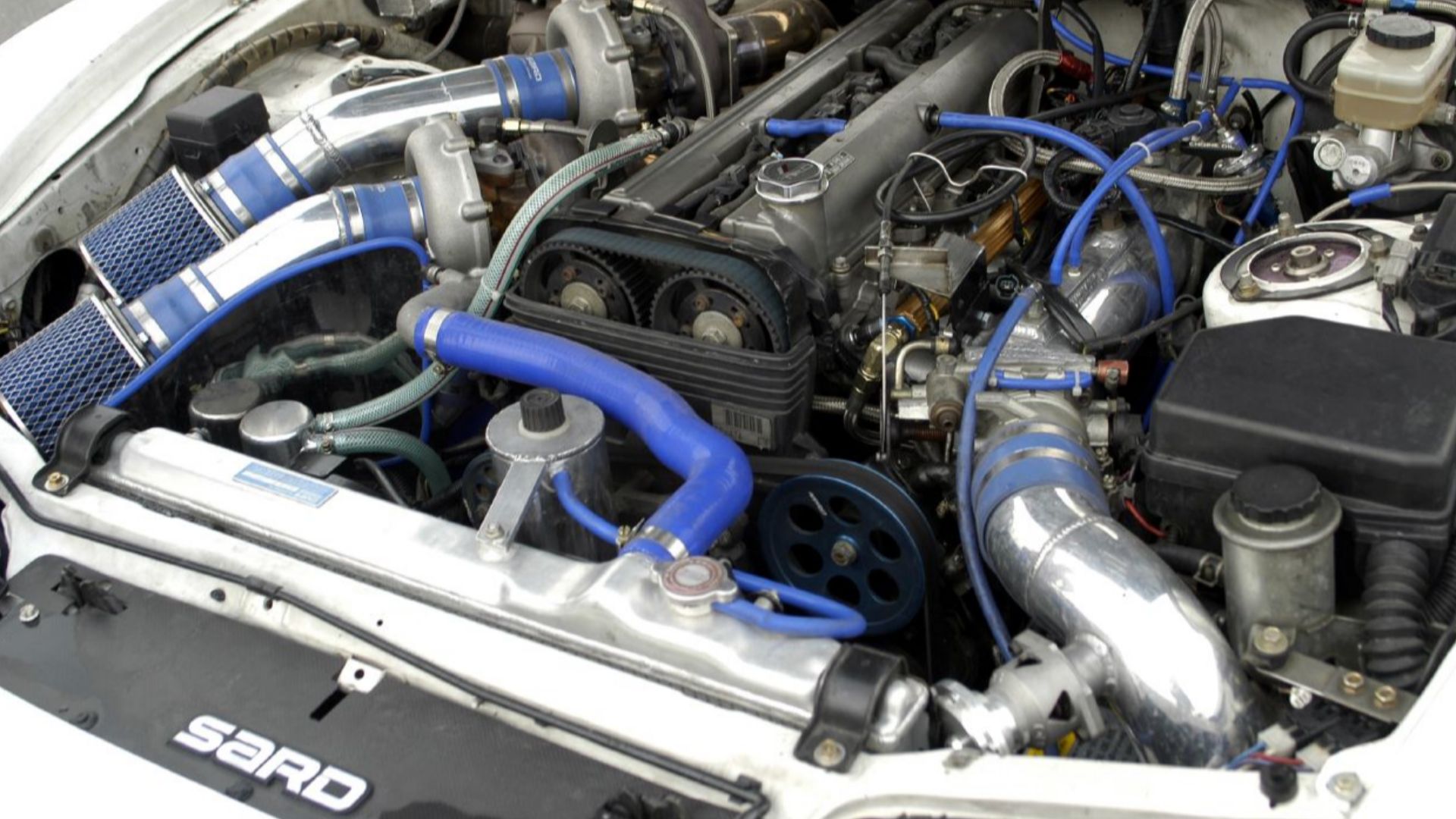
Toyota 2JZ-GTE
Born in Toyota's Tahara plant in Japan in 1991, the 2JZ-GTE is a 3.0-liter twin-turbocharged inline-six that became one of the most iconic engines in automotive history. It debuted in the Toyota Aristo V before finding its most famous home in the Mk IV Supra.
Toyota 2JZ-GTE (Cont.)
Its cast-iron block, hot-forged connecting rods, and oil-cooled pistons told you everything about Toyota's intentions from day one. Yup, this engine was built for punishment. What makes the 2JZ genuinely remarkable is the fact that a stock bottom end can reliably handle 600–700 hp with proper tuning.
 chen chin from taipei~tokyo, taiwan~japan, Wikimedia Commons
Honda K-Series
The Honda K-Series launched in 2001 as the direct replacement for the beloved B-Series, and it was built with one simple mission: to be absolutely reliable without being boring. Engineers gave it an aluminum block with cast-iron cylinder sleeves to handle heat better than competing engines.
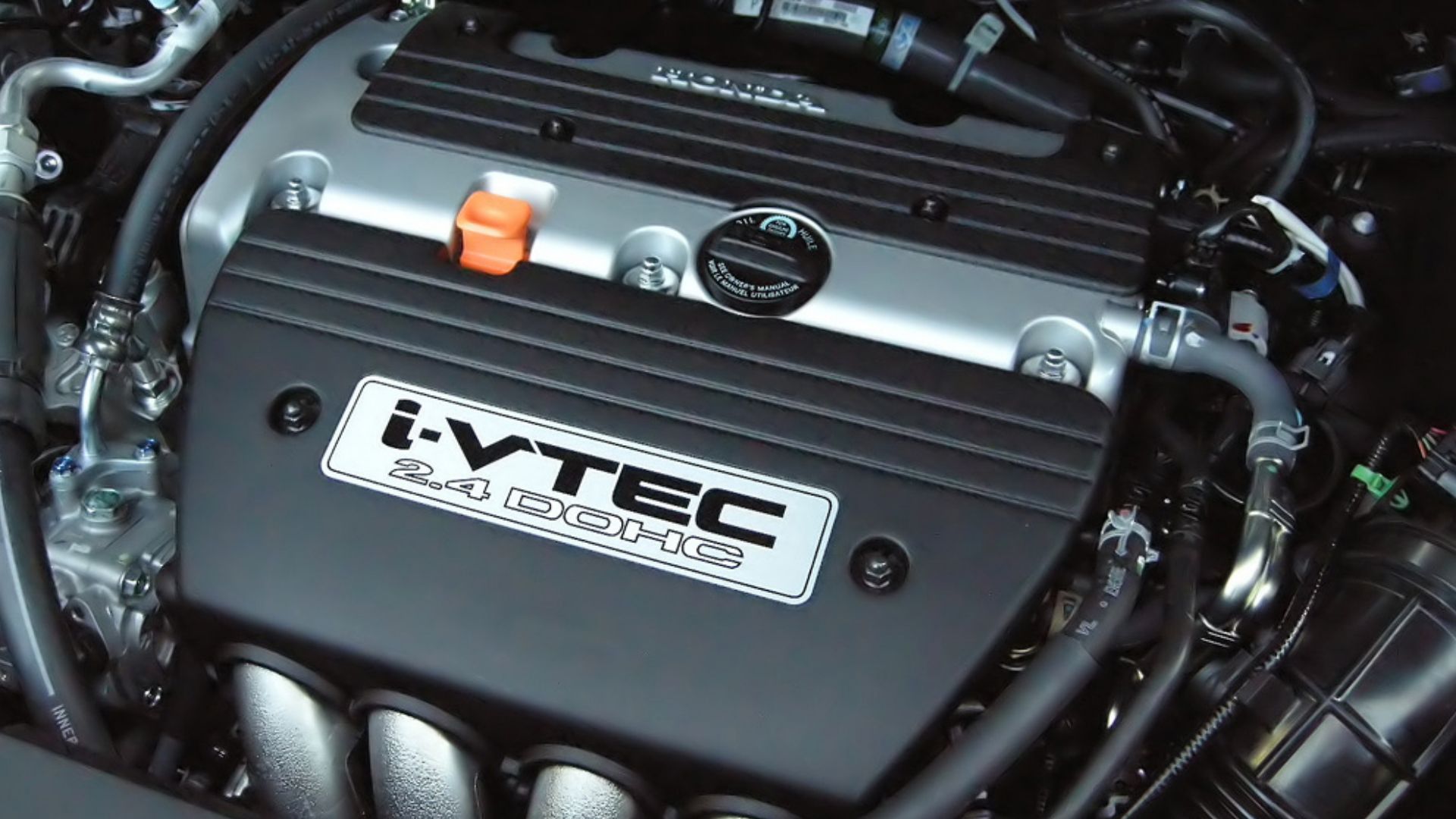 Hatsukari715, Wikimedia Commons
Honda K-Series (Cont.)
There's an interesting rumor that runs through Honda's own tuning community. Early K20 prototypes were so powerful per liter that they threatened to outperform the far more expensive S2000. Honda reportedly dialed them back before production.
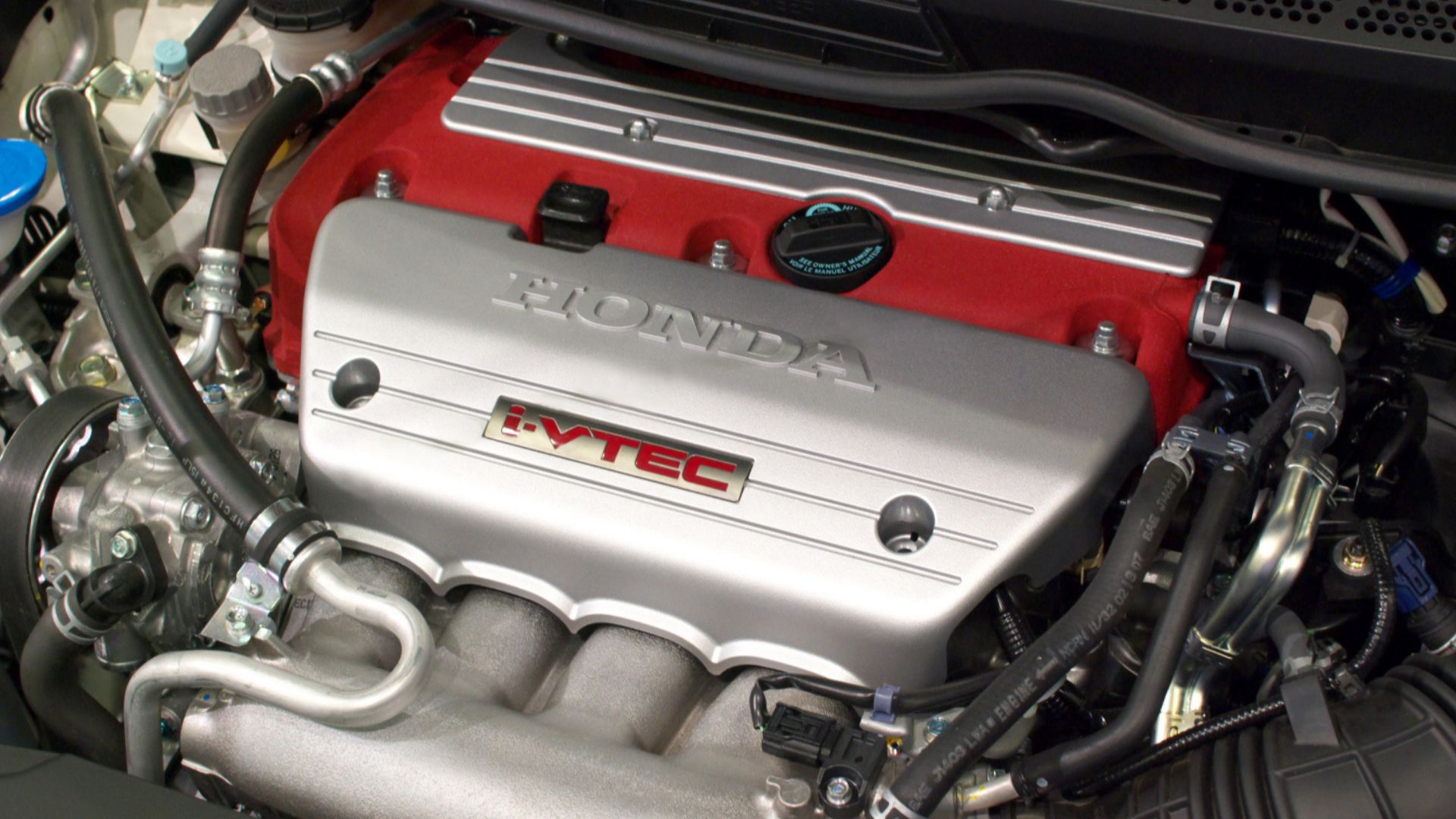 Hatsukari715, Wikimedia Commons
Toyota 1UZ-FE
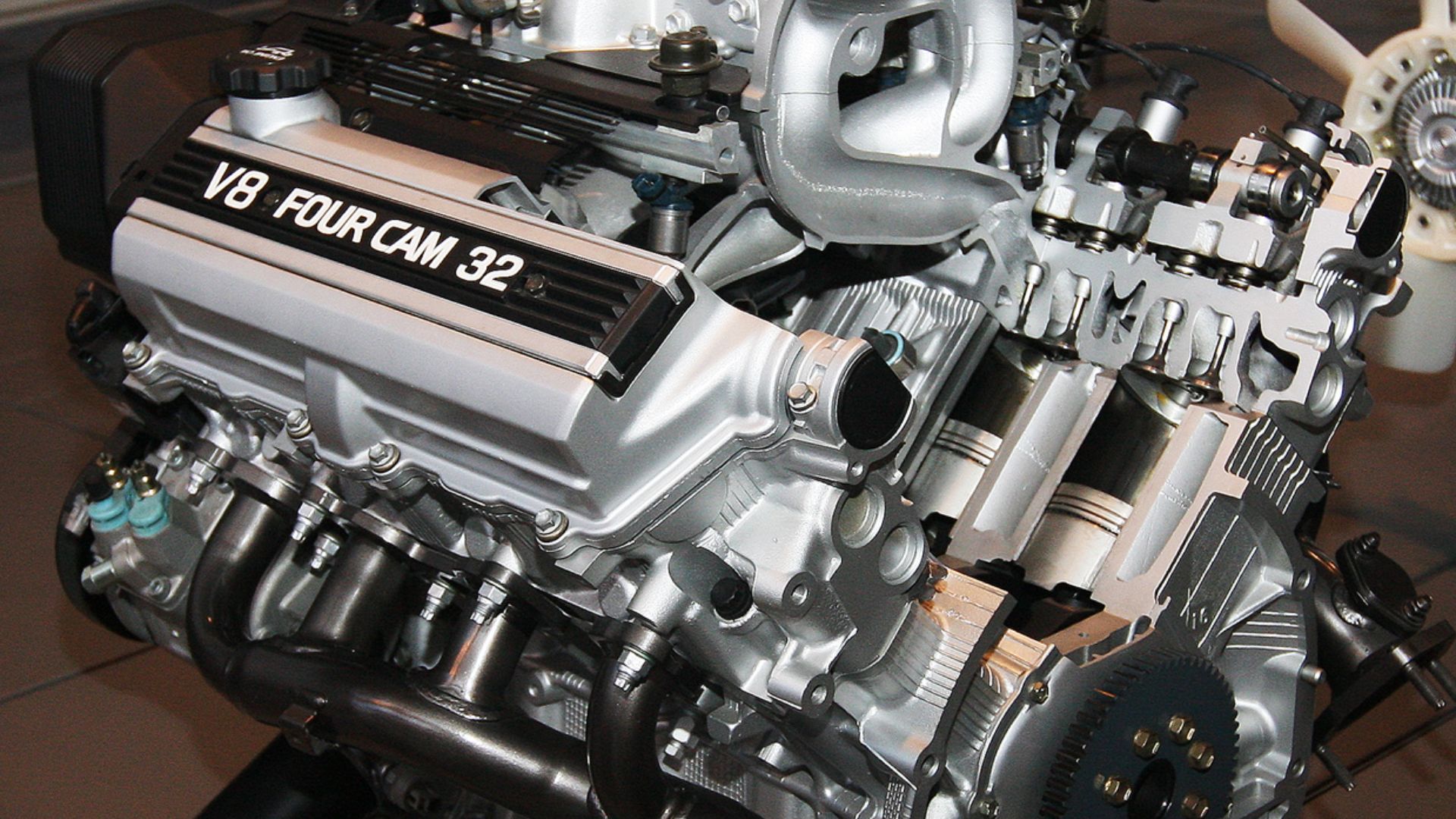
Before the 1UZ-FE was born, it was a dream, literally codenamed Project F1, standing for "Flagship 1”. Toyota chairman Eiji Toyoda wanted to build the best engine the world had ever seen, and in 1983, roughly 1,400 engineers, 60 designers, and 2,300 support staff went to work.
Toyota 1UZ-FE (Cont.)
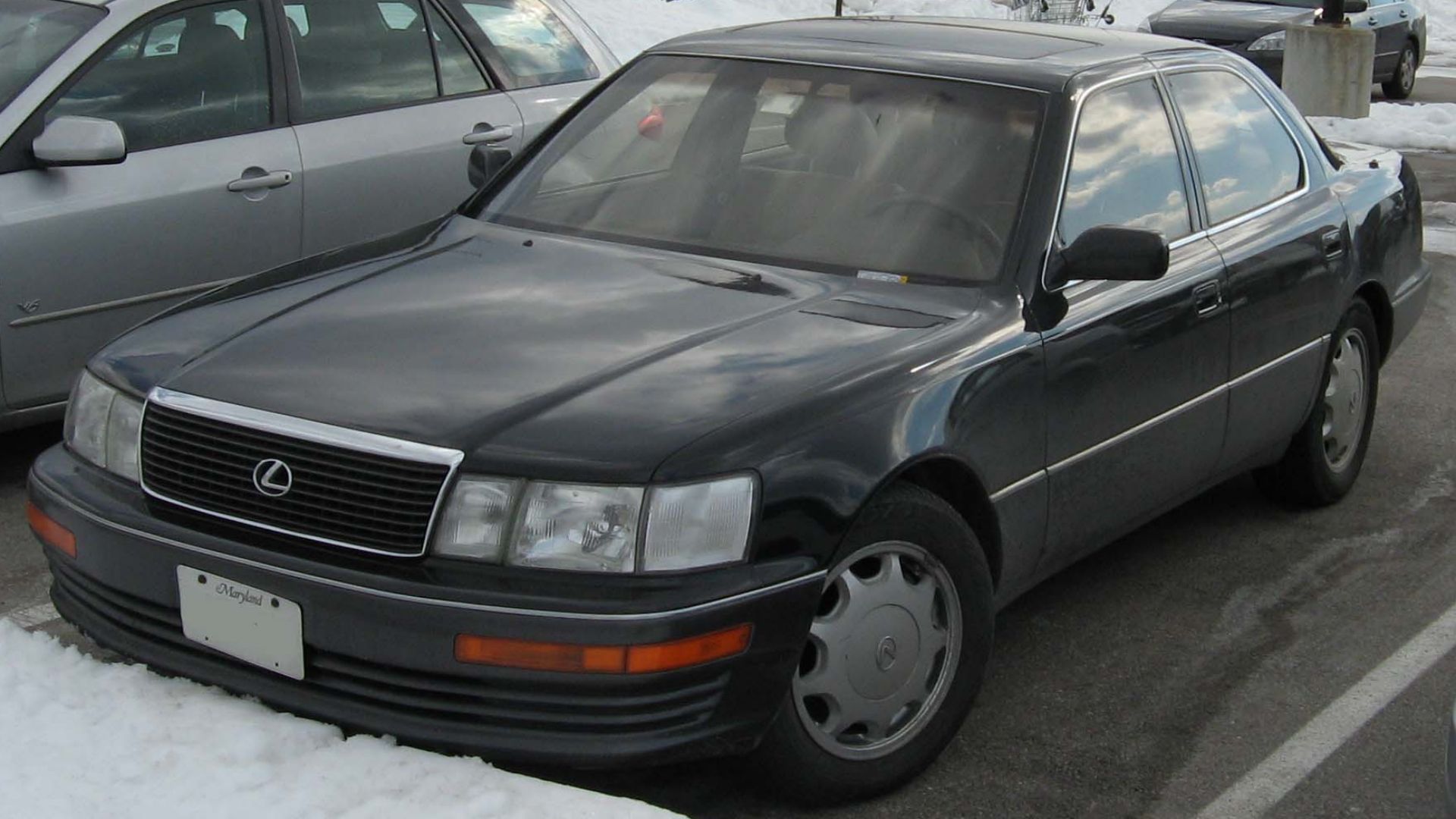
The result, which arrived in 1989 under the bonnet of the Lexus LS400, was a 4.0-litre DOHC 32-valve V8 that had already clocked over 1.67 million miles in prototype testing across Scandinavian ice and Arabian desert heat.
Toyota 2GR-FE
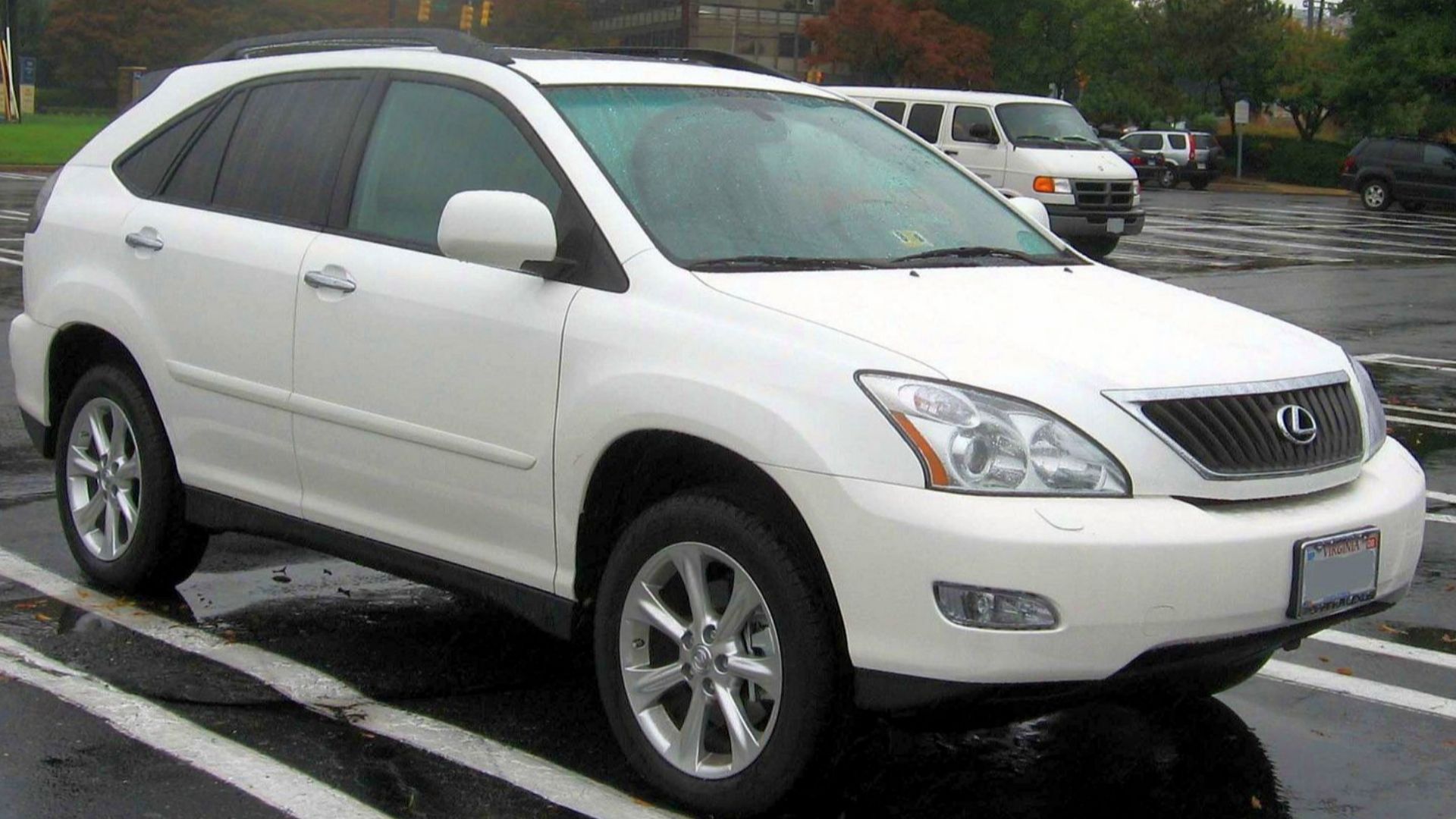
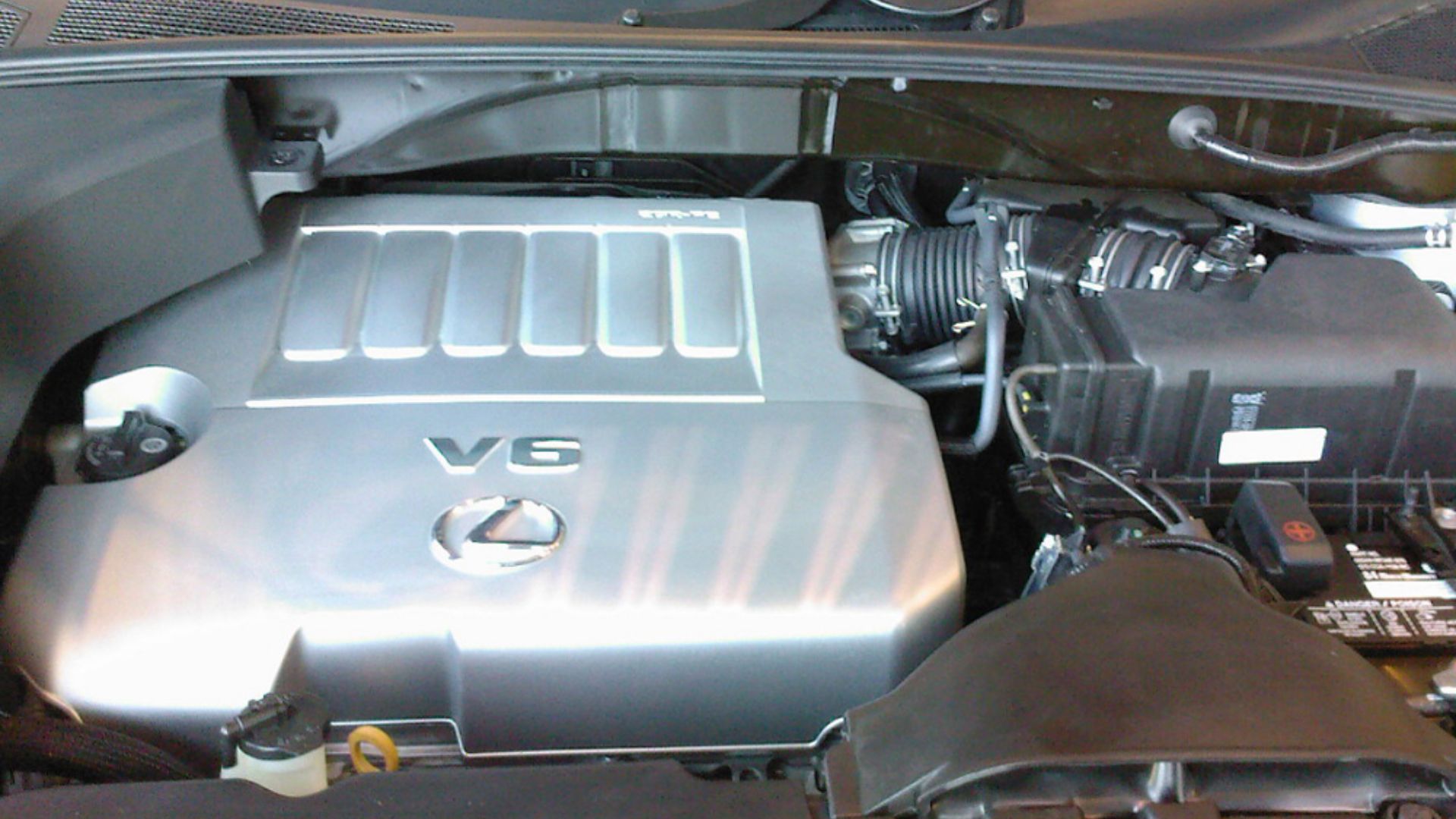
Introduced in 2004 as the replacement for the 1MZ-FE V6, the 2GR-FE is Toyota's 3.5-liter V6 that has arguably become the most successful modern V6 in terms of sheer application breadth. It powers the Camry, Highlander, RAV4 V6, Tacoma, Sienna, and nearly the entire Lexus range carrying the "350" badge.
Toyota 2GR-FE (Cont.)
The 2GR-FE's durability stems from its forged steel crankshaft, forged connecting rods, cast-iron cylinder liners, and a timing chain that eliminates routine belt replacements. Because it uses port injection rather than direct injection, intake valves stay clean throughout the engine's life.
Toyota 2AR-FE
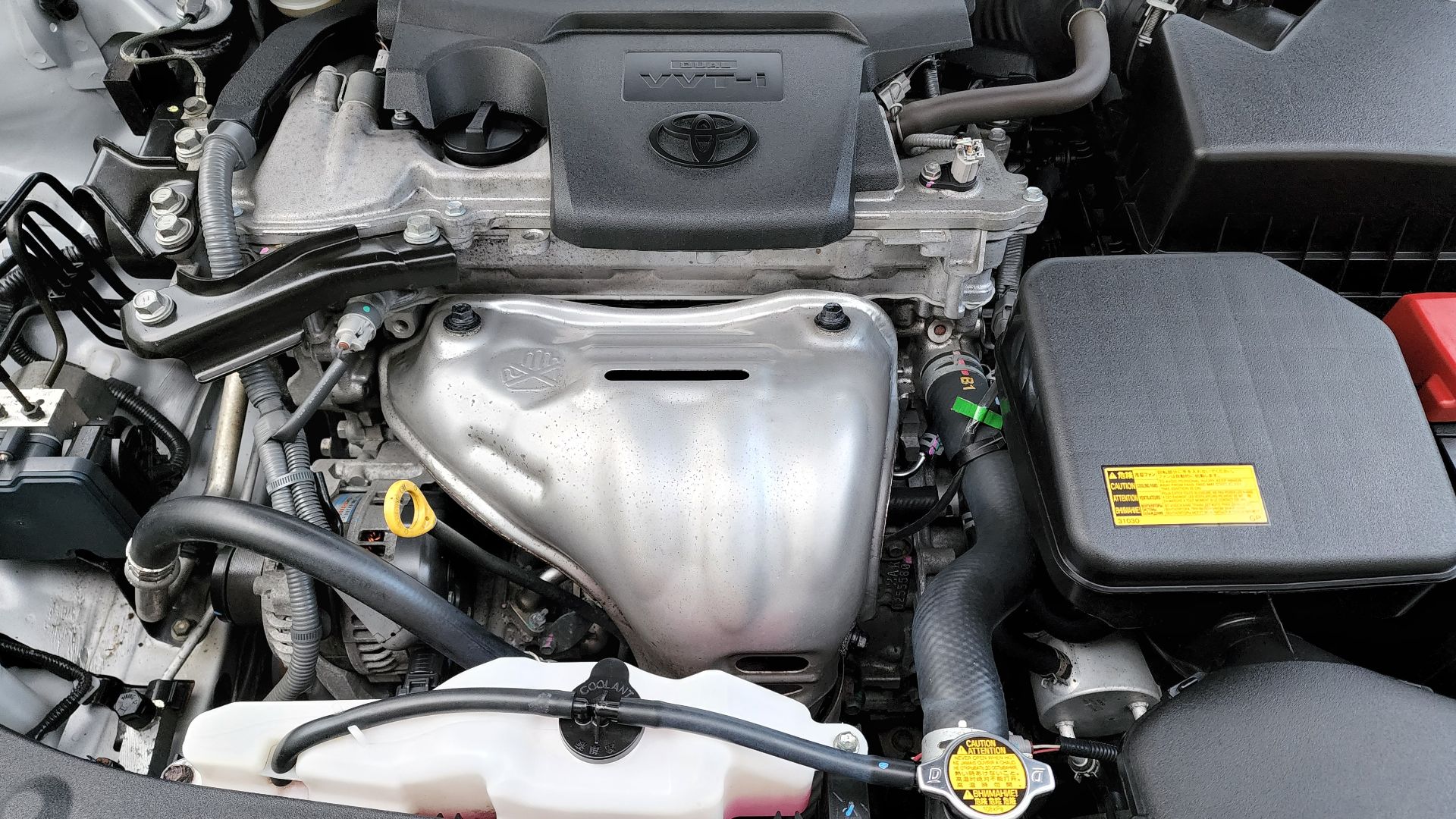
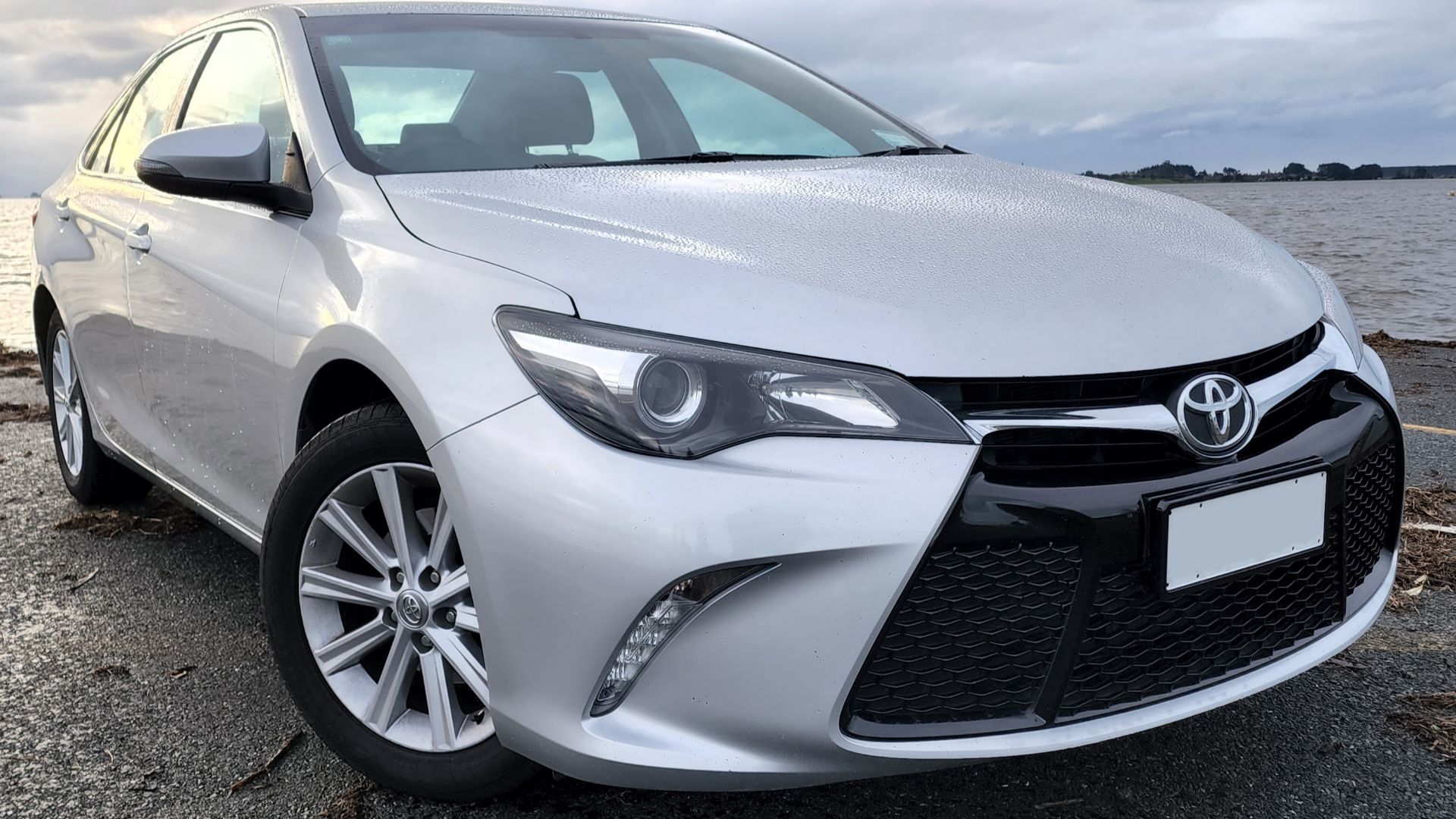
This car arrived in 2008 as Toyota's answer to a specific problem: the 2AZ-FE it replaced had suffered oil consumption issues serious enough to generate class-action lawsuits in the US. Toyota didn't just patch the problem; they rebuilt the philosophy entirely.
 VistaSunset, Wikimedia Commons
Toyota 2AR-FE (Cont.)
The new 2.5-liter inline-four featured an offset crankshaft to reduce piston side-loading, a three-stage variable oil pump, a roller-rocker valvetrain to cut friction, and dual VVT-i on both intake and exhaust camshafts for broader efficiency. Toyota also introduced tumble control valves.
 VistaSunset, Wikimedia Commons
Toyota 1GR-FE
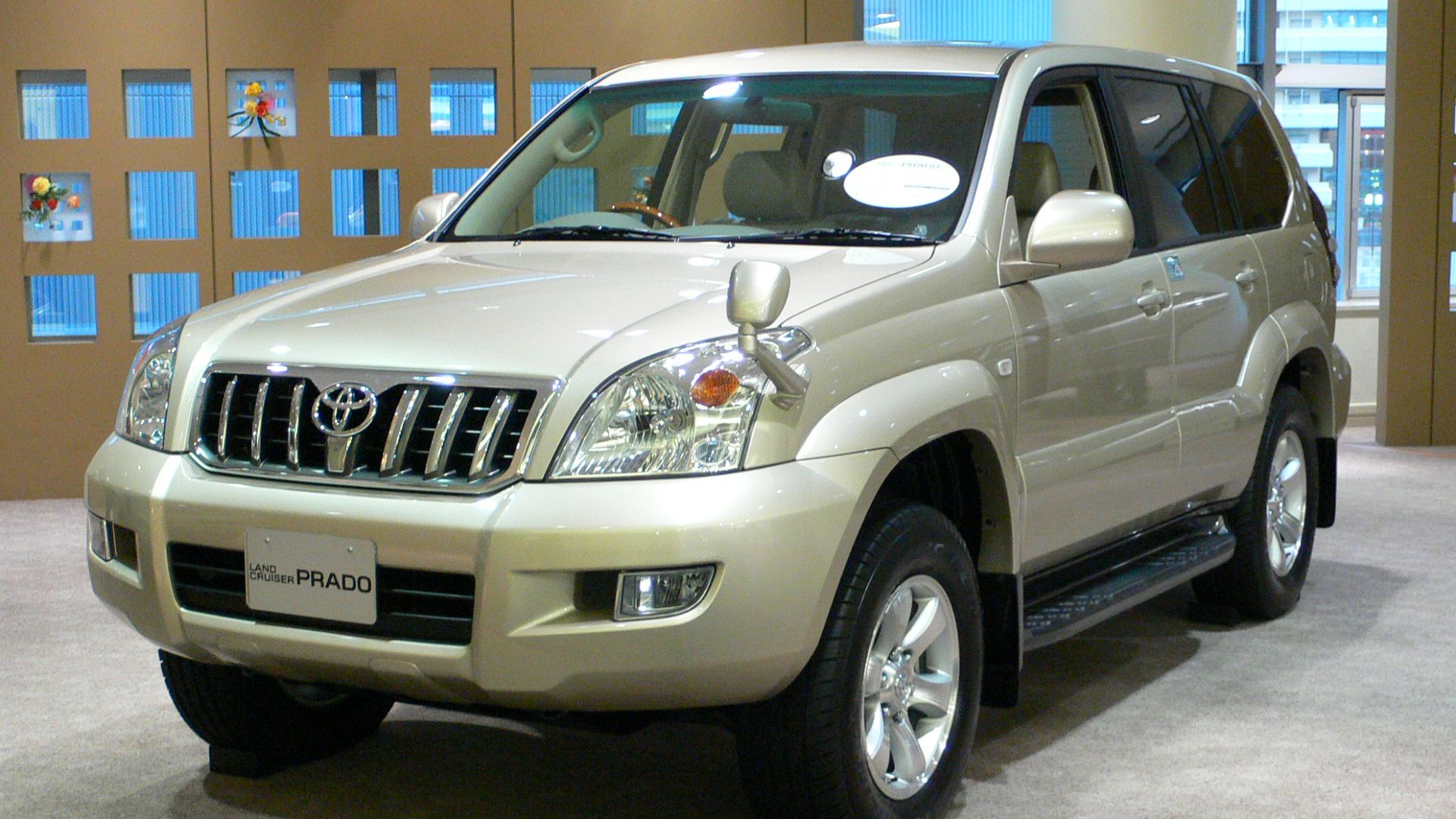
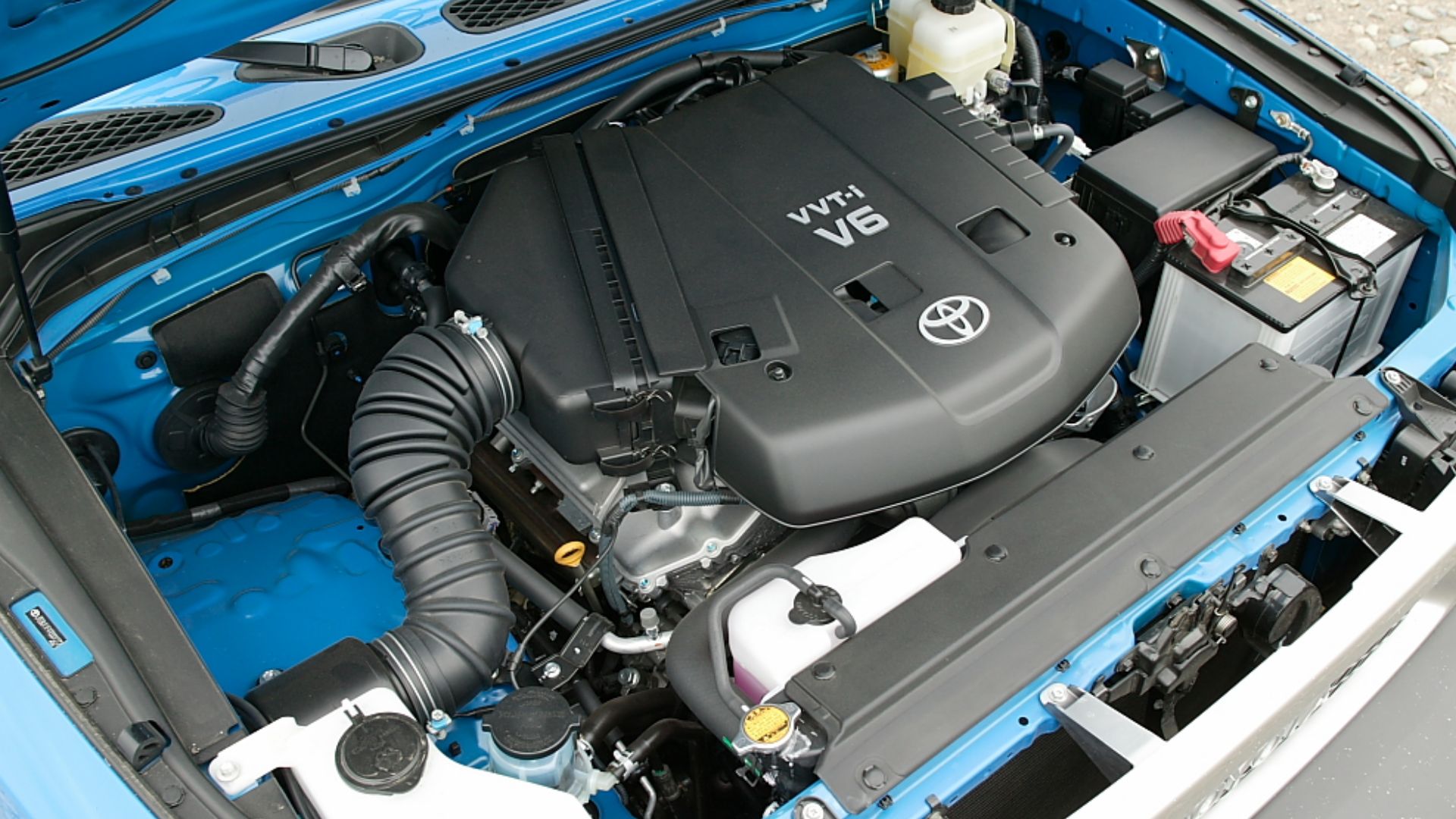
Fleet operators in the Middle East and Australia have a saying about the 1GR-FE: it runs until the truck around it rusts away. Toyota's 4.0-liter V6, introduced in 2002 for the 4Runner and Land Cruiser Prado, was built from the ground up for the harshest environments on earth.
Toyota 1GR-FE (Cont.)
Multiple taxi fleets operating in Australia and the Arabian Peninsula have documented 1GR-FE engines surpassing 600,000 miles without an internal rebuild. A 2025 iSeeCars study confirmed that the Toyota 4Runner, which has used this engine since 2003, has a 32.9% chance of lasting beyond 250,000 miles.
Cummins 6.7-Litre Diesel
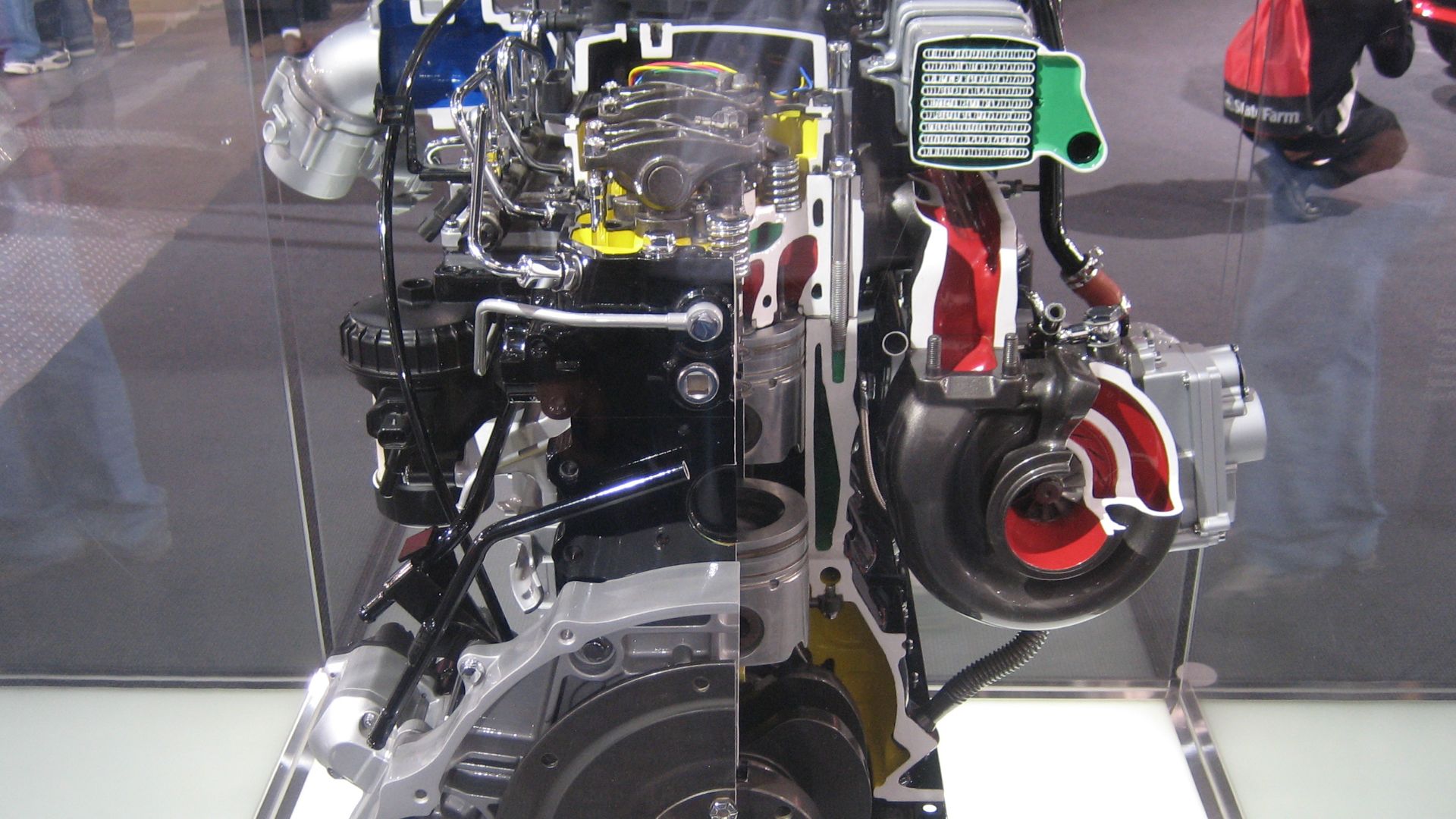
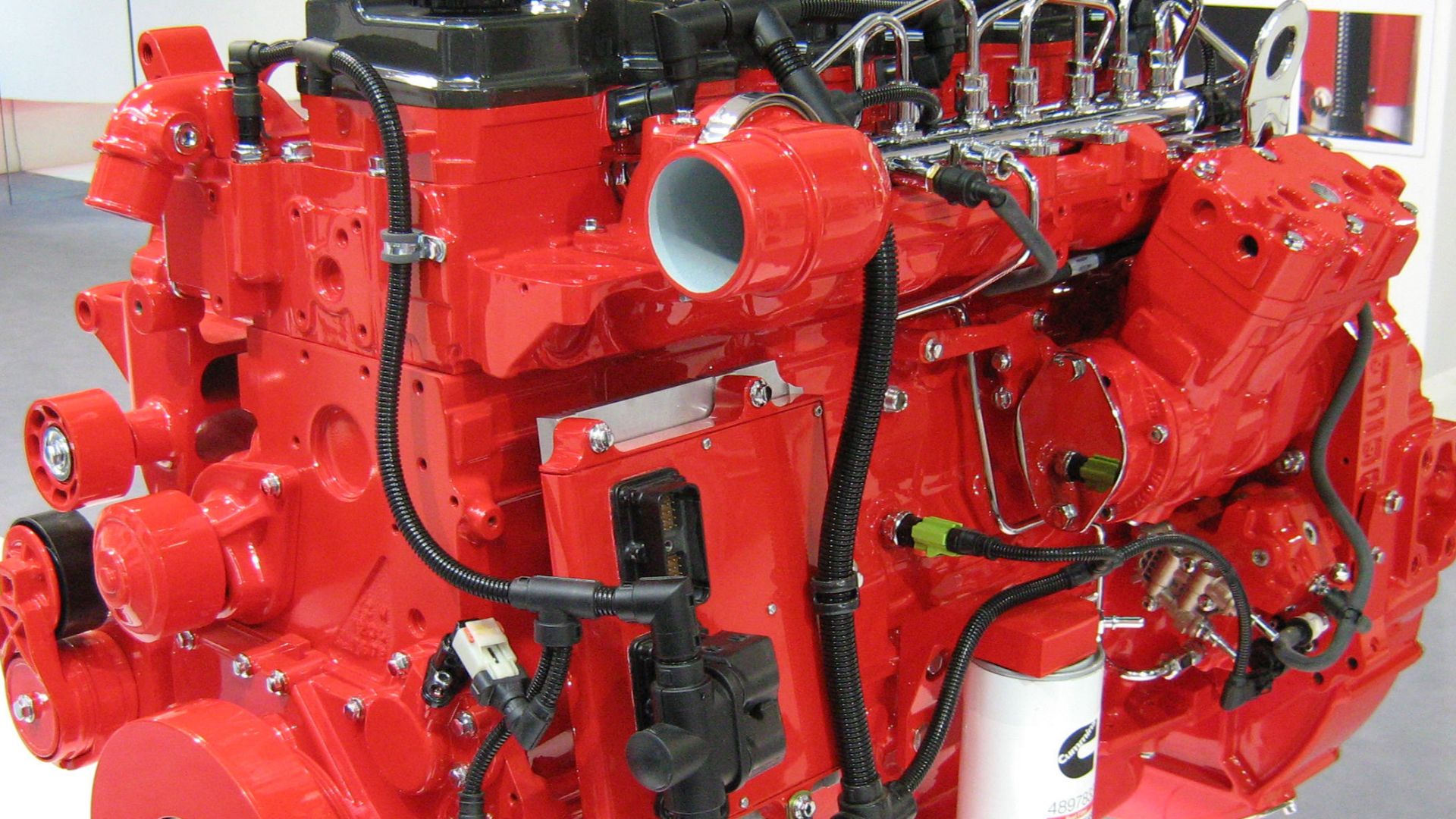
Cummins introduced the 6.7-liter B6.7 turbodiesel in 2007.5 to replace the 5.9-litre, and it arrived carrying serious expectations. The 5.9 had become a diesel legend in its own right, famous for simplicity and longevity.
 Dana60Cummins, Wikimedia Commons
Cummins 6.7-Litre Diesel (Cont.)
Not to forget, the 6.7 had to meet stricter emissions targets while matching or exceeding its predecessor's mechanical toughness. Cummins answered by using a cast-iron block and head, a forged steel crankshaft, seven main bearing journals, and forged connecting rods.
Nissan VQ35DE
This one holds a record that no other engine family has come close to matching in modern automotive history: it appeared on Ward's 10 Best Engines list for 14 consecutive years from the list's very first edition in 1994 through 2007, and then again in 2016.
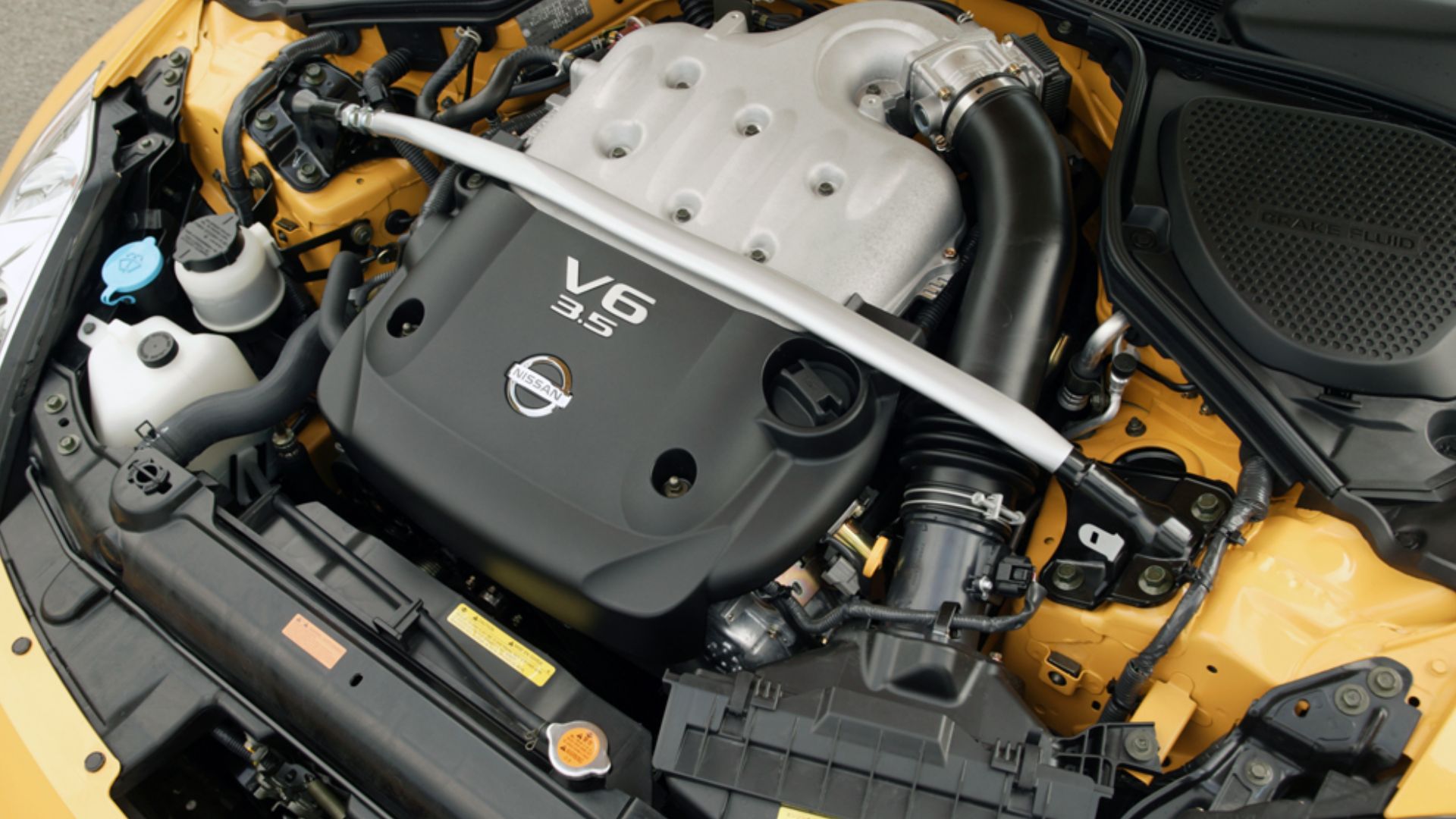 Tennen-Gas, Wikimedia Common s
Nissan VQ35DE (Cont.)
That kind of sustained recognition doesn't happen by accident. The VQ35DE is a 3.5-liter DOHC V6 first introduced in 2000, built with a microfinished one-piece forged crankshaft, forged steel connecting rods, molybdenum-coated pistons for low friction, and Nissan's Continuous Variable Valve Timing system on the intake camshafts.
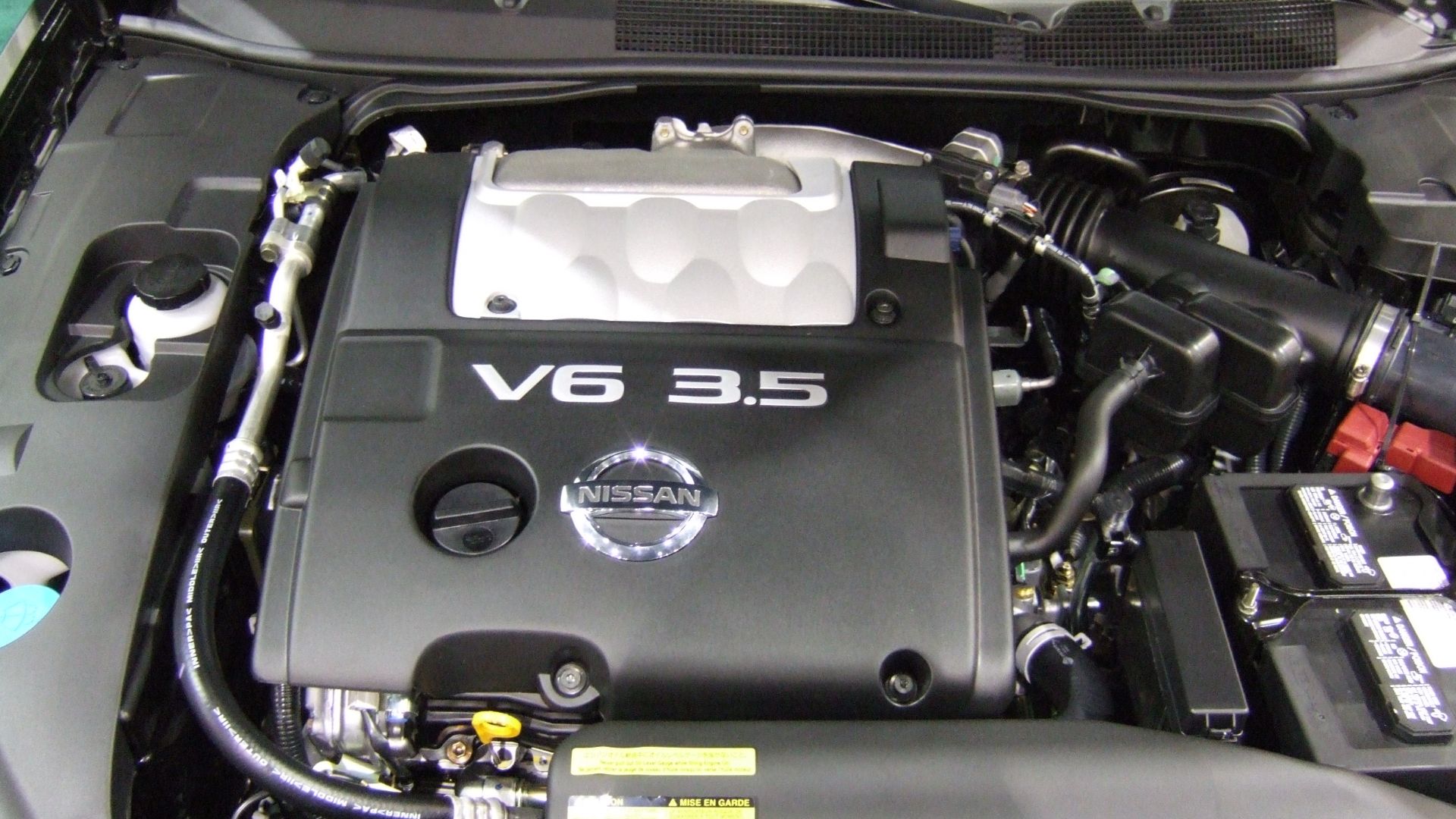 Analogue Kid at English Wikipedia, Wikimedia Commons
Toyota 2UZ-FE
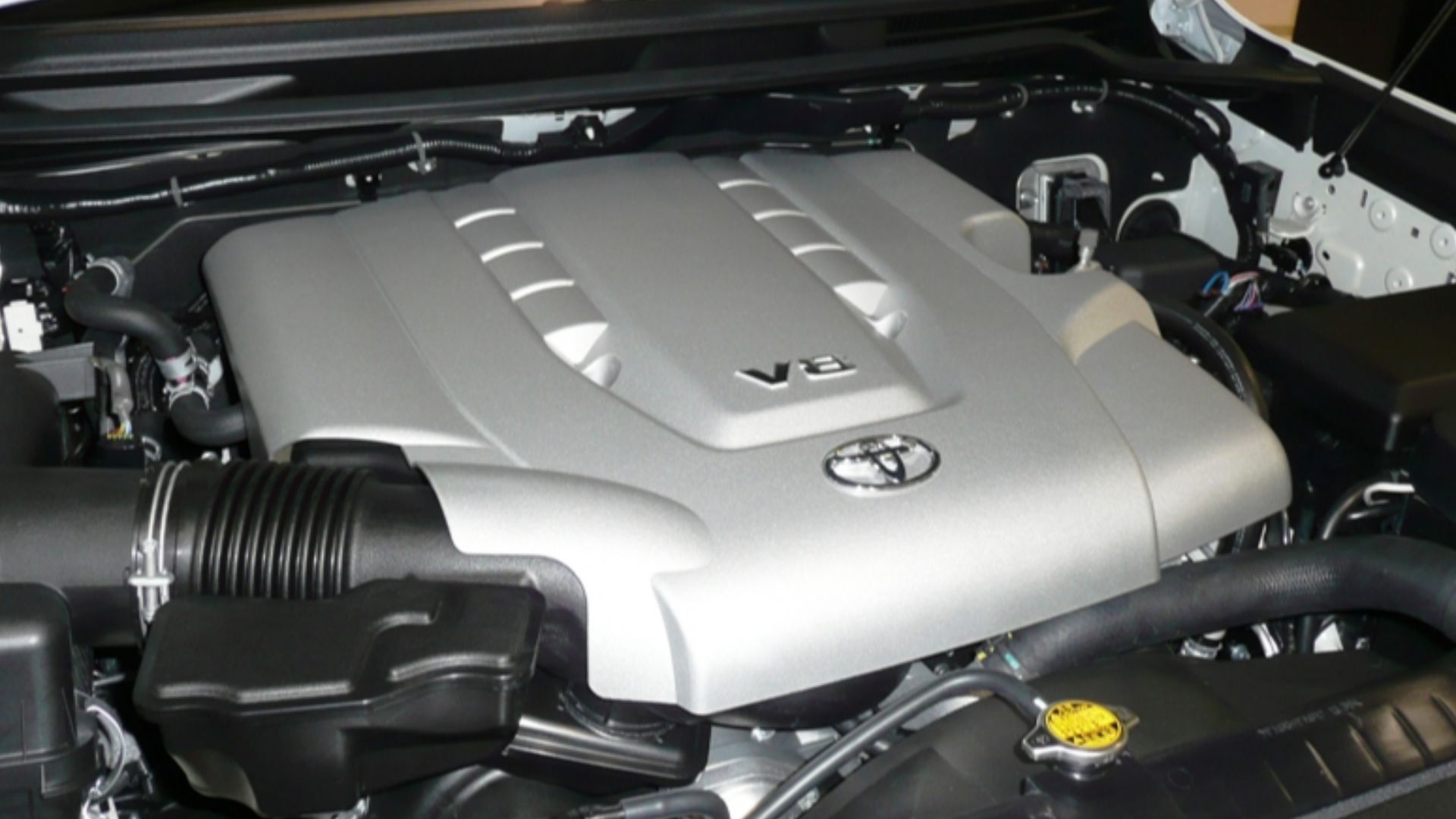
Toyota produced the 2UZ-FE from 1998 to 2011, and unlike its sibling, the 1UZ, which chased luxury smoothness with an all-aluminium block, the 2UZ went with cast iron because it was going into the toughest vehicles Toyota made.
Toyota 2UZ-FE (Cont.)
The 4.7-litre V8 powered the Land Cruiser 100 Series, Lexus LX 470, Toyota Tundra, and Sequoia, and it was tuned conservatively from the factory: 232 hp on early naturally aspirated versions, producing just 49.3 hp per litre. That deliberate under-stress philosophy is precisely why it lasts.
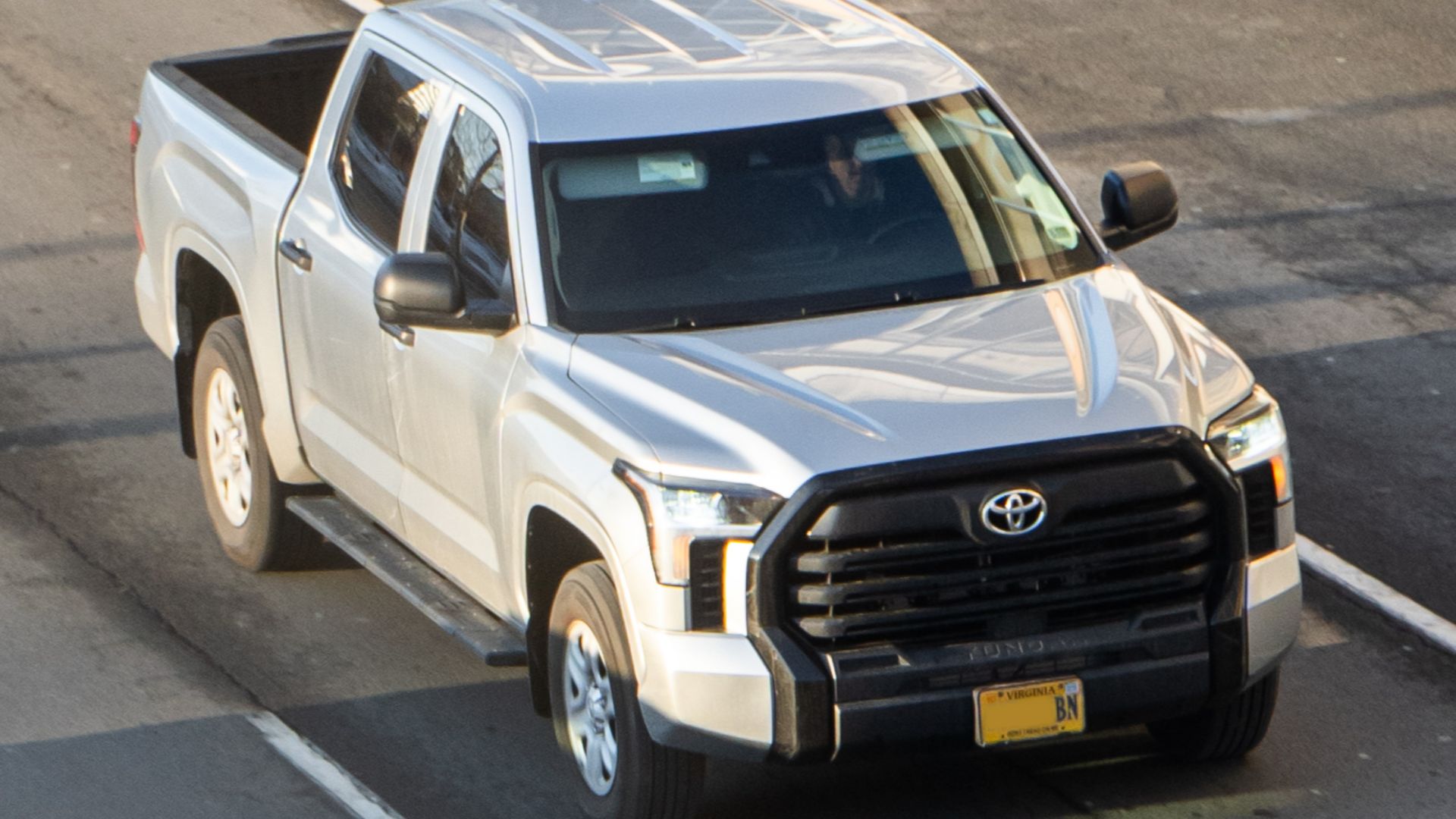 OWS Photography, Wikimedia Commons
Honda J-Series V6
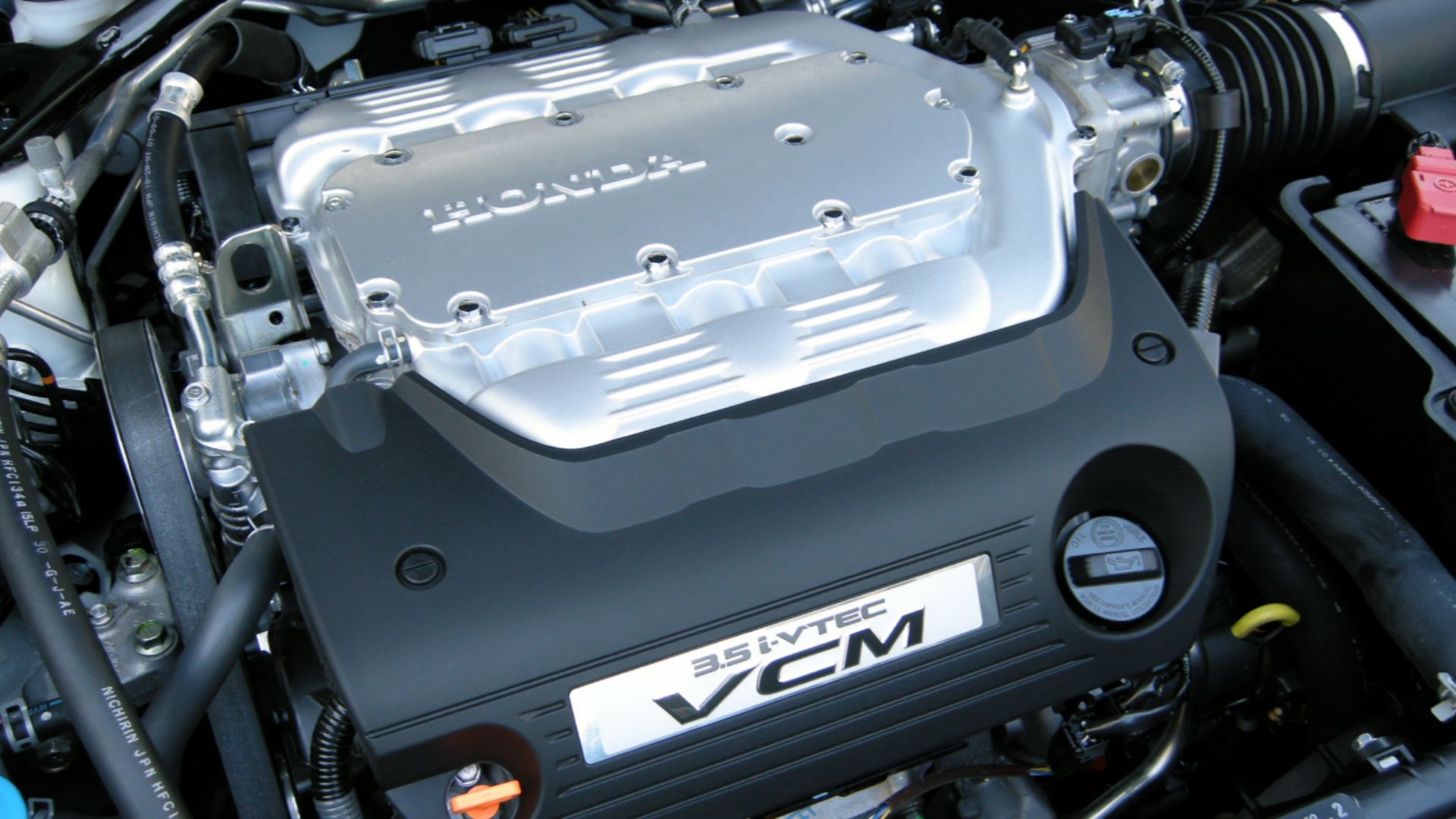
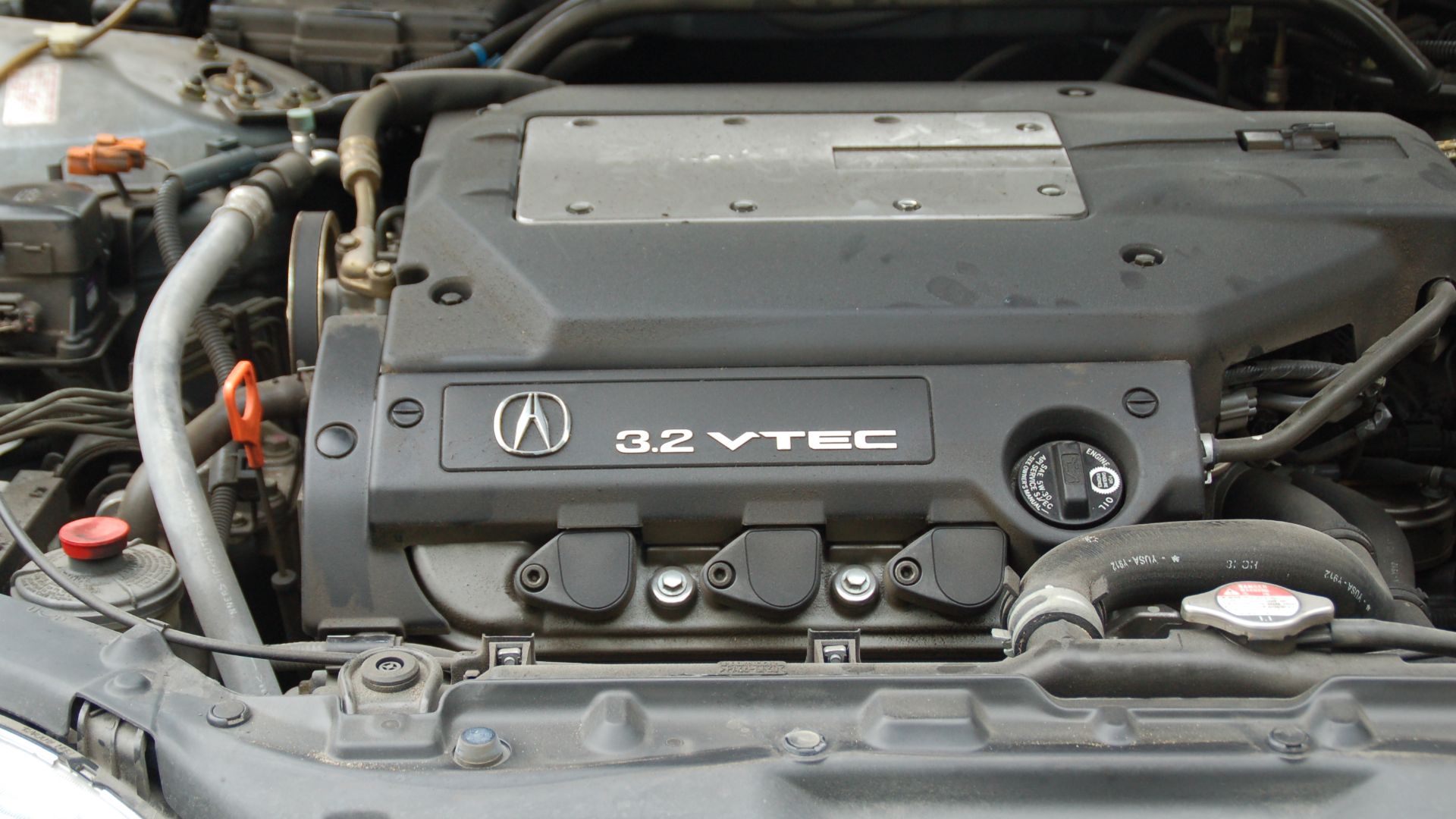
Over its nearly 30-year production run, the J-Series has been refined through the J30, J32, J35, and J37 variants, with the J35 being the most widely used and documented. Early J35A engines routinely cross 250,000 to 300,000 miles with disciplined maintenance.
 Hatsukari715, Wikimedia Commons
Honda J-Series V6 (Cont.)
The marine division's BF200 outboard motor uses internals shared with the J35A—a real-world stress test that speaks to the block's structural integrity. One mechanic with 200 Honda and Acura transactions on record noted seeing multiple J-Series engines at salvage auctions in the 400,000-mile range.
 Hedwig in Washington, Wikimedia Commons
Lexus 2UR-GSE (5.0L V8)
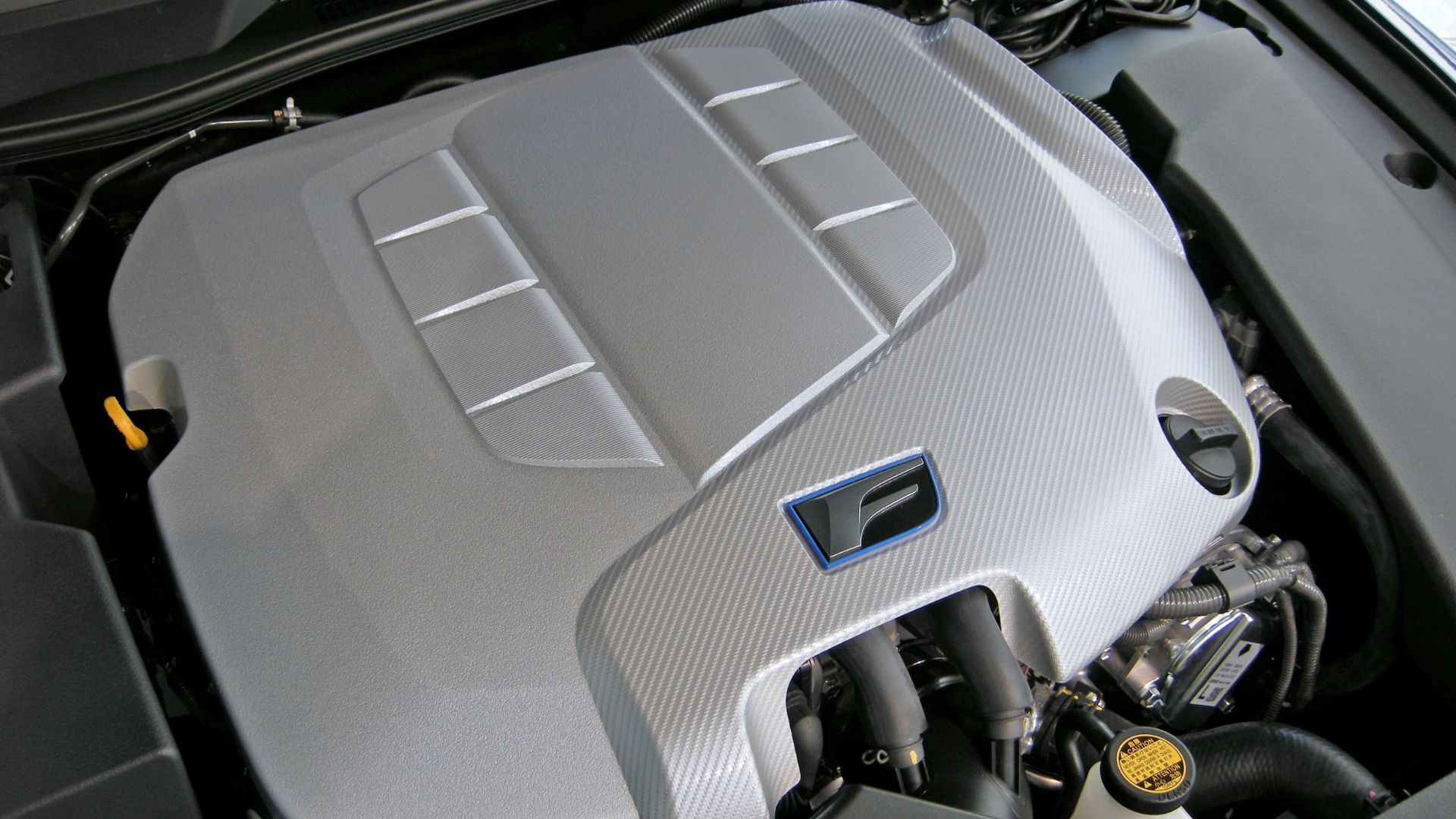
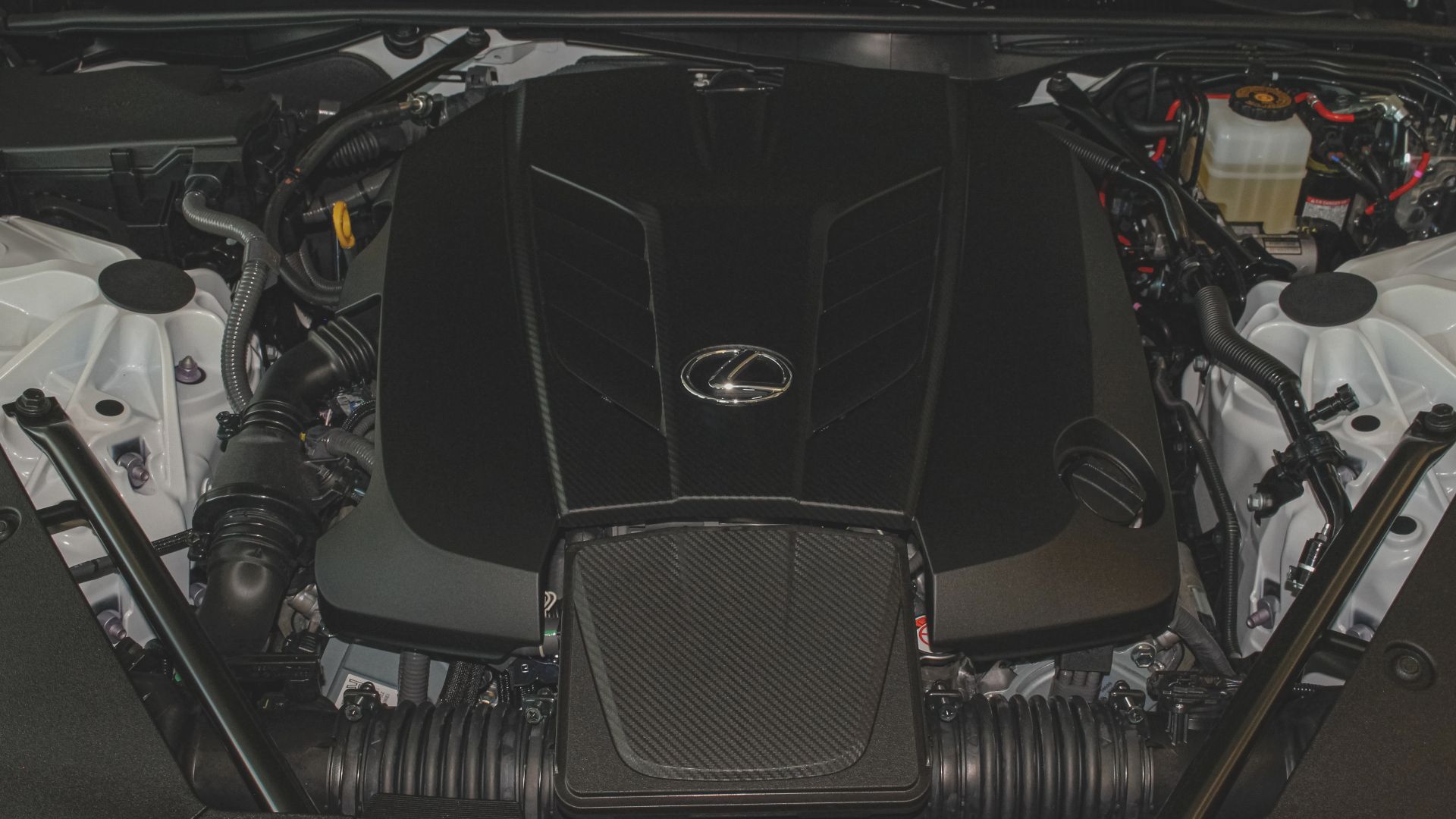
BMW's M3 and Mercedes' C63 AMG were dominating the performance sedan conversation, and Lexus had no answer. So Toyota did what Toyota does: brought in Yamaha Motor Co to co-develop a V8 from scratch, using the luxury-grade 2UR-FSE from the LS600h as the base.
 Hatsukari715, Wikimedia Commons
Lexus 2UR-GSE (5.0L V8) (Cont.)
The result, unveiled at Fuji Speedway, was the 2UR-GSE. This was a 5.0L naturally aspirated V8 with titanium inlet valves, Yamaha-designed high-flow cylinder heads, and a D-4S dual injection system combining both port and direct injection simultaneously, a technology Ford didn't adopt in its Mustang GT until 2018.
 Pixelatedfacealex, Wikimedia Commons
Mercedes-Benz M113 (4.3–5.4L V8)
Mercedes built the M113 in the late 1990s not as a performance engine but as a long-haul workhorse for its flagship lineup, and that conservative design philosophy turned out to be its greatest gift. The all-aluminum block uses Alusil cylinder bores, an aluminum-silicon alloy that eliminates the need for separate iron liners.
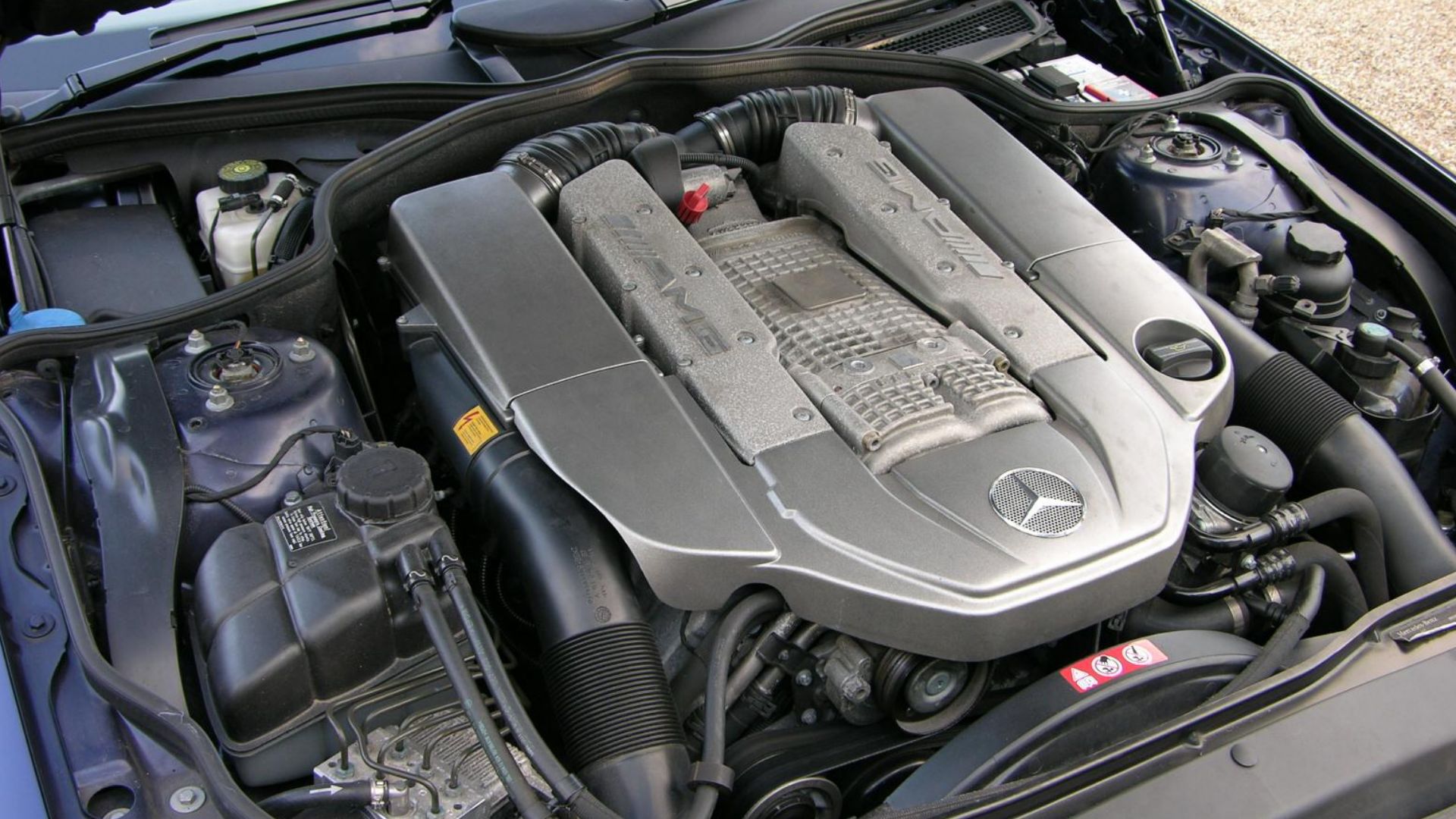 The Car Spy, Wikimedia Commons
Mercedes-Benz M113 (4.3–5.4L V8) (Cont.)
Combined with an SOHC 3-valve-per-cylinder layout, modest compression ratios, and a redline well below what the engine could theoretically handle, the M113 was engineered with years of headroom built in from the start. The M113 powered everything from the E-Class and S-Class to the SL roadster.
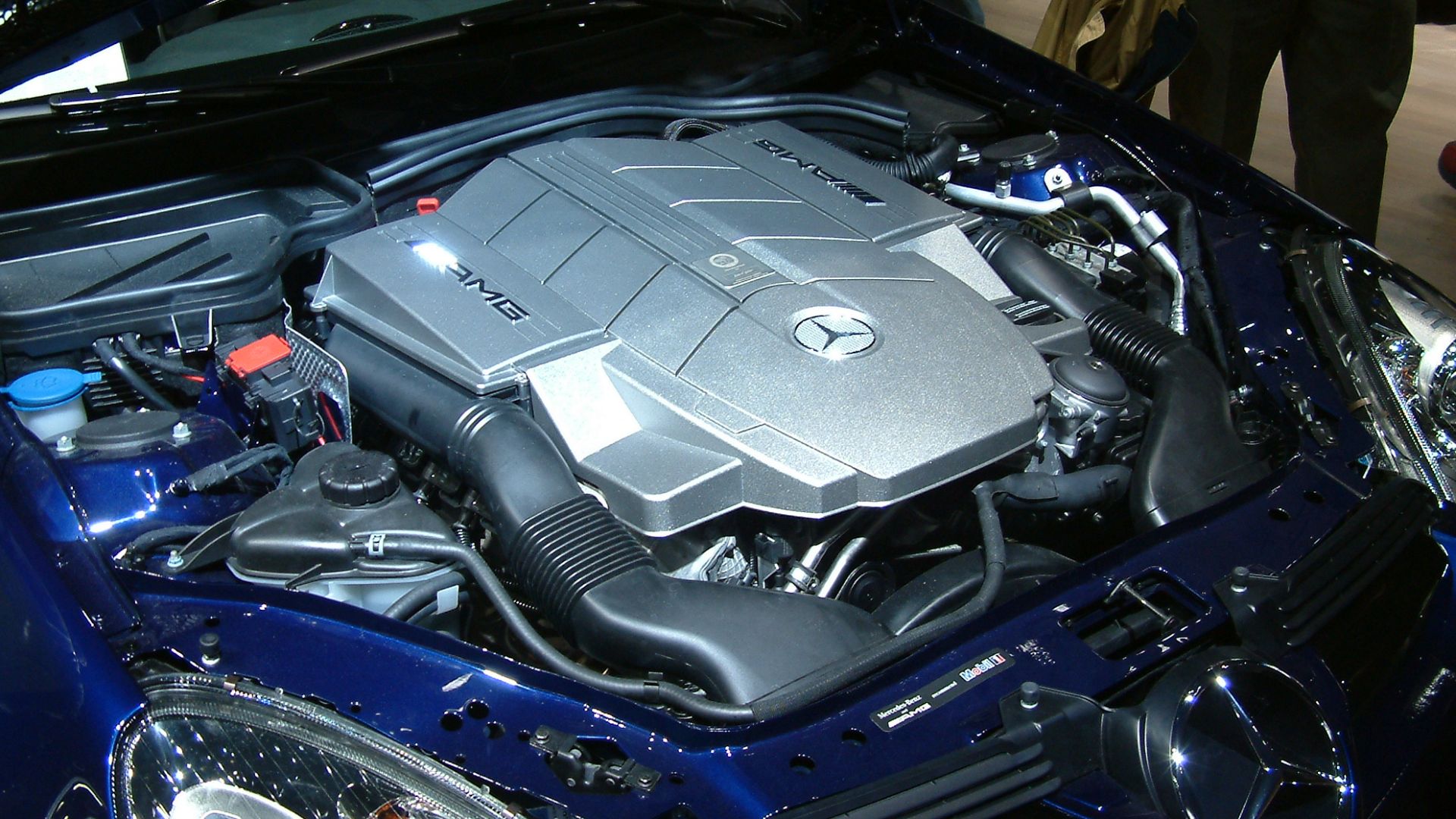 Tim Dobbelaere from Ieper, Belgium, Wikimedia Commons


_IMG_9727.jpg)