Enduring Power
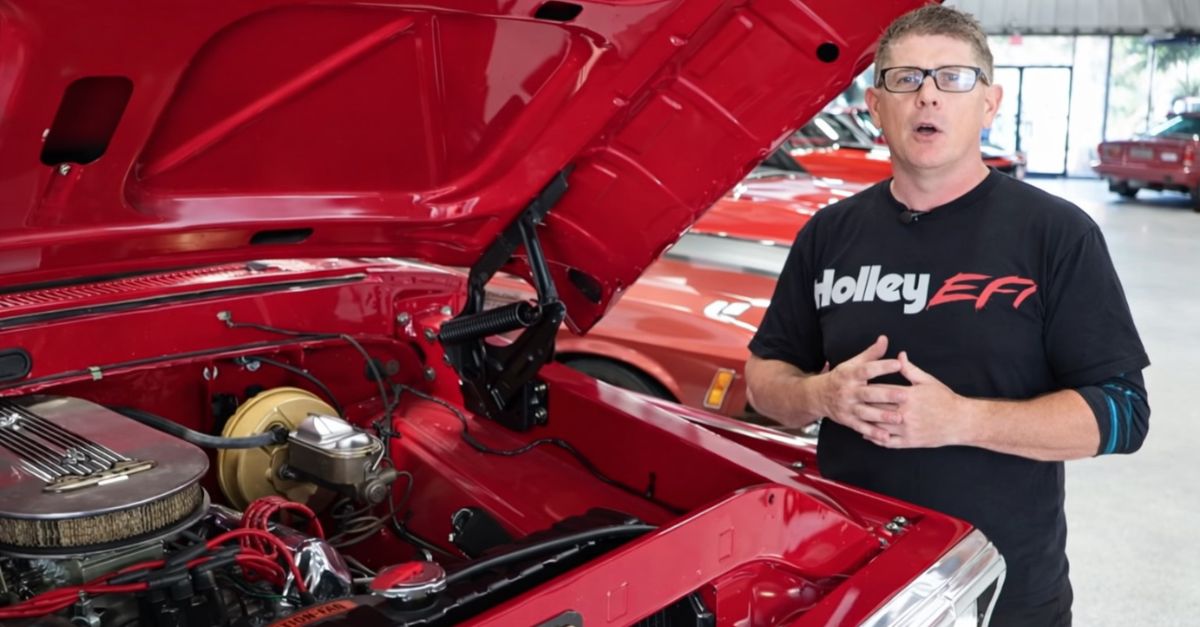
Every driver remembers that one car that never complained. It started every morning, took every trip, and somehow felt alive. Behind that feeling lies the kind of engineering that defines truly reliable companies.
Lexus
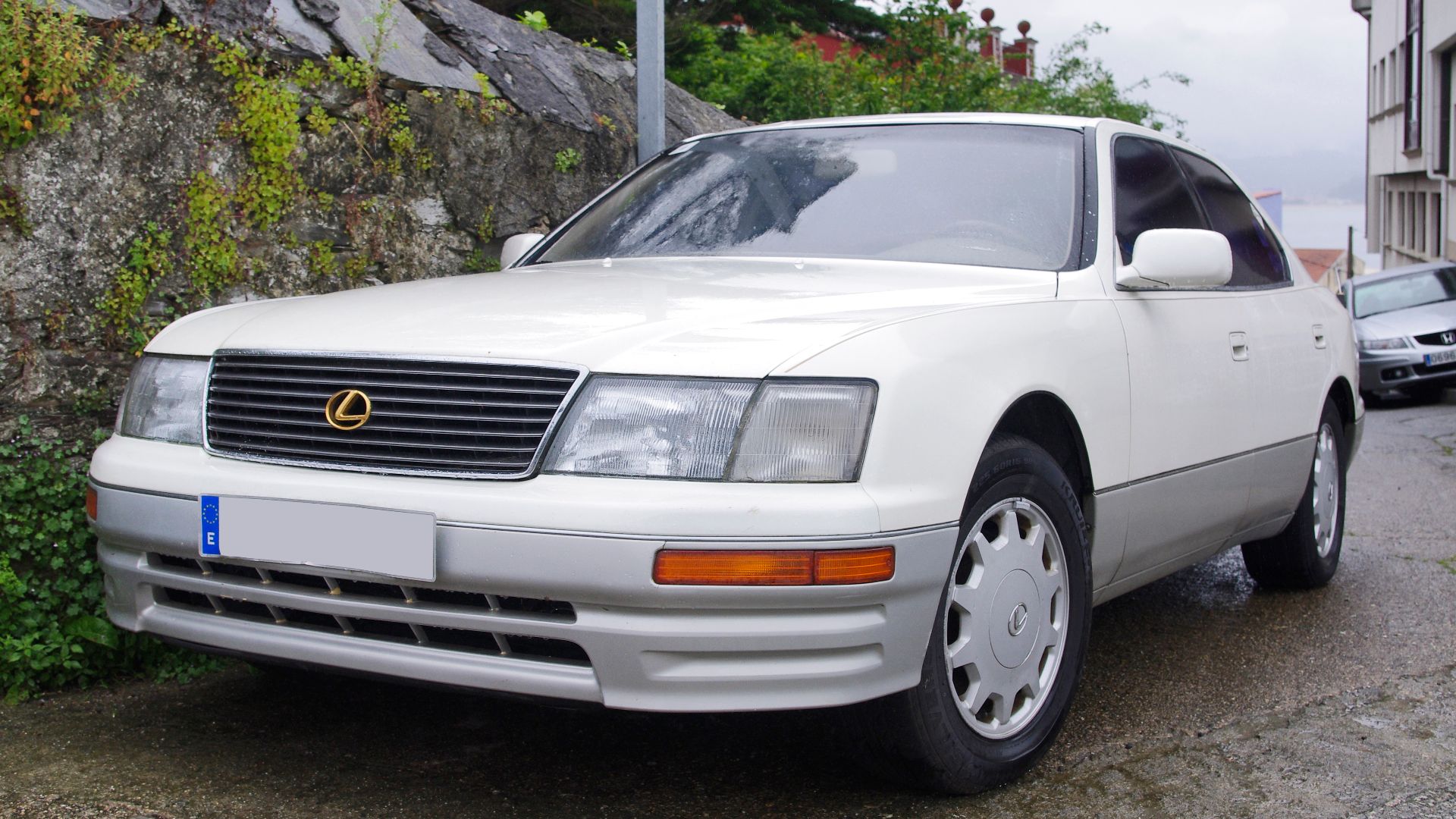
Those original Lexus LS 400 models stand as automotive milestones, with their UZ-FE V8 engines routinely crossing the 500,000-mile threshold through basic maintenance alone. This extraordinary durability established a foundation that Lexus has systematically built upon.
 Spanish Coches, Wikimedia Commons
Lexus (Cont.)
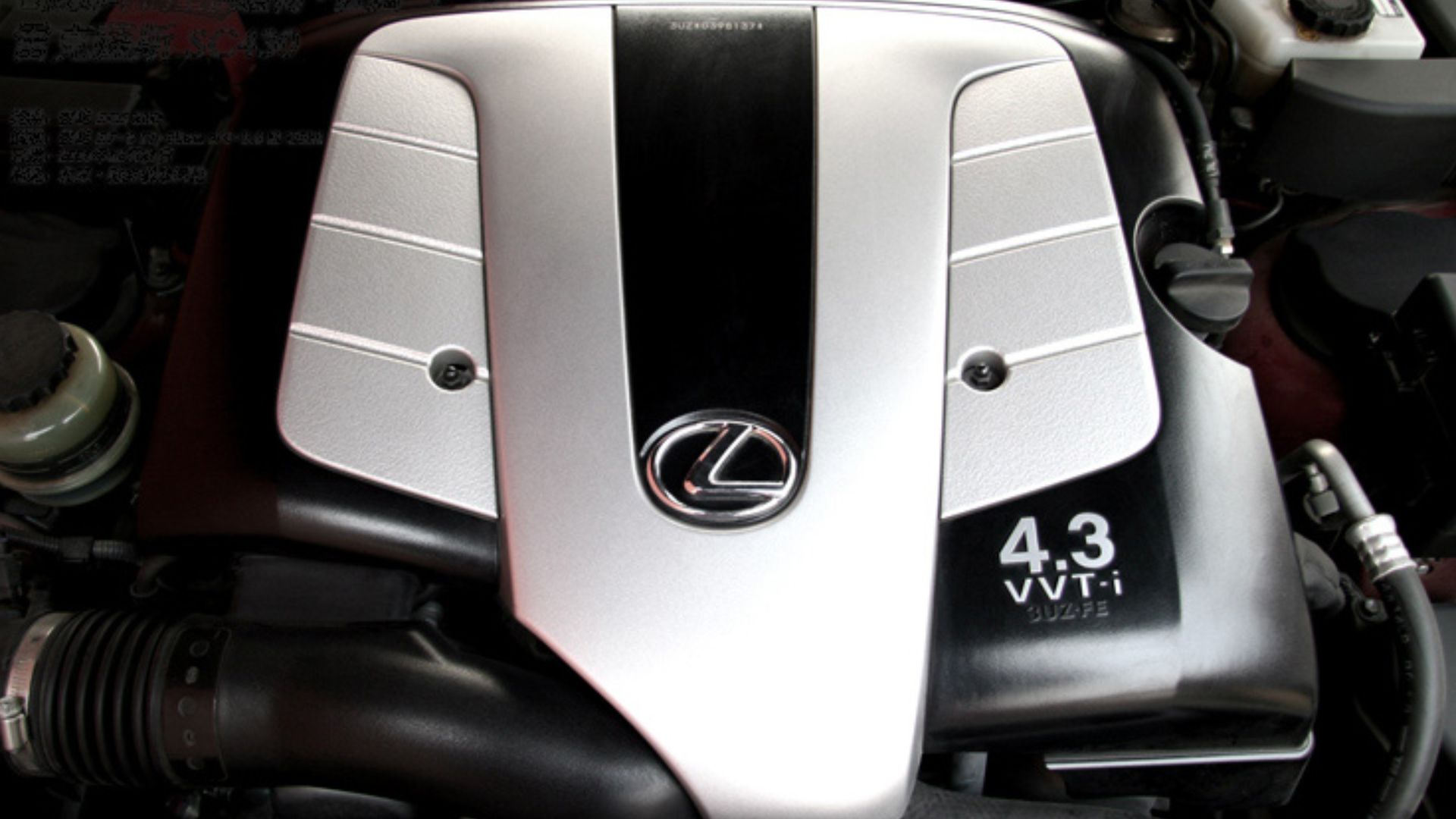
The same is particularly evident in their well-known 4.0-Liter V8 powerplants that continue to personify mechanical excellence across luxury sedans and SUVs. The brand's inheritance of Toyota's engineering principles has proven transformative, creating a synthesis of precision and refinement.
 Tim Wang from Beijing, China, Wikimedia Commons
Lexus (Cont.)
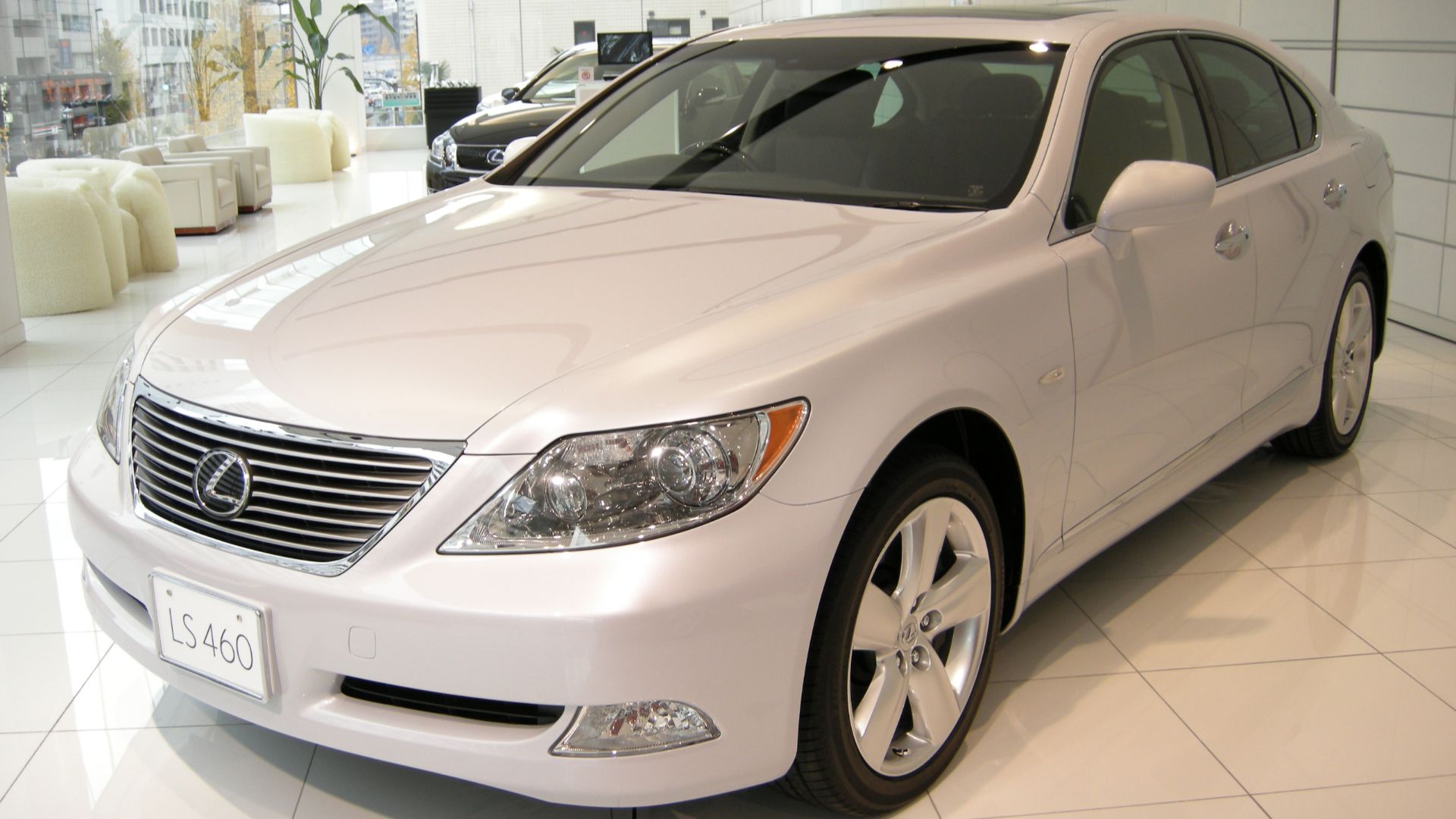
For instance, the 1UR-FE is a 4.6-liter V8 engine found in models like the GS 460, LS 460, and GX 460. This engine is noted for lasting 250,000 to 300,000 miles with routine maintenance thanks to its solid forged components and advanced features.
 Hatsukari715, Wikimedia Commons
Toyota
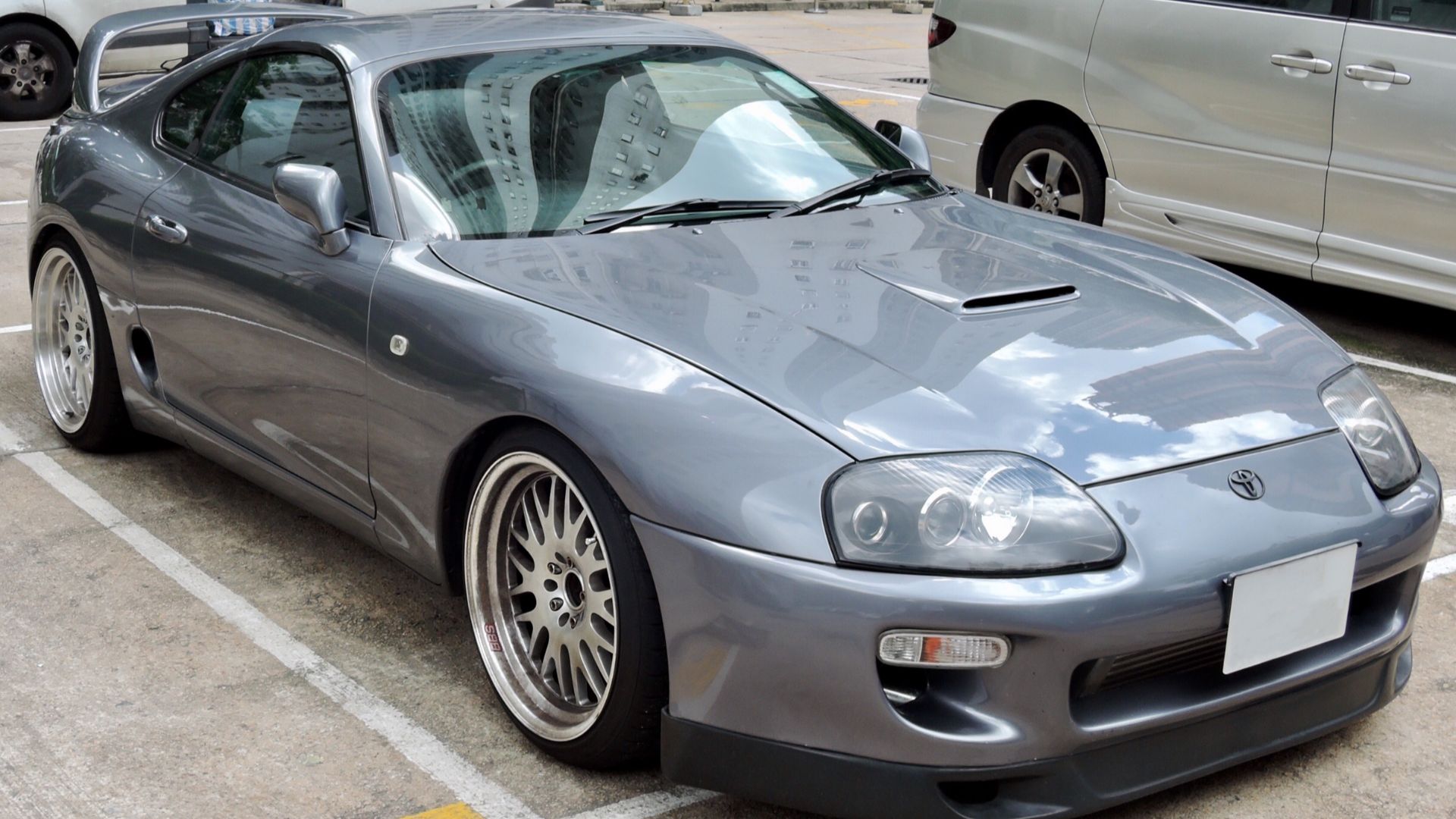
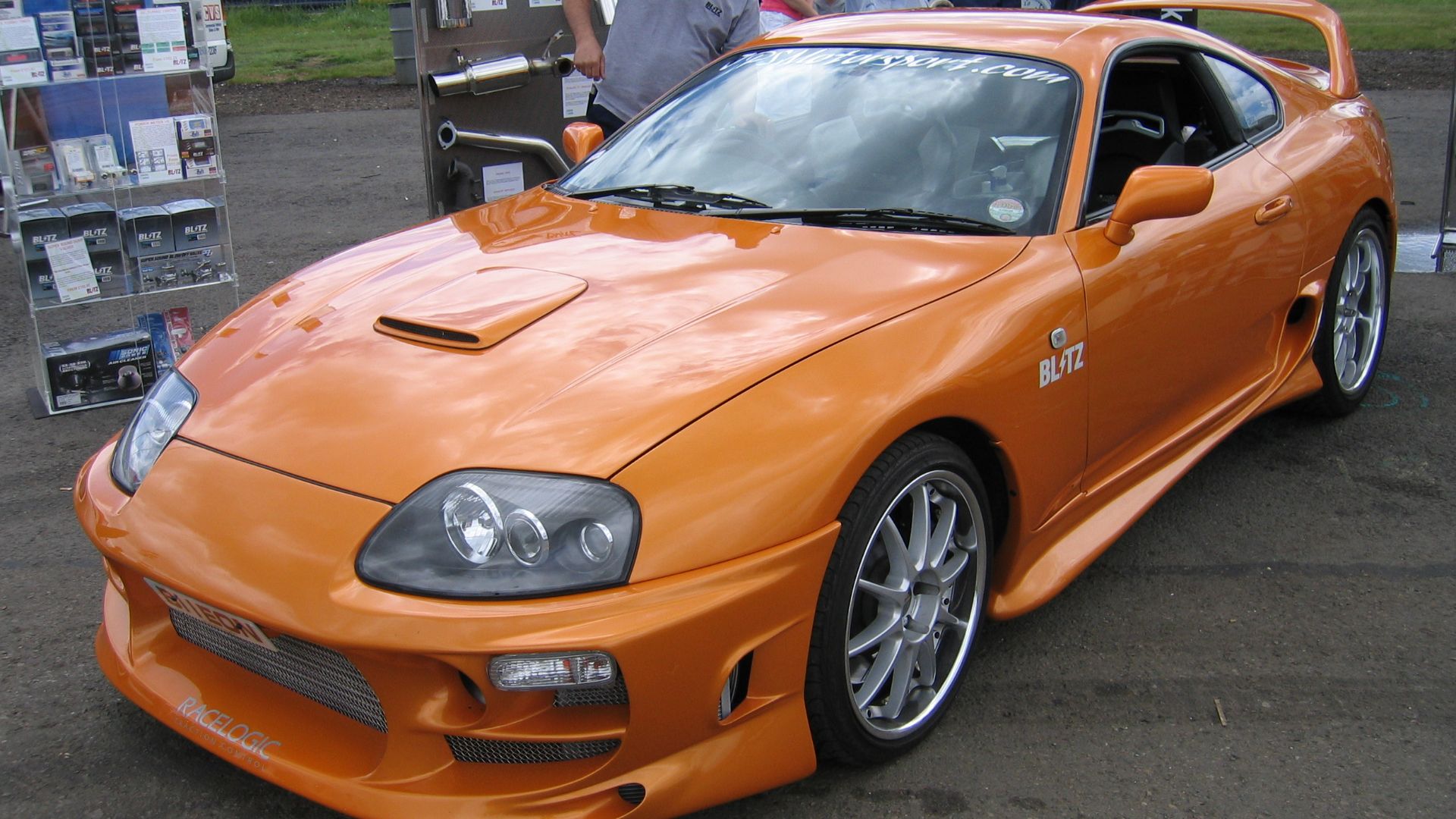
While the Toyota Supra and Lexus SC may have initially thrust the 2JZ-GE inline-six engine into the spotlight, it's what happened next that turned this powerplant into an engineering legend. What started as just another performance engine evolved into something far more significant.
Toyota (Cont.)
A benchmark for what's actually possible in terms of mechanical longevity. Toyota's decision to emphasize reliability over raw power numbers proved revolutionary, as these engines began routinely clocking 250,000 miles with barely a hiccup. Even more impressive, well-maintained examples started pushing past 400,000 miles.
 Robin Corps from Crowthorne, England, Wikimedia Commons
Honda
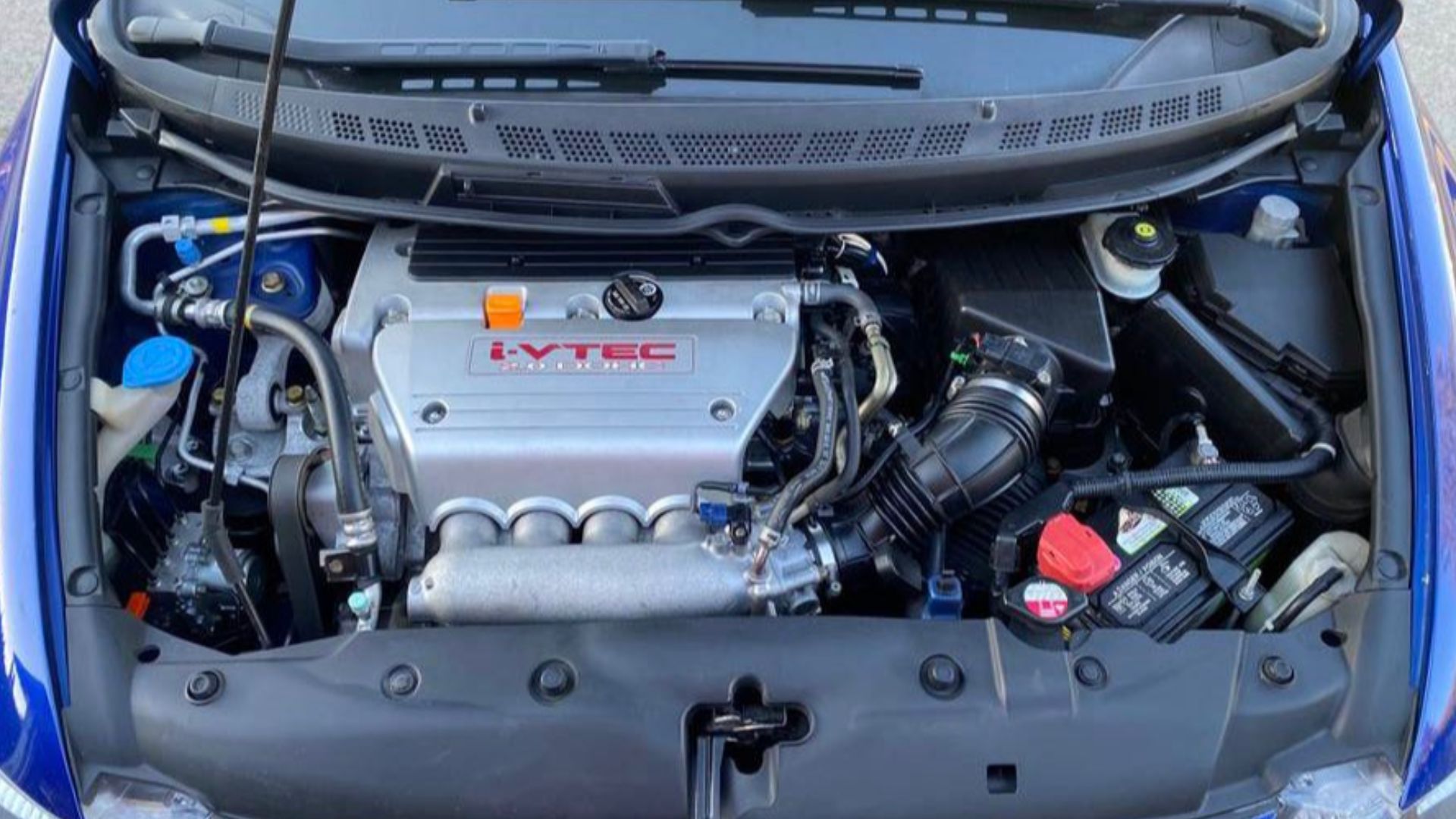
Honda's foundational commitment to aluminum engine block construction laid the groundwork for decades of powertrain innovation, culminating in the exemplary K-Series architecture. This engineering philosophy brought about the K20 engine, which would become a defining milestone in Honda's mechanical history.
 Midship Runabout, Wikimedia Commons
Honda (Cont.)
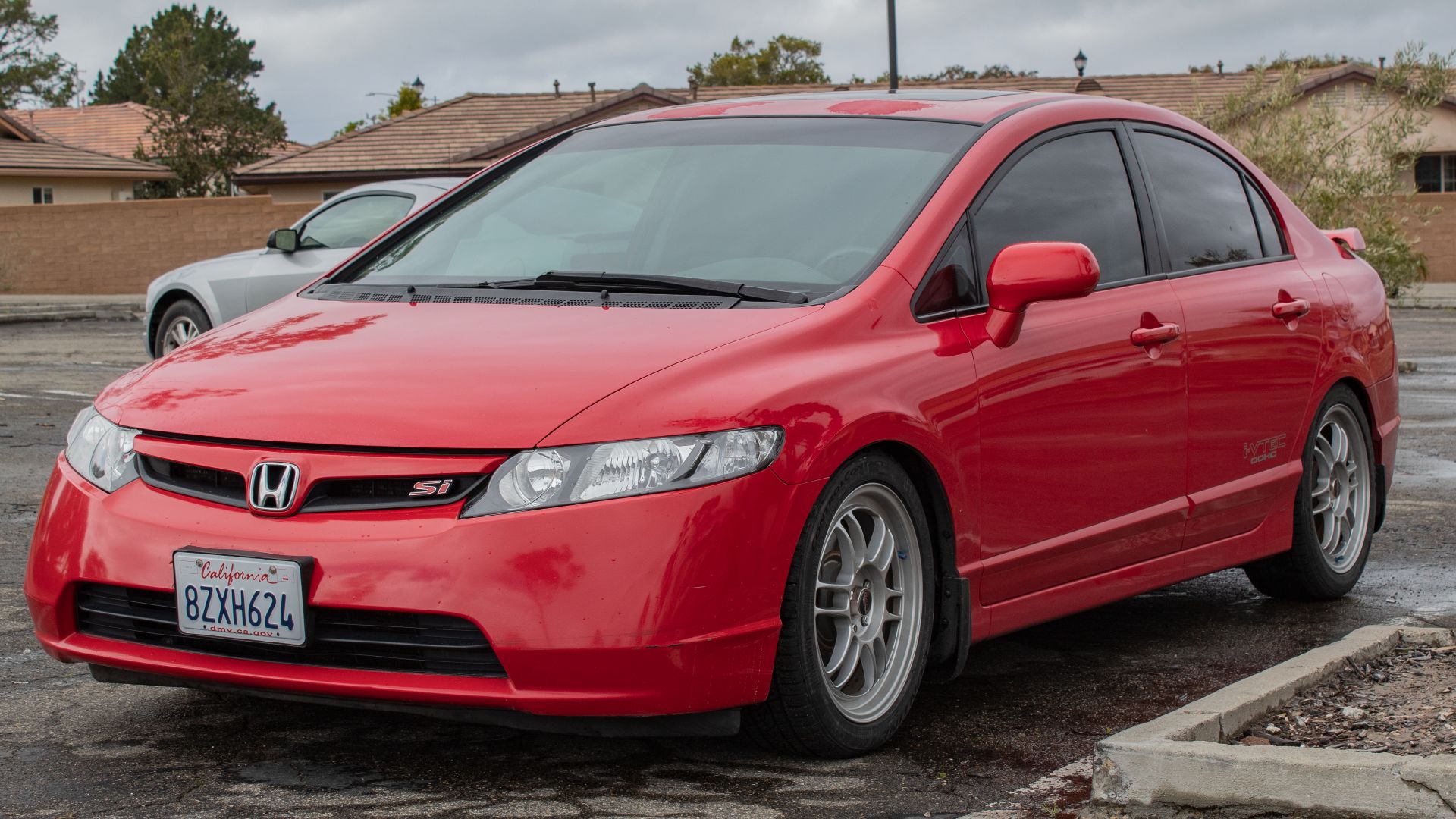
Implemented across performance-oriented platforms like the Civic Si and Acura RSX, the K20 powerplant showcases the manufacturer's mastery of durability-focused design through its precisely engineered internal components. The integration of Honda's sophisticated VTEC technology enables these engines to deliver remarkable efficiency during normal operation.
Mazda
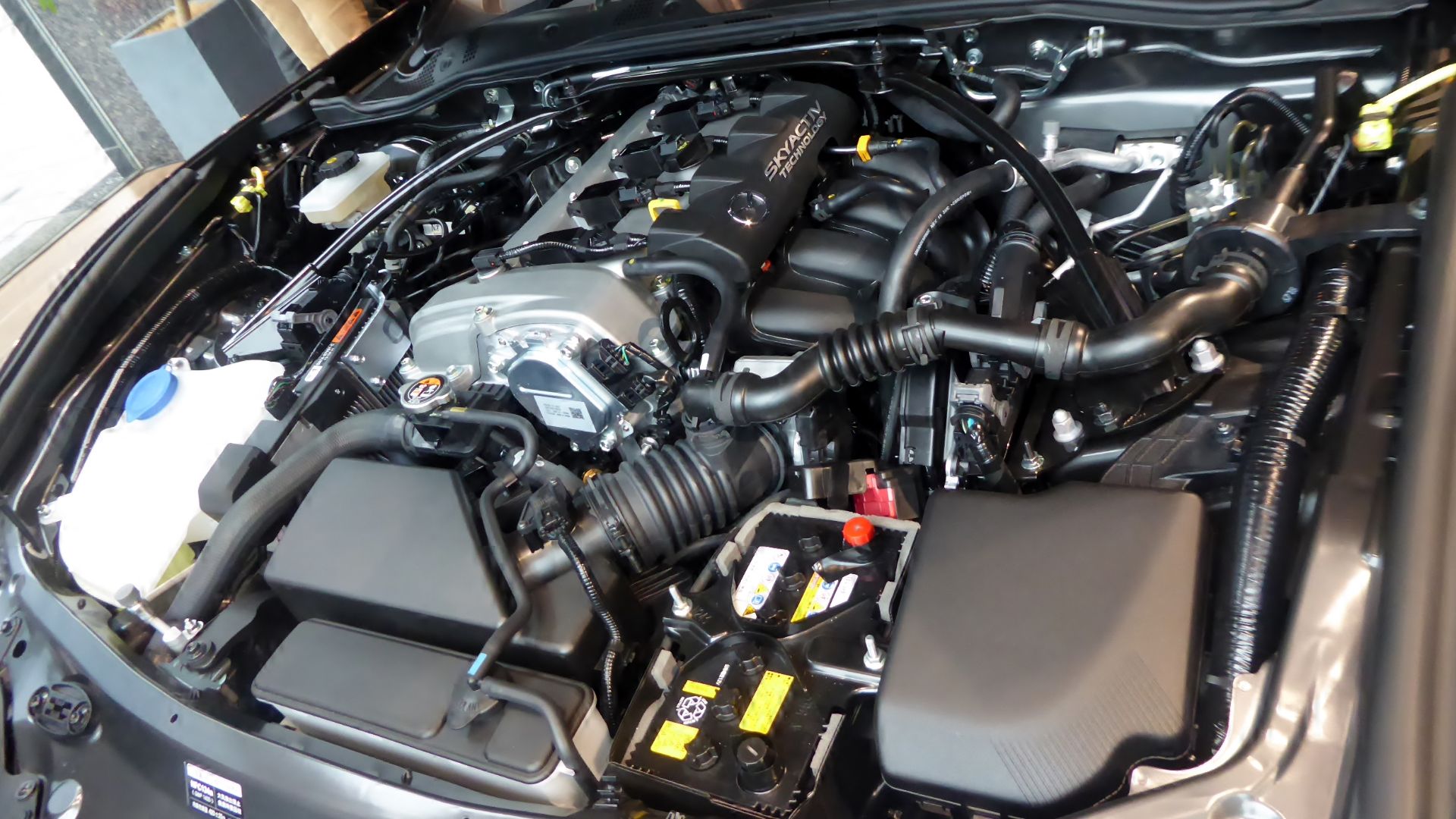
Here's how Mazda turned conventional wisdom on its head: While other automakers rushed towards turbocharging, the Japanese manufacturer boldly went back to engineering basics with their Skyactiv-G engine family. This commitment to naturally-aspirated excellence proved genius.
 Tokumeigakarinoaoshima, Wikimedia Commons
Mazda (Cont.)
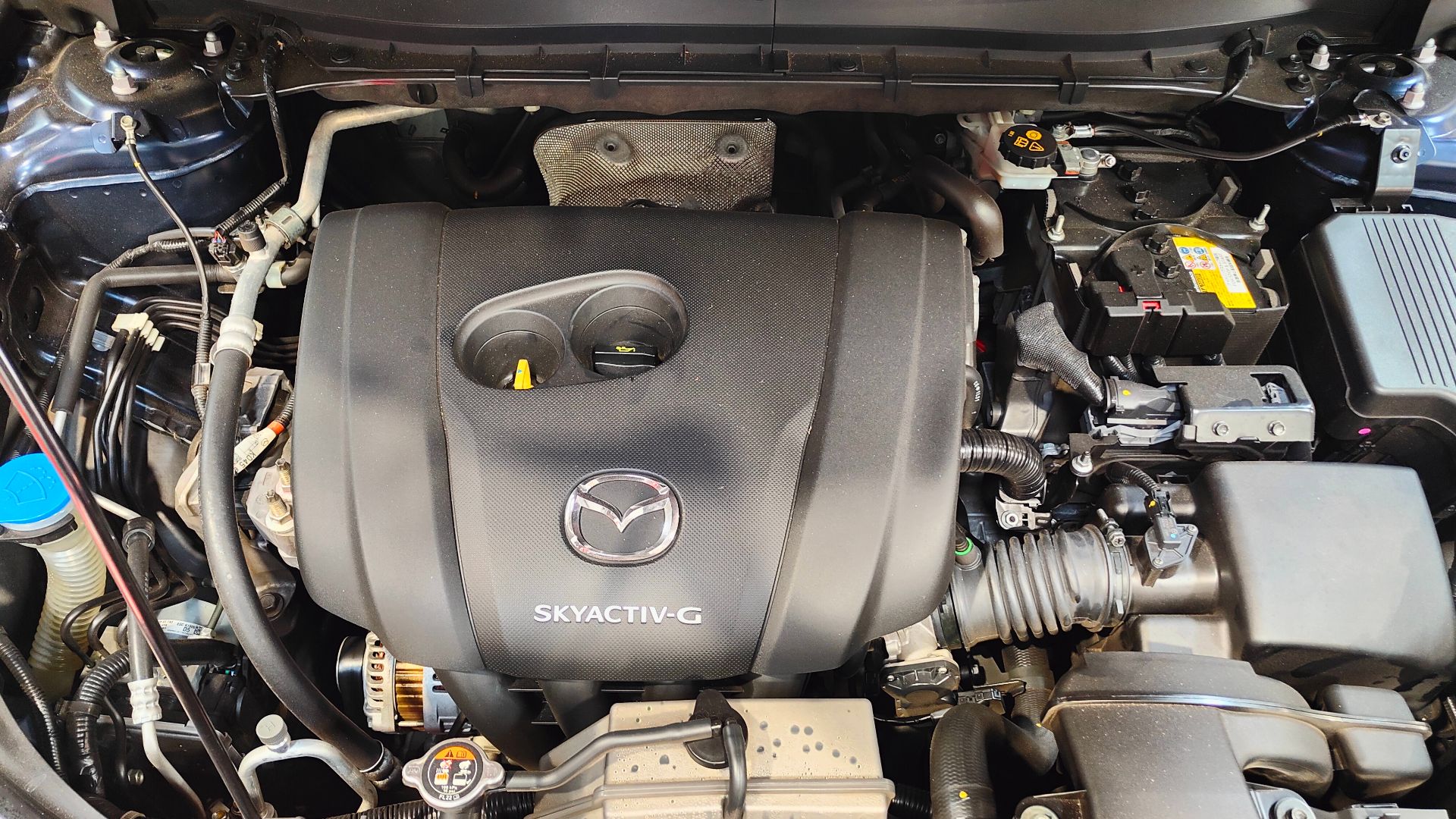
Apparently, Mazda developed a line of four-cylinder powerplants that maximize fuel efficiency without relying on forced induction. This is a superb feat in today's automotive scenario. The strategy paid off brilliantly, with the Skyactiv-G engines earning widespread praise for their exceptional reliability and durability.
Mazda (Cont.)
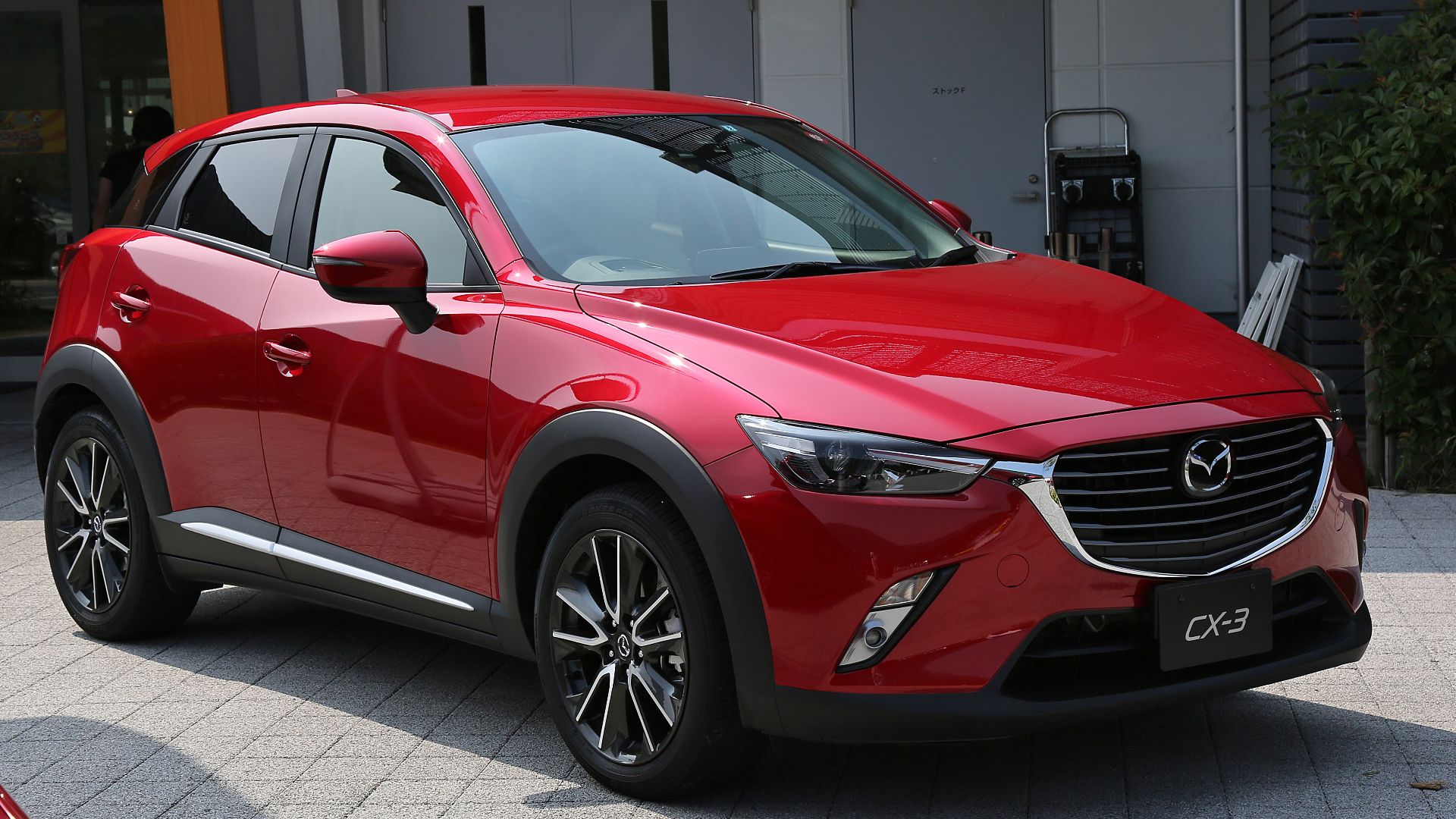
The proof is in the rankings: Mazda now stands proudly as the second-most dependable mass-market brand, trailing only Buick. Owners frequently report these engines as "near-bulletproof," with many surpassing 200,000 miles without major issues when routine maintenance is followed.
Subaru
Ask any long-time Subaru owner about reliability, and you'll likely hear glowing praise for certain models. The brand built tremendous consumer trust with powerplants like their bulletproof EJ22 flat-four and the widely celebrated 2.5L naturally aspirated boxer engine, both earning devoted followers.
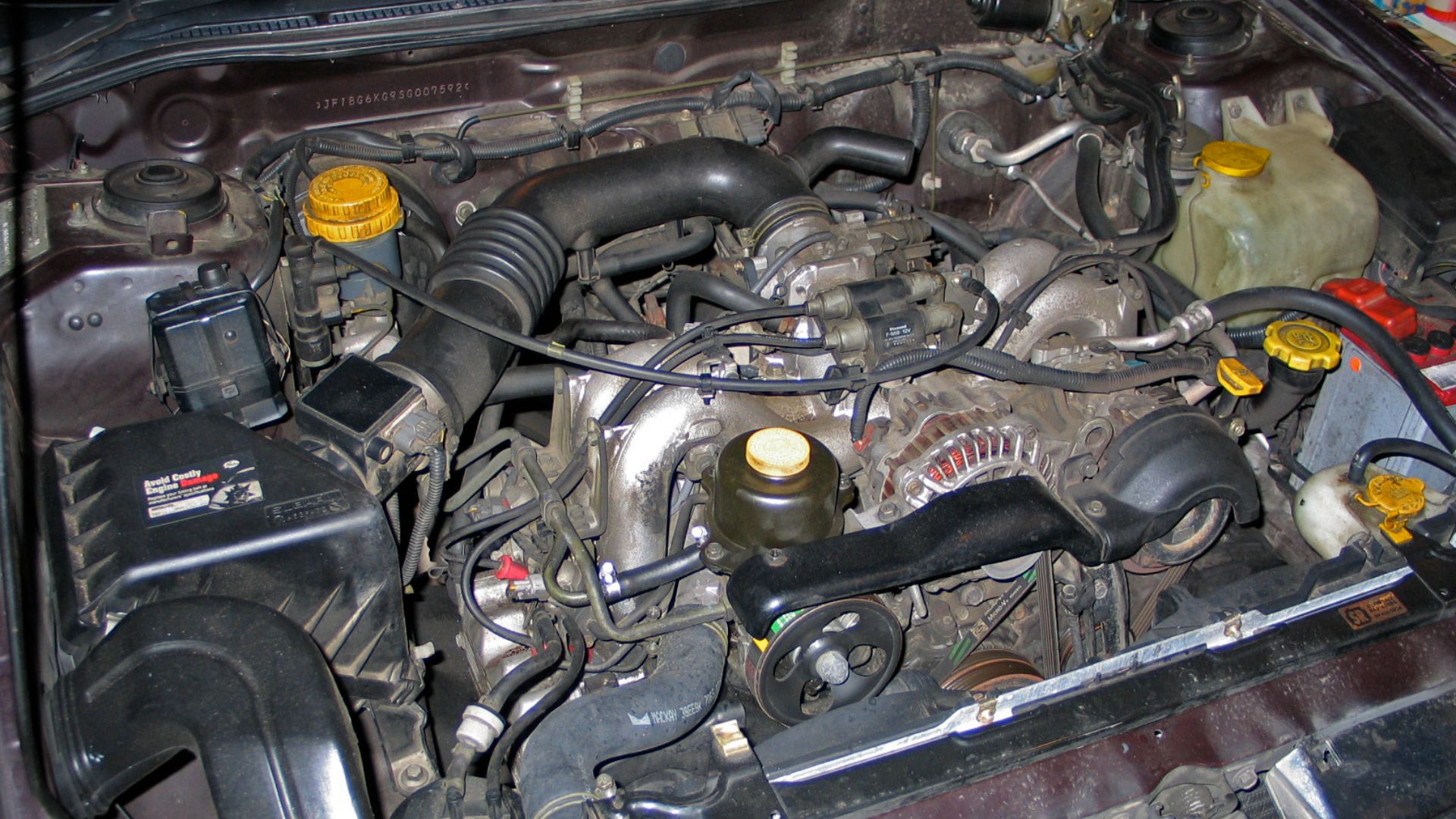 DucksnakeNZ, Wikimedia Commons
Subaru (Cont.)
But that hard-earned reputation hit a serious speed bump with the EJ25 generation, as owners faced frustrating head gasket failures, excessive oil consumption, and lubrication problems throughout its 1996–2012 run. Thankfully, Subaru engineered its way back into drivers' good graces with the FB20D boxer engine.
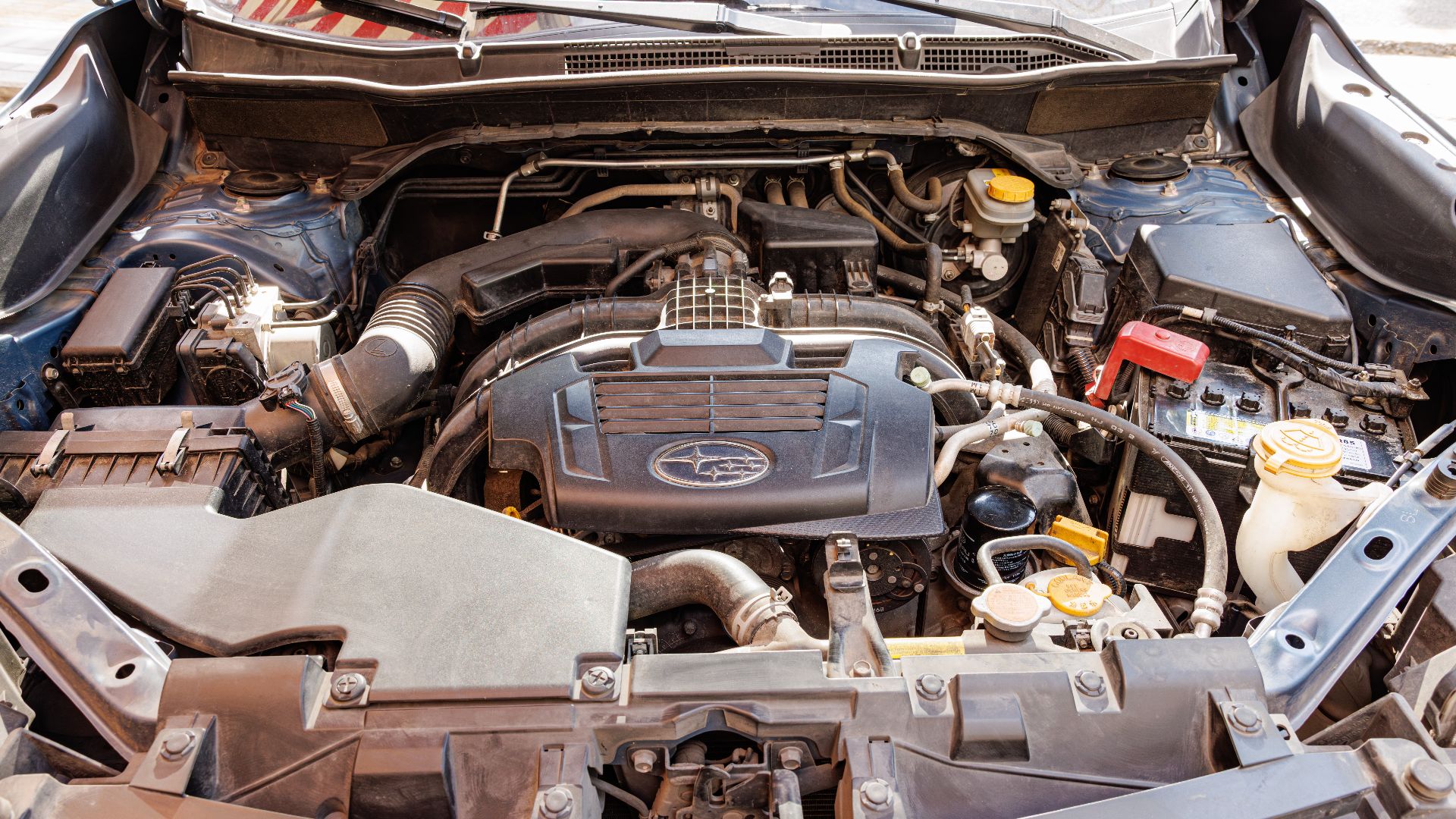 Dinkun Chen, Wikimedia Commons
BMW
When an engine consistently achieves 500,000 kilometers or 200,000 miles of service life, it demands attention from automotive engineers and enthusiasts alike. These numbers characterize BMW's M54 and N52 inline-six engines, whose longevity stems from carefully executed engineering decisions.
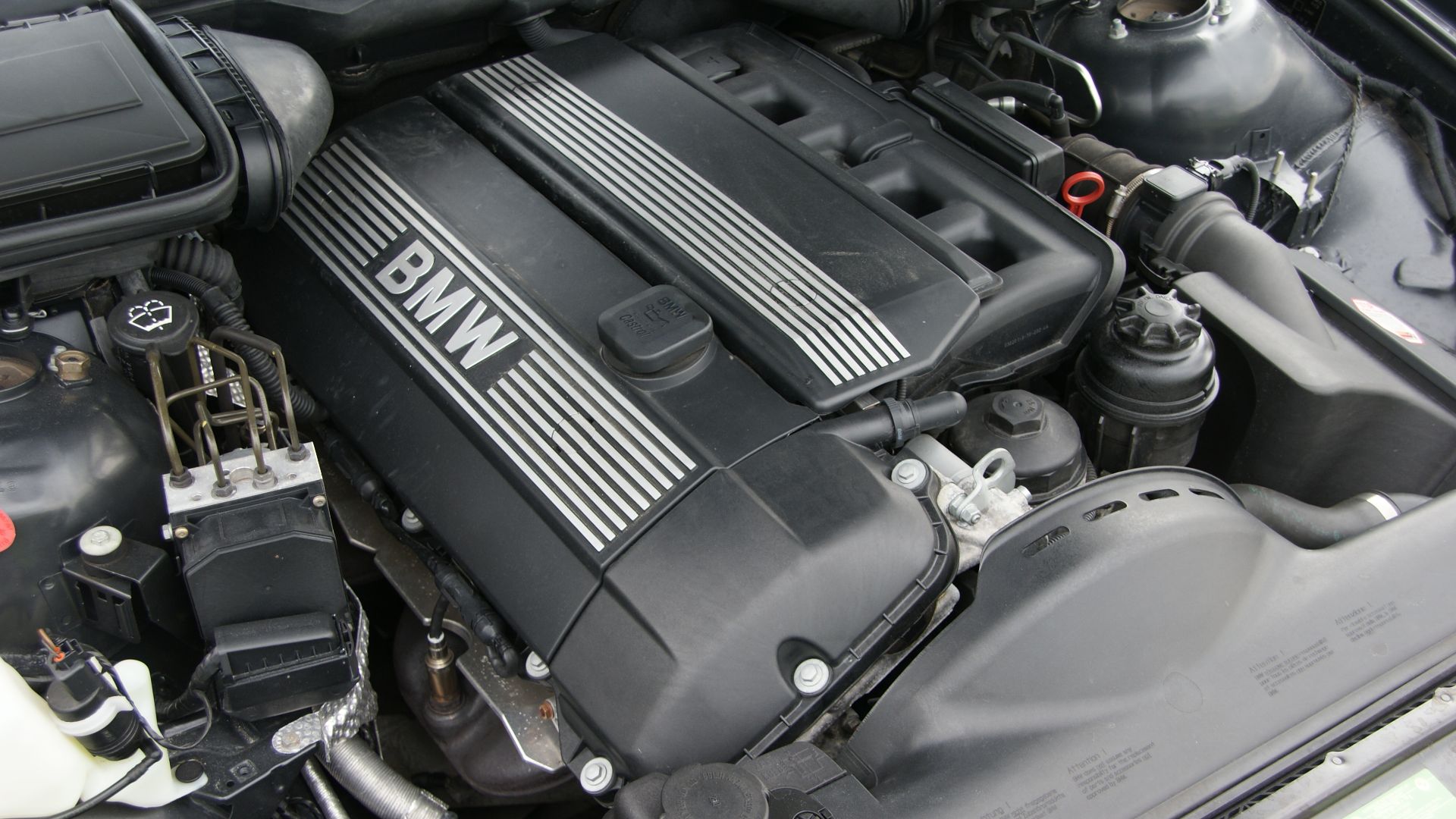 Aconcagua (talk), Wikimedia Commons
BMW (Cont.)
The M54's aluminum construction and straightforward design architecture created a foundation for exceptional durability, while its smooth power delivery made it ideal for both 3 Series and 5 Series applications. Well, the subsequent N52 inline-six continued this engineering philosophy, maintaining the same impressive durability metrics.
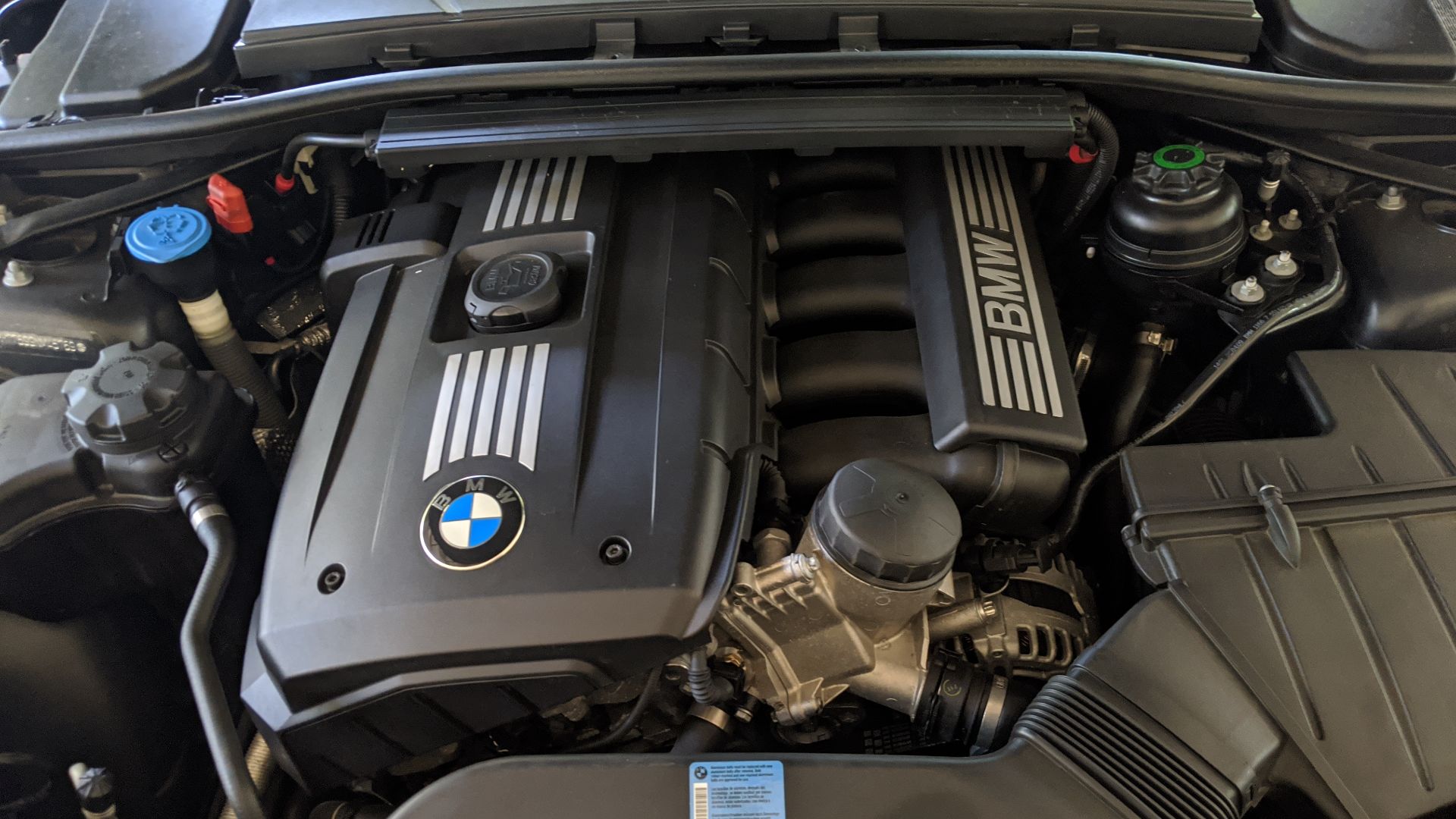 IntelPentiumMMX, Wikimedia Commons
Ford
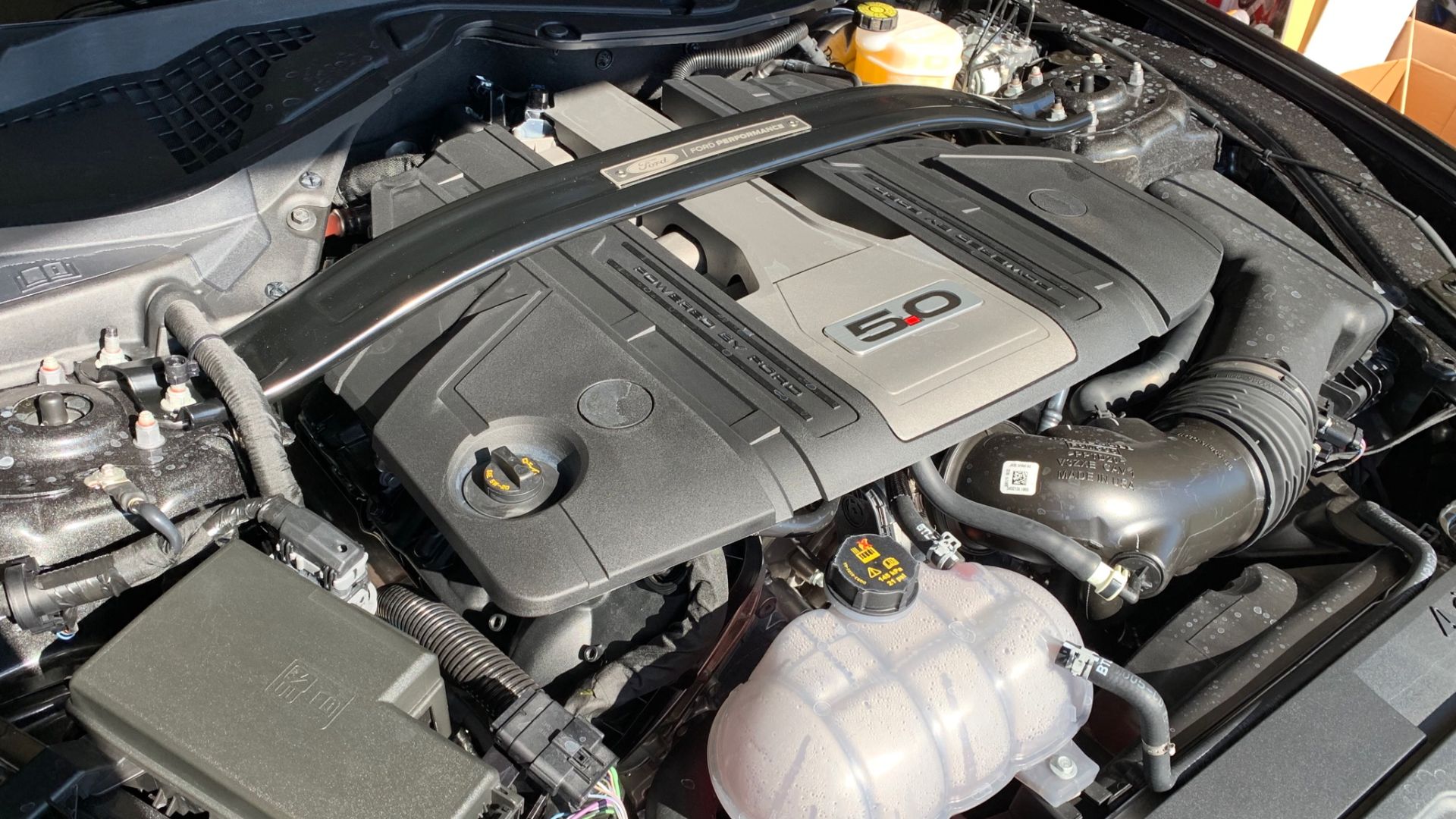
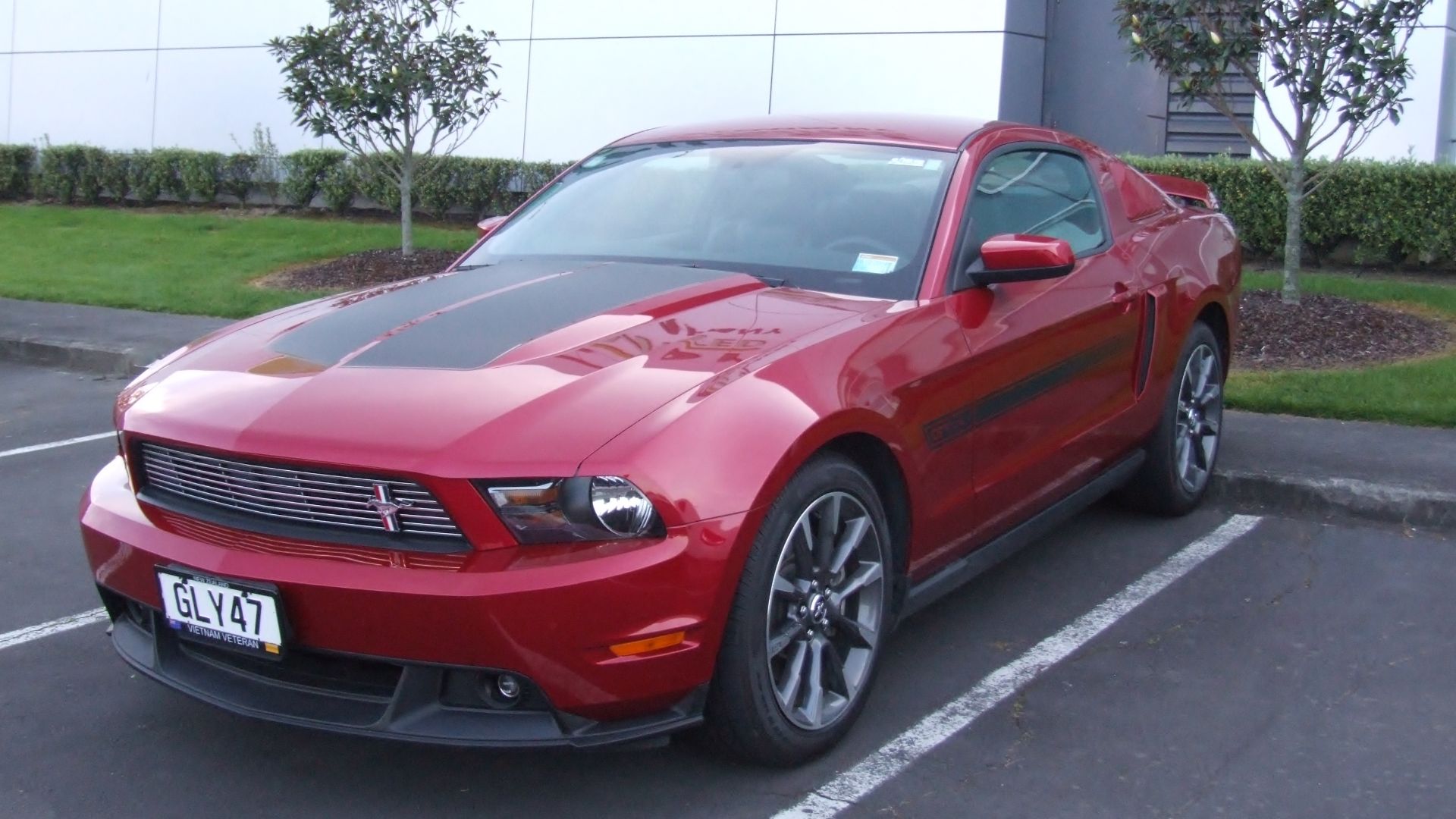
This brand’s Coyote 5.0L V8 engine is well-known for its reliability, longevity, and strong performance. First introduced in 2011, the Coyote engine has evolved through several generations, with the third generation (2018–2023) being widely regarded as the best balance of power, efficiency, and reliability.
Ford (Cont.)
The earlier first-generation Coyote engines (2011–2014) are less desirable but still solid. Key reasons for the Coyote's reliability include its relatively simple design with forged internals, iron sleeves (later replaced with spray-on bore liners), timing chains, and dual variable camshaft timing (Ti-VCT).
 GPS 56 from New Zealand, Wikimedia Commons
Chevrolet
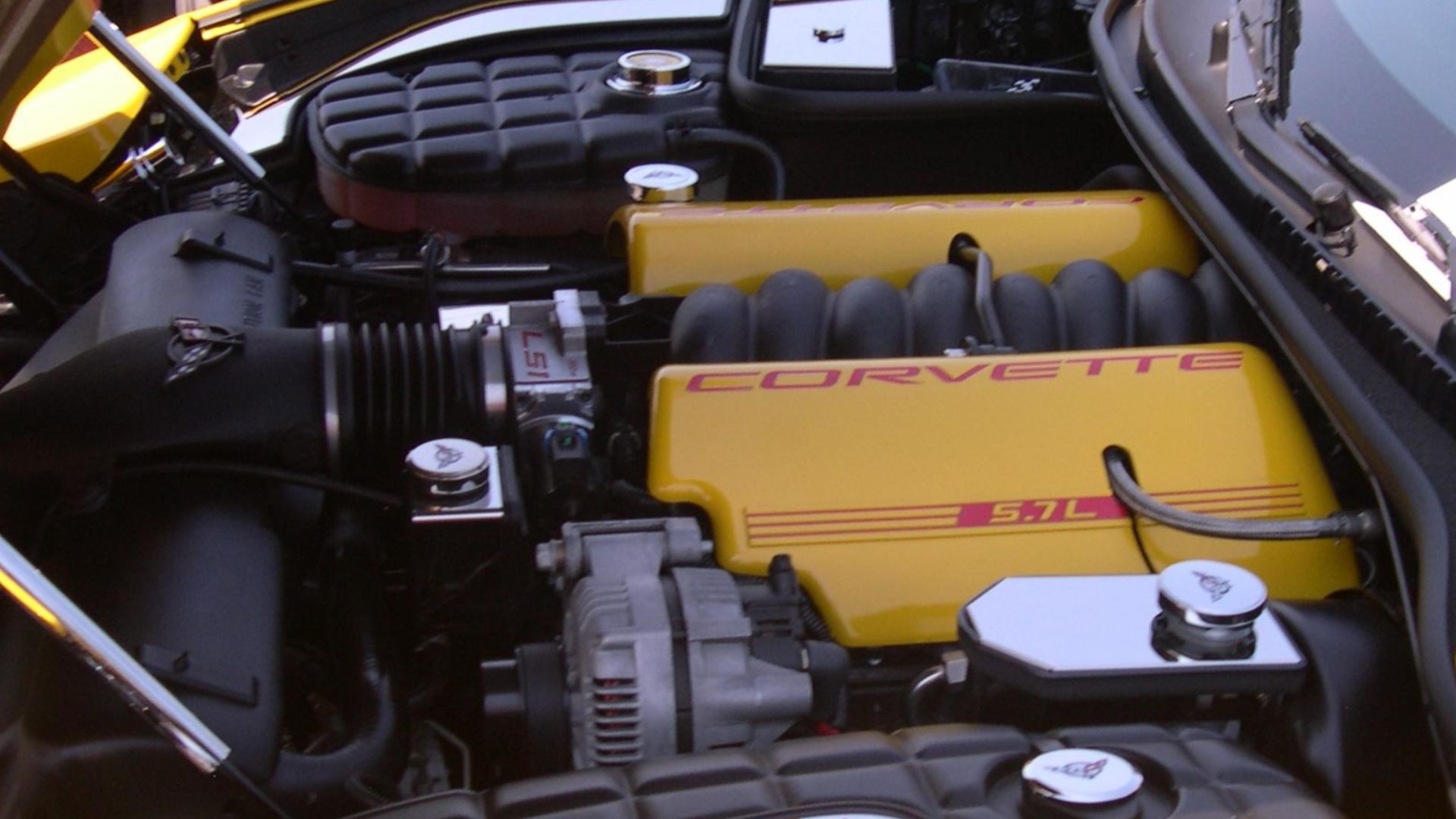
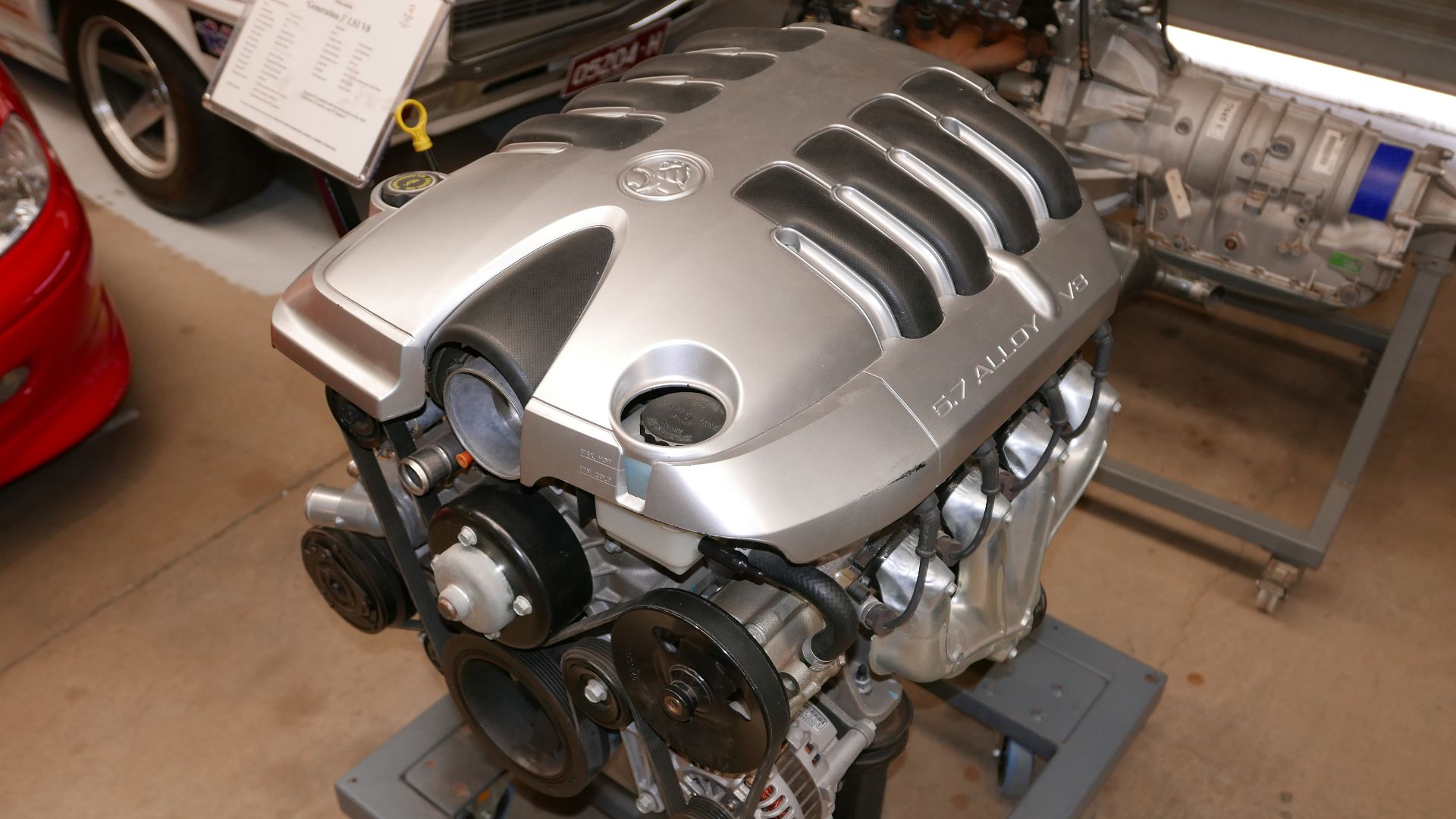
Traditional V8 engines often forced manufacturers to choose between performance and practicality, typically suffering from excessive weight, maintenance complexity, and questionable long-term reliability. Then came Chevrolet's LS1 V8, which systematically addressed these limitations through sophisticated engineering solutions.
 Sfoskett~commonswiki, Wikimedia Commons
Chevrolet (Cont.)
Technical analysis validates these engineering choices: LS1-equipped vehicles consistently demonstrate exceptional durability, regularly exceeding 150,000 miles with basic maintenance protocols. Well, this is obviously empirical evidence of Chevrolet's successful resolution of traditional V8 challenges.
Acura
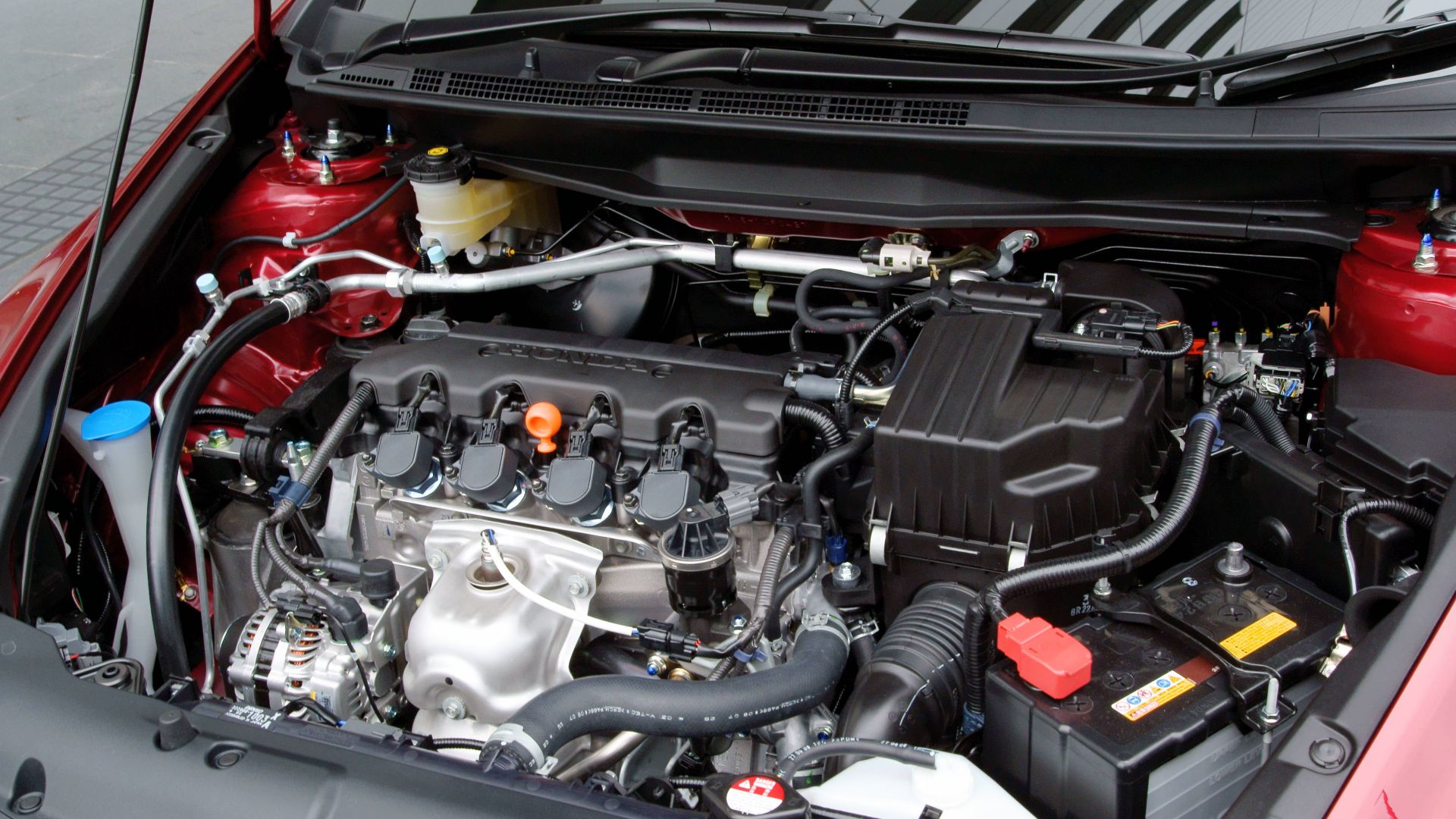
Some of the most reliable Acura engines include the Honda R20 Series. This is a 2.0-liter naturally aspirated four-cylinder engine found in the Acura ILX and used widely in other Honda models like the Accord and CR-V.
 Hatsukari715, Wikimedia Commons
Acura (Cont.)
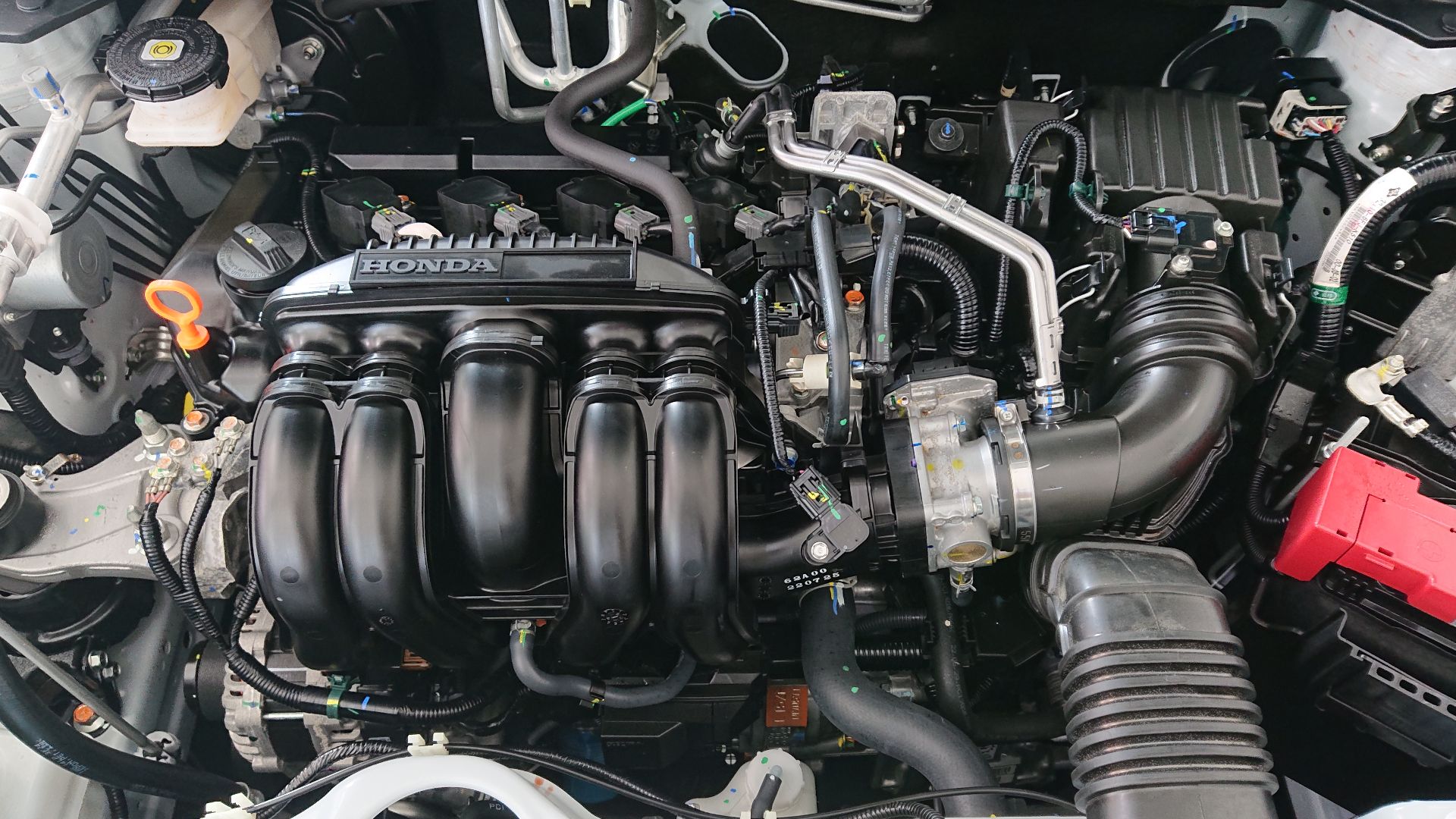
Known for reliability if regular maintenance is observed, though early versions (2006–2008) had casting defects causing coolant leaks. The Honda L15 Series is also a 1.5-liter engine favored for fuel efficiency and reliability, recently equipped in the 2023 Acura Integra with turbocharging.
Mercedes-Benz
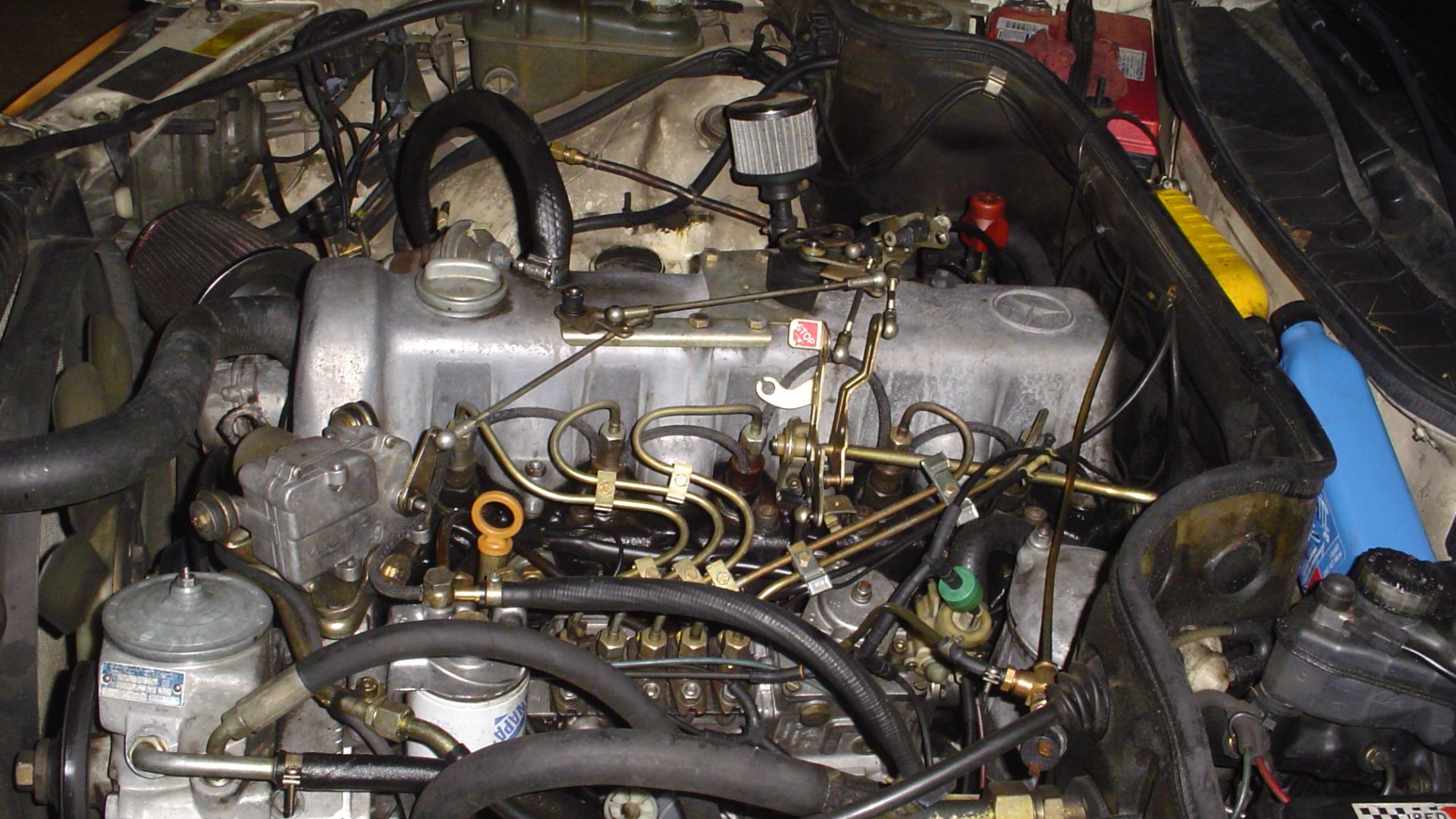
Mercedes-Benz's engineering legacy is believed to be best personified by the legendary OM617 diesel inline-five engine, which established itself as one of the most reliable diesel powerplants ever created. This was during its reign in the 1970s and 1980s in 300D models.
 Sirnik at English Wikipedia, Wikimedia Commons
Mercedes-Benz (Cont.)
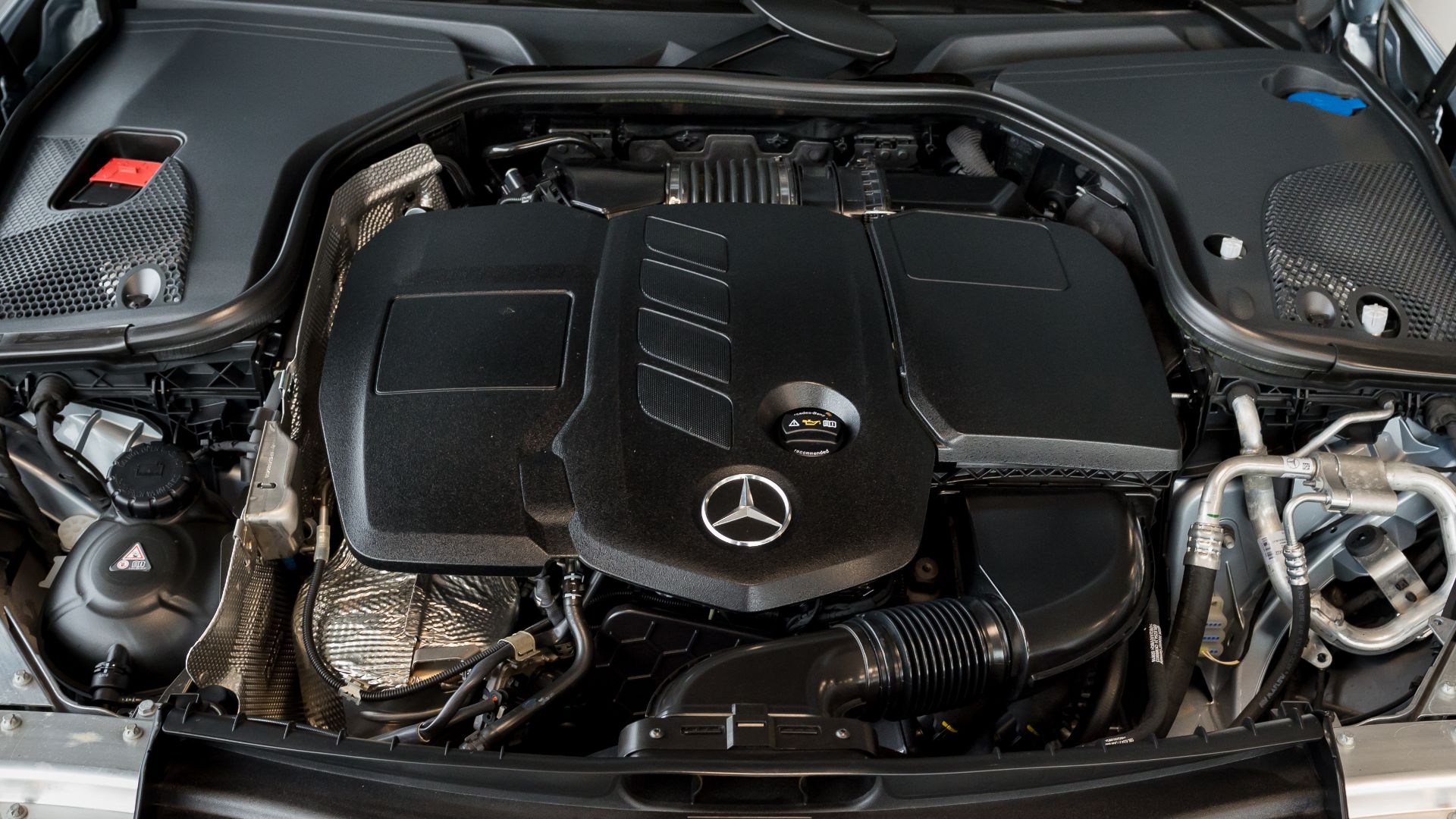
This durability-focused engineering philosophy became deeply embedded in Mercedes-Benz's DNA, leading to subsequent generations of engines that proved exceptional longevity, with many units surpassing hundreds of thousands of miles. The evolution of this reliability-focused approach continues in modern iterations like the efficiency-oriented OM654 diesel.
Hyundai
The reliability metrics for Hyundai's Lambda II 3.5L V6 engine tell a compelling story of engineering excellence, with documented cases regularly exceeding 200,000 miles of dependable service. This powerplant, prominently featured in the Palisade and Telluride models, has high owner satisfaction ratings.
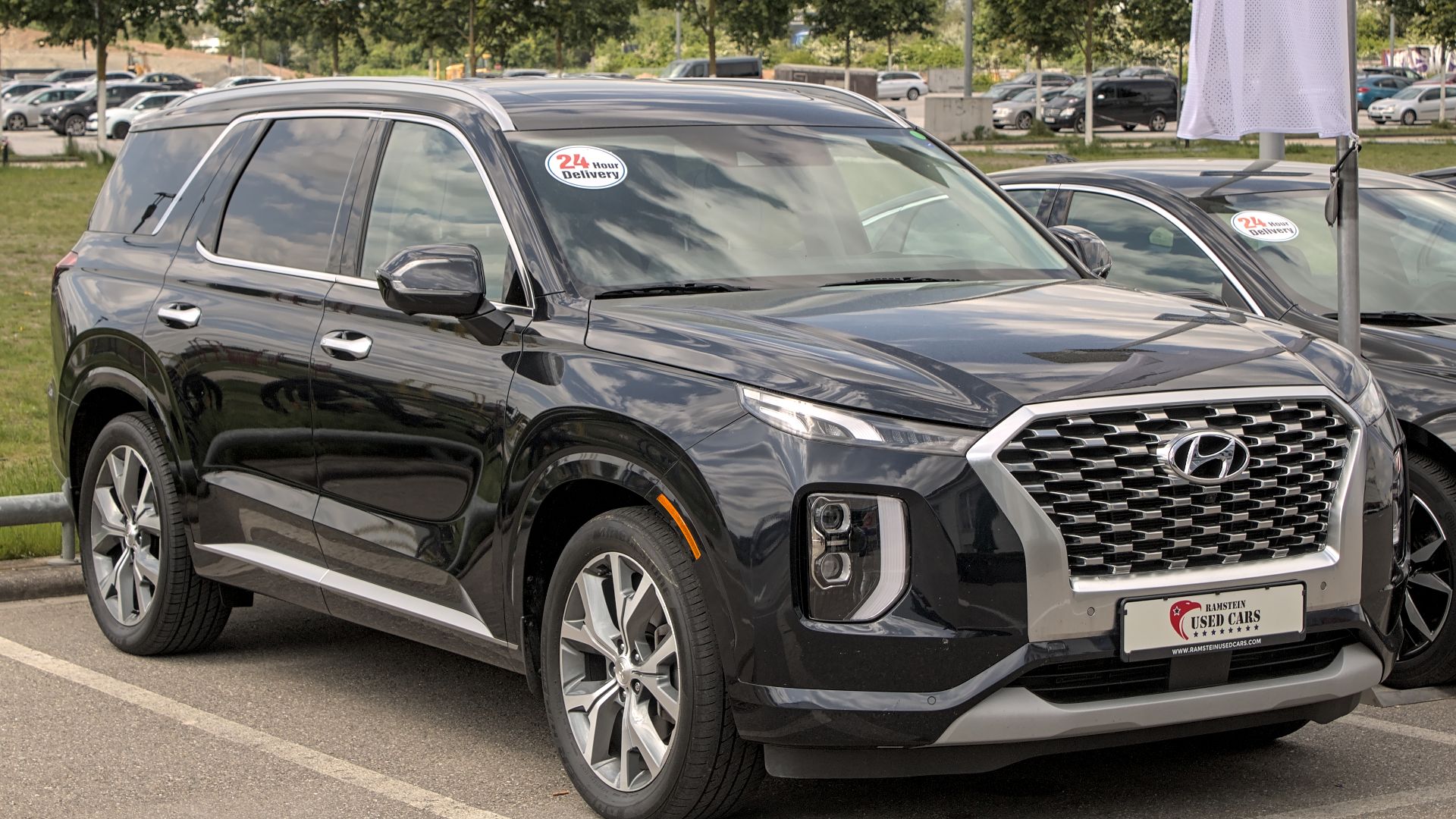 Alexander-93, Wikimedia Commons
Hyundai (Cont.)
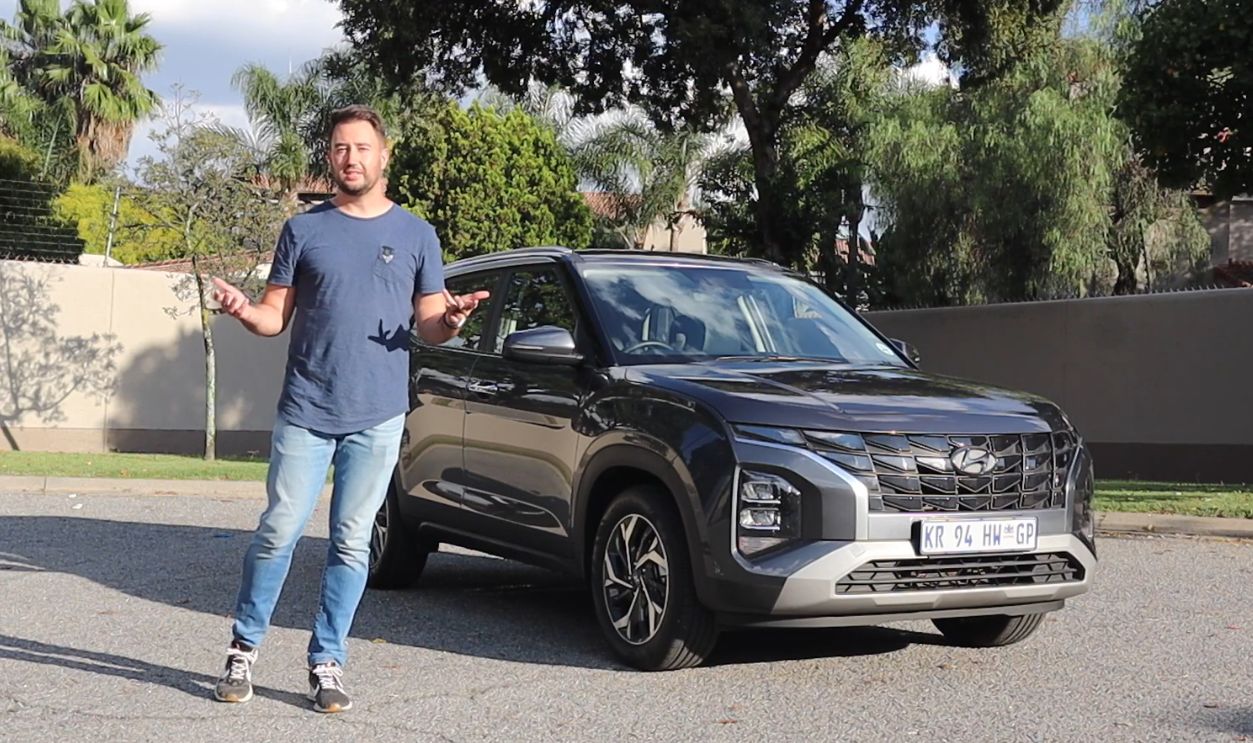
As per sources, the 1.6L Gamma Series is also popular across many Hyundai and Kia models like the Accent, Elantra, and Creta. This engine has received recognition for fuel efficiency and reliability, earning awards such as one of the "10 Best Engines" in the US by Wards AutoWorld.
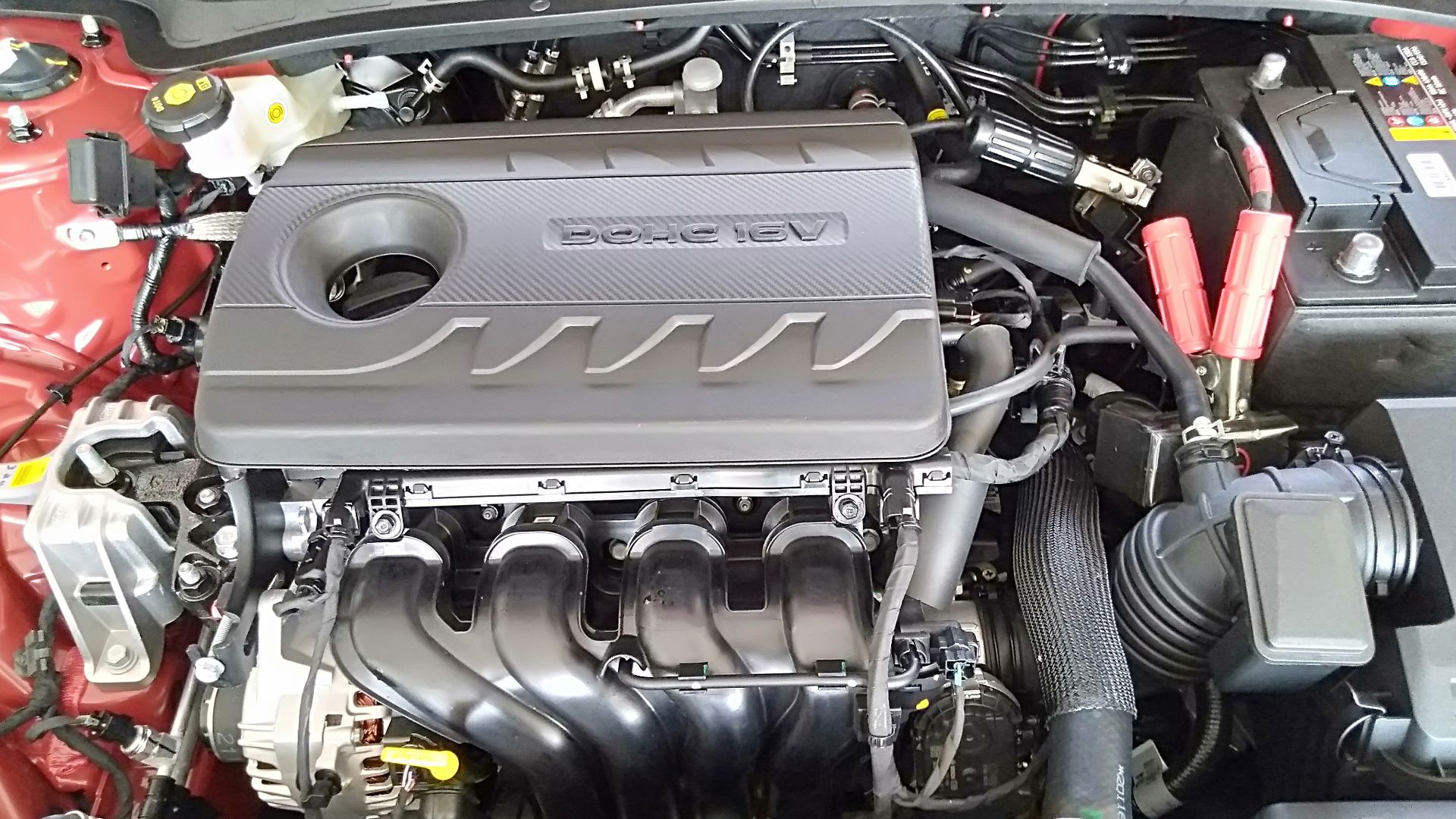 AIMHO'S REBELLION 8490s, Wikimedia Commons