One Scary Fire Is Bound To Raise The Question
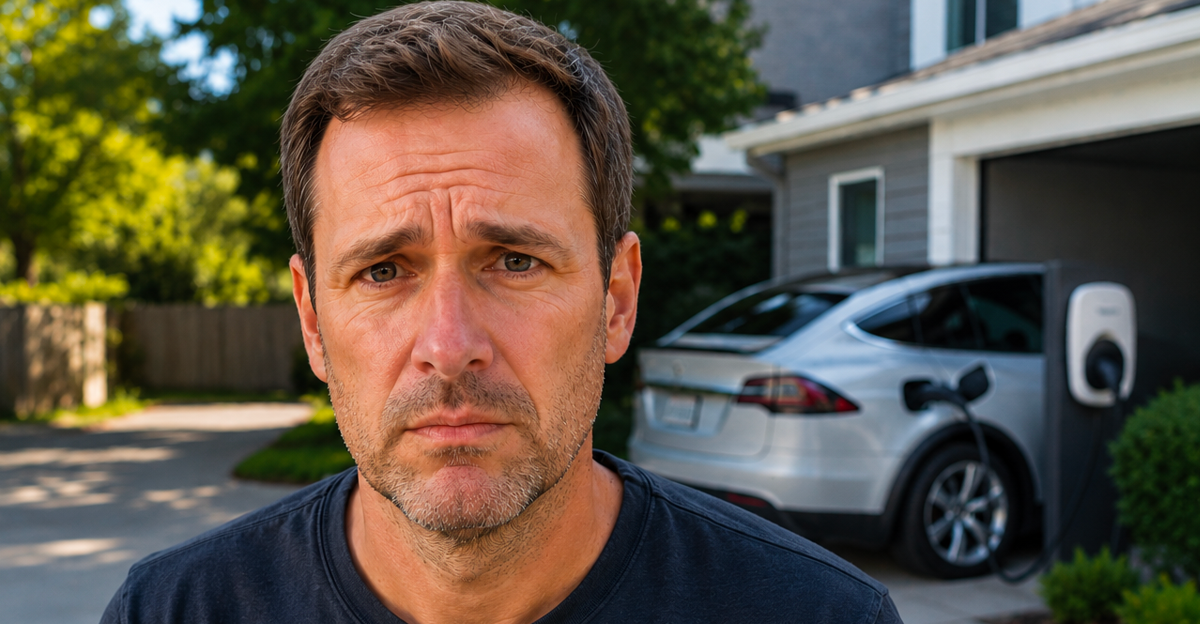
Seeing a neighbor’s electric vehicle burn is frightening, and definitely something you never used to hear about back in the day. But despite what many people think, the honest answer is that EV fires are not inevitable, or even likely, in most neighborhood. They are rare, yet they can be complicated and dangerous when they do happen.
EVs Are Becoming Much More Common
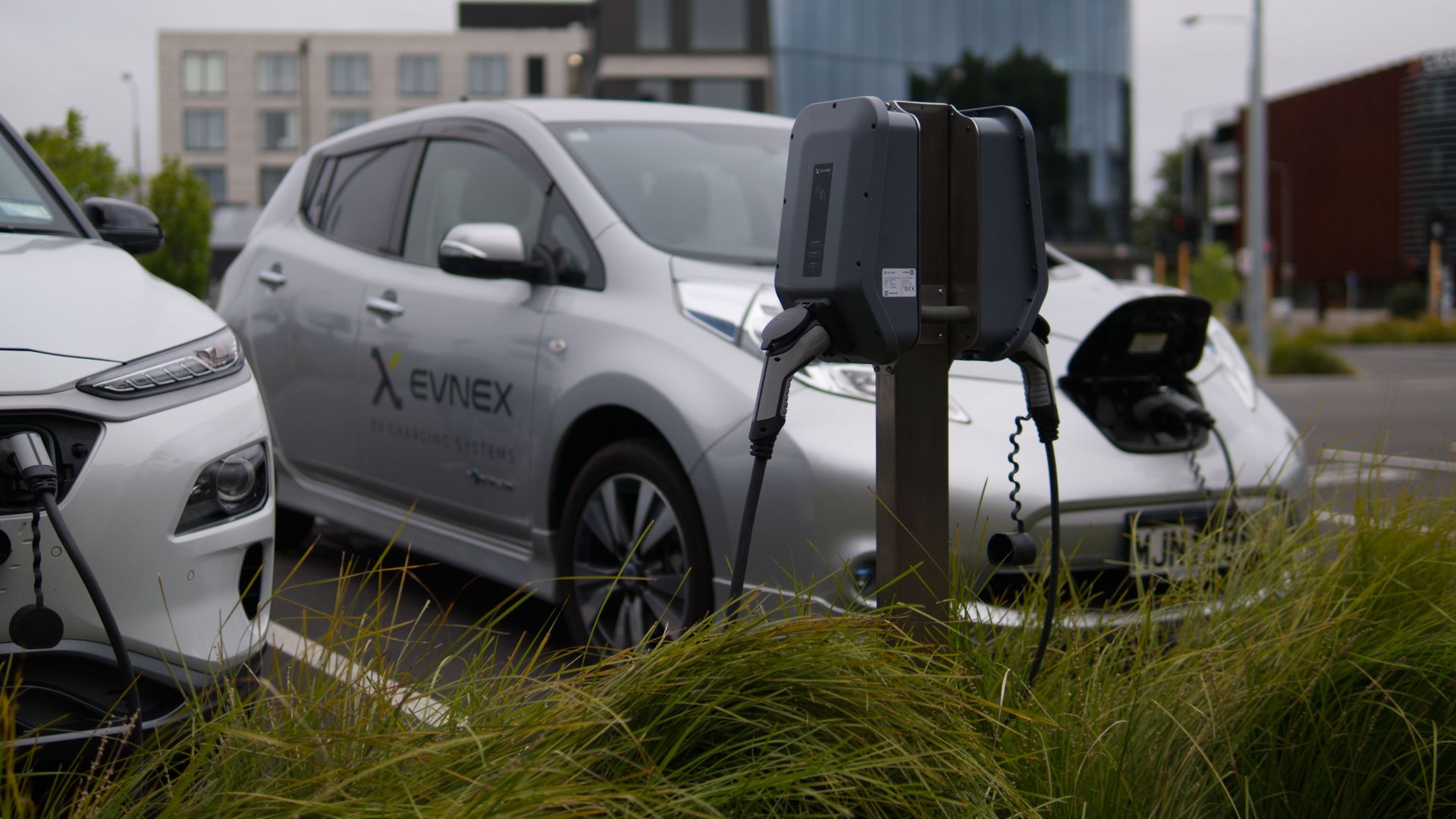
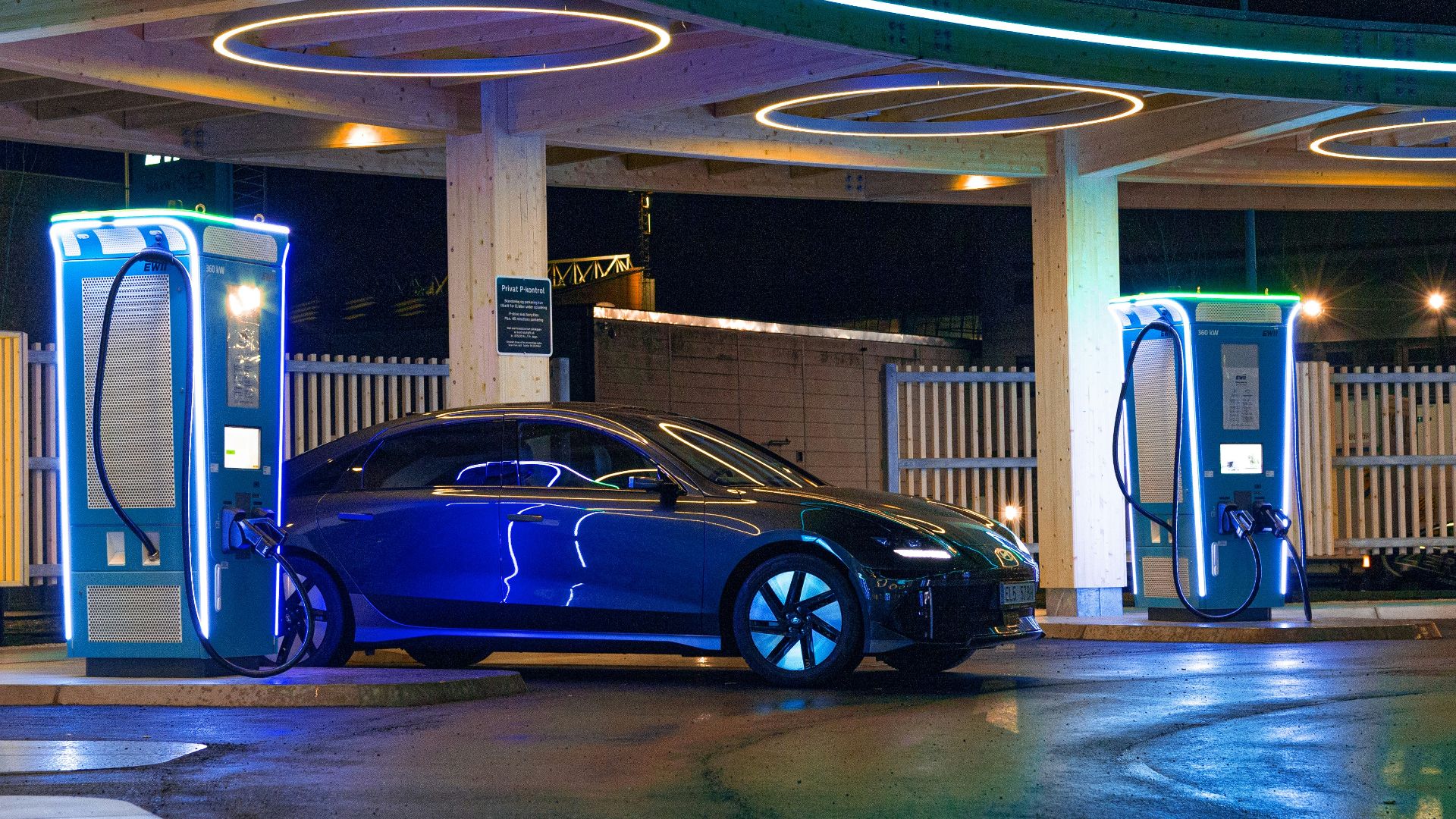
Electric cars are no longer a niche purchase. The International Energy Agency reported that global electric car sales topped 17 million in 2024. That was more than 20 percent of new cars sold worldwide. More EVs on the road naturally means more total EV incidents, even if the individual risk remains low.
More Vehicles Means More Exposure
Any technology looks riskier as it becomes more common. A city with ten EVs will probably see fewer EV fire calls than a city with 10,000 EVs. That does not prove each EV is unusually dangerous. It mainly means there are more batteries, chargers, garages, driveways, and crash scenes in the mix.
Vehicle Fires Were Already A Big Problem
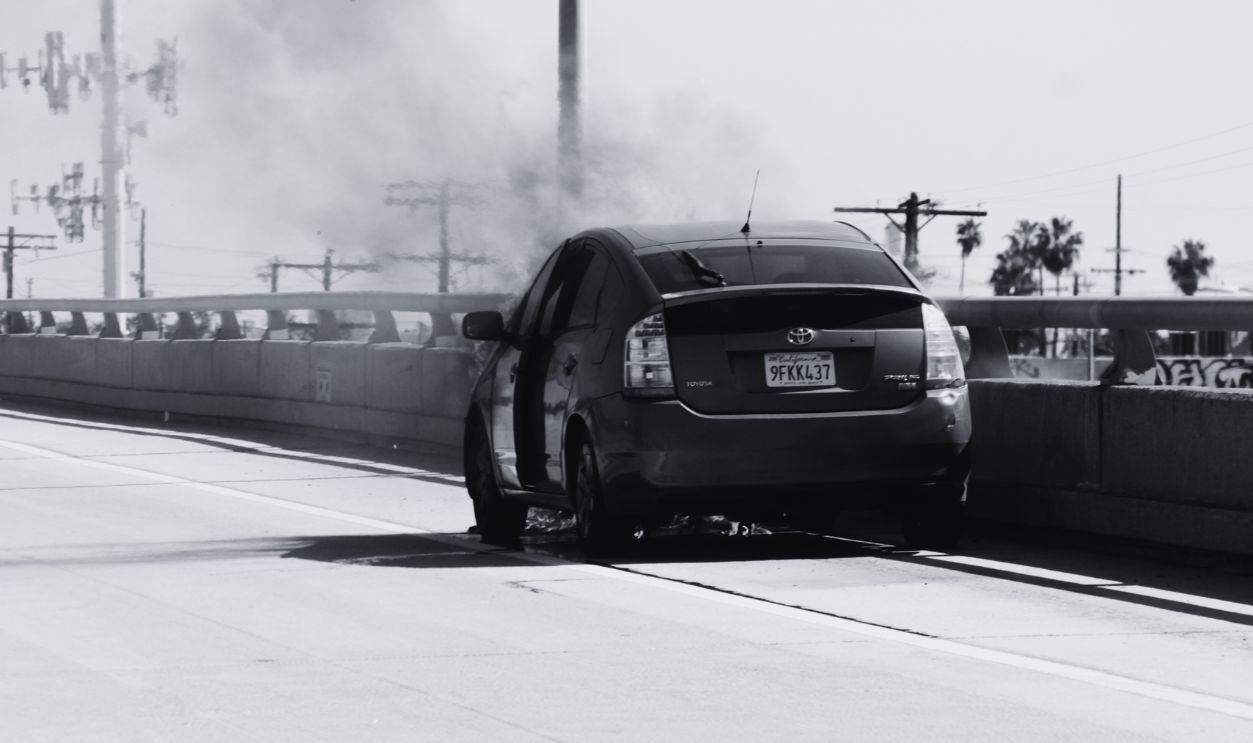
Vehicle fires did not begin with electric cars. The U.S. Fire Administration lists an NFPA estimate of 210,500 vehicle fires in the United States in 2023. Those fires include many kinds of vehicles, not just EVs. Gasoline vehicles have long carried fire risks from fuel, hot exhaust components, electrical faults, and crashes.
EV Fires Are Different From Gas Fires
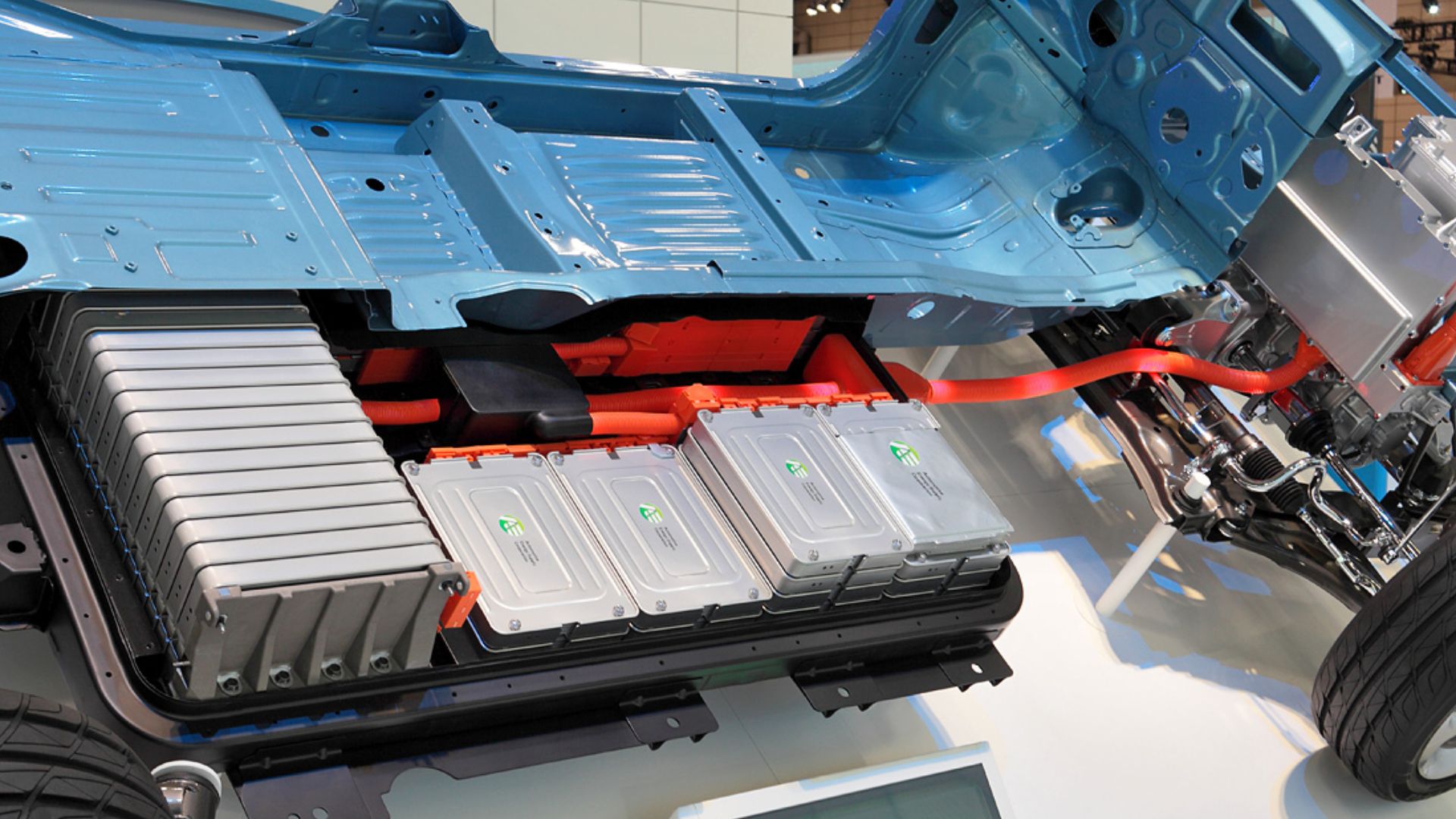
An EV battery fire is not just a normal car fire with a different badge. The National Transportation Safety Board says damaged high-voltage lithium-ion batteries can create risks of electric shock, thermal runaway, and reignition. Thermal runaway happens when battery cells heat uncontrollably and can spread that failure through the pack. That is why fire crews treat serious EV battery incidents with special caution.
Rare Does Not Mean Harmless
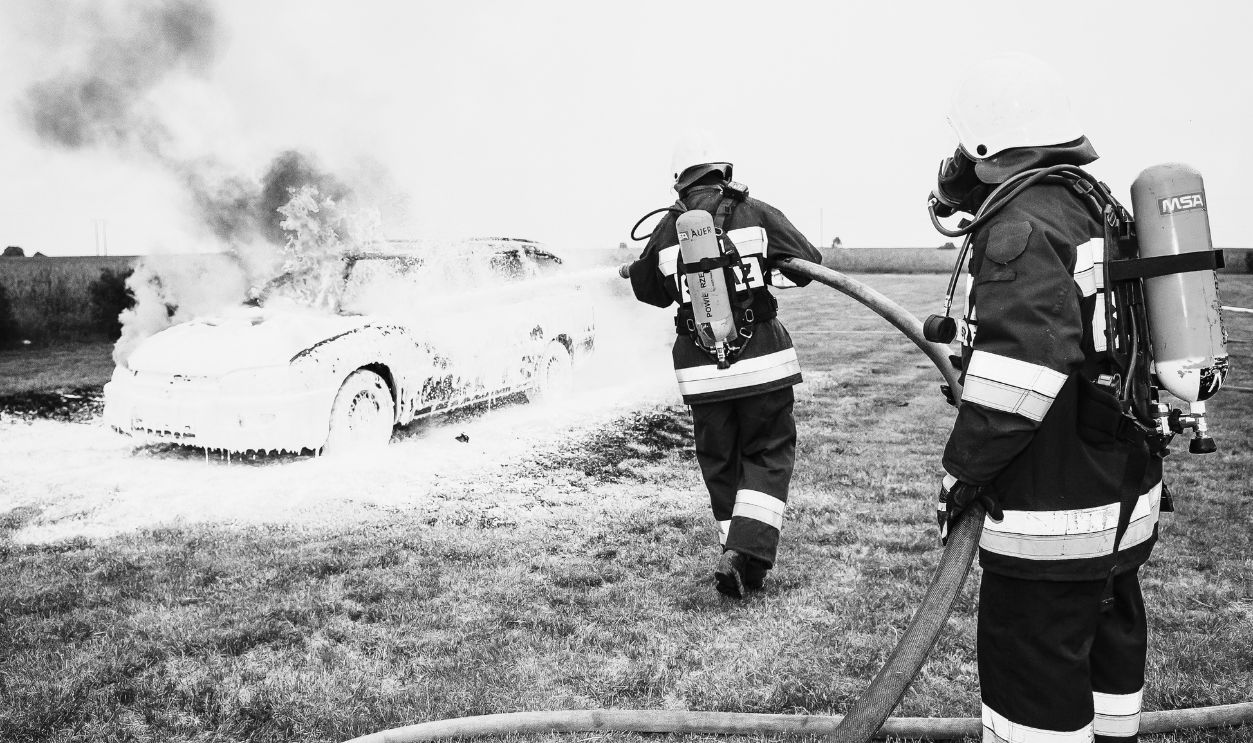
The best way to think about EV fires is low frequency, high complexity. EV FireSafe says its global database tracks verified EV battery fires, but also warns that the dataset is not exhaustive. That matters because nobody has a perfect worldwide count. Still, the available evidence does not support the idea that EVs are bursting into flames everywhere.
The Fire Can Be Hard To Put Out
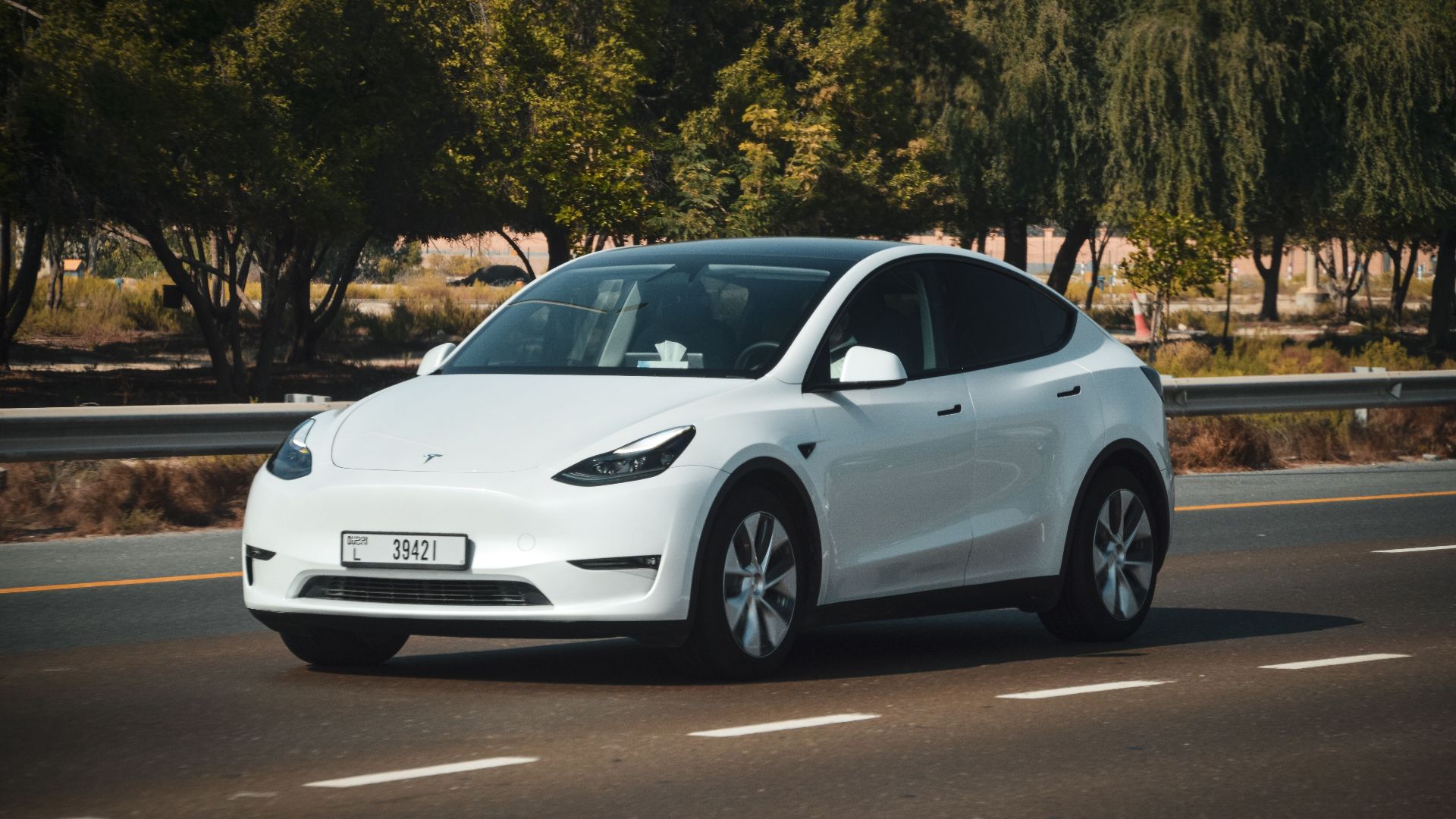
EV battery fires can require different tactics than conventional vehicle fires. The NTSB has warned about battery reignition after an incident. Firefighters may need to cool the battery, monitor it, and make sure stored energy is not still creating danger. That can make one EV fire feel larger and longer than a typical vehicle fire.
Reignition Is The Part People Remember
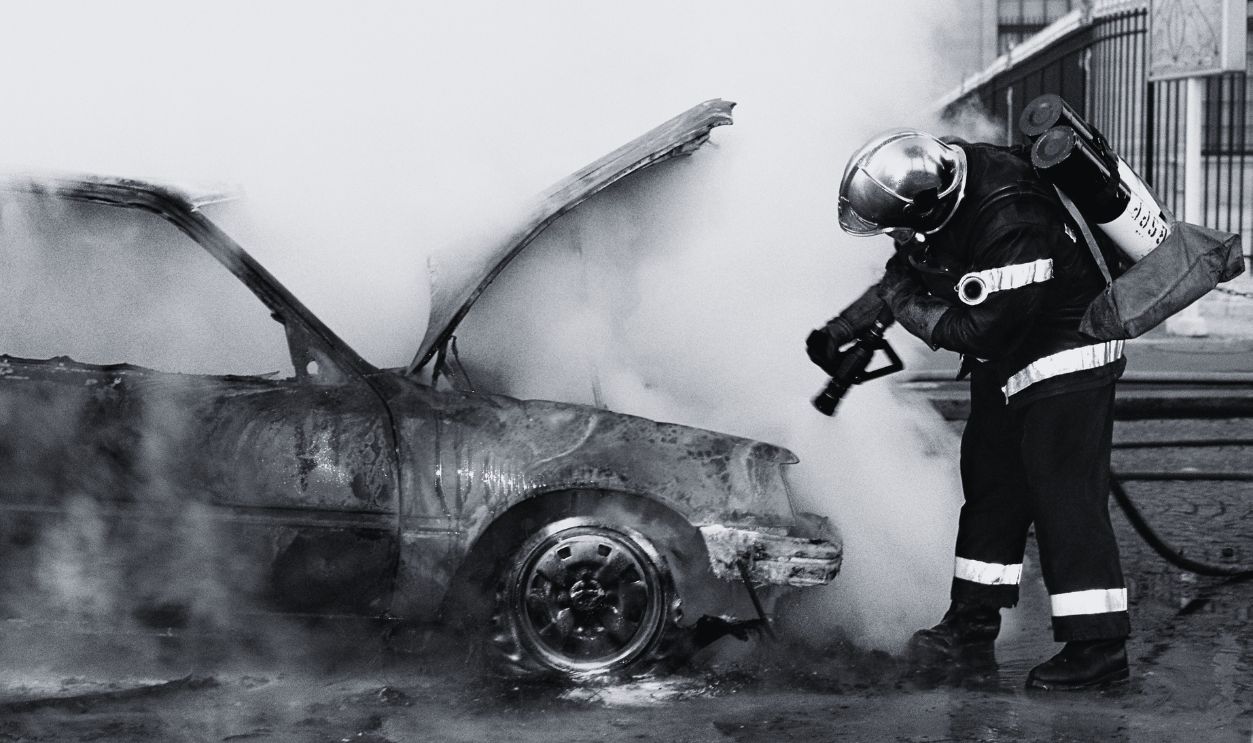
Reignition is one reason EV fires get attention. A damaged battery can appear controlled, then heat up again later. That is not a magic property of all EVs. It is a known hazard when high-voltage lithium-ion cells are damaged or defective.
Not Every EV Fire Starts In The Battery
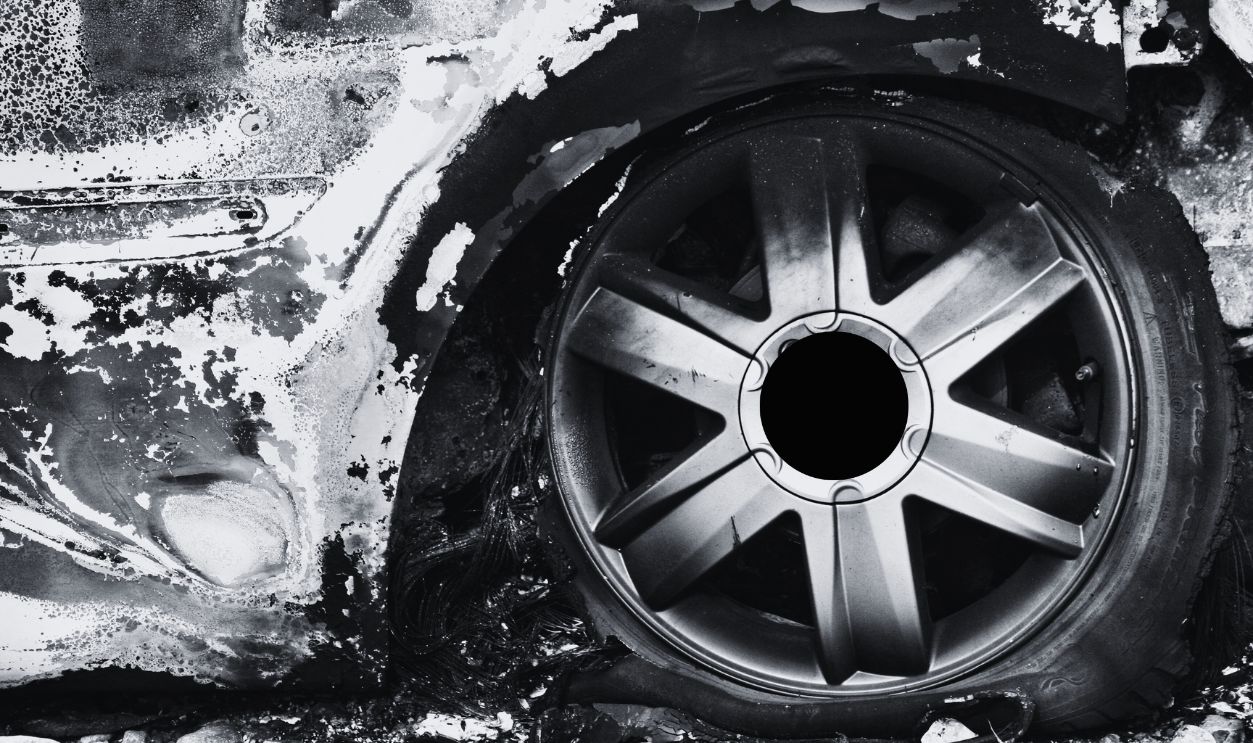
An EV can burn for ordinary reasons too. Interior materials, tires, wiring, garage contents, and nearby combustibles can all feed a fire. EV FireSafe separates traction battery fires from EV fires that do not involve the battery pack. That distinction matters because not every burning EV is a battery failure.
Charging Deserves Respect, Not Panic
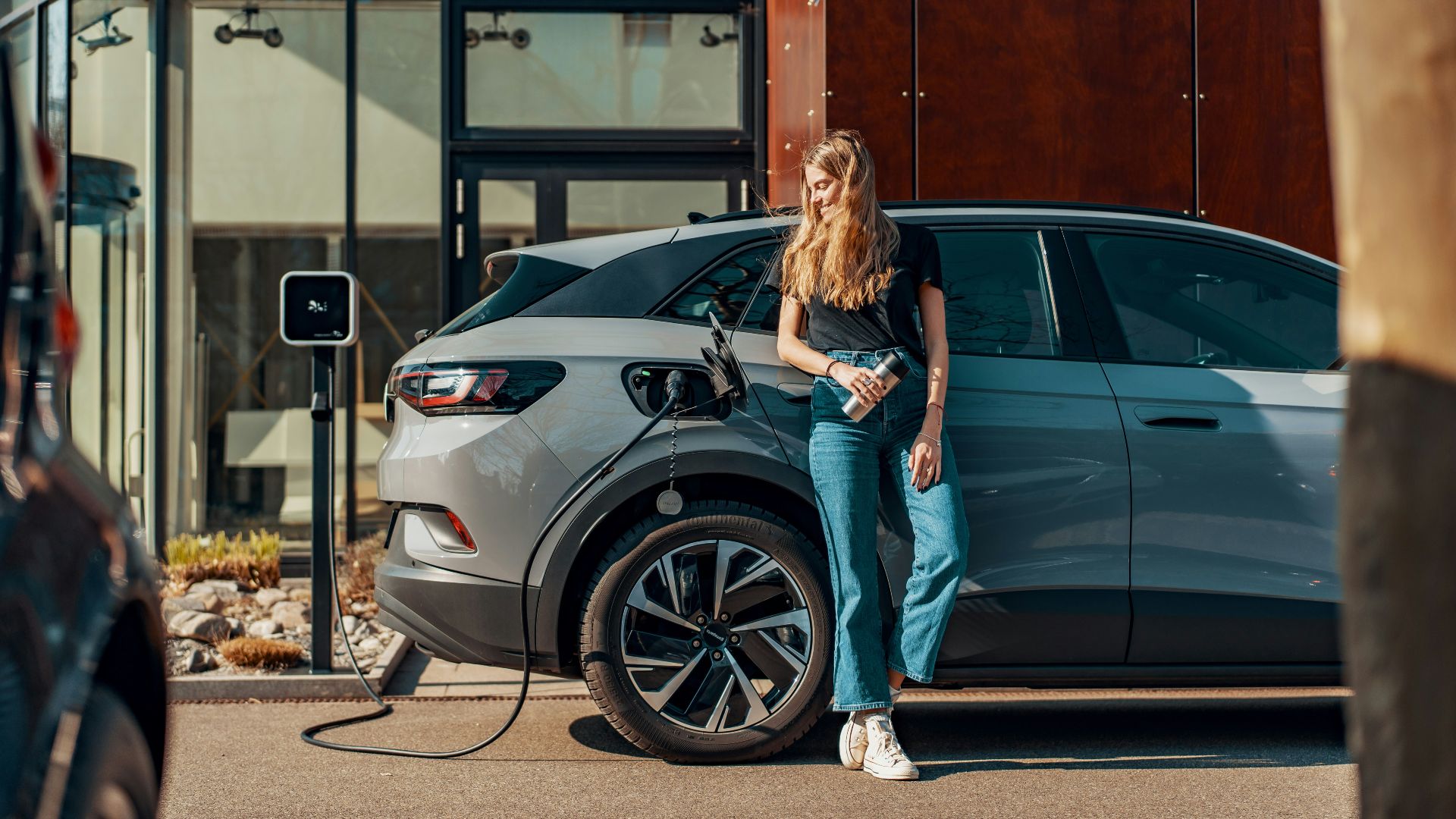
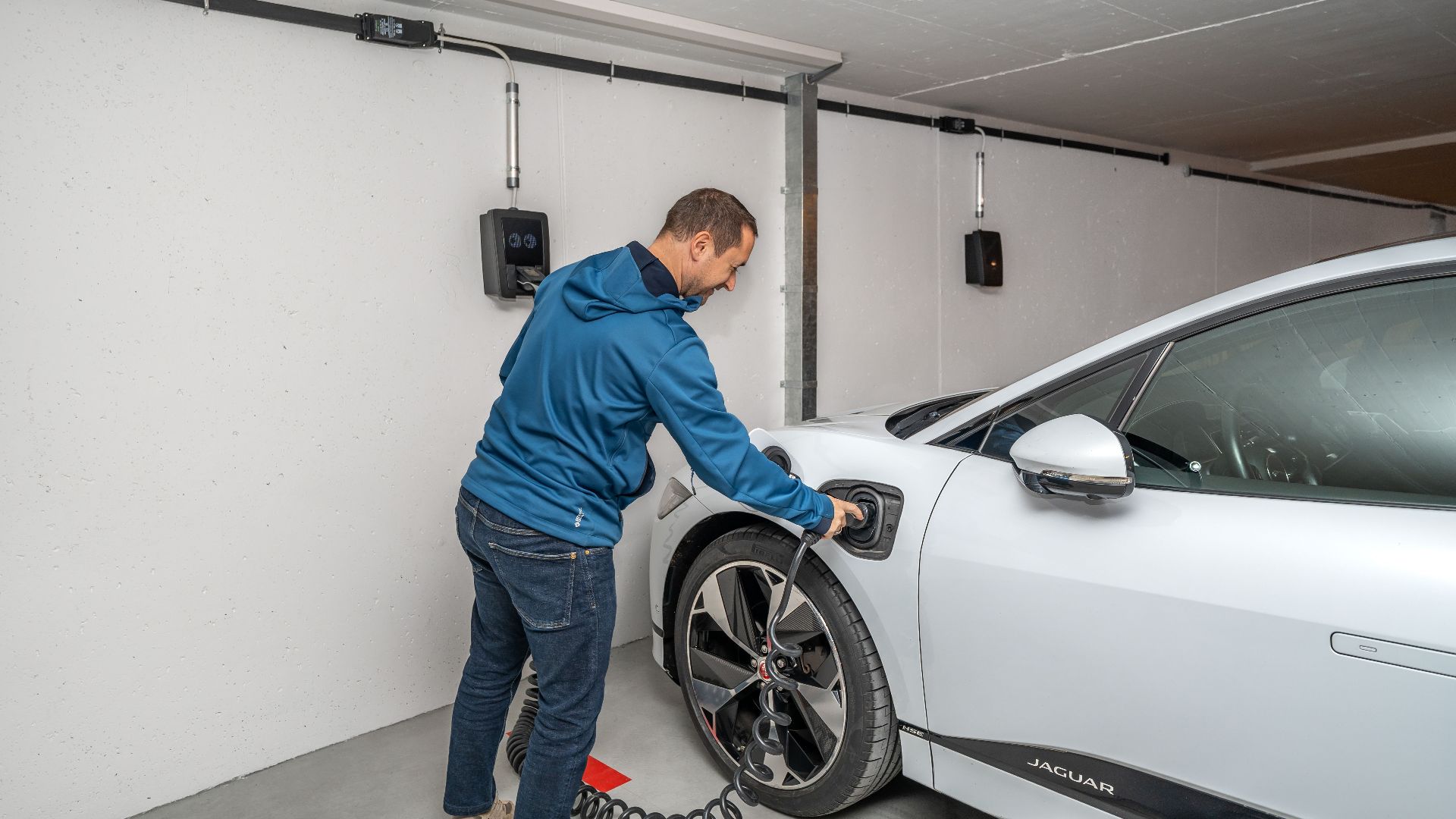
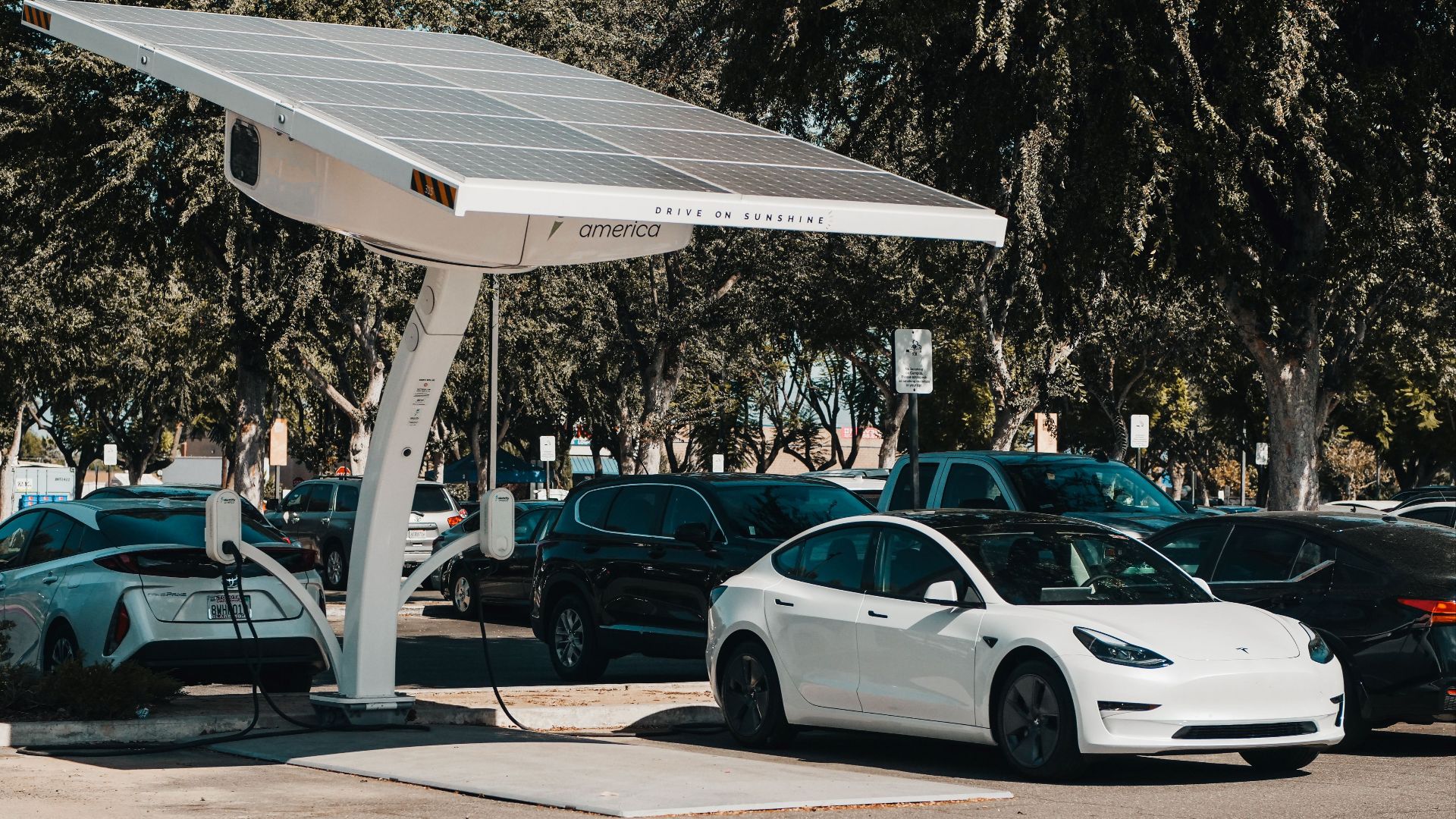
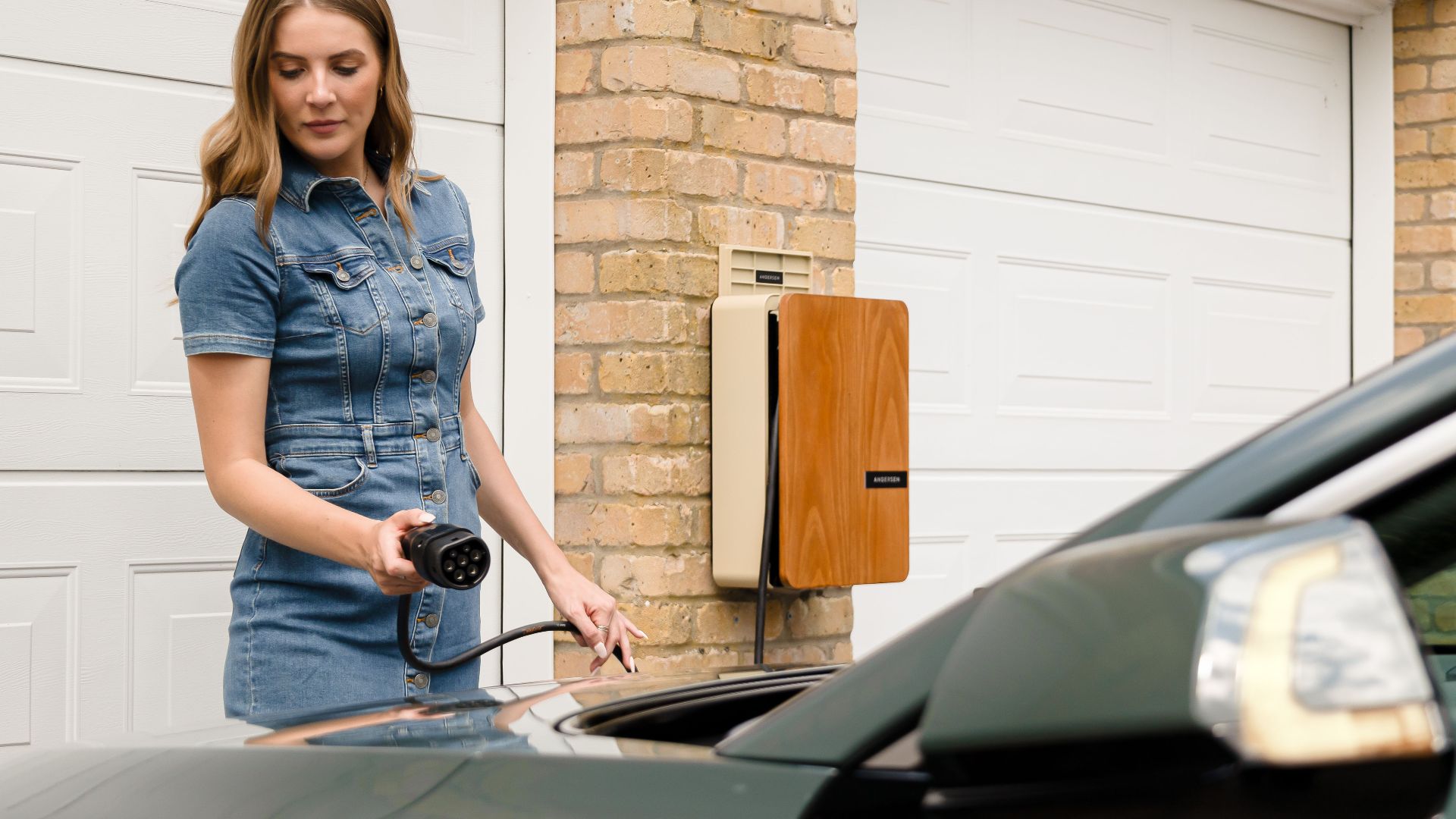
Most EV owners charge at home with Level 1 or Level 2 AC equipment. The U.S. Department of Energy says home charging equipment is often installed in garages, while outdoor installation can also be safe when the equipment is outdoor-rated. The key is proper installation and proper equipment. A charger should not be treated like a random extension cord setup.
Certified Equipment Is A Simple Guardrail
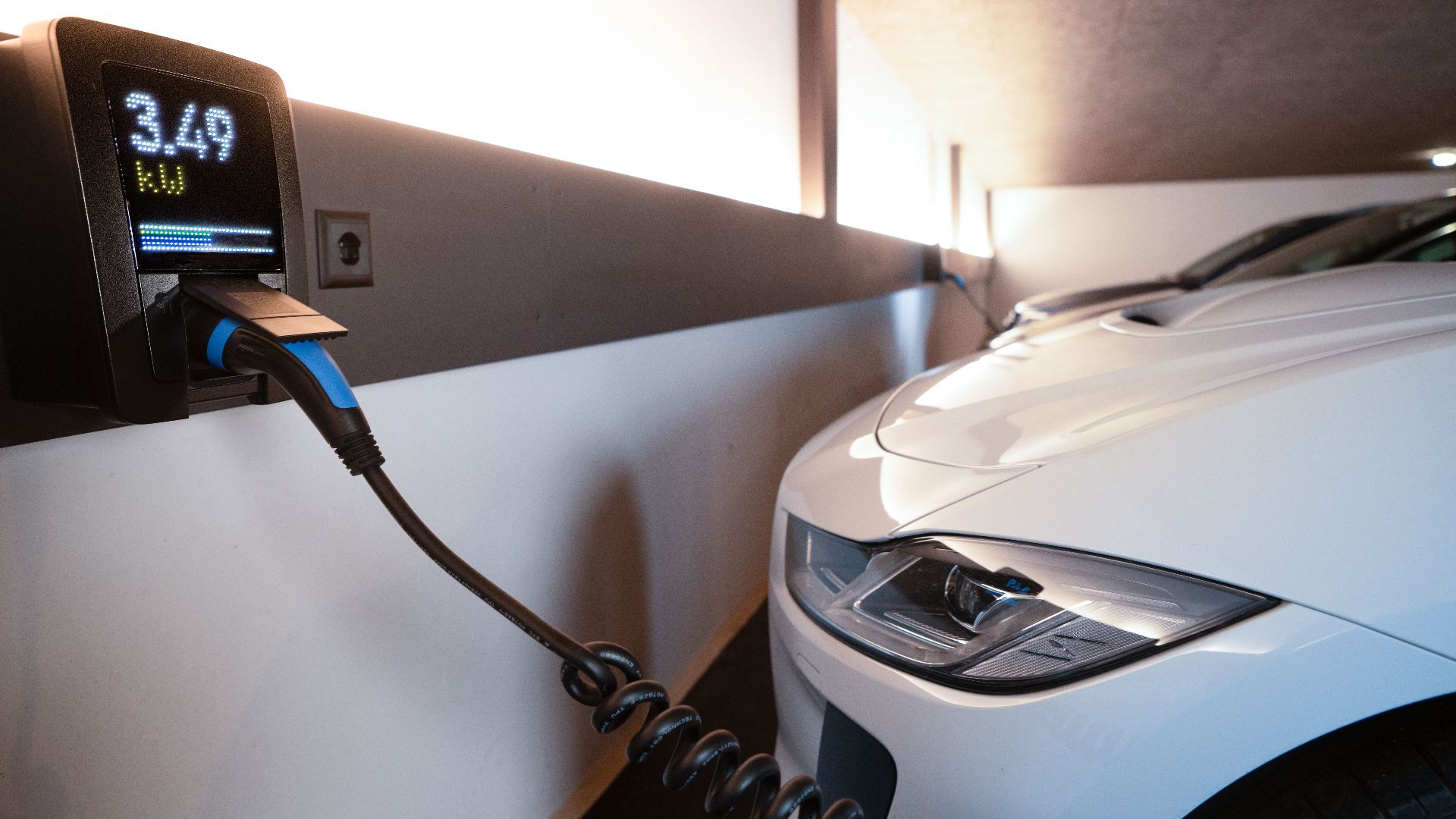
ENERGY STAR says certified EV chargers meet key industry safety standards. It also warns that some non-certified products may not be safety certified. That is a practical reason to buy reputable equipment and use a qualified electrician when needed. Saving money on questionable charging gear is not worth the risk.
Recalls Are The Big Red Flag
Vehicle recalls matter with EVs just as they do with gas vehicles. NHTSA offers a VIN lookup tool to check whether a specific vehicle has an unrepaired recall. Some fire-related recalls have told owners to park outside and away from structures until repairs are complete. Those warnings should be followed exactly.
Parking Away From Structures Can Be Reasonable
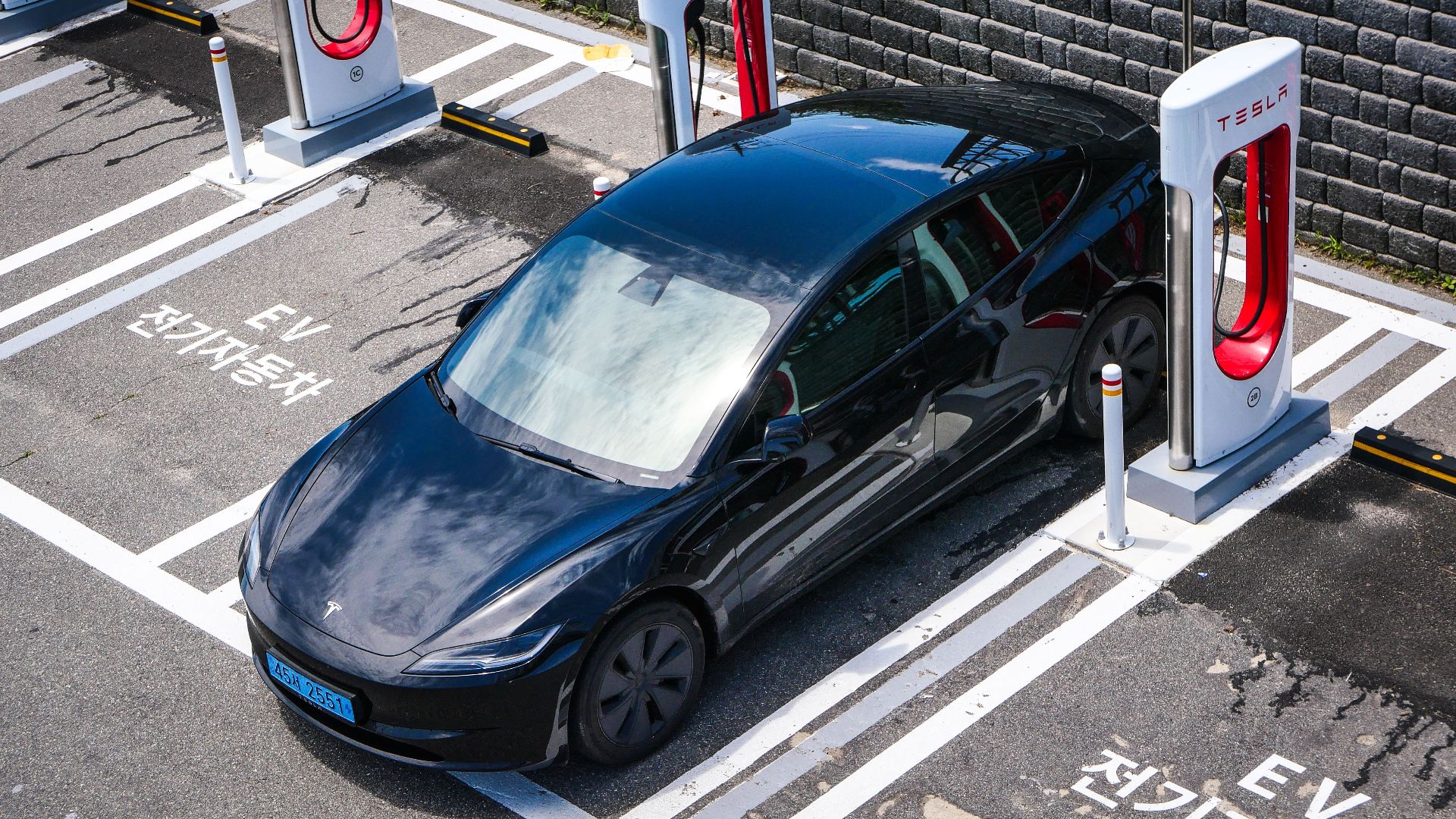
Most EV owners do not need to treat their car like a ticking bomb. That changes when a manufacturer, dealer, or recall notice gives specific fire-risk instructions. If a recall says to park outside and away from buildings, that is not a suggestion to ignore. It is a temporary safety measure until the defect is fixed.
Damage To Neighboring Property Is Possible
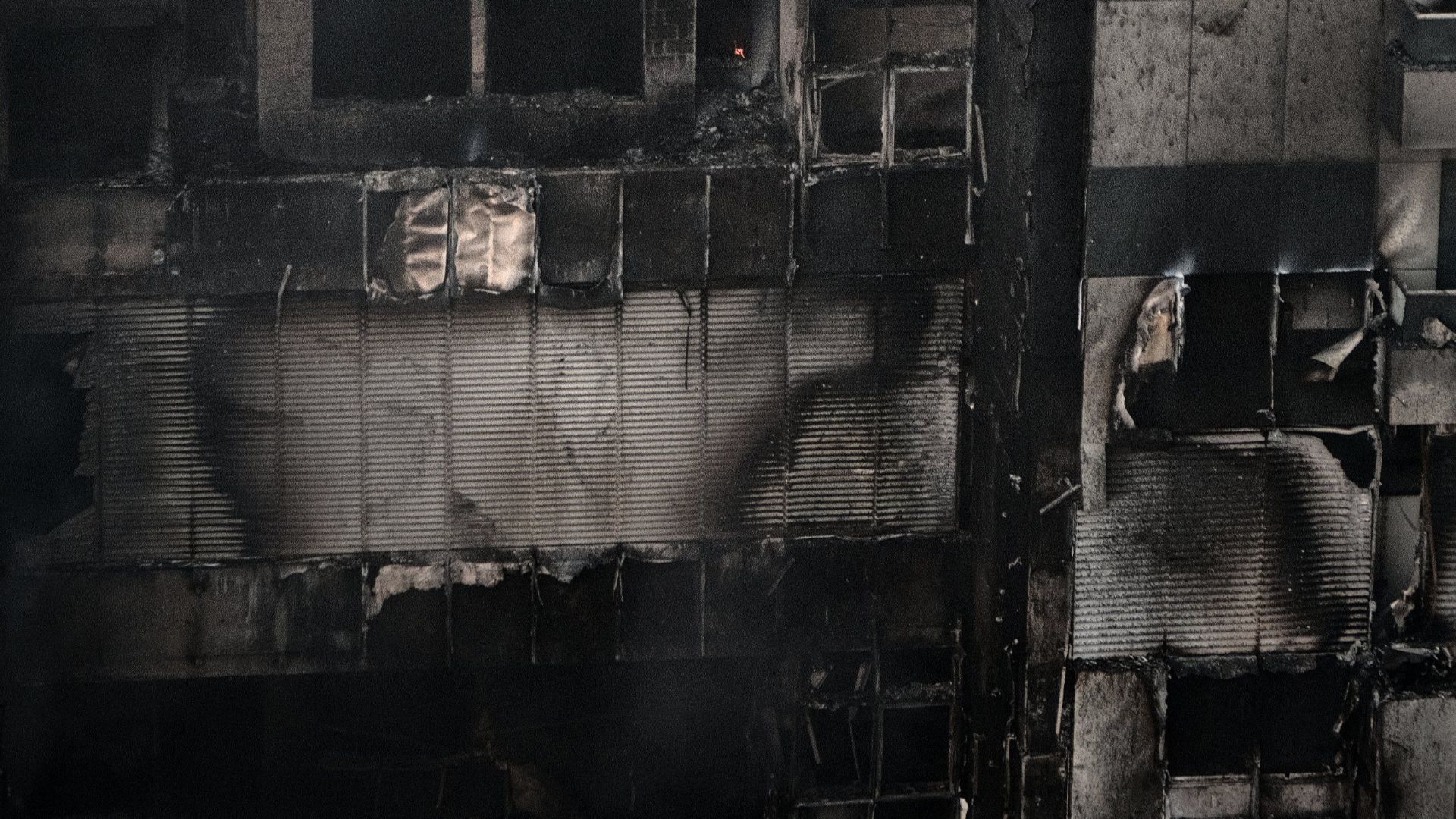
A burning vehicle can damage nearby homes, fences, landscaping, garages, and other cars. That is true whether the vehicle is electric or gasoline-powered. EV battery fires can make the response more complex, but the spread of fire still depends heavily on distance, materials, wind, and what is nearby. Close parking between homes can turn one vehicle fire into a neighborhood problem.
 Mauricio Krupka Buendia, Pexels
The Rise In EVs Will Bring More Fire Calls
As the EV fleet grows, fire departments will see more EV-related incidents. That does not automatically mean EVs are more fire-prone than gas cars. It means emergency responders, building owners, insurers, and drivers need to adapt to a changing vehicle mix. The risk is manageable, but it is real.
Fire Departments Are Training For This
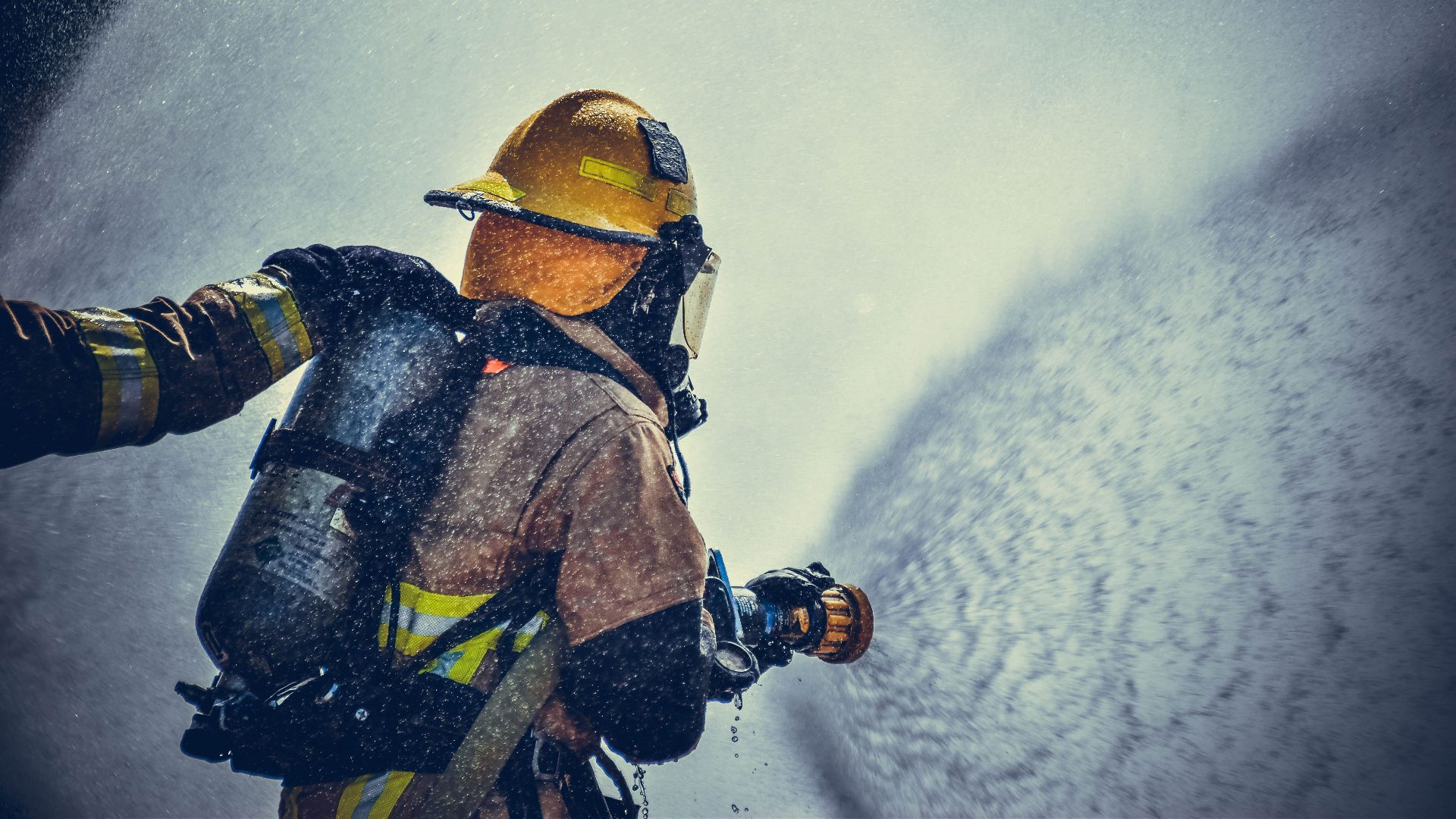
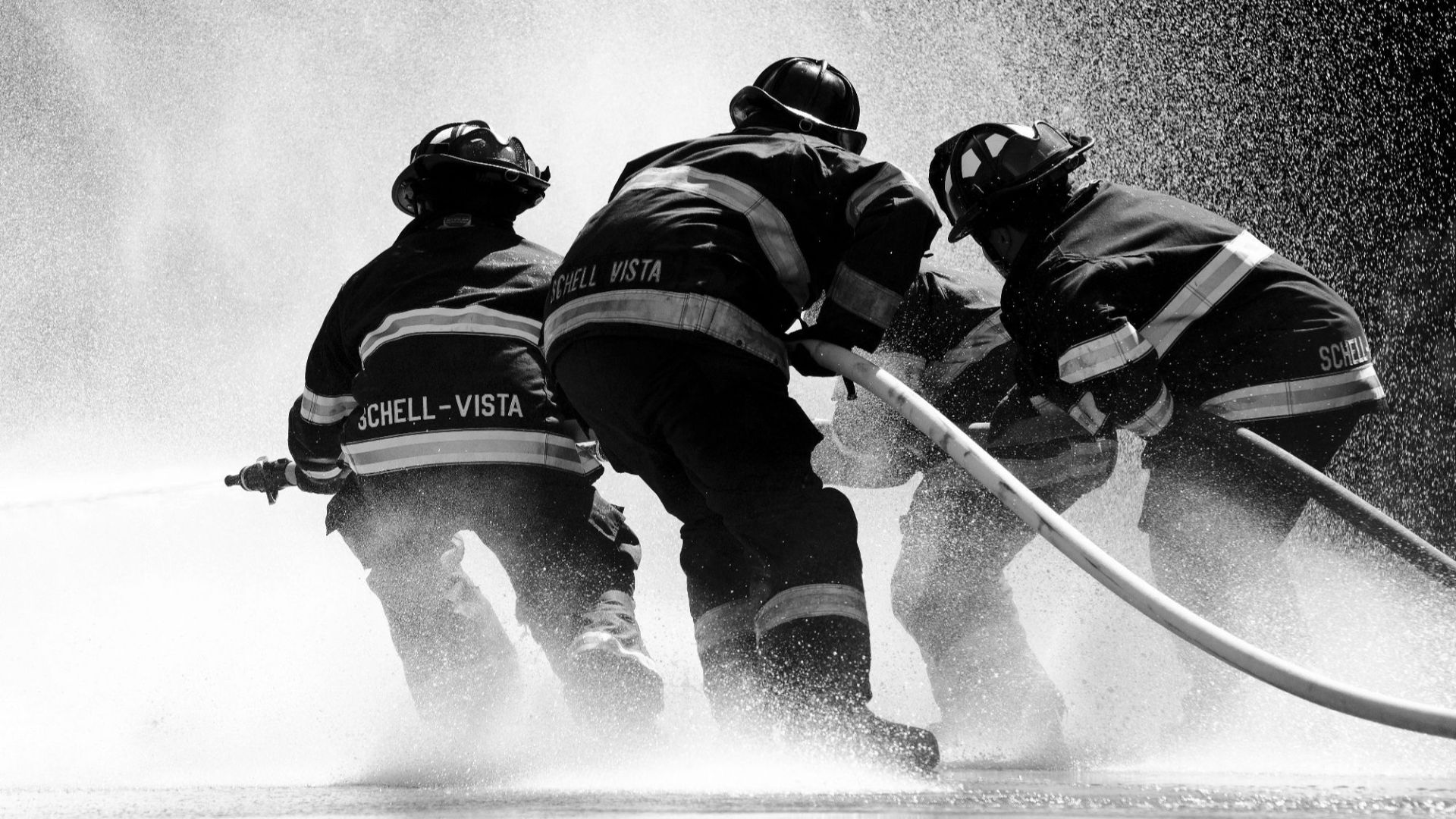
NFPA provides electric vehicle fire safety information and emergency responder resources. The U.S. Fire Administration also points responders toward standardized emergency response guides for EVs and lithium-ion batteries. This is important because crews need vehicle-specific information quickly. A modern EV incident is easier to manage when responders know where the battery, cables, disconnects, and hazards are located.
Regulations Are Still Catching Up
NHTSA says it continues to work on electric vehicle and battery safety through Global Technical Regulation No. 20. That work includes safety issues related to thermal runaway, water immersion, and vibration resistance. In plain English, regulators know battery safety is an active issue. Standards are evolving as the technology spreads.

Water Damage Is Another Concern
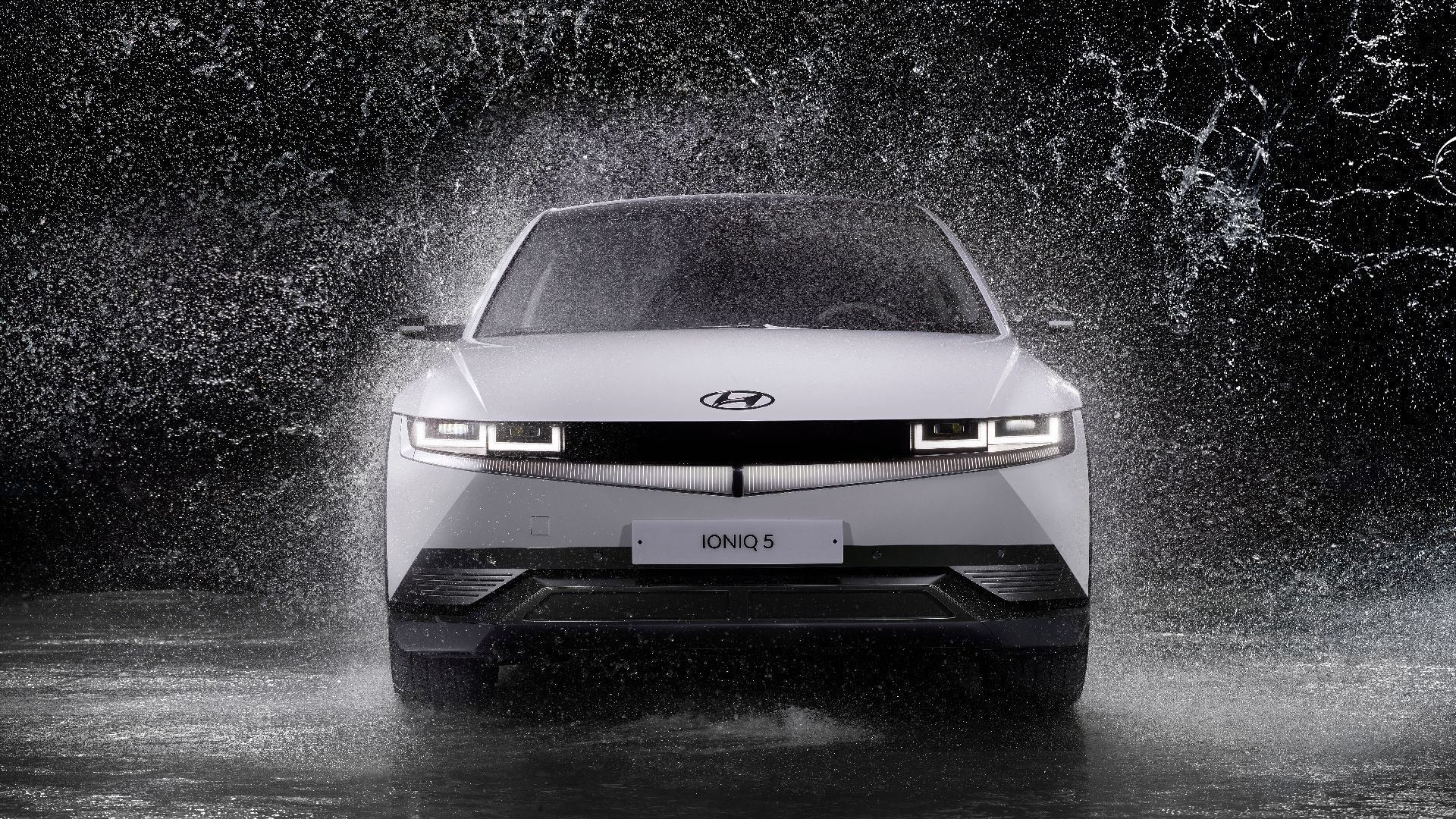
Battery safety is not only about crashes and charging. NHTSA’s battery safety work also considers water immersion. Flooded EVs have drawn attention because water exposure can damage electrical systems and create later risks. After major flooding, owners should follow manufacturer and emergency guidance rather than trying to restart or charge a questionable vehicle.
The Battery Chemistry Matters
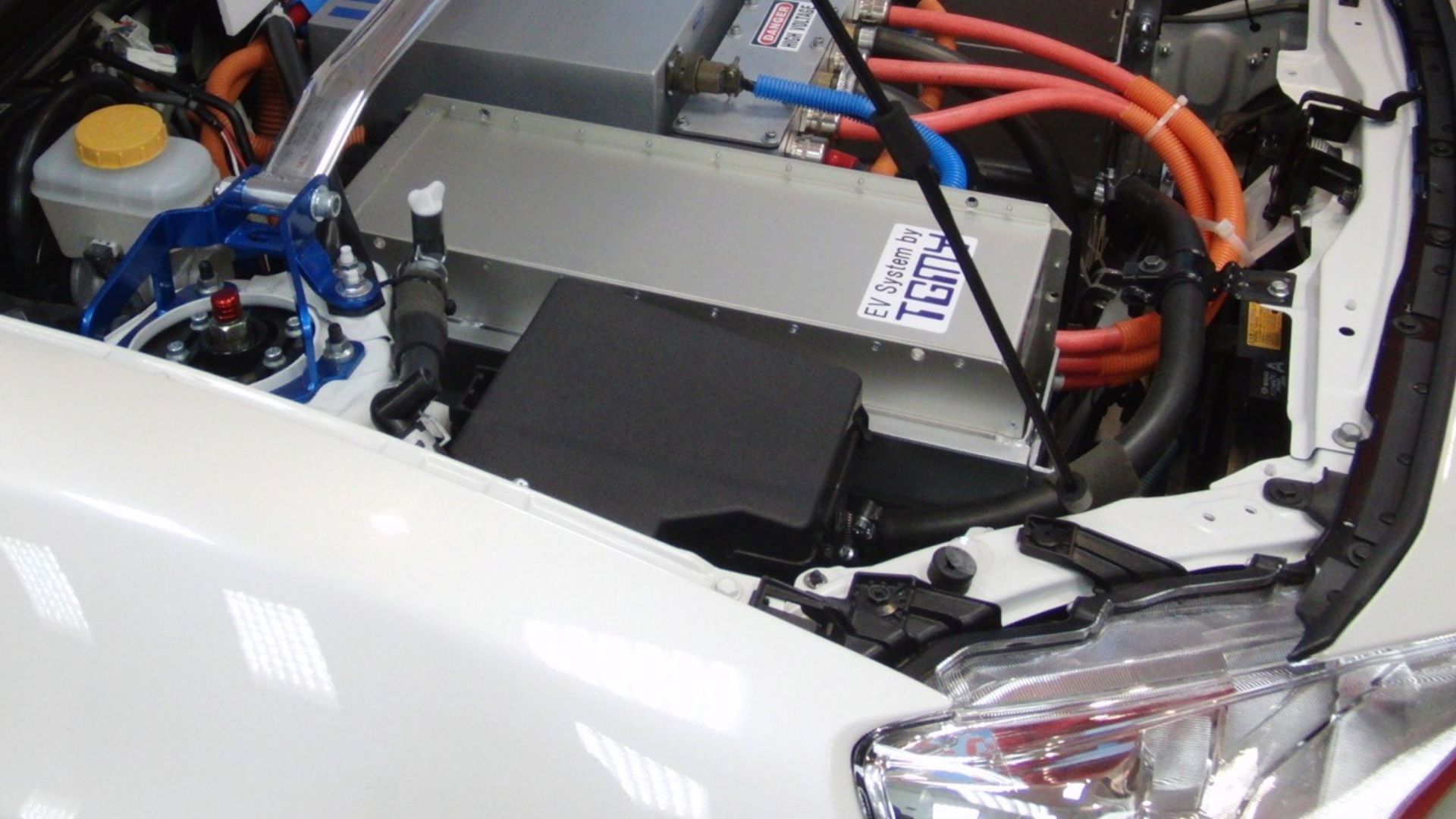
Not all EV batteries are identical. Some vehicles use different lithium-ion chemistries, and those chemistries can behave differently under abuse. Associated Press reporting after an electric bus crash in Italy noted that lithium-iron-phosphate batteries are generally less prone to catastrophic fires than some other chemistries. That does not make any battery risk-free, but it shows why broad claims about “EV batteries” can be too simplistic.
 Tokumeigakarinoaoshima, Wikimedia Commons
The Owner Still Has Responsibilities
EV ownership comes with ordinary safety duties. Owners should check recalls, use approved charging equipment, avoid damaged chargers, and pay attention to warning signs. A battery or charger that smells odd, overheats, changes shape, leaks, or makes unusual noises needs immediate attention. The same common-sense rule applies to phones, e-bikes, tools, and cars.
Homeowners Can Reduce The Odds
The practical steps are not exotic. Use certified charging equipment. Have permanent Level 2 equipment installed by a qualified professional where required. Keep charging areas clear of flammable clutter and follow the vehicle manual.

Neighbors Can Talk Without Turning It Into A Fight
If a neighbor parks or charges an EV close to your property line, a calm conversation can help. Ask whether the vehicle has any open recalls and whether the charger was properly installed. That is a reasonable safety conversation, not an attack on EV ownership. The same kind of conversation would be fair after any serious vehicle or garage fire.

Insurance Should Be Contacted Quickly
If your property was damaged, document everything with photos, dates, and written notes. Contact your insurer and ask how they want you to handle repairs, estimates, and communication with the neighbor’s insurer. Do not throw away damaged items until your insurer tells you it is okay. Fire claims often need clear documentation.

Avoid Blaming The Technology Too Fast
A dramatic fire does not prove every EV is unsafe. It also does not prove the owner did anything wrong. The cause could involve a defect, crash damage, improper charging equipment, previous water exposure, unrelated vehicle components, or nearby combustibles. Investigators need evidence before anyone can responsibly assign blame.
The Real Answer Is Balance
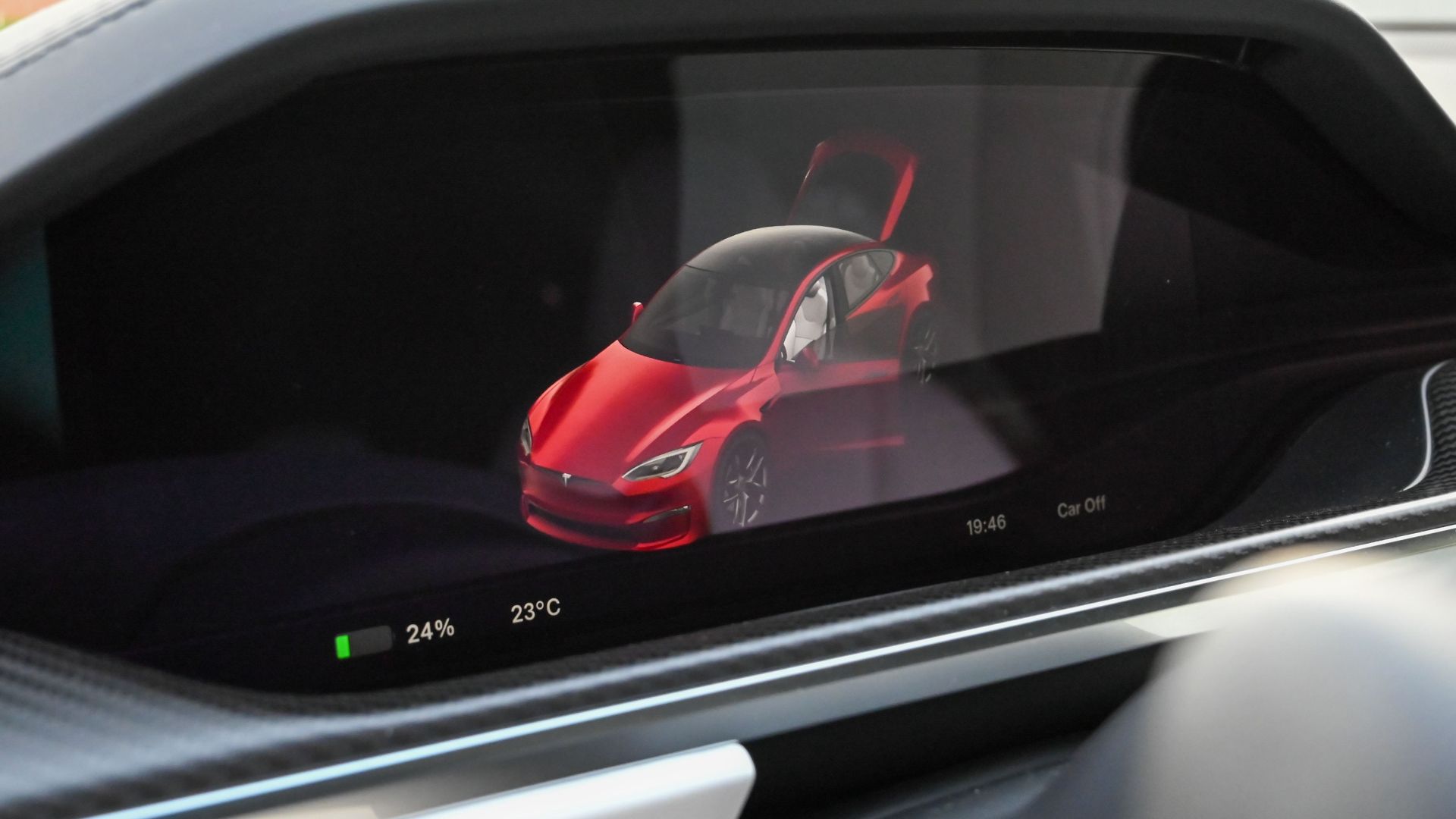
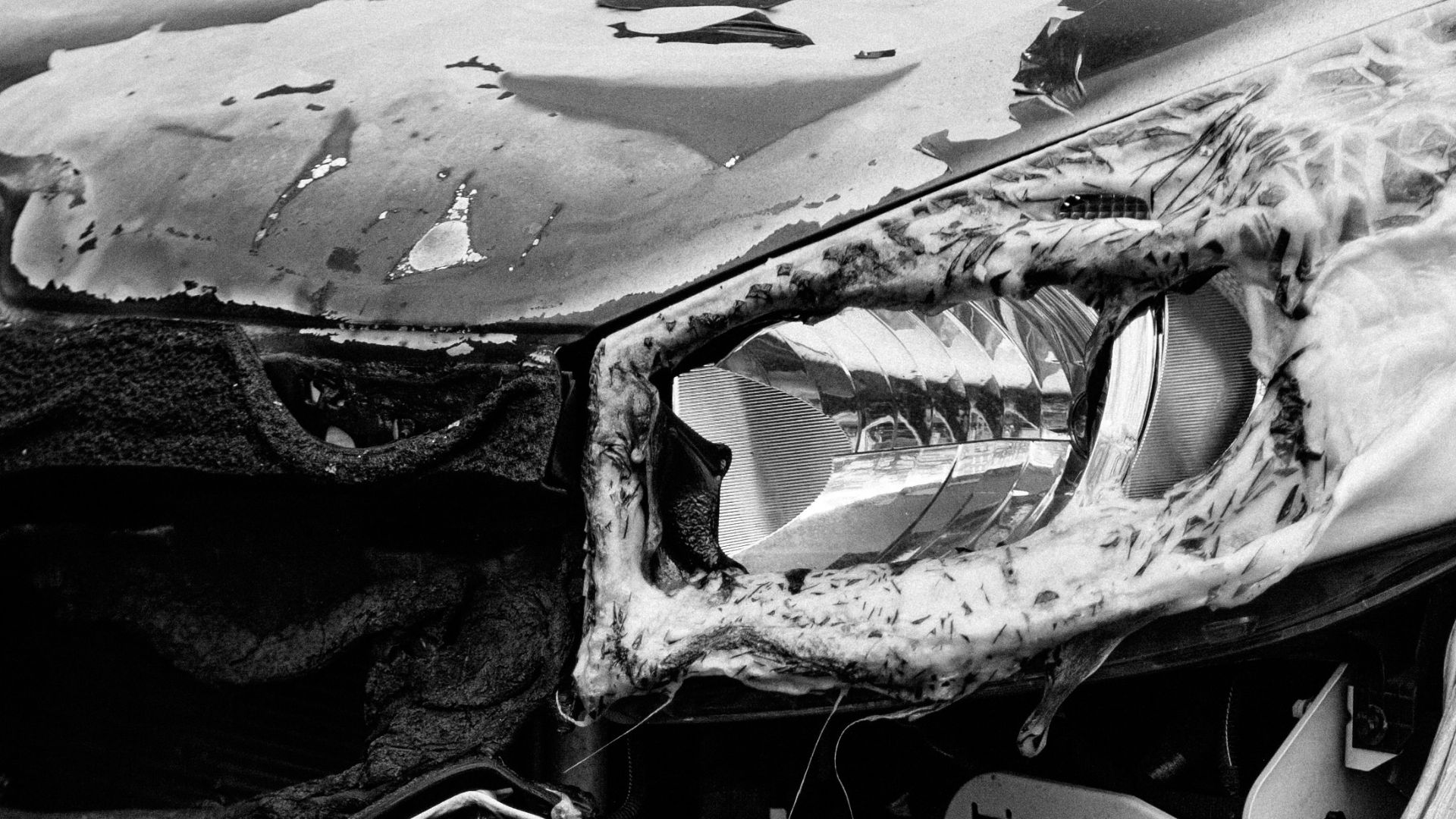
EV fires are not something to dismiss. They can be serious, stubborn, and damaging. They are also not an unavoidable disaster built into every electric car. The available evidence supports a balanced view: rare incidents, special hazards, and preventable risk factors.
The Bottom Line For Worried Neighbors
The rise in EVs will probably make EV fire incidents more visible. That is not the same as saying neighborhood EV fires are inevitable. Good batteries, certified chargers, recall compliance, proper installation, and trained fire departments all reduce risk. Your concern is reasonable, but panic is not the answer.