When A Basketball Hoop Turns Into A Driveway Headache
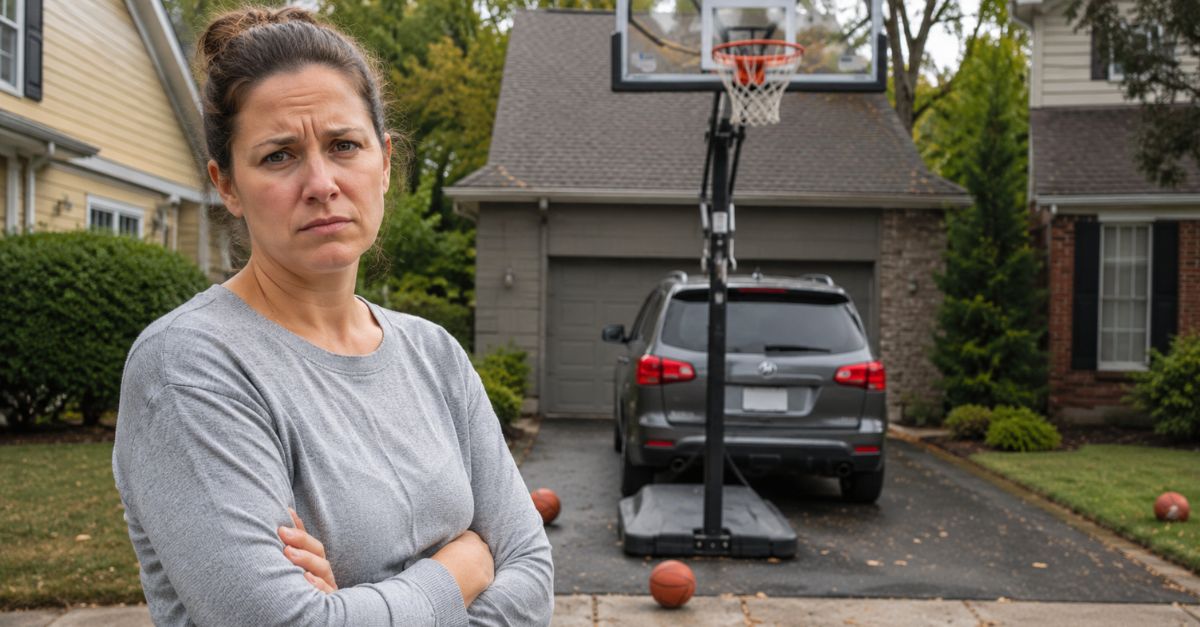
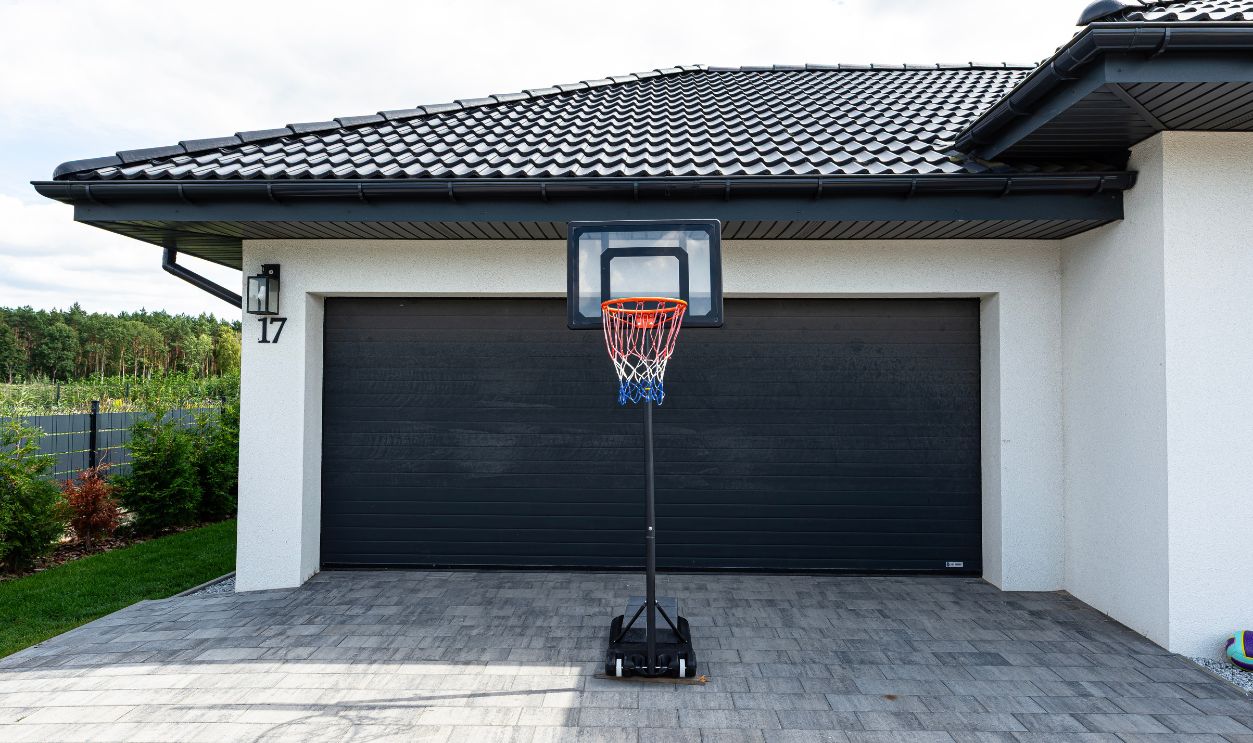
It's great for the neighbor's kids to have an active hobby, but that doesn't mean it's ok if their basketball games constantly block the space you need to get in and out of your driveway. It could start as a small annoyance, but quickly become a genuiine access and safety issue. The good news is that, even if you might look like the bad guy, you may have options—and most of them start with getting the facts straight.
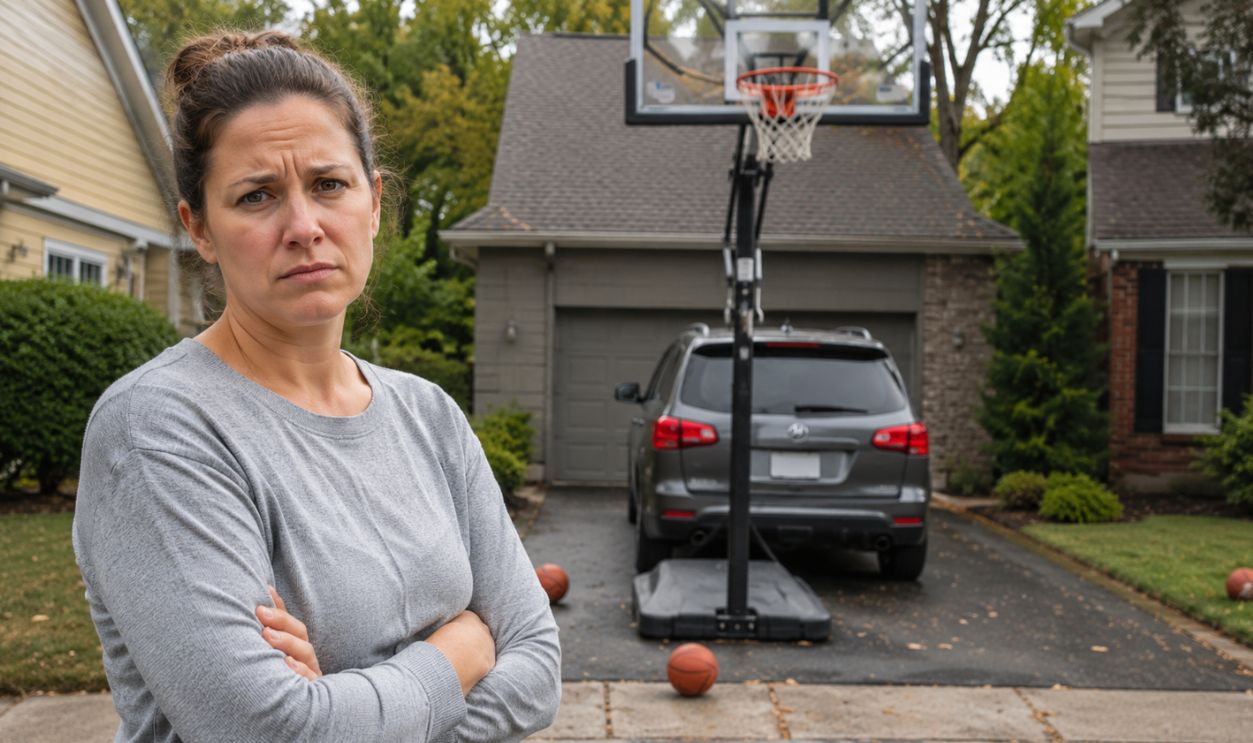
Start With The Basic Issue
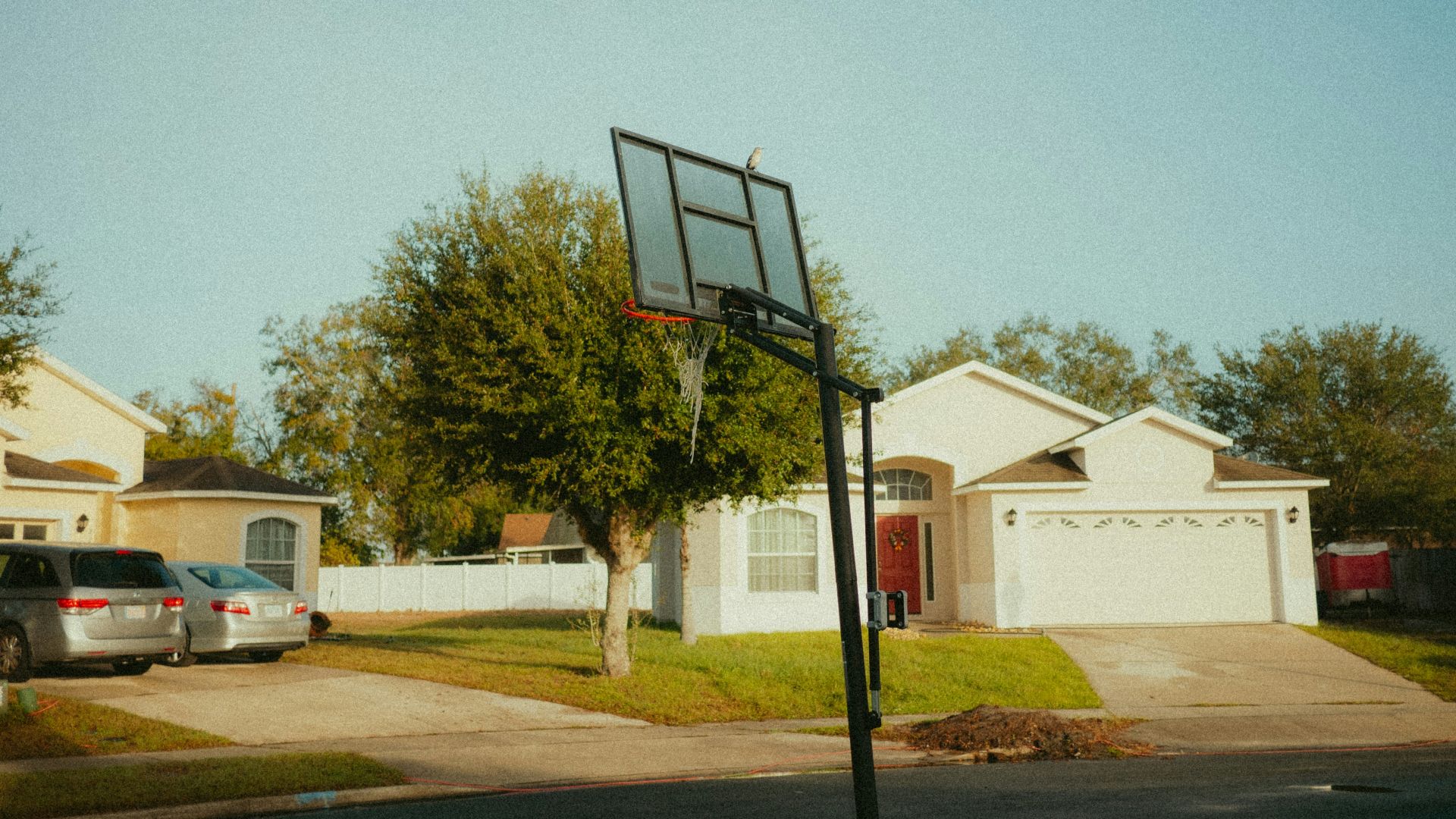
Your driveway is part of your property, but the area near the street is not always as simple as it looks. Cities and counties often have rules about what can be placed in the public right-of-way, and that can include portable basketball hoops. Whether the hoop is allowed may depend on exactly where it sits and whether it blocks traffic or access.
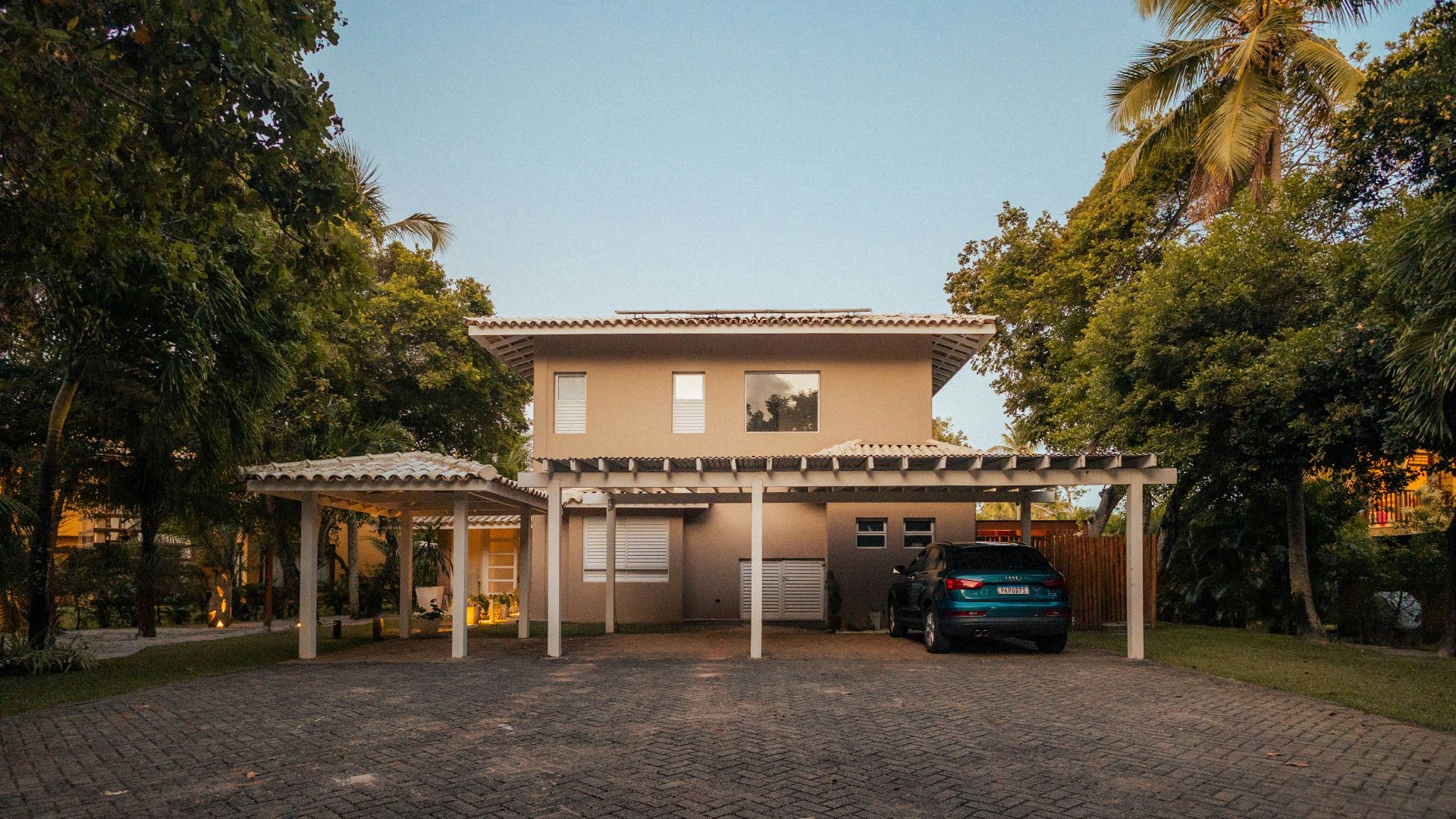
Why The Exact Spot Matters
If the hoop is fully on your neighbor’s private property and does not cross onto yours or into a public access area, your choices may be more limited. If it is in the street, on the sidewalk, or in the public right-of-way, local rules may come into play fast. In a lot of driveway disputes, that one detail makes all the difference.
There Is No One Rule For The Whole Country
A common mistake is assuming there is one national law covering driveway-blocking basketball hoops. There usually is not. These disputes are mostly handled under city ordinances, county codes, homeowners association rules, and state or local trespass and nuisance law. That means the answer can vary depending on where you live.

First, Document What Is Happening
Before you report anything, gather proof. Take photos and video showing where the hoop is, how often it blocks your driveway, and whether balls, players, or equipment come onto your property. Write down dates and times too. A repeated pattern is usually a lot more convincing than a single complaint.
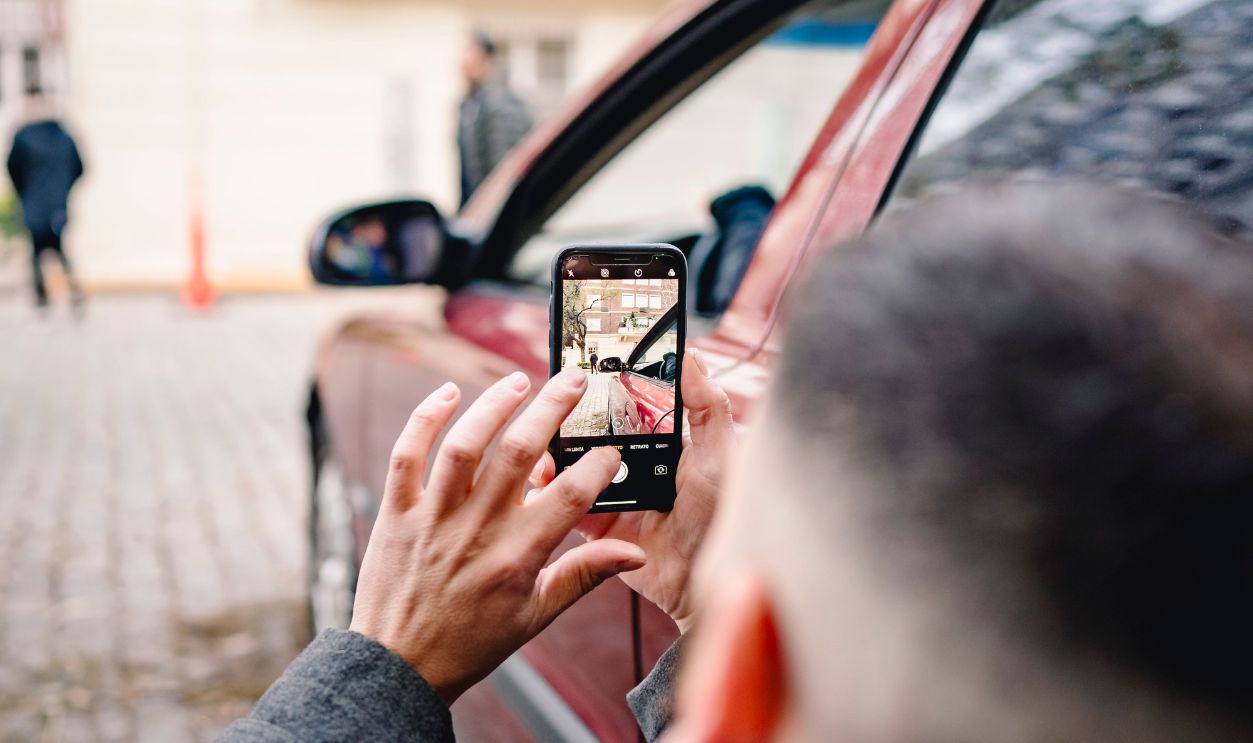
Photos Can Make Your Case Faster
A clear photo of a hoop base sitting in the street or a game spreading across your driveway can do more than a long explanation. Try to get wide shots that show the curb, sidewalk, driveway apron, and property line if you can. Time-stamped photos or video can also help show that the problem keeps happening.
Check Your Survey And Property Records
If there is any confusion about where the boundary line is, look at your property survey, plat map, or closing paperwork. Your county recorder, assessor, or property appraiser may also have public records that help show where private property ends and the right-of-way begins. A lot of driveway fights are really boundary fights underneath.
Do Not Overlook The Public Right-Of-Way
The public right-of-way can include the street, sidewalk, and sometimes nearby strips of land controlled by the local government. Even if your neighbor cuts the grass there, that does not always mean they can use the area however they want. If a hoop is sitting there and blocking access, the city may have the power to step in.
Some Cities Clearly Ban Hoops In Streets
Many cities have written rules that ban basketball goals in streets, sidewalks, or public rights-of-way. These rules are usually meant to protect drivers, pedestrians, and emergency access. If your area has a clear ordinance, enforcement may be fairly straightforward once the issue is reported.
Other Places Focus On Obstruction
Even if there is no rule that names basketball hoops specifically, general obstruction laws may still apply. Local governments often ban objects in streets or on sidewalks when they interfere with traffic or public safety. A hoop that keeps blocking your driveway may fall under that kind of rule.
Talk To Your Neighbor Before You Escalate
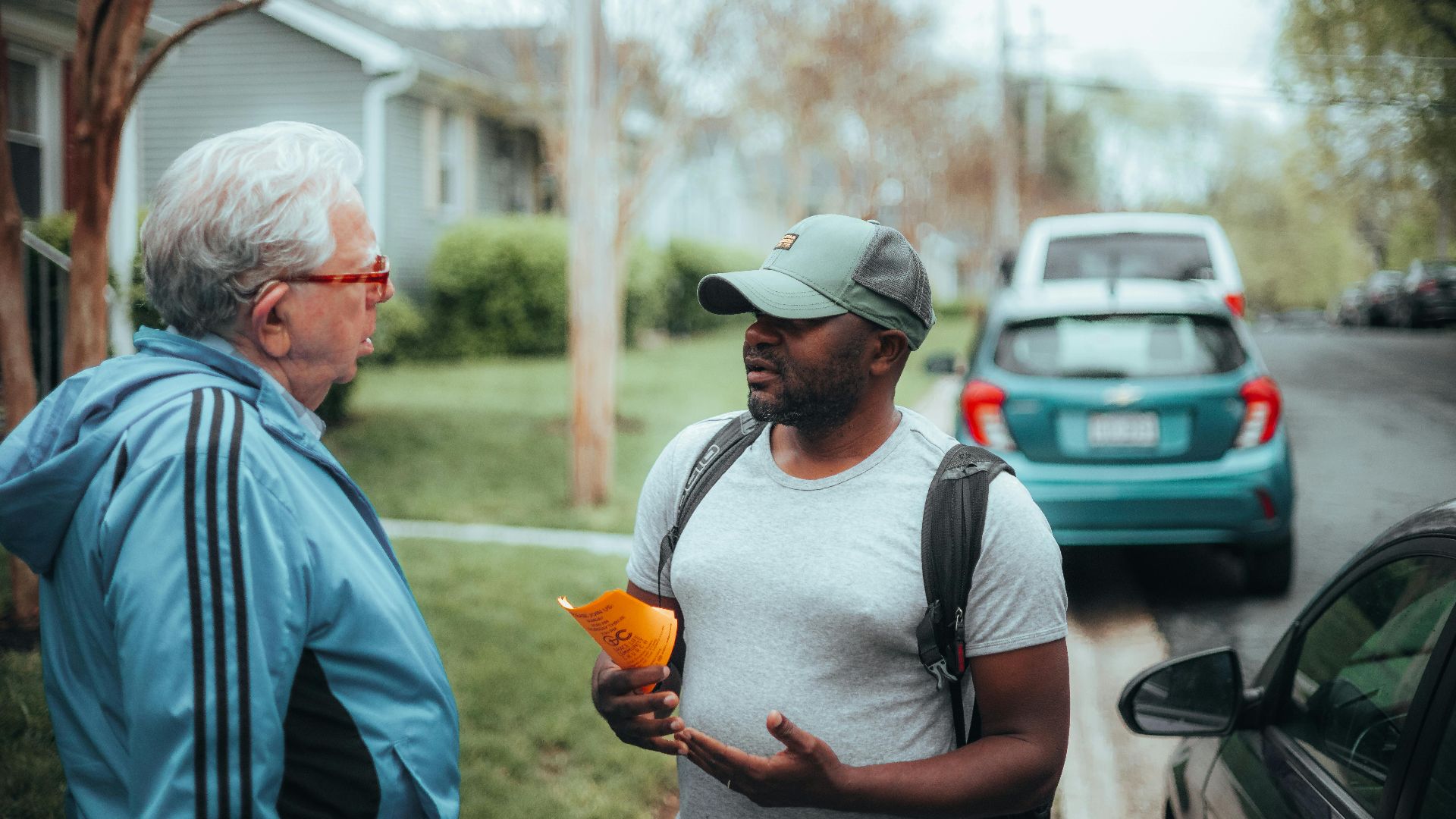
It may not be the most dramatic move, but it is often the quickest one. Calmly explain what is happening, when it happens, and how it affects your ability to use your driveway. Ask for a clear fix, like moving the hoop back, turning it a different way, or limiting play at certain times.
Keep The Conversation Specific
Try not to say things like “your hoop is always a problem.” It usually works better to say something like, “Three times this week I couldn’t back out because the hoop base and players were blocking my driveway.” Specific examples are harder to brush off and more likely to lead to a real solution.
Put It In Writing If You Need To
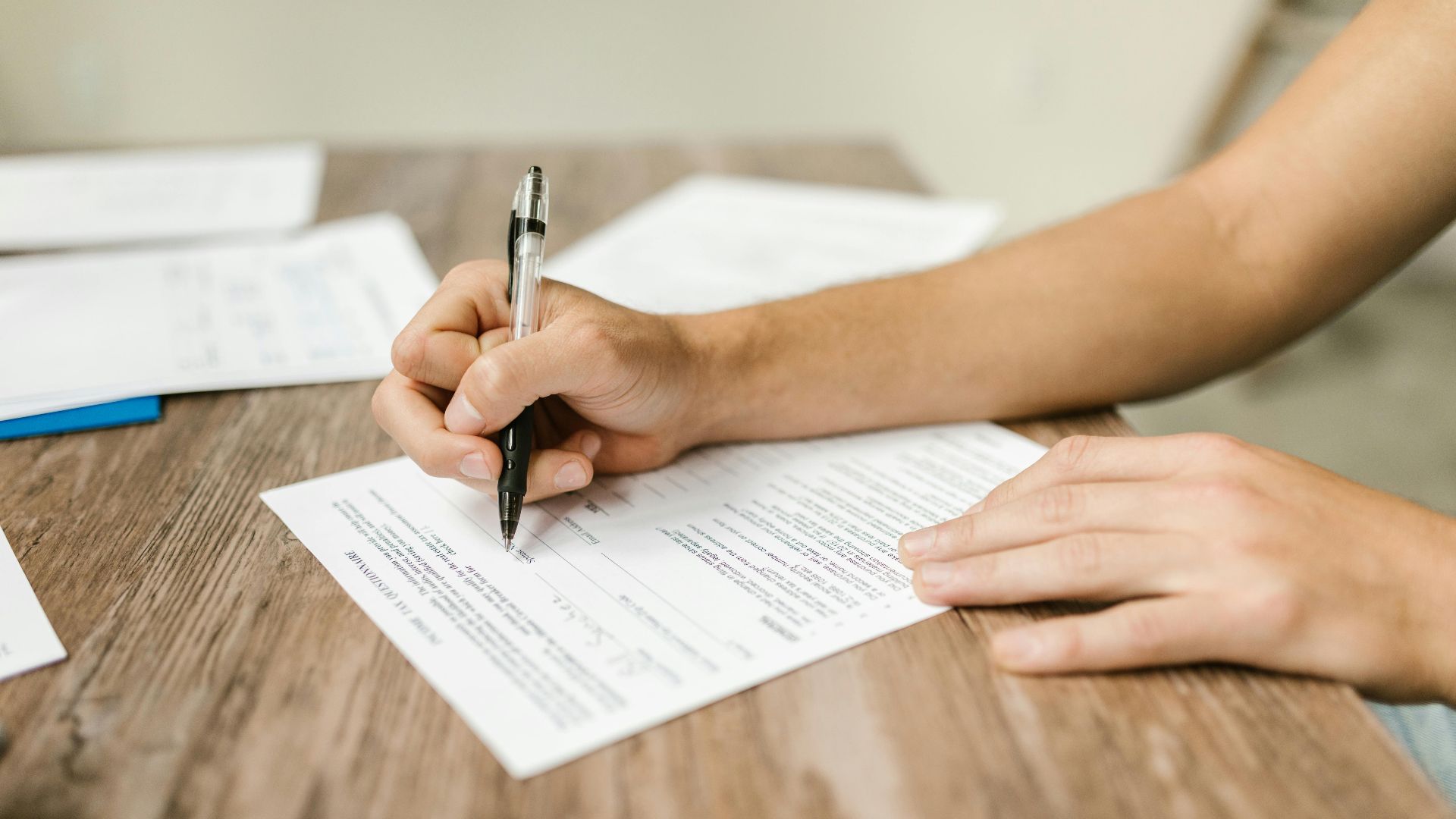
If a friendly talk does not work, send a short and polite note or email. Explain the issue, include dates, and ask that the blockage stop. Written communication creates a record, and that can matter later if you need help from an HOA, code enforcement office, or a lawyer.

HOA Rules Can Matter
If you live in an HOA neighborhood, check the covenants, conditions, and restrictions, along with any architectural or parking rules. Some HOAs regulate portable sports equipment, sidewalk use, and visible obstructions. In some cases, the HOA may be able to send notices or impose fines if the hoop breaks community rules.

Code Enforcement May Be The Next Step
If the hoop seems to violate a local rule, city code enforcement is often the practical place to start. Many cities let residents file online complaints about right-of-way obstructions or unsafe property conditions. Be ready to share the address, photos, and a short description of how access is being blocked.

Public Works Or Transportation Might Handle It
In some places, these issues are handled by public works, street maintenance, or transportation departments instead of a general code office. That is especially common if the hoop is in the roadway, near signs, or close to a sidewalk or curb ramp. A quick check of your city’s website can usually show which office handles right-of-way problems.
Police Are Usually Not The First Call
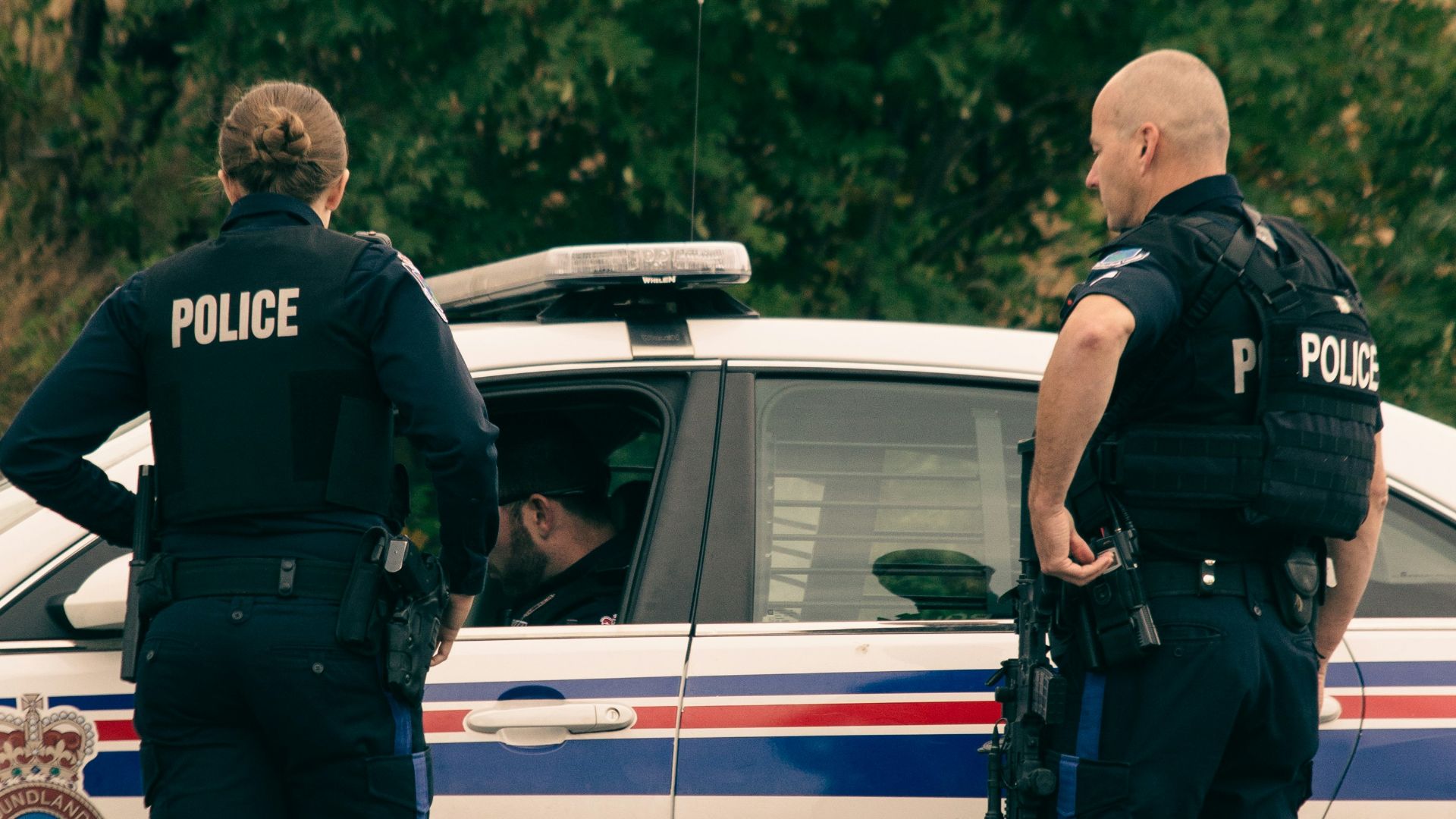
If this is a recurring neighborhood problem and there is no immediate danger, police are often not the best first option. Code offices or other city departments are usually better set up to deal with repeated placement issues. But if you are blocked from leaving during an emergency, or if a confrontation becomes threatening, calling law enforcement may make sense.
Trespass And Nuisance Might Come Up
If balls, players, or equipment keep entering your property, the issue may be more than just annoying. Depending on state law, repeated intrusion can raise trespass issues, and ongoing interference with your use of your property can sometimes support a nuisance claim. If the situation gets serious, a local attorney can explain how those rules apply where you live.
Blocking A Driveway Can Be A Safety Problem
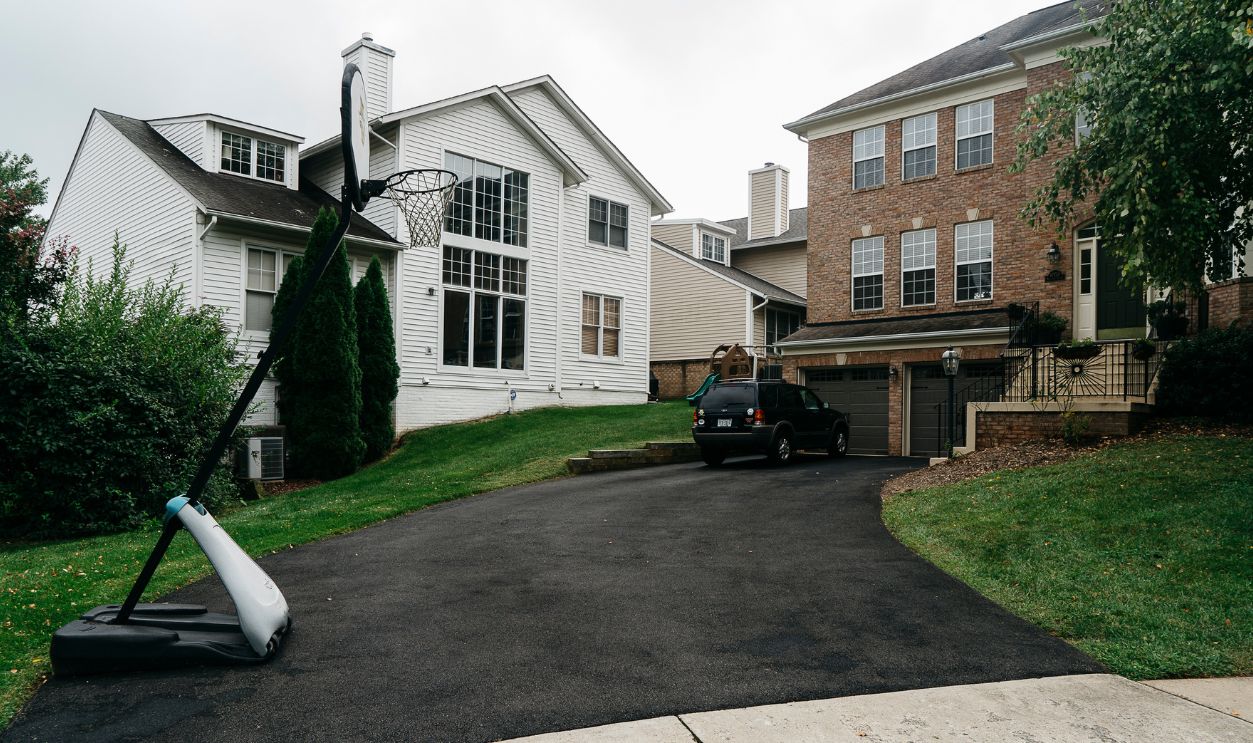
This is not just about irritation. A blocked driveway can delay you when you need to leave for work, school pickup, or medical care. It can also interfere with delivery vehicles, trash pickup, or emergency access if the obstruction is bad enough.
 The Washington Post, Getty Images
If Kids Are Involved, Stay Calm
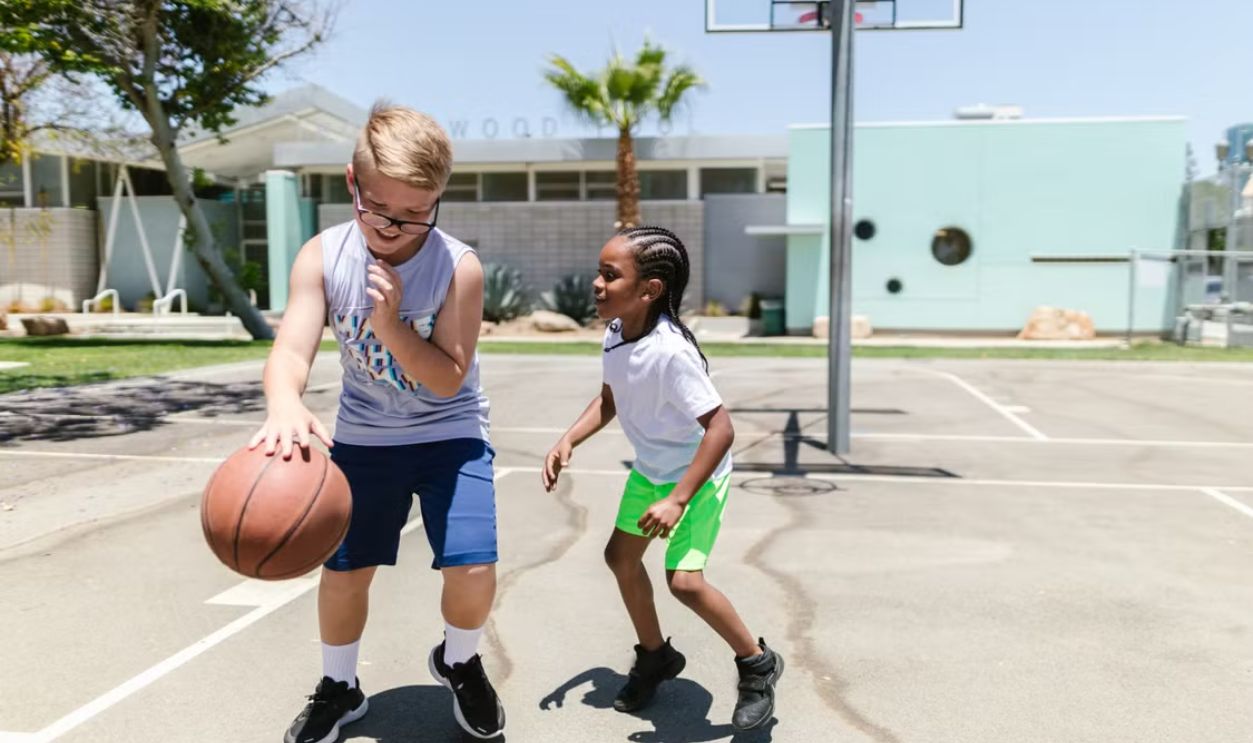
Basketball disputes often involve children or teens, and that can make tensions rise fast. Keep the focus on the hoop’s location and the blocked access, not on the kids themselves. That usually makes people less defensive and keeps the conversation aimed at fixing the problem.
Do Not Move The Hoop Without Thinking
If you are frustrated and in a hurry, it may be tempting to drag the hoop out of the way. But moving or damaging someone else’s property can create a whole new dispute and could leave you responsible for damage. If you have to act so you can leave safely, document the situation and do as little as possible.

Small Claims Court May Be An Option
If the blockage causes real losses, like towing costs, property damage, or repeated expenses, small claims court may be worth looking into with local legal help or through your state court website. Whether it works will depend on your evidence and local law. In most cases, though, it makes sense as a last step, not the first one.

Mediation Can Save A Lot Of Stress
Many counties and community groups offer low-cost neighborhood mediation. A neutral third party can help both sides agree on placement, hours, or boundaries without turning the dispute into a bigger fight. For problems that keep coming back, mediation can work better than a long stretch of angry back-and-forth.

What To Say In A Complaint
Keep it short and factual. Say where the hoop is, how it blocks your driveway, how often it happens, and whether it appears to be in the street, on the sidewalk, or in the right-of-way. Skip dramatic language and stick to what you can back up with photos, dates, and your own observations.
Do Not Guess At Facts You Cannot Prove
Do not make assumptions about property lines, easements, or ownership if you have not checked the records. And do not accuse your neighbor of breaking a law unless you have found the actual ordinance. Sticking to facts helps your credibility and makes it easier for officials to act.

Look Up Local Rules Before You Call
This part may be boring, but it can make your complaint much stronger. Search your city or county code for terms like “basketball goal,” “portable basketball hoop,” “obstruction,” “right-of-way,” “sidewalk,” and “street.” If you can point to the exact rule, you are in a much better position.

Why This Problem Comes Up So Often
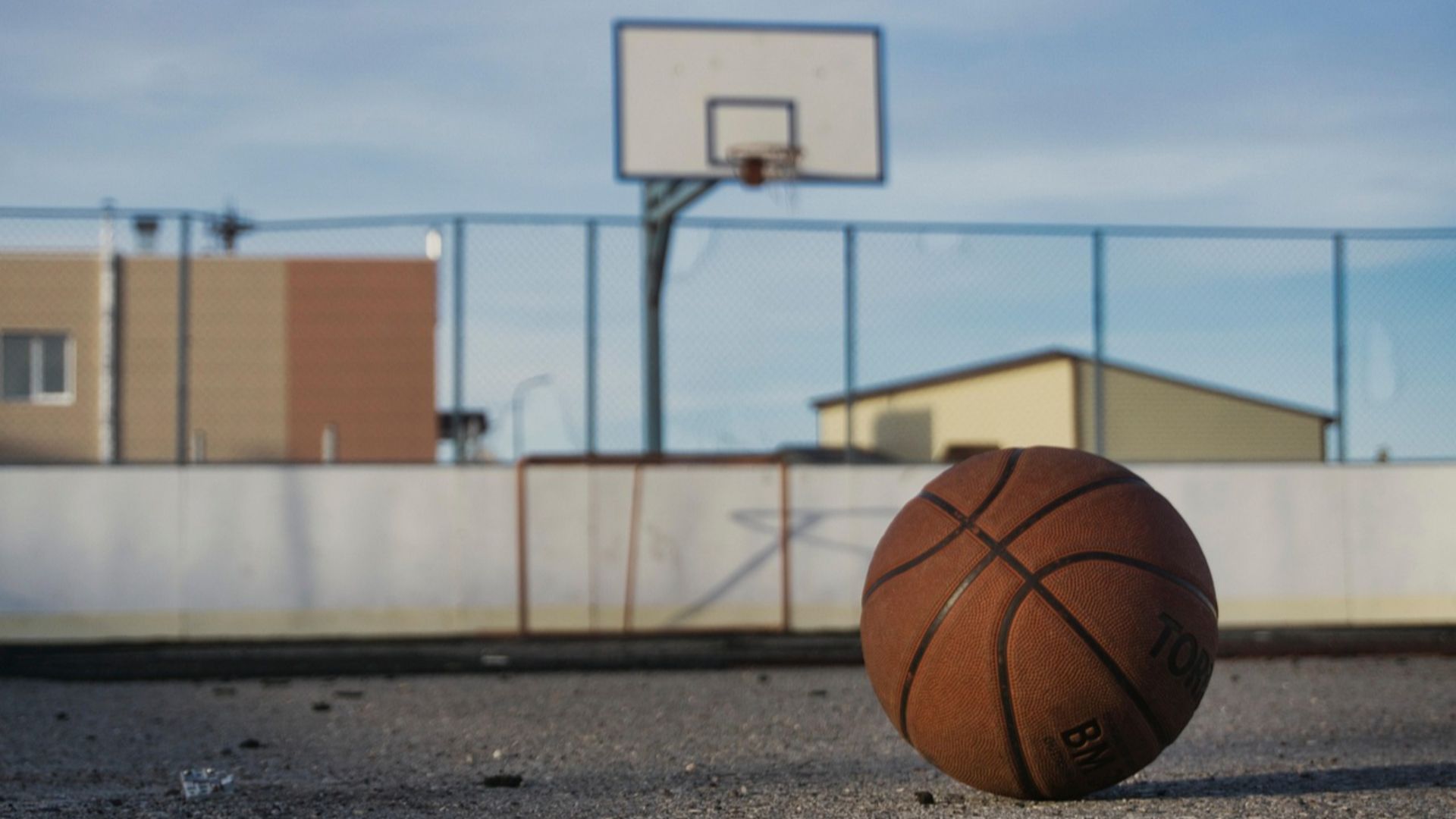
Portable hoops are common because they are easy to set up and easy to move. But what works for one household can become a daily problem for the neighbor next door. That is one reason many local governments regulate objects placed near roads and sidewalks.
The Practical Way Forward
If your neighbor’s basketball net keeps blocking your driveway, there may be something you can do. Start by documenting the problem, checking exactly where the hoop is placed, reviewing local rules, and making one calm effort to solve it directly. If that does not work, your HOA, code enforcement office, public works department, or a local attorney may be the next sensible step.