Yes, It Can, but Not for the Reason Most People Think
Your mechanic is only partly right. People who change their own oil often hurt their resale value, in part because they cannot prove the work was done properly and on time. The real issue is not necessarily who changed the oil. It's whether you have a service history a buyer, dealer, or warranty company can trust. And all of this is assuming you know how to do it right.
Why This Matters
When people shop for a used car, paperwork helps them feel safer. A folder full of service records makes a car look cared for. A car with no history can raise doubts, even if it runs well. That matters because dealers and private buyers often look at maintenance records when deciding what a car is worth.

DIY Oil Changes Are Not Illegal or Automatically Bad
Federal law gives car owners a lot of freedom. The Federal Trade Commission says routine maintenance can be done by you, an independent shop, or a dealer without automatically voiding the warranty. That protection comes from the Magnuson-Moss Warranty Act, which Congress passed in 1975.

You Do Not Have To Use the Dealer
A lot of drivers still hear that every oil change has to be done at the dealership to protect the warranty. In most cases, that is not true. The FTC has said a manufacturer generally cannot require that unless it provides the service for free or gets a waiver. So yes, you can change your own oil and still keep your warranty, as long as you follow the maintenance schedule in the owner’s manual.

Resale Value Is a Separate Issue
Warranty protection and resale value are two different things. A manufacturer may still have to honor the warranty if you maintained the car correctly. But a future buyer does not have to take your word for it. That is where DIY oil changes can affect what your car is worth.

Buyers Want Records
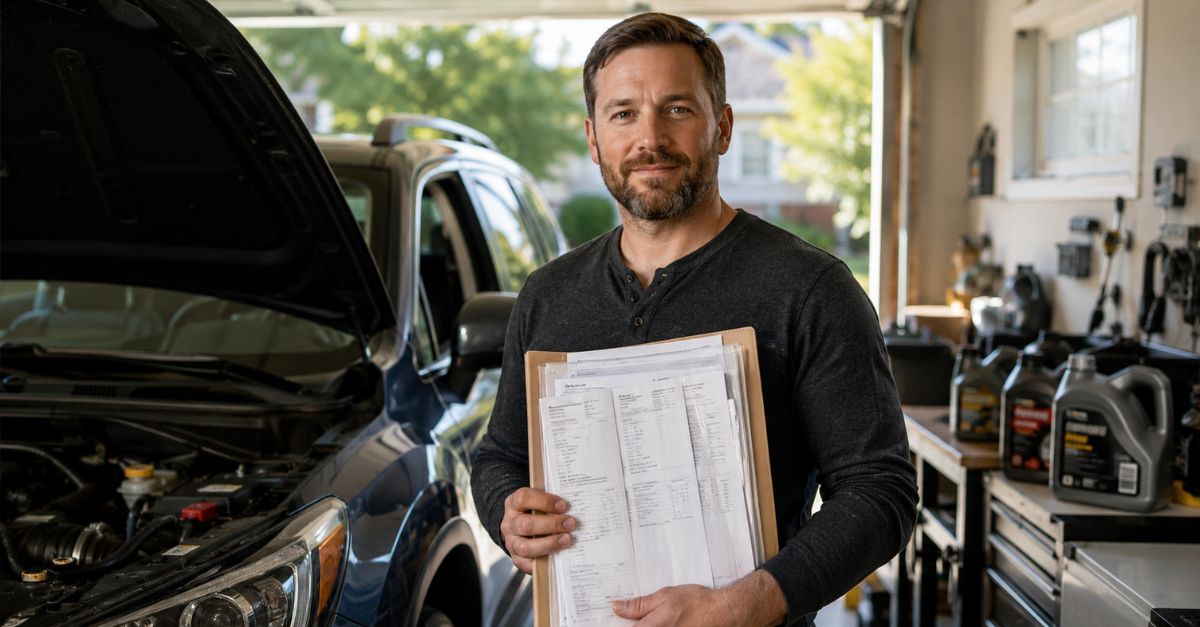
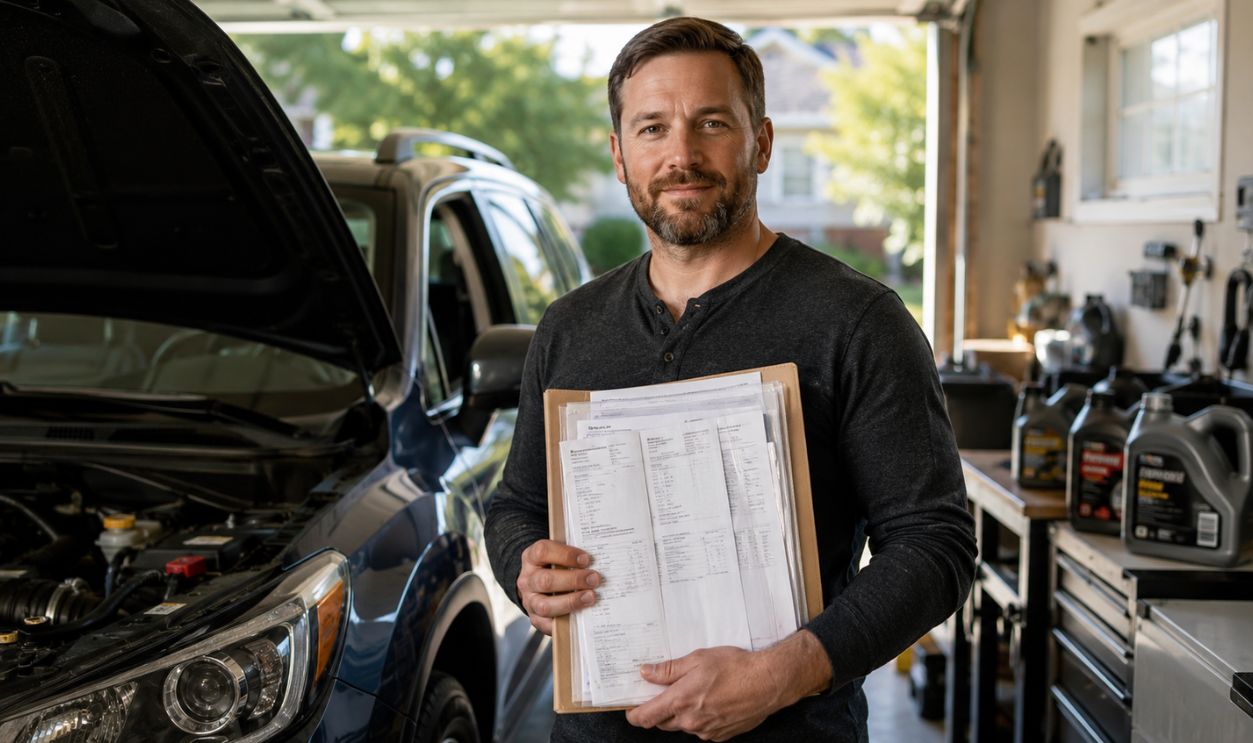
Saying “I changed the oil every 5,000 miles” is not as strong as showing dated receipts and a clear log. Buyers want to see mileage, dates, oil type, filter brand, and signs that the work matched the factory schedule. If you cannot show that, some people will assume the maintenance was skipped or done wrong.

Dealers Think About Risk
When a dealership appraises a trade-in, it is trying to guess what problems might show up later. Good records lower that risk. Missing records do not automatically crush the value, but they do take away one of the easiest ways to show the car was cared for.

Carfax Does Not Show Everything
A lot of people assume Carfax catches every oil change and repair. It does not. Carfax says service records appear only when repair shops or service centers report them. If you change your oil at home, that work usually will not show up unless you keep your own records.

Maintenance History Can Support Value
Experian notes that maintenance records can help show a used car was serviced regularly, which can reassure buyers and help support value. That does not mean every oil receipt adds money by itself. It means a documented history can make the car easier to trust and easier to sell.

Keeping Records Has Long Been Good Advice
Consumer Reports has long recommended saving service records because they can help when you sell a car and when warranty questions come up. It is simple advice, but useful. Good records show the next owner you stayed on top of maintenance instead of just hoping for the best.

The Main Issue Is Documentation
The biggest point is simple: what matters is proof, not who held the wrench. If a shop changes your oil but you lose the invoice, that work may be invisible to a buyer. On the other hand, a careful DIY owner with receipts, mileage notes, and dated records can make a strong case that the car was maintained properly.

What a Good Service Record Looks Like
A solid record should include the date, mileage, oil viscosity, any required oil spec, the filter part number, and receipts for the supplies. A handwritten notebook is better than nothing, but a log backed up by receipts is stronger. Photos of the odometer and the oil and filter you used can help too.

The Right Oil Matters
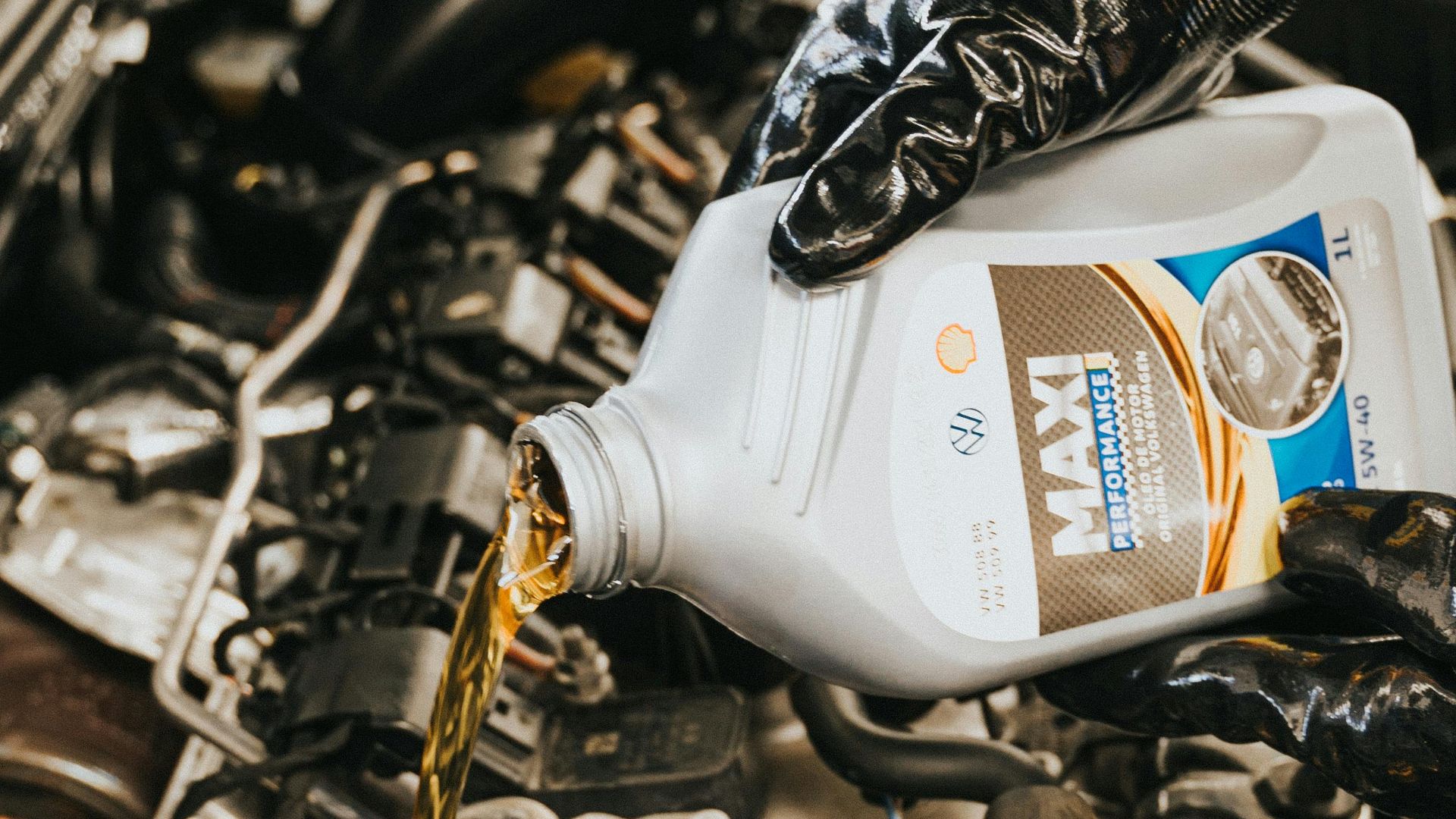
Modern engines often need more than just the right viscosity. The owner’s manual may call for a certain API, ILSAC, ACEA, Dexos, or manufacturer-approved oil. If your records show you used oil that met the required standard, buyers and warranty companies have more reason to trust the work.
The Owner’s Manual Is the Standard
If you change your own oil too late, use the wrong oil, or ignore the maintenance schedule, the problem is not that you did it yourself. The problem is that you did not follow the car’s requirements. When questions come up, the owner’s manual is the standard everyone looks to.

Receipts Do More Than You Think
Those little receipts matter. They can help if there is ever a warranty dispute, and they can also reassure a future buyer. If you do your own maintenance, saving receipts is one of the easiest and cheapest ways to protect yourself later.

Digital Records Make This Easier
You do not need anything fancy. A spreadsheet, a notes app, scanned receipts, and a folder of photos can create a solid maintenance file. Some owners also use apps or cloud folders to keep everything organized and easy to share when it is time to sell.

DIY Service Usually Stays Off Vehicle History Reports
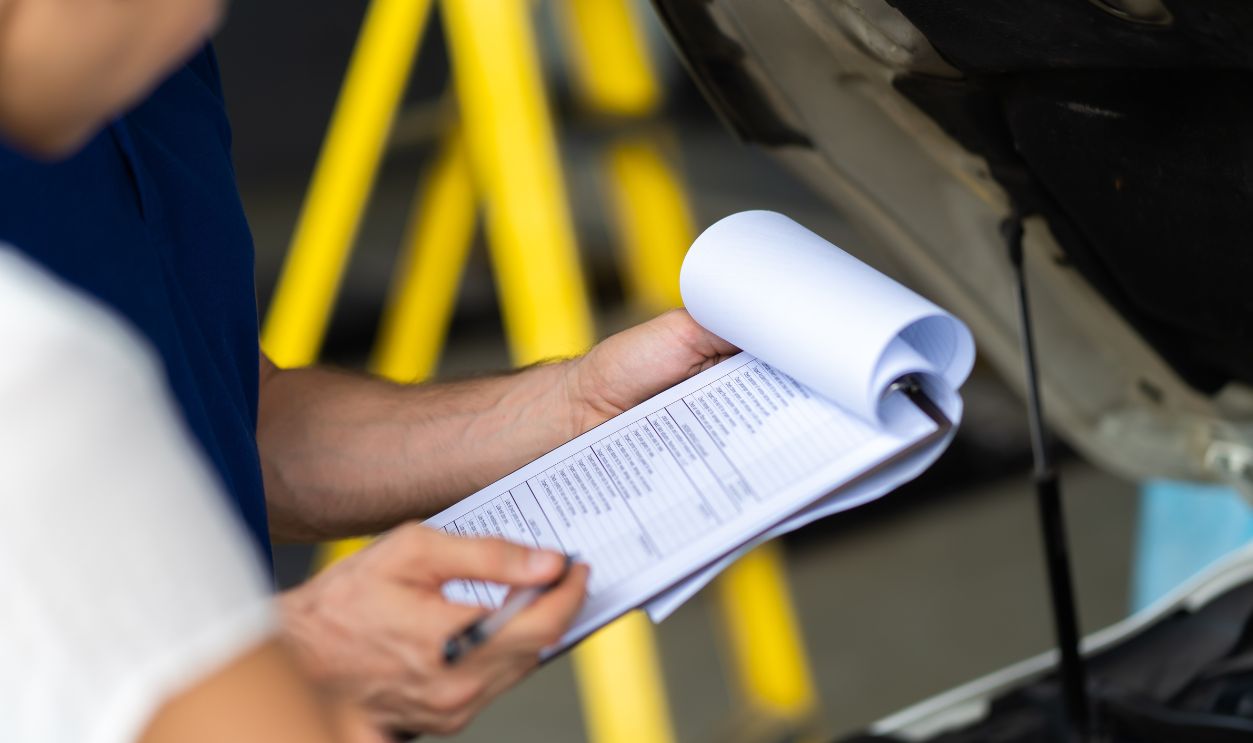
This is where many owners run into trouble. Carfax service histories usually depend on participating service shops sending in data, so work done in your garage often stays off the public record. That makes your personal records even more important, especially in a private sale.
Private Buyers May Be More Open-Minded
A knowledgeable private buyer may be fine with detailed DIY records if the car looks good and drives well. Car enthusiasts often know that some owners do better work than quick-lube shops. Even so, they usually want proof, not just confidence.

Some Cars Get More Scrutiny
Luxury cars, performance cars, turbocharged models, and vehicles known for costly engine problems often face more buyer suspicion. When repairs are expensive, service history matters more. On these cars, missing records can lead to bigger discounts because the risk feels higher.

Leases and CPO Cars Can Be Stricter
Lease returns and certified pre-owned inspections can be more formal about maintenance history. The car may still be accepted, but missing proof can create problems if there is unusual wear or a warranty issue in the background. In those cases, complete records matter even more.

The Best DIY Approach Is Pretty Simple
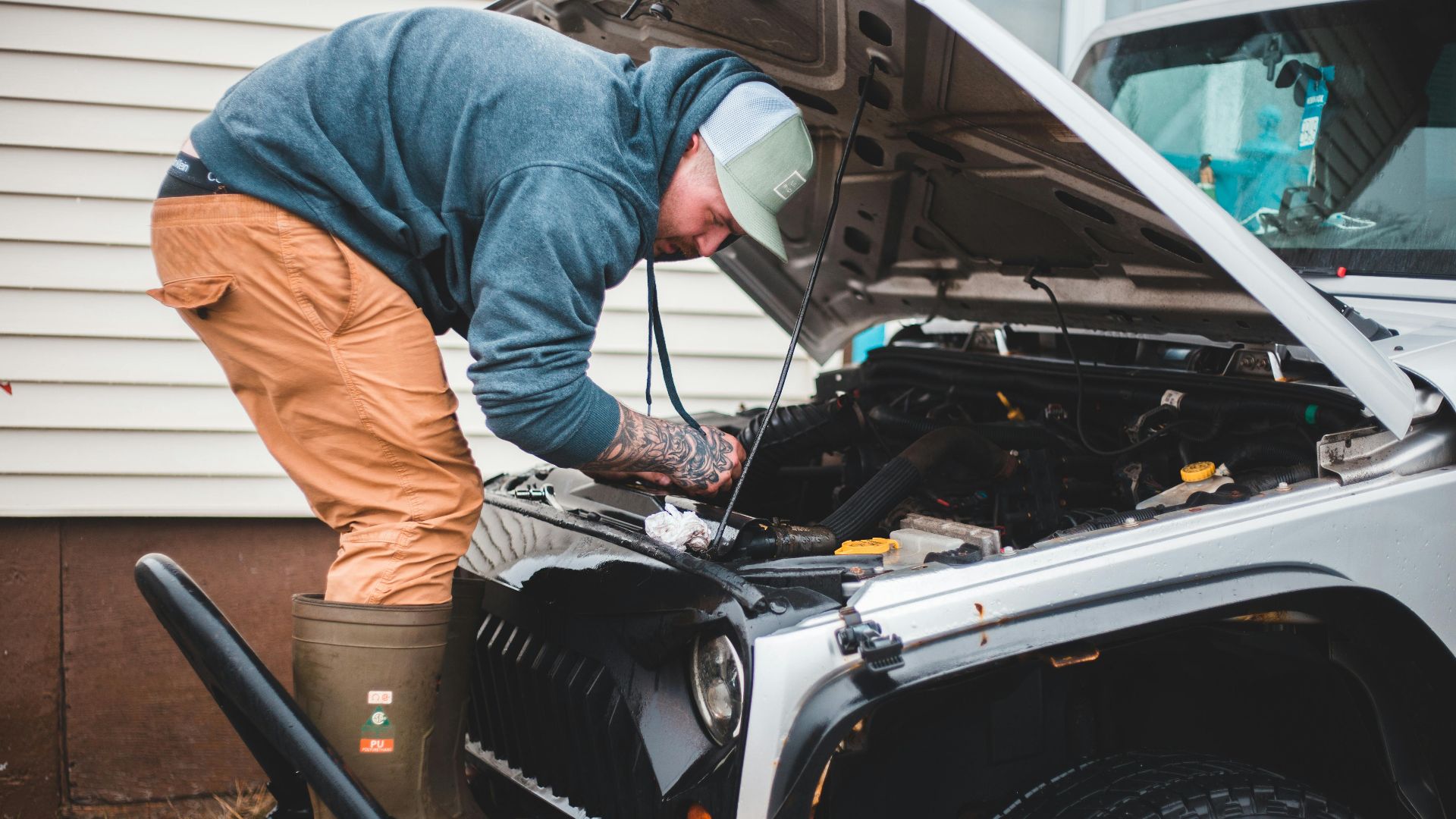
If you like changing your own oil, stick to the factory interval, use the exact oil spec the manual calls for, save every receipt, and log each service right away. Write down the mileage, date, and part numbers the same day. That turns a possible resale problem into a minor detail.
What a Strong DIY Entry Might Include
A good record might say: 2023 Honda Accord 2.0T, oil changed on March 2, 2026, at 52,114 miles. Used 0W-20 full synthetic that met the owner’s manual requirement and installed OEM filter part number 15400-PLM-A02. Add the receipt and a photo of the odometer, and the record becomes much more convincing.
 Jose Ricardo Barraza Morachis, Pexels
Buyers Look at More Than Records
Paperwork matters, but it is not everything. Buyers also notice sludge under the oil cap, leaks, engine noise, idle quality, and the overall condition of the vehicle. Great records cannot hide a rough engine, and a healthy car can still sell well even if the paperwork is not perfect.

How Much Money Is Really at Stake
There is no fixed dollar amount because resale value depends on age, brand, mileage, condition, market demand, and where you sell the car. Missing records may not matter much on an older commuter. On a newer, more expensive, or more desirable vehicle, they can make the difference between an easy sale and a buyer trying to knock off hundreds or even thousands of dollars.

When DIY Oil Changes Probably Will Not Matter Much
If the car is older, worth less, and headed for a basic private-party sale, buyers may care more about how it runs today than about a perfect service file. That is especially true if the vehicle clearly looks well cared for. Even then, some proof is still better than none.
When DIY Oil Changes Can Hurt More
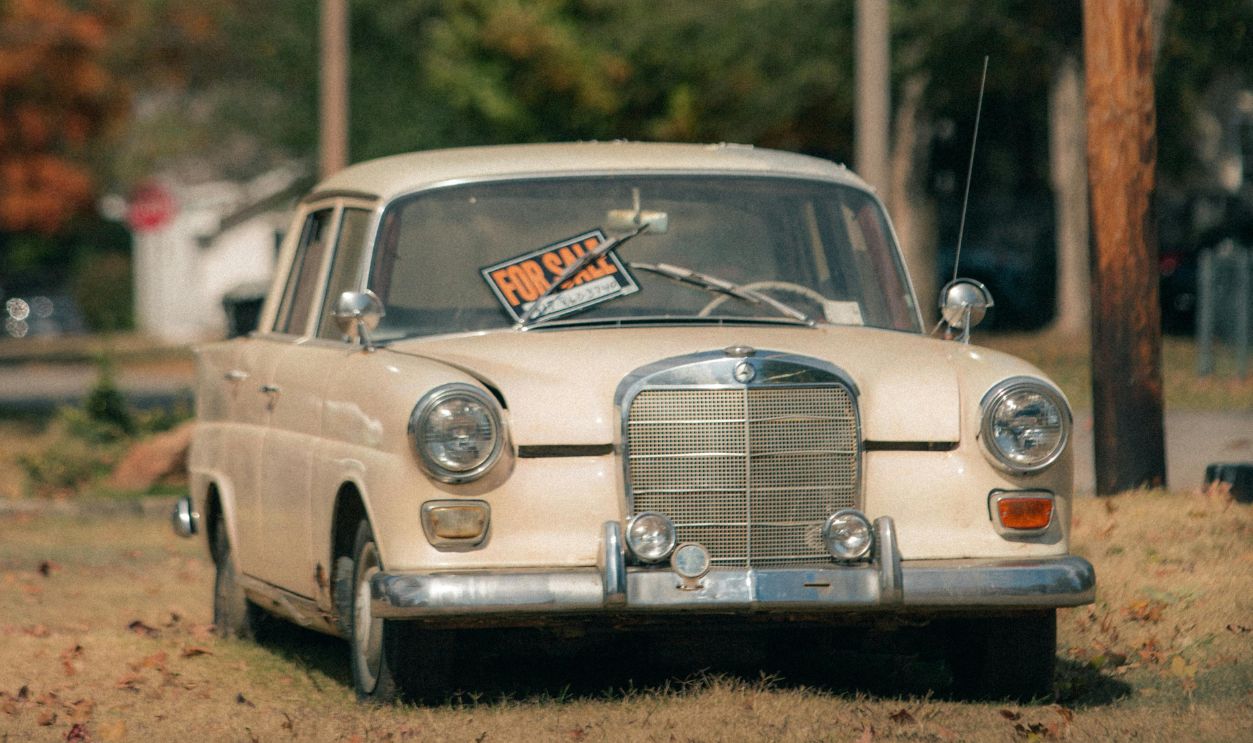
The risk goes up with newer cars, complicated engines, turbocharged models, luxury brands, and any situation where warranty or certification status matters. Buyers in these categories are often more cautious. If your records are weak, they may walk away or lower their offer to cover the unknown.

So, Was Your Mechanic Right?
In practical terms, yes, but only partly. Changing your own oil does not automatically lower resale value, and it does not automatically void the warranty. What can hurt resale value is the lack of solid documentation, because missing records make buyers wonder what else they cannot verify.

The Bottom Line
If you want to save money and change your own oil, that is fine. Just document the work the same way a good shop would. When it is time to sell, the strongest answer to a skeptical buyer is not a speech. It is a clean, organized maintenance record.